Week 2 - Flow over a Cylinder.
Aim:
To Simulate the flow with the steady and unsteady case and calculate the Strouhal Number for Re= 100
and to Calculate the coefficient of drag and lift over a cylinder by setting the Reynolds number to 10,100,1000,10000 & 100000
Background theory:
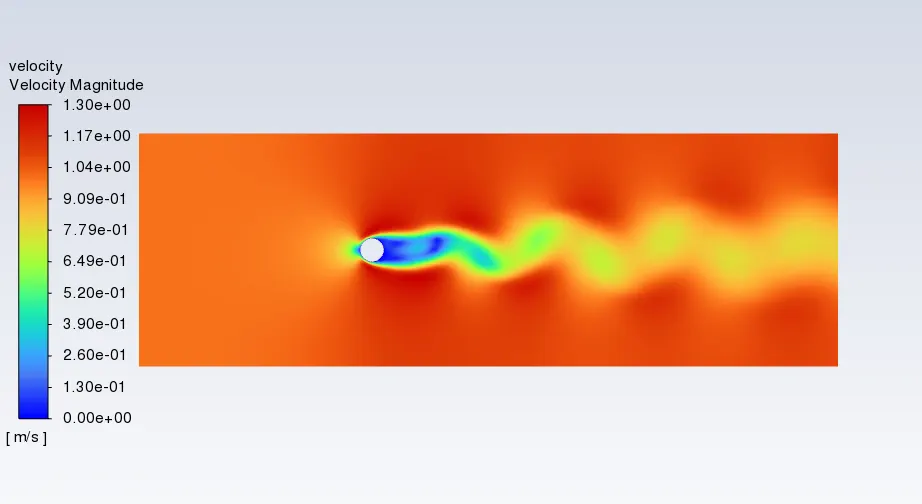
Vortex shedding is a phenomenon, when the wind blows across a structural member, vortices are shed alternately from one side to the other, and where alternating low-pressure zones are generated on the downwind side of the structure giving rise to a fluctuating force acting at right angles to the wind direction
The Strouhal number is defined as St = fstD/U, where fst is the vortex shedding frequency (or the Strouhal frequency) of a body at rest, D is the diameter of the circular cylinder and U is the velocity of the ambient flow.
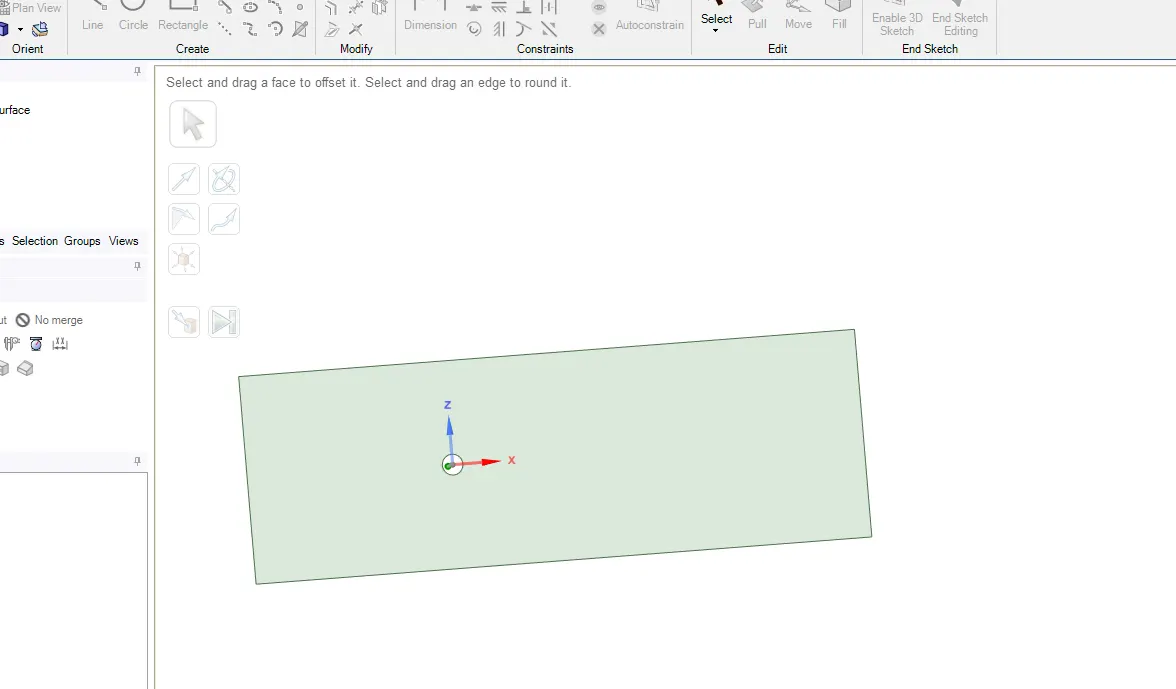
- Draw the model in space claim
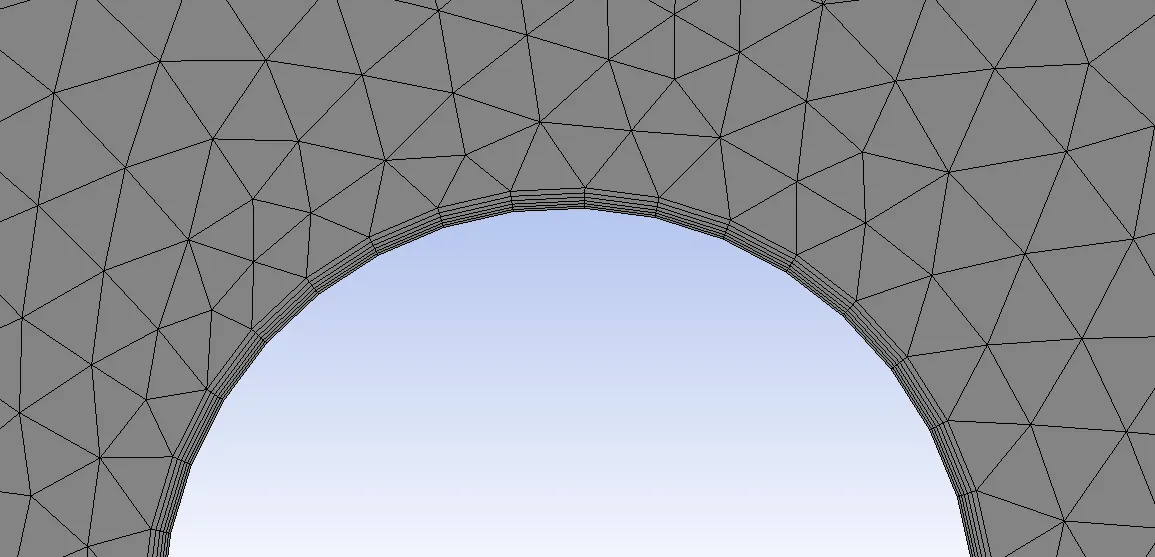
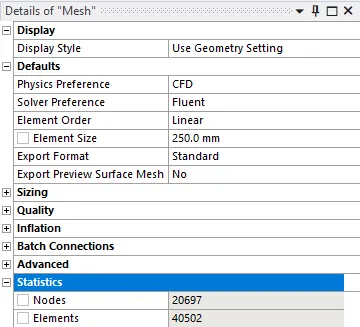
2. Mesh the model with mesh length of 250 mm and do the edge sizing of 10 divisions and add 6 inflamation layers with growth ratio of 1.2
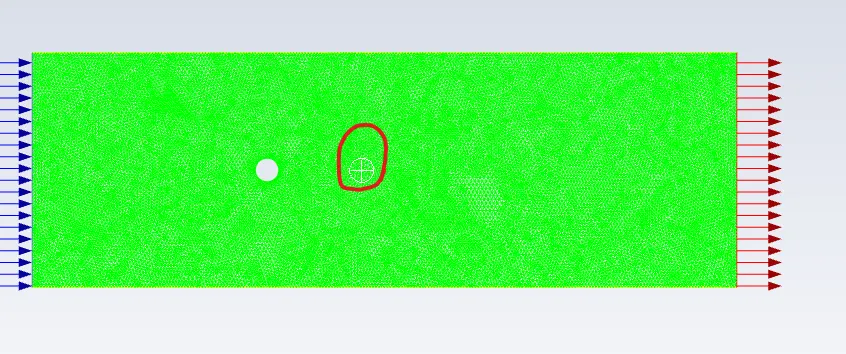
3. Insert a monitor point from 8m from the center of cylinder
4. Velocity calculation for different reynolds number
| rho(kg/m3) | 1 | 1 | 1 | 1 | 1 | 1 |
| v(m/s) | 1 | 0.1 | 1 | 10 | 100 | 1000 |
| d(m) | 2 | 2 | 2 | 2 | 2 | 2 |
| viscosity mu(kg/ms) | 0.05 | 0.02 | 0.02 | 0.02 | 0.02 | 0.02 |
5. Reynolds no 100-steady state
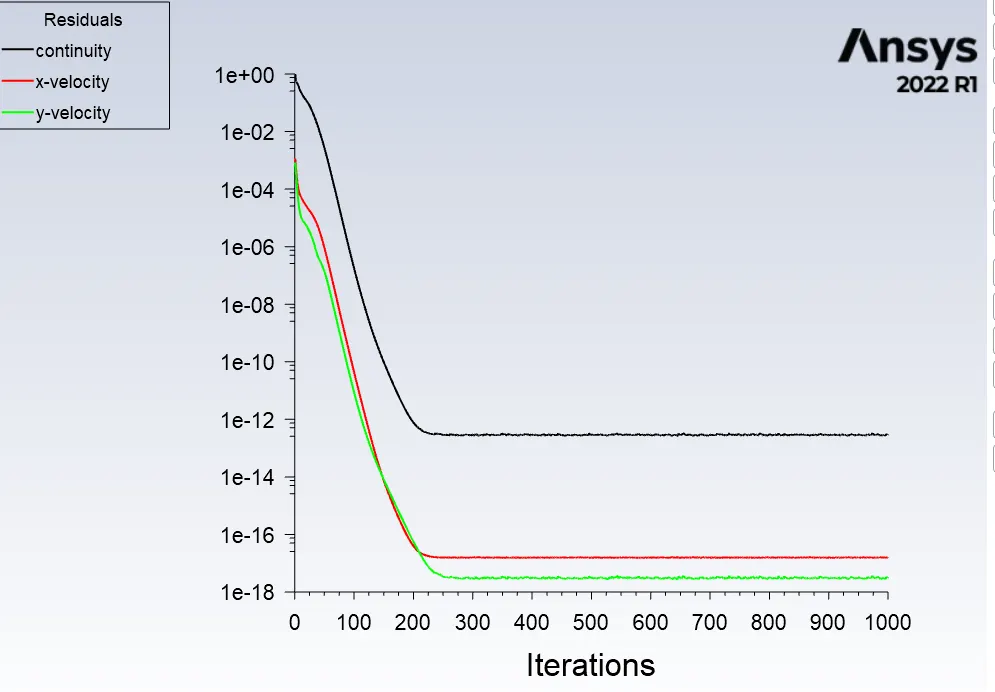
Flow is converged
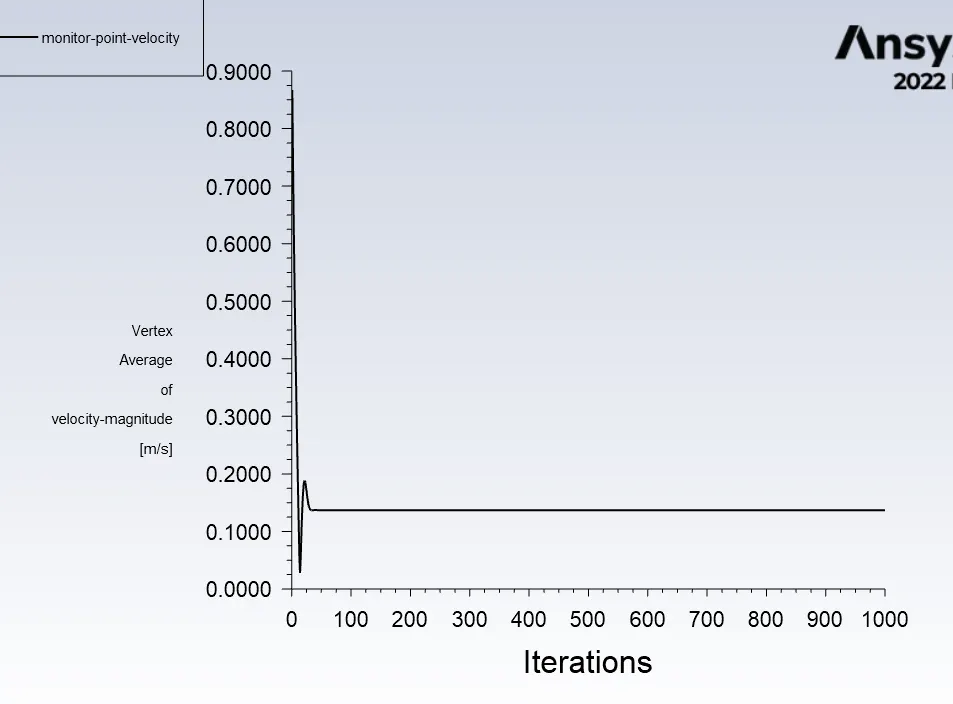
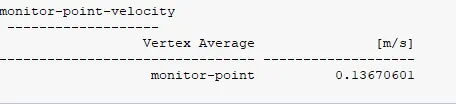
Monitor point velocity
Coefficient of lift
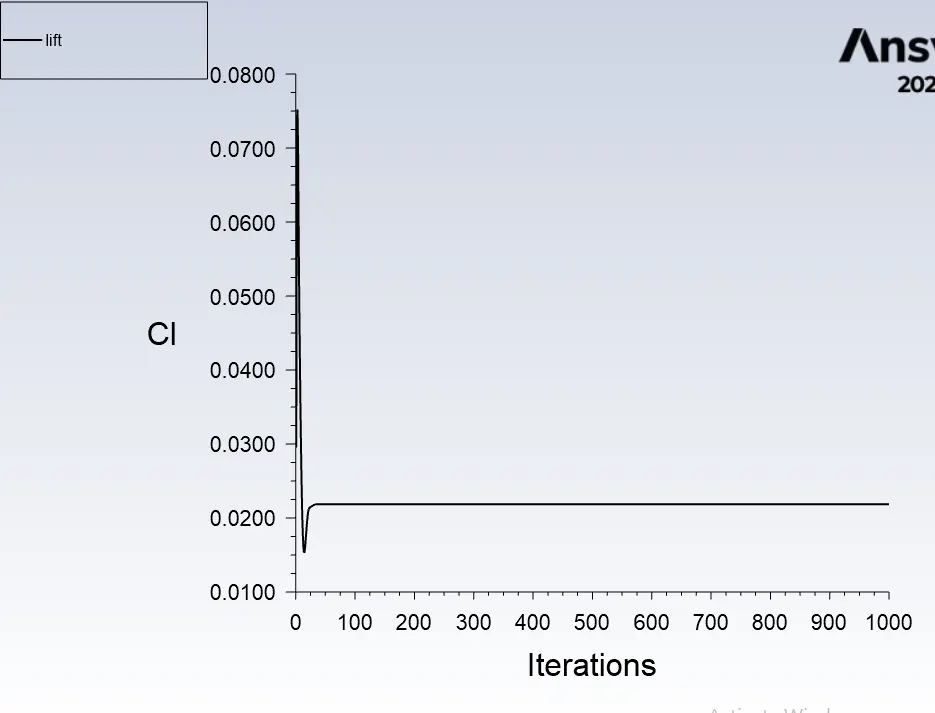
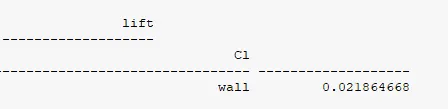
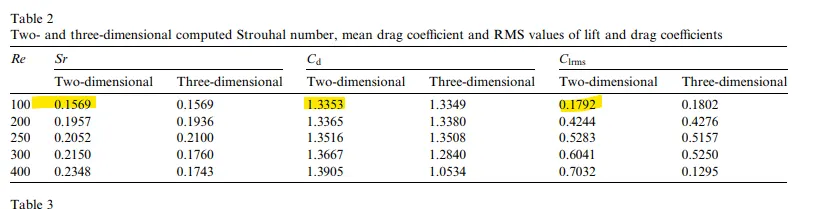
Since this is steady state flow the the actual coefficient 0.1792 is not reached. There is no vortex shedding also
Coefficient of drag
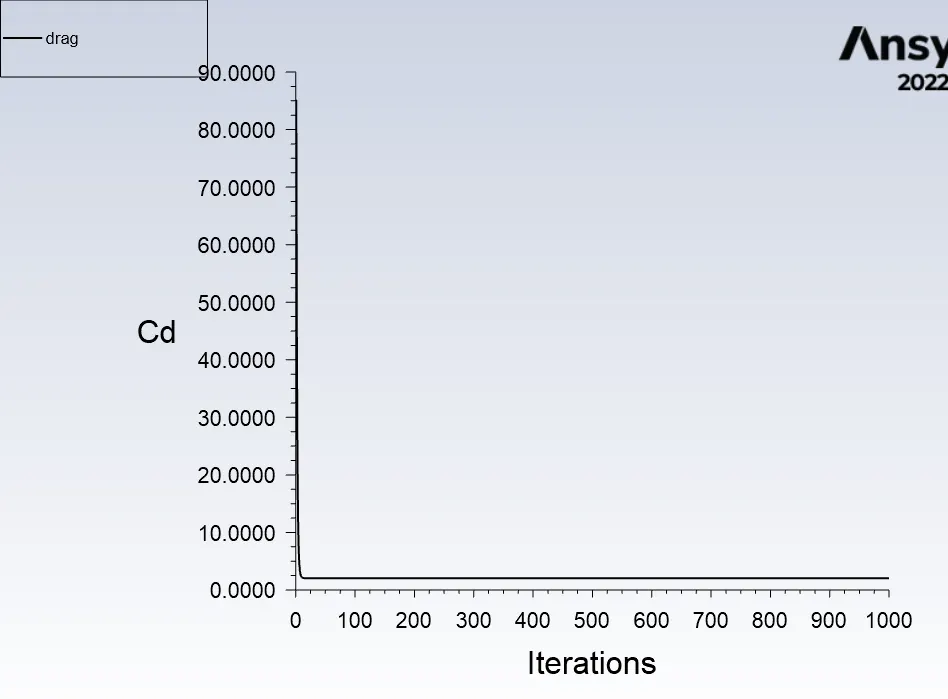
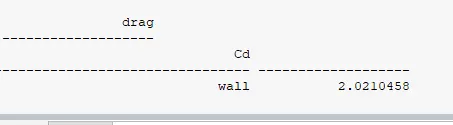
Since this is steady state the actual coefficient 1.33 is not reached but it is nearer to it
velocity contour
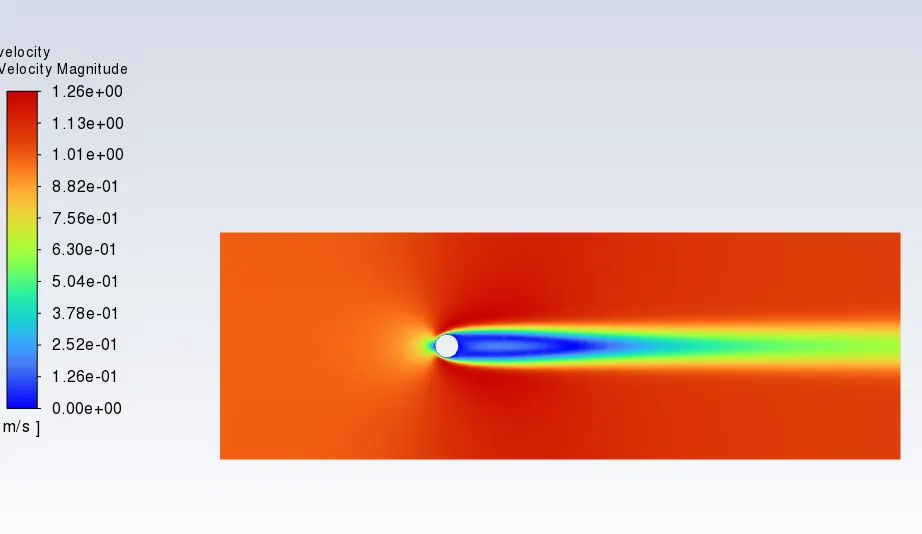
no vortex shedding is seen
pressure contour
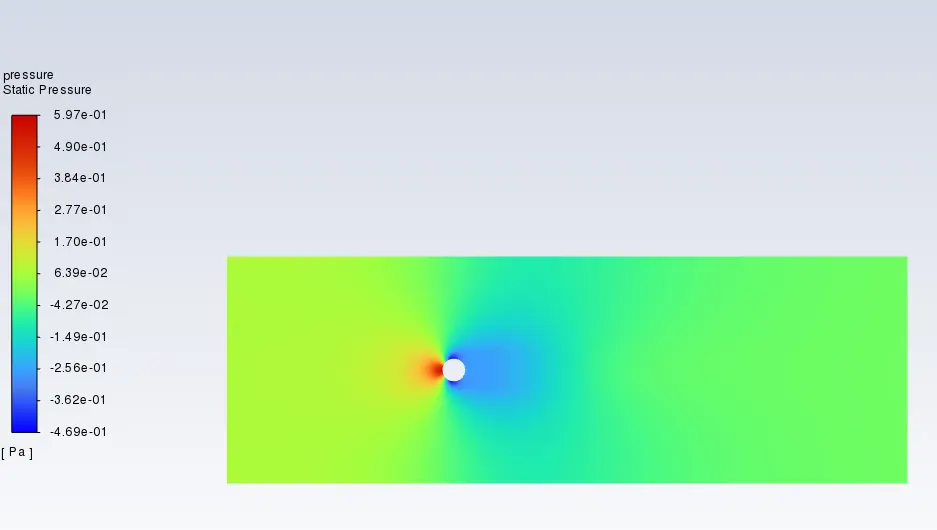
strouhal number
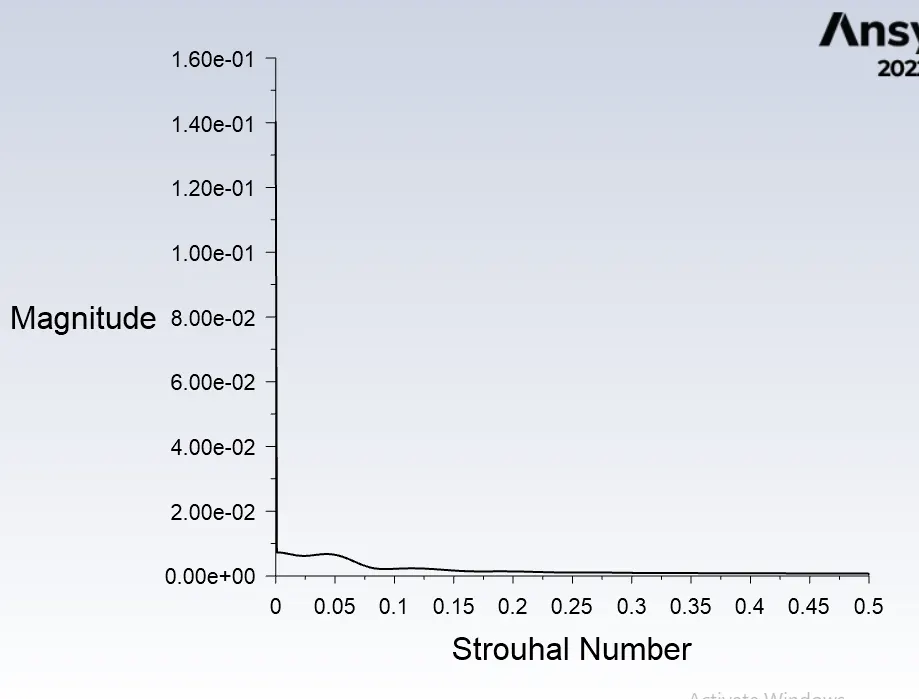
the average strouhal number is 0.25
Conclusion:
Steady state simulation doesnt give results for vortex shedding
6. Reynolds number 100 - transient simulation
solution is converged
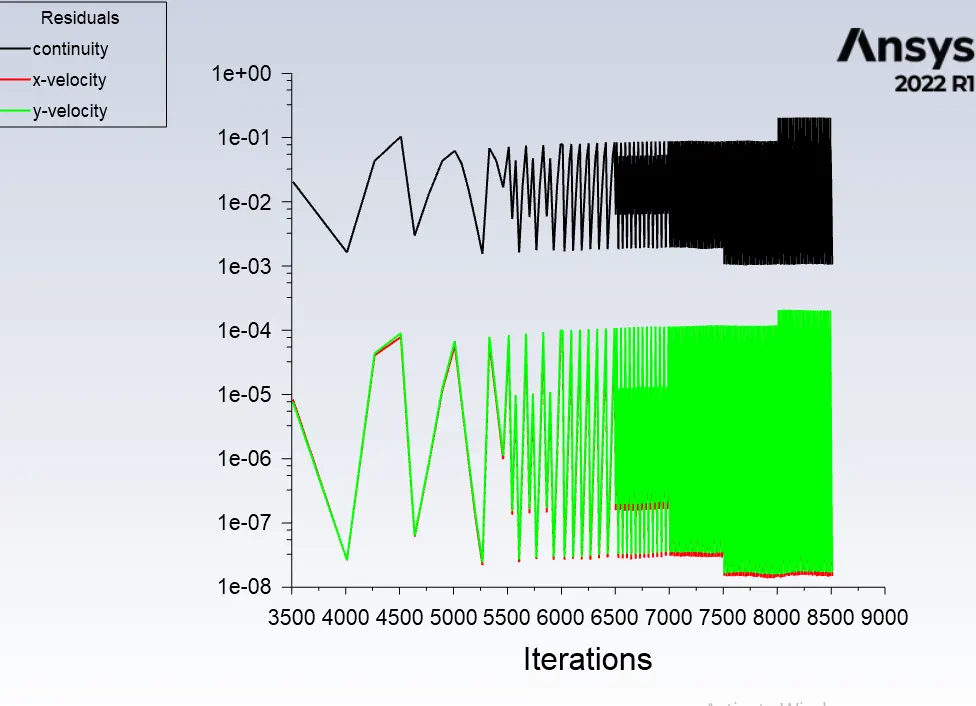
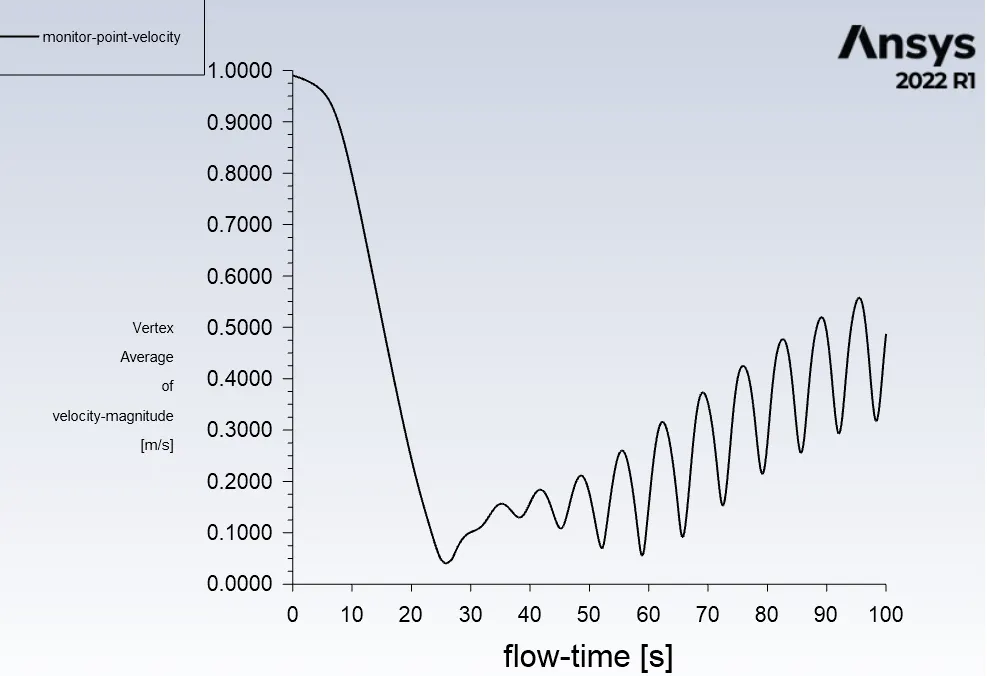
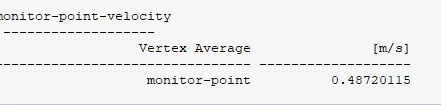
monitor point velocity
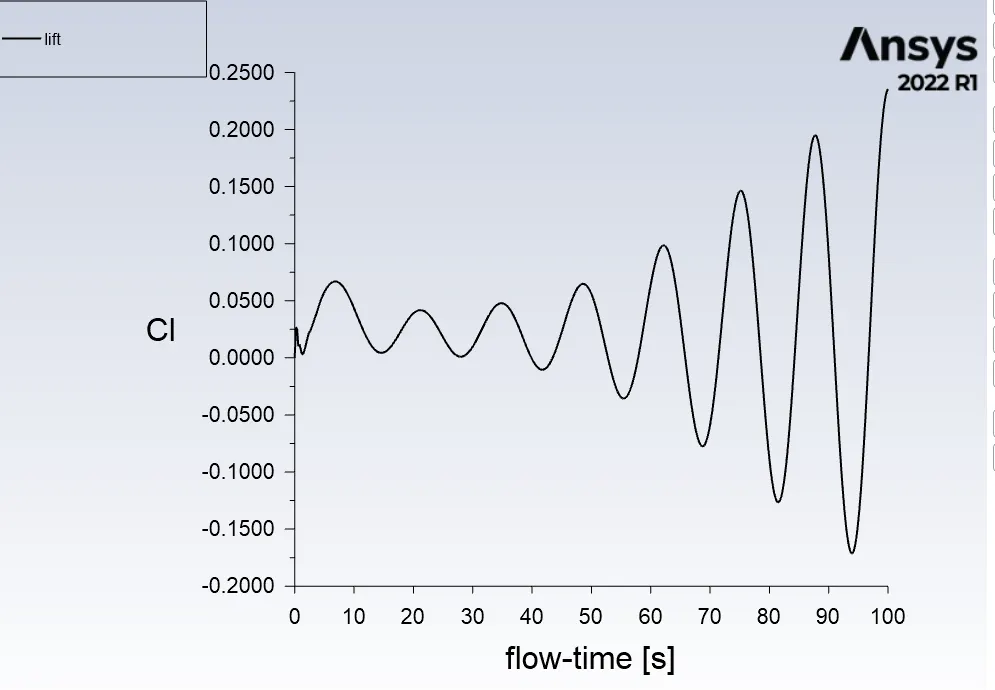
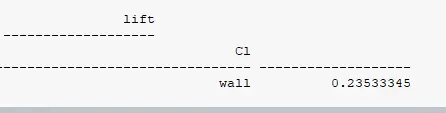
coefficient of lift
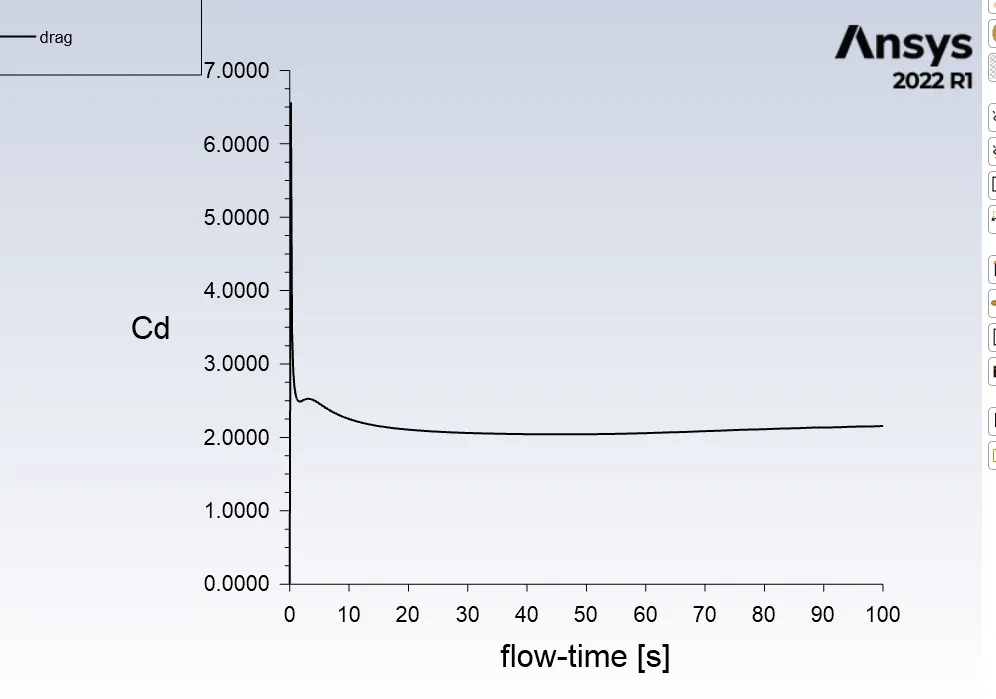
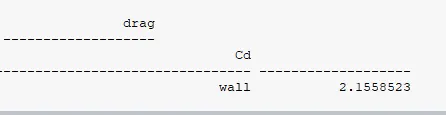
Coefficient of drag
Velocity contour
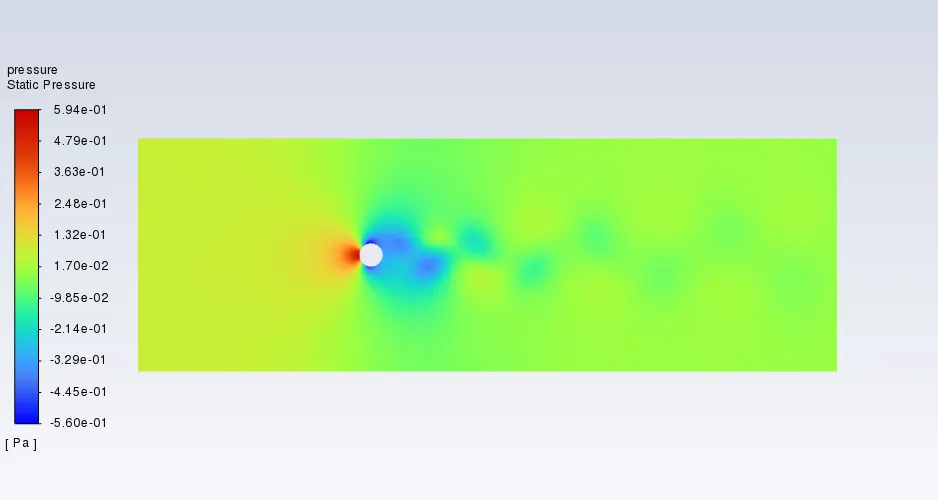
pressure contour
strouhal number
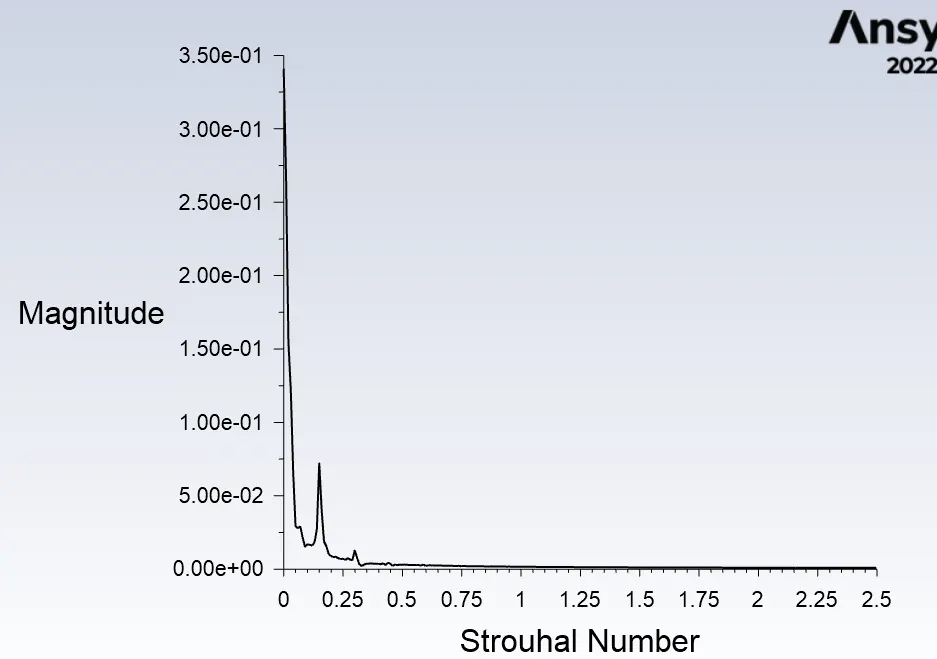
average strouhal number is 1.24
Animation file
https://drive.google.com/file/d/1WD7vpqPGJ5o7_j2Dh-THN0y6fb6pAmPv/view?usp=drive_link
7. Reynolds number 10 steady state
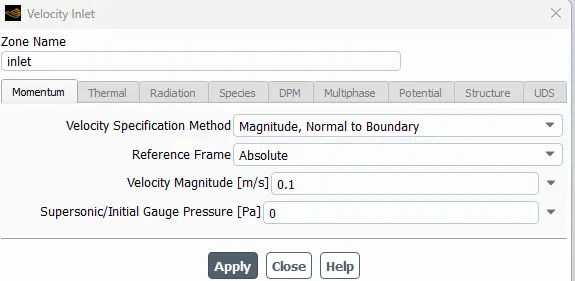
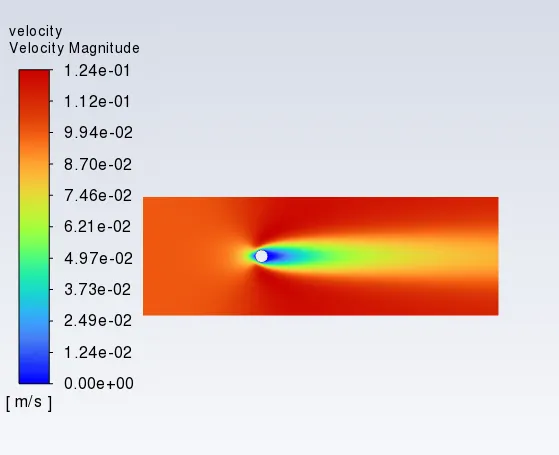
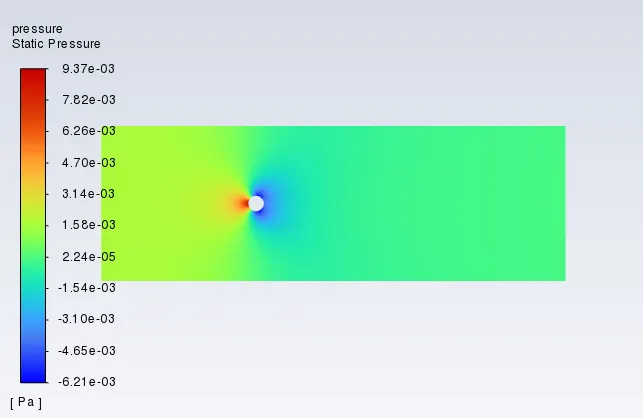
set inlet velocity as 0.1 m/s to get reynolds no of 10
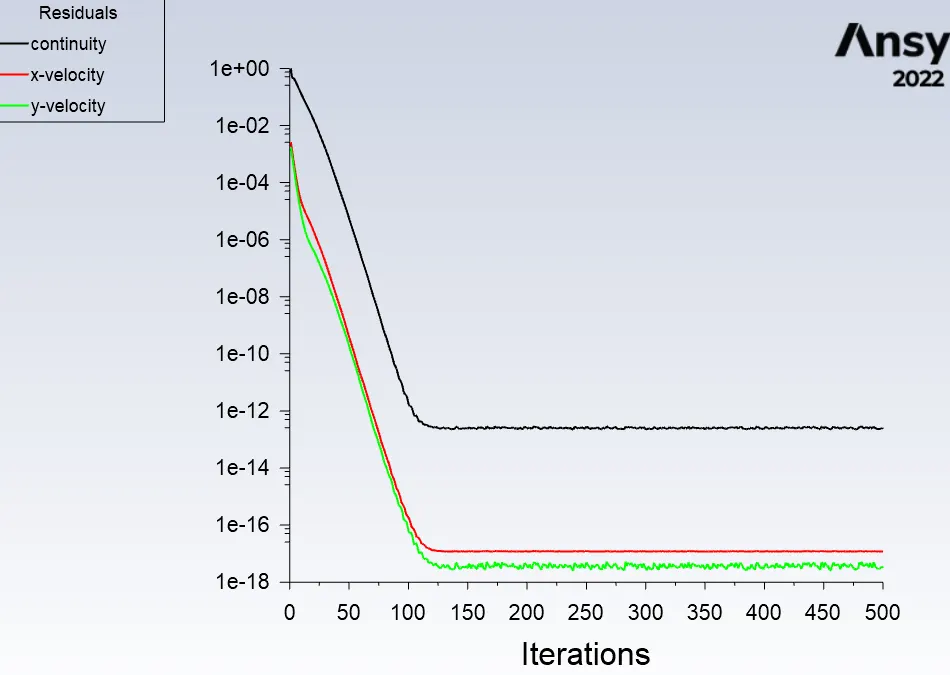
solution is converged
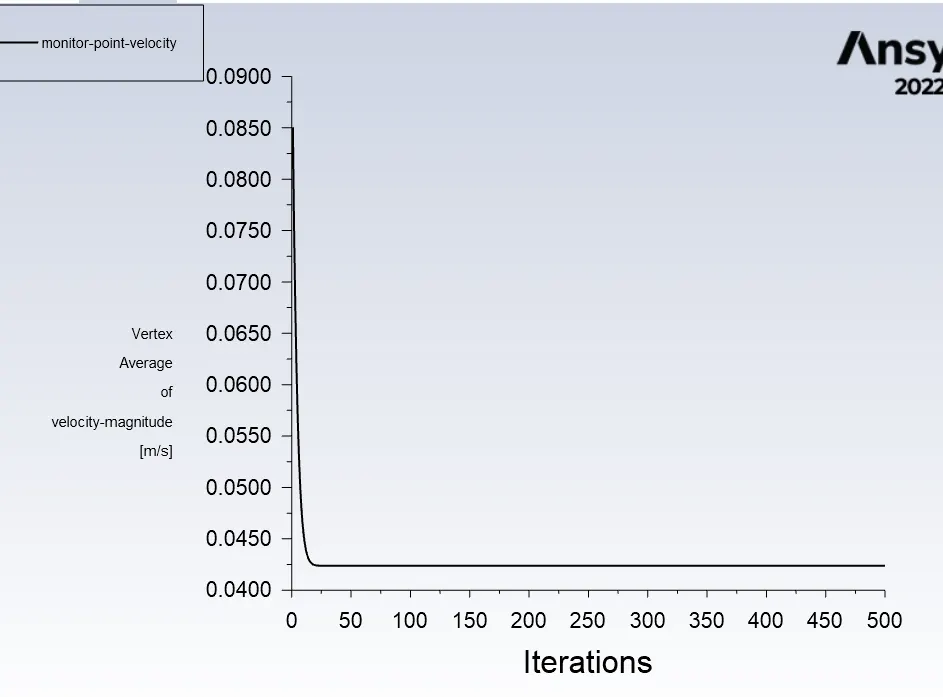
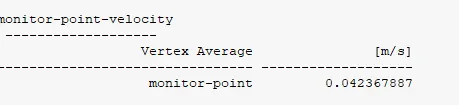
monitor point velocity
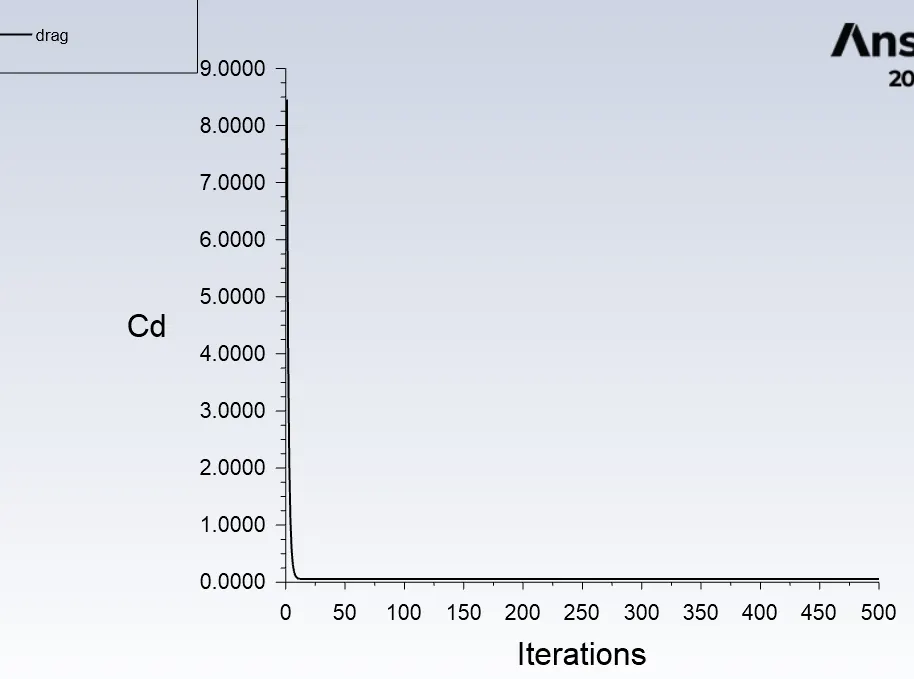
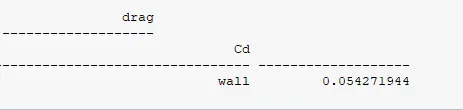
coefficient of drag
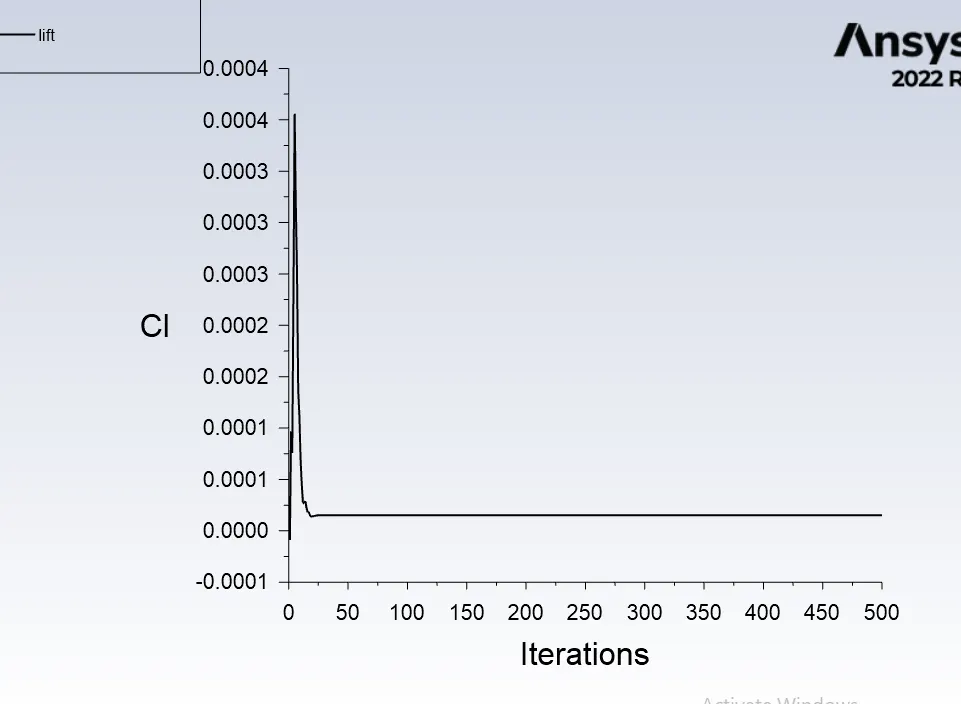
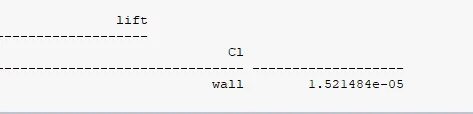
coefficient of lift
velocity contour
pressure contour
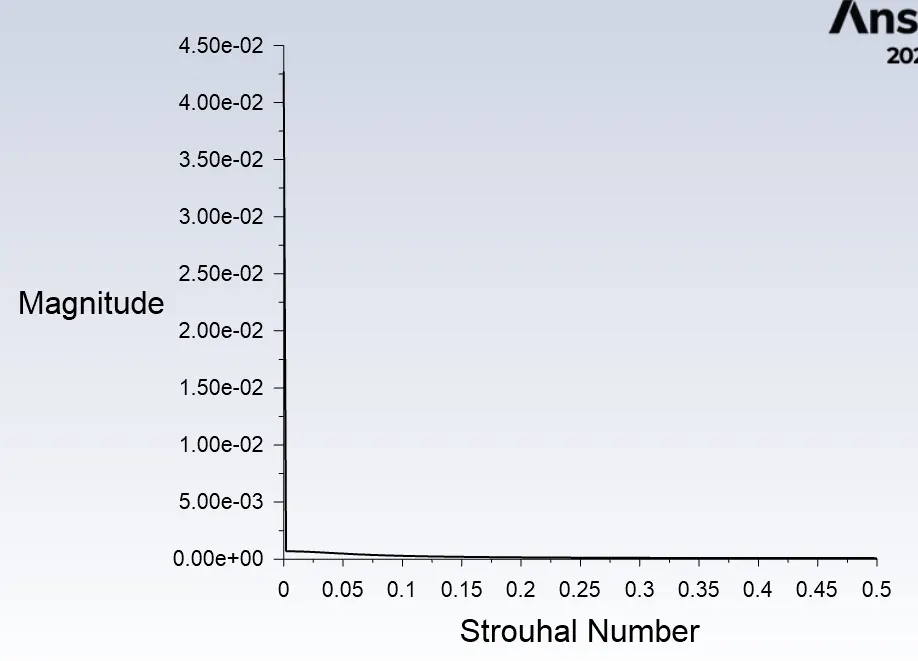
strouhal number
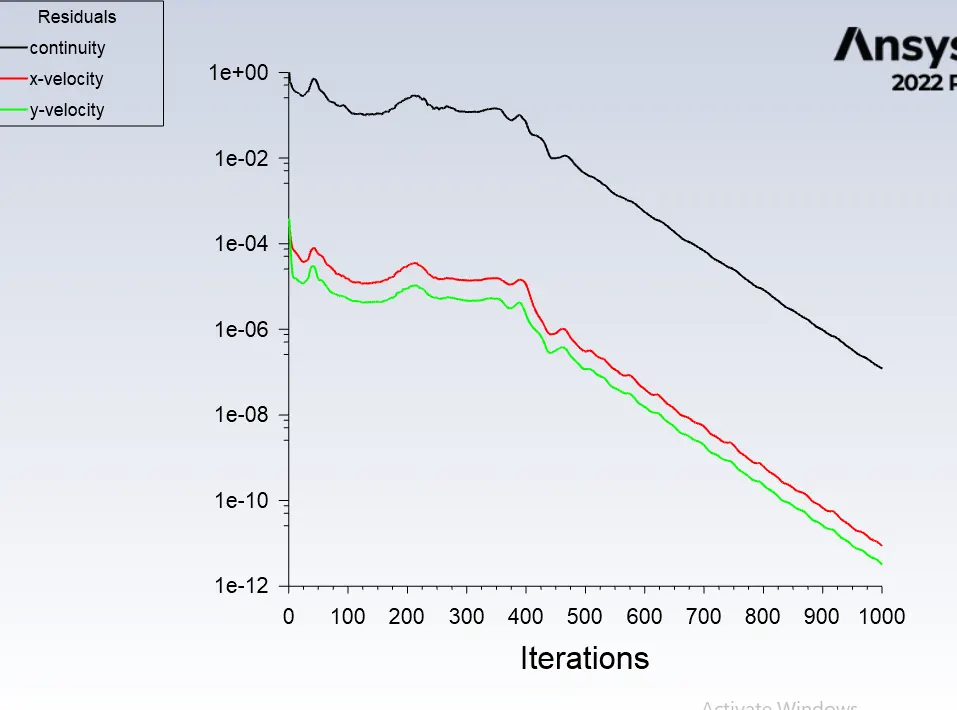
8. steady state Re 1000
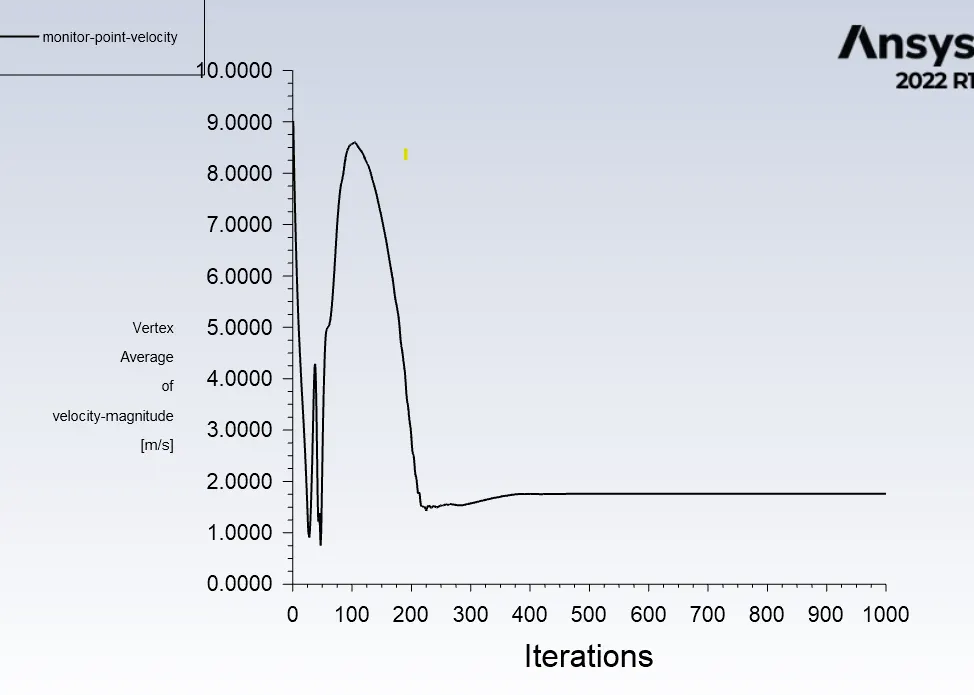
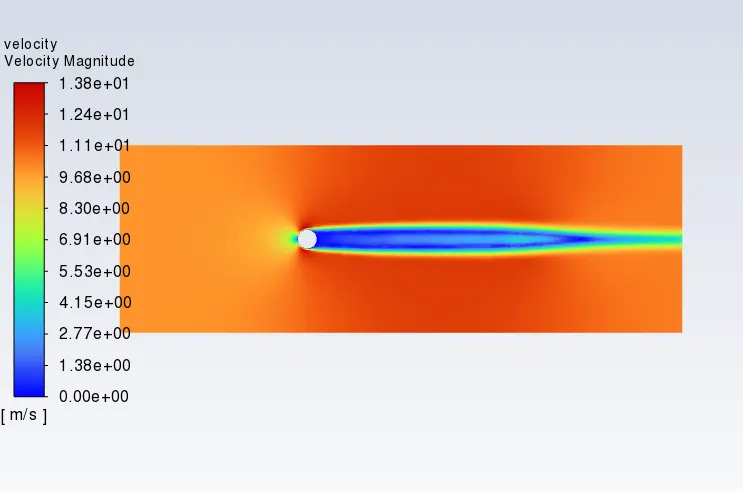
inlet velocity is 10 m/s
solution is converged
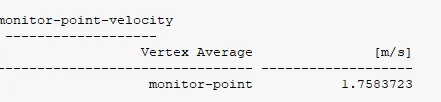
monitor point velocity
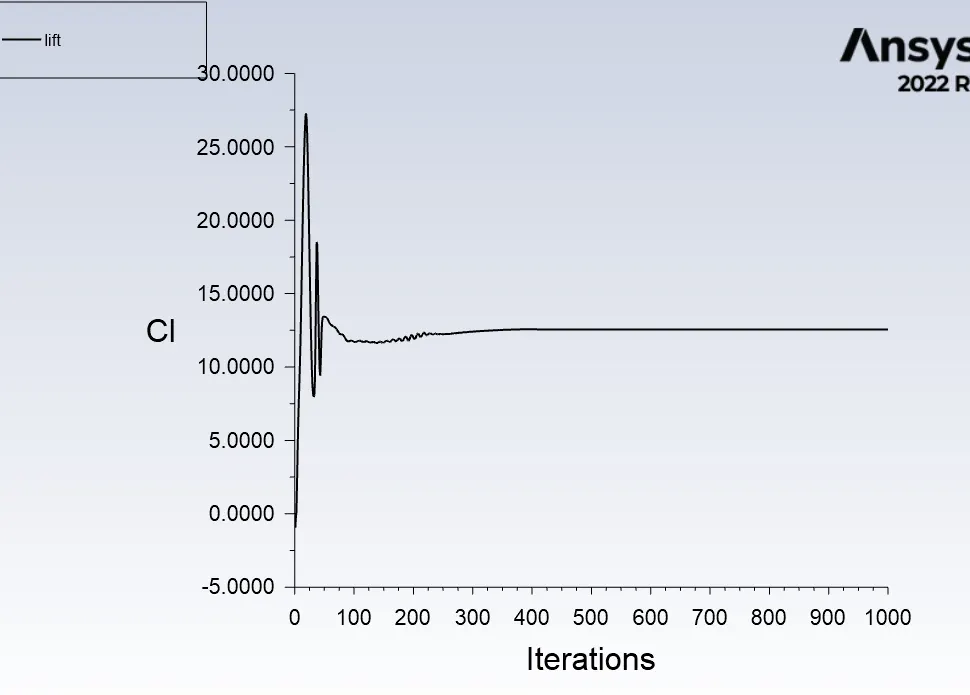
coefficient of lift
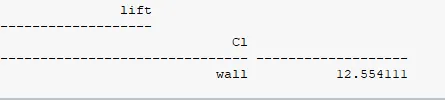
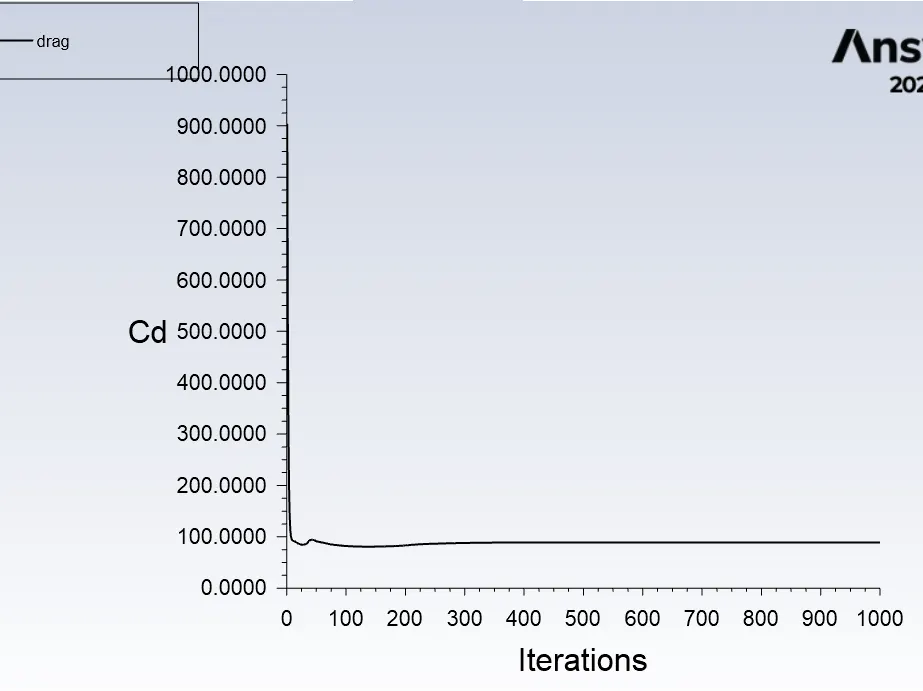
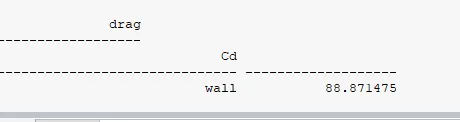
coefficient of drag
velocity contour
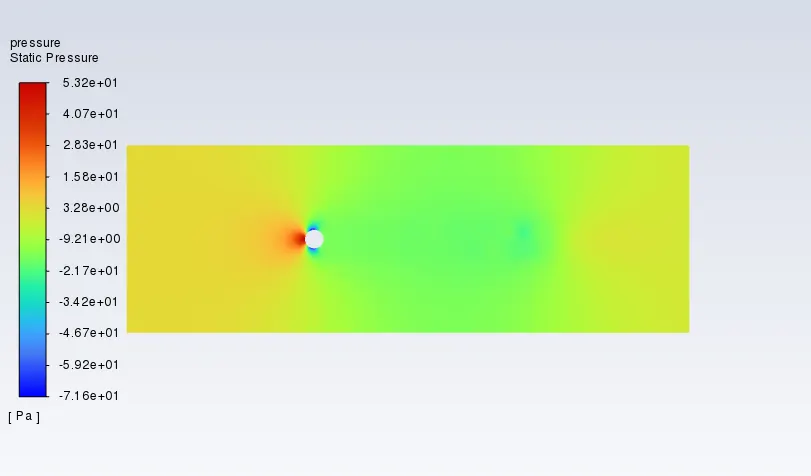
pressure contour
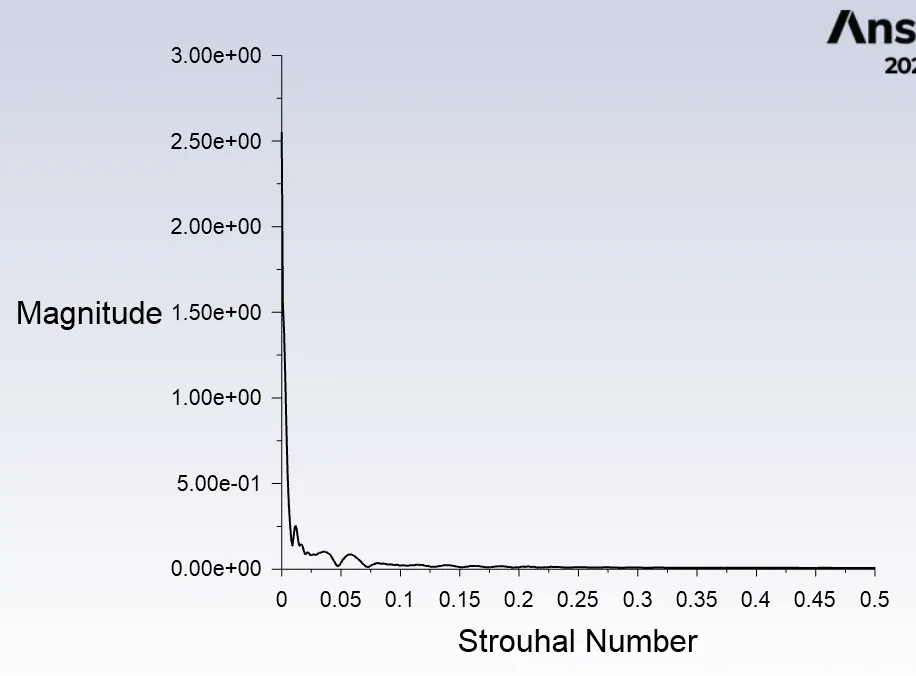
strouhal number
9. Re = 10000, velocity=100 m/s steady state
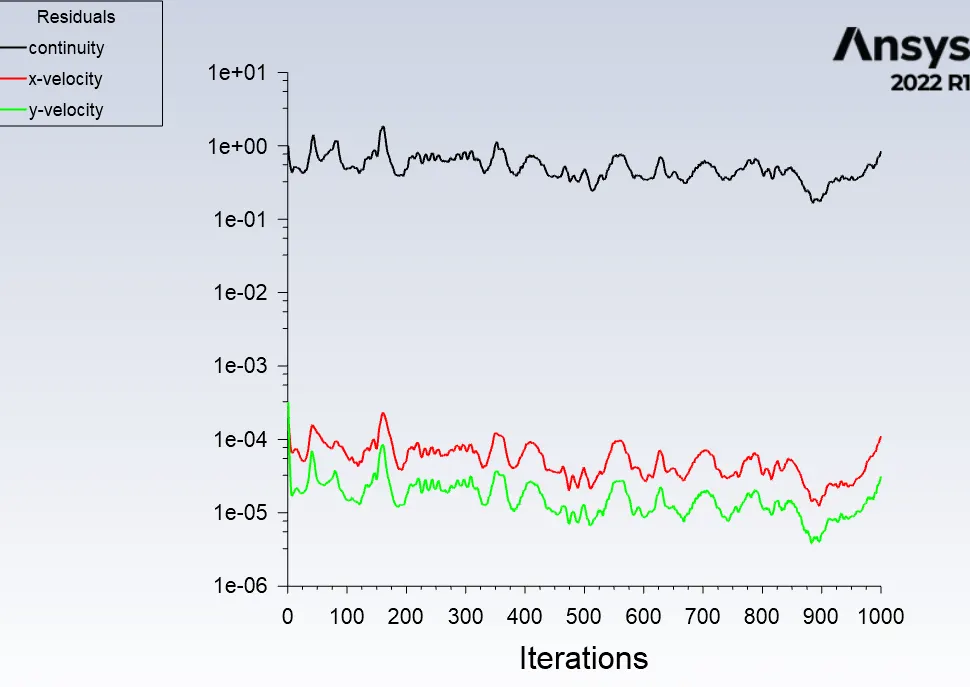
Residual plot
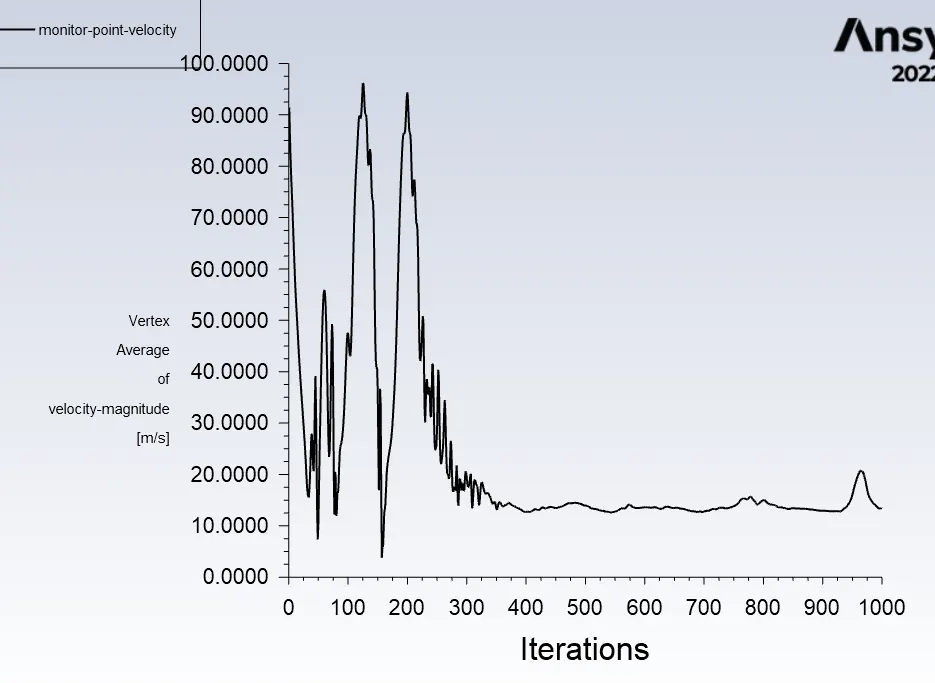
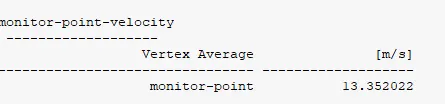
monitor point velocity
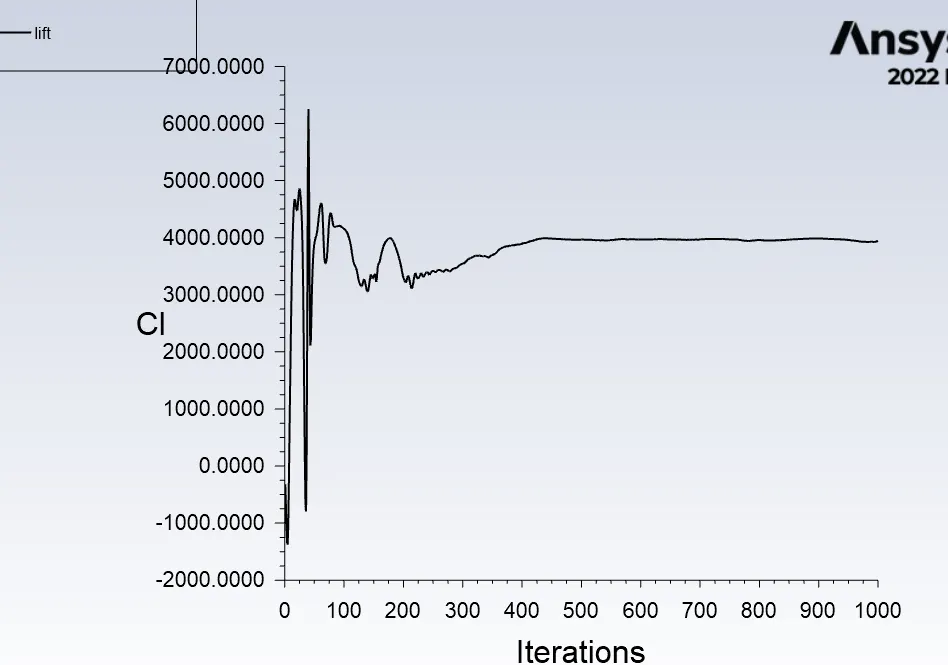
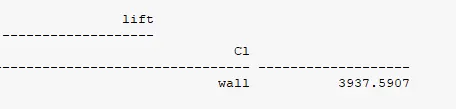
coefficient of lift
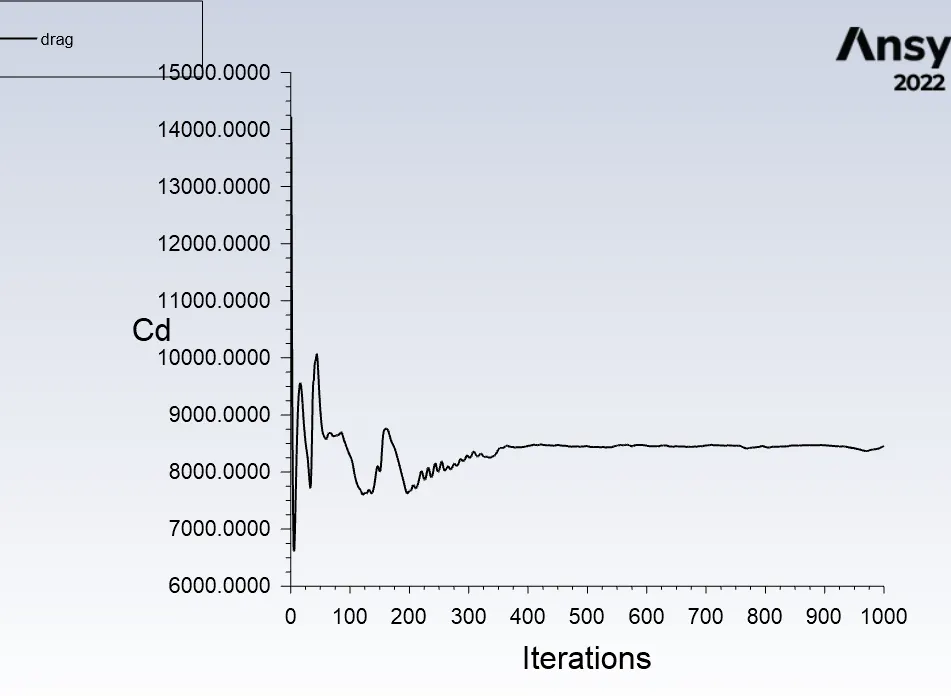
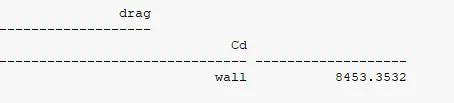
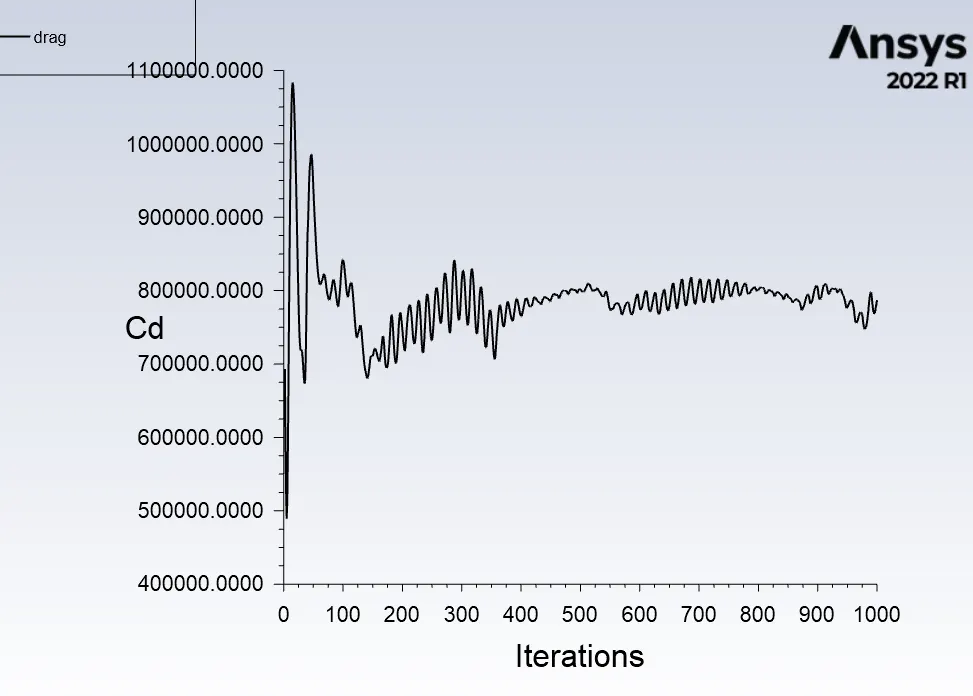
coefficient of drag
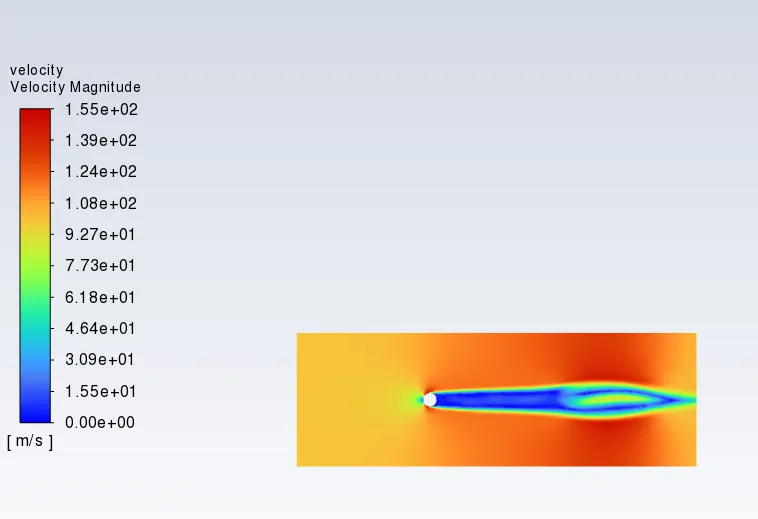
velocity contour
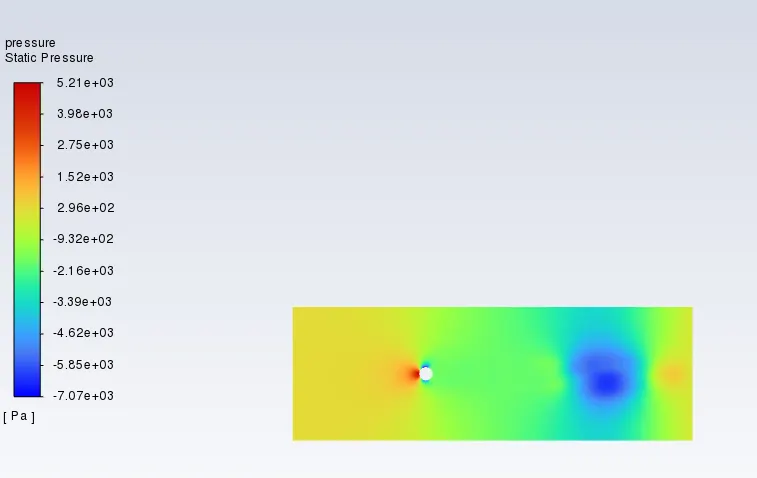
pressure contour
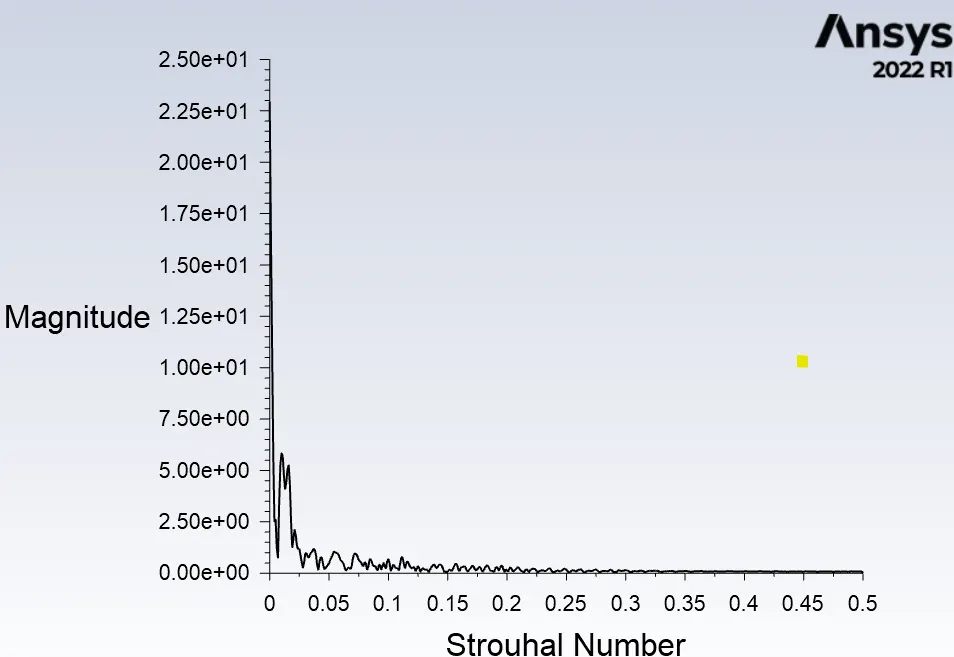
strouhal number
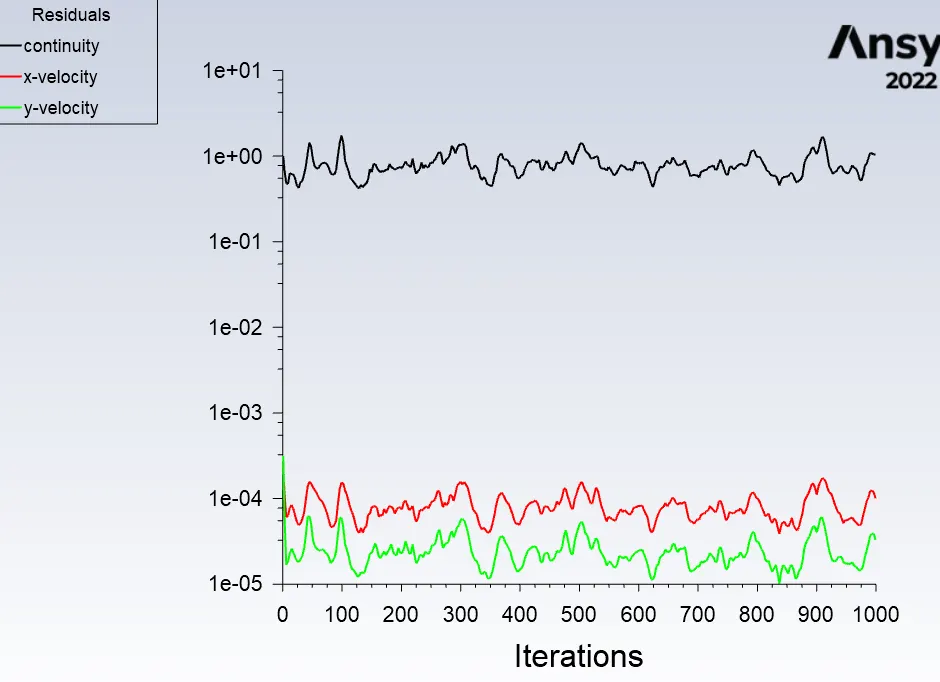
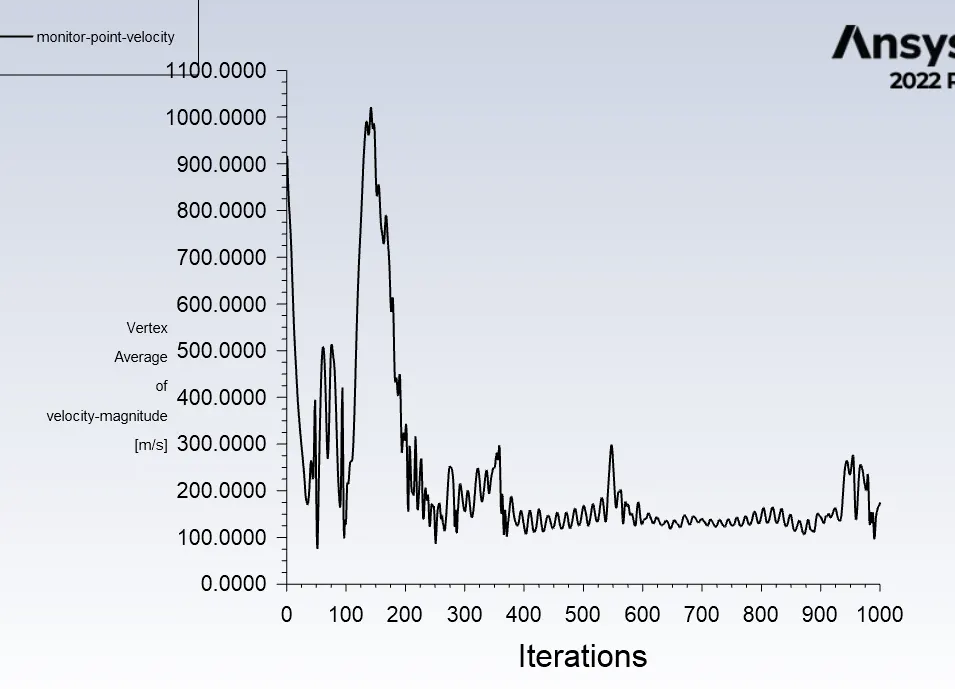
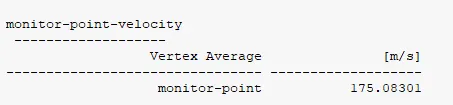
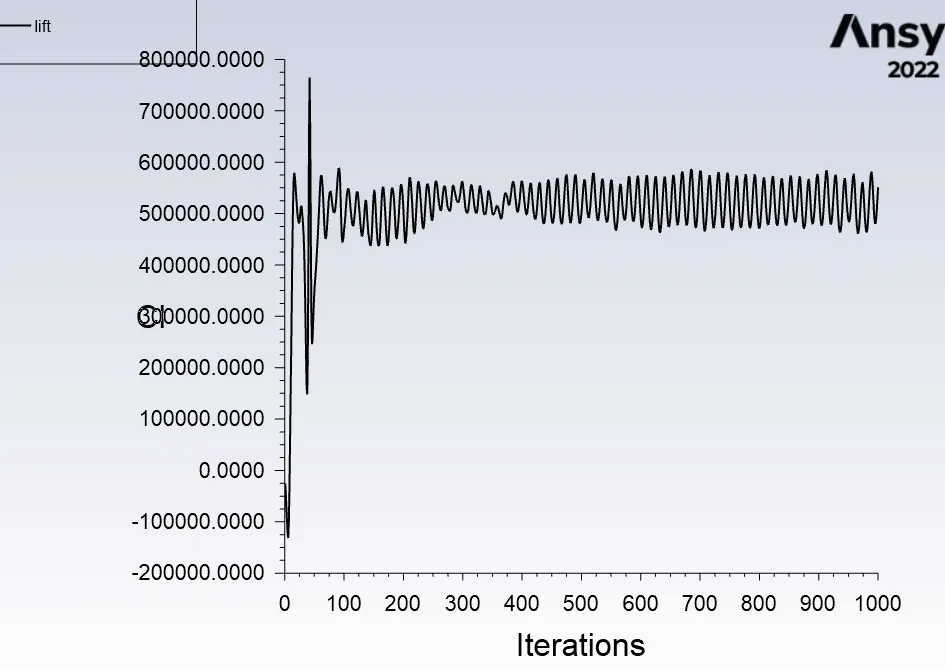
10. steady state 100000 inlet velocity 1000 m/s
residual plot
monitor point velocity
coefficient of lift
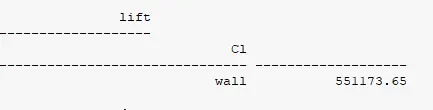
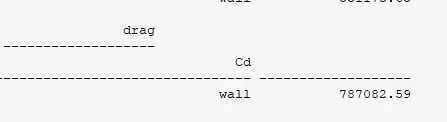
coefficient of drag
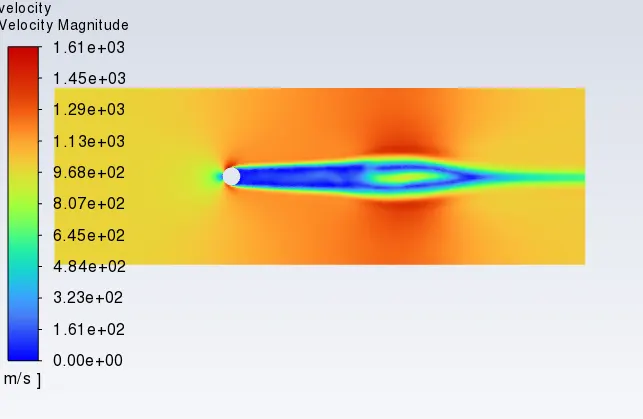
velocity contour
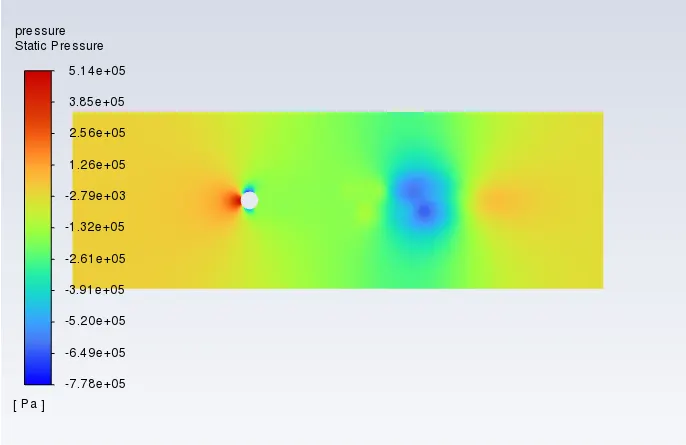
pressure contour
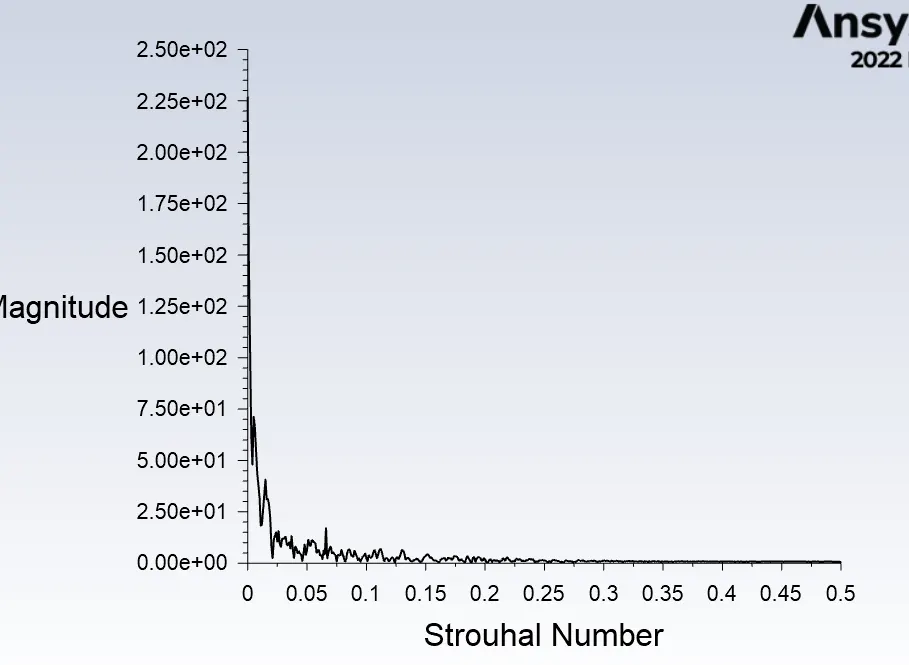
strouhal number
Conclusion:
| inlet velocity | absolute viscosity | Monitor point velocity(m/s) | drag coeff | lift coeff | Strouhal number | |
| 10 | 0.1 | 0.02 | 0.04 | 0.05 | 1.52E-05 | |
| 100(steady) | 1 | 0.02 | 0.13 | 2.02 | 0.02 | 0.25 |
| 100(unsteady) | 1 | 0.02 | 0.48 | 2.15 | 0.23 | 1.24 |
| 1000 | 10 | 0.02 | 1.75 | 88.87 | 12.55 | |
| 10000 | 100 | 0.02 | 13.35 | 8453 | 3937 | |
| 100000 | 1000 | 0.02 | 175 | 787082 | 551173 |
The strouhal number for Re 100 is 1.24 and Coefficient of drag is 2.15 is near to the reference values
The lift and drag coefficient depends on the velocity and reynolds number.
Inference:
The solution and the convergence depends on the solvers..
Reference:
https://www.sciencedirect.com/science/article/pii/S0307904X08000243
https://apps.dtic.mil/sti/tr/pdf/ADA395503.pdf