Week 4 - CHT Analysis on Exhaust port
Aim:
To do a conjugate heat transfer analysis of the exhaust port
Why CHT analysis?
There are three modes of heat transfer, they are conduction, convection and radiation. Conjugate heat transfer analysis in CFD can combine all these three modes of heat transfer or two.
Effectively integrating heat transfer in both fluids and solids is crucial for the successful design of efficient coolers, heaters, and heat exchangers etc. Fluids typically serve as energy carriers over considerable distances. The predominant method to achieve a high rate of heat transfer is through forced convection.
Procedure:
- create a fluid volume by volume extract
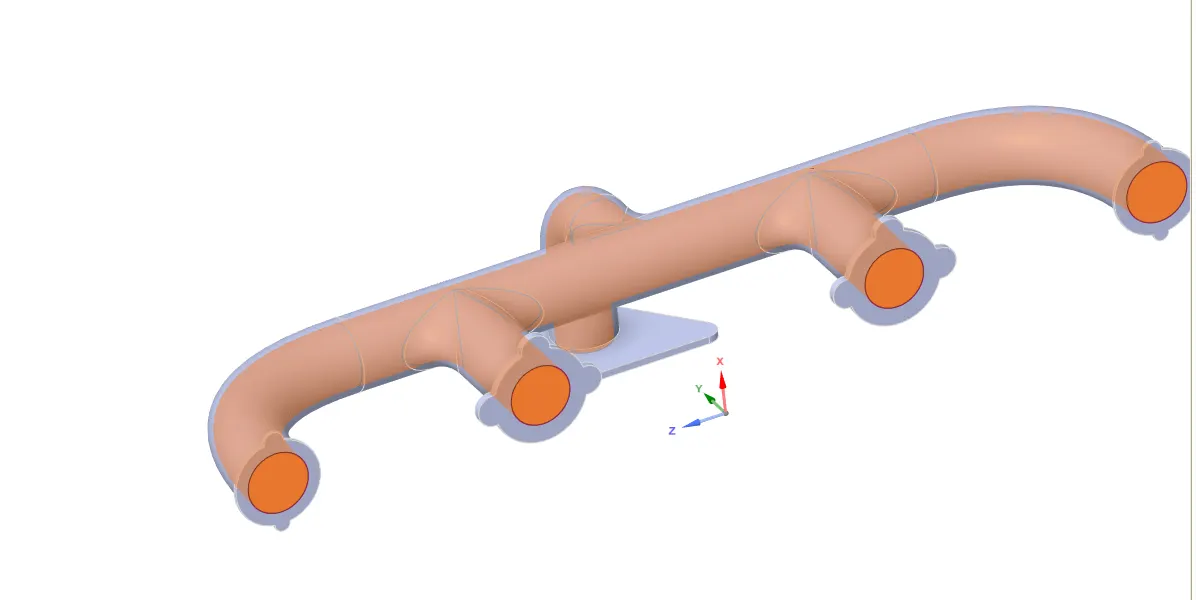
2. Do share topology to get conformal meshing
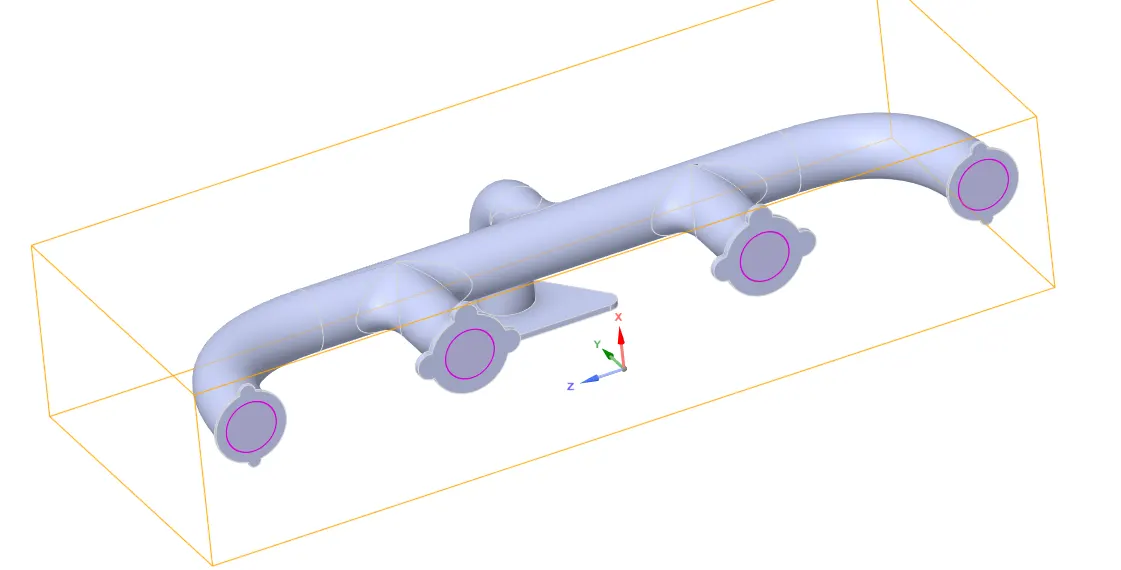
3. Do Default mesh in ansys mesher
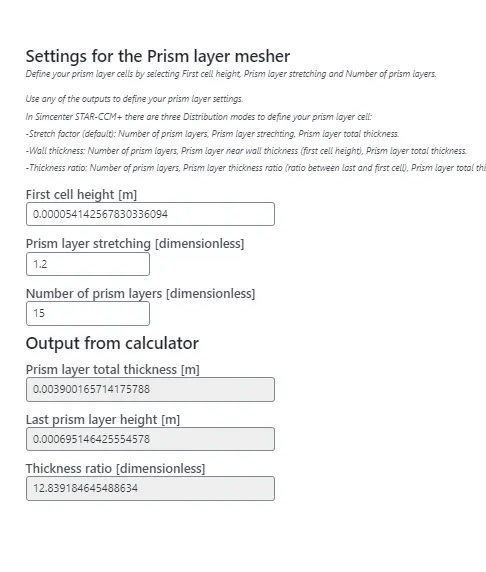
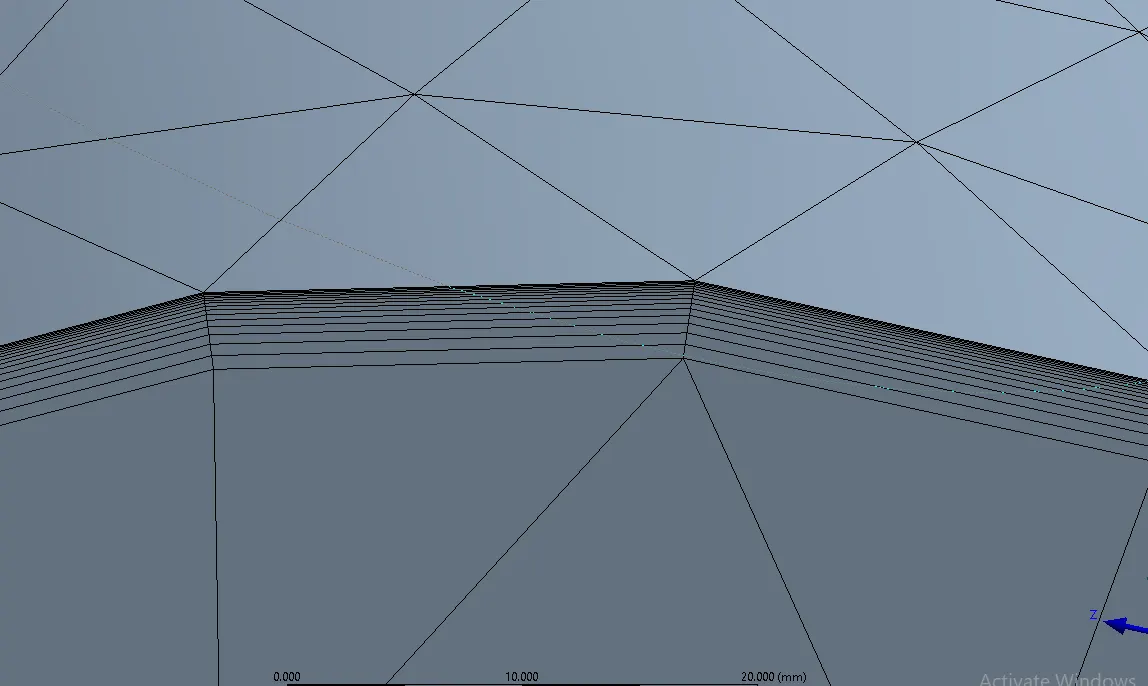
4. Create inflation layer near the wall. The boundary layer thickness was calculated by volupe y+ calculator
4. Steady state analyse is used
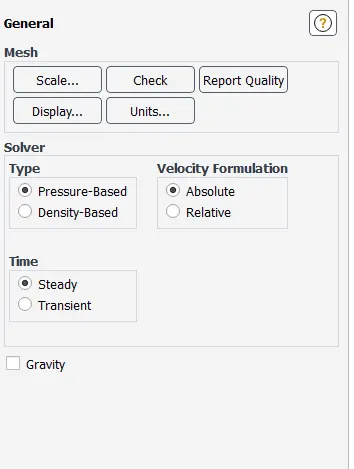
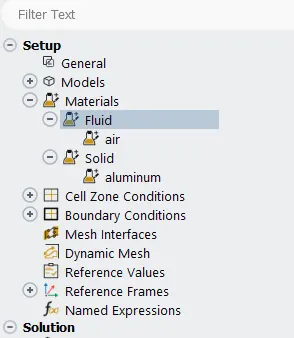
5. Air and aluminium is used as fluid and solid material
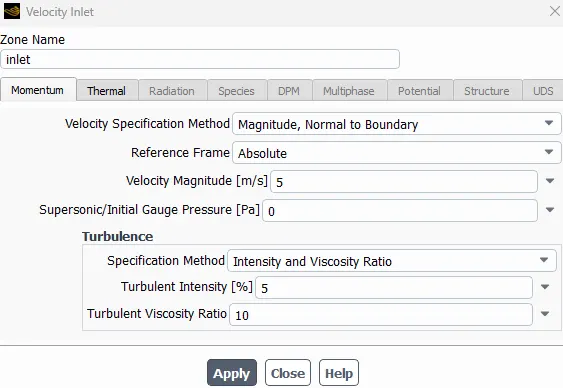
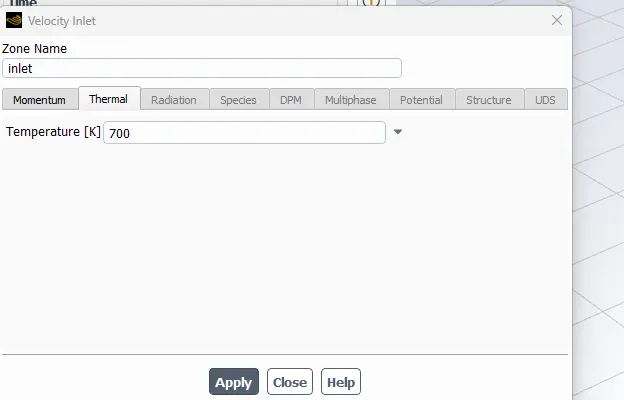
6. Inlet velocity is 5 m/s and temperature is 700 K
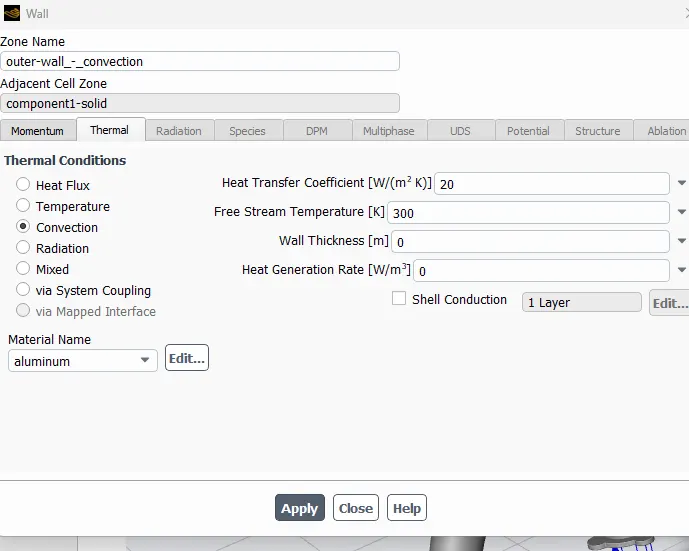
7. Convective heat transfer coefficient is set as 20 W/m2K
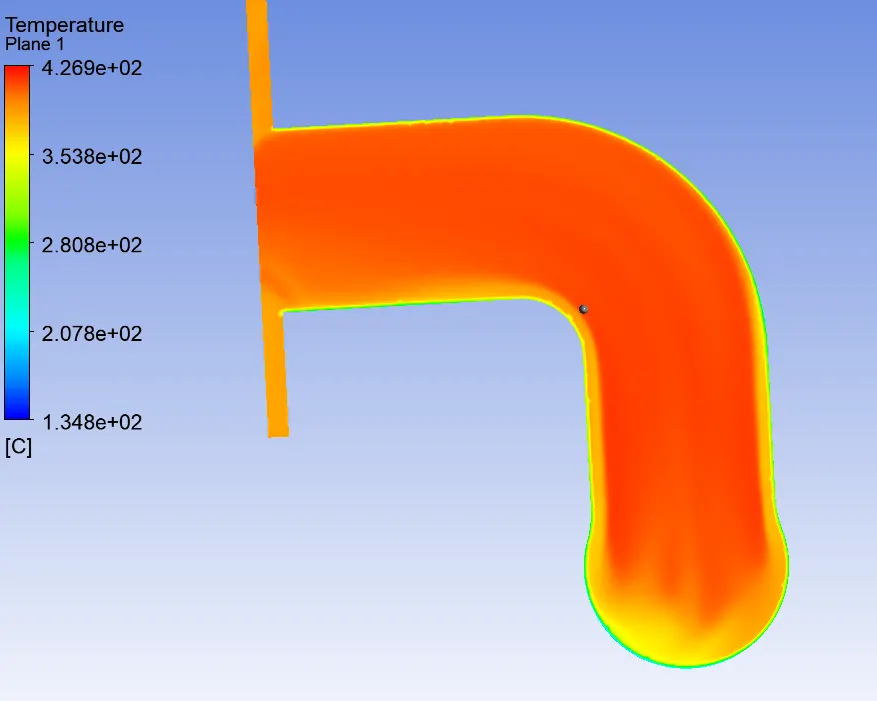
8. Temperature contour
It is observed that temperature is more in exhaust - region bend
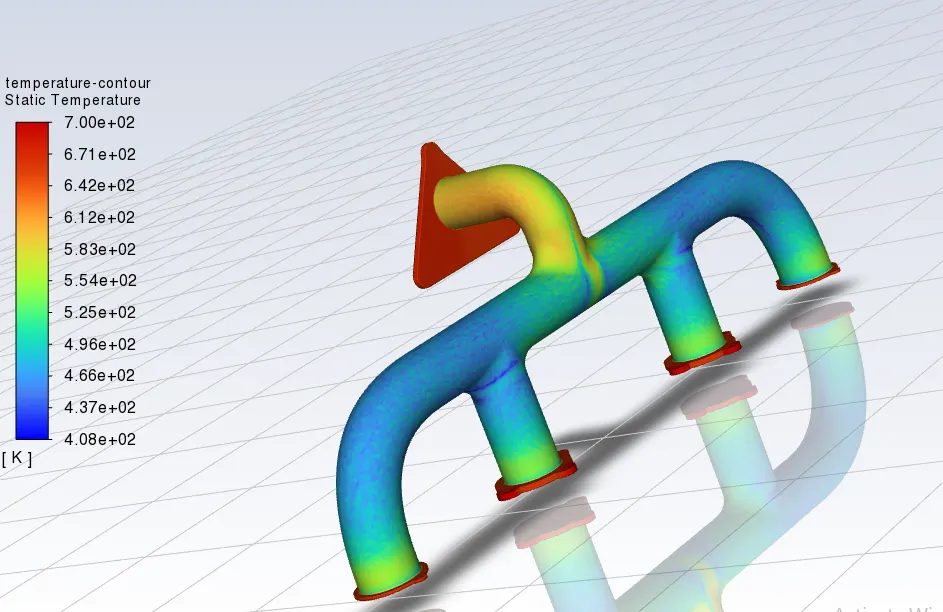
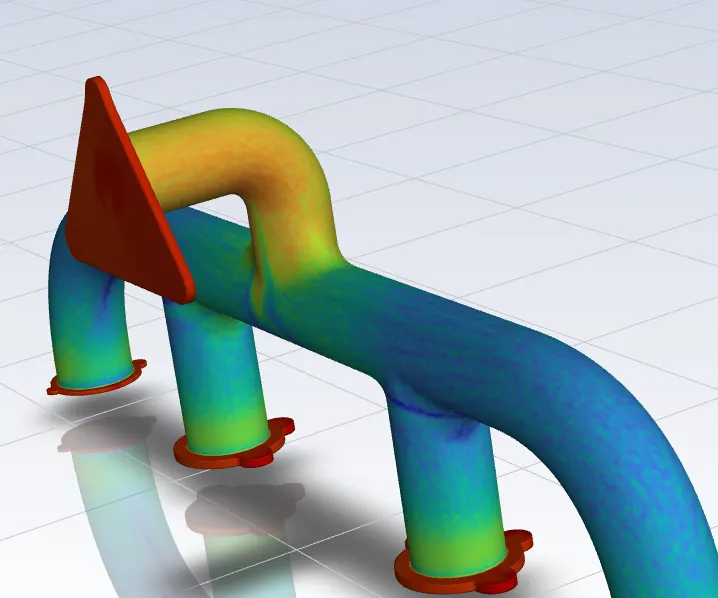
Temperature is more near to the inlet
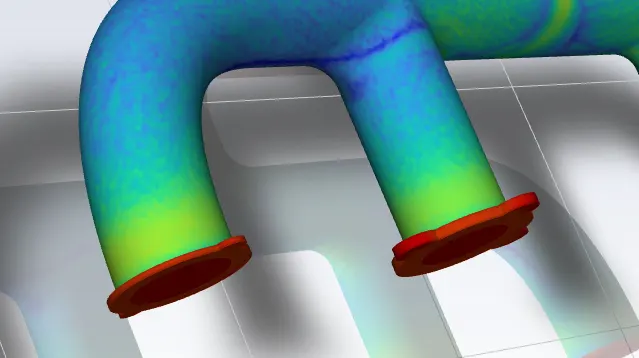
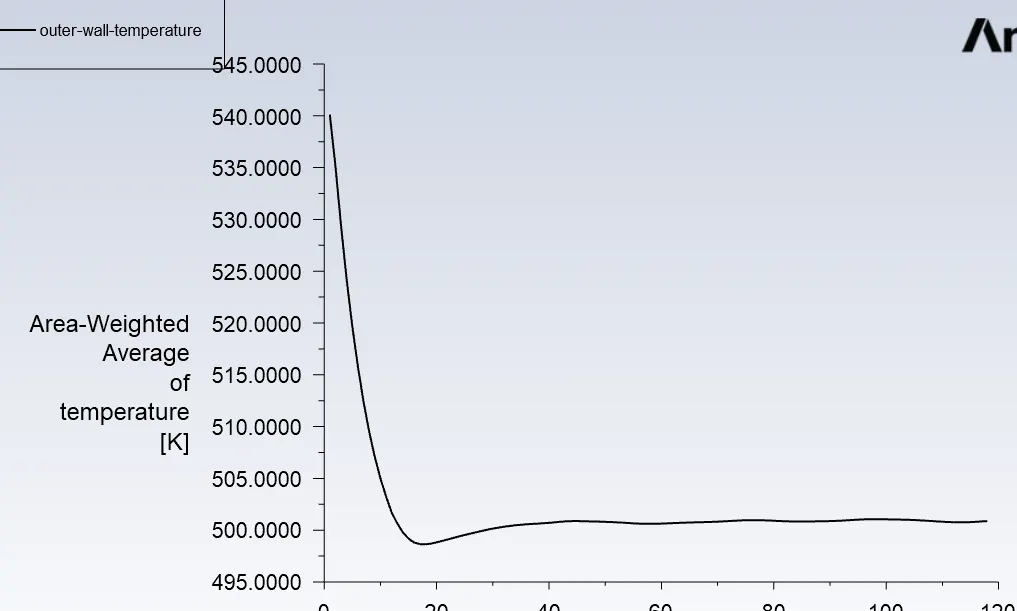
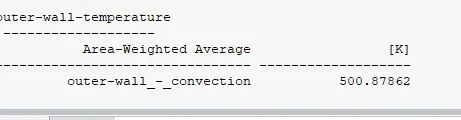
Temperature distribution in outlet region
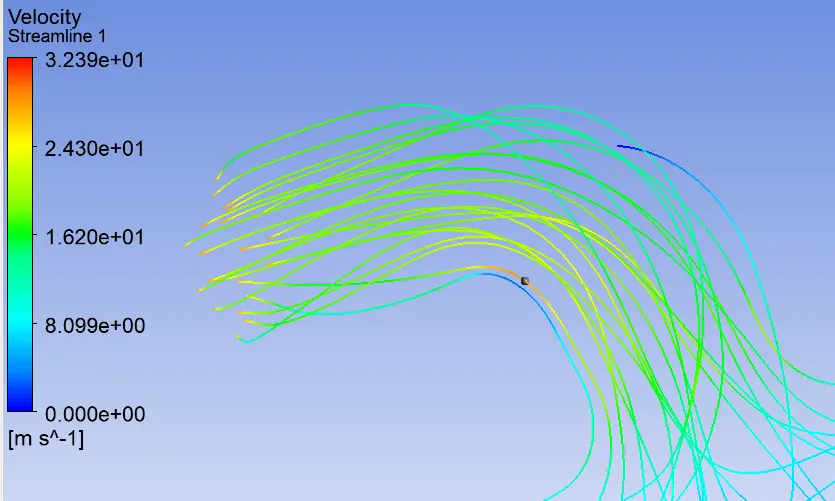
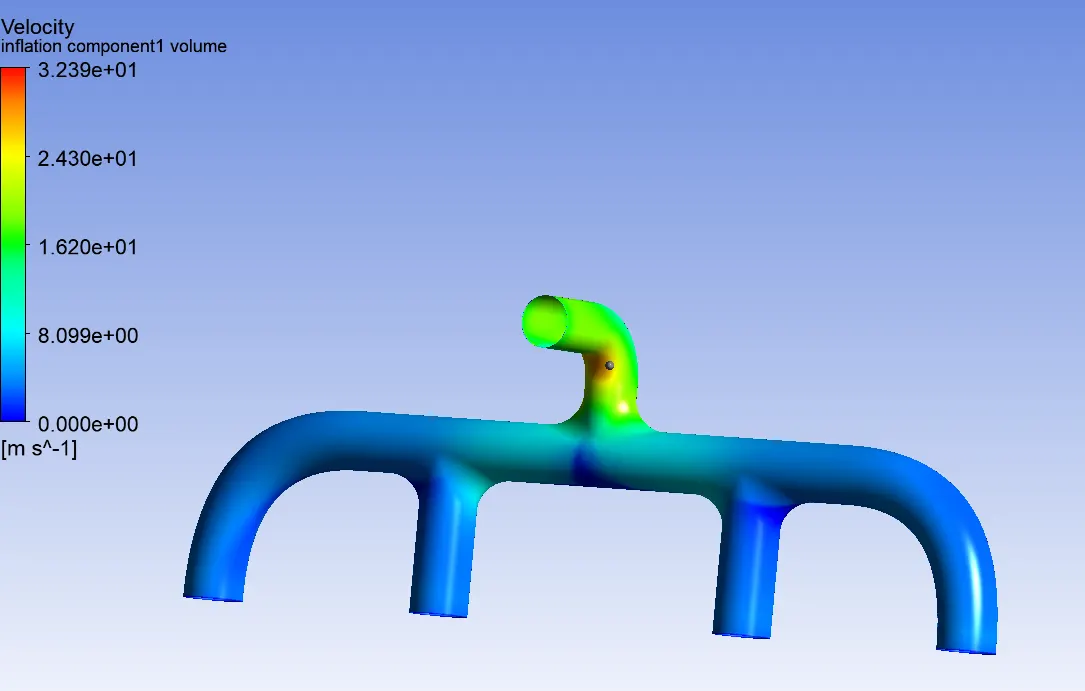
9. Velocity contour
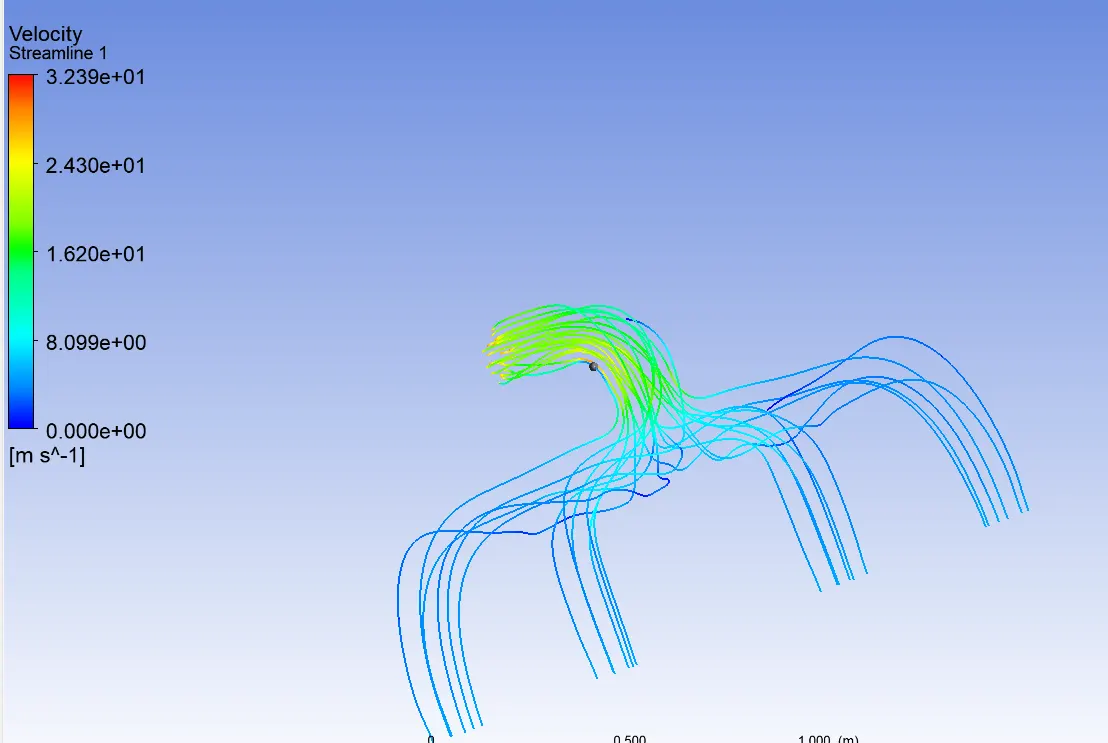
Velocity is more at the bend and the outlet.
Inlet velocity is 5 m/s but it is interested to note that probe shows that the velocity at the bend region is 27.87 m/s

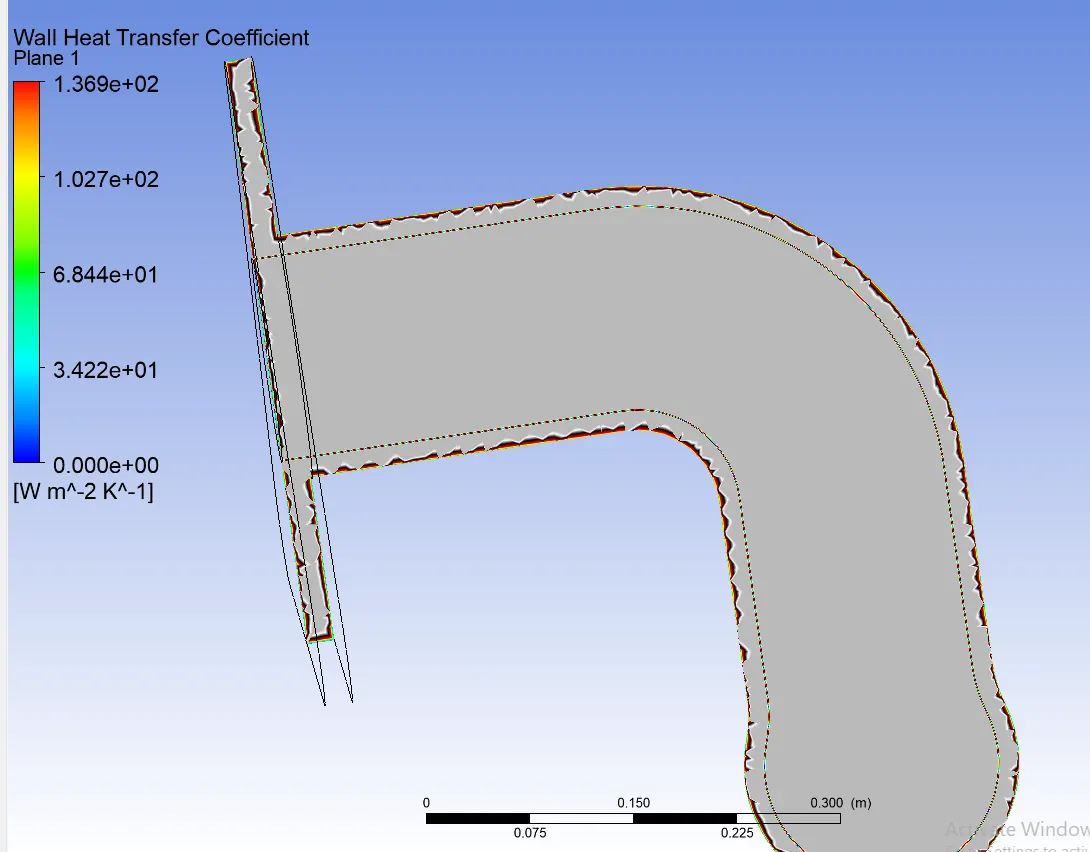
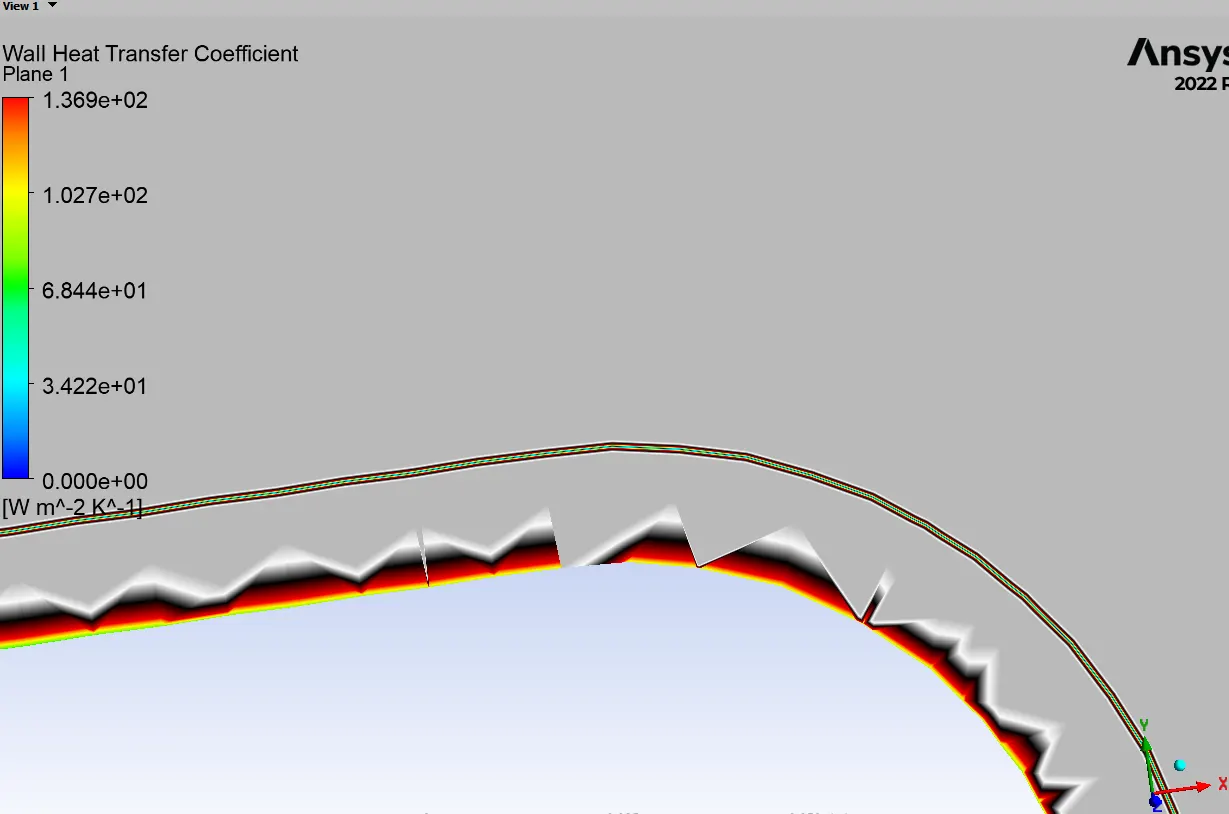
10. Wall heat transfer coefficient:
The average heat transfer coefficient is 68 W/m2K
11. Validation with analytical values
The average heat transfer coefficient is 68 W/m2K . This can be validated using nusselt number equation
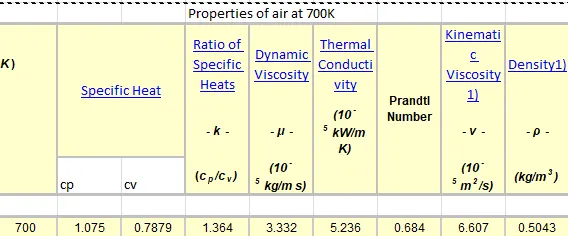
The properties of air at 700 K is calculated
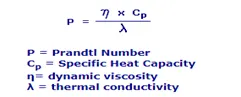
The prandtl number:
Nusselt number:

Nu=hd/k
h=heat transfer coefficient
d= diameter
k=thermal conductivity
| D | 0.08 m |
| k | 0.05 W/mk |
| nu | 100 |
The heat transfer coeefixient:
h = Nu*K/d
substituting the above values
h=62.5 W/m2K. CFD results show that average = 68 W/m2K
The result is deviated by 8%.
Conclusion:
Conjugate heat transfer analysis of exhaust port is done and the average heat transfer coeffcient is 68 W/m2K and analytical heat transfer coefficient is 62.5 W/m2K .
The deviation of results is due to the fact that CFD results are over predicted as it is done in idle condtions
velocity and temperature contours are plotted
velocity and the temperature are more in the bend region.
Inference:
This work is used to understand and relate the equation of heat transfer such as prandtl number and nusselt number with CFD results
References:
https://www.omnicalculator.com/
https://volupe.se/y-calculator-launched-at-volupes-webpage/