Project 2 Thermal modeling of battery pack
For a 10 cell series lithium ion battery model, simulate the thermal effects and compare life cycle performance at various temperatures, charge & discharge rates using MATLAB.
ANSWER:
consider the model example showing 20 cell series connected out of which 10th cell is faulty.
we can get this model from mathworks website.
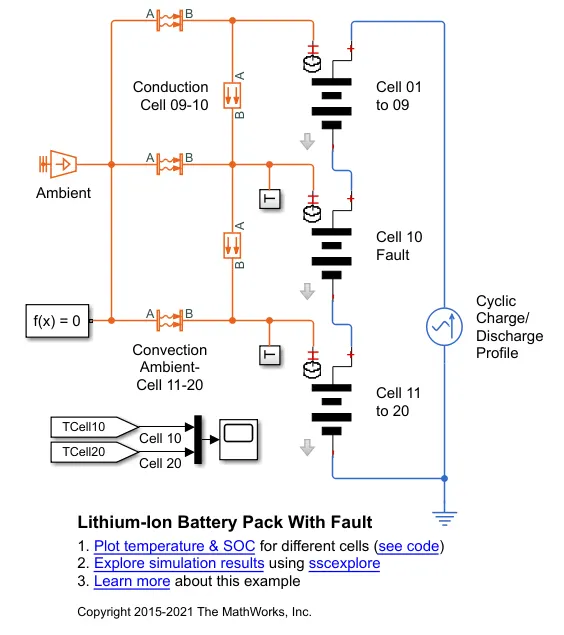
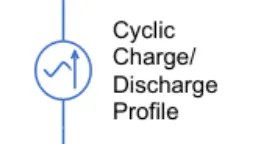
The cyclic charge/discharge profile means it is a ac current source , which charges and discharges the battery by sending the alternating current on a time basis.
it has a time period and amplitude of 600sec and 50A respectively.
Here cell o1 to cell 09 there is only one cell which is multiplied by 9 times to obtain the same voltage as 9 cell system,
and the 10 th cell is faulty cell, from 11 to 20th cell there are 10 cells , but designed by only one cell.
we can see the inside details below :
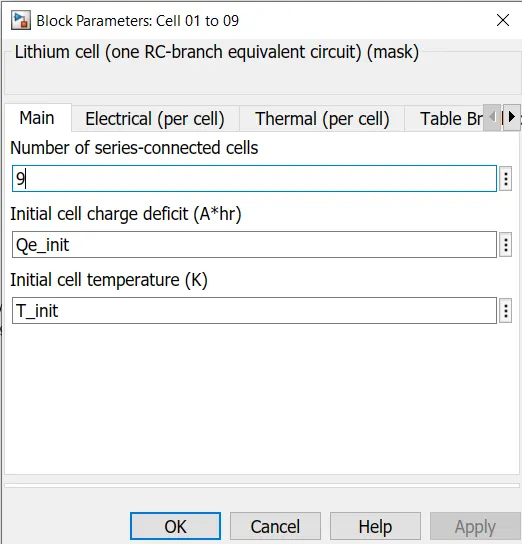
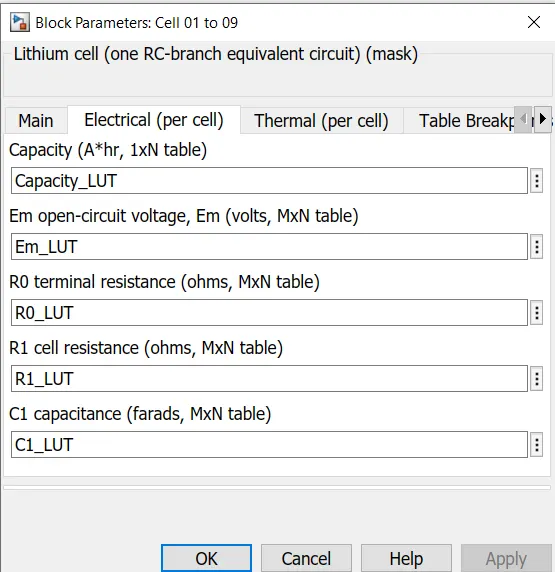
we can enter how many cells we want to put there , then the system will be modeled to for those many no.of cells.
below we can have the subsystem of the block.
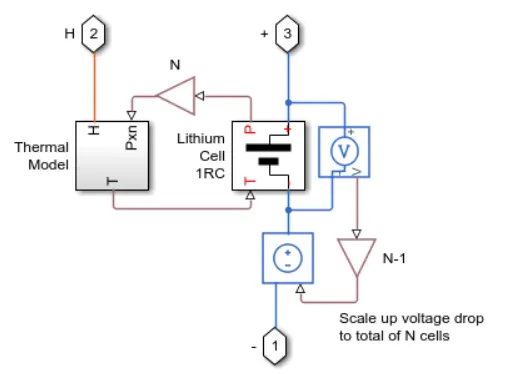
Now we see the block parameters of 10th cell which is faulty.
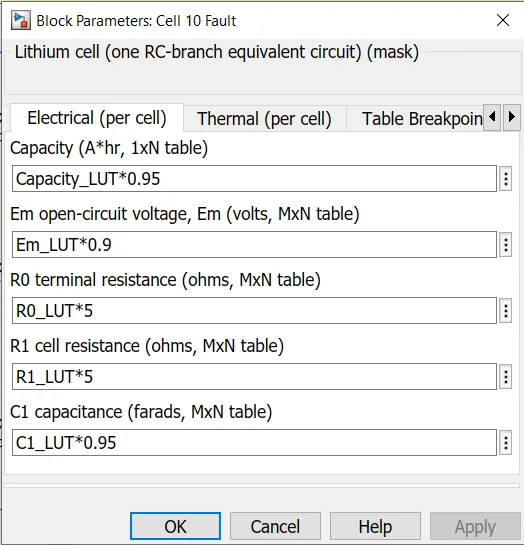
see from the above parameters of 10th cell,
we observed that,
(i)The cell capacity has been reduced by 5%. since it is multiplied by 0.95.
(ii) The cell open-circuit voltage is reduced by 10%,
(iii) The internal resistance of the cell is increased by 5 times, which causes a high temperature raise in the cell.
(iv) The capacitance is reduced by 5%.
The above parameters tell that the 10th cell is faulty.
here in the question we are asked to determine the effects of a faulty cell for a series arrangement of 10 cells.
so we are modifying the same circuit for 10 cells.
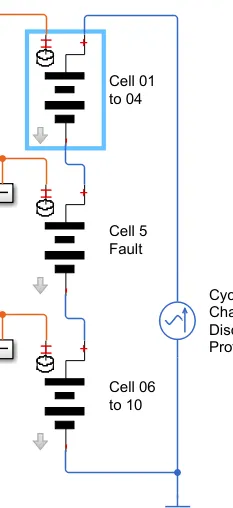
so for the first set of batteries , we have to give 4 cells in series .
to do that we need to change the no.of series connected cells to 4 in the block parameters.
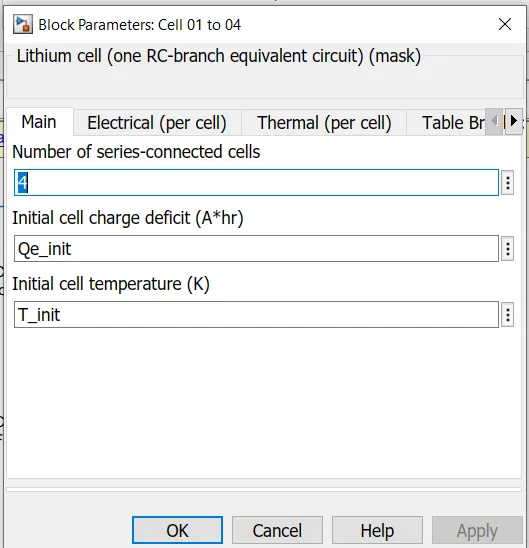
like that we need to give 1 cell for the 5th cell .
which is the faulty cell of this model.
and finally we connect 5 cells remaining , from 6th to 10th cell.
Modelling for calculation of SOC:
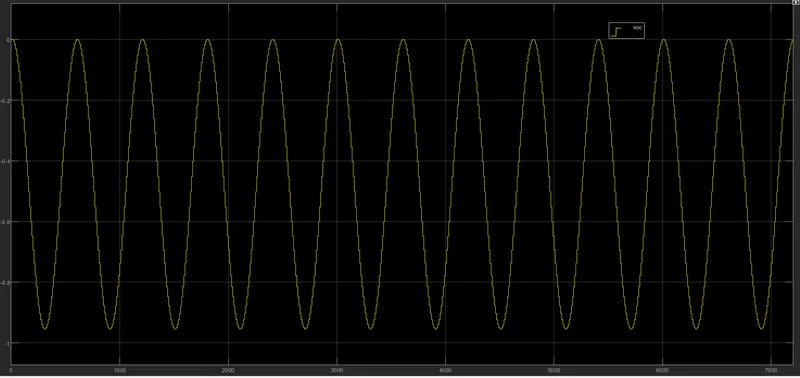
To find Soc we need to find how much charge has been stored and dissipated , this can be done by finding out the charge .
The charge can be calculated from the value of current .
if we integrate the current over certain time , we will get the charge stored or dissipated (depends on the direction of current) through certain time.
we need to connect a current sensor to find the current and
multiply with a gain 1/10000 and then we integrate it . subtract it from zero.

Above block represents transfer of heat in a thermal network by convection due to fluid motion.
The rate of heat transfer is proportional to the temperature difference, heat transfer coefficient, and surface area in contact with the fluid.
we need to model this parameters for the batteries .
for 1 to 4th cell:
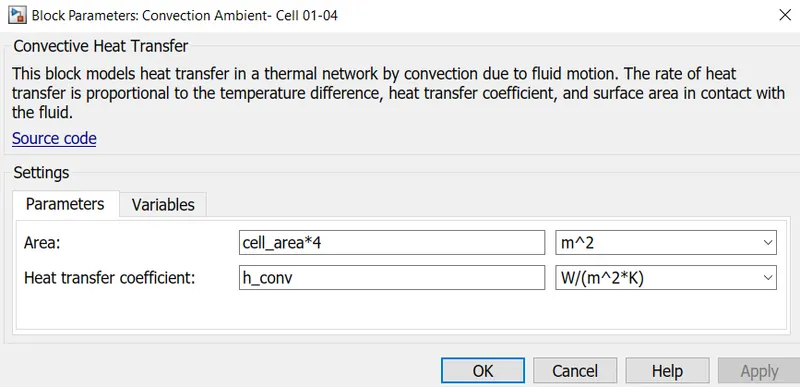
we have changed the cell area by 4 times , since we only have 4 cells in that system.
next for the faulty cell only one cell is present before and after so no need to change this parameter.
for 6th to 10th cell, we are having 5 cells so we need to increase the convective heat transfer contact area by 5times.
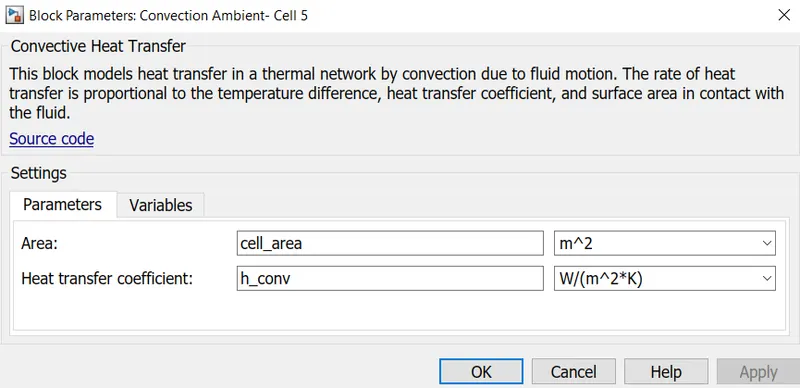
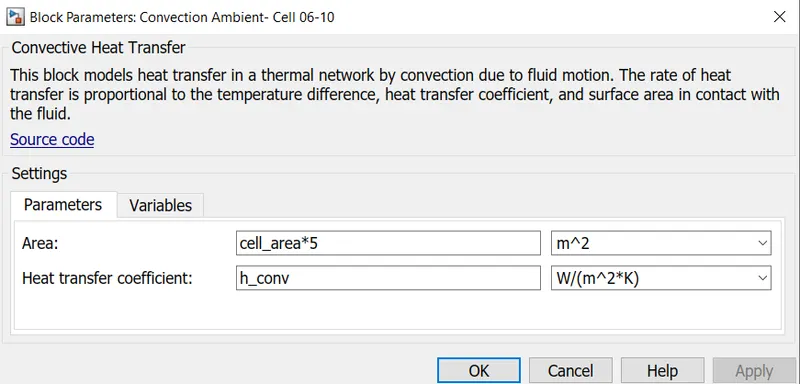
we are not changing any of the parameter values of the conductive heat transfer block .which transfer heat from battery to battery.
default values are assigned.
To observe the temperature variation , we need to connect temperature sensors at each of the stage , the subsystem is shown below for each stage.

The subsystem for the block T are
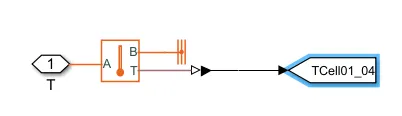
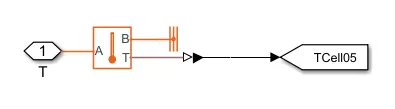
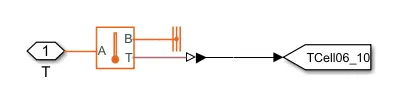
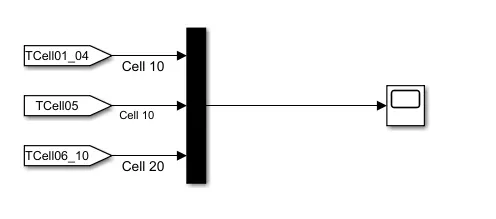
The outputs of these temperature are connected to scope using Mux block.
The overall system model is :
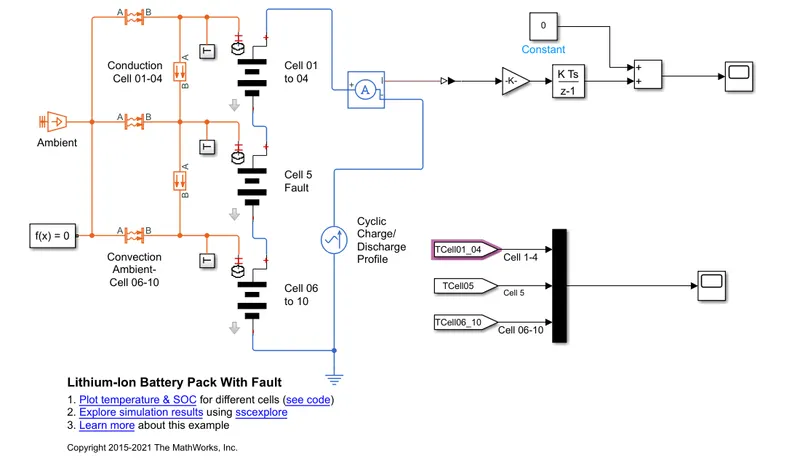
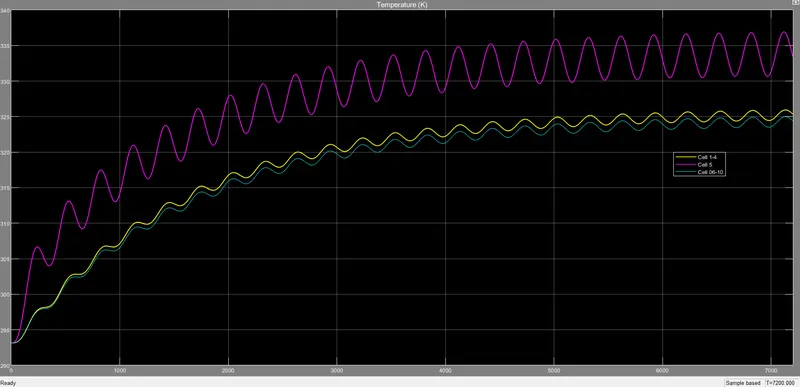
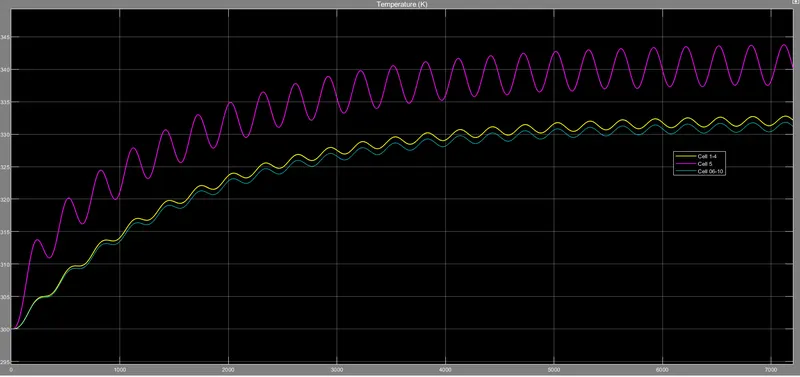
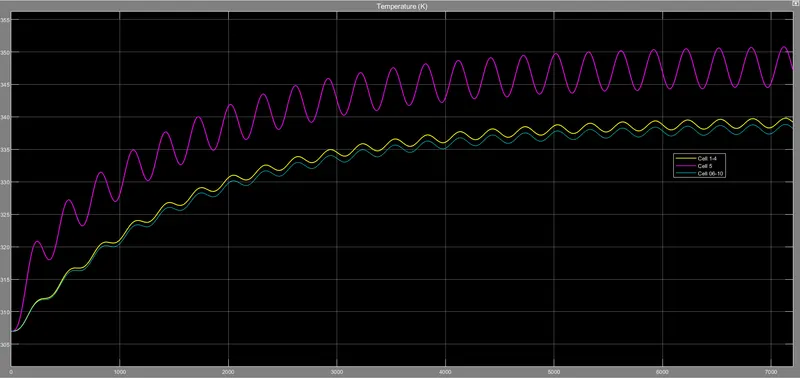
The temperatures of the pack of cells are:
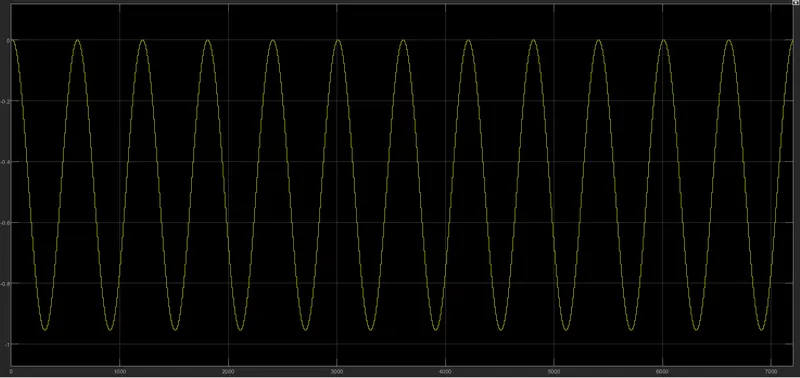
At T=293.15K
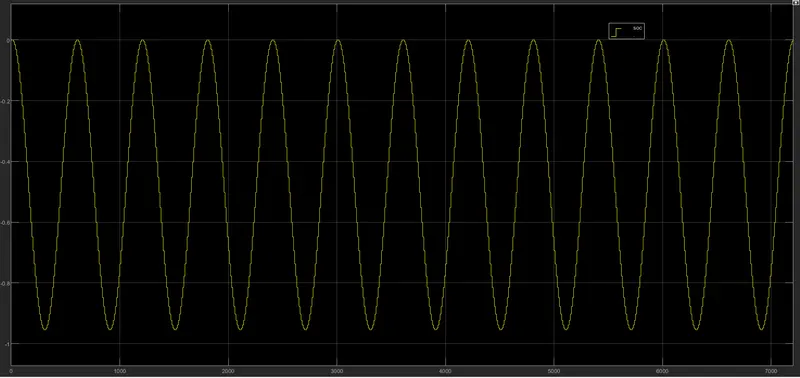
At 300K
At T=307K
Observations:
we applied different temperatures of 293K and 300K and 307K .
we found the variation of temperature of faulty cell with the remaining cells ,
and the charging and discharging curve of the battery pack.
There is no much difference in no. of cycles in each temperature.
*There is 7.5K temperature difference is there between healthy and faulty cell temperatures.
* As charging and discharging going on the temperature of the overall battery pack is increasing over the time.
* if we increase the temperature source value the rate of increase of temperature is also raises.
At 293K, The healthy cells reaches 325K and faulty cell reaches 332.5K.
At 300K, The healthy cells reaches 332.5K and faulty cell reaches 340K.
At 307K ,The healthy cells reaches 337.5K and faulty cell reaches 345K.
Reference: https://in.mathworks.com/help/physmod/simscape/ug/lithium-ion-battery-pack-with-fault.html