Design of backdoor
Design of Car Back door
Objective:
To Design the Car Back Door by Using Nx with the given Styling Surface by using appropriate design methodologies and by providing the necessary reinforcements and embosses.
Introduction:
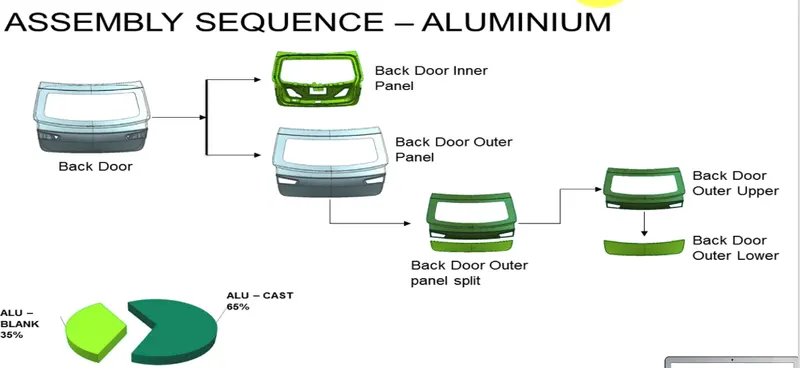
Design of back door is also called as the Tail gate. A car back door which is consist of Inner panel, Outer panel. Basically, the car parts are made of Steel or Aluminium based on the budget of the car.Using Aluminium improve the Strength where we can avoid the reinforcements. Aluminium parts are casted and we can vary the thickness of the part, because of this avoid or reduce the number of parts as compared to Steel. Only drawback is the cost of aluminium, which is high cast as compared to steel.Steel Parts are stamped, we cannot vary the thickness of the part because of a greater number of parts are added. which could increase the weight of the part. So now a days most of the car manufacturers are trying to use Aluminium instead of Steel and they reduce the number of parts and weight of the car drastically.
Components of the Back Door:
- Outer panel upper
- Outer panel Lower
- Inner panel
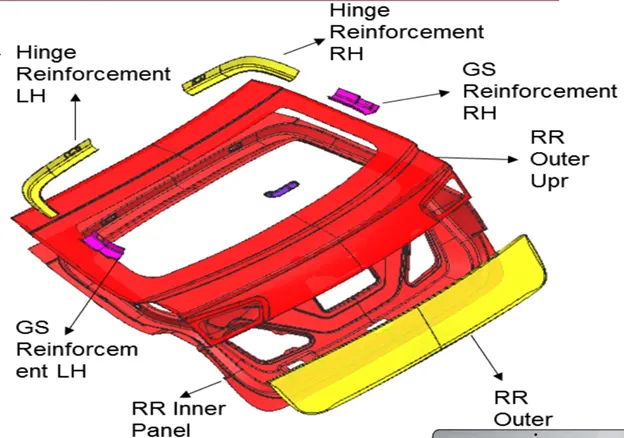
- Latch and Striker Reinforcement
- Hinge Reinforcement
- Gas stay Reinforcement
- Wiper motor reinforcement
Outer panel:
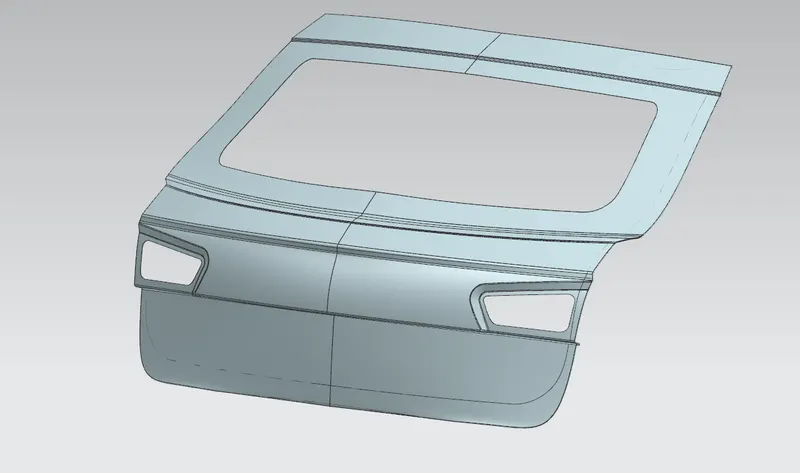
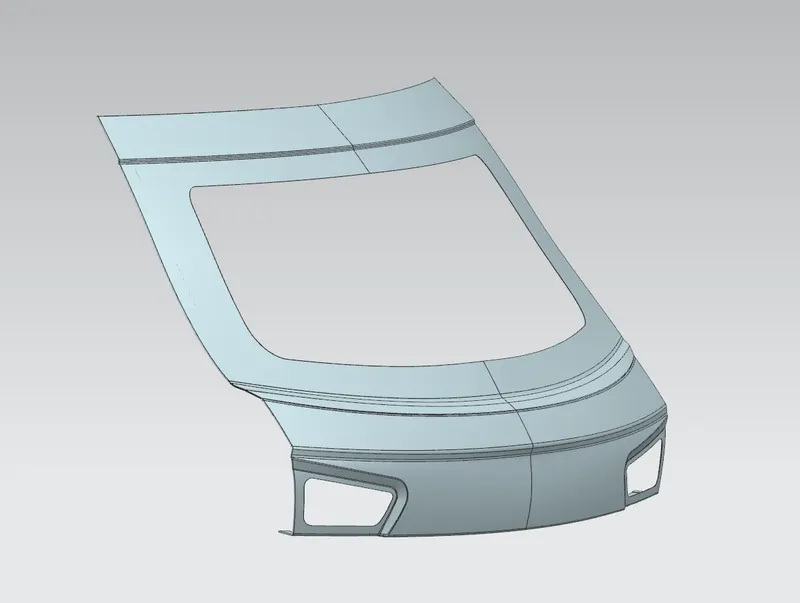
The outer panel of the back door is similar to other BIW components where it is the aesthetic part of a vehicle. The coating provided is of multi-stage which has the property of scratch resistance, rust prevention and smooth and attractive finishes. The outer panel also has the provisions for the tail lamp, rear fog lamp and also has the provision for licence plate mountings. Most of the hatchback cars have the provision for wiper motor.
Outer panel upper:
Outer panel Lower:
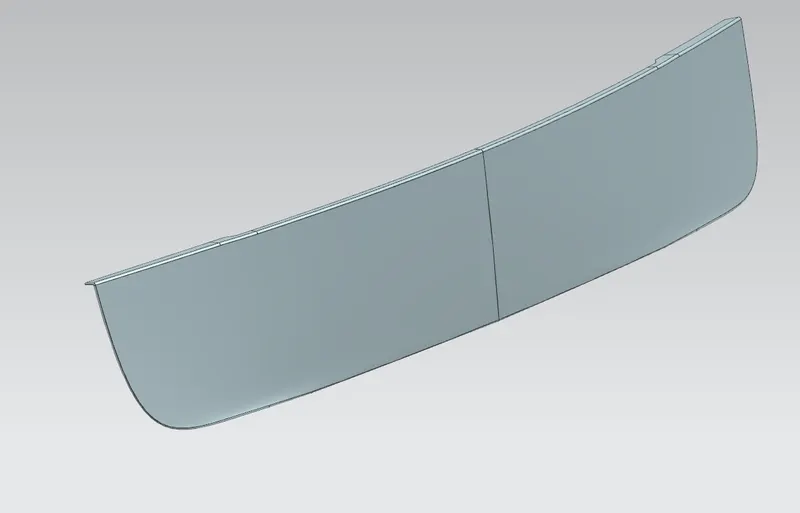
Inner panel:
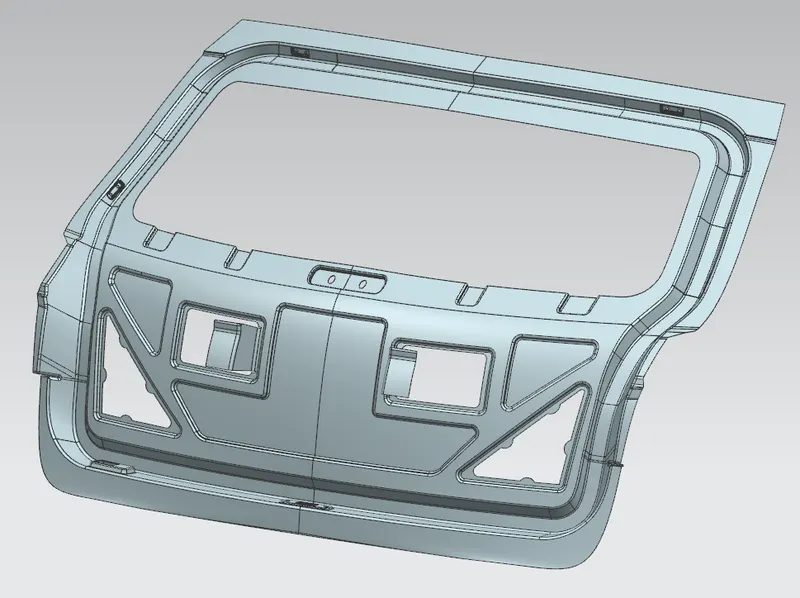
The inner door panel is a component which is used for strengthening the door assembly and it is one of the most important components on which all accessories are mounted like hinges, glass guide channel, moulded trim, latch etc. The possible method is the integration method. In the integration method, the part is stamped out of a single blank. This reduces the number of tools needed; the assembly cost and eliminates any fit ability problem.
The inner panel was designed by offsetting the given class A surface as per the given master section. The inner panel consists of Embosses and Mastics.
Hemming:
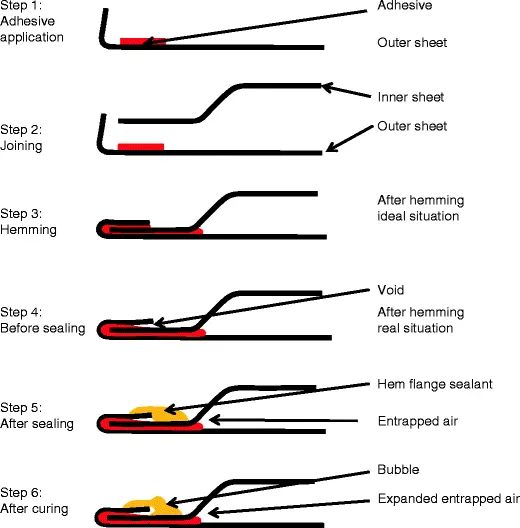
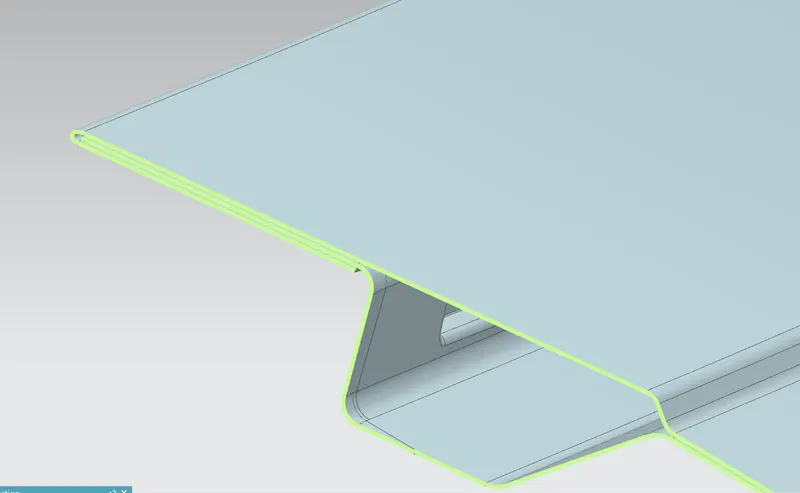
Hemming is a forming operation in which the edges of the sheet are folded or folded over another part in order to achieve a tight fit. Normally hemming operations are used to connect parts together, to improve the appearance of a part and to reinforce part edges.
Hemming is used in assembly as a secondary operation after deep drawing, trimming and flanging operation to join two sheet metal parts (outer and inner) together.
The accuracy of the hemming operation is very important since it affects the appearance of the surface and surface quality.
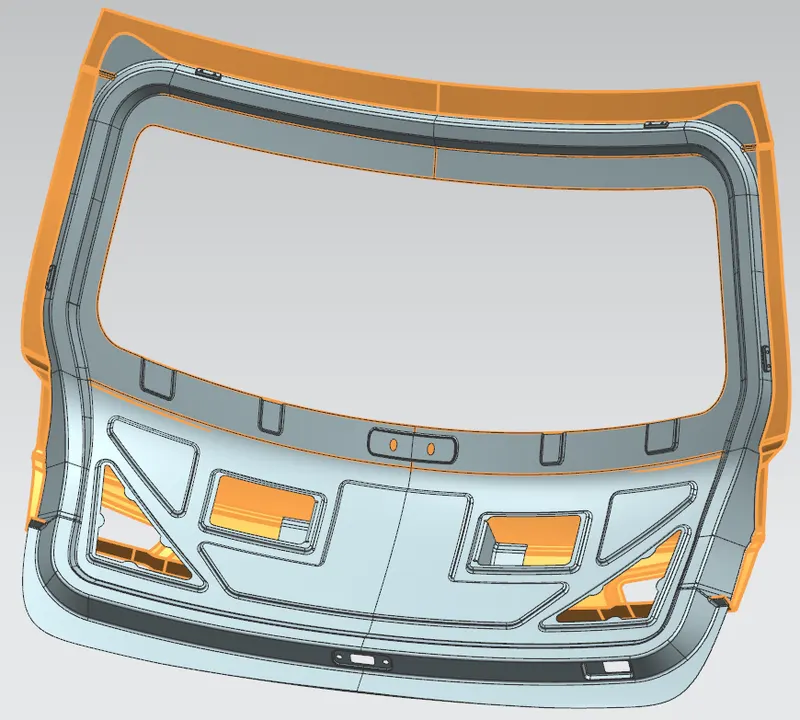
Corner Relief:
Relief helps to control sheet metal material behaviour and to prevent unwanted deformation during unbend operations. So here I gave two corner reliefs for back door.
Mastic Sealings:
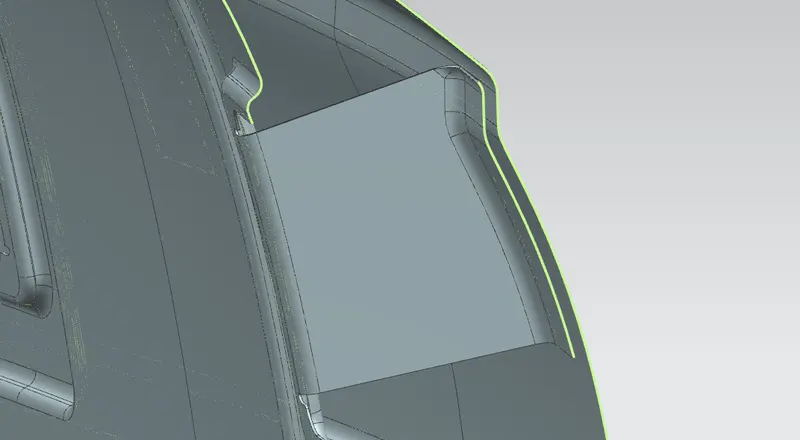
As we know that the main purpose of the outer panel is for the aesthetic looks. Thus, we cannot use bolts or welding. This has to be done with the help of the hemming and mastic sealants. Mastic sealants are elastic compound that behaves like the rubber. It is placed between the outer and inner panel. Initially is it in paste form, but after the hot furnace bath it gets hardened thus joining the outer and inner panel. Mastic sealant has the tendency to increase the strength of the panel and has influence of 80mm diameter.
Reinforcements:
In backdoor accommodate Latch and striker, Hinges & Gas stay we have to remove some material which will result in loss of strength of the material locally. Hence to improve strength locally we provide these reinforcements. The reinforcements provided in the latch and striker area is called Latch and Striker Reinforcements & the reinforcements provided in the Hinge area is called Hinge Reinforcements and reinforcements provided in the Gas stay region is called Gas stay reinforcements.
The embosses are provided in the reinforcements to avoid the tearing of the parts. Diabolo embosses are provided both in reinforcement & in the inner panel body at the curved surfaces.
- Latch and Striker Reinforcement
- Hinge Reinforcement
- Gas stay Reinforcement
- Wiper motor reinforcement
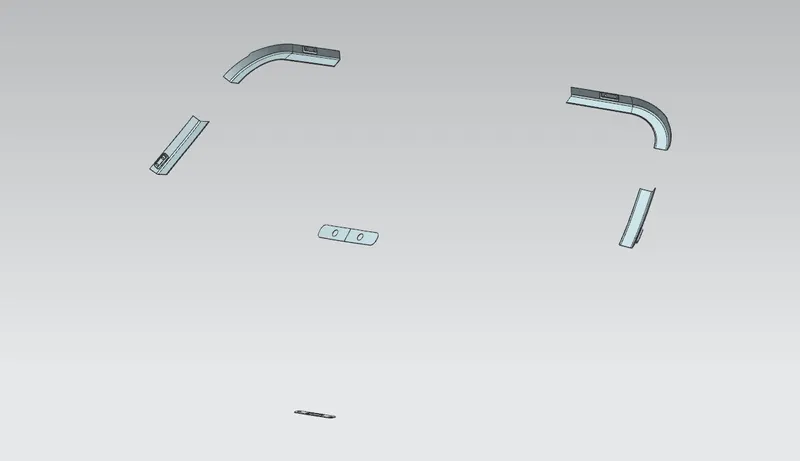
Hinge Reinforcement: Hinges are the essential, that allows doors to pivot on one edged as open as they open and close. They are found on virtually all doors. It is a mechanical bearing that connects two solid objects, typically allowing only a limited angle of rotation between them.
Gas stay Reinforcement: It is used to lift up the Tail gate
They are two types of Gas stay reinforcement is there. That they are
- Manual System
- Power lift system
Manual system
This mechanism is most used in India cars. It is operated man by his own.
Power Lift System:
It works on the basics of Sensor.
Wiper motor reinforcement: It is small electric motor which is mounted in the rear tail gate. It used to clean the rear wind shied for clear visibility
DRAFT ANALYSIS:
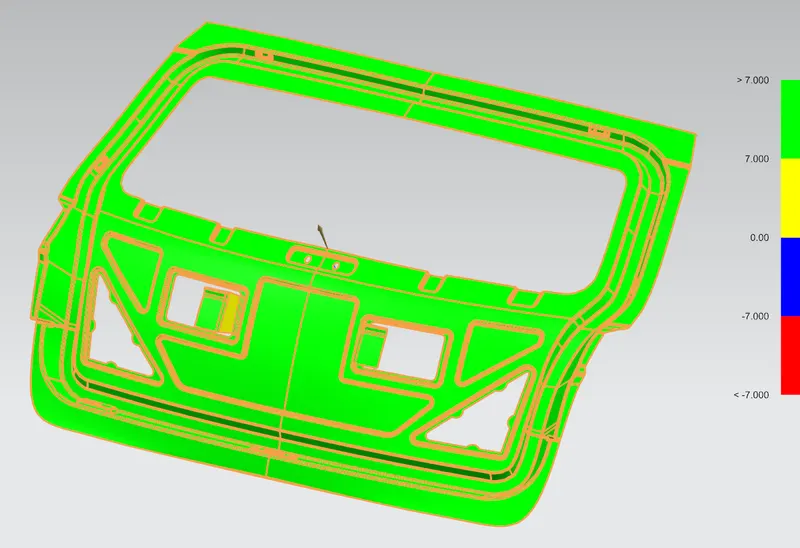
The draft analysis is performed to check whether part satisfies for manufacturing process on basis of the tooling direction created initially. The draft analysis command enables us to detect that the part drafted will be easily removed or not. This type of analysis is performed based on colour ranges identifying zones on the analysed element.
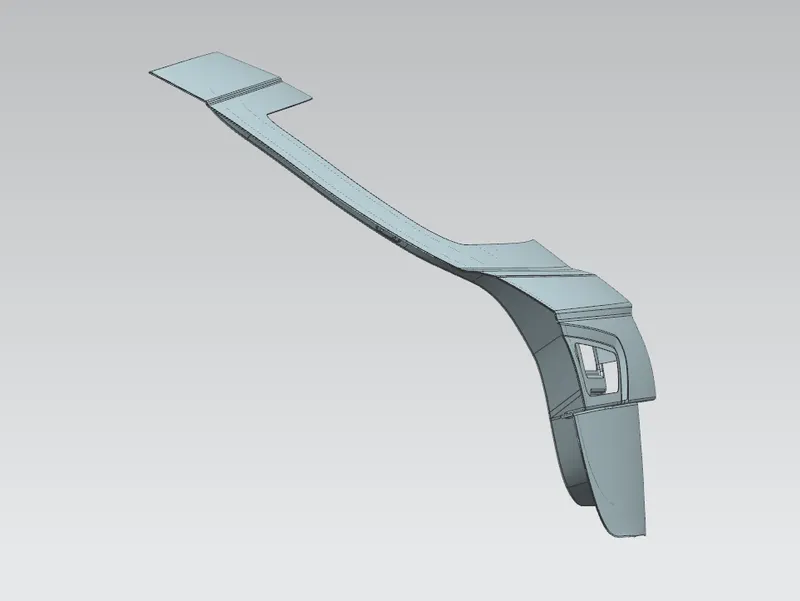
BACK DOOR ASSEMBLY IMAGES:
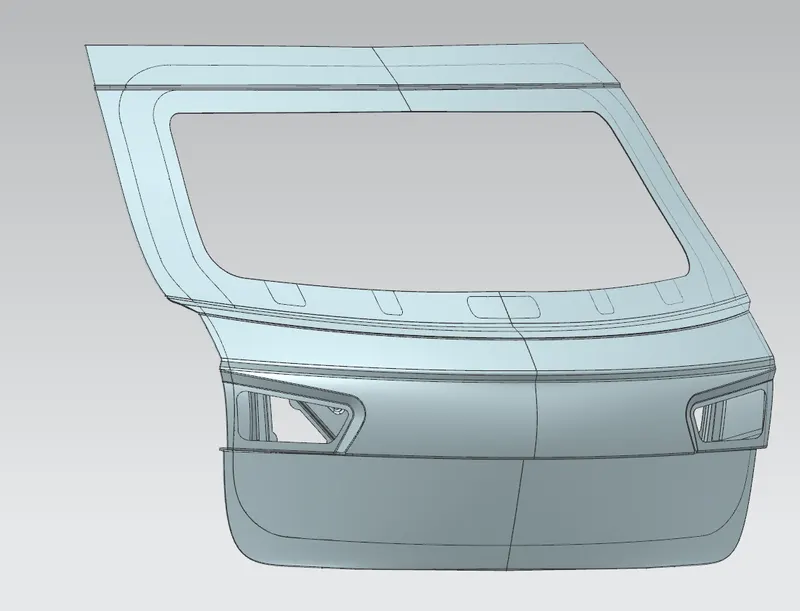
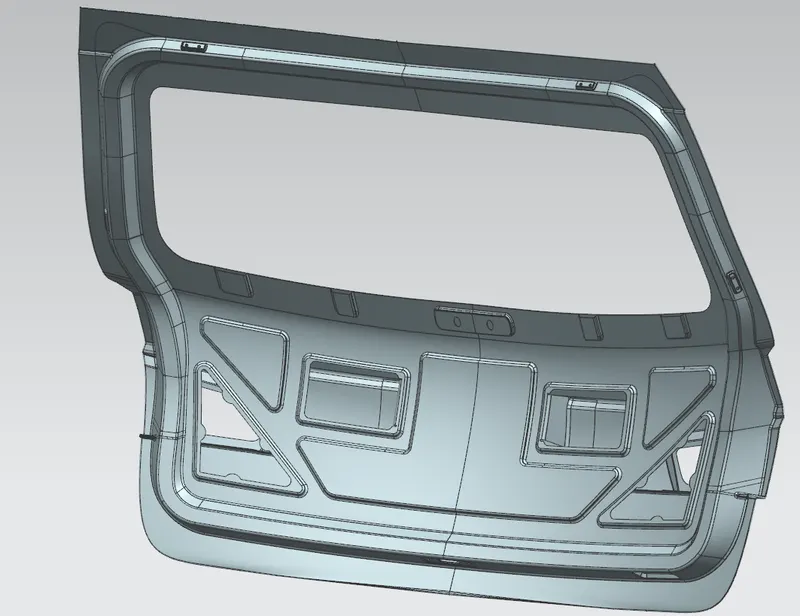
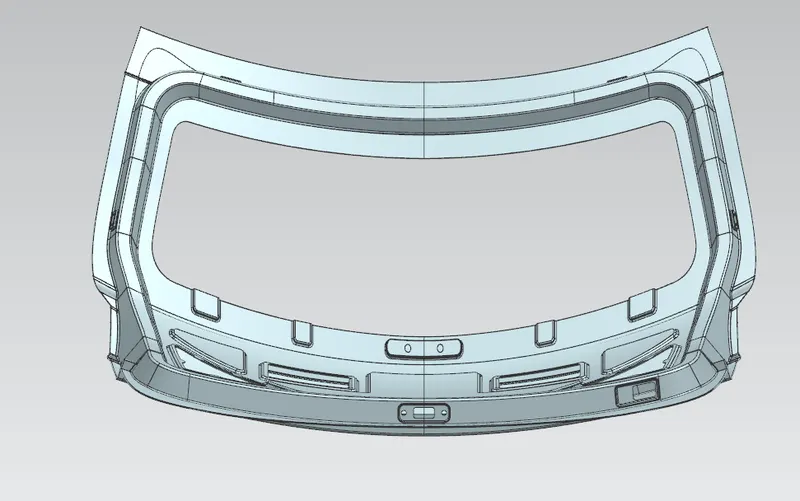
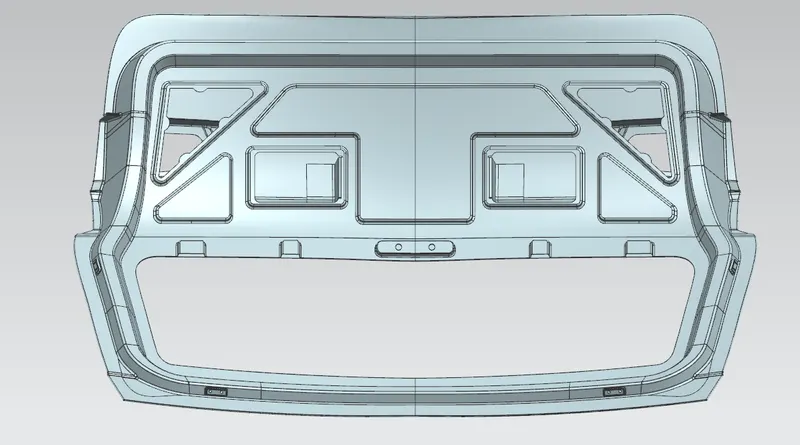
Conclusion:
The Backdoor of the car is designed by using appropriate design methodologies, and provided with necessary reinforcements & embosses