Week 6: Conjugate Heat Transfer Simulation
Challange :- Conjugate Heat Transfer of a Turbulance flow moving through a Pipe.Reynolds Number is 7000,Turbulency Modelling K-Epsilon,Supercycling Parameters, Add Y+ additional 3D output,Grid dependence Test show that the outlet temperature converges to a particular value,Set supercyle stage interval to 0.01,0.02 and 0.03,For these three values, how does the total simulation time compare against the baseline configuration
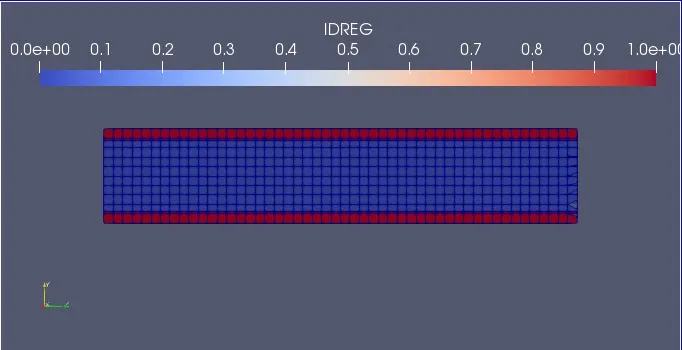
show the mesh generation using PARAVIEW.
Solution:- CHT is transfer of heat Flux between Solid and Fluid Region.In solid body Heat Transfer mode is conduction which follow transfer of heat from one region at higher temperature to region of lower Temperature. Conduction Equation is given by
Q/t =KA(T2 -T1)/t
Where Q/t = Rate of Heat Transfer(Heat Flux)
k= Rate of Thermal Conductivity, It Depends upon Material and different for Different Material(Like Steel,Aluminium,copper etc)
A = Area
T2= higher temperature
T1= Lower Temperature
t= Thickness
Convection
Heat Transfer Mode in liquid and air is convection ans also between solid-Liquid interface.It heated and travel away from Heat Source.Convection equation is given by
Q/t =h x A x (T2-T1)
h = convection heat Transfer
Q/t = Rate of Heat Transfer(Heat Flux)
A = Area
T2=Temperature of Surface
T1=Temperature of Liquid
Case Setup
A CHT case is setup in Converge Studio with intial input of Reynolds Number 7000. As we know that reynold number greater that 4000 has Turbulance flow.so I run this case setup with Turbulance Modelling K- epsilon.
Reynold Number<2300 Flow will be Laminar
Reynold Number >4000 Flow will be Turbulance
Reynold Number Between 2300 to 4000 Flow will be transition between Laminar and Turbulance
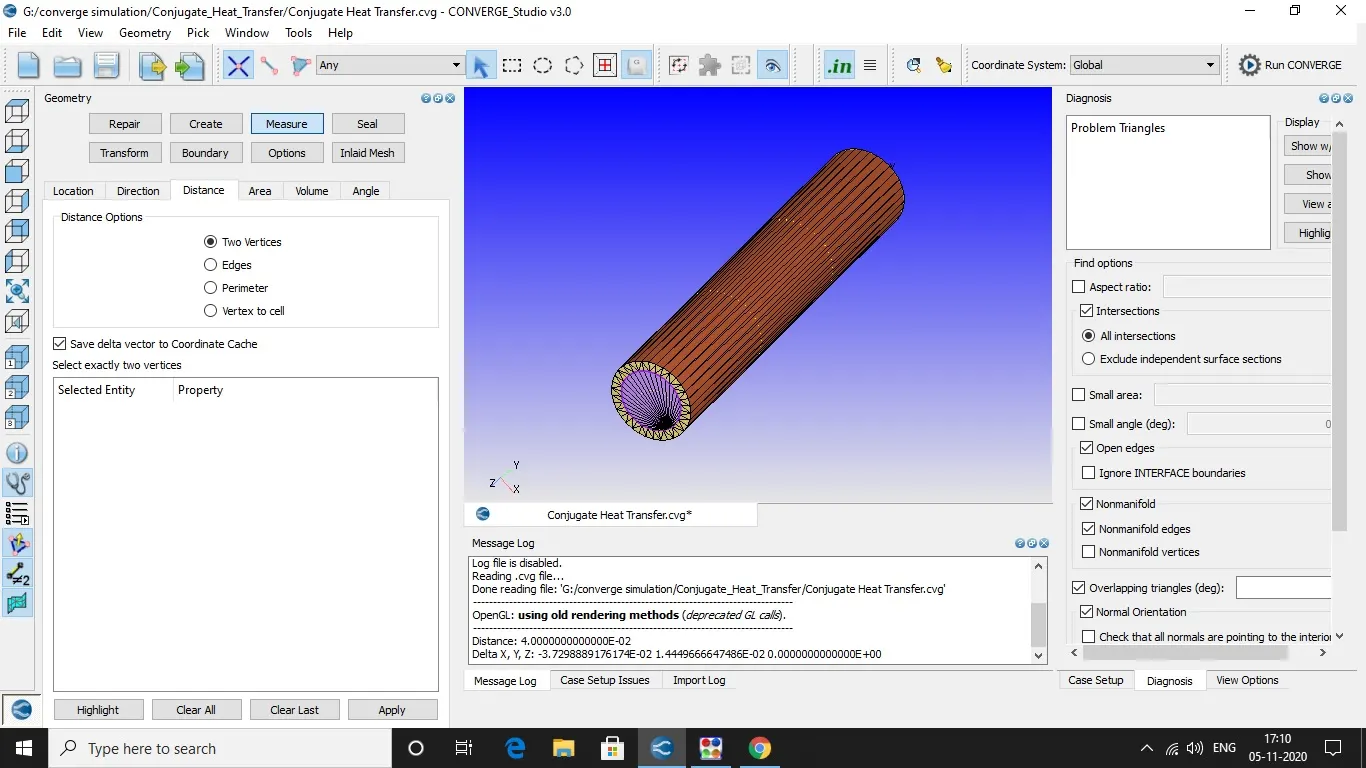
Make a Thicken cylinder in converge studio it will respresent solid Hollow pipe with outer Diameter 0.004m X Length 0.2m and thickness .005m. keep boundary flagging of inlet, outlet ,outer solid surface, thikness surface and interface Surface to define solid and Liquid Region.
Material
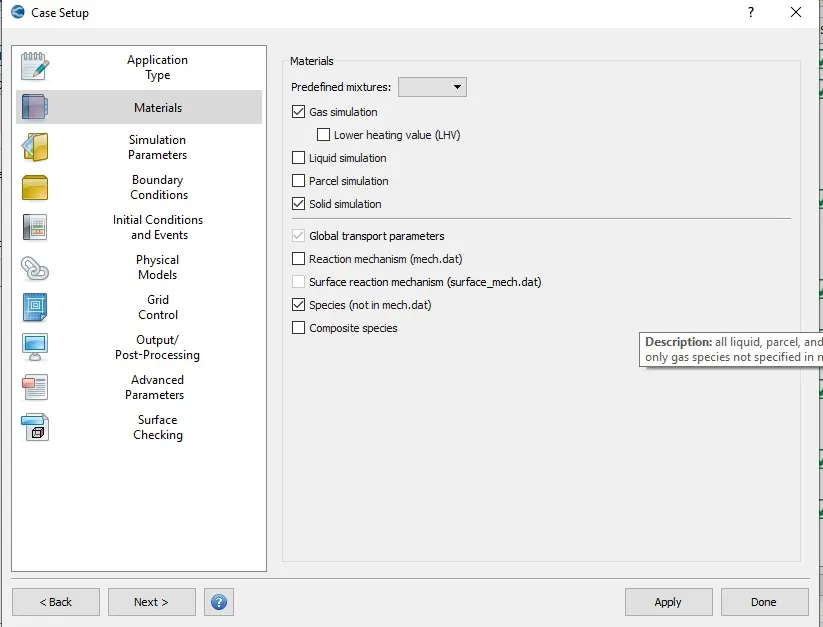
Click on material icon and choose Gas simulation and Solid Simulation option to define solid and liquid region.
Define Species = Air
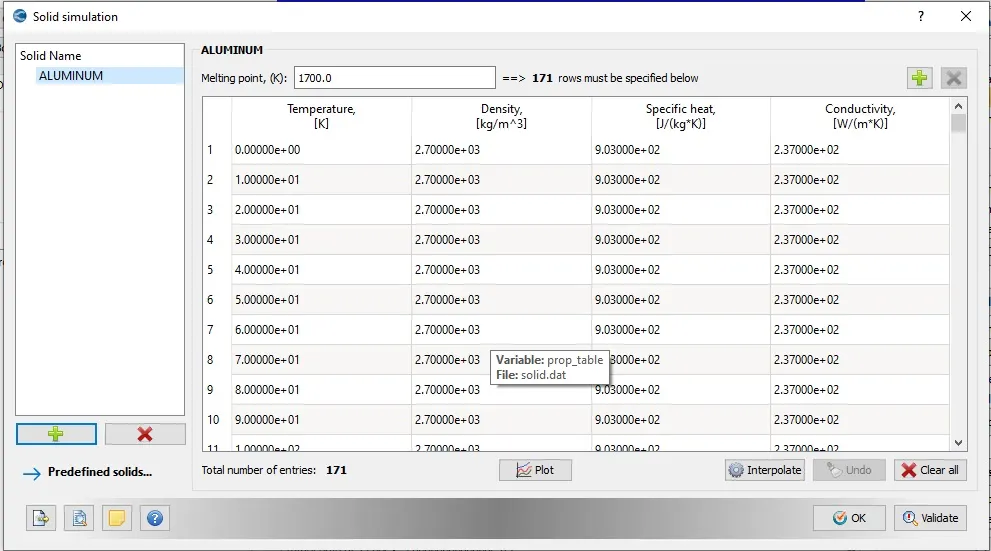
Solid simulation
Define Alumininum material in solid simulation tab and properties of aluminium are highlited as shown below.
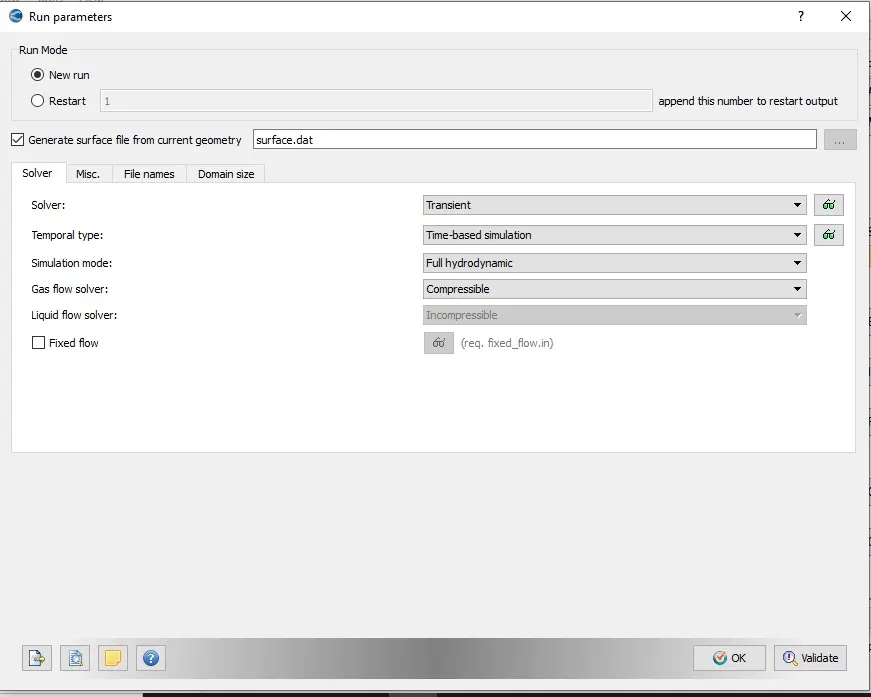
Run Parameters
Set solvet at Transient and simulation mode to Full Hydrodynamic as shown Below
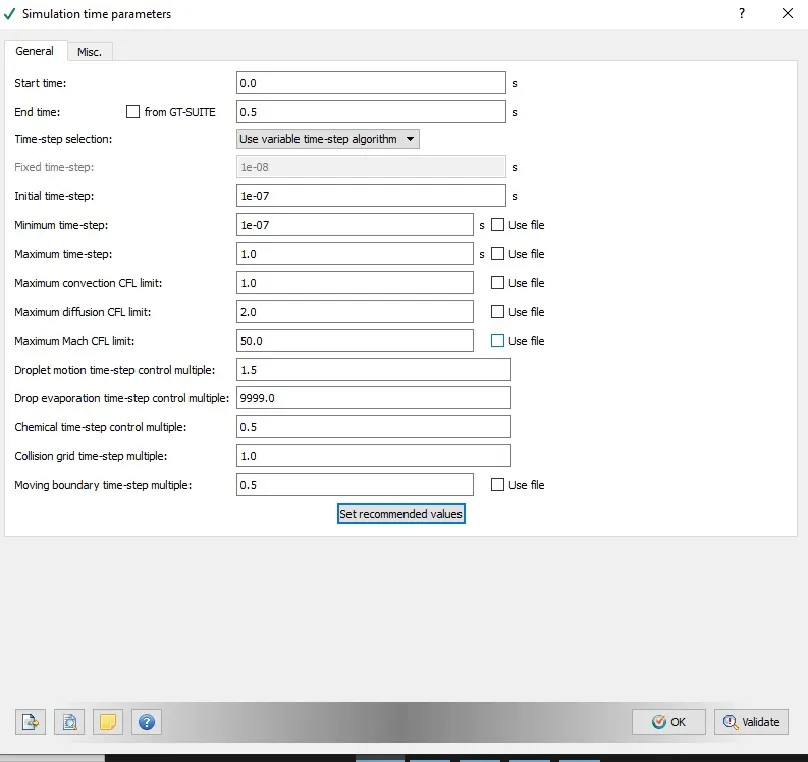
Simulation Time Parameters
Start time :- 0sec
End time:- 0.5 sec
Initial time step:- 1e-07
Minimum time step:- 1e-07
Max. time step:- 1.0
Max CFL Limit:- 1.0
Region Set
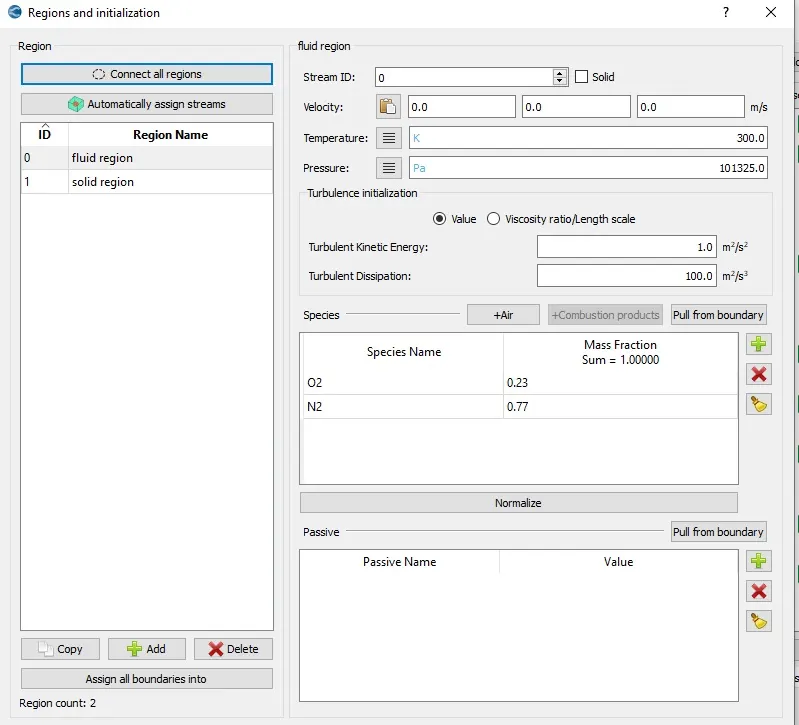
Set two Region in Region and intialization. one region is fluid Region in which by default 0 stream ID is for Fluid and set Temperature to 300 K and pressure to atmospheric Pressure. set air as species
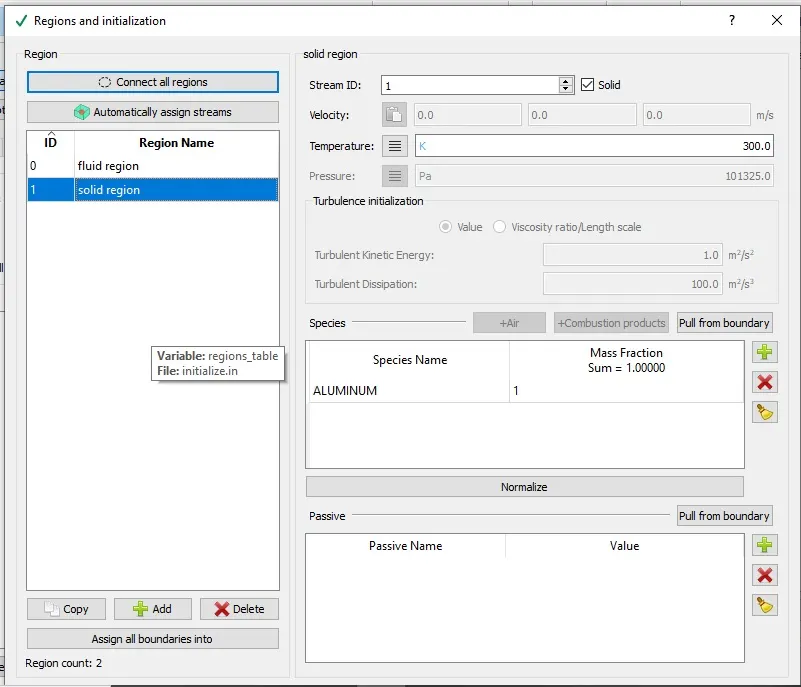
Set Stream ID 1 for solid Region and Click on Solid Option.set temperature at 300 K and in species option set aluminium as solid Region
Boundary Condition
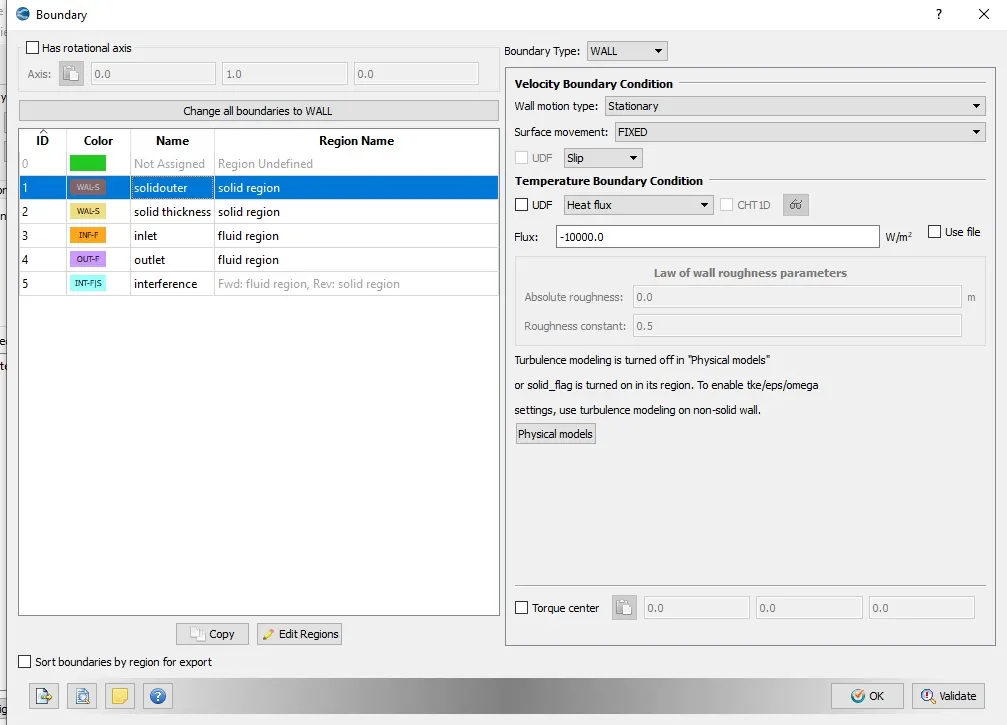
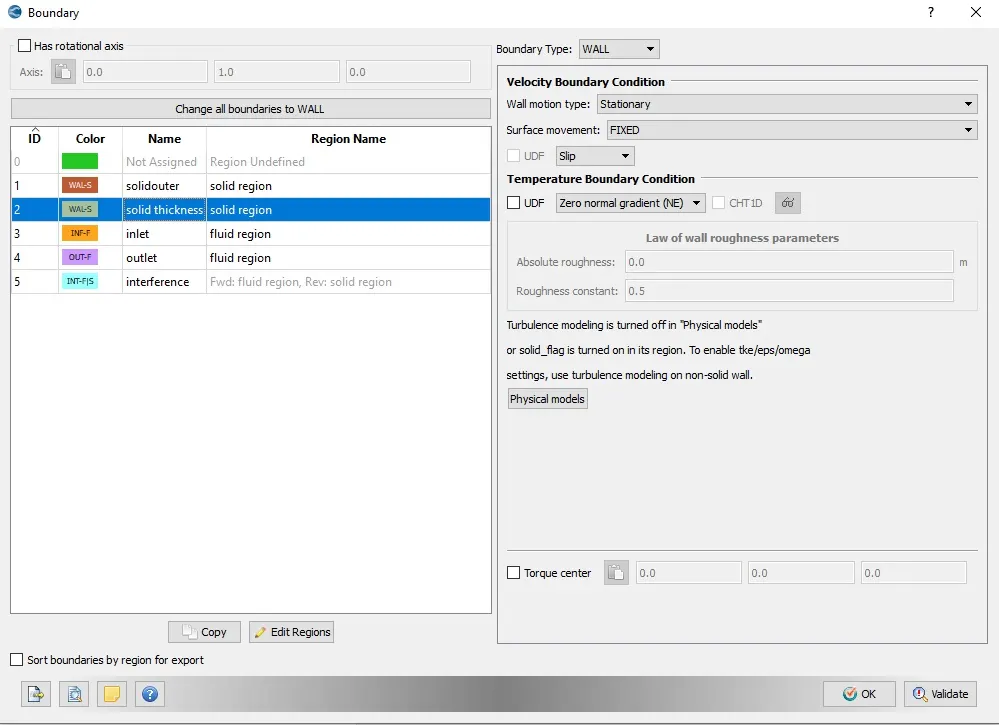
As shown below in boundry flagging option,outer surface given solidouter and set Dirichlet temperature boundary condition to -10000 w/m2. The negative sign show that heat is transfer into the system. it means that heat from solid body aluminium transfer to air flow region through convection Process. set this boundary to solid region.
Set solid thickness as shown below to wall and velocity to Drichlet condition slip option and temperature to Nuemman boundary Condition as shown below.Set this boundary to solid Region.
Inlet Boundary condition
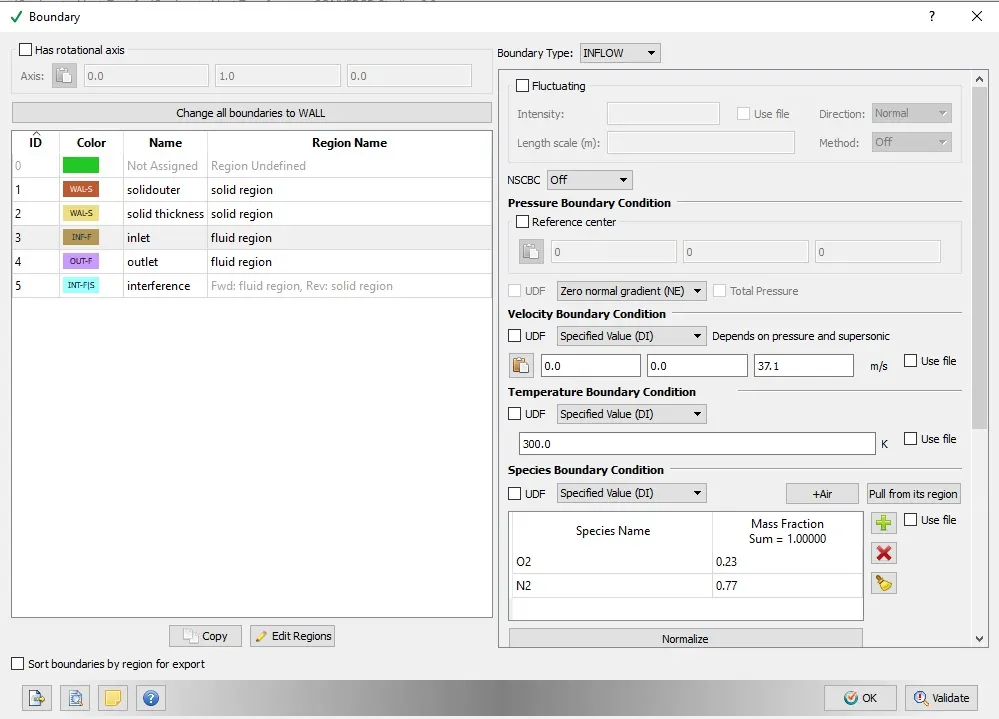
Re=7000
Re = (rho*V*D)/(Dynamic viscosity)
rho= 1.161 Kg/m3 at 300K
D = 0.003 m
Dynamic viscosity = 1.846 x10e-5 kg/ms
velocity = 37.10 m/s
Apply Dirichlet boundary condition and put velocity value of 37.10 m/s and temperture boundary condition to 300 K as shown Below.
Outlet boundary condition
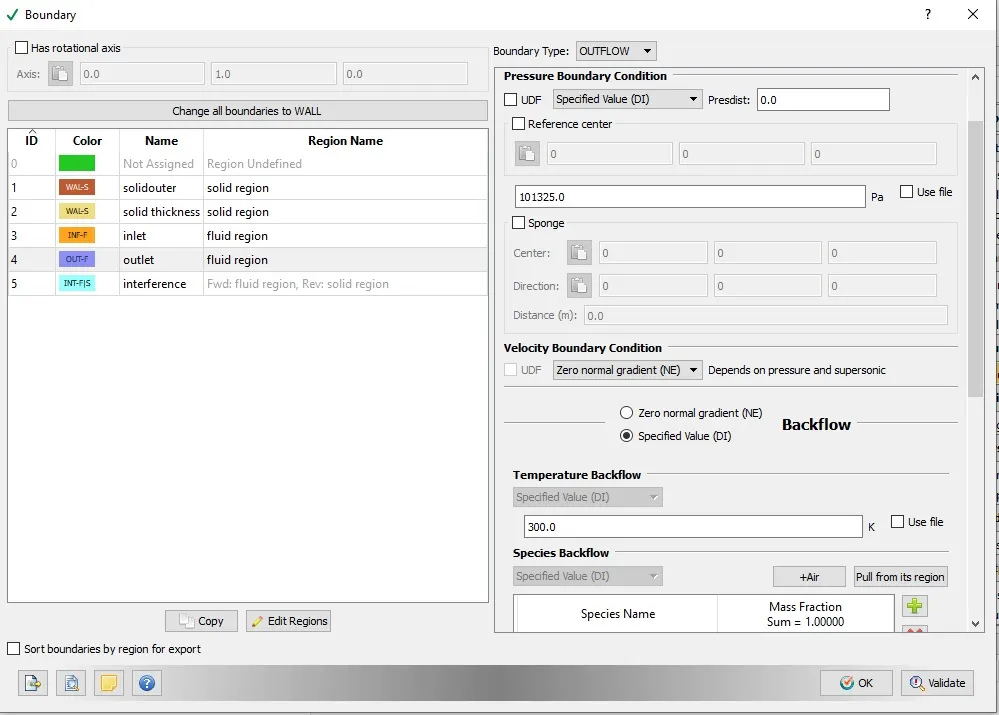
Set outlet boundary condition to Dirichlet boundary condition and put pressure value to atmospheric pressure.velocity boundary condition to neumman boundary condition and set temperature to 300K.
Interferance
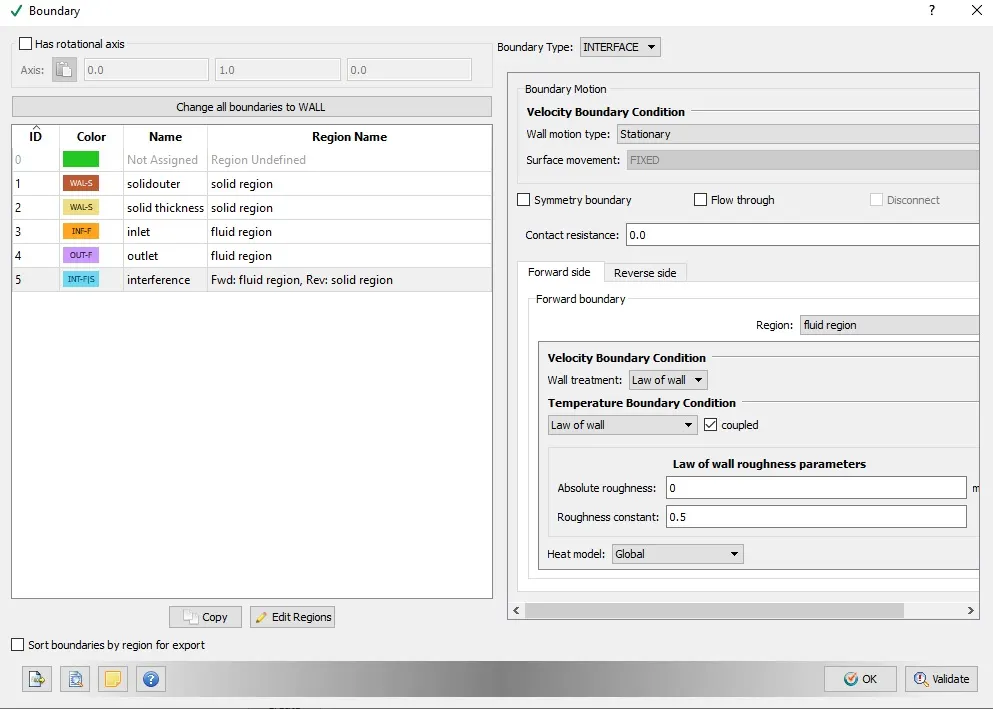
Intereference is the surface common between solid and fluid region.In forward side set region to fluid and in reverse region to solid region.
super cycle Modeling
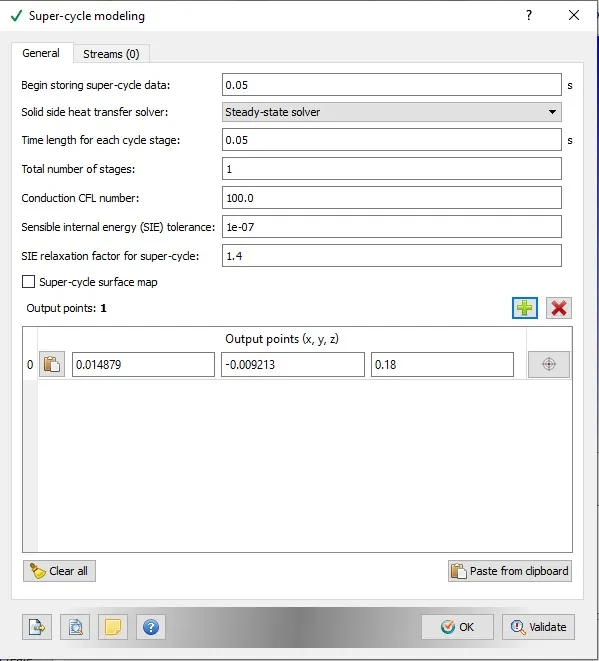
In physical Model click super cycle modeling option.
The computational time for results to convergence is different in solid and fluid. Transient solver is used for solid and fluid Region and fluid converge time is less than solid converge time.In super cycle modeling, solver is stop for liquid region and average temperature is intial boundary condition for solid region and further steady state is used for solid region.Therefore it reduced computational time in CHT to get converge results. we can set monitoring point where we can check Temperature by copy monitor point coordinate to utput point as shown below.Keep turbulance option to K-epsilon.
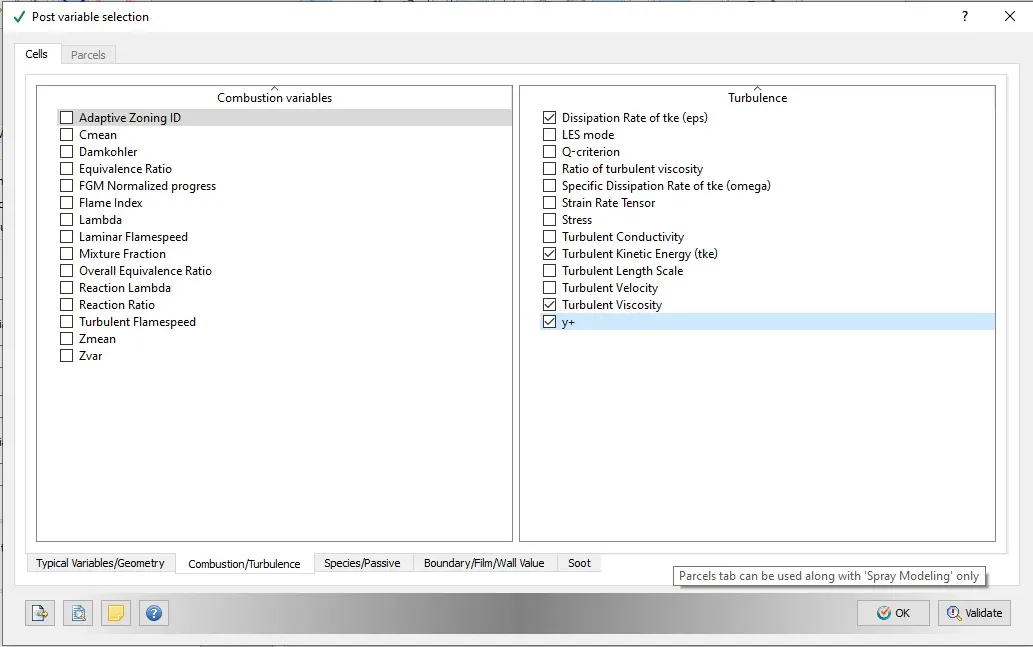
Y+ Turulence
Click on Y+ option in Post variable selection.This help in setting of mesh size in turbulance model. As in case of turbulance, Flow near boundary is in viscous subzero it is similar to laminar flow and we can set boundary condition to No Slip. As we move upward from boundary the turbulance region satarted.so it is difficult to get actual result by setting boundary condition in this region.Y+ is dimensionless quantity describe distance from boundary layer. Y+ <10 is for laminar flow and Y+>30 is for turbulance flow. Y+ value between 10 to 30 is transition between laminar and turbulance Region. To achive Y+ value less than 10 it helps in describe mesh size has to be refined near boundary which help to get accurate result.
After Setting case setup Run into cygwin and create 3d post outfile into Converge 3D post out option.
Run case for three mesh size 0.002m,0.003m and .004m and three super cycle 0.01,0.02 and 0.03 and open results in paraview.
Results
Case1:- Mesh Size 0.002 and Super Cycle 0.01
Grid Size
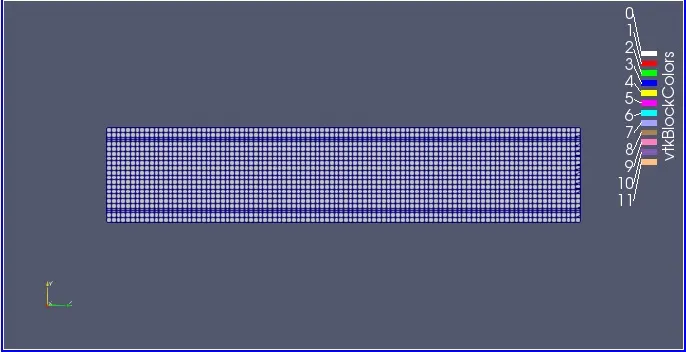
Case2:- Mesh Size 0.003 and Super Cycle 0.02
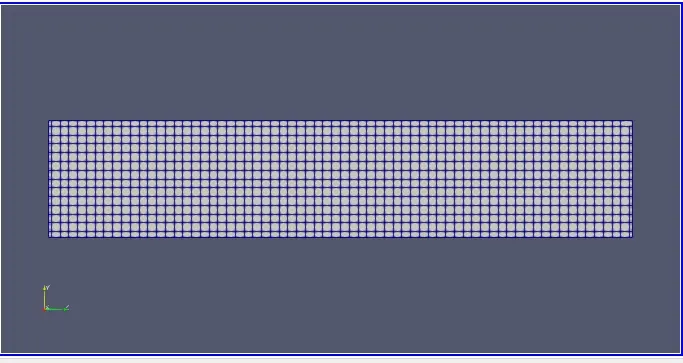
Case3:- Mesh Size 0.004 and Super Cycle 0.03
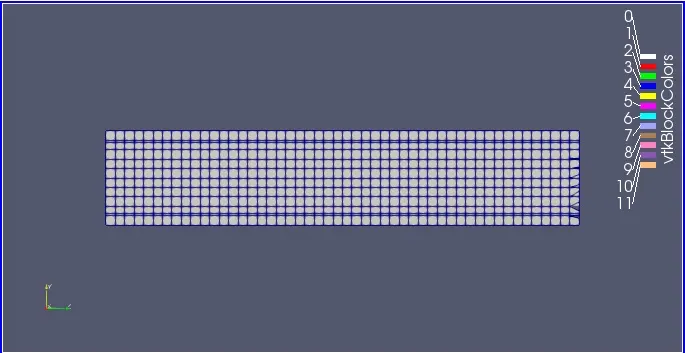
Case1:- Mesh Size 0.002 and Super Cycle 0.01
Computational time is 1 Hr 20 min with mesh size 0.002 and super cycle 0.01
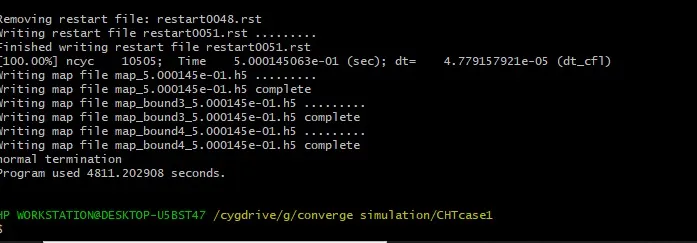
Case2:- Mesh Size 0.003 and Super Cycle 0.02
Computational time is 38 min with mesh size 0.003 and super cycle 0.02
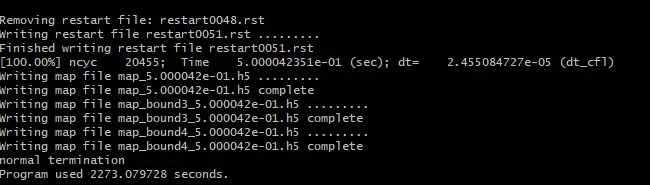
Case3:- Mesh Size 0.004 and Super Cycle 0.03
Computational time is 8 min with mesh size 0.004 and super cycle 0.03
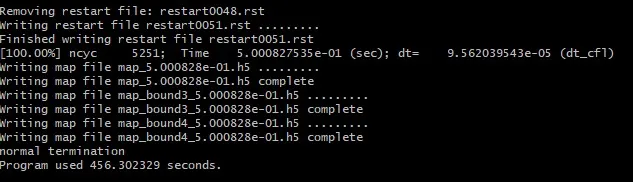
Y+ Boundary condition
Case1:- Mesh Size 0.002 and Super Cycle 0.01
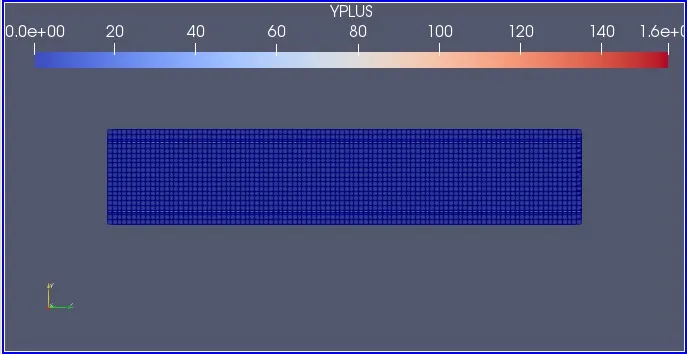
As shown form Y+ result that value is less that 10 so this mesh size is ok So it will take boundary layer conditions as laminar boundary condition. Its conditon is more close to actual flow conditions.so it will give more acurate results.
Case2:- Mesh Size 0.003 and Super Cycle 0.02
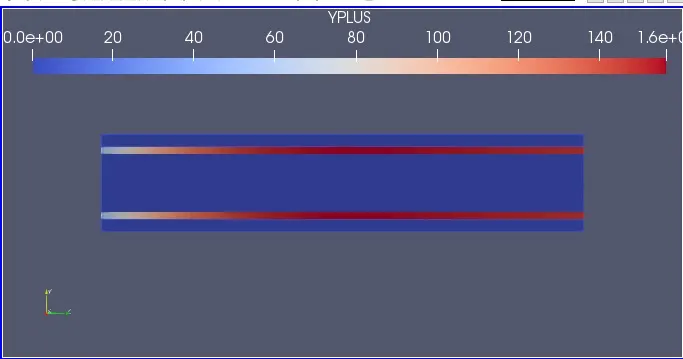
It shown from Y+ Graph that value is almost 140 so it is in Turbulance zone.so Mesh size in this case is large so it is more diffucult to define boundary condition in this region and Resuts are vary from actual flow conditions.
Case3:- Mesh Size 0.004 and Super Cycle 0.03
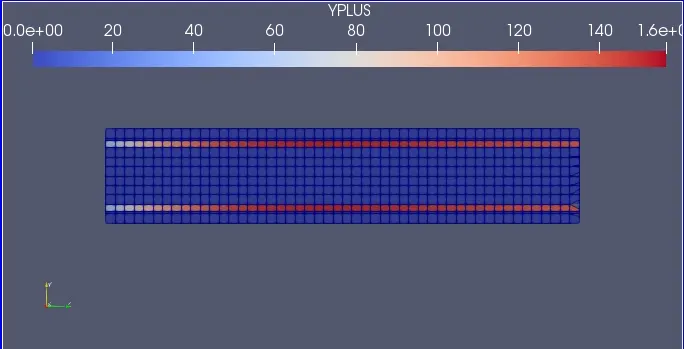
It shown from Y+ Graph that value is almost 160 so it is in Turbulance zone.so Mesh size in this case is large so it is more diffucult to define boundary condition in this region and Resuts are vary from actual flow conditions.
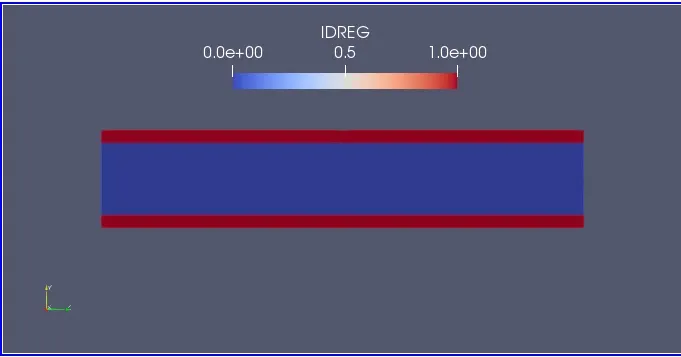
Case1:- Mesh Size 0.002 and Super Cycle 0.01
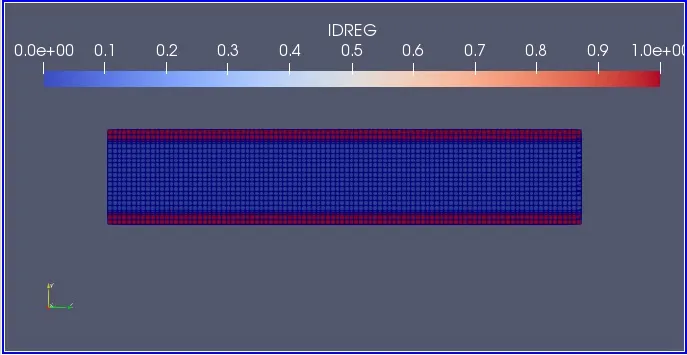
IDREG Represent Solid and Liquid Region.Region 1 represent solid and region 0 represent liquid Region.
Case2:- Mesh Size 0.003 and Super Cycle 0.02
IDREG Represent Solid and Liquid Region.Region 1 represent solid and region 0 represent liquid Region.
Case3:- Mesh Size 0.004 and Super Cycle 0.03
IDREG Represent Solid and Liquid Region.Region 1 represent solid and region 0 represent liquid Region.
Temperature
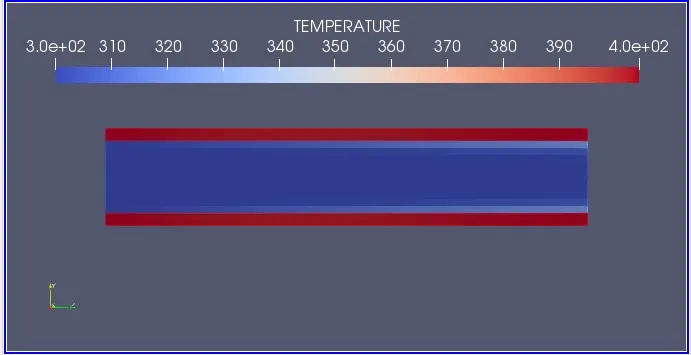
Case1:- Mesh Size 0.002 and Super Cycle 0.01
Case2:- Mesh Size 0.003 and Super Cycle 0.02
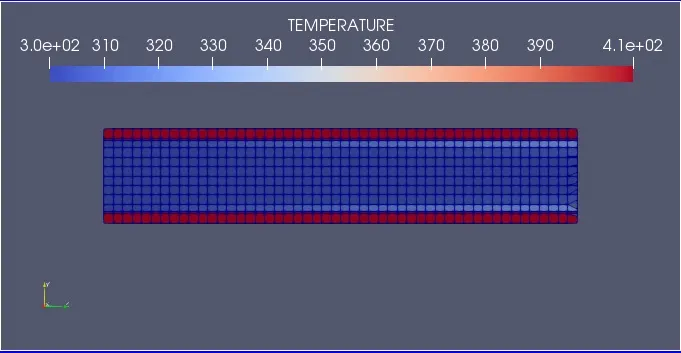
Case3:- Mesh Size 0.004 and Super Cycle 0.03
Line Plots
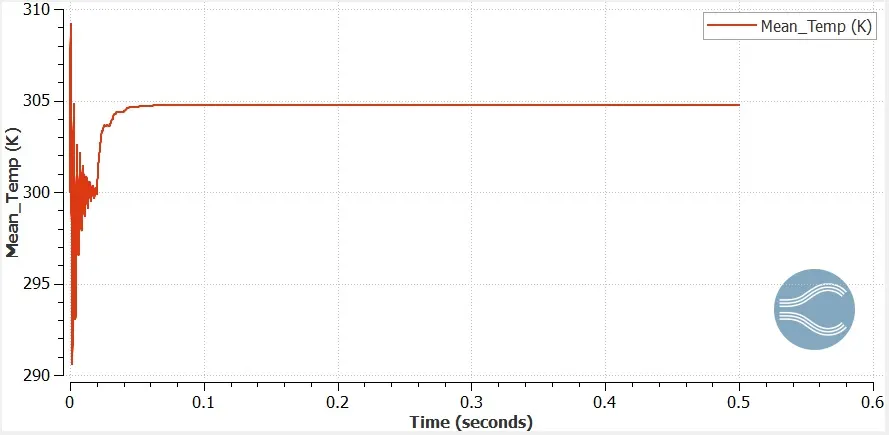
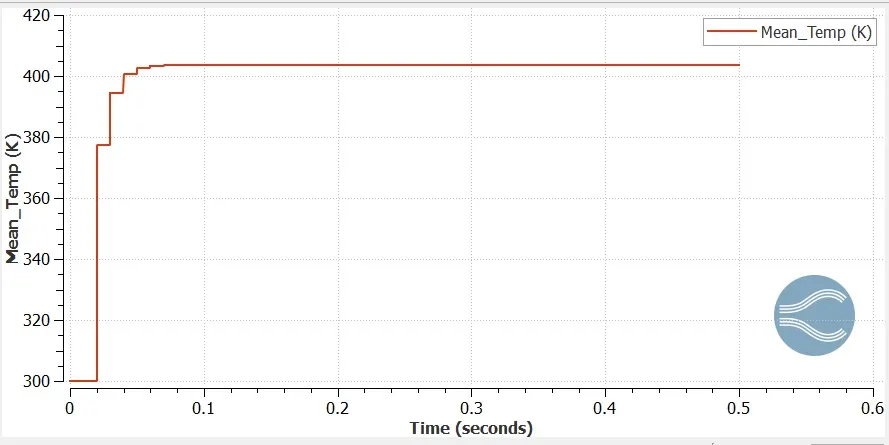
Case1:- Mesh Size 0.002 and Super Cycle 0.01
Mean Temperature in liquid region converge to Temperature of 304.9 K.
Mean Temperature in Solid region converge to Temperature of 405 K.
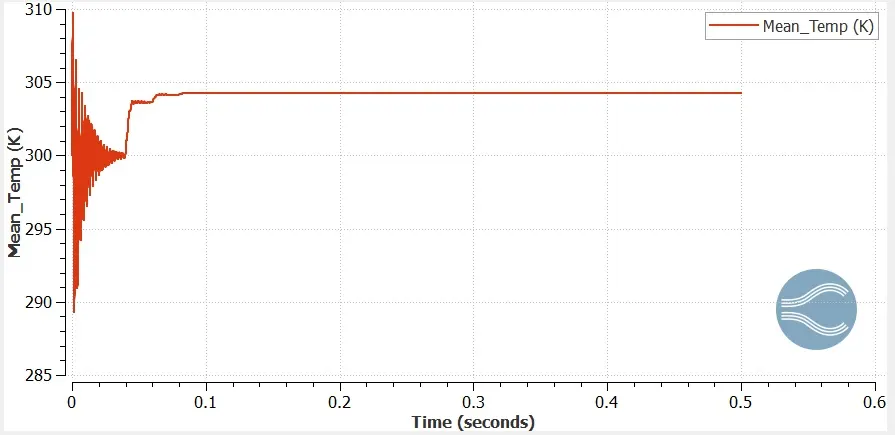
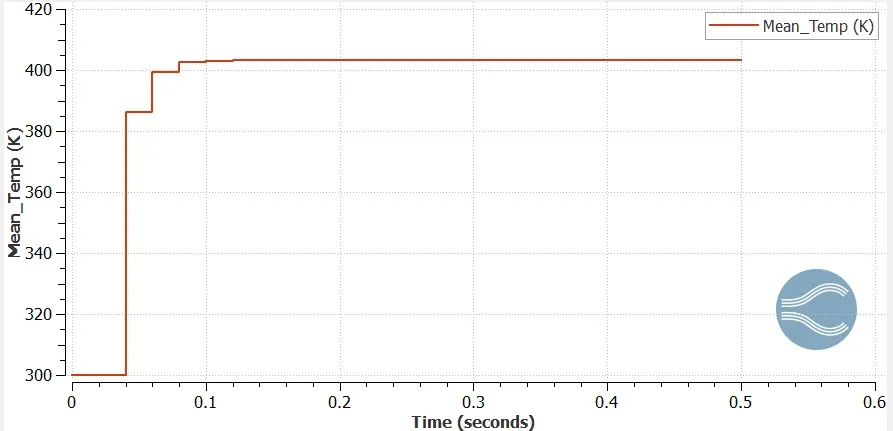
Case2:- Mesh Size 0.003 and Super Cycle 0.02
Mean Temperature in liquid region converge to Temperature of 304K.
Mean Temperature in Solid region converge to Temperature of 405 K.
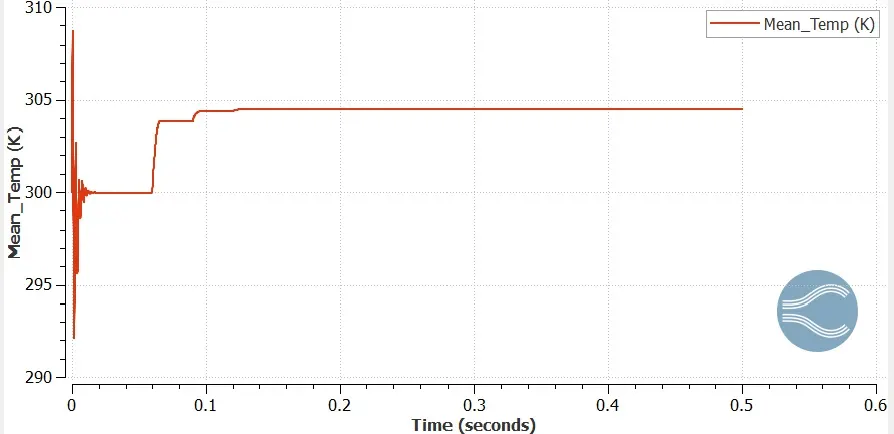
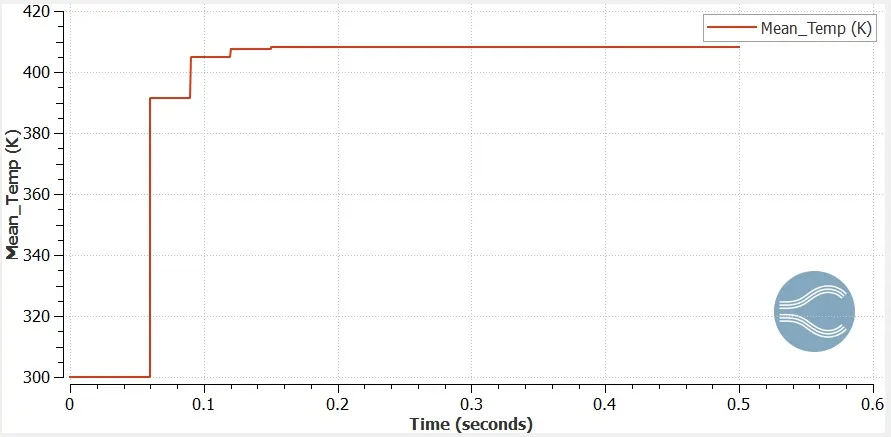
Case3:- Mesh Size 0.004 and Super Cycle 0.03
Mean Temperature in liquid region converge to Temperature of 304K.
Mean Temperature in Solid region converge to Temperature of 405 K.
Conclustion
(1) Mesh size 0.002 give Y+ value less than 10 so Boundary layer condition is in laminar subregion and can apply laminar boundary condition and give result more accurate.
(2) Mean Temperature of solid region in case 1 conveerge at 0.08 sec, case 2 converge at 0.14 sec and case 3 converge at 0.14 sec. In case 1 with small mesh size and
super cycling timing 0.01 converge more rapadily in solid and liquid region than other cases.
(3) computaional time in case 1 in with super cycling in cygwin is more that other cases.