Week 4:- Pin Unit Design Challenge
Pin Unit Design
AIM: Designing of the fixed pin unit and retractable pin unit for fixing of panel using CATIA software.
Theory Of Pin:
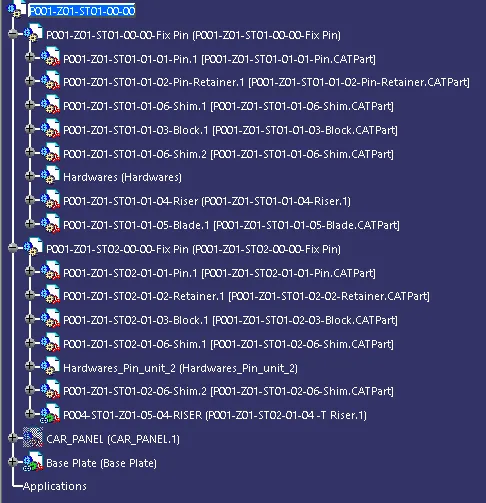
Pin unit consists of Pin, Pin retainer, L Block, Shims, Blade, and Riser.
The primary function of any locator is to reference the workpiece and to ensure repeatability.
1- Pin: It is used to fix the car panel by arresting Degree of Freedom of car panel.
There are four cases arise due to the different combination of hole and pin.
a)- Circular hole with circular pin. ----------- 4 DOF arrested.
b)- Circular hole with diamond pin. ---------- 2 DOF arrested.
c)- Slot with circular pin. ---------- 2 DOF arrested.
d)- Slot with diamond pin. --------- 4DOF arrested.
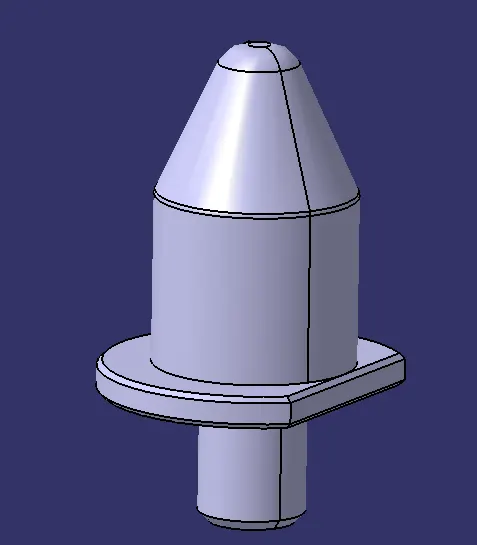
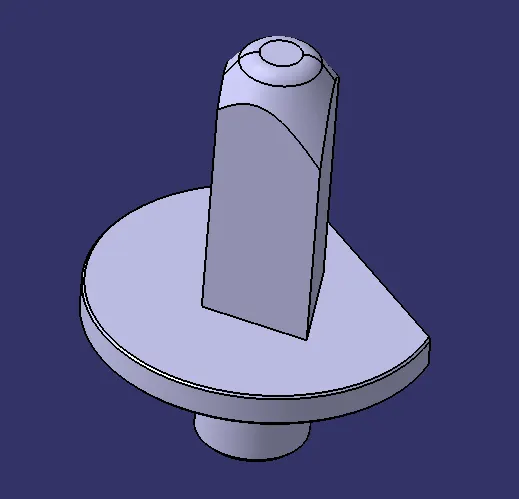
2)- Pin retainer: It is used to support the pin.
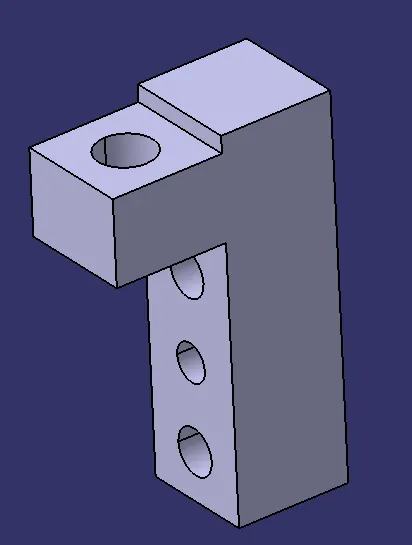
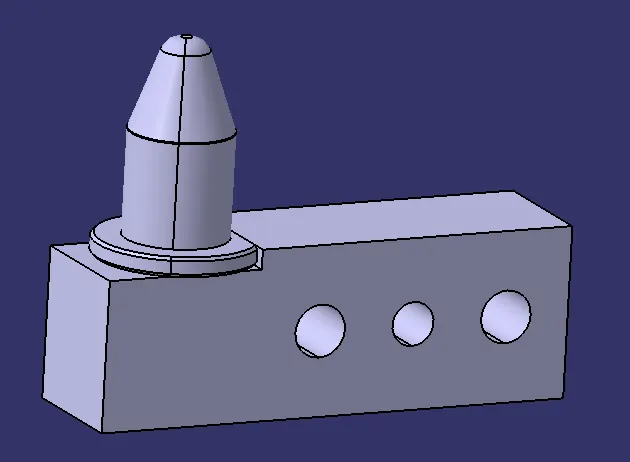
3)- Shims: We provide shim packs in order to accurately place the pin in the hole of the appropriate panel due to variations in the dimension caused by Man, Machine, or Materials.
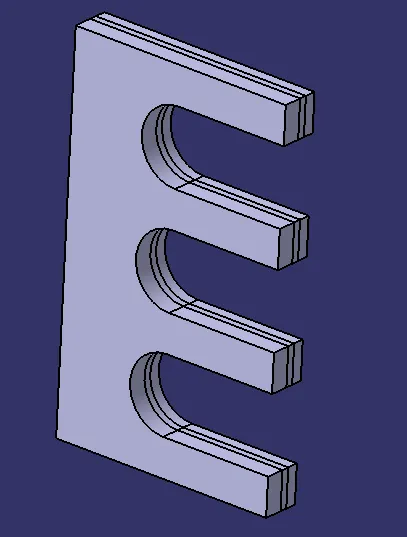
4)-Blade: It allows the freedom to utilize the same riser for various hole location heights.
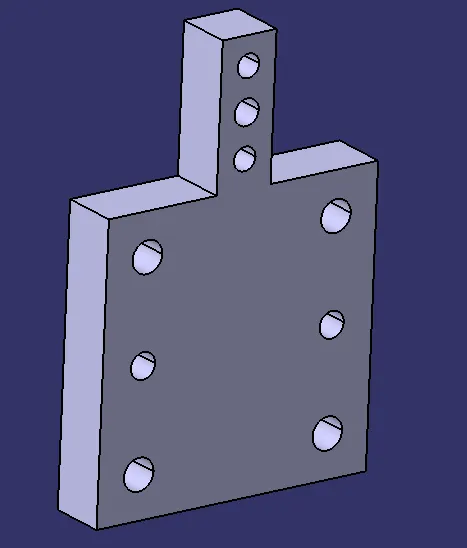
5)- Riser: It is a part that is attached to the base and is used to support every other part.
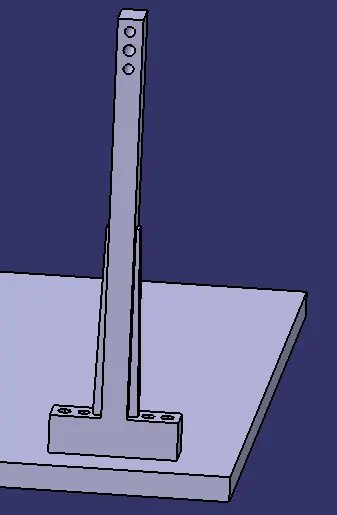
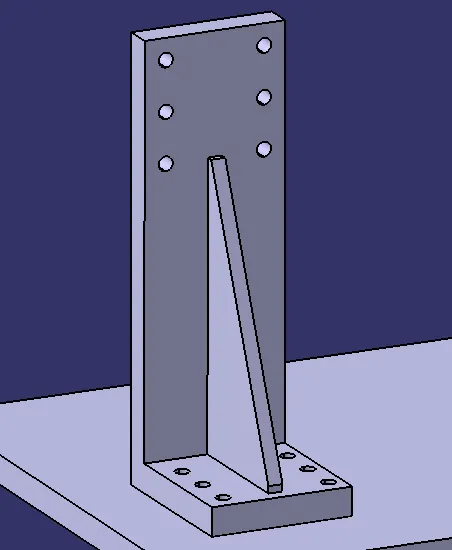
Types of pin unit
Fixed pin unit: Due to the pin retainer and riser, the pin is fixed in this instance.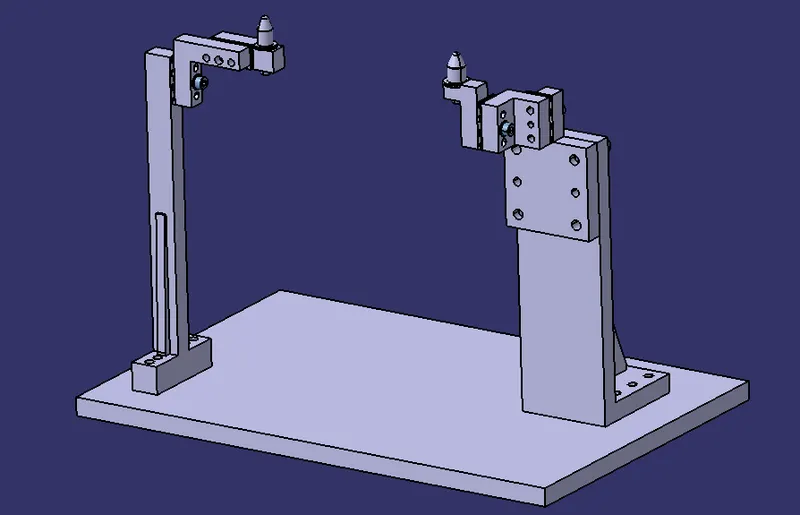
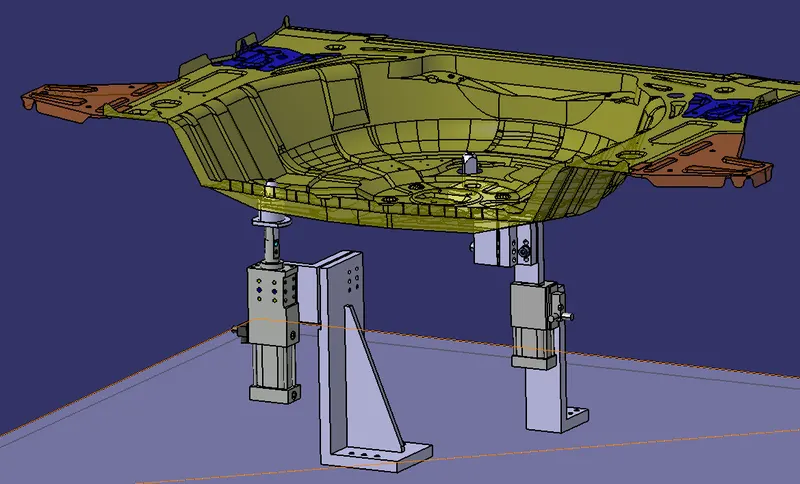
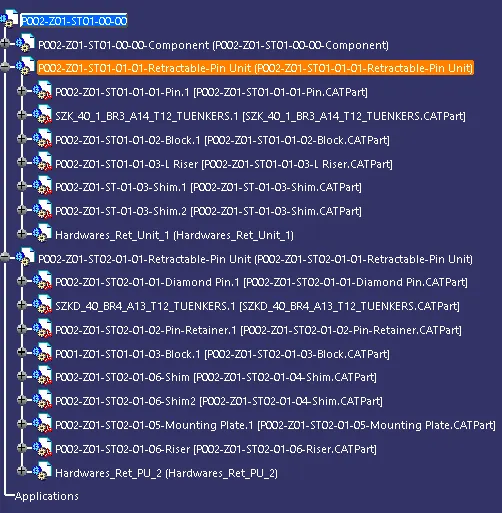
Retractable pin unit: Here, we offer any mechanism for the pin's up and down motion.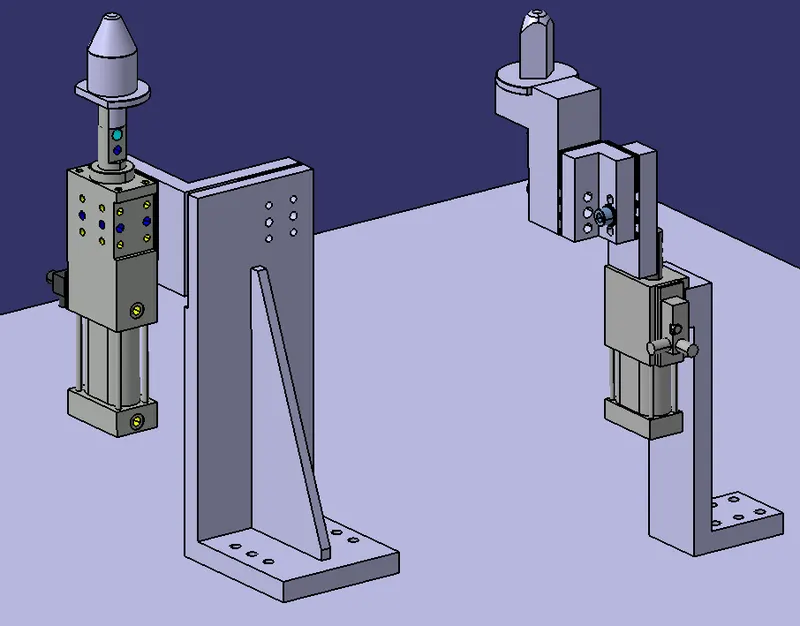
Design consideration of pin
- Two pins are required to locate the automobile panel; one pin will stop the translation of the panel by four degrees, while the second pin will stop it by two degrees.
- Pin must extend 3 to 5 mm beyond the size of the hole.
- We must use a certain form of pin depending on the geometry of the hole to first stop 4 translational motions before stopping 2 translational motions of the automobile panel.
- The pin's axis and the hole's axis must be parallel.
Manufacturing consideration of the pin
- The mounting surface of the pin needs to be precisely machined, that is, it needs to be smooth.
- To prevent movement along the axis of the pin, the pin must have a step collar whose surface perfectly matches the wall of the pin retainer.
- A pin must be hardened (heated treated) and polished with black oxide.
- A tapped hole from the bottom or a v-groove from the side must be present on the pin.
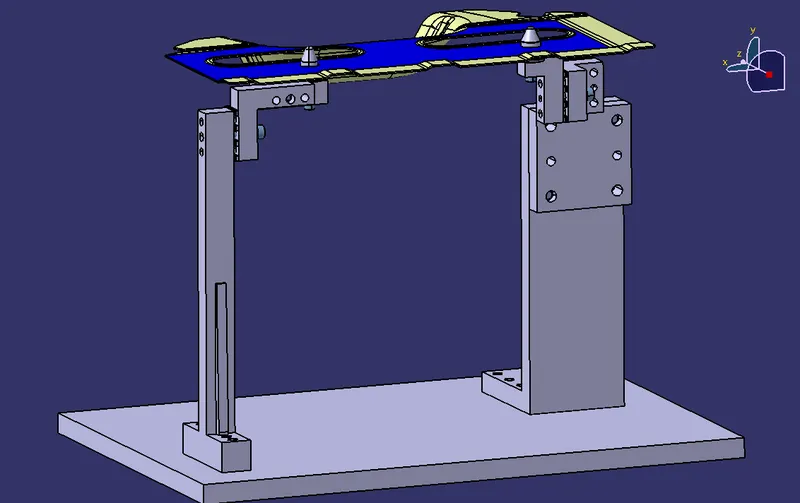
Fixed pin unit design images
Retractable pin unit design images
Conclusion: Using CATIA software, we learnt the principles of pin unit design and created fixed and retractable pin units.