Week 2 - Flow over a Cylinder.
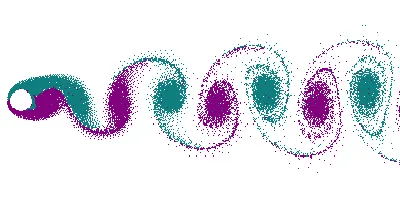
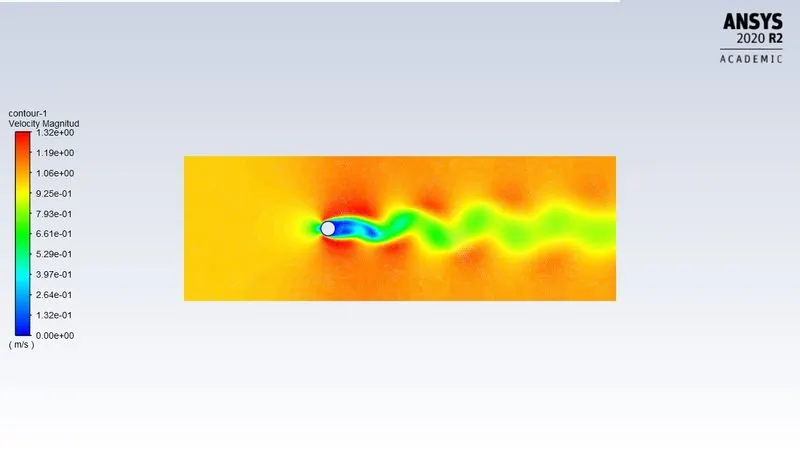
When fluid flows around a cylindrical object, there is a range of flow velocities for which a von Karman vortex street is formed. For velocities exceeding laminar flow, the inertia of the fluid starts to become significant and, as the fluid stream passes the frontmost part of the cylinder, it is unable to negotiate the rear half of the cylinder. Hence the fluid tends to separate from the front surface and peel off as it approaches the rear end of the cylinder, ending up shedding vortices.
Kármán vortex street (or a von Kármán vortex street) is a repeating pattern of swirling vortices, caused by process known as vortex shedding, which is responsible for the unsteady separation of flow of a fluid around blunt bodies.
Strouhal Number:
The Strouhal number is a dimensionless number describing oscillating flow mechanisms
The Strouhal number is often given as

where f is the frequency of vortex shedding
L is the characteristic length
U is the flow velocity
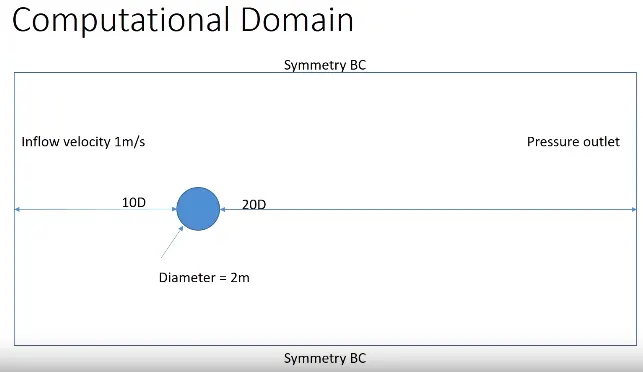
Geometry:
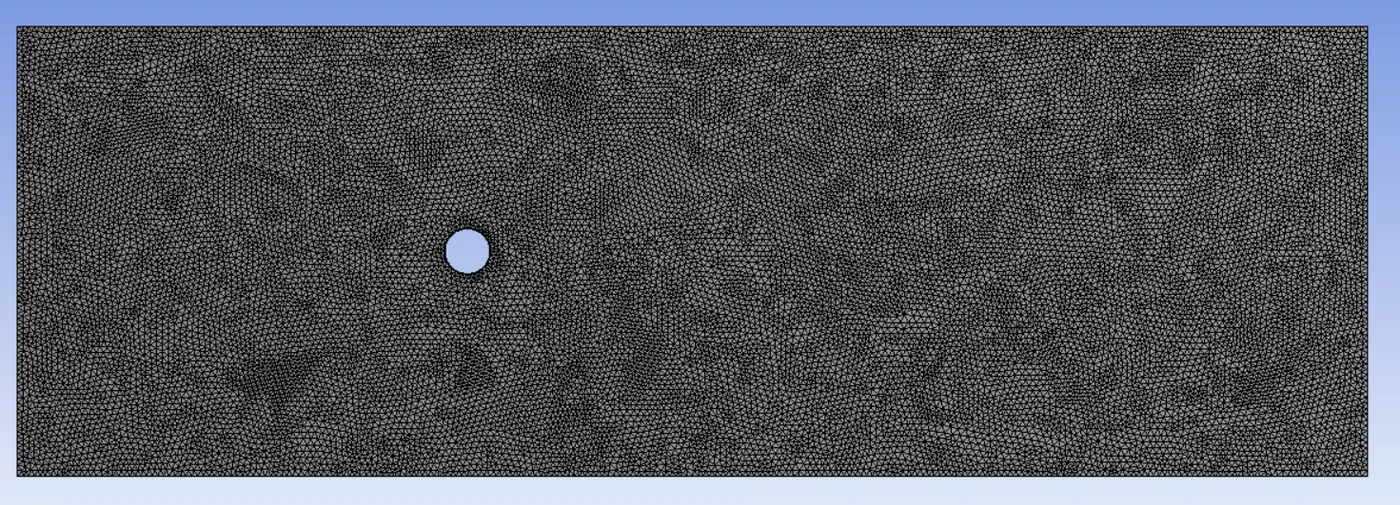
Mesh:
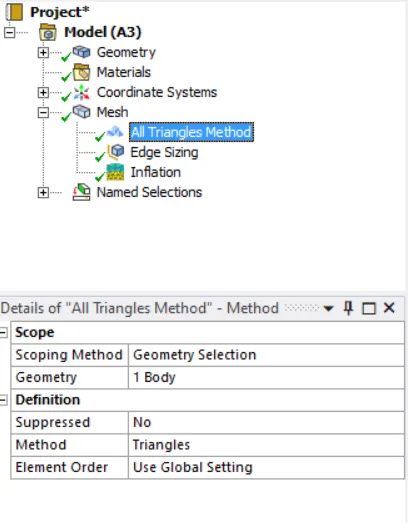
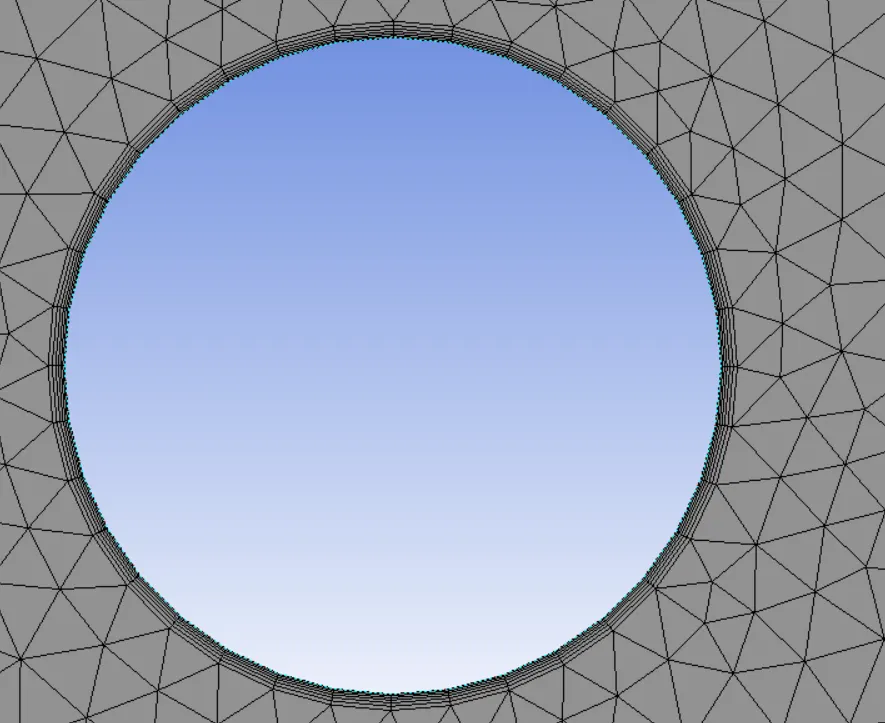
- Now in the mesh mode we set the mesh size and give inflation layers to the cylinder.
- The mesh size given is 0.25m and inflation layers are 6 no.s and with first layer thickness and first layer height of 0.005.
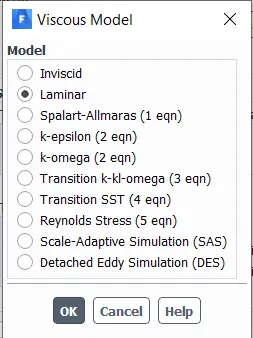
Viscous Model:
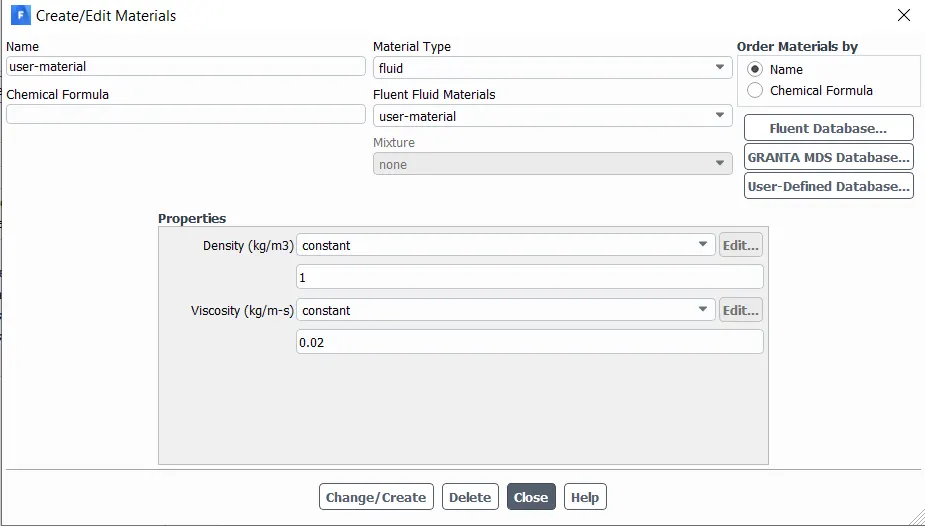
Material:
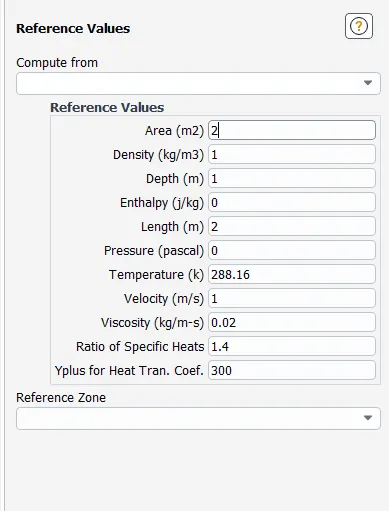
Reference Values:
Solution initialization :
Steady-state:
Hybrid Initialization
Unsteady state:
Standard initialization
Plots:
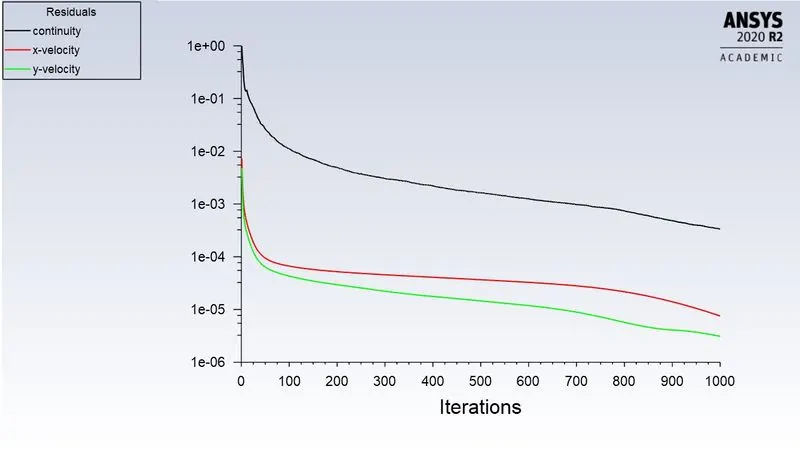
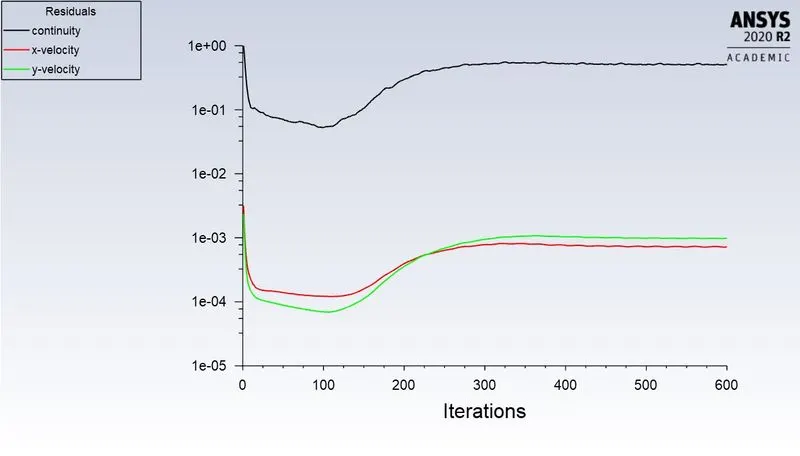
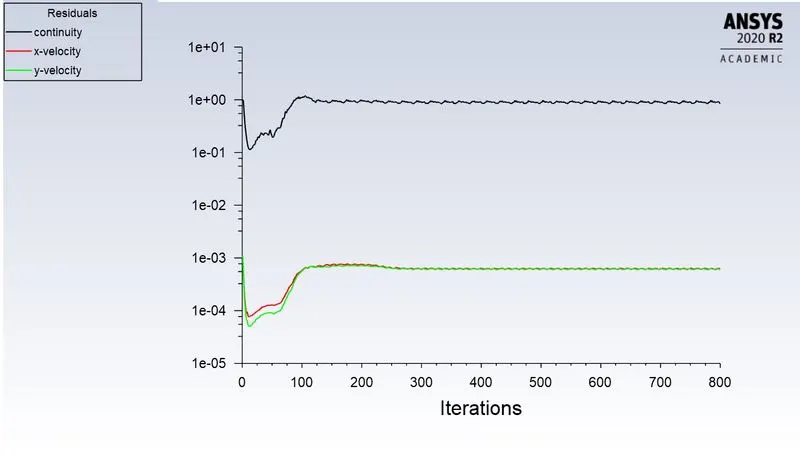
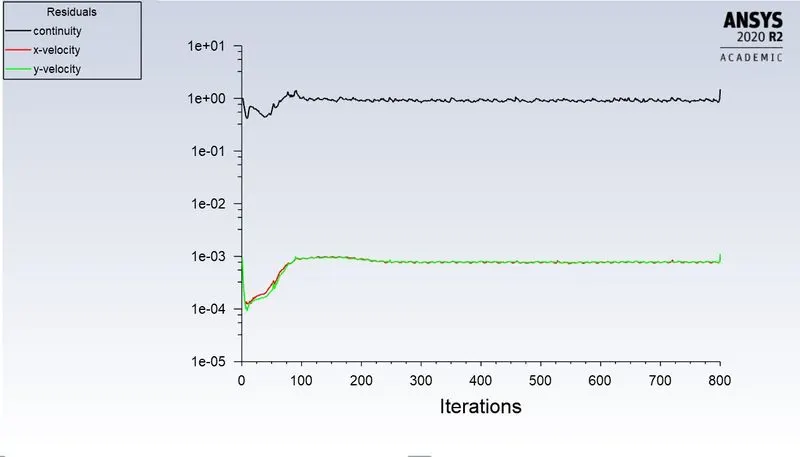
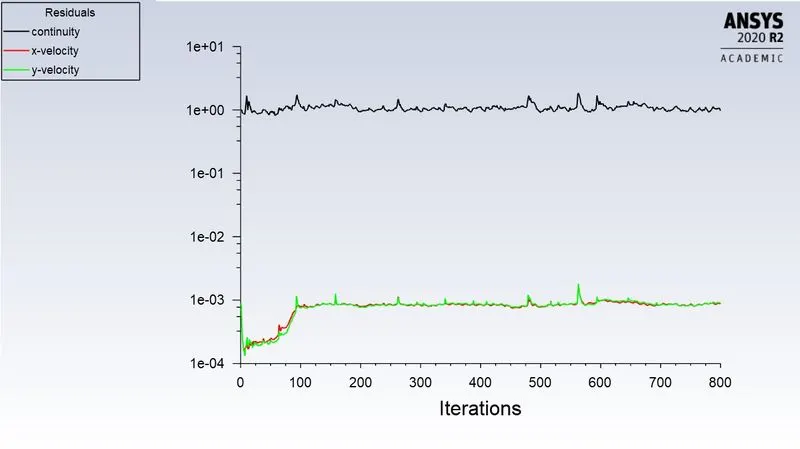
Residual plot:
This plot shows at what point convergence has achieved.
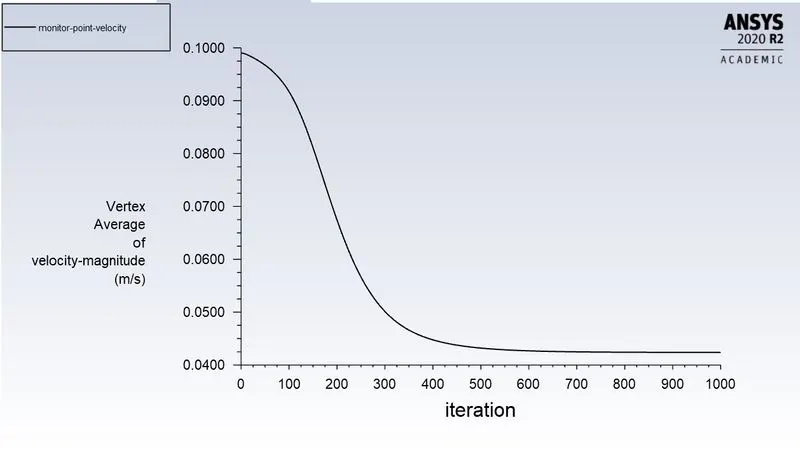
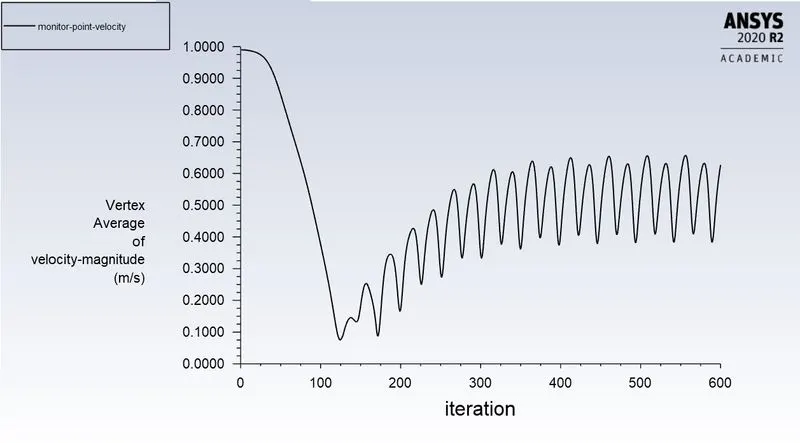
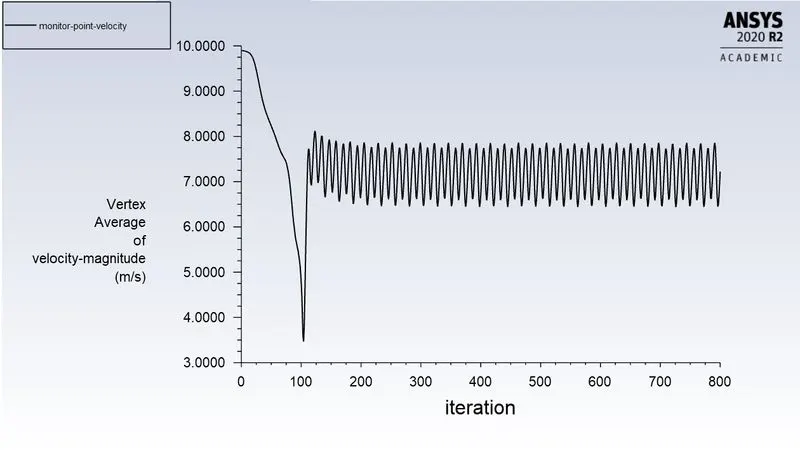
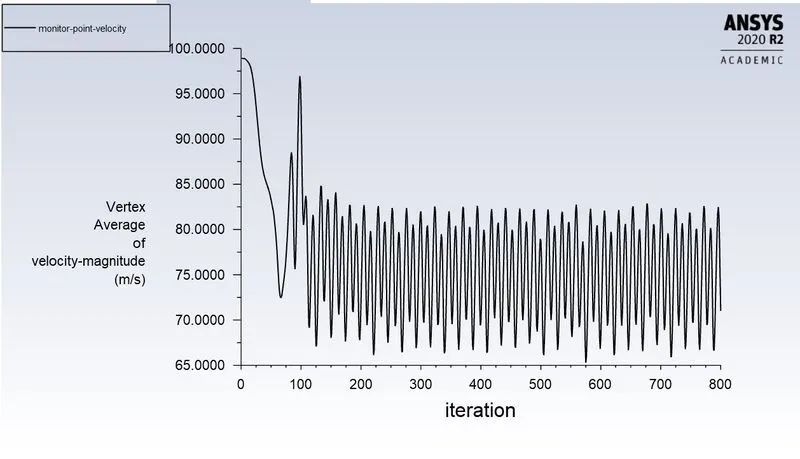
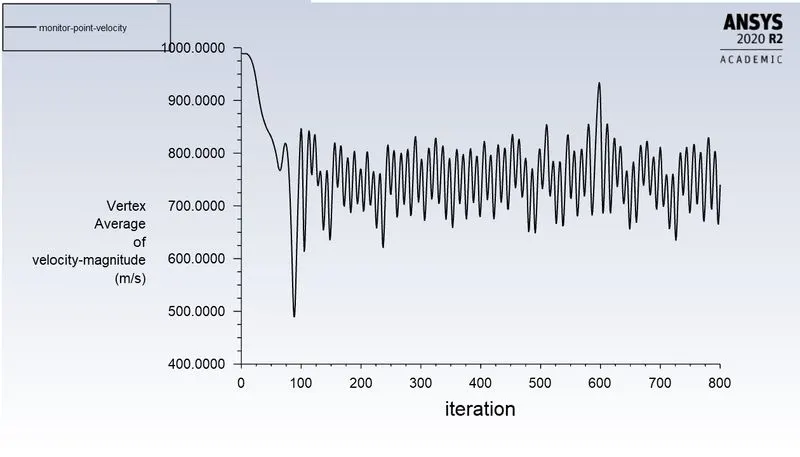
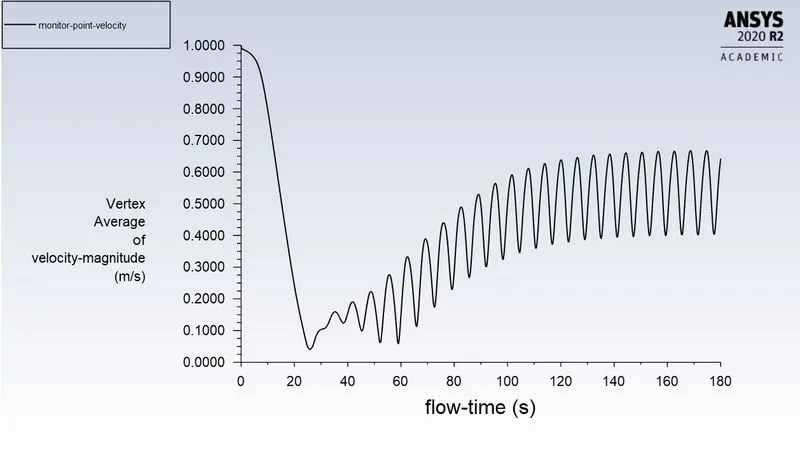
Monitor point velocity plot:
The monitor of 8m is placed at a distance from the cylinder to calculate the velocity from that point.
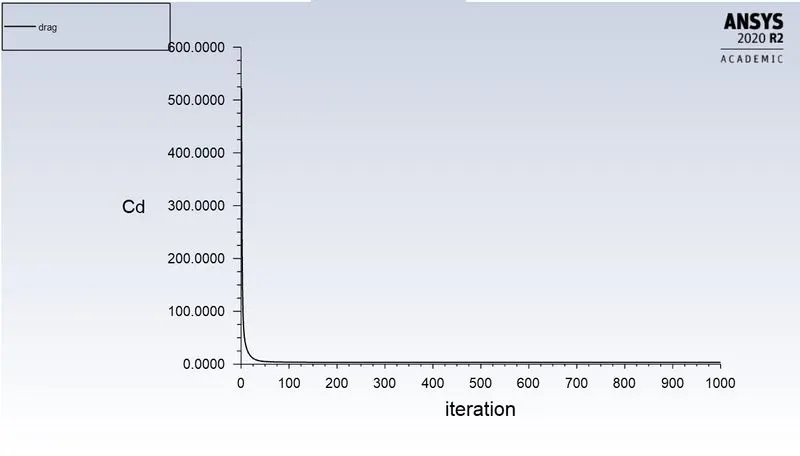
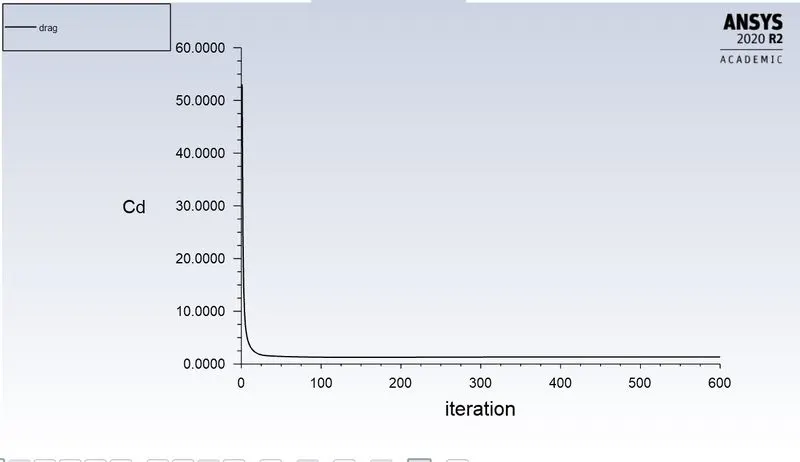
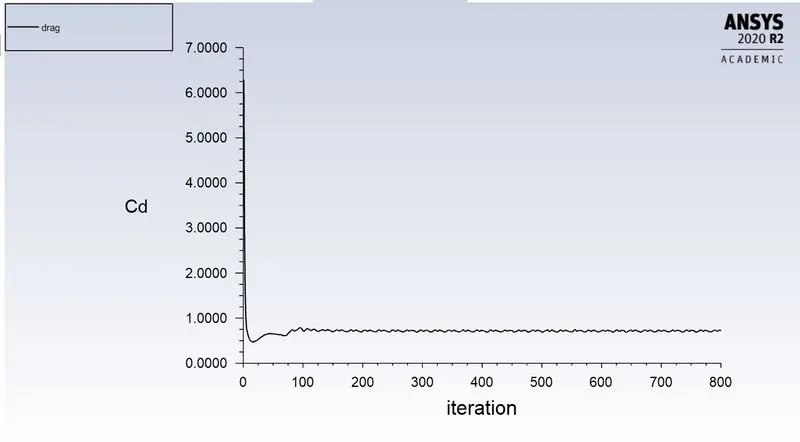
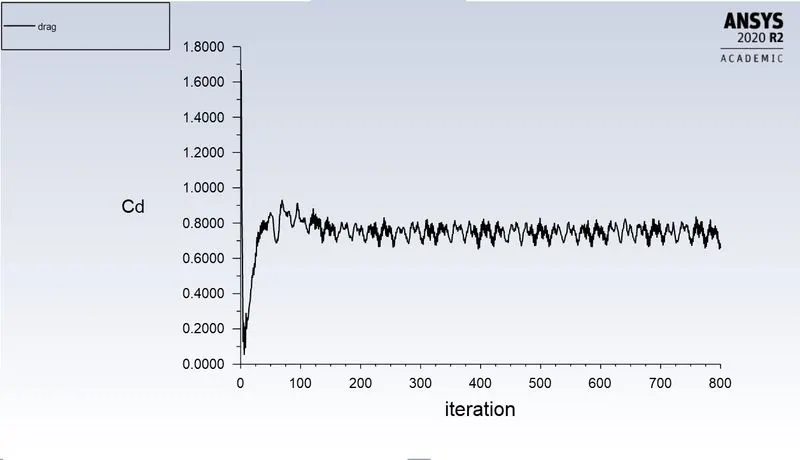
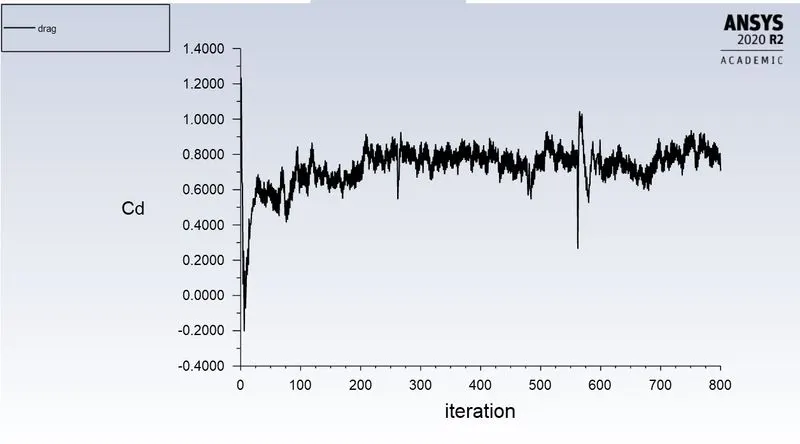
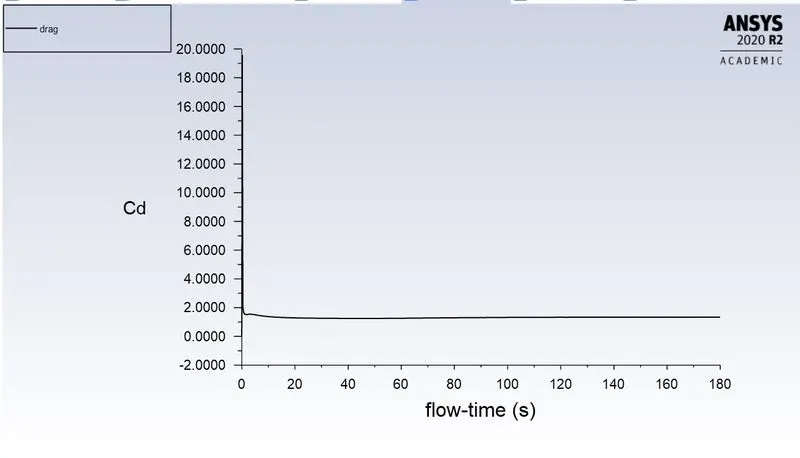
Drag Coefficient Plot:
To calculate the drag coefficient.
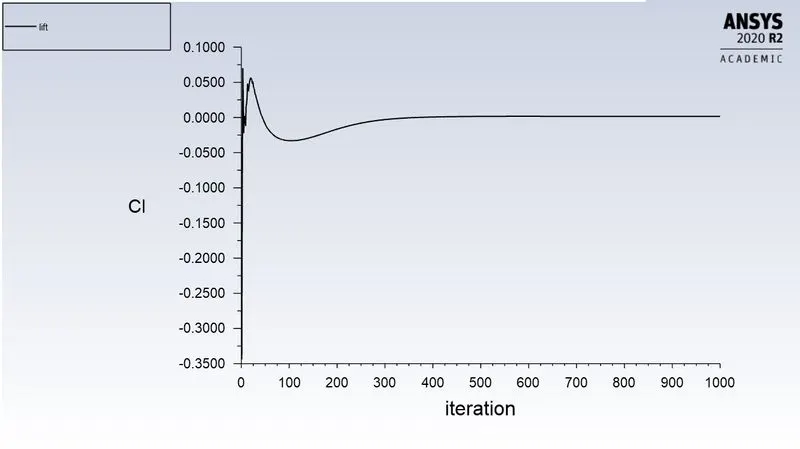
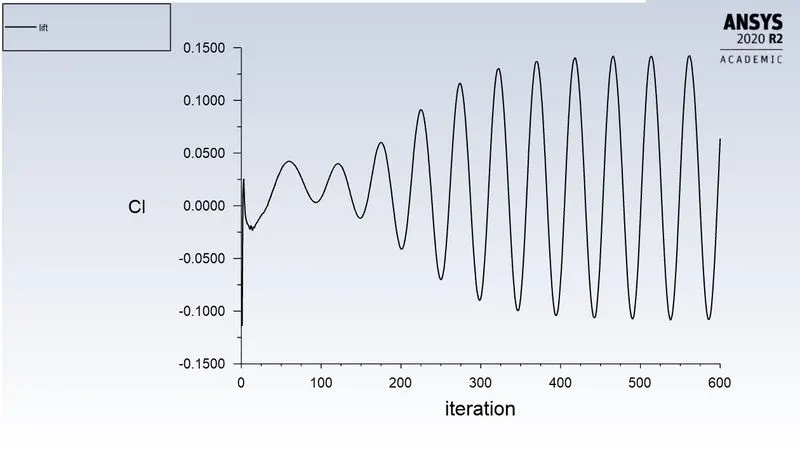
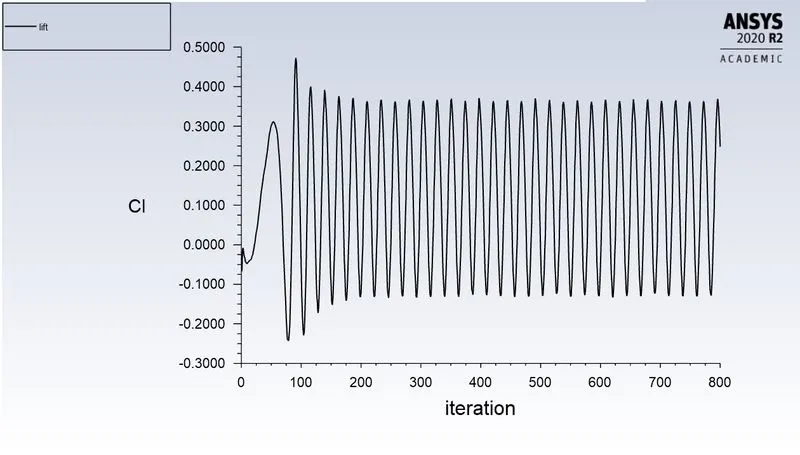
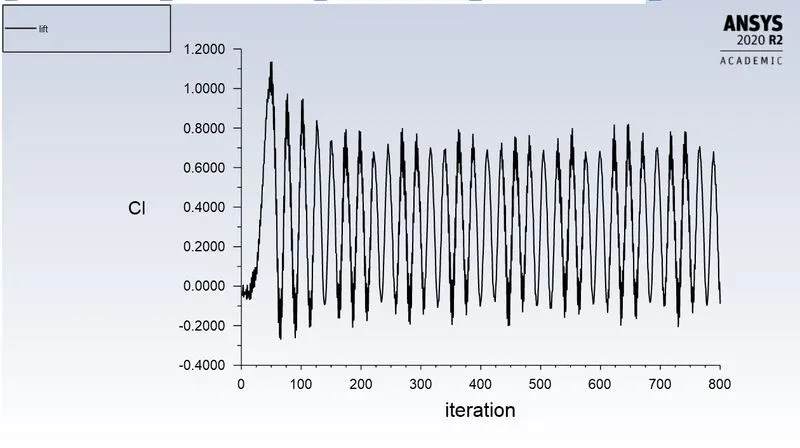
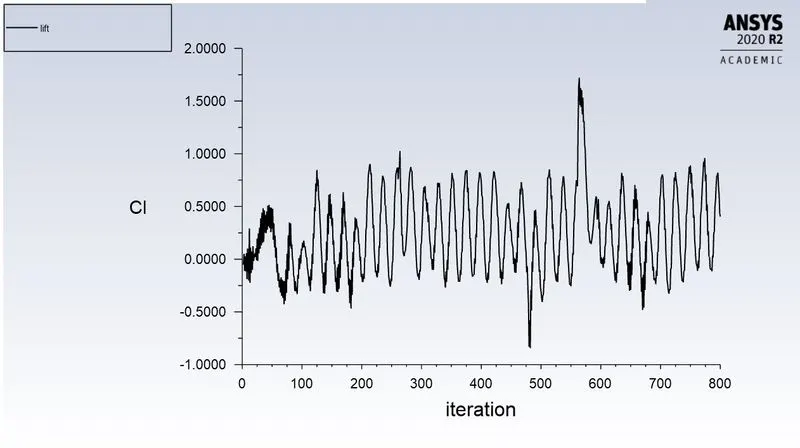
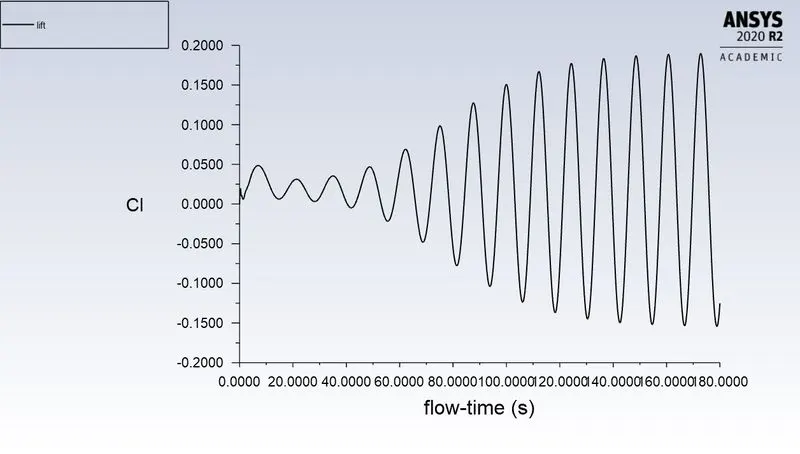
Lift Coefficient Plot:
To calculate the lift coefficient.
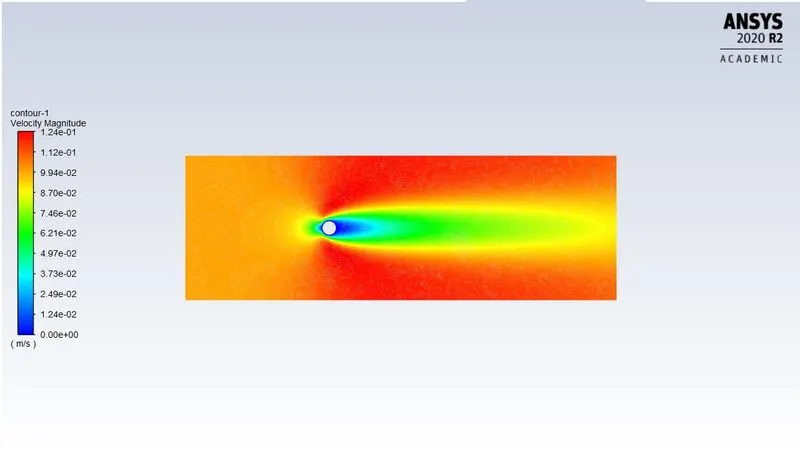
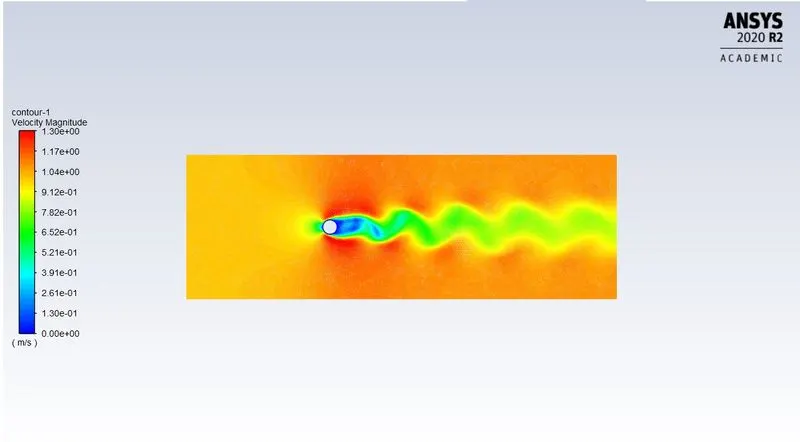
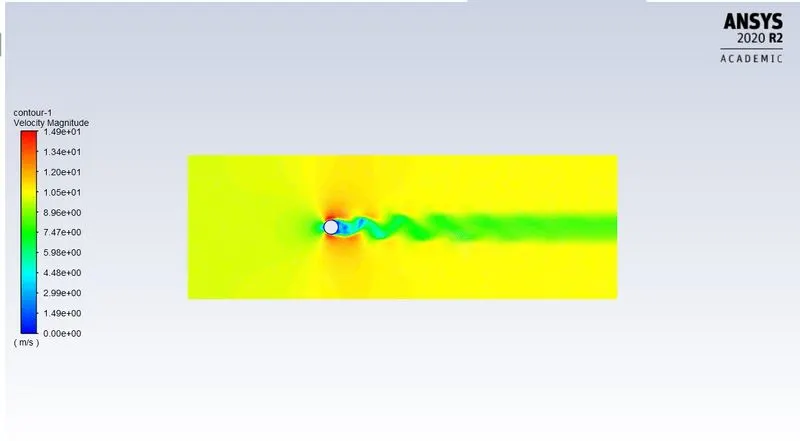
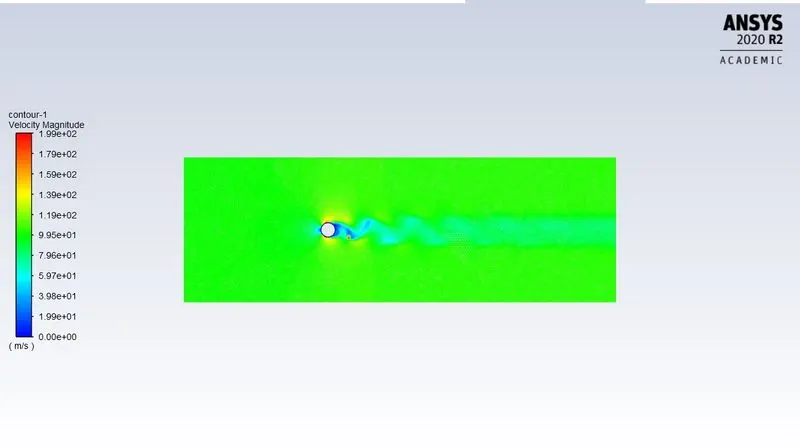
Velocity & Pressure Contour:
To see the velocity & pressure changes when flow past over a cylinder.
Case 1:
Reynolds Number = 10
viscosity = 0.02
Velocity = 0.1
Iterations = 1000
Residual plot:
Monitor point velocity:
Drag Coefficient:
Lift coefficient:
velocity contour:
Case 2 :
Reynolds number: 100
velocity: 1
viscosity: 0.02
Iterations: 600
Residual plot:
Monitor point velocity:
Drag Coefficient:
Lift coefficient:
Velocity contour:
Case 3:
Reynolds number: 1000
Velocity: 10
viscosity : 0.02
Iterations: 800
Residual plot:
Monitor point velocity:
Drag Coefficient:
Lift coefficient:
Velocity contour:
Case 4:
Reynolds Number: 10000
Viscosity: 0.02
Velocity: 100
Iterations: 800
Residual plot:
Monitor point velocity:
Drag Coefficient:
Lift coefficient:
Velocity contour:
Case 5:
Reynolds Number: 100000
Viscosity:0.02
Velocity:1000
Iterations:800
Residual plot:
Monitor point velocity:
Drag Coefficient:
Lift coefficient:
Velocity contour:
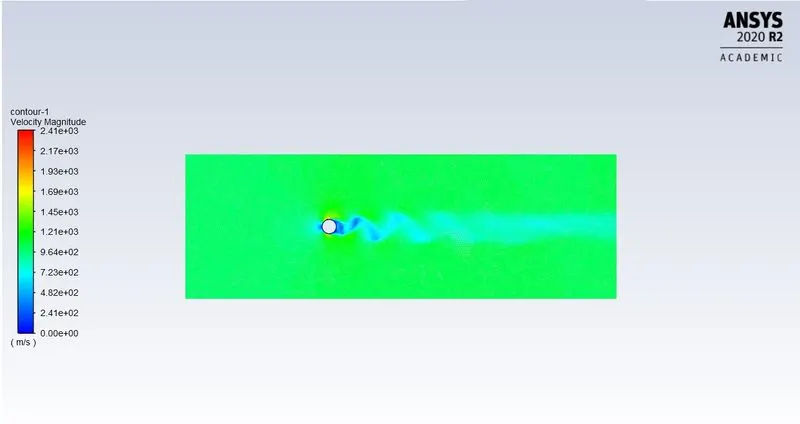
Unsteady State:
Reynolds Number: 100
Viscosity:0.02
Velocity:1
no of time step: 900
Time step: 0.2
Residual plot:
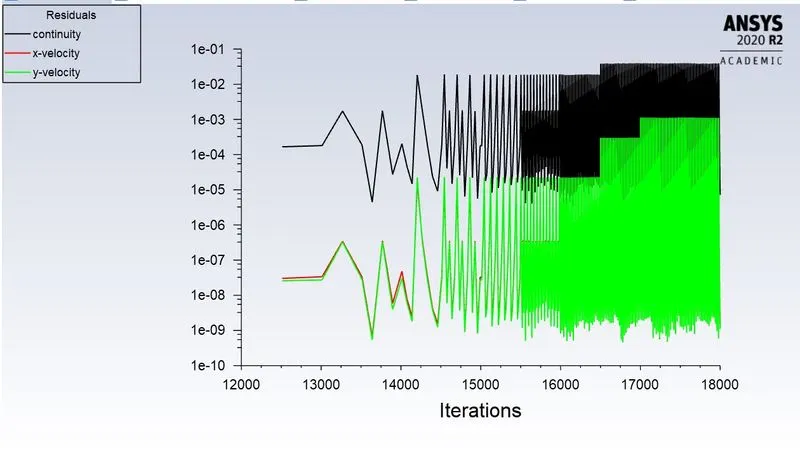
Monitor point velocity:
Drag Coefficient:
Lift coefficient:
Velocity contour:
Strouhal Number:
f = Number of cycle/ Time = 4/50 = 0.08
Strouhal Number = (f*L) /v = (0.08 * 2)/ 1 = 0.16
| Reynolds Number | Coeffecient of drag | coeffecient of lift |
| 10 (Steady State) | 3.327 | 0.0017 |
| 100 (Steady State) | 1.332 | 0.0283 |
| 100 (Unsteady State) | 1.348 | 0.0356 |
| 1000 (Steady State) | 0.721 | 0.1645 |
| 10000 (Steady State) | 0.786 | 0.5716 |
| 100000 (Steady State) | 0.718 | 0.2786 |
Conclusion:
- Steady and unsteady state simulations were carried out for the flow over cylinder and residual,monitor point velocity,drag and lift values were computed and plotted.
- Different reynolds number were introduced to see the vortex shedding phenomena behind the cylinder.
- Strouhal number was calculated for the transient condition.
Refered material:
https://www.sciencedirect.com/science/article/pii/S0307904X08000243