Simulink model of using doorbell using solenoid block and by using thermistor to sense the temperature of a heater (turn on or turn off) the fan
AIM:
To make a simulink model of using doorbell using solenoid block and by using thermistor to sense the temperature of a heater (turn on or turn off) the fan.
OBJECTIVE:
1) Create a situation where the switch is closed for 2 seconds and then released and observe the physical movement of the plunger.
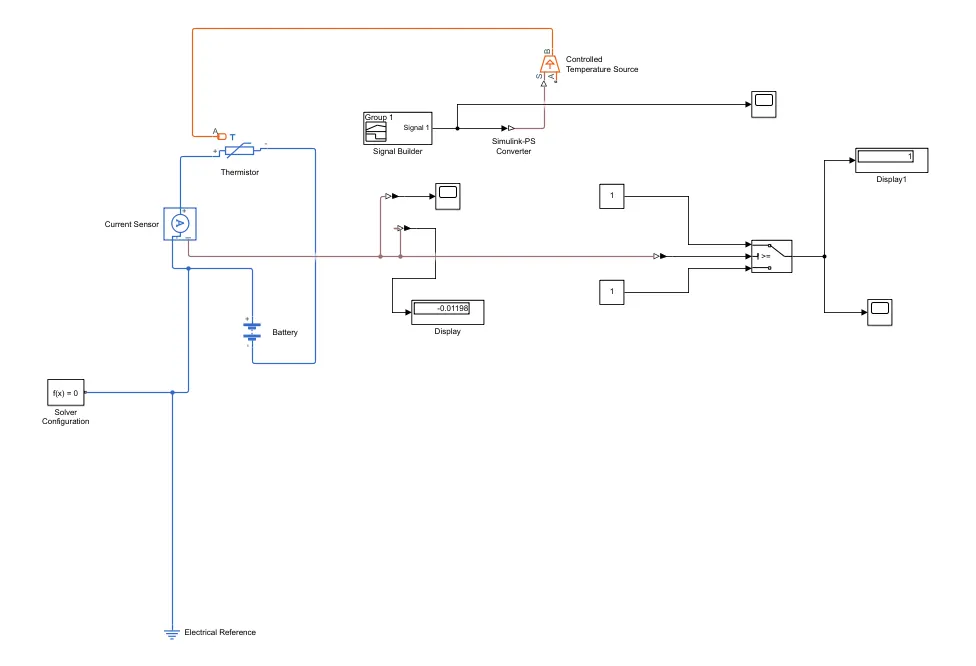
2) By using the thermistor sense the temperature of a heater (turn on & off) the fan as the conditions are given below:
Temperature source: 20 °C from 0 to 10 seconds, 27 °C from 10 to 30 seconds, 23 °C from 30 to 50 seconds
Fan conditions: ON if the temperature above 25 °C, OFF otherwise
DESCRIPTION:
1) Door bell using solenoid block:
DOOR BELL:
A doorbell is a signaling device typically placed near a door to a building's entrance. When a visitor presses a button the bell rings inside the building, alerting the occupant to the presence of the visitor. Although the first doorbells were mechanical, activated by pulling a cord, modern doorbells are electric, operated by a pushbutton switch.
BATTERY:
A battery is a device consisting of one or more electrochemical cells with external connections for powering electrical devices such as flashlights, mobile phones, and electric cars. When a battery is supplying electric power, its positive terminal is the cathode and its negative terminal is the anode.
SOLENOID:
A solenoid is a device comprised of a coil of wire, the housing and a moveable plunger (armature). When an electrical current is introduced, a magnetic field forms around the coil which draws the plunger in. Moreover a solenoid converts electrical energy into mechanical work.
Working principle of doorbell using solenoid:
A chime doorbell uses a specialized sort of electromagnet called a solenoid. A solenoid is just an electromagnet where the coiled wire surrounds a metal piston. The piston contains magnetically conductive metal, so it can be moved backward or forward by the electromagnetic field.
BLOCK DIAGRAM:
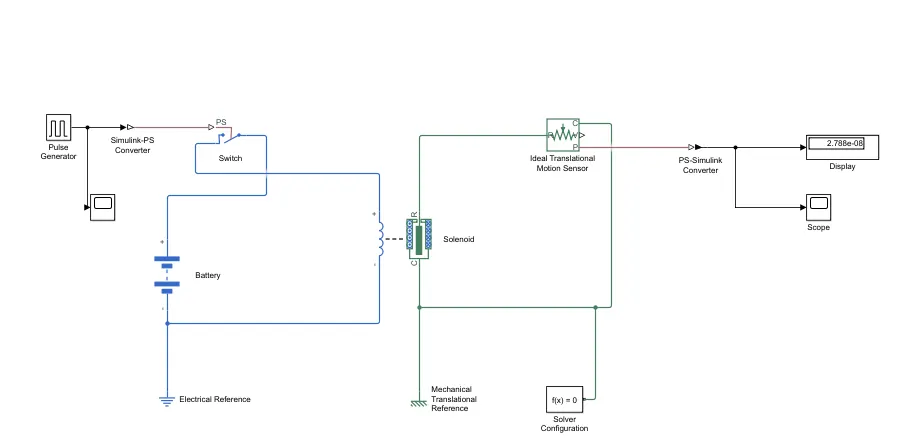
GRAPH:

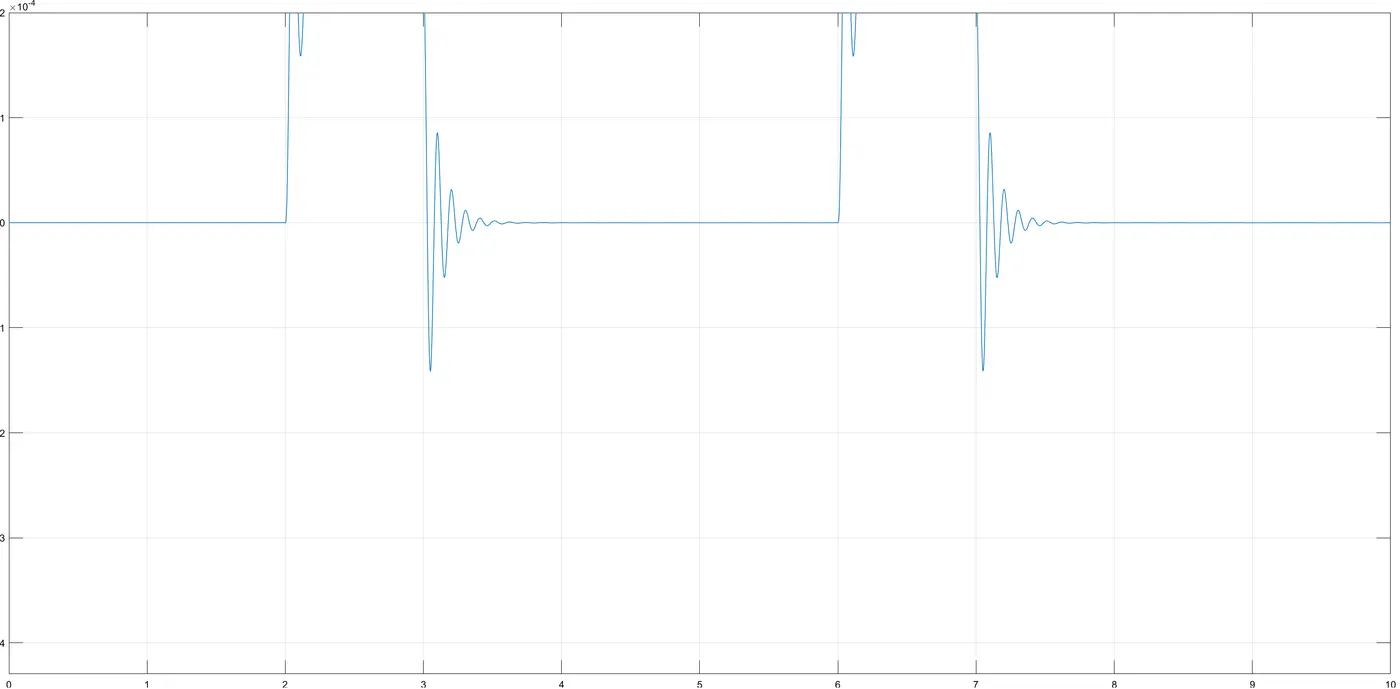
2) By using the thermistor sense the temperature of a heater (turn on & off):
THERMISTOR:
A thermistor (or thermal resistor) is defined as a type of resistor whose electrical resistance varies with changes in temperature. Although all resistors’ resistance will fluctuate slightly with temperature, a thermistor is particularly sensitive to temperature changes.
USES OF THERMISTOR:
Thermistors have a variety of applications. They are widely used as a way to measure temperature as a thermistor thermometer in many different liquid and ambient air environments. Some of the most common uses of thermistors include:
1) Digital thermometers (thermostats)
2) Automotive applications (to measure oil and coolant temperatures in cars & trucks)
3) Household appliances (like microwaves, fridges, and ovens)
BLOCK DIAGRAM:
SWITCH TYPE:
PROCEDURE:
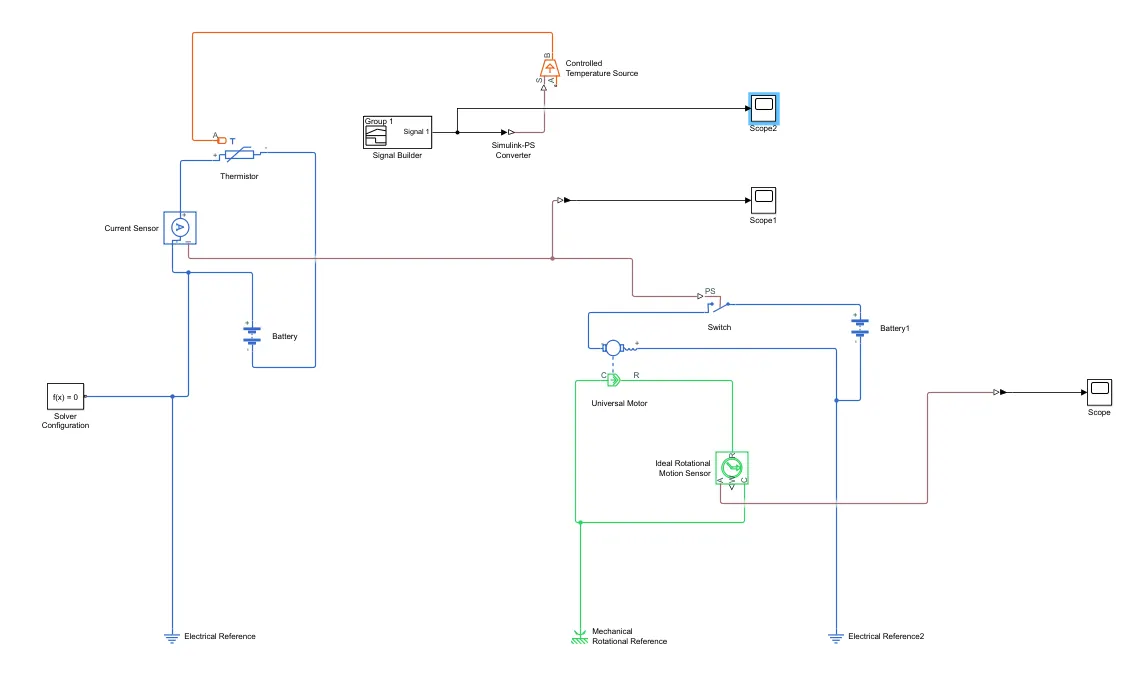
- Power supply like battery and current sensor is connected with thermistor.
- Signal builder gives input to controlled the temperature source.
- Output of controlled temperature is connected with thermistor.
- Solver attempts to find the steady state that would result if the inputs to the system were held constant for a sufficiently large time, starting from the initial state obtained from the initial conditions computation.
- From sensor connection is given to the switch and two constants are added for detailed output.
GRAPH:

RESULT:
Thus the thermistat is used to sense the temperature as per the given conditions and output is obtained.