Week 11 - Final project
THEORETICAL EXPLAINATION: -
- Door panels serve as an interface between the interior of the car and the inner workings of the door, and between vehicle occupants and the door shown in fig 1.1.
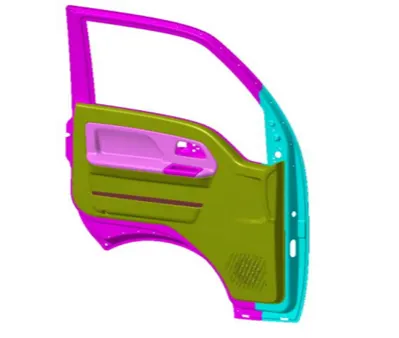
fig 1.1.
- They are expected to meet a variety of design specifications regarding safety, aesthetics, and functionality. In addition, they are expected to continue the material theme of the dashboard and pillars while concealing intricate electrical and mechanical components for operating locks, windows, and other features.
- The door panel has evolved from a simple two-part system of latch and simple winding mechanism to a more sophisticated enclosure. Doors currently have an inner full-width panel consisting of electronic windows, central locking system, and speakers.These panels typically consist of a foamed core covered with either textiles or plastics shown in fig 1.2.
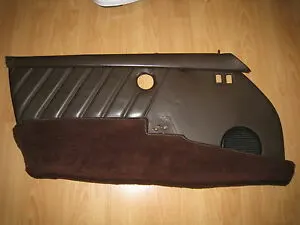

fig 1.2
- Conventionally, door panels as shown in 1.2 consisted of polyvinyl chloride (PVC) or polyurethane foamed core with appropriate textile fabric coverings. Subsequently, there was a shift toward thin-wall moldings of ABS or PP backed by textiles in order to manufacture a contour-backed panel with recesses.
- This is primarily because integrated injection-molded door panel assemblies reduce the need for other energy-absorbing materials, resulting in cost reduction for manufacturers due to simplification of door construction.
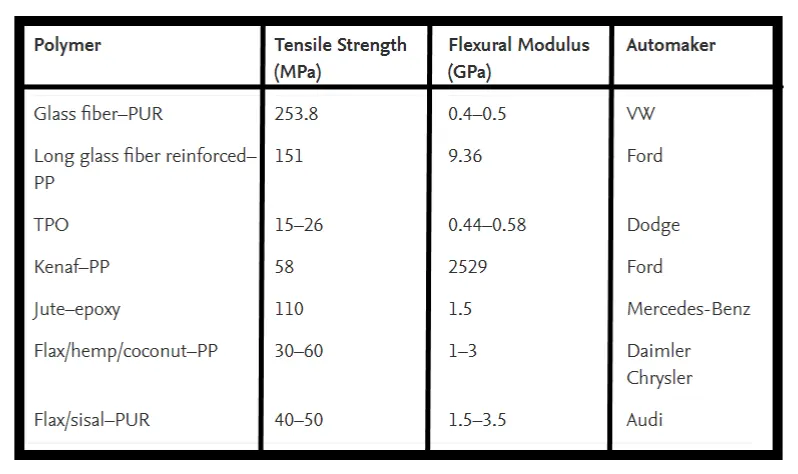
- Currently honeycomb-based plastics are attracting attention due to their tougher, lighter, and better acoustic properties. Fig 1.3 gives a list of plastics used by various car manufacturers in making door panels.
PROCEDURE
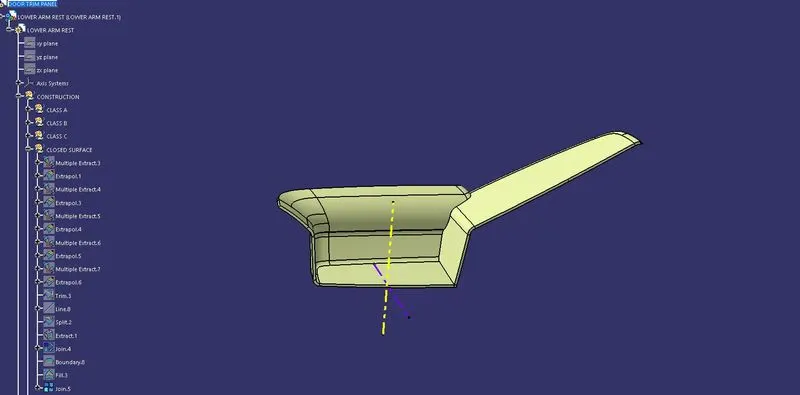





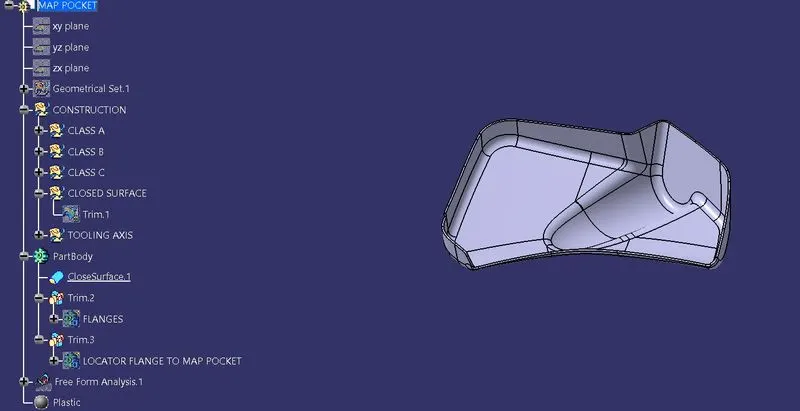
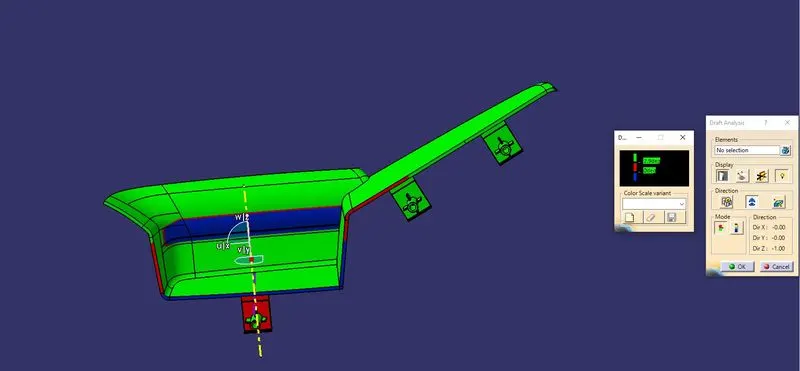
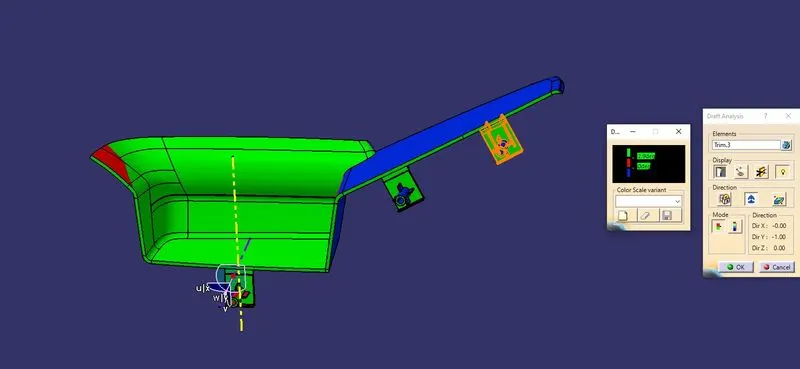
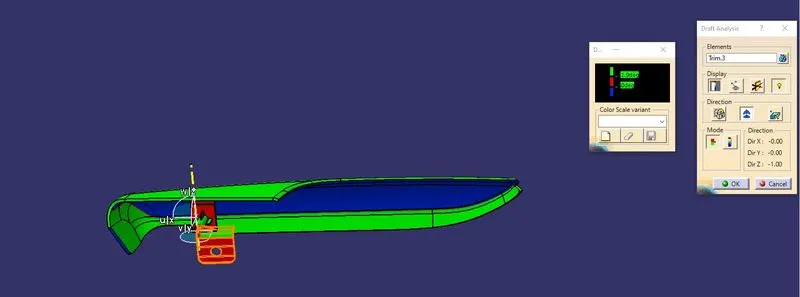
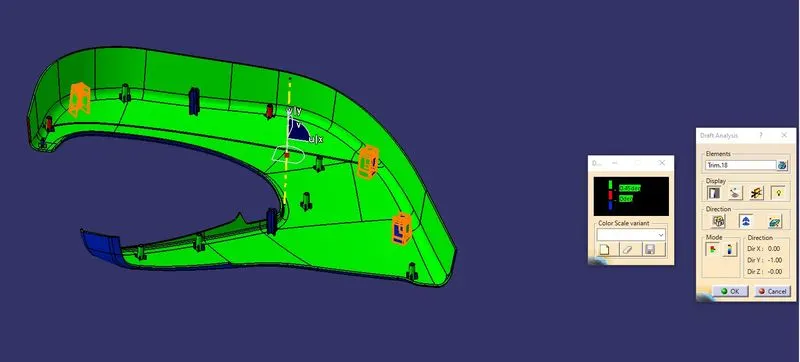
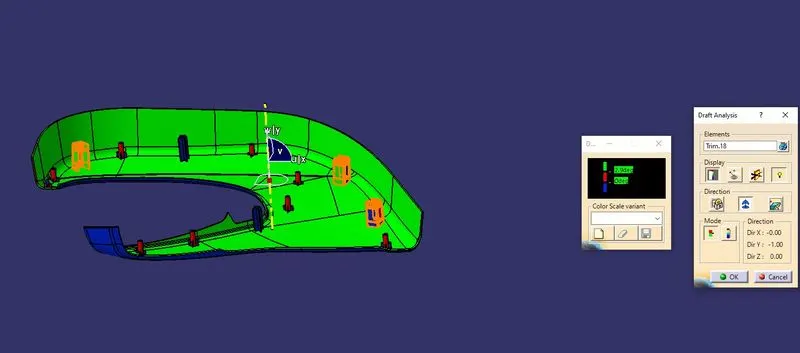
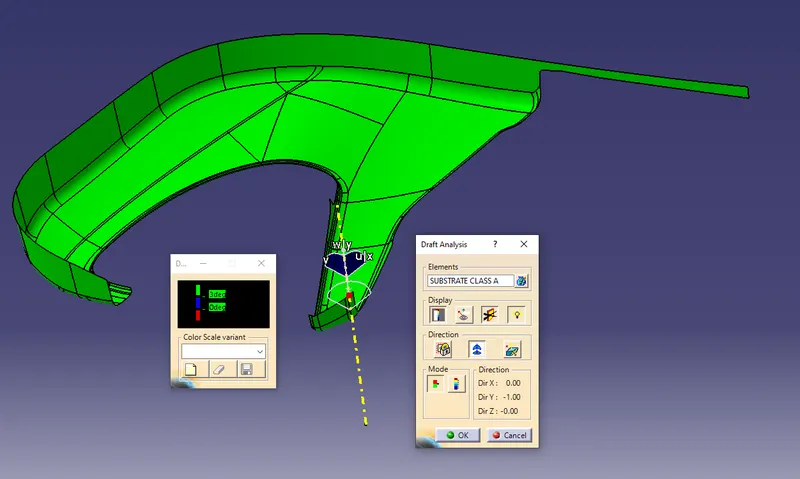
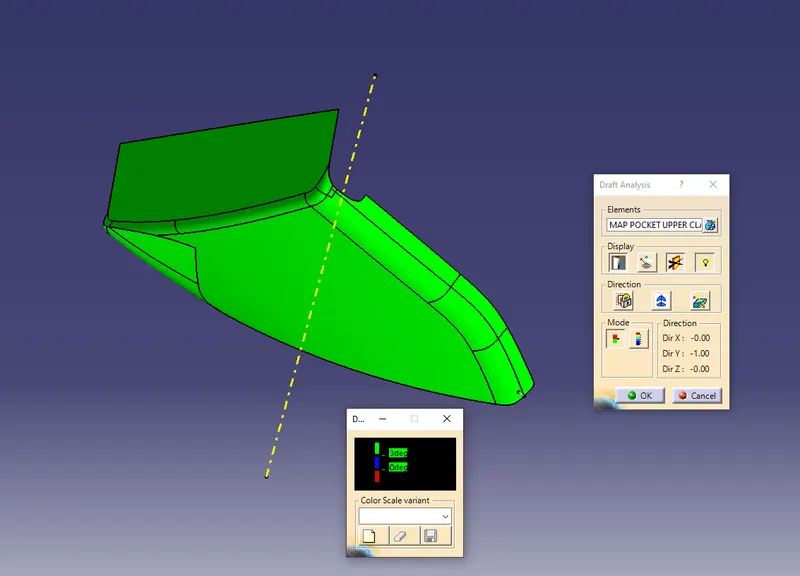
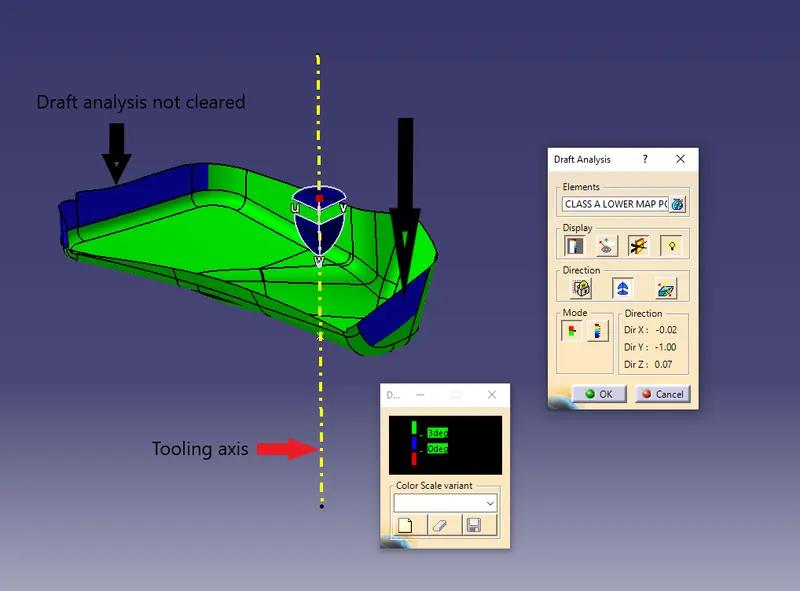
DRAFT ANALYSIS
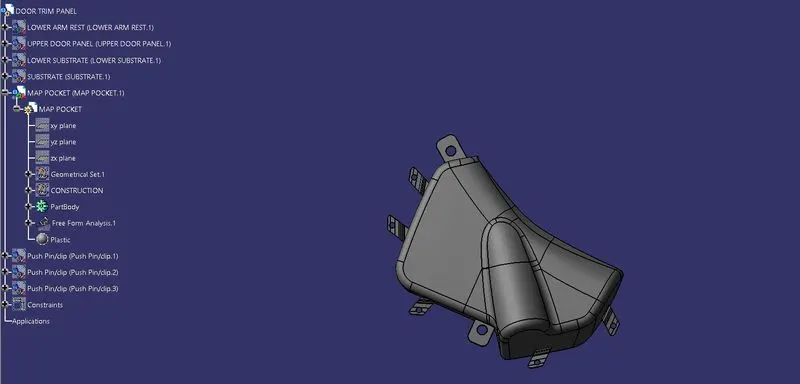
DOOR TRIM PANEL WITH ENGINEERING FEATURES
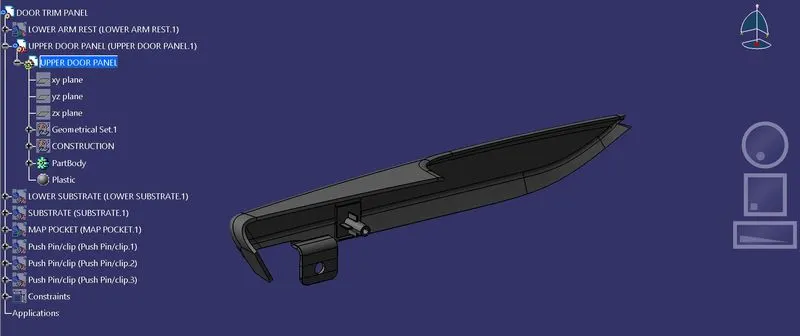
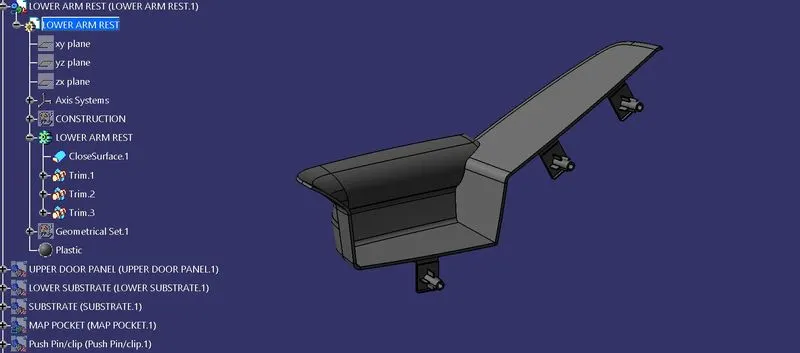
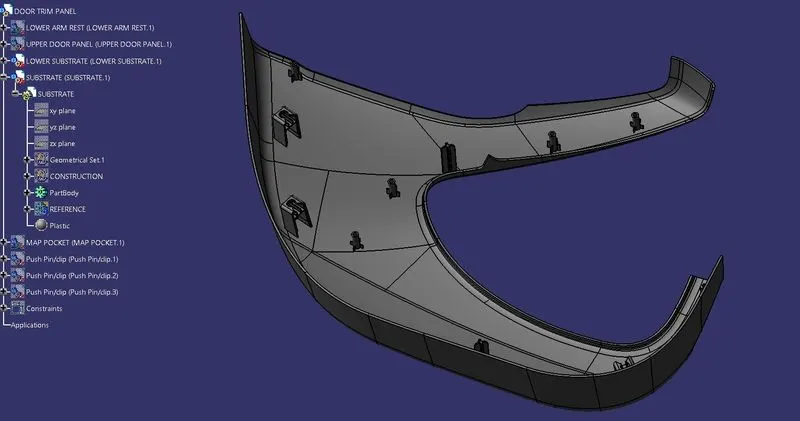
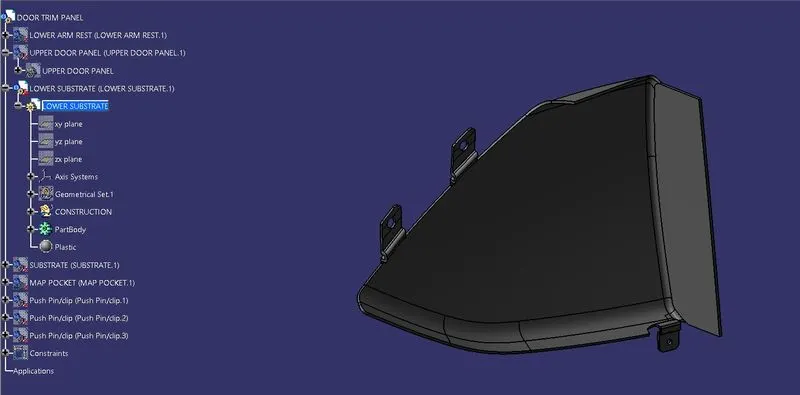
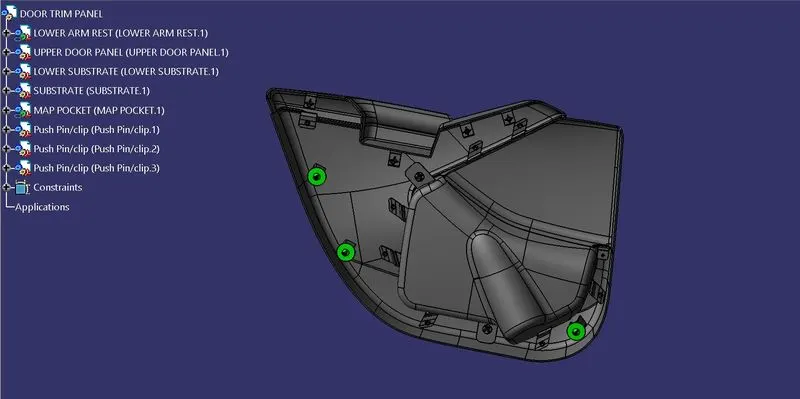
ASSEMBLY WITH PUSH PINS
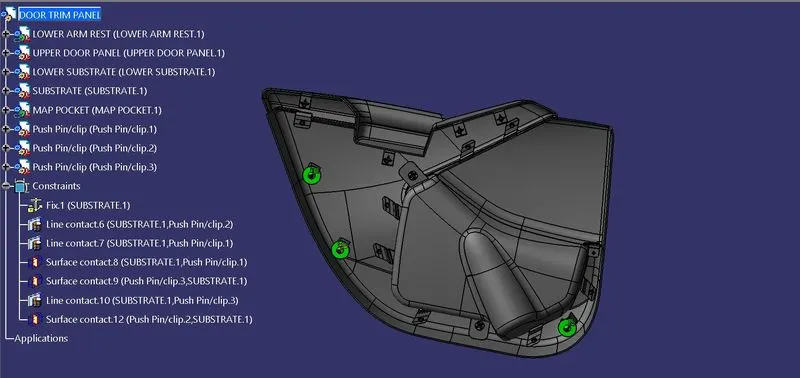
ASSEMBLY WITH CONSTRAINS
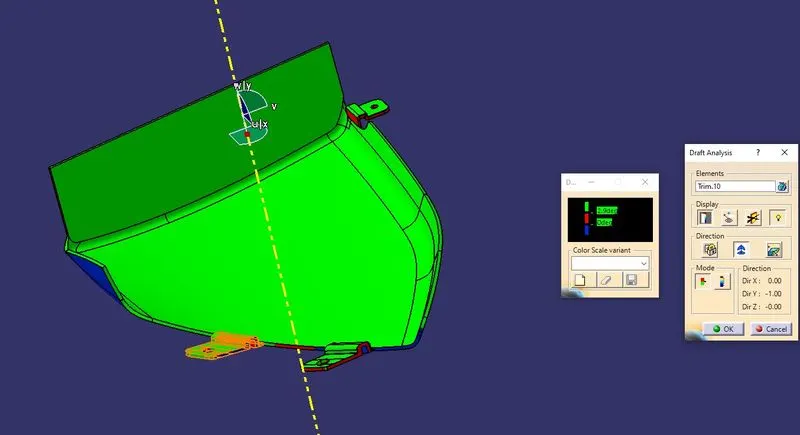
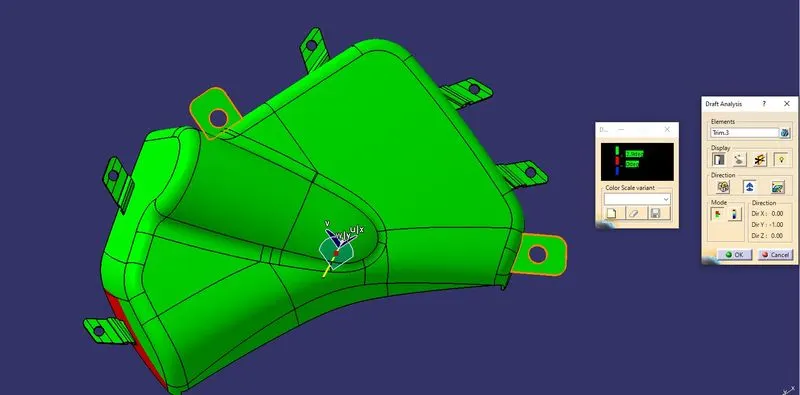
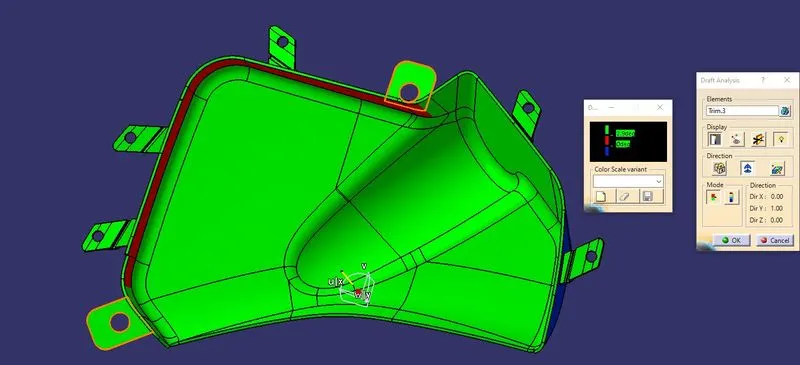
DRAFT ANALYSIS FOR SOLID COMPONENTS