Week 10- Assembly Workbench
Aim: To design parts and make Assembly of them Using CATIA command followed by drafting of the associated parts.
Theory: -
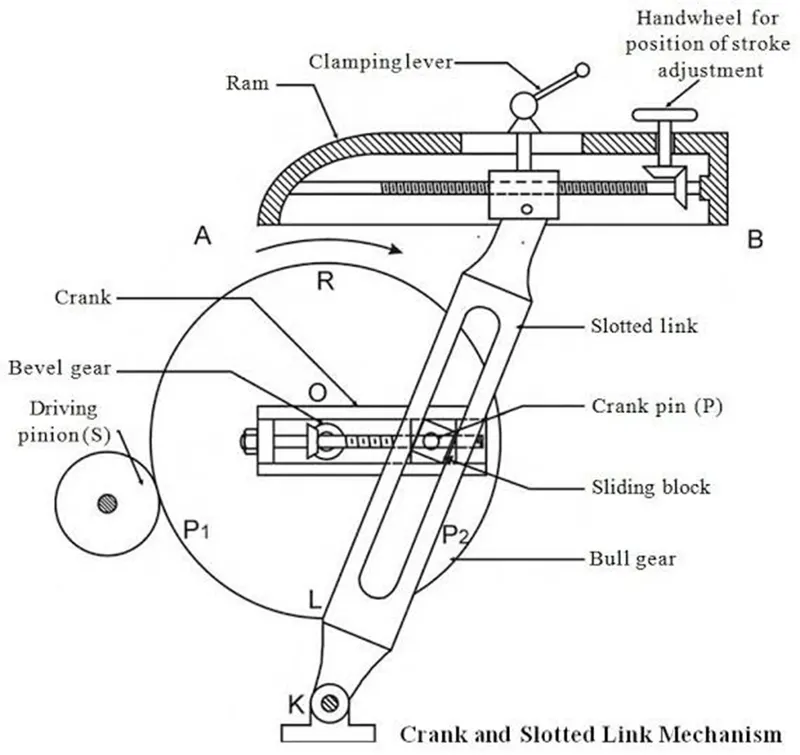
Quick Return Mechanism: -
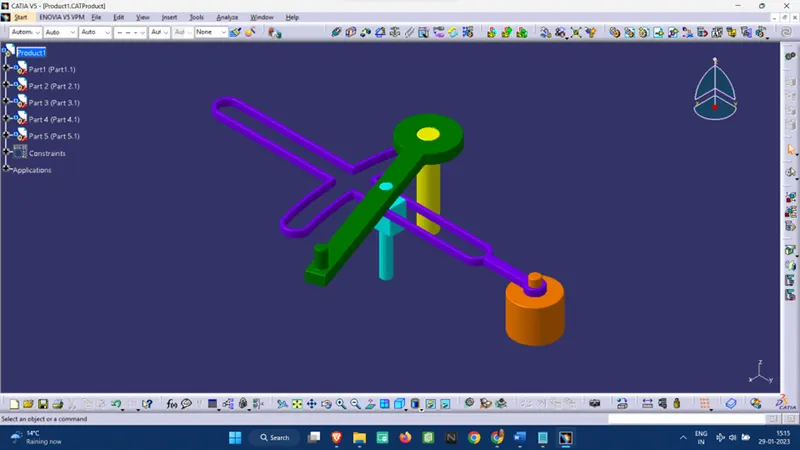
A quick return mechanism is an apparatus to produce a reciprocating motion in which the time taken for travel in return stroke is less than in the forward stroke. It is driven by a circular motion source (typically a motor of some sort) and uses a system of links with three turning pairs and a sliding pair.
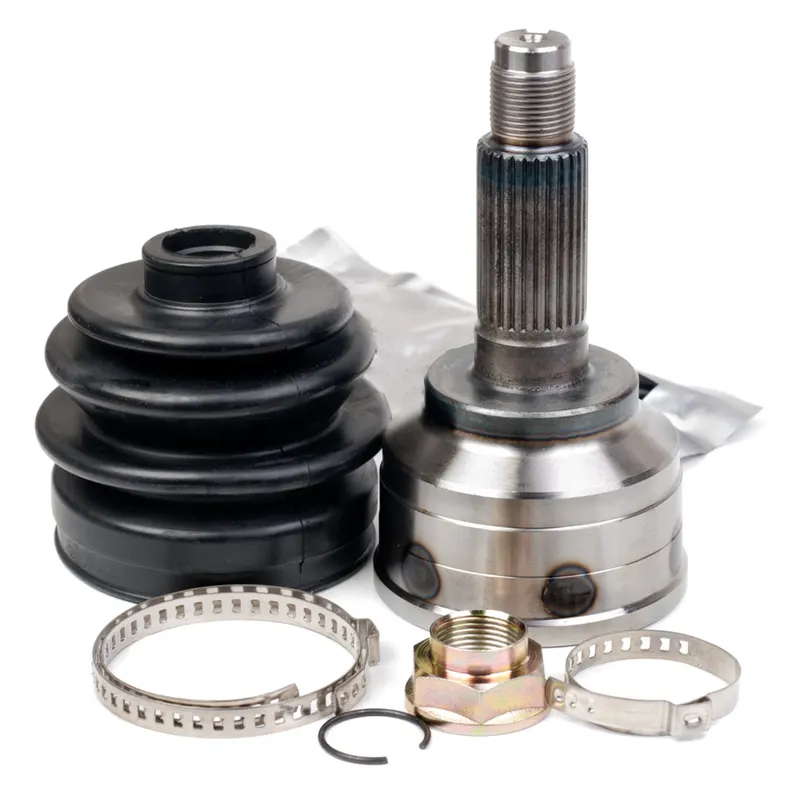
CV JOINT:
>Constant velocity, or CV, joints are used to connect your vehicle’s transmission to your wheels. CV joints are part of the driveshaft and are used primarily on front-wheel drive vehicles, but they are also used in the rear- and four-wheel drive vehicles. Each drive wheel has two CV joints: the inner joint connects the transmission to the axle, and the outer joint connects the axle to the wheel.
>The CV joint’s name comes from its ability to move with your vehicle’s suspension in any direction (if your vehicle hits a pothole or an uneven surface) and still be able to keep the drive wheels moving at a constant velocity. The CV joint is a very special joint: it connects two different rotating shafts. These two rotating shafts are stuck in a fixed position; so, the CV joint must be able to move and bend to keep these two shafts connected.
>CV joints are being used in newer vehicles and are taking the place of the old “U” joints. The CV joint is able to transmit even levels of torque to the wheels continually no matter what angle it’ in. This means that no matter how many potholes you hit, or if the vehicle is turning, the CV joint will keep the drive wheels moving at a constant velocity.
Designing of Quick Return Mechanism:-
Assumption:-
As the point from where the Side flanges are made isn’t present in the question, hence distance is assumed to be 35 mm.
Number of parts= 5
Part 1:-
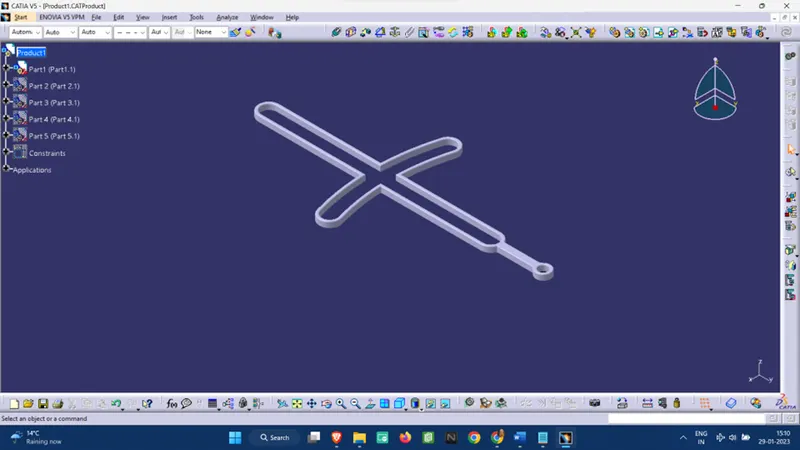
Part 2:-
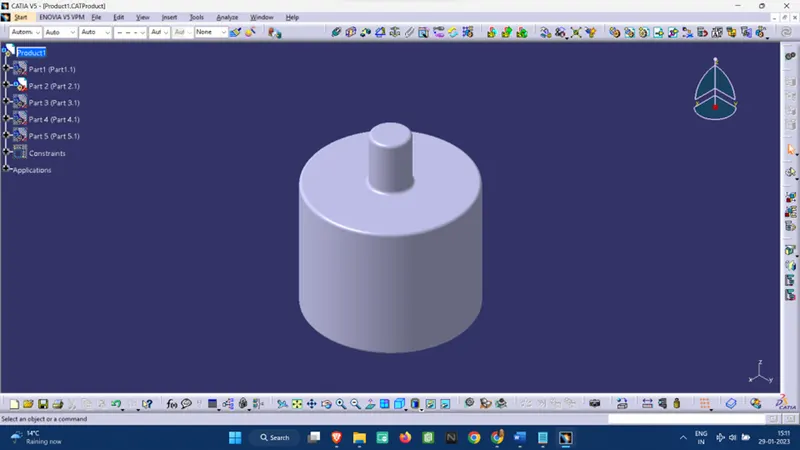
Part 3:-
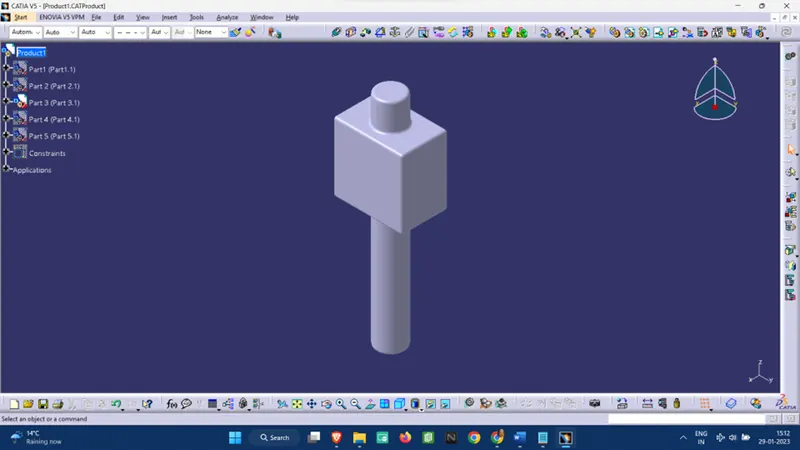
Part 4
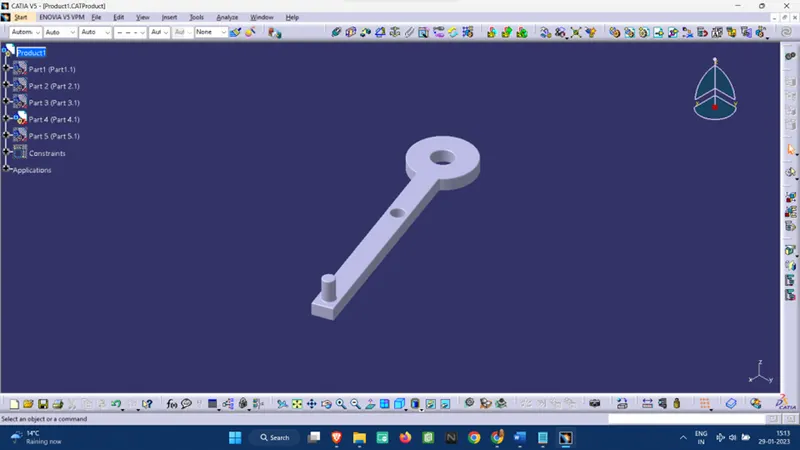
Part 5
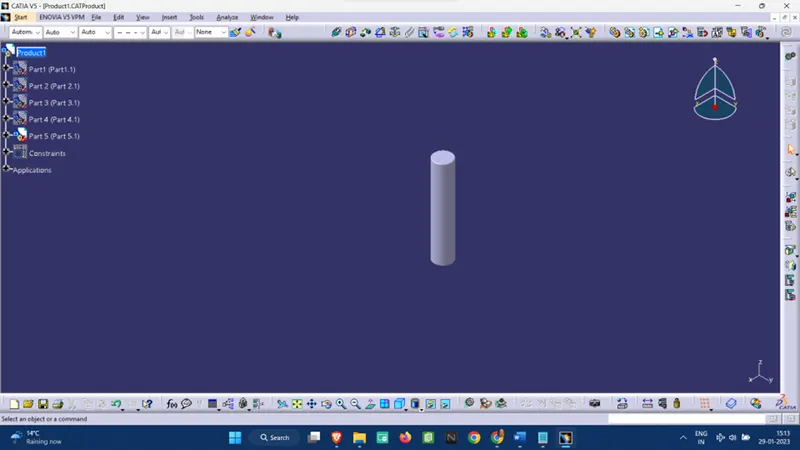
After Assembling all the part it will appear like:-
Designing of the CV Joint:-
Assumption= None
Number of parts= 3 + 2 (Symmetrical parts)= 5
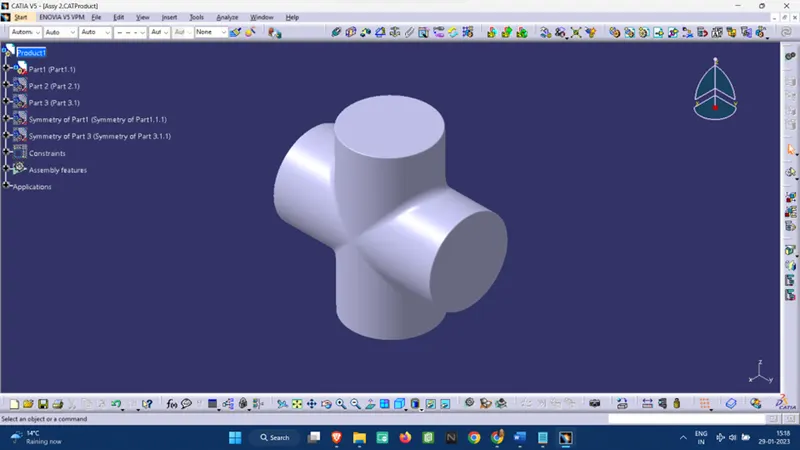
Part 1:-
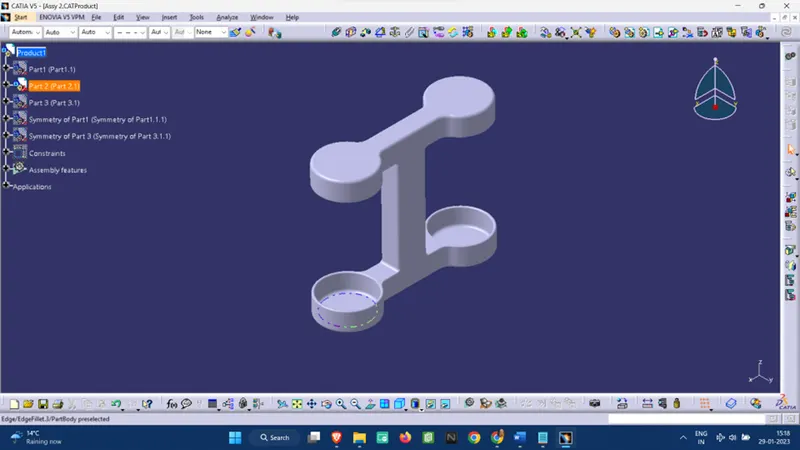
Part 2:-
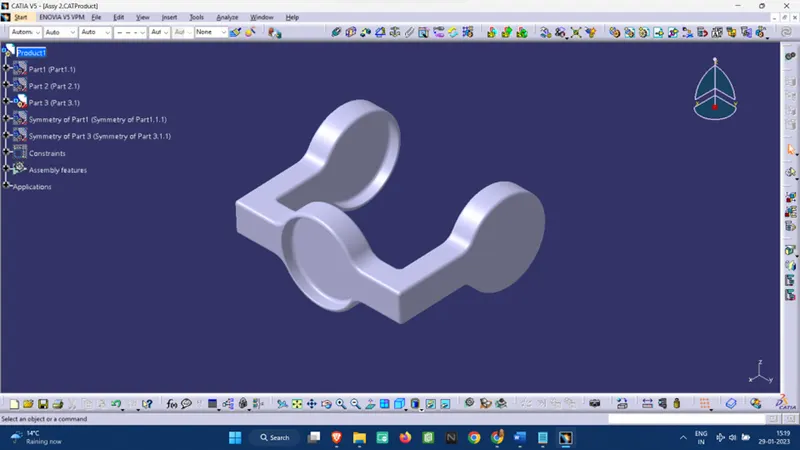
Part 3:-
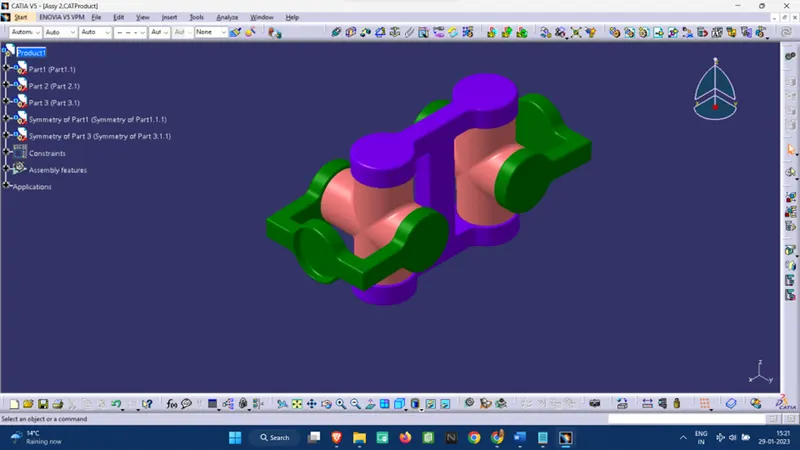
After assembling the parts, it will appear like:-
Suggestion:-
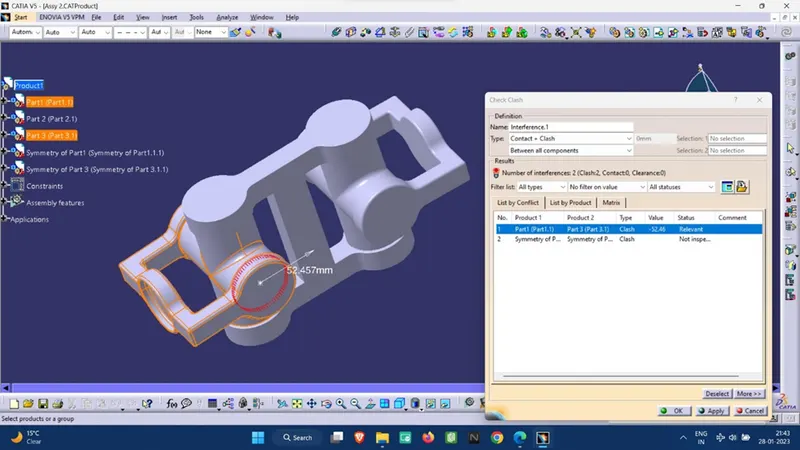
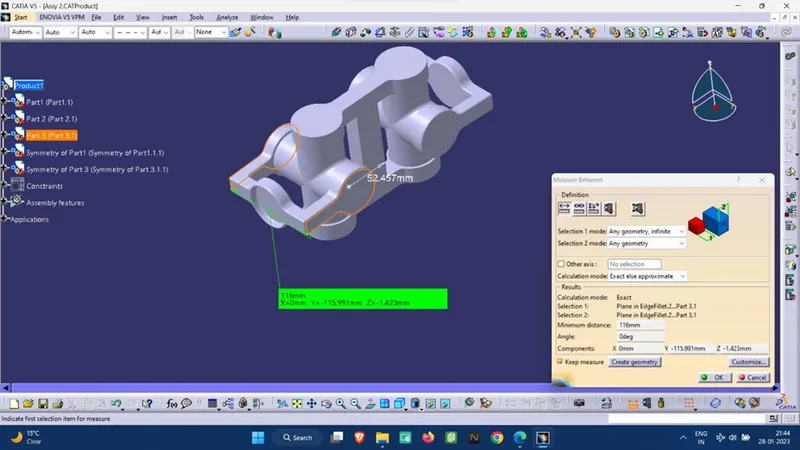
The length of the part 3 is given 116mm which leads to a clash:-
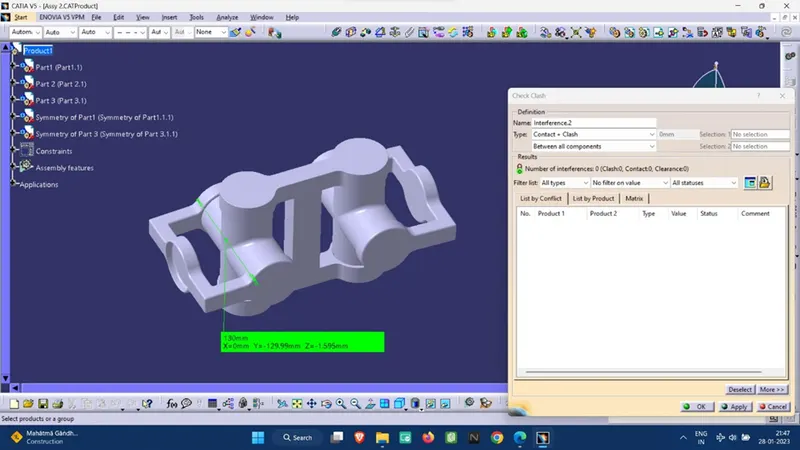
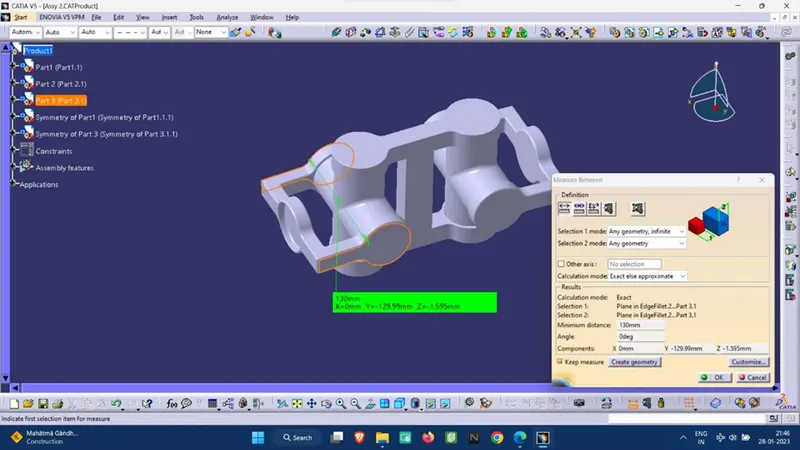
Hence, I would suggest as to update the distance to 130 mm thus preventing any clash.
Conclusion:-
Assembly Features of CATIA helps a product designer to check whether the parts are manufacturable or there is any possibly clash between the moving parts, before the production starts.