Project 1 Mechanical design of battery pack
AIM : To develop the mechanical design of a battery pack based on the required energy capacity.
OBJECTIVES :
To design a battery pack whose energy capacity is equal to 18 kWh.
The battery pack should be developed from lithium ion cells who specification is ANR26650M1-B.
While designing the battery pack relevant assumptions can be made and the same be stated in the report.
CONCEPT :
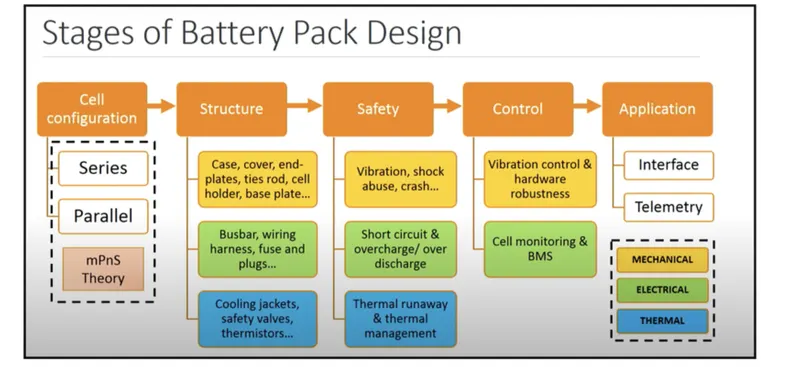
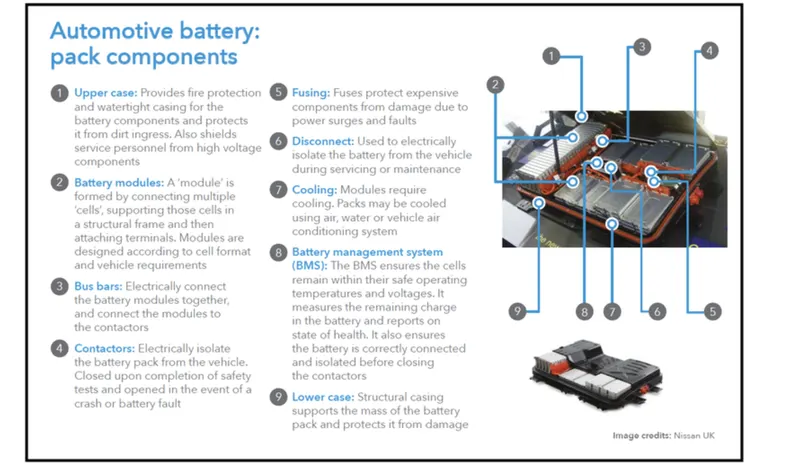
The different design elements to be considered while developing a battery pack are as follows
1. Electrical design
• Determination of capacity, voltage and current
• high-voltage isolation
• short circuit prevention
• efficient power delivery
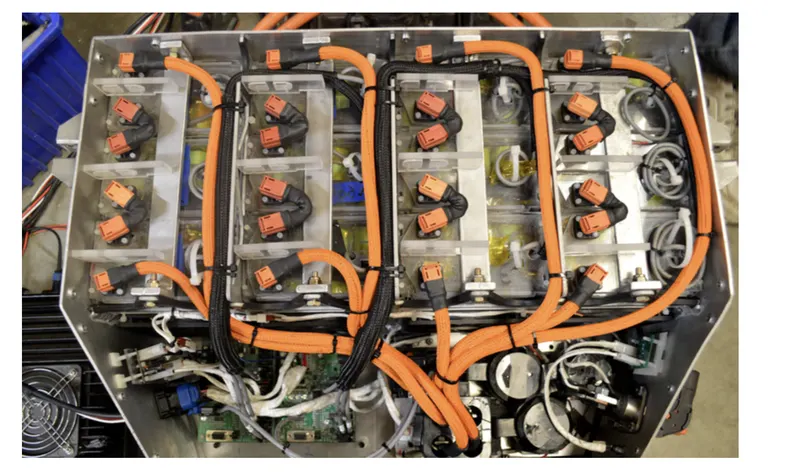
2.Thermal design
• Improve pack efficiency
• Mitigate thermal accidents
• increase pack life
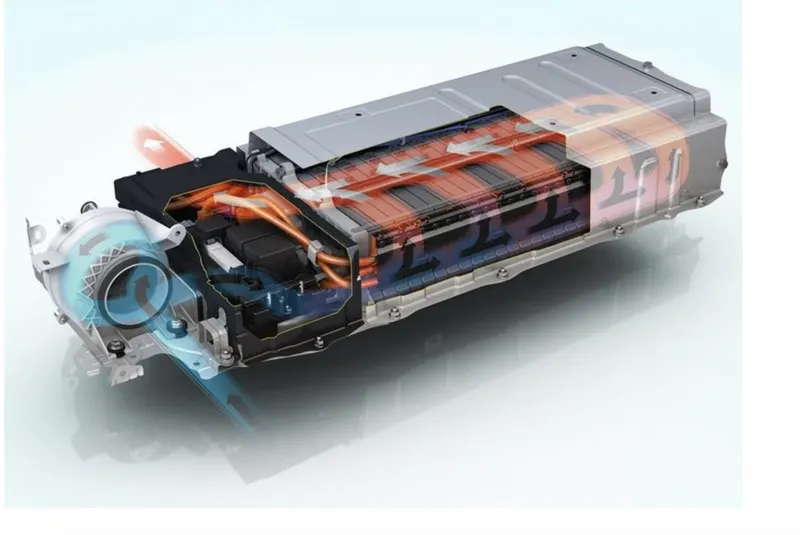 3. 3. 3. Mechanical design
• Safe structure for extreme conditions
• cost, productivity and reliability
• ease of assembly and service
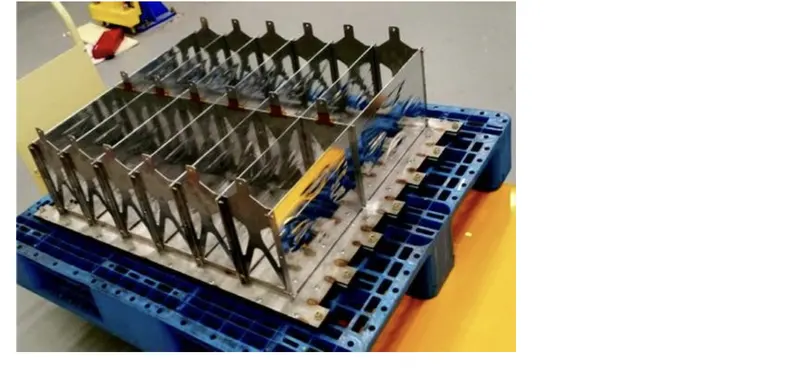 . 4. Battery management system design
•Maintain pack operating limits
•Control thermal systems
• Communication and logistics
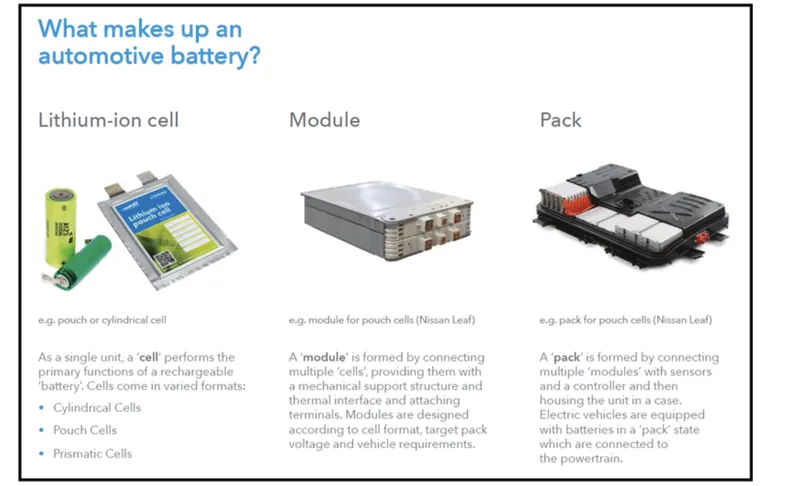
Battery pack construction :
1. Capacity and voltage requirements :
High battery voltage is are achieved by adding more cells in a series chain. The voltage of the battery is the voltage of a single cell multiplied by the number of cells in the chain. This does not increase the amp hour capacity of the battery but it increases the watt hour capacity or the total stored energy in proportion to the number of cells in the chain. Battery capacity can be increased through adding more parallel cells this increases the amp hour capacity as well as the watt hour capacity without increasing the battery voltage. For batteries with parallel change the capacity of the battery is the capacity of the individual chain multiplied by the number of parallel chains. Where is cell voltage is fixed by the cell chemistry, cell capacity depends on the surface area of the electrode and the volume of the electrolyte. Fewer cells require fewer support electronics . There for parallel change should be avoided by specifying the highest capacity cell available. Cells with different capacity or cell chemistry should not be mixed in a single battery pack.
2. cell configuration :
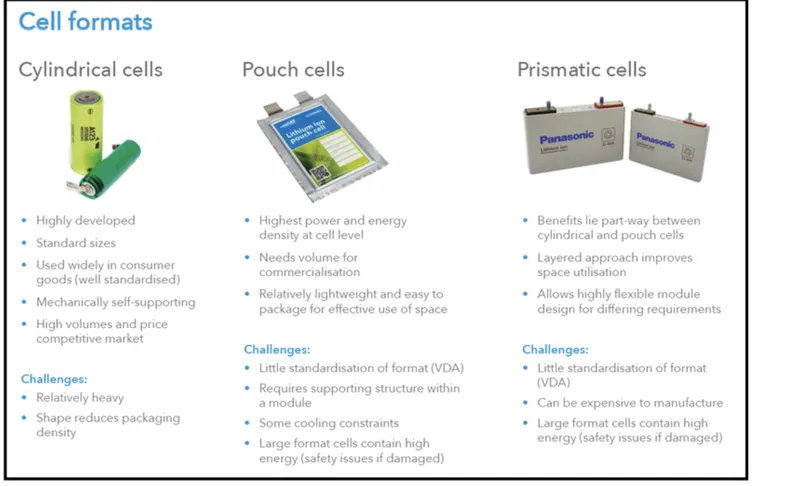
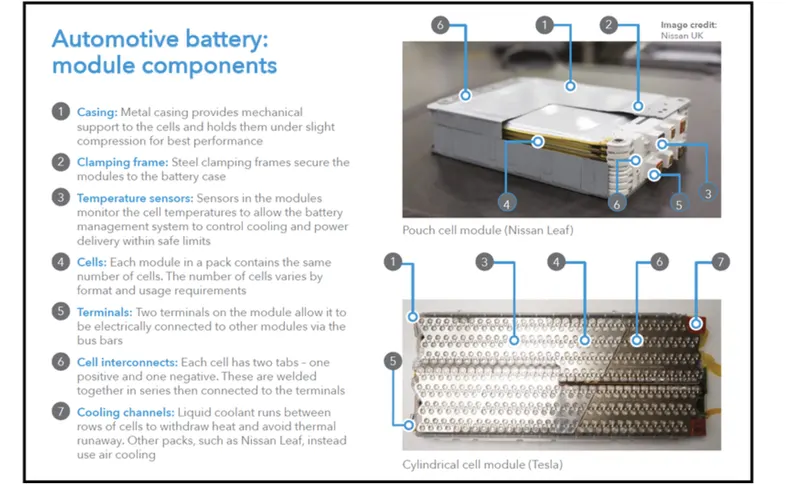
The ultimate ship and dimensions of the battery pack are mostly governed by the cavity which is planned to house it within the intended application. This in turn dictates the possible sale sizes and layout which can be used. Prismatic provide the best space utilisation, however cylindrical cells provide simpler cooling options for high power battery. The use of pouch cell provides the product designer More freedom in specifying the shape of the battery cavity permitting very compact design. The orientation of the cell is designed to minimise the interconnections between the cells.
3. Battery electronics :
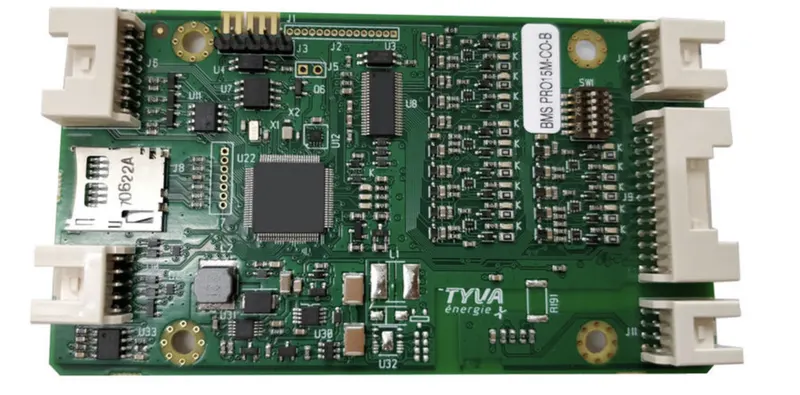
Besides the sales many battery packs now in corporate associated electronic circuits. This maybe protection for devices and circuits, monitoring circuits, charge controllers, fuel gauges and indicator lights. Electronics for higher power Multi Cell packs also include cell balancing and communications function. The facts may also be designed to deliver more than one voltage from the basic cell combination, although applications requiring multiple voltage sources are more likely to make provision for this within the application. Space, fixing points and methods and interconnections need to be allocated for all this electronic circuits.
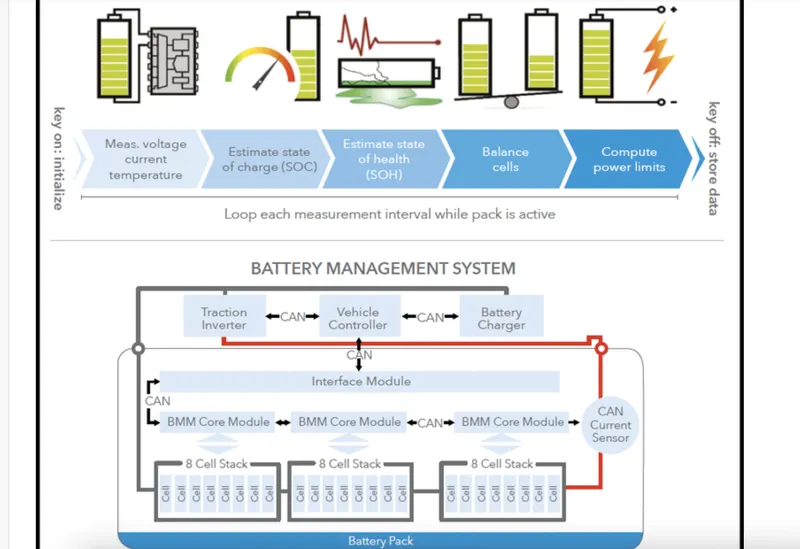
4. Battery management system :
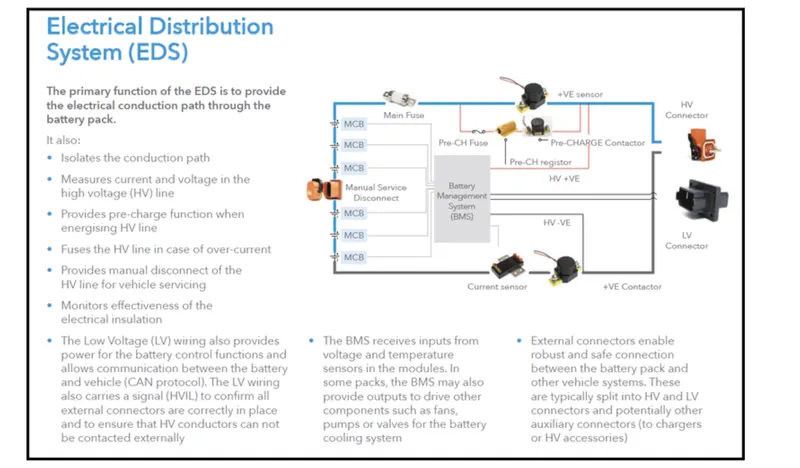
Battery management system is a major component of lithium ion battery particularly for auto mobile applications. Control systems are required to keep the cells within the specified operating range and to protect them from abuse. Fuel gauging needs complex algorithms to estimate the state of charge. communication is with other vehicle systems are needed for monitoring the battery status and controlling energy flows.
5. Internal interconnections :
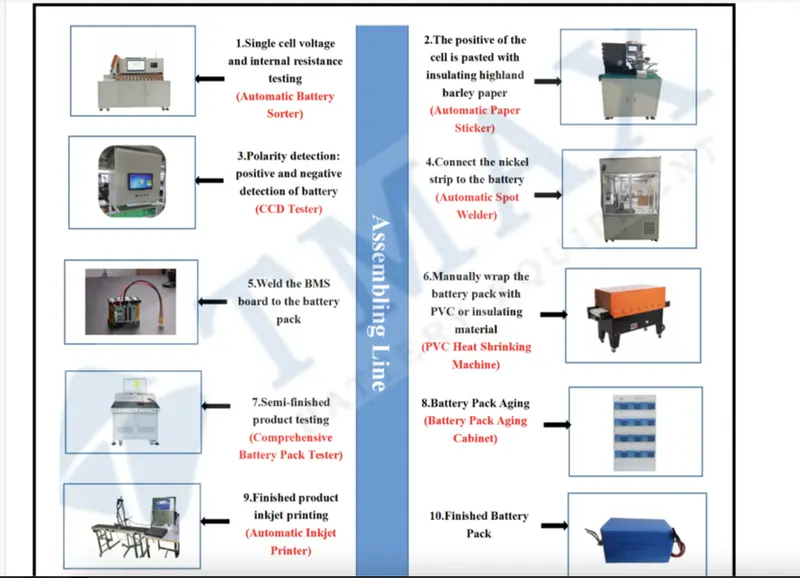
Low power sales are usually connected together using nickel strips which are welded do the cell terminals or the case. Soldering is not recommended since the soldering process is bound to apply large and control amount of heat to the battery components which may damage does operators of the vents which are normally made of plastic. Modern computer controlled resistance welders allow much more precise control of the building process, both limiting the amount of heat applied to the battery and localising the heat to a small desired area. Welding also provides a stronger, low resistance joint. The interconnecting strips open health complex shapes and profiles which may be stamped out of light strip in a progressive die. Hi power since we use solid copper busbars or a braided straps. The electronic components are usually mounted on a conventional printed circuit board. Flexible printed circuit board may cost more than rigid PCBs but they can be used to reduce the overall product cost. Not only do they save weight and space but they also provide more packaging options and simplify physical interconnections an assembly operations as well as eliminating the need for connectors. Connectors may instead be specified to facilitate assembly and this assembly if the design requires that individual battery components need to be changed or service but there is usually a cost and reliability penalty associated with such designs.
6. External connections:
The type of terminals or connections to the external circuit depend on the current to be carried, the frequency with which the battery may be connected and disconnected and design of the circuit to which the battery will be connected. For lower power circuits goldplated contact other terminals of choice for connectors which are subject to frequent insertion. Gold is hard wearing it has low contact resistance and doesn't oxidise. Flying leads which spade terminals or snap on studs are also used on low power applications. Metal tags are also used on pouch cells. Terminals for higher power applications are usually threaded metal studs to ensure a reliable connection. Safety requirements on high-voltage batteries and also dictate shrouded terminals to prevent accidental explosion of the operator to dangerous voltages of the battery all to short-circuit.
7. Thermal design :
Thermal management is a major issue in high power designs, articularly for automotive applications. As part of the battery system it may be necessary to provide air or water cooling ducts pumps or fans and heat exchangers for high-temperature working orbiters for operating in low-temperature environment. The layout of the sales should be conducive to managing heat flows within the pack
Battery Pack Assembly Line :
Cell data sheet
Cell used for forming the pack is ANR26650M1B
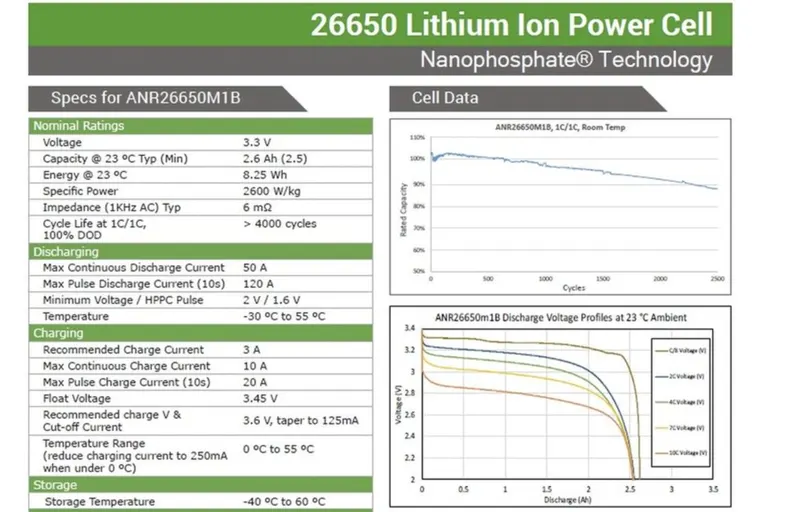
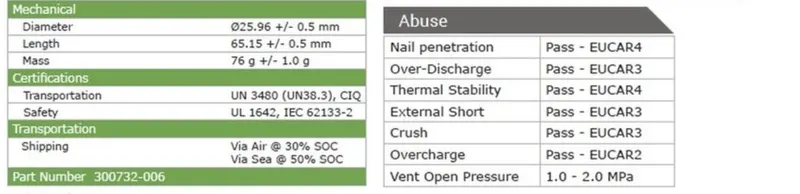
Cell parameter used for the mechanical design process
Voltage of cell = 3.3V
cell capacity =2.5Ah
cell weight = 76gram
cell diameter= 26mm
cell height= 65mm
cost of each cell = 6.55 $
Mechanical Construction :
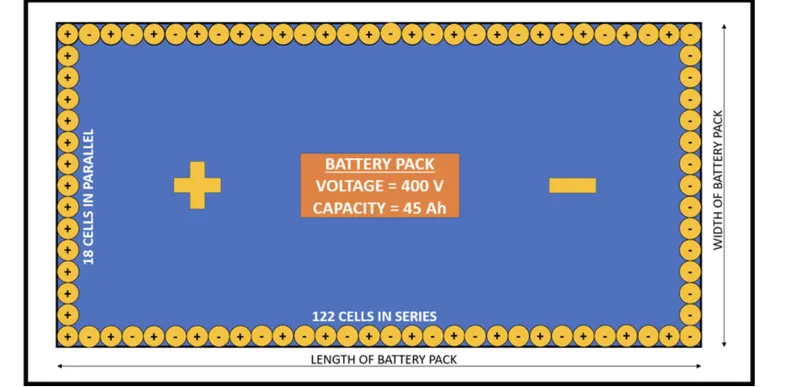
Let us assume that the voltage of the battery that is 400 V
We know that P = V1
Pack capacity = energy capacity/pack voltage
Pack capacity = (18*10^3) /400 = 45Ah
No of cells in series = pack voltage/cell voltage = 400/3.3 = 122cells
No of cells in parallel = pack capacity/cell capacity = 45/2.5 = 18cells
Total no of cells in the battery pack= (no of cells in series)*(no of cells in parallel) = 122*18 = 2196 cells
Weight off pack =( total no of cells in the battery pack)*(cell weight) = (2196*76)/1000 = 167kgs
Length of battery pack = (no of cells in series)*(cell diamter) = 122*0.026 = 3.172m
Width of battery pack = (no of cells in parallel)*(cell diameter) = 18*0.026 = 0.468m
Area of pack = (length of battery pack)*( width of battery pack) = 3.172*0.468 = 1.5m^2
Volume of pack = (area f battery pack)*(cell height) = 1.5*0.065 = 96.5litres
Specific energy density = pack energy capacity/ weight of battery pack = (18*10^3)/96.5 = 186.53Wh/L
Volumetric energy density = pack Energy capacity/ volume of battery pack = (18*10^3)/96.5 = 186.53Wh/L
Cost of battery pack = (total number of cells in the battery pack) *(cost of each cell)
Cost of battery pack = 2196*6.55$ = 14,383$ = RS 10,45,544