Benchmarking
Benchmarking
Benchmarking is defined as the process of measuring products, services, and processes against those of organizations known to be leaders in one or more aspects of their operations.
Benchmarking involves a structured comparison between similar products, services or processes on some dimensions of performance. For example it can be used to compare the availability and delivery of features in a product and in this form often provides the basis of consumer tests and reviews. It is particularly useful when comparing not only performance but also practice – in other words what do the different organizations do to enable that performance to be delivered? And applied in this way it is a powerful tool in process innovation sin e studying how the ‘best’ achieve their performance can provide powerful clues for changing the way processes operate. Process benchmarking of this kind can operate at several levels:
• Between similar processes in the same factory or service branch
• Between different factories or service branches
• Between different competing organizations
• Between different sectors using the same process
Benchmarking remains an important tool within this framework and continues to provide the motivation for change in many sectors.
As a first step on the way, vehicle manufacturers have to benchmark their vehicles in the competitive environment in order to understand and to strengthen or improve the potential of their vehicles.
The following case study has been taken as an example to understand the basic benchmark process:
Mr. D.S. Pughazhyendhii is a married man who lives in Bangalore which is a highly crowded city. His Family comprises five members including his wife, a five-year-old boy, his father, and his mother. He visits his native place Madurai which is 500kms away from Bangalore once a month. Also, he will be using his car to commute to his office. His budget falls between 8 to 10 lakhs on road. Please suggest to him options so that he will buy a good car for his family.
Points to consider for selection:
- Safety
- Mileage
- Bootspace
- Gear transmission type
- comfort
- Cost
- Design and style
Based on the requirement of Mr. D.S. Pughazhyendhii, below mentioned car models are selected and will be compared with each other.
- TATA Nexon
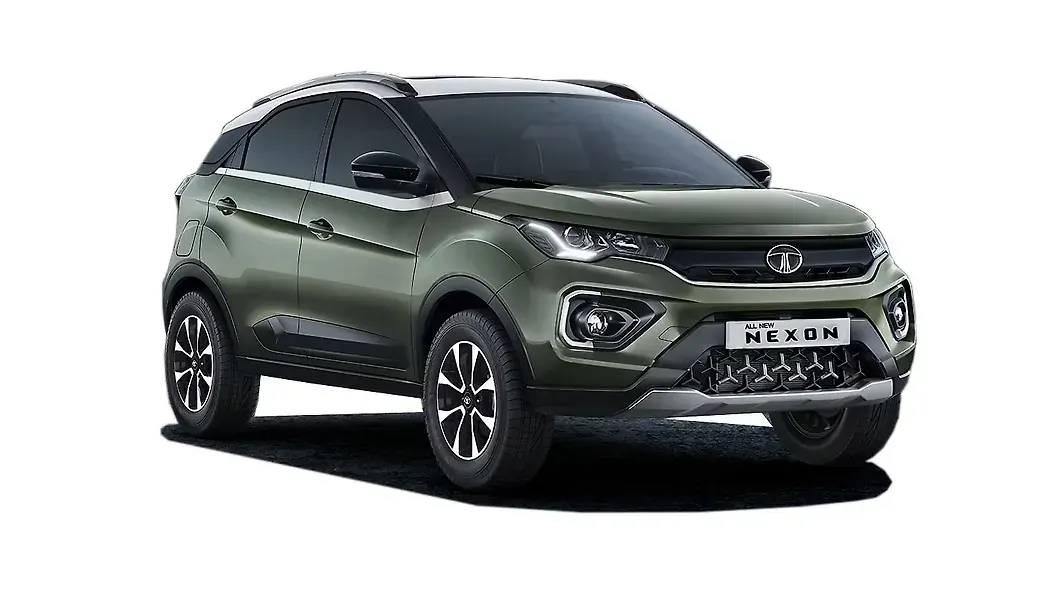
2. MARUTI S CROSS
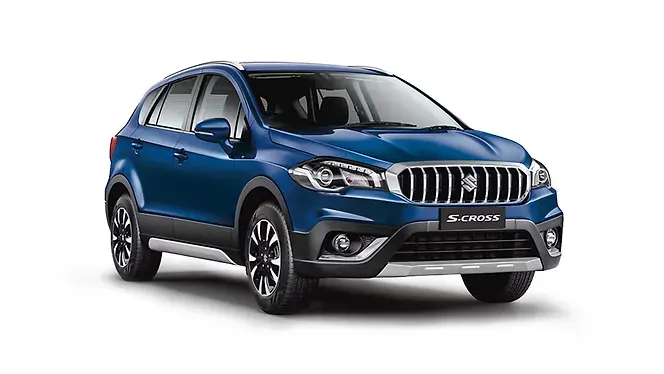
3. RENAULT KIGER
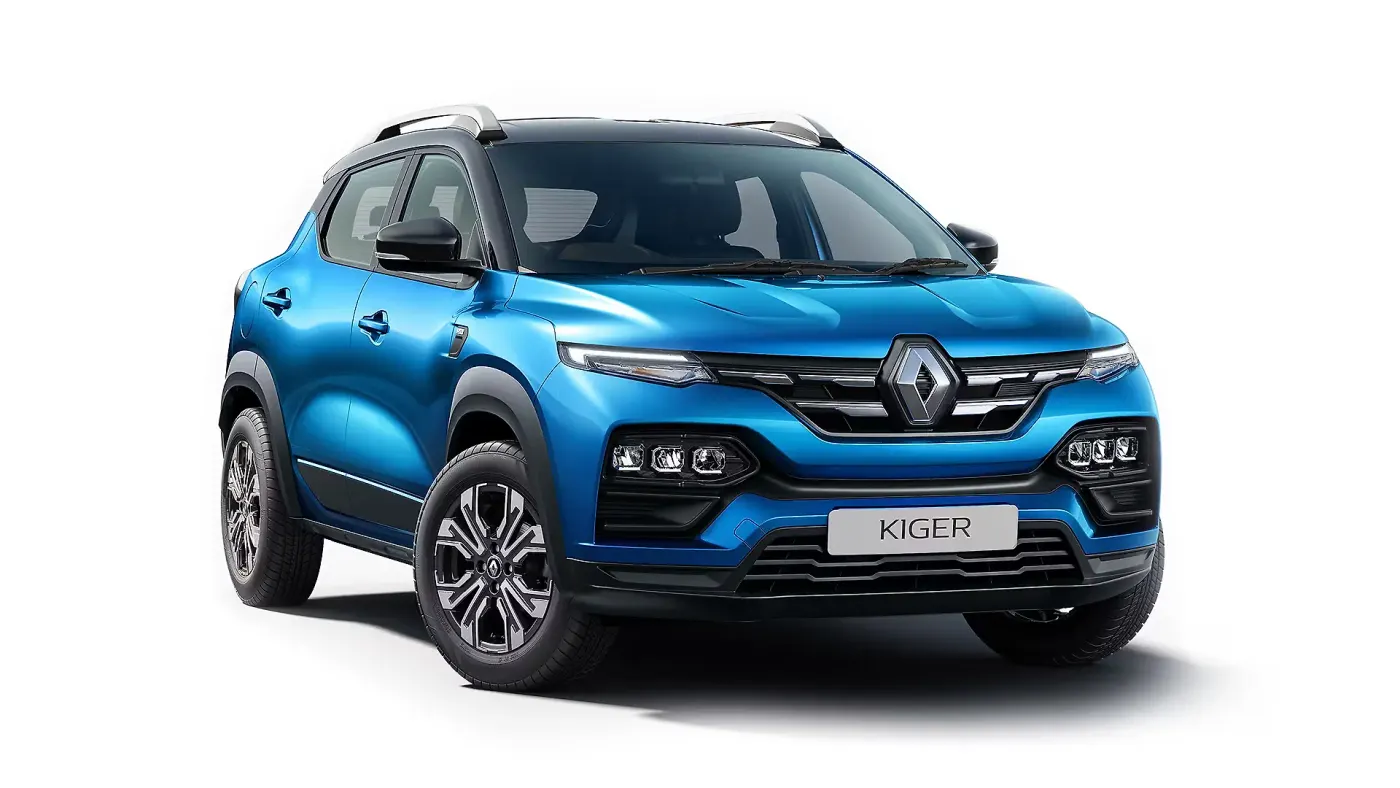
3. NISSAN MAGNITE
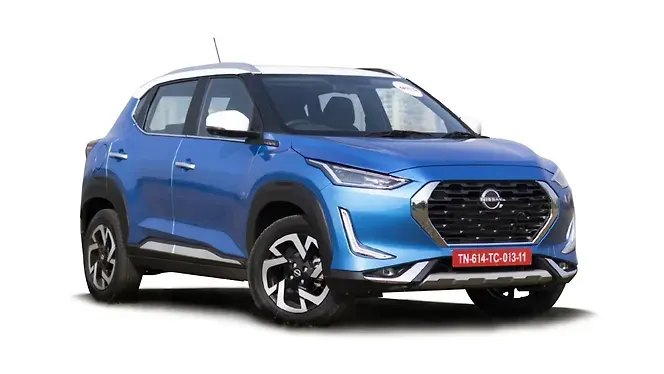
|
Models --> |
Tata Nexon | Maruti S cross | Renault Kiger | Nissan Magnite |
|
Engine |
1199 cc, 3 Cylinders Inline, 4 Valves/Cylinder | 1462 cc, 4 Cylinders Inline, 4 Valves/Cylinder | 999 cc, 3 Cylinders Inline, 4 Valves/Cylinder | 999 cc, 3 Cylinders Inline, 4 Valves/Cylinder |
|
Mileage (Kmpl) |
21.19 (ARAI) 19.00 (Highway) 17.00 (City) |
18.55 (ARAI) 18.00 (Highway) 13.00 (City) |
19.17 (ARAI) 17.00 (Highway) 15.00 (City) |
18.75 (ARAI) 18.34 (Highway) 13.60 (City) |
| Weight | 1180 | 1130 | 1012 | 939 |
| Ground Clearance | 208 | 180 | 205 | 205 |
| Fuel Type | Diesel | Petrol | Petrol | Petrol |
| Driving Rnage | 773 | 890 | 767 | 750 |
| Seating Capacity | 5 | 5 | 5 | 5 |
| NACL Safety rating |
5 star |
5 star |
4 star |
4 star |
| Cost (Base model) | 9.16 Lakhs | 10.70 Lakhs | 7.25 Lakhs | 7.18 Lakhs |
| Goods Things |
|
|
|
|
| Could be better |
|
|
|
|
- Conclusion:
Based on the above comparison, there is a close competetion between Tata Nexon and Renault Kiger.
Since in Mr. D.S. Pughazhyendhii's family there are two old age and one child and he will be travelling to his village every month, the import factor to be considered is safety and then milieage.
So in my opinion, Tata Nexon will be the best choice for Mr. D.S. Pughazhyendhii.