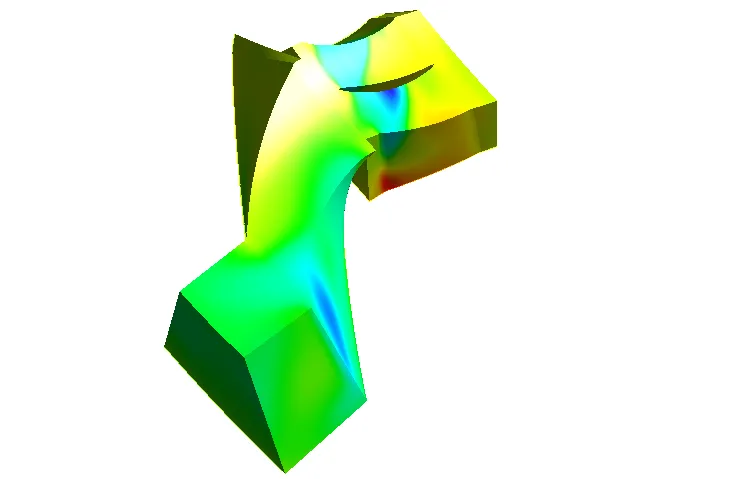
Mechanical · Course

Introduction to Aero-Thermal simulation using ANSYS Fluent

A comprehensive course on Aero-Thermal Simulation using ANSYS Fluent. This course is highly suited for beginners

Duration
12 weeks
Content
7 hours
Projects
3
Mode
Online
Overview

What you'll
be able to do.

  • This course gives an introduction to numerical simulation, types of flow, aerodynamic heating, international standard atmosphere, and a brief insight into the different types of turbulence models and the need for turbulence.
  • Students will perform tetra/prism mesh generation using ICEM CFD, and simulate the aerodynamic analysis on an aerofoil.
  • In the later part of the program, students will work on moving reference and moving mesh approaches, finally, the course concludes by giving an introduction to Broadband Noise modeling using ANSYS FLUENT where the acoustic effects due to aerodynamic flow are analyzed
  • By the end of the course, the students will be able to perform meshing on ICEM CFD, will get an idea of thermal and acoustic effects due to the flow of fluid around a body.
Tools you'll use
ANSYS FluentICEM CFDSpaceClaimCFD Post
Curriculum

12 modules,
built with industry.

Get the full syllabus ↓
  1. 01Introduction to Aero-Thermal simulation using ANSYS Fluent12 modules
    1. Introduction to FLUID FLowsW01
      • Types of fluid properties
      • Newtonian and Non Newtonian fluids
      • Description of fluid flows
      • Overview of CFD methods
    2. Introduction to AerodynamicsW02
      • Role of aerodynamics in design
      • Parameters of focus
      • Instruments used in aircraft
      • Similarity parameters
      • Aerodynamic forces and moments
    3. International Standard AtmosphereW03
      • What exactly ISA is
      • How to calculate the properties according to height
    4. Tetra/Prism generation in ICEM CFDW04
      • Be introduced to ICEM CFD
      • Understand the steps to setup your domain in ICEM CFD
      • Generate a mesh for your geometry
      • Assess the quality of the mesh
    5. Introduction to flow over airfoilW05
      • Be introduced to what an airfoil is
      • Understand the forces acting on an airfoil
      • Use ICEM CFD to generate the domain required to analyse the flow over an airfoil
      • Generate the mesh for two cases
        • Incompressible flow over airfoil
        • Compressible flow over airfoil
        • Assess the quality of the mesh
    6. Introduction to Turbulence modellingW06
      • Introduced to turbulence
      • Learn why it is important
      • Understand how to model turbulent flows
      • Understand the turbulence models available in commercial CFD packages
    7. Simulate the flow over a NACA0012 AirfoilW07
      • Learn how to setup your simulation for analysing aerodynamic forces on an airfoil
      • Analyse the results for various angles of attack
    8. Introduction to moving zonesW08
      • Learn about moving zones
      • Approaches to model moving zones
        • Moving reference frame
        • Moving mesh
    9. Comparison of Moving Reference and Moving mesh approachW09
      • Use a turbomachinery component to compare MRF and MM approach
      • Setup the simulation with appropriate parameters
      • Analyse the results
    10. Transient flow over air compressorW10
      • Work on a sector a large air compressor
      • Setup periodic zones in FLUENT console
      • Setup the simulation to analyse the turbomachinery component
      • Analyse the results
    11. Introduction to Computational AeroacousticsW11
      • Learn about acoustics
      • Learn about acoustic analogy methods
      • CAA methodologies
    12. Broadband Noise modellingW12
      • Use ANSYS Mesher to generate the mesh for your domain
      • Setup a symmetric model in FLUENT
      • Run the acoustic solver to analyse noise sources
Industry projects

3 projects
you'll ship.

Our projects are designed by experts in the industry to reflect industry standards. By working through our projects, Learners will gain a practical understanding of what they will take on at a larger-scale in the industry. In total, there are 3 Projects that are available in this program.

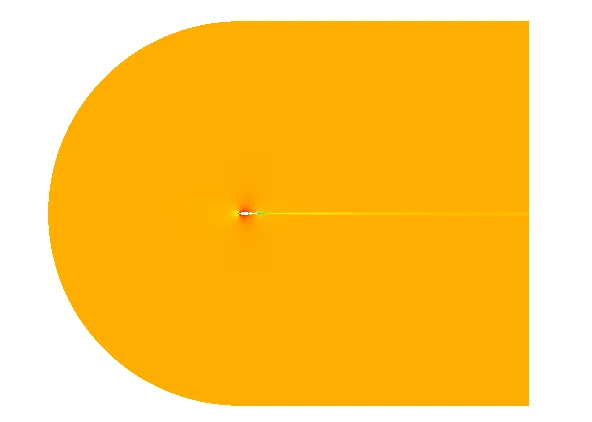
Aerodynamic Analysis on NACA 0012

Aerodynamic Analysis on NACA 0012

In this project, the student will learn how to perform structured mesh in ICEM CFD. The pressure and velocity distribution are also studied in this simulation.
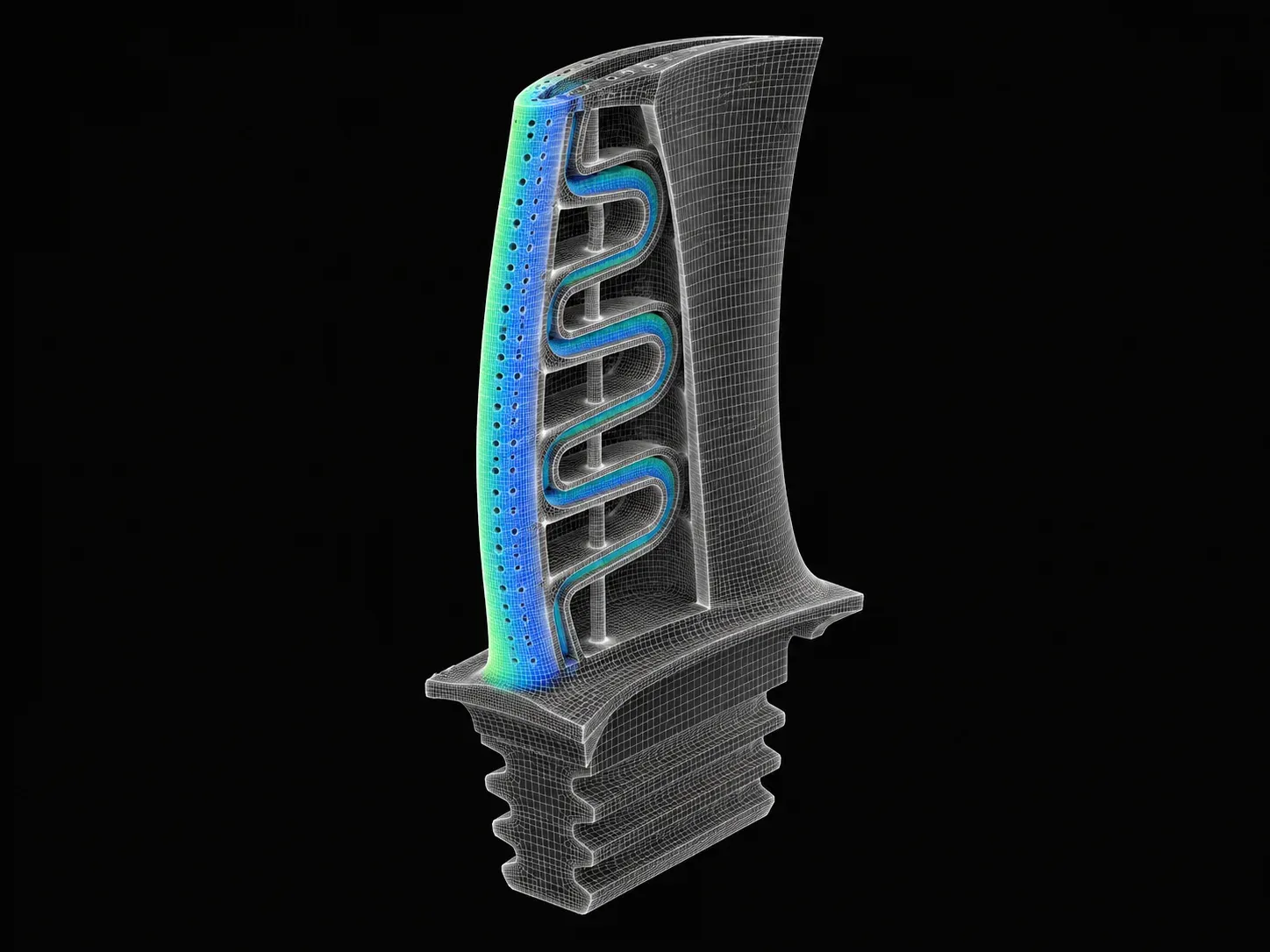
Transient Flow over the Axial Compressor

Transient Flow over the Axial Compressor

In this project, the student will simulate the transient flow through an axial compressor.
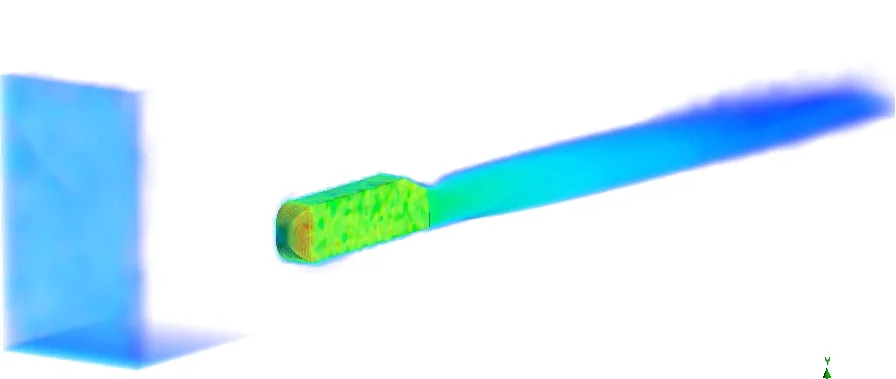
Broadband Noise Modeling over Ahmed Body

Broadband Noise Modeling over Ahmed Body

In this project, the student will simulate the acoustic effects caused due to external fluid flow over an Ahmed body.

Fee

One fee.
Everything included.

Become job ready with our comprehensive industry focused curriculum for freshers & early career professionals

Premium
₹40,000
Inclusive of all charges
  • 1 Year Access
  • Personalized Page
  • Live Individual & Group Sessions
  • Personalized & Hands-On
  • Job-Oriented Industry Relevant Curriculum
Check eligibility →
FAQ

Questions,
answered.

Who can take up the Introduction to Aero-Thermal simulation using ANSYS Fluent course?

Students and graduates of mechanical engineering and related engineering streams can take up the Introduction to Aero-Thermal simulation using the ANSYS Fluent course. It is for anyone interested in thermal engineering, Aerodynamics and CFD.

Is the Introduction to Aero-Thermal simulation using ANSYS Fluent an online program?

Yes, the course on aerothermal technology is 100% online. 

What is the duration of the Introduction to Aero-Thermal simulation using ANSYS Fluent course?

The ANSYS Fluent course is a 12-week course covering all the basic to advanced level concepts essential for performing aerothermal analysis.

How much can an Aerothermal Engineer earn?

According to Glassdoor, the average base pay of an Aerothermal Engineer reaches up to Rs.13 Lakhs per annum. However, packages tend to increase with your experience and expertise.

Is there any certificate for completing the Introduction to Aero-Thermal simulation using the ANSYS Fluent course?

Yes, after completing the course on aerothermal technology, you shall be given a course completion certificate. The top 5% of the scorers will receive a merit certificate alongside the course completion certificate.

Is there any technical support available for the ANSYS Fluent course?

Yes, you can clear your doubts during coursework from our technical support team through email and forum support.

What is ANSYS Fluent ?

ANSYS Fluent is a software tool used for performing flow analysis, heat transfer analysis, and generating turbulence models with greater accuracy for industrial applications.

Can you tell me more about Skill-Lync?

Skill-Lync is among India’s leading EdTech platforms dedicated to transforming engineering education. We equip young engineers with the latest skill sets and cutting-edge tools in new-age technologies.

The brainchild of two engineers from Chennai, Skill-Lync, is on a mission to bridge the skill gap between aspiring professionals and the industry’s demands through job-oriented courses.

Next step

Not sure it's
the right fit?

A counsellor will walk you through the syllabus, projects and fee options — and tell you honestly if another course suits you better.

Get the syllabus + a call back

We'll email the full syllabus and call within one working day.

By submitting you agree to our Terms and Privacy Policy.

Call usEnquire
Talk to a career counsellor

Talk to a career counsellor

Free 20-minute call. We'll map the right course to where you want to work.

By submitting you agree to our Terms and Privacy Policy.