01
Development of a Door Trim Panel for Segment Car
In this project, the students will be asked to design the door trim panel for the segment car. They will follow the given inputs and design guidelines.
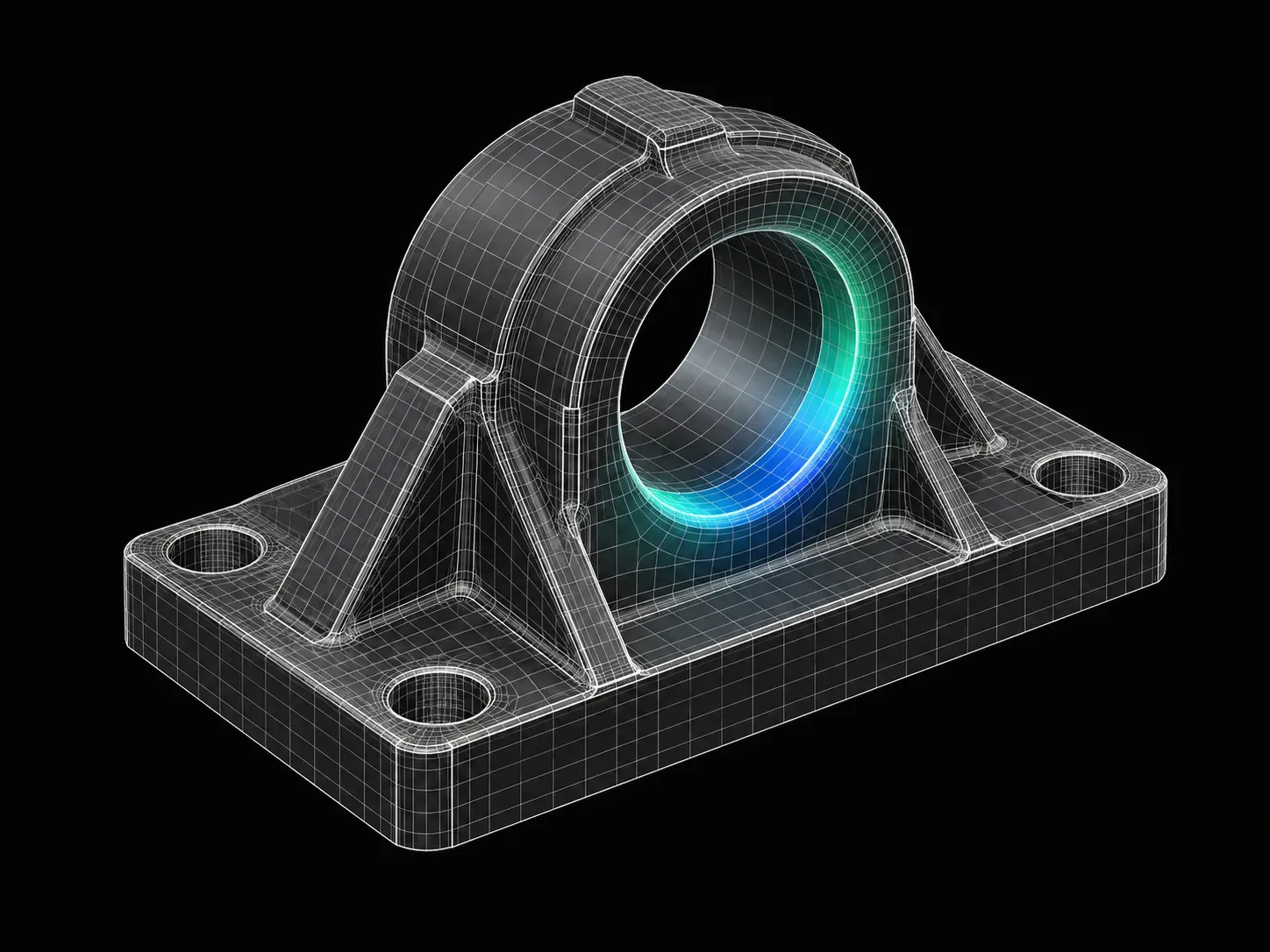
A comprehensive course on sketching, solid and surface modelling using CATIA-V5. This course is highly suited for beginners
Basic Modelling using CATIA V5 is an online course from Skill-Lync: 8 weeks, 8 hours of content and 3 industry projects.
Our projects are designed by experts in the industry to reflect industry standards. By working through our projects, Learners will gain a practical understanding of what they will take on at a larger-scale in the industry. In total, there are 3 Projects that are available in this program.
In this project, the students will be asked to design the door trim panel for the segment car. They will follow the given inputs and design guidelines.
In this project, the students will be asked to design the develop the rear lamp with the given master section. They will follow the given inputs and design guidelines.
In this project, students will be asked to develop a master section based on the given inputs.
Video stories from learners of related mechanical programs, from Skill-Lync's YouTube channel.
by the Skill-Lync team
Part modelling, taught the way automotive design teams use it. The syllabus moves from CATIA basics (commands, saving, pan and rotate) to the Sketcher workbench and its rules, the Part Design workbench (pad, pocket and the other solid features), and advanced part design with Boolean operations on multiple bodies and late design changes to automotive components following OEM working procedures.
It is 15 recorded sessions, about 8.5 hours of video, plus three projects: creating a master section, developing a rear lamp from a given master section, and designing a door trim panel for a segment car from design inputs and guidelines.
A master section is a 2D cross-section cut through a part and the parts around it at a critical location. It fixes the things that are hard to change later: wall thickness, gaps and flushness to the neighbouring parts, clearances, and how the part is attached. The 3D surfaces and solid features are then built to follow it.
That is why two of the three projects start from one: you first create a master section from the inputs given, then build a rear lamp around a master section that is handed to you, as a trim or lighting engineer would at a supplier.
CATIA lets one part hold several bodies. Boolean operations (add, remove, intersect, assemble) combine them into the final solid, so you can model a complex trim part as separate, editable volumes, such as the main wall, ribs and bosses, and change one without rebuilding the rest. The advanced part design week practises this before applying it to modifications on automotive components.
Yes, it starts from the interface, but it spends most of its time on part modelling for automotive trims. If you want a gentler tour of every beginner workbench first (sketching, solids, drafting, assemblies and surfaces on machine parts), take Basics of CATIA V5; its first three lessons are free on Grow. For the full plastic trim workflow with surfacing and mould design considerations, see Automotive Plastic Design using CATIA V5 below.
Skill-Lync's own records, as of 16 Nov 2026: the PG Program in Automotive Design using CATIA V5 has 42 recorded placements (2021 to 2023), most as design engineers, with a median disclosed salary of ₹3.2 LPA (n = 41); hirers include Safran, EASi, Cyient and Segula Technologies. The broader PG Program in CAD has 998 placements at a median of ₹3.5 LPA (n = 957). These are program outcomes, not a promise for this short course.
More detail: design engineer salaries from Skill-Lync placements.
| Course | Length | Projects | Tools | Fee |
|---|---|---|---|---|
| Basic Modelling using CATIA V5 (this page)Part modelling for automotive trims: master section, door trim, rear lamp | 8 weeks, 8 h | 3 | CATIA V5 | ₹40,000 |
| Basics of CATIA V5Beginner tour: sketcher, part, drafting, assembly and surface workbenches | 4 weeks, 5 h | 2 | CATIA V5 | ₹40,000 |
| Automotive Plastic Design using CATIA V5Plastic trim design with surfacing, tooling feasibility and mould considerations | 12 weeks, 25 h | 5 | CATIA V5 | ₹40,000 |
| Automotive Lighting Design using CATIA V5Lamp design in CATIA V5 | 12 weeks, 22 h | 2 | CATIA V5 | ₹40,000 |
| PG Program in Automotive Design using CATIA V5PG program: CATIA V5 automotive design with Siemens NX | 24 weeks, 118 h | 18 | CATIA V5, Siemens NX CAD | ₹2,75,000 |
| PG Program in CADPG program: CATIA V5, Siemens NX, Alias and SOLIDWORKS | 48 weeks, 203 h | 32 | CATIA V5, Autodesk Alias, Siemens NX CAD, SOLIDWORKS | ₹2,75,000 |
Lengths, projects and fees are taken from each course page on 16 Nov 2026; fees are the Premium plan in INR, including all charges.
Become job ready with our comprehensive industry focused curriculum for freshers & early career professionals
Students and graduates of mechanical engineering and related streams of engineering can take up the Basic Modelling using the CATIA V5 course. This course is for anyone interested in designing and developing 3D part models.
Yes, this CATIA course is a 100% online course.
This CATIA V5 software course is an 8-week course covering all the basic to advanced level concepts needed for part modelling.
In Skill-Lync's placement records (as of 16 Nov 2026), learners from the PG Program in Automotive Design using CATIA V5 were placed at a median of ₹3.2 LPA (41 disclosed salaries), mostly as design engineers. Pay rises with experience.
Yes, after completing the CATIA online course, you shall be given a course completion certificate. The top 5% of the scorers will be given a merit certificate alongside the course completion certificate.
Yes, you can clear your doubts during coursework from our technical support team through email support.
A counsellor will walk you through the syllabus, projects and fee options — and tell you honestly if another course suits you better.