Computer Science · Course
Data Structures and Algorithms using Python
A hallmark of the best course for data structures and algorithms is the projects that help develop domain expertise. Master career-building skill sets in data science with experience in data structures and algorithms using python.
- Duration
- 12 weeks
- Content
- 24 hours
- Mode
- Online
OverviewWhat you'll
What you'll
be able to do.
- This course encloses the basic and advanced topics of Data Structures and Algorithms along with code implementation and problem solving sessions.
- By taking up this course from SKILL-LYNC, you will clock in 200+ hours of coding for a wide range of problems.
- You will also be taught how scalable programs are built and will be exposed to the skills that top tech companies expect from programmers
- This course will help in developing the necessary problem-solving coding skills, to crack the coding interviews for most software companies
- This course is designed to help a new developer explore the theoretical and practical aspects of coding
Tools you'll use
Python
Curriculum12 modules,
12 modules,
built with industry.
01Data Structures and Algorithms using Python
- Week - 01 IntroductionW01
- Abstract data type and Data Structure
- Complexity Analysis
- Asymptotic analysis
- Comparison of functions
- Recurrence Relations
- Time complexity
- Space complexity
- Iteration
- Recursion
- Week - 02 ListsW02
- Arrays
- Static arrays
- Dynamic arrays
- 2D arrays
- Strings
- Linked List
- Singly Linked List and its operations
- Doubly Linked List and its operations
- Circular Linked List and its operations
- Week - 03 Stacks and QueuesW03
- Stacks
- Implementations- using arrays, using linked lists
- Operations
- Applications
- Queues
- Implementations- using arrays, using linked list, using two stacks
- Circular queues
- Priority queues
- Amortized Analysis
- Stacks and Queues in Python
- Stacks
- Week -04 TreesW04
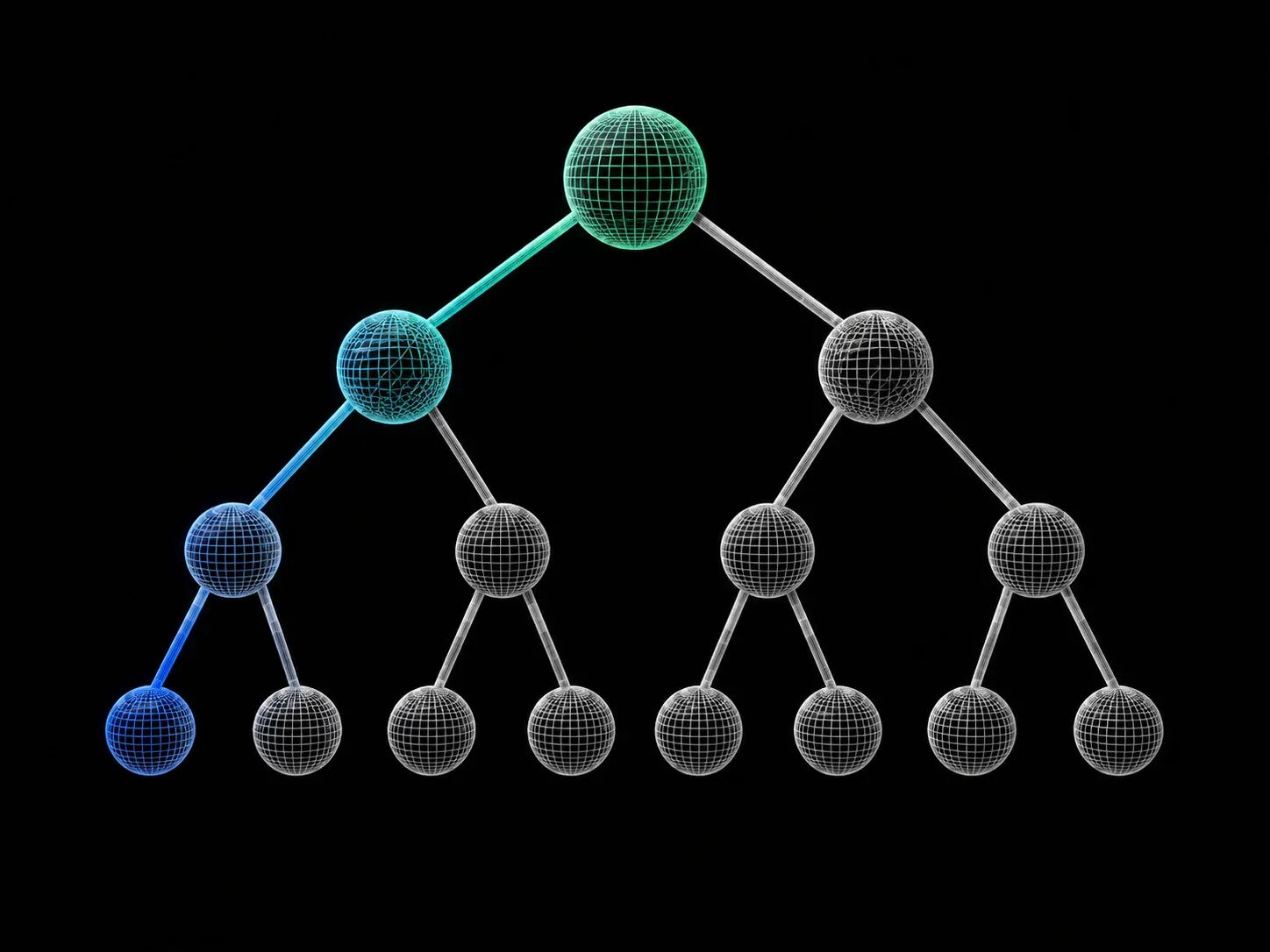
- Binary Trees:
- Representations
- Pre-order, In-order
- Post-order traversals
- Expression trees
- Successor and Predecessor
- Binary Search Trees and their operations
- AVL Trees and their operations
- Red-Black trees, Interval trees, Segment trees, B-trees, B+ trees
- Binary Trees:
- Week - 05 Heaps and TriesW05
- Heaps
- Min Heap
- Max Heap
- Implementation
- Operations
- Priority Queues
- Implementations
- Uses
- Tries
- Implementations
- Uses
- Week - 06 GraphsW06
- Graphs
- Representation
- Implementation
- Types of Graphs
- Minimum cost spanning tree problem
- Traversing Graph
- Depth First Search
- Breadth-First Search
- Single-Source Shortest path problem
- Dijkstra's algorithm
- Bellman-Ford algorithm
- Disjoint Sets
- Union by rank
- Path compression
- Applications
- Week - 07 SortingW07
- Types of sorting techniques
- Bubble Sort
- Insertion Sort
- Selection Sort
- Quick Sort
- Merge Sort
- Heap Sort
- Count Sort
- Bucket Sort
- Radix Sort
- Shell Sort
- Topological Sort
- Week - 08 Searching and HashingW08
- Searching
- Linear Search
- Binary Search
- Hashing
- Hash function
- Collision handling
- Chaining
- Open addressing
- Linear probing, primary clustering
- Quadratic probing, secondary clustering
- Double hashing
- Hash Tables
- Collection Module in Python
- Week - 09 Greedy AlgorithmsW09
- Optimization Problems
- Types of algorithms
- Greedy Algorithms
- The strategies of Greedy Algorithms
- Elements of Greedy Algorithms
- Advantages of Greedy Algorithms
- Disadvantages of Greedy Algorithms
- Applications of Greedy Algorithms
- Week - 10 Divide and ConquerW10
- Divide and Conquer Techniques
- Strategies
- Advantages
- Disadvantages
- Master theorem
- Applications
- Special types of problems
- Bit Manipulation problems
- Two pointer problems
- Sliding Window problems
- Merge Intervals problems
- Divide and Conquer Techniques
- Week - 11 BacktrackingW11
- Backtracking
- Brute Force Approach
- N Queens Problem
- String matching Algorithms
- Brute Force Method
- KMP
- Rabin Karp
- Data Structures for storing strings
- Week - 12 Dynamic ProgrammingW12
- Dynamic Programming
- Approaches of Dynamic Programming
- Top-down approach
- Bottom-up approach
- Properties of Dynamic Programming
- Comparison of Algorithmic Techniques learned
- Regular Expressions
- Pattern matching algorithm
- Complexity Classes
- P, NP, NP-Hard, NP-Complete
- Is P==NP?
- Problem Solving Summary
- Week - 01 IntroductionW01
FeeOne fee.
One fee.
Everything included.
Become job ready with our comprehensive industry focused curriculum for freshers & early career professionals
Premium
₹40,000
Inclusive of all charges- 1 Year Access
- Personalized Page
- Live Individual & Group Sessions
- Personalized & Hands-On
- Job-Oriented Industry Relevant Curriculum
FAQQuestions,
Questions,
answered.
Is this course sufficient to learn the basics of algorithms and data structures?
A: With a basic knowledge of computers, a candidate can take this course and learn all the basic details of this field. Starting with the terms, this course defines working knowledge of the two.
Who should take up a course in algorithms and data structure?
A: Largely, anyone can pursue this course in data structure and algorithms, but programmers and data science students who want to build their path further in this line can also take up this course.
What are some of the topics that are covered in a data structure course?
A: Apart from the introduction, the course explains various topics such as lists, stacks, queues, trees, heaps and tries, graphs and sorting.
Can a student face an interview for Python after completing this course?
A: Yes, this course is designed to help students ace interviews as well after the completion of the course.
Is this course suitable for non-computer science students?
A: Yes, if such students want to enter the IT industry, they can take this course.
What type of Python implementation does this course provide?
A: Students can gain knowledge about Algorithm Analysis, Big O notation, Time complexity, singly linked list, reversing a linked list, doubly linked list, circular linked list, linked list concatenation, Sorted linked list through this course.
Is it useful to take a course in data structure?
A: Given the booming pace of IT in India, students can benefit greatly by taking this course and building their skills in the area of data structure and algorithms.
Can I complete this course in less than 12 months?
A: Yes, the average time to complete this course is three months.
Related
You might also like.
PG program · 24 weeksFull Stack Web Development→PG program · 16 weeksPre-Graduate Program in Full Stack Web Development→Course · 12 weeksData Structures and Algorithms using JAVA→Course · 12 weeksThe Complete Front-End Development - 2.0→Course · 12 weeksIntroduction to Java Programming 2.0→Course · 12 weeksMicroservices using Java, Spring & Docker→
Next stepNot sure it's
Not sure it's
the right fit?
A counsellor will walk you through the syllabus, projects and fee options — and tell you honestly if another course suits you better.