Top 5 New Programming Languages for Software Development
New programming languages are constantly being developed to meet the demands of today's fast-moving world and to make software development easier and faster.
 Navin Baskar·26 Mar 2023·4 min read
Top 5 New Programming Languages for Software Development
New programming languages are constantly being developed to meet the demands of today's fast-moving world and to make software development easier and faster. This blog will explore some of the newest software development programming languages and discuss their features, benefits, and potential applications. Well, also look at how these newer languages compare to more established programming languages and what the future of software development might look like.

What is Software Development?
Software development is creating, designing, programming, testing, and maintaining software applications. It involves the development of applications that can be used to solve problems, automate processes, and create new products.
Software development is a complex process that requires a wide range of skills, such as,
- Programming
- Design
- Project management
Software development is an iterative process that involves,
- Planning
- Designing
- Coding
- Testing
- Deploying
It requires a deep understanding of the problem that needs to be solved, as well as the technology and tools used to create the application.
New Programming Languages
By learning and staying updated with the latest trends and technologies, developers can ensure their applications are optimised and have the newest features for the current market. Here are a few new programming languages recently developed for software development.
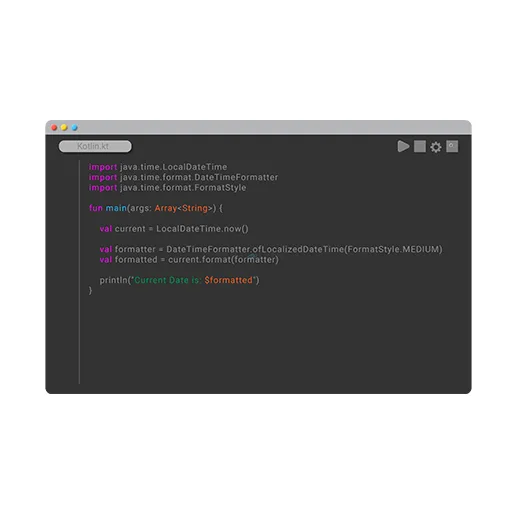
1. Kotlin
It is a modern programming language designed to be easy to learn and use. It is a statically-typed language that runs on the Java Virtual Machine (JVM) and is created and introduced by JetBrains as Project Kotlin in 2011. It is becoming increasingly popular for Android app development. In 2016, the initial version was formally released. Kotlin is heavily used in the development of,
- Android applications
- Online applications
- Desktop applications
- Server-side applications
Those who use Kotlin are persuaded by its claim to be superior to Java. Kotlin is the foundation for the majority of Google's software. Businesses that use Kotlin as their programming language include,
- Coursera
- PostMates
Benefits of Using Kotlin
- Less code-intensive than languages like Java
- Comparatively simple to adopt
- Full Java compatibility
2. Go
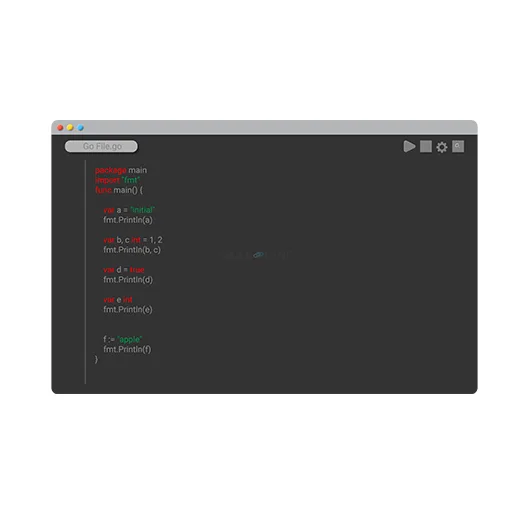
Google created this in 2007 for APIs and online applications like web and cloud app development. Go has lately risen to prominence as one of the programming languages with the quickest growth due to factors like,
- Simplicity of code
- Adaptability to multicore and networked systems
- Capacity for handling large codebases
Due to its straightforward, contemporary structure and well-written syntax, it has become increasingly popular among numerous large IT organisations and data scientists due to its performance and agility. Businesses that use Go as their programming language include,
- Uber
- Twitch
- Dropbox
Benefits of Using Go
- Widely regarded as a "minimalist" programing language
- Simple to learn
- Clear-cut code
- Good compatible
- Fast and efficient
3. Swift
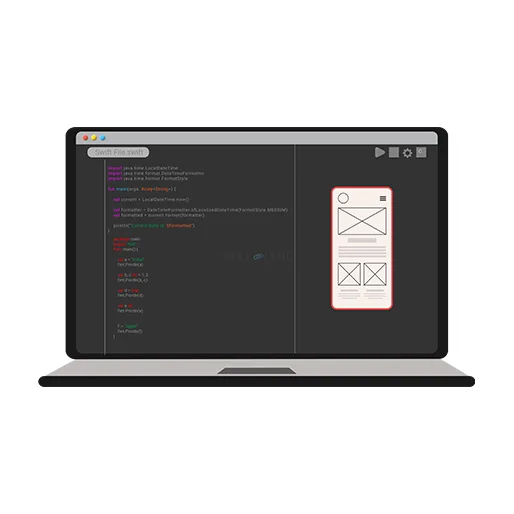
Swift was among the top 10 programming languages in the TIOBE Index list of popular programming languages. In 2014, Swift was created by Apple to develop mobile and desktop applications for apple devices like the Mac and the iPhone.
Swift is an open-source, simple-to-learn programming language that supports nearly all objective features. It can be used with IBM Swift Sandbox and IBM Bluemix.
Many iOS applications employ the Swift programming language, including,
- WordPress
- Mozilla Firefox
- SoundCloud
- The game “Flappy Bird”
Benefits of Using Swift
- Simple to learn
- Simple syntax
- Relatively low code
- Apple's proprietary programming language
4.TypeScript
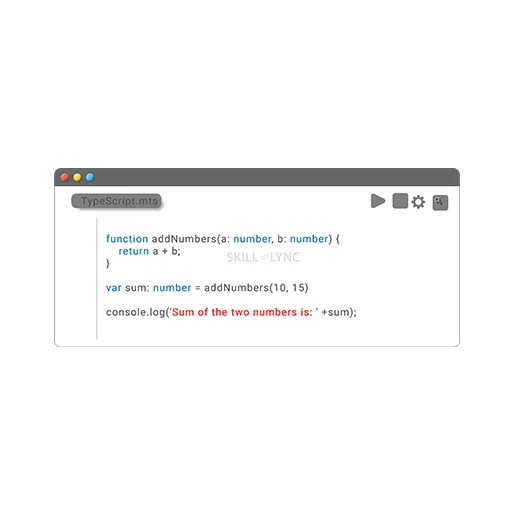
Despite being the newbie of the top programming language rankings list, TypeScript is gaining ground. Microsoft created a typed version of JavaScript in 2012. TypeScript is ideal for,
- Working with large code bases
- Catching errors
- Preventing systemic problems
TypeScript creates JavaScript-based applications with typing in client- and server-side development. The "most adopted technology", according to the 2021 State of JavaScript Survey, was TypeScript.
Benefits of Using TypeScript
- Outstanding for large-scale projects
- Its GitHub community is the fastest-growing one
- Increases the effectiveness of JavaScript development
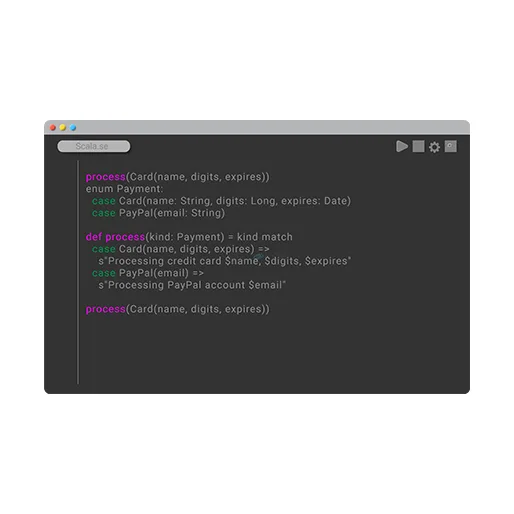
5. Scala
Programming in Scala, often known as the Scalable Language, incorporates functional and object-oriented elements. Bytecode is executed by the Java Virtual Machine (JVM) in this concise, statically typed language.
In distributed computing, software engineering, data processing, and web development, Scala is frequently utilized.
Because of its ability to process enormous amounts of data, Scala is used by numerous well-known firms, like
- Sony
- Airbnb
- Verizon
- Netflix
Benefits of Using Scala
- Faster than Python
- Appropriate for data analytics
- Extremely practical
Conclusion
With the right tools, developers can create amazing applications to revolutionize technology. We at Skill-Lync are excited to offer you various courses on various programming languages and frameworks. We also offer post-graduate programs in Full-stack web development, Data analytics and data science, machine learning fundamentals, etc. Enrol in our courses to upgrade your technical skills for a better career. Book a free demo session to know more about our courses!


