Wiring harness routing & packaging Rules Week 3 Challenge
Wiring Harness routing and packaging rules week 3 challenge
Objective : Define the mechanical component electrically , create COT tubes and prepare the catalogue for same.
Software Used : CATIA V5
INTRODUCTION :
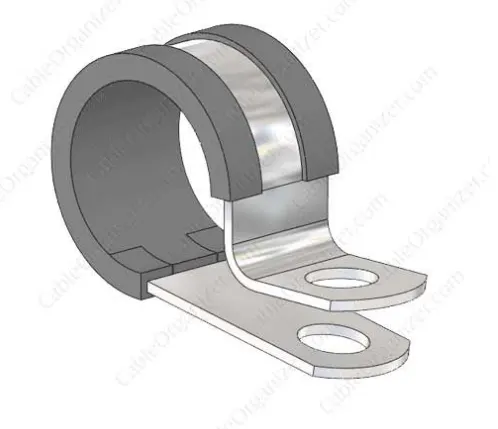
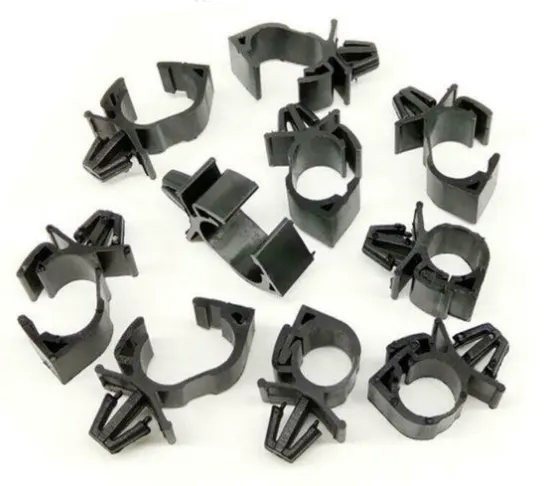
Cable clamps are accessories for wire and cable. They are used to bundle, clip, clamp, label, guide, and protect wires and cables. Clamps play an important role in the installation and maintenance of cable systems. Cable clamps are used in home construction, automotive, rigging, and many more industrial and manufacturing applications. The clamps are available in a wide variety of types and sizes.
The shape and size of the item or system being secured. The maximum diameter refers to the maximum diameter of the bundle of wires and cables. If the clamp is larger than the conduit foreign matter can enter the space between the two pieces can cause damage due to abrasion. If the conduit is larger than the clamp deformation and strain can occur on the mounting foot of the clamp and potentially break the clamp.
BACKSHELLS :
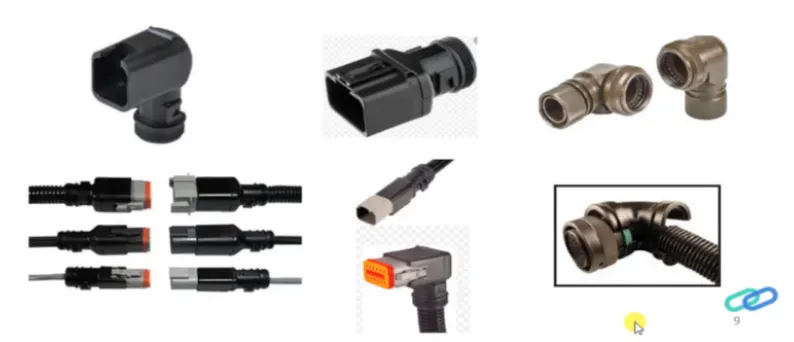
In general, connector back shells fall under the classification as ‘connector accessories. Back shells are the components that attach to the back of connectors often designed to guide the wires and cables that are terminated at the connector. The back shells are often mated with strain relief components, environmental seals, the shielding. The back shell may be made from metal or moulded using a rubber or neoprene covering over the back shell of the connector.
In other words, backshells are plastic moulded parts used at the wire entry side of the connectors either for protection or to improve the aesthetics/appearance of the harness. These are not mandatory parts of wiring harness and are always optional and driven by cost.
Corrugated tubes :
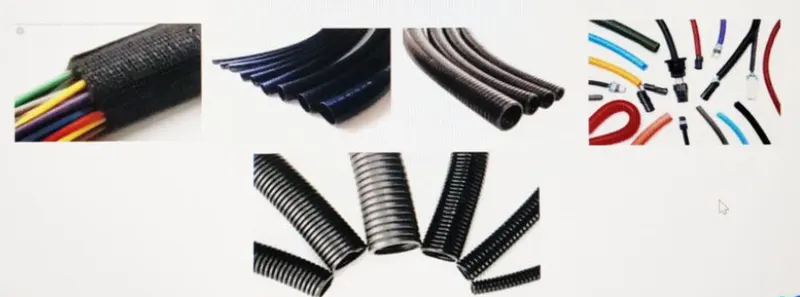
Corrugated tubes, convolutes, sleeves and many other types of coverings ae used to protect the wiring harness. Graphical representation of coverings is applied on bundles.
Corrugated conduits and protective hoses with various properties, from heat resistance through abrasion protection and impact strength to noise reduction, protect valuable cables against all unfavourable external influences.
DESIGNING METHODOLOGY :
1) P-Clamp :
process:
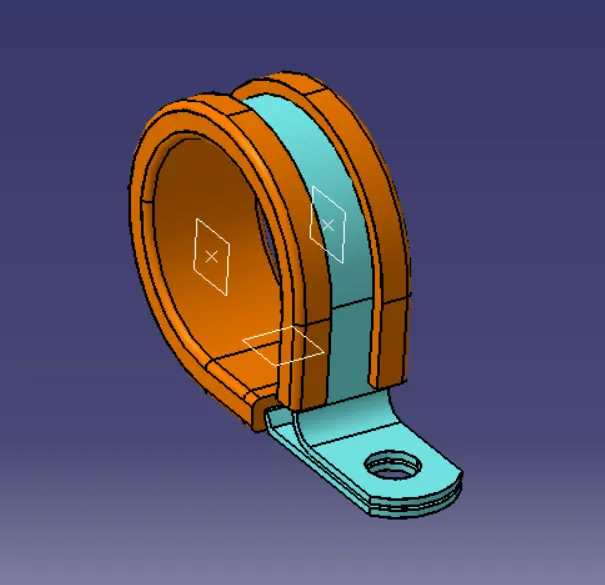
- Create entry point, exit point and corrosponding entry plane, exit plane and base plane as below.
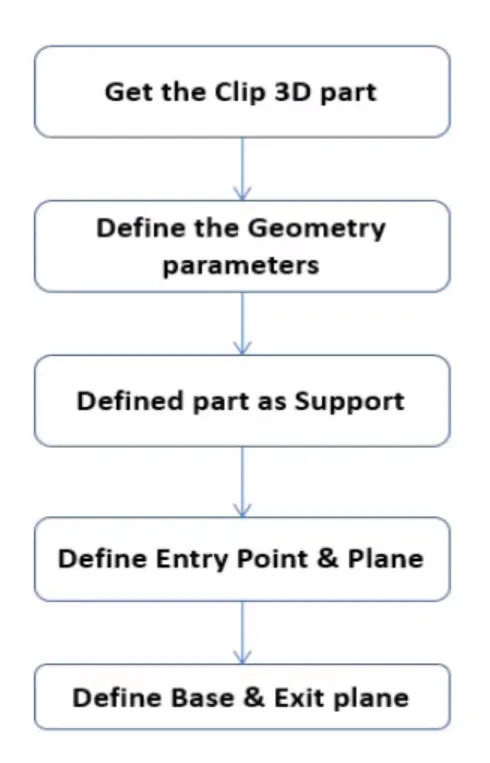
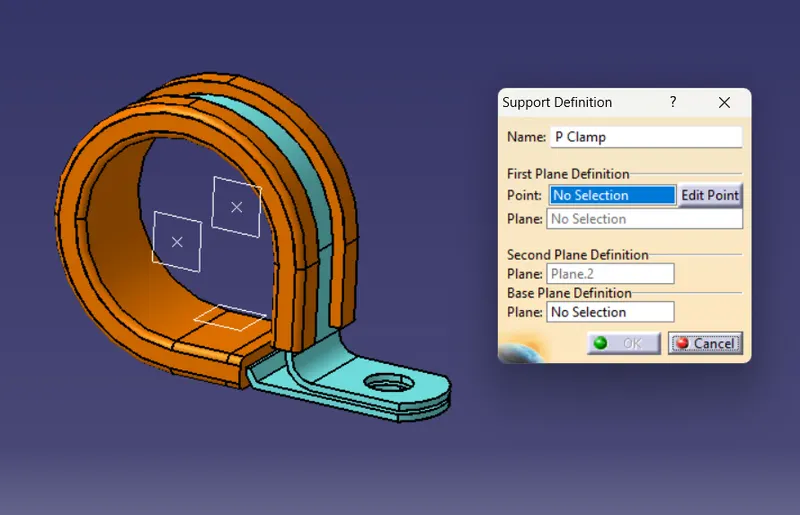
- Swith to the electrical part workbench, Define the P-Clamp electrically by using Define support part commond. Since as we know a P- clamp may have the entry point from any of the side and exit point also, so, we have to define the P-clamp electrically by using define support part commond two times by selecting different entry point.
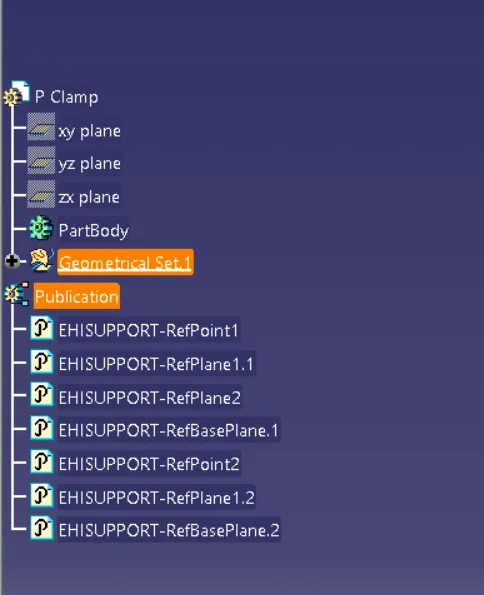
- Explained design tree for the complete process is as below :
- Various views (orientation) of the part is as below :
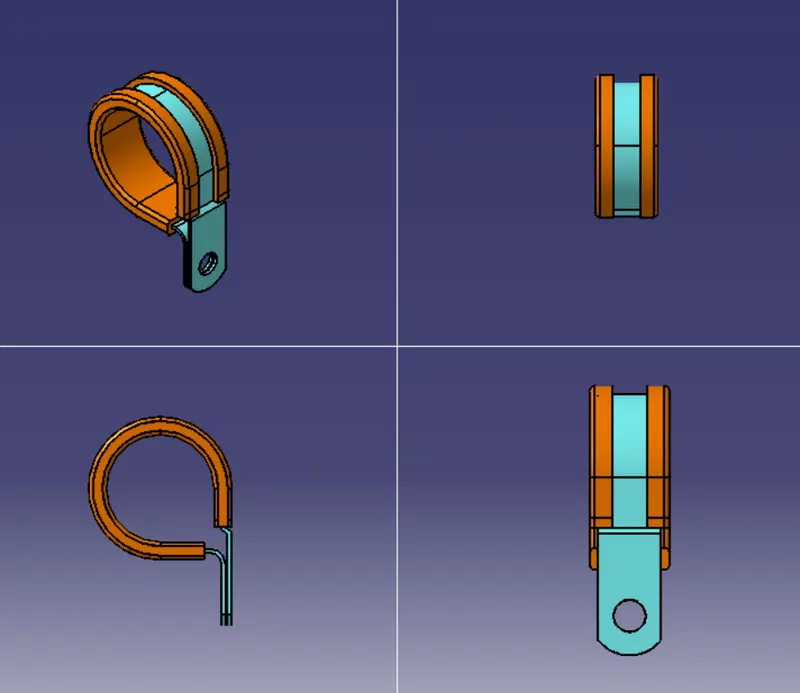
- Catalogue Creation : After electrically defined the P-clamp we created a catalogue for it. Respected catalogue file is attached below.
2) Backshell :
Process:
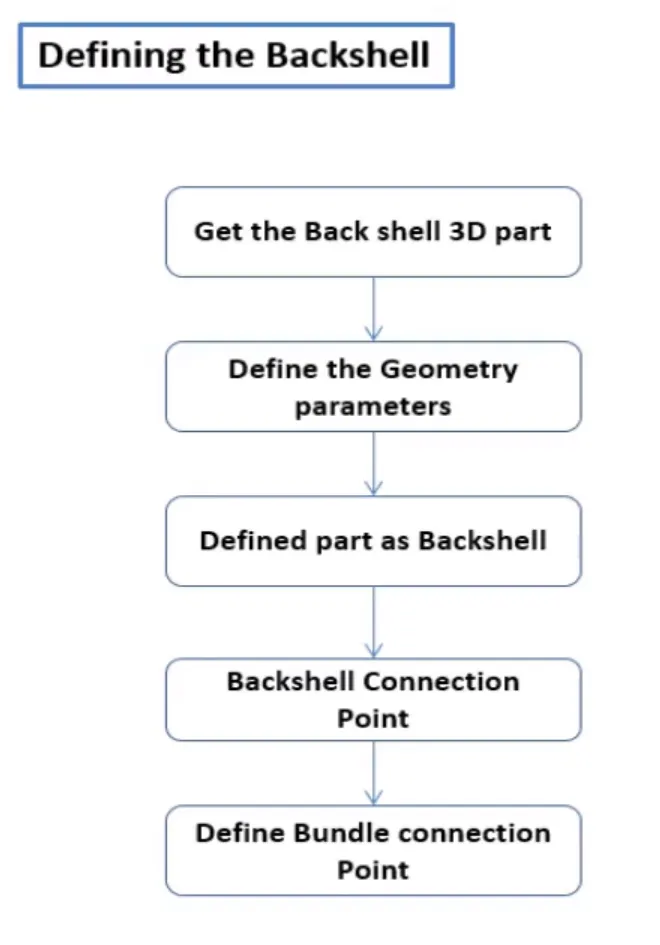
- Create the geometry parameter for the backshell which involves backshell connection point, axis system for the backshell connection point , bundle connection point.
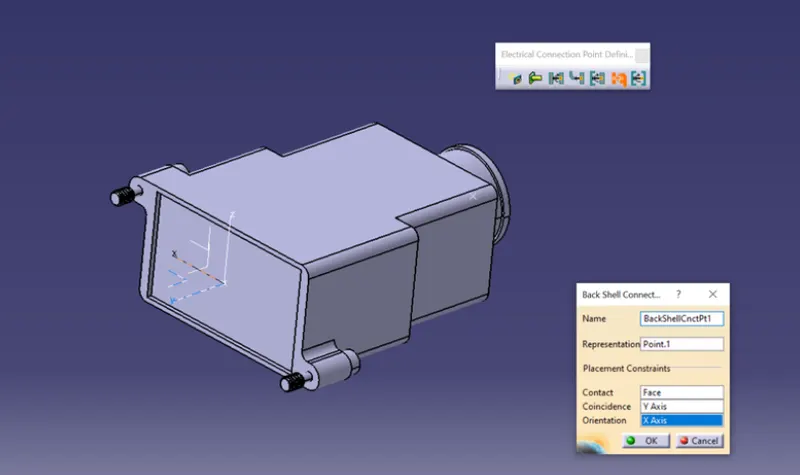
- Backshell connection point :
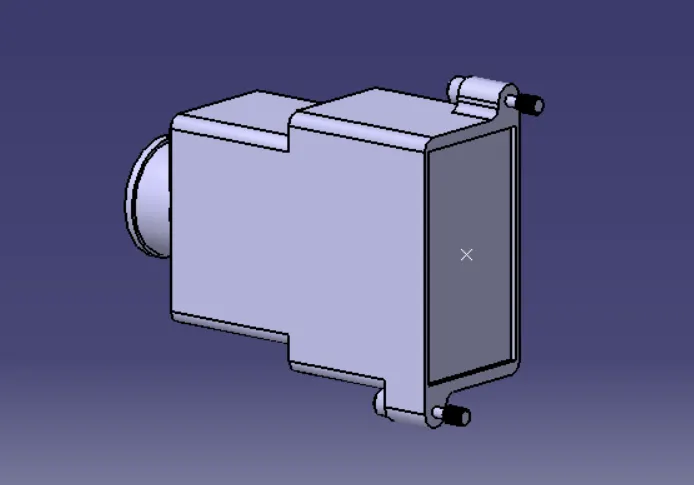
- Axis system for the backshell connection point :
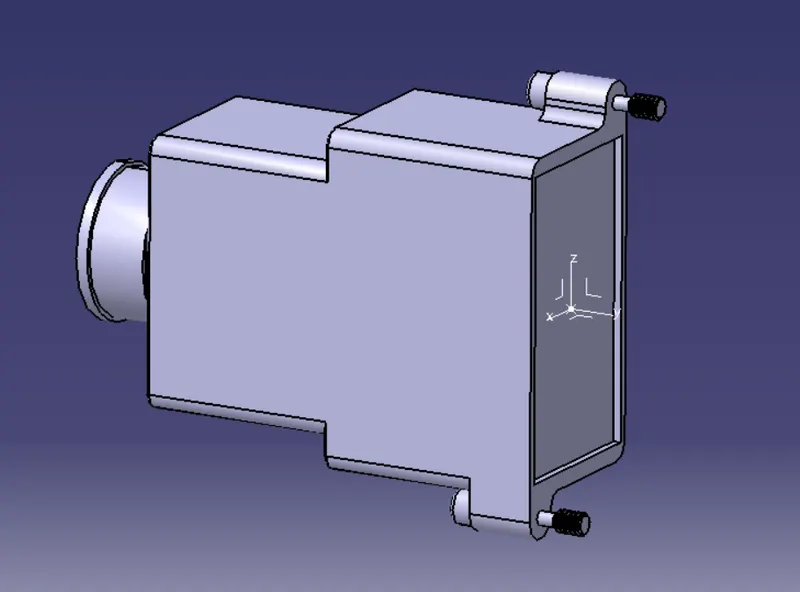
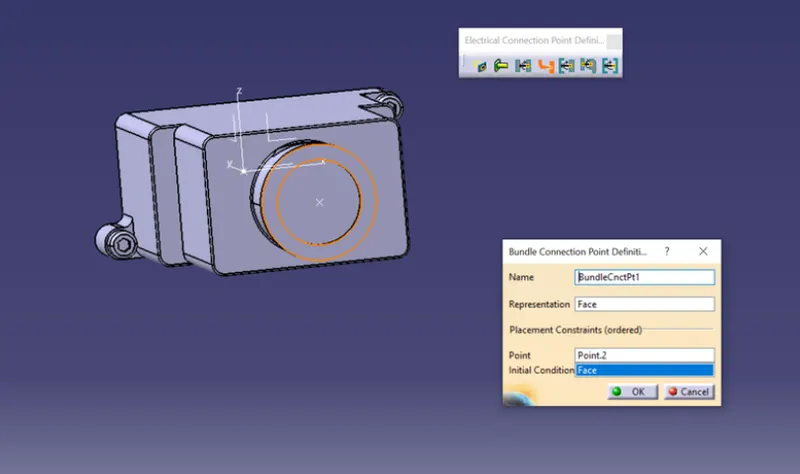
- Bundle connection point :
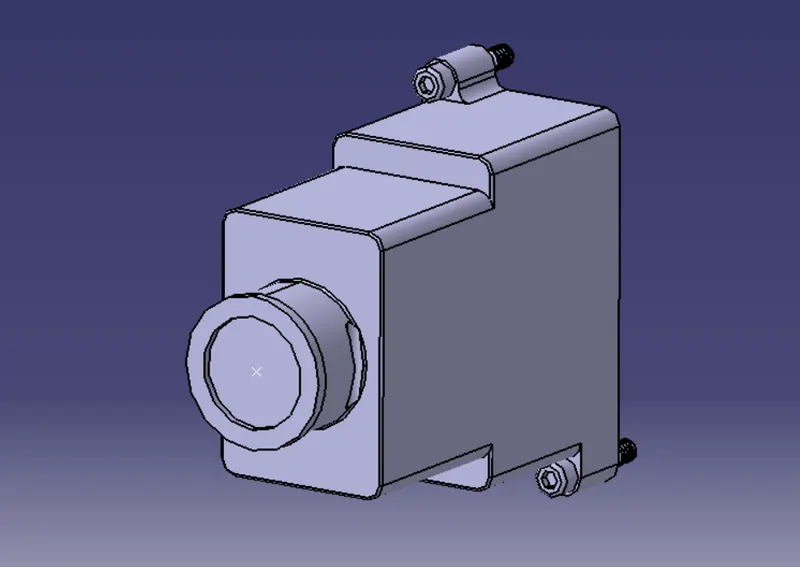
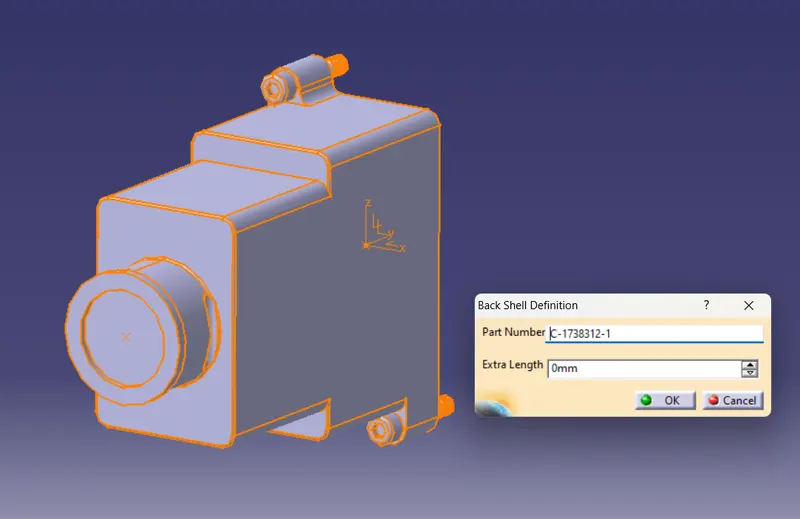
- Apply electrical property to the part using define back shell command
- Define backshell connection point :
- Define bundle connection point :
- Various orientation (views) of the 3D part model are as below :
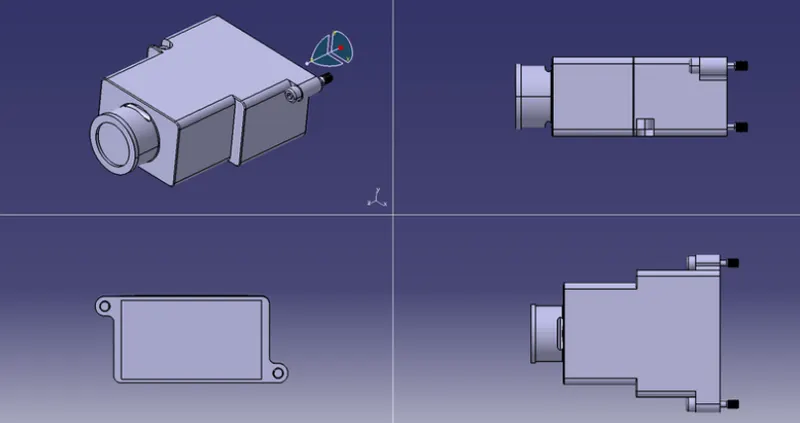
- Explained tree structure for the geometric set and part body is as below :
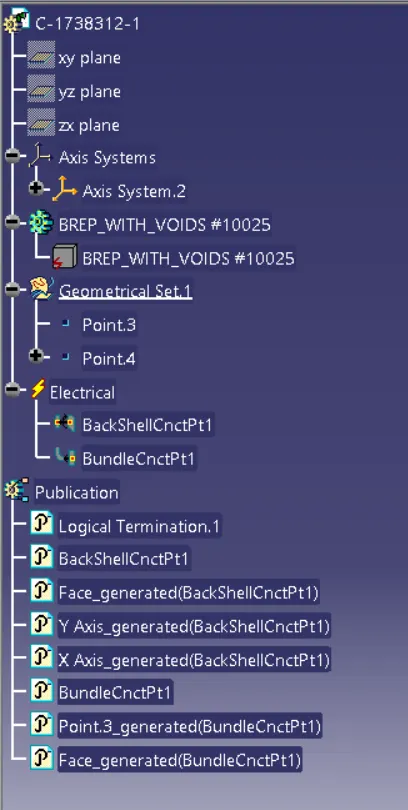
- At last we created a catalogue for the electrically defined backshell , respected file is attached below.
3) COT Tubes :
Create Following Corrugated tubes & add them in Catalogue under “Slit COT” family.
Process :
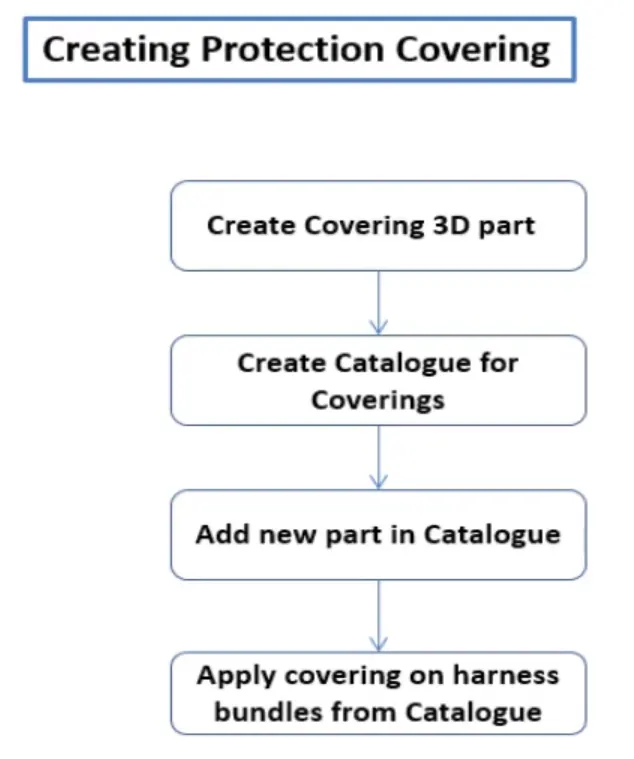
- Switch to Electrical part design
- Select Define protection Part
- Click on part on the design tree.
- Provide required dimensions to the create the part.
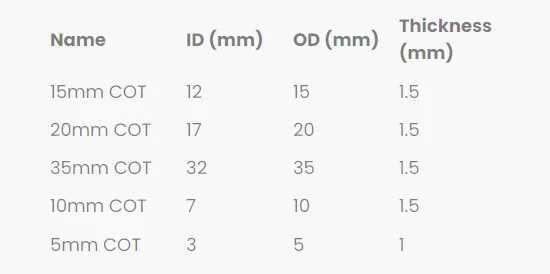
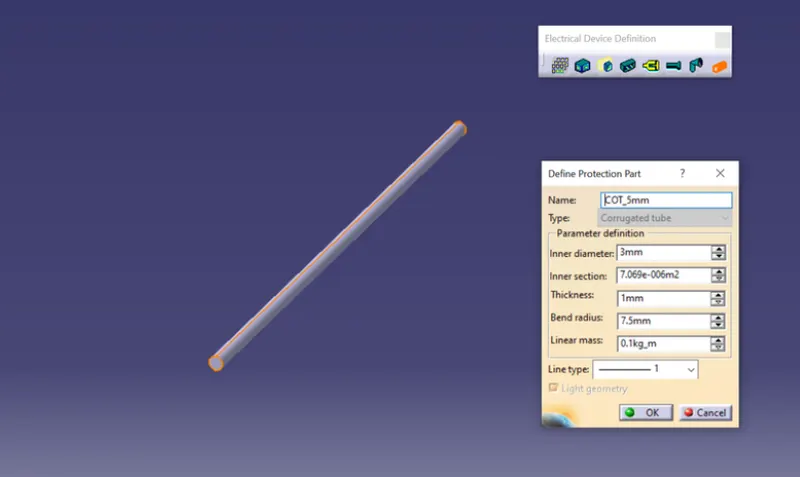
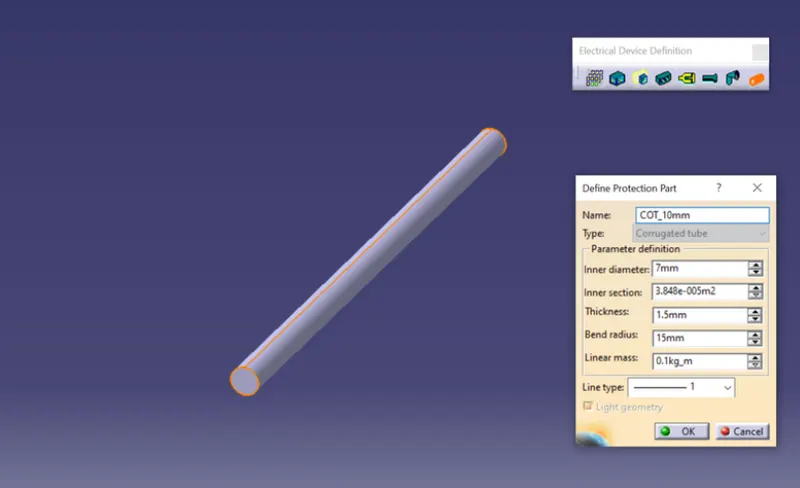
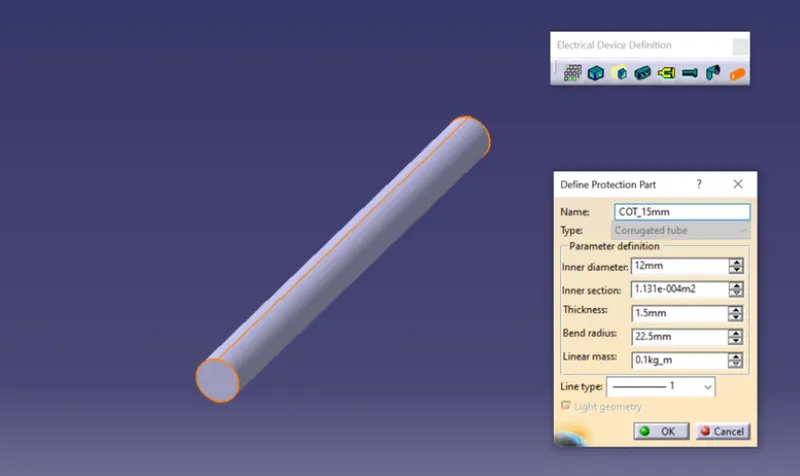
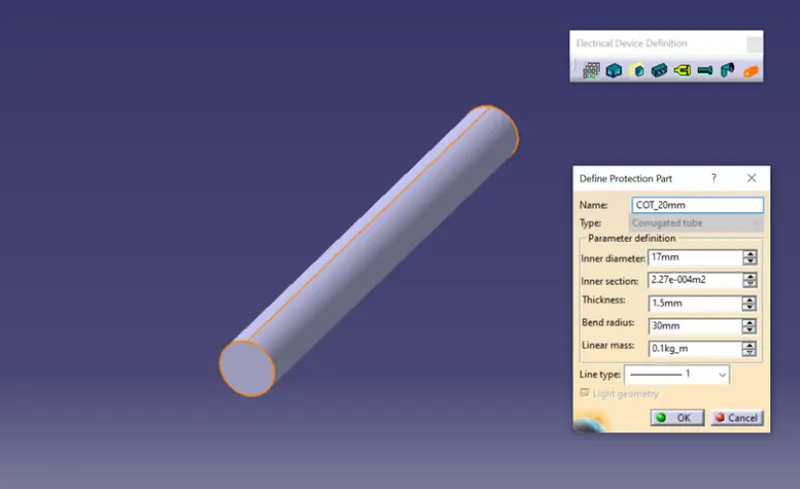
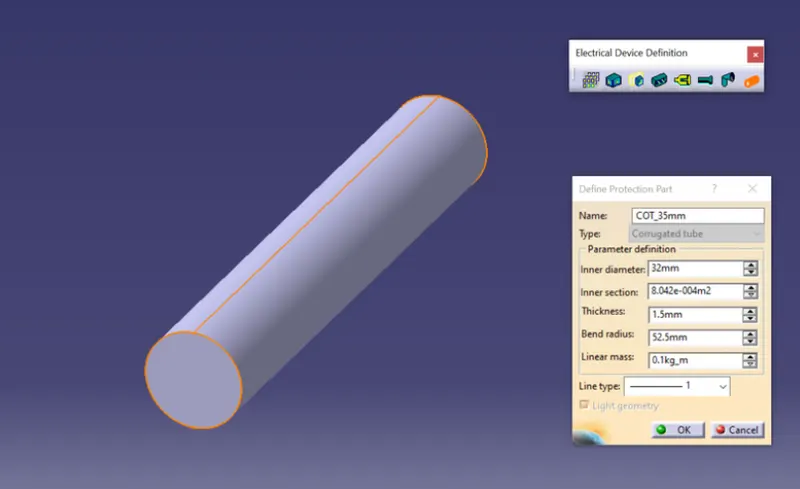
- After creating the all COT Tubes we created the catalogue for all the COT Tubes, respected files are attached below .