Wiring harness routing & packaging Rules Week 3 Challenge
Q1. Defining ‘Clip’ in CATIA V5
This is another important component of the wiring harness which should be defined before routing. Defining clip in catia v5 involves following steps:
- Get the 3D part
- Define geometry parameters: Following important parameters required to be defined
- Entry point and plane
- Base plane
- Exit plane
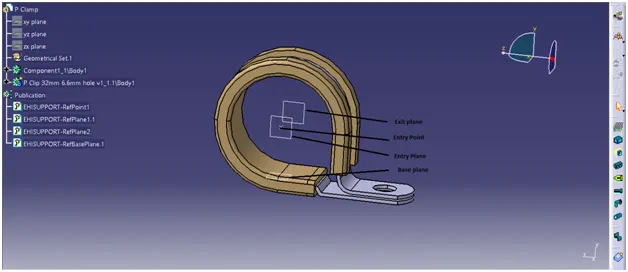
3. Define part as support
4. Define entry point and plane
5. Define base and exit plane
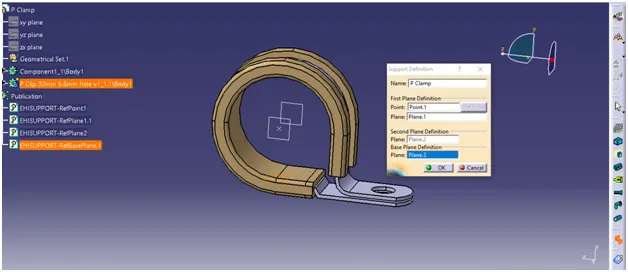
Q2. Defining Back shell in CATIA V5
Introduction
A Backshell is the rear portion of a connector, which is normally a separate section from the connector head, used to secure the cable via a clamp to the end of the connector. A Connector Backshell is a component specifically designed to be placed around that portion of a connector [plug or receptacle] which contains the facilities for attaching wires or cables. A backshell may be designed to provide the necessary accommodations between an electrical cable clamping device and an electrical connector shell, or it may include the clamping device. It may be used for shielding against electrical interference, mechanical injury, or physical damage due to environmental conditions.
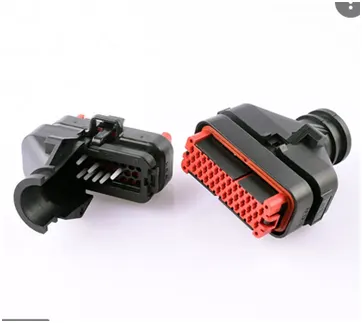
Defining Back shell in CATIA V5
- Get the 3D CAD data of Back shell
- Define geometry parameters
- In this case geometry parameters used to define back shell are point and axis system.
- Methodology and logic to define the point and axis system is same as connector connection system. Ensure that defined axis and orientation should be identical with mating part
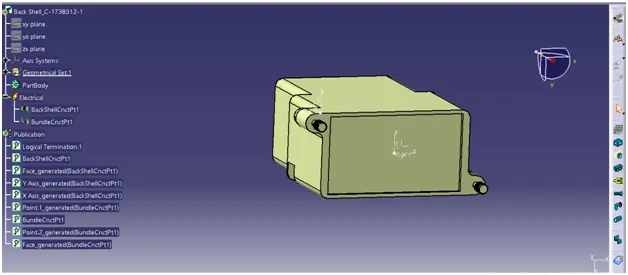
3. Define Part as Back shell
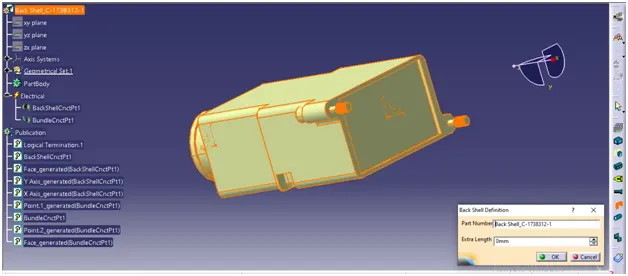
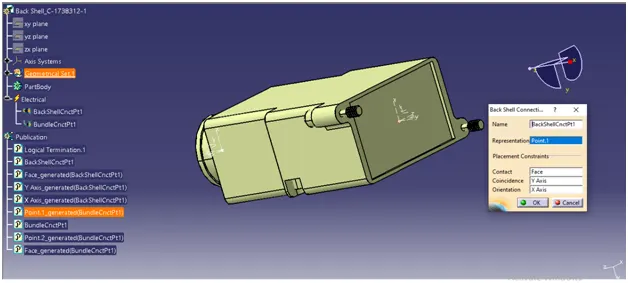
4. Define back shell connection point
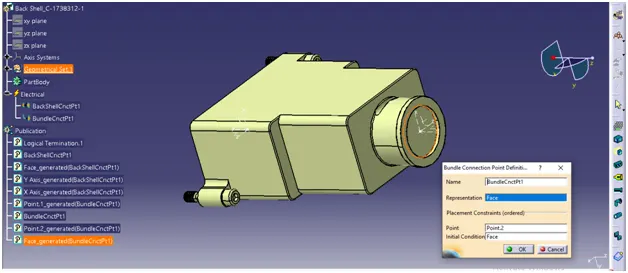
5.Define bundle connection point
Q3. Creation of Protective coverings and adding them to catalogue
Introduction
Wiring harnesses in many products, such as aircraft, cars, locomotives, ships, tractors, trucks and telecommunications gear, must withstand harsh operating environments and temperature extremes. Cable and wire coverings provide an extra layer of insulation and protection from abrasion, chemicals, electromagnetic interference, fluids, heat, moisture, moving parts, squeaks, rattles and vibration.
In most industries, cable and wire coverings are selected by harness manufacturers, conforming to OEM specifications, to ensure reliable operation and safety. For instance, many European automakers prefer to wrap harnesses in fabric tape, while American automakers often specify corrugated loom or protective braids.
Wire harness protection is available in multiple configurations based on factors such as color, material and size. Each option provides different pros and cons that engineers must consider. Popular cable and wire harness coverings include Heat shrink tubing, Sleeving, Spiral Wrap Tubing, Split loom tubing, Tape.
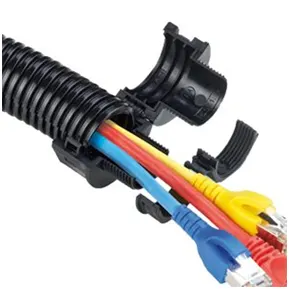
Creating protection coverings in CATIA V5
- Create covering 3D part
- Go to ‘Electrical Part Design’ – Select ‘Define Protection Part’
- Click on Part body from model tree
- Enter part name
- Select type as ‘Corrugated tube’
- Enter parameters such as ‘Inner diameter’, ’Thickness’, ’Bend radius’. Note that bend radius should be 1.5 times the outer diameter of covering.
- Select line type, then set ‘OK’
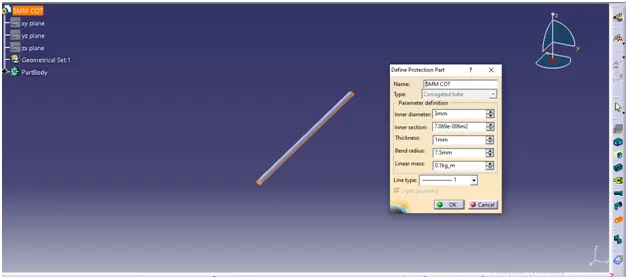
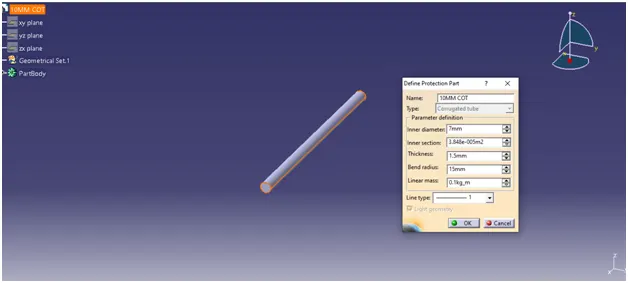
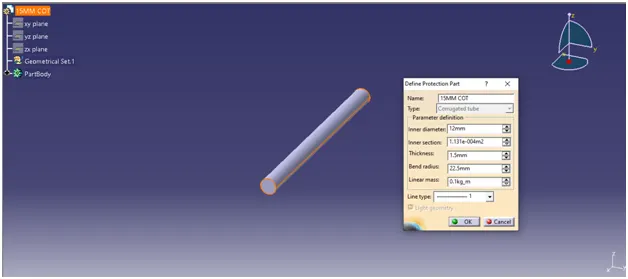
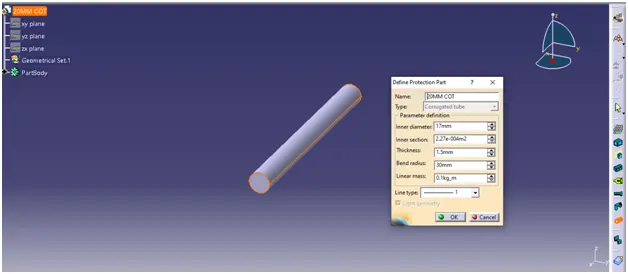
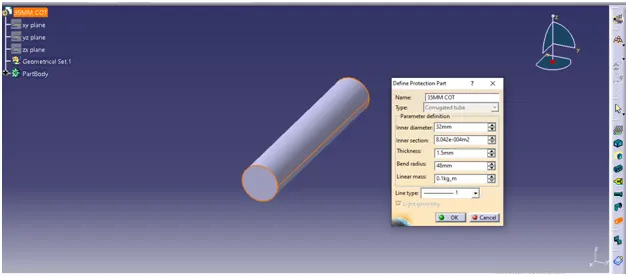
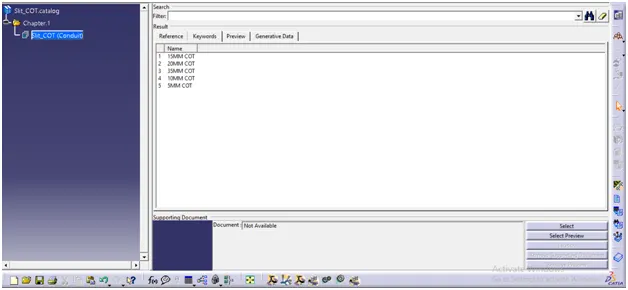
2. Create catalogue for coverings with suitable name. Under ‘Add Family’ tab, enter family definition. Select type as corrugated tube, then save the catalogue
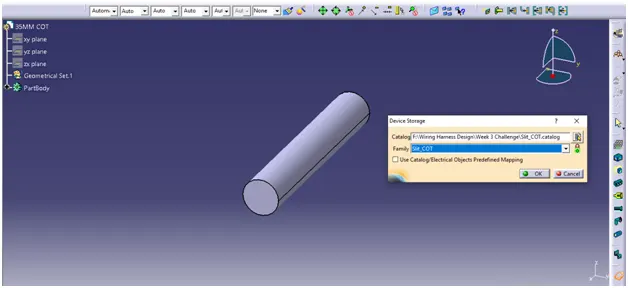
3. Add new part into the catalogue: Click on ‘Store device’ command, Select the catalogue document.
Conclusion
- Given clip is defined in CATIA V5
- Given back shell is defined in CATIA V5
- Protective coverings is created according to the given dimensions and added to the catalogue .