Explicit Structural Tension and Torsion test using ANSYS Workbench
AIM: To perform tension and torsion test of a simple test specimen using explicit dynamics of ANSYS Workbench.
PROCEDURE:
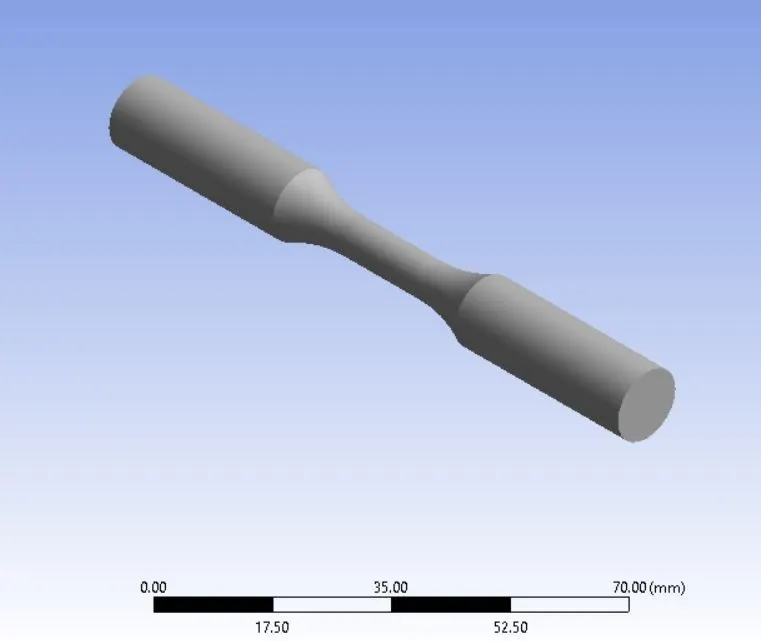
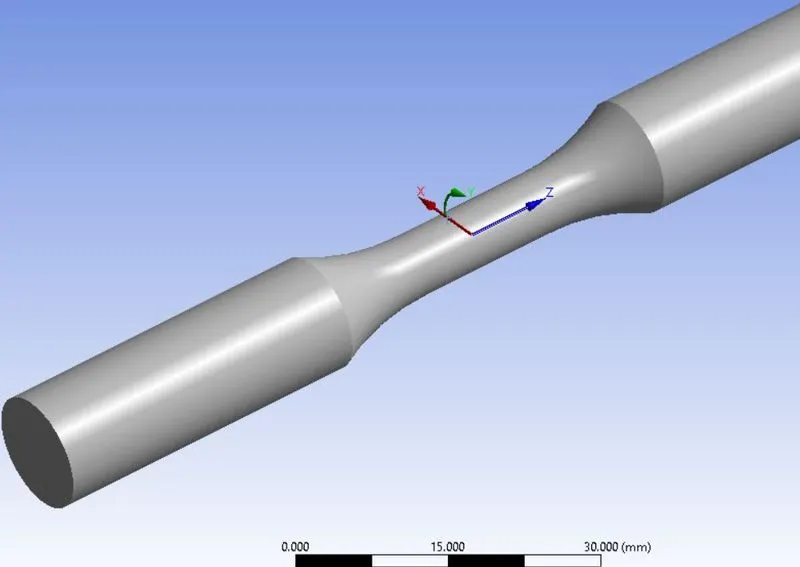
The following geometry is imported into ANSYS :
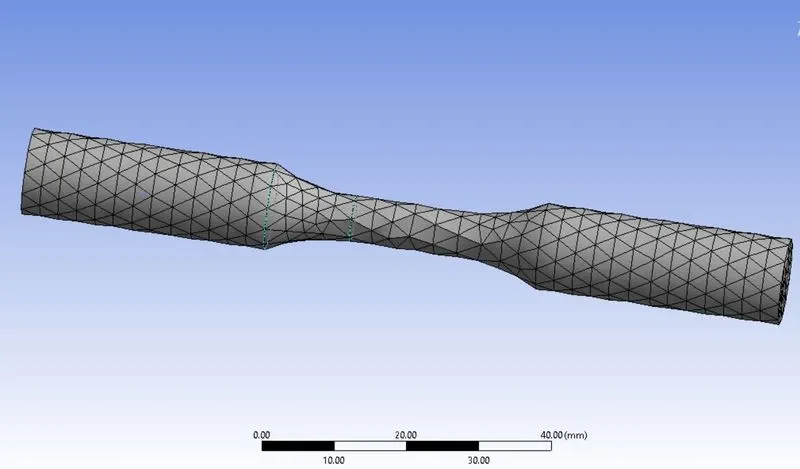
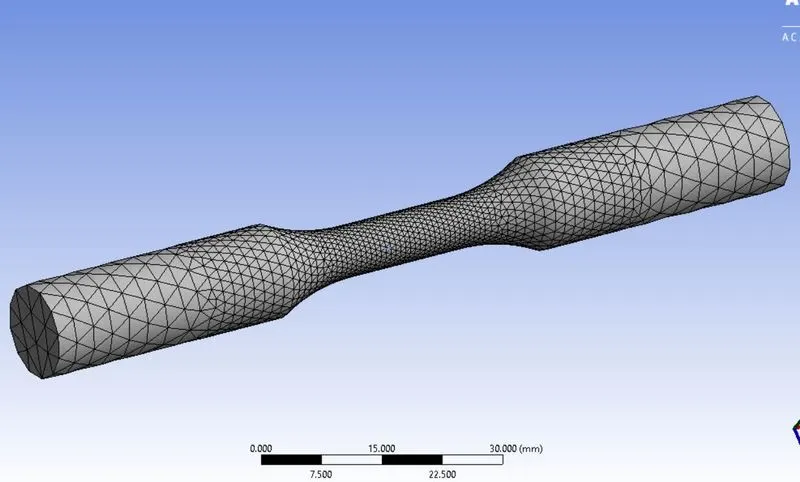
The two edges of the specimen are given 3mm size mesh as shown below:
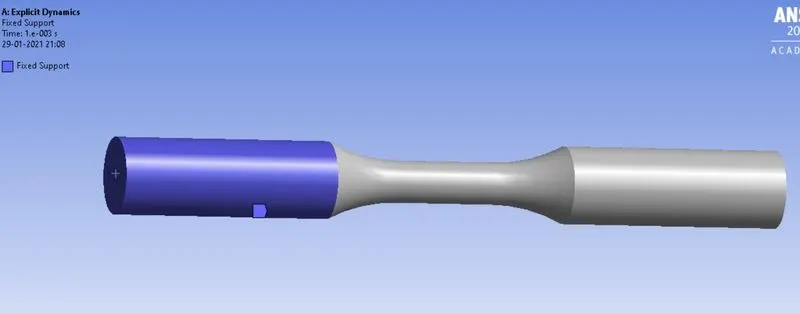
One end of the specimen is given fixed support:
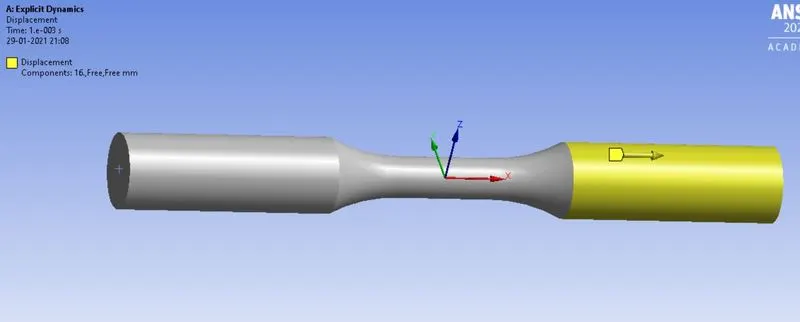
The other end of the specimen is given displacement of 18 mm:
The simulation is solved and the stress contour is given below:
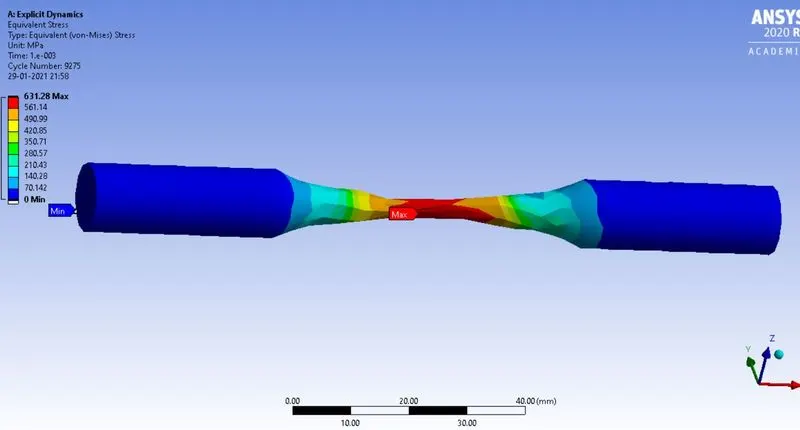
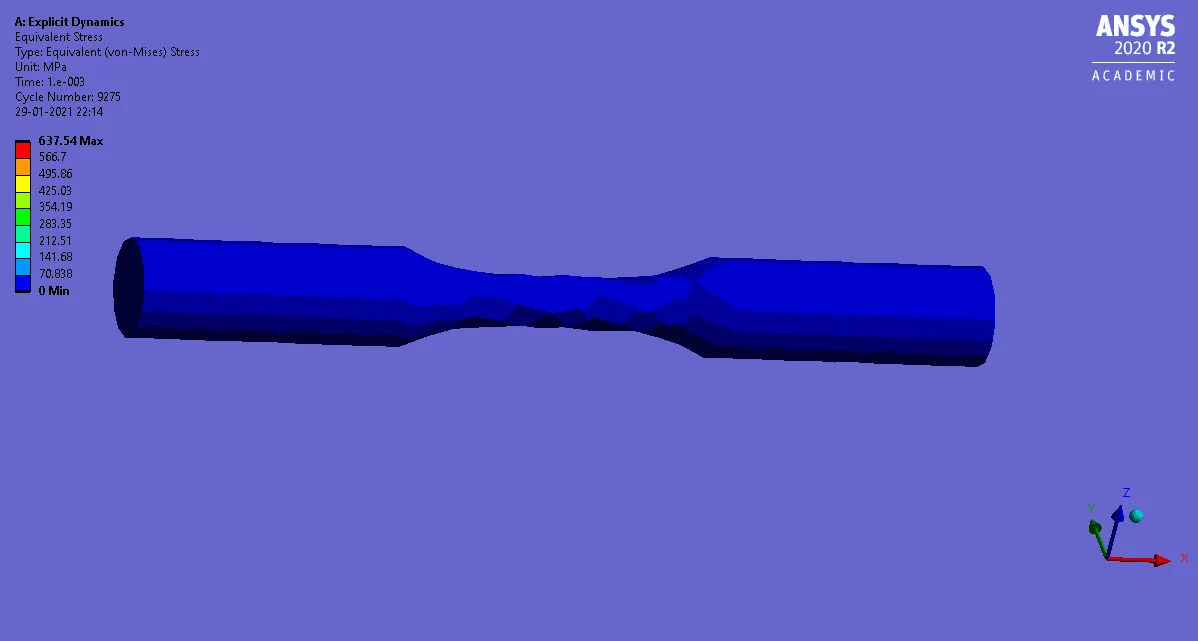
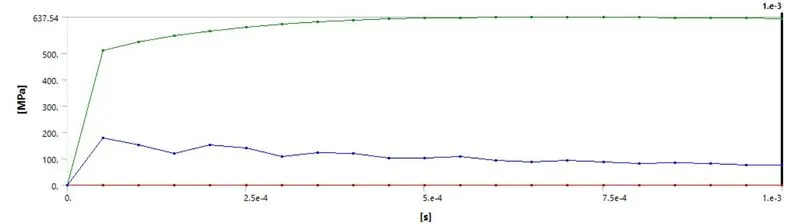
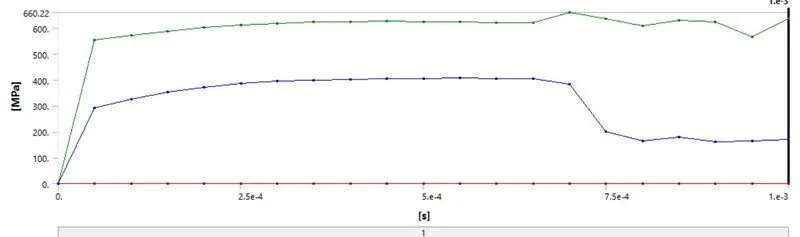
The maximum stress observed is 637.54 MPa and its variation with time is plotted below:
The deformation contour plot is given below:
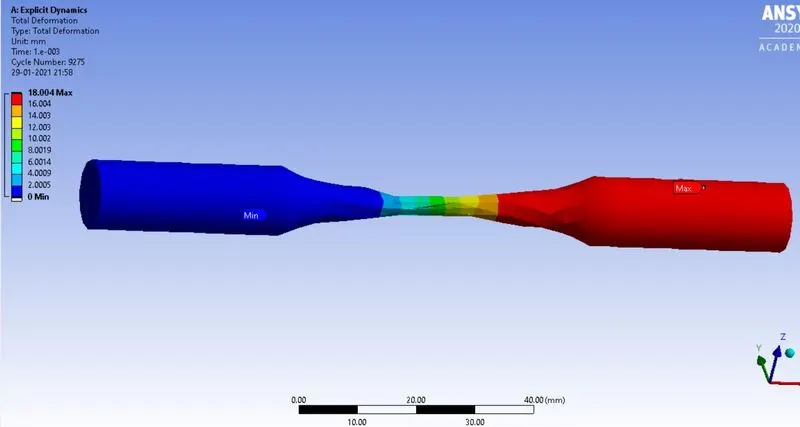
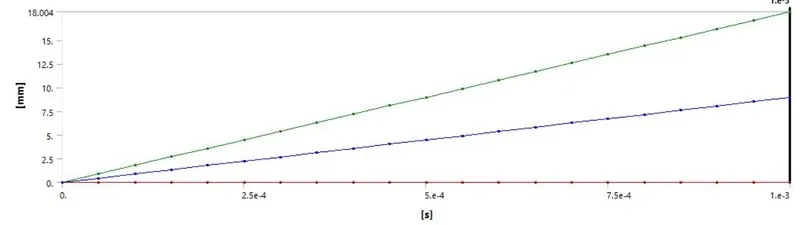
The maximum deformation is 18.004 mm and its variation with time is plotted below:
The temperature contour is given below:
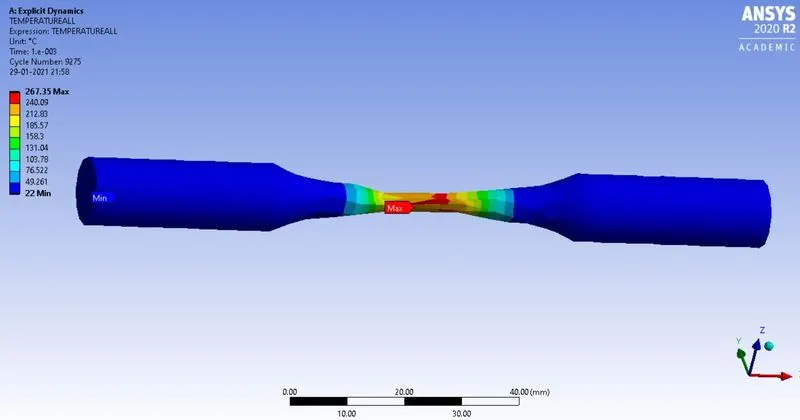
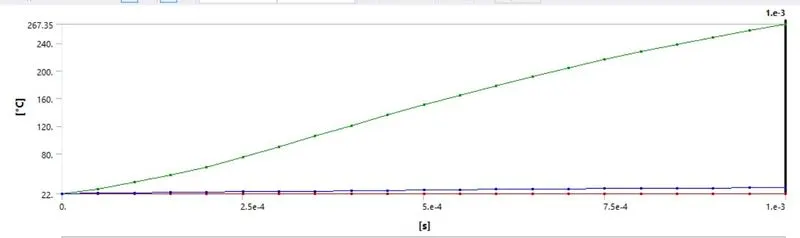
The maximum temperature observed is 267.35 degrees Celcius and its variation with time is plotted below:
The torsion test has mesh at the center refined to 1 mm element size and shown below:
A cylindrical coordinate system is created at the center for applying torsional load as shown below:
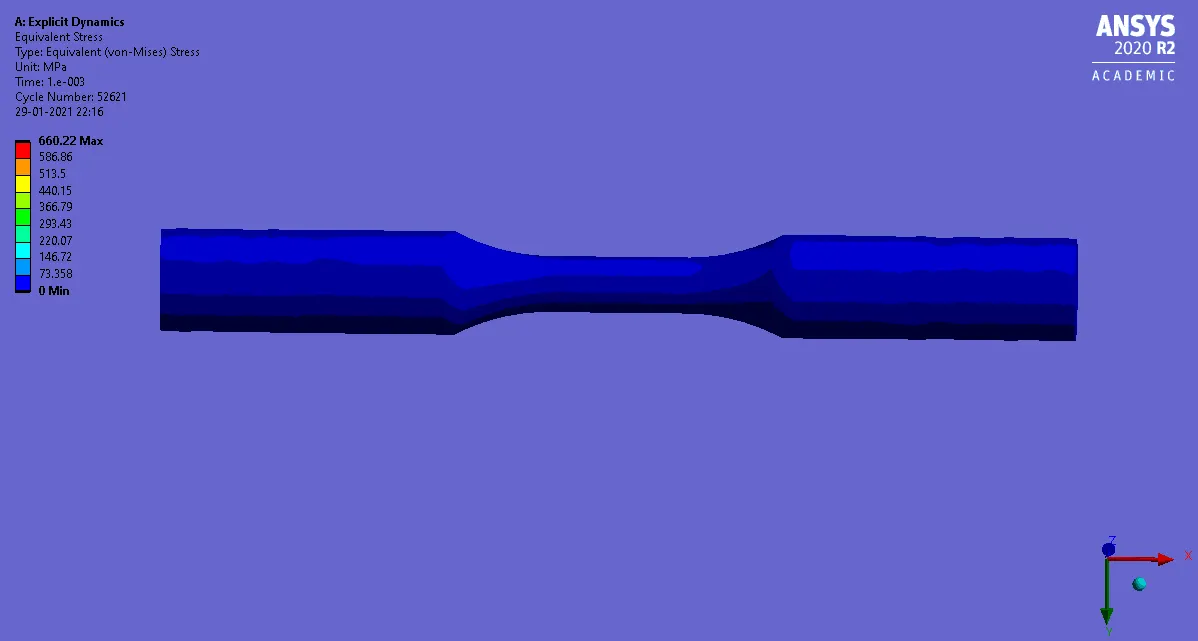
A displacement of 1200 degrees is given in y-axis on one end while the other end remains fixed. The simulation is solved and the resulting stress contour is given below:
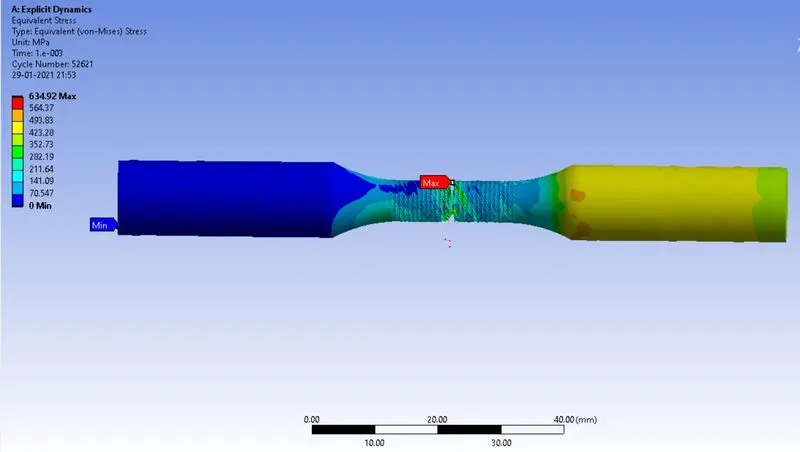
The maximum stress observed is 660.22 MPa and its variation with time is plotted below:
The deformation contour is given below:
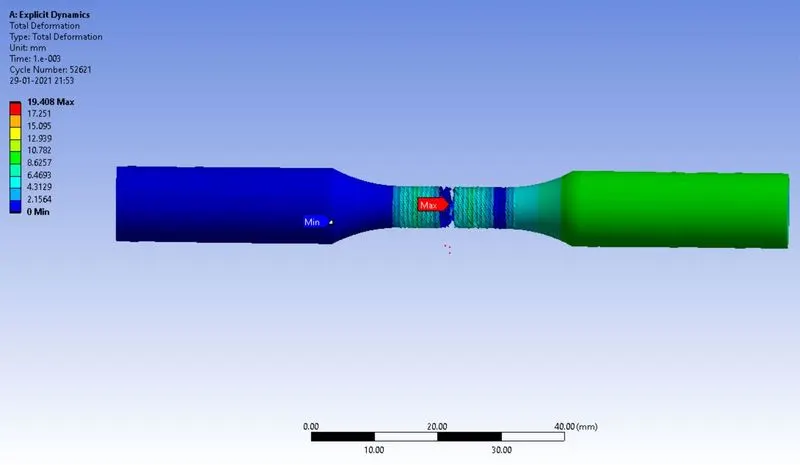
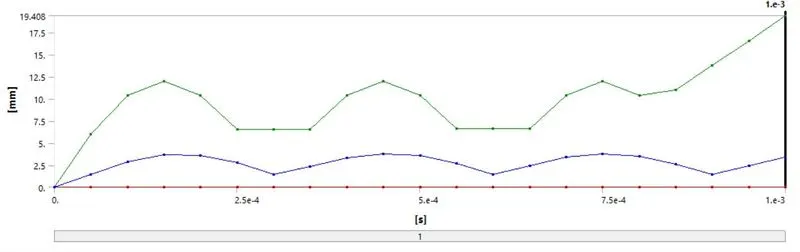
The maximum deformation observed is 19.408 mm and its variation with time is plotted below:
The temperature contour is given below:
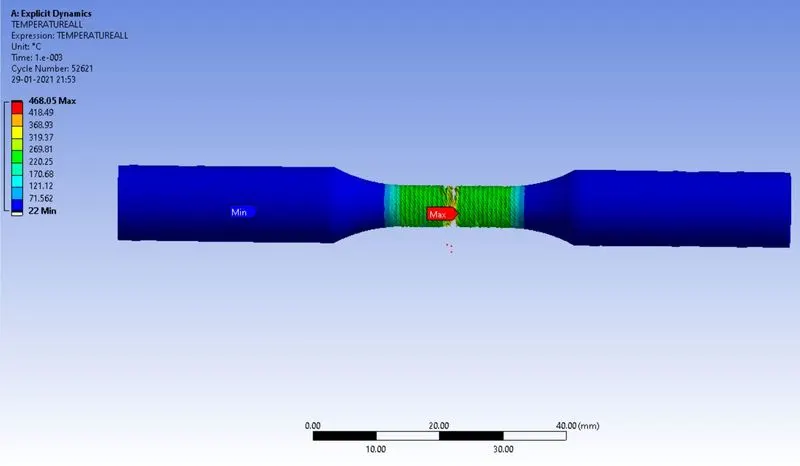
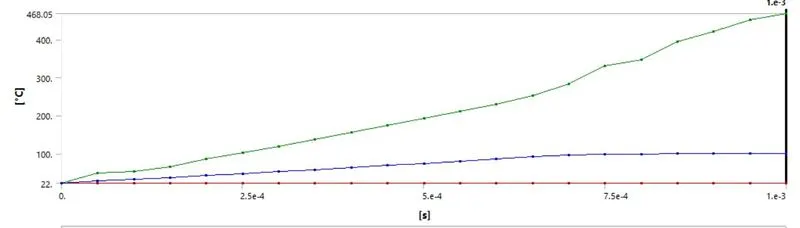
The maximum temperature observed is 468.05 degrees Celcius and its variation with time is plotted below:
The results from the tensile and torsion tests can be summarized by the table below:
|
Test Type |
Max Stress |
Max Deformation |
Max Temperature |
|
Tensile Test |
637.54 MPa |
18.004 mm |
267.35 C |
|
Torsion Test |
660.22 MPa |
19.408 mm |
468.05 C |
As can be seen, for a near-identical maximum stress value, the torsion test creates a much higher temperature. This is due to multiple planes of material simultaneously sliding against each other and therefore generating enormous amounts of friction which leads to the generation of heat.
CONCLUSION: The explicit analysis of tension and torsion test was successfully completed and the results were discussed quantitatively.