Week 9 - Parametric study on Gate valve.
Aim: To perform a parametric study on gate valve simulation by setting the opening from 10% to 80%.
To obtain the mass flow rate for each design point.
To calculate the flow coefficient and flow factor for each opening.
Introduction:
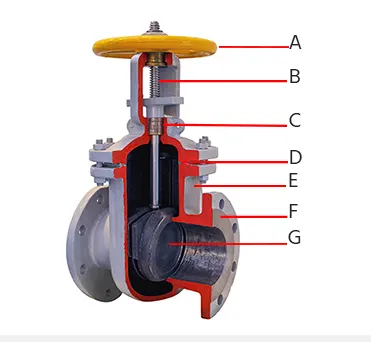
GATE VALVE: Gate valves are used to control flow by lifting the gate disc in the cavity. The gate valve's distinct feature is straight through the unobstructed passageway which includes minimum pressure loss across the valve.
Construction:
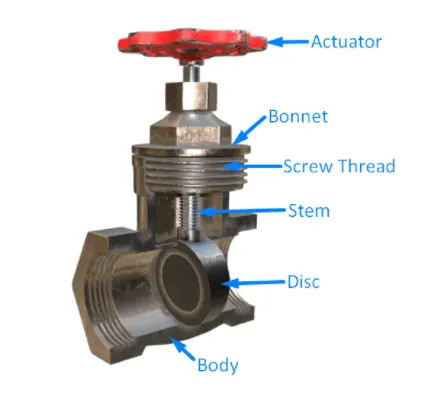
A gate valve's main components are the bonnet, gate disc, actuator, stem, sealing arrangement, and body. Gate valve can be actuated manually or automatically with the help[ of electricity or hydraulics. The slicing gate can be wedge-shaped or disc shape.
Functioning of Gate valve:
Turning the handwheel rotates the stem which will shift the position of the gate disc in the flow which will obstruct the flow and control the flow according to the requirement. A gate valve can be used to completely stop the flow by shutting down the gate disc completely. Gate valves should be used as fully opened or fully closed, they should not be used as flow control devices due to their slower actuation.
Parametric Study:
What is the parameter?
A parameter is the numerical or any other factor that defines the system or sets the conditions of its operation. Parameters are the elements of the system that are used to identify the system or evaluate the system performance, conditions, or status of the system.
Parametric study or sensitivity study is the study of different geometric or physical parameters or both on the solution of the problem. A parametric study is an important tool for design exploration.
A parametric study is based on user-defined scenarios producing unrefined solutions. These results need to be post-processed in order to find the optimal solution.
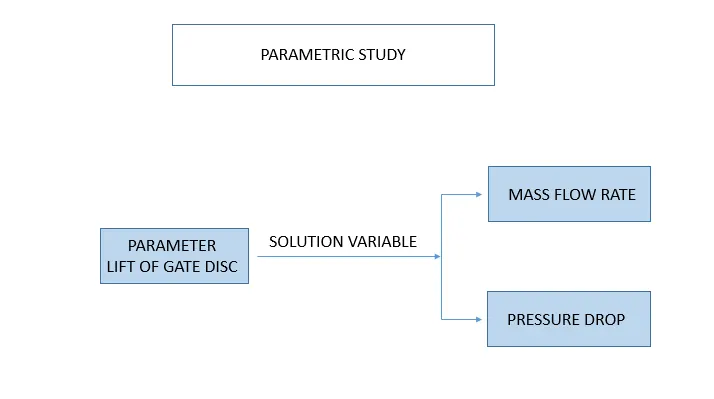
Here, we are performing the parametric study on gate valve,our design parameter is the lift of gate disc and solution variables are pressure drop, mass flow rate.
WHAT IS THE FLOW COEFFICIENT?
A valve's flow coefficient is the valve's capacity for a liquid or gas to flow through it. It is technically defined as the volume of water at `overset(\circ)(60)` F that will flow through a valve with a pressure drop of 1 psi across the valve.
It is calculated as
`C_v = Q* sqrt((SG)/(DeltaP)`
where Q = flow rate (GPM)
SG = Specific Gravity of substance flowing through the valve
`Delta P`= Pressure drop across the valve
Flow Factor(`K_v`) is defined as `0.864*C_v`.
Pre-processing
Setting up the geometry in SpaceClaim:
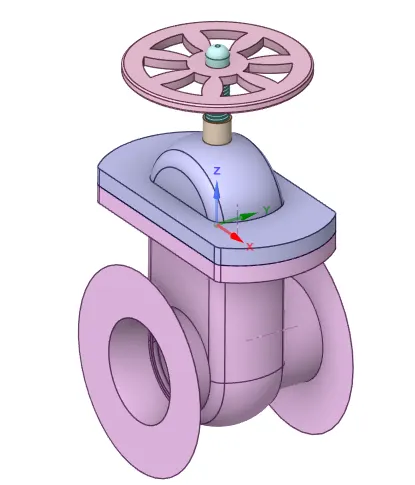
Fig: Gate Valve
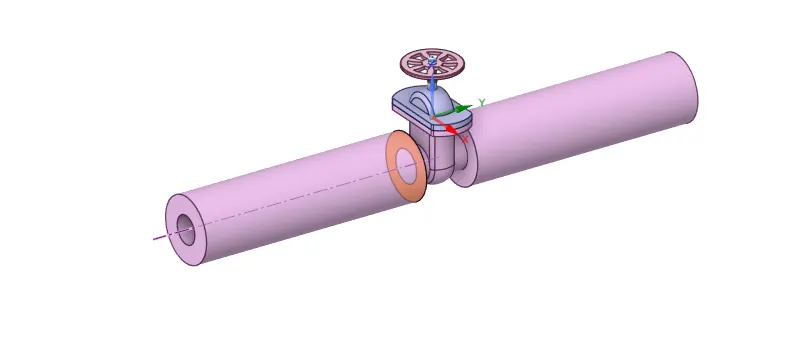
Fig: extended domain for extraction of fluid volume
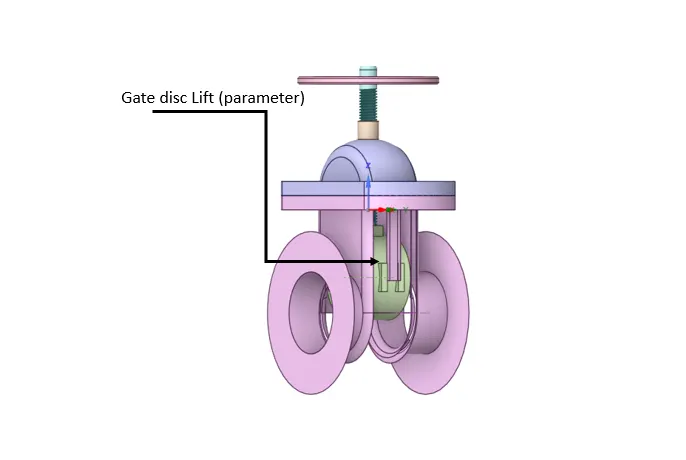
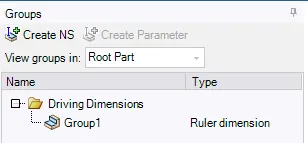
Fig: Set The Lift Parameter
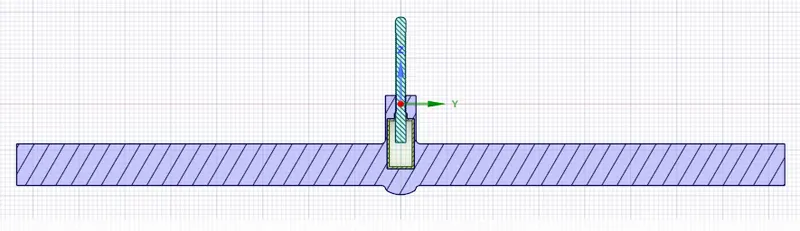
Fig: Sectional View Of Fluid Domain
Meshing:
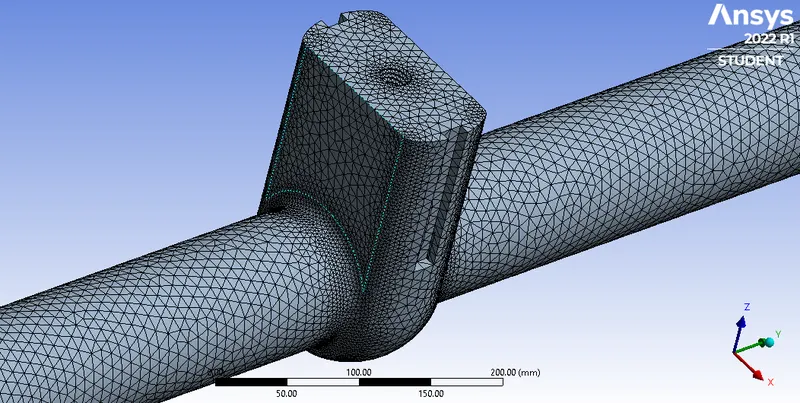
Fig: Meshed Fluid volume
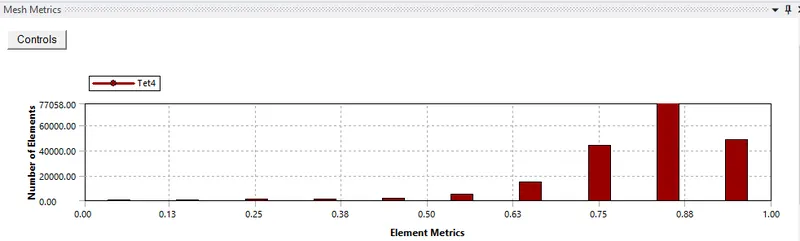
Fig: Mesh metric
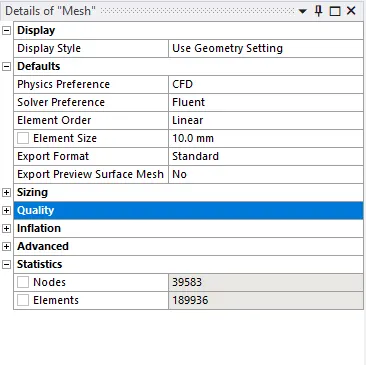
Fig: Mesh details
Solving
Solution setup
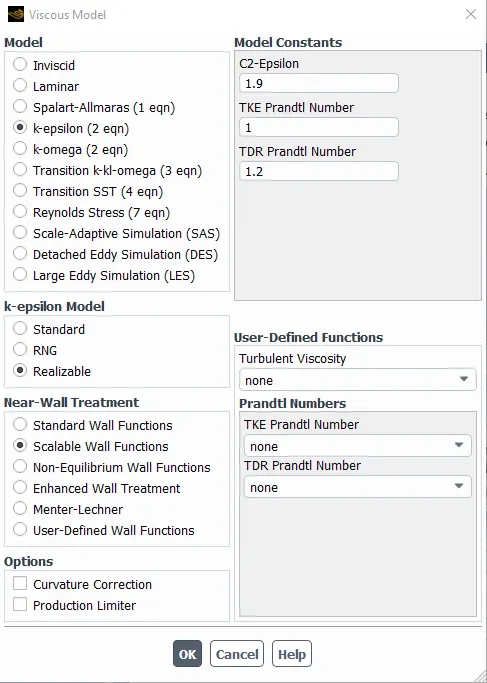
Fig: Viscous Model
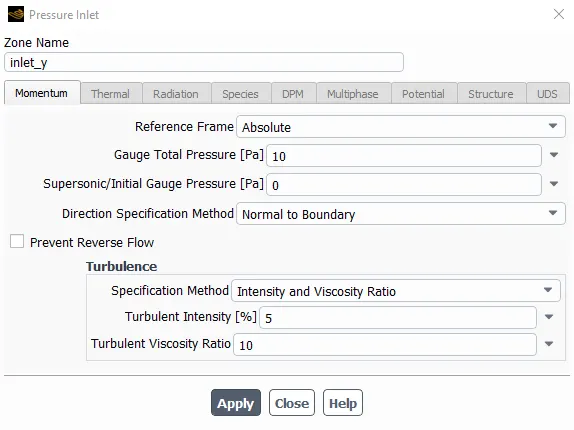
Fig:Inlet boundary condition
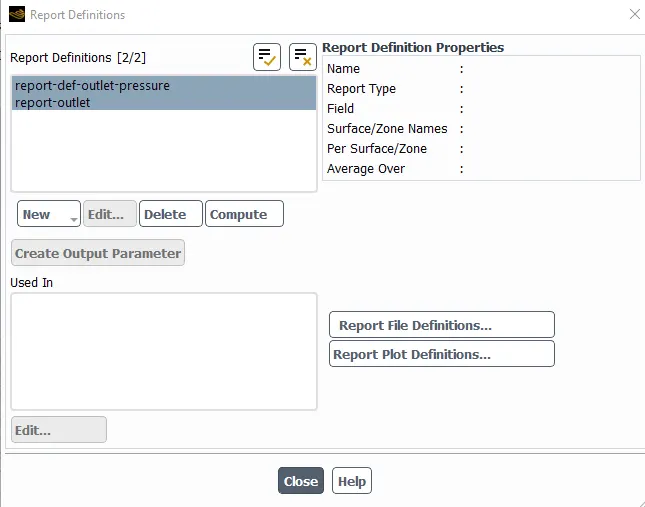
Fig: Report definitions
For parametric study output parameter is created for the mass flow rate and outlet pressure.
Post-processing the results:
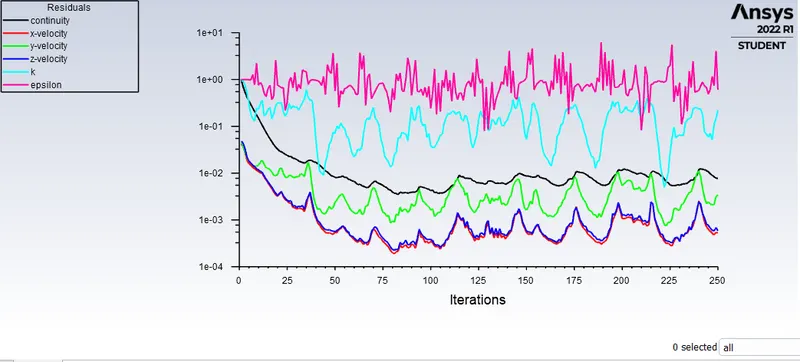
Fig: Residuals
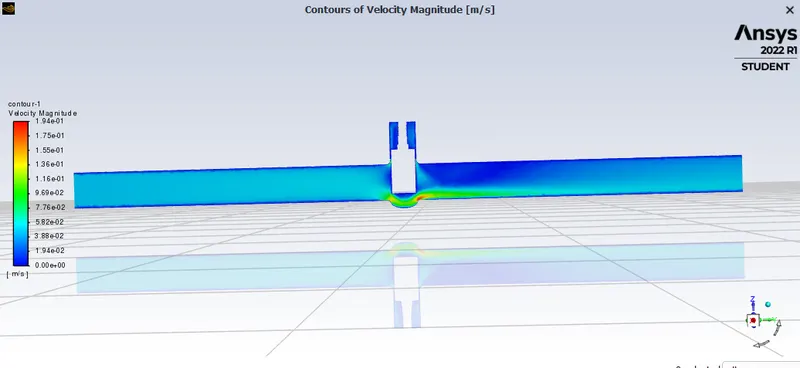
Fig: Velocity Contour
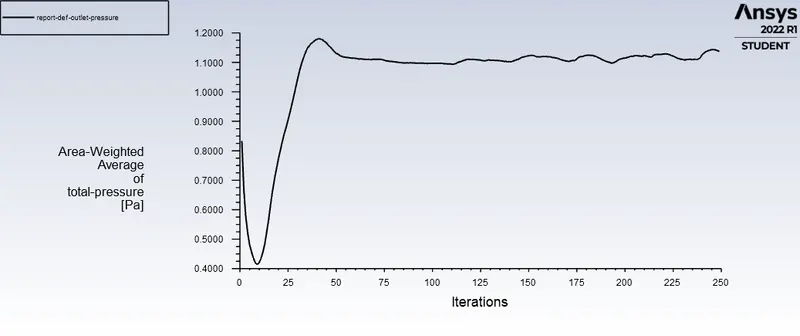
Fig: Outlet Pressure plot
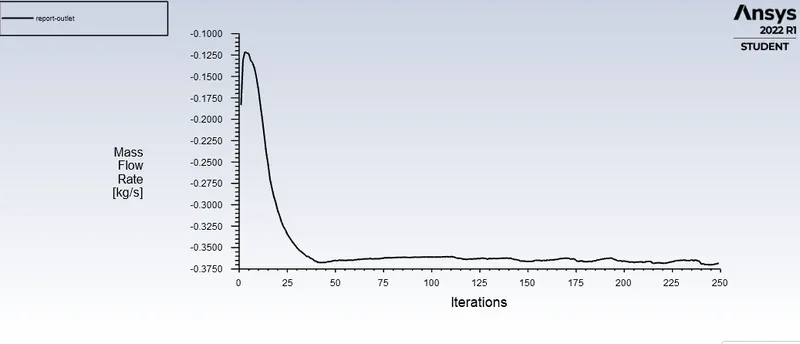
Fig: Mass Flow Rate
| Opening(%) | Mass Flow Rate(kg/s) | Volume Flow rate(m^3/s) | Volume Flow rate(GPM) | outletpressure | pressure drop | Flow coefficient(Cv) | Flow factor(Kv) |
| 10 | 0.14917 | 0.00014917 | 141.86 | 0.1859 | 9.8141 | 45.28295046 | 38.80748855 |
| 20 | 0.23782 | 0.00023782 | 226.17 | 0.4695 | 9.5305 | 73.26172752 | 62.78530049 |
| 30 | 0.36388 | 0.00036388 | 346.06 | 1.1164 | 8.8836 | 116.1065995 | 99.50335577 |
| 40 | 0.47315 | 0.00047315 | 450 | 1.8663 | 8.1337 | 157.7859899 | 135.2225933 |
| 50 | 0.5549 | 0.0005549 | 527.7 | 2.57244 | 7.42756 | 193.6261498 | 165.9376104 |
| 60 | 0.64252 | 0.00064252 | 611 | 3.47205 | 6.52795 | 239.140317 | 204.9432517 |
| 70 | 0.73465 | 0.00073465 | 698.7 | 4.5598 | 5.4402 | 299.559647 | 256.7226175 |
| 80 | 0.77635 | 0.00077635 | 738.3 | 5.07715 | 4.92285 | 332.7549824 | 285.1710199 |
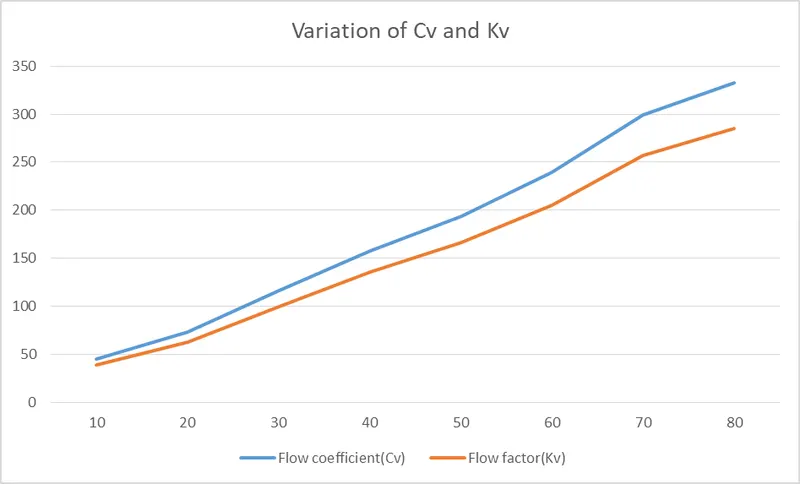
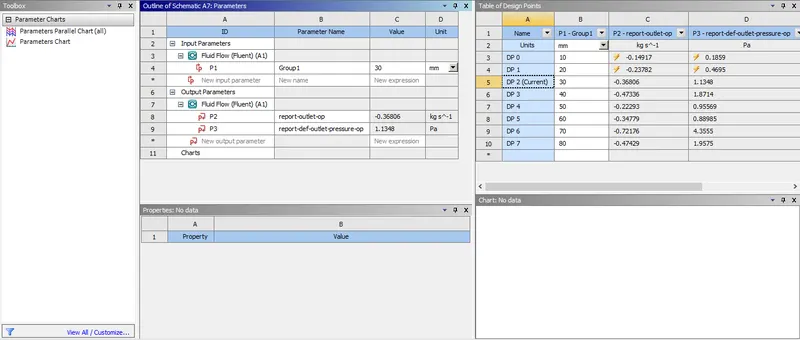
Fig: Workbench View
Conclusion:
1)As increasing the opening of the valve mass flow rate increases.
2)Outlet pressure decreases with increasing gate opening.
ERROR
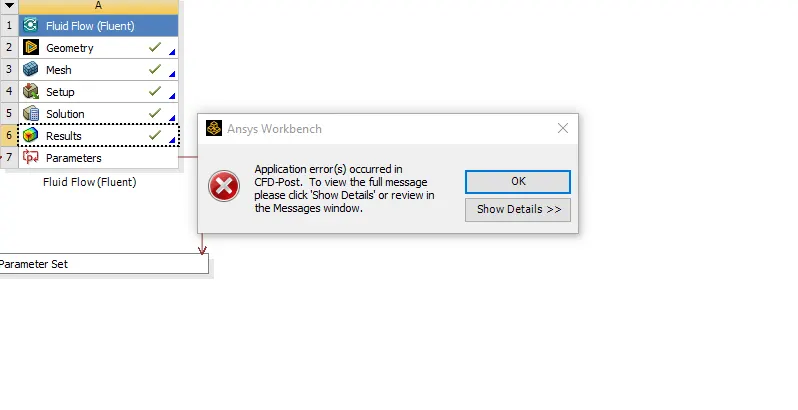
I am unable to post-process all the results due to this error in the CFD post.