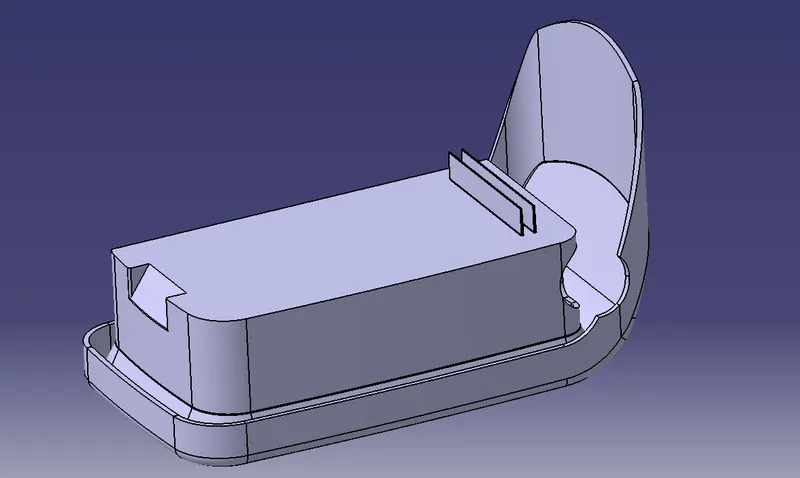
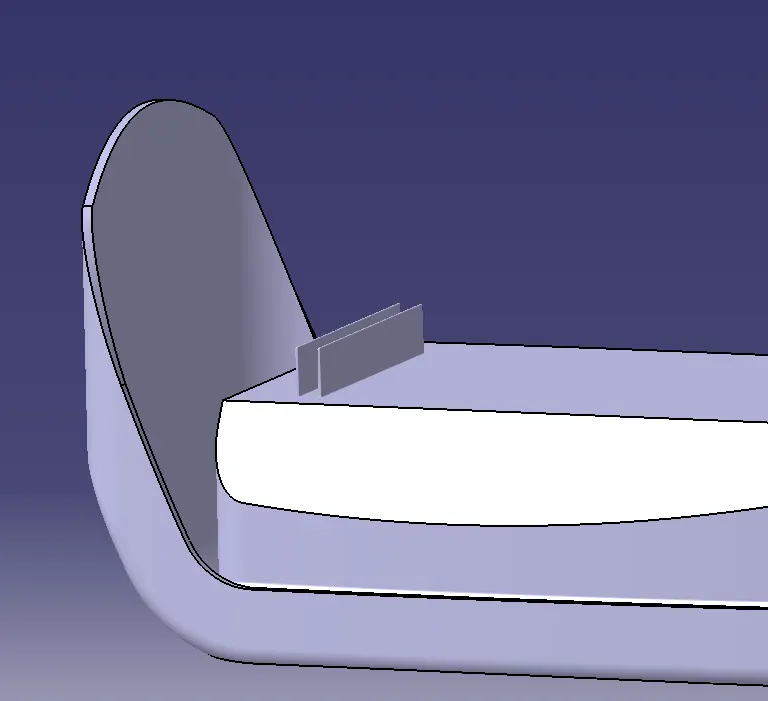
Week 9 - Attachment Feature Creation - Challenge 1
Attachment Rib Feature Creation - Challenge 1
Designing Plastic Parts For Injection Molding? Ribs Can Help Add Support And Strength.
Ribs are a feature in plastic injection molded parts. They are thin extensions that run perpendicular to a wall or plane. They are commonly used to provide additional support and strength to a part.
Thickness and location are essential to rib design. Here are some helpful design guidelines:
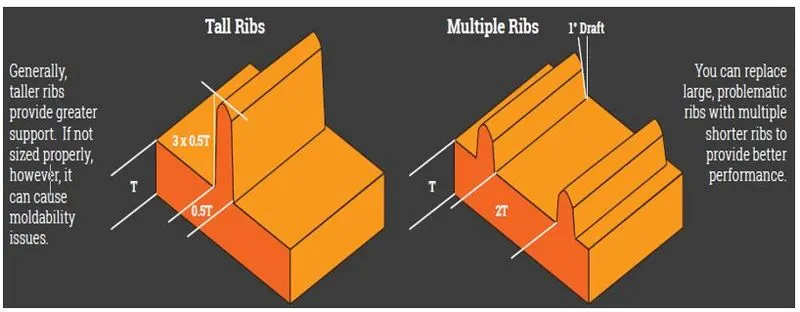
- They should be designed with a thickness that is ½ the wall thickness to avoid a thick section at the wall base
- To minimize sink marks, design ribs that are approximately 60% of the joining wall thickness for minimum risk
- Best practices include spacing at a distance of at least twice the wall thickness
- Glossy materials require a thinner rib (40% of wall thickness)
Designing with Ribs in Mind
The position and orientation of a rib relative to load and reaction forces is critical to its effectiveness. By being conscious of part geometry, designers can ensure that ribs added to the design will improve bending stiffness. Here are some rules of thumb to keep in mind during the design process:
Rib thickness
Ribs should be designed to be 50-60 percent of the nominal wall thickness. Thinner does not provide much structure and may be hard to fill. Thicker ribs are tempting, but they can begin to introduce sinks on the cosmetic surface.
Rib height
For maximum effectiveness, rib height should be no more than three times the nominal wall thickness. Since the rib will be thinner than the wall, it may be hard to fill it if it is taller.
Rib spacing
Increase the number of ribs rather than their height in order to increase stiffness. Ribs should be spaced a minimum of two times the nominal wall thickness apart from one another.
Rib draft
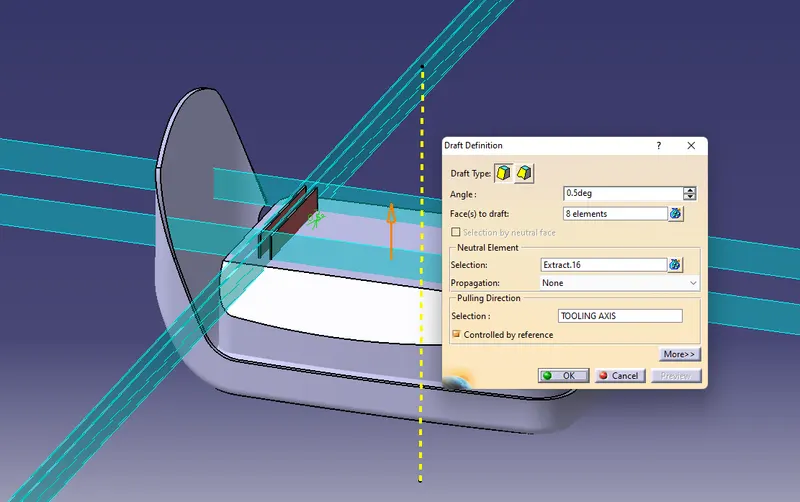
A minimum 0.5-degree draft will ensure that they release from the tool during molding.
Rib coring
Core thick ribs from the back or below to create a blank area and thinner rib walls. This will help mitigate cosmetic sinks.
Rib radii
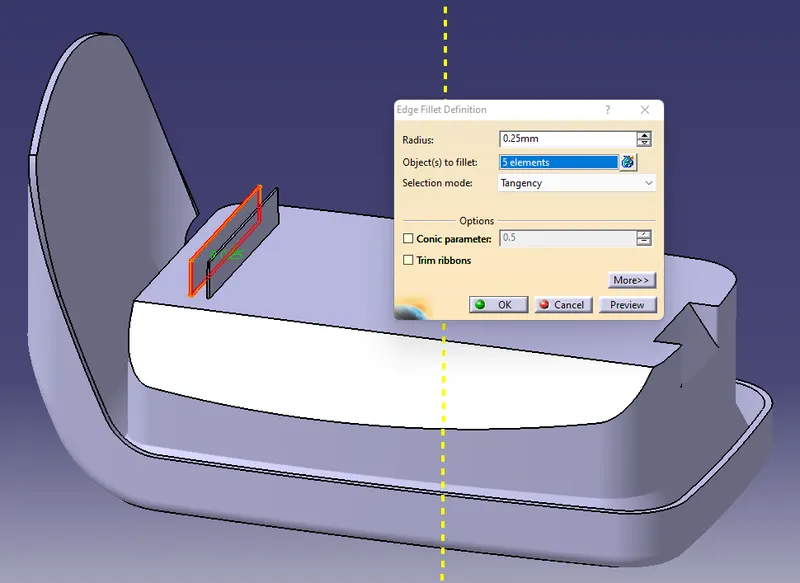
Radii at feature intersections should be a minimum of 0.5 - 1.0x nominal wall thickness to increase rib strength.
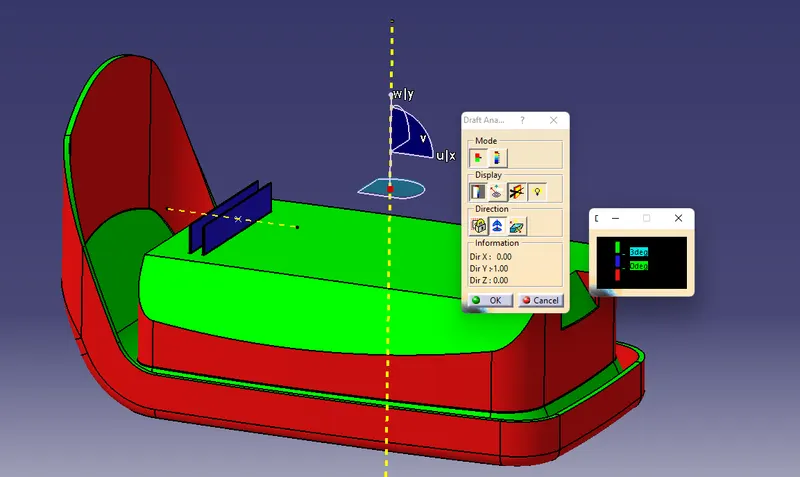
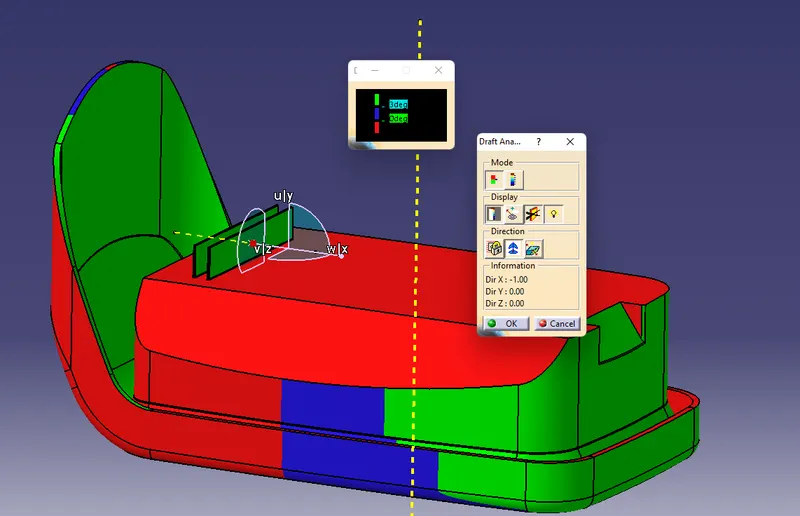
Tooling Axis For Coin Holder
For the creation of Draft Analysis, we have to create Tooling Axis
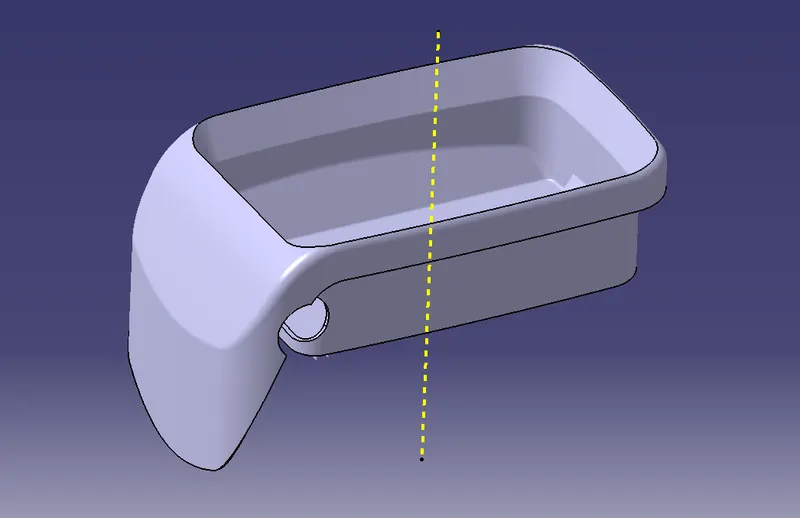
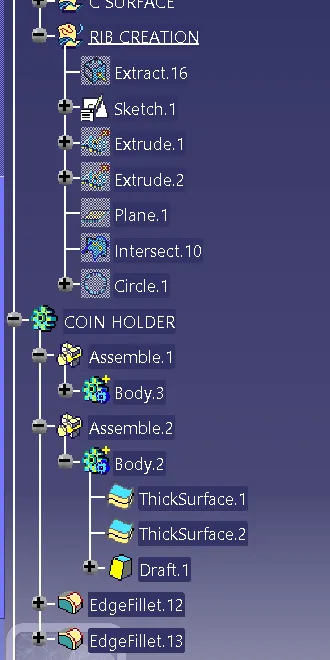
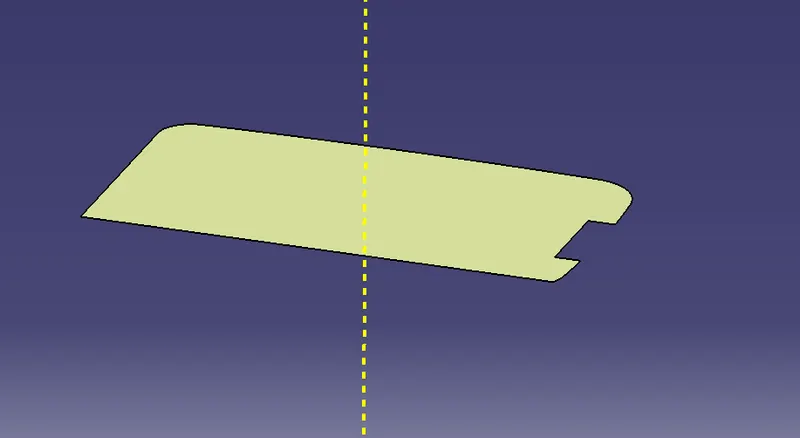
Creation of RIB on Bottom Surface of Coin Holder
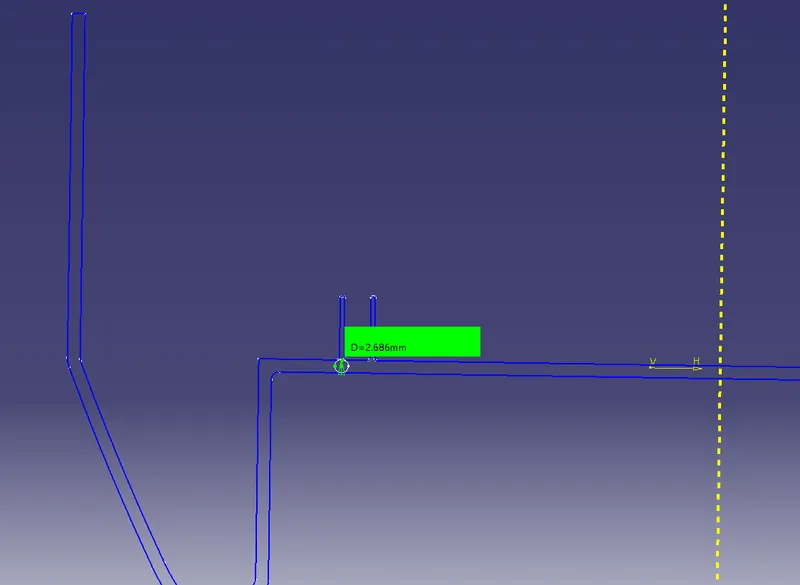
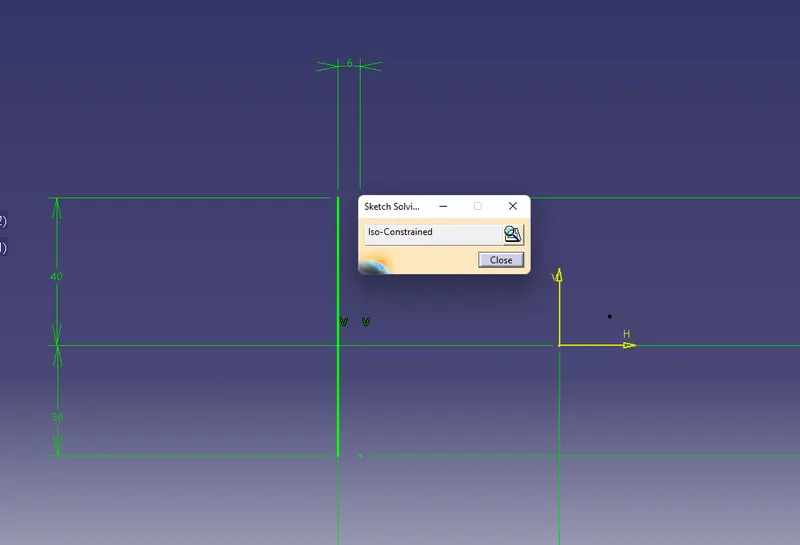
The Gap between the two ribs should be 3:1 is preferred height/width 3ratio
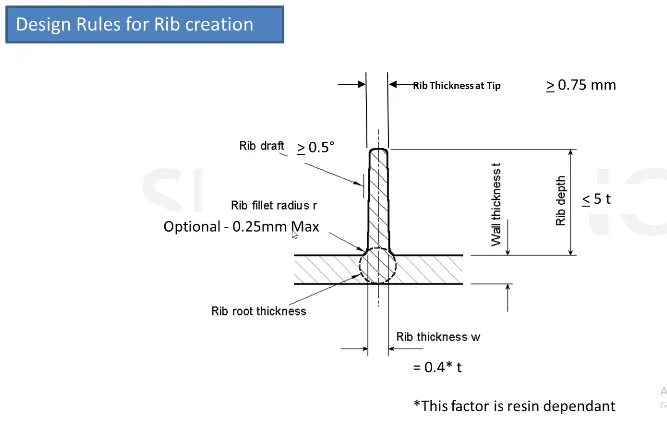
Rib Depth should be 2.5mmx5=12.5mm should be Rib Depth
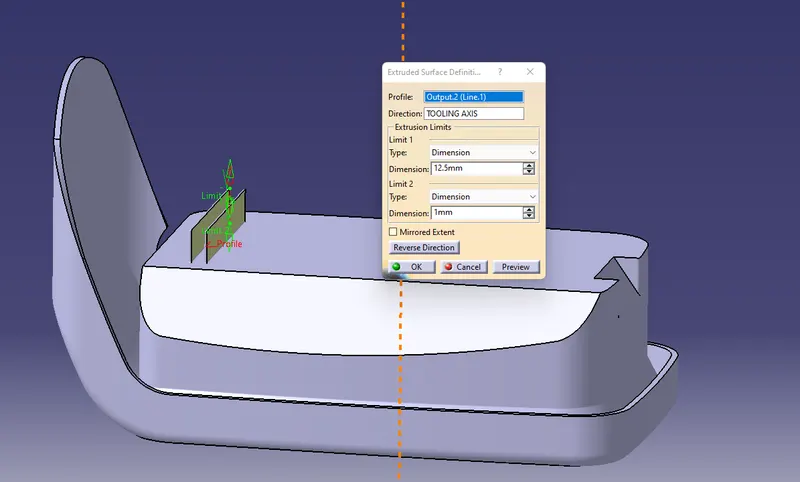
The thickness of Rib should be 1mm 0.4x2.5=1mm
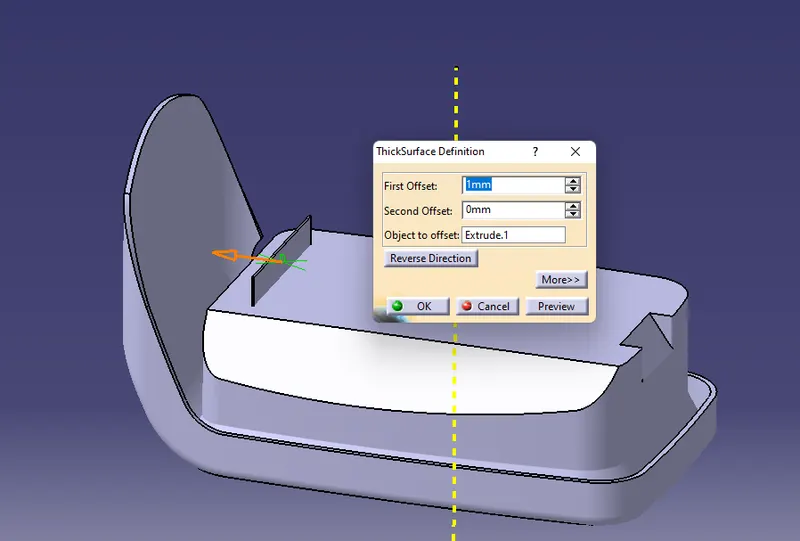
Then we have to provide Draft for Rib is not more than 0.5-Degree
Then We provided Fillet to Rib is 0.25mm
Rib Root Thickness is also design consideration D=2.686mm