Week 8 - Challenge 1 - Base Bracket Design
BASE BRACKET BY USING OF CLASS A SURFACE
AIM: Create the Base Bracket Plastic component through the given Class-A surface. To begin with, the tooling axis for the given Class-A Surface should be created meeting the requirements of the draft angle and at the end perform the Draft analysis on the model.
INTRODUCTION-
CLASS-A SURFACE: a surface made by the designer which is given as an input to the plastic modeler to work on. It is aesthetic surface and the outer most surface.
CLASS-B SURFACE: a surface below a certain thickness from the class-A surface is class-B surface. This is the surface that contains engineering aspects of a model.
CLASS-C SURFACE: a surface that joins class-A and class-B surfaces is class-C surface.
METHODOLOGY-
In this model we have focused on the following things:
- Tooling axis
- Draft analysis
- Class-B surface
- Class-C surface
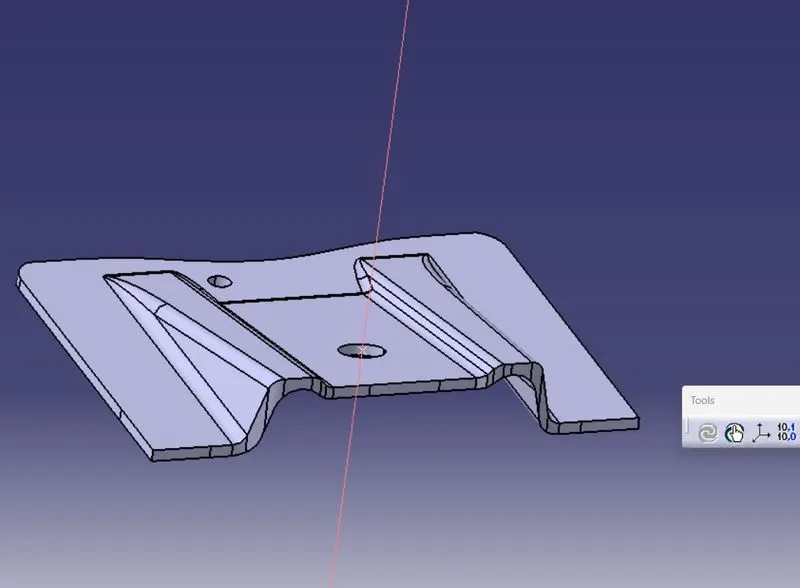
- Making a solid model from surface.
Following tools were used to reach the final step:
- Extract
- Un-trim
- Trim
- Extrapolate
- Offset
- Edge fillet
- Boundary
- Sweep
- Join
- Close (part design)
OBJECTIVES-
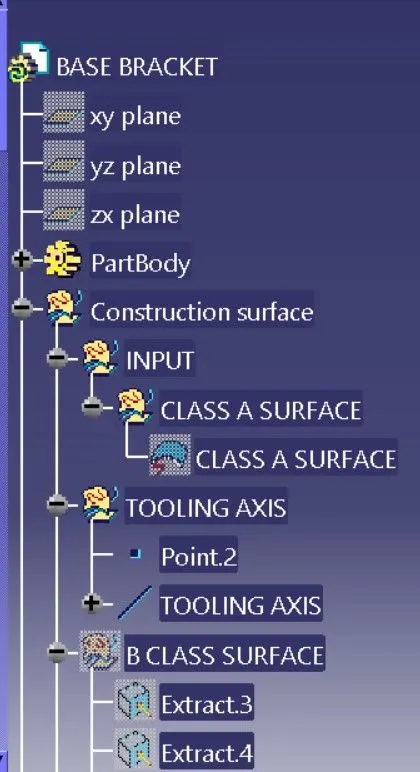
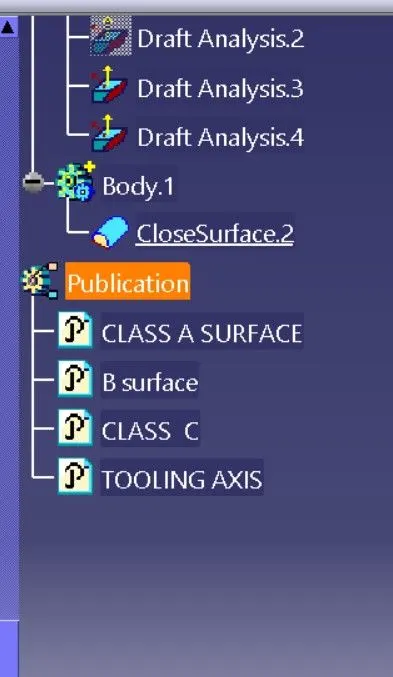
- Tree Structure
- Ensure Proper Tree Structure
- Geometrical sets should have a proper name based on the sketches present inside of it
- All the sketches should be created under the Geometrical set
- Use the Close Surface feature to make a solid body from the surface.
- Publications: Use the publication option and publish the below
- Tooling Axis
- Class A, B, and C surface
DIFFERENT TYPE OF VIEW-
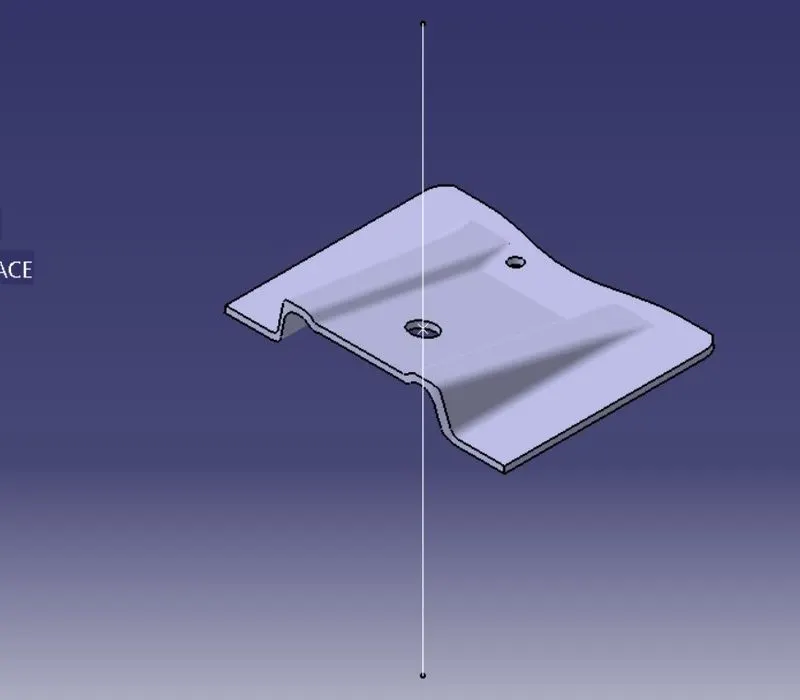
ISOMETRIC VIEW-
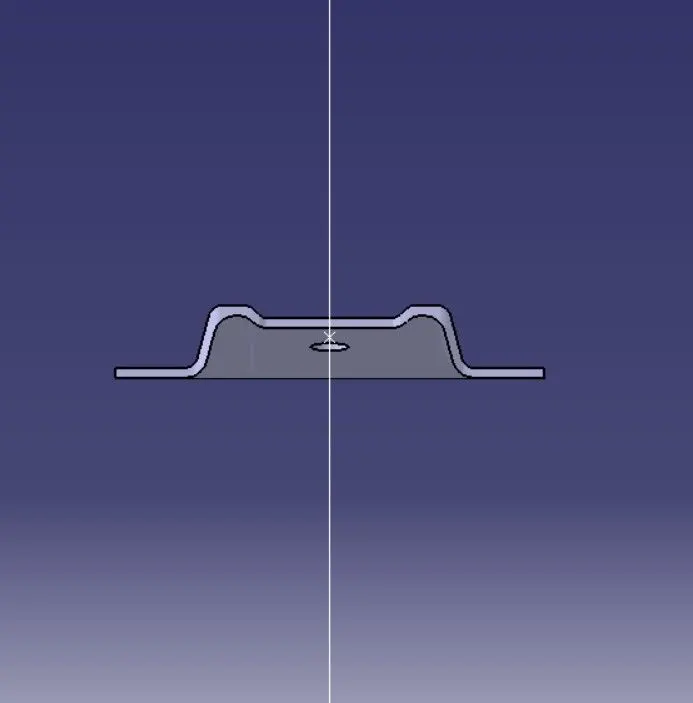
FRONT VIEW-
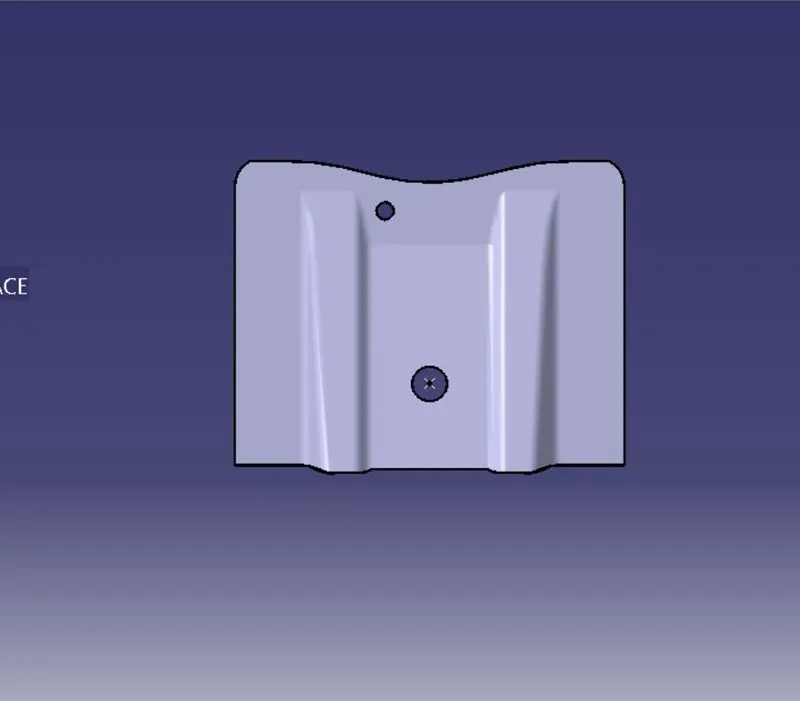
TOP VIEW
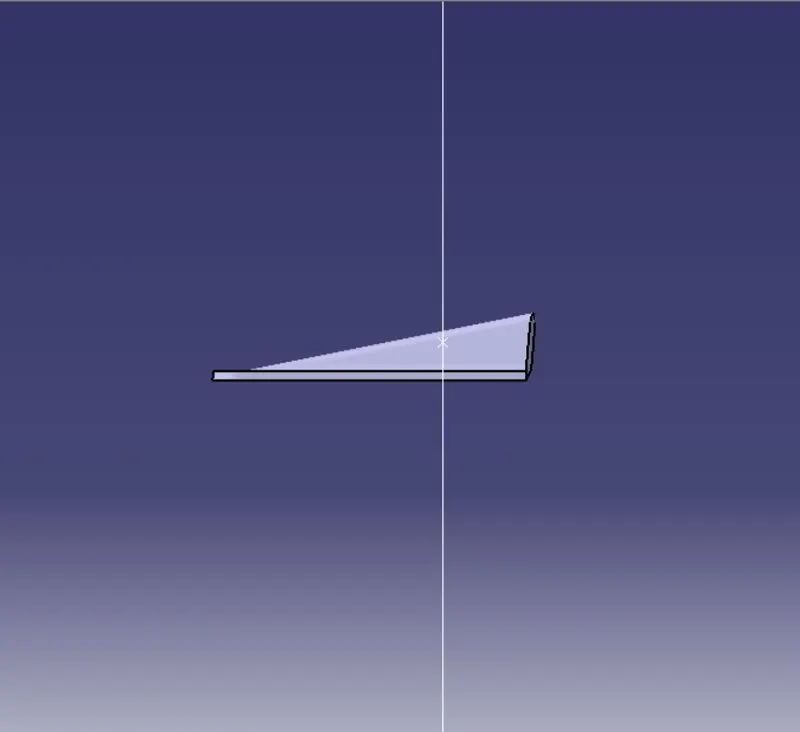
SIDE LEFT VIEW-
SIDE RIGHT VIEW-
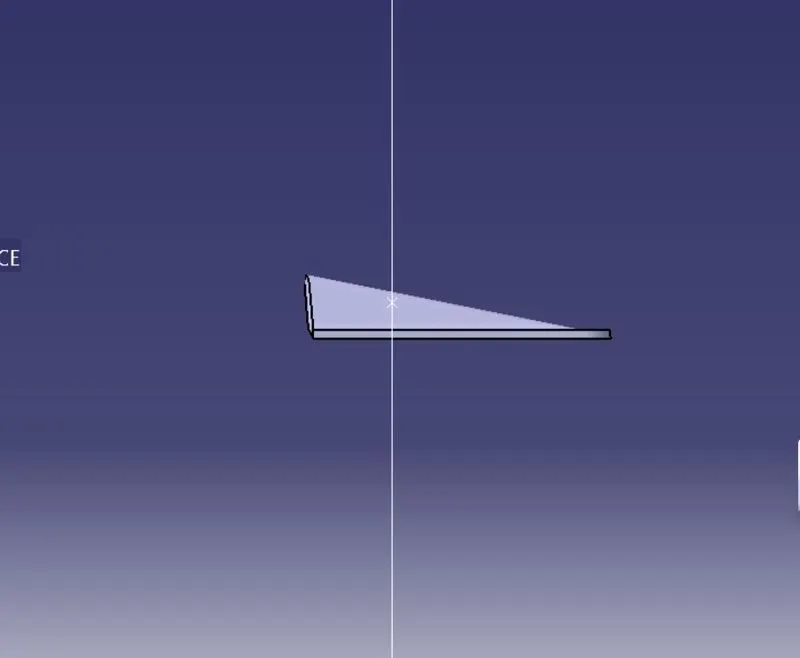
BACK VIEW-
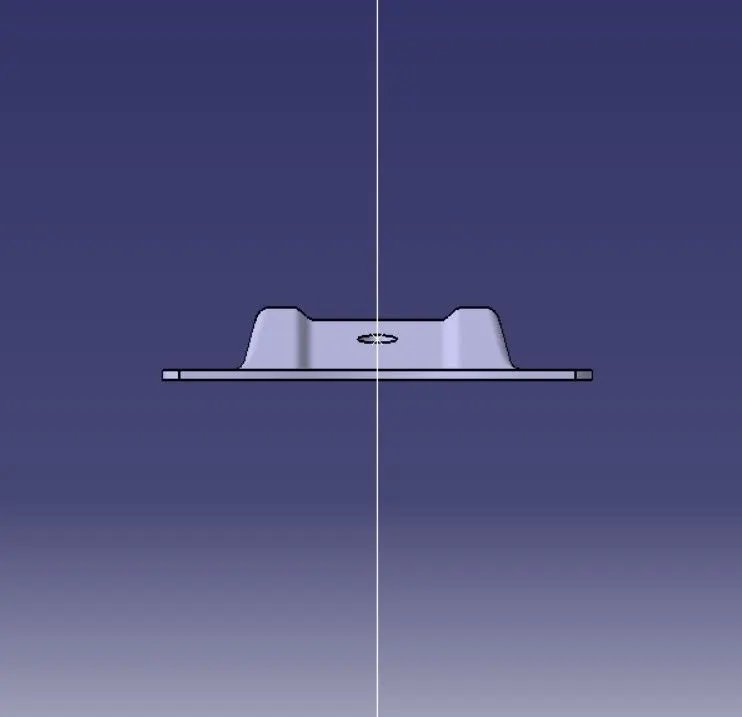
BOTTOM VIEW-
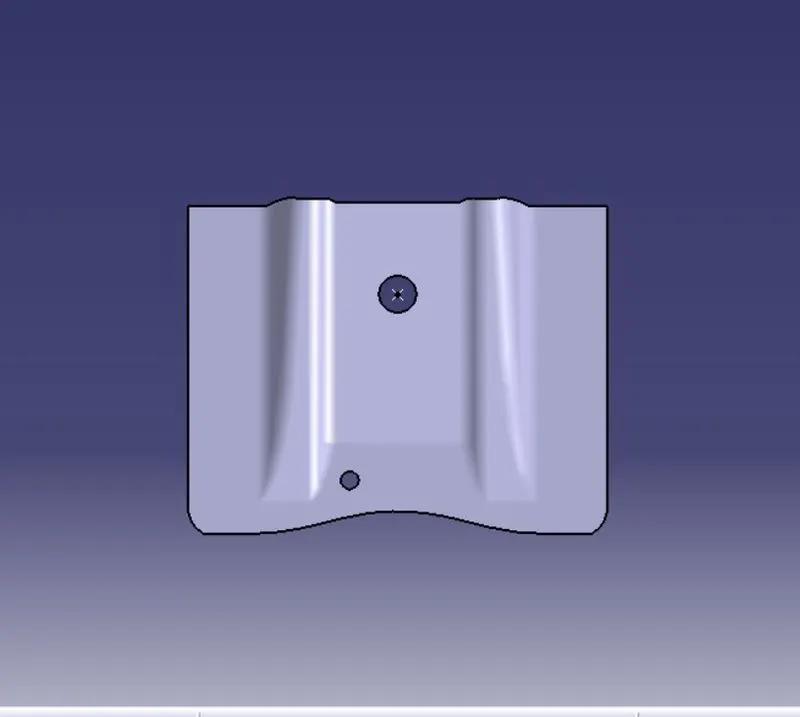
TOOLING AXIS:
- Tooling axis can be classified into two methods
- direct method
- bisecting method:
- In this model we use bisect method based on the requirement. This method is used for complex components.
- To use boundaries and make bisect the lines for creating a tooling axis
- To ensure the class-A surface is properly joined and has no discontinuity to it.
- To Analyze the surface for to setup tooling axis based on best suitable angle and direction.
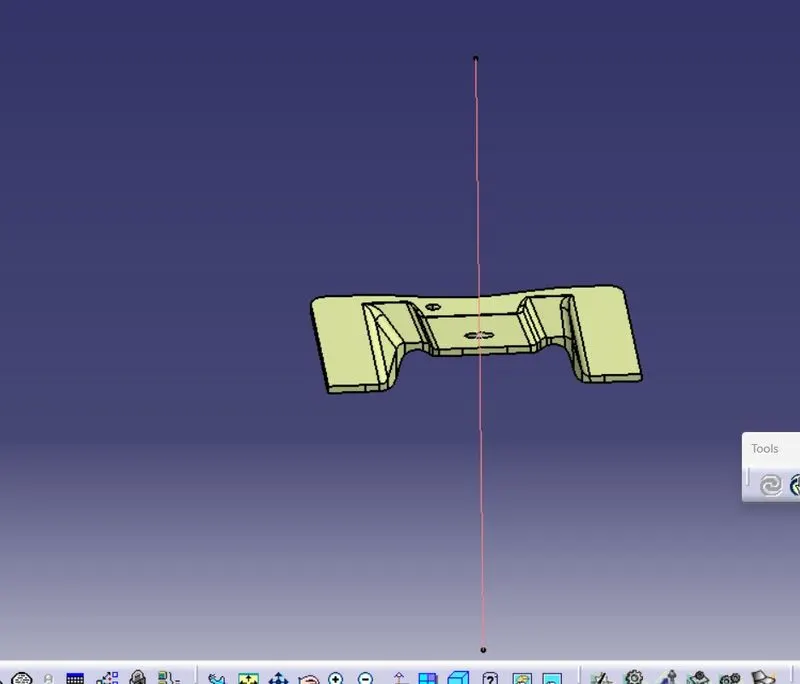
CLASS A SURFACE
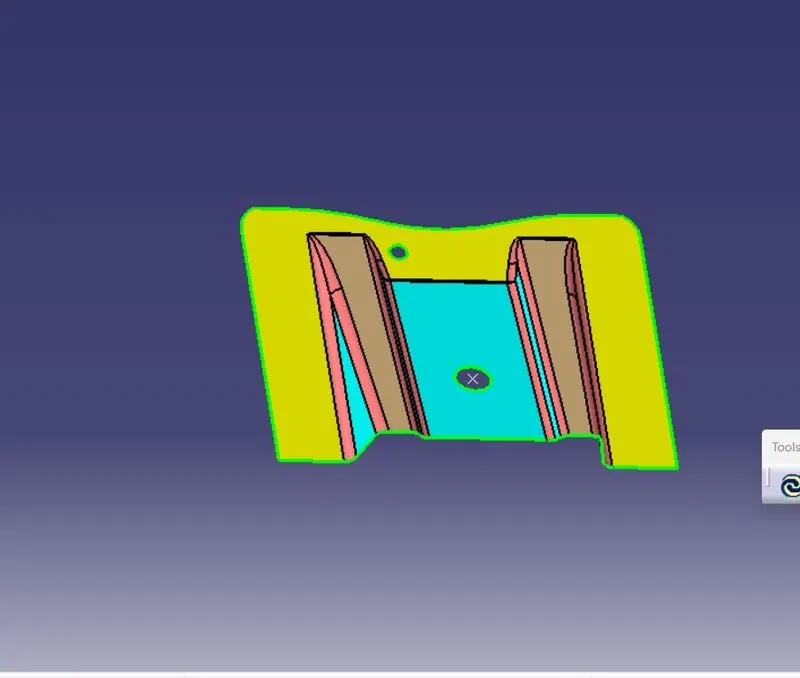
DRAFT ANALYSIS:
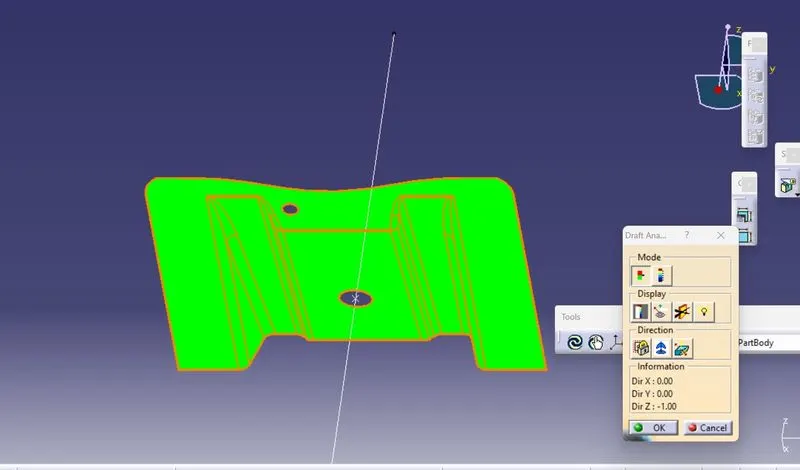
To perform draft analysis, click on Insert >>Analysis >> Feature Draft Analysis
Once the draft analysis toolbar is opened, go to the display block and select the 'Analysis under the running point' command to check the angle for different sides (ribs and inclined plane angles) on the class A surface. The color scale on the bottom visualizes, whether the draft angle meets the requirements or not (3 deg) by indicating the colors Green, Blue and Red. Once the draft angle analysis was done, we need to align and fix the compass to the tooling axis of the class A surface.
Creation of Class B:
- Now for Class B creation, we have extracted surfaces from Class A and untrimmed them to obtain the original parent surface.
- These surfaces are then offset to the required thickness.
- After offsetting, all the surfaces are trimmed into the required shape.
- Required fillets are given to the surfaces.
CREATING C- SURFACE:
- To create a boundary on the class-A surface and use sweep for extended throughout the B-surface for creating a surface model.
- Similarly holes also created by using swept tool along tooling axis.
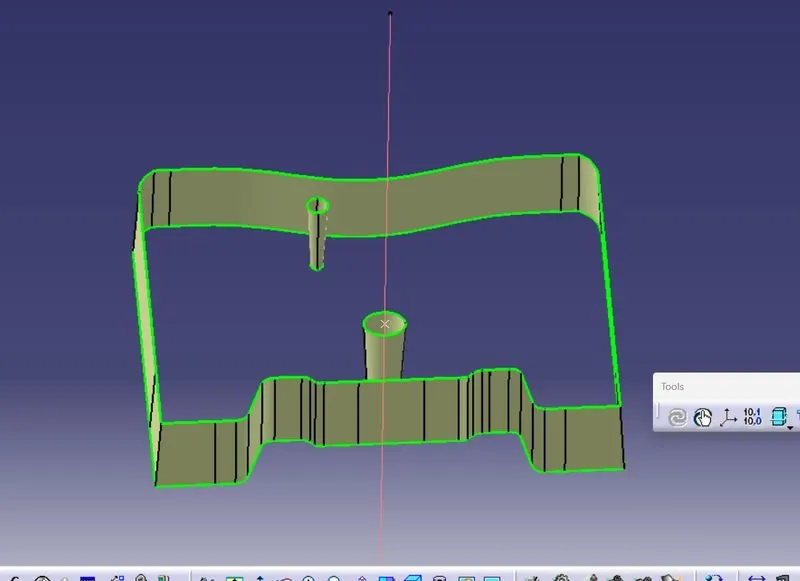
Final Trims:
Class A + Class C:
To make sure that there is not any open boundary between class A and class C, we have used the join option to create the single body. This is done to make sure that the parting line doesn't lie between these two surfaces.
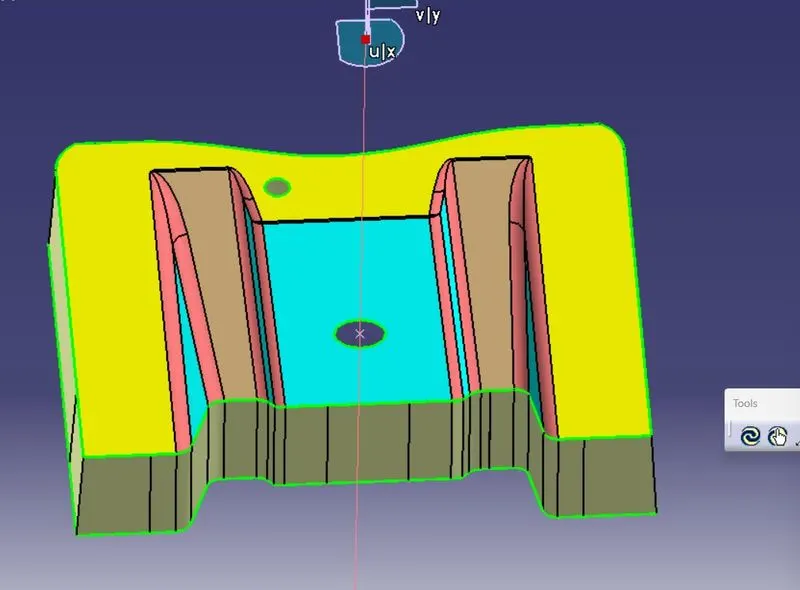
Class A + Class B + Class C:-
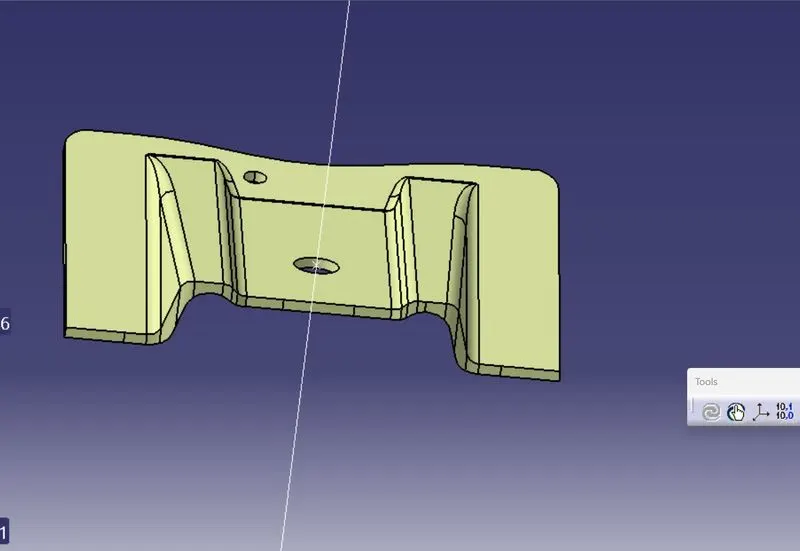
Draft analysis on final component:
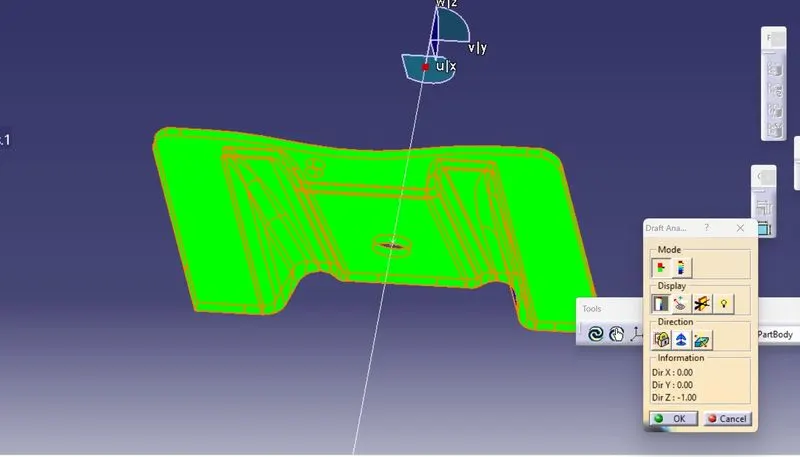
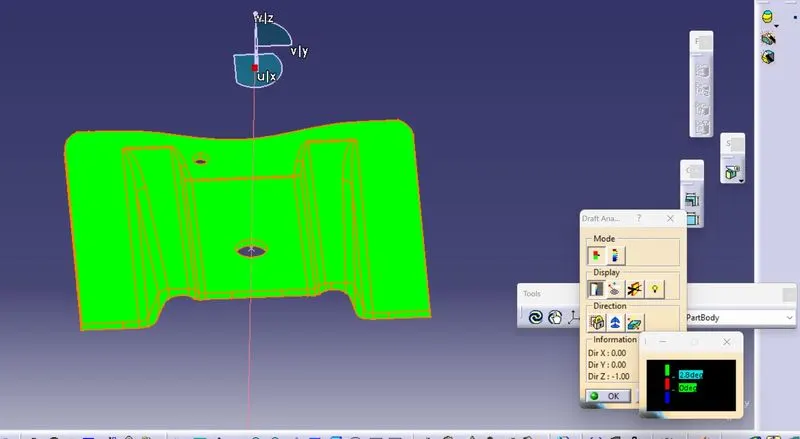
FEATURE TREE-
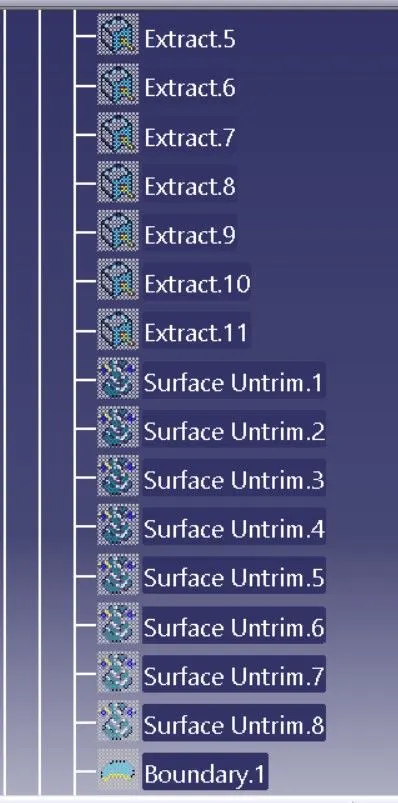
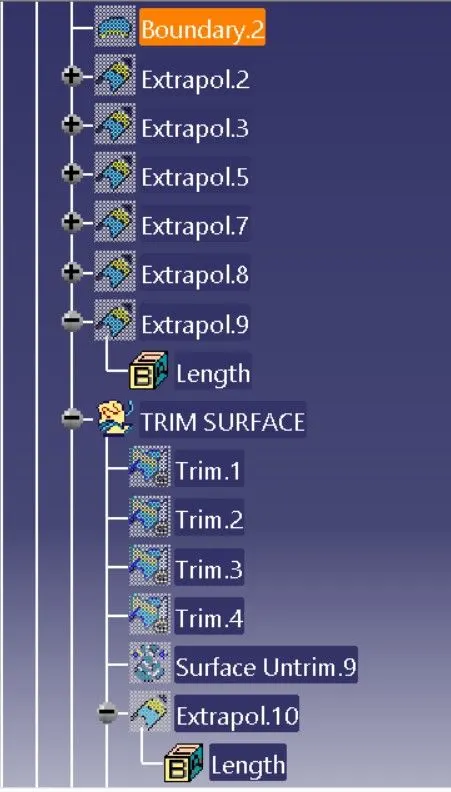
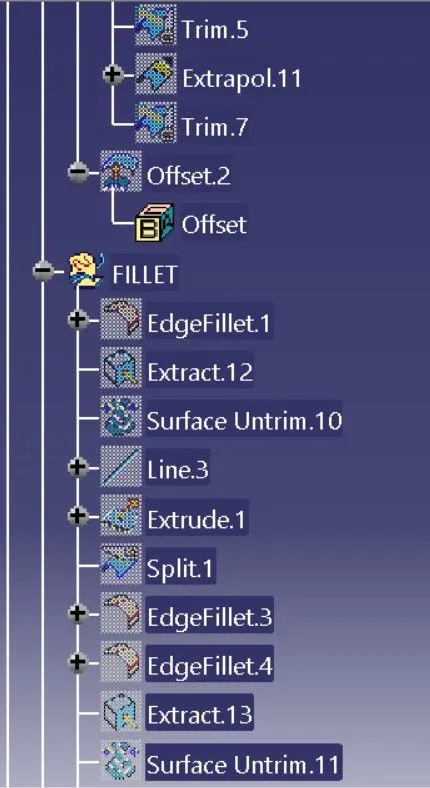
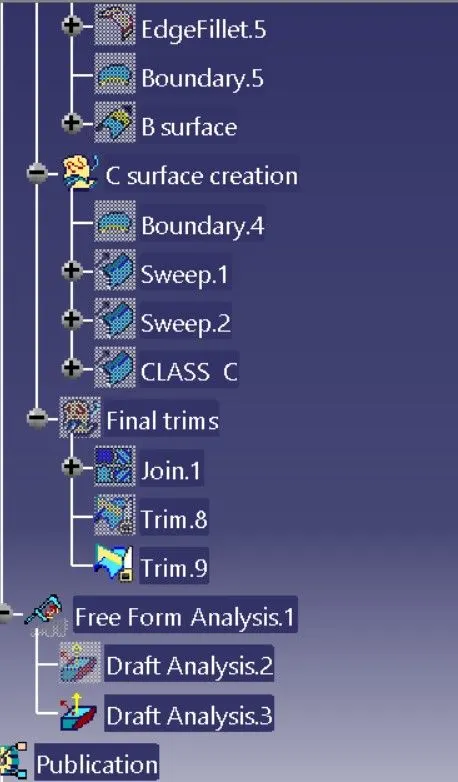
SOLID BODY-
CONCLUSION:
- To use class-A surface and create Tooling axis, Draft analysis were performed.
- The solid component was created from the surface model.