Week-7 : Converting a detailed engine model to a FRM model
Aim:
Converting a detailed engine model to an FRM model.
Objective:
- Explore tutorial number 9 and write a detailed report.
- Build FRM Model for the following configuration using the FRM builder approach.
- Bore 102 mm stroke 115 mm CR 17
- No of cylinder 6
- CI engine
- Twin Scroll Turbine
- GT Controller
- Run all cases
Theory:
FRM is a dynamic fully physical engine that is designed specifically to run faster. While high fidelity engine models are commonplace in the engine performance department, they are often too slow running to incorporate into a system-level model where using transient events may be simulated, or where the simulation model must respond faster than real-time such as the HiL simulation model.
When simulation speed is of priority, the high-fidelity GT power engine model can be simplified into FRM using standard procedure. FRM is used to achieve fast run times in two ways:
- Increasing the simulation time step size
- Decreasing the no of calculations per time step.
The Fast Running Engine Models are designed in such a way that the simulations run faster. Generally, we use detailed modeling for capturing the wave dynamics that occur in the intake and exhaust systems. In order to capture those waves, we need to have a very detailed model to capture the physics. Whereas if the speed of the simulation running is necessary there we use Fast Running Model. In GT-Power we follow two approaches i.e. Mean Value and FRM model.
A. Exploring Tutorial-9
Go to Tutorials > click on Modeling_Applications > go to Engine_Performance > select "09-FastRunningModel" > It consists of 8 steps that clearly show how the detailed model is converted into FastRunningModel.
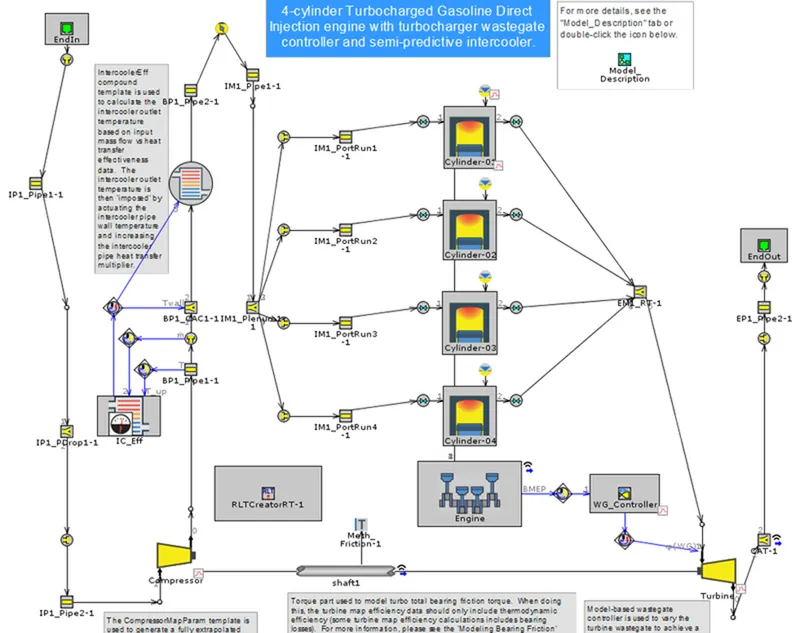
Detailed Model:
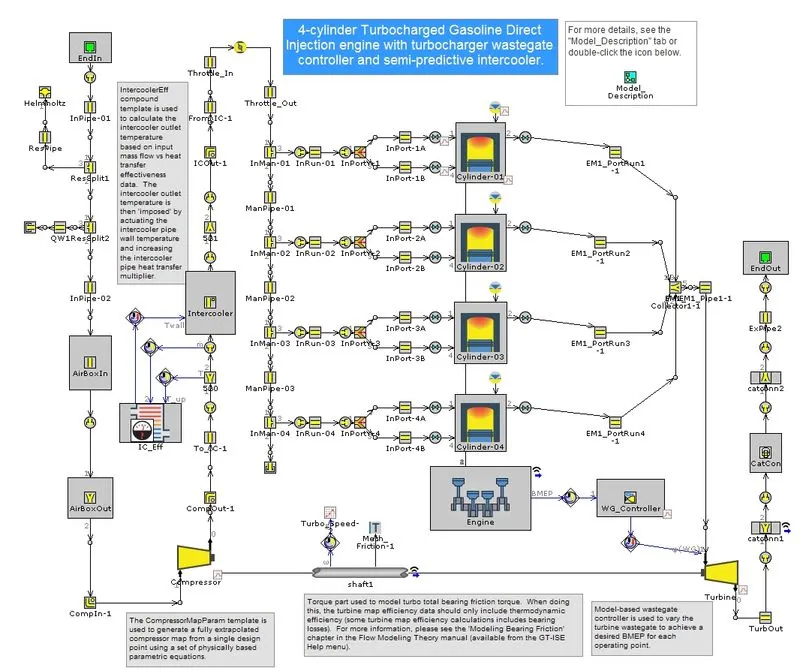
Initially launch the FRM Tags:
In the FRM Tags, the complete model is tagged i.e. it will show which parts can be combined and hence reduce the number of engine parts. The individual subsystem and the parts will get highlighted on the map.
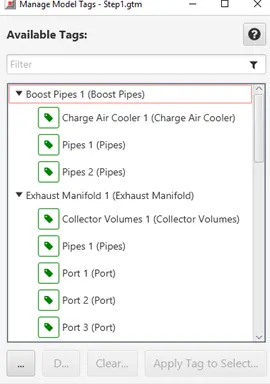
Launch the FRM Converter:
It is a tool that will help to track the FRM Conversion process, organize the model files automatically within subdirectories and provide result comparisons of key RLTs throughout the conversion process. These generated files can be saved separately and can be viewed at any time.
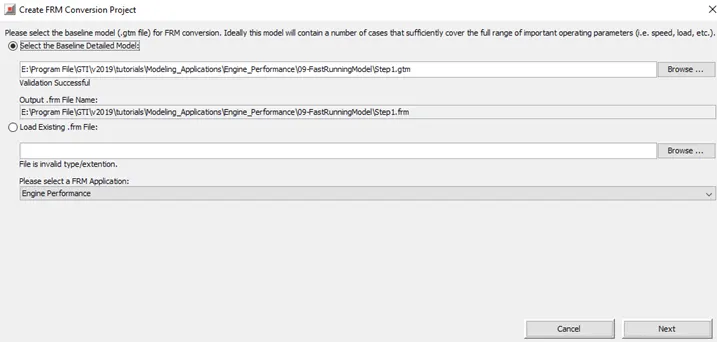
FRM conversion model steps:
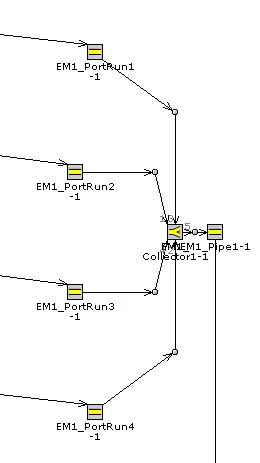
Exhaust manifold
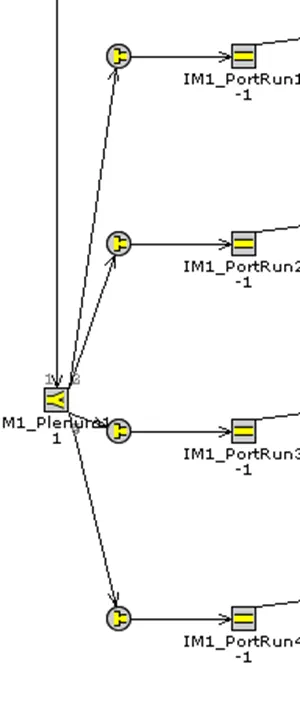
Intake manifold
Compressor outlet pipe
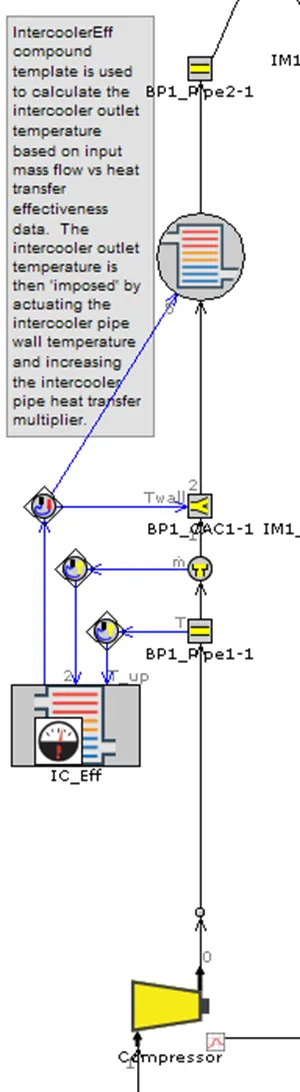
Intake pipe

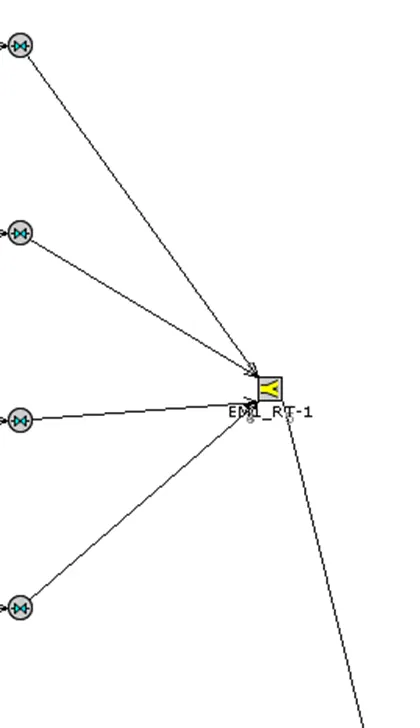
Exhaust port
Real-time solver
FRM model build:
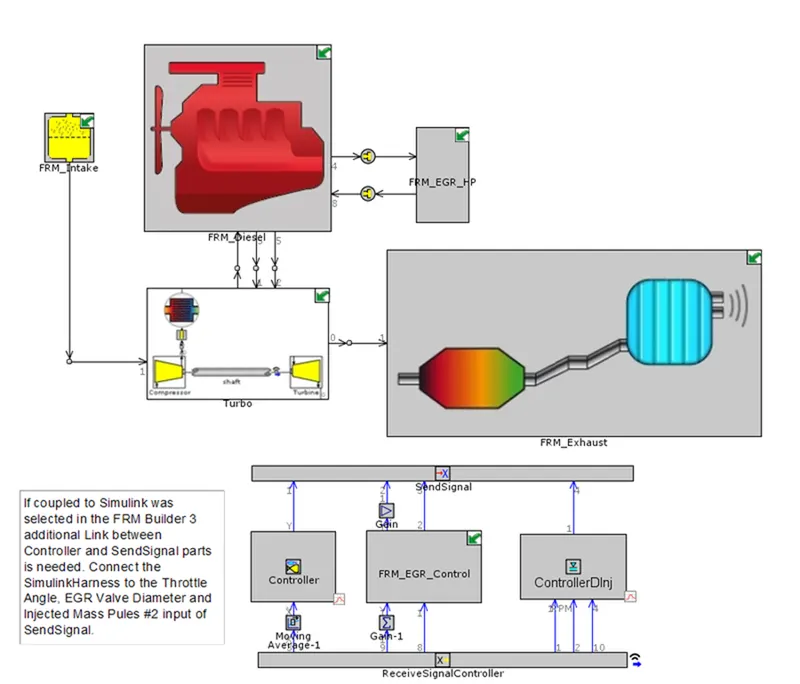
FRM Subsystem model:
FRM diesel
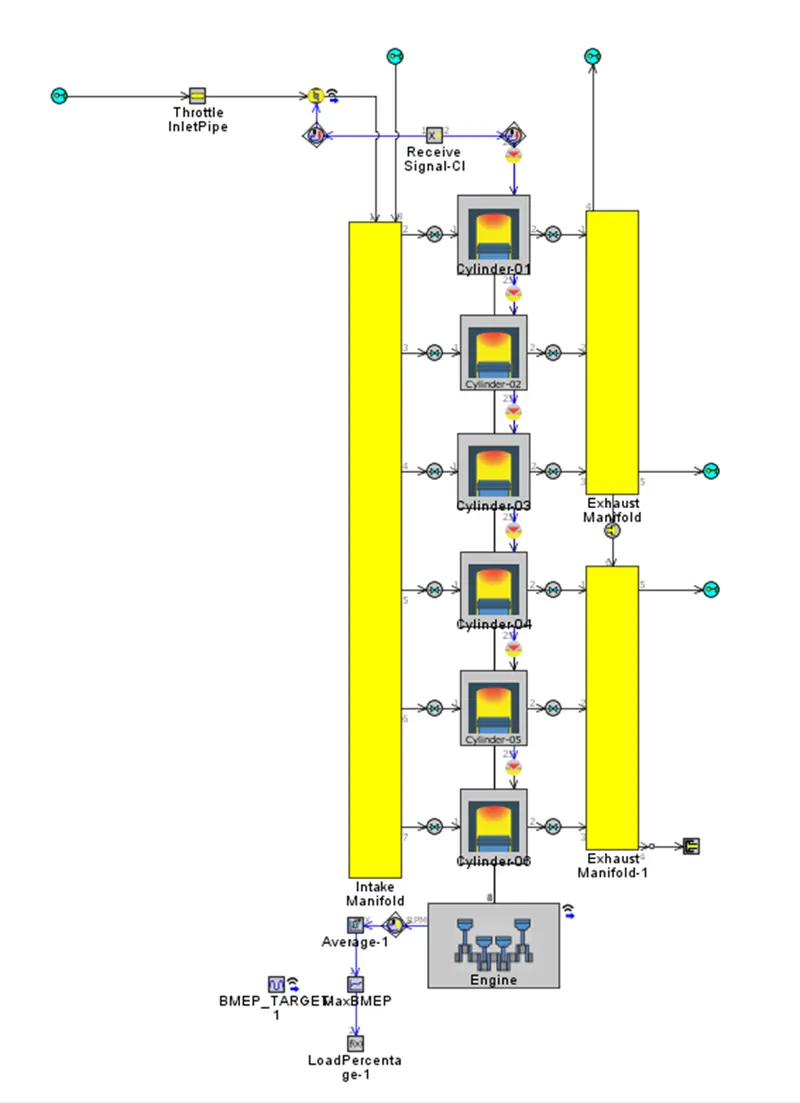
FRM EGR HP
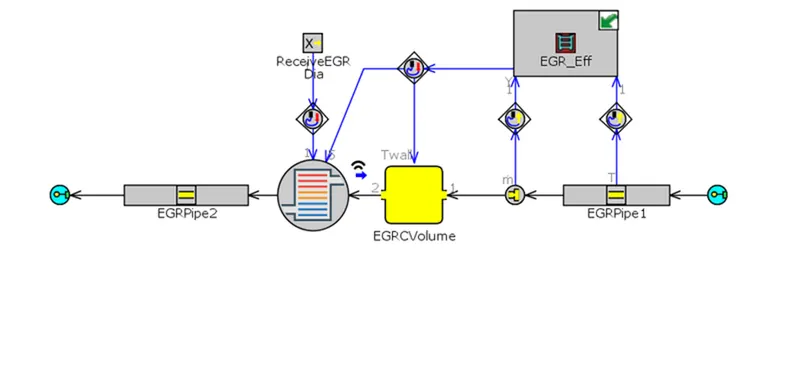
FRM EGR CONTROL
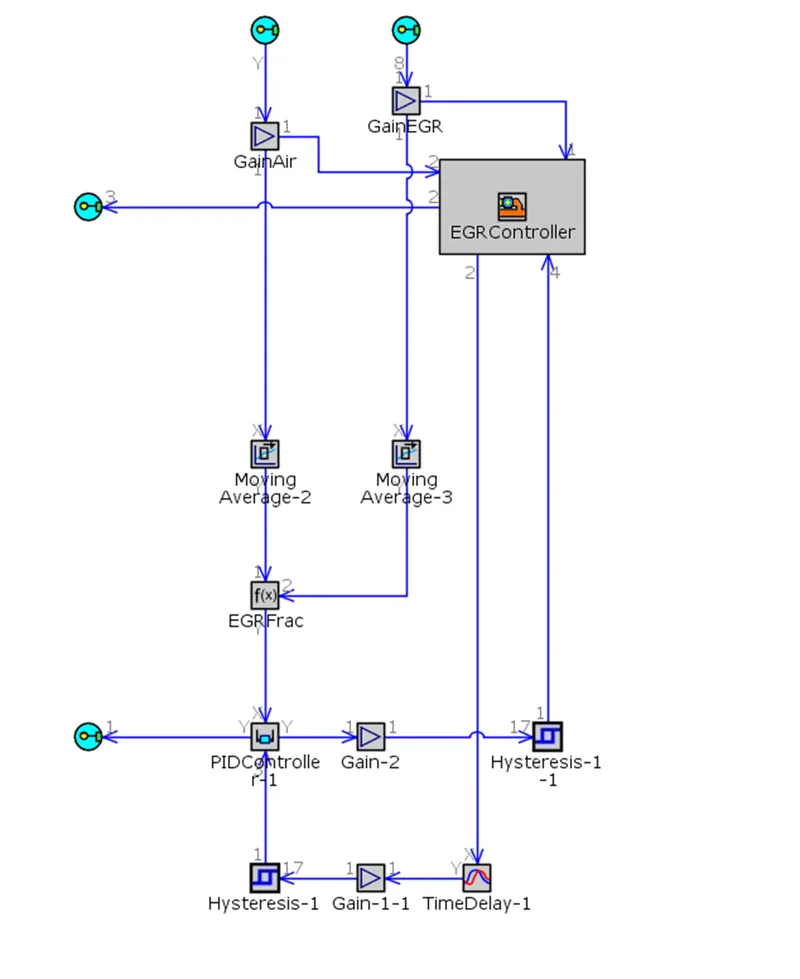
FRM INTAKE
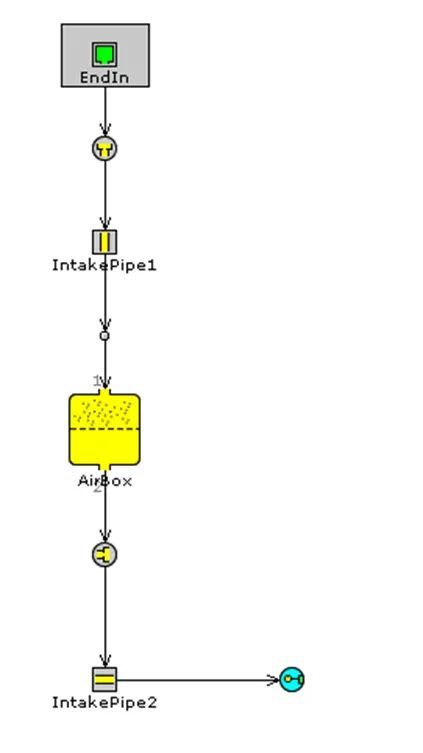
FRM EXHAUST
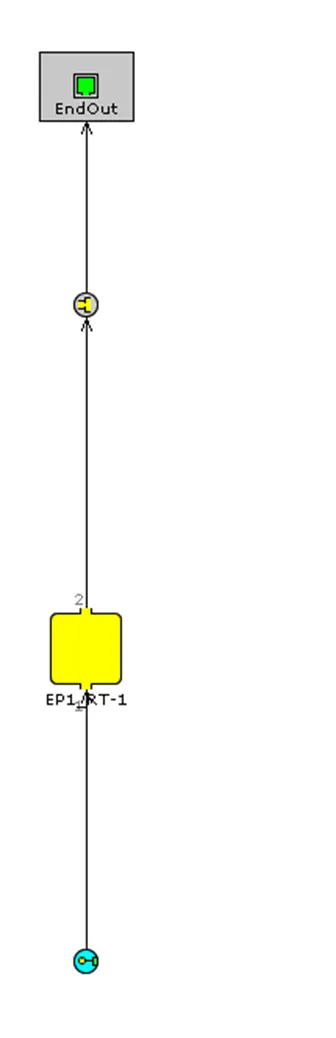
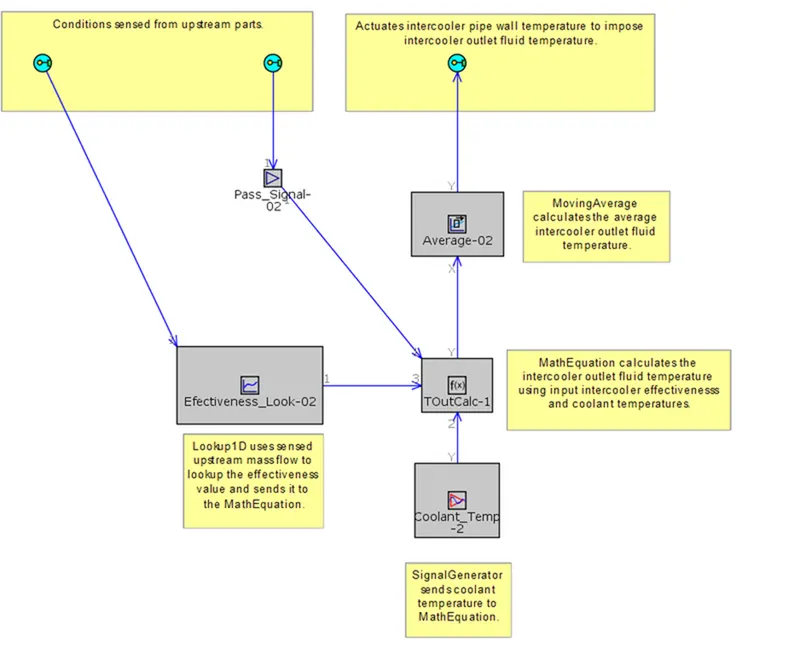
IC EFF
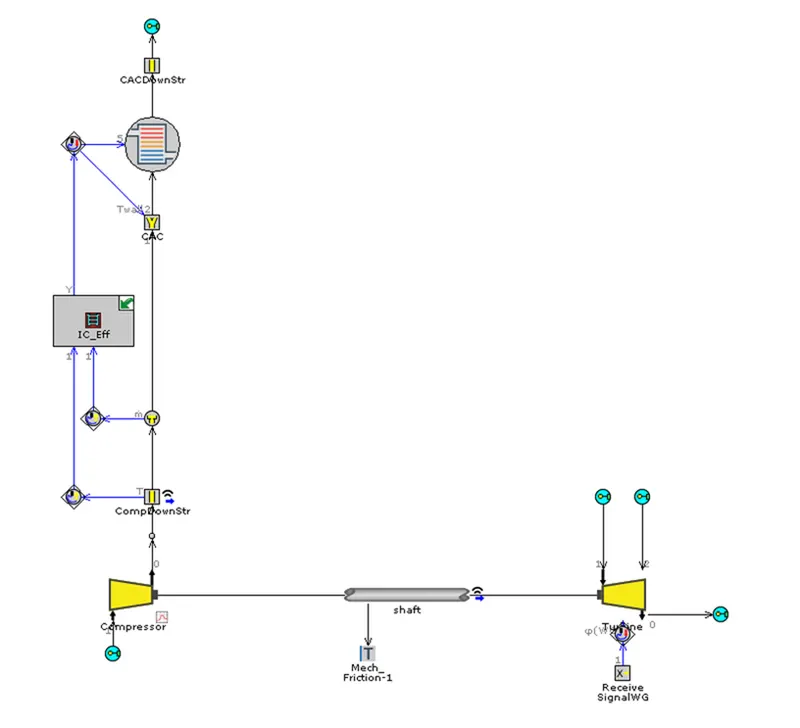
TURBO
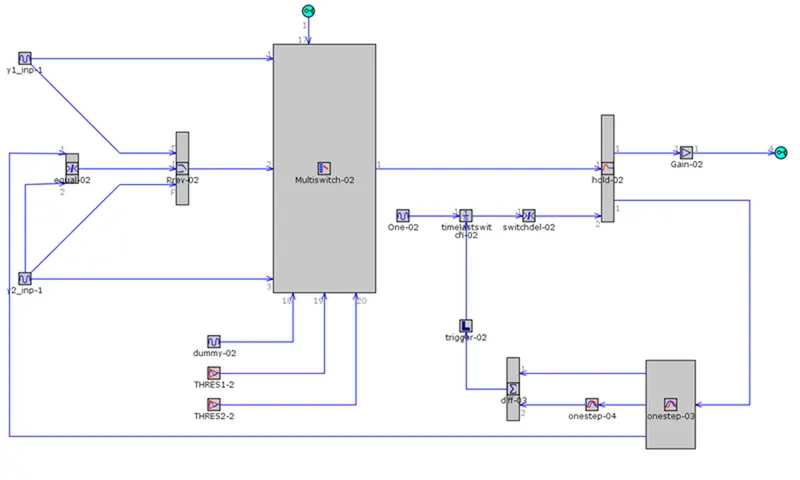
HYSTERESIS LOOP 1
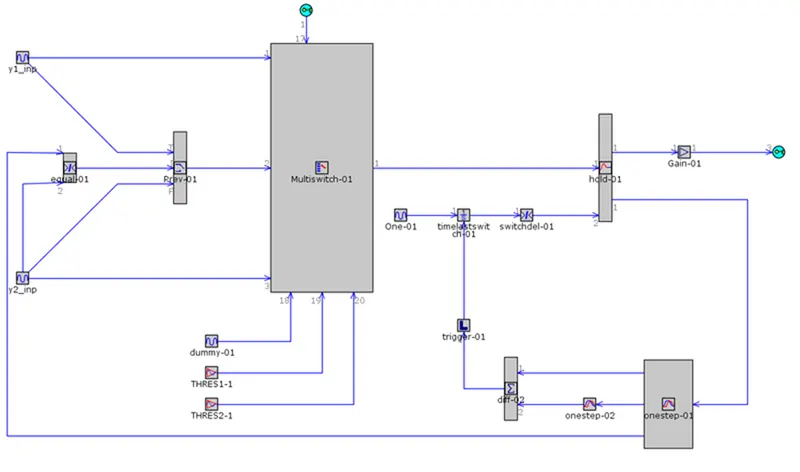
HYSTERESIS LOOP 2
Boundary conditions:
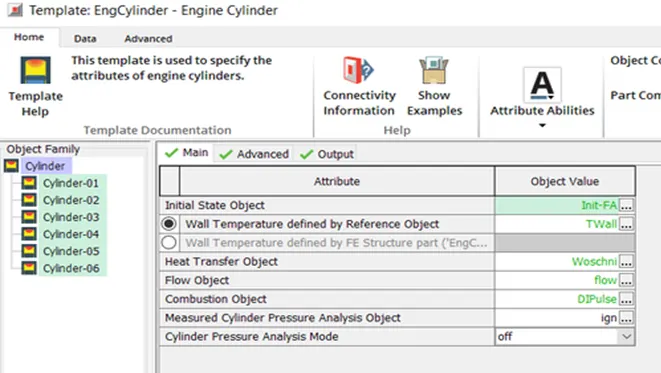
Cylinder slaving conditions
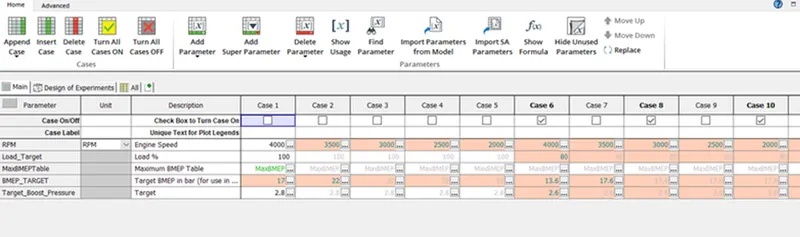
Case setup 1 as a function of rpm and BMEP
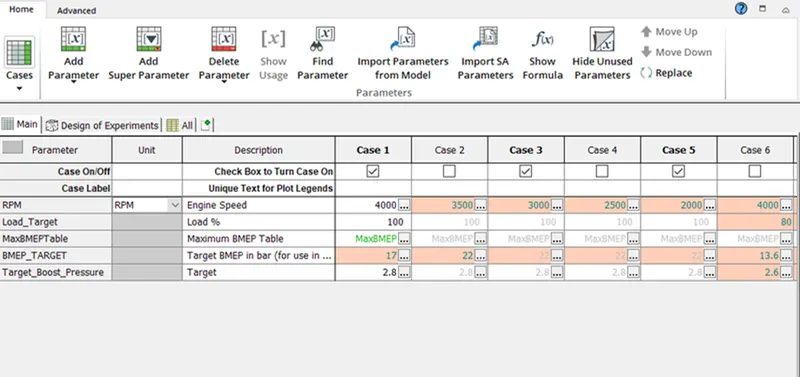
Case setup 2 as a function of rpm and BMEP
GT POST:
Case 1:
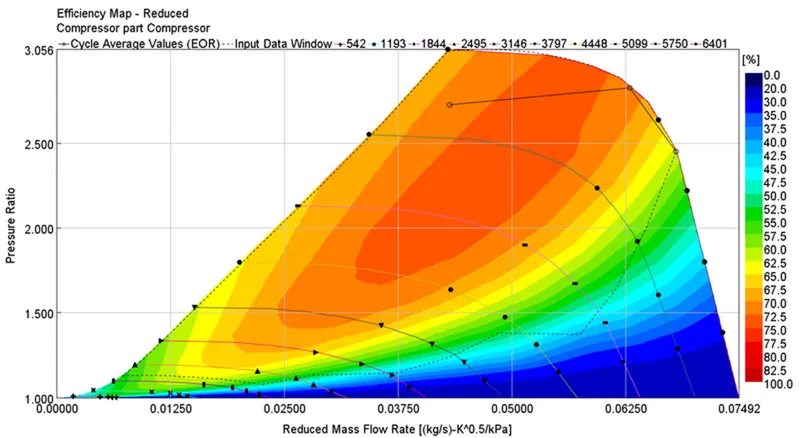
Compressor efficiency map
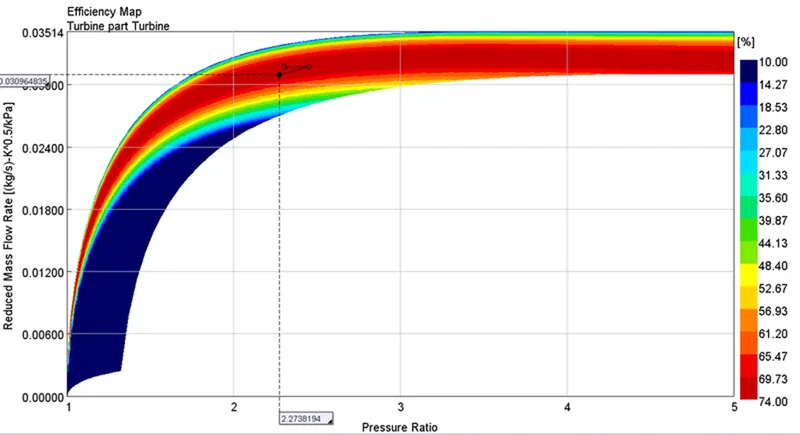
Turbine efficiency map
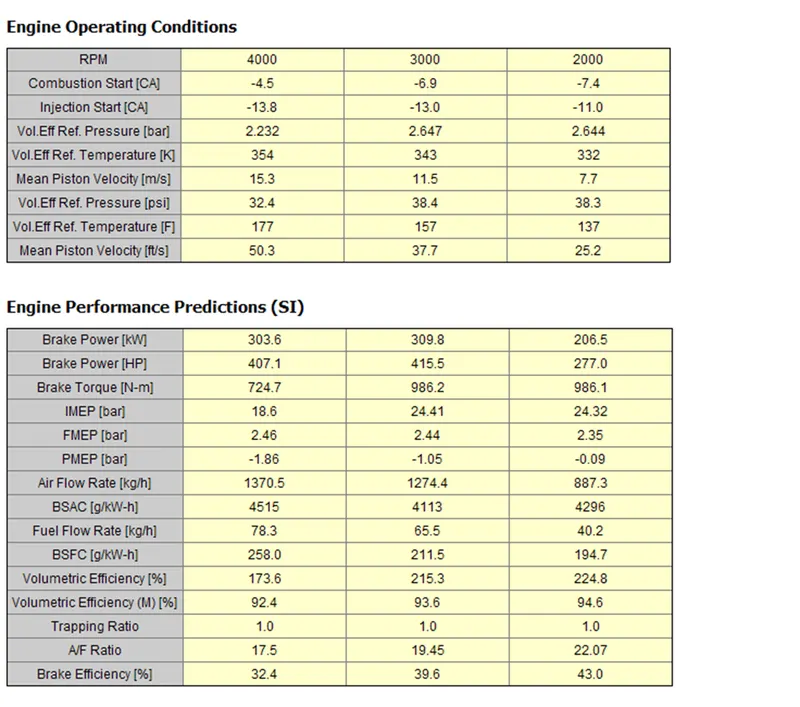
Engine performance
Turbine and compressor performance
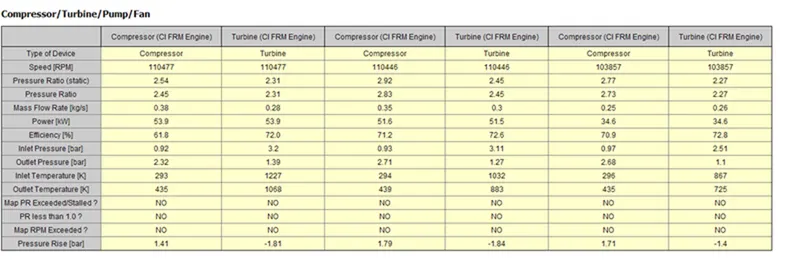
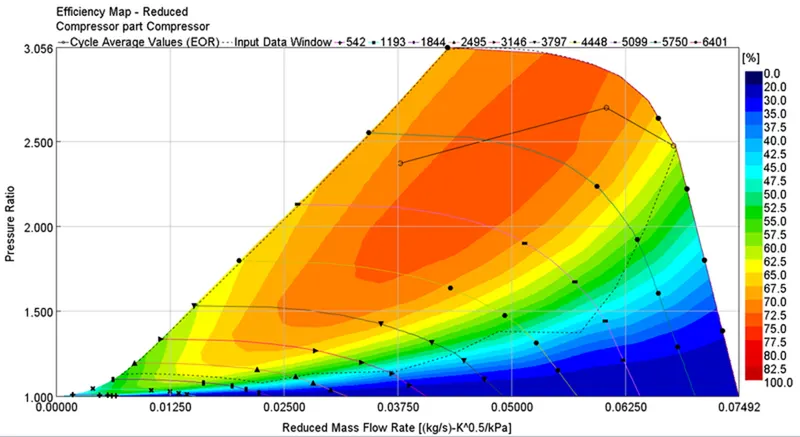
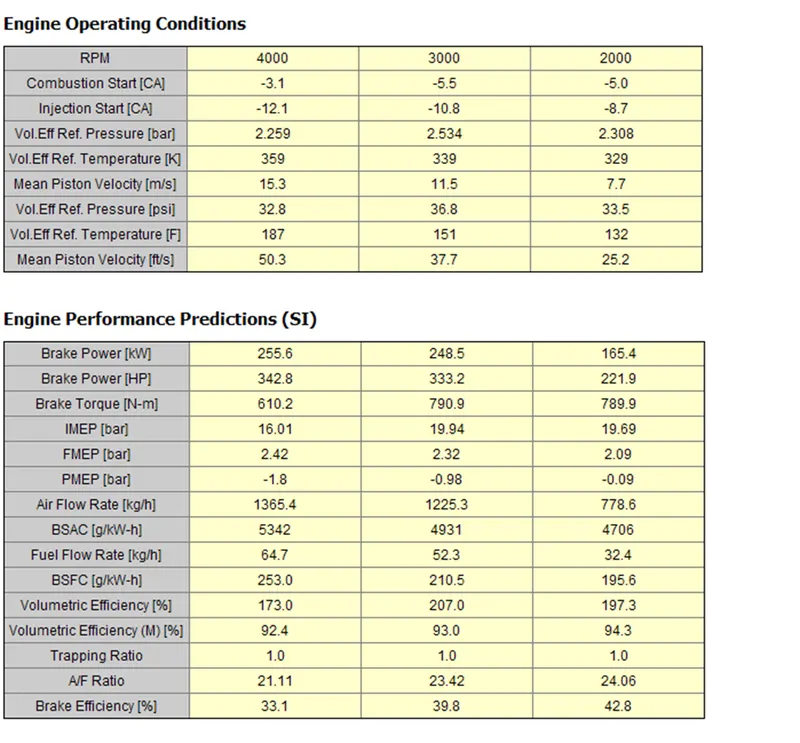
In this case, we see that compressor efficiency reaches the best design point at the lowest rpm with the same BMEP target. The first two design points lie in the excess rotor speed and choke region. Therefore, we should avoid these points. Also, from engine performance data we find the A/F ratio is very less in case of high rpm which ensures improper burning and high pollutants.
Case 2:
Compressor efficiency map
Turbine efficiency map
Engine performance
Turbine and compressor performance
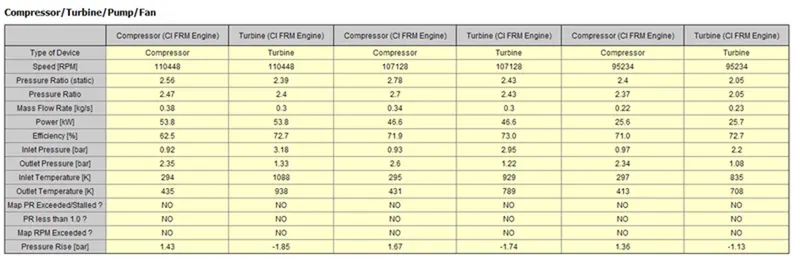
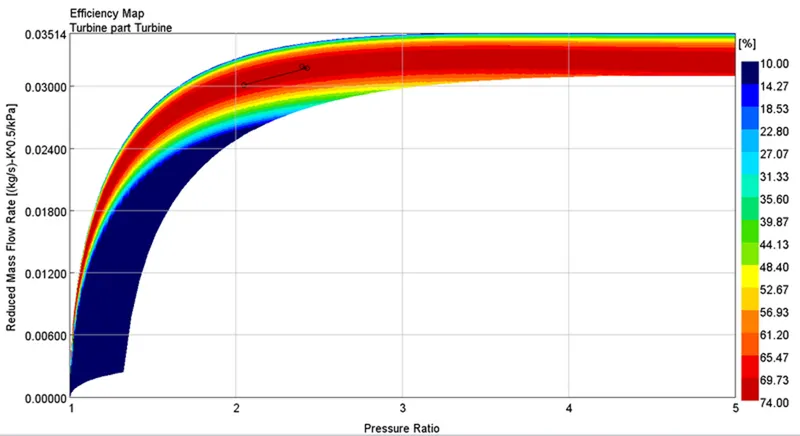
In this case, we find the same pattern as for case 1 only difference is that the efficiency at the best design point is better than the former one. Also due to less BMEP target, low rpm speed can run quite efficiently compared to high rpm speed.
Conclusions:
- With the FRM model builder approach, the specific engine design is modeled successfully.
- GT post-simulation results show that low target BMEP and low rpm levels fall on the best design efficiency region of the compressor map.
- FRM model reduces the computational time drastically as compared to the normal simulation run time model.