MESHING THE HOOD COMPONENT USING HYPERMESH
GENERATE THE MIDSURFACE AND MESHING THE HOOD COMPONENT:
OBJECTIVE: TO mesh the hood component by generating a midsurface with suitable thickness and given criteria.
ABSTRACT:
An automobile's engine hood is important. It performs several functions, for example, during maintenance of engine area, the hood mechanisms should enable manipulation, and during everyday operation or in case of crashes, the engine hood must be rigid to enable safety; hence it is important to perform engine hood global and local stiffness analysis. This paper applies finite element analysis techniques to evaluate global and local stiffness for the first Saudi Arabian designed SUV; thus checking hinges, lateral firmness, closed and open spring latches, among other engine hood components. Target global and local stiffness values were determined based on the analysis of a similar SUV (i.e., Mercedes G class 500). The results of the finite element analysis indicated that the bump stopper bracket thickness should be increased from 1.2 to 1.5 mm and some parts' geometries should be redesigned in order to improve stiffness. Overall, this paper provides a unified framework to evaluate stiffness of important automobile parts (such as engine hoods) via finite element analysis, and establishes a mechanism for parts' redesign to ensure that pre-established design targets are met.
With the growing interest in noise pollution, the characterization and propagation of noise produced by the vehicles in road traffic has become a priority in vehicle noise radiation to the environment. In this work, the characterization of acoustic transmission of the engine compartment is performed with an experimental method. The technique was improved with an elec-roacoustic system including an inverse filtering method. The results on such characterization are achieved with the Sound Transmission Loss technique, (TL) which has been measured in several positions surround the vehicle hood. In the measurements, a loudspeaker (close to the engine of the vehicle) was used as a noise source. Besides the microphone in the engine compartment, other microphones are located outside of the vehicle. The impulses responses between the loudspeaker and the microphones were measured using the Maximum Length Sequence (MLS) method and also its frequency responses were calculated. The outcomes show that noise reduction provided by the engine hood depends on the frequency bands and the microphone locations, varying from 17 dB to 26 dB at the lateral positions including the angle dependence (a directivity polar function) and the frequency band.
INTRODUCTION:
In the recent days, all the luxury automotive manufactur-ers have directed a great interest on acoustic characteristics of vehicles. The sound power level is certainly an important parameter for noise emission of finished products. It is used for compliance and benchmarking in the competitive market of automotive field.
The noise characterization and the vibration reduction could regard numerous materials and components in the au-tomotive field, such as panels, doors, engine hoods, seats, etc. However, engine noise represents the most significant element of the overall noise perceived inside and outside of the car. The engine hood, additionally represents an aesthetic component on the engine cover, if it is well designed could be able to reduce noise emissions of the engine, producing a better acoustic comfort on the cabin and a better insulation outside of the engine compartment. For these reasons an effective study of practical characterization methods for new materials is needed, which ensures the noise prediction in all working circumstances. It is nowadays a very significant research issue.
LITERATURE SURVEY:
In the literature there are some works about the noise transmission across of firewall of a passenger car [1,2], with the characterization of the noise inside the cabin just for the comfort of the people inside of the vehicle, but only a few studies investigate the effect of the chassis upon engine noise and the developed methods to quantify the vehicle noise radiation to the outdoor [3,4].
Standardized exterior and interior noise tests are frequent-ly used to determine the sound quality in vehicles develop-ment. The combination of static test and pass-by measure-ments is essential to undertaking a successful refinement process.
The microphones are the most common devices used to measure sound pressure. They have an internal mem-brane which responds to air pressure fluctuations, moving backwards and forwards as the pressure force acts over the membrane surface. A sound pressure microphone is omnidi- rectional and measures the sound field in all directions.
The importance of this work is to release an experimental technique named sound transmission loss with inverse filtering, which is widely used in architectural acoustics, it is an effective and practical method compared with another method to estimate propagation of vehicle noise sources as the NVH method.
ENGINE HOOD/BONET:
Bonnet is also called hood in US and canada. It is hinged thin sheet which covers and protects the main parts of car like engine
Its main function is to direct access to the engine, bAttry and other crucial parts of the cars for repair and maintenance and to protect these parts from direct sunlight and dust.
On front-engined cars, the hood may be hinged at either the front or the rear edge, or in earlier models (e.g. the FORD MODEL T) it may be split into two sections, one each side, each hinged along the centre line. A further variant combines the bonnet and wheelarches into one section and allows the entire front bodywork to tilt forwards around a pivot near the front of the vehicle.
Hoods are typically made out of the same material as the rest of the body work. This may include steel, aluminium, fiberglass or gcarbon fiber. However, some aftermarket companies produce replacements for steel hoods in fiberglass or carbon fiber to make the vehicle lighter.
SAFETY AND SECURITY:
The hood release system is common on most vehicles and usually consists of an interior hood latch handle, hood release cable and hood latch assembly. The hood latch handle is usually located below the steering wheel, beside the driver's seat or set into the door frame. On race cars or cars with aftermarket hoods (that do not use the factory latch system) the hood may be held down by hood pins. Some aftermarket hoods that have a latch system are still equipped with hood pins to hold the hood buttoned down if the latch fails.
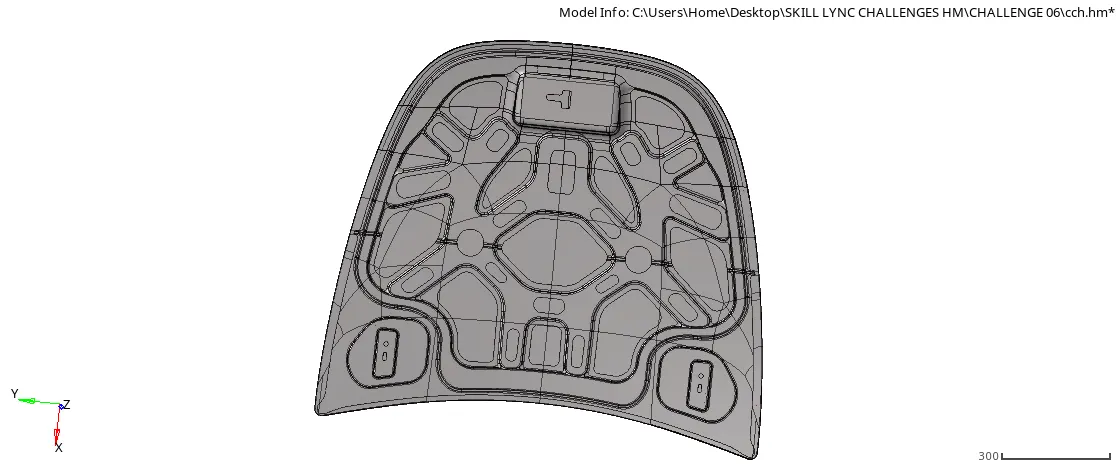
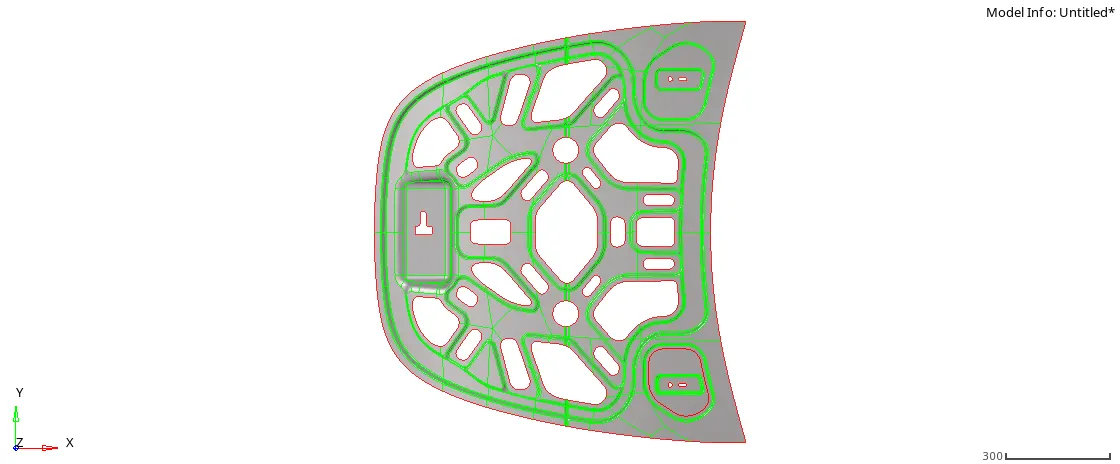
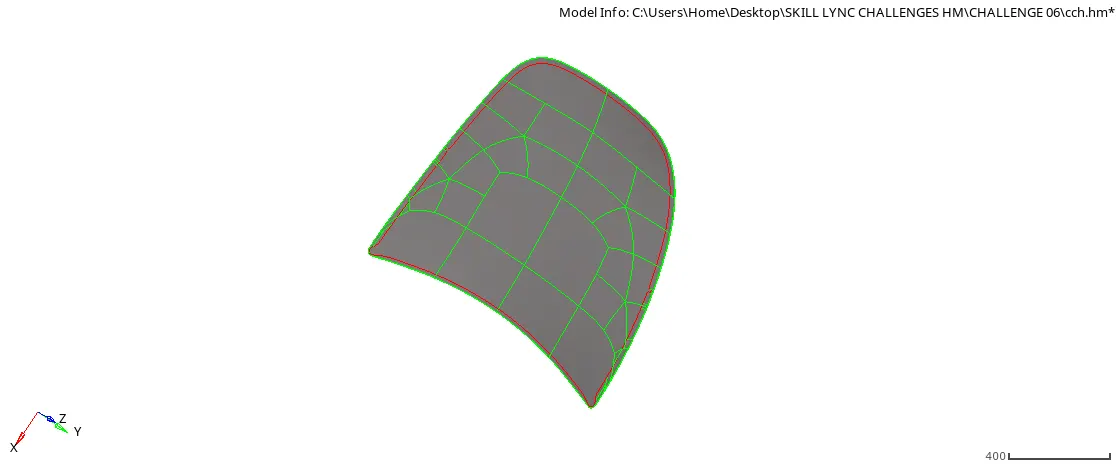
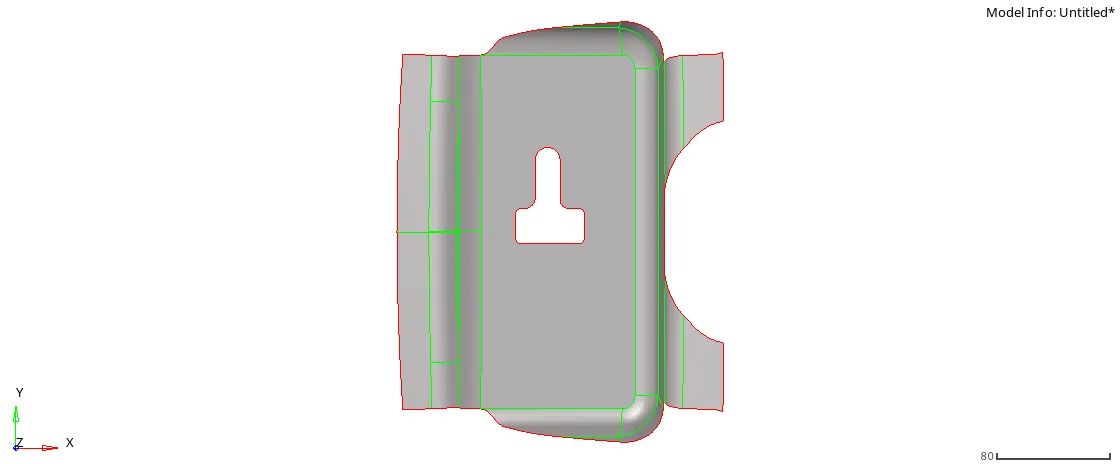
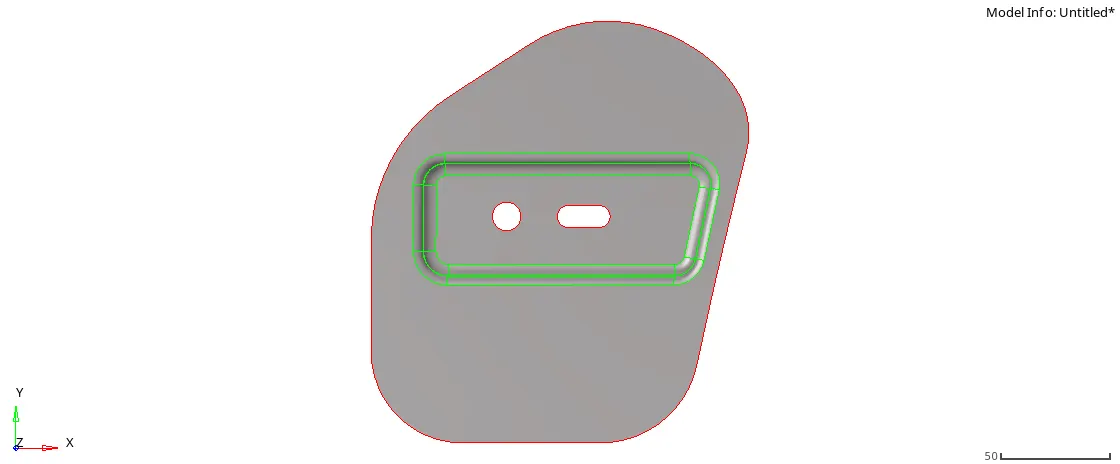
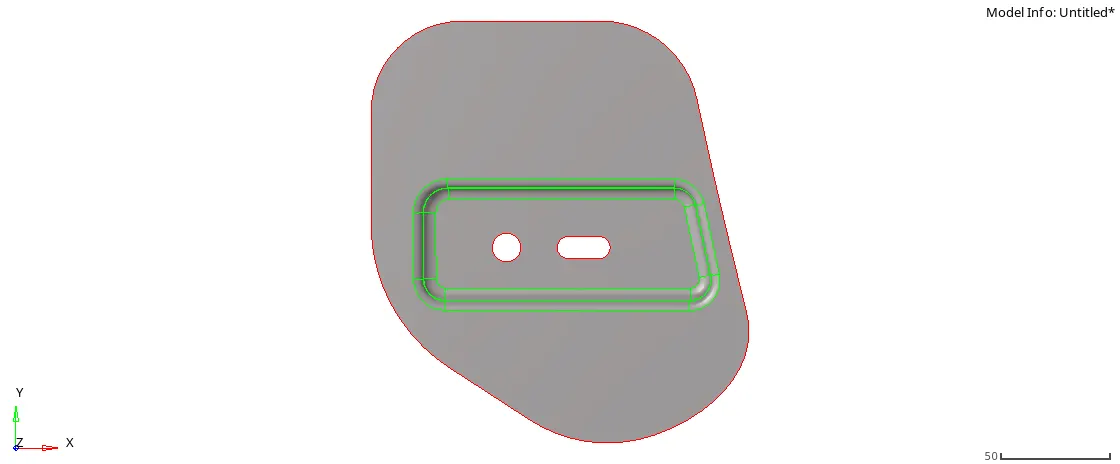
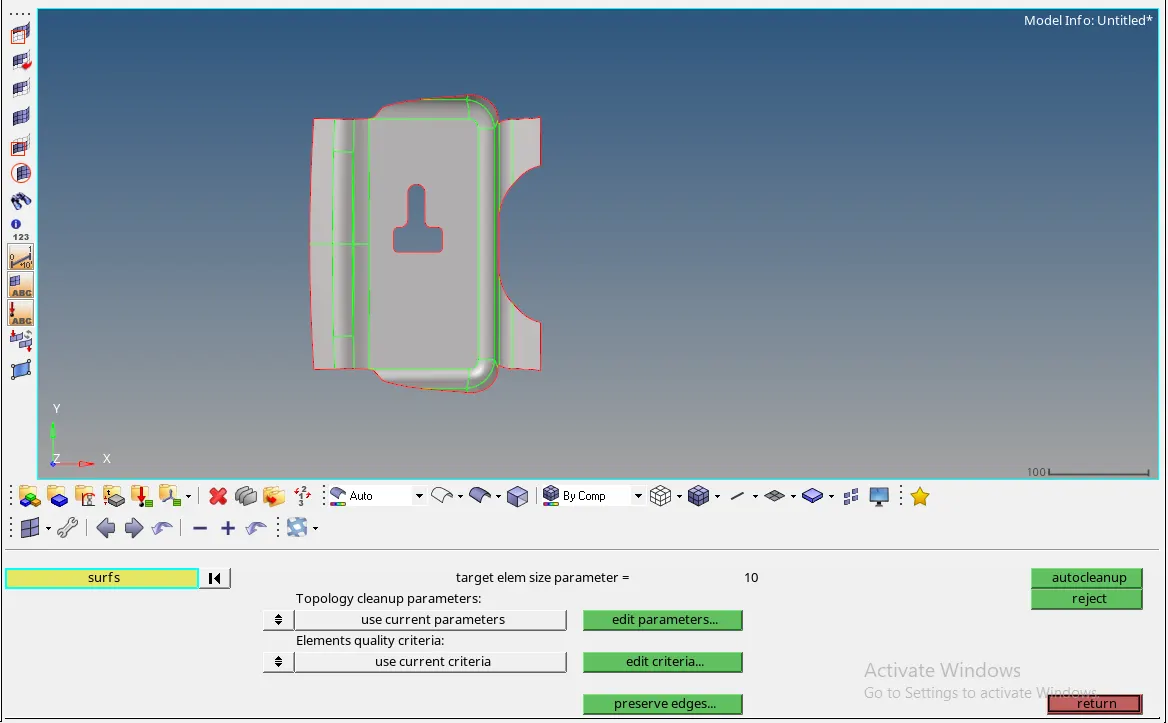

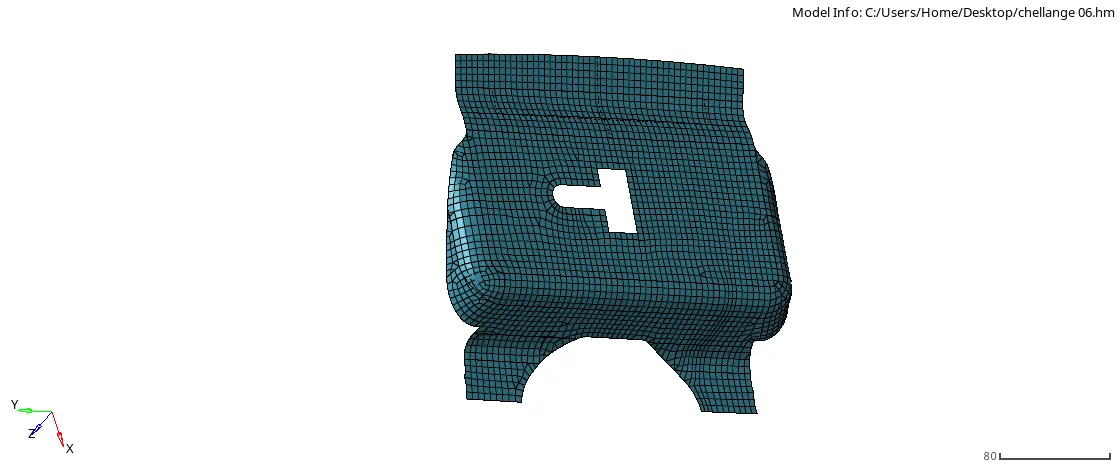
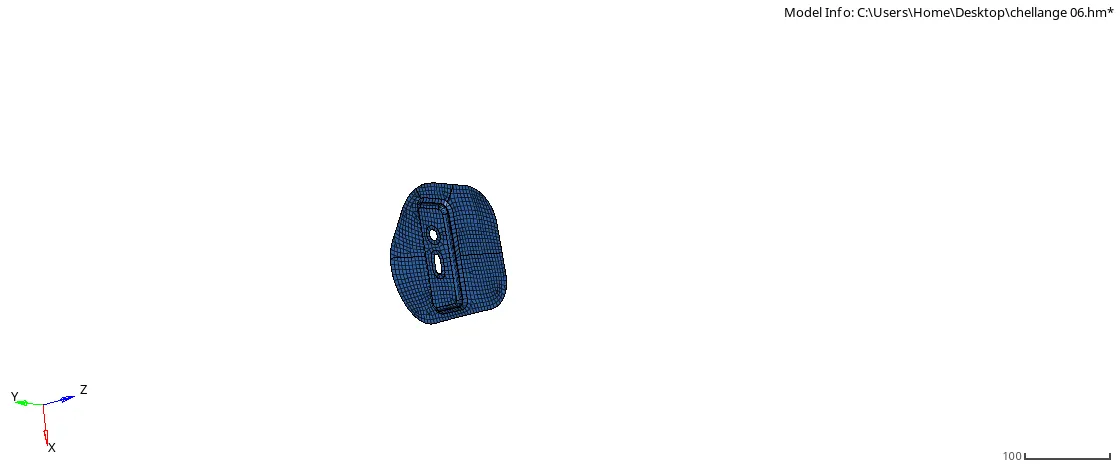
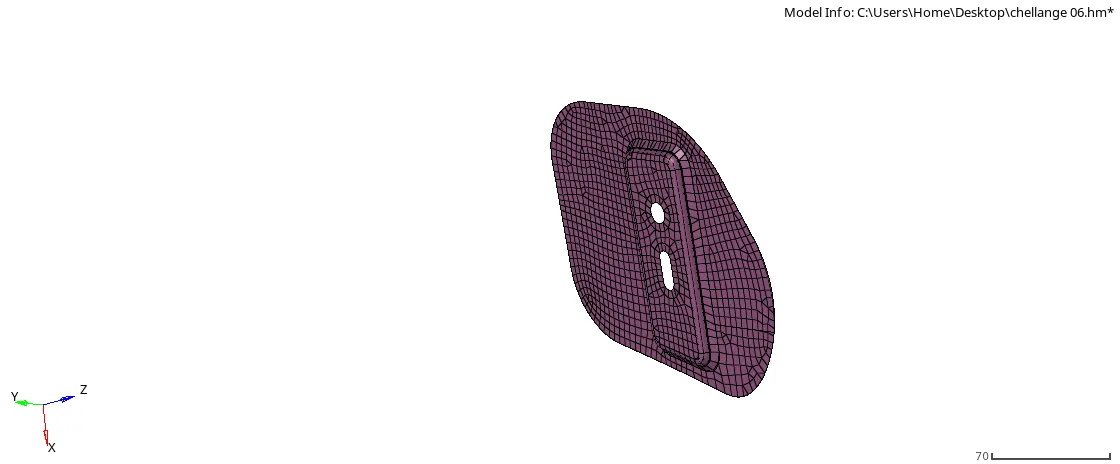
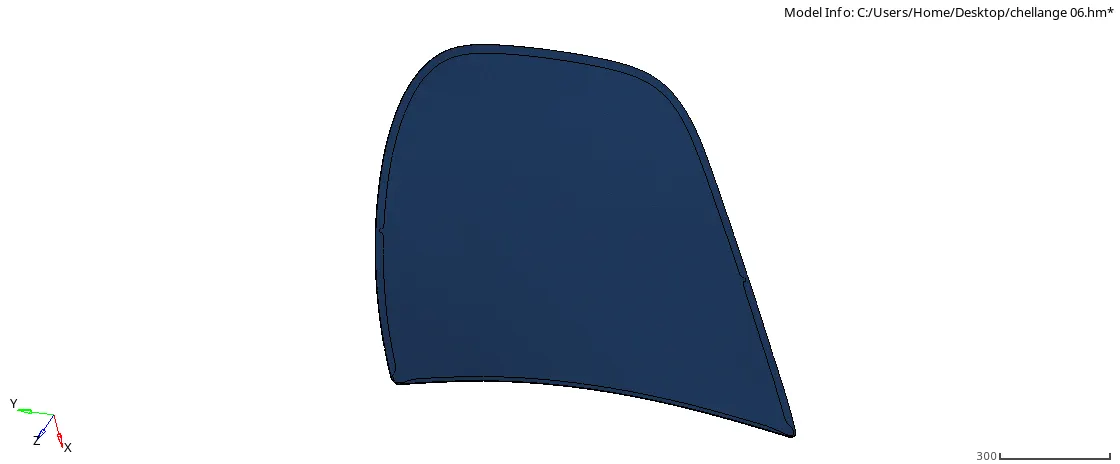
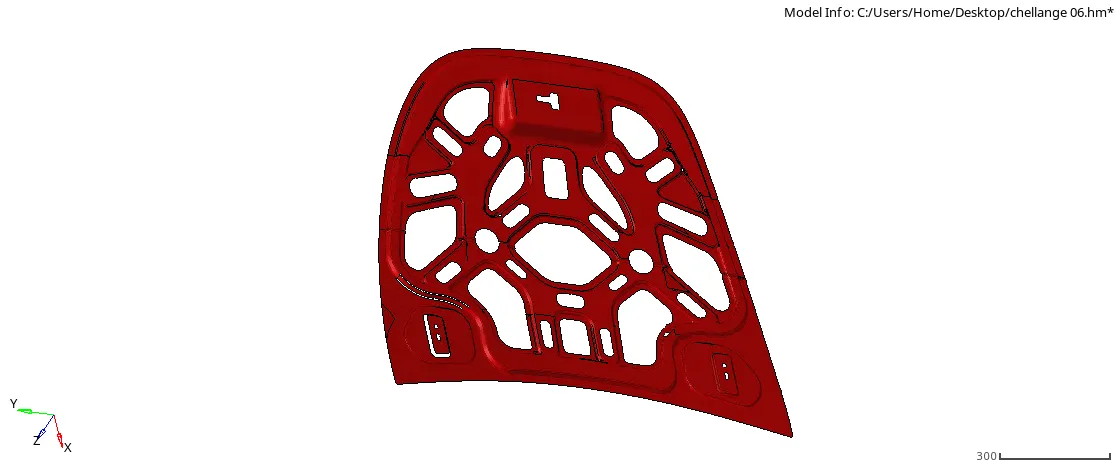
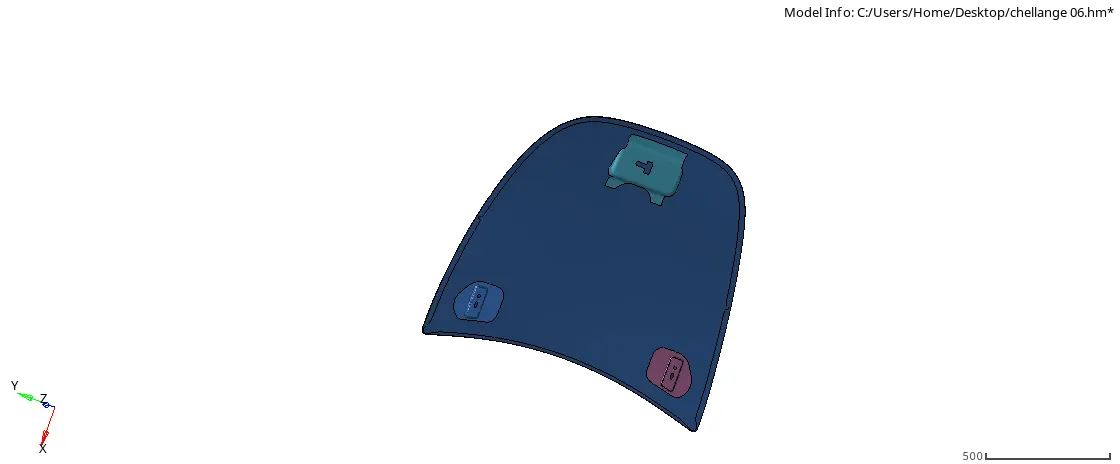
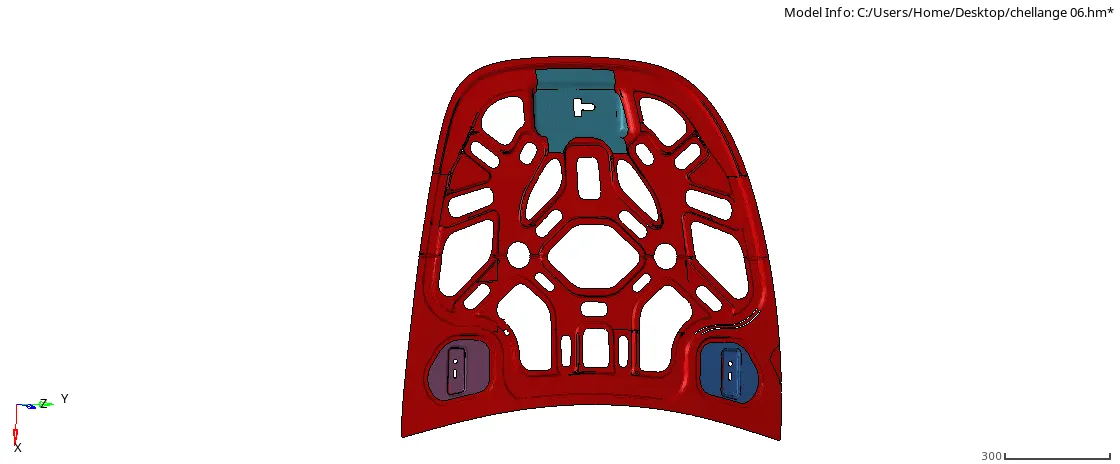
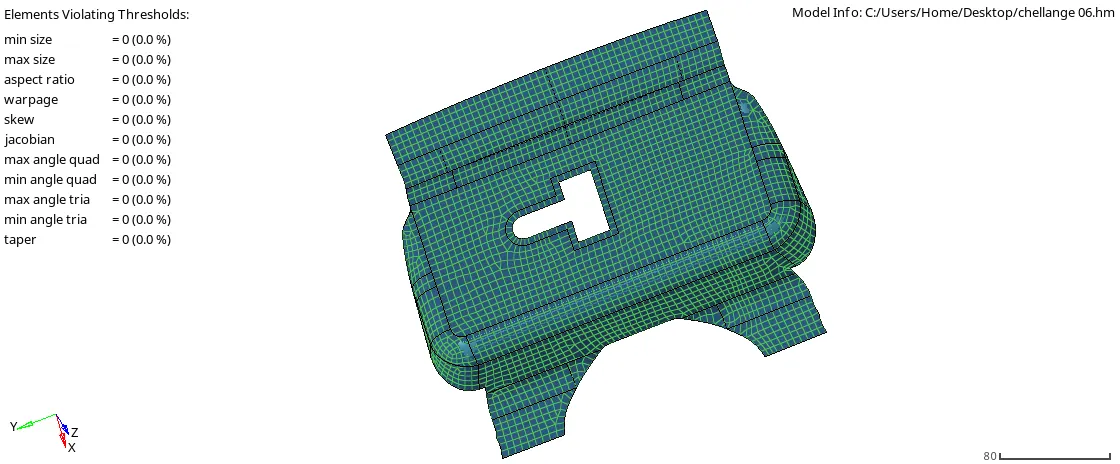
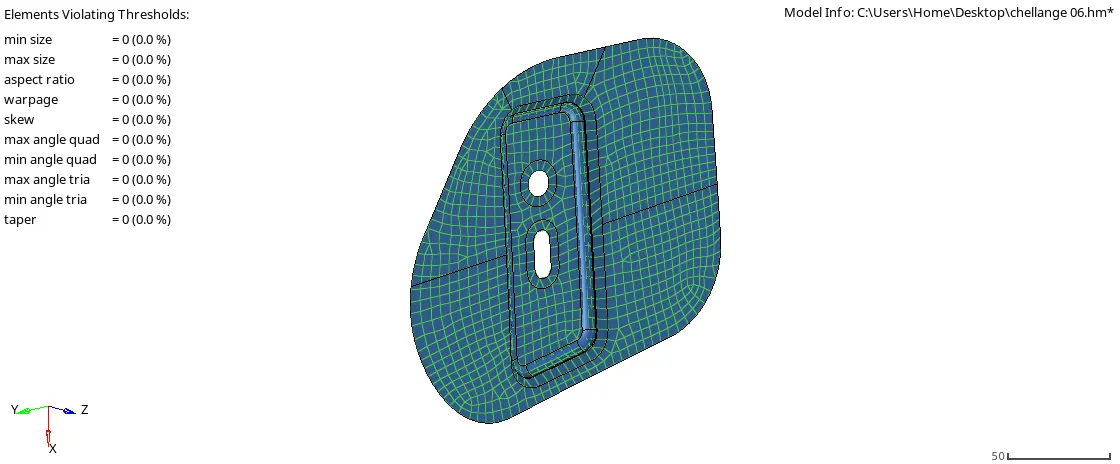
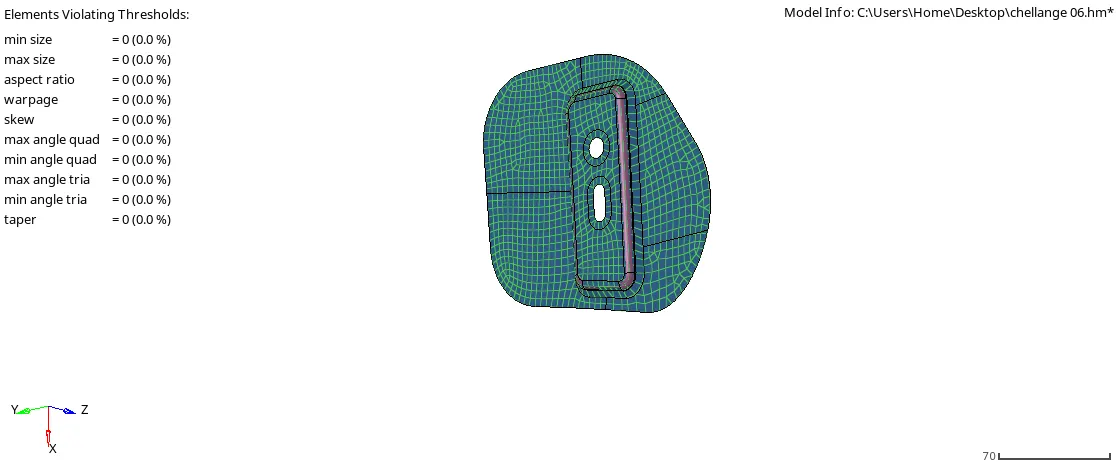
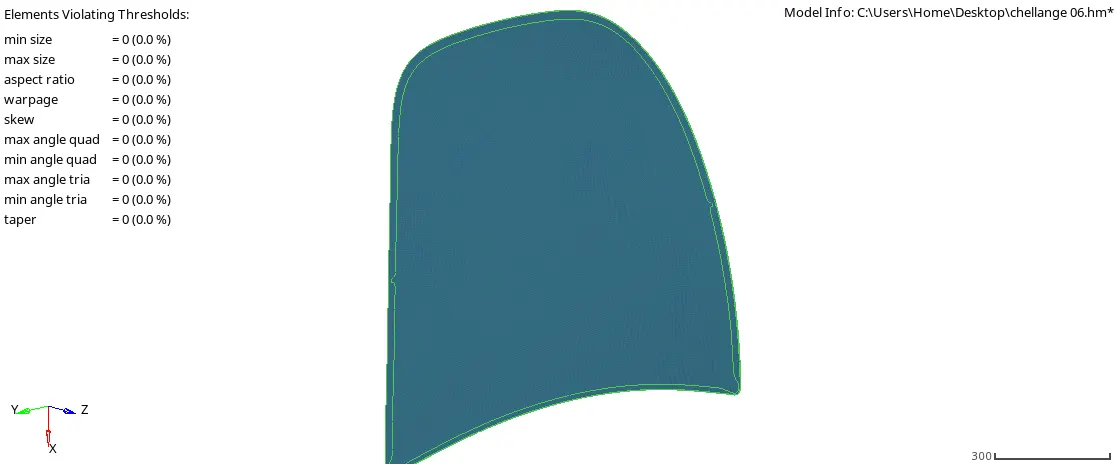
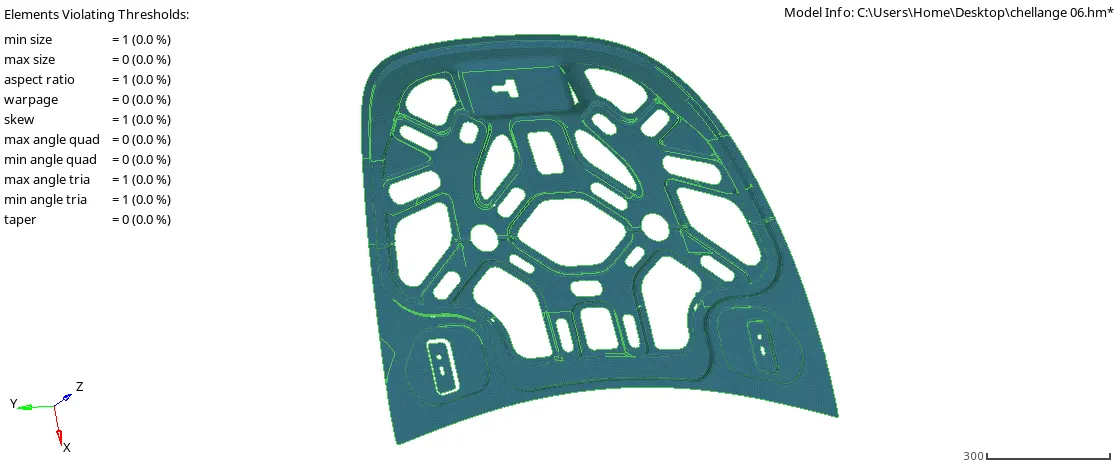
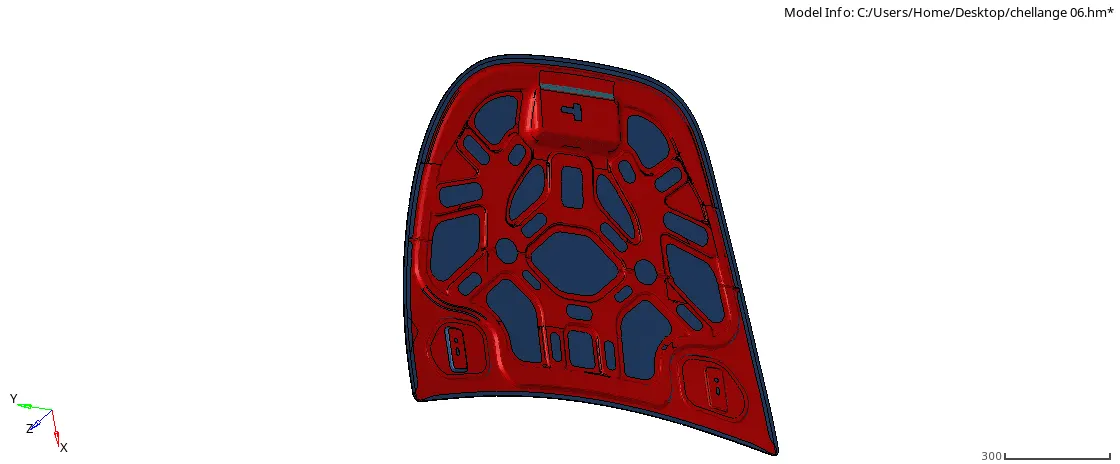
- COMMAND: GEO- MID-SURFACE- SURFACE -EXTRACT
- COMMAND: GEO-AUTO CLEANUP-SURFACE-SIZE PARAMETER,
- COMMAND: 2D-AUTOMESH-ELEMENT SIZE (5MM) -MIXED- SELECT SURFACE,
- COMMAND: 2D-QUALITY INDEX,
- COMMAND: 2D-ELEMENT CLEAN-UP.
- CHECK ELEMENTS,
- EDGES,
- NORMALS,
- DEPENDANCY,
- PENETRATION.
- The geometry clean-up carried out for all of the components of engine hood.
- Mid-surface was extracted for all components seperately.
- Materials and properties are assignes for all components.
- Thickenss assigned for all components.
- Meshing completed for all components with given quality criteria.