Week 4:- Pin Unit Design Challenge
1. Design 2 Different types of Fixed Pin Unit with Different Pins, Riser, Blade, and Block:-
ANS:- While designing a fix pin unit we have to consider various factors like perfect mating of pin with hole, distance of other components from the panel, feasibility of design in manufacturing and assembly,etc. There must be at least 10 mm gap from panel to other parts except pin. There should be 2 way shimming so that we can adjust position in 2 ways of pin. Proper bolts are to be use for fastening purpose. Two dovel holes must be there for a pair of mating parts. Considerations while designing pin, riser, blade and block as follows:-
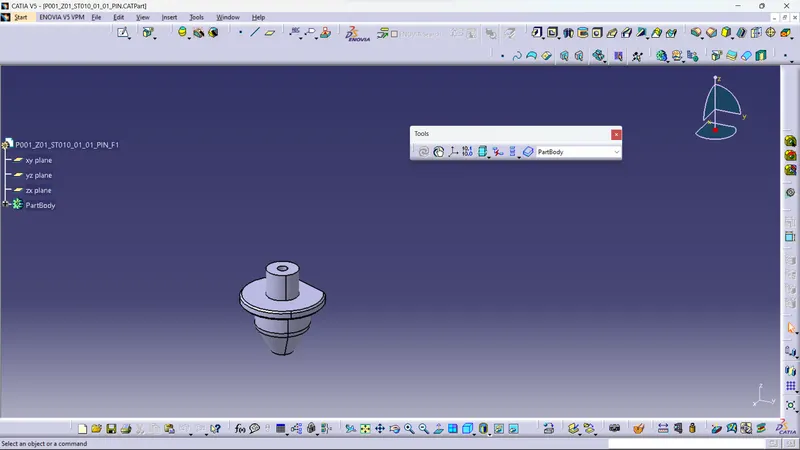
1. Pin:- Pin should be made from hard material like C45, EN31. It must be hardened up to 55 to 60 and surface finish will be black oxide, Chrome plating or zinc plating. It should have step machine surface for arresting rotational movement. It should have grinding surface over the shaft which is going to fit in the pin retainer. The mounting surface of the pin should be machined. It should have fastening provision like bolt from the lower side that is through shaft. Particularly we use M6 bolt.
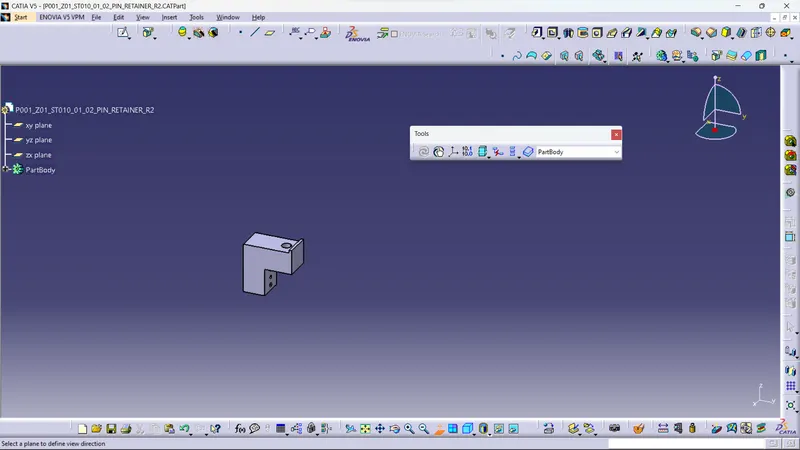
2. Pin retainer:- Pin retainer should hold pin and arrest its rotational movement. It can be either make part or standard part. Pin mounting surface must be fined machine finished. It should have step to lock the rotational movement of the pin. It is fixed to the L block and shimming is provided in between. Pin retainer at least have 2 dovel holes and one screw hole for fastening purpose.
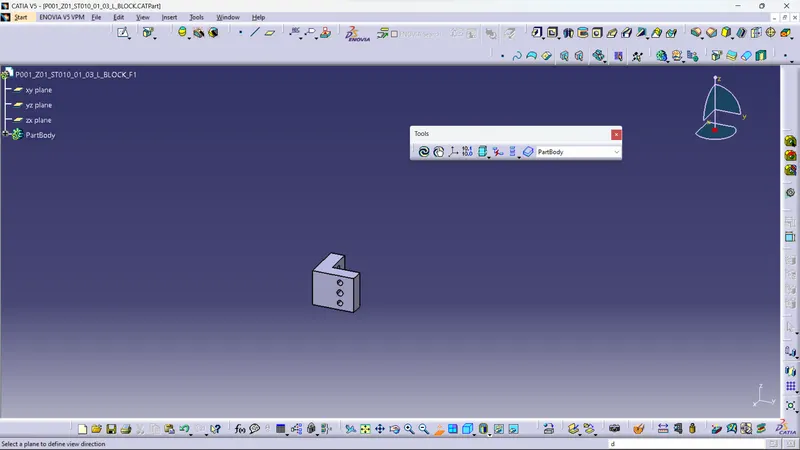
3. L-block:- L block is provided for shimming purpose. It is used for 2 way adjustment of pin locator. It may be either standard part or make part. On one side pin retainer is attached and on other side blade or directly riser is to be attached. So it requires dovel holes and screw holes for fastening. We have to take care of proper distance of bolt from the edge. It must be at least 10 mm. While distance between 2 dovels should be 30 mm.
4. Blade:- Blade is like a simple flat plate part. It is used to connect other assembly of locator to riser. It is either a make part or standard part. shimming is provided on one side of the blade. it is a simple part in design.
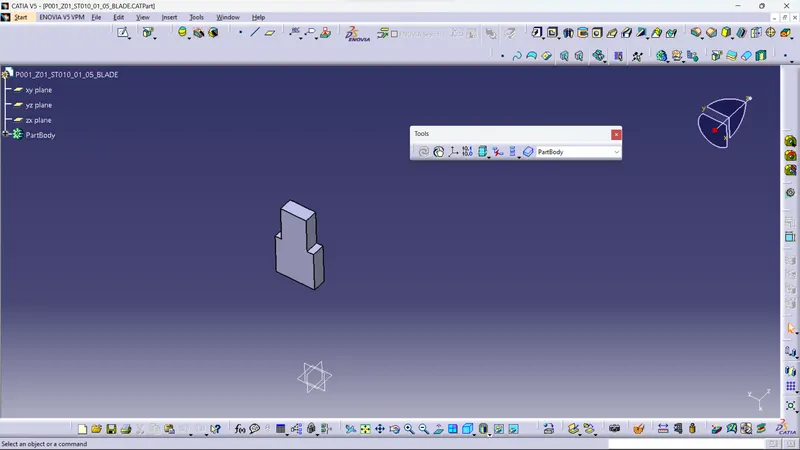
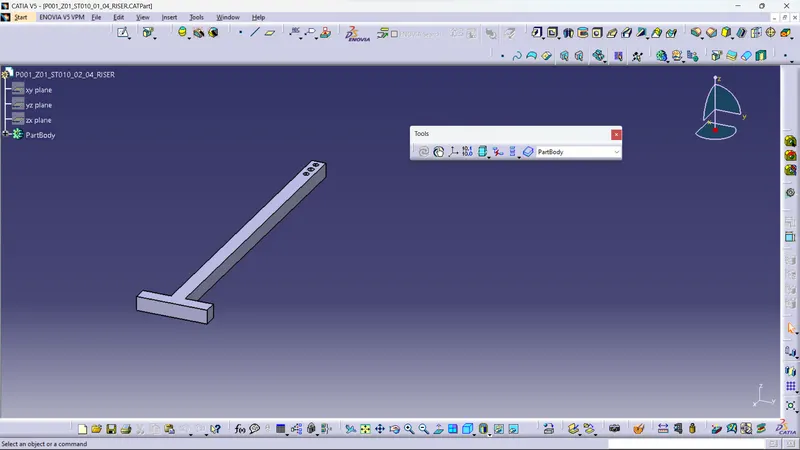
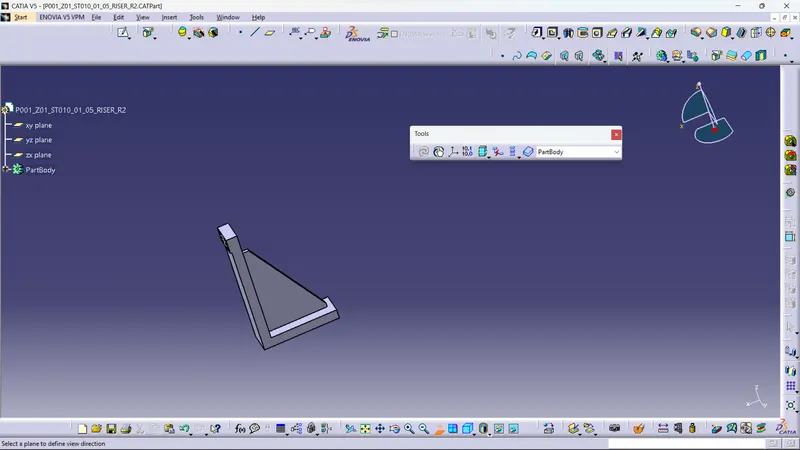
5. Riser:- Riser is used to maintain the height of locator from base plate. It is attached to the blade to hold the other assemblies. It may be either standard part or make part. We can make either T riser or L type of riser with rib depending upon the height have to be maintained for the pin. If height is more than 500 mm we must use l type of riser with rib.
2. Design 2 Different types of Retractable Pin Unit with Different Pins, Riser, Blade, Cylinder, and Block.
ANS:- While designing a retractable pin unit we have to consider various factors like perfect mating of pin with hole while advancement of cylinder, distance of other components from the panel, feasibility of design in manufacturing and assembly,etc. There must be at least 10 mm gap from panel to other parts except pin. Pin must not touch other part except hole. There should be 2 way shimming so that we can adjust position in 2 ways of pin. Proper bolts are to be use for fastening purpose. Two dovel holes and a screw hole must be there for a pair of mating parts. Considerations while designing pin, riser, blade and block as follows:-
1. Pin:- Pin should be made from hard material like C45, EN31. It must be hardened up to 55 to 60 and surface finish will be black oxide, Chrome plating or zinc plating. It should have step machine surface for arresting rotational movement. It should have grinding surface over the shaft which is going to fit in the pin retainer. The mounting surface of the pin should be machined. It should have fastening provision like bolt from the lower side that is through shaft. Particularly we use M6 bolt.
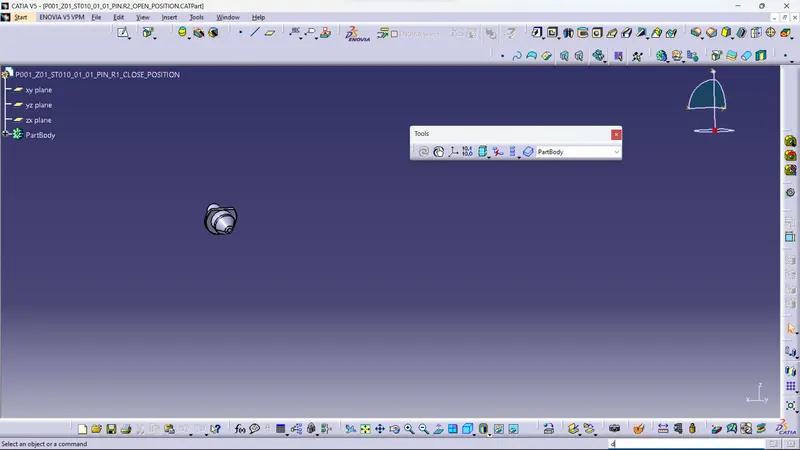
2. Pin retainer:- Pin retainer should hold pin and arrest its rotational movement. It can be either make part or standard part. Pin mounting surface must be fined machine finished. It should have step to lock the rotational movement of the pin. It is fixed to the L block and shimming is provided in between. Pin retainer at least have 2 dovel holes and one screw hole for fastening purpose.
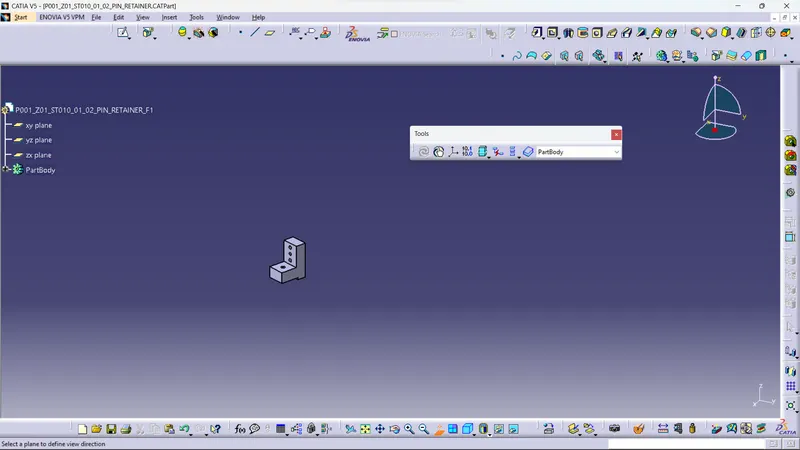
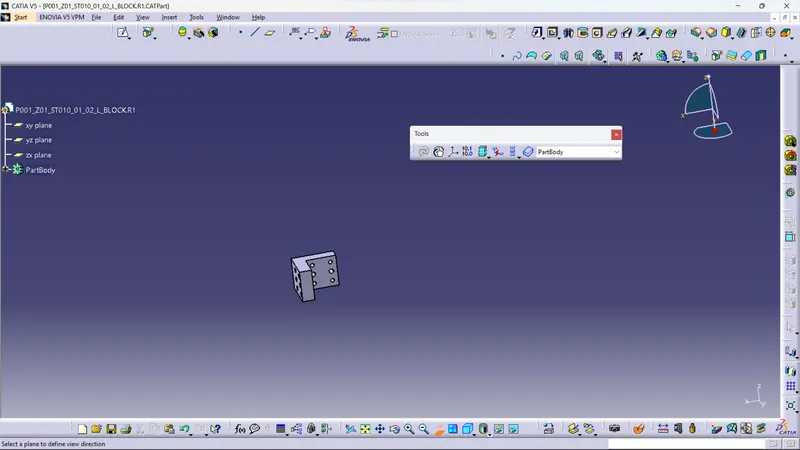
3. L-block:- L block is provided for shimming purpose. It is used for 2 way adjustment of pin locator. It may be either standard part or make part. On one side pin retainer is attached and on other side cylinder or one side cylinder and other side blade. So it requires dovel holes and screw holes for fastening. We have to take care of proper distance of bolt from the edge. It must be at least 10 mm. While distance between 2 dovels should be 30 mm.
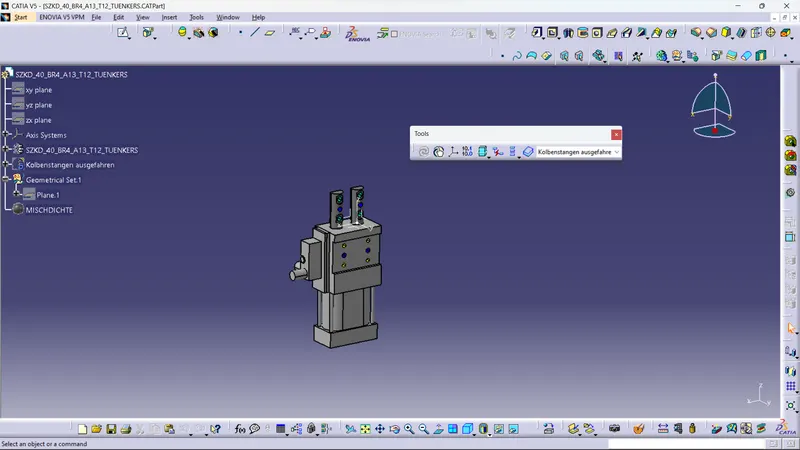
4. Cylinder:- It is standard part. It is either attched to pin directly or can be attached after L-block. There are many type of cylinders. Depending upon stroke size required or space considerations we can choose specific riser.
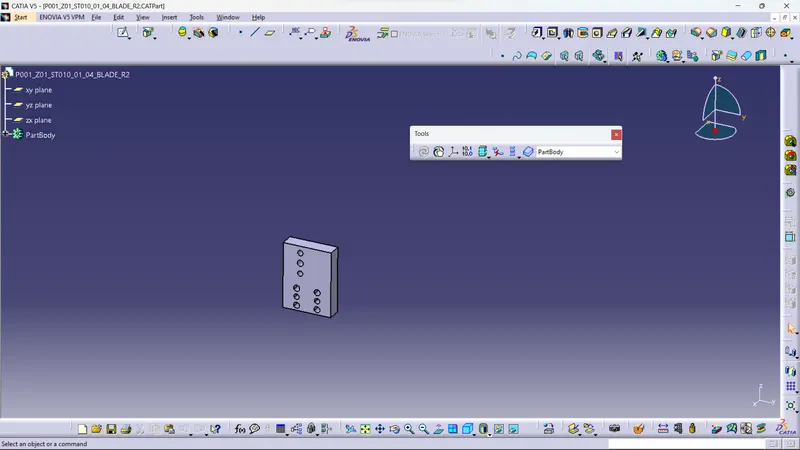
5. Blade:- Blade is like a simple flat plate part. It is used to connect other assembly of locator to riser. It is either a make part or standard part. shimming is provided on one side of the blade or it is directly attched to cylinder. It is a simple part in design.
6. Riser:- Riser is used to maintain the height of locator from base plate. It is attached to the blade to hold the other assemblies. It may be either standard part or make part. We can make either T riser or L type of riser with rib depending upon the height have to be maintained for the pin. If height is more than 500 mm we must use l type of riser with rib.