Week 4 - CHT Analysis on Exhaust port
Aim: Conjuagte heat transfer (CHT) analysis of exhaust port.
Therory:
Conjuagate heat transfer reffers to combination of heat transfer in solids and fluids due to themal interactions between solid and fluid. In solids conduction often dominates whereas in case of liquids convection dominates. Conjugate heat transfer is observed in many situations. For example, heat sinks are optimized to combine heat transfer by conduction in the heat sink with the convection in the surrounding fluid, shell and tube heat exchanger, water cooler etc.
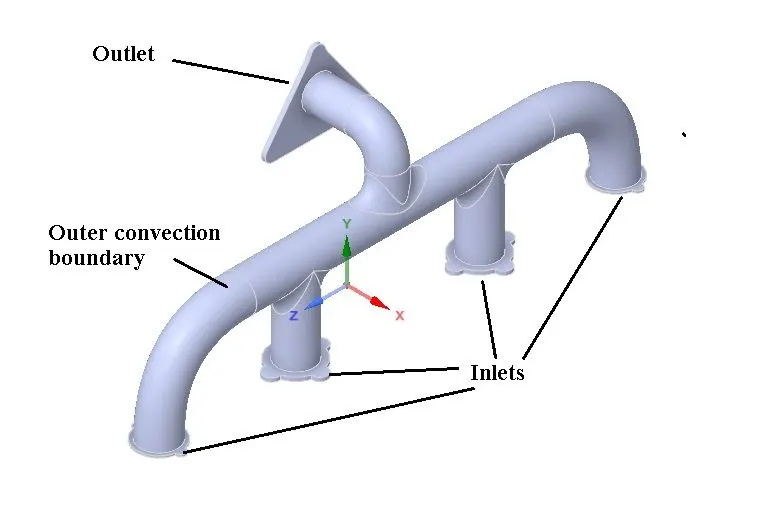
In the current project CHT analysis of exhaust port is carried out which has 4 inlets and single outlet. Model of exhaust port is discussed in next section. Simulation is carried out for baseline mesh and refine mesh.
Model:
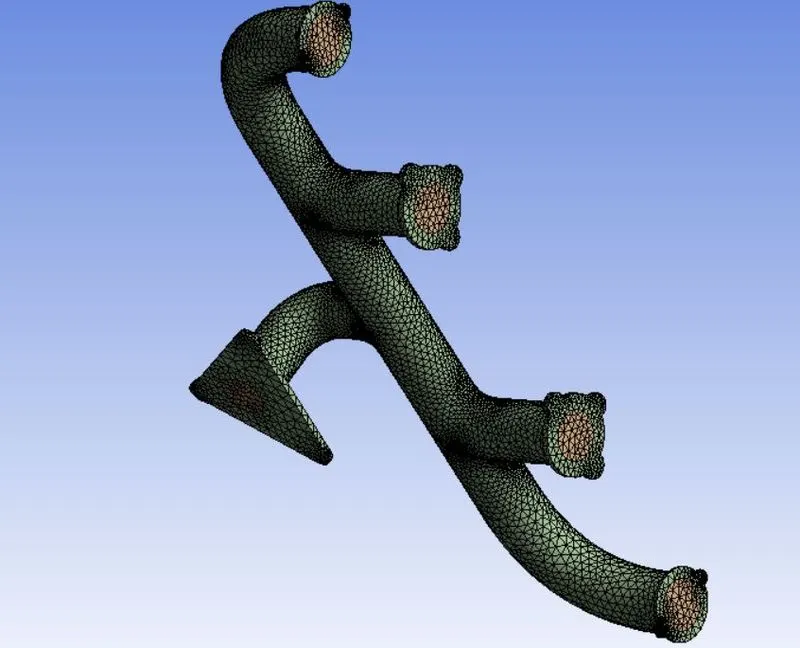
Mesh for baseline simulation:
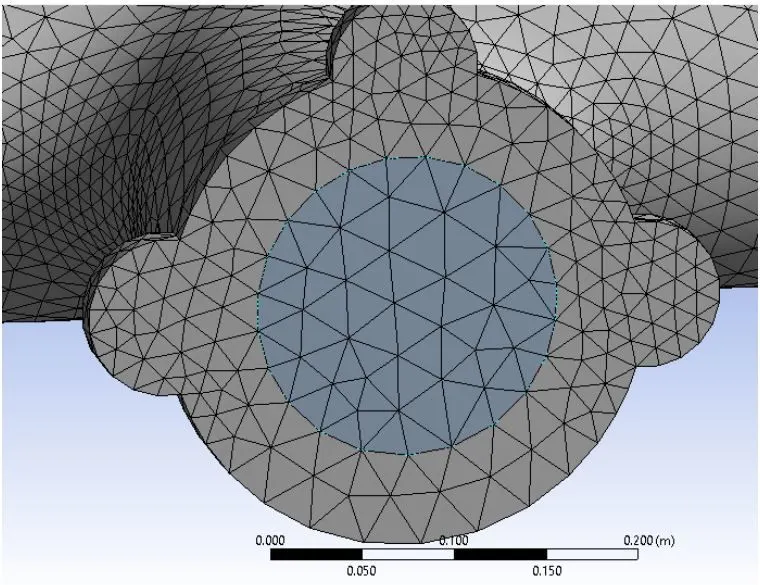
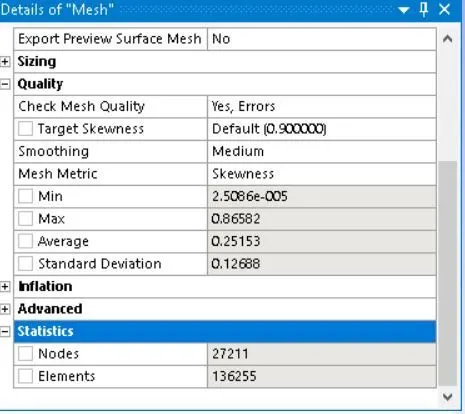
Conformal mesh is used by enabling share topology option in spaceclaim to have transfer of heat from fluid to solid as shown below.
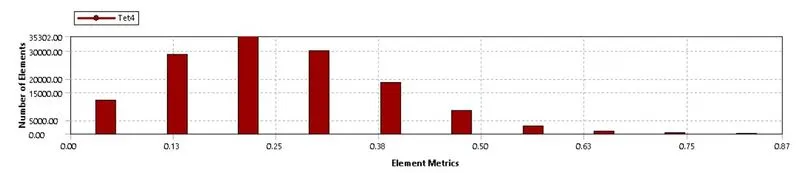
Simulation settings are as follows
1) Steady state simulation with pressure base solver
2) Fluid material is Air and solid material is Aluminium
3) Boundary conditions (BC)
a) Inlet: Velocity inlet with 5 m/s velocity and temperature on incoming stream is 700 K.
b) Outlet : Pressure outlet
c) Outer convection boundary: Convection BC with convective HTC = 20 w/m^2.k and fluid stream tempearute 20 degree celcius.
4) Turbulance model used k-omega
Baseline simulation results
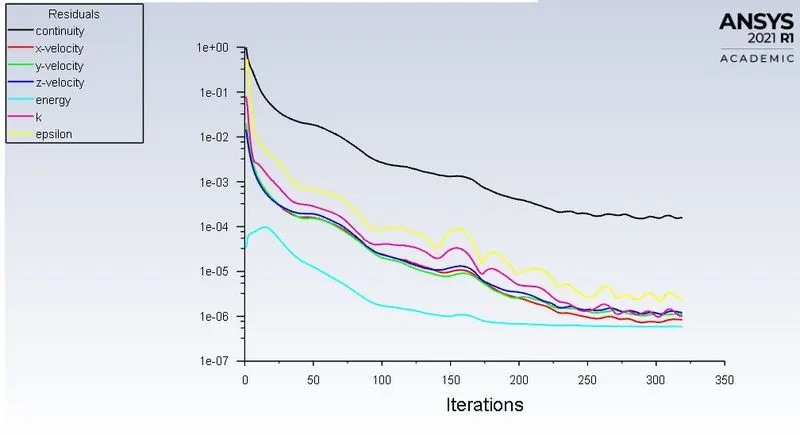
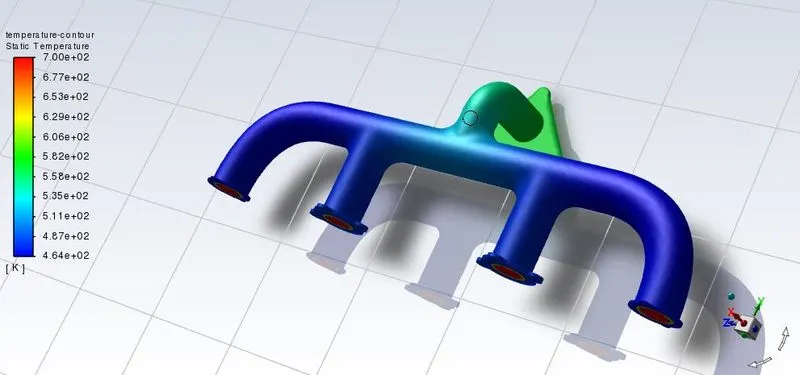
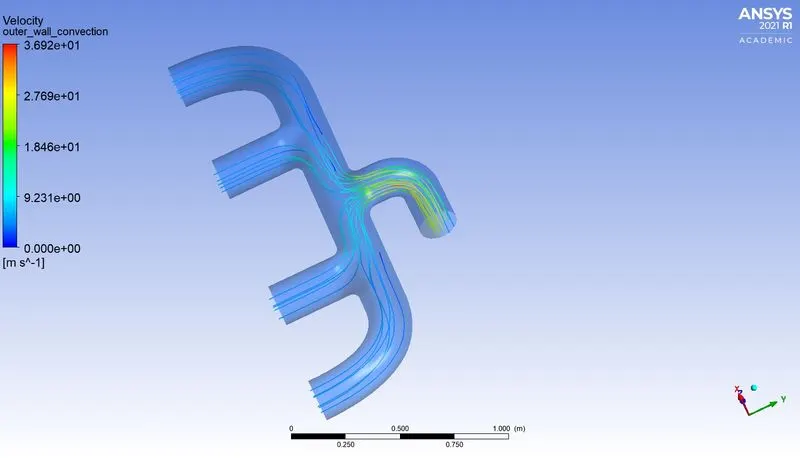
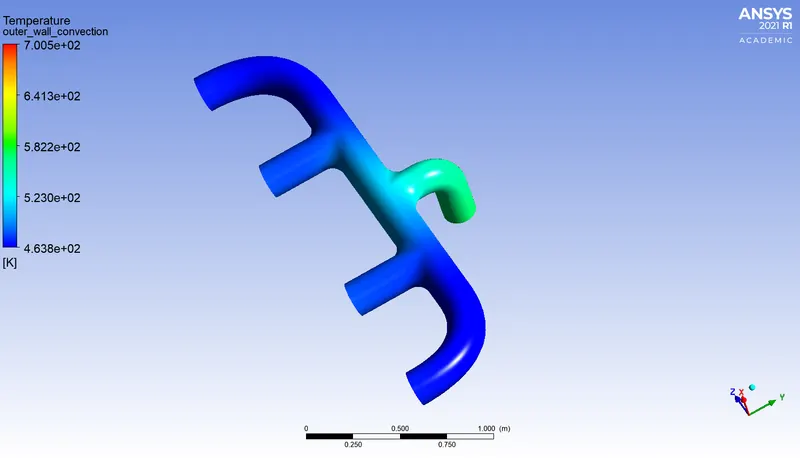
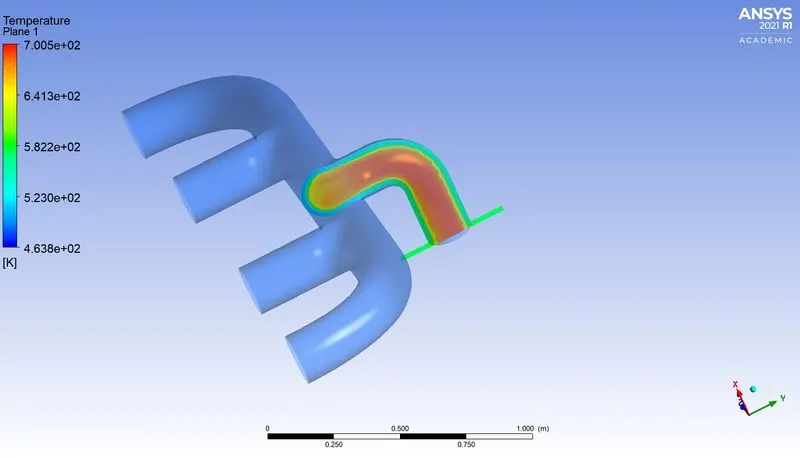
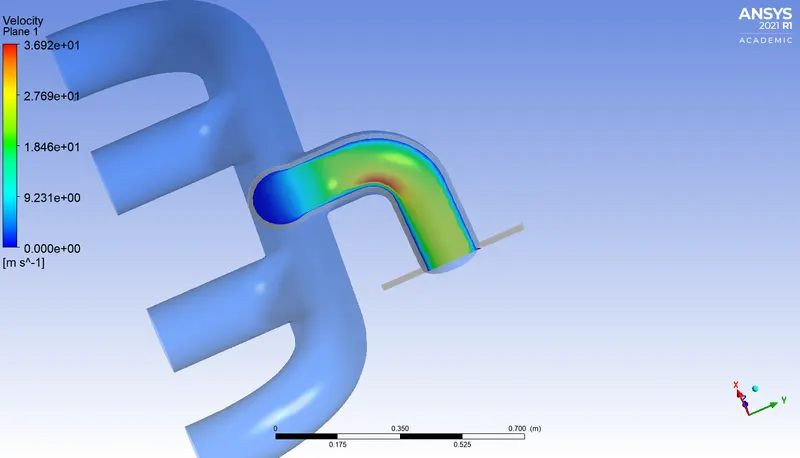
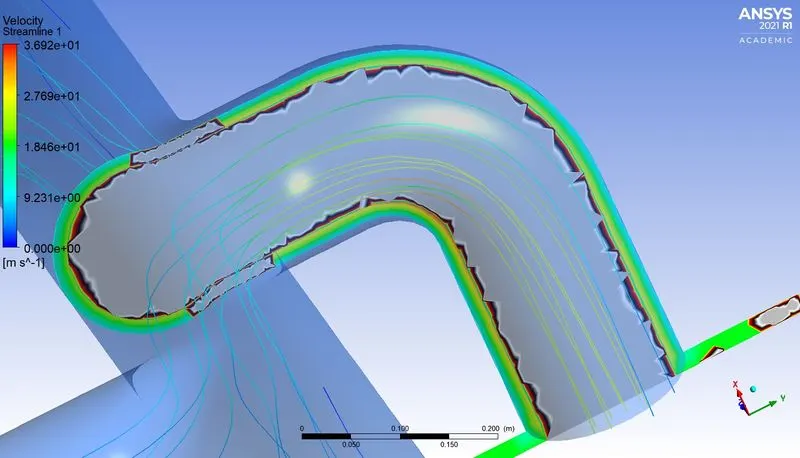
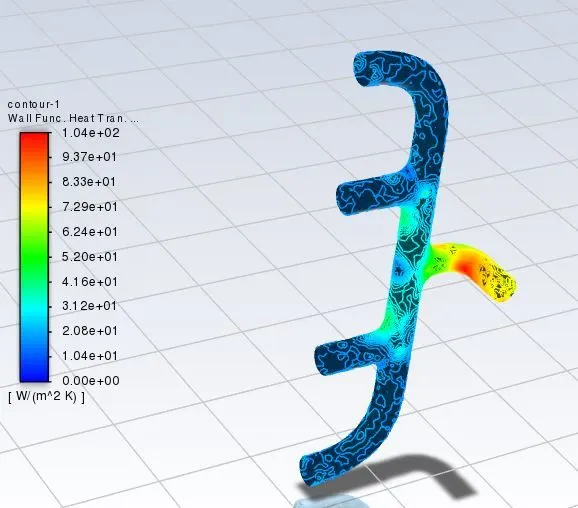
From above results it is observed that,
1) Maximum heat transfer coeficient (HTC) obtained is 104 W/m^2.K.
2) Maximum HTC iss obatined at outlet pipe at 90 degree bend, this is because at this section velocity is more due to mass conservation condition. Due to this Reynolds no. increses and as HTC is directly proportional to Reynolds no., HTC incresase.
Simulation with refined mesh
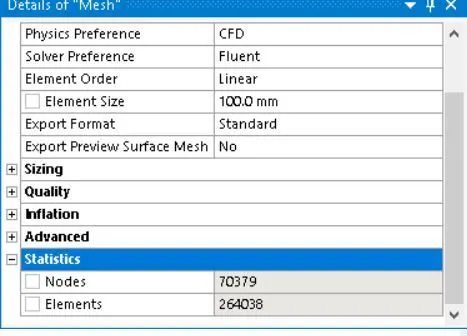
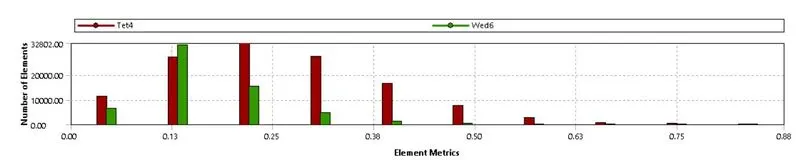
Mesh
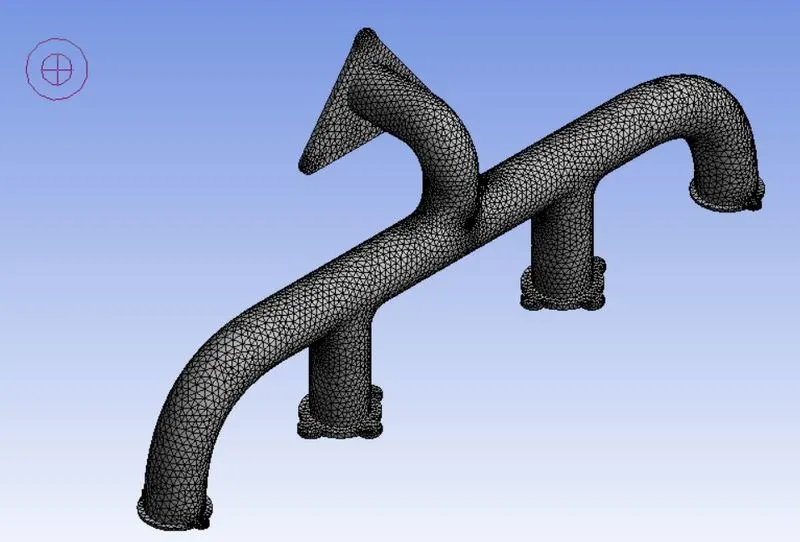
Inflation layers are added to fluid volume.
Simulation settings are as follows
1) Steady state simulation with pressure base solver
2) Fluid material is Air and solid material is Aluminium
3) Boundary conditions (BC)
a) Inlet: Velocity inlet with 5 m/s velocity and temperature on incoming stream is 700 K.
b) Outlet : Pressure outlet
c) Outer convection boundary: Convection BC with convective HTC = 20 w/m^2.k and fluid stream tempearute 20 degree celcius.
4) Turbulance model used is k-Omega
Results:
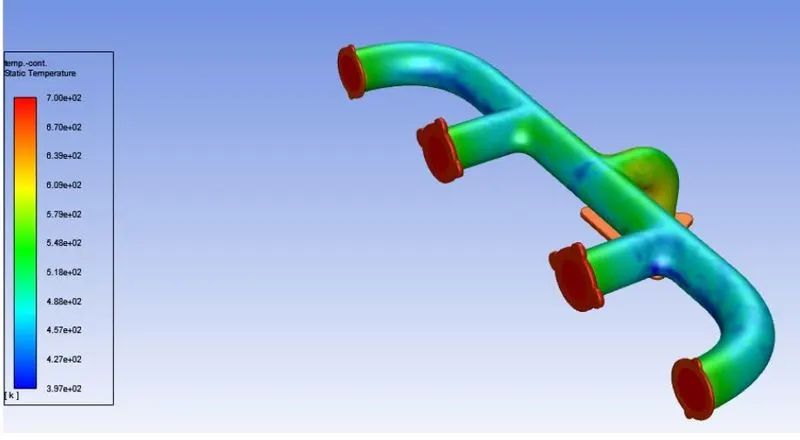
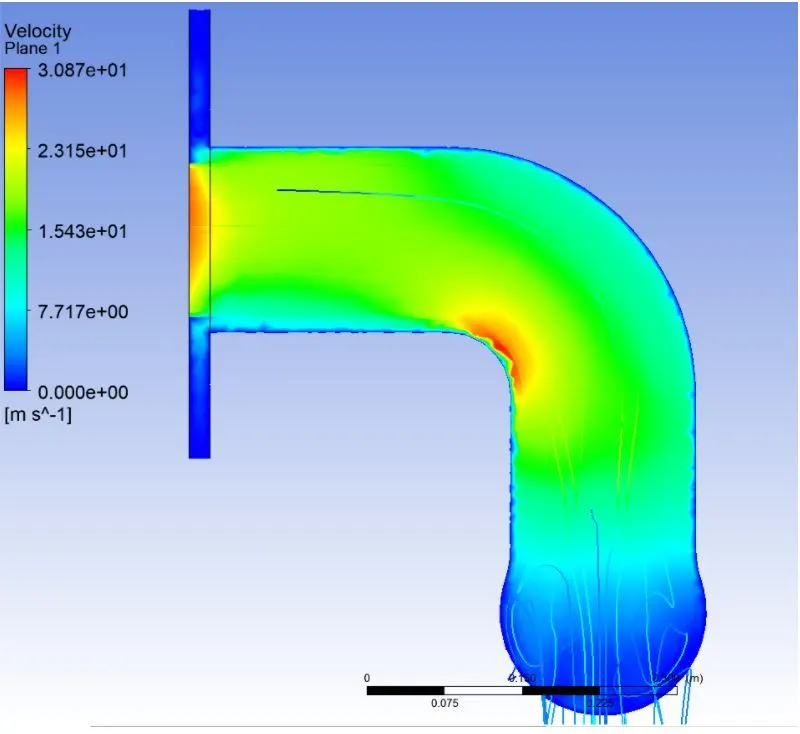
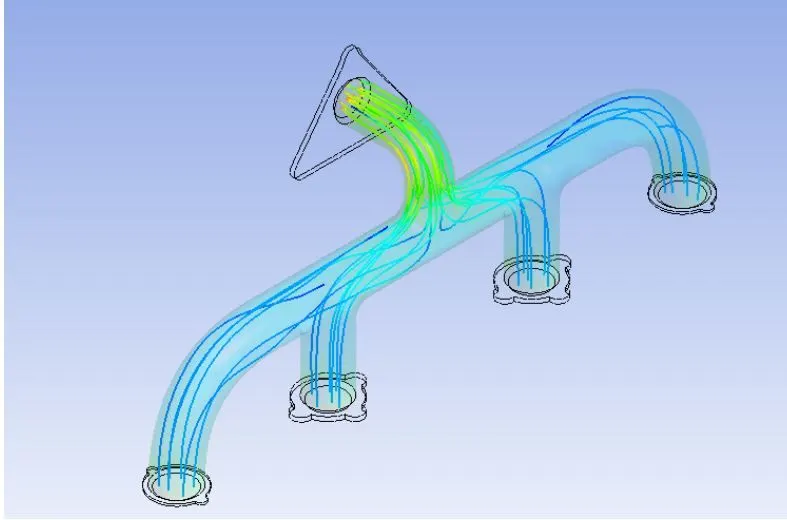
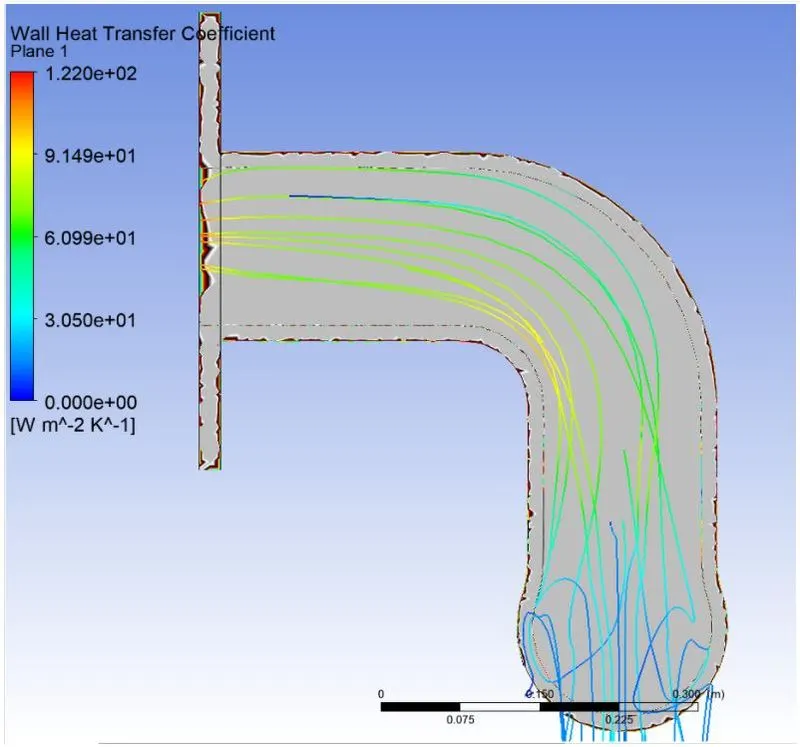
From above results, same trend is observed, temperature, velocity and wall HTC is maximum is at same location, at outlet pipe at 90 degree bend.
Maximum value of wall HTC is 122 w/m^2.k.
Verification of results:
For natural convection, the correlation for to calculate HTC is
`Nu = 0.023 * (Re)^(4/5)* (Pr)^(2/5)`
Where Nu = Nusselt no = (hL/k)
where h = Heat transfer coeficient, L = Characterictic length, K = Thermal conductivity
From Above equation we can say that HTC is diectly proportinal to velocity. Hence we are grtting highest value of HTC in a region where velocity is higher.