Week-4 Challenge WOT Condition Part-2
1.What is the difference between mapped and dynamic model of engine, motor and generator? How can you change model type?
ANS:
MAPPING MODEL:
- it runs simulation from look up table data
- It is also known as static model.
- takes less simulation time due to standard values( saved data).
DYNAMIC MODEL:
- It runs simulation from actual data from motor, generators and its components.
- Takes more simulation time compartively than mapping model.
- More accurate results.
- Results may vary for every simulation.
- Better understanding of components Performance.
By default, the model is in mapped model. To change into dynamic is very simple. Here are the pictures that show how to change the model
GO TO PASSENGER CAR< ELECTRIC PLANT<MOTOR.
MOTOR( mapped/ dynamic model based on selected.)
- right click on the motor block gives the options< varient
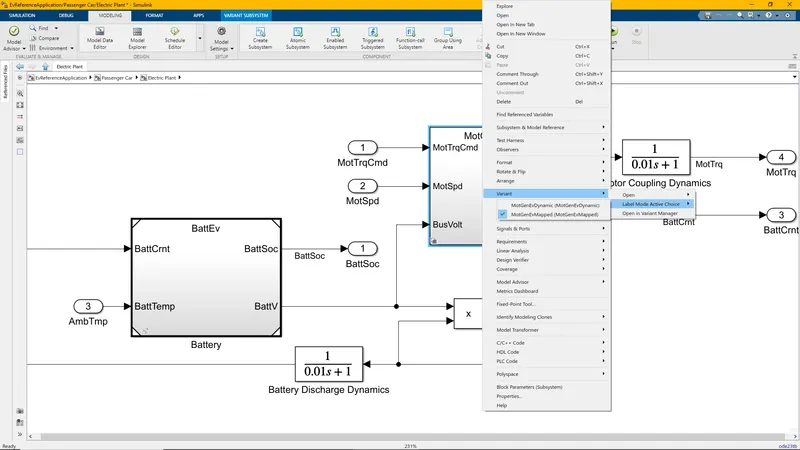
Now open motor block and you will see dynamic midel block enabled.
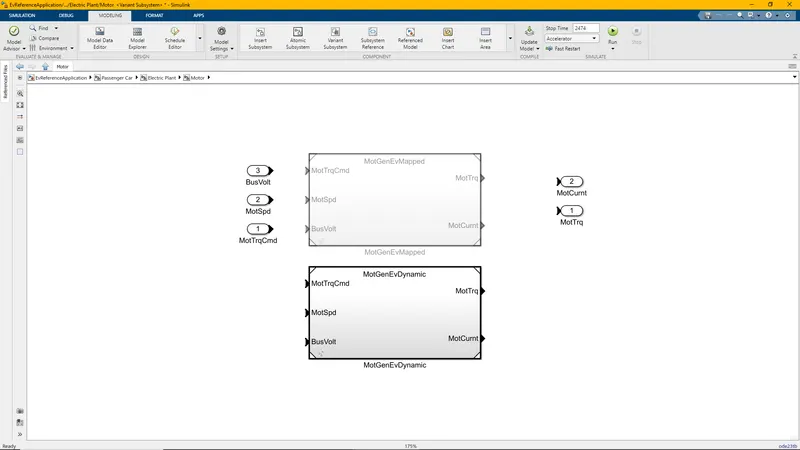
.
2.
How does the model calculate miles per gallon? Which factors are considered to model fuel flow?
ANS: The model calculate miles per gallon using the inputs of vehicle speed, battery capcity and fuel flow. The following figure gives you the idea of calculating MPG in the block diagram.
steps to finding MPG model::VISUALIZATION BLOCK< PERFORMANCE CALCULATIONS.
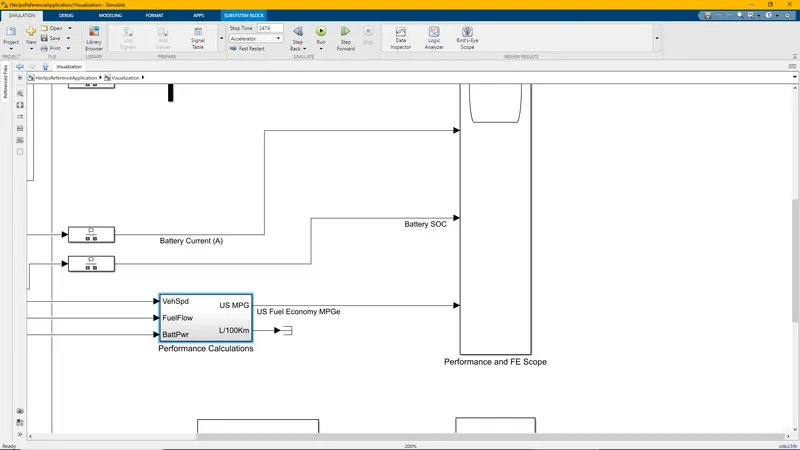
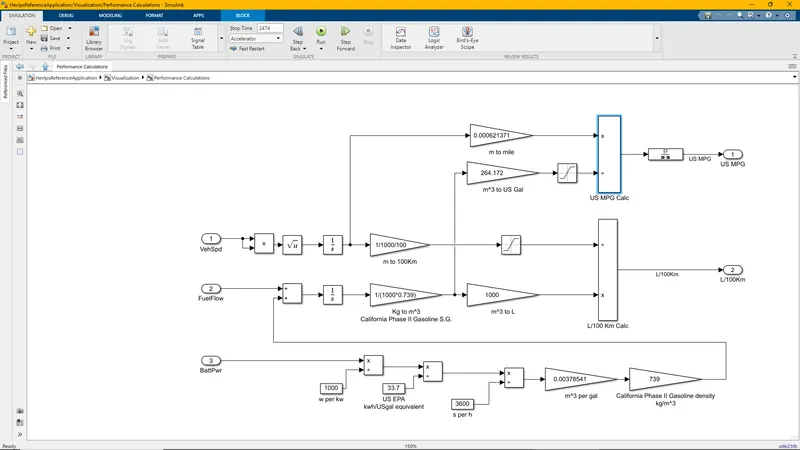
vehicle speed, battery and fuel flow were considered as inputs.
Vehiclespeed is integrated in the block to get distance. where as battery kw is converted into gasoline density(33.7kw = 1 gallion) and it is additive with fuel flow value to liters. The overall result is calculated and shown as miles per gallions.
Factors to be considered the fuel flow:
- Type of fuel
- Emissions flow
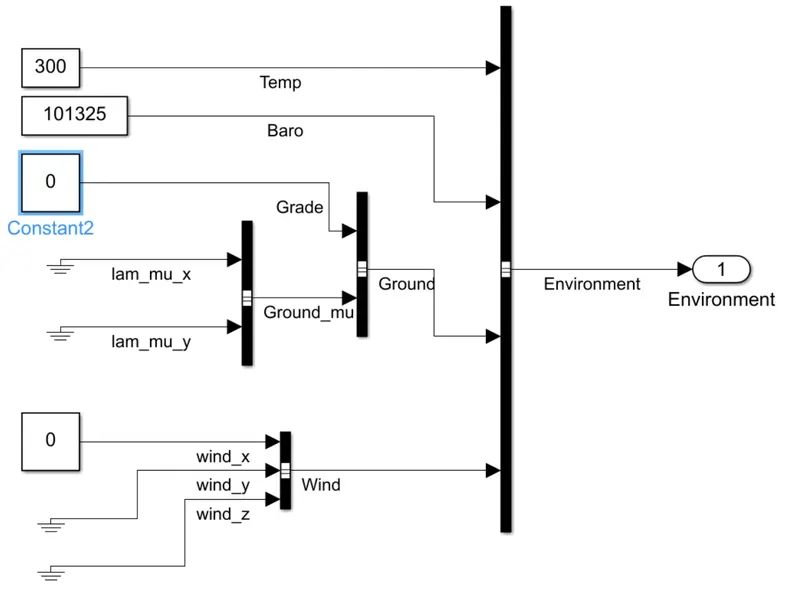
3.Run the HEV ReferenceApplication with WOT drive cycle. Change the grade and wind velocity in the environment block. Comment on the results.
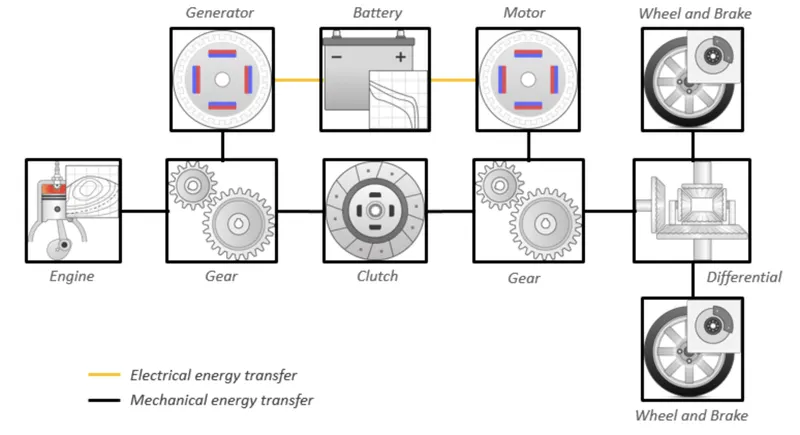
ANS: HEV multimode reference. The diagram shows the power strain configuration of the model.
Given inputs are WOTdrive cycle with custom inputs.
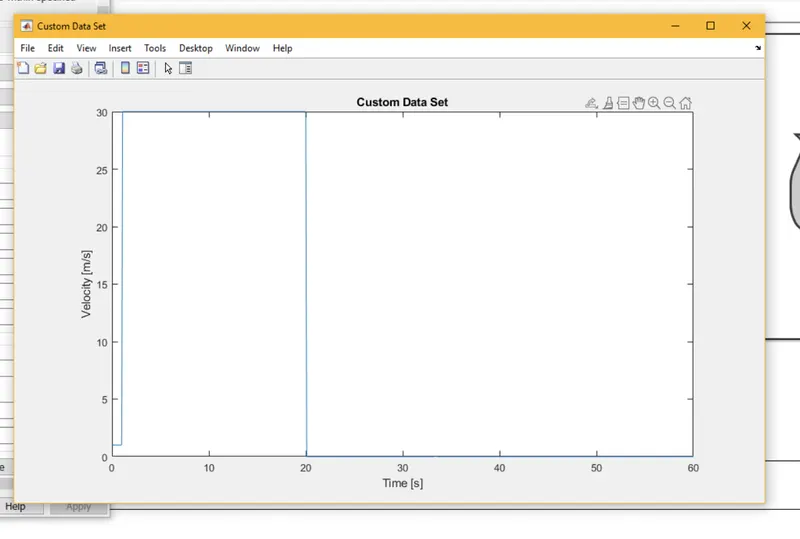
The following plot gives the maximum velocity of 30 m/s (67.108 mph).
BY USING DEFAULTS VALUES ( NO GRADE AND NO WIND) the actual trace velocity reaches 67.108 mph in 12.73 sec. This is due to current limiting from battery to maintain heat loss in the system and sudden discharge of the battery. The results are shown below.
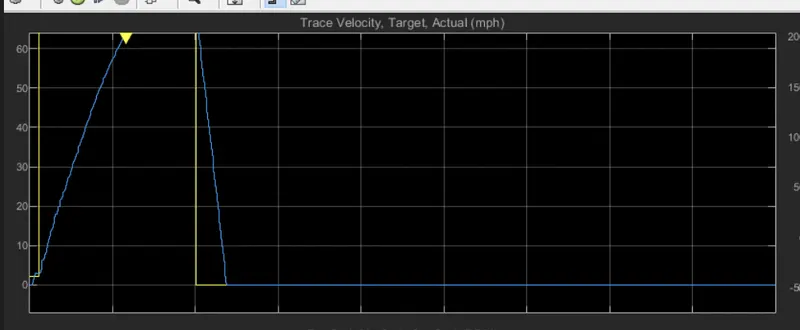
THE YELLOW LINE INDICATES THE DRIVE CYCLE DATA.
THE BLUE LINE INDICATES THE ACTUAL TRACE VELOCITY OF THE TARGET VEHICLE.
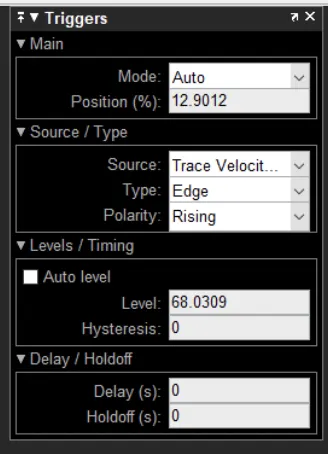 The main position indicates time taken to reach the maximum speed 12.9sec. The level indicates the maximum speed 68.03 miles per hour.
NOW CHANGING THE PARAMETERS ( INCLUDING WIND AND GRADE)
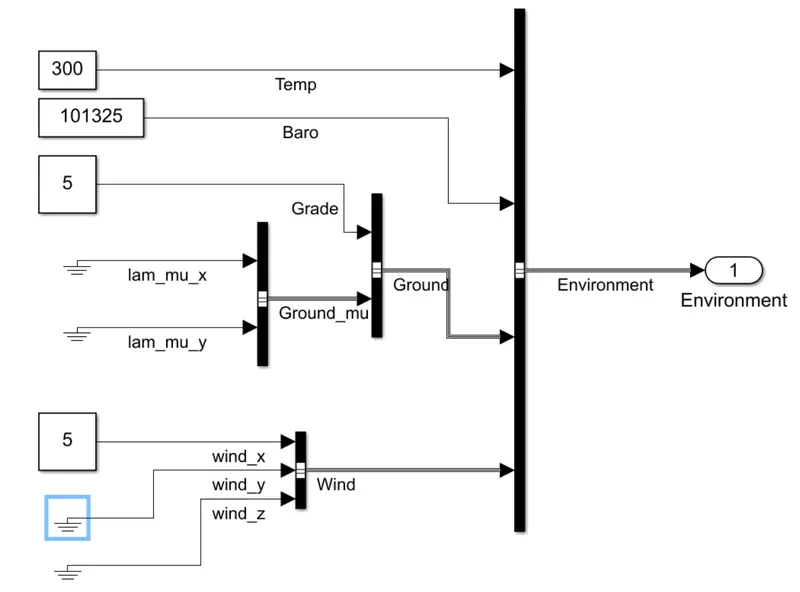
By changing the grade vaule to 5 and wind value to 5. Here are the results.
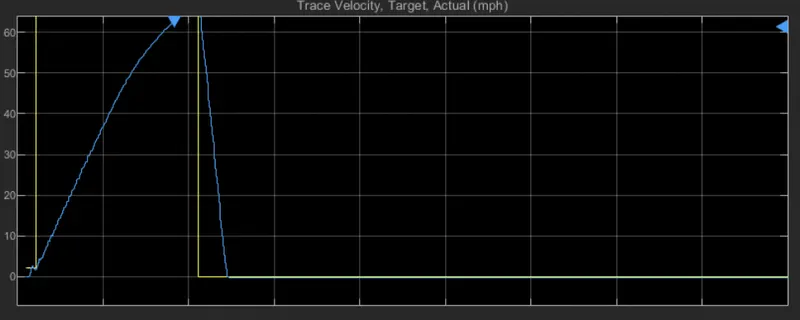
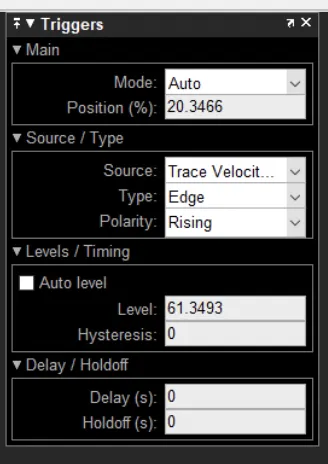 Time taken to reach the maximum velocity is 20.346 sec. This is due to wind and grading levels.
4. Keeping all other parameters same, compare the simulated results of hybrid and pure electric powertrains.
ANS: Considering the same drive cycle for EV and HEV (WOT custom data).
keeping the grade and wind value to 5. Below block diagram is same for EV and HEv.
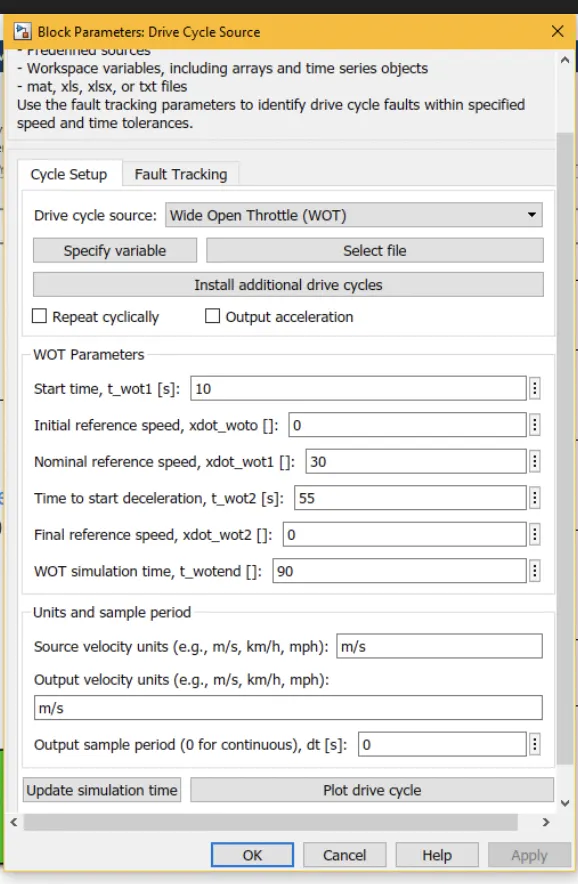
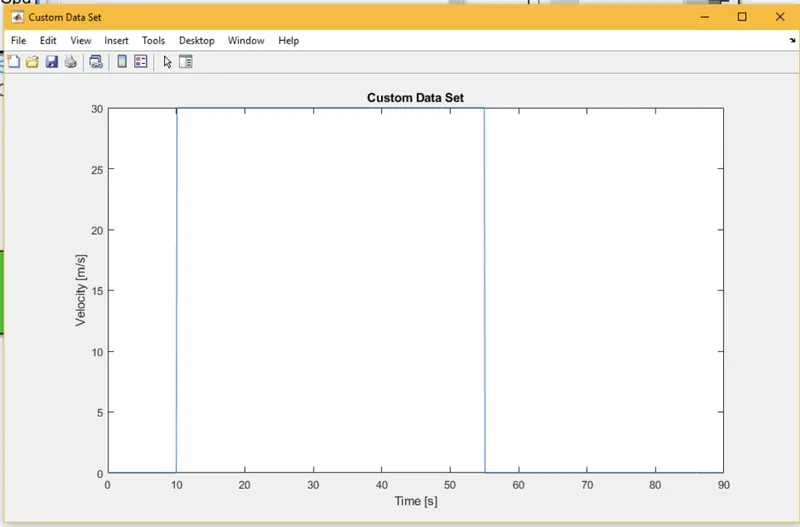
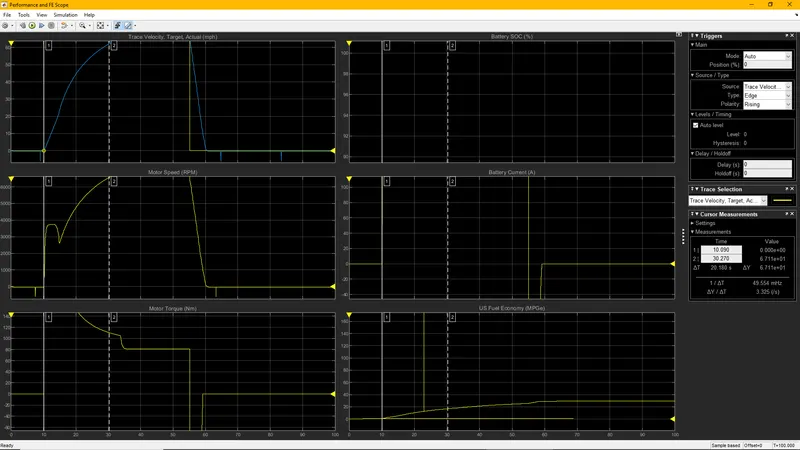
The results of EV are shown in this figure. The cursur 1 shows the time taken to reach maximum speed of 30m/s is 10.09 sec and the cursor 2 shows the time taken to reach maximum speed 29.627 sec( due to wind and grade). The sixth plot shows the usasge of fuel in the 100 sec of simulation in(MPGS). But in actual there is no fuel usasge due to no fuel flow in the EVs. The sixth plot gives you the idea of equivalent gallions used.
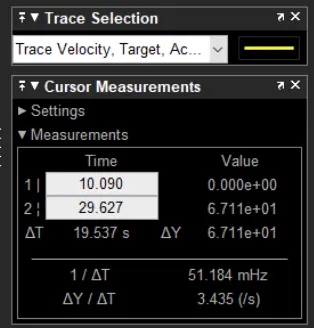 DELTA T = difference between times taken from cursor 1 and 2 = 19.537 sec.
Now moving to the HEVS case where fuel factor is also added and keeping all the parameters same.
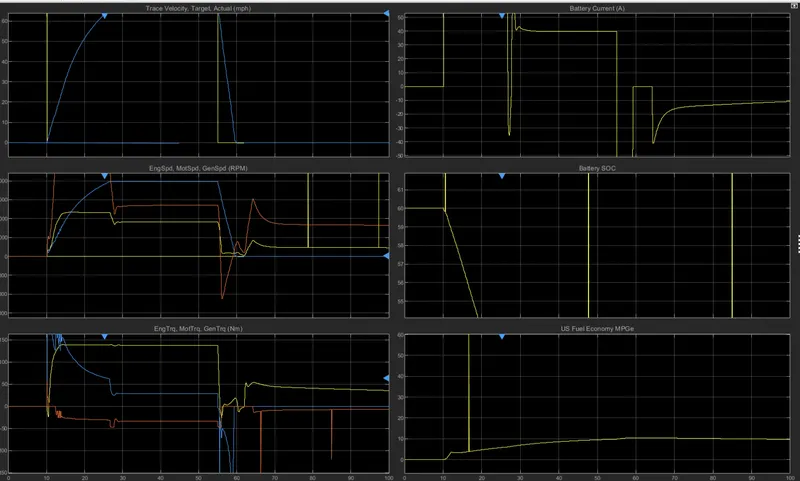
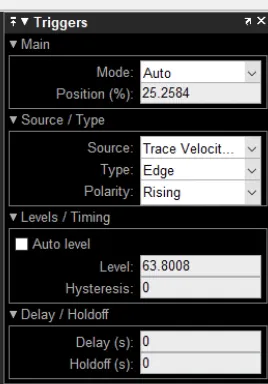 In this case the time taken to reach 30m/s is 25.25 s.