Week 4.1: Project - Steady state simulation of flow over a throttle body
AIM of the Experiment:
Here we analyze effect of the flow on the throttle valve in a elbow pipe. a A throttling valve is a mechanical device that controls the flow of a fluid by restricting the flow and creating a pressure drop. It's also known as a control valve or throttle control valve.
A throttling valve is a mechanical device that control the flow of a fluid by restricting the flow and creating a pressure drop .its also known as a control valve or throttle control valve.
Application:
- Throttling valve are used in many industries, including oil and gas, chemical processing, and water treatment.
- In hydraulic systems, throttling valves are used to regulate the oil flow and control the movement speed of cylinders and motors.
Geometry:
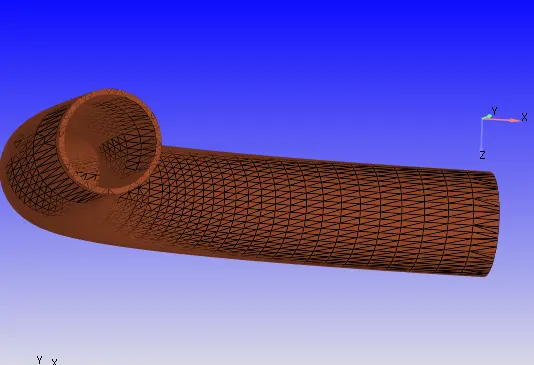
The External parts are not useful for internal flow analysis so delete external part and to create close control volume close create surface to create close control volume.
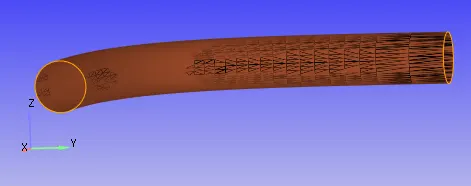
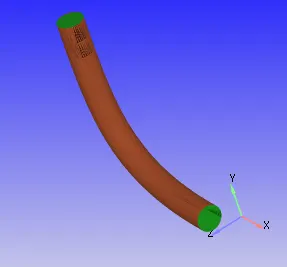
Then check Geometrical error and direction of the normal toward inside.
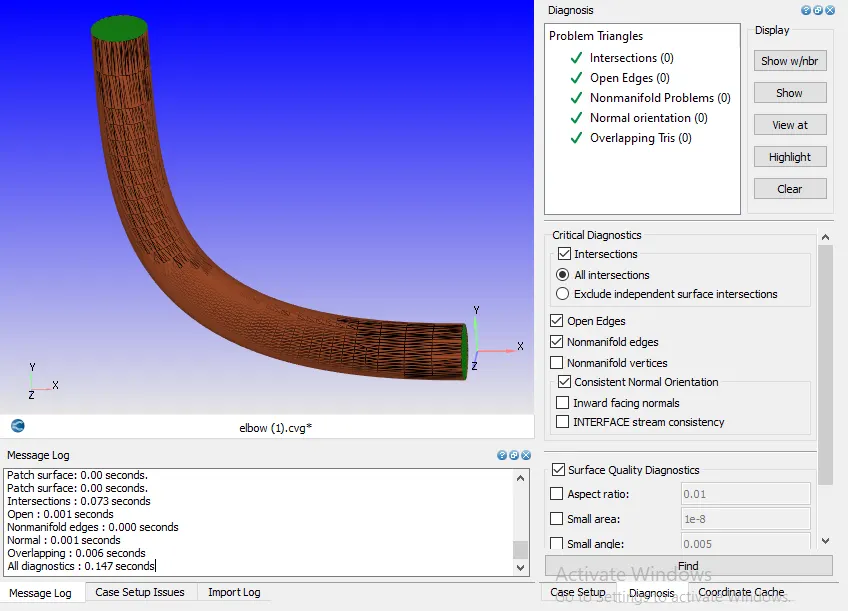
Then set The boundaries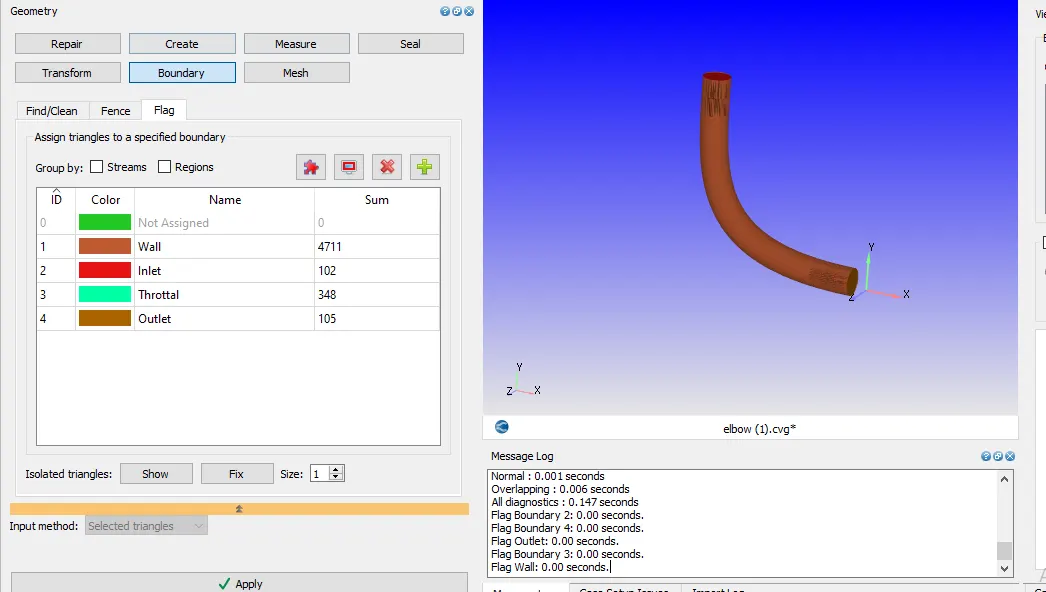
It is a Gas simulation so material select as simulation gas.
Then solver type is the steady state solver type and simulation is full y hydrodynamic and air is working fluid so the the fluid is compressible fluid.
At steady state solver monitor it compare after every 100 cycle.
Then maximum no of cycle is 15000
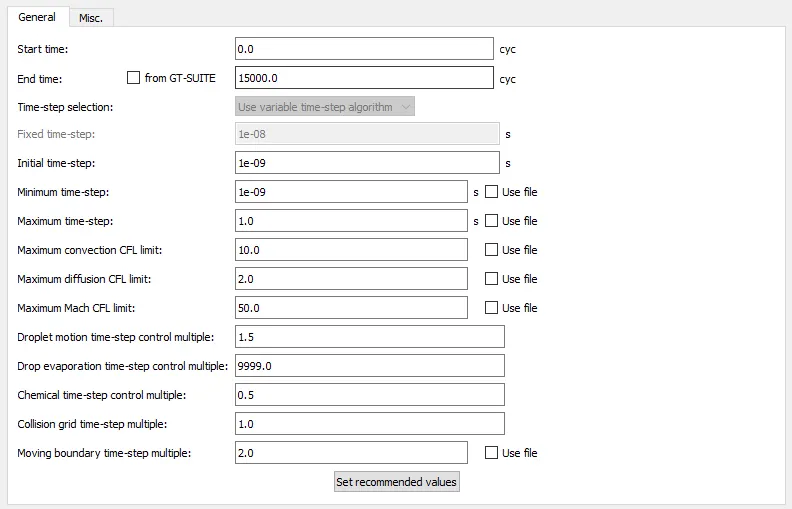
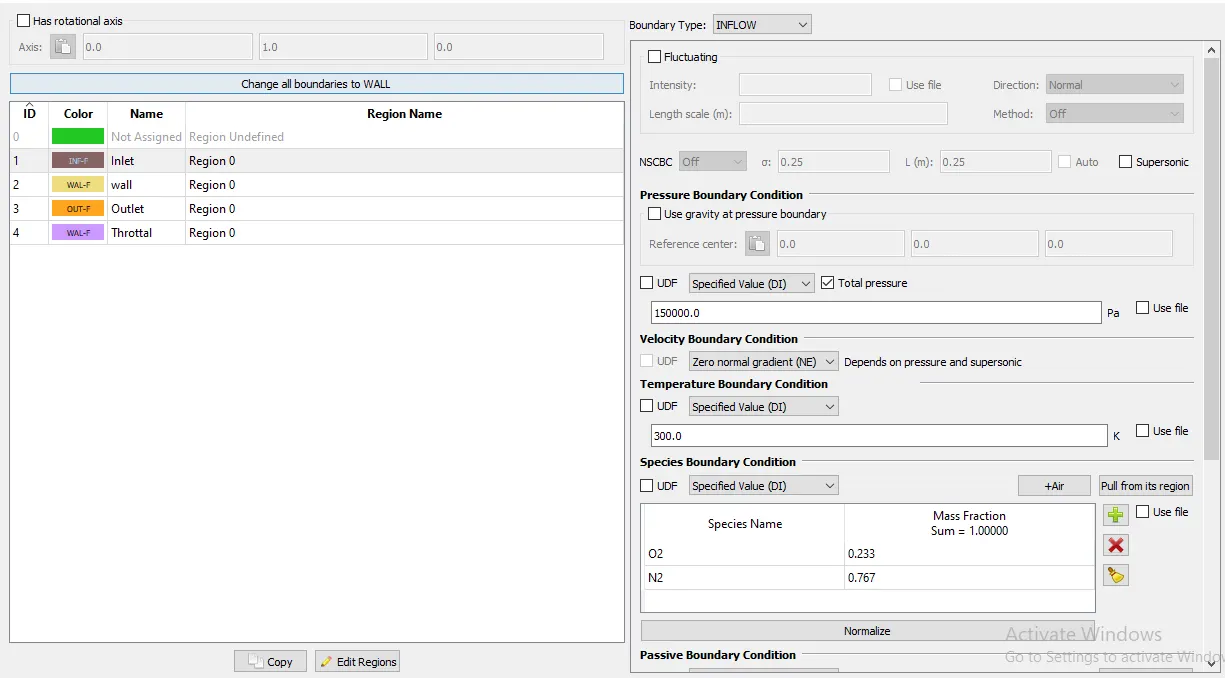
Then set the boundary conditions
Inlet pressure is 1.5bar and outlet pressure is 1bar and define region and air as a working fluid. In the region the working fluid initial pressure 101325Kpa.
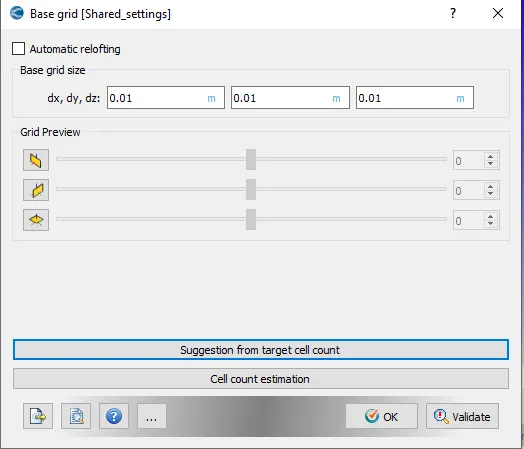
Set Mash grid 0.1.
Set the mash size to o.1 m
Create a fixed embedding near the throttle valve for properly near the the throttle wall.
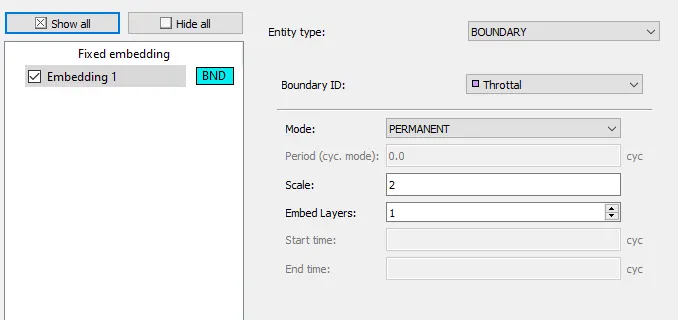
Then Run the simulation it takes 1199.436s
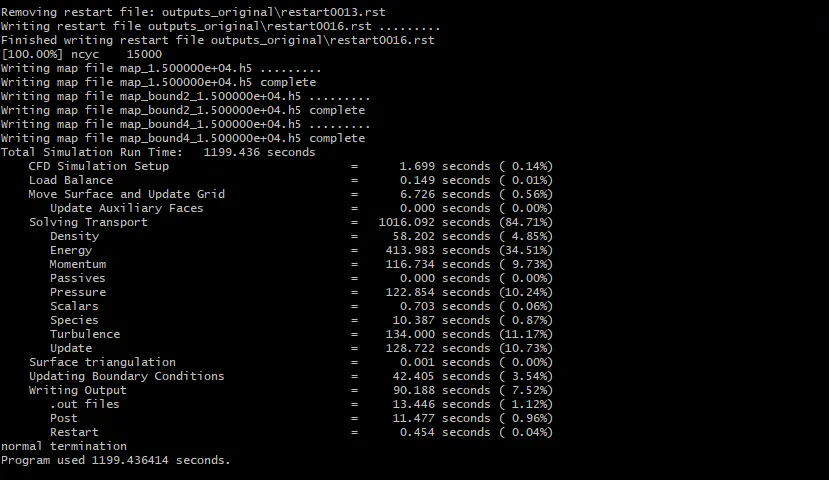
Then post process the simulation:
Mash grid:
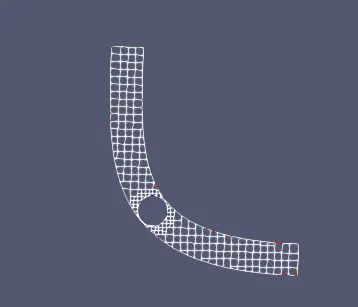
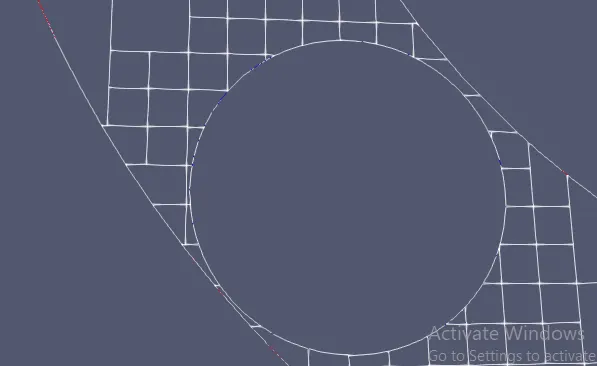
If we compare all the the mash near the throttle to other mash, near throttle is more dense then other point. because there is a very small place to flow, so we use mash emending near the throttle valve.
Pressure Contour:
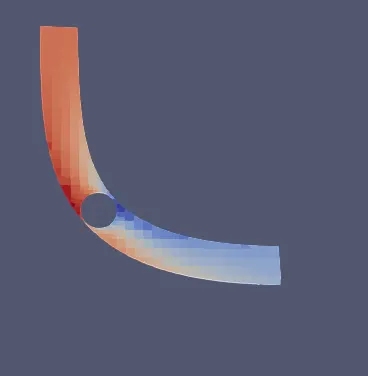

When we observe the first image we can see, there is a pressure loss after throttling process.so throttling process is also expansion process.
Velocity Contour:


If observe the velocity all over the flow, we can observe the velocity increases after throttling but velocity near the throttle valve is difficult to analyze the velocity because the grid is higher to capture the values properly.
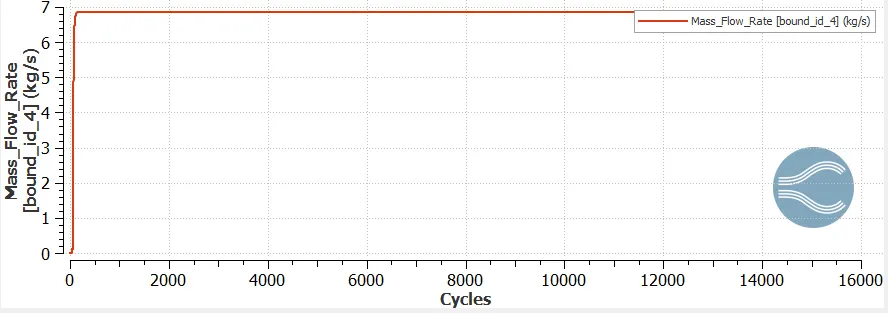
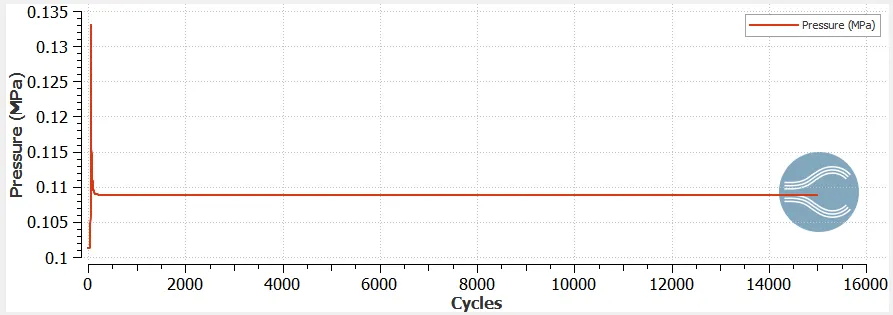
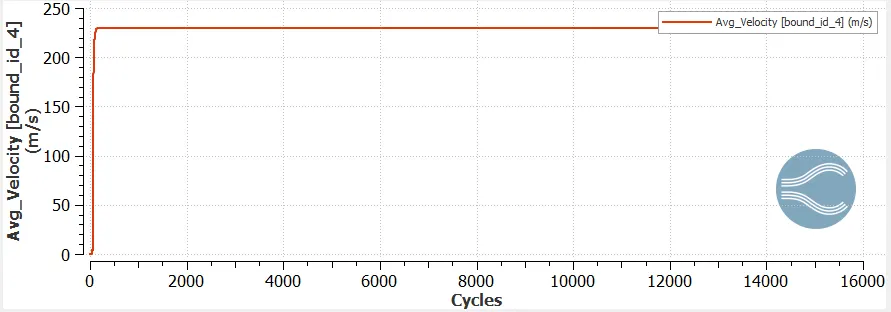
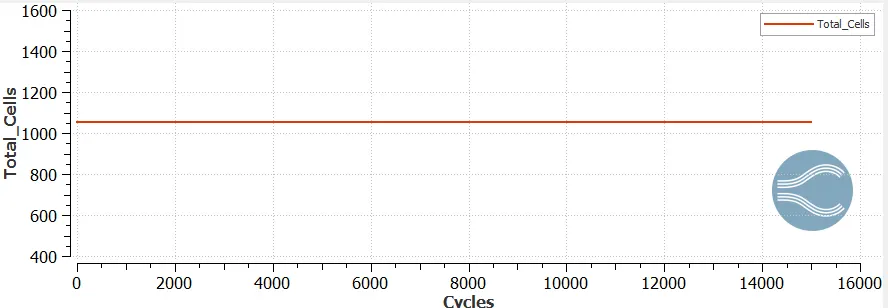
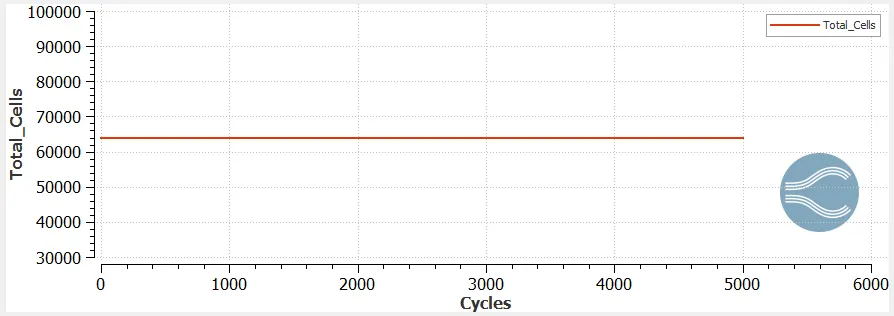
Here total cell count is 1100.
Mash size set to 0.01m
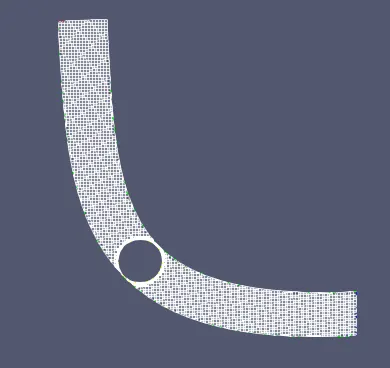

Here the cell size near the throttle are very small, so it clearly capture the near wall variables properly.
Pressure Contour:
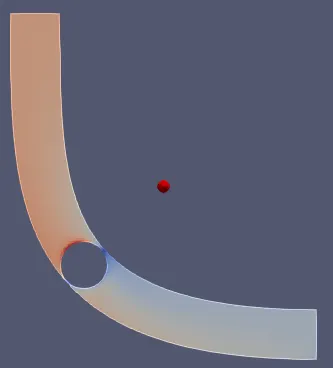

Where air is striking on the throttle valve the pressure increases because of dynamic pressure.
Velocity Contour:
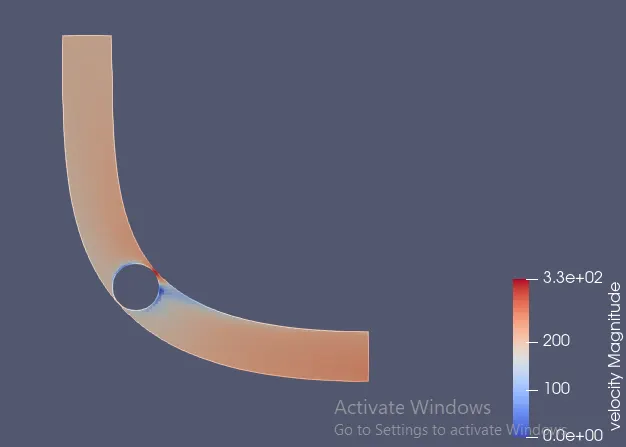

After the throttling we can observe Velocity increases, because after throttling pressure decreases so three is vacuum create that leads to increase in velocity.
If we observe the throttle are front and back side of the throttle have zero velocity.
Plots:
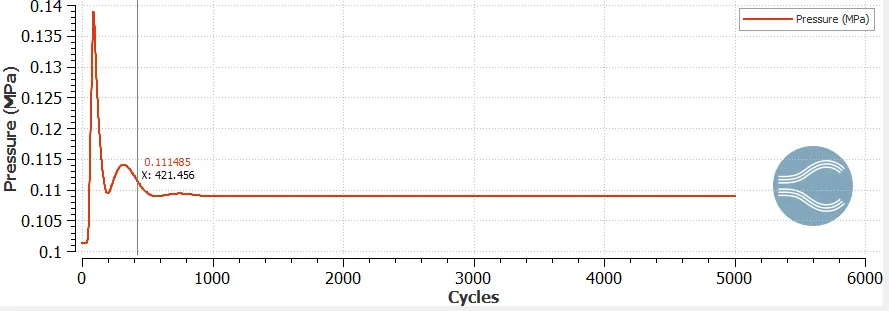
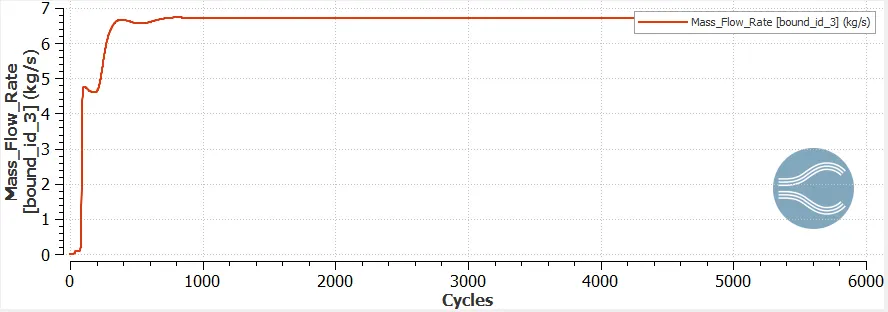
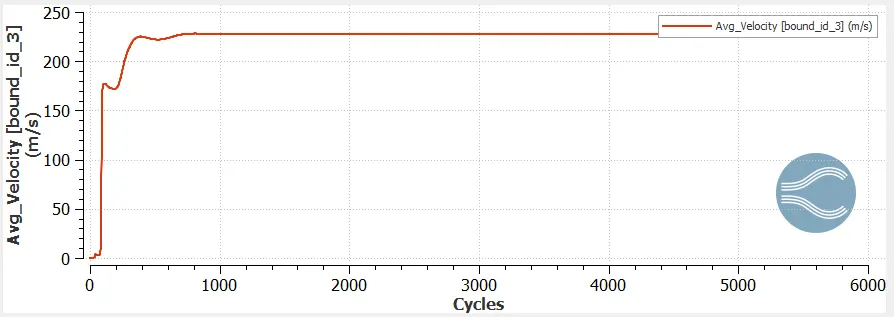
Conclusion:
1. After throttling pressure will decrease. because, when aria decreases but velocity increases but due to bornolissis equation the pressure of the fluid decreases. so, the throttling process is a isenthalpic process in which there is not any loss of energy only pressure decreases.
2. The above point can be analyze by velocity and pressure contour also after throttling pressure decreases but velocity at outlet increases.
3. The observe pressure contour at throttle, where the fluid striking on the valve have high pressure but because the dynamic pressure is converting into static pressure.
4. If we observe the velocity near the throttle valve where the fluid striking on valve the velocity become zero, because loss of kinetic energy. when we observe opposite side of the valve we can observe there also velocity of fluid is zero. because, due to flow separation there is vacuum place created.
5. If increase total cell count it capture the variables properly, but it take more no of cycle to close the output.