Week 3 - External flow simulation over an Ahmed body.
External flow simulation over an Ahmed body
Aim: Simulation of external flow over Ahmed Body.
Introduction:
In this challenge, we will be simulating flow a special body, called Ahmed Body.
Ahmed body was developed by scientist named Ahmed, hence the name. The reason for using this particular shape is, some of the main characteristics of the flow field can be obtained from simulating Ahmed's body like velocity, pressure, flow separation, wake region, drag , lift etc
Ahmed Body and its importance:
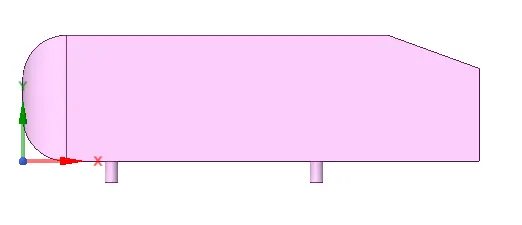
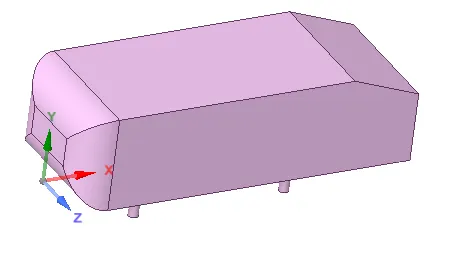
The Ahmed body is a generic car shaped body (a simplified vehicle model). The airflow around the Ahmed body captures the essential flow features around an automobile and was first defined and characterized in the experimental work of Ahmed. Although it has a very simple shape, Ahmed body allows us to capture characteristic features that are relevant to bodies in the automobile industry.
This body is used to understand the flow field arround a vehicle, to understand flow separation and wake etc. The dimensions of the Ahmed body are standardised and a lot of data has been generated through experiments for the flow field arround this body. Hence this is used to validate any software or solver. The Ahmed body is a benchmark model widely used in the automotive industry for validating simulation tools. The Ahmed body shape is simple enough to model, while maintaining car-like geometry features.
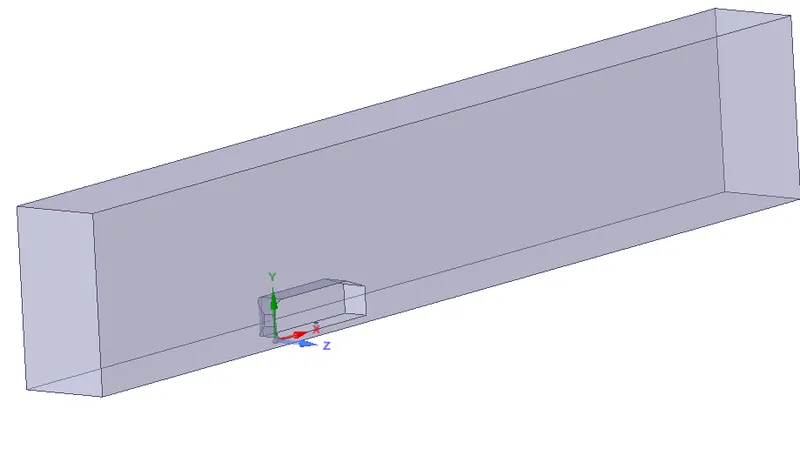
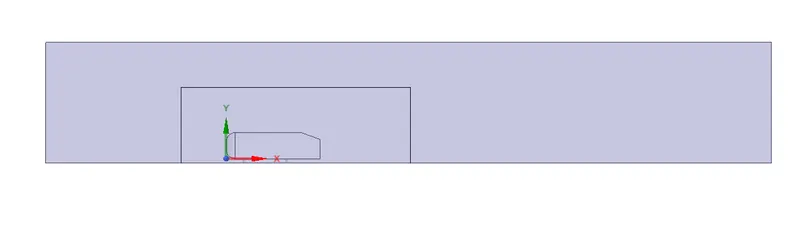
The Ahmed body looks like
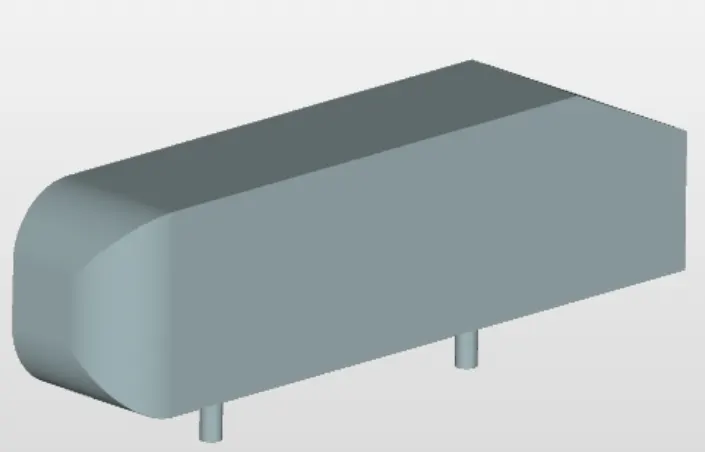
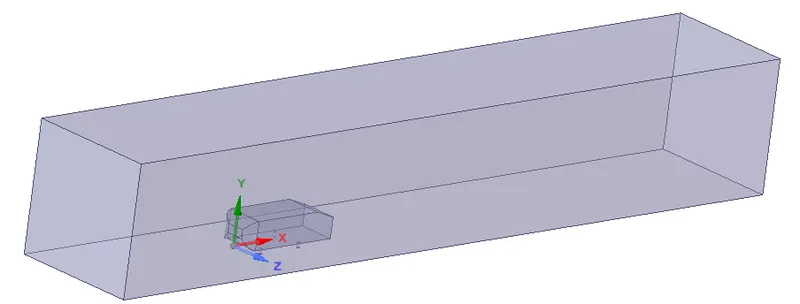
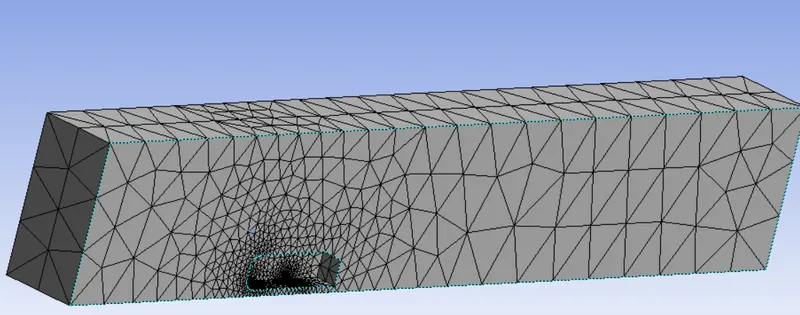
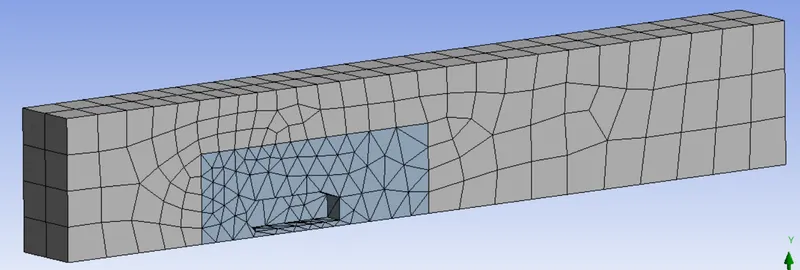
In detailed manner, we will be describing the procedure followed in Ansys Fluent.
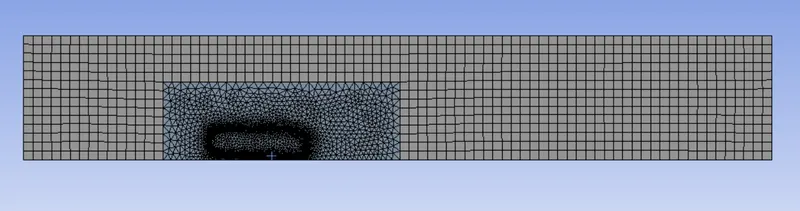
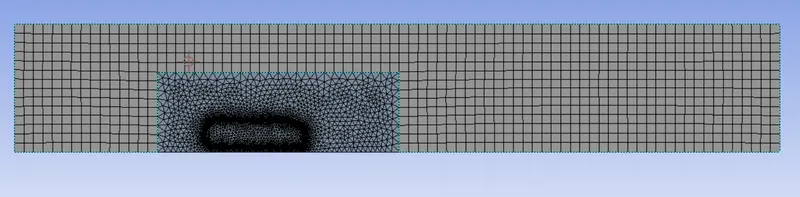
| No of elements | No of nodes | Lift Coefficients | |
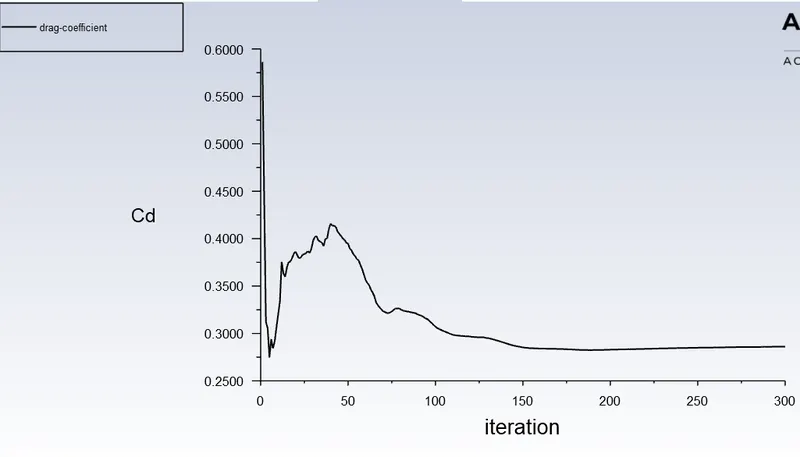
| Coarse Mesh | 42803 | 8629 | 0.386627381 |
| Medium fine Mesh | 291190 | 83444 | 0.2904454 |
| Refined Mesh | 380855 | 110185 | 0.2861473 |
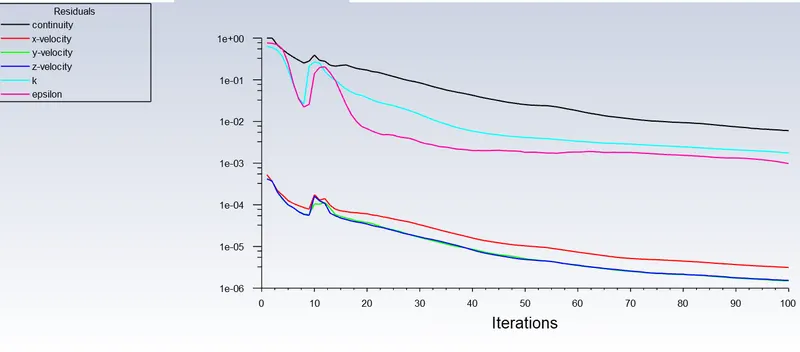
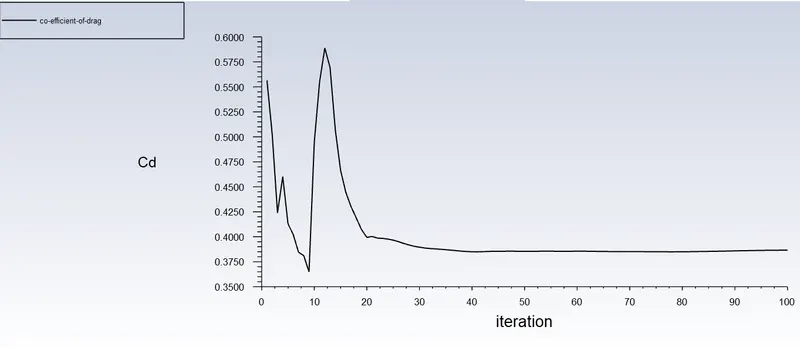
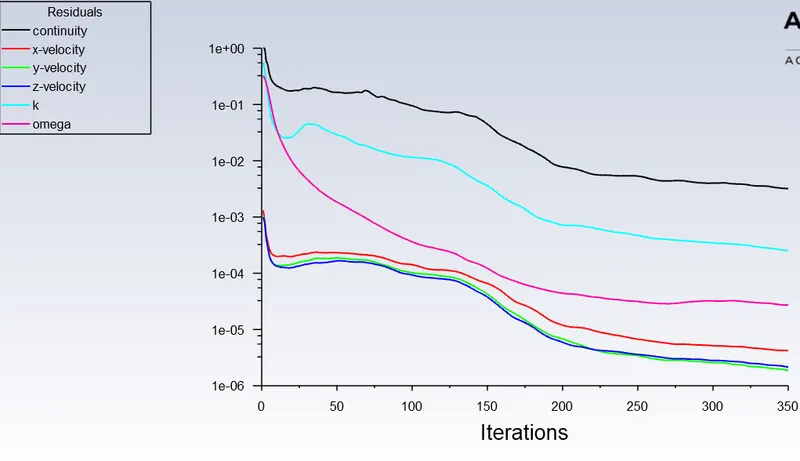
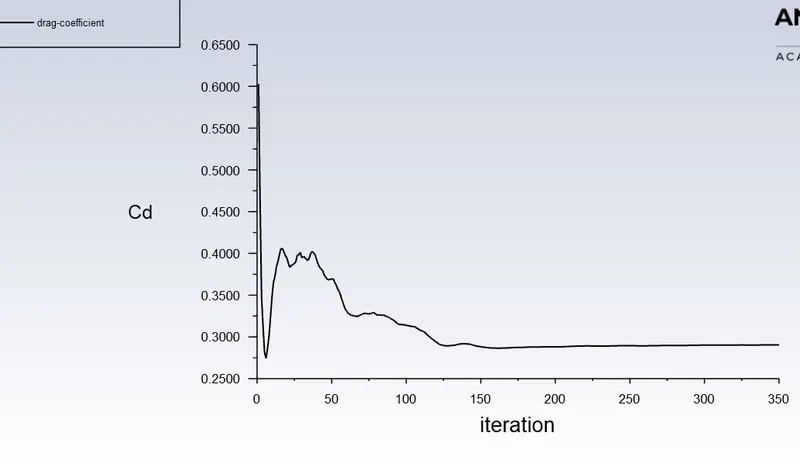
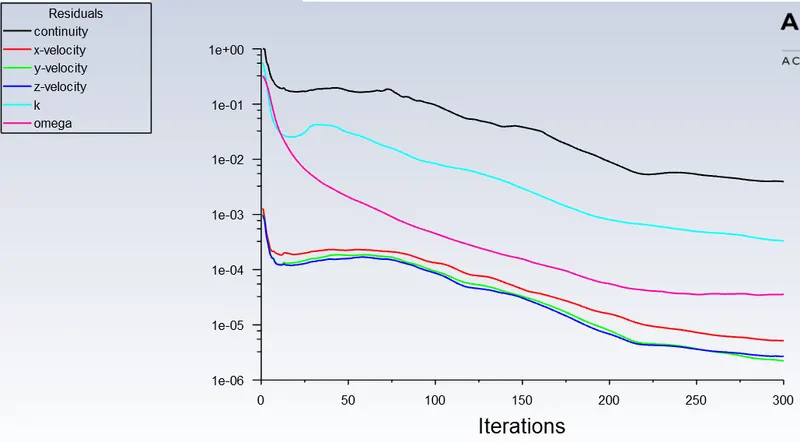
The results got better after refining of the mesh. But still there is scope for the furthur improvement, as we can clearly see the results are not converged at.
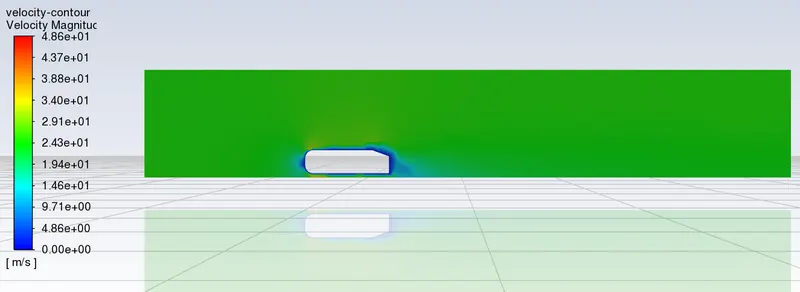
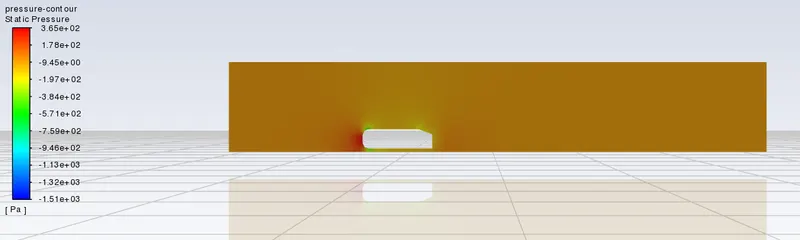
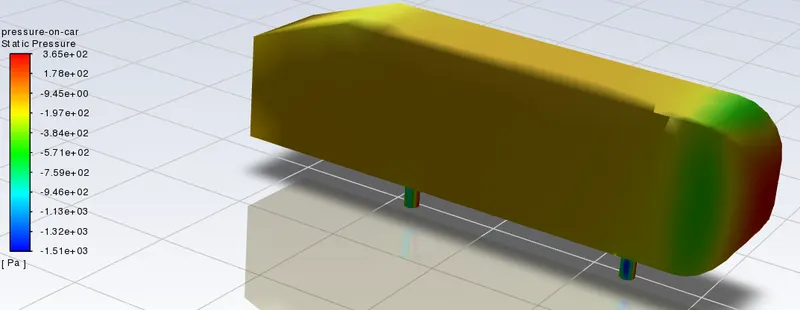
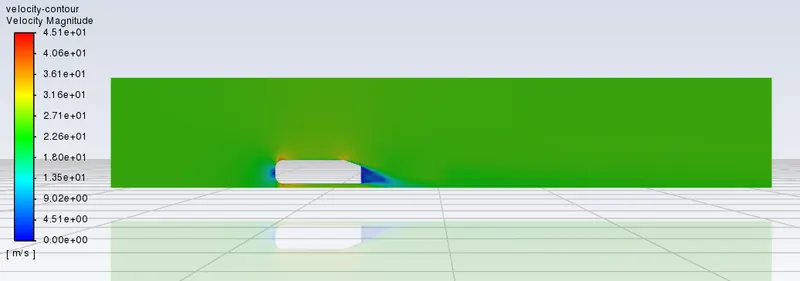
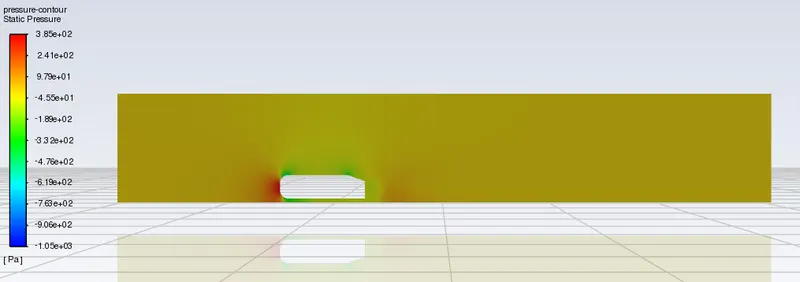
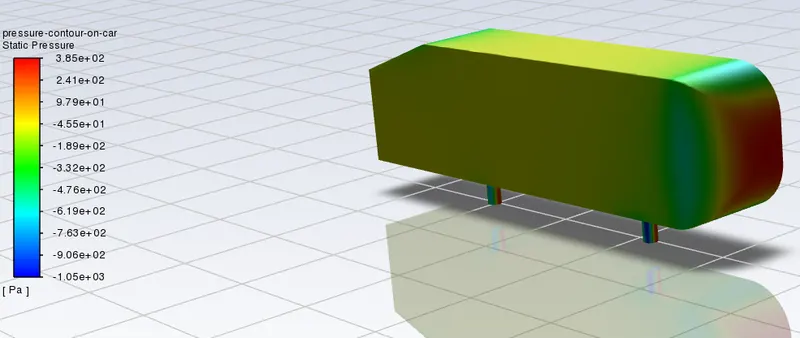
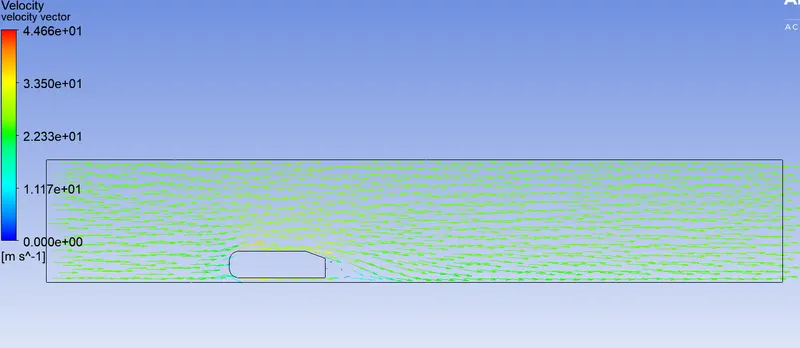
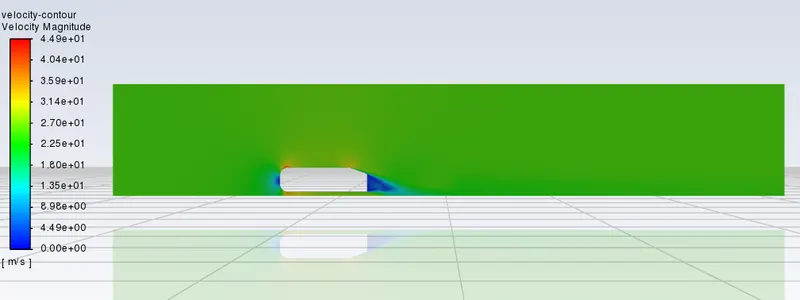
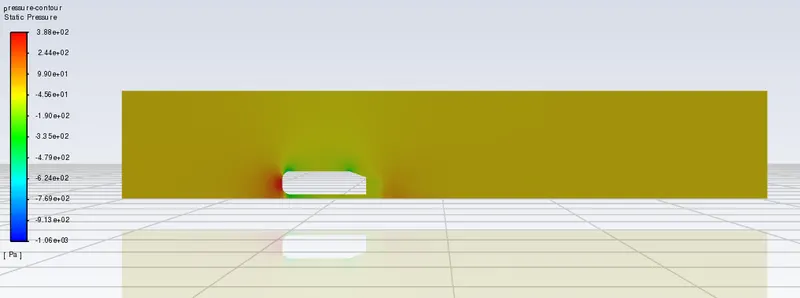
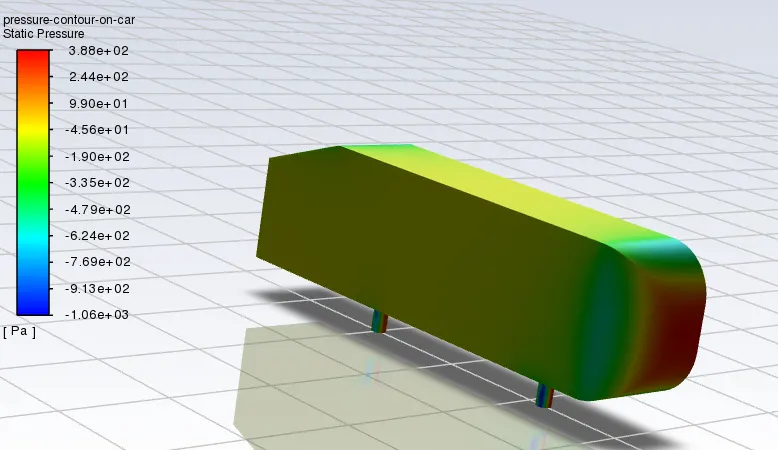
The negative pressure in the wake region is because the body is bluff body(not a stream lined body). The stream line cannot follow the surface of the body due to sudden changes in the cross-section of the body.As there is in-sufficient air to fill the back of the Ahmed body the pressure is low. This difference in the pressure on front and back side contribute to pressure drag.
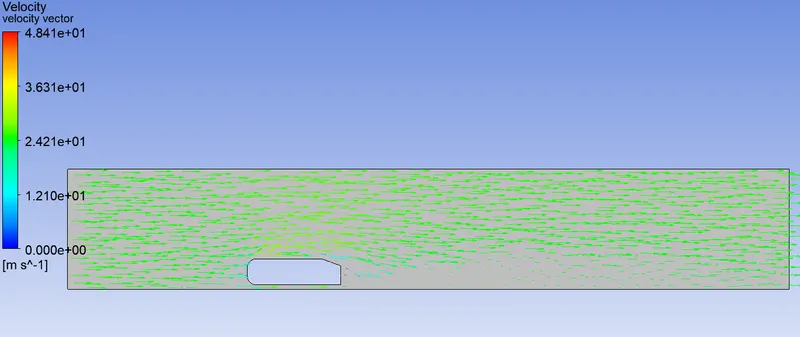
Flow separation occur, when the flow takes place in adverse pressure gradient. The point where the boundary layer moves away from the body is called Separation point. In order to have low co-efficient of drag, we need to avoid flow separation and sudden changes in cross-section.