Week 2 - Flow over a Cylinder.
INTRODUCTION:
Flow over a cylinder is a simple problem to understanding the flow and behaviour of fluid over objects. The geometry of the cylinder is simple and allows us to understand all the complexities that occur and turbulence for different Reynolds Numbers. Reynolds Number helps us to understand the flow patterns of the various fluid flow situations. We need to change the velocity for a diverse range of Reynolds Numbers.
What is a Reynolds Number?
Reynolds number is a dimensionless quantity used to determine the type of flow pattern as laminar or turbulent while flowing through a pipe. Reynolds number is defined by the ratio of inertial forces to that of viscous forces.
`re=(rho uL)/mu`
In our case change in velocity attains by changing the velocity
Procedure
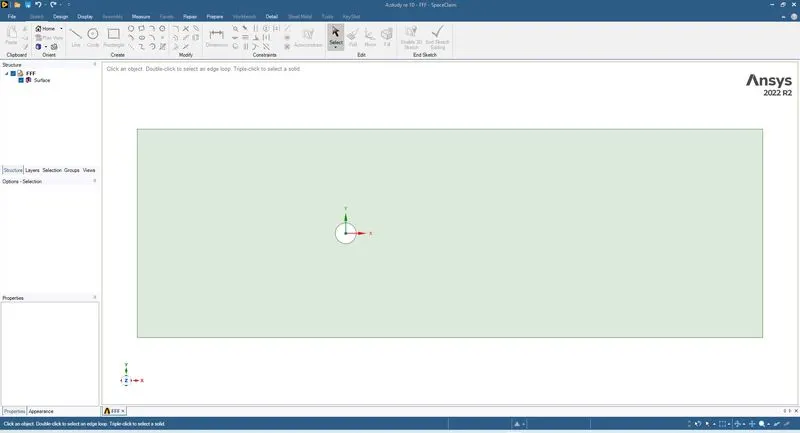
Step 1: Initially, start with creating the geometry in SpaceClaim and prepare it for a flow-over analysis.
Step 2: From the created geometry mesh the surface with Tetra mesh elements and create inflation with the cylinder wall sizes, after creating the mesh or before making the mesh name the surfaces as per the boundary condition so that the fluent can recognize the boundary condition itself.
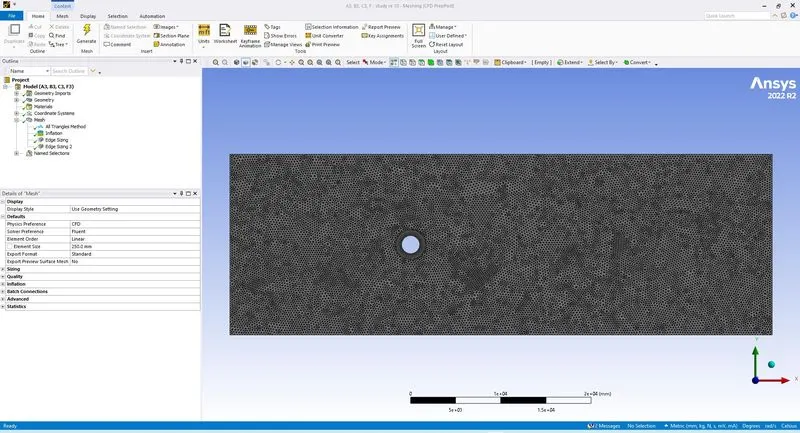
After generating the mesh, the number of nodes and elements is investigated using the statistics option. Then the mesh quality is checked by choosing the mesh matrices option in the quality section.
Step 3:In this step, the meshed geometric file has been imported to the fluent module and set the following conditions as follows in the fluent in solving the problem.
This procedure will be constant for the short tee and long tee with a momentum ratio
|
SOLVER TYPE |
Pressure based |
|
VELOCITY FORMULATION |
Absolute |
|
TIME |
ForSteady For re=100 use both steady and unsteady solvers |
|
VISCOUS MODEL |
laminar |
|
MATERIAL |
user-defined material (UDM)
|
|
CELL ZONES |
Fluid type: Udm |
|
BOUNDARIES (depends on the momentum ratio) |
Inlet_x (velocity inlet) Velocity magnitude = change it concerning the Renolds number Outlet (pressure outlet) Gauge pressure – 0 pa Walls – stationary walls |
|
Report definition |
1. Force report drag coeff 2. Force report lift coeff 3. Vertex average velocity |
the hybrid scheme is used for the initialization
Case 1:Steady Case
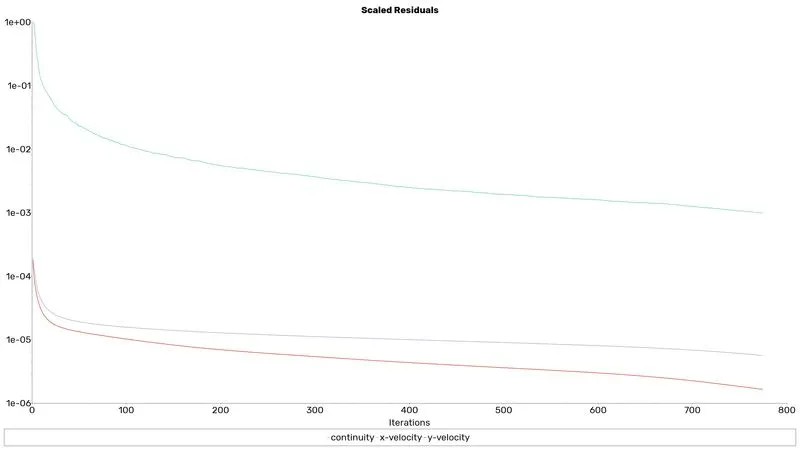
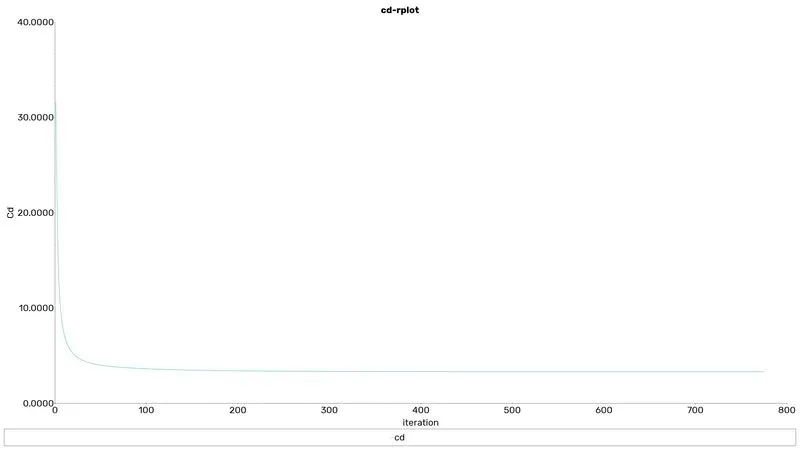
1.1 At Re = 10
Residual plot:
Coefficient of drag:
Lift Coefficient:
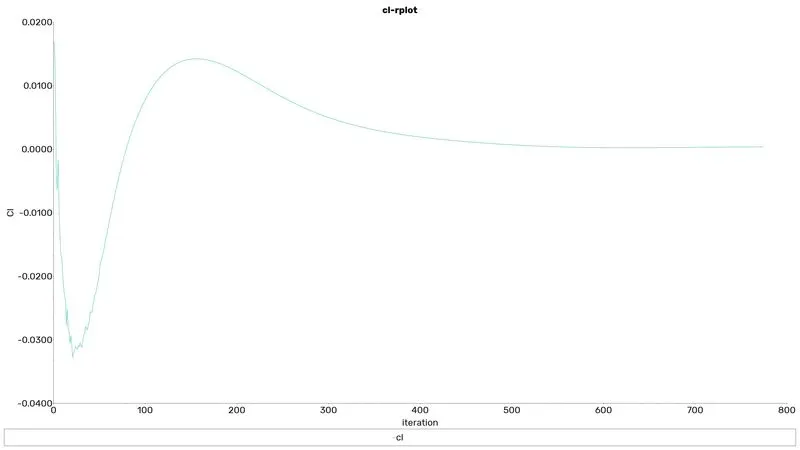
Monitor point velocity:
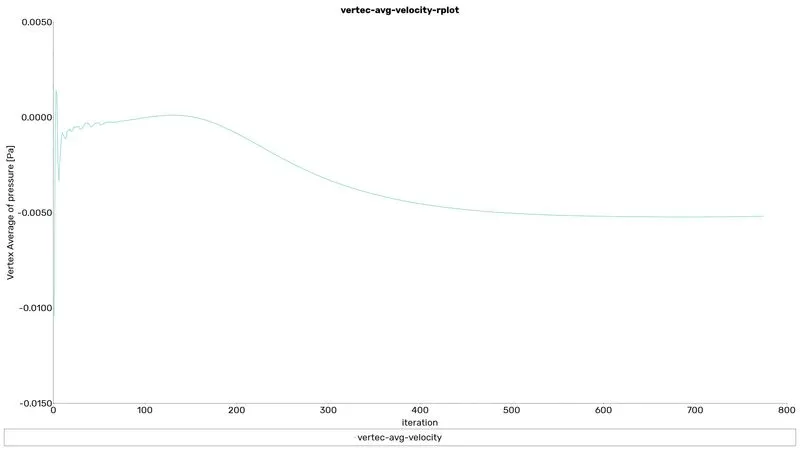
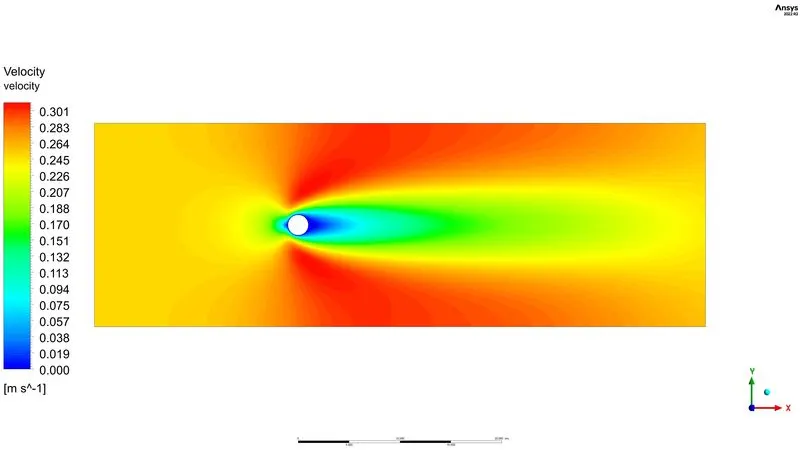
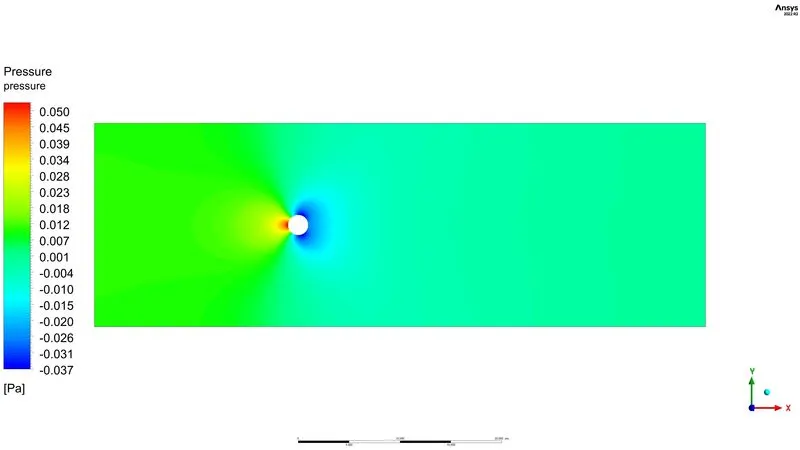
output contours
Velocity contour:
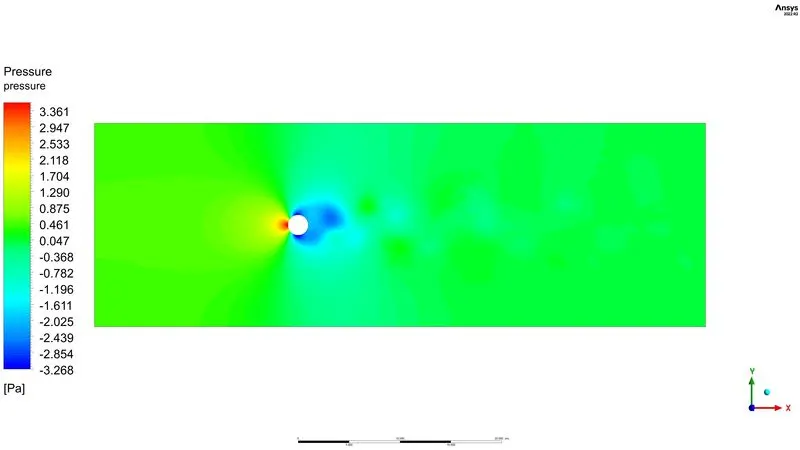
Pressure contour:
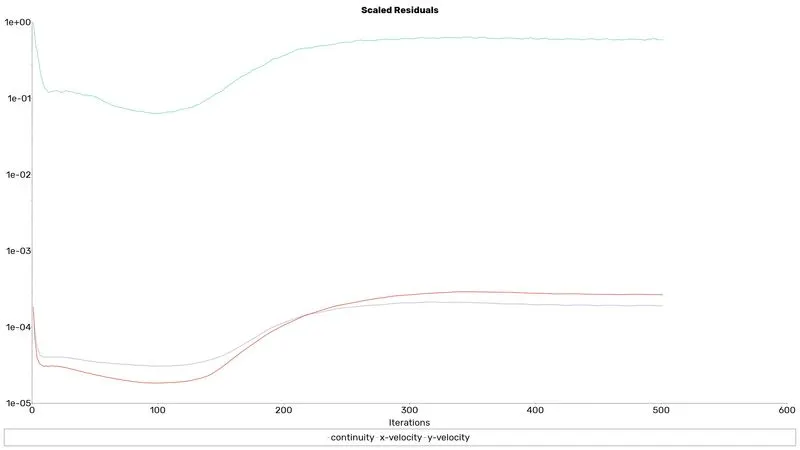
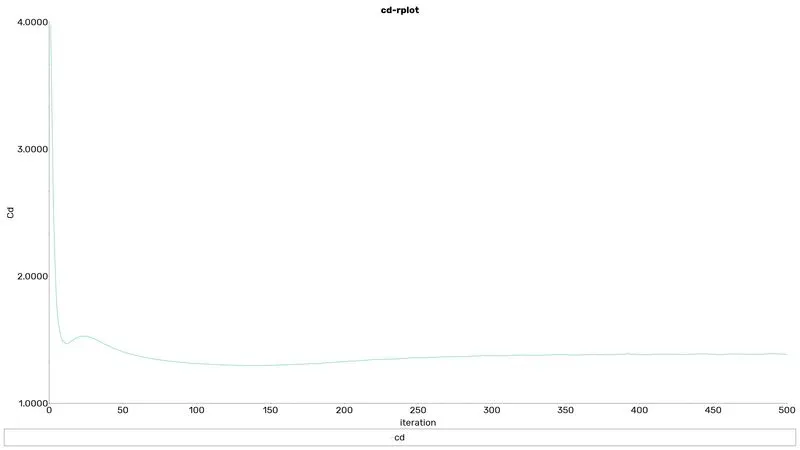
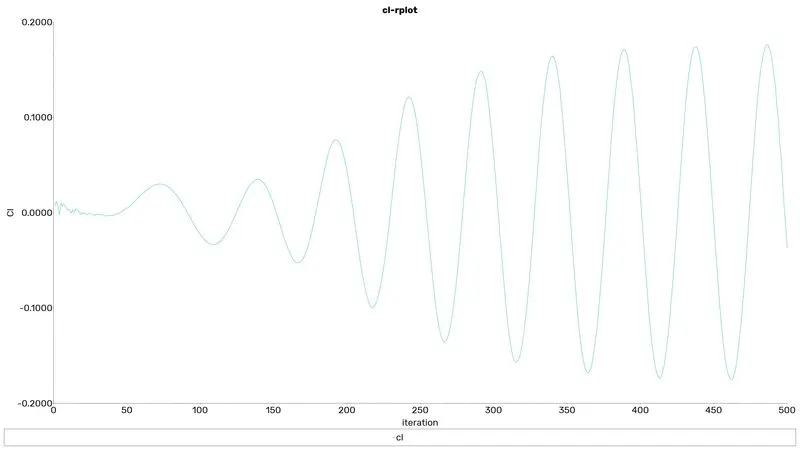
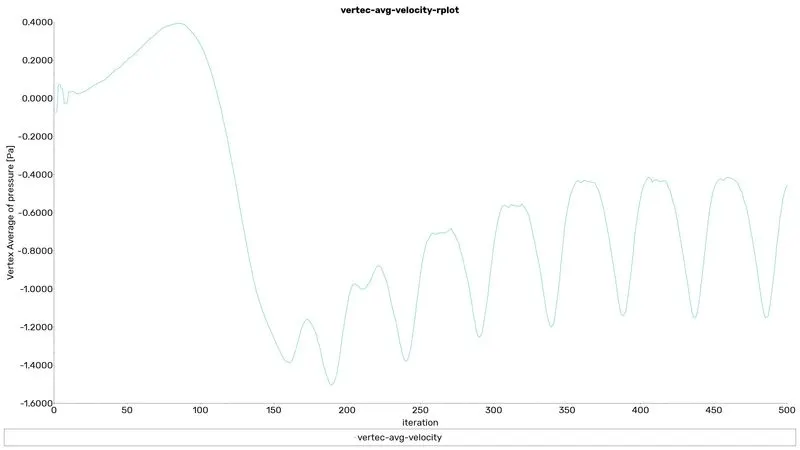
1.2 At Re = 100
Residual plot:
Coefficient of drag:
Lift Coefficient:
Monitor point velocity:
output contours
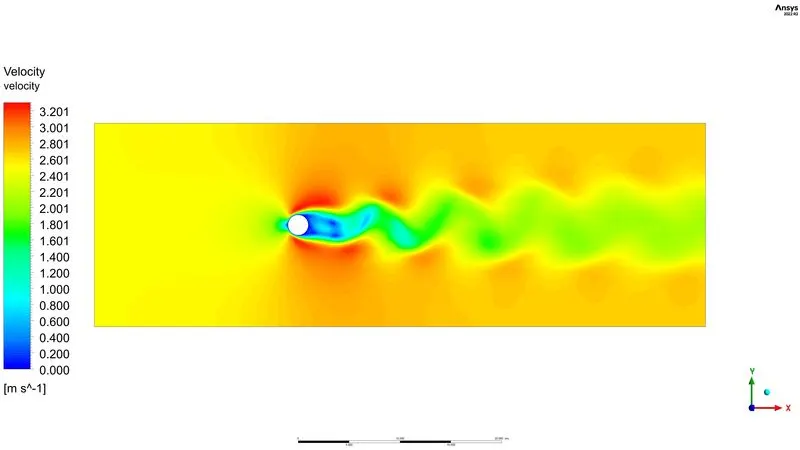
Velocity contour:
Pressure contour:
1.3 At Re = 1000
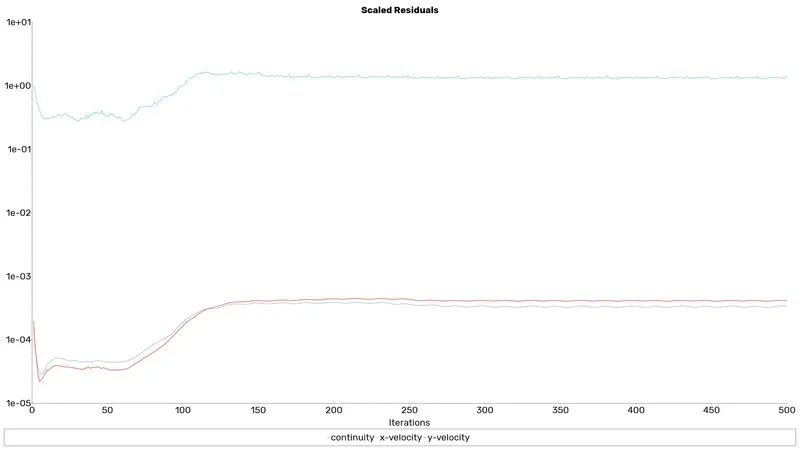
Residual plot:
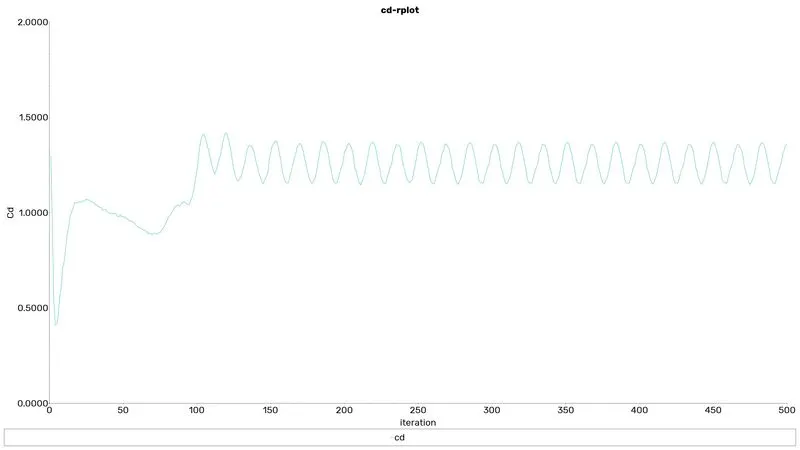
Coefficient of drag:
Lift Coefficient:
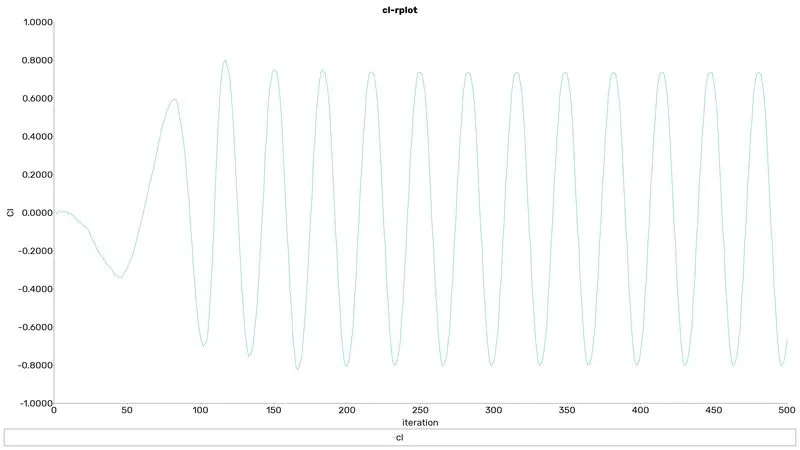
Monitor point velocity:
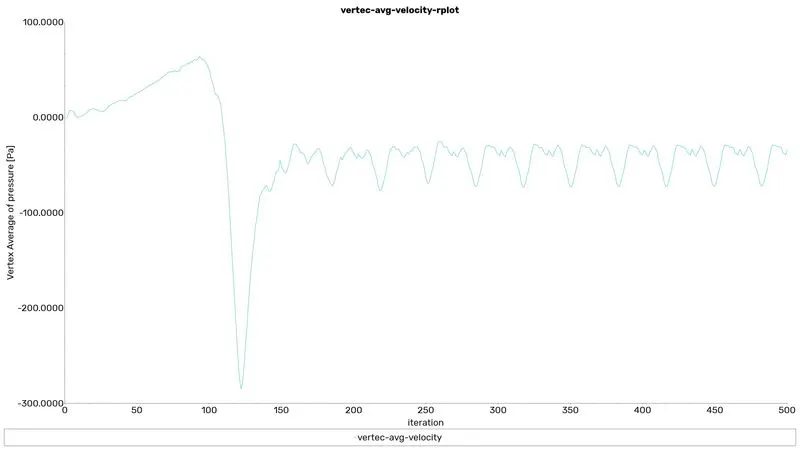
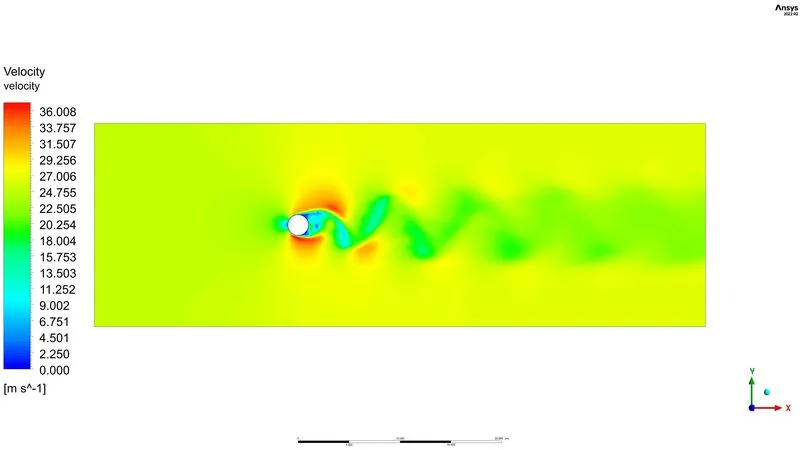
output contours
Velocity contour:
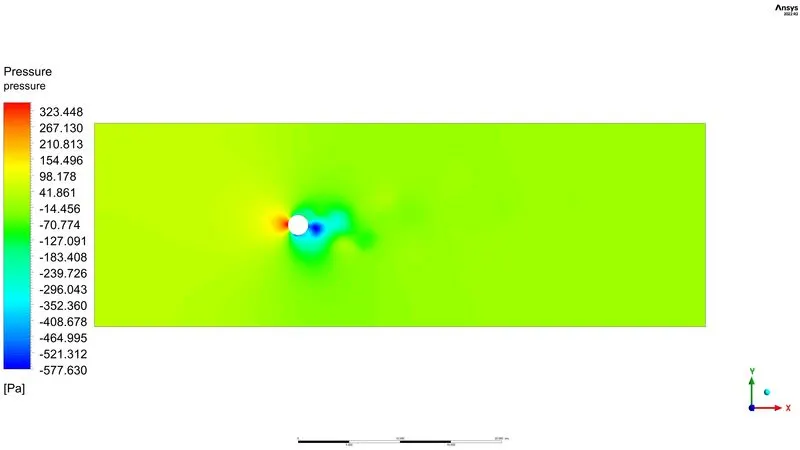
Pressure contour:
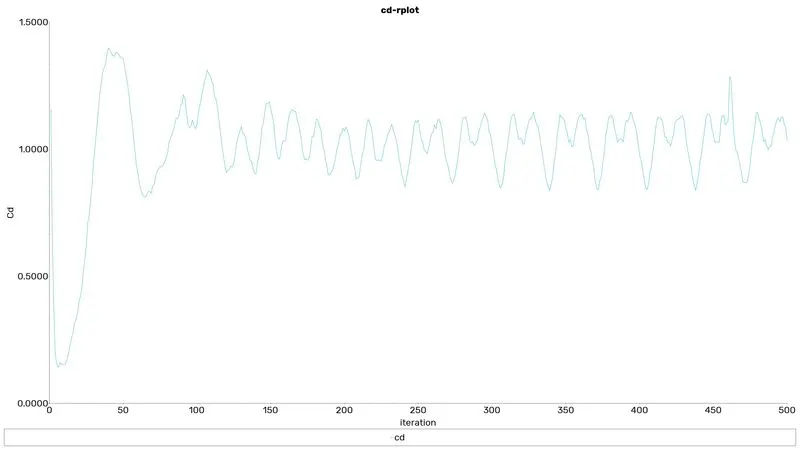
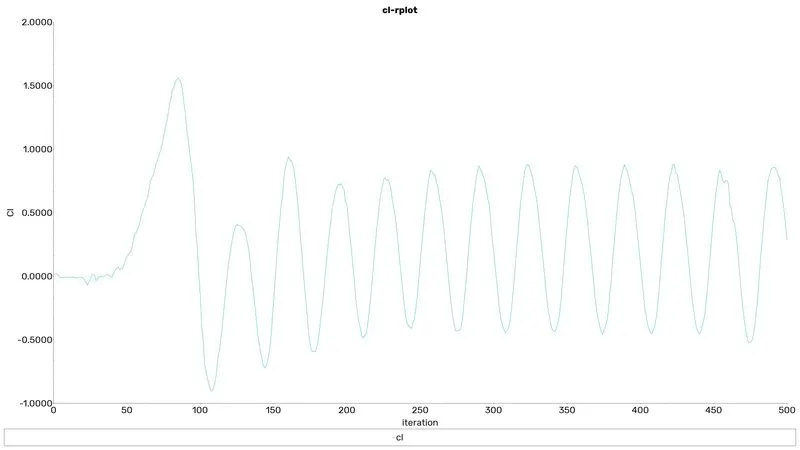
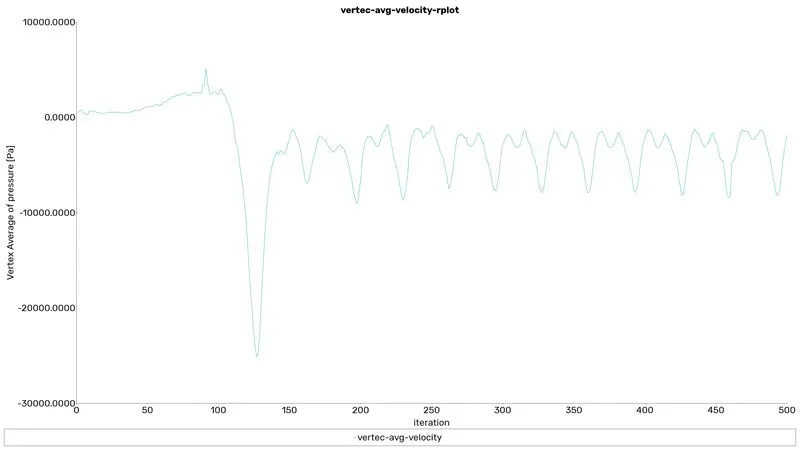
1.4 At Re = 10000
Residual plot:
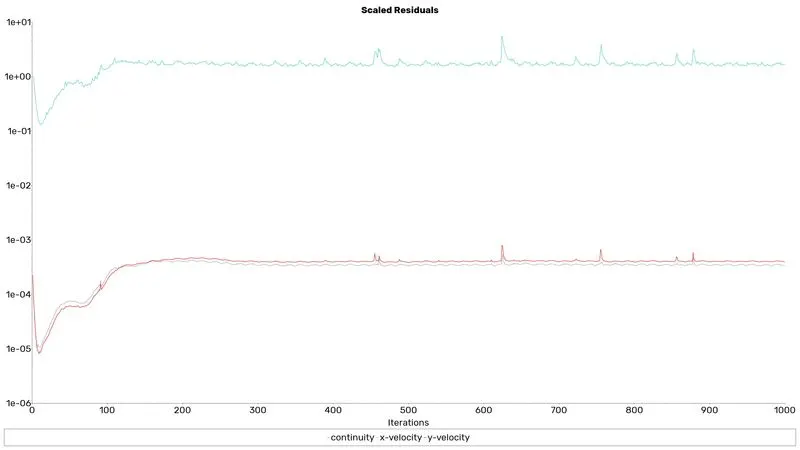
Coefficient of drag:
Lift Coefficient:
Monitor point velocity:
output contours
Velocity contour:
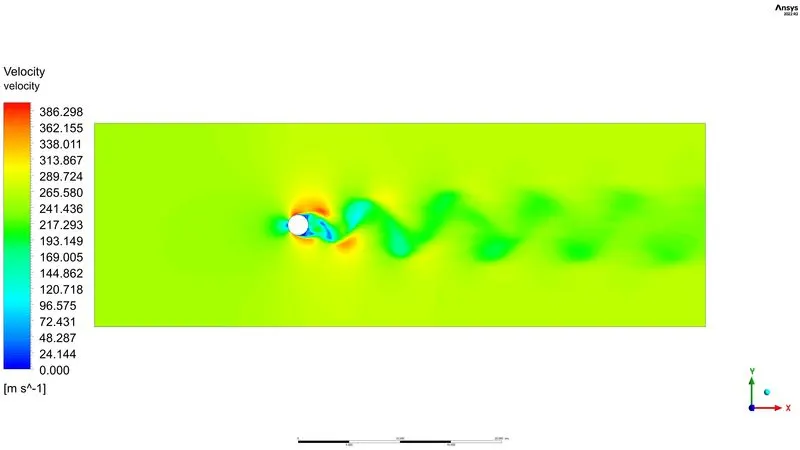
Pressure contour:
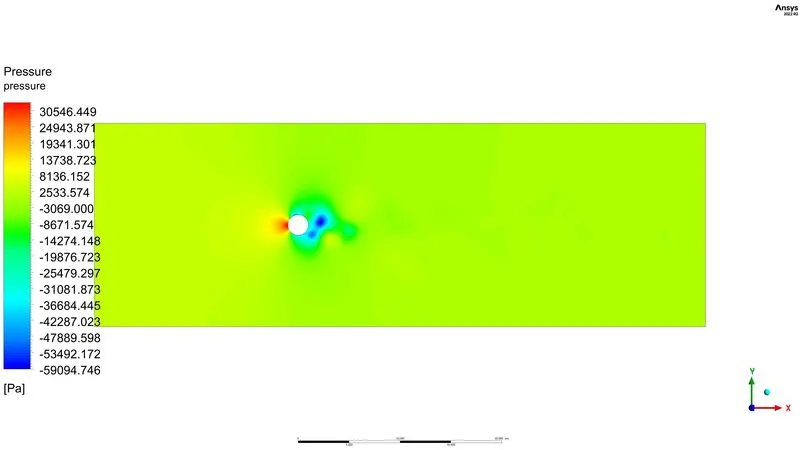
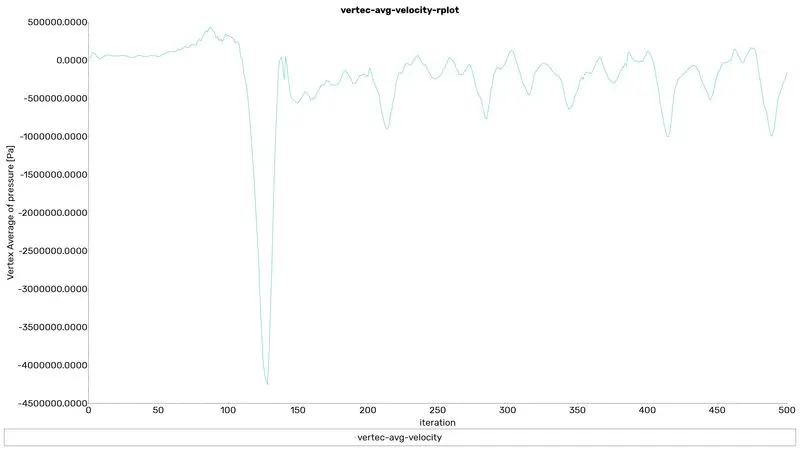
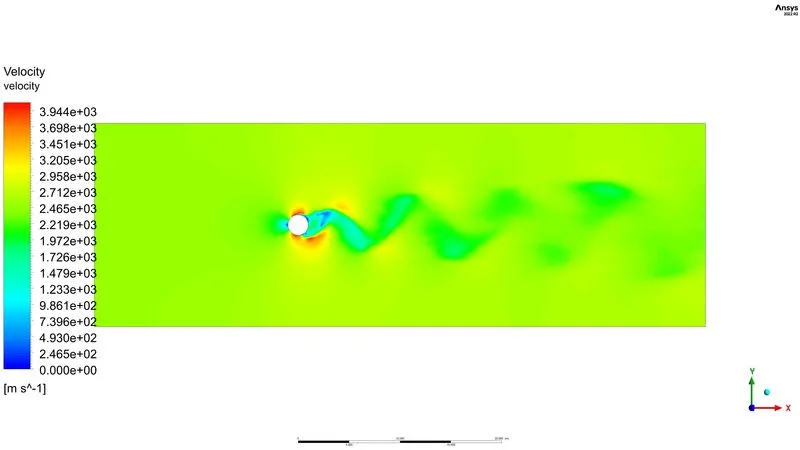
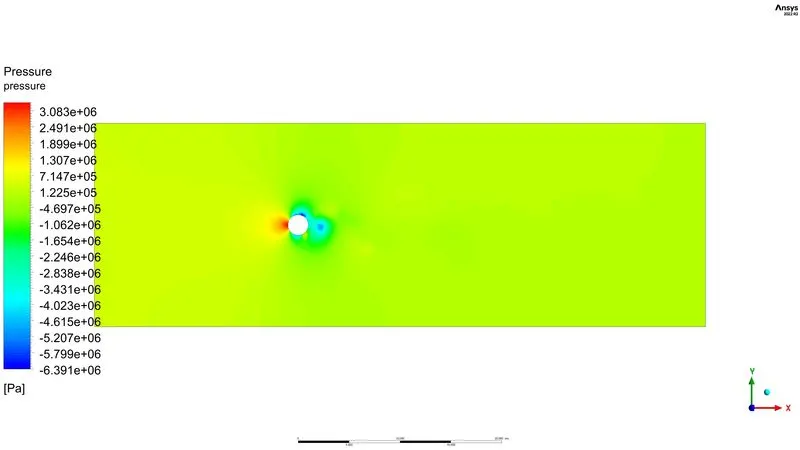
1.5 At Re = 100000
Residual plot:
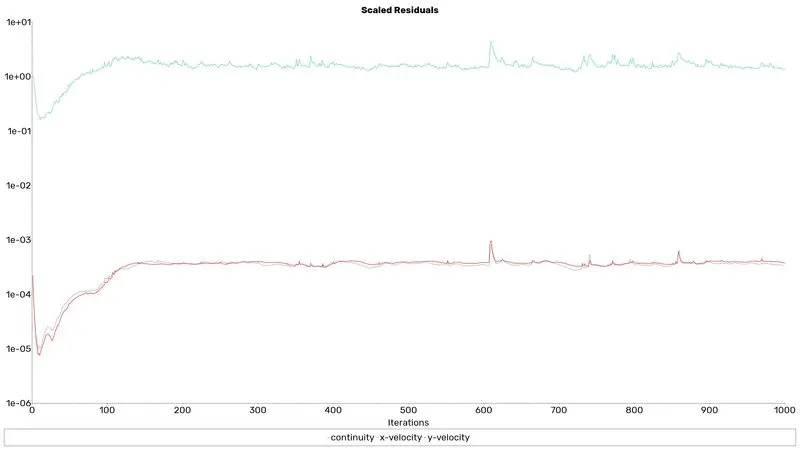
Coefficient of drag:
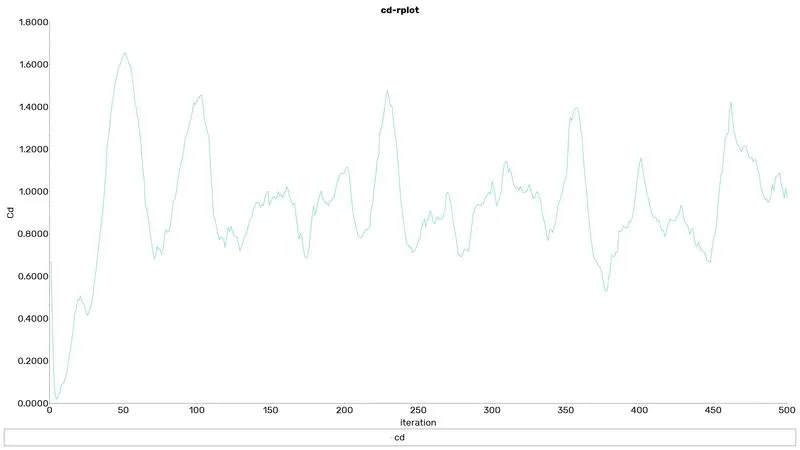
Lift Coefficient:
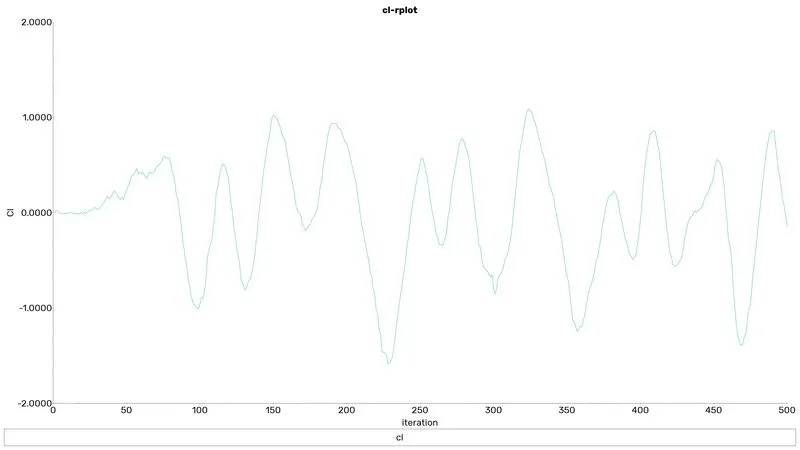
Monitor point velocity:
output contours
Velocity contour:
Pressure contour:
case 2: Transient Case
At Re = 100
Residual plot:
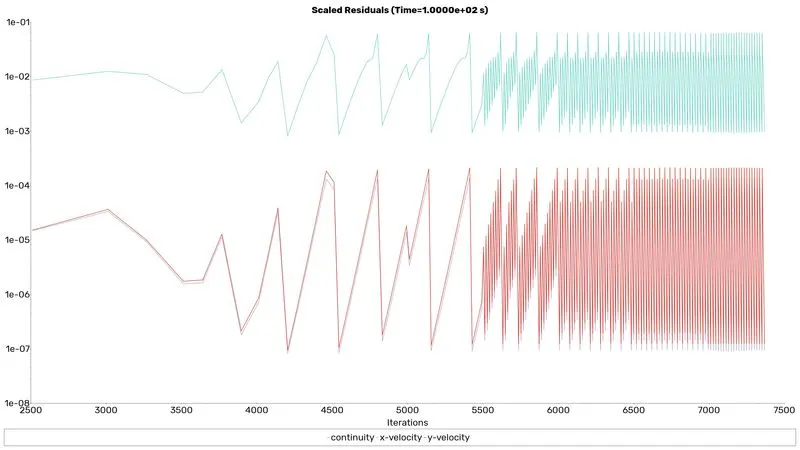
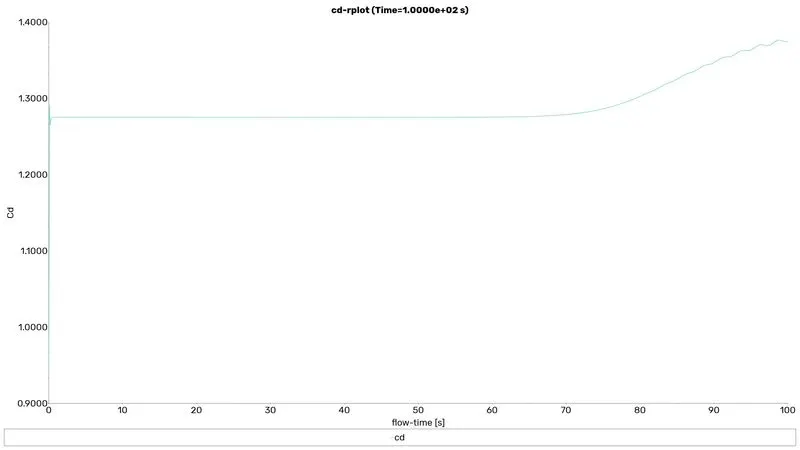
Coefficient of drag:
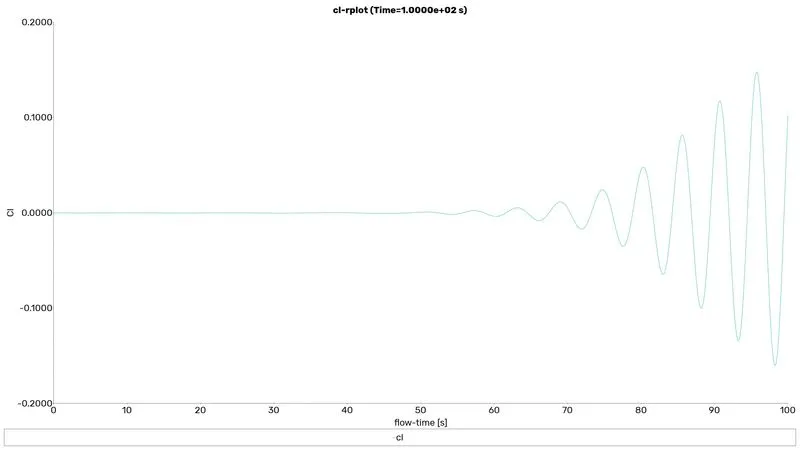
Lift Coefficient:
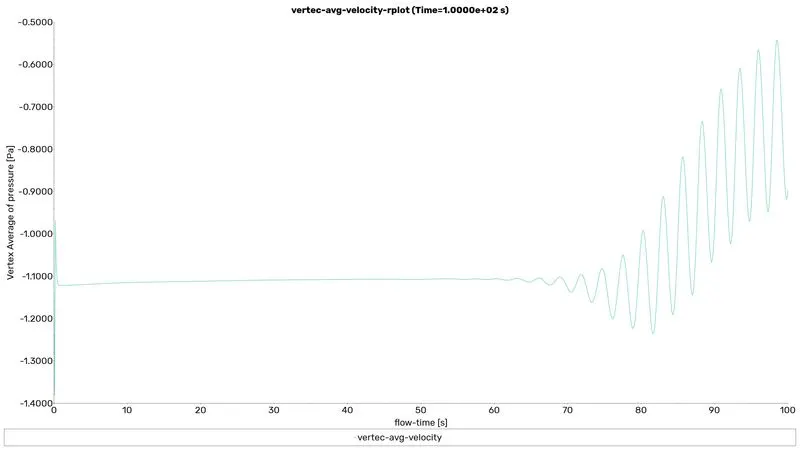
Monitor point velocity:
output contours
Velocity contour:
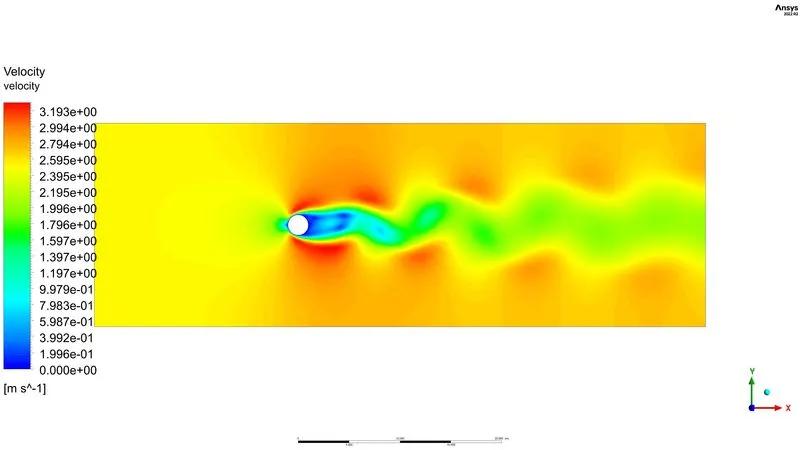
Pressure contour:
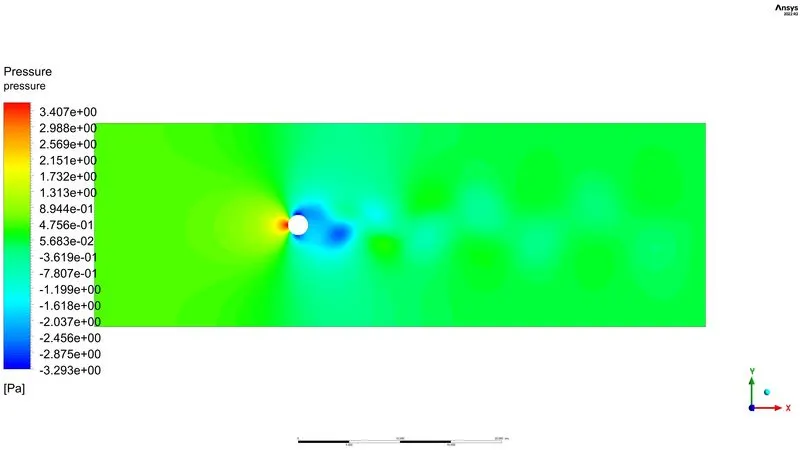
conclusion:
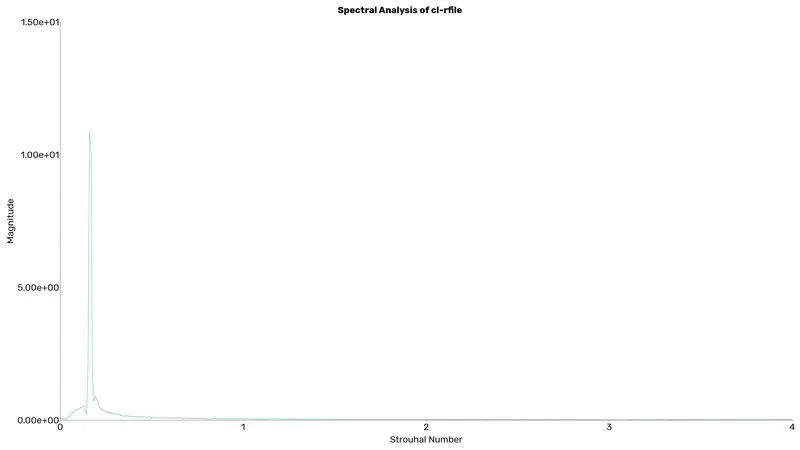
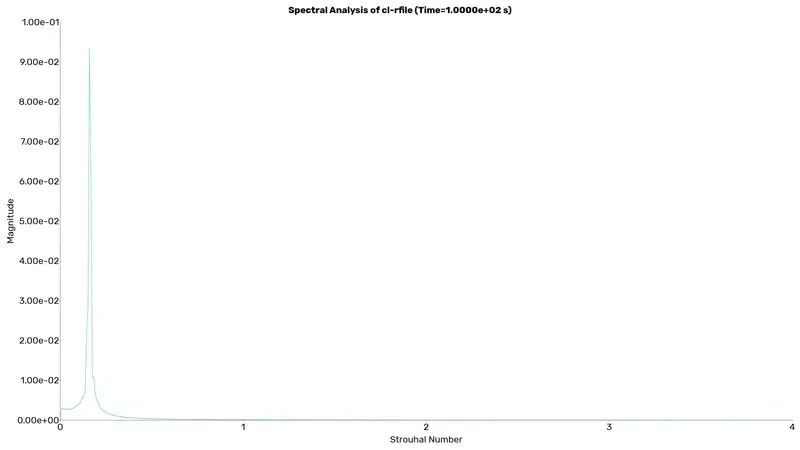
1. Strauhall number: A stroll number is a dimensionless number describing oscillating flow mechanisms.
The Strouhal number is often given as
`Strauhall Number==(f*d)/u`
For steady state
For transient state
2. Vortex shedding: Vortex shedding is a phenomenon when the wind blows across a structural member, vortices are shed alternately from one side to the other, and where alternating low-pressure zones are generated on the downwind side of the structure giving rise to a fluctuating force acting at right angles to the wind direction.
3. When fluid flows over the cylinder, a wake region is formed next to the cylinder due to a decrease in pressure.
4. we are unable to observe flow separation at a small Reynolds number.
5. Strauhal number calculated at Reynolds number =100 For both the steady state and unsteady state it gives 0.16.
6. Values of the coefficient of drag and lift coefficient for respective Reynolds number is tabulated bellow
| Renolds number | Coefficient of drag (cd) | Coefficient of lift (cl) |
| 10 | 3.3194 | 0.00038 |
| 100 Steady state | 1.3844 | 0.0373 |
| 100 Transient state | 1.3526 | 0.0423 |
| 1000 | 1.3569 | 0.6640 |
| 10000 | 1.035 | 0.2840 |
| 100000 | 0.9738 | 0.1392 |