Week 2 - Flow over a Cylinder.
AIM: Simulate the flow over a cylinder, explain the phenomenon of Karman vortex street.Simulate the flow with the steady and unsteady case, calculate the Strouhal Number for Re= 100 and calculate the coefficient of drag and lift over a cylinder by setting the Reynolds number to 10,100,1000,10000 & 100000.
INTRODUCTION:
The flow over a cylinder is the two dimensional cylinder is of the most studied of the aerodynamics. Here the flow pattern, drag and lift on the cylinder function is based on the reynolds number and the cylinderdiameter. the lift and the drag of the cylinder will be happened based on the the fluid around the cylinder by the laminar or turbulant flow and the study flow or unstudy flow.
here the flow over the pattern will be the different that is by the karman vortex street flow.
THEORY:
In this topic the reynolds number is the major part of the fluid flow, this will determine the weather the flow is the laminar or the turbulent flow. reynolds number give us the fluid particals direction wil be determine by the reynolds number. the Re will be less then 2000 then the flow will be the laminar flow and the Re will be more then 4000 is the turbulent flow.
LAMINAR flow will be caused at the low Re number where the viscous forces are dominant and the characterized by the smooth consant fluid motion. their is no disturbe in the particals direction.
TURBULENT flow will be at the high Re number less domination of the viscous forces which produce the eddies and vortices.
BOUNDARY layeris a region in the immediate vicinity of the boundary surface in which the velocity of the fluid increases gradually from zero at the boundary surface to the velocity of the main strem is called the boundary layer.
FLOW SEPARATION occurs when the boundary layer travels far enough against an adverse pressure gradient that the speed of the boundary layer relative to the object fall almost to zero.
KARMAN VORTEX STREET is the flow of repeating pattern of swirling vortices caused by the process known as vortex shedding which is responsible for the unsteady separation of flow of the a fluid around blunt bodies.
Mathematically Raynolds number :
Re=ρνD/μ
ρ = Density of the fluid.
ν=Velocity of the fluid.
D=Diameter of the tube or cylinder.
μ=Dynamic viscosity.
SIMULATION SETUP:
1. here i first open the workbench and then i darg the the ansys fluent on the space to solve the problem. then i open the geometric and i made the sketch by using the geometric tools according to the requirment. then i pull command to model into 3D.
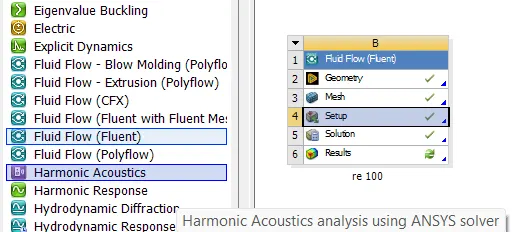
fig: ansys fluent setup.
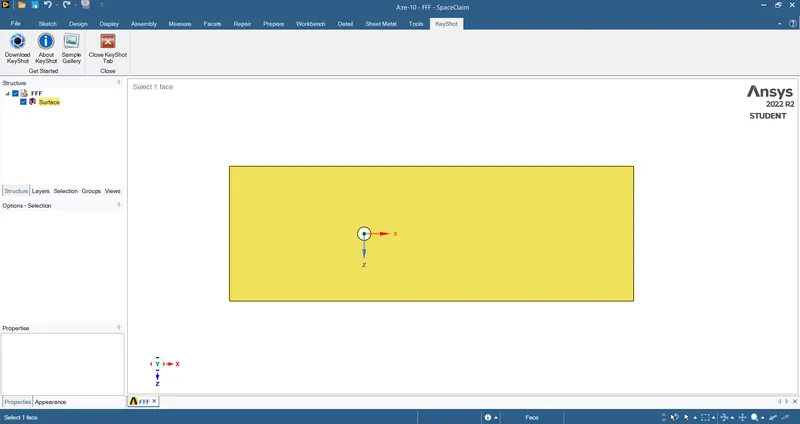
fig: flow over the cylinder sketch.
2. then i open then setup option to solve the problem here i used the energy equations, k omega ,cell conditions , boundary conditions, unsteady flow are given according to the problem.
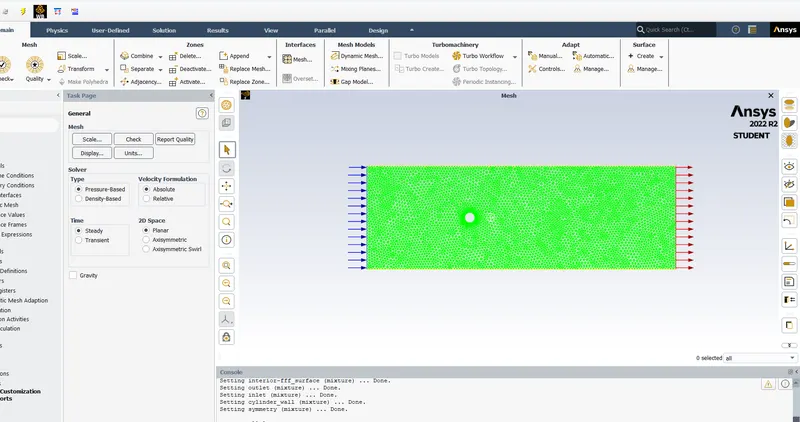
fig:setup
3.here i make report of the darg and lift plot for each and every itrations.
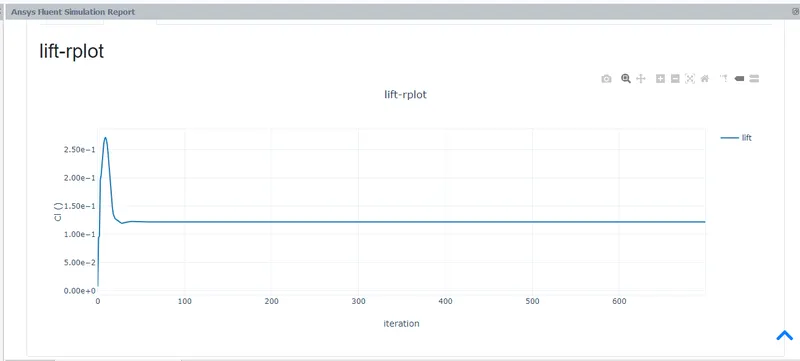
fig: lift reporte plot.
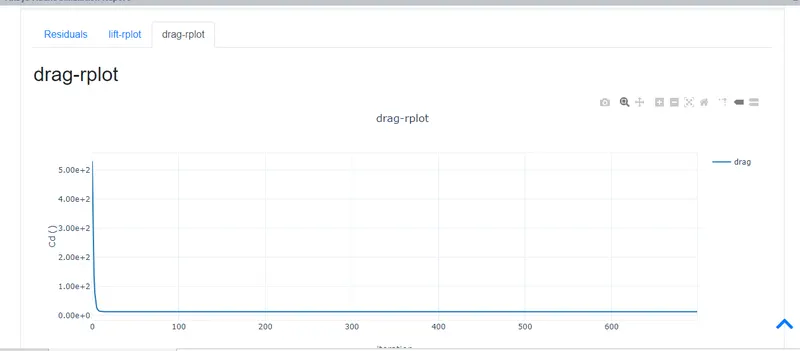
fig: drag reporte plot
4.then i initialize the problem and i started making the pressure contour and velocity contour and also i making the animation by using the autosave option in the soluation setup window.
5. then i run the solver for 300 iterations untill the problem will be converged.
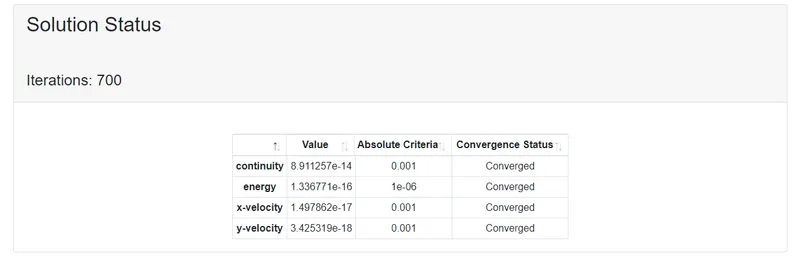
fig: converged
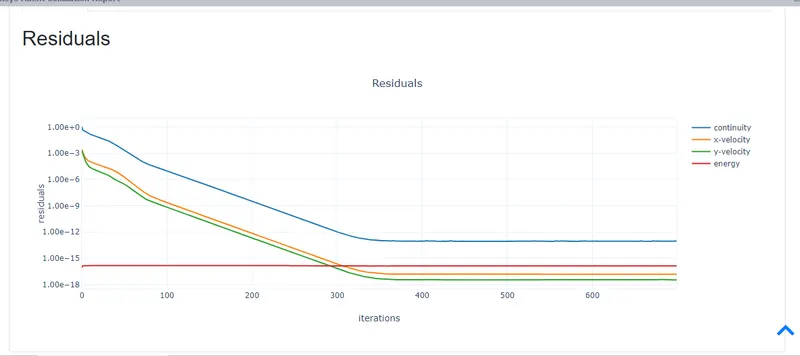
fig: residuals plots and the converge of the result.
6.then i plotv the fft plot
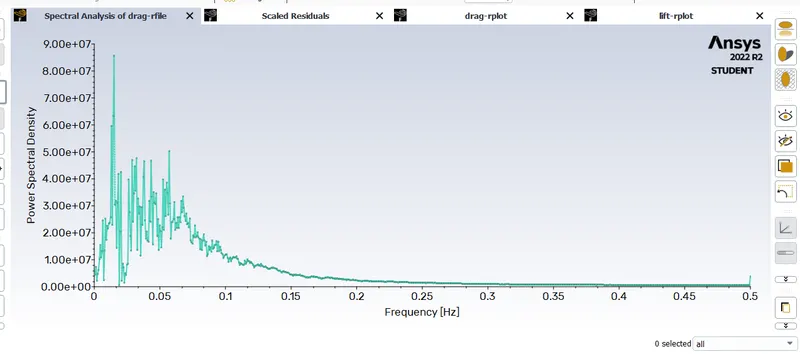
fig:fft plot
7.then i made the all the result pressure in the soluation window itself and here the contour plots for the pressure and velocity in the soluation window.
8.velocity contour 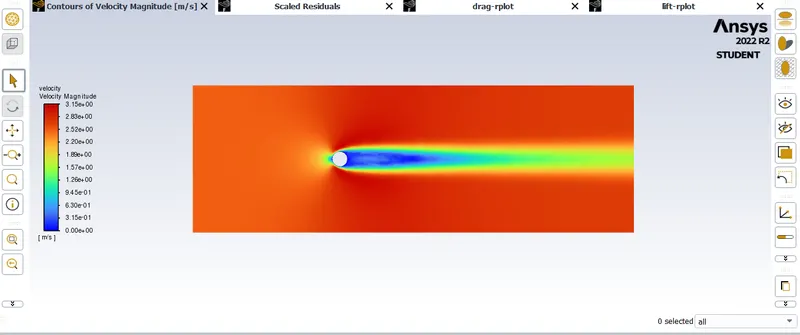
fig:velocity contour
9.pressure contour
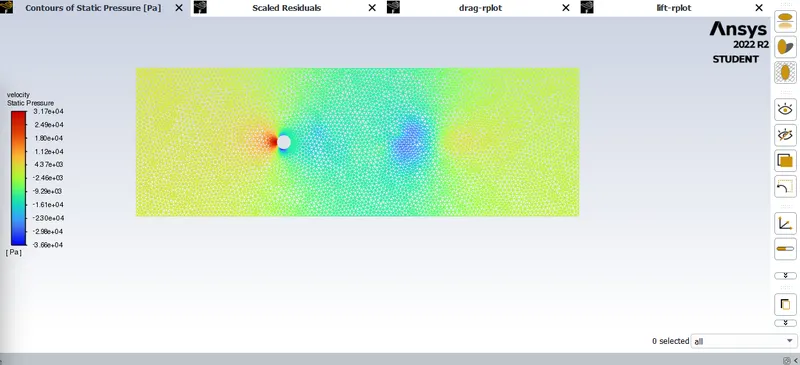
fig: pressure contour
CASES:
| s.no | Re | steady/unsteady solver | velocity |
| 1. | 10 | steady | 0.25m/s |
| 2. | 100 | steady/unsteady | 2.5m/s |
| 3. | 1000 | steady | 25m/s |
| 4. | 10000 | steady | 250m/s |
| 5. | 100000 | steady | 2500m/s |
RESULT:
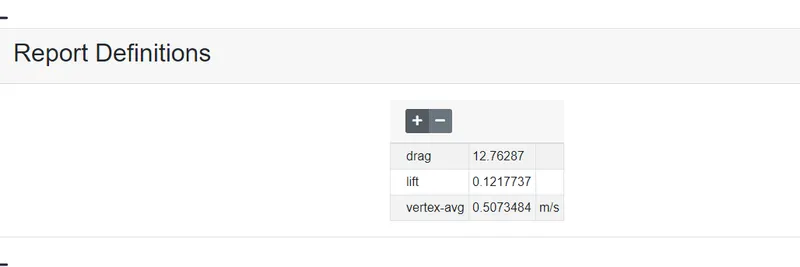
fig: drag, lift and vertex-avg
fig:velocity contour
fig:pressure contour
their is a small variation in the velocity and pressure contour but in the Re 1000 the formation of the karman vortax steet.
Effect of Reynolds number on the coefficient of drag is very small variation upto th Re of 100 and the Re is changing the drag and lift will change according to the velocity change.
CONCLUSION:
here i conclued that the darg and the lift of the cylinder is totally based on the velocity of the fluid entering the geometry, the Re will change the all for each case study that the karman vortex steet will start the Re of 1000 the but the remaining cases the flow separation will change occures smoothly. the as the Re increases the partten if the change that laminar to the turbulent flow. here the flow make the darg of the lift will more in the turbulent flow because it over comes the viscous forces in the fluid that flow over the cylinder