Week 2 - Flow over a Cylinder.
Aim
To stimulate the flow over a cylinder and axplaining the Karmen vortex street
Objectives
Part 1
To stimulate the flow with steady and unsteady case and calculating the Strouhal number for Re=100
Part 2
1.To calculate the coefficient of drag and lift over the cylinder by setting Re=10,100,1000,10000,100000
2.Discussing the effect of Reynolds number on coefficient of drag.
Theory
1.Karman vortex street
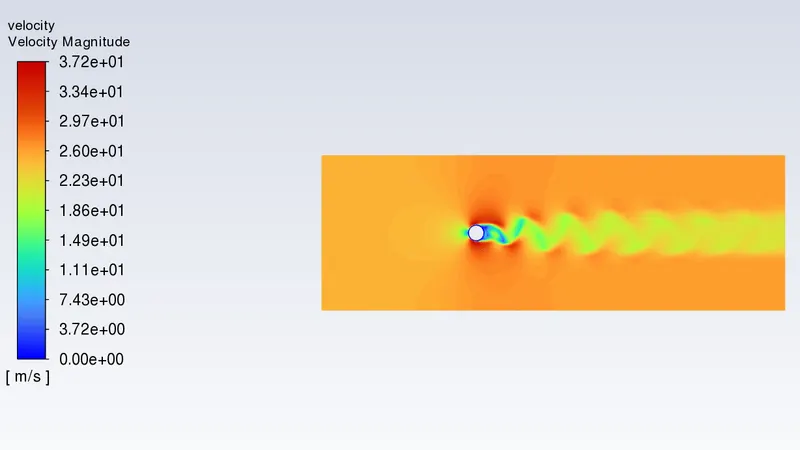
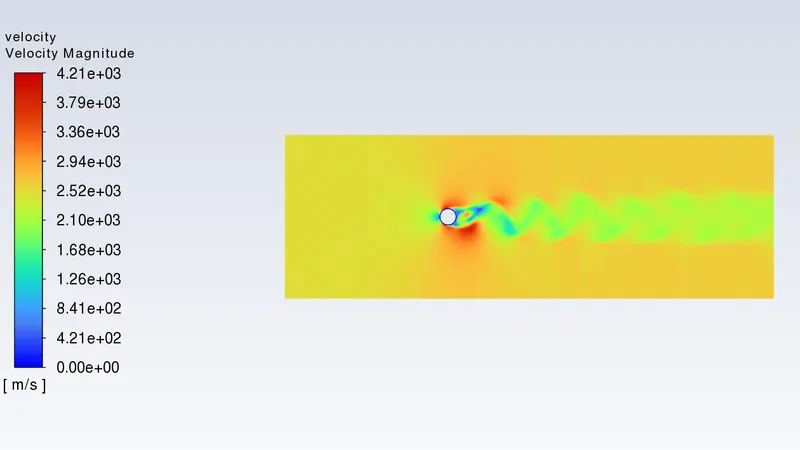
This is a type of oscillating flow that takes place when a fluid such as air or water flows past a bluff body at certain velocities,depending on the size and shape of the body.In this type of flow the vortices are created at the back end of the body and detach periodically from each side forming a Karman vortex street.The fluid flow past the object creates low pressure vortices on the downstream side of the object.The object will tend to move to the low pressure zone.
2.Reynolds number
It is a measure of ratio inertial to viscous forces in the flow of fluid around a body.
3.Strouhal number
It is a dimensionless number describing oscillating flow mechanisms.
Results
Part 1
Stimulating the flow with steady and unsteady state and calculating the strouhal number for Re=100
1.Unsteady state
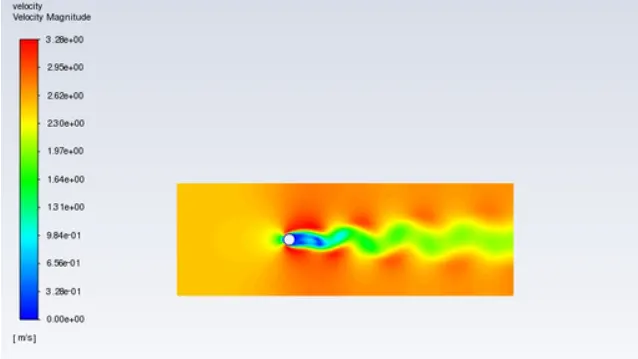
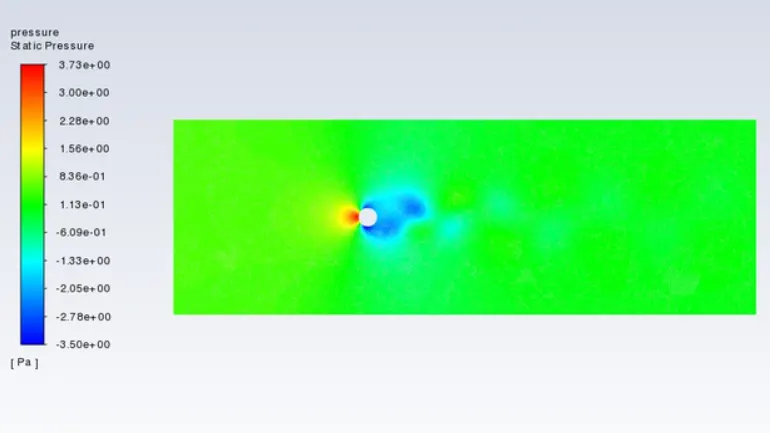
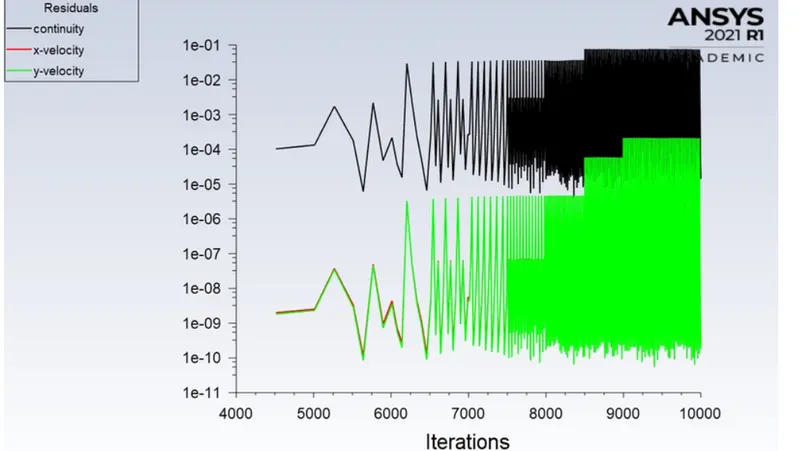
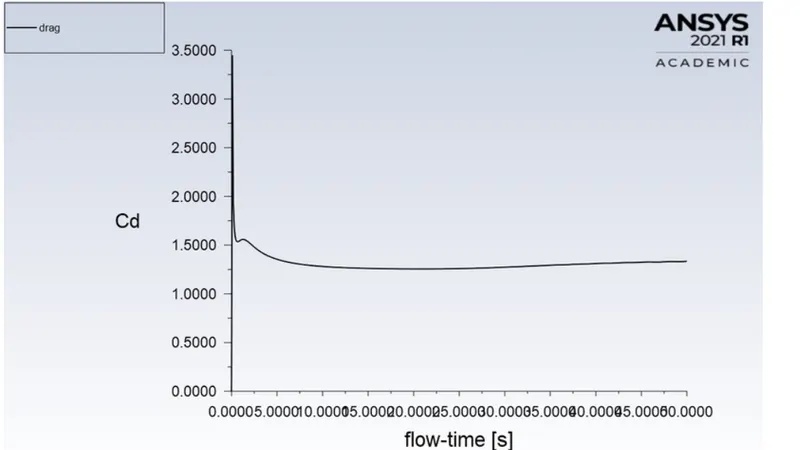
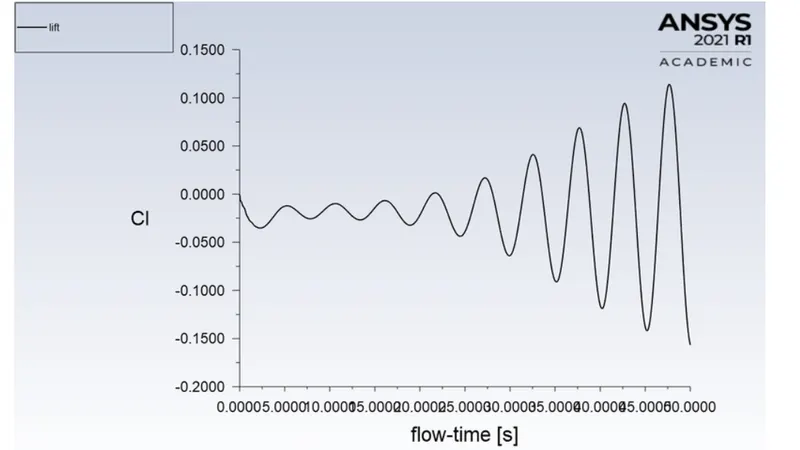
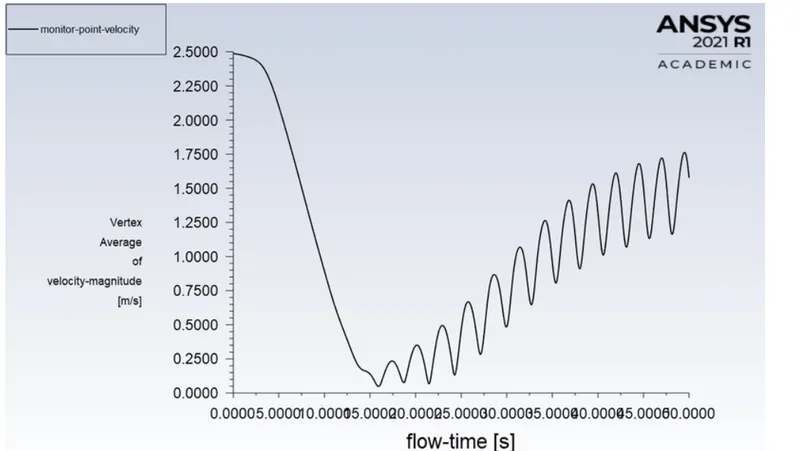
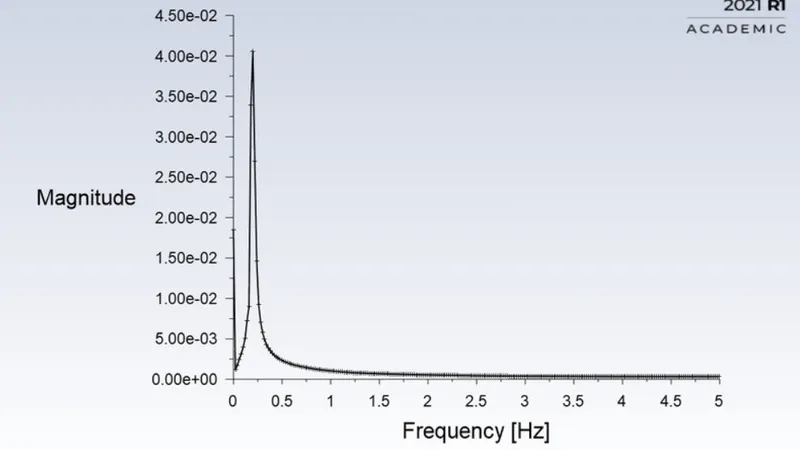
The strouhal number for the unsteady state is 0.1996
Steady state
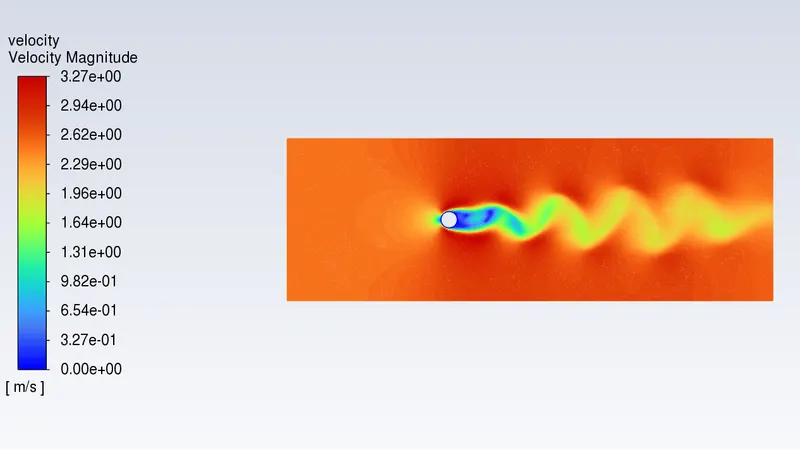
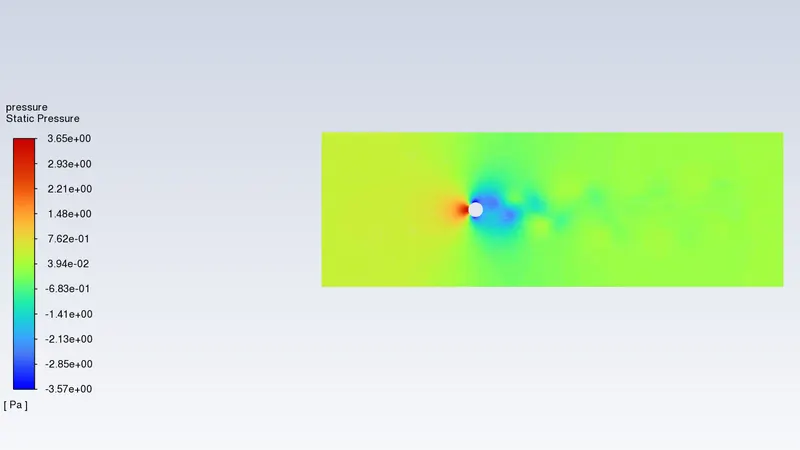
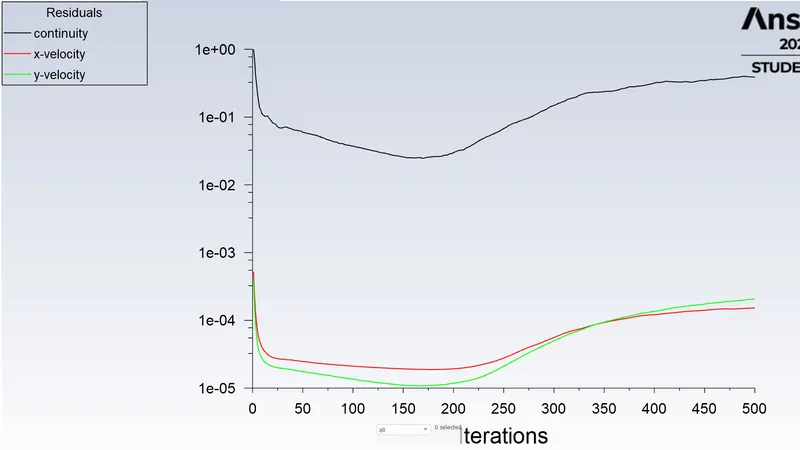
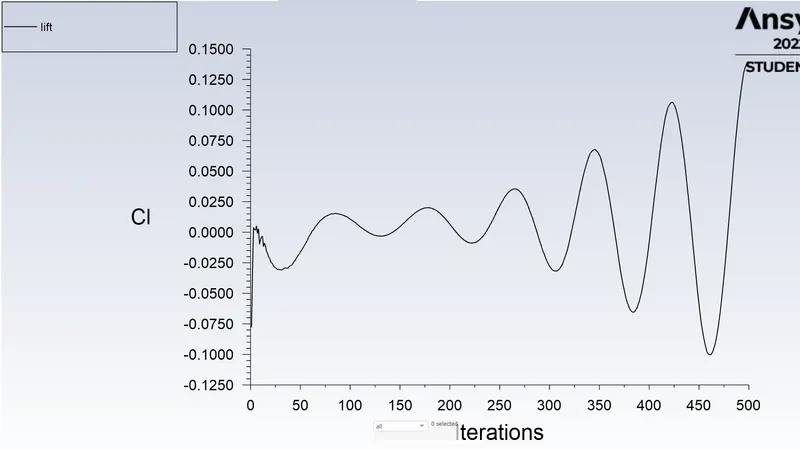
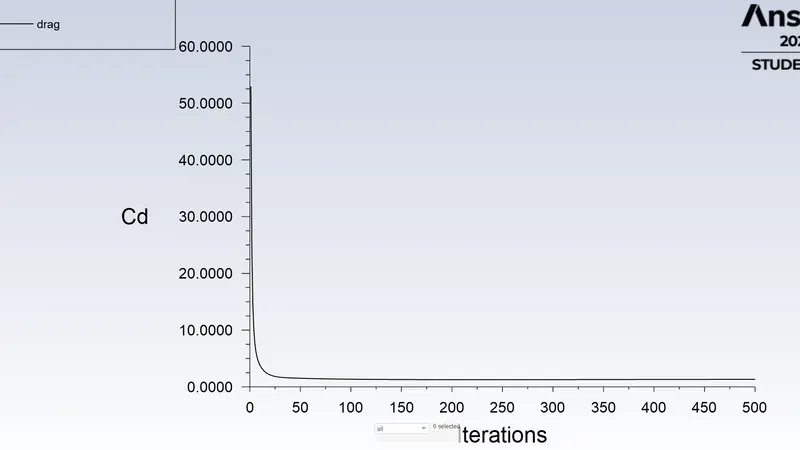
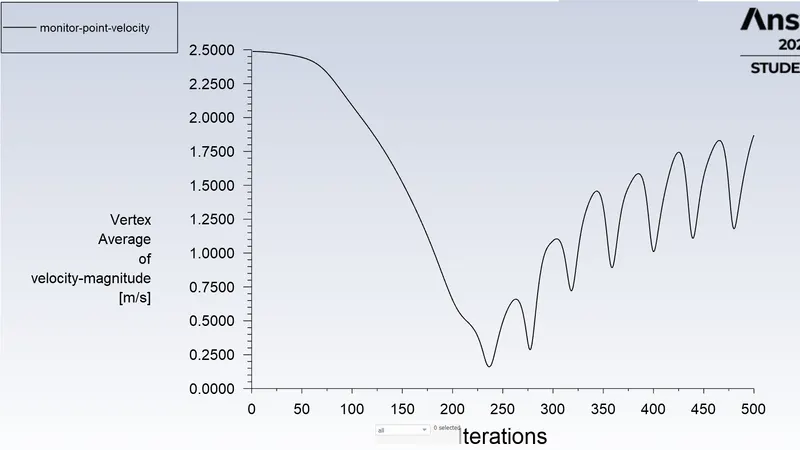
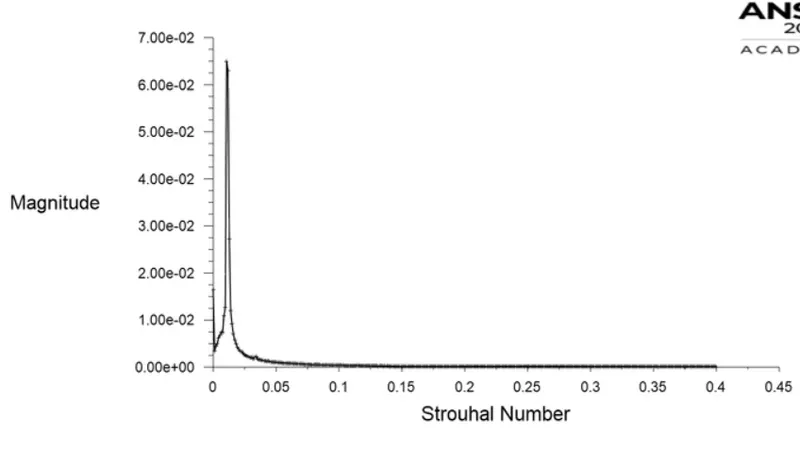
The strouhal number for the steady state is 0.0133
Part 2
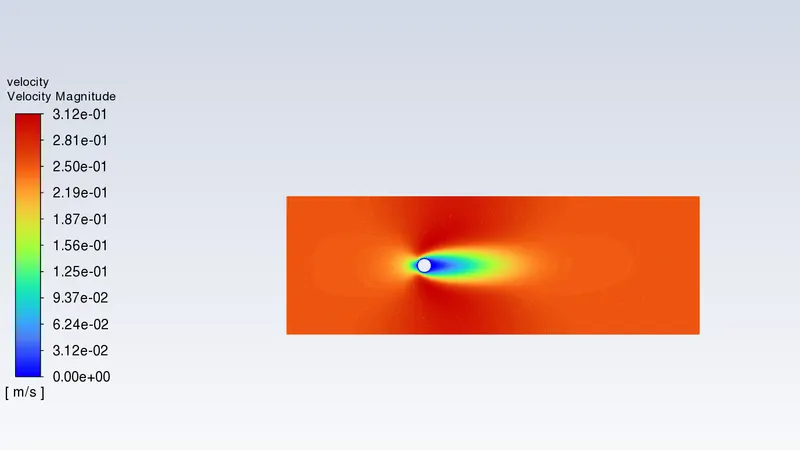
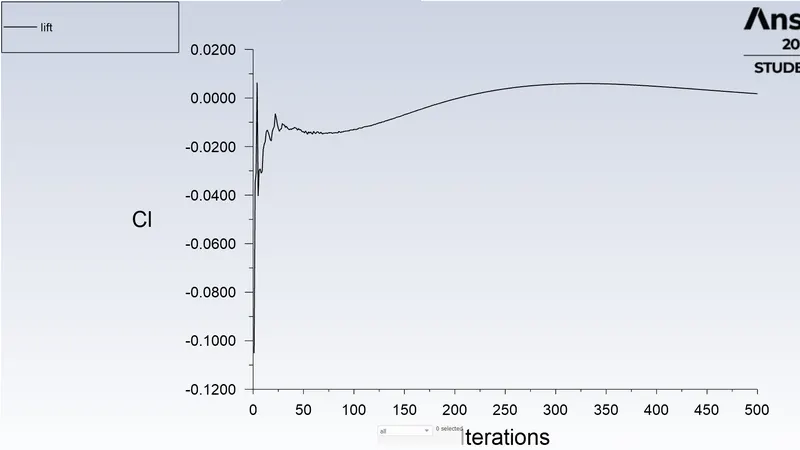
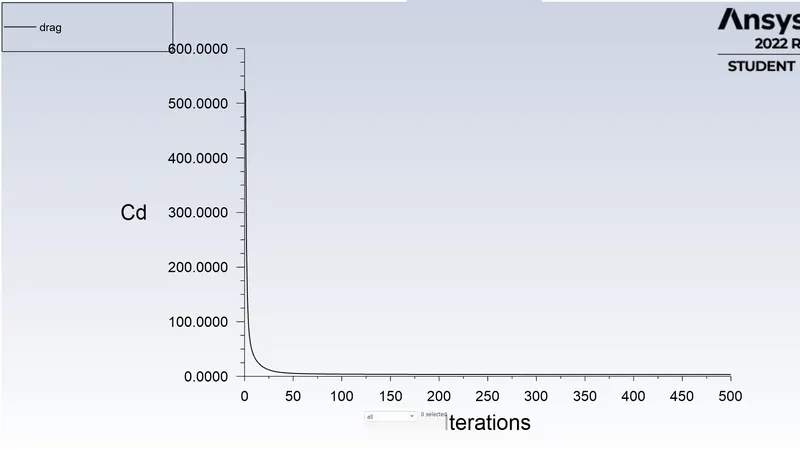
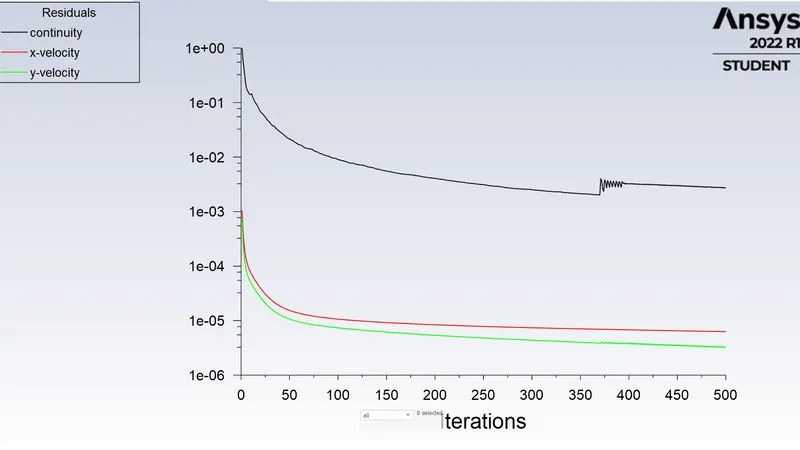
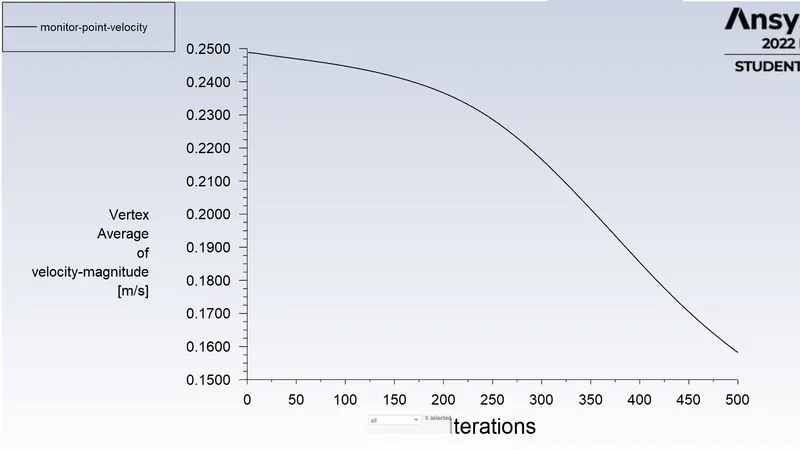
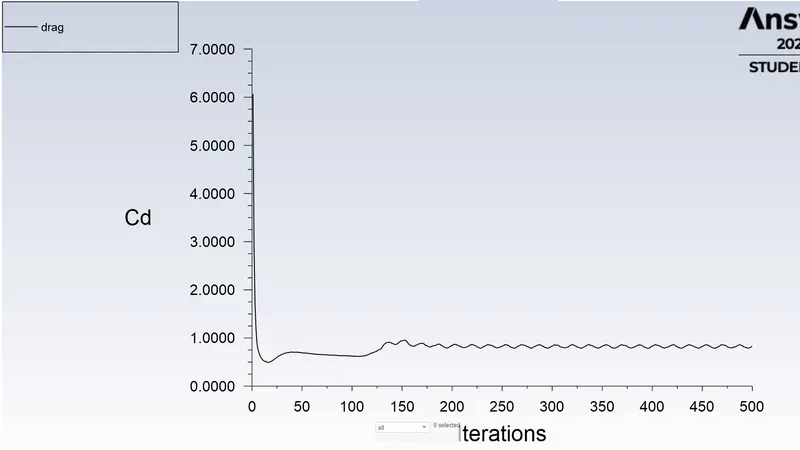
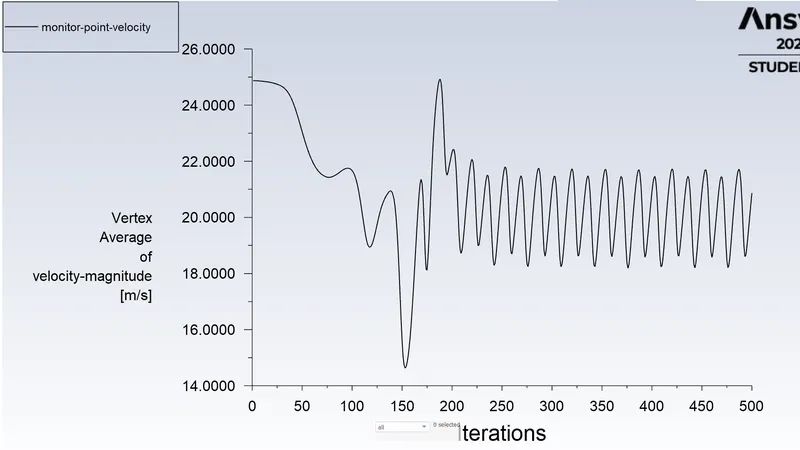
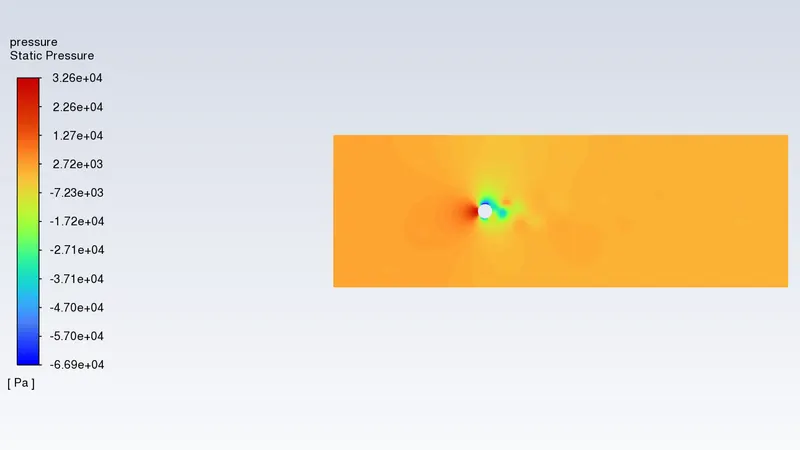
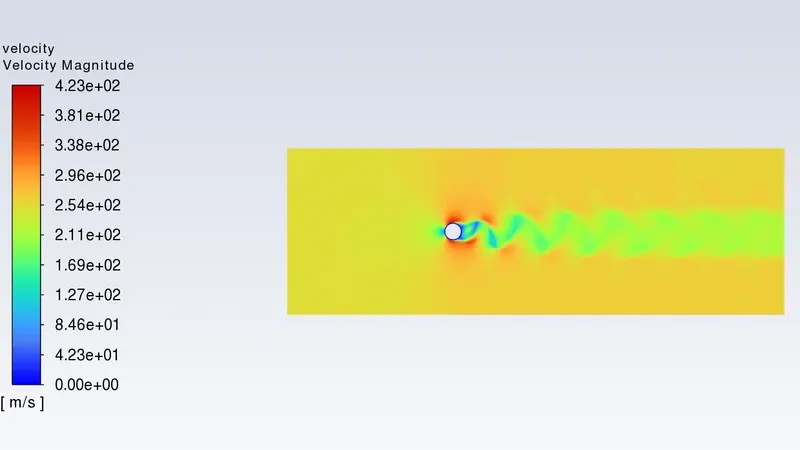
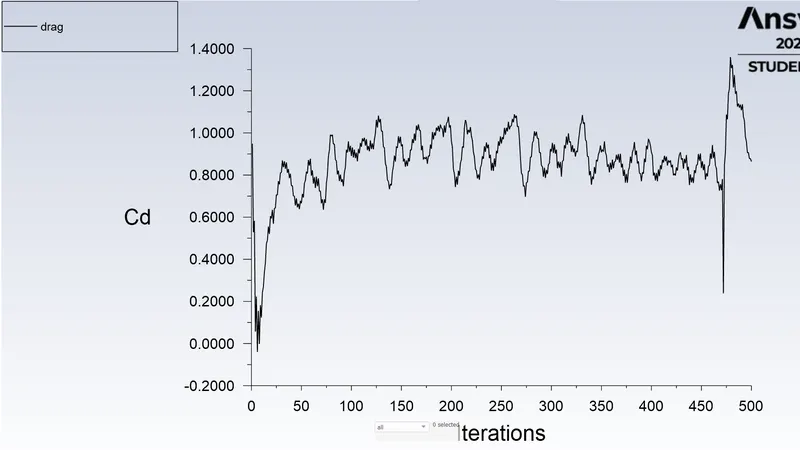
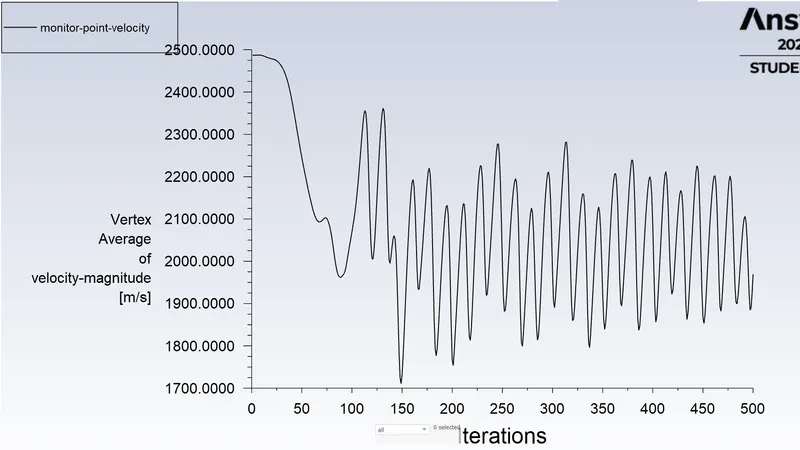
Simulating the flow with steady state by setting Reynolds number of 10,100,1000,10000,100000
Re=10
v=0.25 m/s
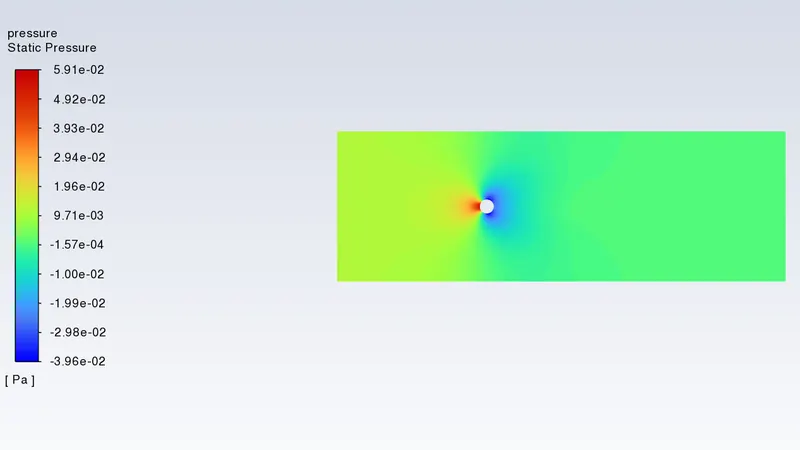
Re=100
v=2.5 m/s
Re=1000
v=25 m/s
Re=10000
v=250 m/s
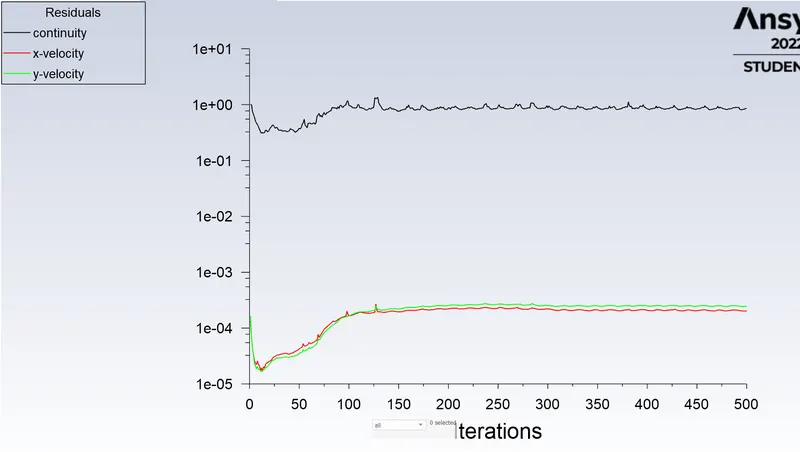
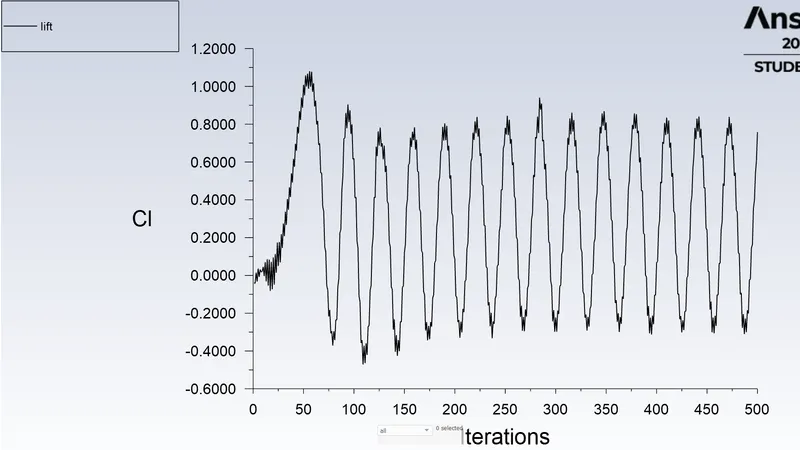
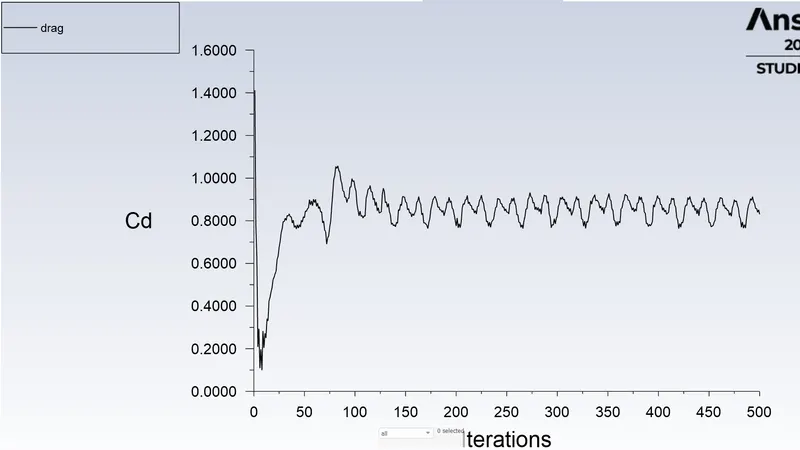
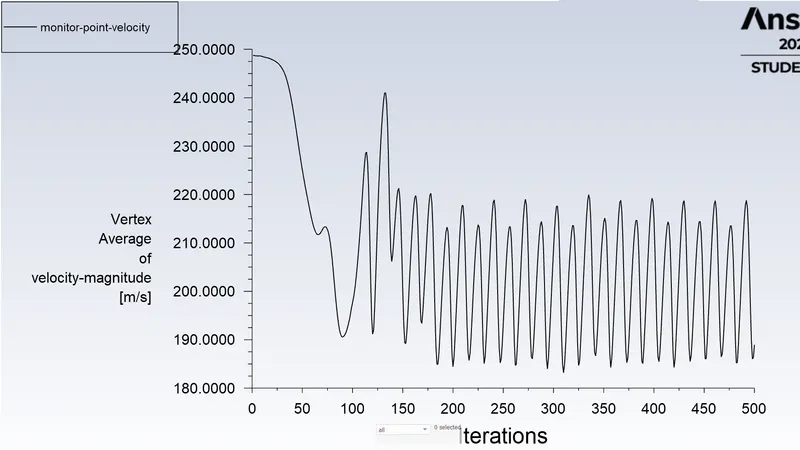
Re=100000
v=2500 m/s
| Reynolds number | Coefficient of drag | Coefficient of lift |
| 10 | 3.366 | 0.0017 |
| 100 | 1.338 | 0.1394 |
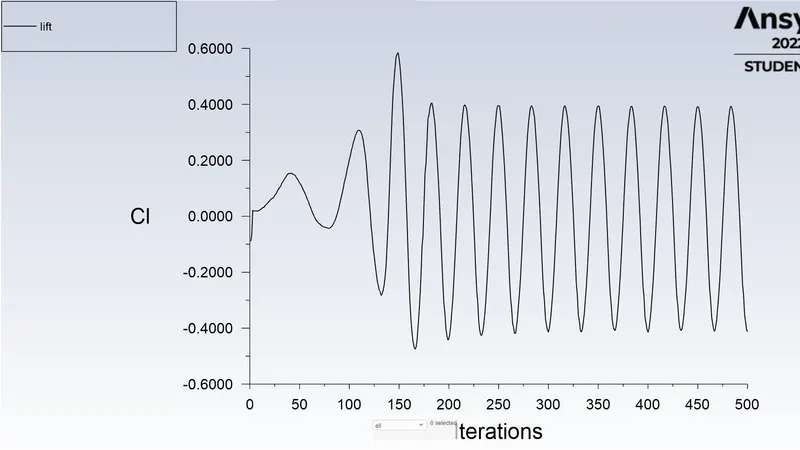
| 1000 | 0.831 | 0.3946 |
| 10000 | 0.830 | 0.7583 |
| 100000 | 0.863 | 0.7776 |
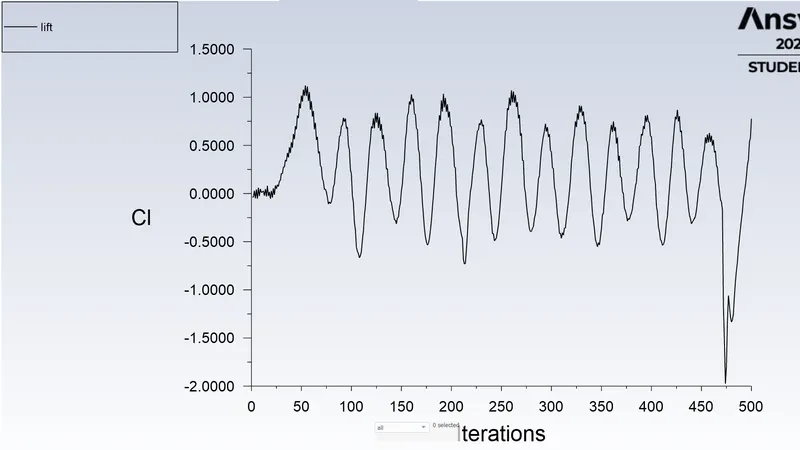
From the above table we can see that as the Reynolds nujmber is increasing the Coefficient of drag value decreases upto a certain value of Reynolds number And then it tries to remain constant.
Conclusions
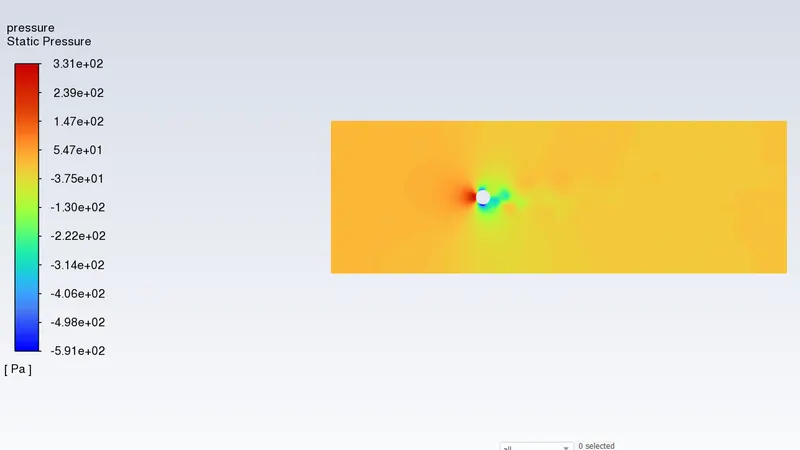
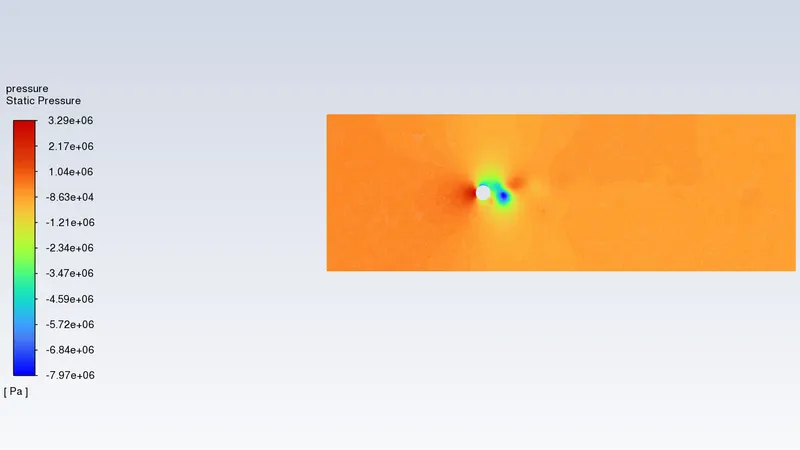
When the fluid flows over the cylinder a wake region is formed next to the cylinder due to decrease in prerssure and recirculation.Hence, flow separation takes place.
In this challenge we have kept all the parameters constant other than velocity which we have changed depending on the Reynolds number required.
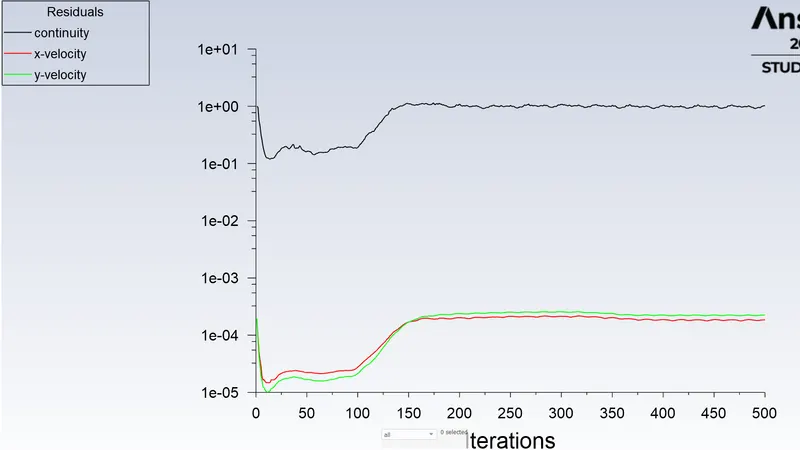
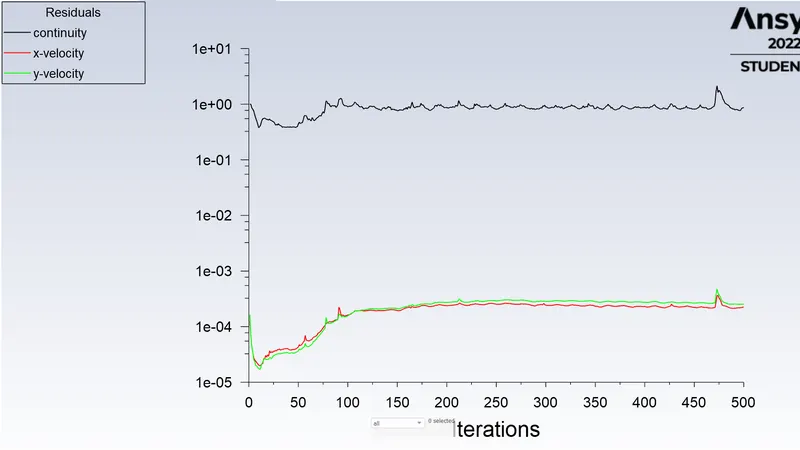
The plots for coefficient of drag and lift were obtained and the vortex shedding behind the cylinder was shown in another plot for all the values of Reynolds number.