Week 2 - Flow over a Cylinder.
Simulation of flow over a cylinder and explain the phenomenon of Karman vortex street
Aim:
Part-1: To Simulate the flow with the steady and unsteady case and calculate the Strouhal Number for Re= 100.
Part-2: To calculate the coefficient of drag and lift over a cylinder by setting the Reynolds number to 10,100,1000,10000 & 100000. (Ran with steady solver)
To discuss the effect of Reynolds number on the coefficient of drag.
Introduction:
When a fluid flows past a body, we see a different types of flow pattern depending on the free stream Reynolds number of the flow. In the same way when fluid flows past a cylinder, we observe different types of flow regimes.
Below figure shows, different flow regimes for different Reynolds numbers for flow past a cylinder.
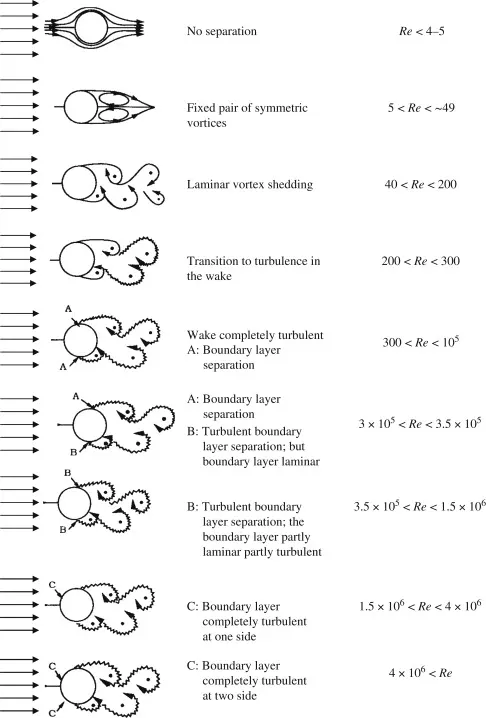
When a fluid flows past a body (which is not streamlined) at low Reynolds number (laminar regime), generally a large wake is formed behind the body. When we keep increasing the Reynolds number with in the laminar regime, we notice unsteady flow field behind the bluff bodies. It can be seen in case of Reynolds number greater than 40 for cylinder. This is called Vortex Shedding. Vortex Shedding is an oscillating flow that takes place when a fluid flows past a bluff body at certain Reynolds number. Vortices are created at the back of the body and detach periodically from ether side of the body, forming a Von Karman Vortex Street. The fluid flow past the object creates alternating low-pressure vortices on the downstream side of the object. The object will tend to move towards the low pressure zone. Moreover, Von Karman Vortex Street is a repeating pattern of the swirling motion vortices, caused by Vortex Shedding.
The flow past a two-dimensional cylinder is one of the most studied of aerodynamics. Studying this helps us understand flow over other bodies. It is relevant to many engineering applications. In spite of extensive experimental and numerical studies almost over a century, flow around a circular cylinder still remains a challenging problem in fluid mechanics, where intensive investigations are continued even today to understand the complex unsteady dynamics of the cylinder wake flow. Cross-flow normal to the axis of a stationary circular cylinder and the associated problems of heat and mass transport are encountered in a wide variety of engineering applications. Both experimental measurements and numerical computations have confirmed the onset of instability of the wake flow behind a cylinder beyond a critical Reynolds number, leading finally to a kind of periodic flow identified by definite frequencies, well-known in the literature as the Von Karman vortex street.
Strouhal Number:
Strouhal Number is a dimensionless describing oscillating flow mechanisms.
`St = (fL)/U`
where 'f' is the frequency of vortex shedding
'L' is Characterstic length
'U' is the flow velocity
Procedure followed:
a) Creating Geometry
b) Meshing
c) Setup
d) Solution
e) Results
a) Creating Geometry:
Firstly, we change units in the SpaceClaim to meters. This is done because we have the dimensions of the geometry in meters.
The computational domain is made in the Space Claim.
Dimensions followed for computational domain:
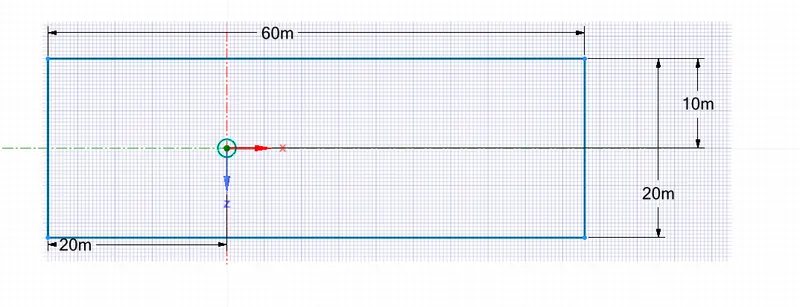
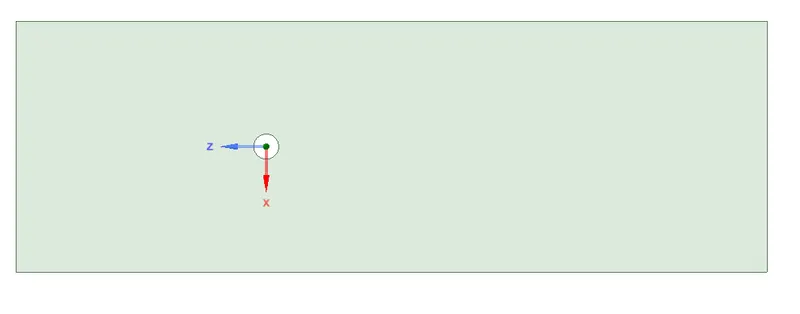
Surface generated for computational domain:
b) Meshing:
Basic Mesh
The below mesh quadmesh
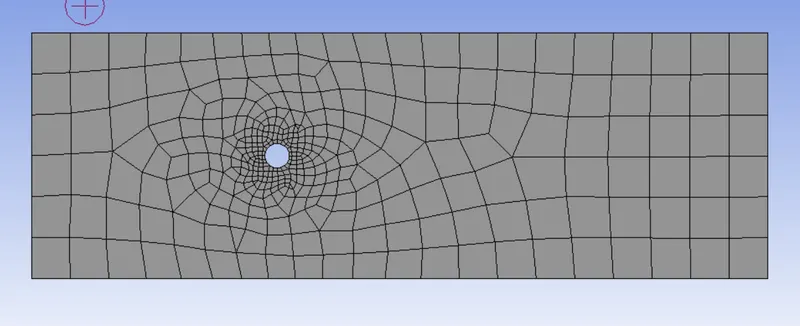
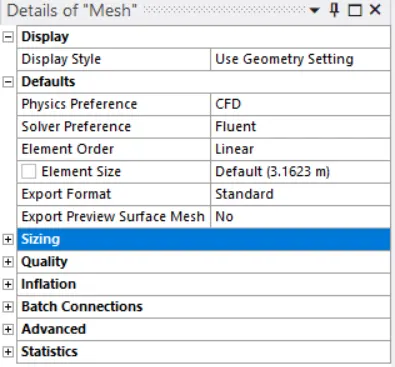
Details of Basic Mesh
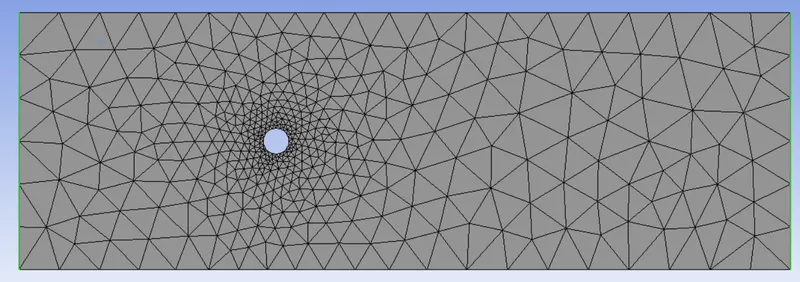
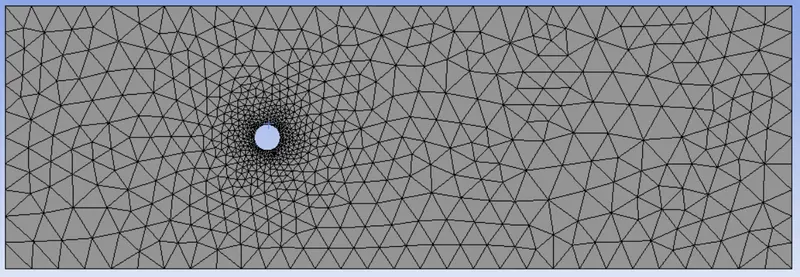
The below mesh is triangle dominated mesh
After making following chenges to the mesh:
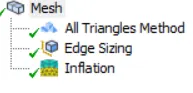
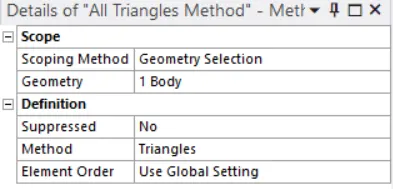
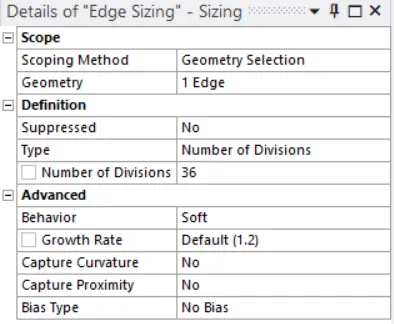
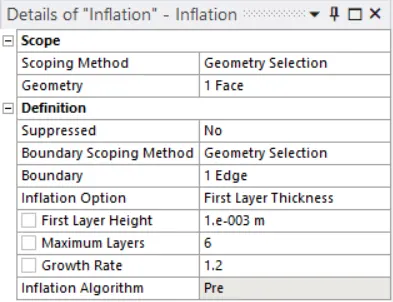
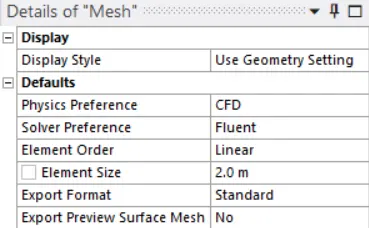
The mesh looks like
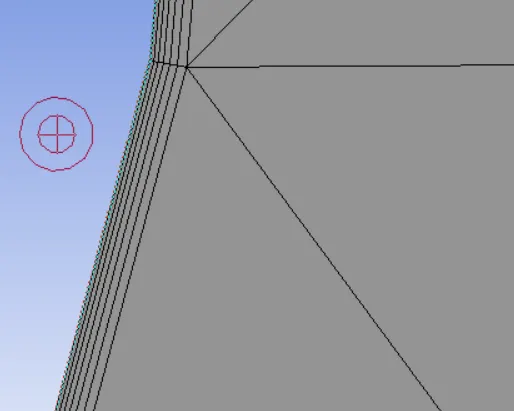
Inflation Layers looks like
Named Selections:
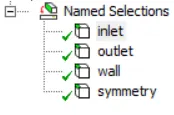
This completes the meshing.
c) Setup (Fluent):
In the setup > physics, following conditions are chosen.
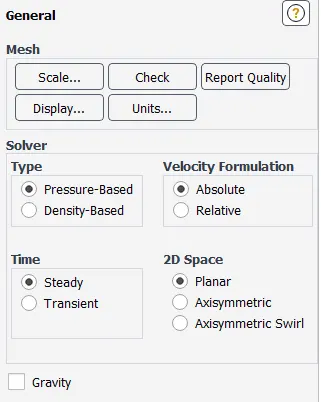
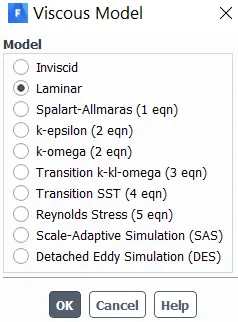
We will be running the simulation for different Reynolds number. The Reynolds number is changed by changing the Dynamic viscosity. For this we will be using user defined fluid for the simulation.
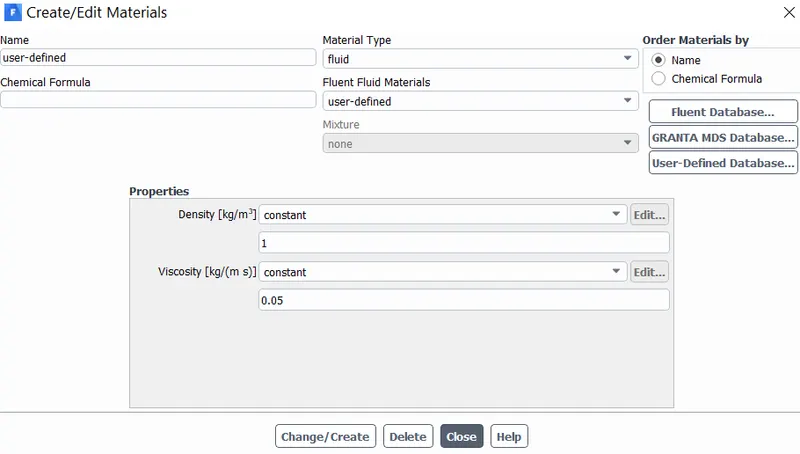
Boundary conditions:
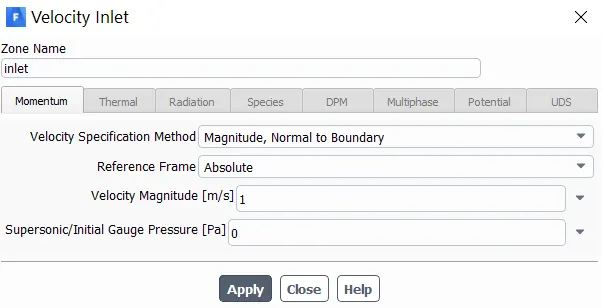
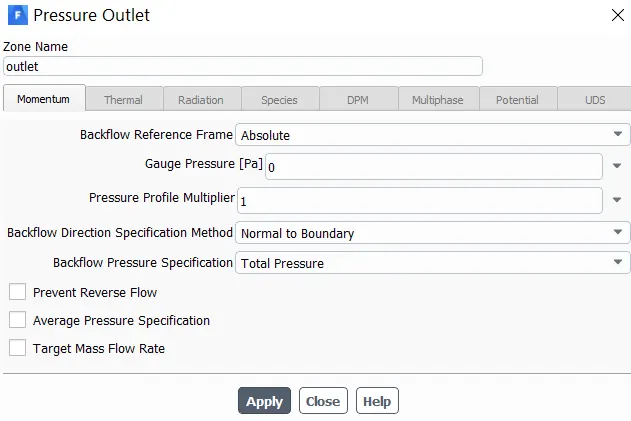
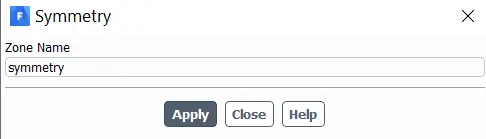
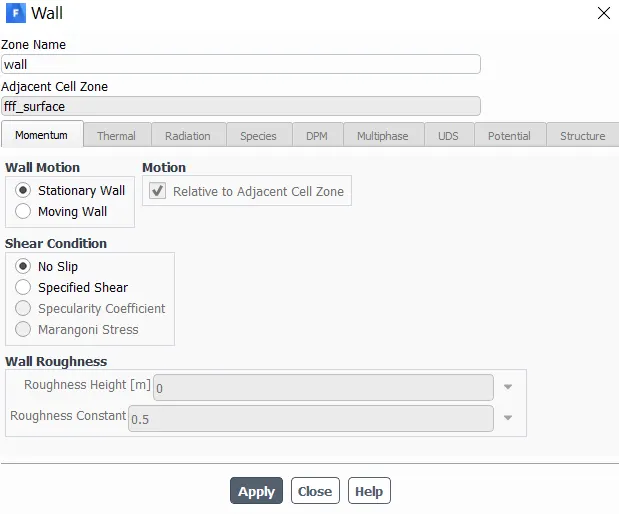
In the setup > Results, following are chosen.
Creating point for monitoring velocity.
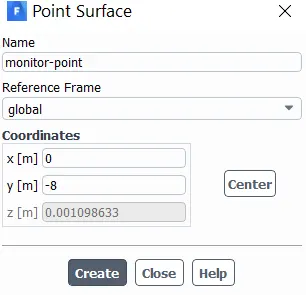
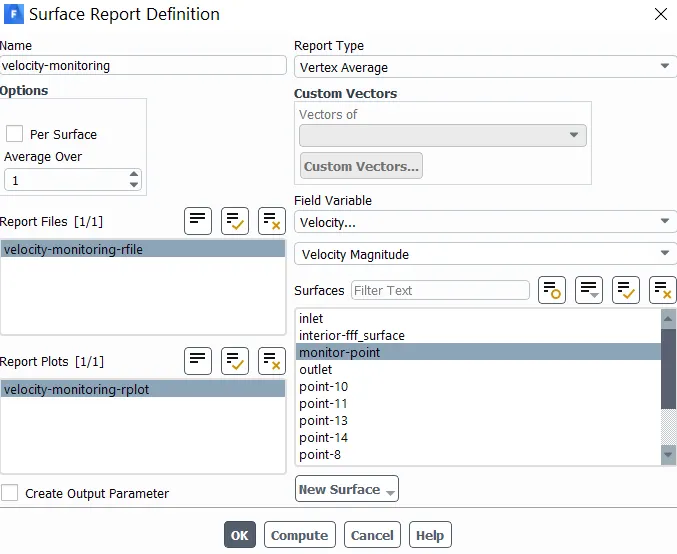
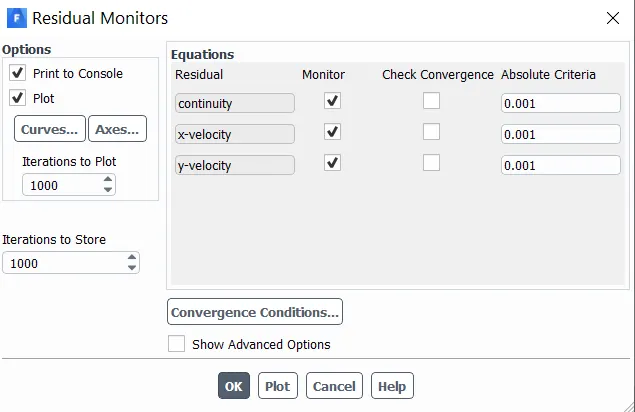
In the setup > Solution, following are chosen.
Surface report > vertex average.
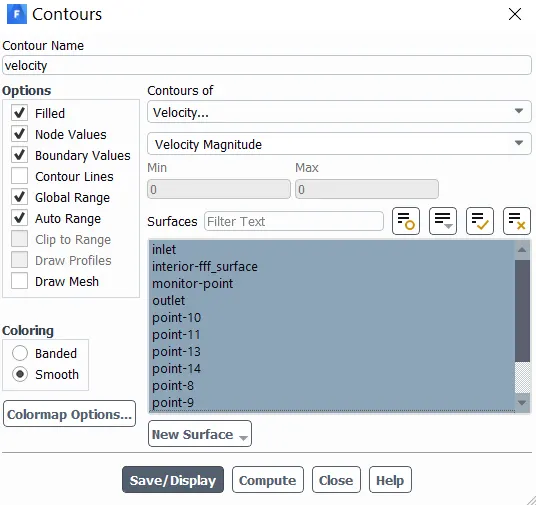
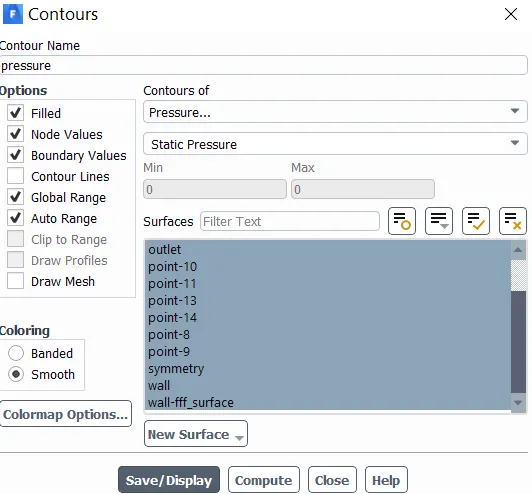
In Setup > Results > contour,
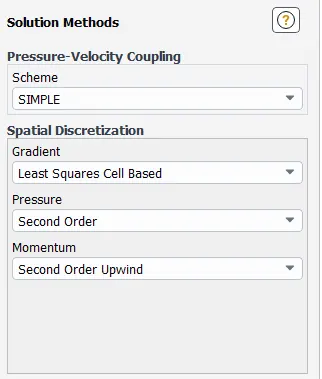
In setup > solution, Methods,
d) Results:
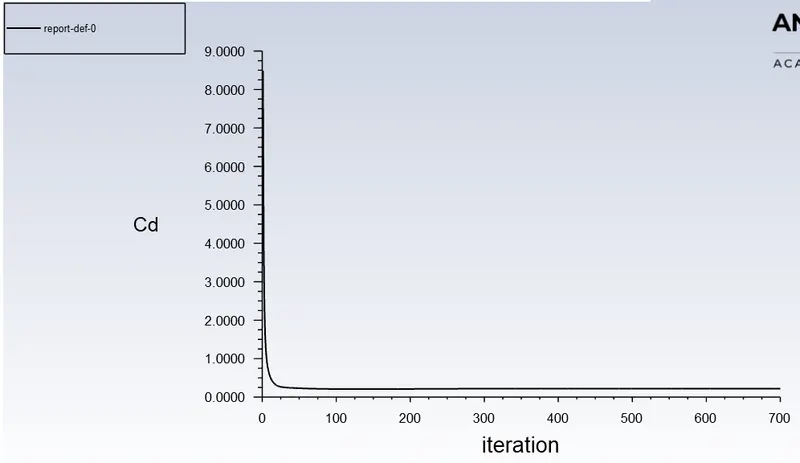
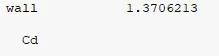
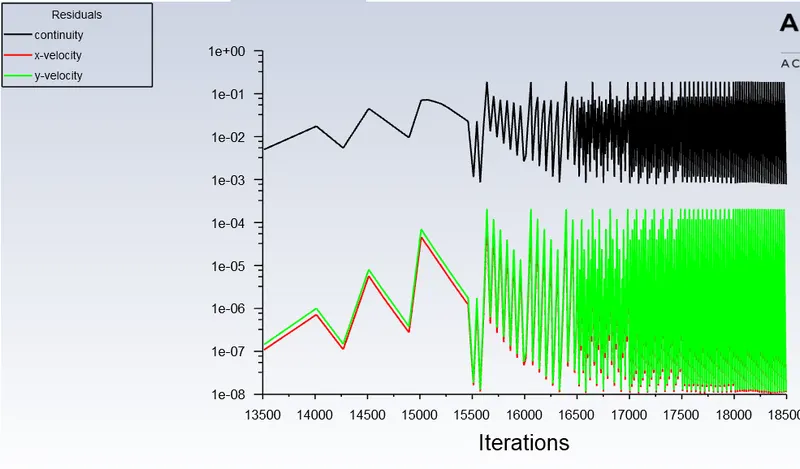
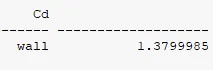
Part-I: Simulate the flow with the steady and unsteady case and calculate the Strouhal Number for Re= 100 (velocity = 1m/sec and viscosity = 0.02kg-s/m).
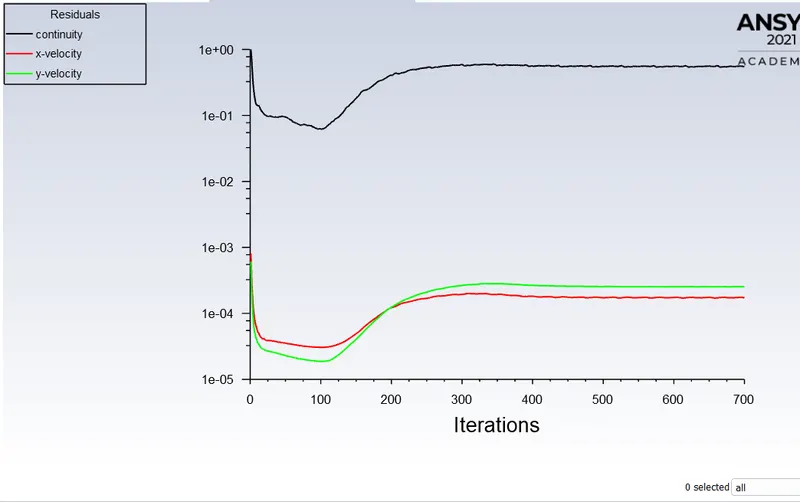
Steady State Solver:
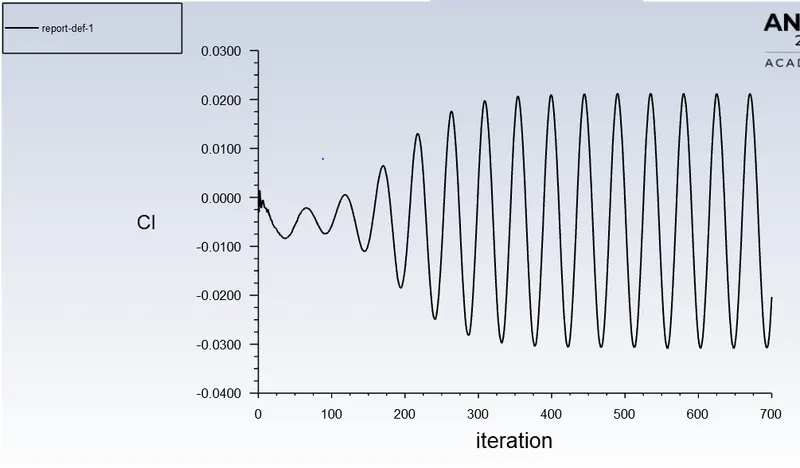
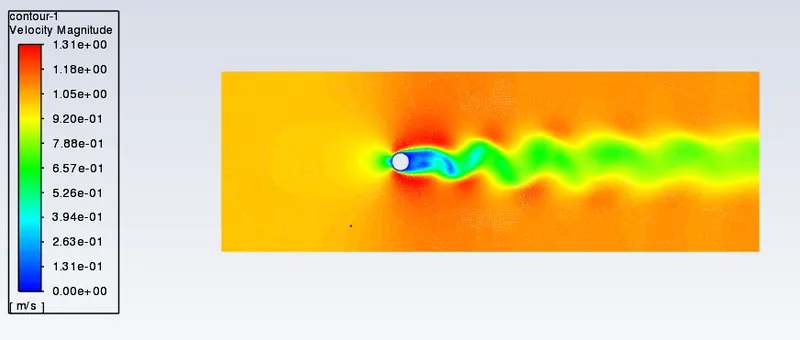
Unsteady Solver:(velocity = 1m/sec and viscosity = 0.02kg-s/m)
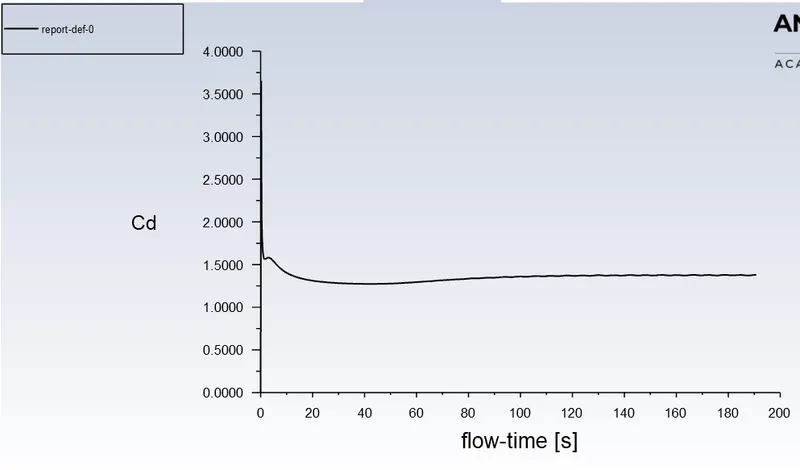
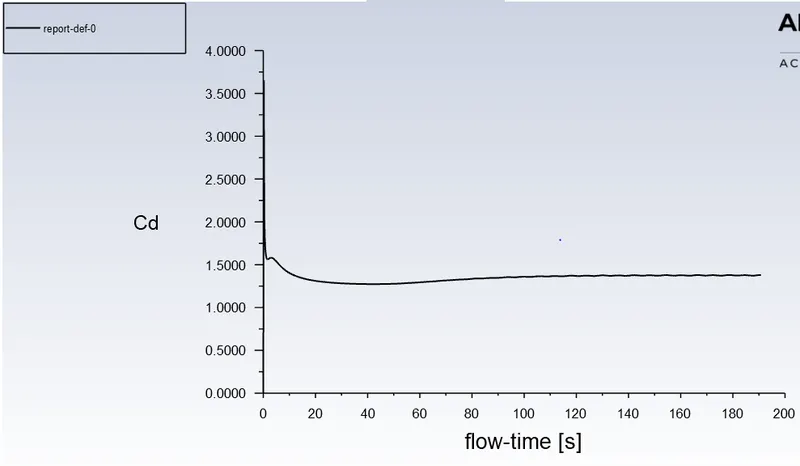
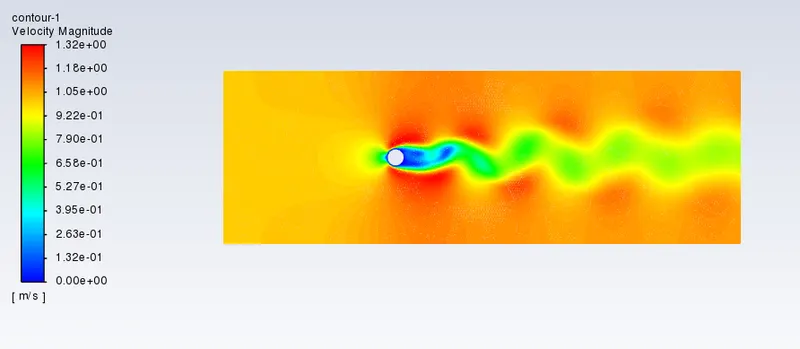
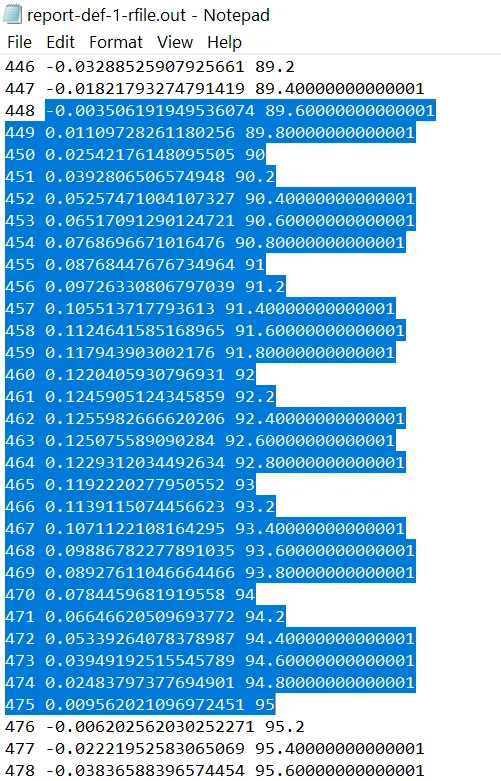
From the above values cycle repeats every 95-89.6 seconds = 5.4sec.
frequency f = 0.18518.
Strouhal Number is a dimensionless describing oscillating flow mechanisms.
`St = (fL)/U`
St = `(0.18518*2)/1` = 0.37037.
PART-II:
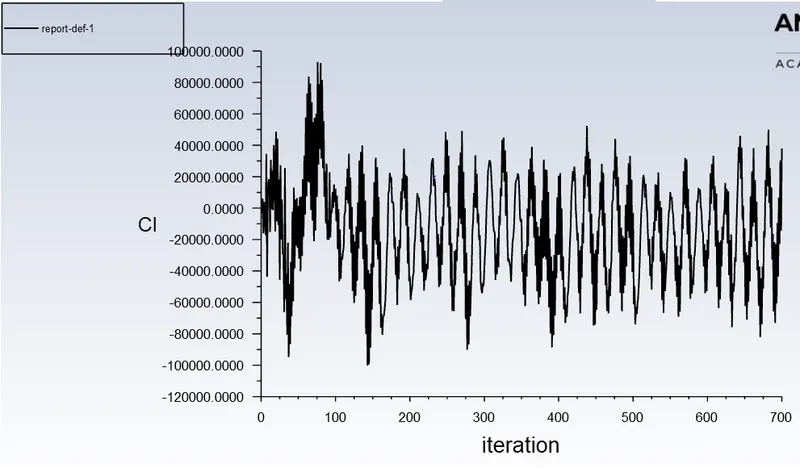
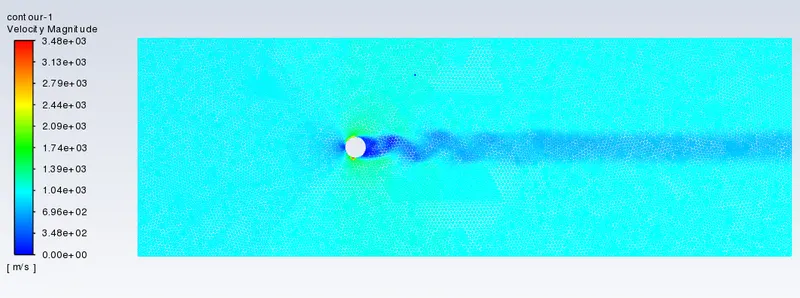
Calculate the coefficient of drag and lift over a cylinder by setting the Reynolds number to 10,100,1000,10000 & 100000. (Run with steady solver)
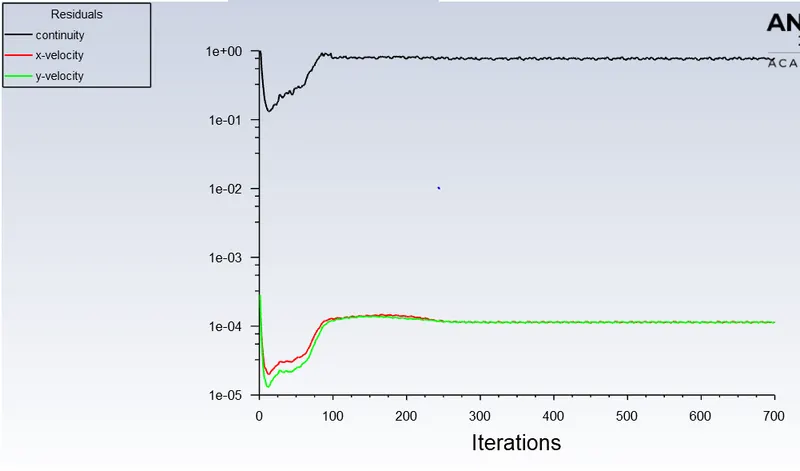
Re = 10 (velocity = 0.1m/sec and viscosity = 0.02kg-s/m)
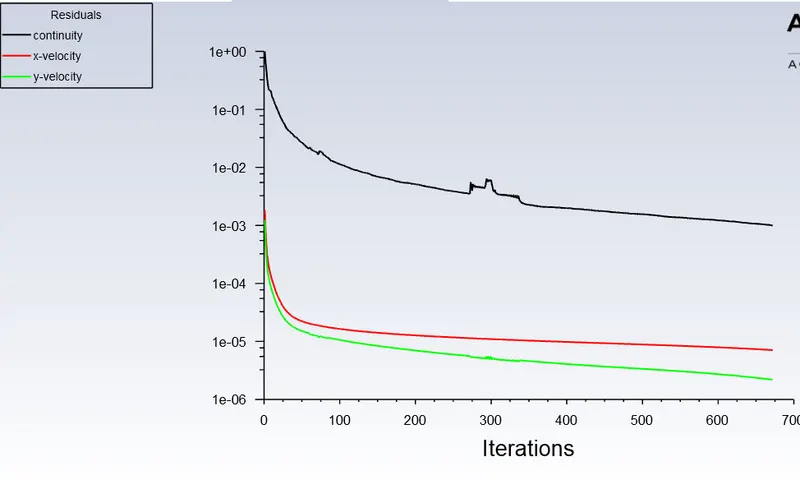
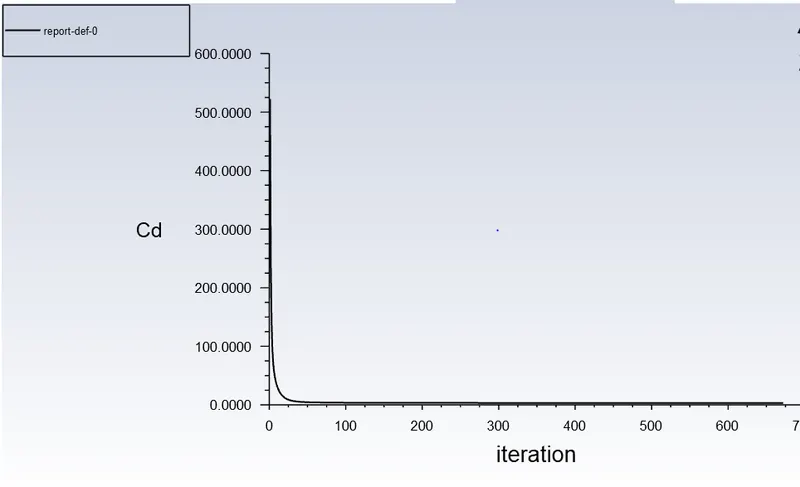
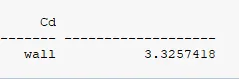
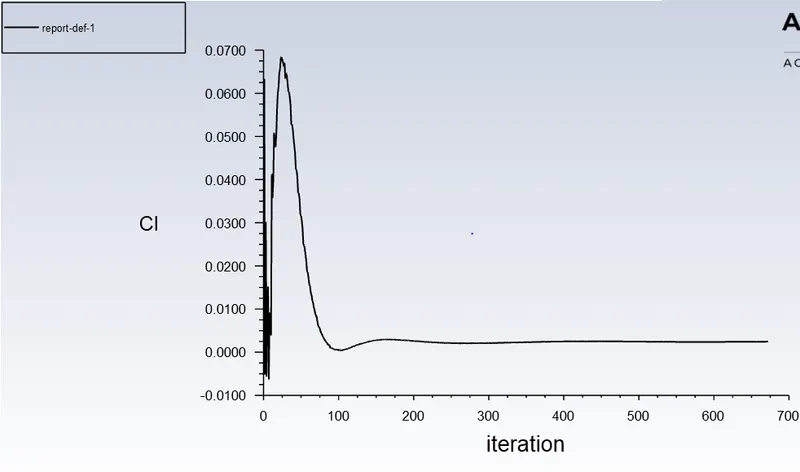
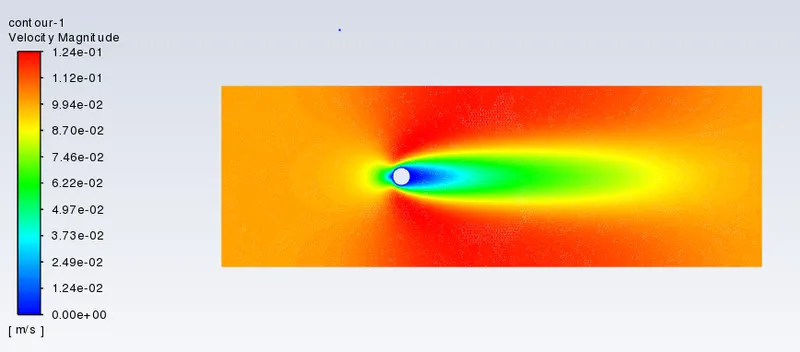
Re = 100 (velocity = 1m/sec and viscosity = 0.02kg-s/m)
Re = 1000 (velocity = 10m/sec and viscosity = 0.02kg-s/m)
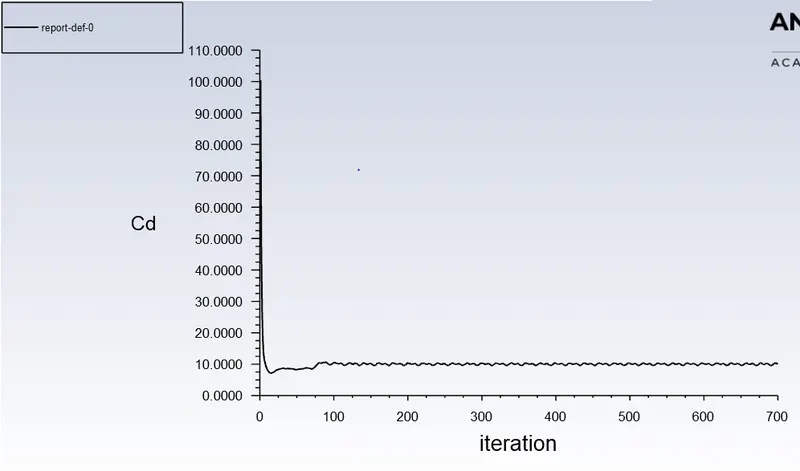
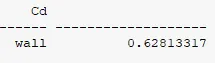
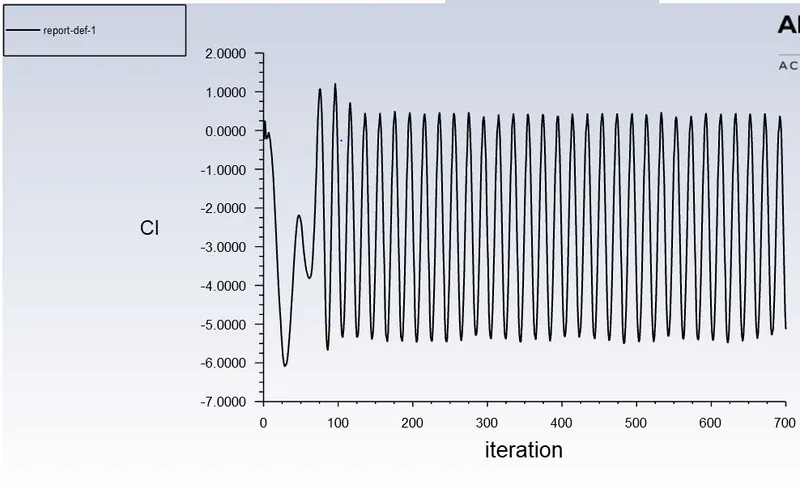
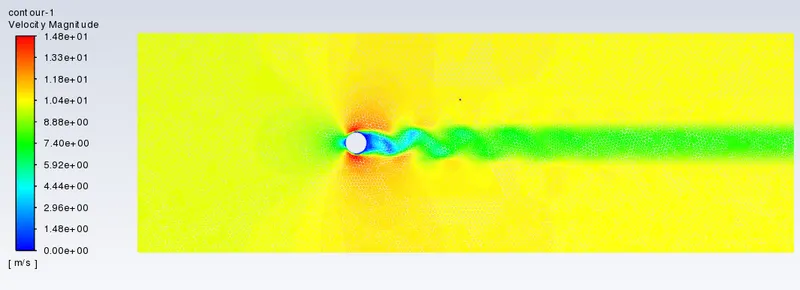
Re = 10000 (velocity = 100m/sec and viscosity = 0.02kg-s/m)
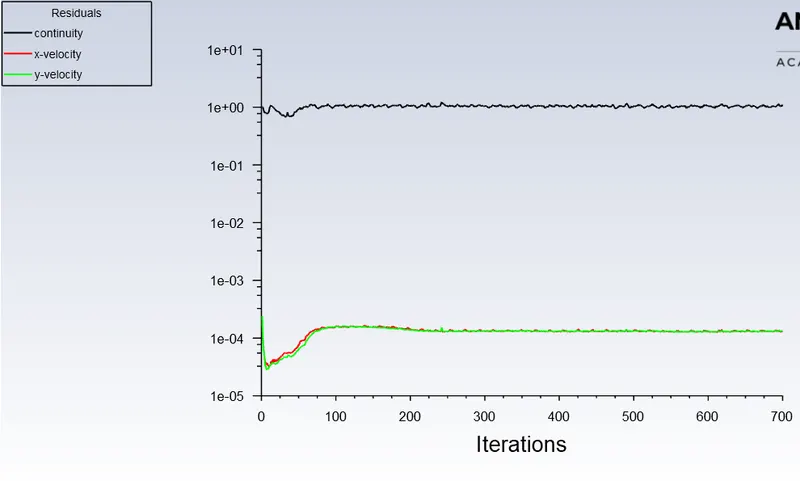
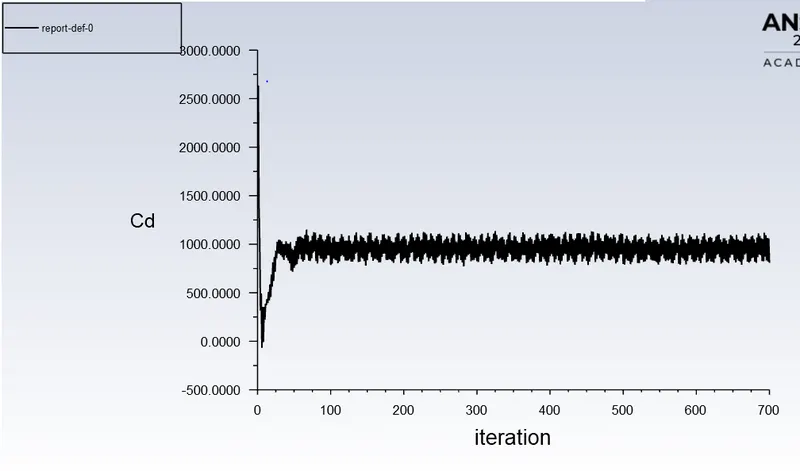
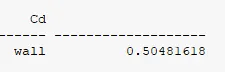
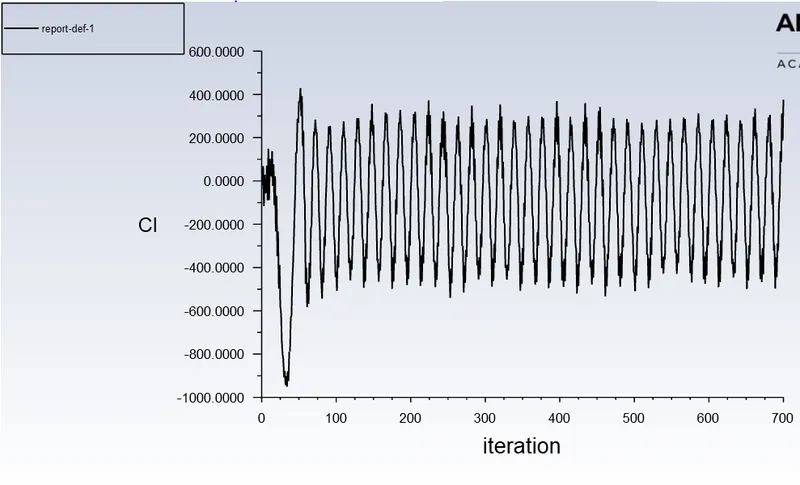
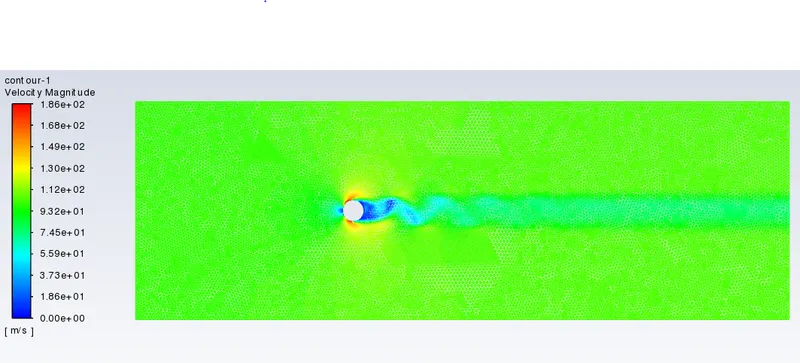
Re = 100000 (velocity = 1000m/sec and viscosity = 0.02kg-s/m)
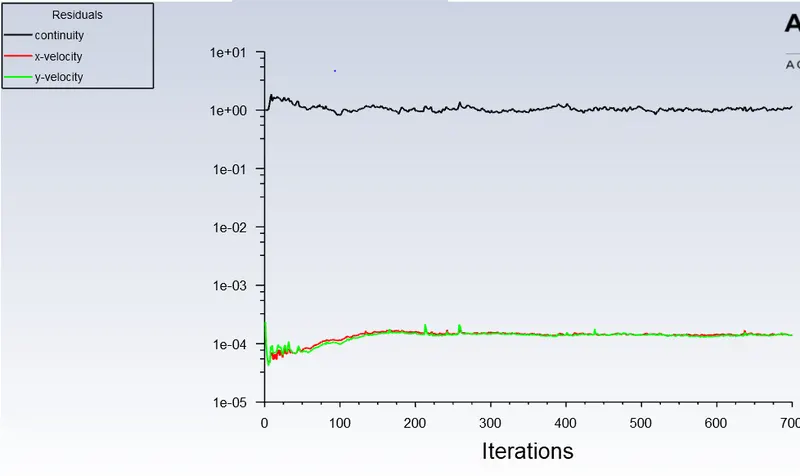
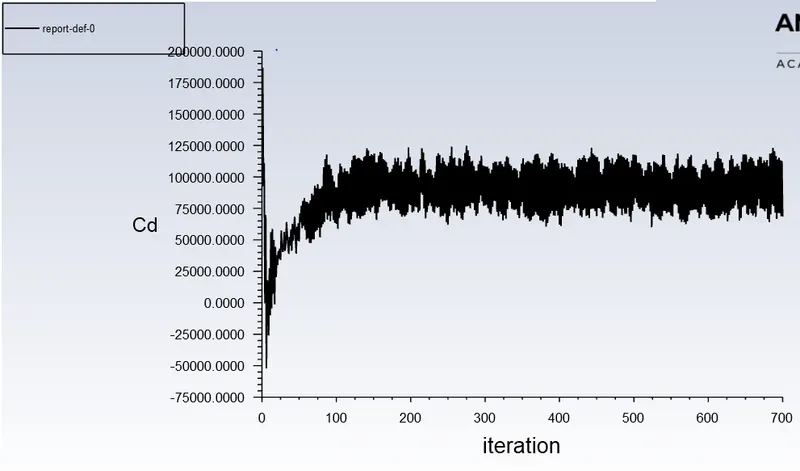
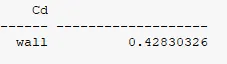
Effect of Reynolds Number on Drag Co-efficient:
| Reynolds Number | Drag Co-efficient |
| 10 | 3.325 |
| 100 | 1.37 |
| 1000 | 0.628 |
| 10000 | 0.504 |
| 100000 | 0.4283 |
All the above values are obtained from steady state simulation.