Week 12 - Validation studies of Symmetry BC vs Wedge BC in OpenFOAM vs Analytical H.P equation
OBJECTIVE:
Compare the results with higher wedge angle:
- 10
- 25
- 45
Simulate for both wedge and symmetry boundary conditions for each of the above angles and validate the results with analytical result:
- Validate Hydro-dynamic length with the numerical result
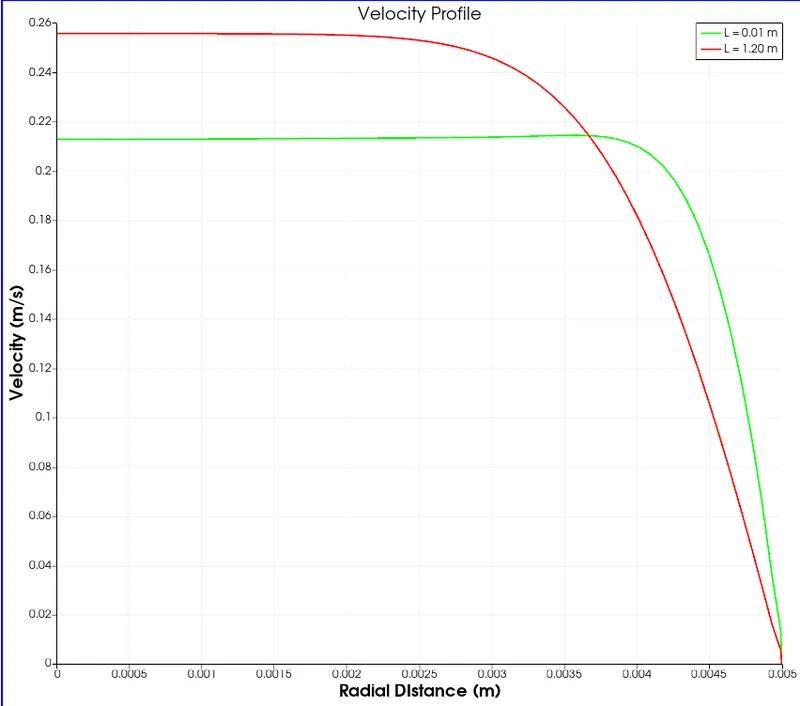
- Validate the fully developed flow velocity profile with its analytical profile
- Validate maximum velocity and pressured drop for fully developed flow
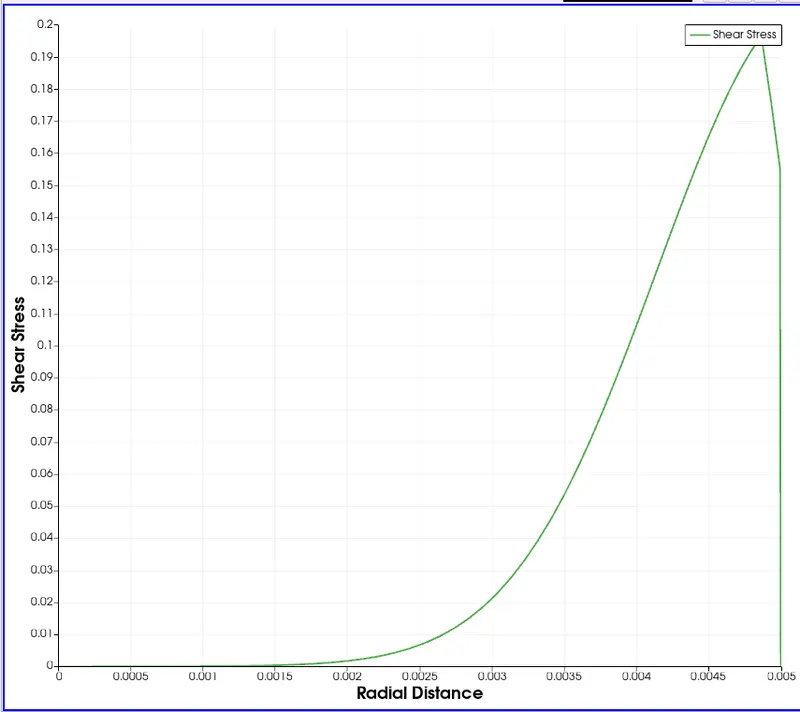
- Post-process Shear stress and validate wall shear stress for fully developed flow
- Highligh the differences in both boundary conditions in terms of their usage and aplication
THEORY:
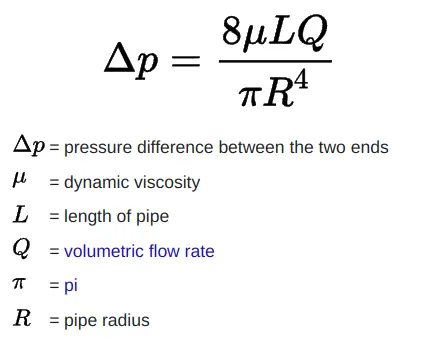
Hagen-Poiseuille Equation:
It is a physical law which gives the value of the pressure drop as a fluid in laminar flow, flows along a long cylindrical pipe of constant cross-section. It has the following assumptions:
- The fluid is compressible and newtonian.
- The flow is laminar
- The pipe length of pipe is substabntially greater than its constant cross-section
- There is no acceleration of fluid in pipe
Mathematically,
CASES:
Wedge Boundary
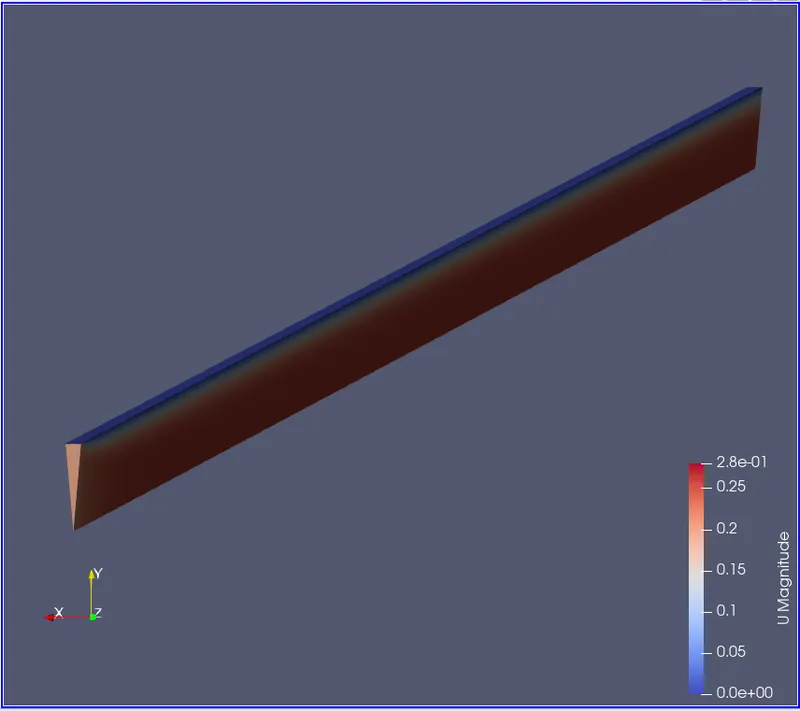
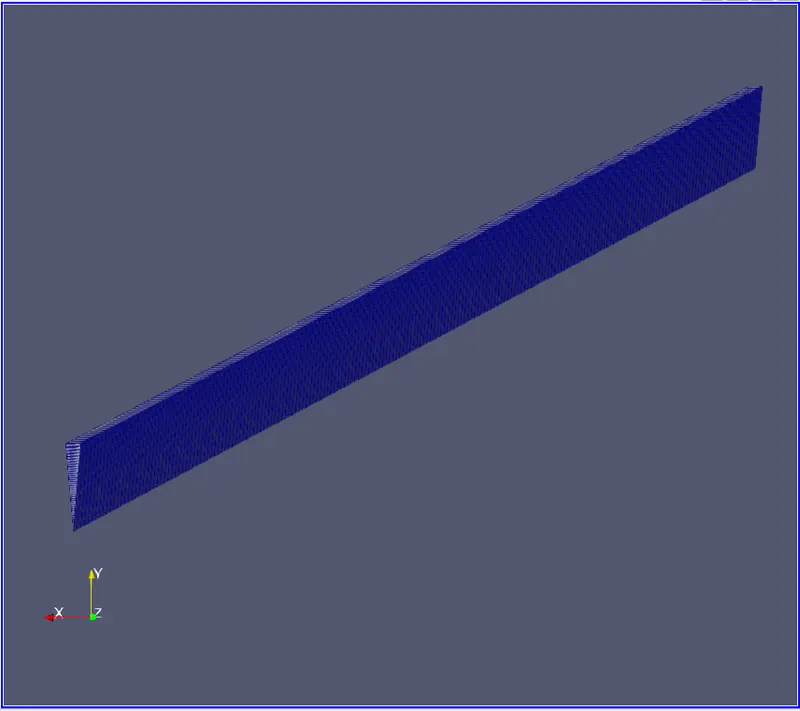
10 Degrees:
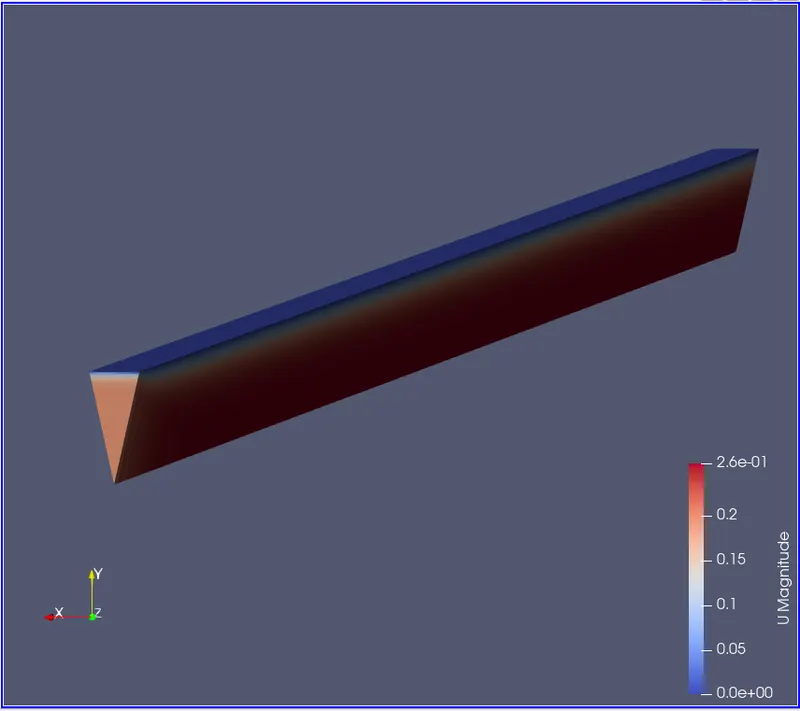
25 Degrees:
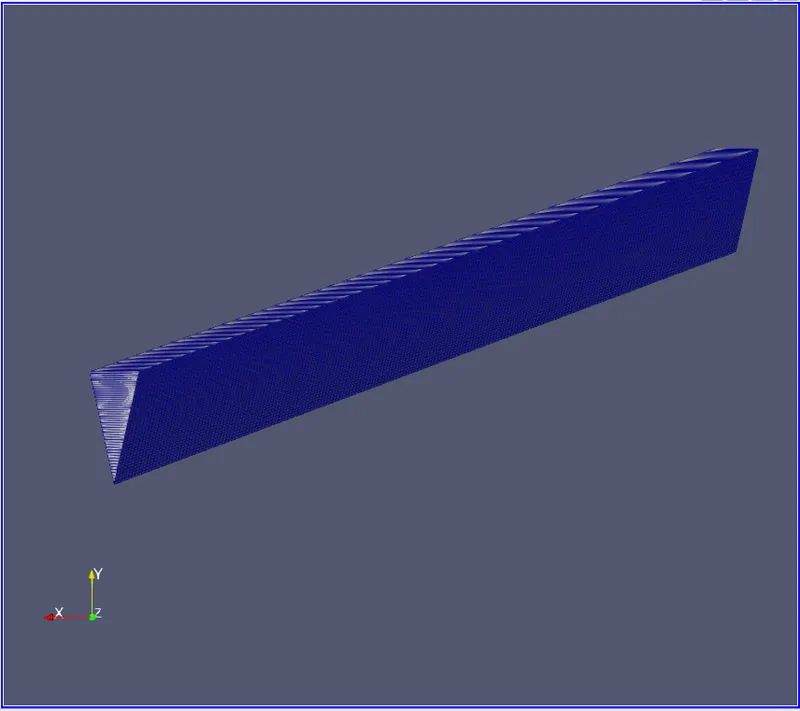
45 Degrees:
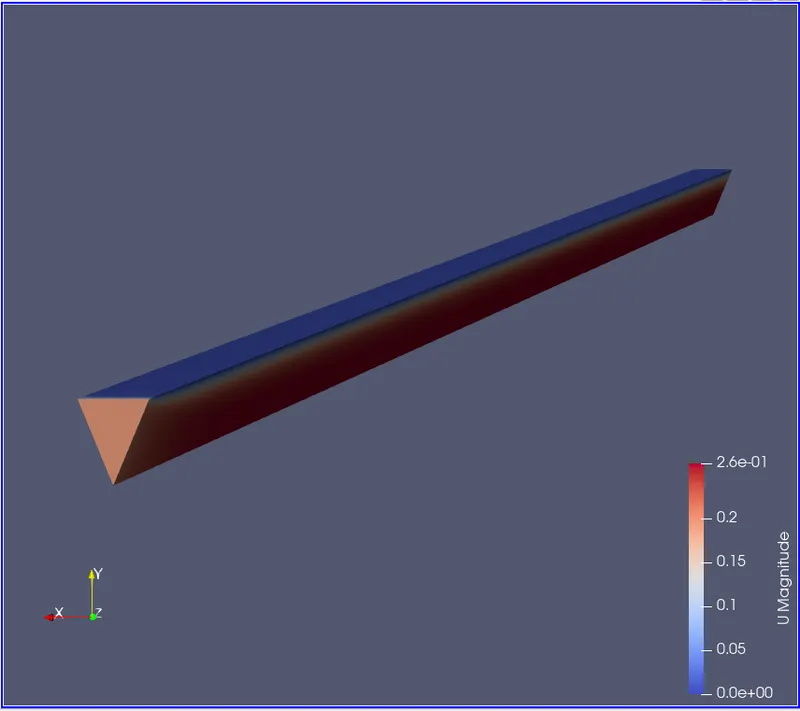
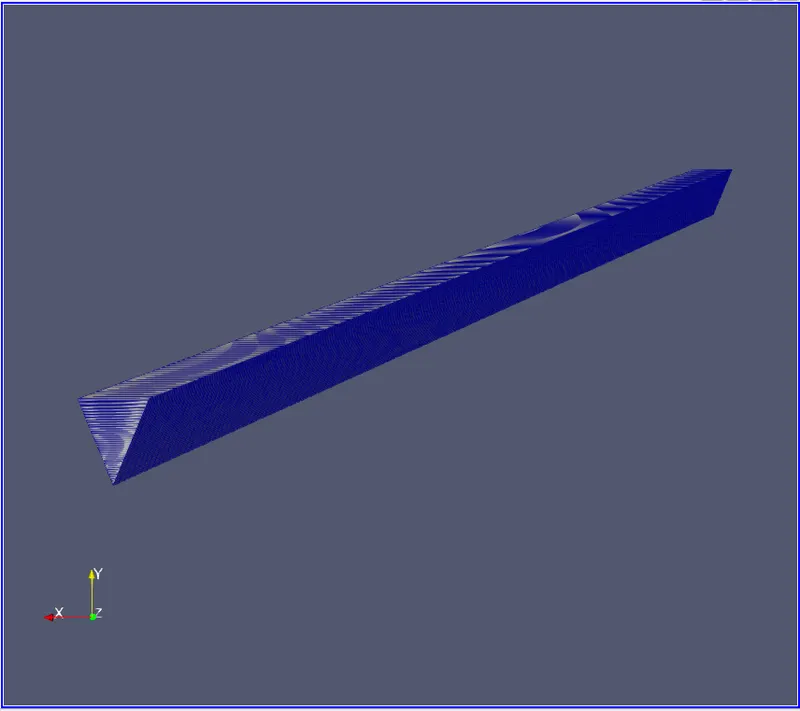
RESULTS:
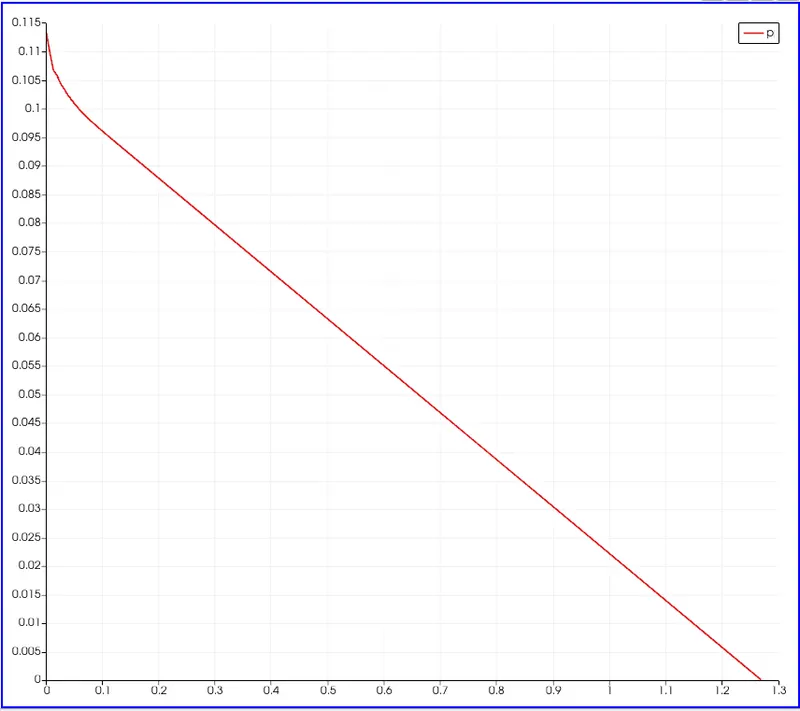
The results are similar for the three cases:
Pressure Drop:
Velocity Profile:
Shear Stress at fully developed flow:
Symmetry Boundary Condition:
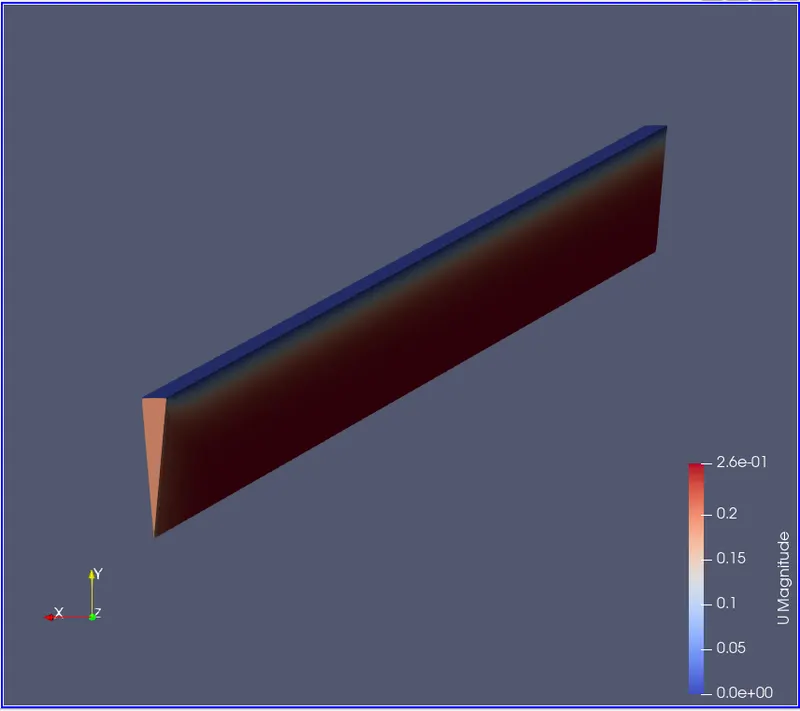
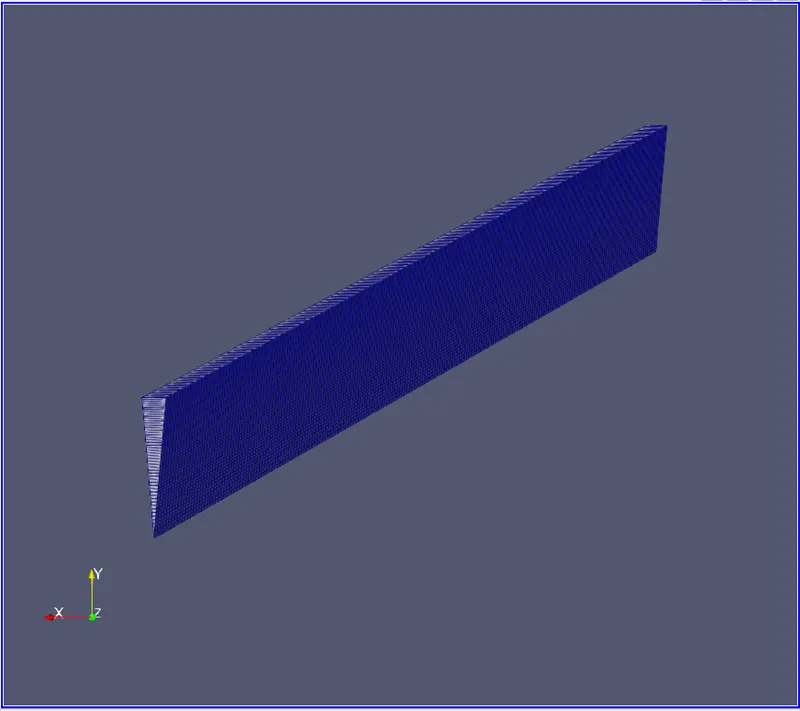
10 Degrees:
25 Degrees:
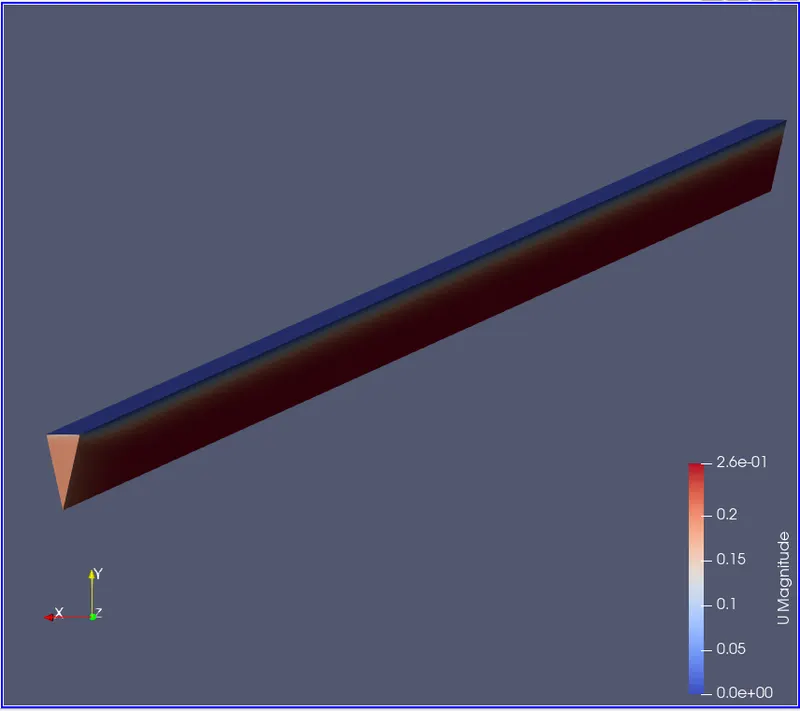
45 degrees:
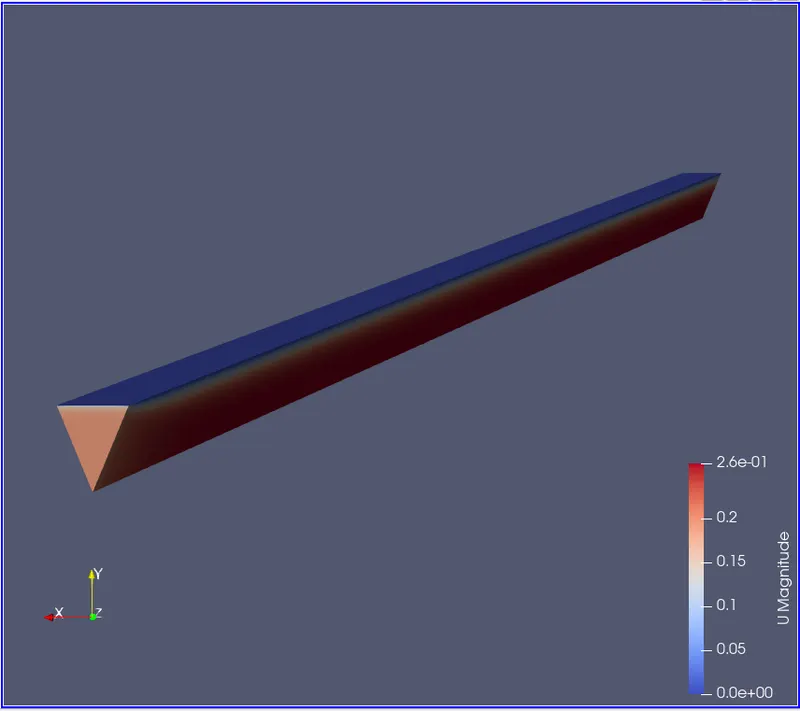
RESULTS:
The results are similar for the three cases:
Pressure Drop:
Velocity Profile:
Shear Stress at fully developed flow:
SYMMETRY VS WEDGE BOUNDARY CONDITION:
A symmetry boundary condition presents a mirroring plane effect on the boundary while the wedge condition acts like an axial or spherical mirror instead of a plane mirror.
Thus for this case if the results were post-processed to a complete 360 degree pipe, the symmetry boundary condition would produce inaccurate results.
Comparison with Analytical Results:
The end results are same as the 3 degree case simulated previously hence the difference b/w analytical and simulated results remains same.
CONCLUSION:
Symmetry and Wedge Boundary conditions have been studied and differentiated successfully.