Week 11 - Final project
DEVELOPMENT OF DOOR TRIM PANEL
AIM:
To design and develop interior door trim for a car using CATIA V5 using the specified class A surface and master section. Create the side attachment features according to the design guidelines.
OBJECTIVE:
- To design the thickened component, use the master section as a guide.
- The mounting features are created in accordance with industry design rules and the master section.
- To do a drafting analysis and tooling analysis.
INTRODUCTION:
The door panel serves as the link between the car's interior and the inner workings of the door. Generally, the door pane is separated into two pieces for ease of design, such as an arm rest, a map pocket, a bottom substrate, and a bottle holder. These are one of the most difficult requirements among the interior sections of an automobile. This should be designed to withstand a weight while being less than 2mm thick and to protect the occupants in the event of a collision.
Currently, the door has an interior full-width panel made up of electronic windows. Speakers and a central locking mechanism These panels are often coated in either fabrics or polymers.
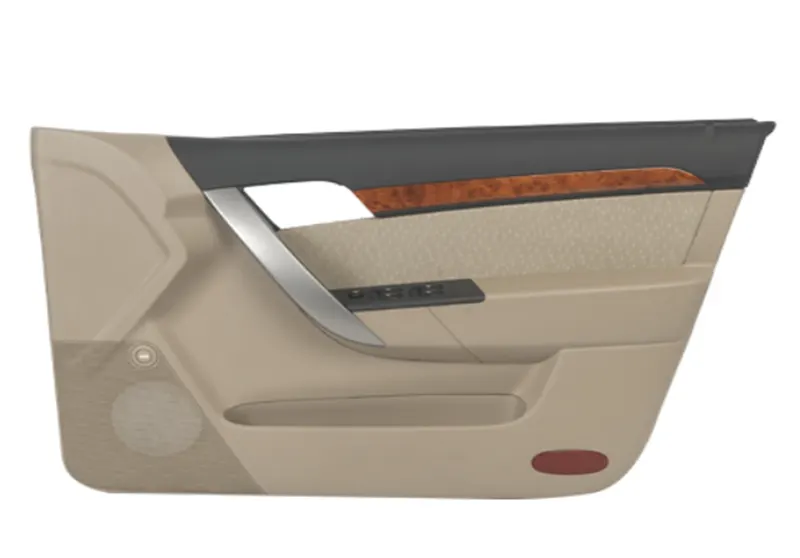
1. LOWER SUBSTRATE OF THE DOOR
Class A Surface Of The Lower Substrate.
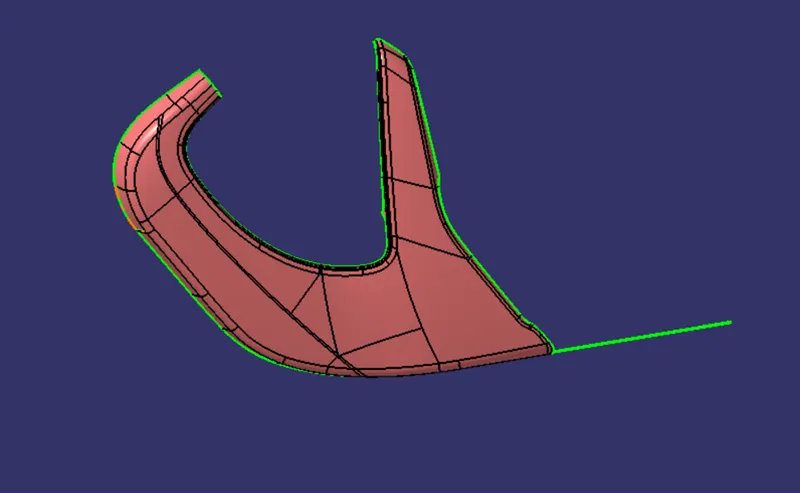
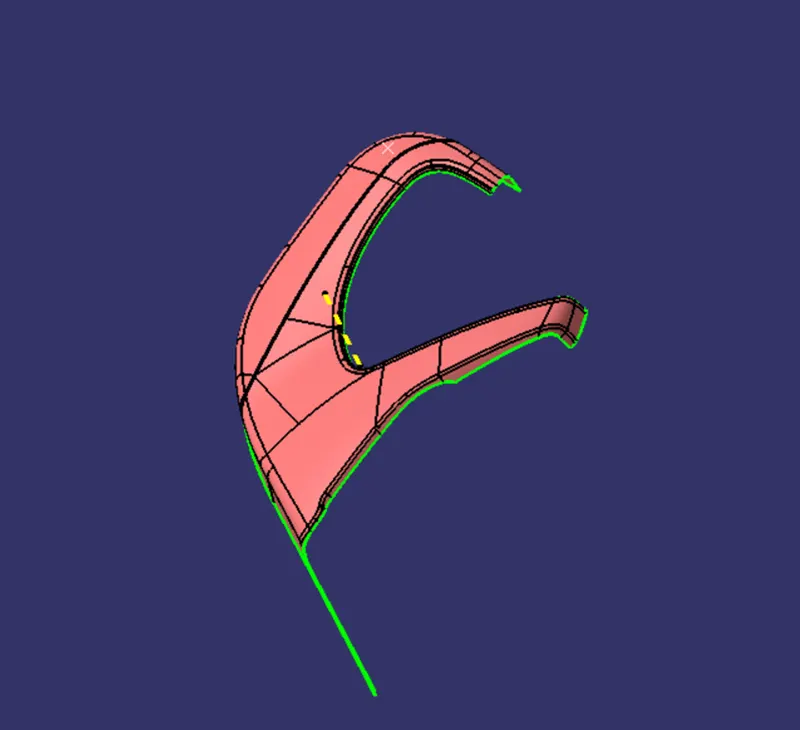
TOOLING AXIS FOR LOWER SUBSTRATE.
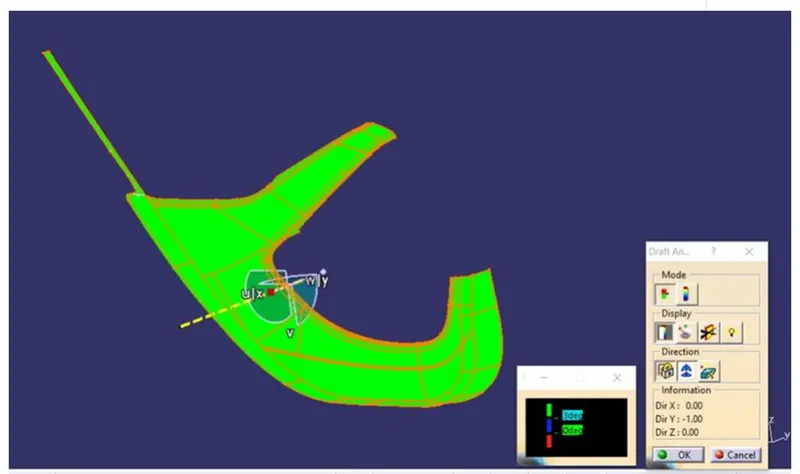
DRAFT ANALYSIS
CREATION OF CLASS B
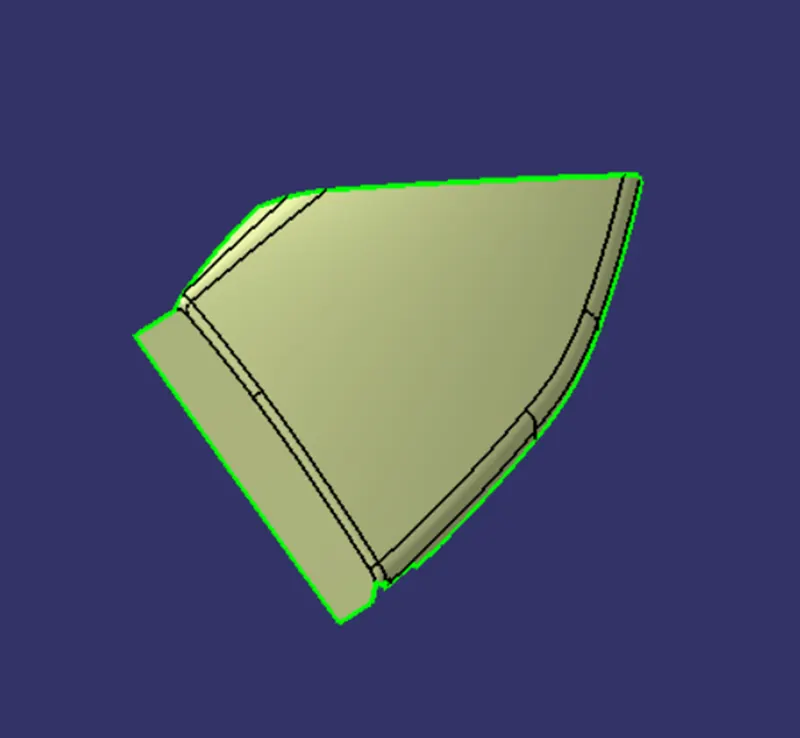
The class B surface is identical to the class A surface, however it should be 2.5mm offset from the class A surface.
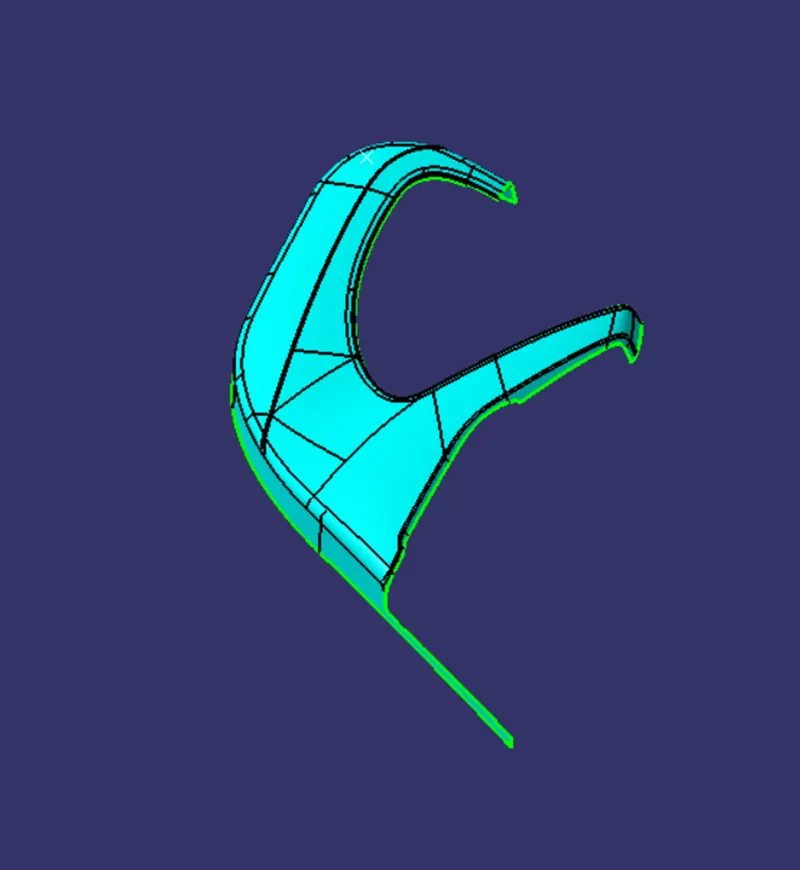
C surface
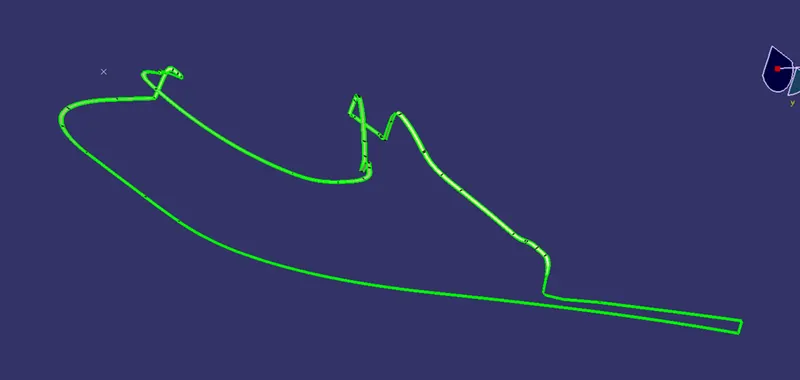
To make a close body we have to create c surface and joing class A and B surface and Trim A B and C surfaces to get a closed surface
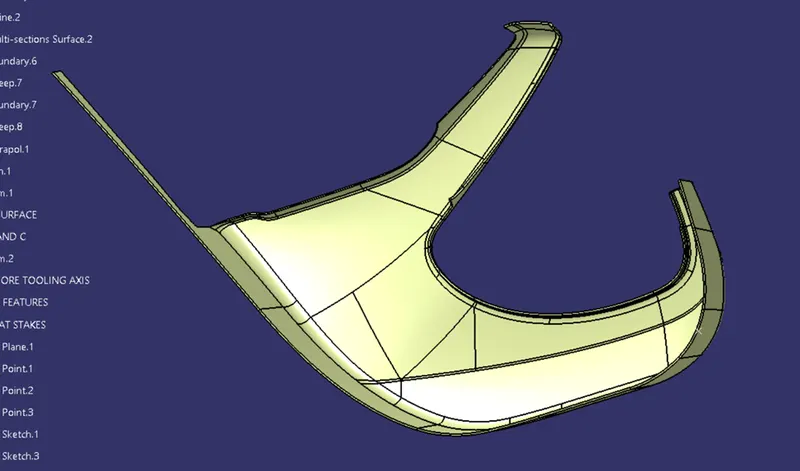
Closed body
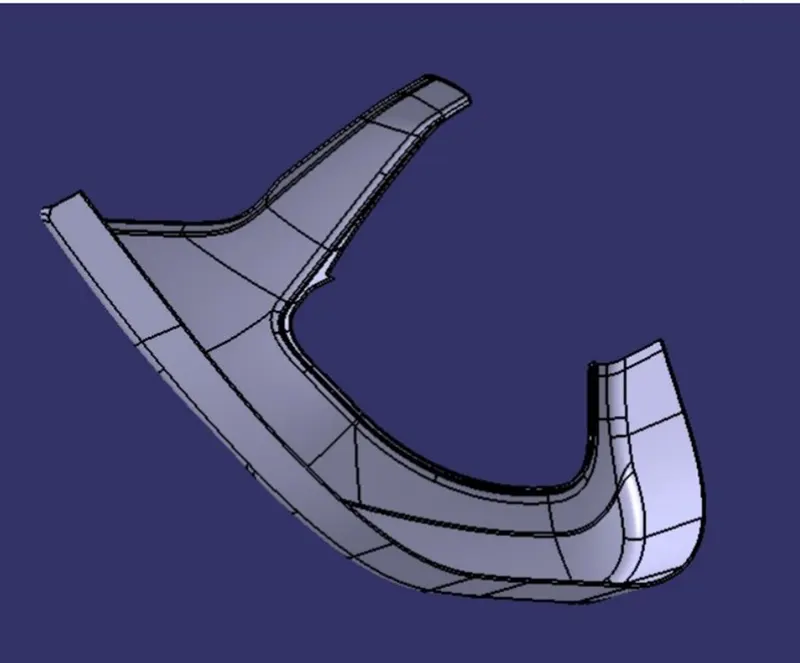
The same procedure is followed for the rest of parts
- MAP POCKET 1
- MAP POCKET 2
- ARM REST
2.MAP POCKET 1
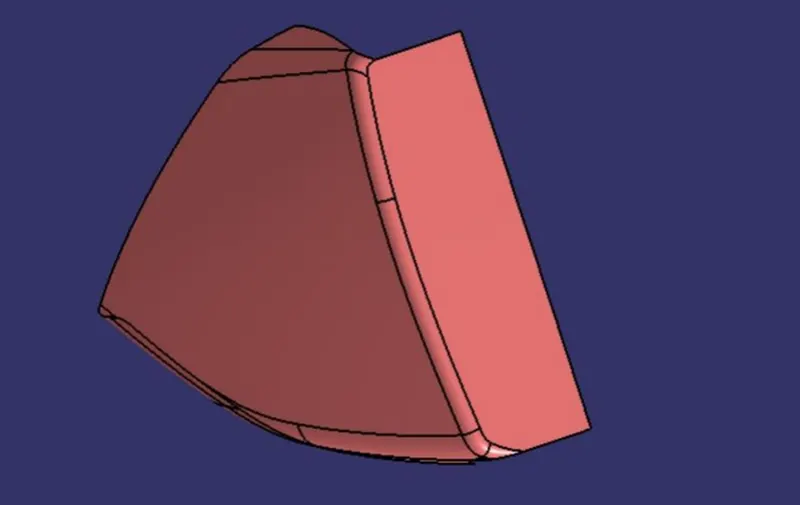
CLASS A
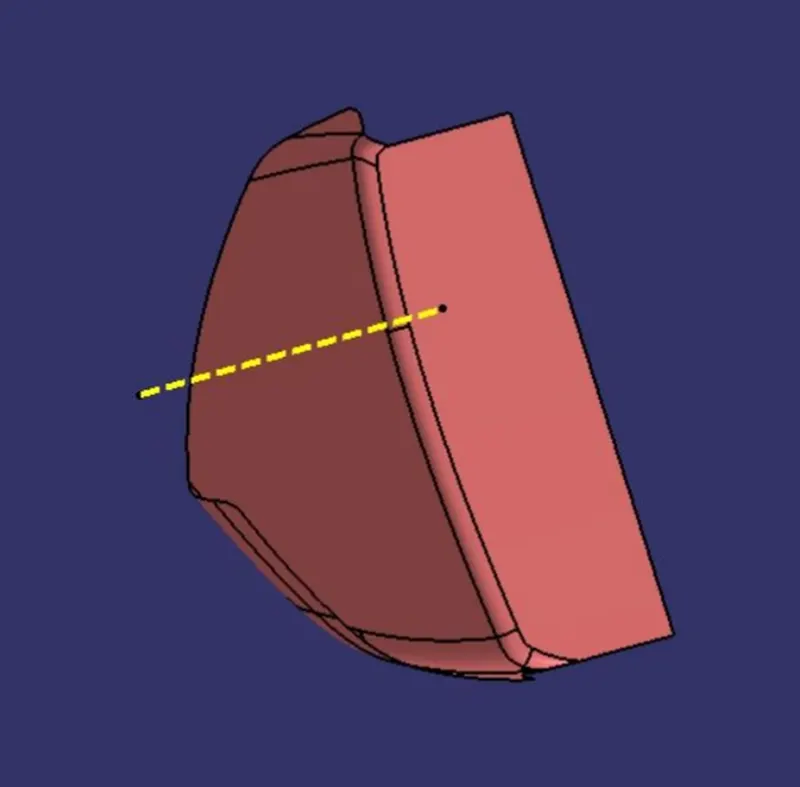
TOOLING AXIS
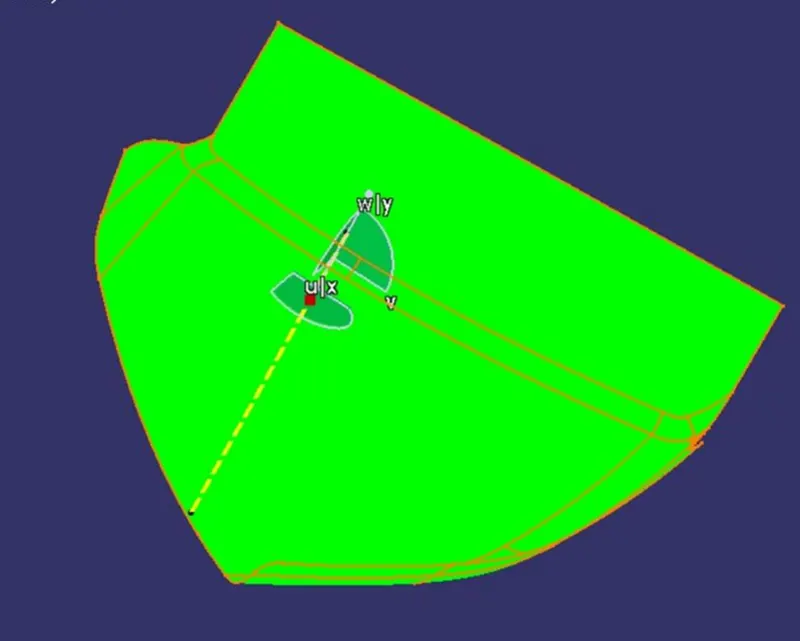
DRAFT ANALYSIS
CLASS B
CLASS C
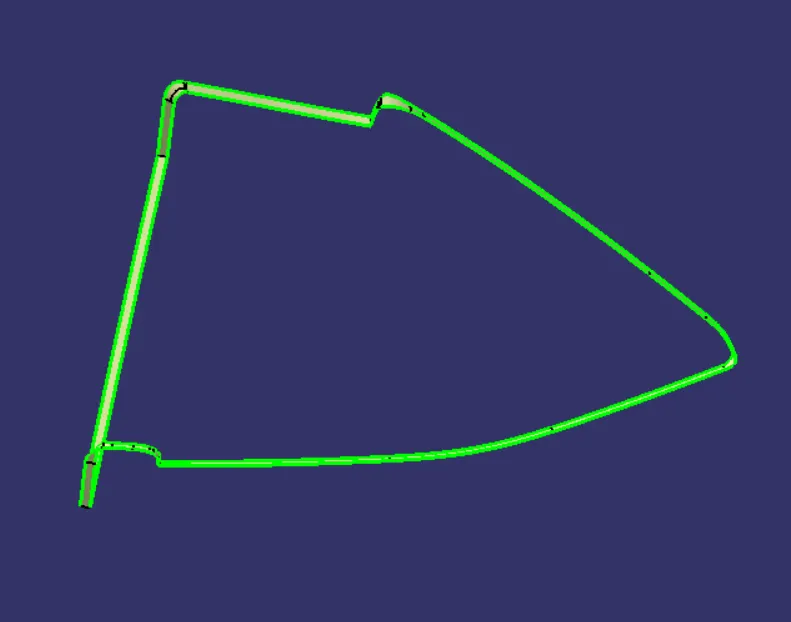
CLOSED SURFACE
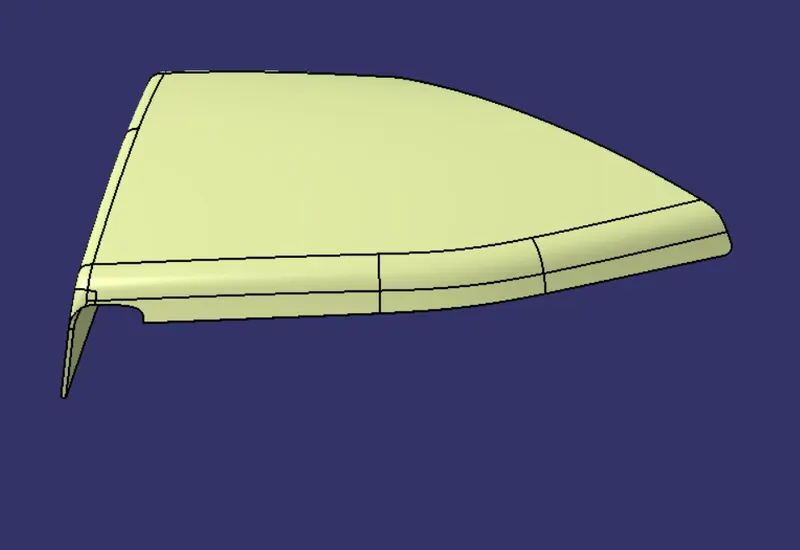
SOLID-BODY
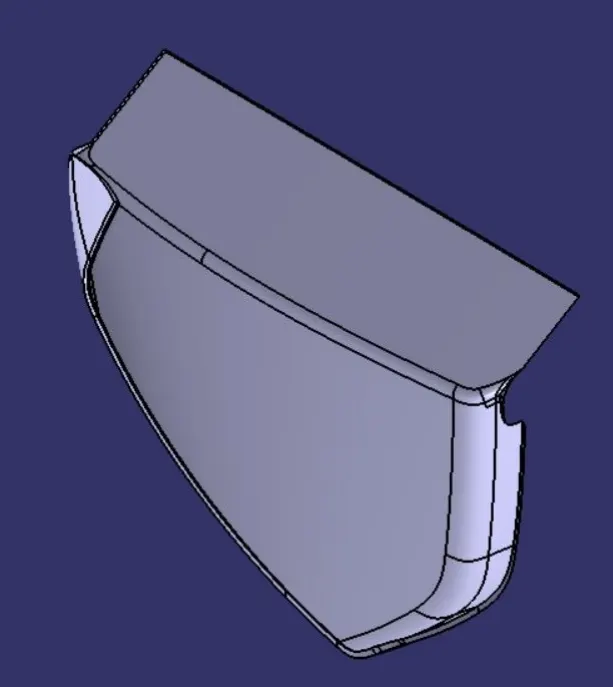
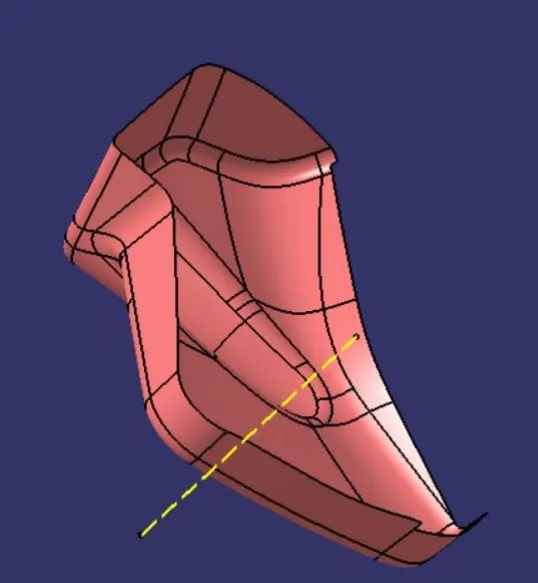
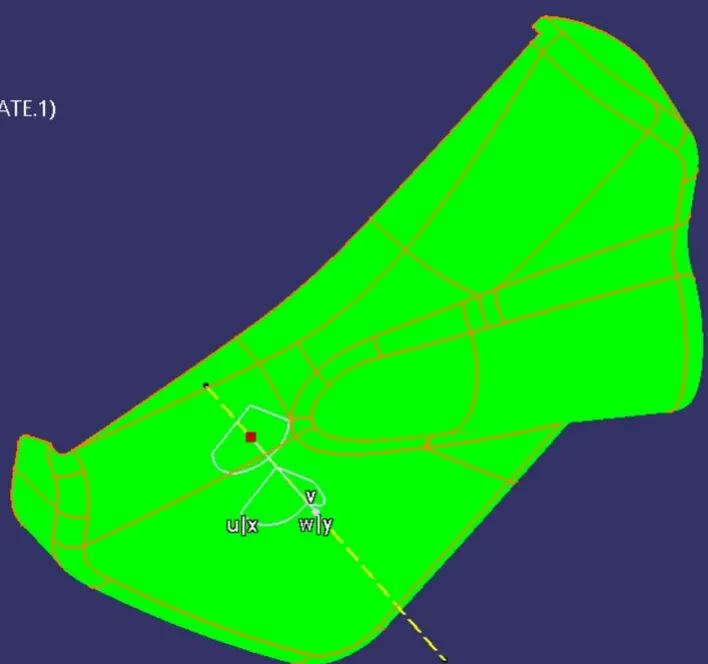
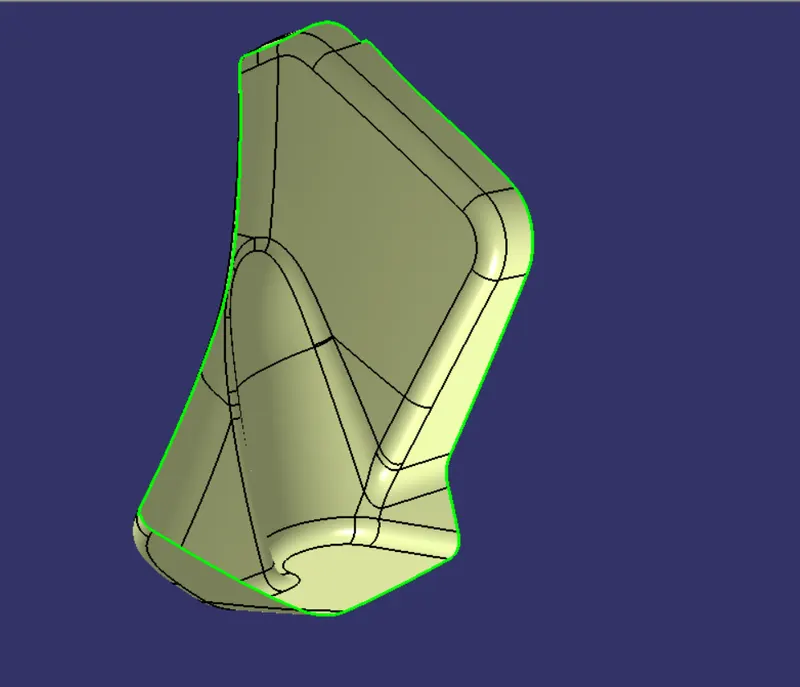
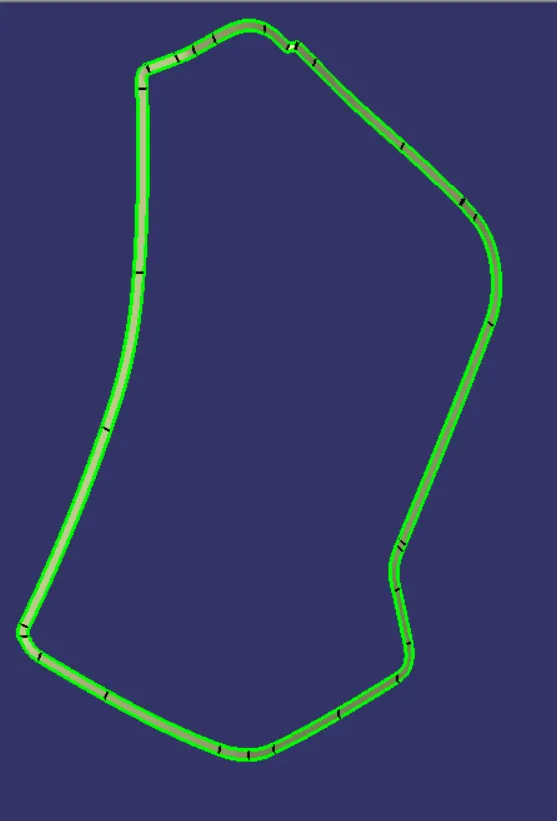
3. MAP POCKET 2
CLASS A
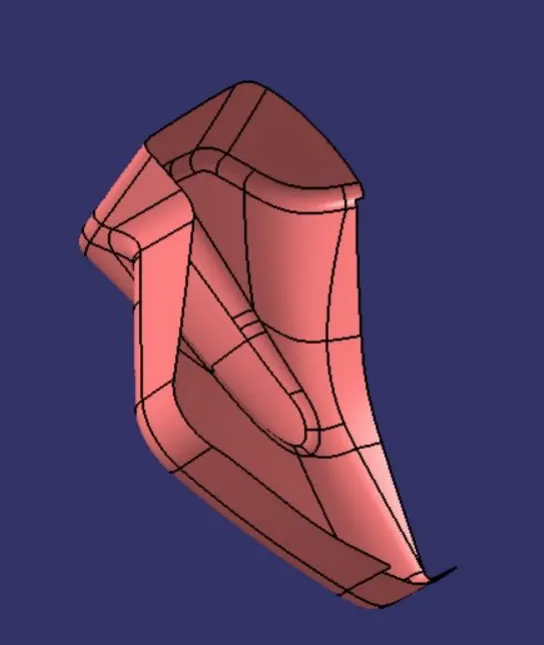
TOOLING AXIS
DRAFT ANALYSIS
B SURFACE
C SURFACE
CLOSED SURFACE AND FINAL TRIM
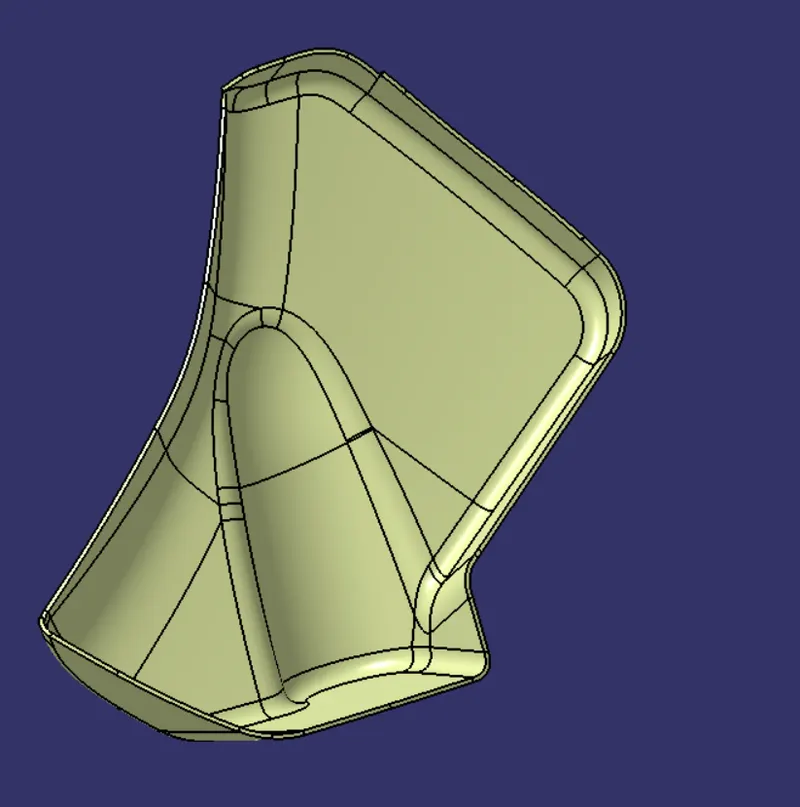
SOLID BODY
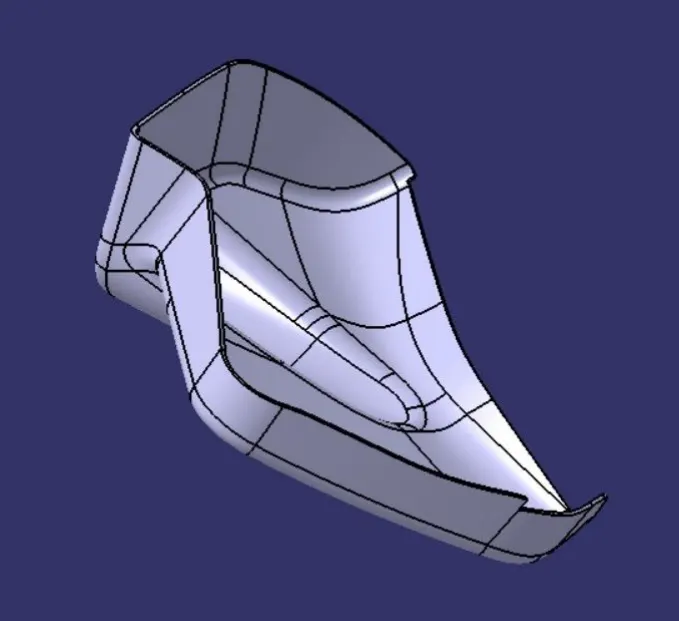
4. DOOR ARMREST
CLASS A
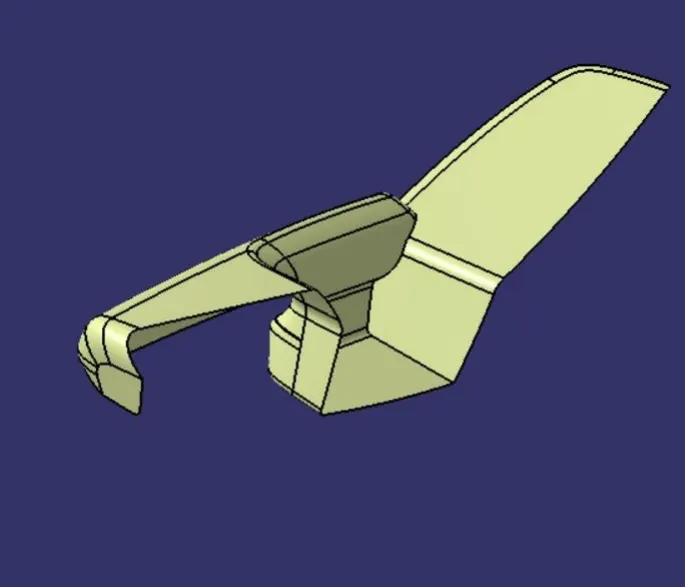
TOOLING AXIS
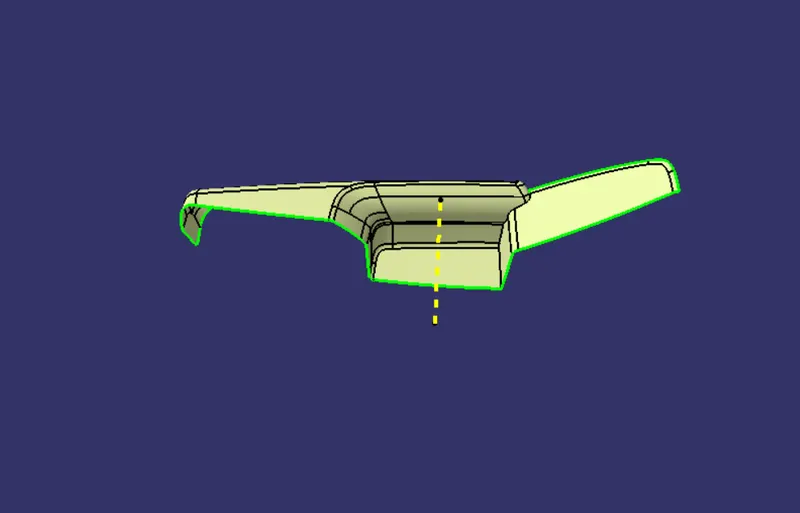
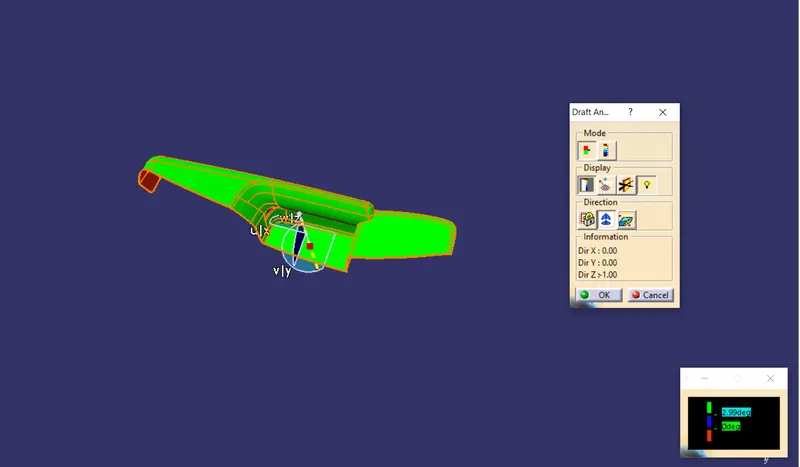
DRAFT ANALYSIS
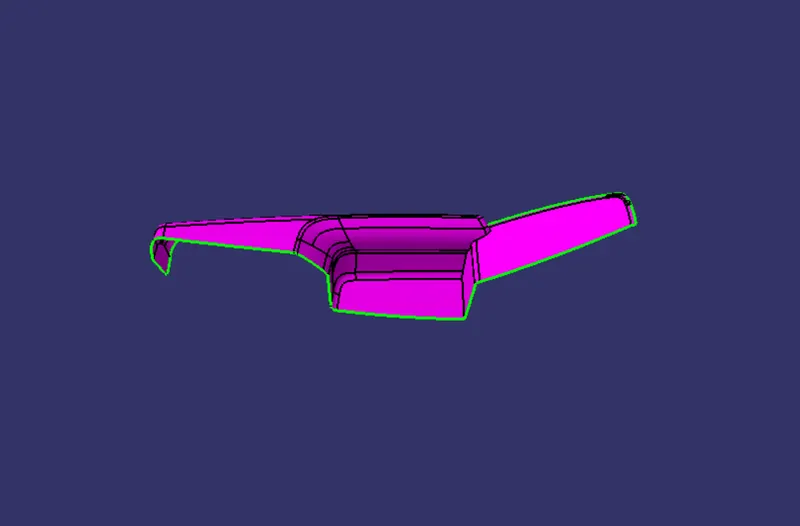
B SURFACE
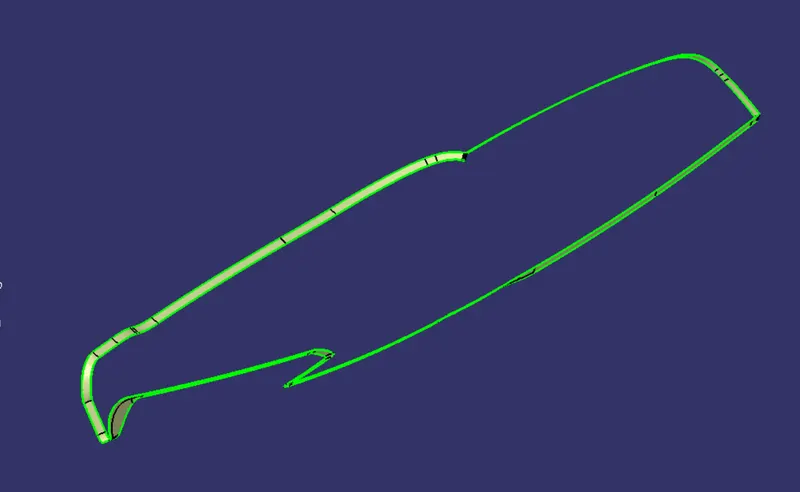
C SURFACE
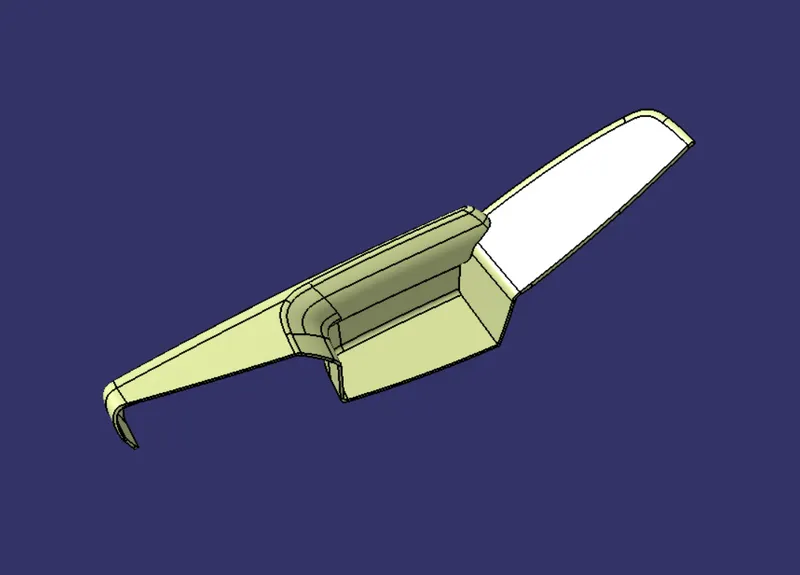
CLOSED SURFACE AND FINAL TRIM
SOLID BODY
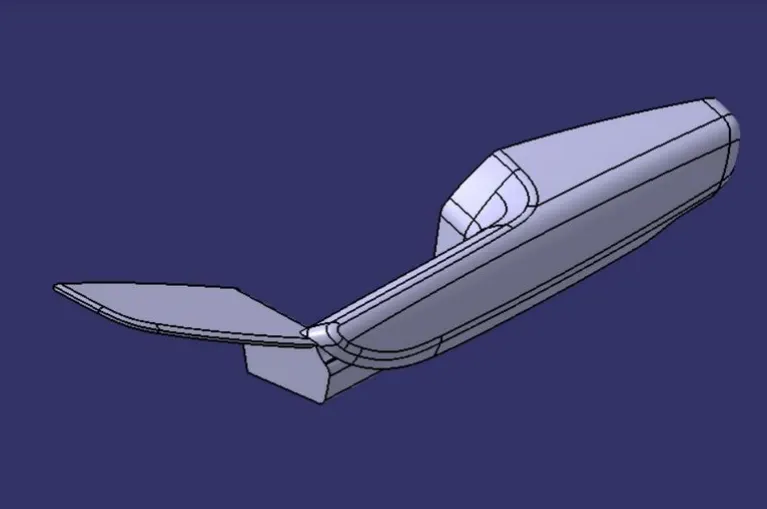
By taking the given master section as the reference flanges should be created
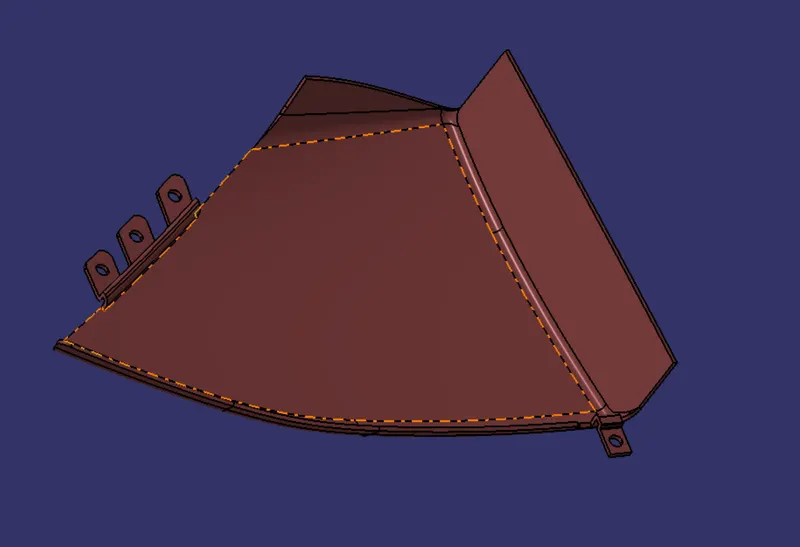
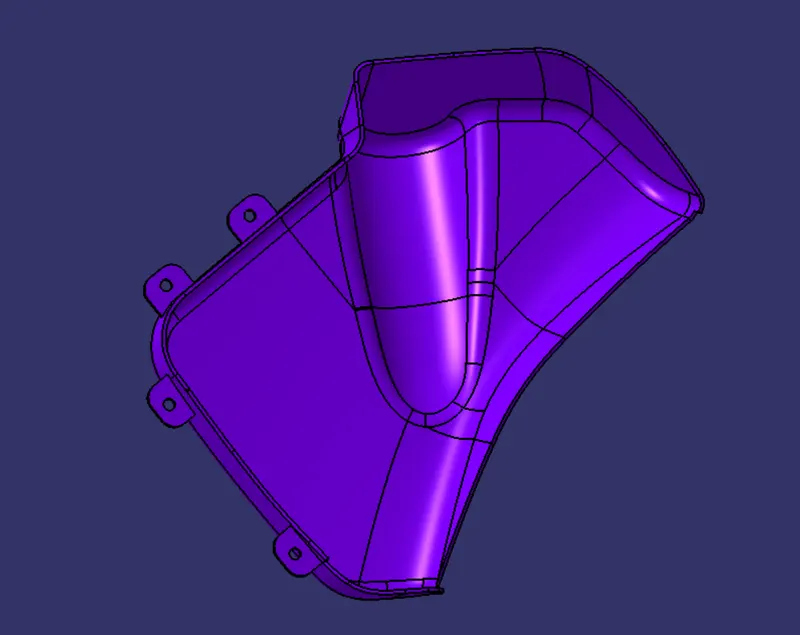
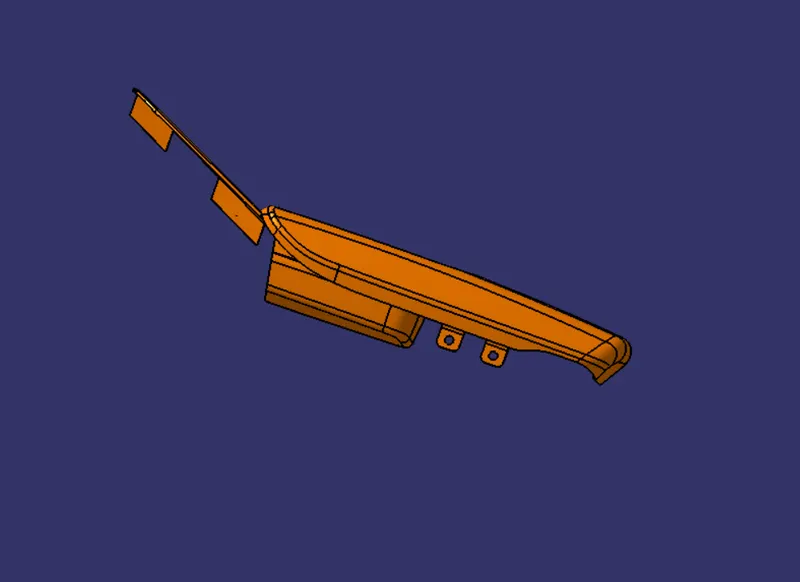
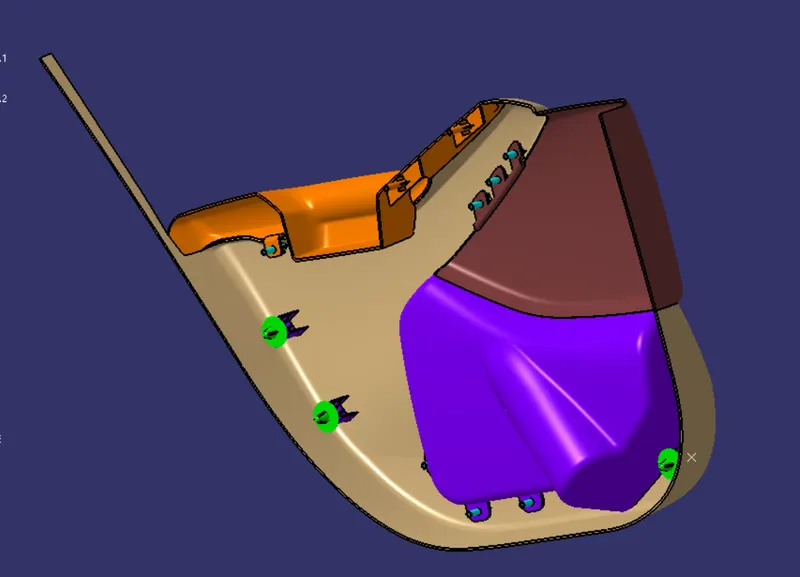
The lower substrate is the base of the door Trim. all the parts are fixed to the lower substrate with the help of heat stakes. and the heat stakes are supported by the ribs Heat stakes are melted on the flanges and Dog houses designed on the lower substrate to hold the push pins.
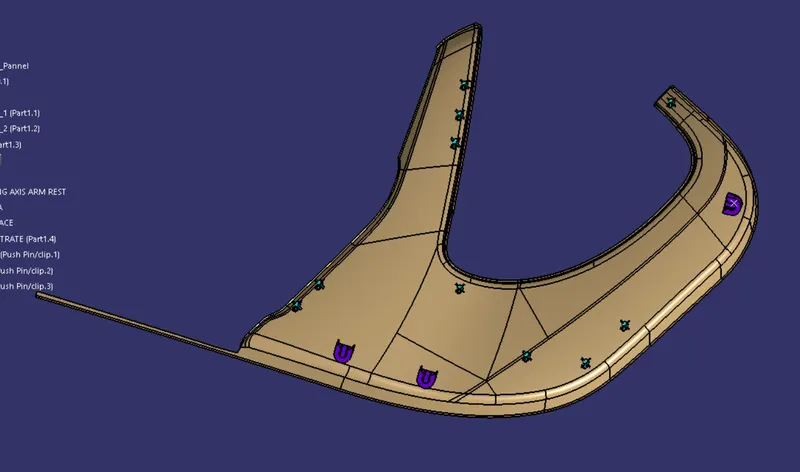
The final result of door trim with Engineering features.
Front View
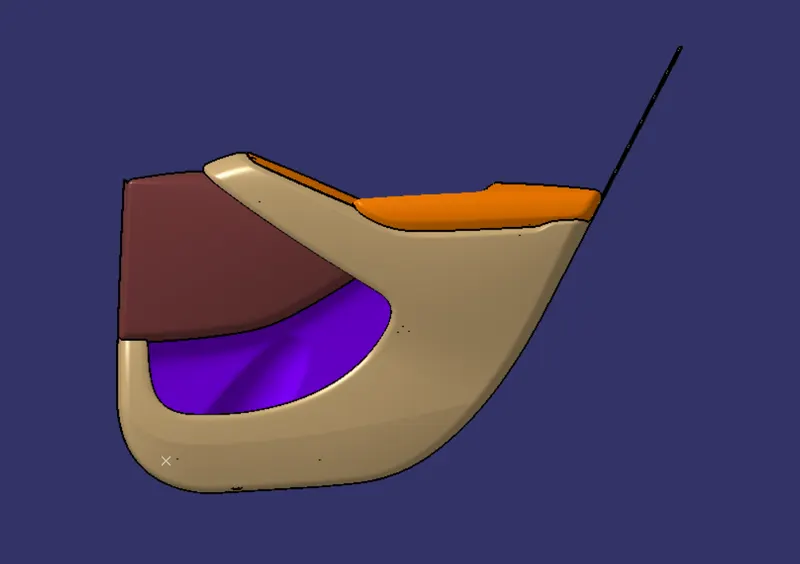
BACK VIEW WITH ENGINEERING FEATURES.
CONCLUSION
The automobile interior door trim is developed using the given class A surface as the input and class B and C surfaces generated with the aid of the given class-A surface. Employing the design rule, attachment features such as heat steaks, flanges, dog houses, locaters, and push clips are built by using the specified master section attachment features.