Week 10 - Simulating Combustion of Natural Gas.
Aim: Simulating Combustion of Natural Gas.
Theory:
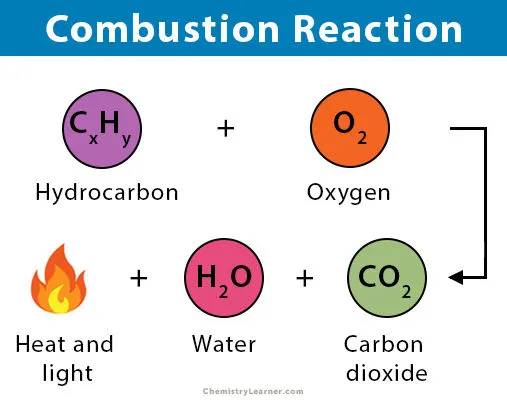
Combustion is a process in which reactants combines with oxygen from air to release heat, light and forms products of combustion. As shown below, hydrocarbon (fuel) reacts to oxygen to produce heat, light, water vapours and carbon dioxide.
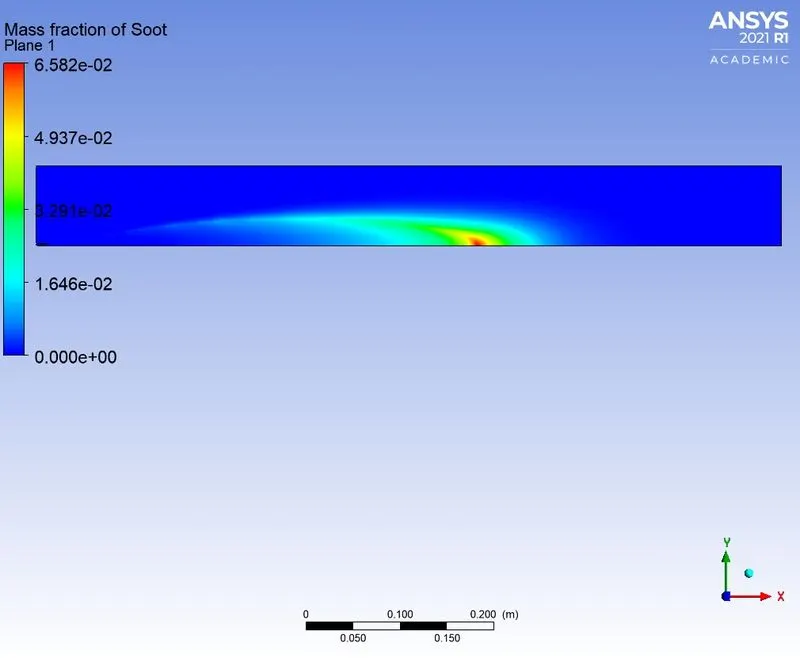
In the current problem, combustion modelling is done in Ansys Fluent. Formation of various pollutants like CO2, NOx & Soot formation is studied. Also effect of addition of water into fuel on pollutant formation is also studied.
Geometry
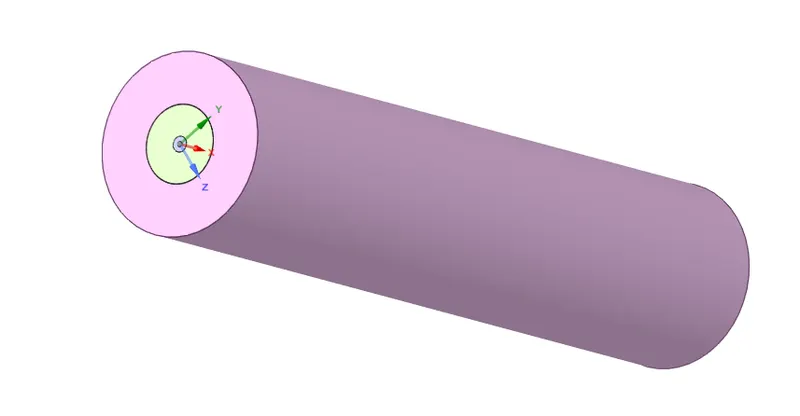
3D model
Axis-symmetric model
3D model is converted into 2D, axis-symmetric model to reduced computational time.


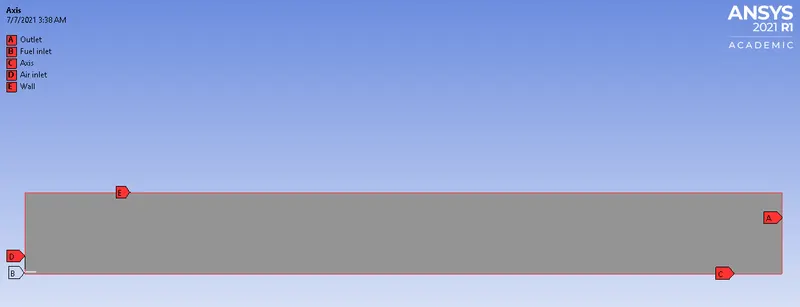
Named selections
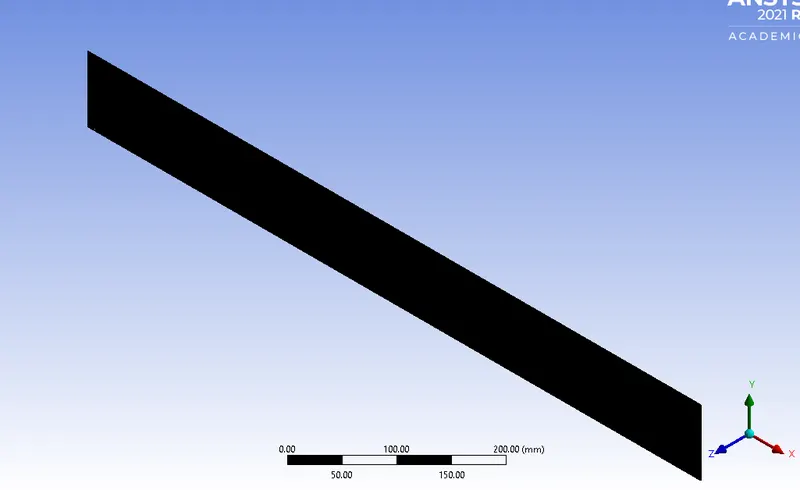
Mesh
Mesh details
Mesh method: All triangle
No. of elements: 145540
No. of nodes: 73670
Simulation is carried out for 2 cases.
Case 1: With working substances as CH4 (fuel) and air
Case 2: With working substances as CH4 (fuel) and air but water is mixed in fuel in some difinite proportions
Case 1
Simulation settings
Solver: Pressure based
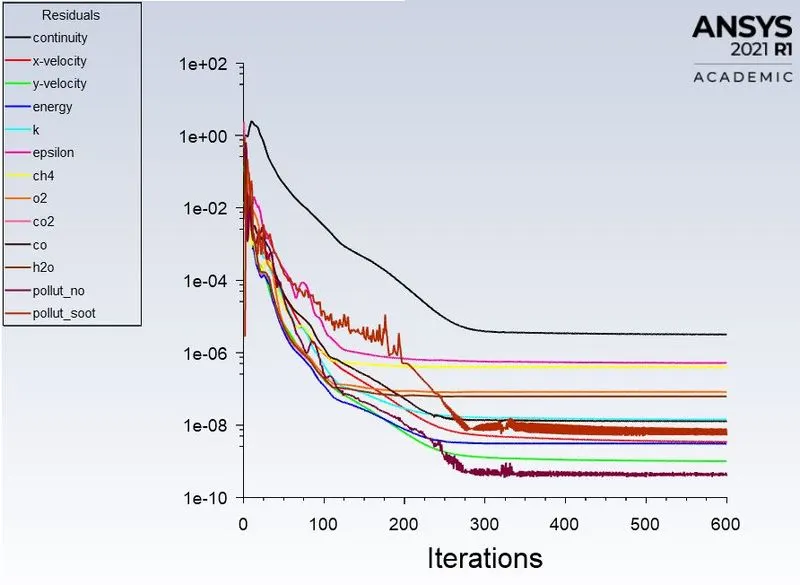
Stedy state silution
Viscous model: k-epsilon
Enetgy equation: Enabled
Species model
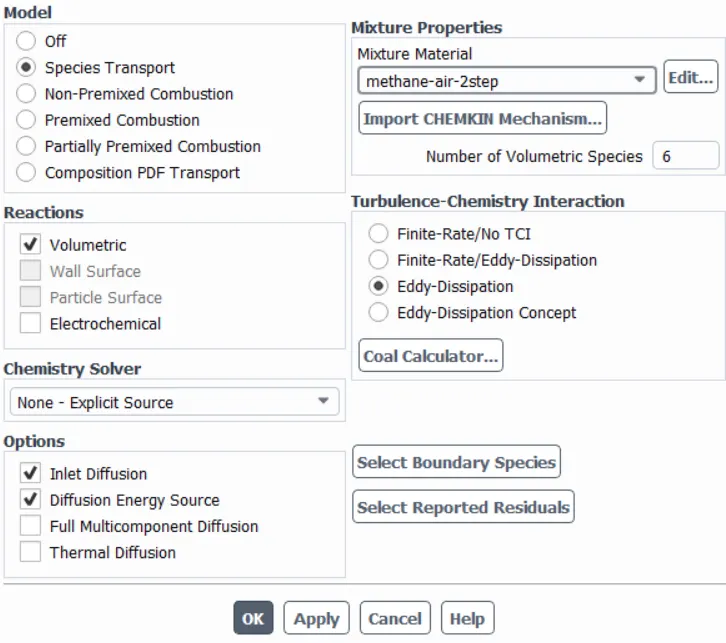
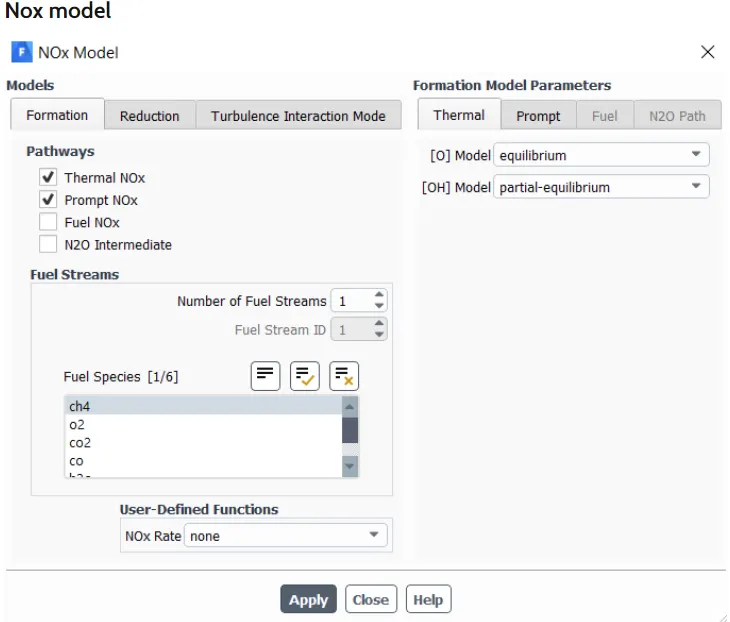
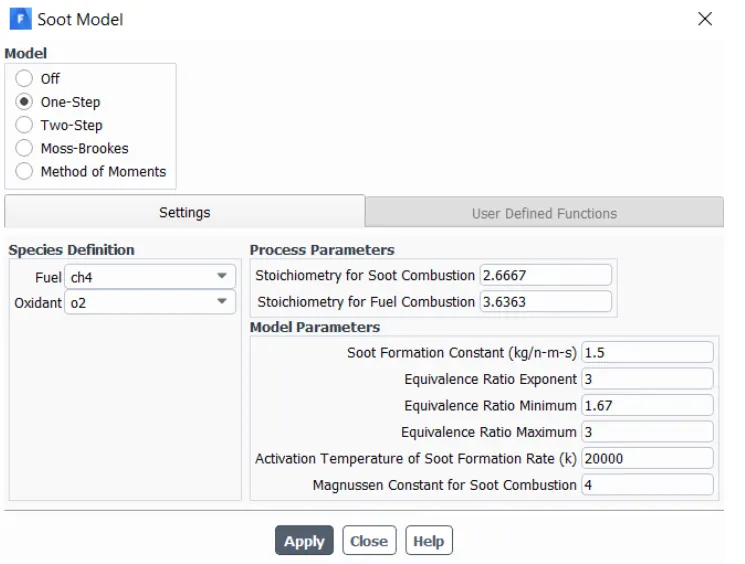
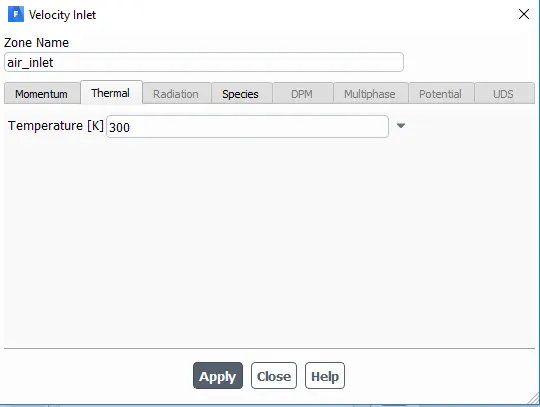
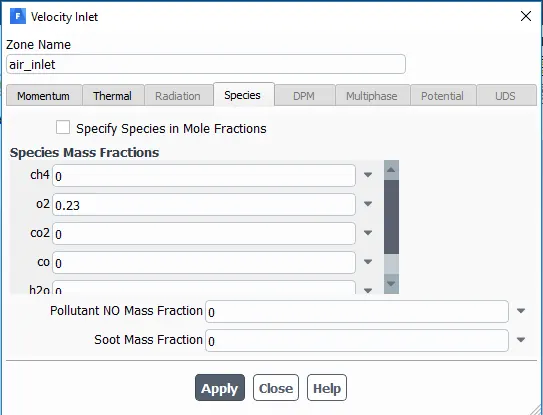
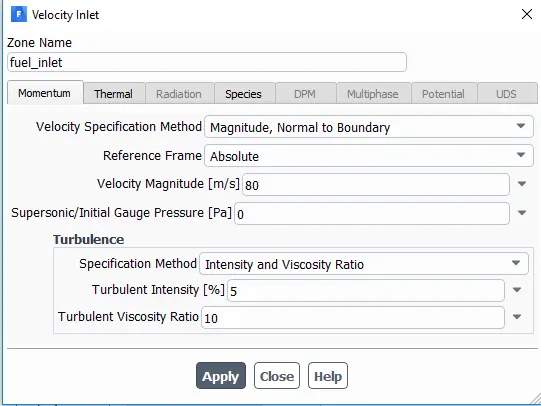
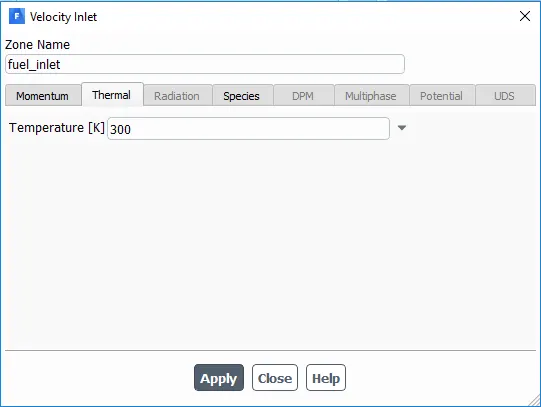
Boundary conditions
Air inlet:
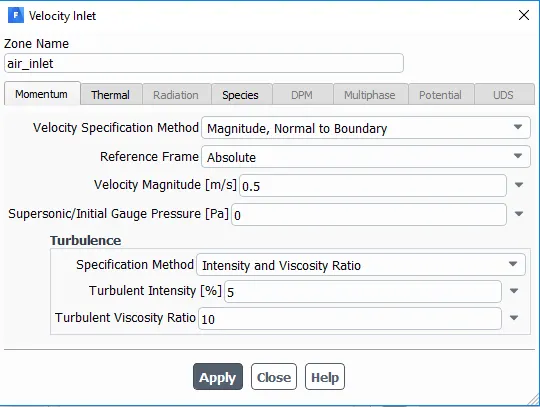
Fuel Inlet:
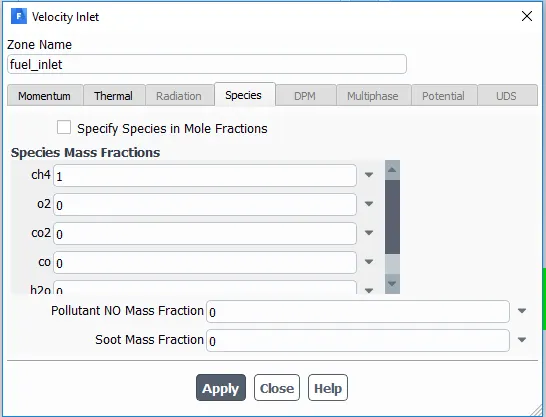
Outlet: Pressure outlet
Axis: Axis BC
Wall: Wall BC
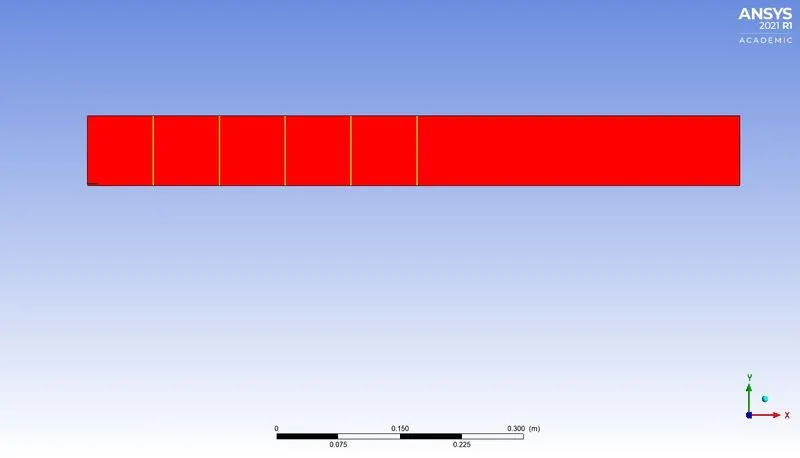
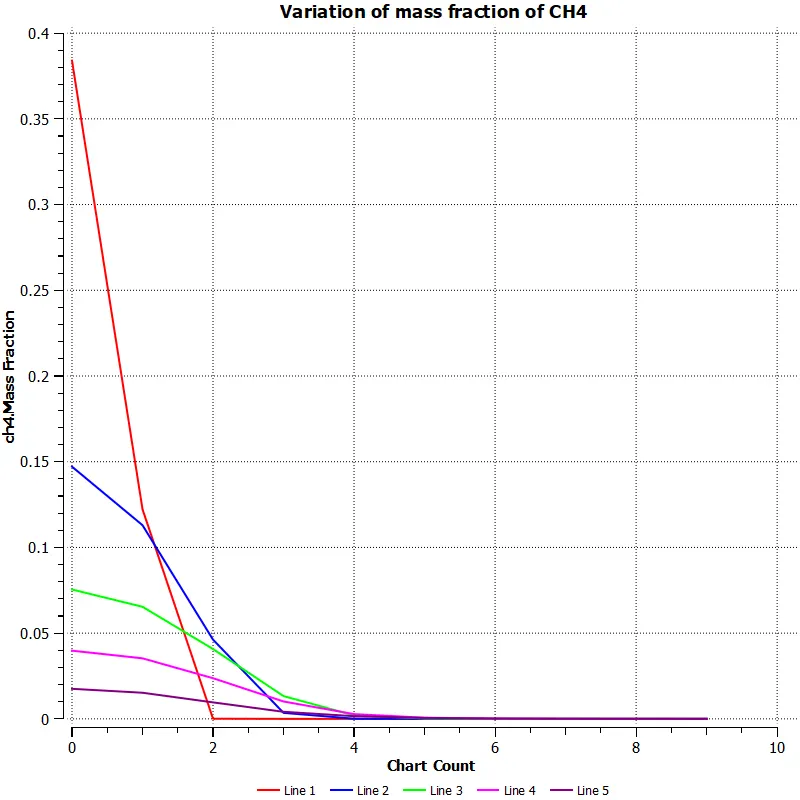
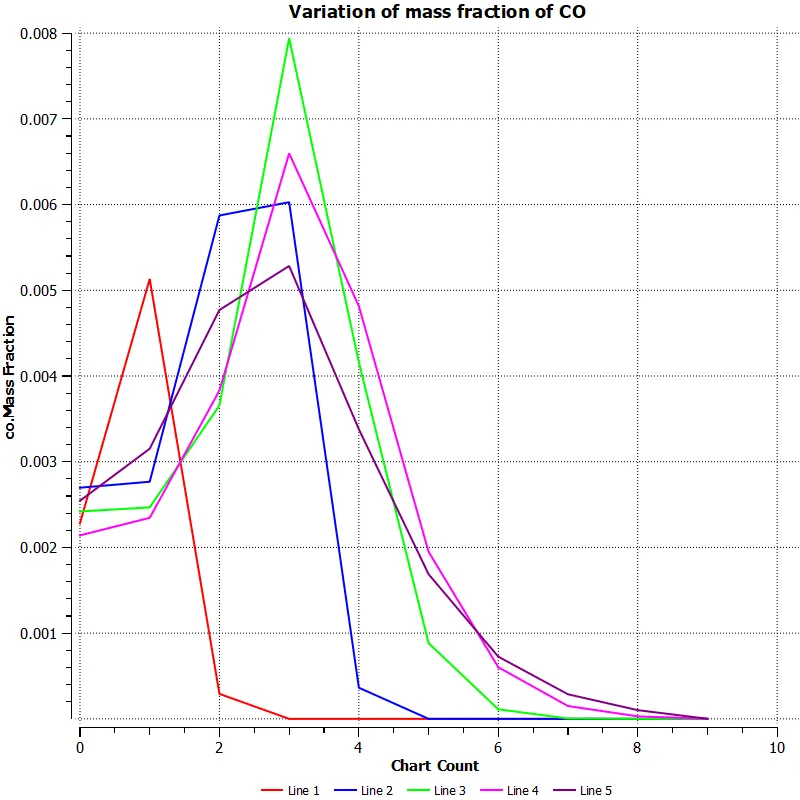
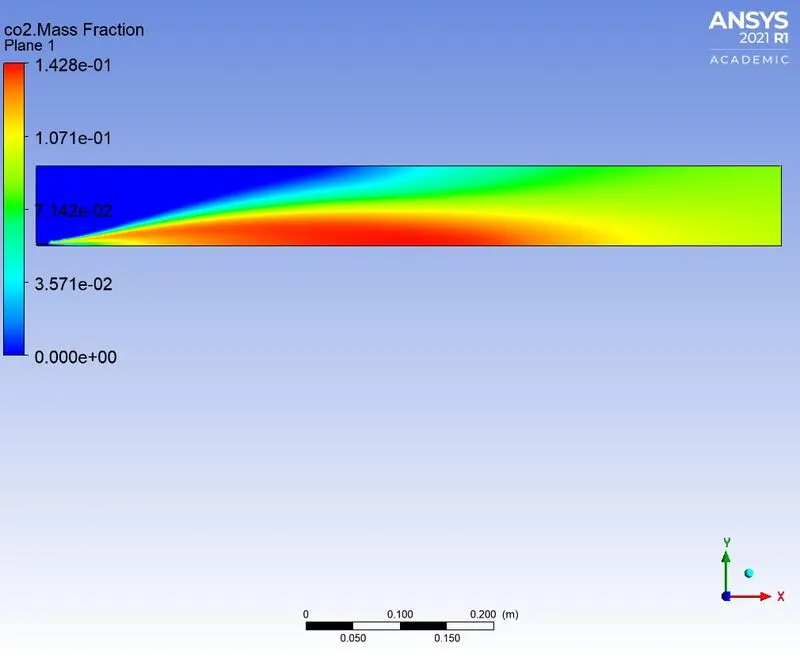
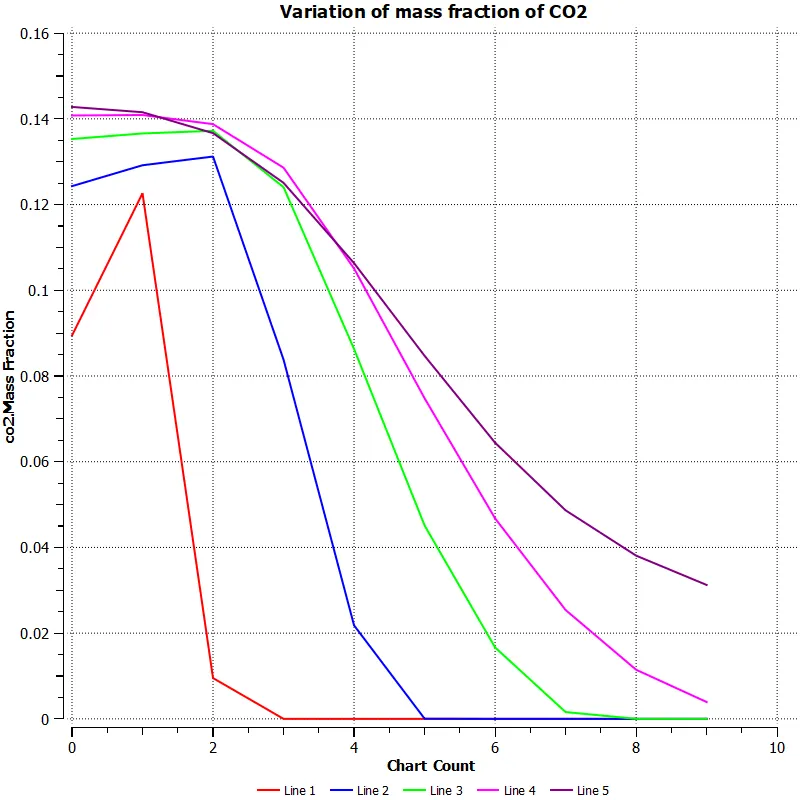
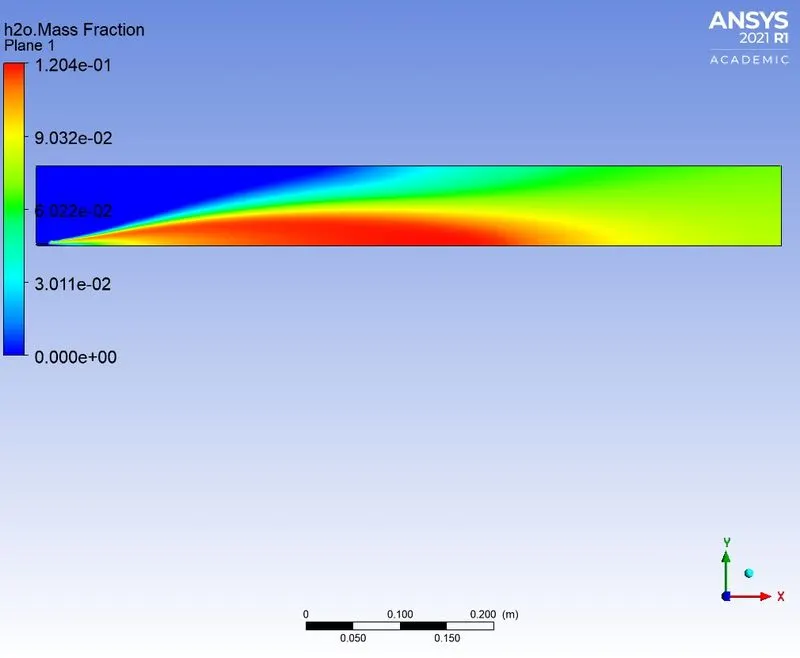
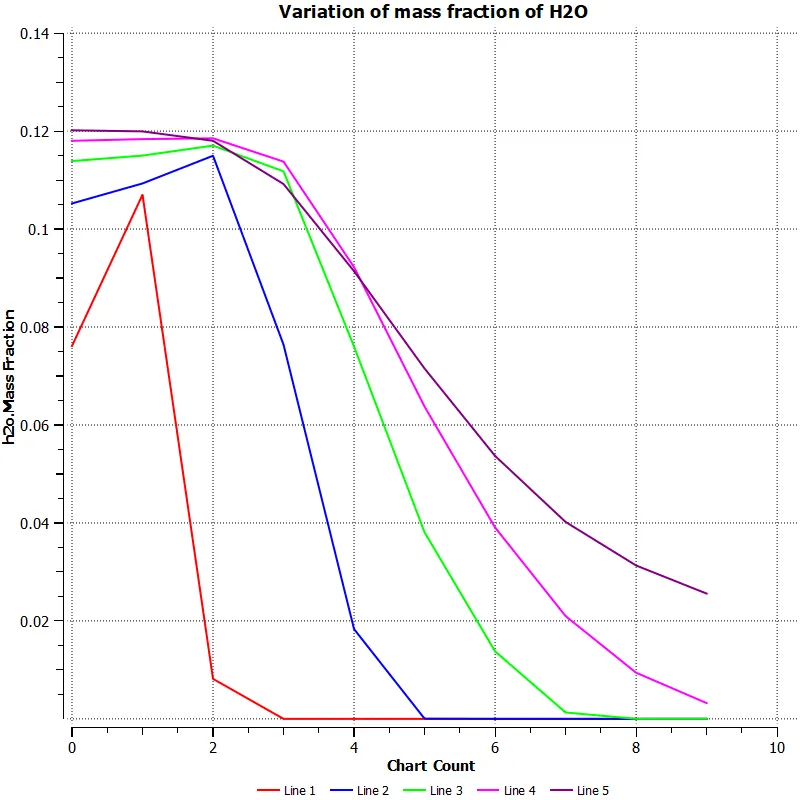
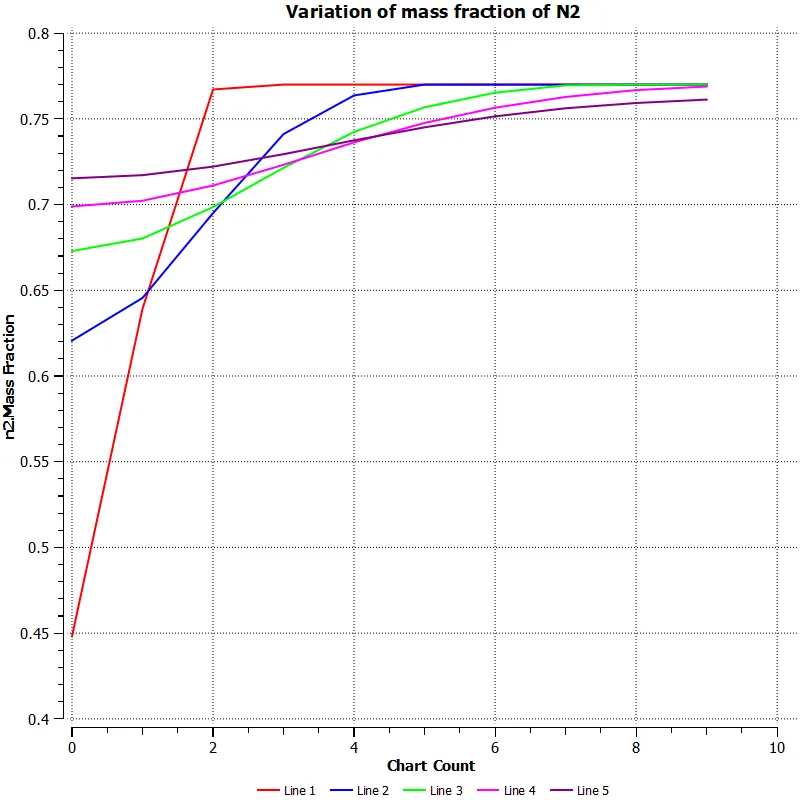
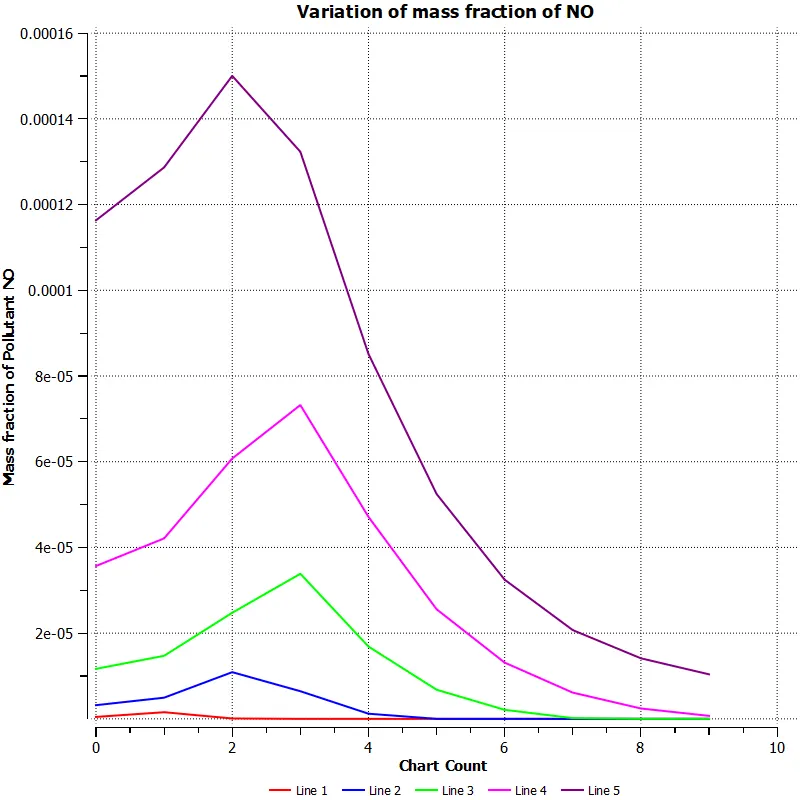
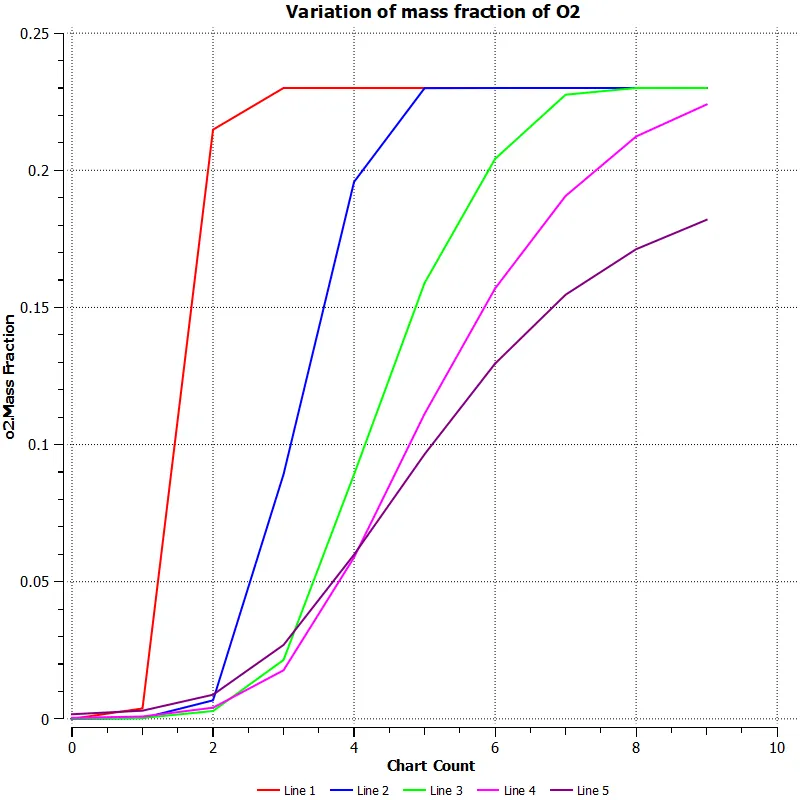
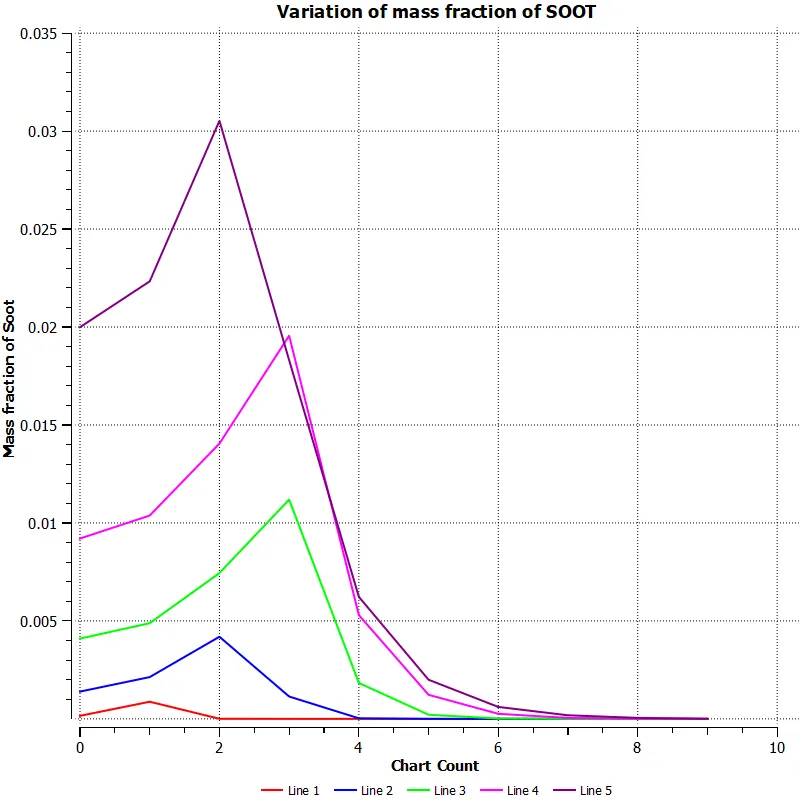
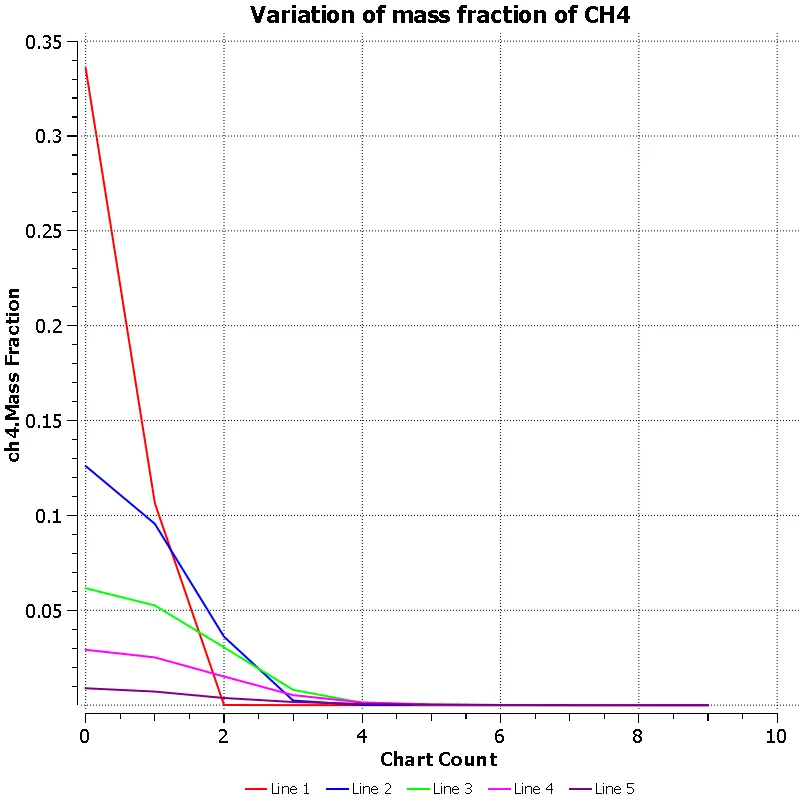
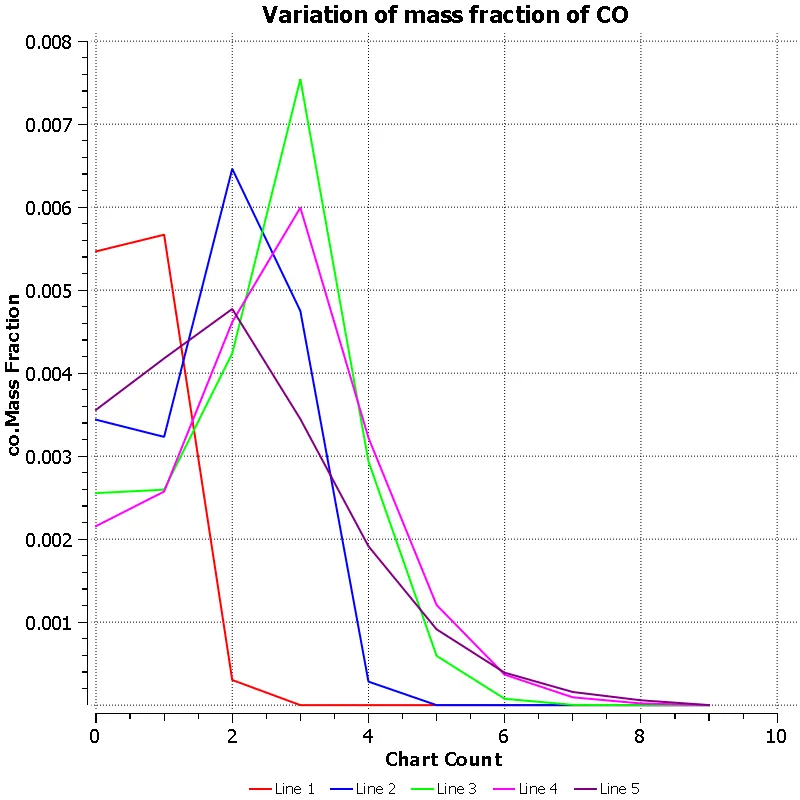
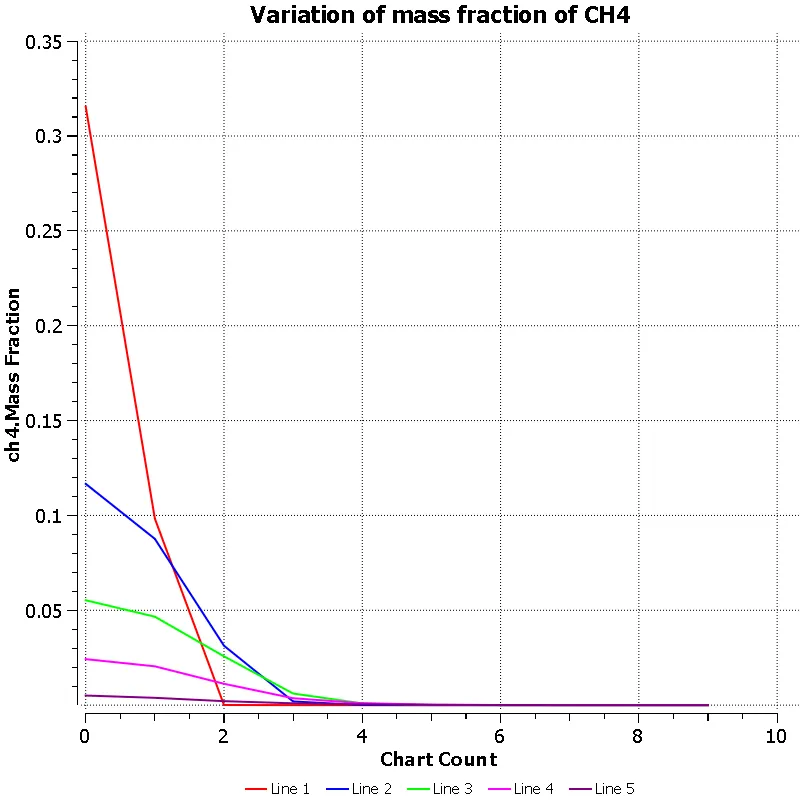
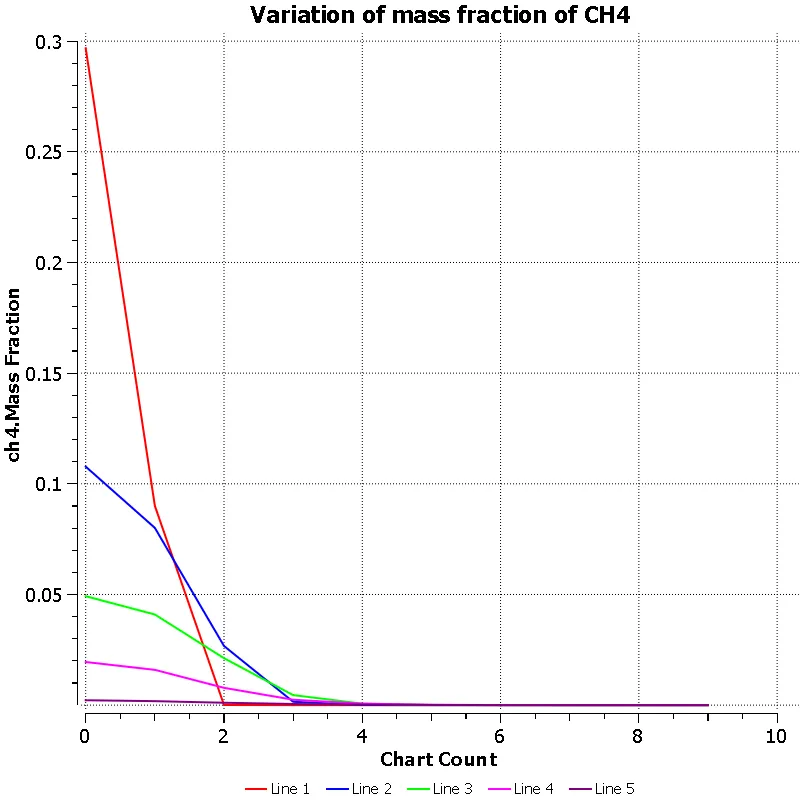
To post process the results, 5 lines are created in the domain as shown below to see the variation of different species along the lines.
Results
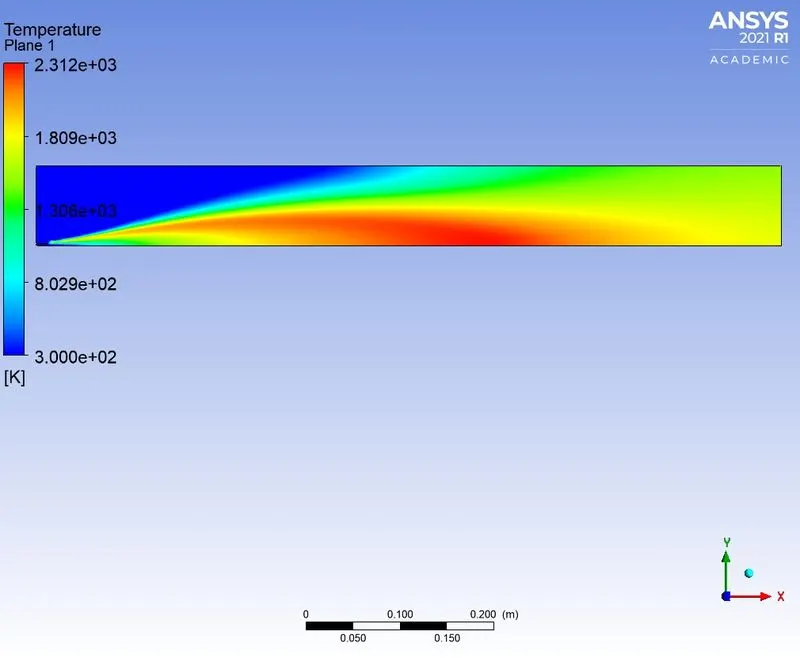
Temperature contours
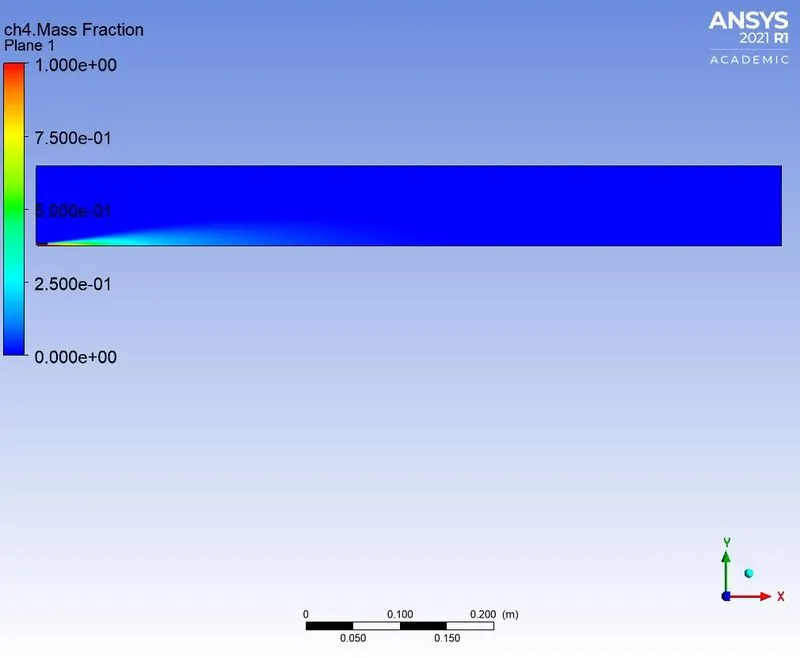
Countours of CH4 mass fraction
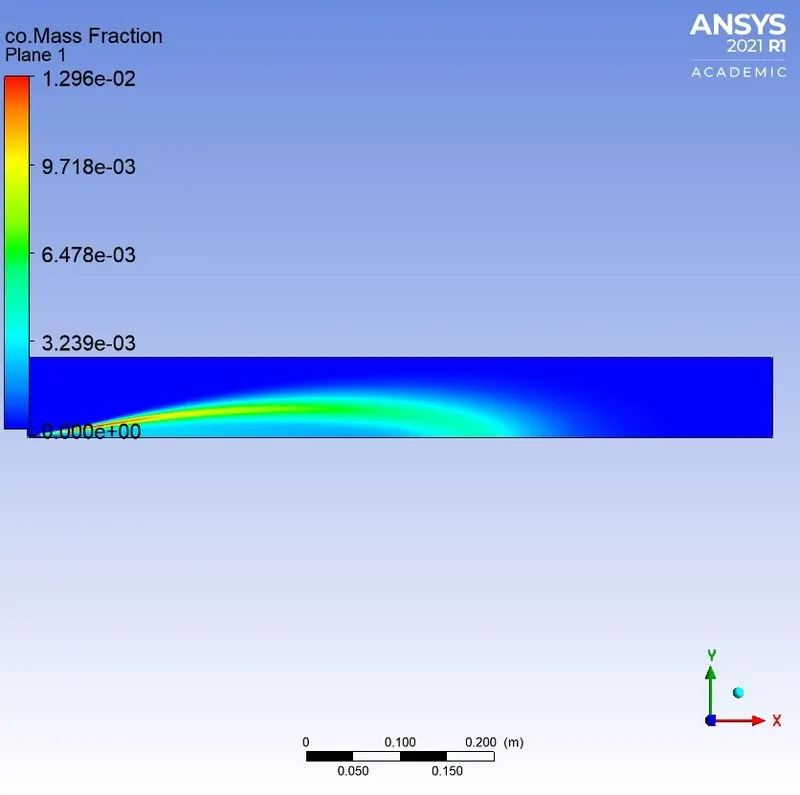
Countours of CO mass fraction
Countours of CO2 mass fraction
Countours of H2O mass fraction
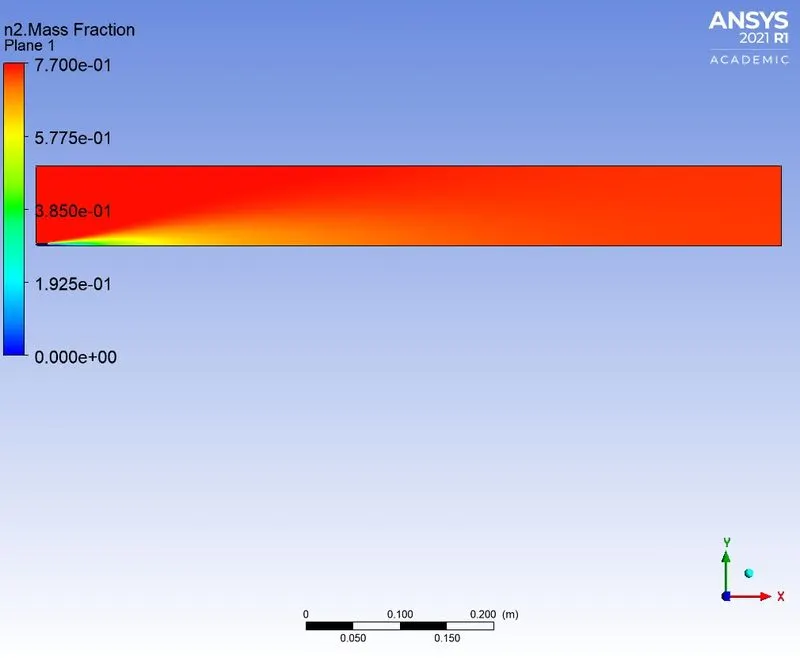
Countours of N2 mass fraction
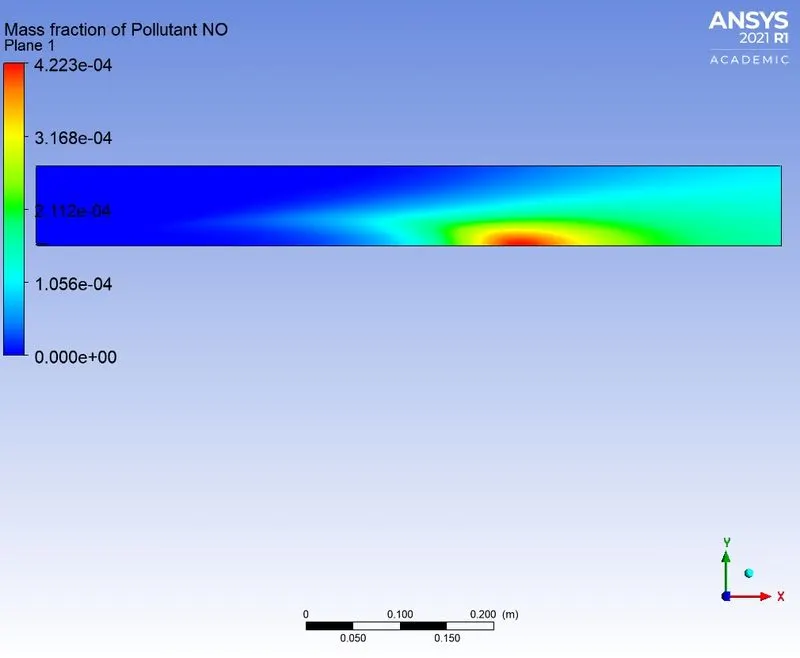
Countours of NO mass fraction
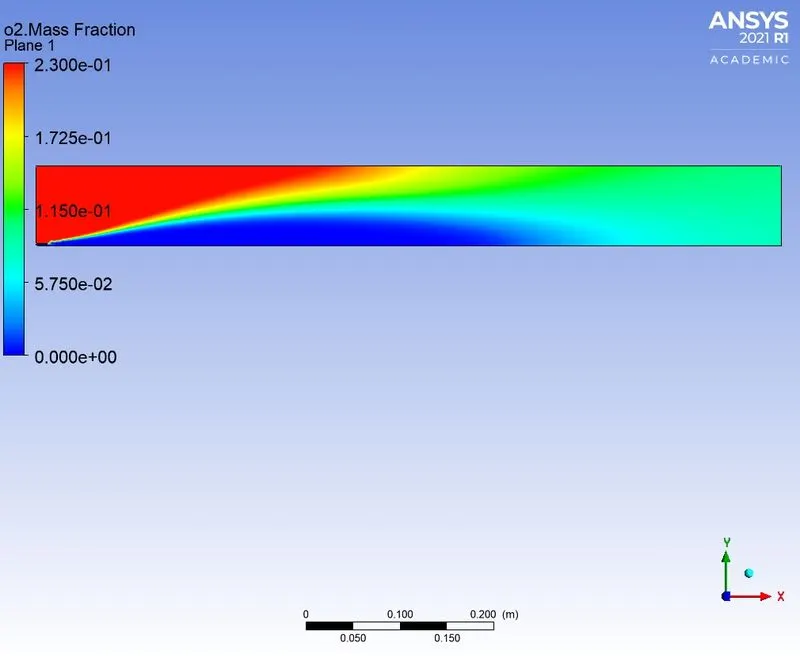
Countours of O2 mass fraction
Countours of SOOT mass fraction
Case 2
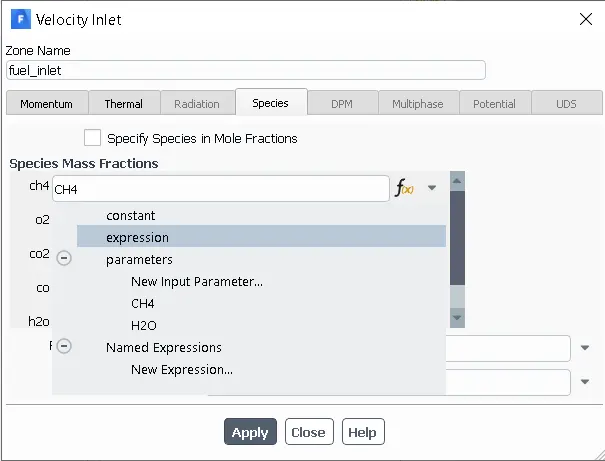
Simulation settings are same for case 2 as in case 1 except, parameter is enabled for mass fraction of Ch4 and H2O at inlet, as shown below, to change the content of fuel and H2O.
Results:
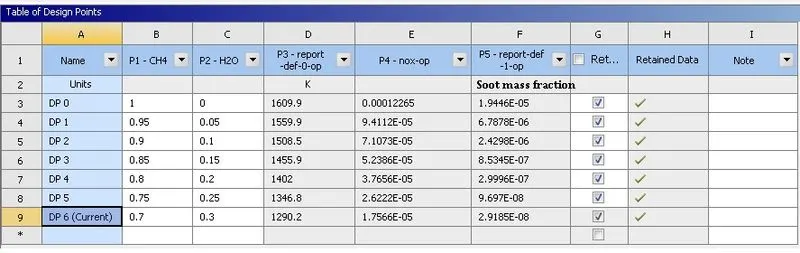
Parameterrc analysis table
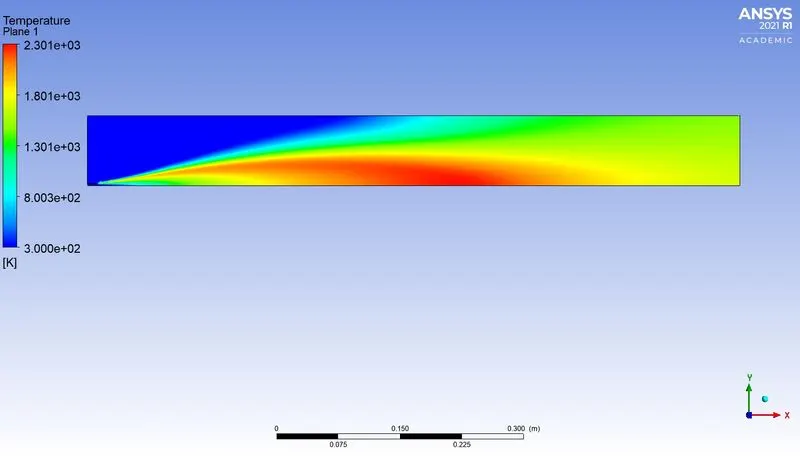
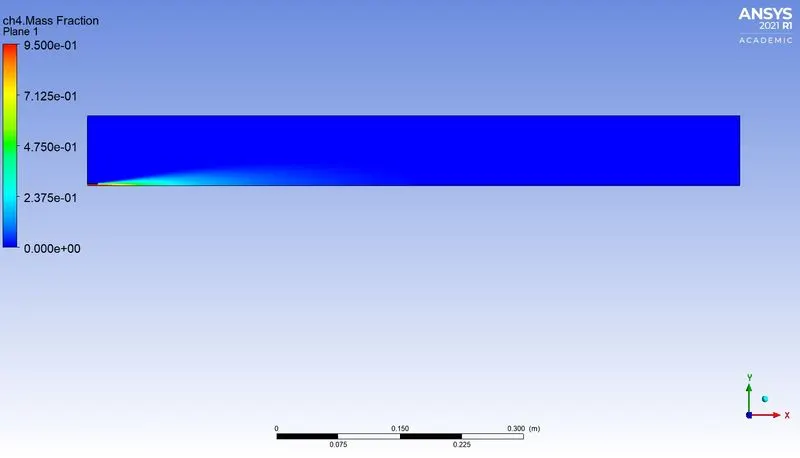
a) CH4 mass fraction=1, Water mass fraction=0.
This results are same as that of case 1 results
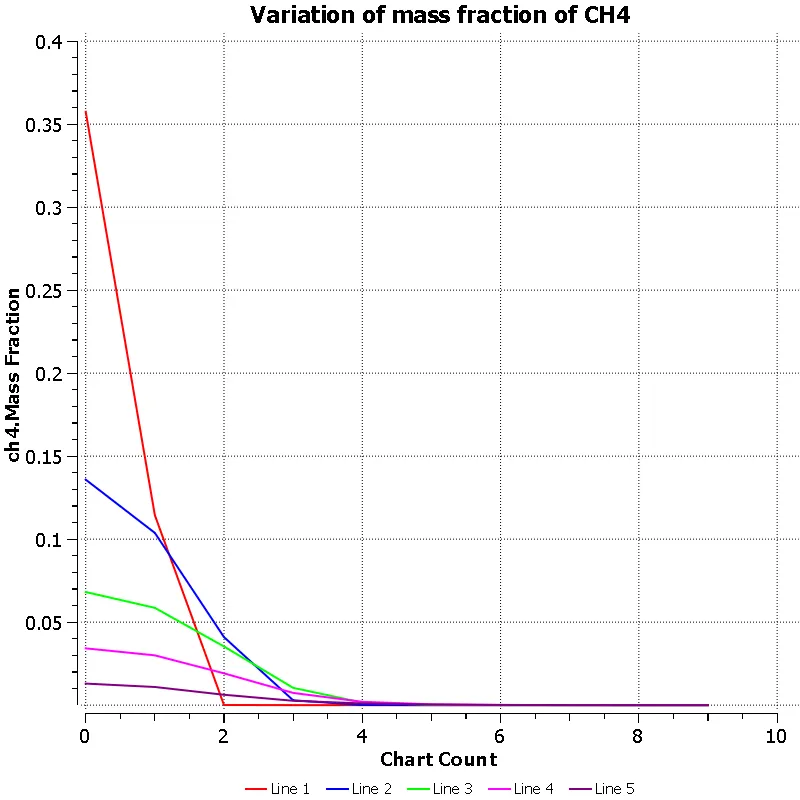
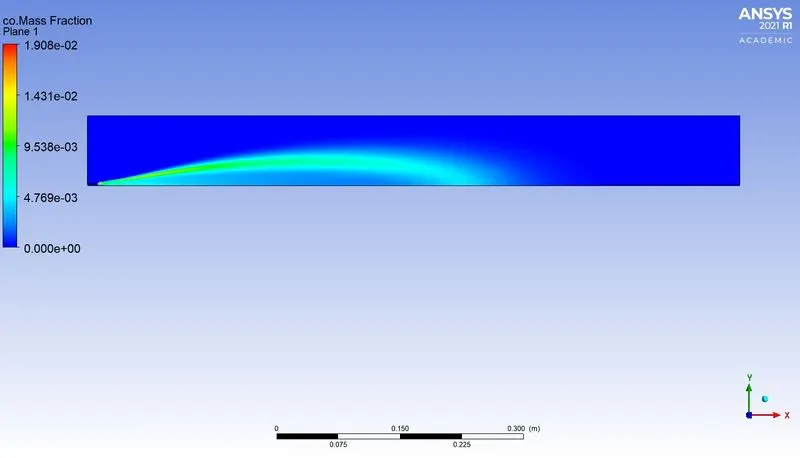
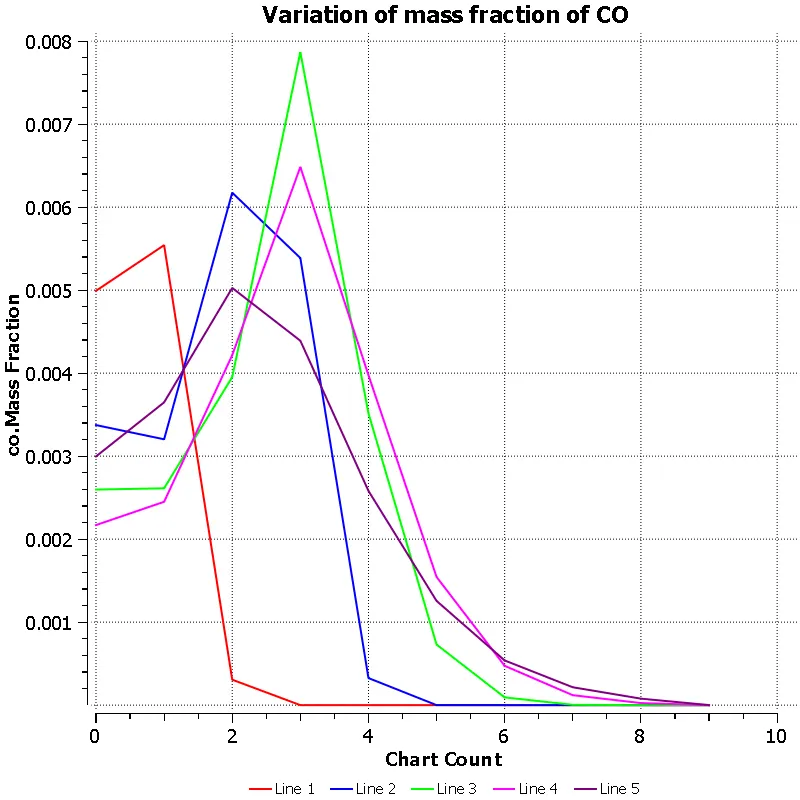
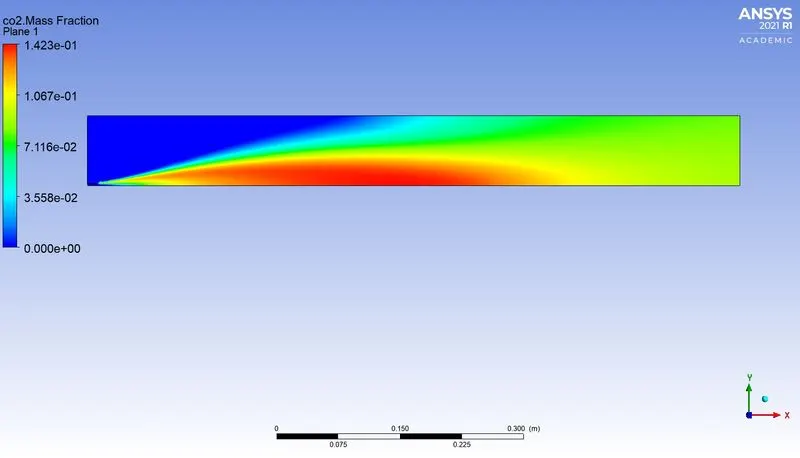
b) CH4 mass fraction=0.95, Water mass fraction=0.05.
Temperature contour
Mass fraction of CH4
Mass fraction of CO
Mass fraction of CO2
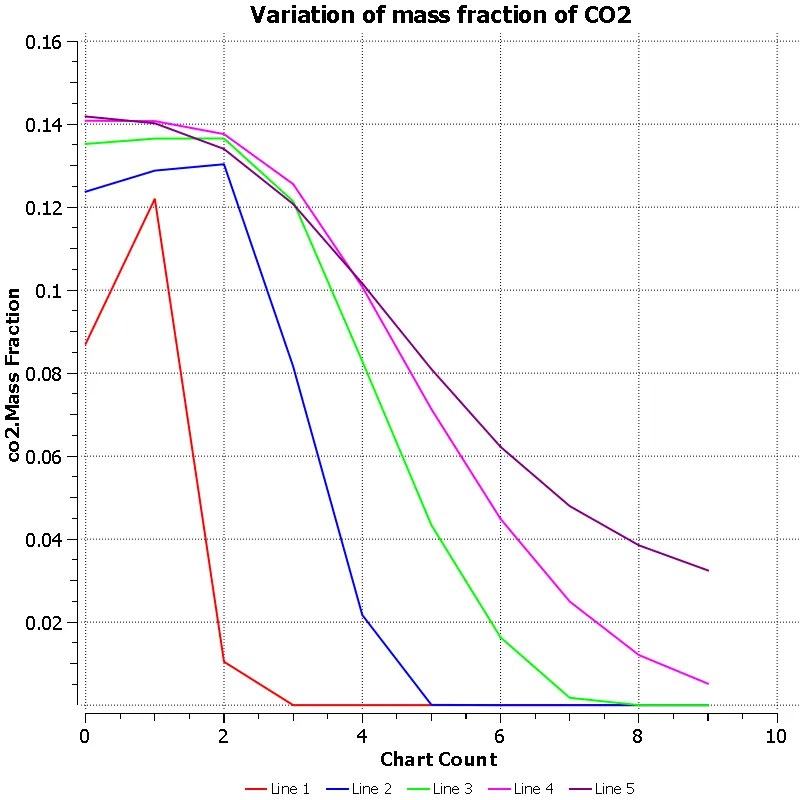
Mass fraction of H2O
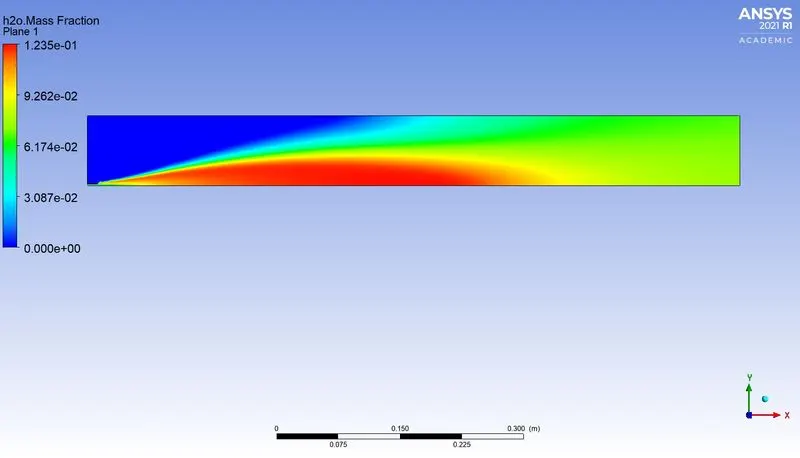
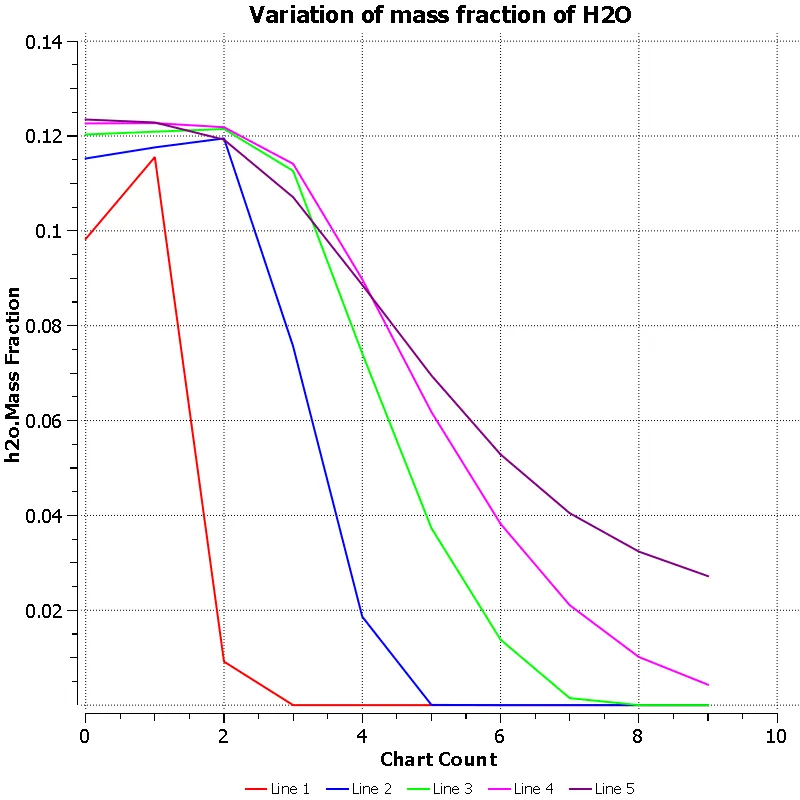
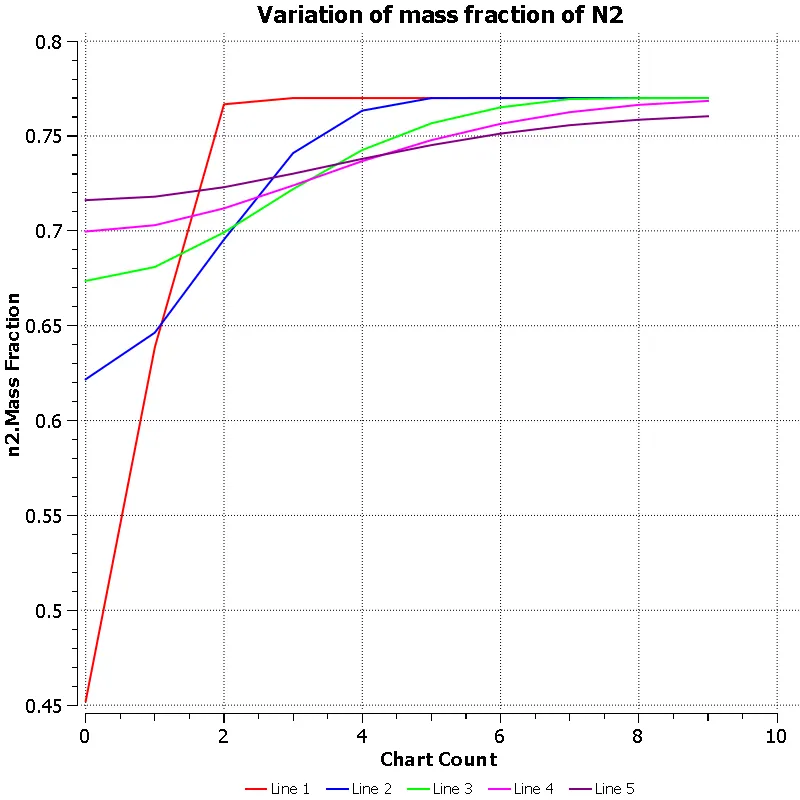
Mass fraction of N2
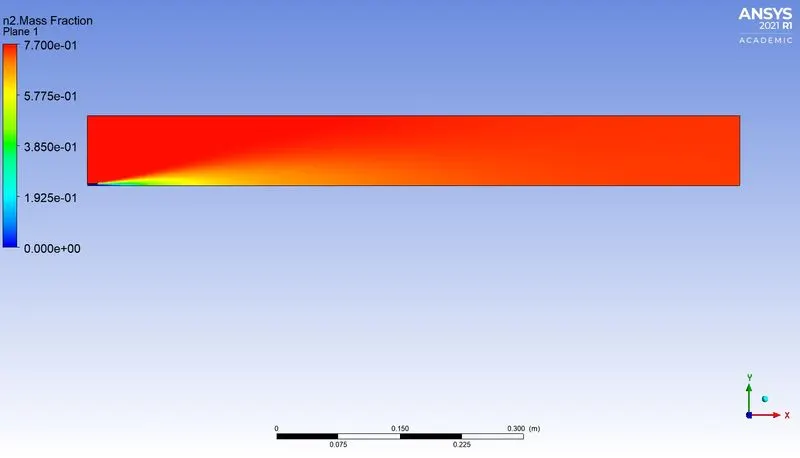
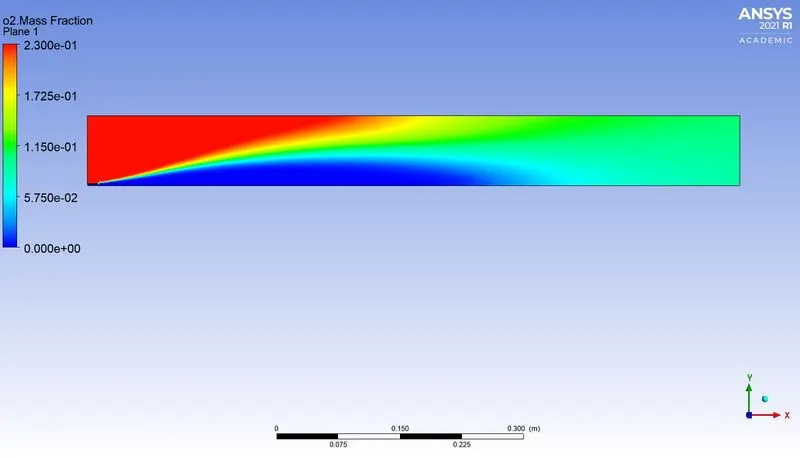
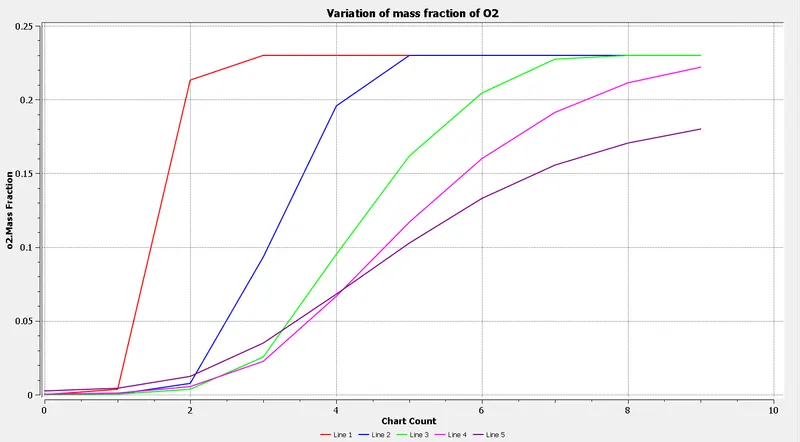
Mass fraction of O2
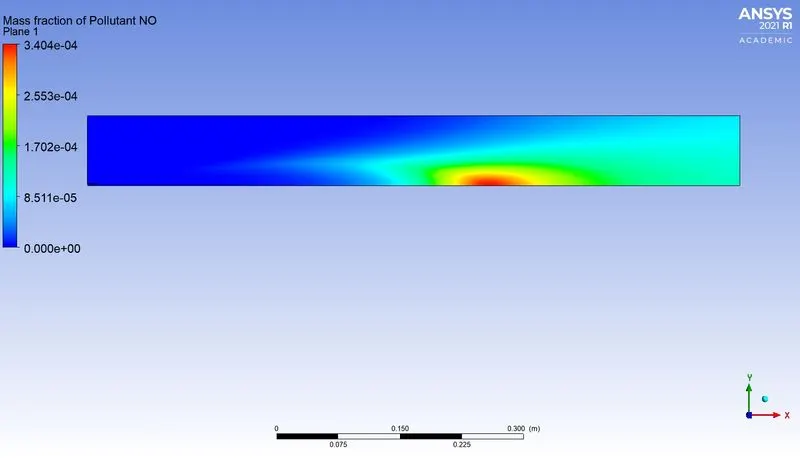
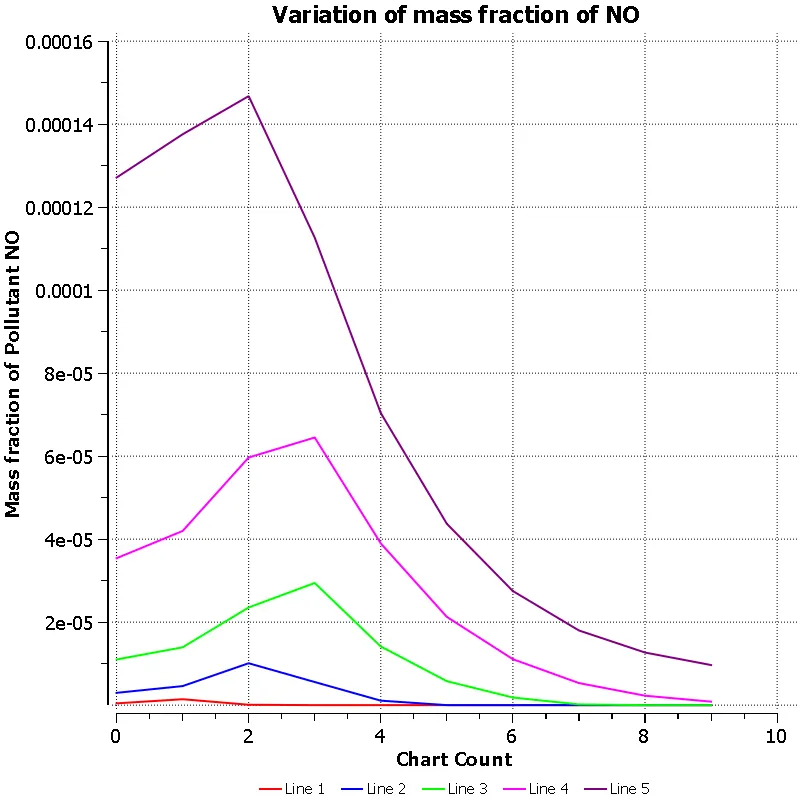
Mass fraction of NO
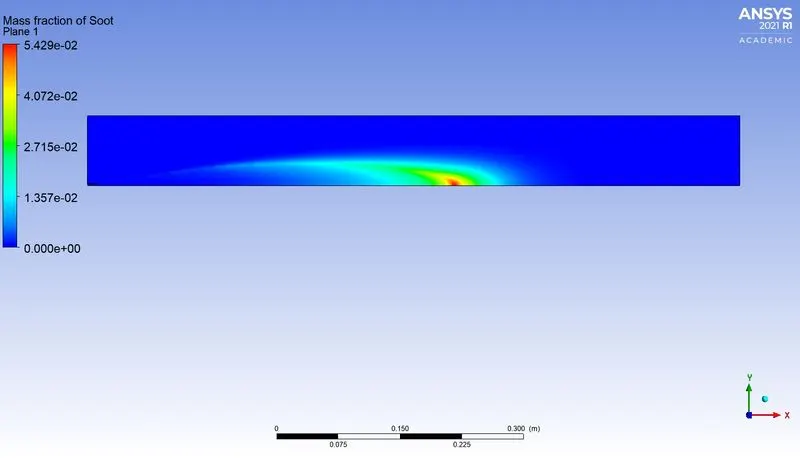
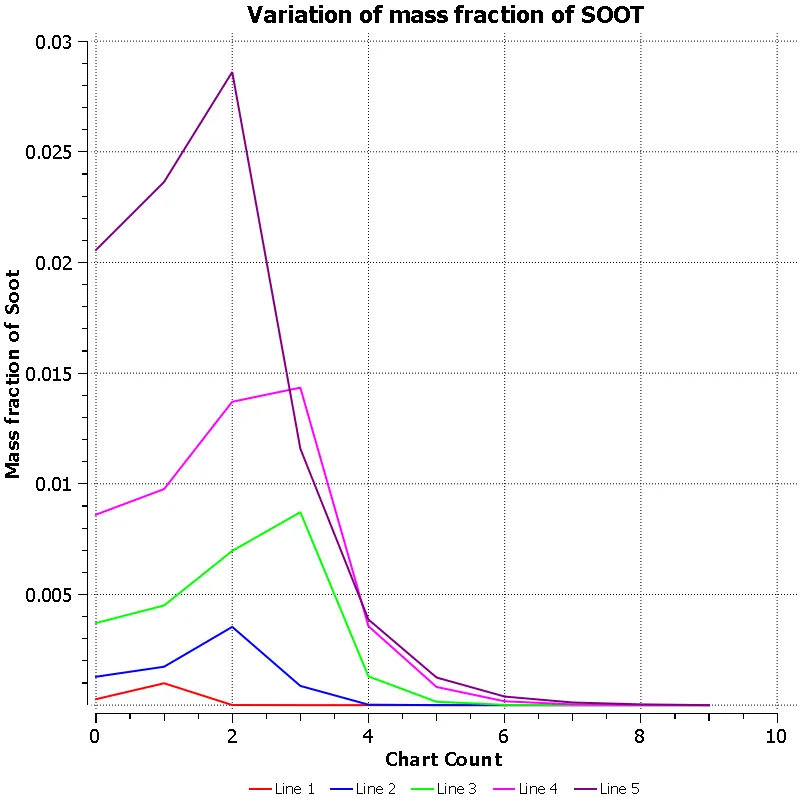
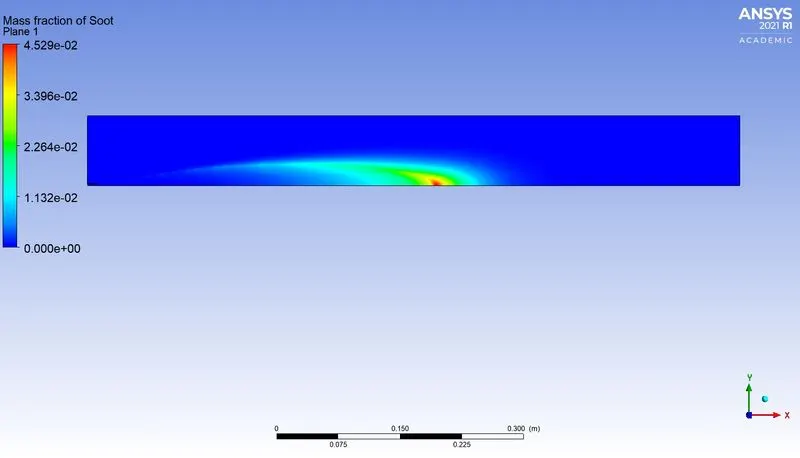
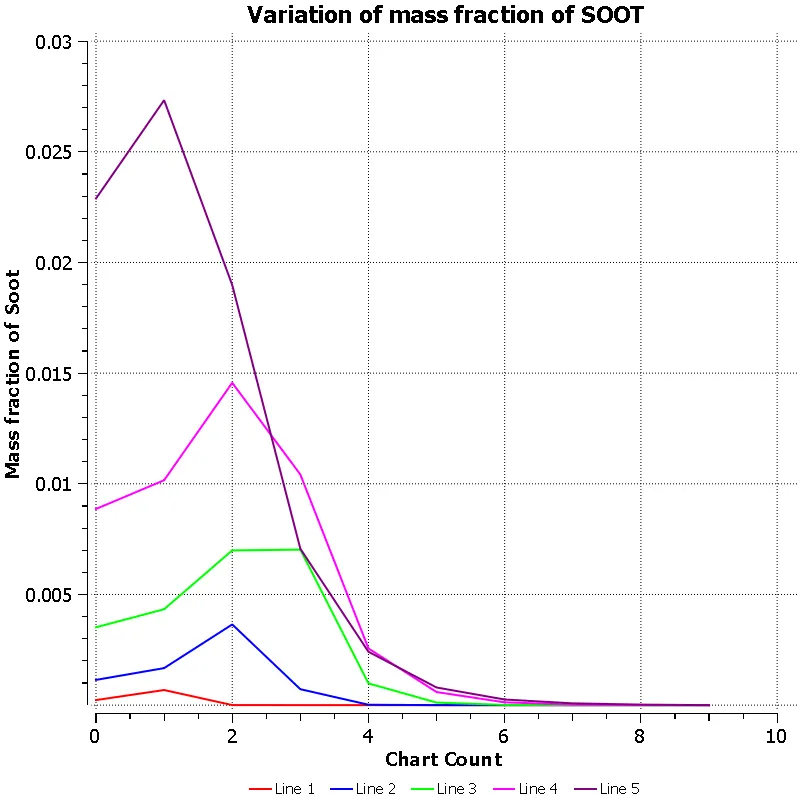
Mass fraction of SOOT
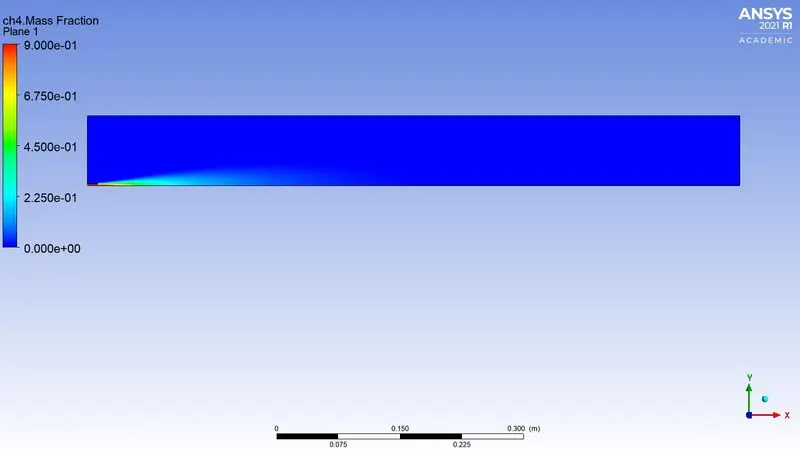
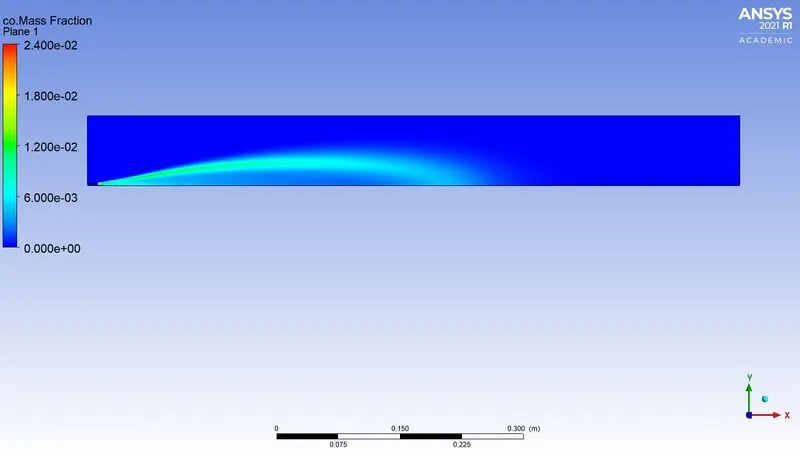
c) CH4 mass fraction=0.9, Water mass fraction=0.1.
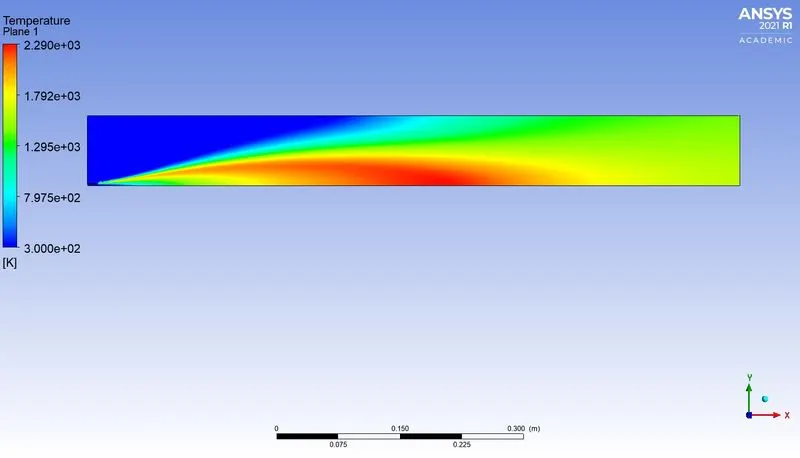
Temperature contour
Mass fraction of CH4
Mass fraction of CO
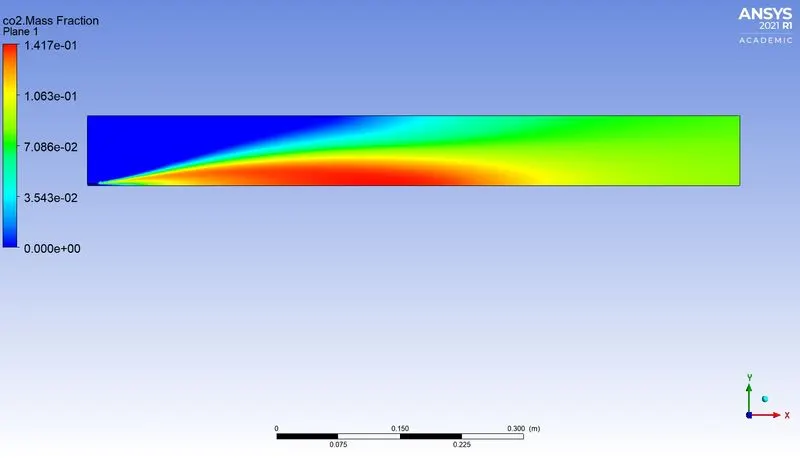
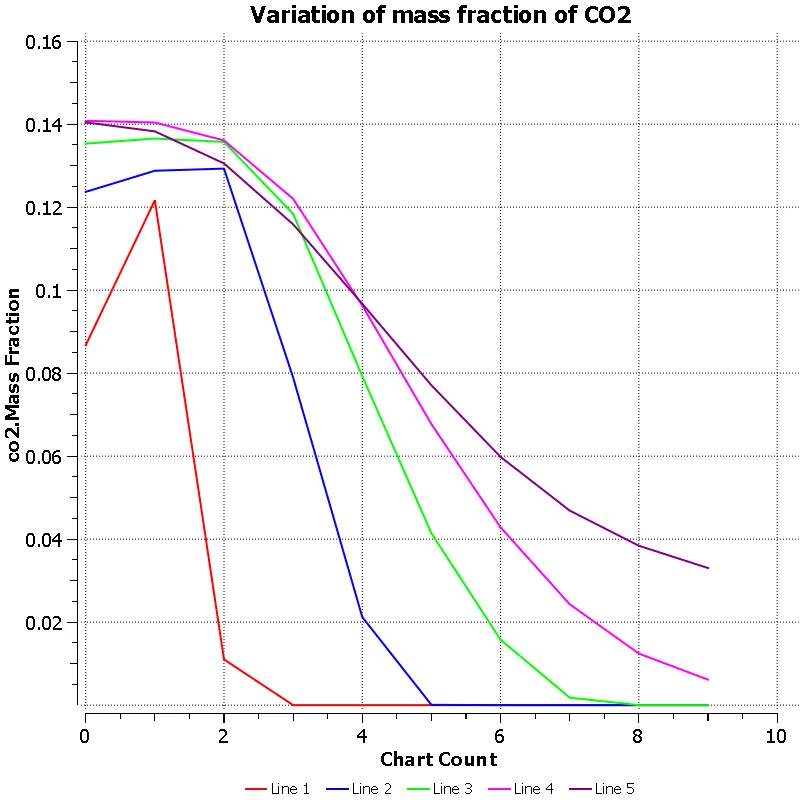
Mass fraction of CO2
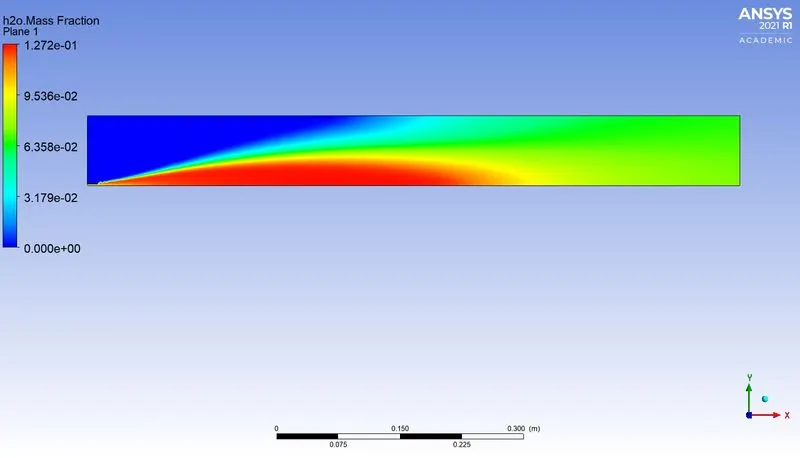
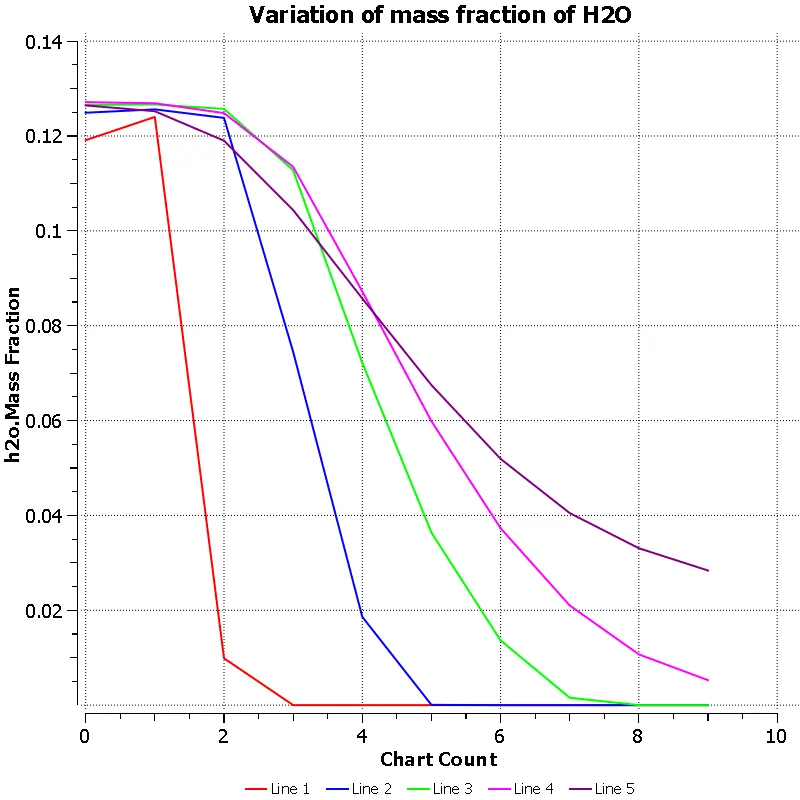
Mass fraction of H2O
Mass fraction of N2
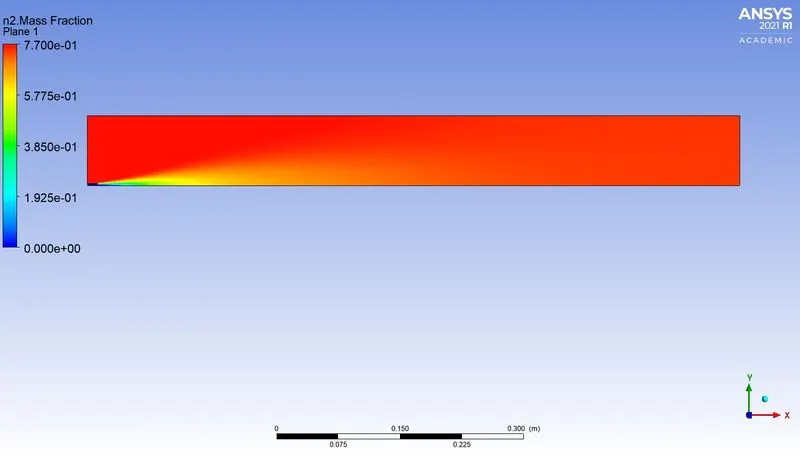
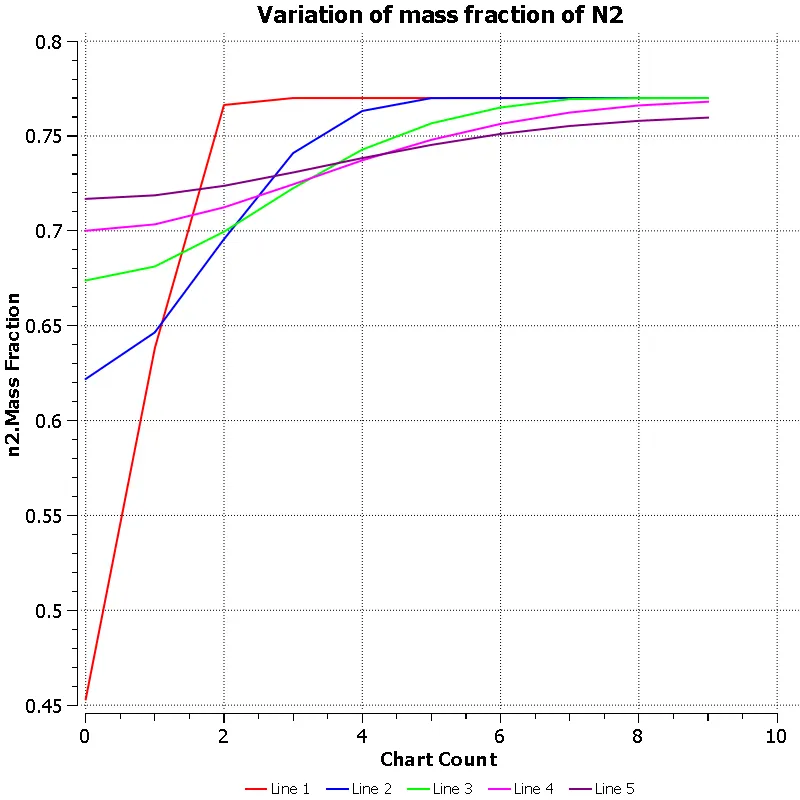
Mass fraction of O2
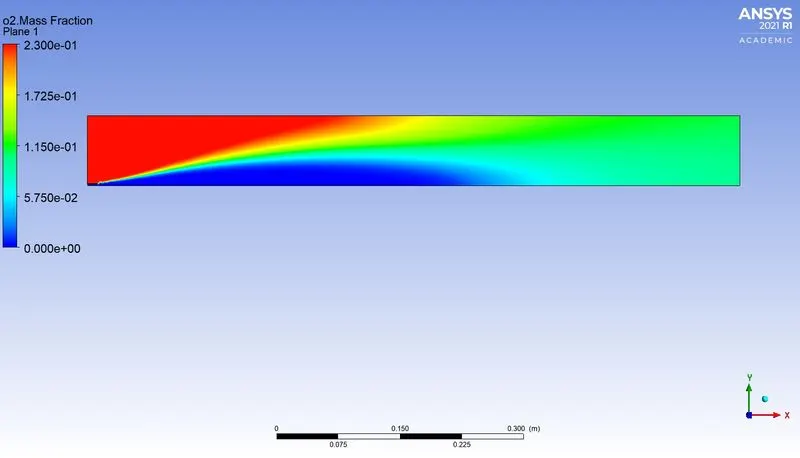
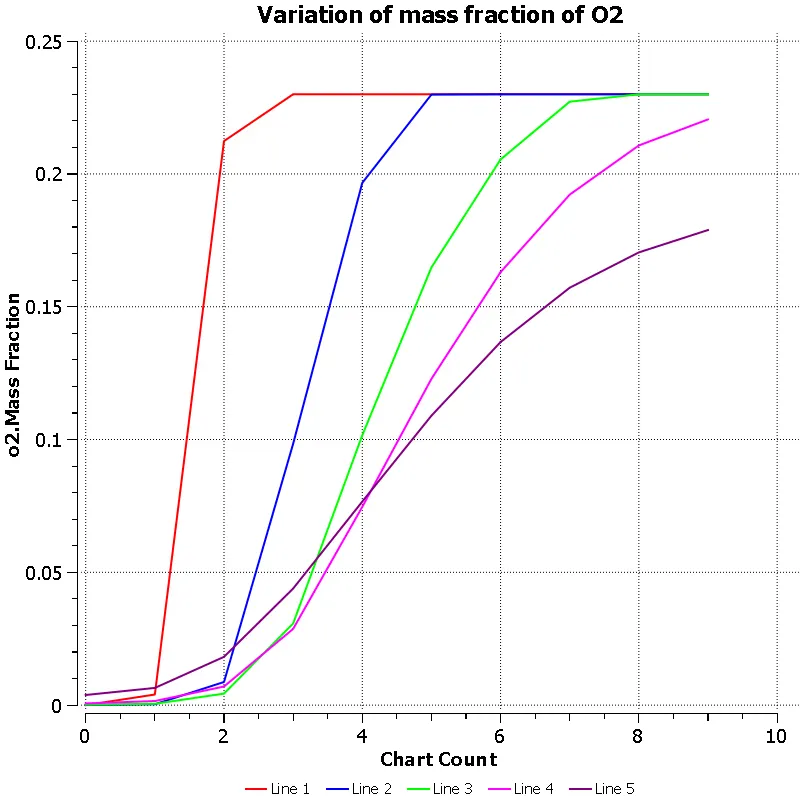
Mass fraction of NO
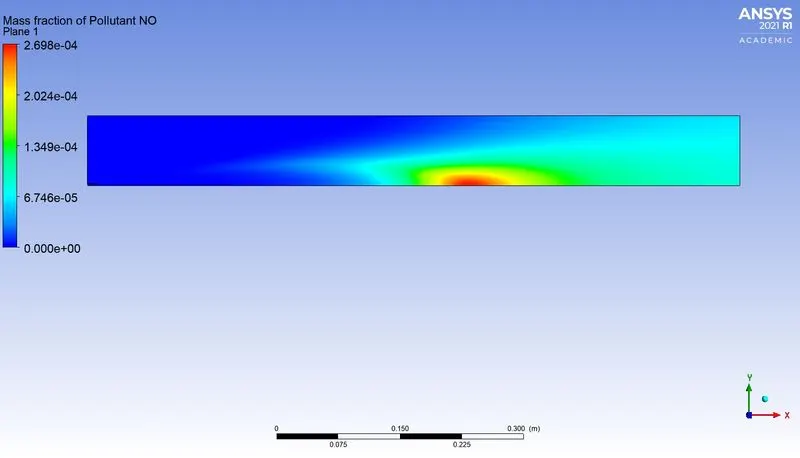
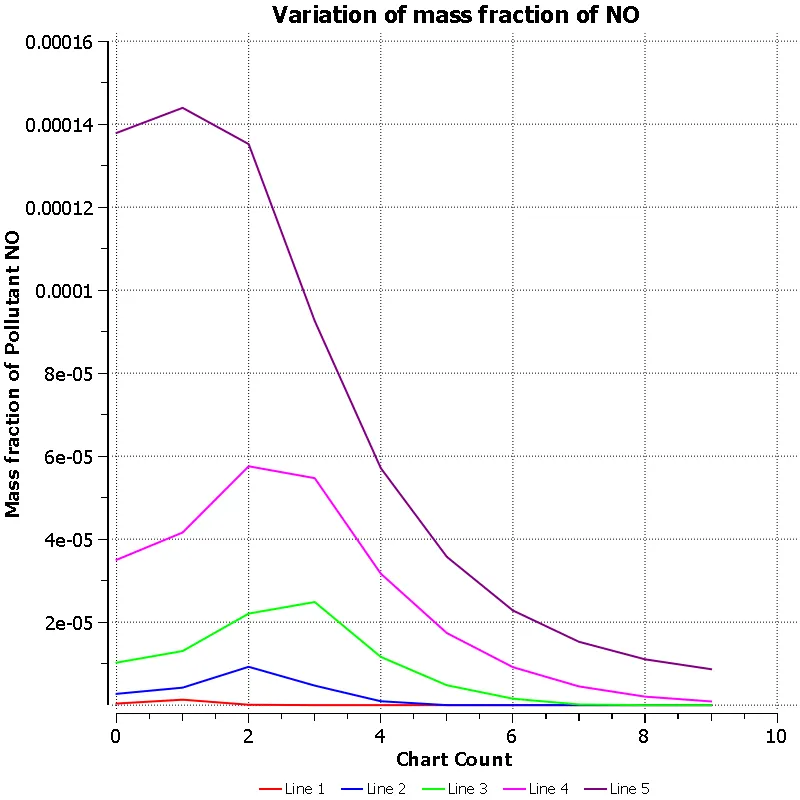
Mass fraction of SOOT
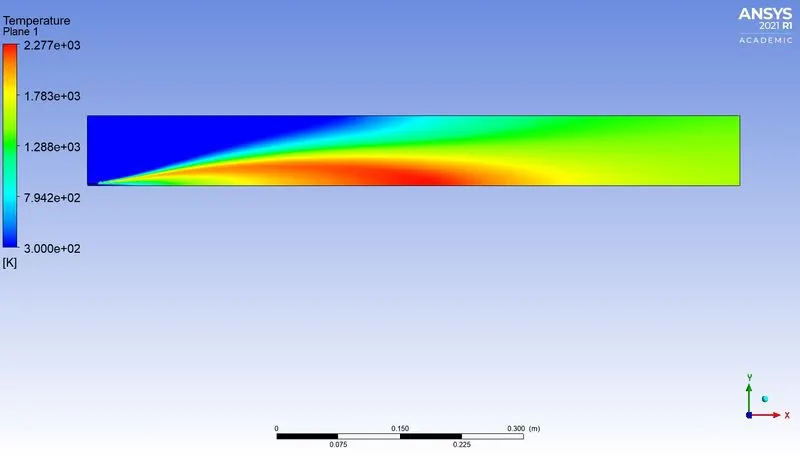
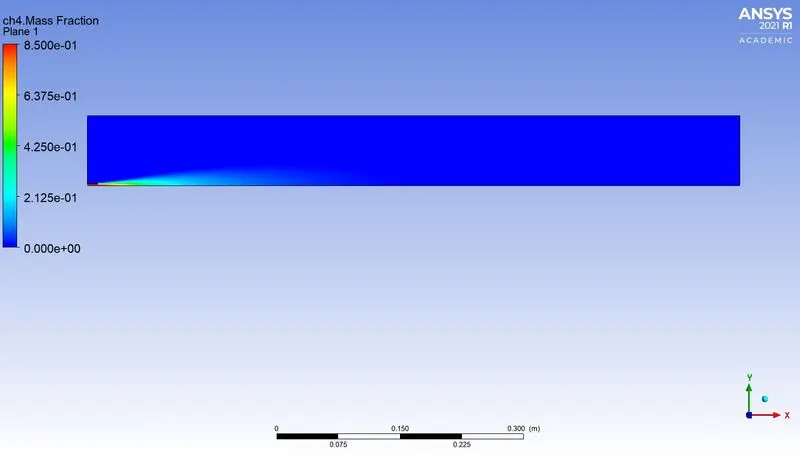
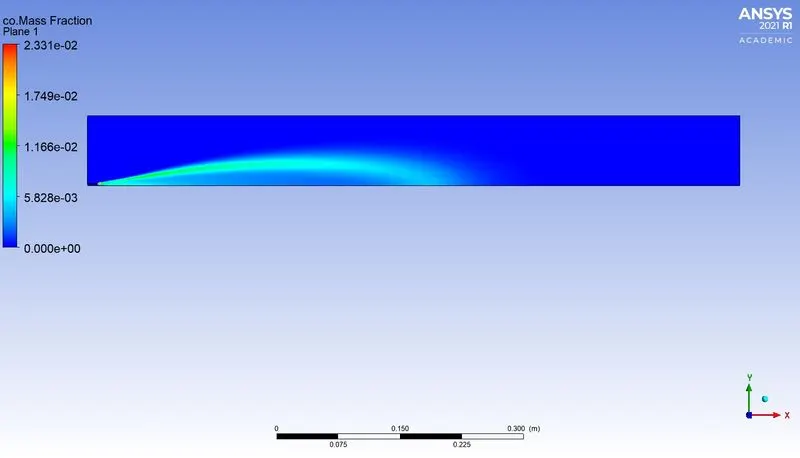
d) CH4 mass fraction=0.85, Water mass fraction=0.15.
Temperature contour
Mass fraction of CH4
Mass fraction of CO
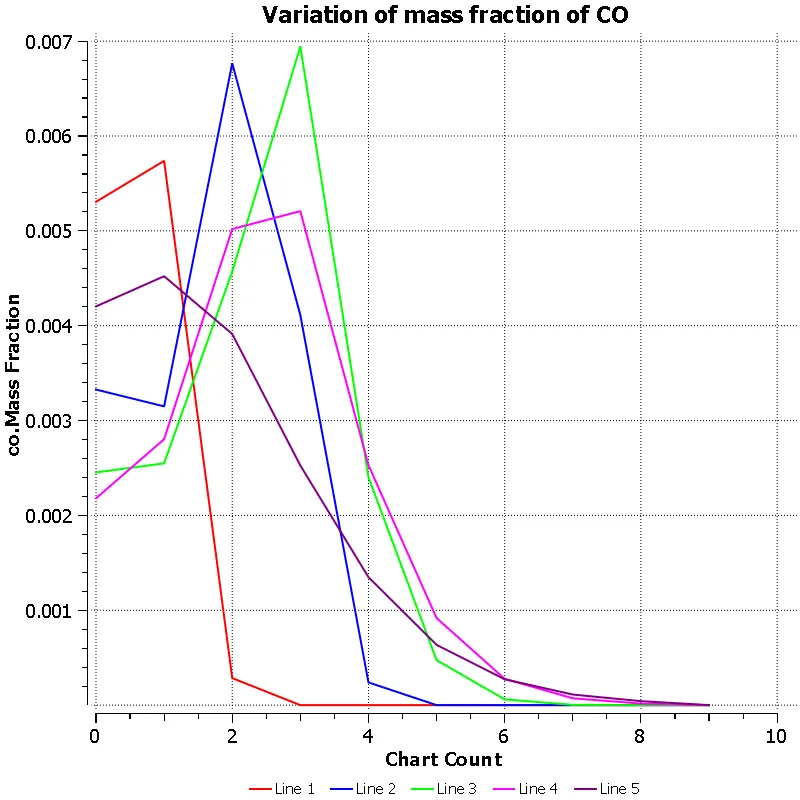
Mass fraction of CO2
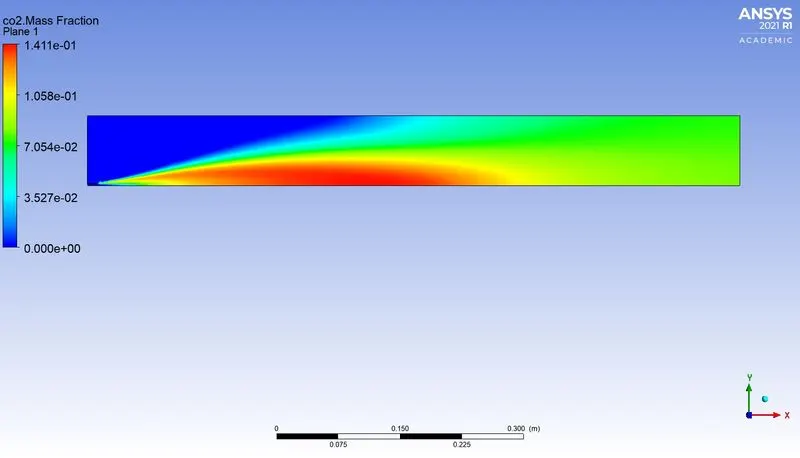
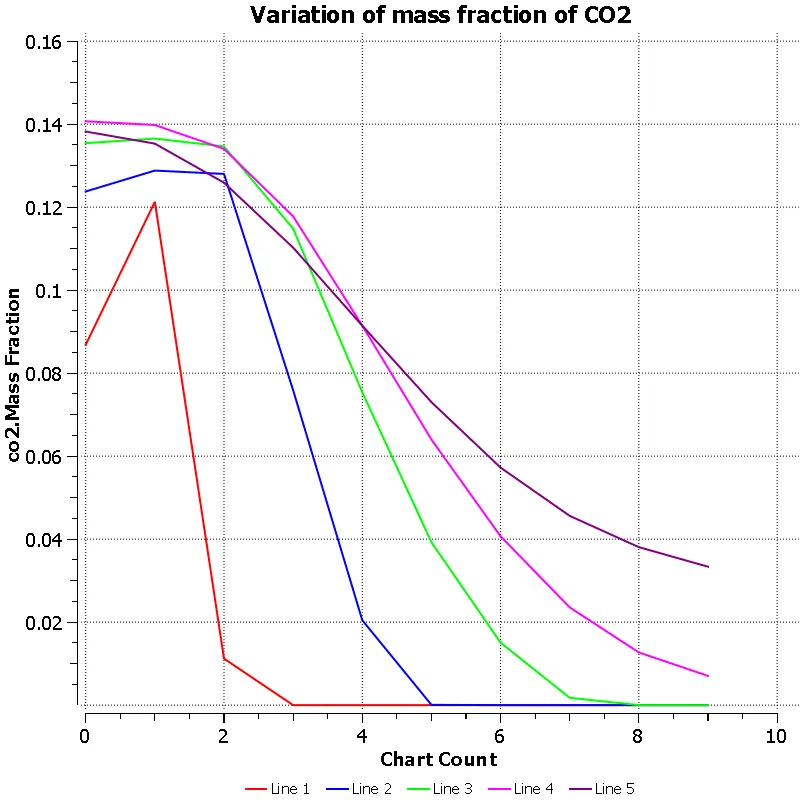
Mass fraction of H2O
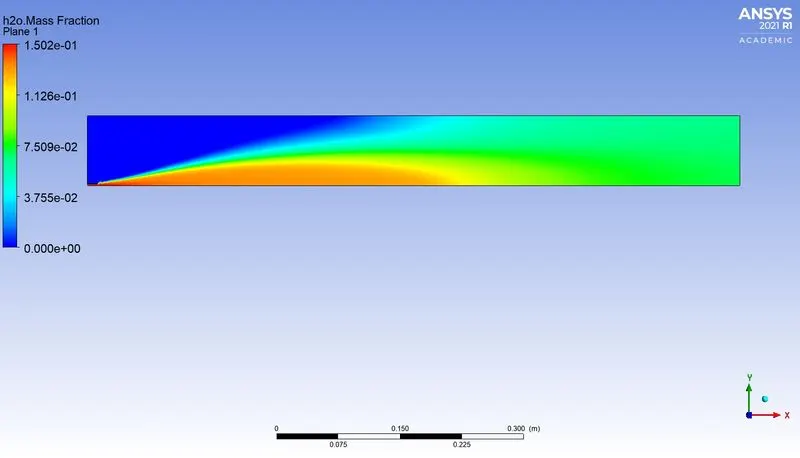
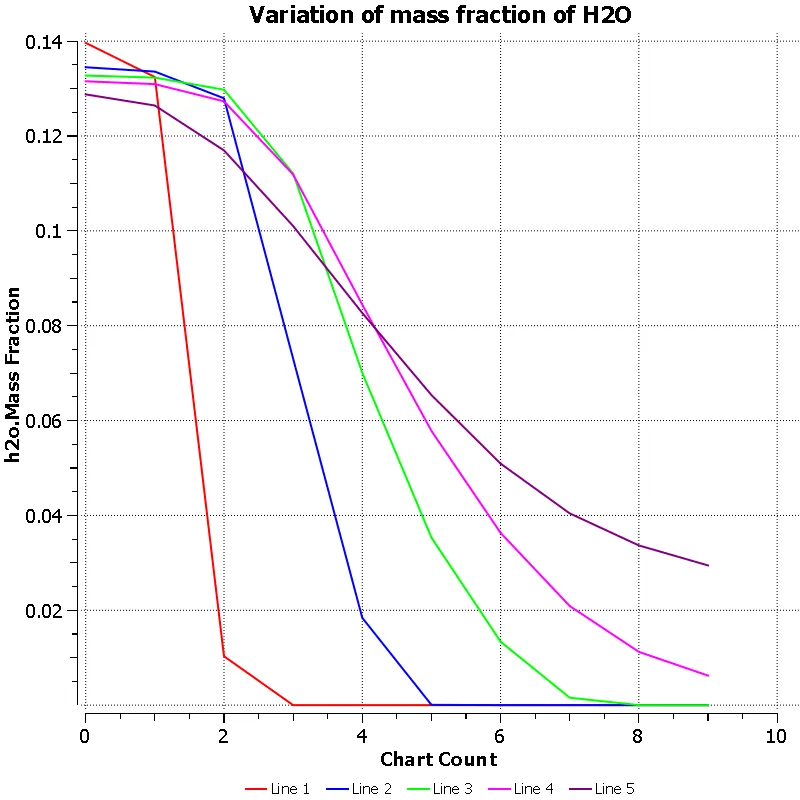
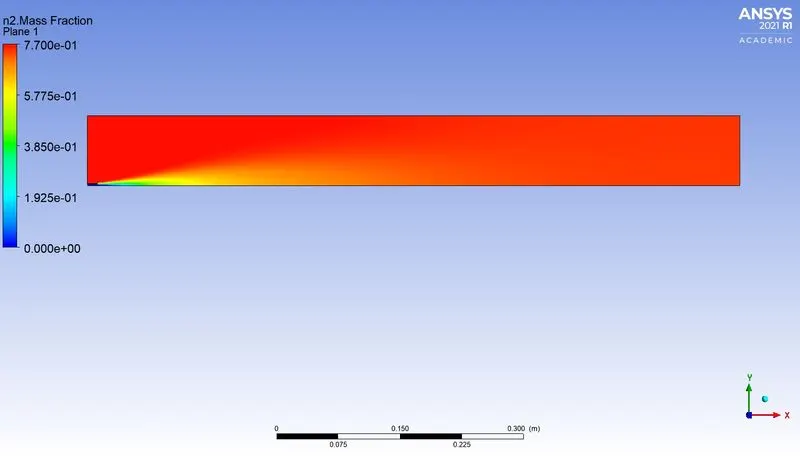
Mass fraction of N2
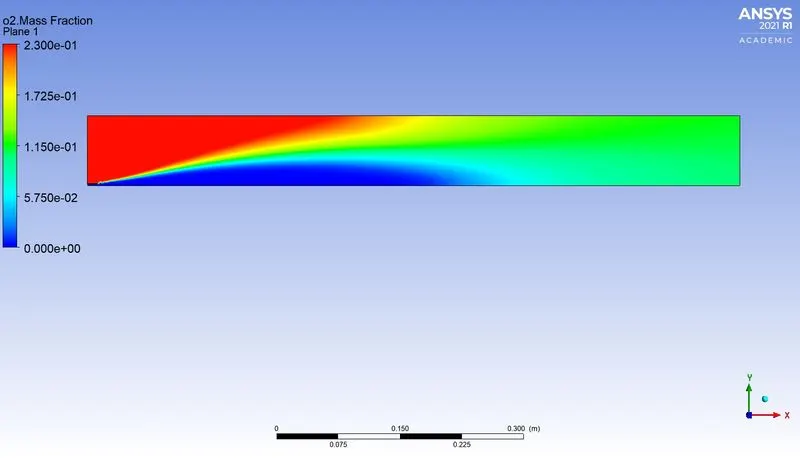
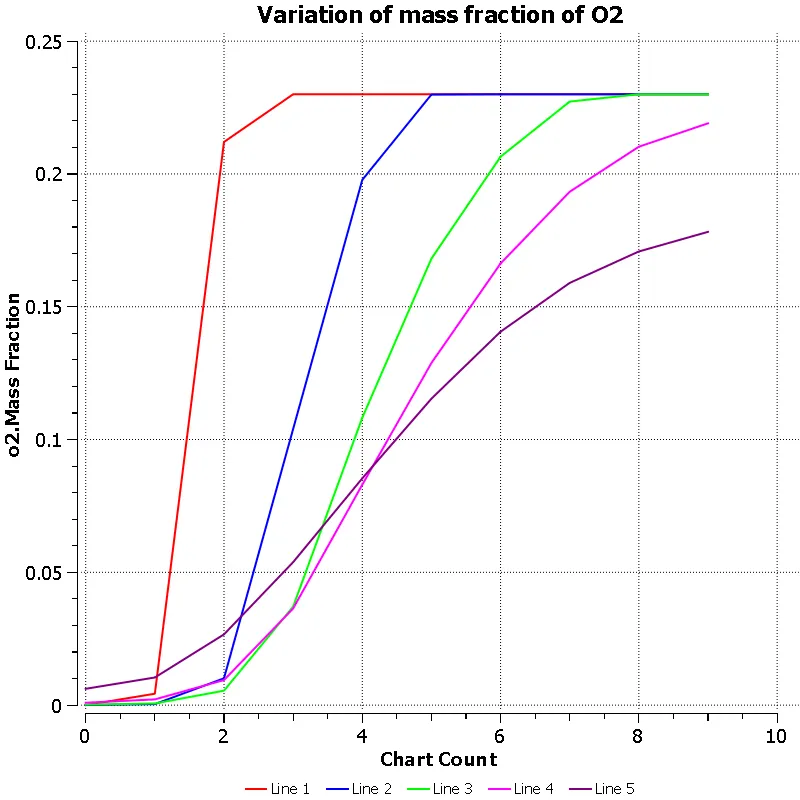
Mass fraction of O2
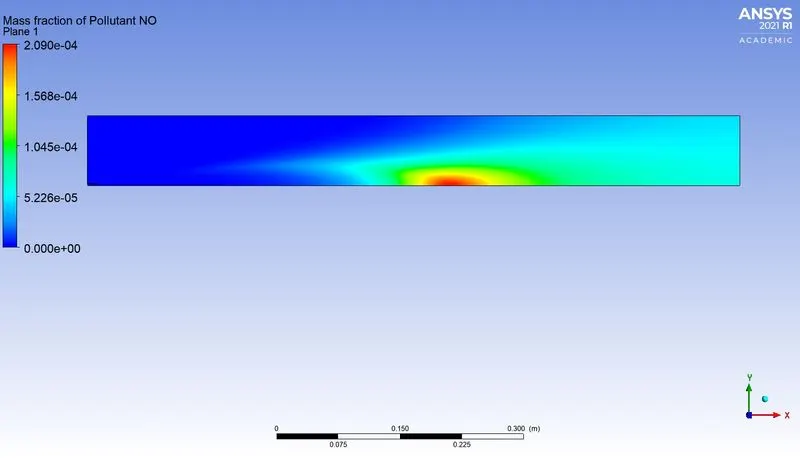
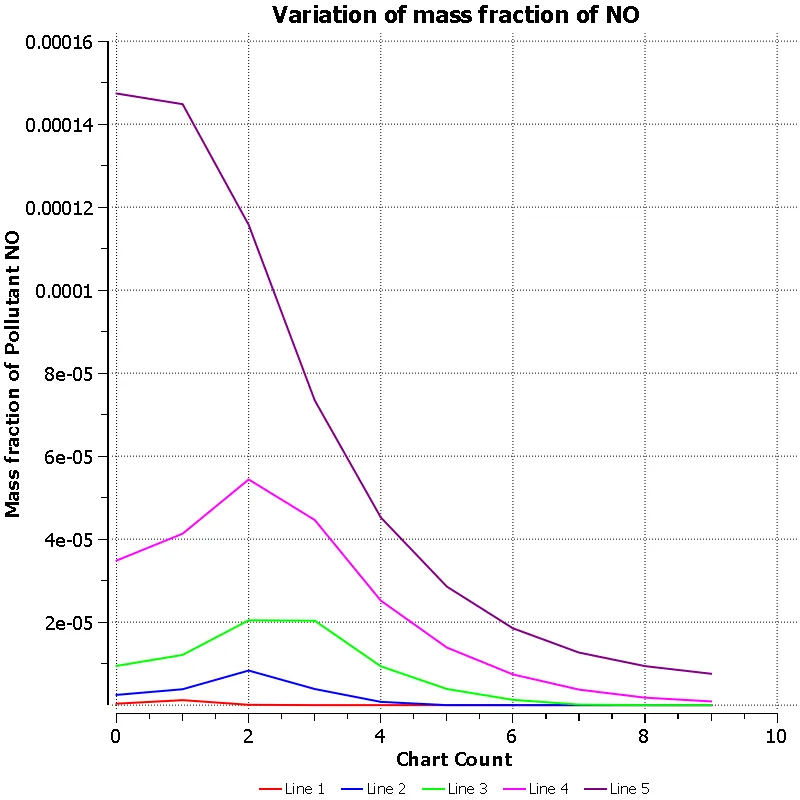
Mass fraction of NO
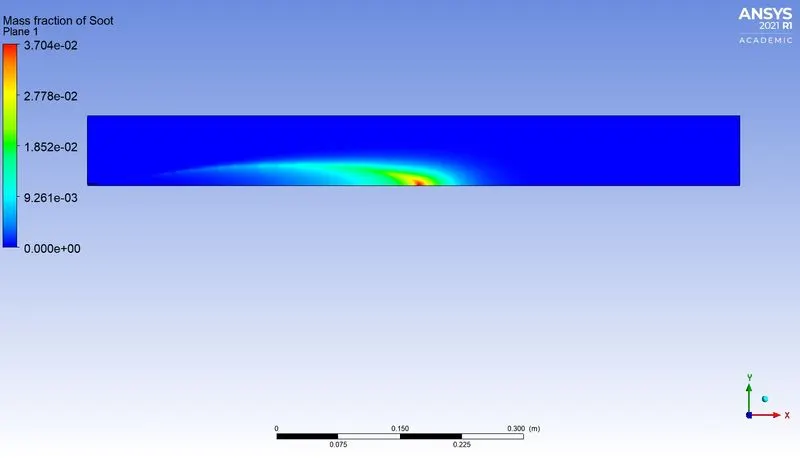
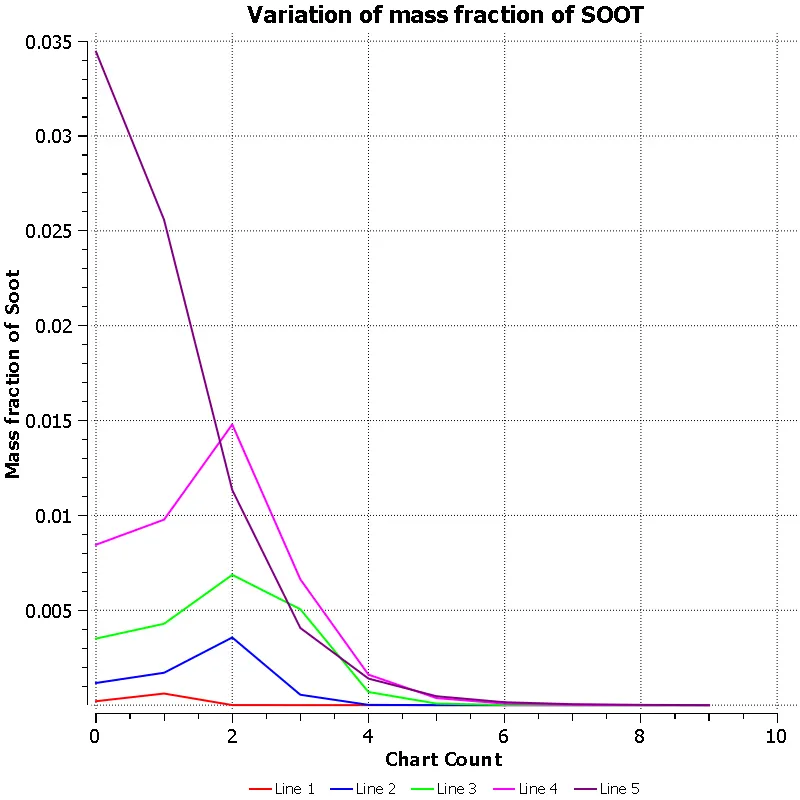
Mass fraction of SOOT
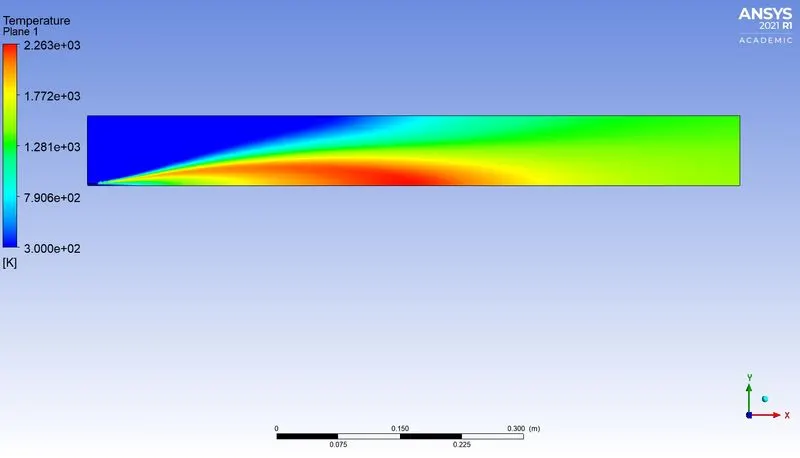
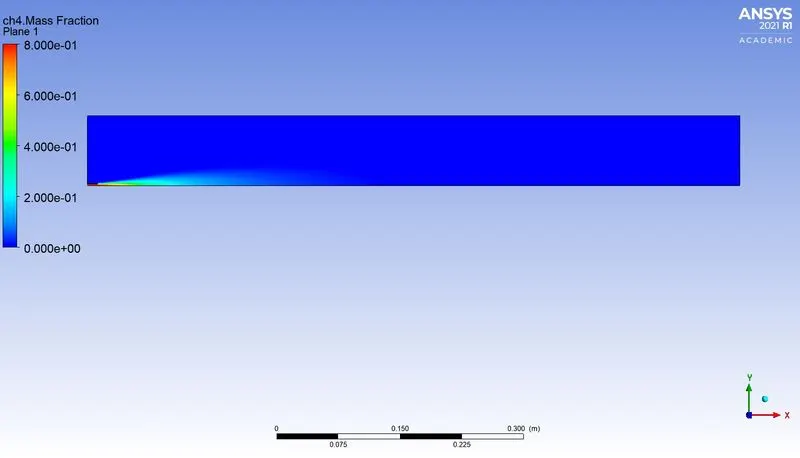
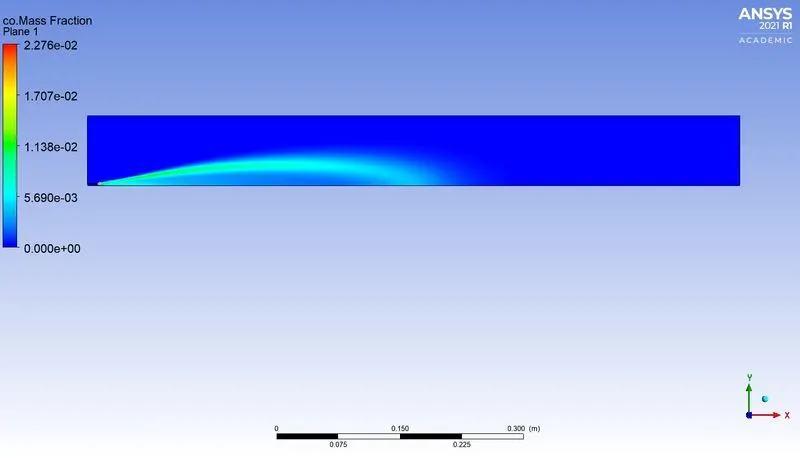
e) CH4 mass fraction=0.80, Water mass fraction=0.2.
Temperature contour
Mass fraction of CH4
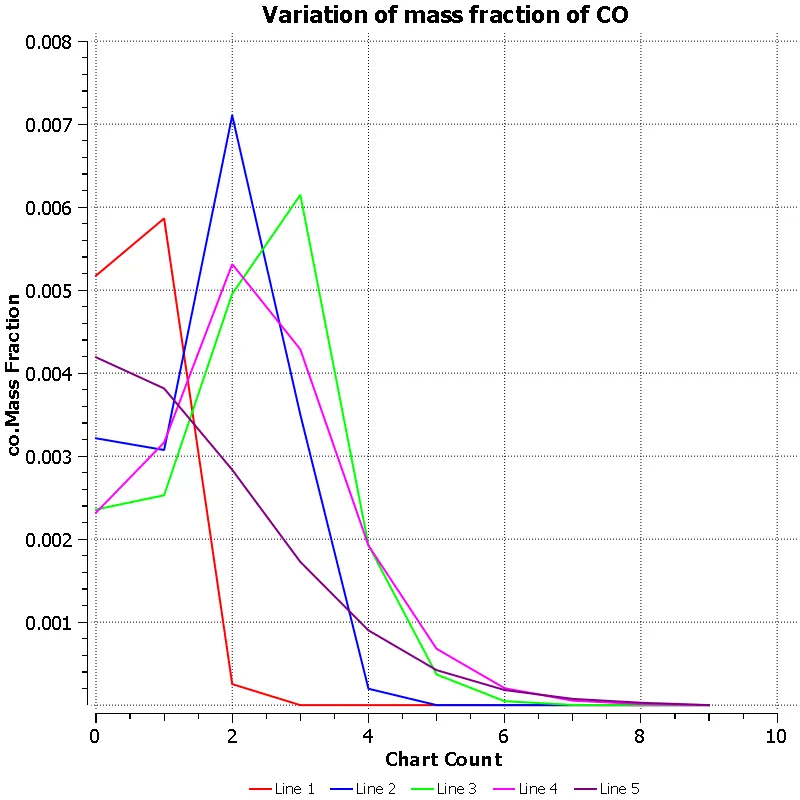
Mass fraction of CO
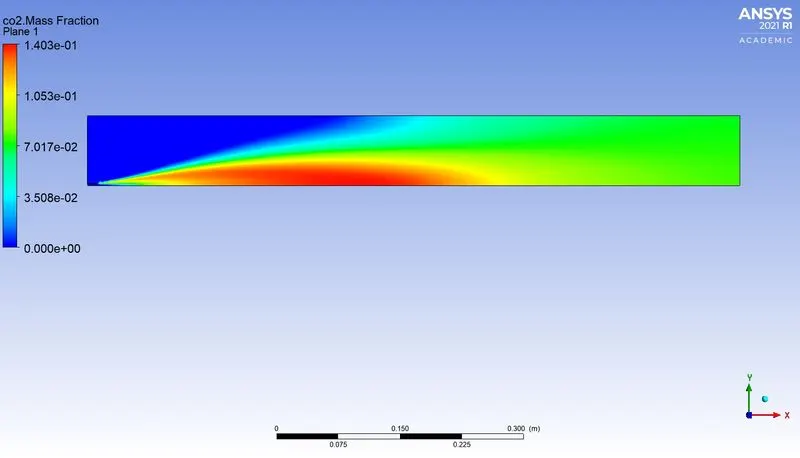
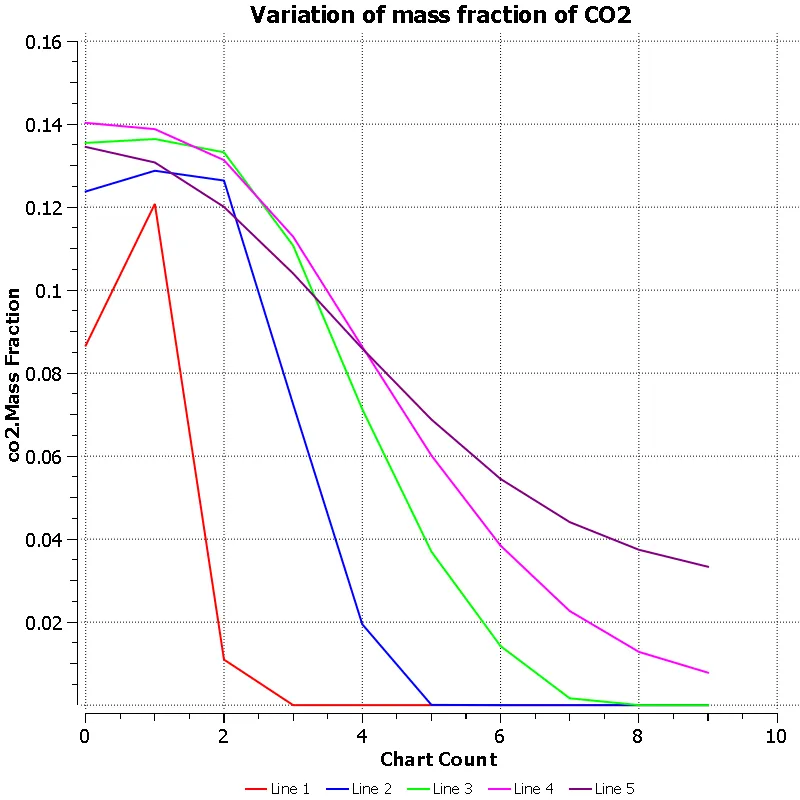
Mass fraction of CO2
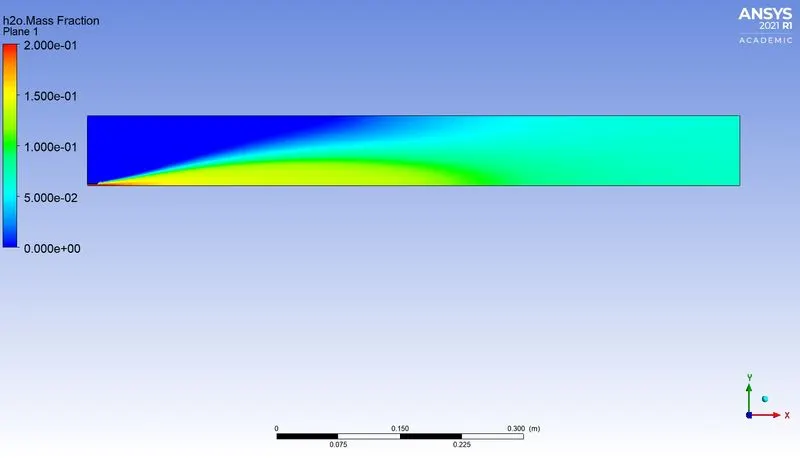
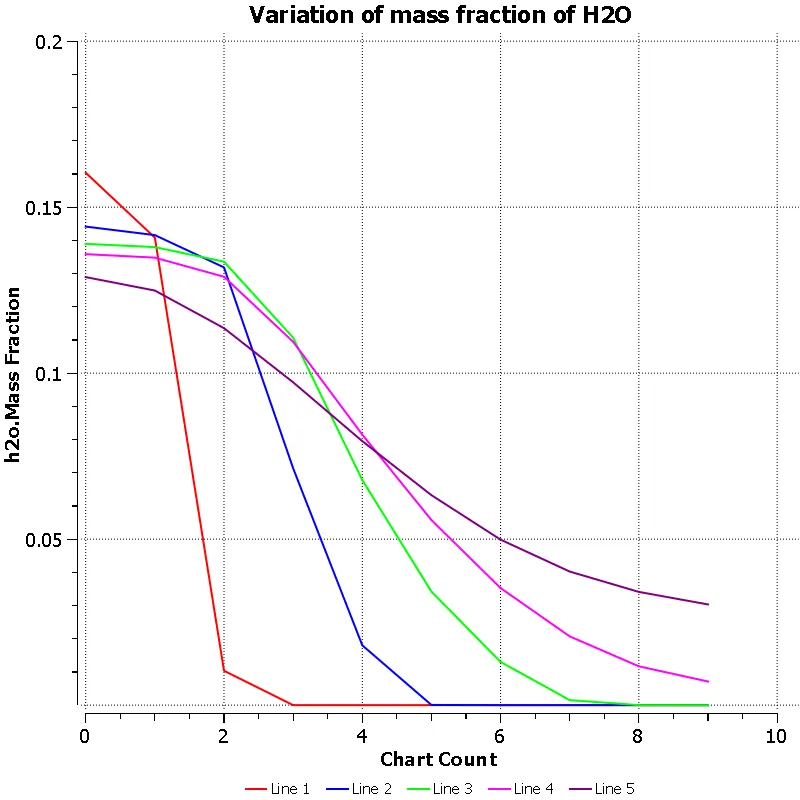
Mass fraction of H2O
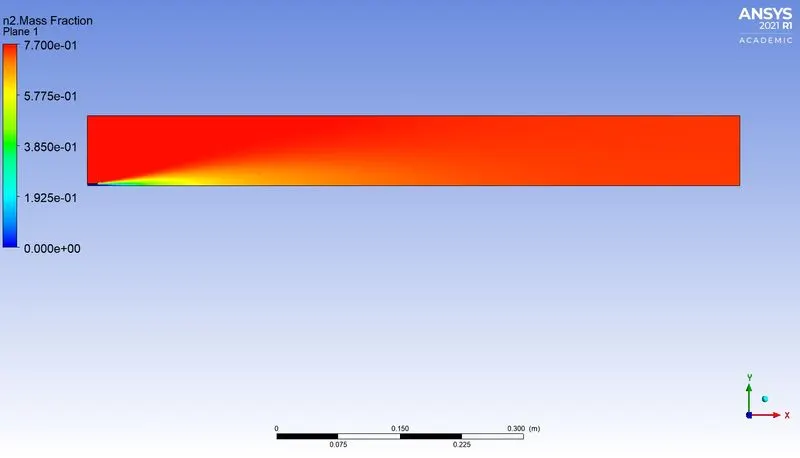
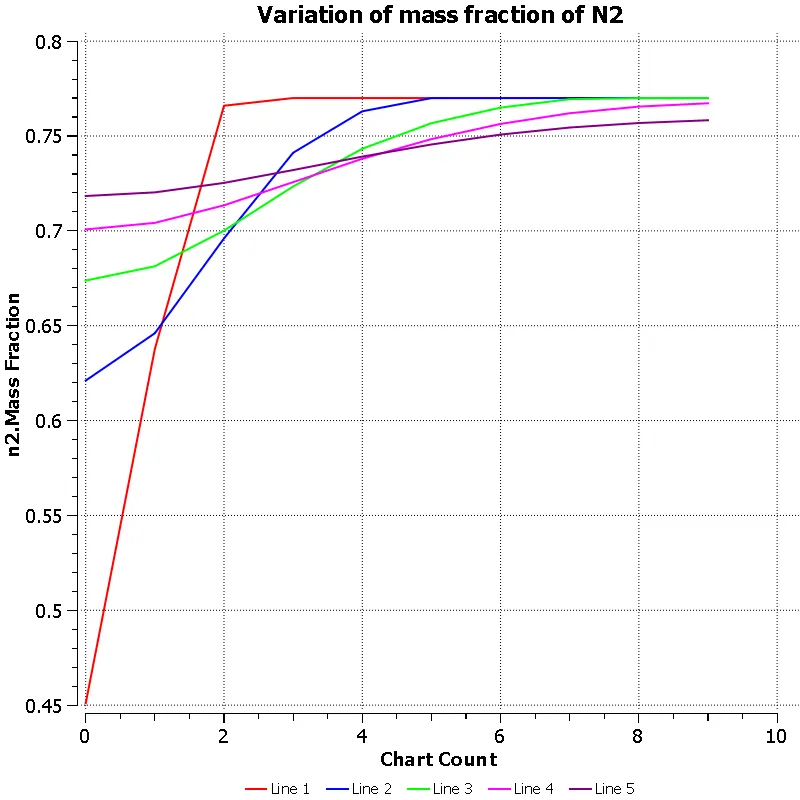
Mass fraction of N2
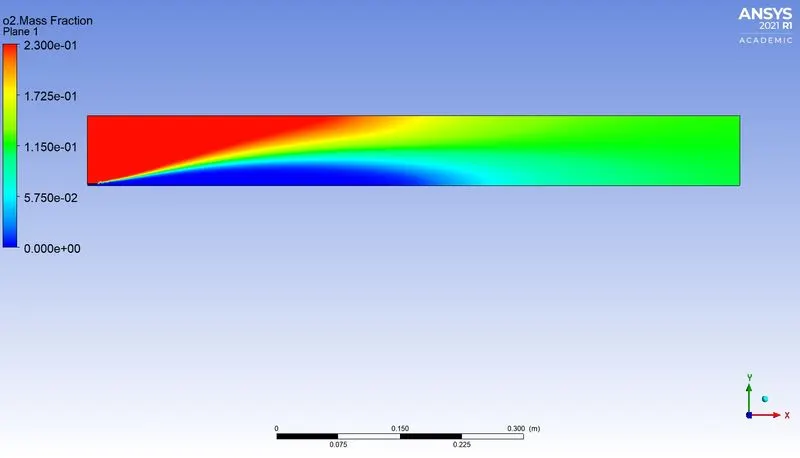
Mass fraction of O2
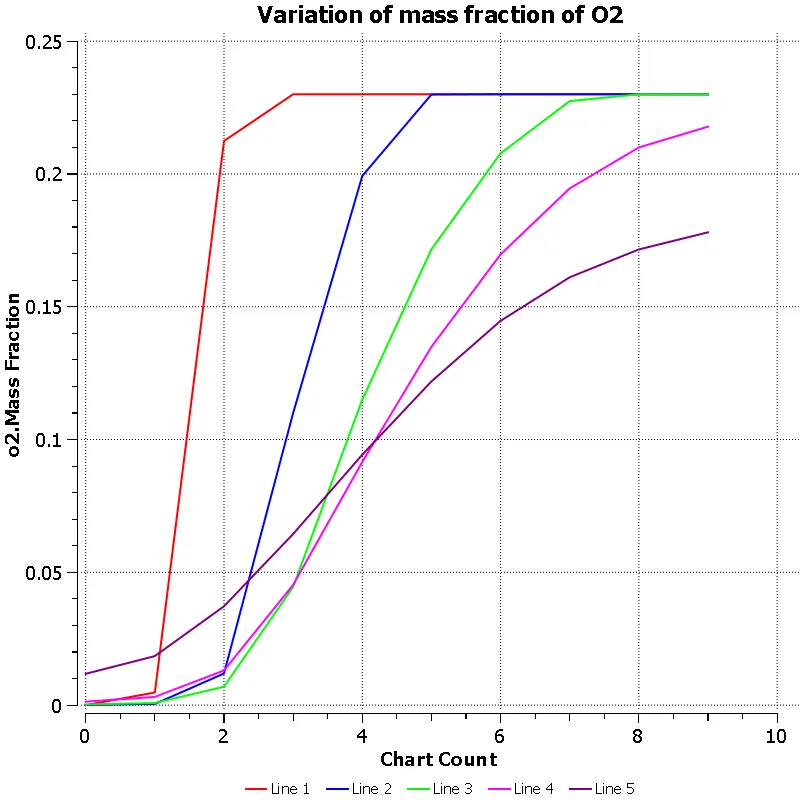
Mass fraction of NO
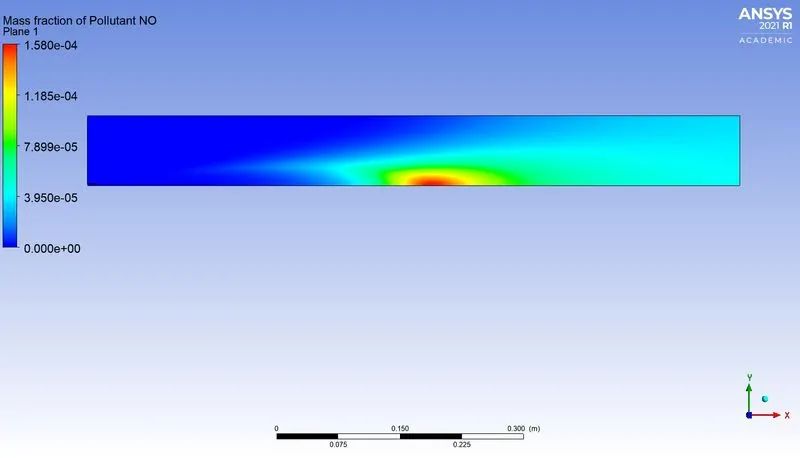
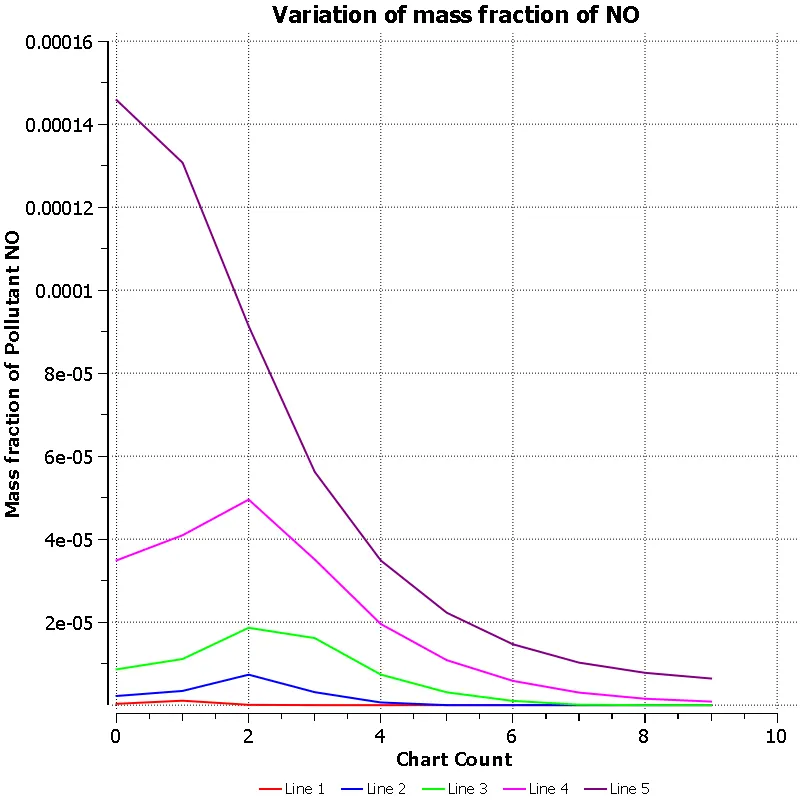
Mass fraction of SOOT
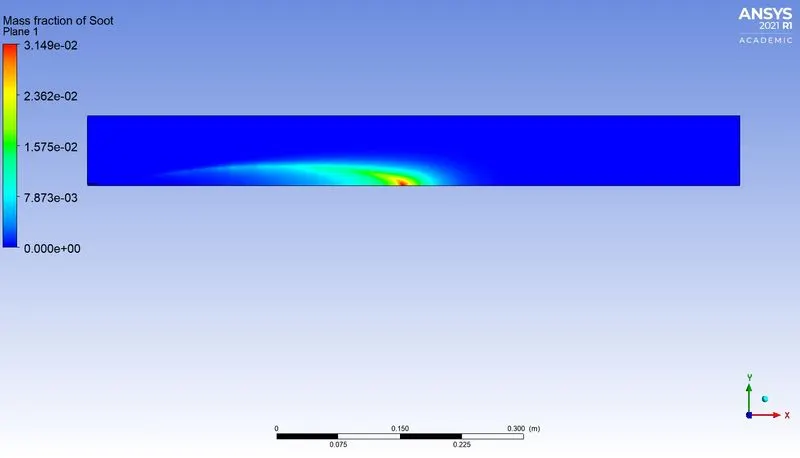
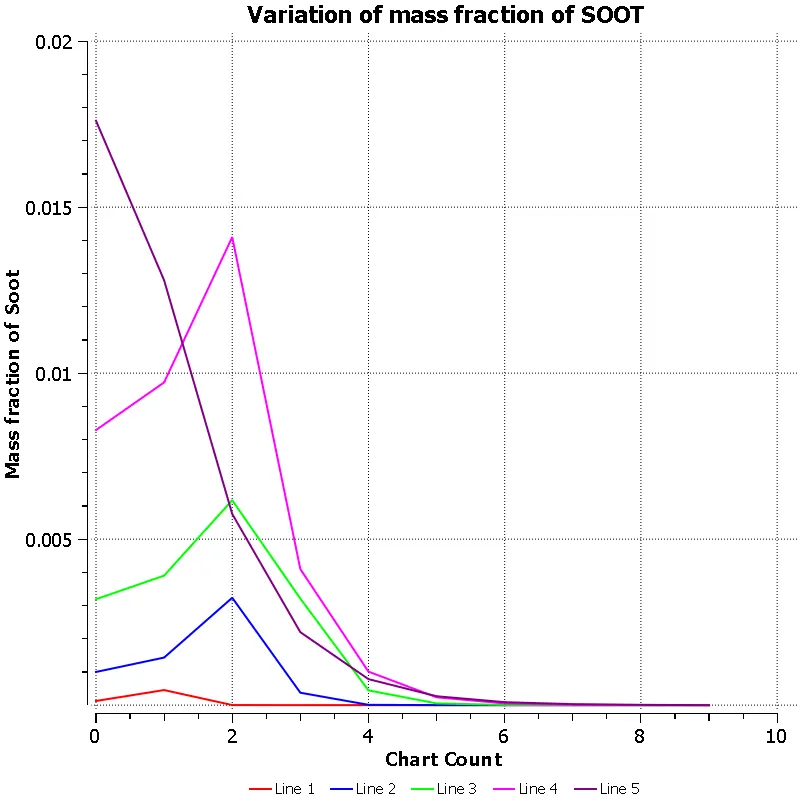
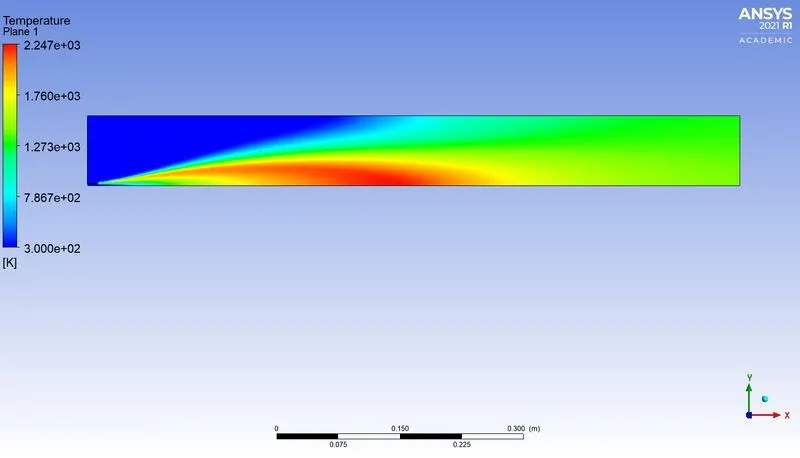
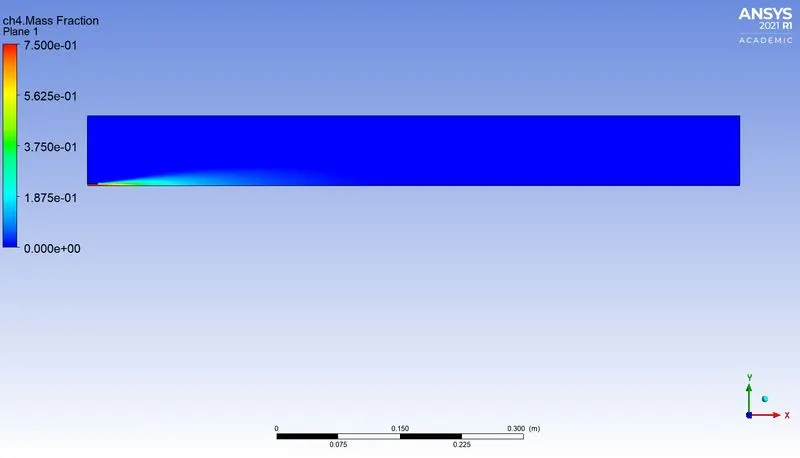
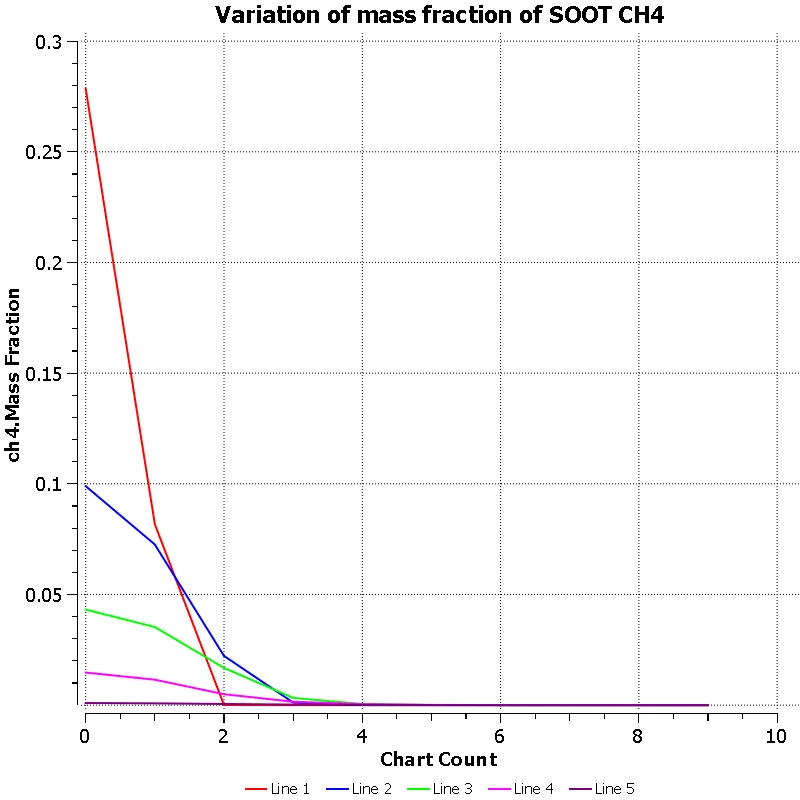
f) CH4 mass fraction=0.75, Water mass fraction=0.25.
Temperature contour
Mass fraction of CH4
Mass fraction of CO
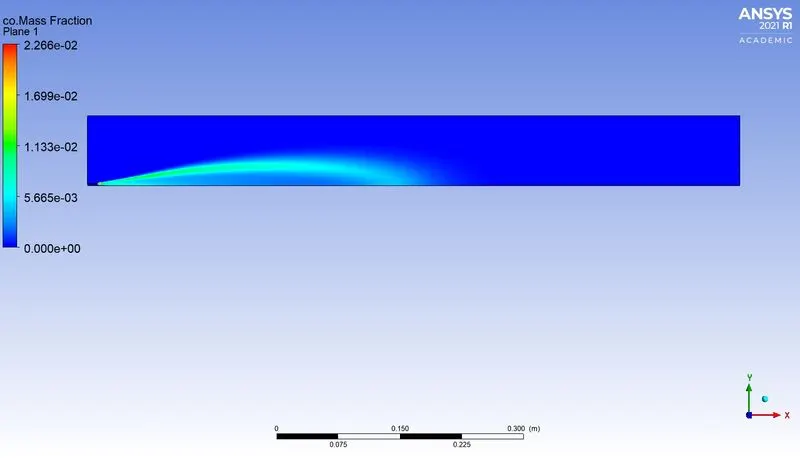
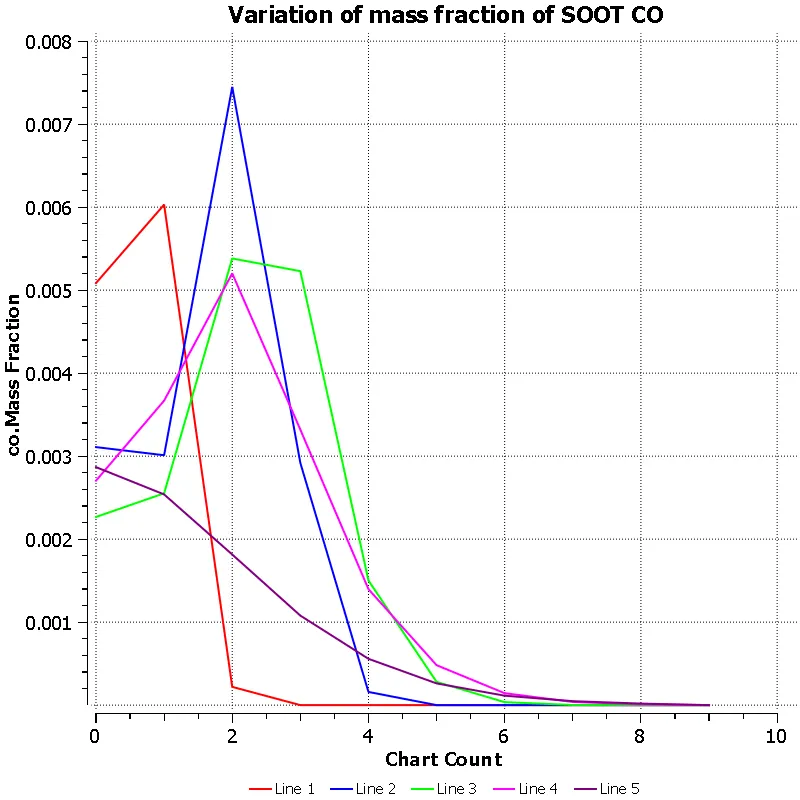
Mass fraction of CO2
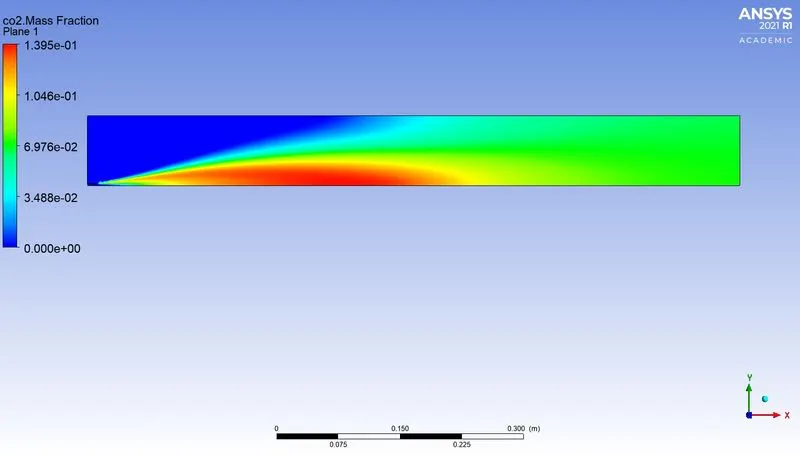
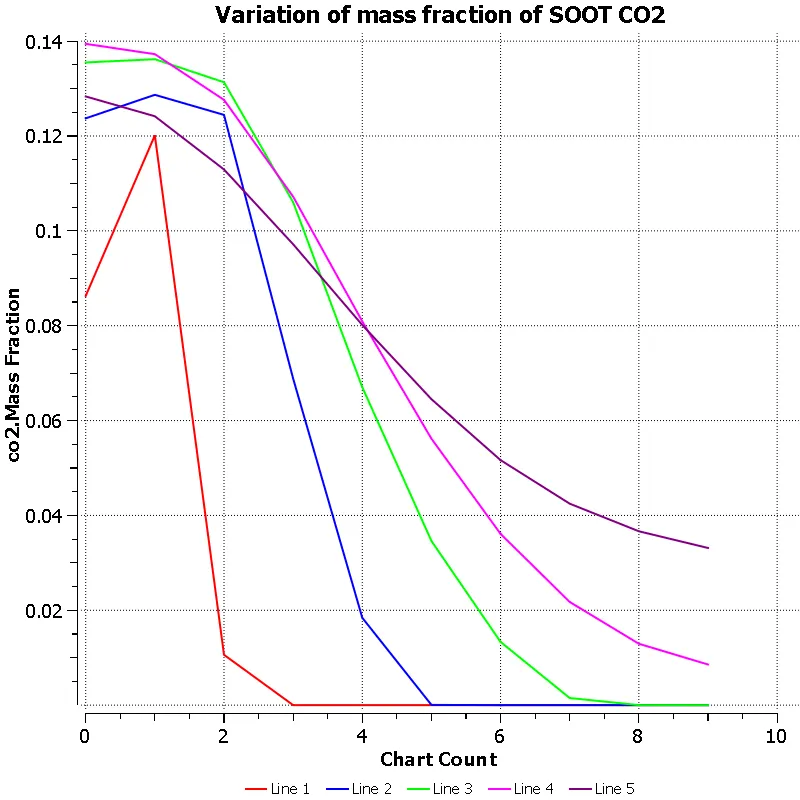
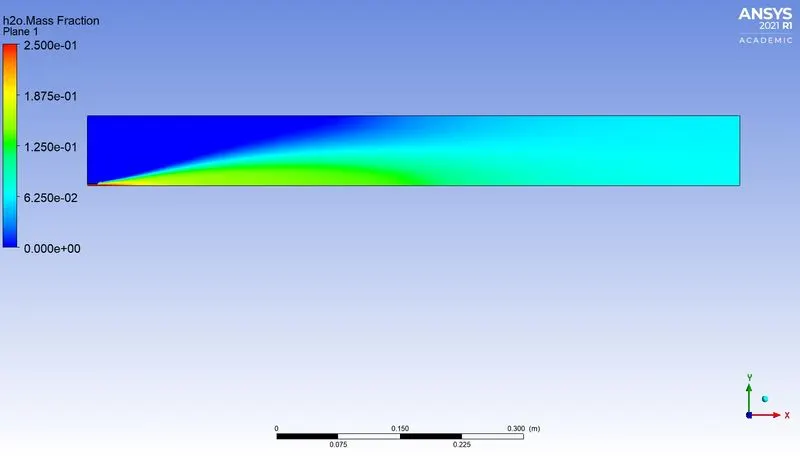
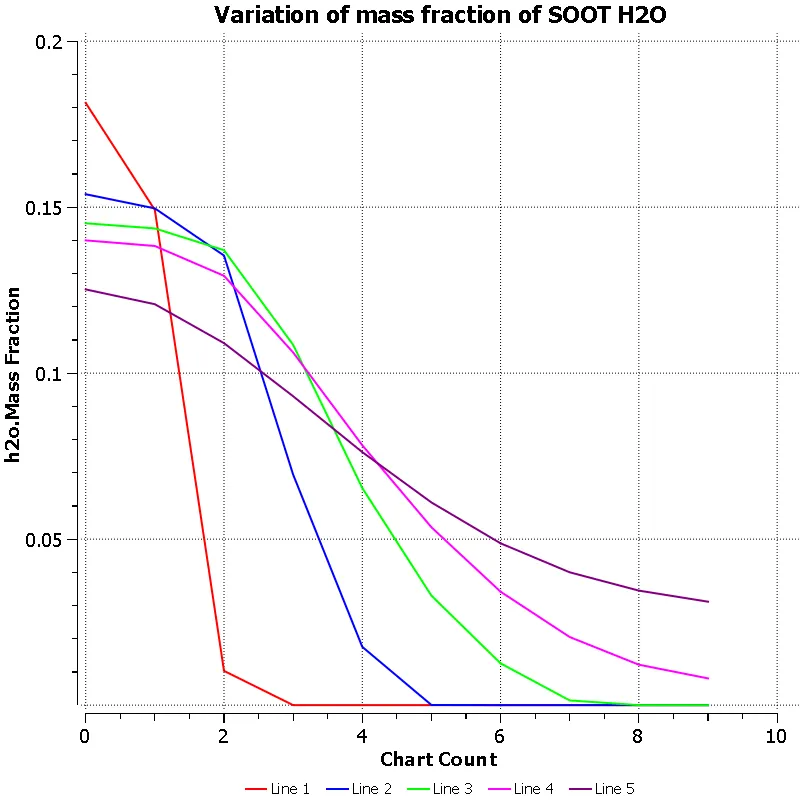
Mass fraction of H2O
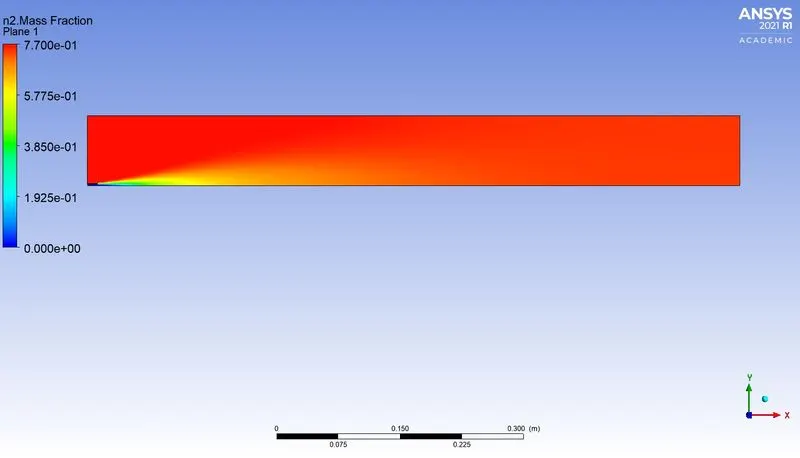
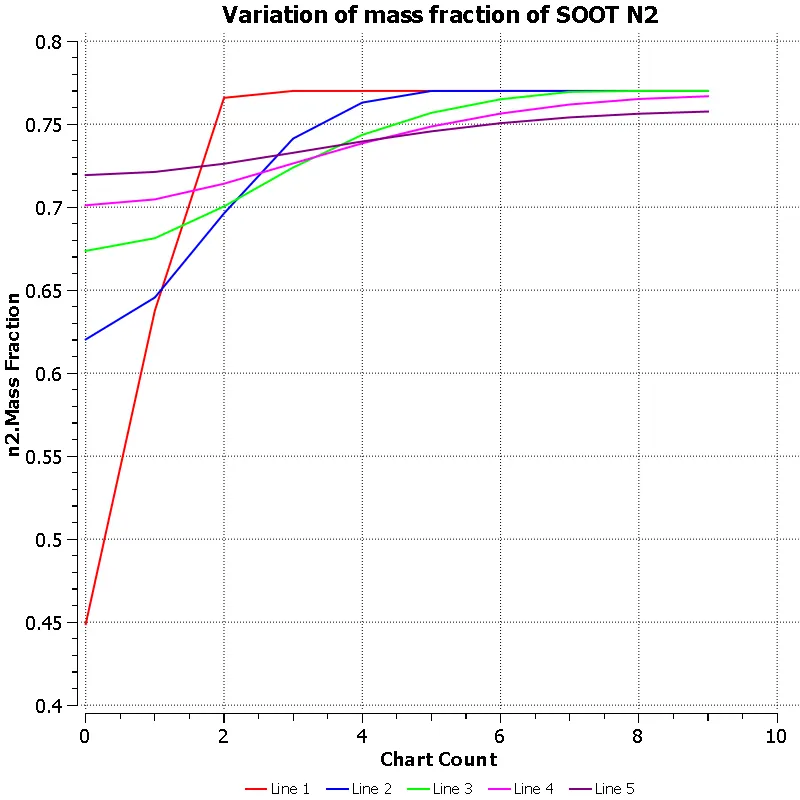
Mass fraction of N2
Mass fraction of O2
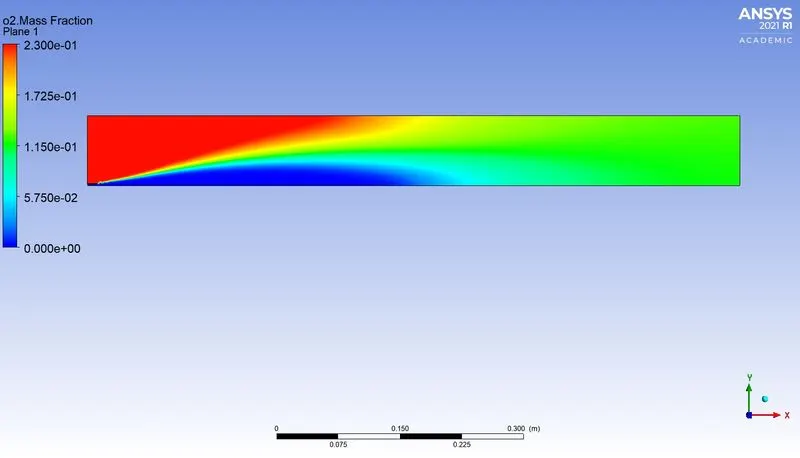
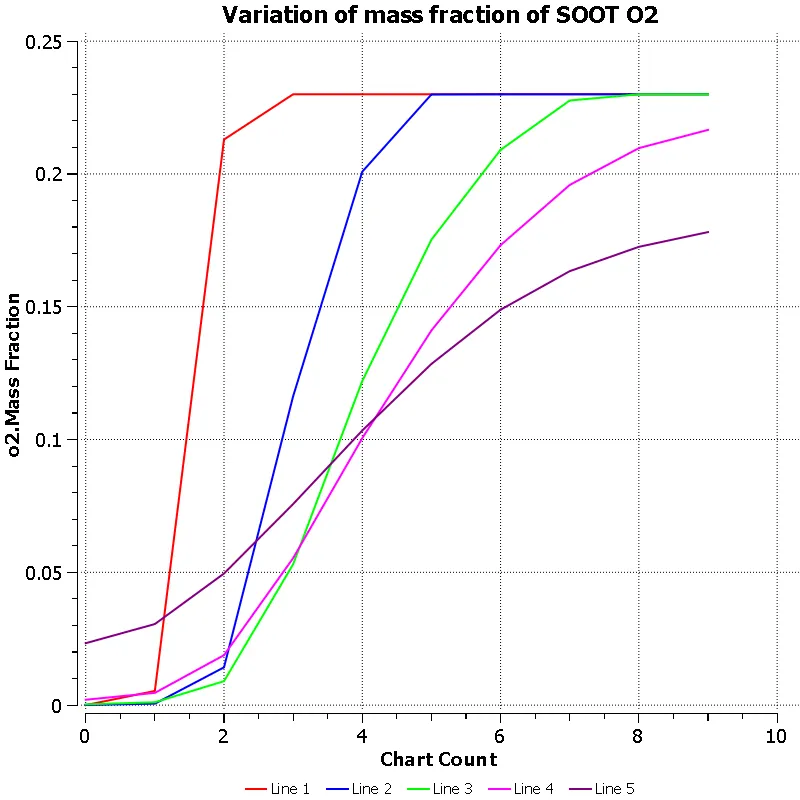
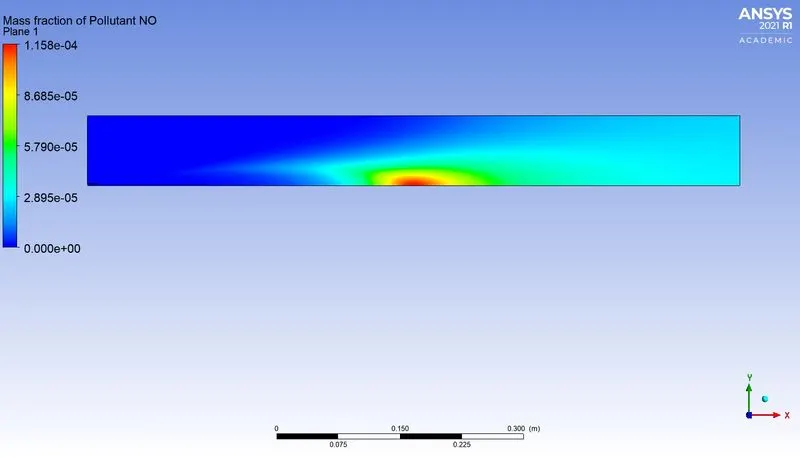
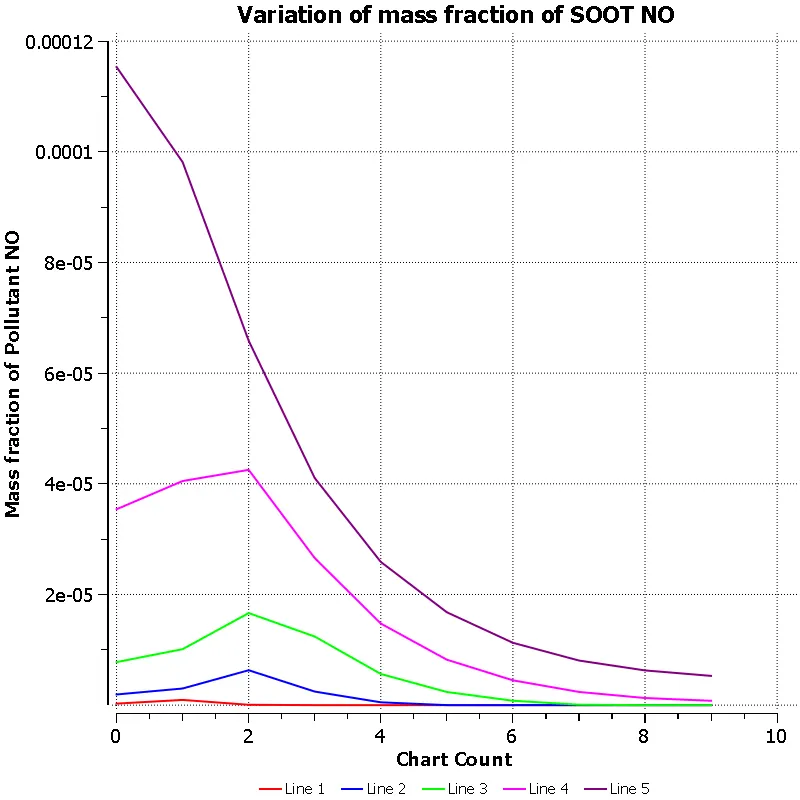
Mass fraction of NO
Mass fraction of SOOT
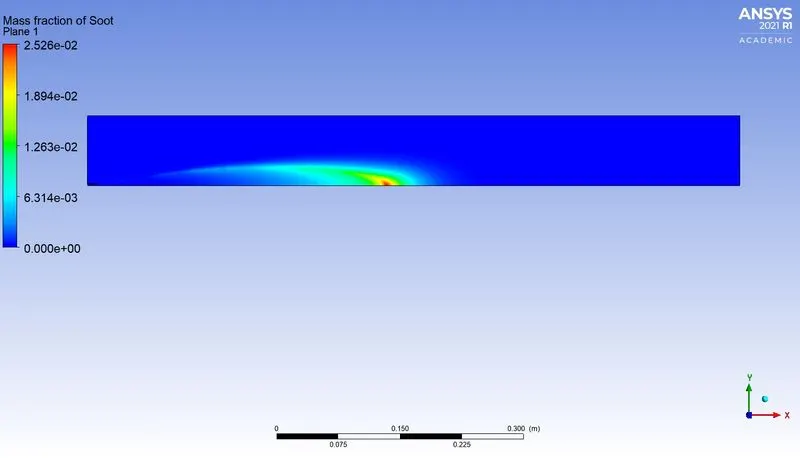
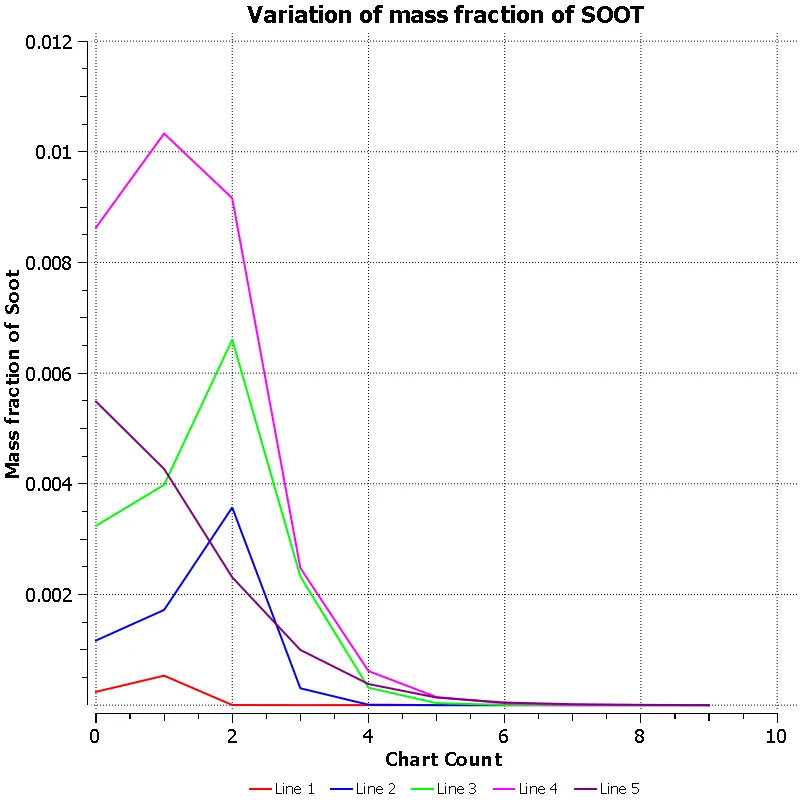
g) CH4 mass fraction=0.70, Water mass fraction=0.3.
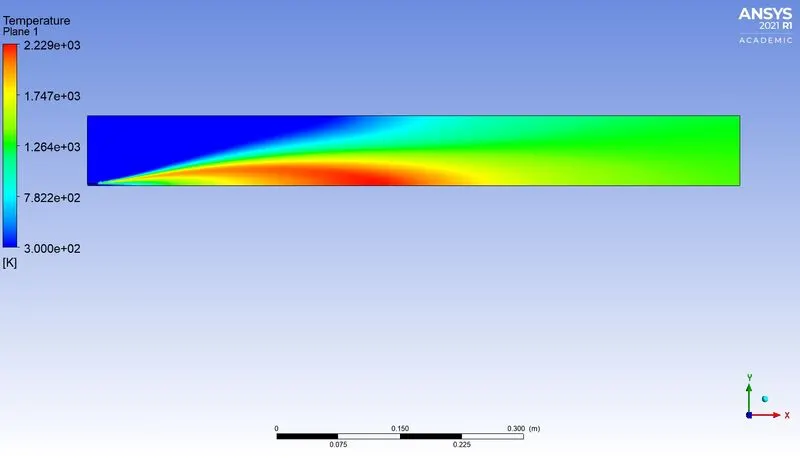
Temperature contour
Mass fraction of CH4
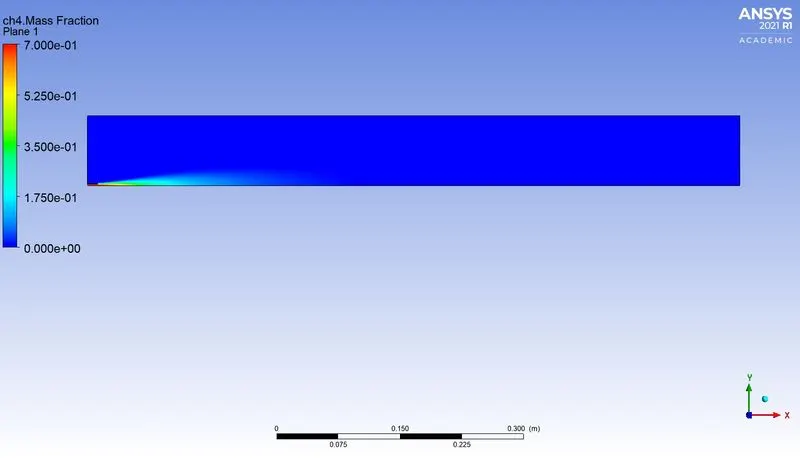
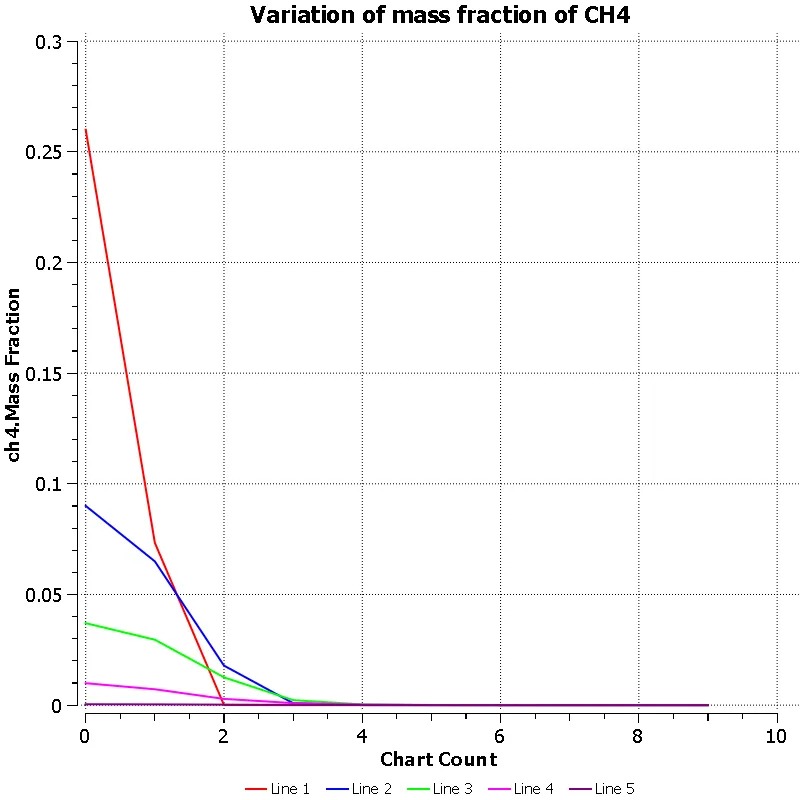
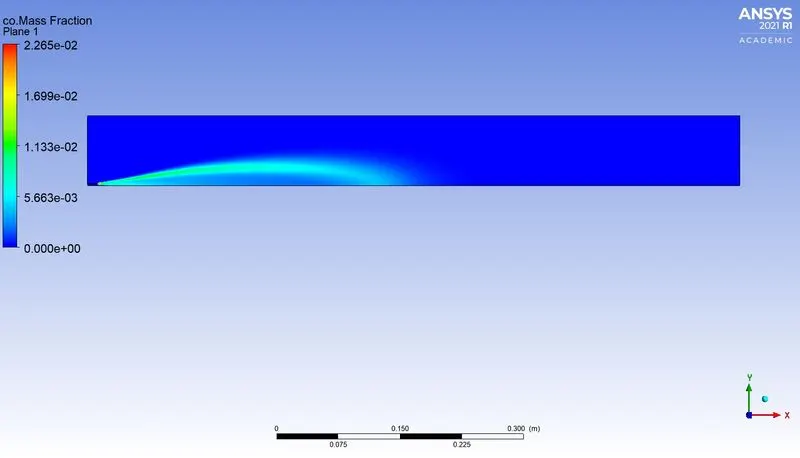
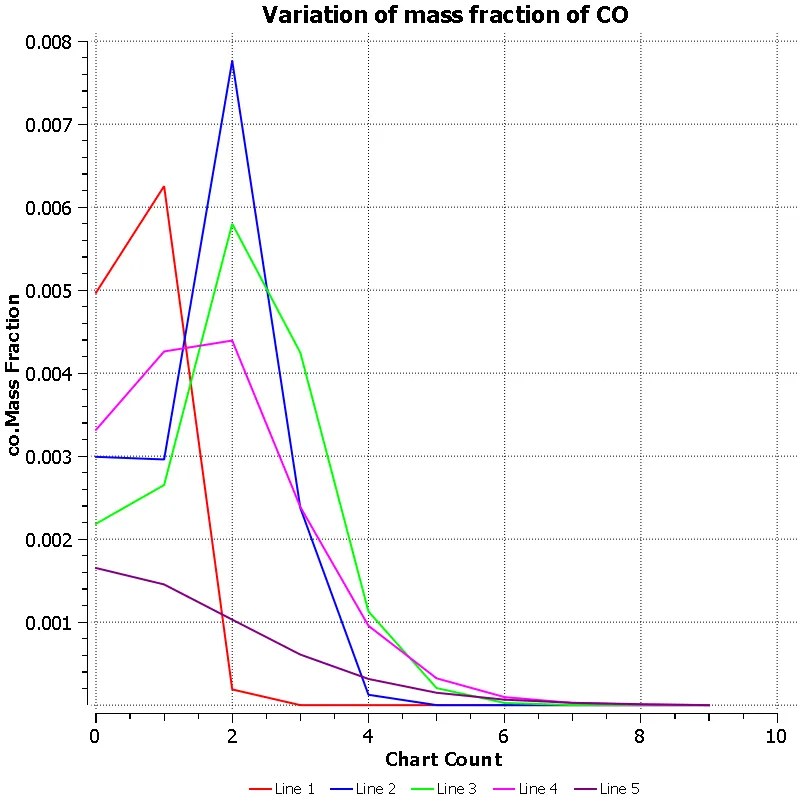
Mass fraction of CO
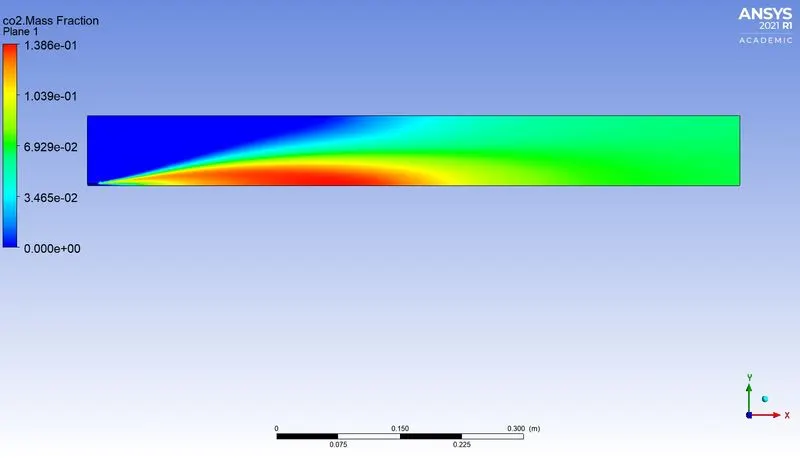
Mass fraction of CO2
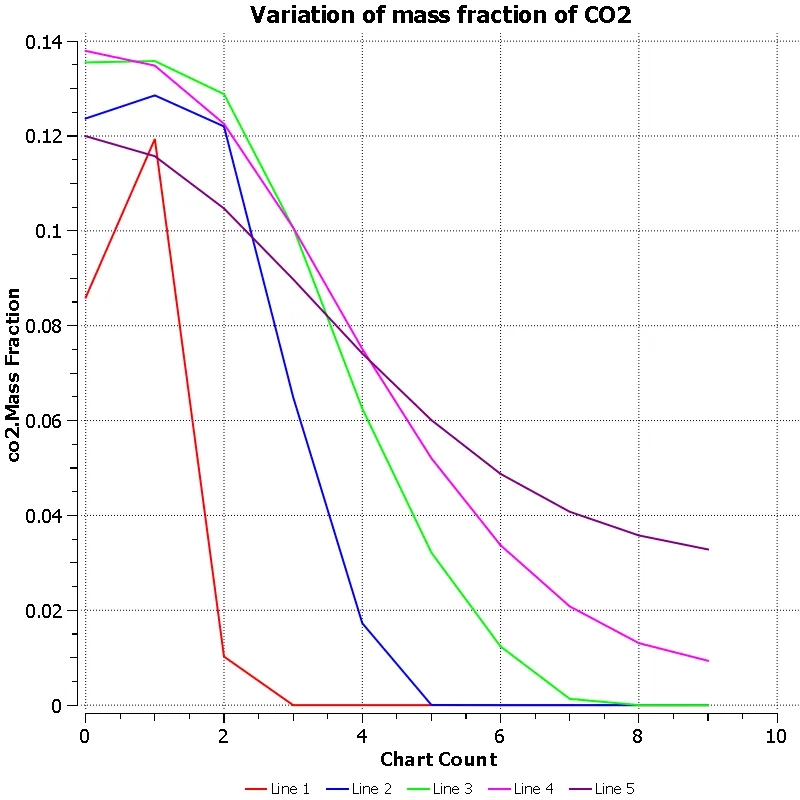
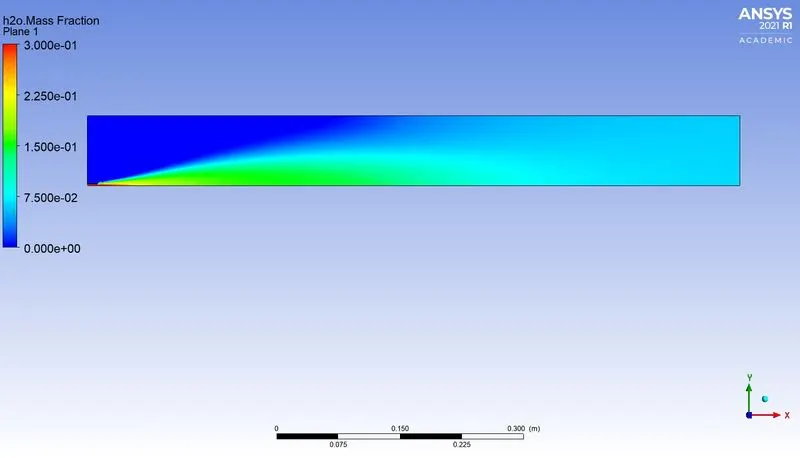
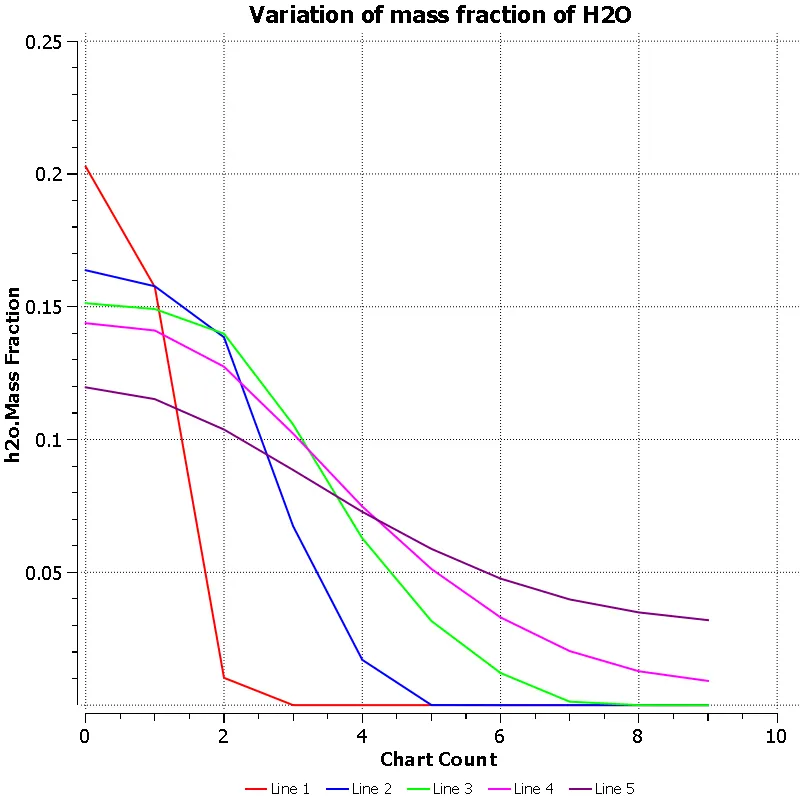
Mass fraction of H2O
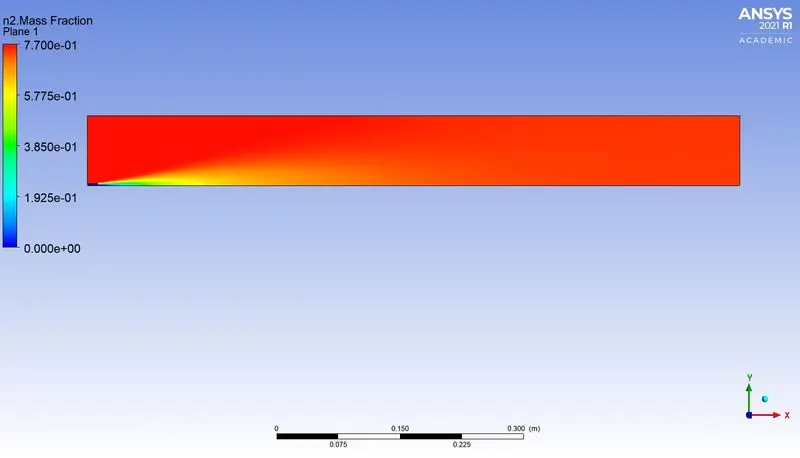
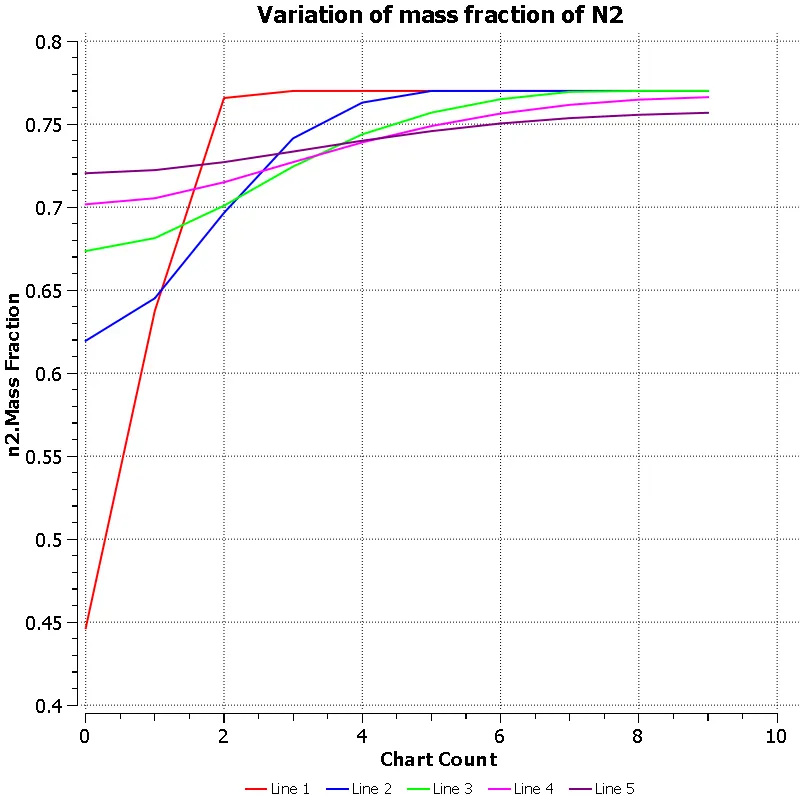
Mass fraction of N2
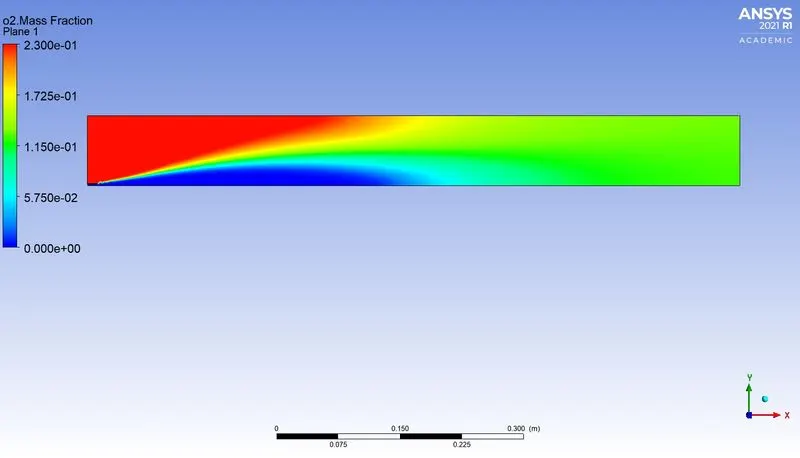
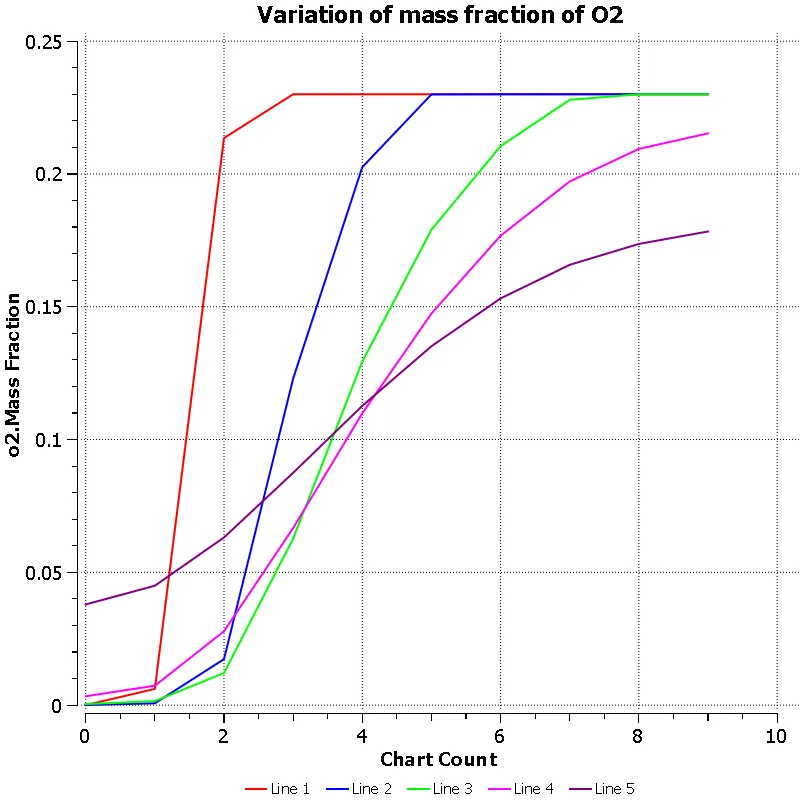
Mass fraction of O2
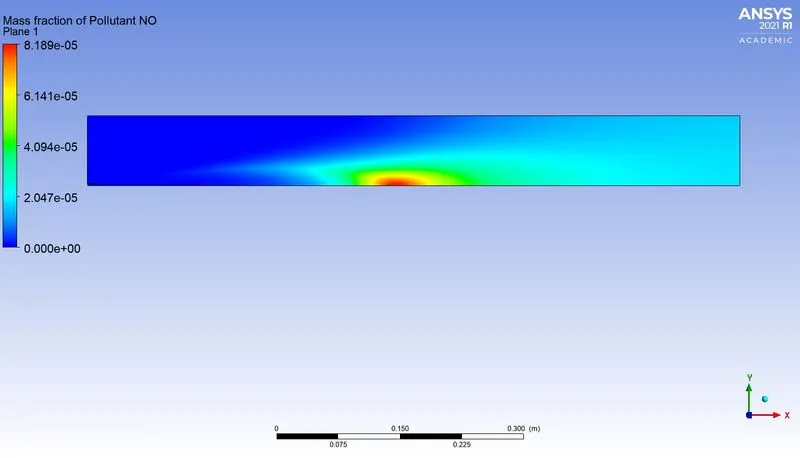
Mass fraction of NO
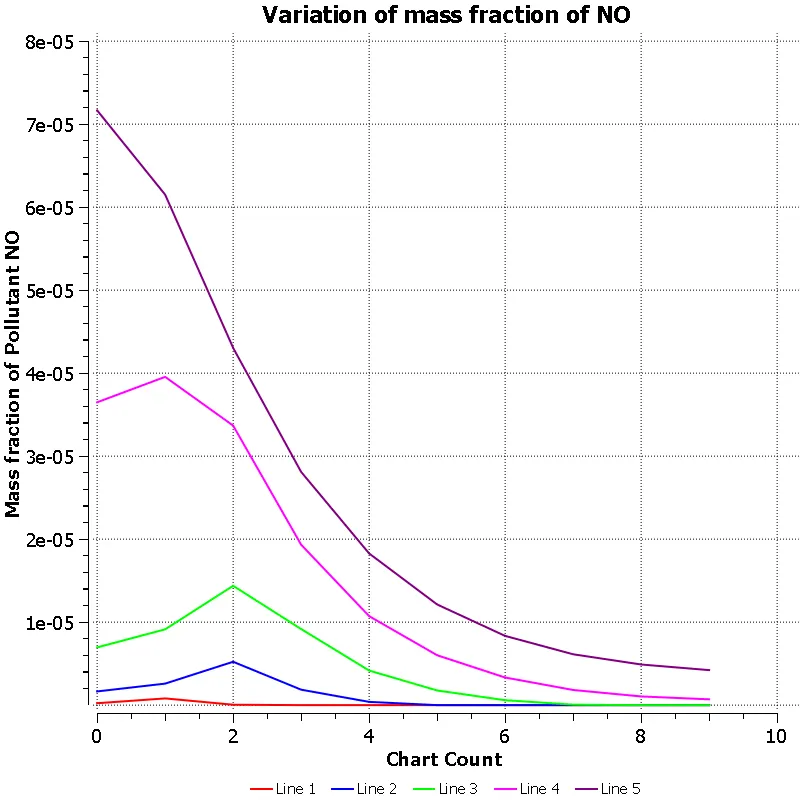
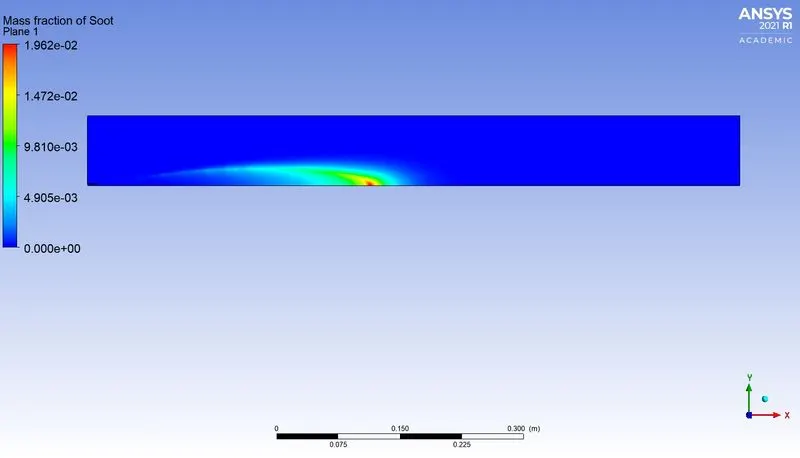
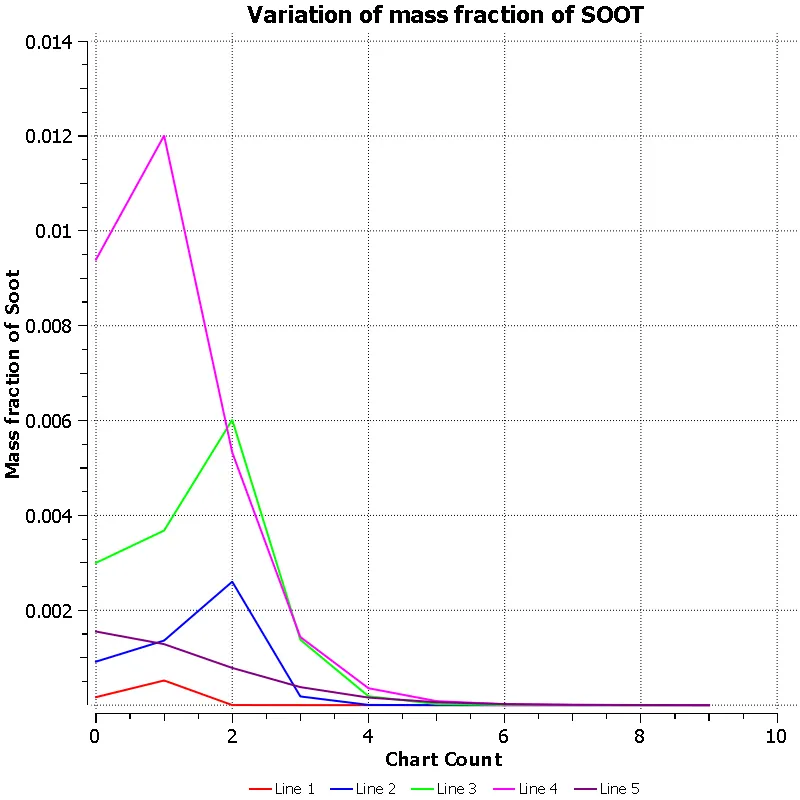
Mass fraction of SOOT
Conclusion
- As water content increses in the fuel, at outlet, temperature, mass fraction of Soot aand mass fraction of No decreses.
- Mass fraction of CO increses as water fraction increses
- There is no variation in N2 and O2 mass fraction