Week 10 - Simulating Combustion of Natural Gas.
Aim:
Part I:
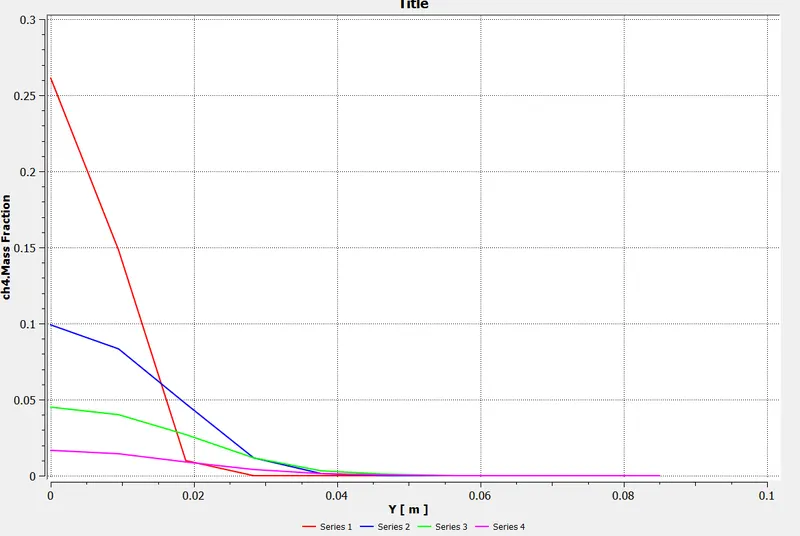
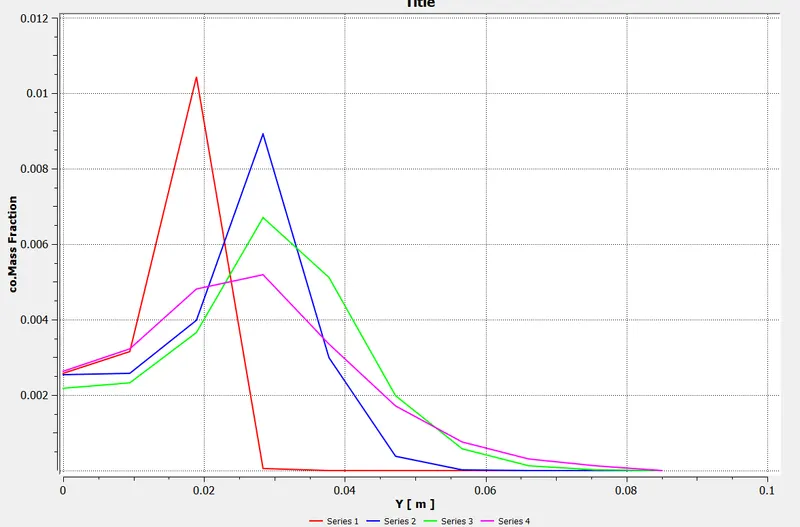
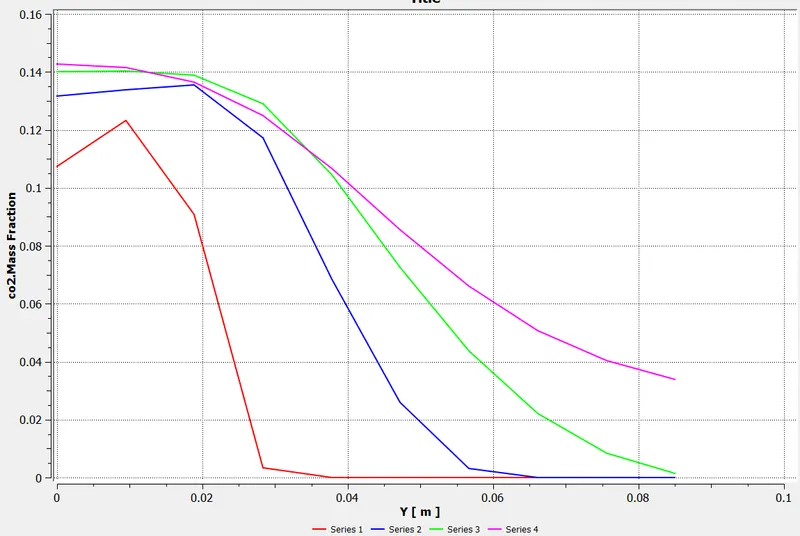
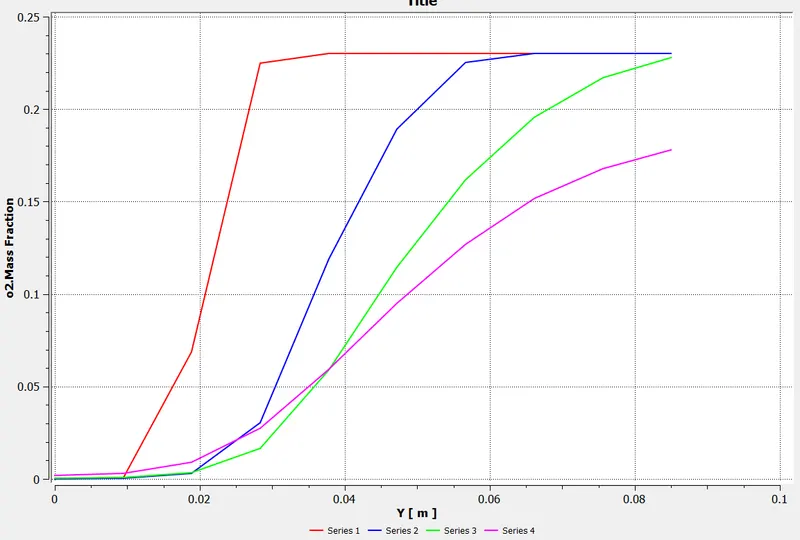
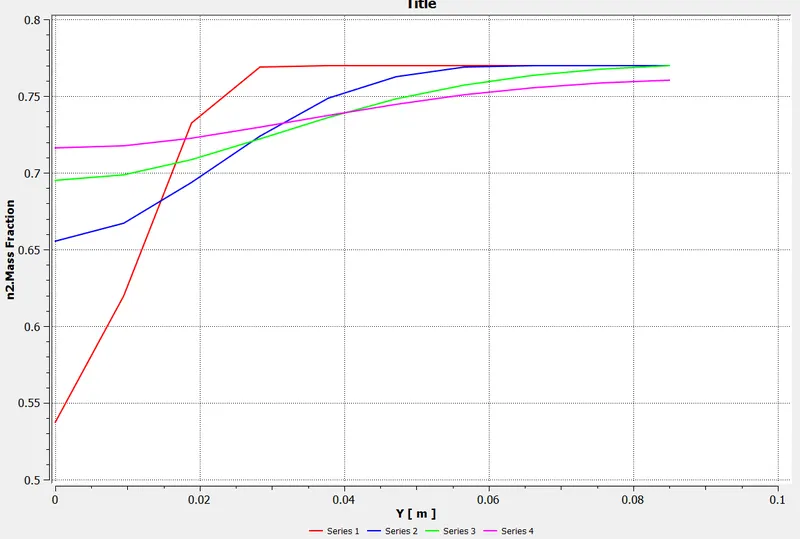
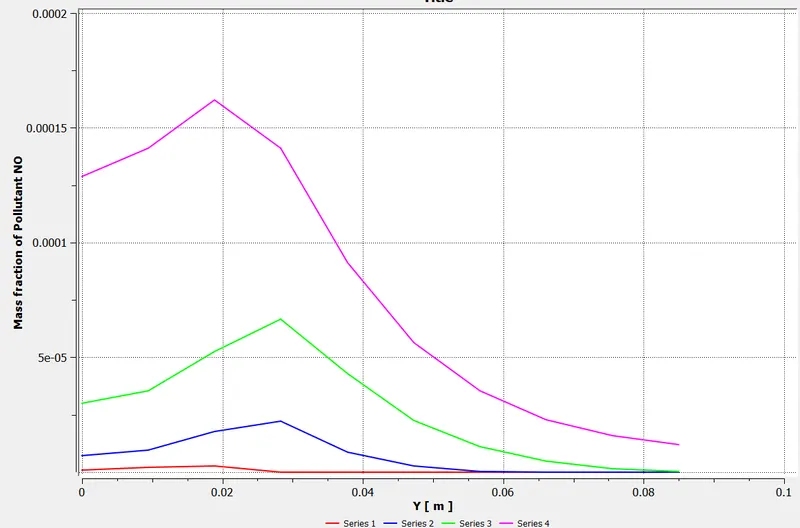
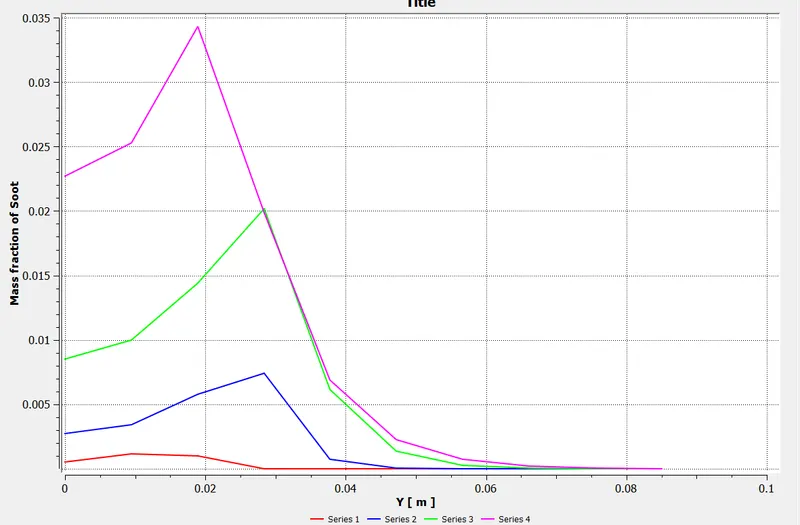
Perform a combustion simulation on the combustor model and plot the variation of the mass fraction of the different species’ in the simulation using line probes at different locations of the combustor as shown in Fig. You need to plot for CO2, H2O, CH4, N2, O2, NOx emissions & Soot formation.
Part II:
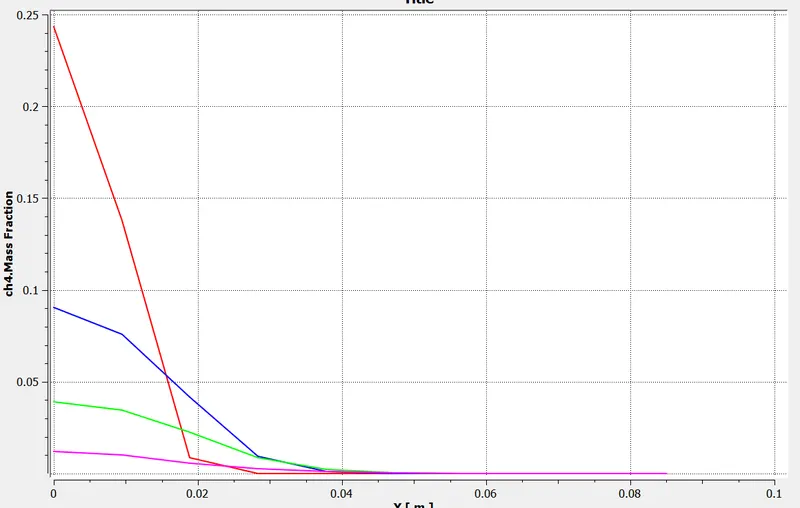
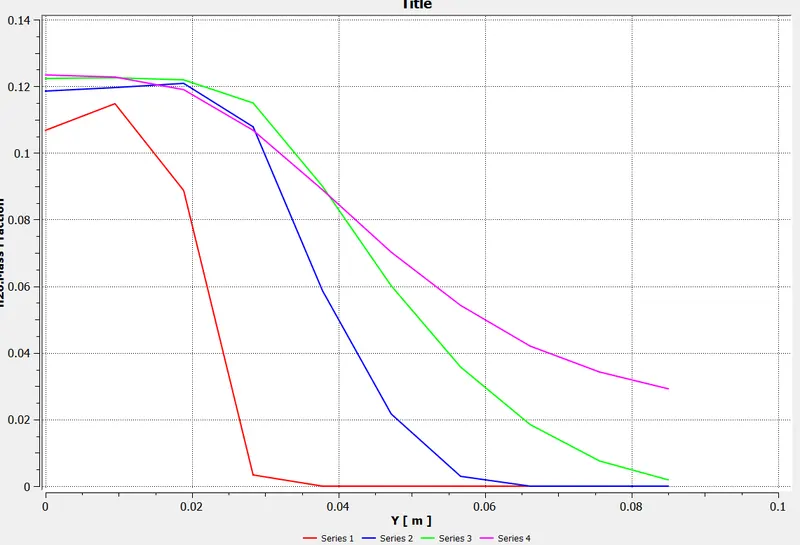
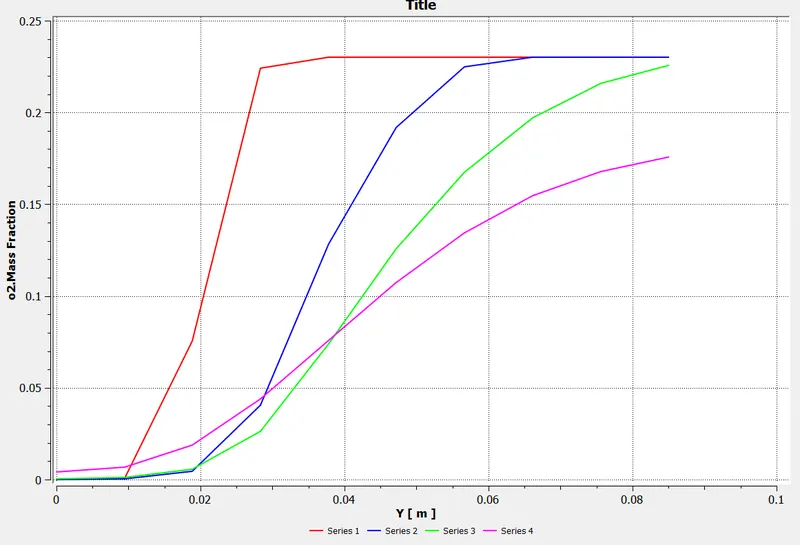
Add the water content in the fuel from 5% to 30% by mole and observe the effect of it on the results and plot the mass fractions of the species.
Finite rate chemistry:
The turbulence–chemistry interaction model with finite-rate chemistry is a common model for solving supersonic turbulent combustion and takes into consideration the interaction between turbulent mixing and chemical reactions as well as finite chemistry reaction instead of the fast chemistry assumption. However, not only the density and viscosity but also the chemical reactions are affected by the compressibility of the flow field with an increasing Mach number.
Eddy dissipation model:
The eddy dissipation model uses the rate of dissipation of eddies containing reactants and products to determine the reaction rates. The eddy dissipation method in its purest form computes reaction rates, based on rates of turbulent mixing. An implicit assumption is that chemical kinetic rates are considerably faster than rates of turbulent mixing, that is, the rate limiting process is turbulent mixing. This assumption is valid, or essentially valid, for many combustion processes encountered in practice.
Geometry:
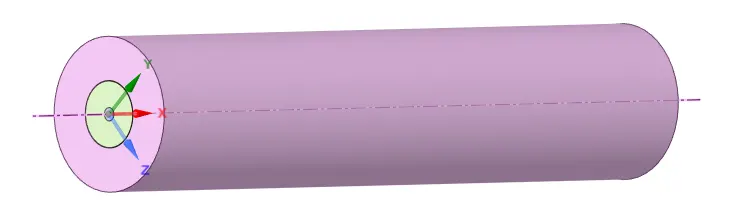
Create planes on the origin then use the split body command to remove the component and make the component in a single quadrant.
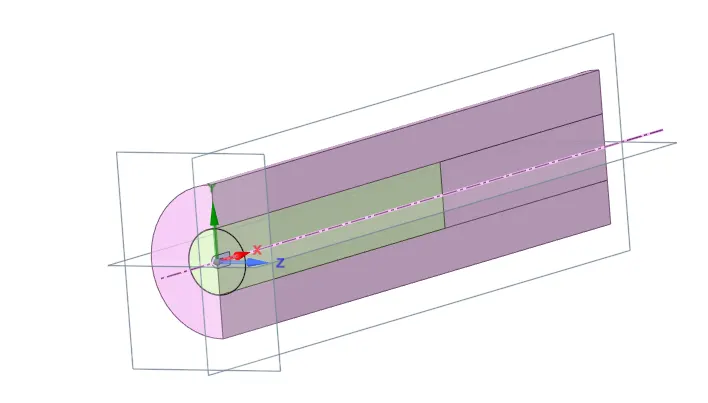
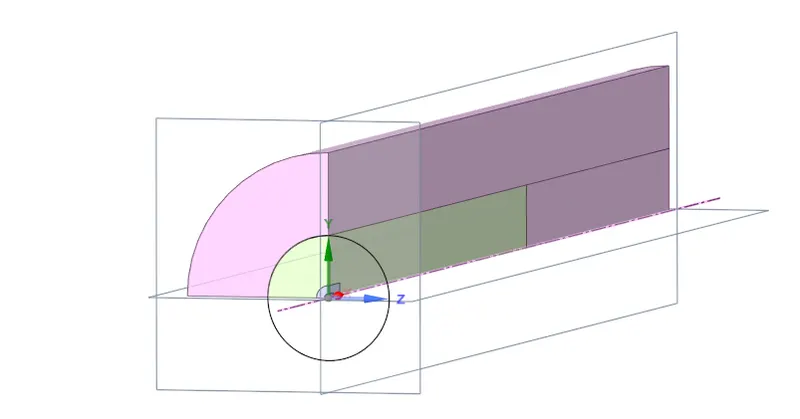
use the combine option to combine the seperate components.
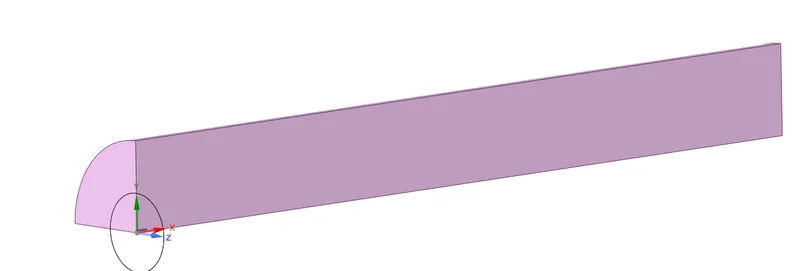
Then copy the component and paste it in the new design to make it a 2D component.

Mesh settings:
Set the element size to 1 mm and turn on capture proximity and set the cell gap factor as 3.


Create named selection:
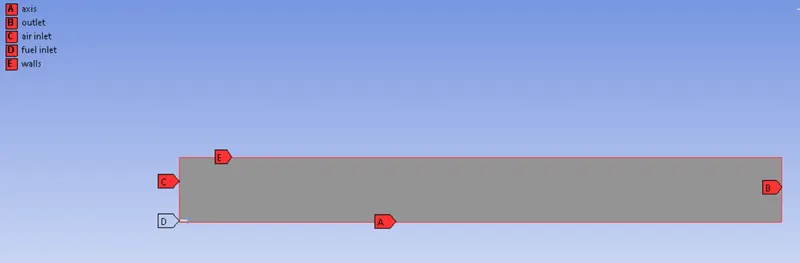
Fluent setup:
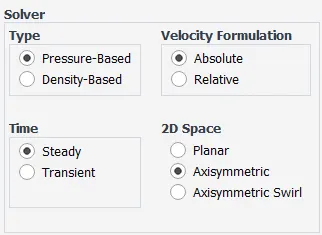
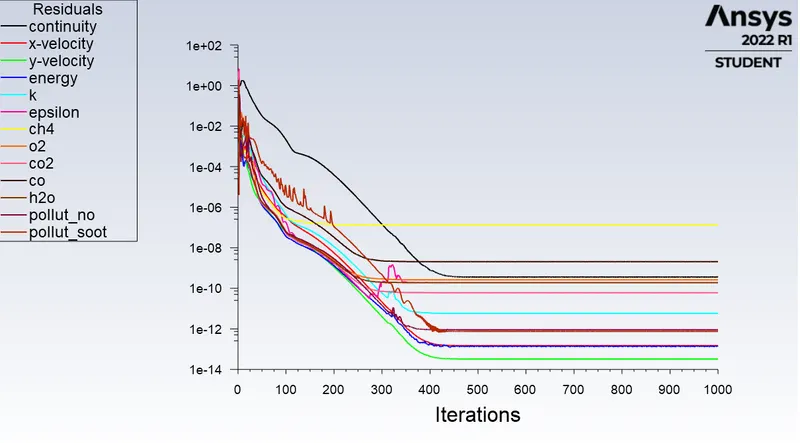
Use pressure based solver steady state and axis symmetric 2D space.
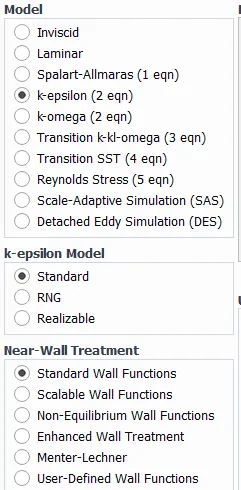
Choose K-epsilon viscous model and turn on the energy equation.
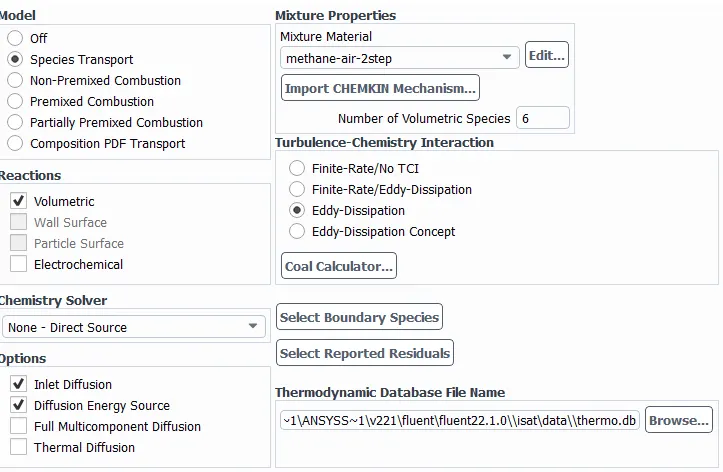
Air inlet =0.5m/s Temperature = 300K
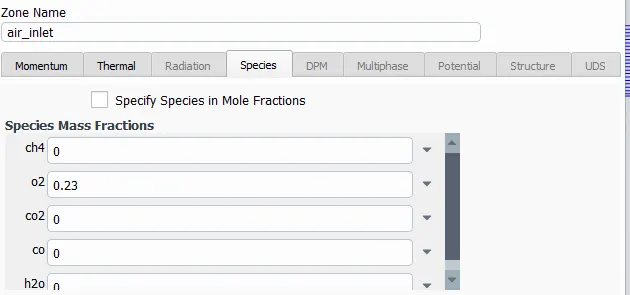
and the fuel inlet velocity =80m/s and species CH4 = 1 for part 1 and change accordingly the composition of CH4 and water for part 2.
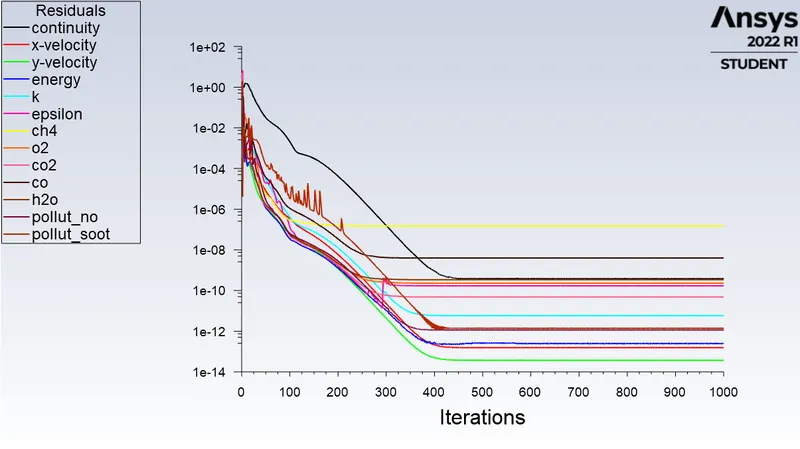
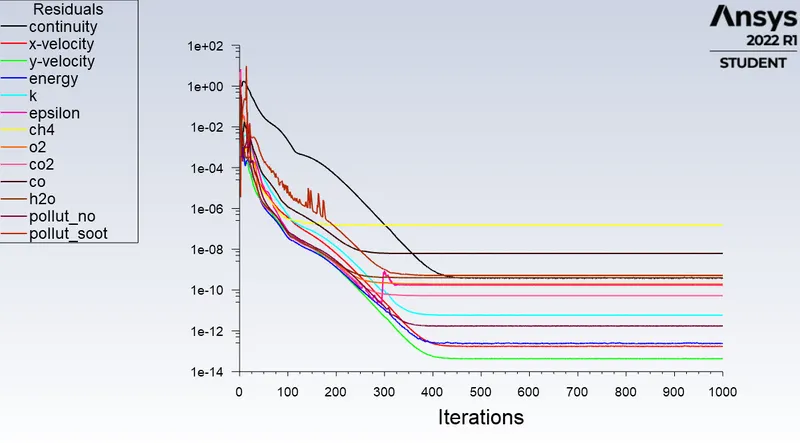
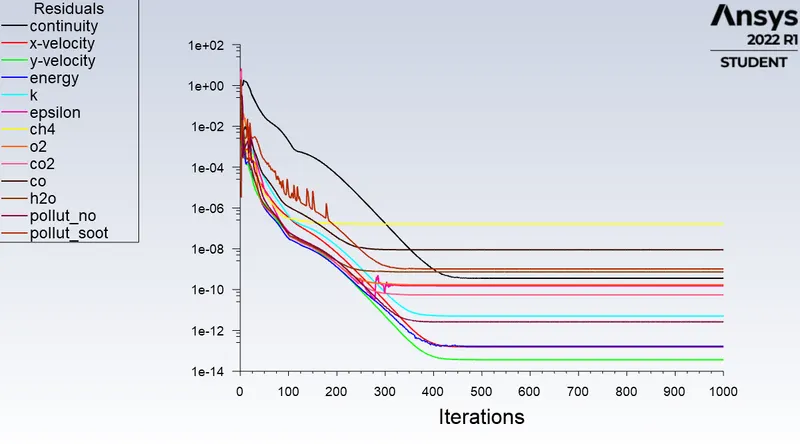
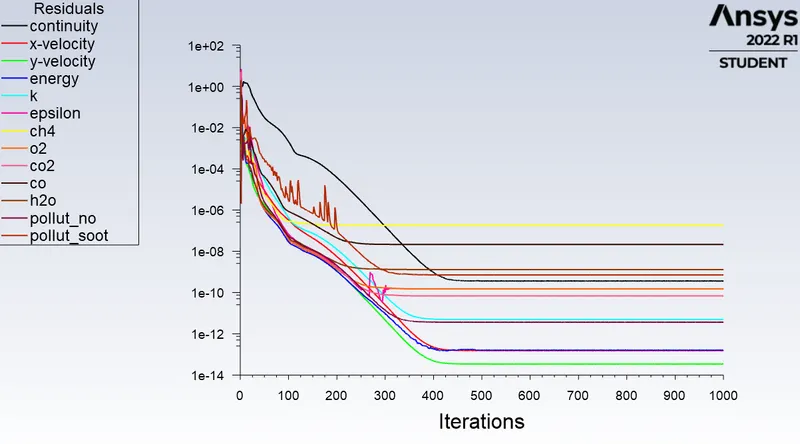
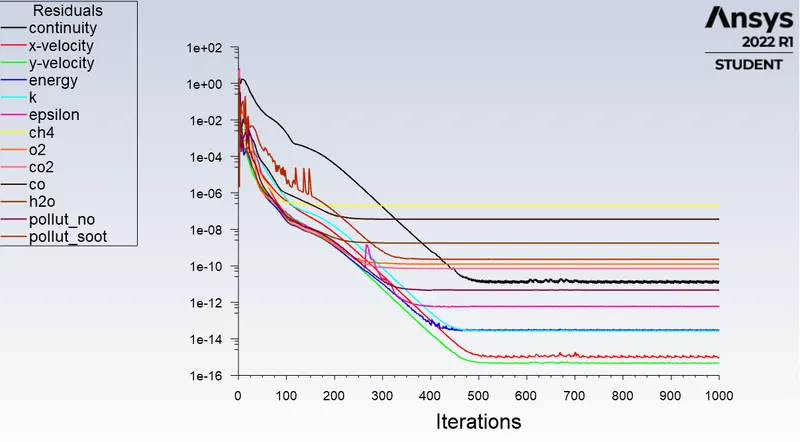
Use hybrid initialization and calculate.
Part 1:
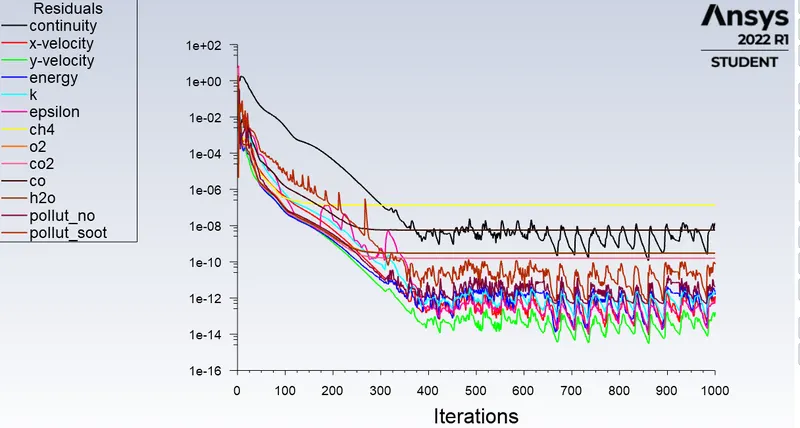
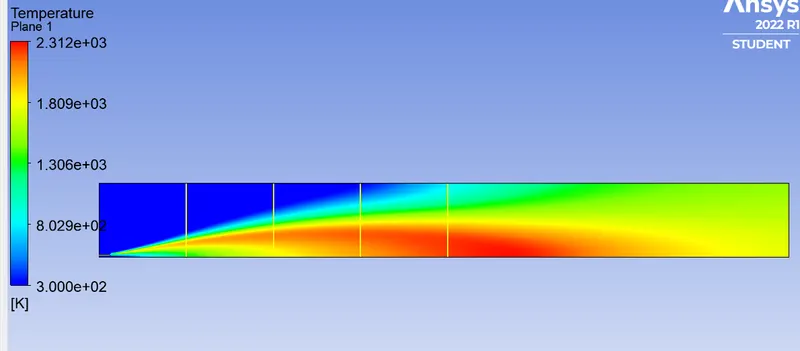
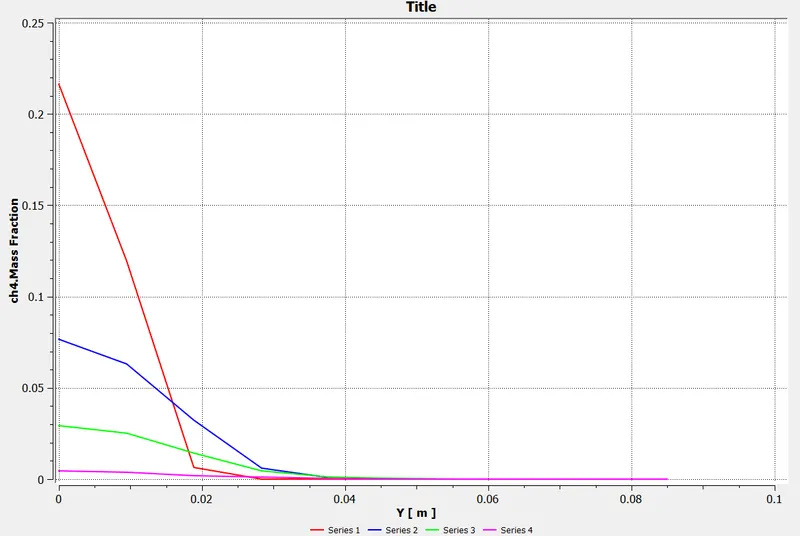
CH4 mass fraction:
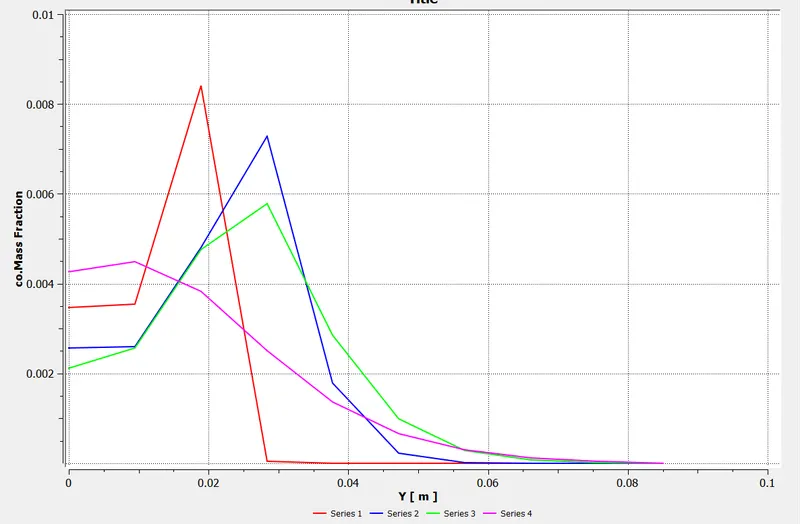
CO mass fraction:
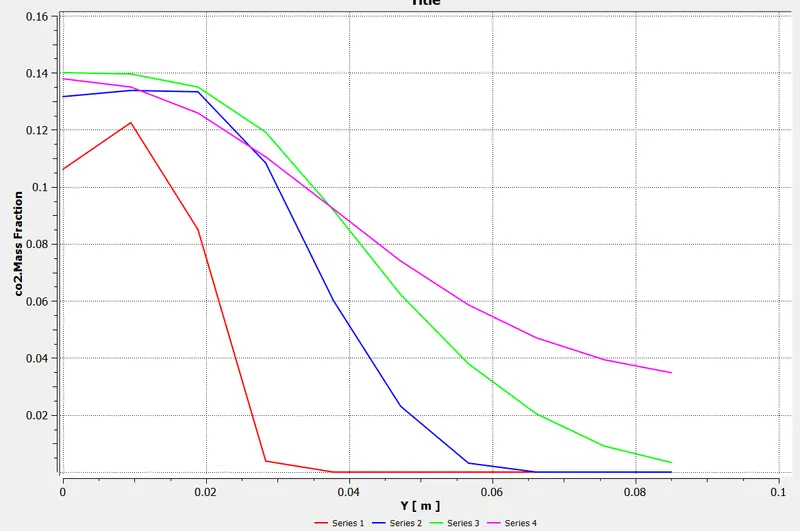
CO2 mass fraction:
O2 mass fraction:
N2 mass fraction:
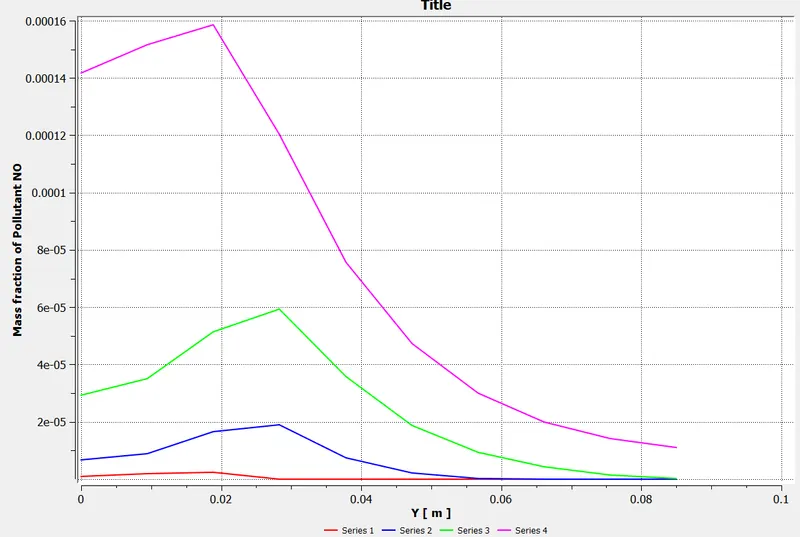
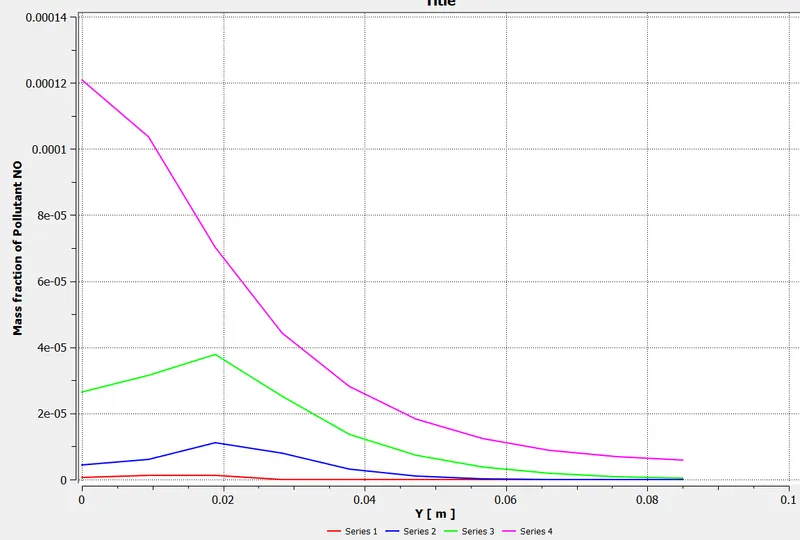
Mass fraction of NO pollutant:
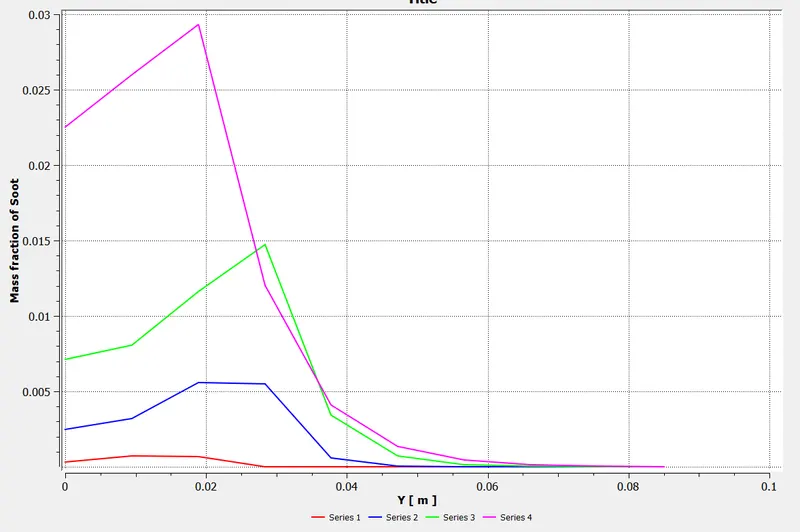
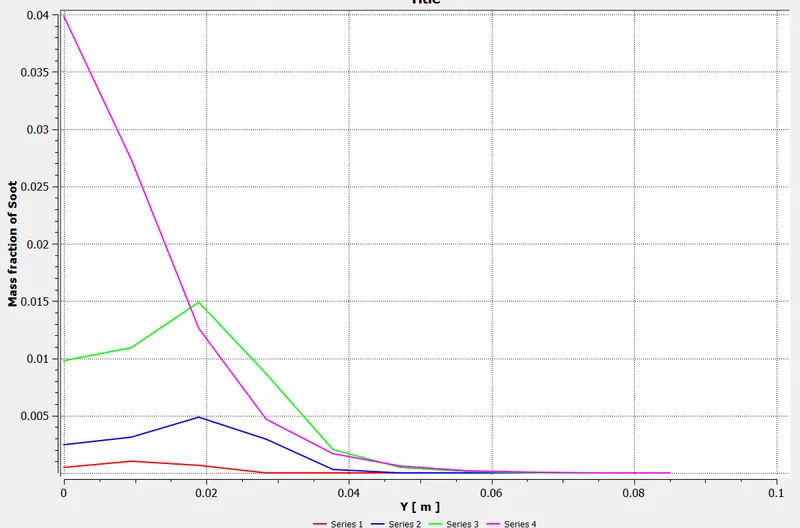
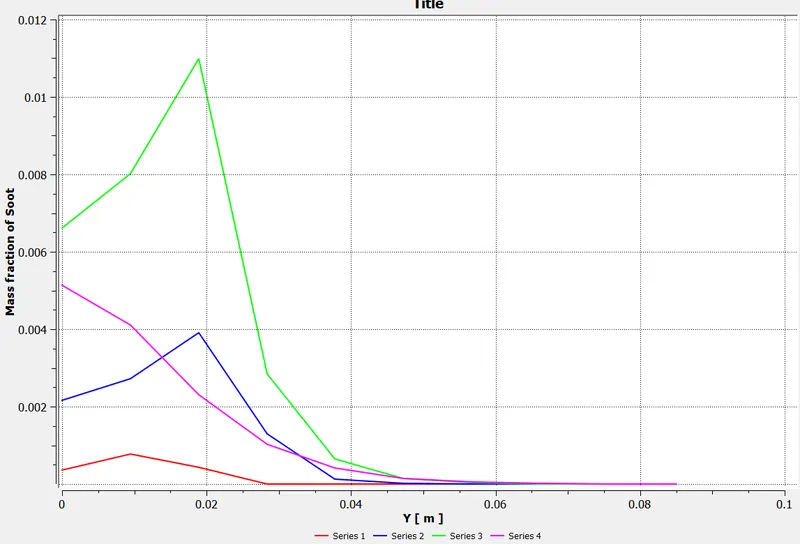
Mass fraction of soot:
Part 2:
95% fuel content and 5% water
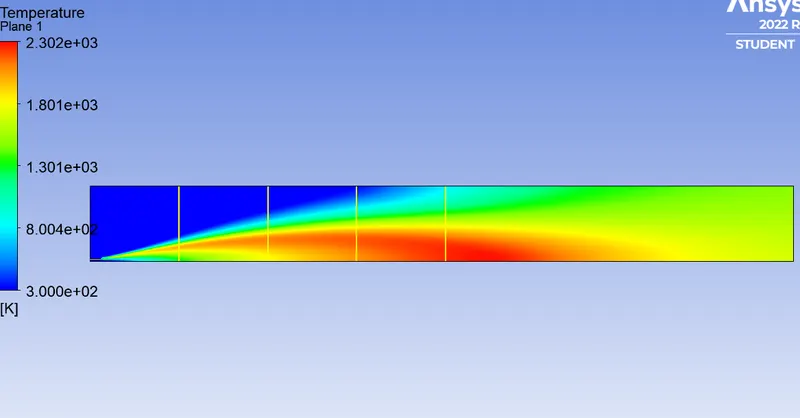
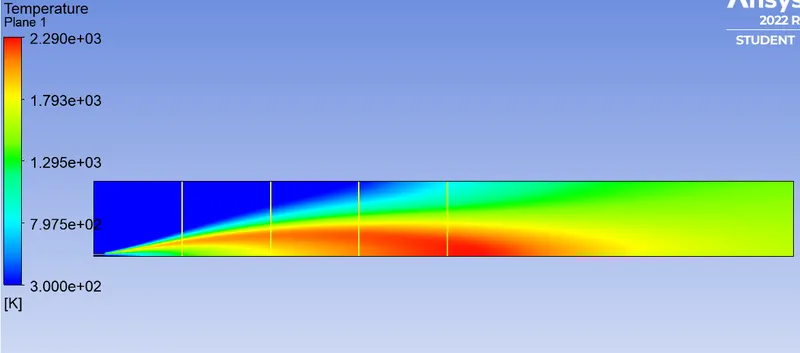
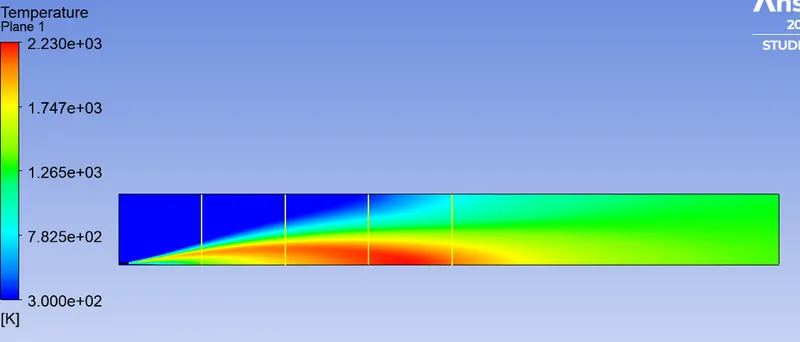
Temperature contour:
CH4 mass fraction:
H2O mass fraction:
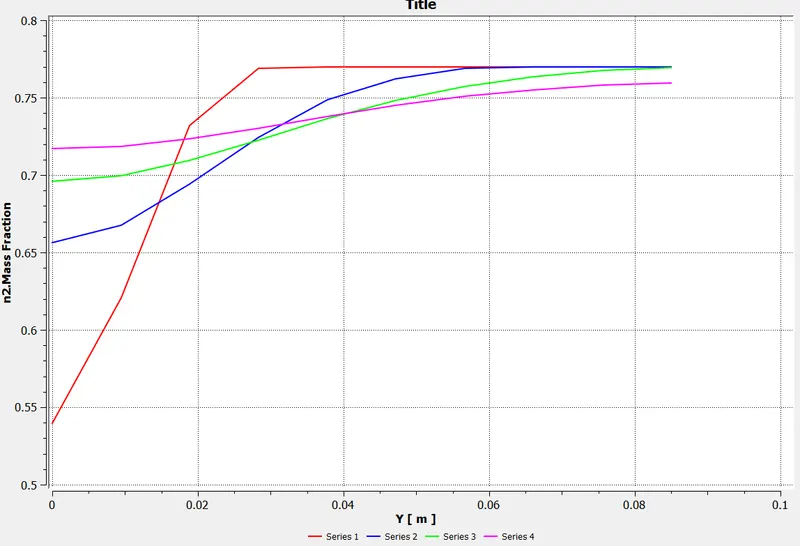
N2 mass fraction:
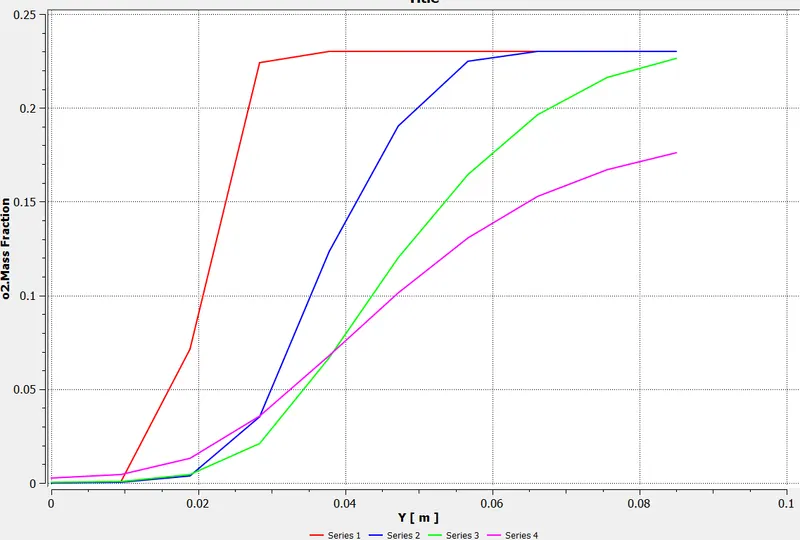
O2 mass fraction:
Mass fraction of Pollutant No:
Mass fraction of soot:
90% fuel and 10% water content:
Temperature contour:
CH4 mass fraction:
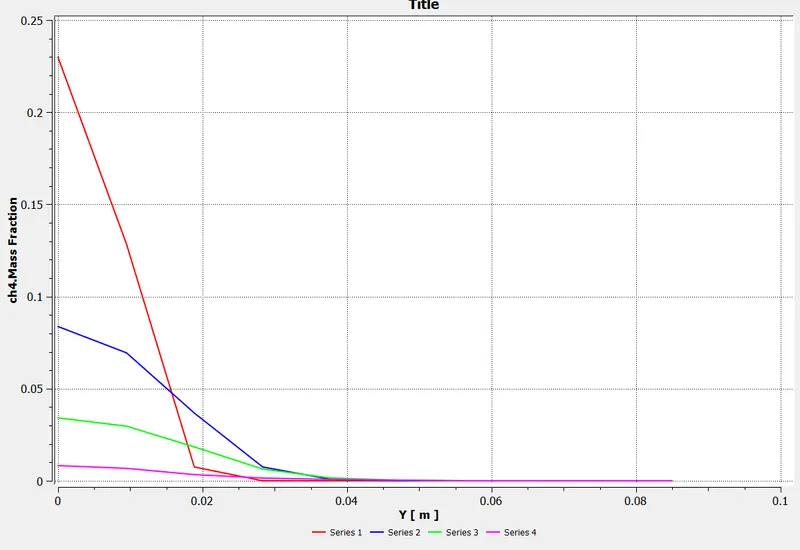
CO2 mass fraction:
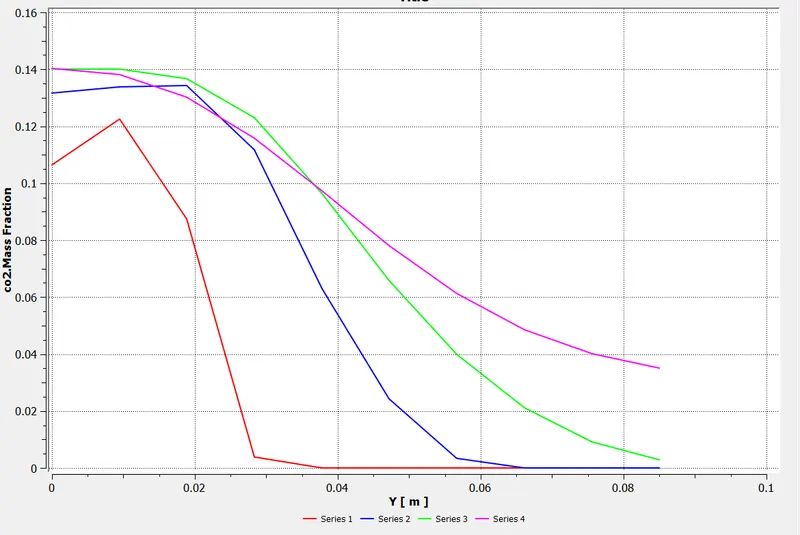
H2O mass fraction:
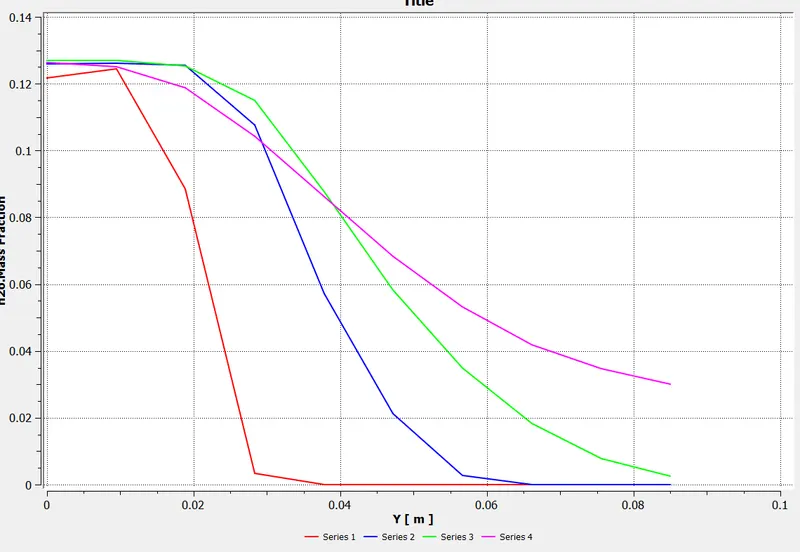
N2 mass fraction:
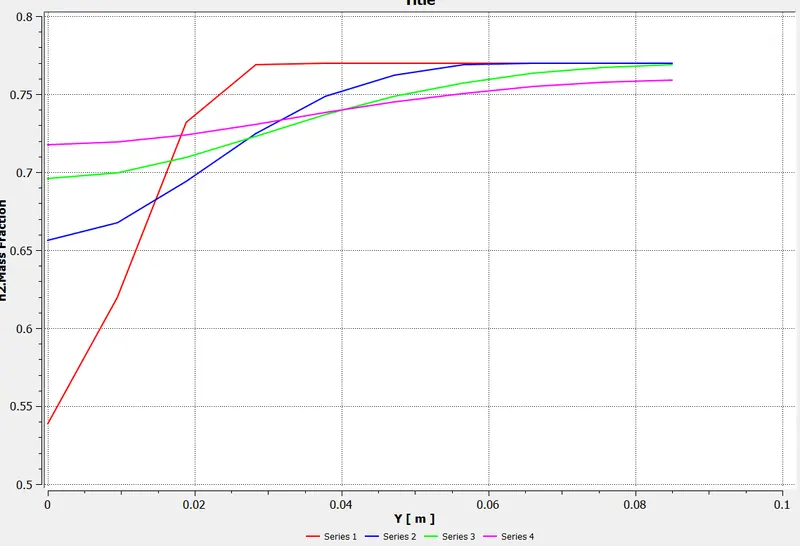
O2 mass fraction:
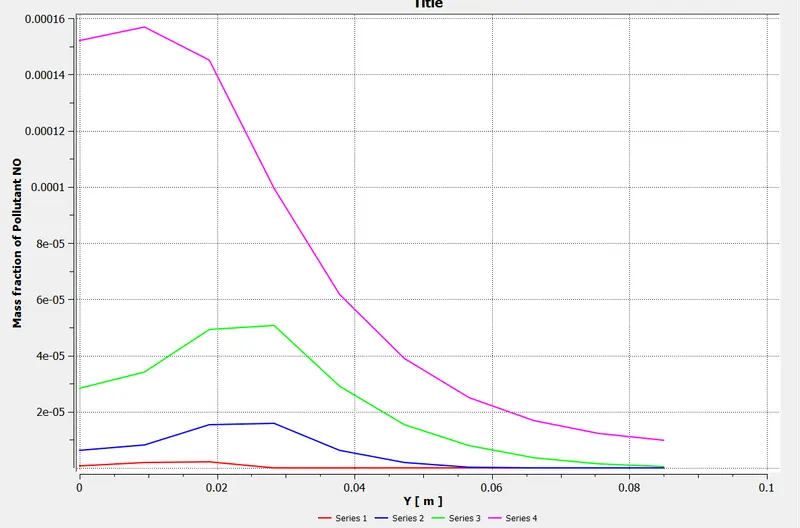
Mass fraction of pollutant NO:
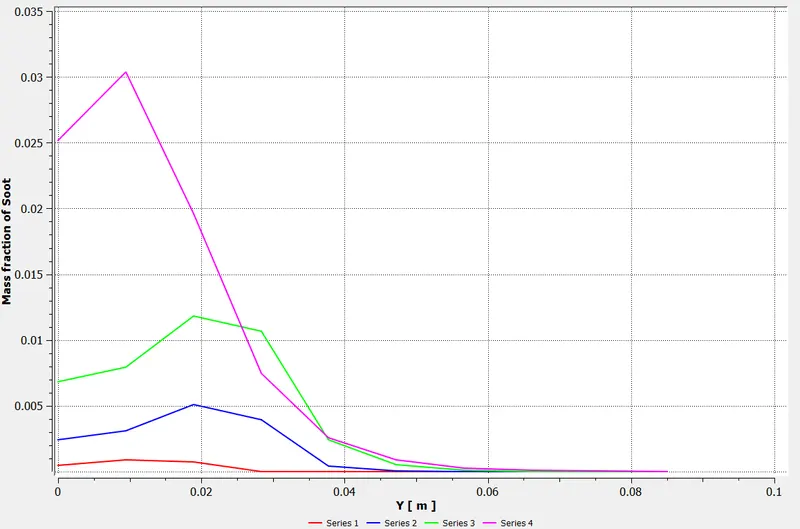
Mass fraction of soot:
85% fuel and 15% water :
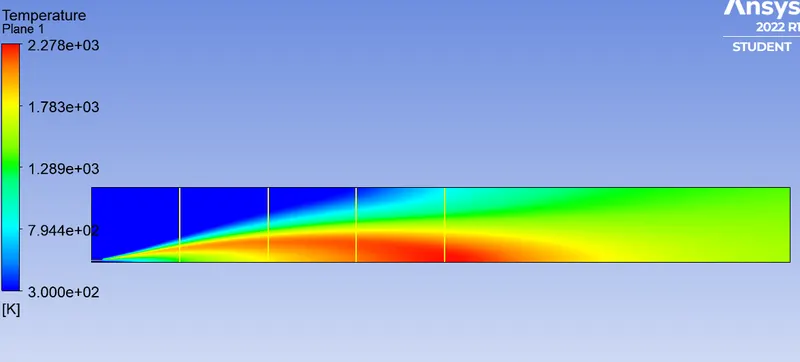
Temperature:
CH4 mass fraction:
CO mass fraction:
CO2 mass fraction:
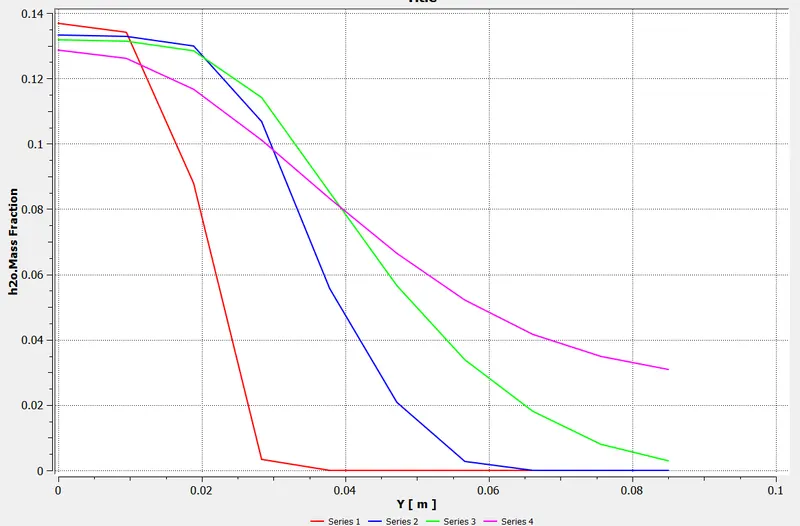
H2O mass fraction:
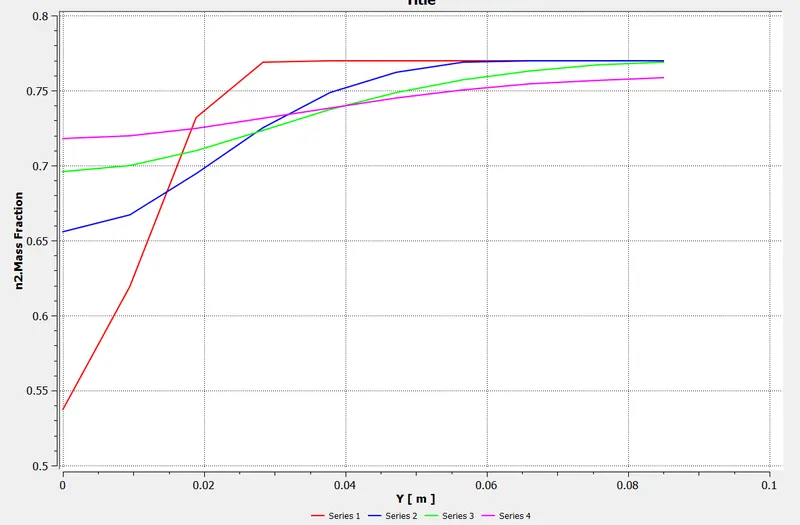
N2 mass fraction:
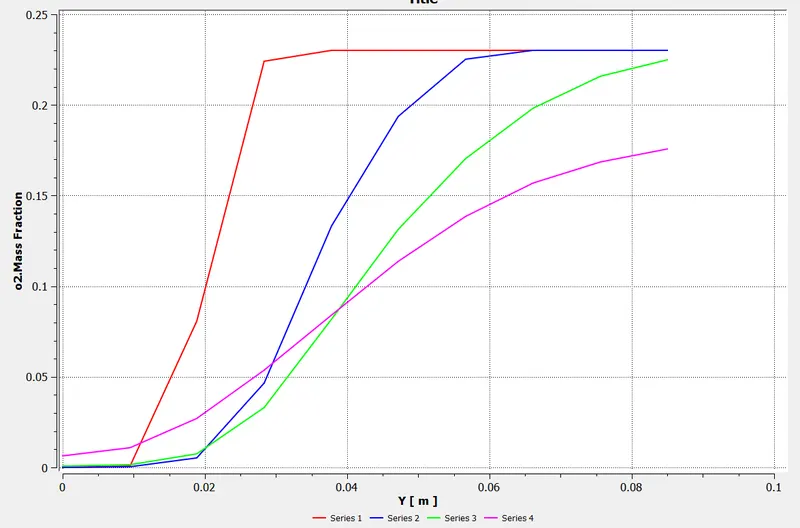
O2 mass fraction:
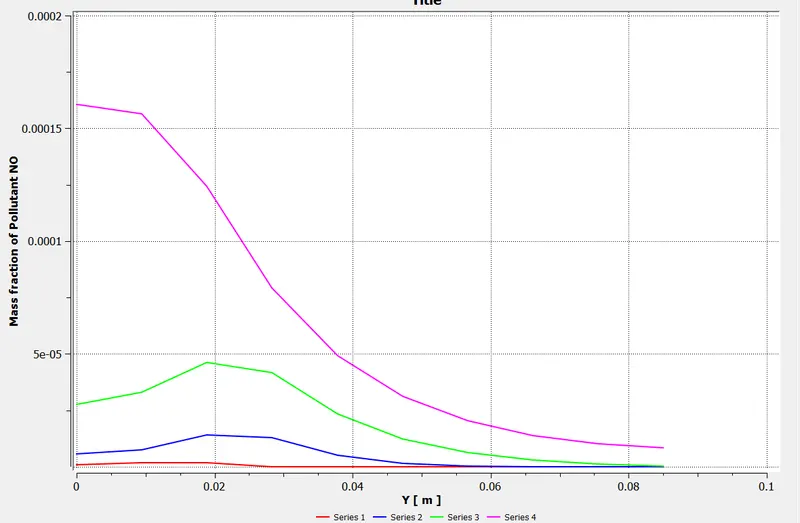
Pollutant NO mass fraction:
Soot mass fraction:
80% fuel and 20% water content:
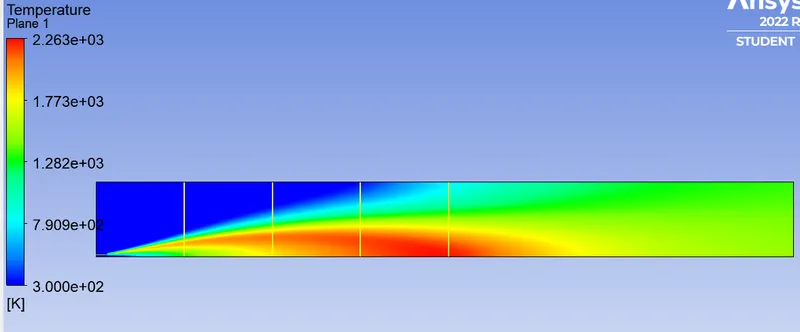
Temperature content:
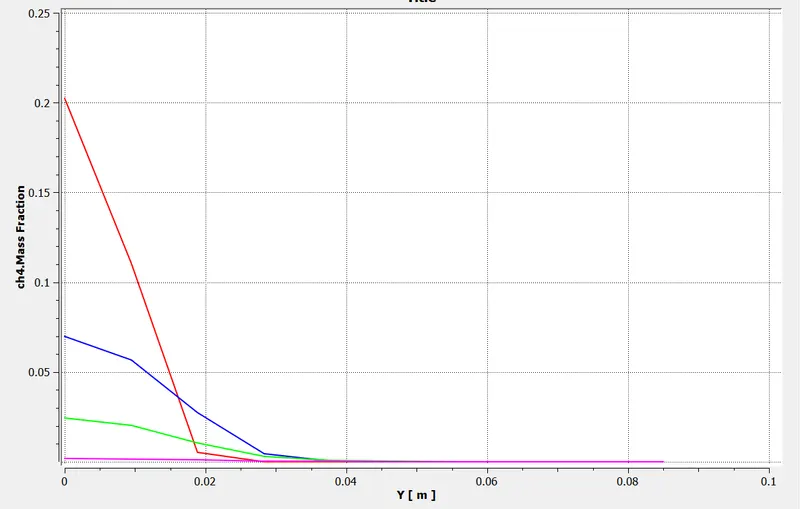
CH4 mass fraction:
CO2 mass fraction:
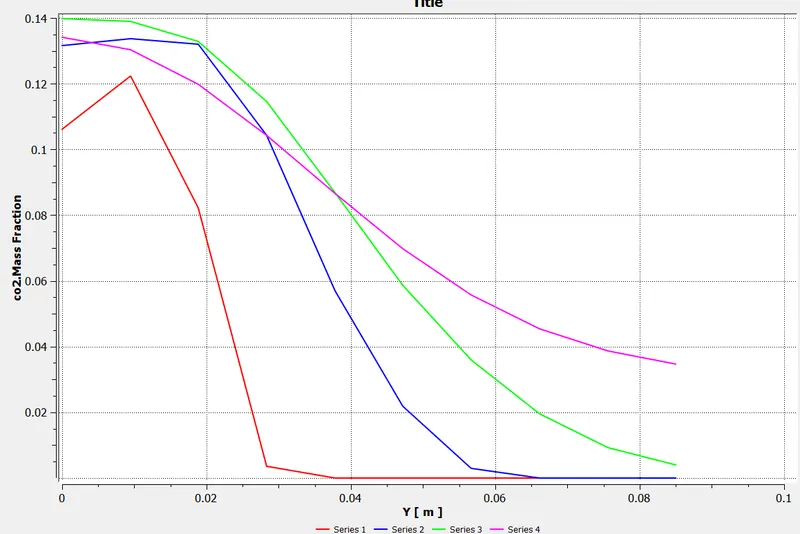
H2O mass fraction:
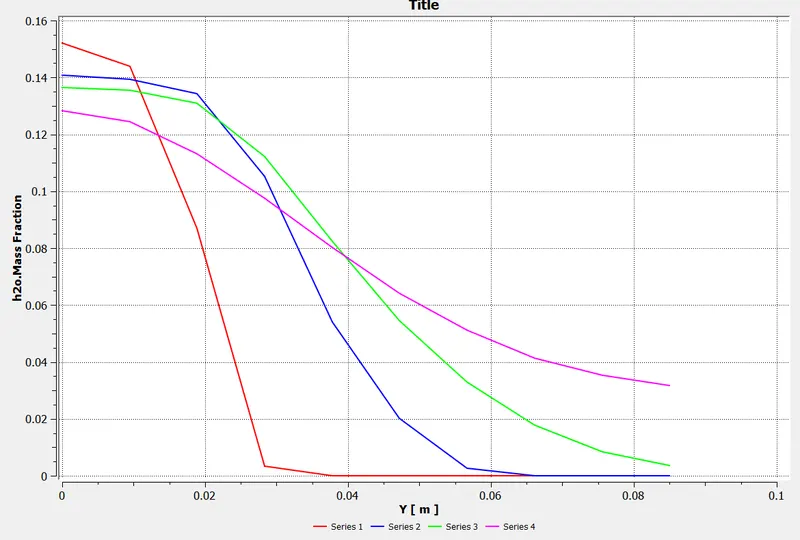
N2 mass fraction:
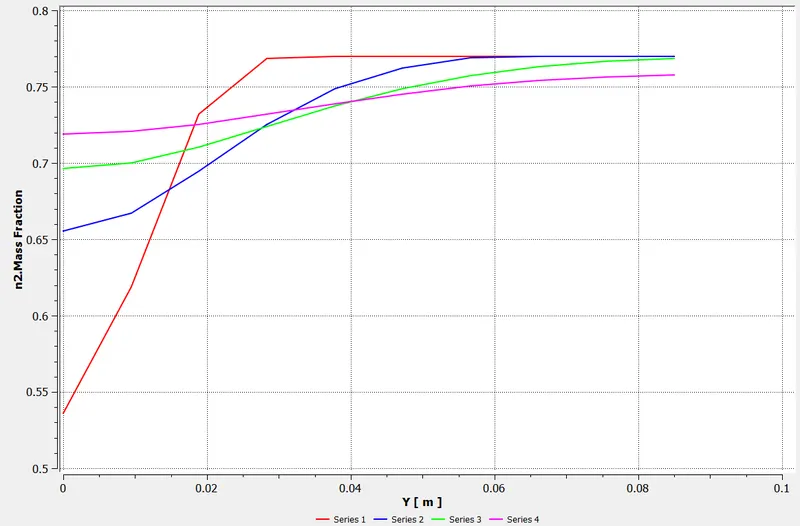
O2 mass fraction:
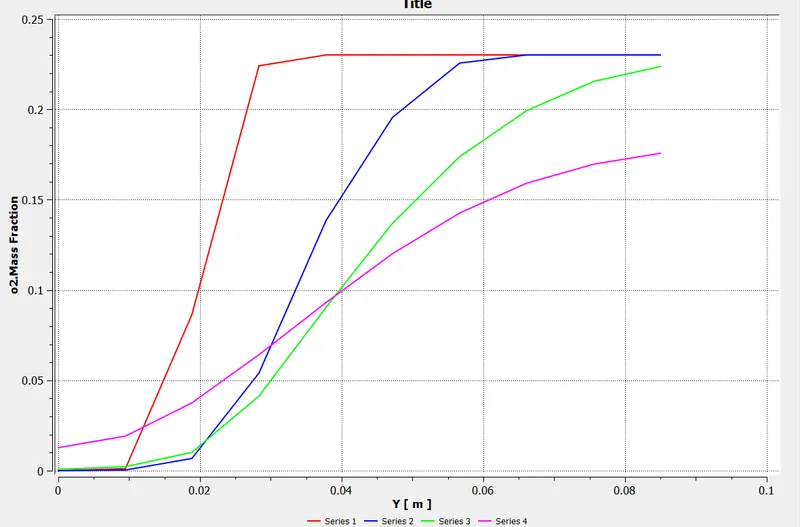
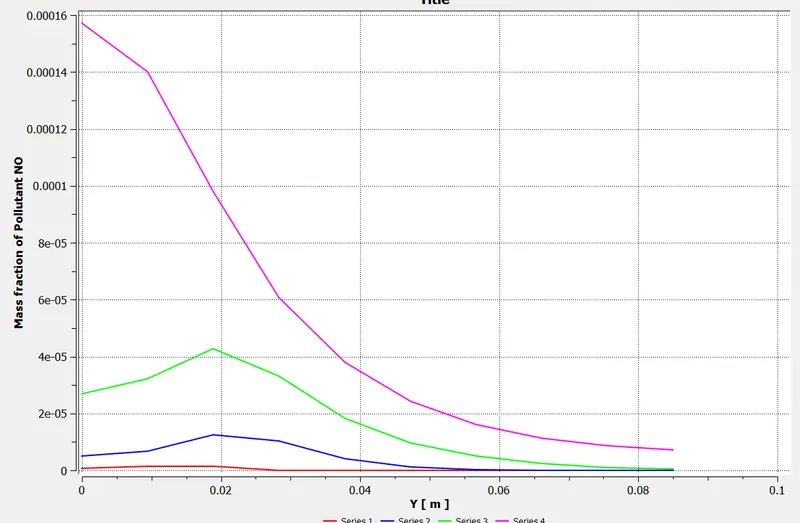
Mass fraction of Pollutant NO:
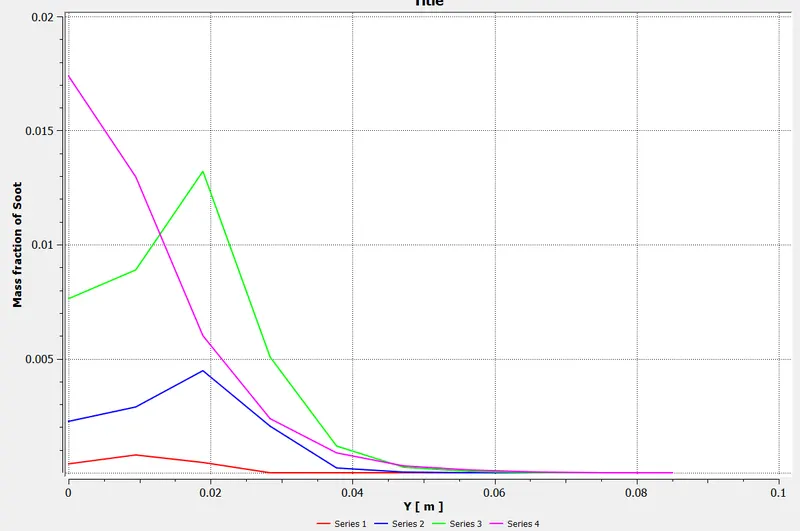
Mass fraction of Soot:
75% fuel and 25% water:
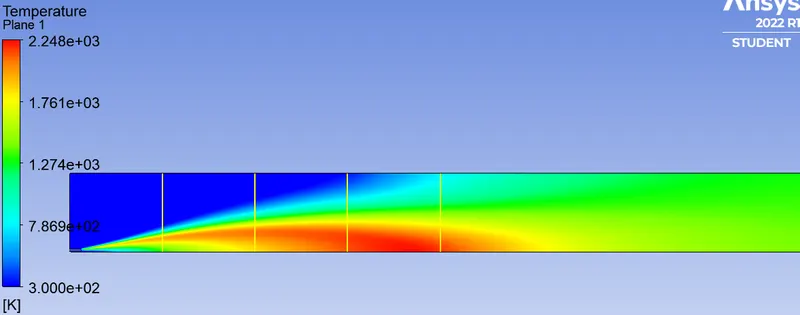
Temperature contour:
CH4 mass fraction:
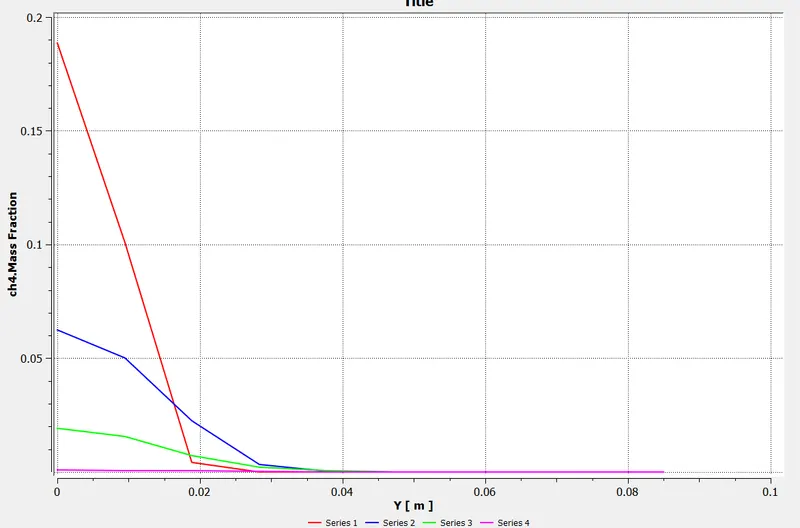
CO2 mass fraction:
H2O mass fraction:
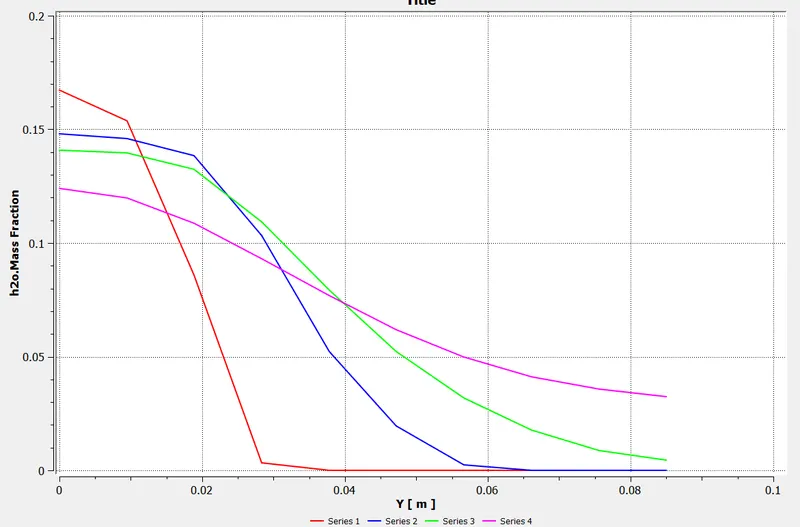
N2 mass fraction:
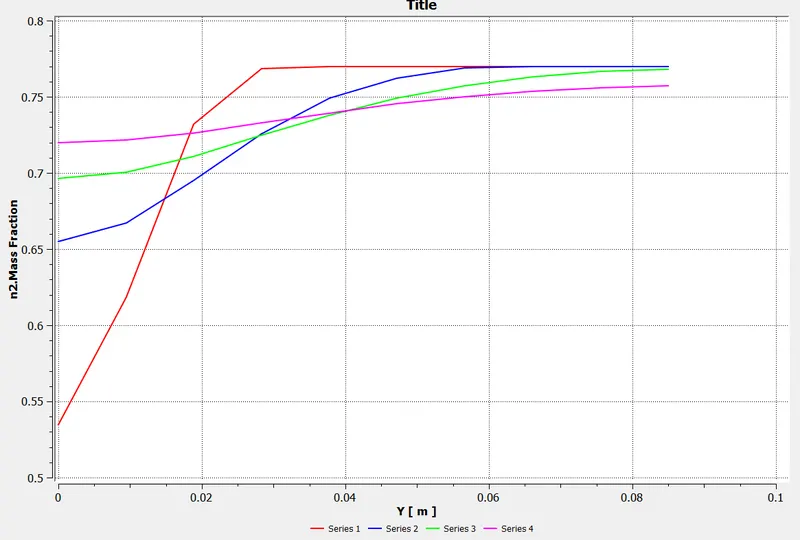
O2 mass fraction:
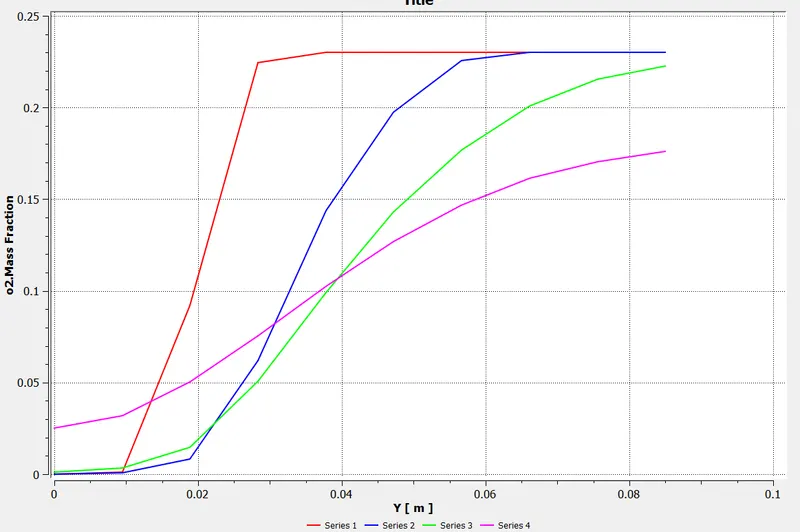
Mass fraction of pollutant NO:
Mass fraction of Soot:
70% fuel and 30% water content:
CH4 mass fraction:
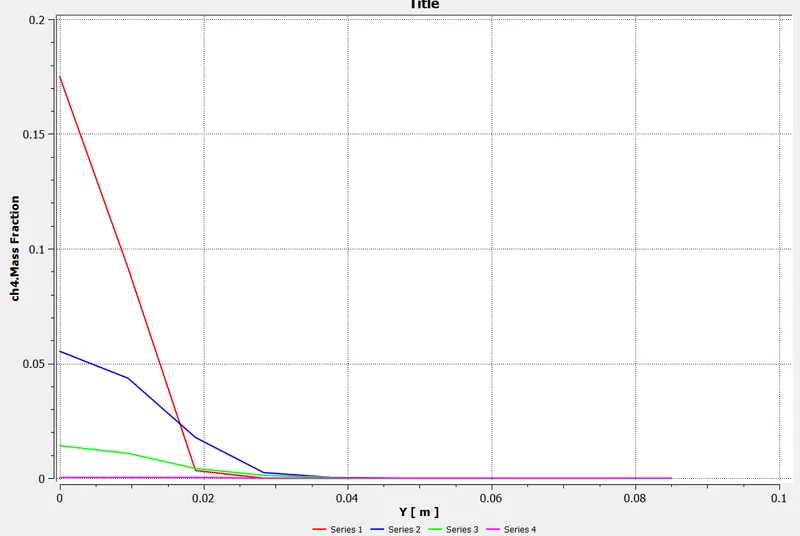
CO2 mass fraction:
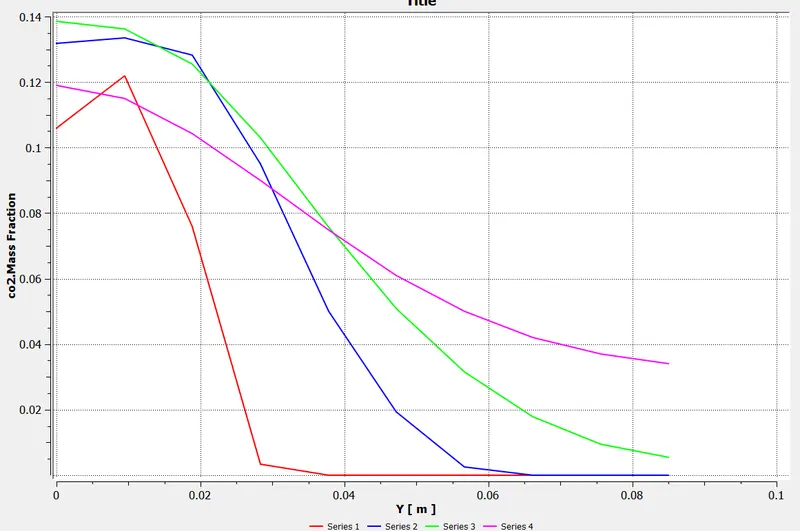
H2O mass fraction:
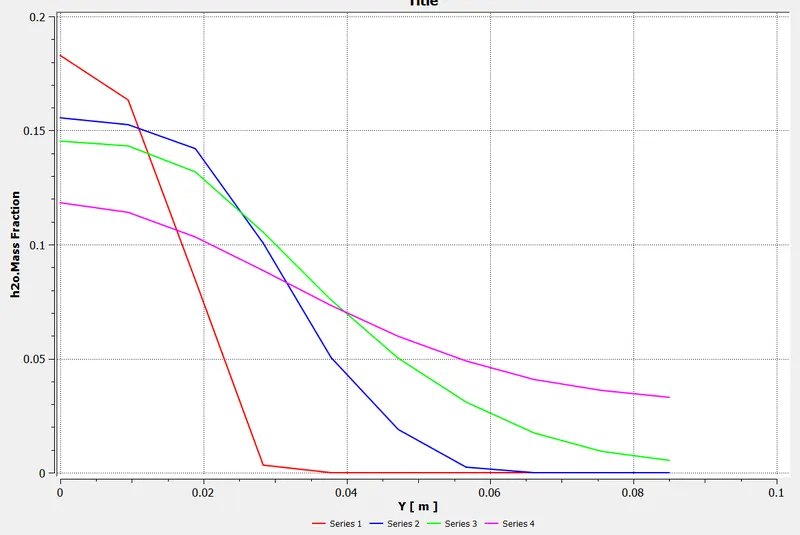
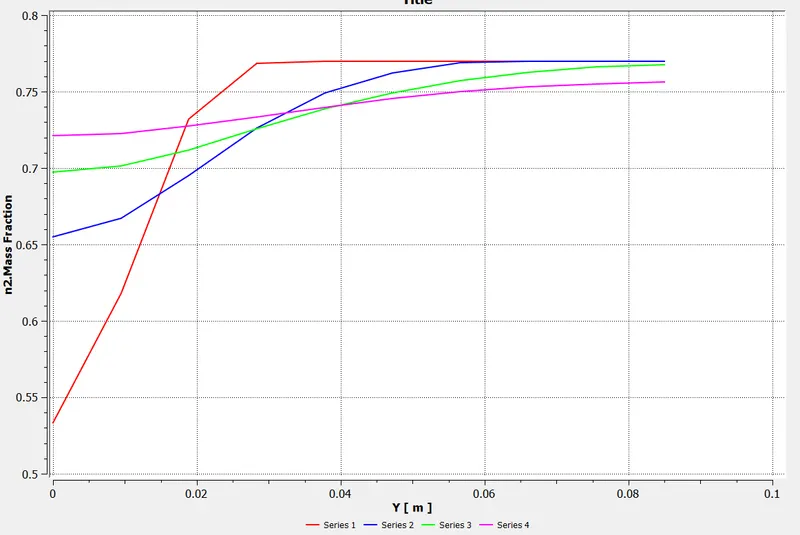
N2 mass fraction:
O2 mass fraction:
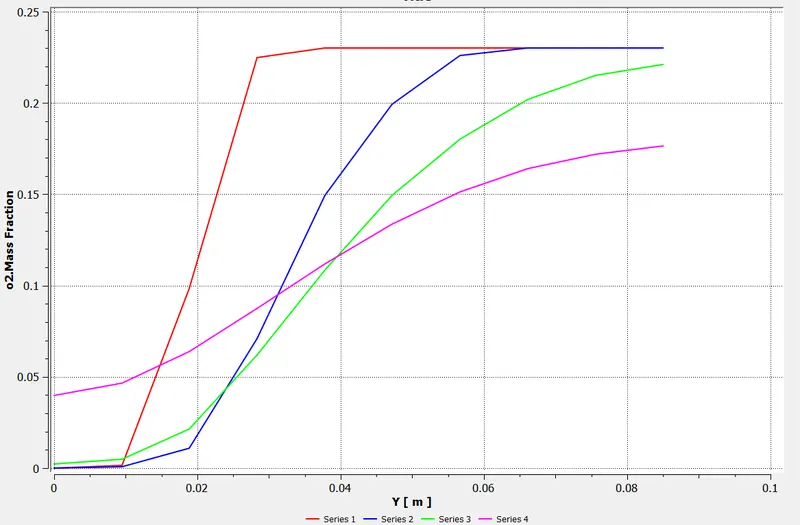
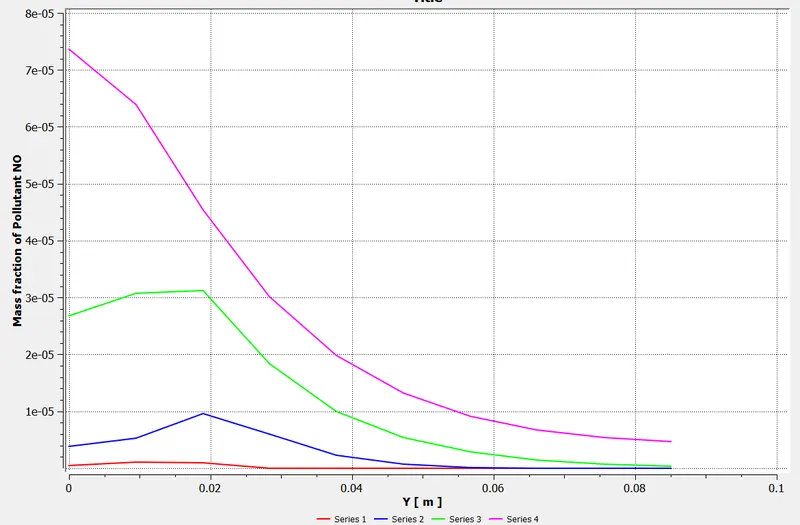
Mass fraction No pollutant:
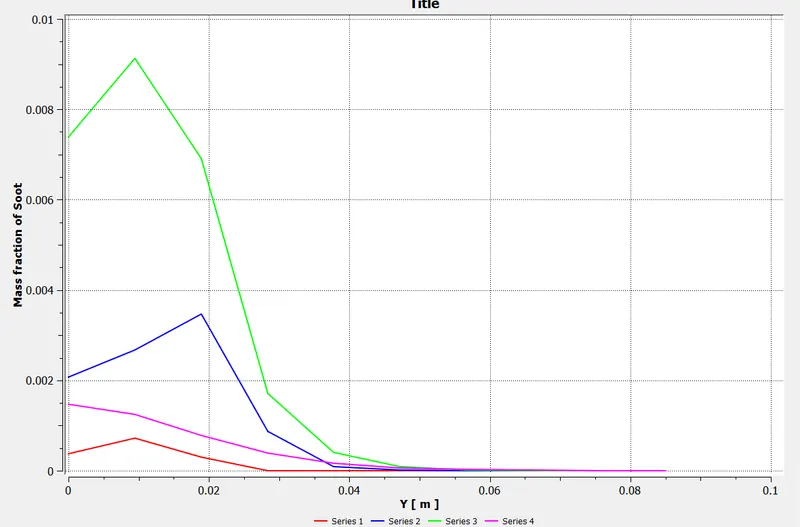
Mass fraction of soot:
Inference and Conclusion:
Here we have simulated the combustion of natural gas and found the mass fraction of the products generated during the combustion.
1. The temperature at 100% fuel was 2312k and dropped to 2230K at 70% of fuel and 30% of fuel.
2.No variation in N2 and O2 is observed.
3.The mass fraction of soot and pollutant No decreases as the water content in the fuel increases.
So the increase of water content in the fuel not only decreases the temperature but also decreases the mass fraction of harmful pollutants like No and soot.