Week 10 - Simulating Combustion of Natural Gas.
Aim:
To perform a combustion simulation on a given Combuster model and calculate the msss fraction of different species involved combustion.
Objective:
By doing this simulation we find the different chemical reactions involved in an combustion process. We calculate the masss fraction of each species(element) involved in the reaction, to
know if it is turned into a product. We carry on the simulation in two parts,
1. To perform the combustion simulation on the combuster model and plot the variation of the mass fraction of different species using line probes along the combuster.
2. Varying the composition of water between 5% to 30% and plotting for the same results.
Introduction:
Combustion, a chemical reaction between substances, usually including oxygen and usually accompanied by the generation of heat and light in the form of flame. The rate or speed at which the reactants combine is high, in part because of the nature of the chemical reaction itself and in part because more energy is generated than can escape into the surrounding medium, with the result that the temperature of the reactants is raised to accelerate the reaction even more.
In this problem we are only intrested in studying the reactions involved in the combustion and how the each elements in the reaction change during the reaction inside the combustion chamber.
To solve the complex chemical equations and yield accurate results the solver provides us a seperate approaches to solve chemical kinetics problem , where it provides information about species concentration, volumetric generation and diffusion rate, enthalpy, etc..
In addition to this it also solves for the general transport equations for fluid flows. Chemical kinetics is needed because it tells us when and at what point the combustion takes place like ignition delay ,rate of work done and the emissions as the result of combustion.
The Basic idea is to study reaction mechanisim of air and fuel and its elementry reactions. As both elements mix together consists of hundreds of elements and between start to finish these elements reacts with each other causing intermediat reactions and by products. And the intermediet speies created reacts with air or fuel and causes elemntry reactions.
This elementry reactions is of three types,
Unimolecular - Where the created composities either transforms or decomposes
Bimolecular - The entire reaction is a reversable reaction.
Thermolecular - It is an elementary reaction involving the simultaneous collision of any combination of three molecules, ions, or atoms.
The combustion process is divided into the following types,
Non- Premixed Combustion :
A non-premixed flame occurs when the fuel and oxidizer are not mixed prior to reacting. An example of this is the diffusion flame from a lighter. Lighter fuel is typically compressed butane which is liquid inside the lighter canister, but rapidly expands to gas once released from the lighter nozzle. The concentration of the butane near the nozzle is too high for combustion, and the flame cannot form until it mixes with the surrounding air.
Pre-Mixed combustion :
A premixed flame results when the fuel and oxidizer are mixed prior to the passage of the reaction zone. An example premixed flame is a gas stove where natural gas and oxygen are mixed prior to being ignited inside the burner.
Partially Pre-Mixed:
It is combination of both pre-mixed and non-premixed combustion.As a compression-ignition engine, the fuel mixture ignites due to the increase in temperature that occurs with compression rather than a spark from a spark plug,widely used in IC engines.
Spicies Transport :
This type of model does not require the ignition source. This is only used when the flow is turbulant,as the turbulance control the reaction. The turbualnce causes the air and fuel to mix and quickly starts the combustion. The combustion takes place only when the ratio of k and epsilon are at right value, and only when this is exact the turbulant flow then starts combustion.
Soot :
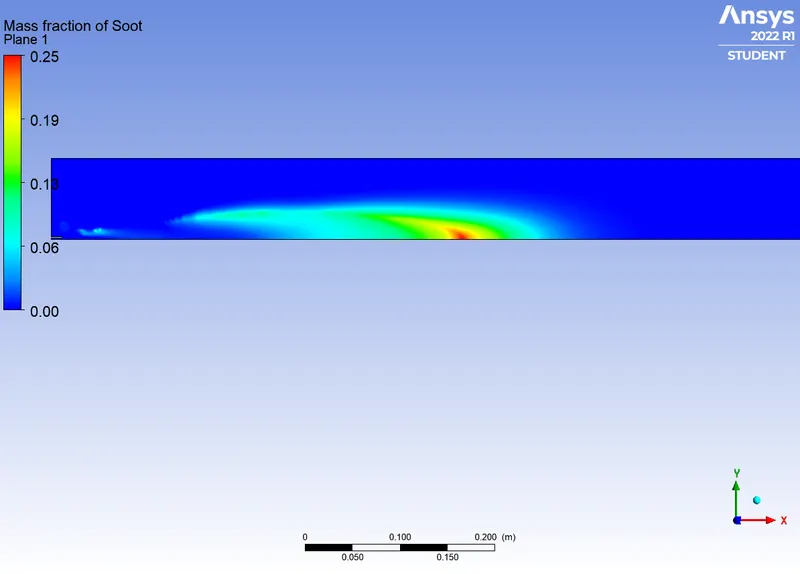
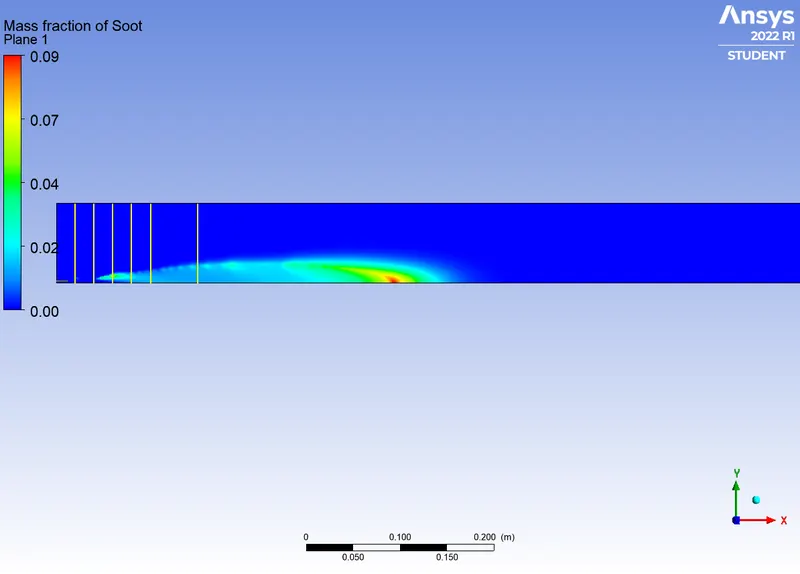
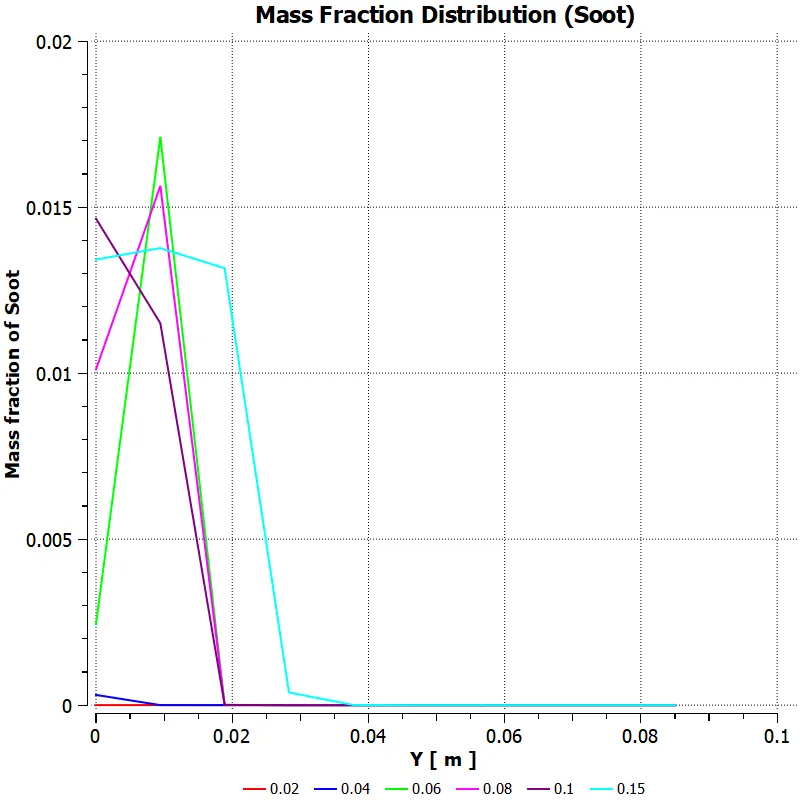
Soot occurs when incomplete combustion takes place or if there is not sufficient temperature for the reaction to completely produce products, the formation of soot can be a problem. In places such as chimneys, the formation of soot can result in clogged chimneys that cannot draw out smoke as efficiently,this can lead to smokey fires or the inefficient use of fuel. Additionally, soot is a pollutant and has a range of environmental and health effects.
NOx :
Nitrogen oxides (NOx) are a common term for the nitrogen oxides N2O, NO, N2O3, NO2 and NO3 and are a chemical compound of oxygen and nitrogen that is formed during the combustion of fuel and organic material at high temperatures.NOx gases are usually produced from the reaction among nitrogen and oxygen during combustion of fuels, such as hydrocarbons, in air especially at high temperatures, such as in car engines.In areas of high motor vehicle traffic, such as in large cities, the nitrogen oxides emitted can be a significant source of air pollution.
Geomentry :
We import the 3-D combustor model. Since the entire setup is Axi-Symmetry and also the limitation of the solver , we have to convert this model into 2-D model. For that we first select the planes along which we will cut the body, Since it is symmetry along two planes we select the x-y and x-z plane. We then select the split option where we select the body , and the plane along which we need to cut. Then we get the quater body and we select the surface and then paste it into an new file. We the use merge body as the copied surface have lines between.
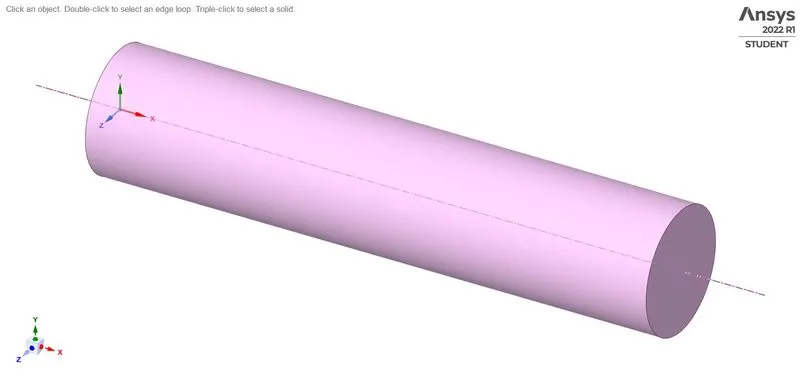
This is the whole Model that we imported, Due to the limitations of the solver we use the model will be trimmed as follows.
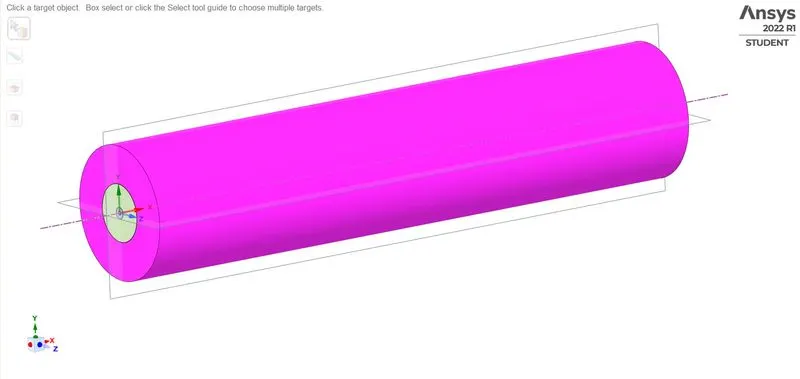 As mentioned in the introduction the model is symmetric about two axis so we enable the plane, first we need to select the body which needed to be cut. Since the entire body consist of different bodies enclosed within other we have to repete the process for each body. First we select the outter body using "Split Body" option, under this we further select the plane along which we need to split. Then among the splitted body we select the body that we need to eliminate. Since it is symmetric about two planes we have to split till we have a 1/4 th of the body, and we arrive to the below shown model.
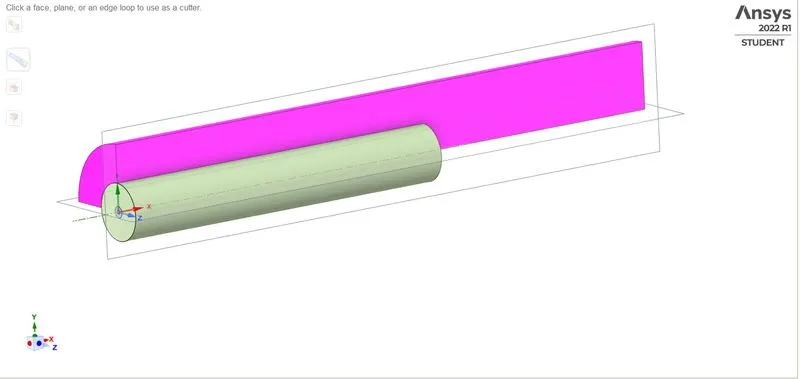
We repeate the process for the other body and the fuel delivery system.
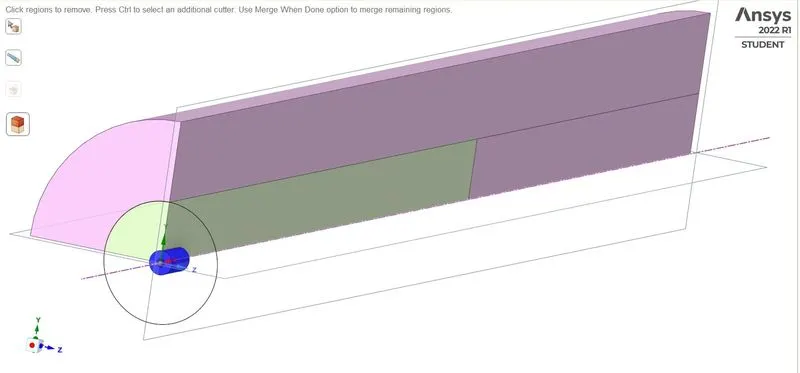
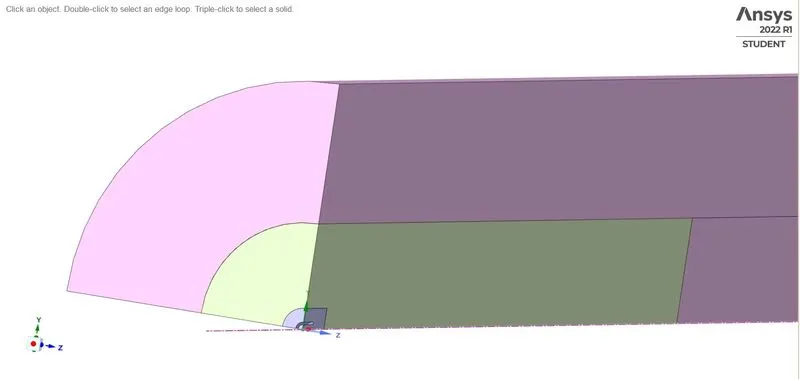
After obtaining it we then the select the plane surface from this and create a new model.
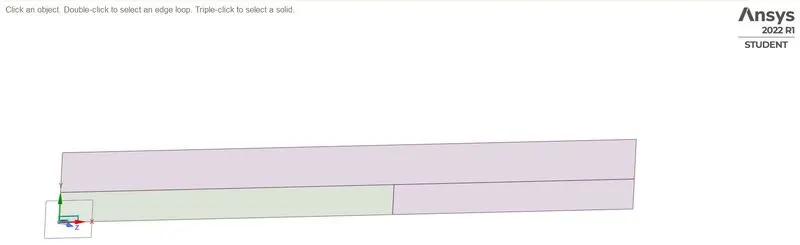
To eliminate the seperation lines in between we use the merge body and select each region and form it as a single surface.
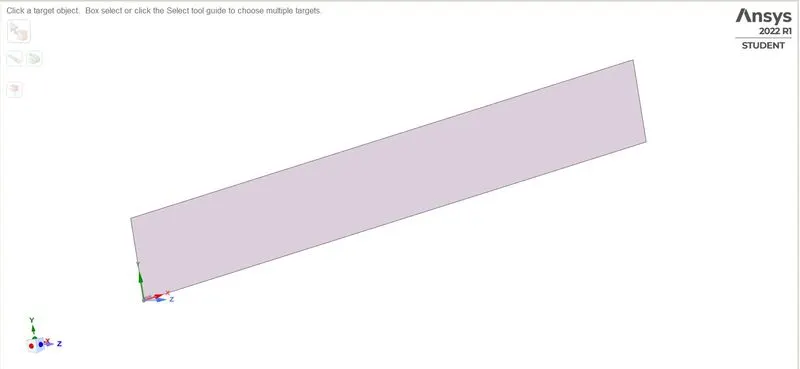
Now, we are ready with the required model for simulation.Then we import this to do the meshing process
Meshing:
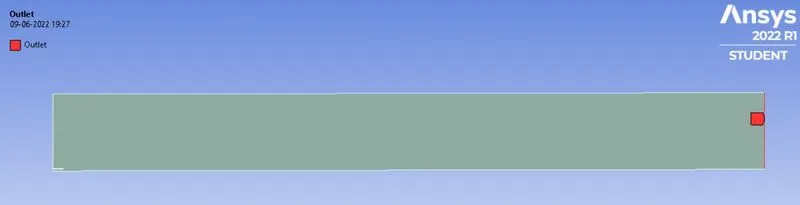
Size - 1 mm
No.of Elements - 67435
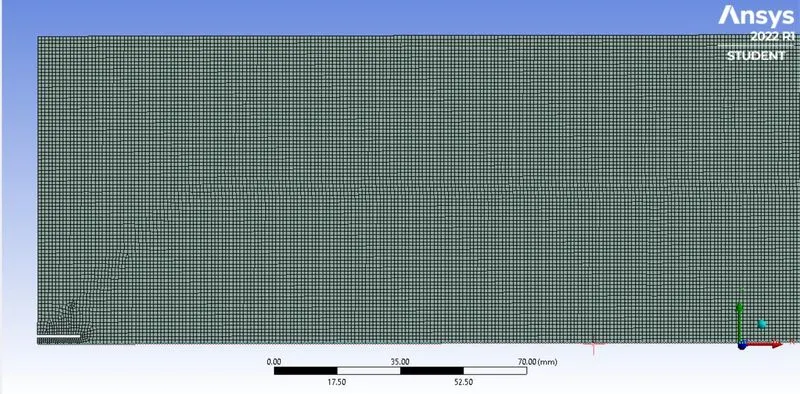
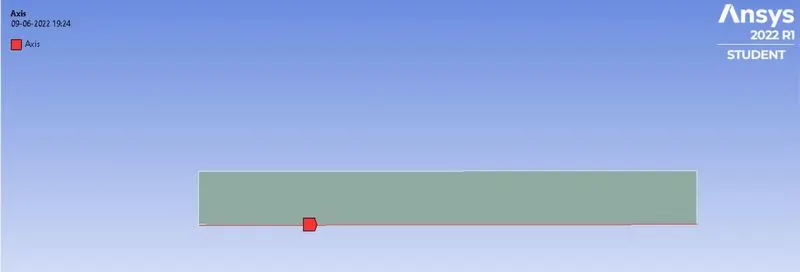
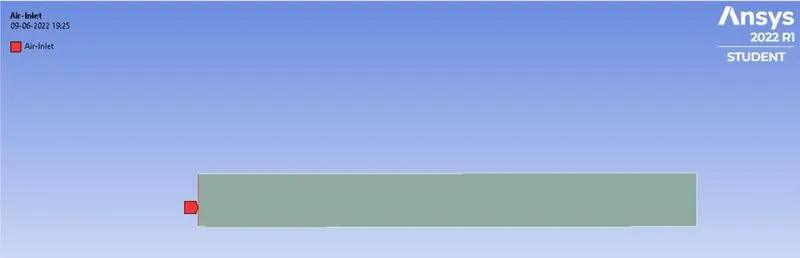
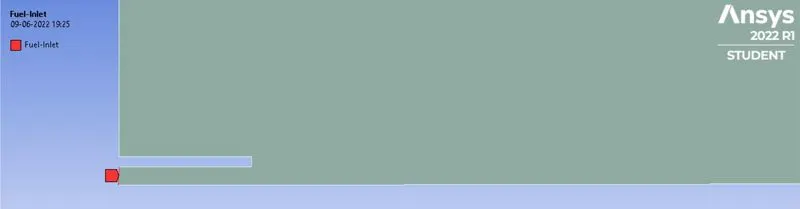
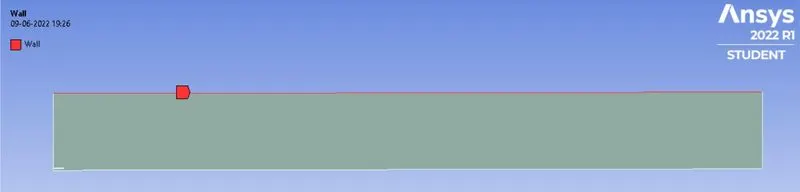
Setup:
We mention it as a pressure based solver and under the 2-D space we mention this as Axisymmetry. As discussed below that how the k-`epsilon` ration is important for the species transport problem and its use in determiningthe reaction time. Under viscous model we thereby choose the k-Epsilon model. Then we mention that this model is axi-symmetry in nature. We chose the k-Epsilon model as the flow inside the chamber is turbulant in nature, and only with turbulance model we can use the Eddy-Dissipation model to solve for the species transport problem. Because, The eddy dissipation model uses the rate of dissipation of eddies containing reactants and products to determine the reaction rates. The eddy dissipation method in its purest form computes reaction rates, based on rates of turbulent mixing. As reaction rates is propotional to the mixing time which is defined by kinetic energy k and dissipation rate epsilon.
We check the inlet diffusion and the dissipation energy sources as to capture the source terms dissipation.To define chemical reactions. The reaction mode must be activated in volumetric mode. Under mixture properties we use methane-air-2step,a mixture of methane and air is burned in a two-step mechanism; they produce a chemical reaction in two consecutive stages. Initially, methane and oxygen react to produce carbon monoxide, and then carbon monoxide combines with oxygen to produce carbon dioxide.
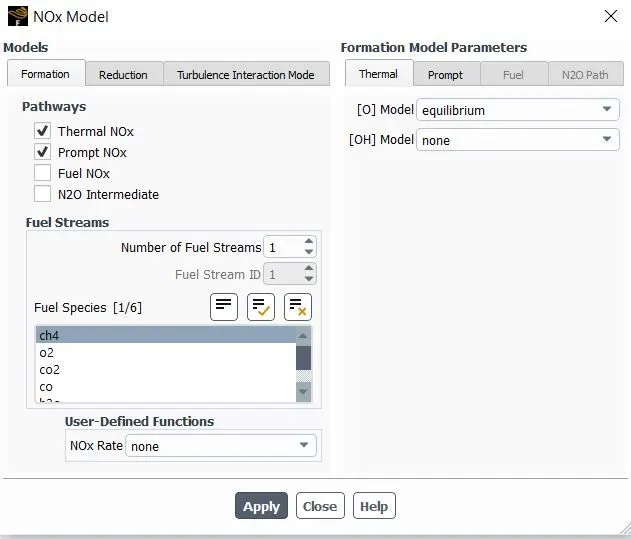
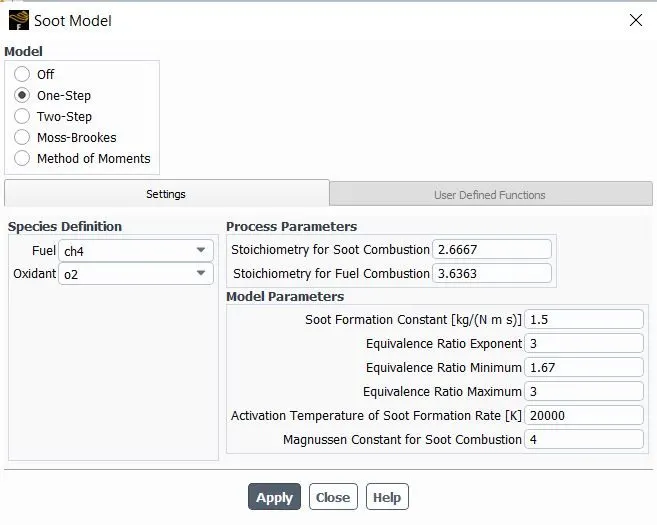
As of Soot and NOx are considered. the fluent has a seperate model defined for this and we enable the two models. Under soot we tick the Thermal NOx and Prompt NOx, the first is defined for high thermal chemical reactions of nitrogen happens like in our case and the latter is used in the presence of CH radicals. And since the fuel is CH4 we check the fuel species as that.
And for soot model we use one-step model to solve the transport equation.
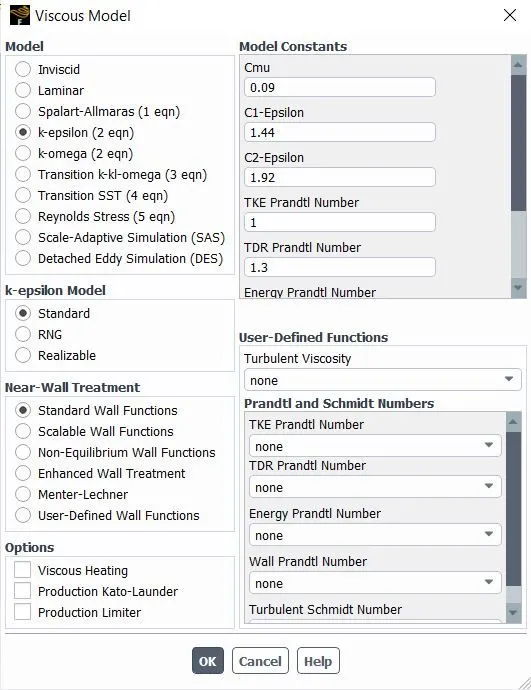
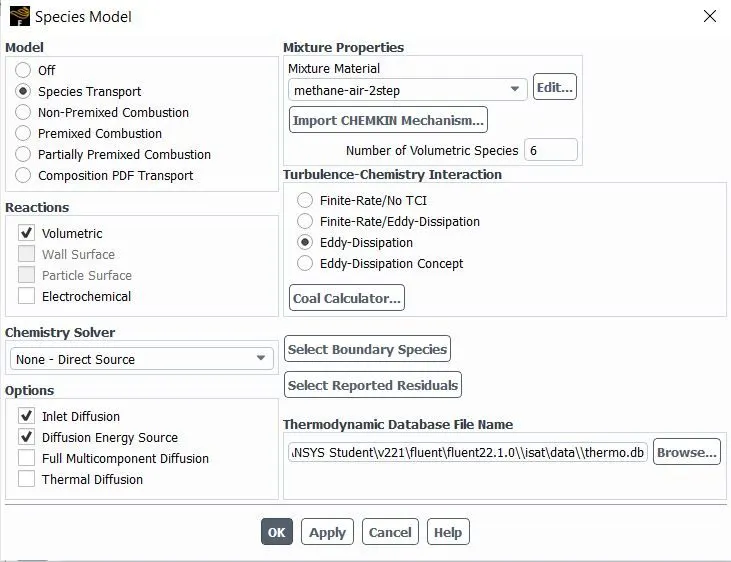
Next as this is a species involved simulation where chemical reactions takes place, we need to defne the reaction elements that involved in this process and also tell ANSYS to use suitable model to solve these reactions according to our model. First we check the species transport model and choose the reactions to be volumetric, as mentioned earlier we also check the Inlet diffusion and Diffusion energy source to capture the source terms. And since there will be turbulance we use eddy dissipation model to study the turbulance effects on the chemical reactions.
Next up for the pollutants NOx and to account for the incomplete combustion where soot formed we also have to do similar things to make ANSYS use suitable modle of our condition. Therefore we "ON" the both model and choose the fuel as CH4 , mentioned model for both NOx and Soot.
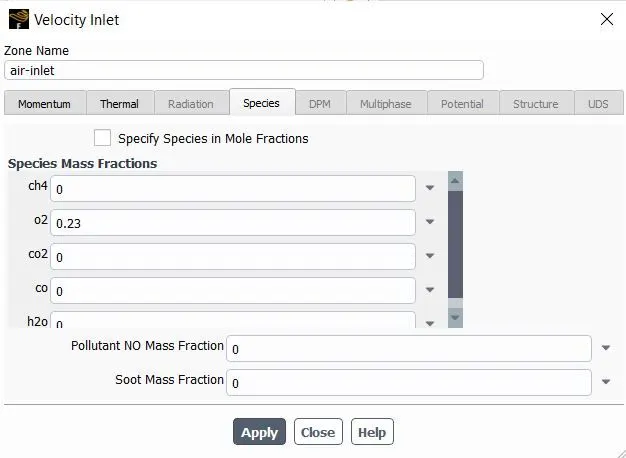
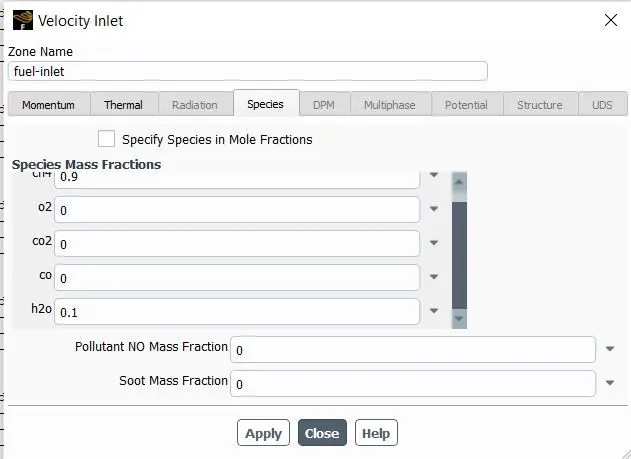
For the boundary condition for we define both inlets as velocity and for ait-inlet we mention the mass fraction of O2 as 0.23. Simillarly for the Fuel-inlet we have two cases for the base case we use mass fraction of CH4 as 1 and for further cases we increase the mass fraction of water between 5%-30% and simentaneously decrease for CH4, to study the elimination of NOx and Soot.
Fuel Inlet Velocity = 0.5 m/s
Temperature = 300 K
Fuel Inlet Velocity = 80 m/s
Temperature = 300 K
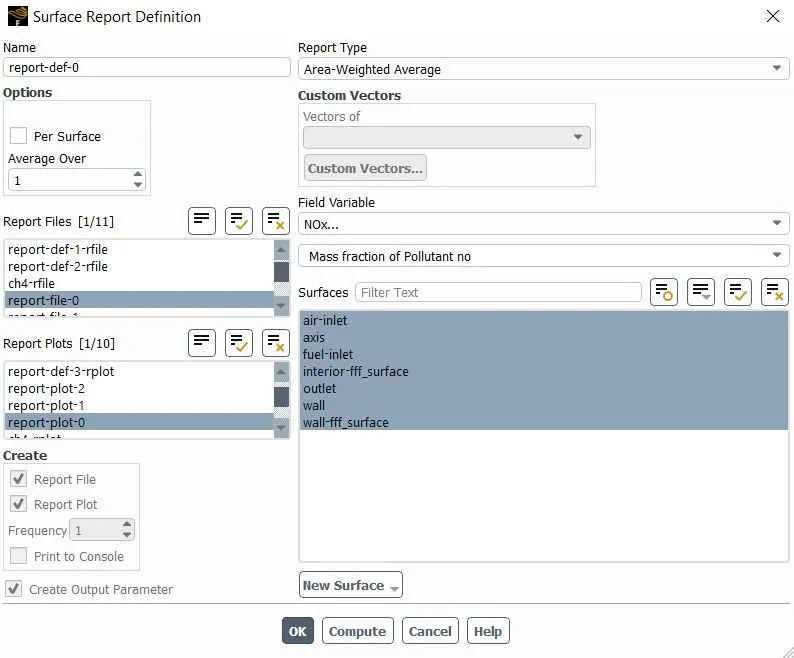
Then we plot the graph for Average Mass fraction of NOx , Soot and The temperature inside the chamber.
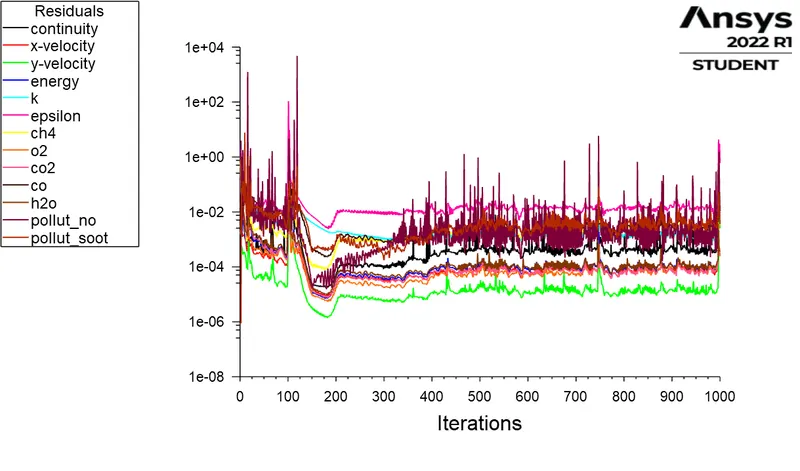
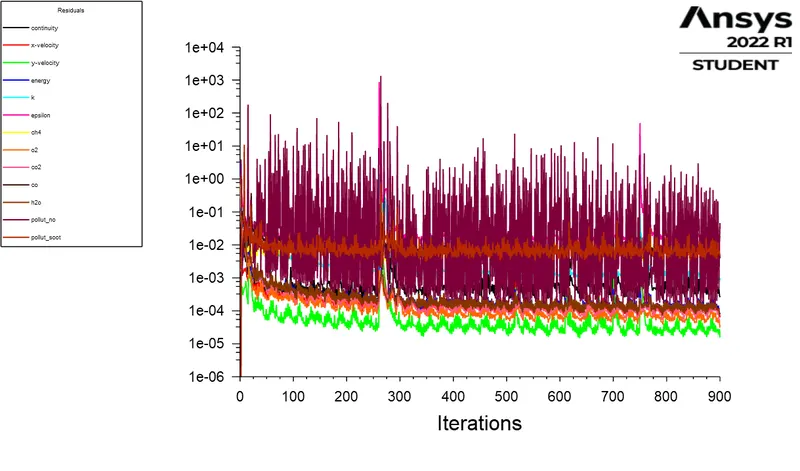
Finally we run the simulation of 900 iterations.
Results:
Case 1 :
Base Simulation
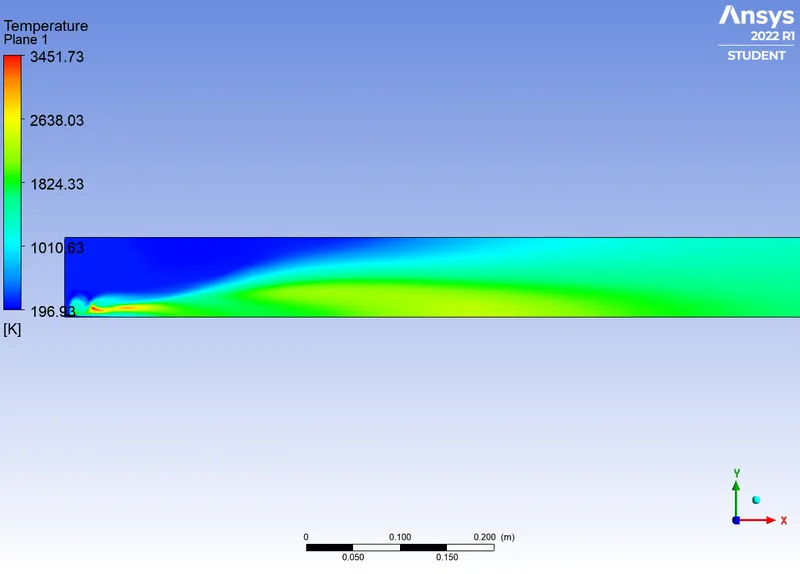
Temperature Contour -
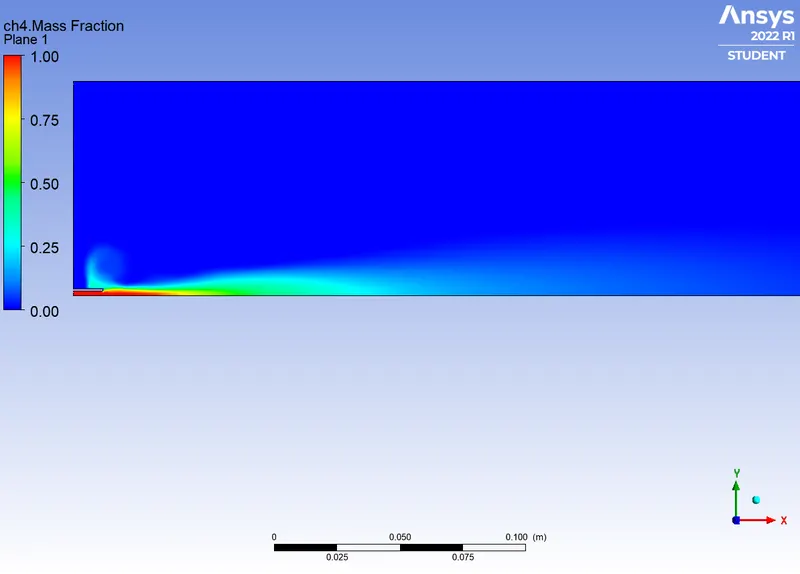
Mass Fraction :
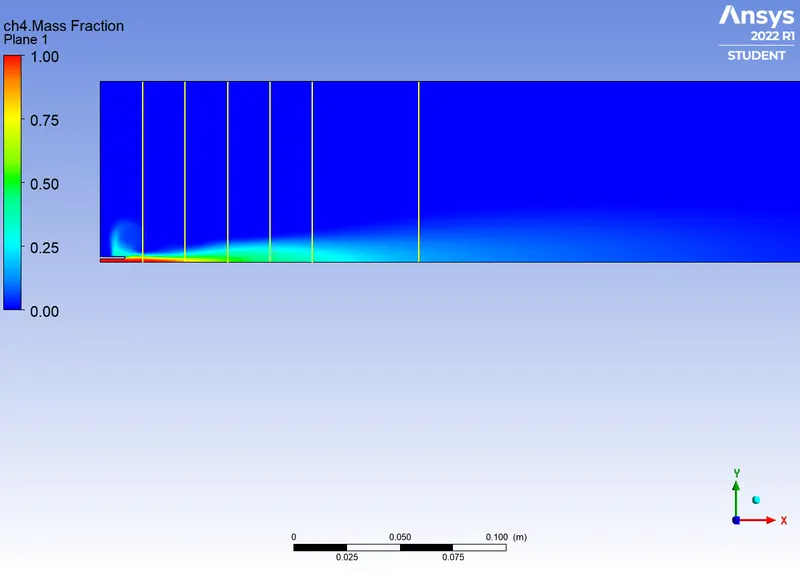
CH4 -
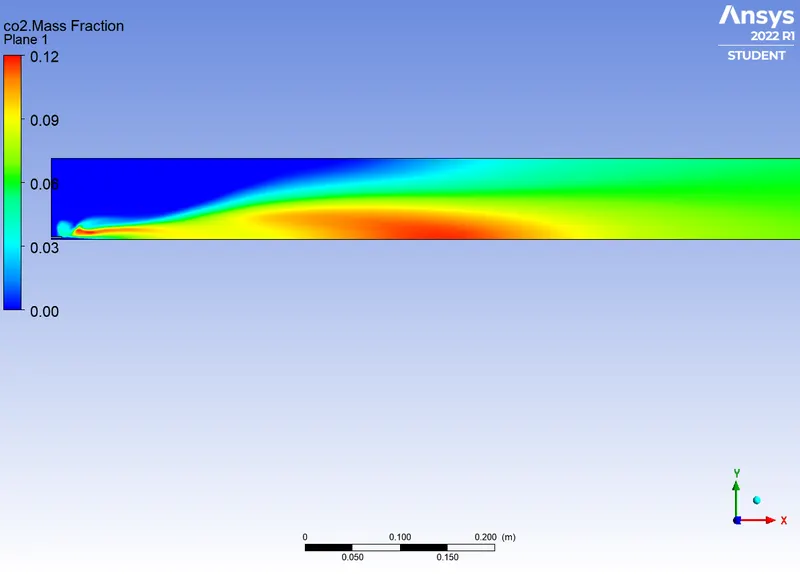
CO2 -
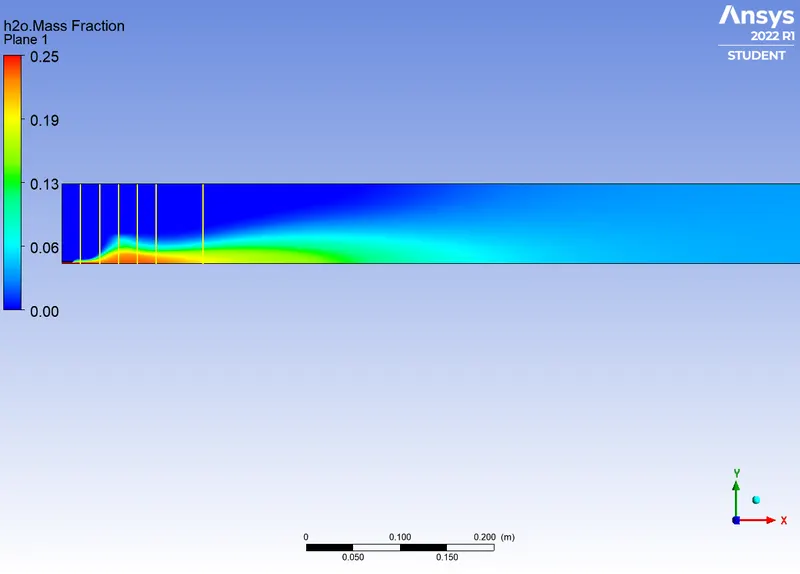
H20 -
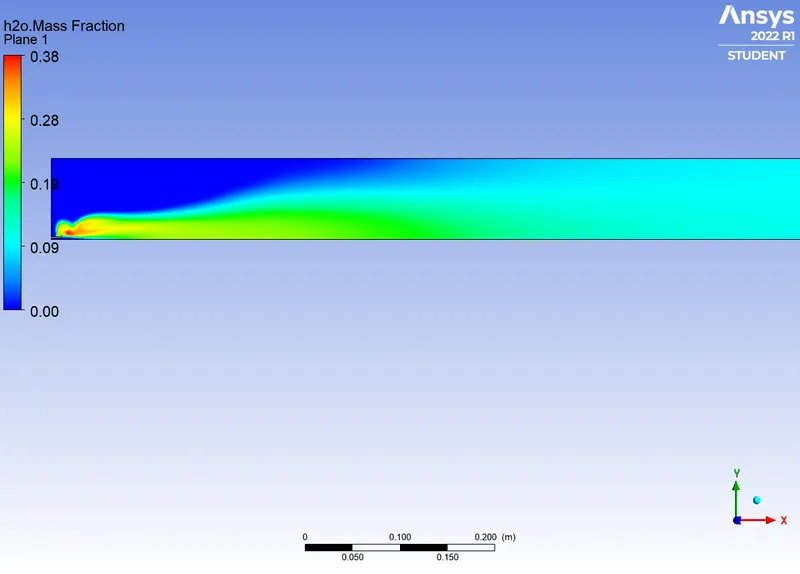
N2 -
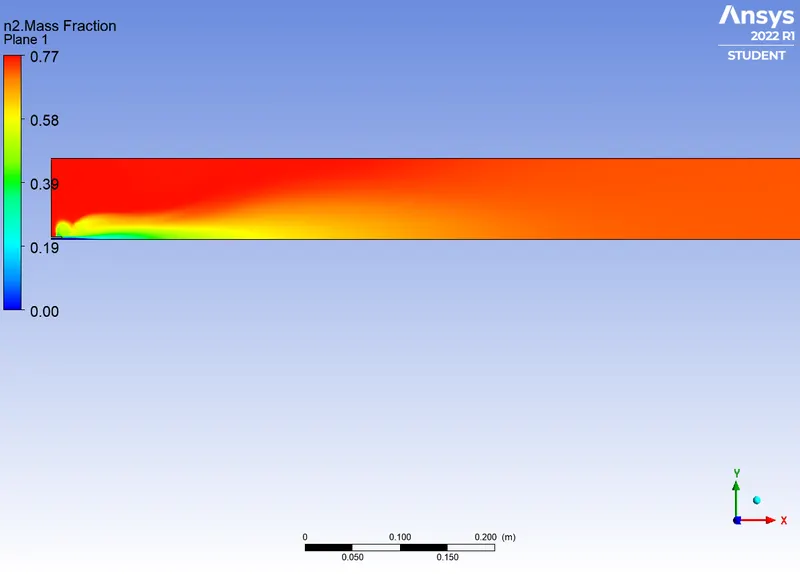
O2 -
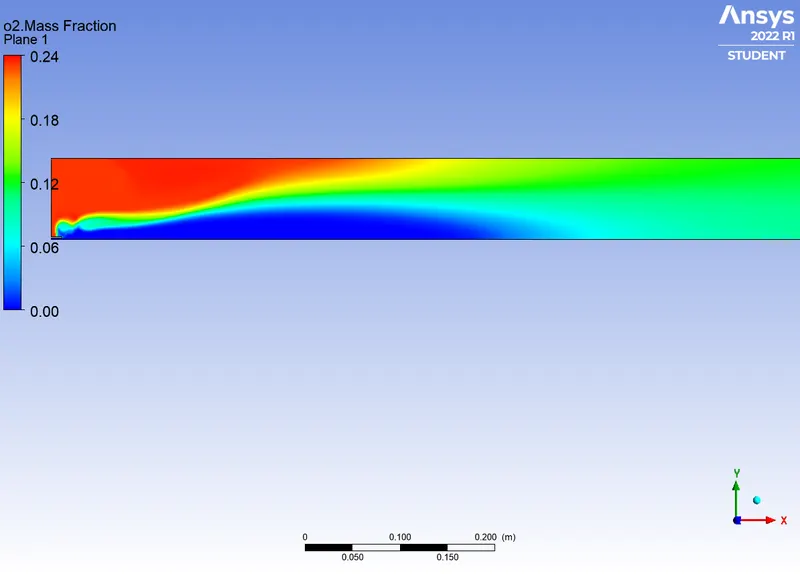
NOx -
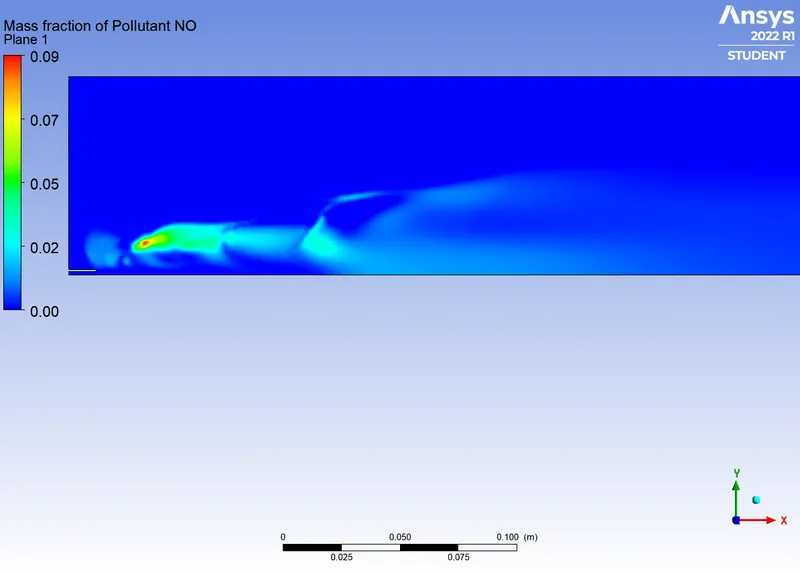
Soot -
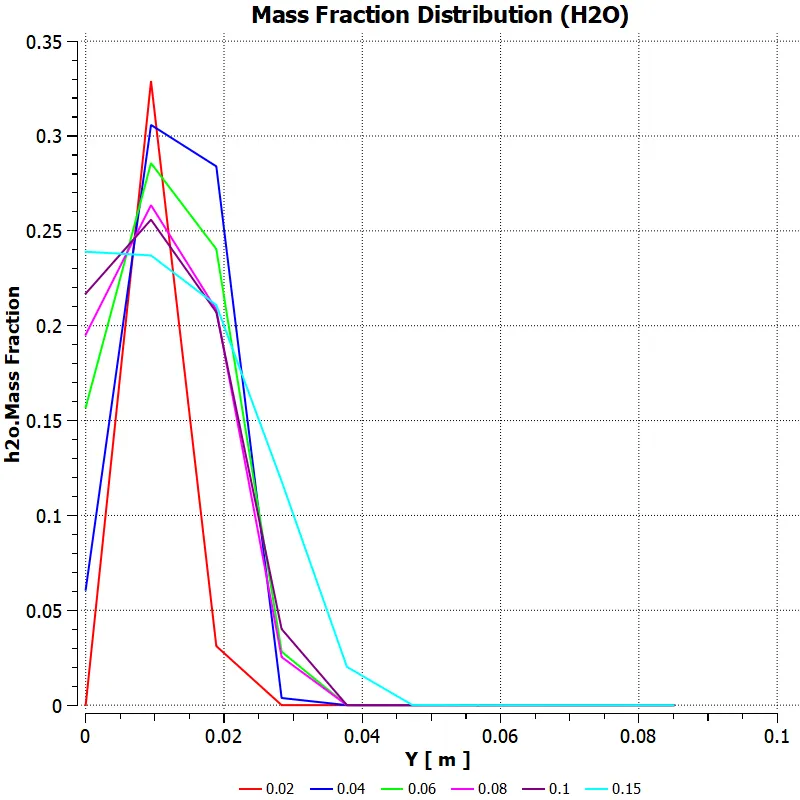
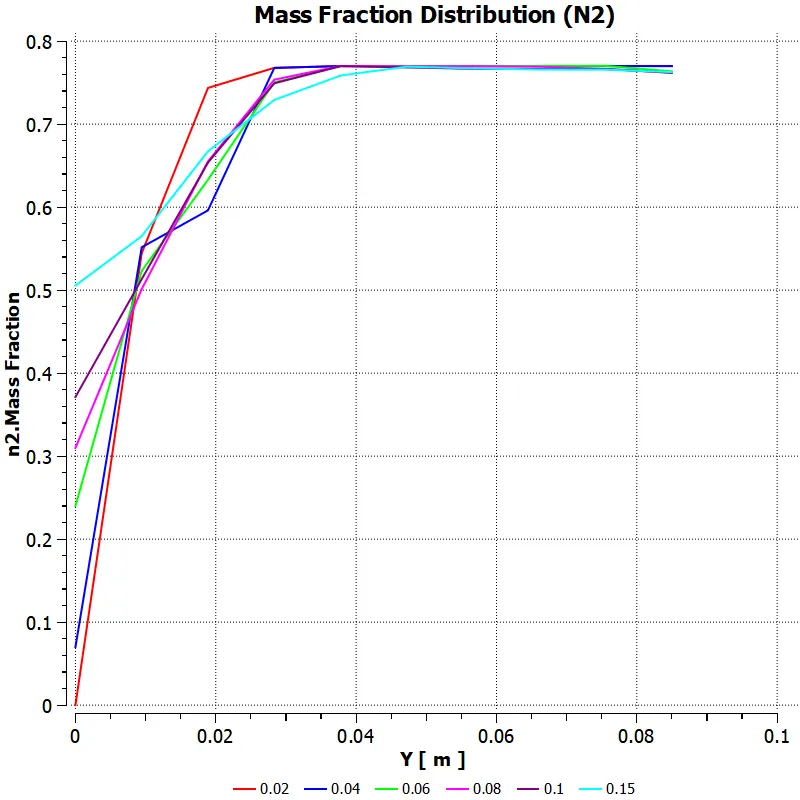
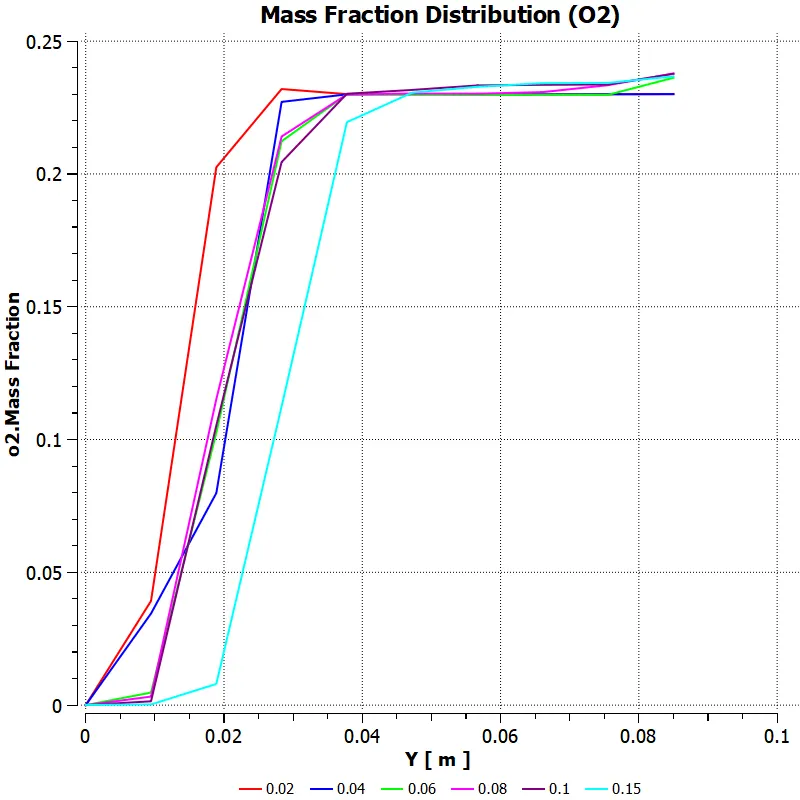
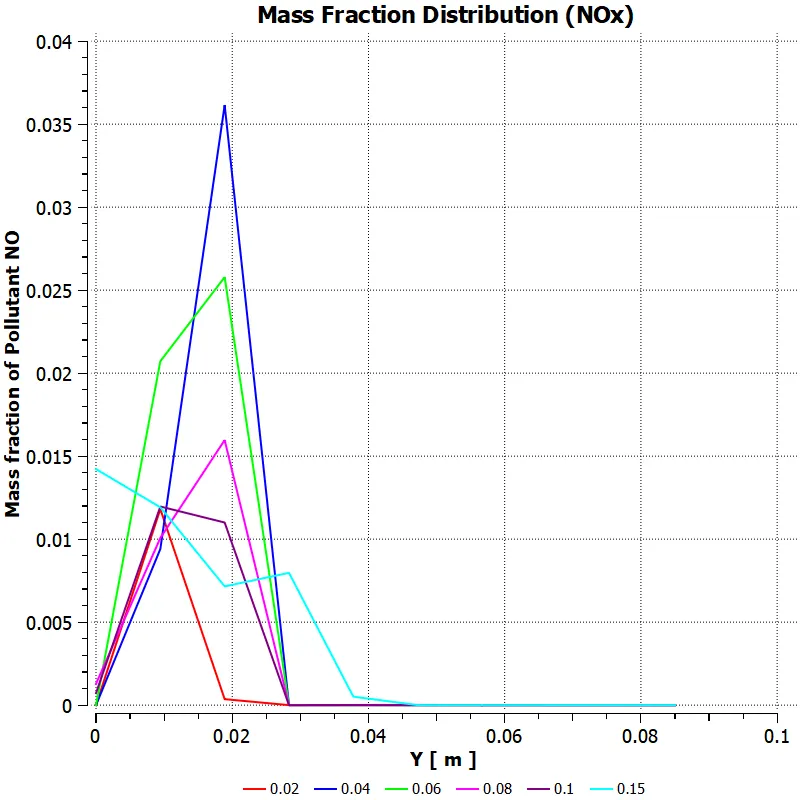
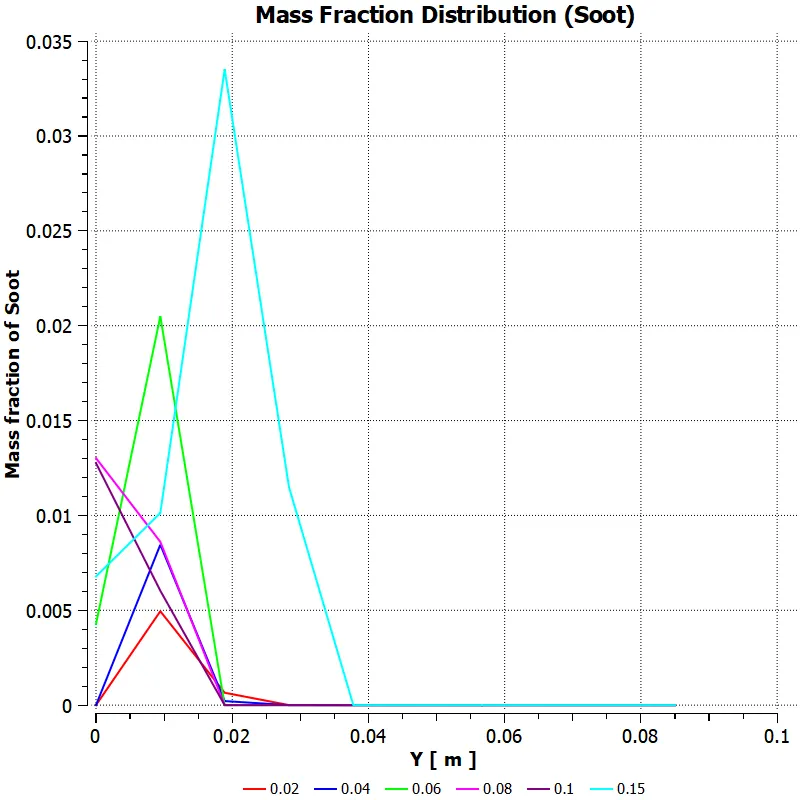
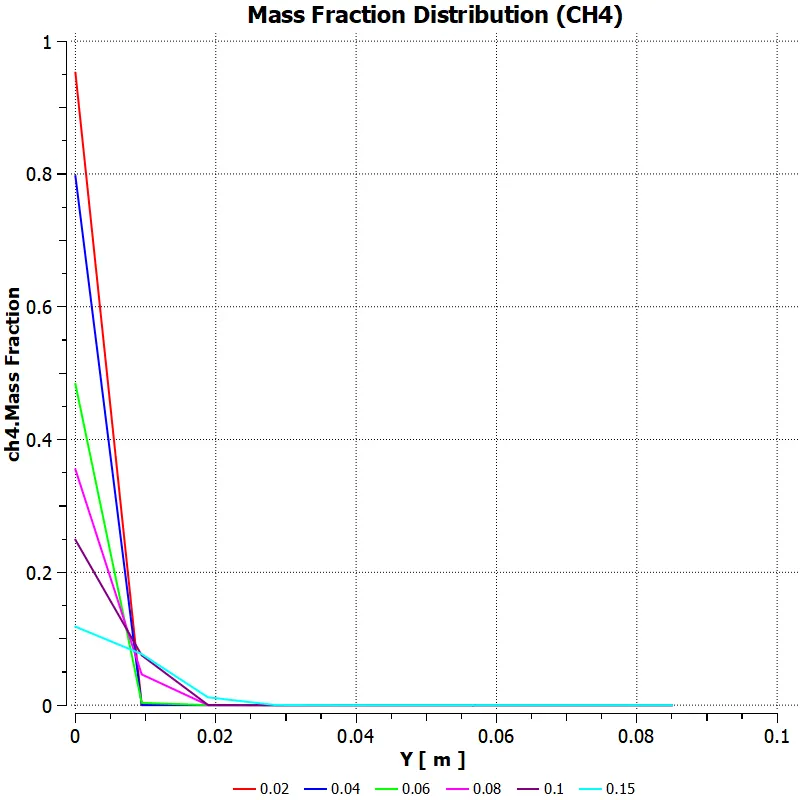
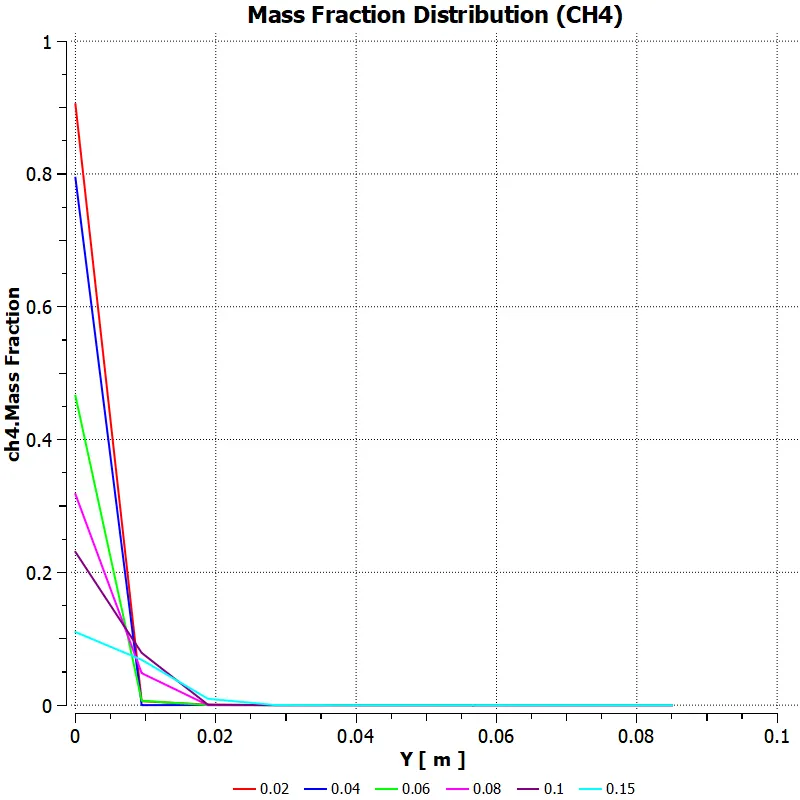
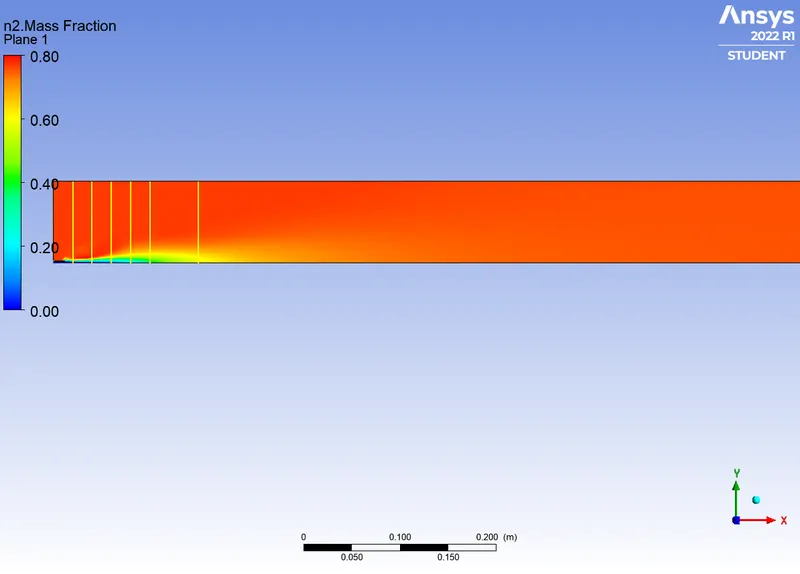
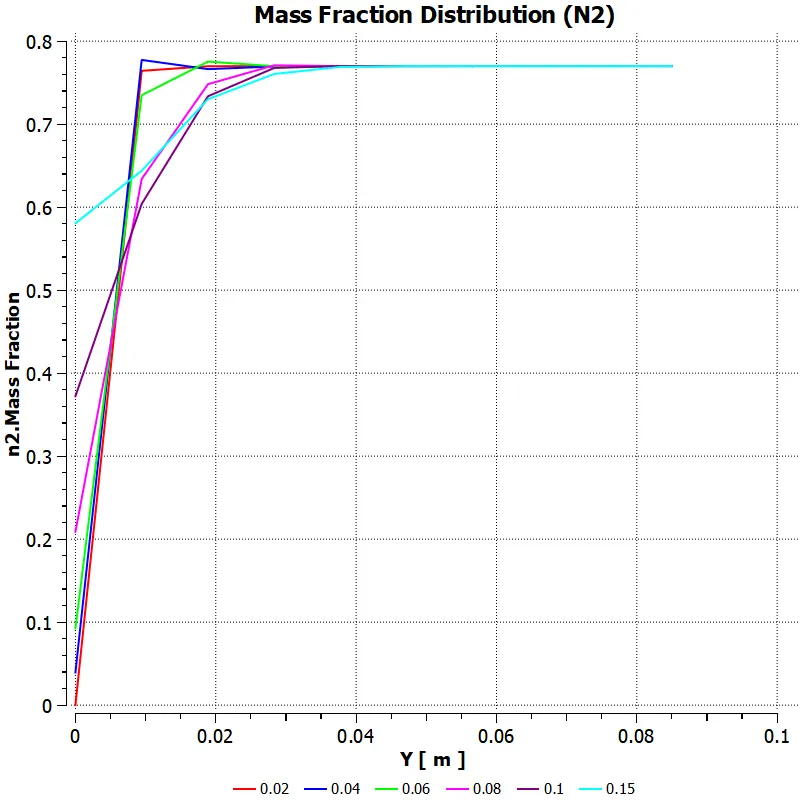
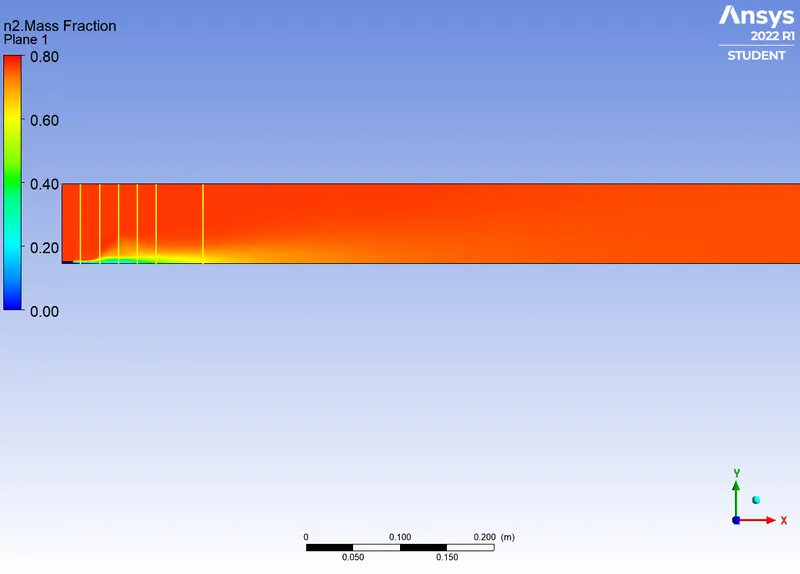
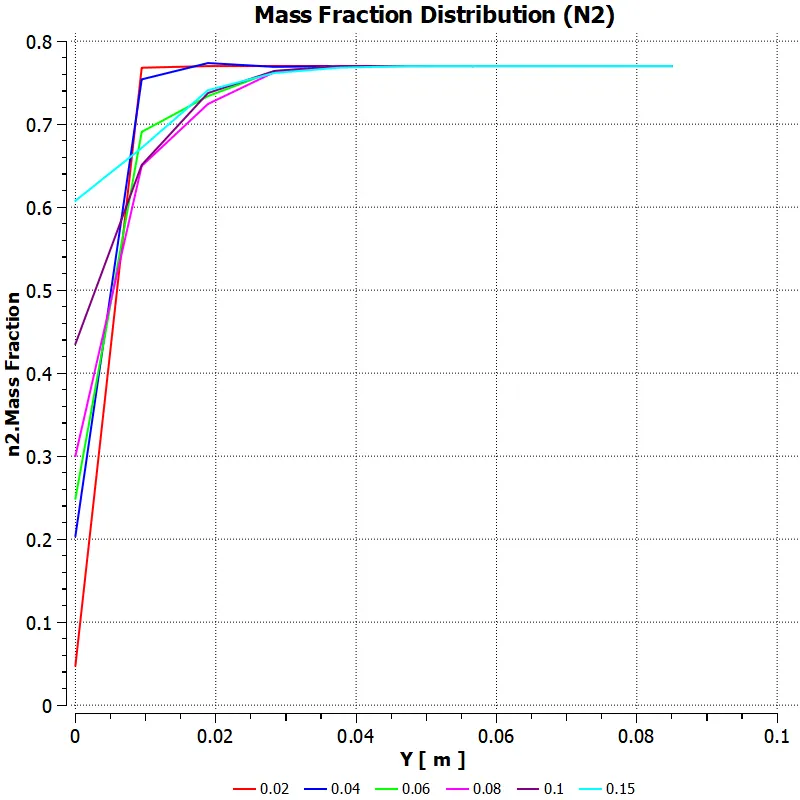
We created lines across the surface to understand the changes of species as it undergoes combustion.
Charts :
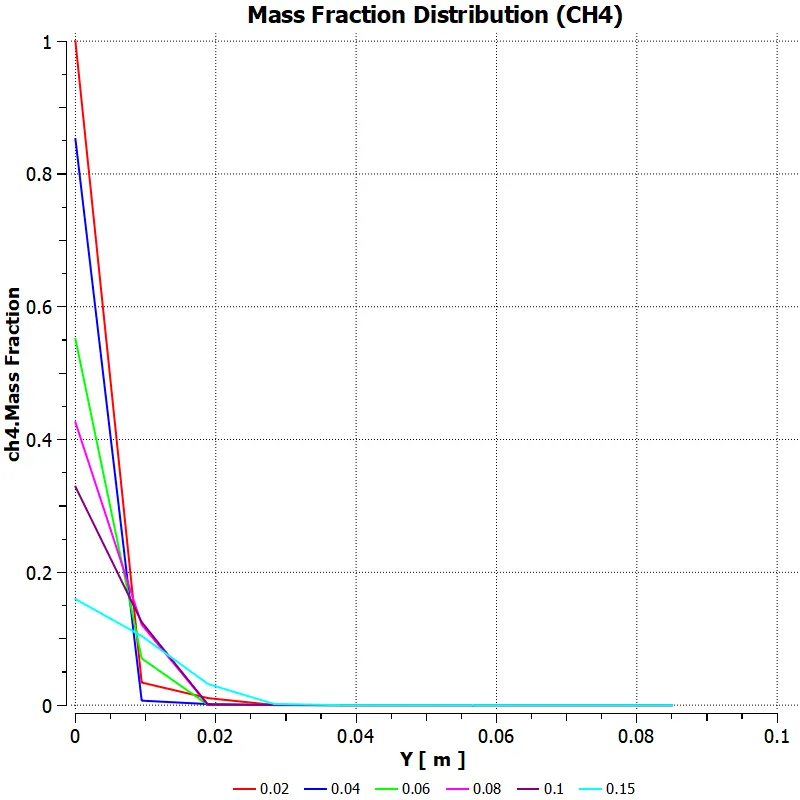
CH4 :
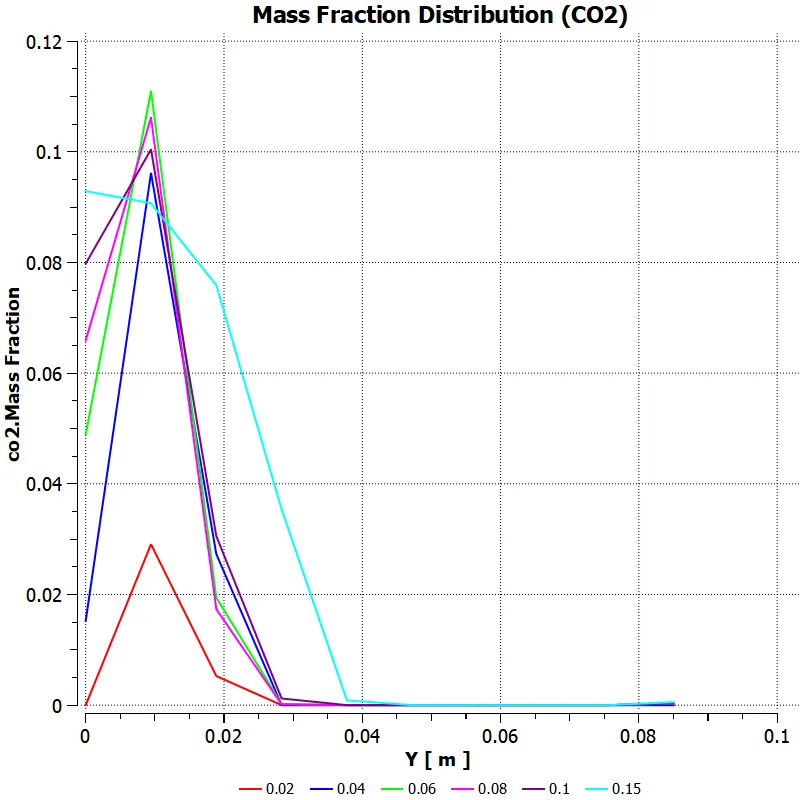
CO2 :
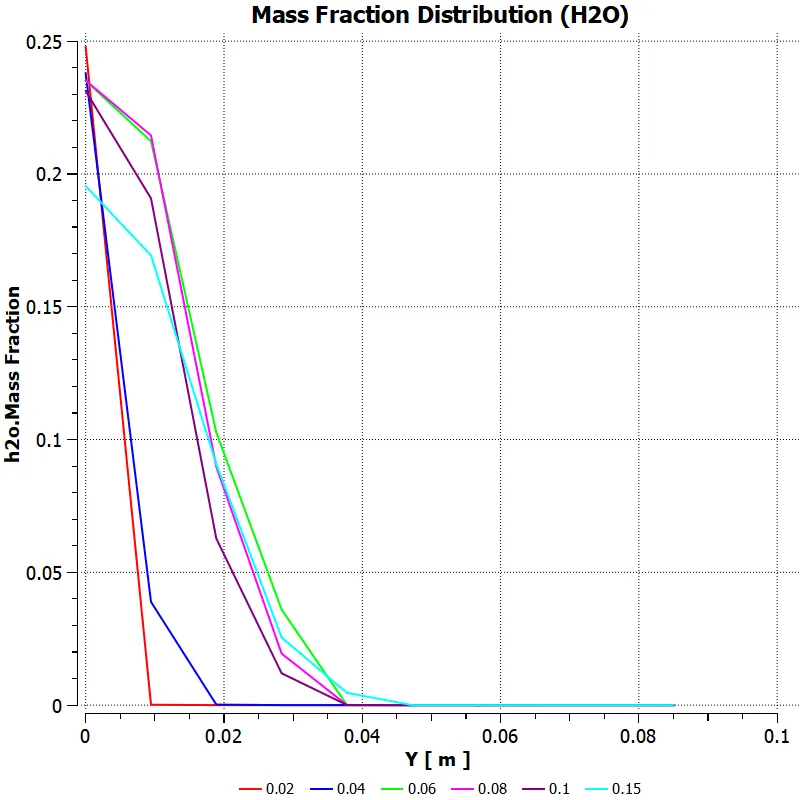
H2O :
N2 :
O2 :
NOx :
Soot :
Case 2:
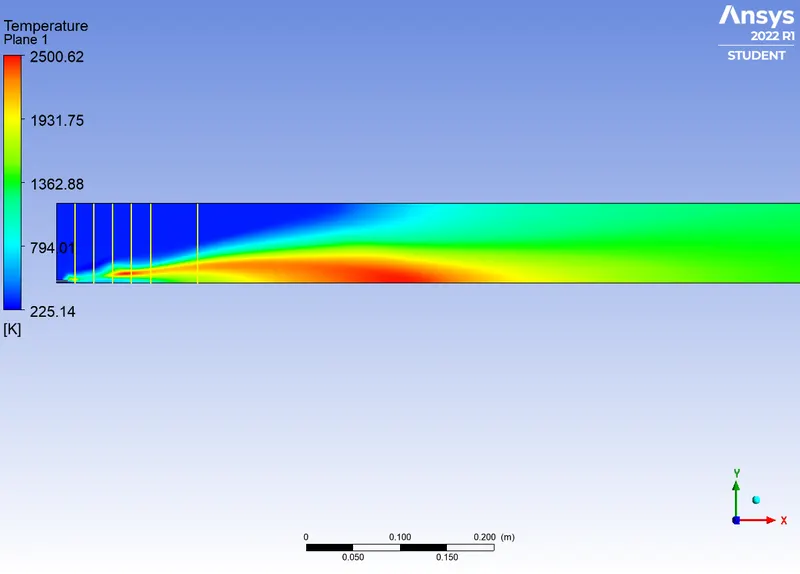
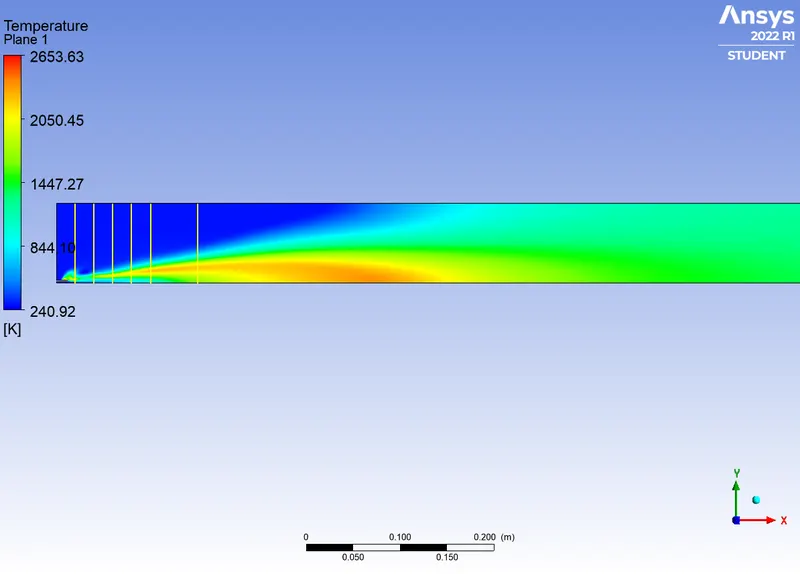
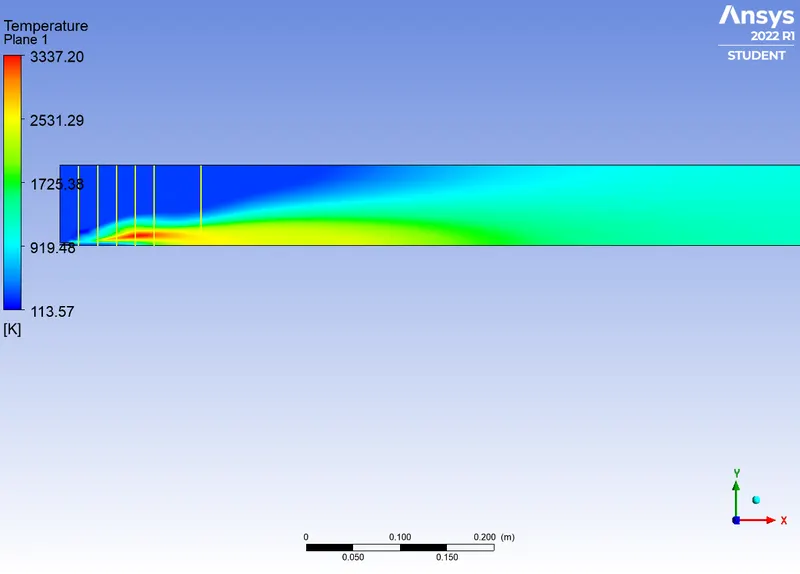
The formation of NOx is harmful for the environment so as per standarts we reduce the composition of methane(CH4) by increasing the mass fraction of water in the air inlet. To determine the optimum level of composition we simulate for water composition at 5% , 10%, 20%, 25%,and 30%.
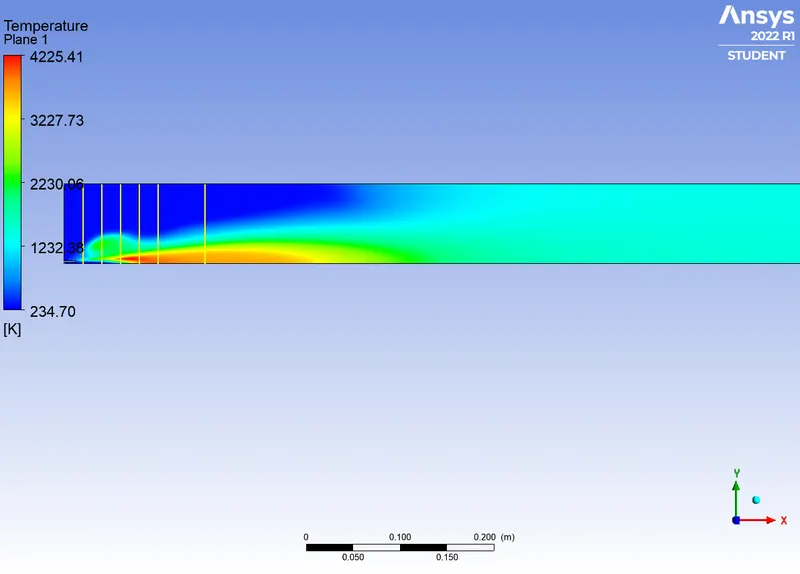
Temperature Plot :
Mass Fraction of CH4 - 0.95
Mass Fraction of H2O - 0.05
Mass Fraction of CH4 - 0.90
Mass Fraction of H2O - 0.1
Mass Fraction of CH4 - 0.80
Mass Fraction of H2O - 0.20
Mass Fraction of CH4 - 0.75
Mass Fraction of H2O - 0.25
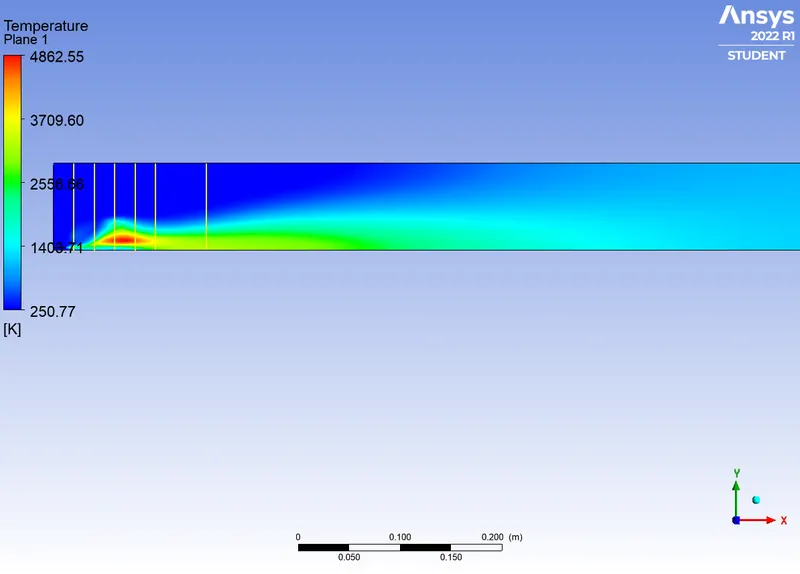
Mass Fraction of CH4 - 0.70
Mass Fraction of H2O - 0.30
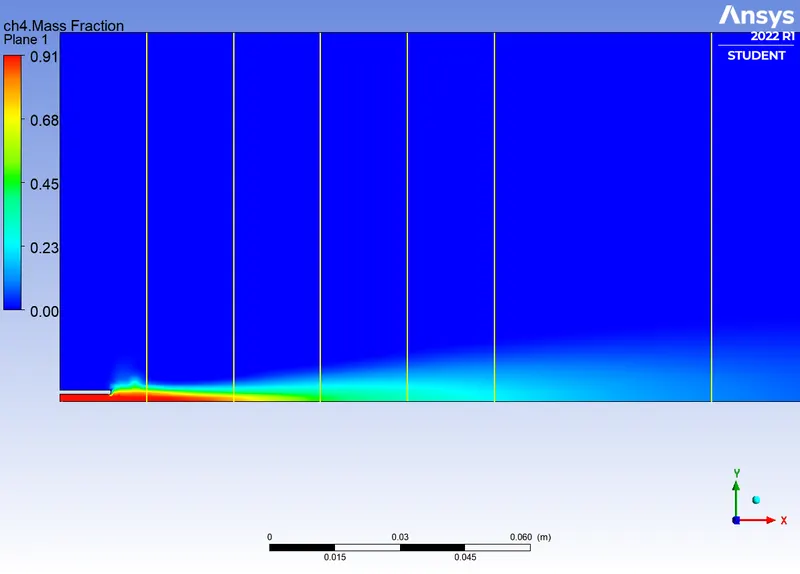
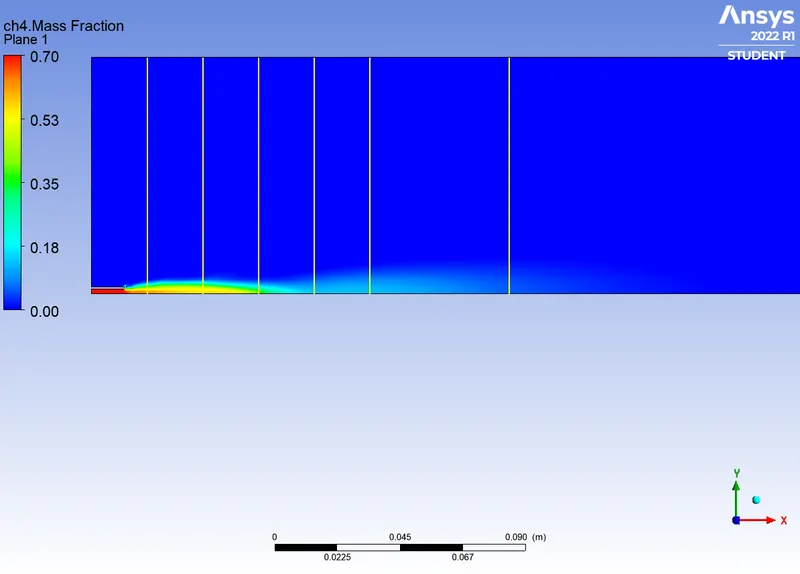
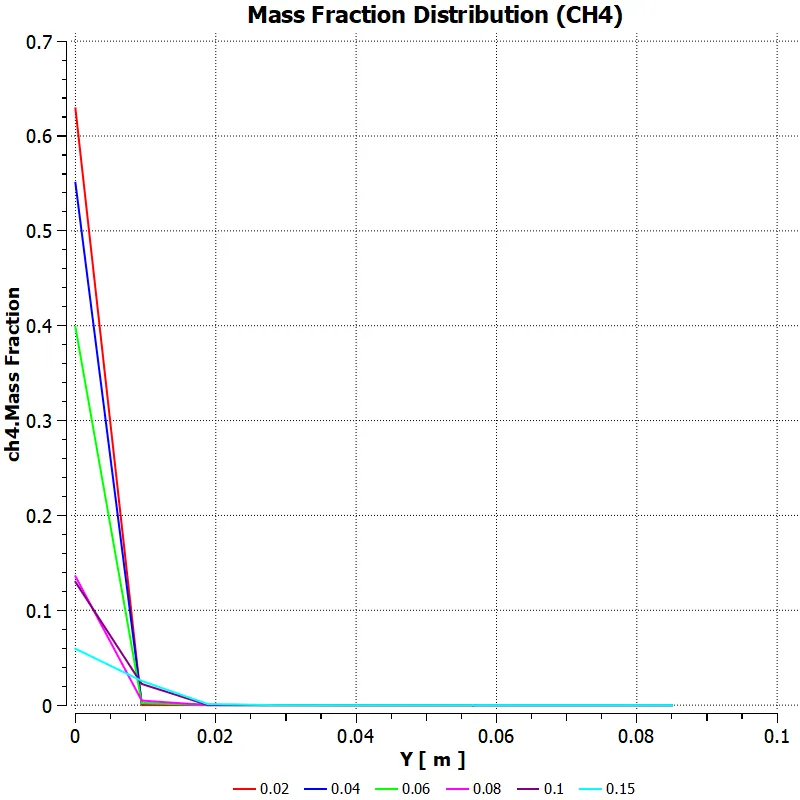
CH4 -
Mass Fraction of CH4 - 0.95
Mass Fraction of H2O - 0.05
Residual :
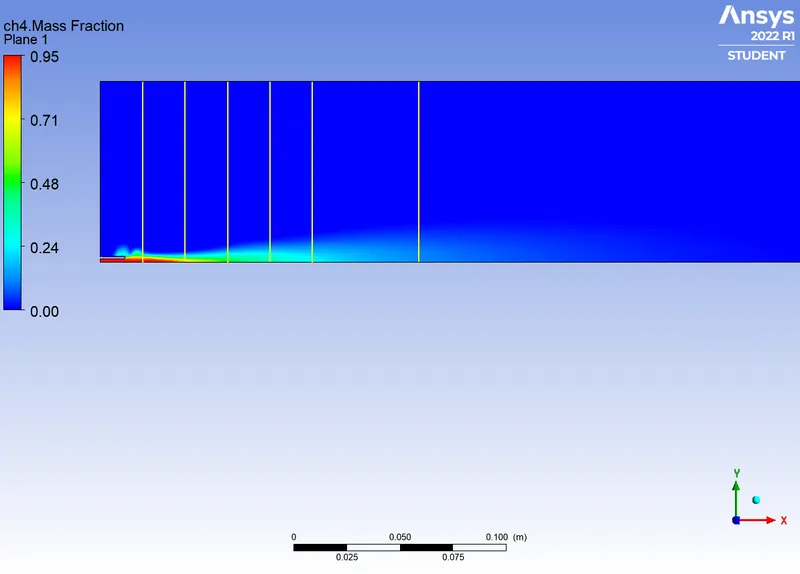
Mass Fraction of CH4 - 0.90
Mass Fraction of H2O - 0.10
Residual :
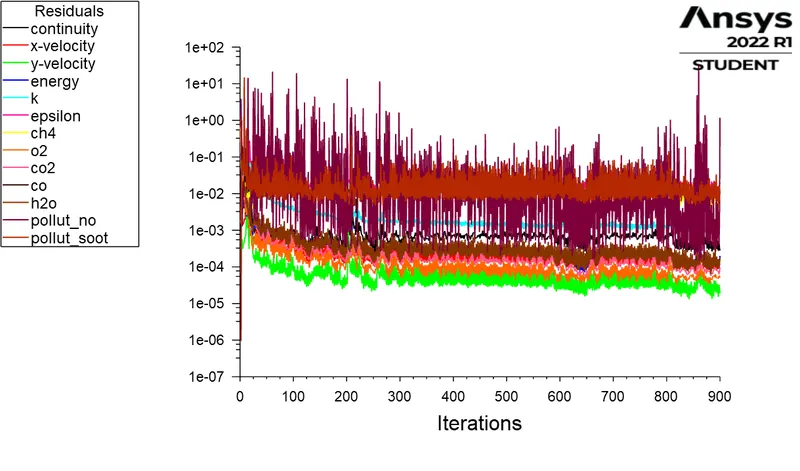
Mass Fraction of CH4 - 0.80
Mass Fraction of H2O - 0.20
Residual :
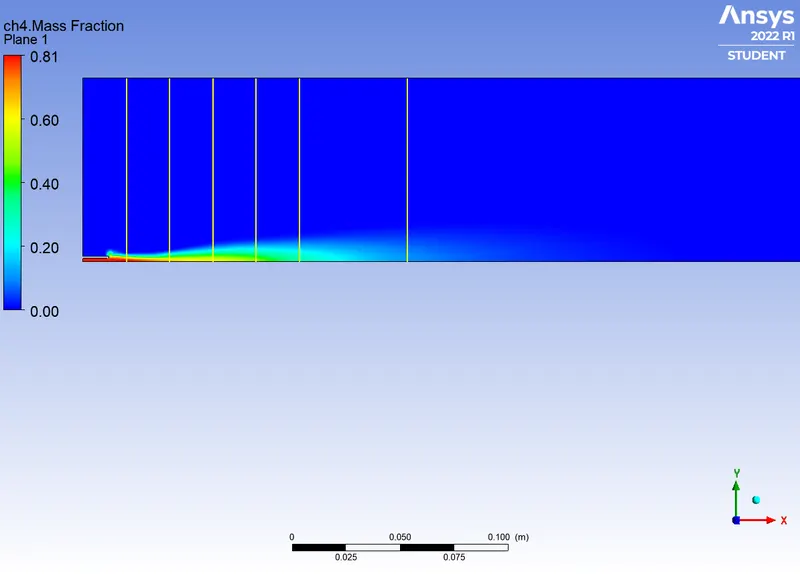
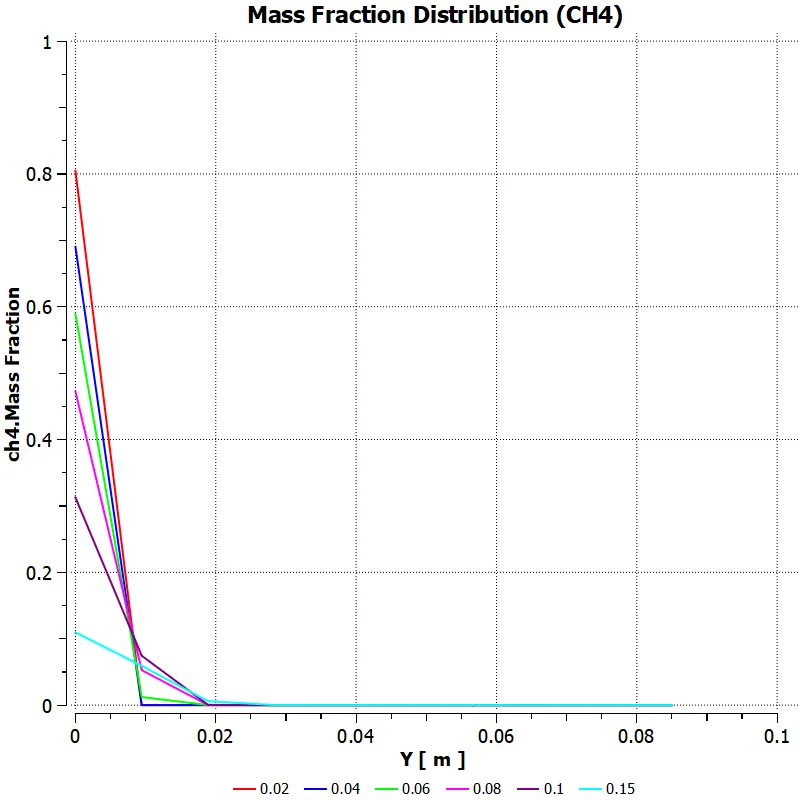
Mass Fraction of CH4 - 0.75
Mass Fraction of H2O - 0.25
Residual :
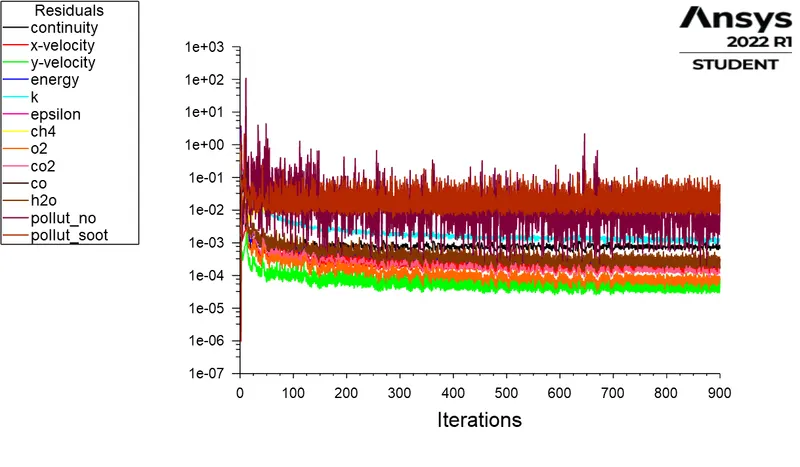
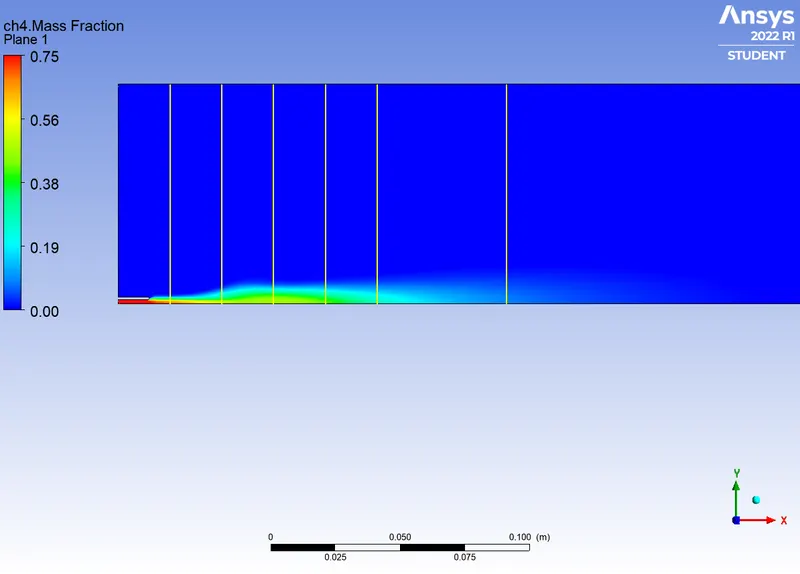
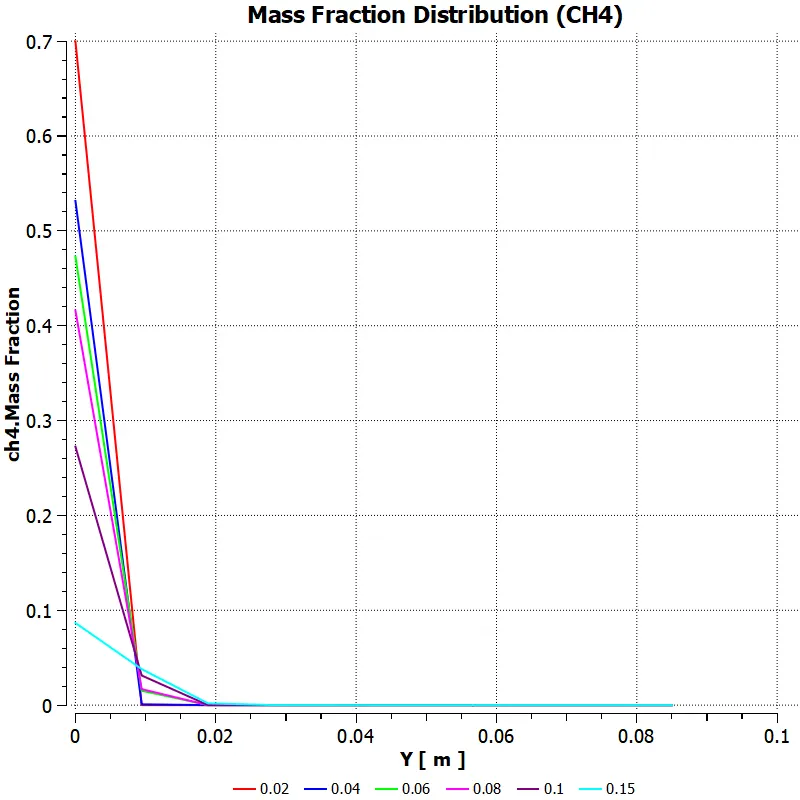
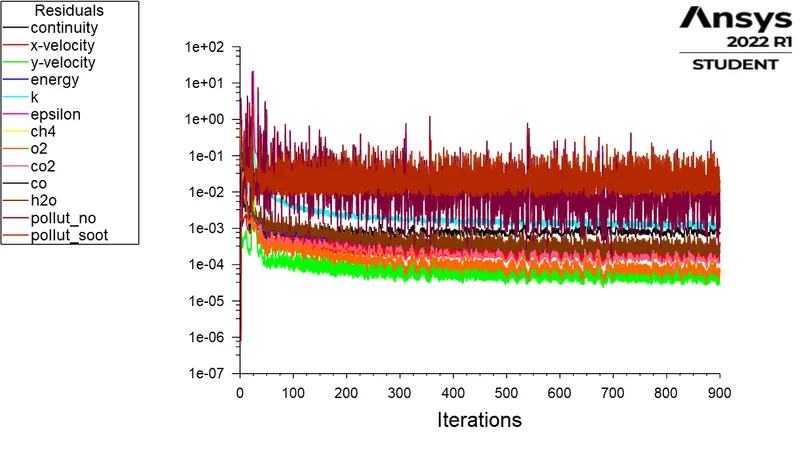
Mass Fraction of CH4 - 0.70
Mass Fraction of H2O - 0.30
Residual :
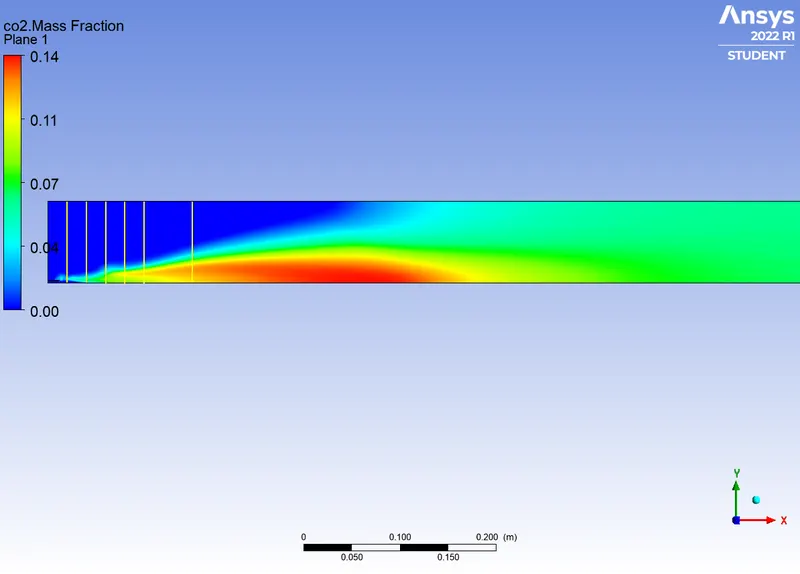
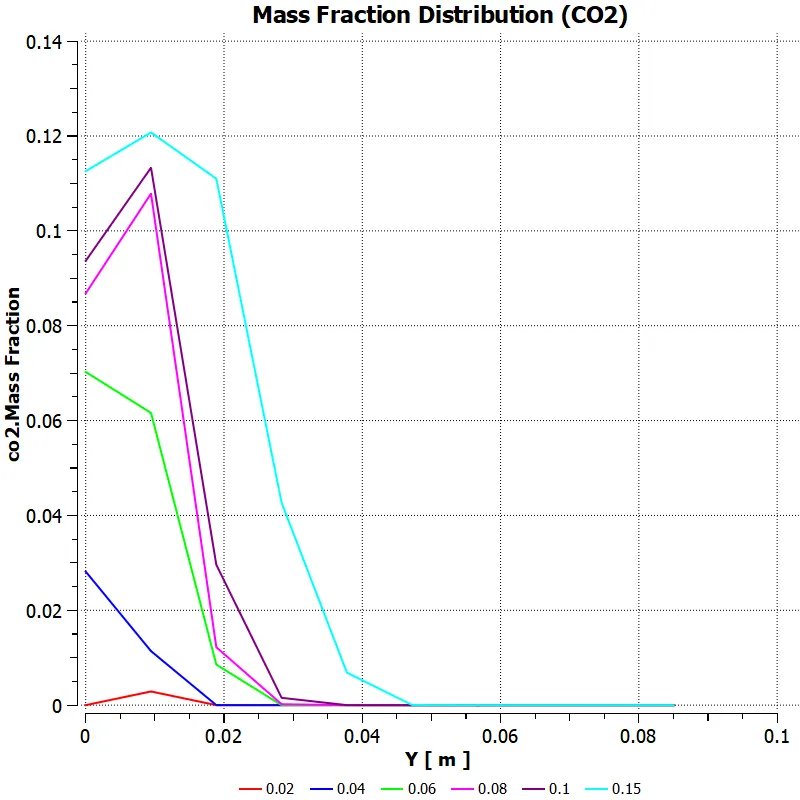
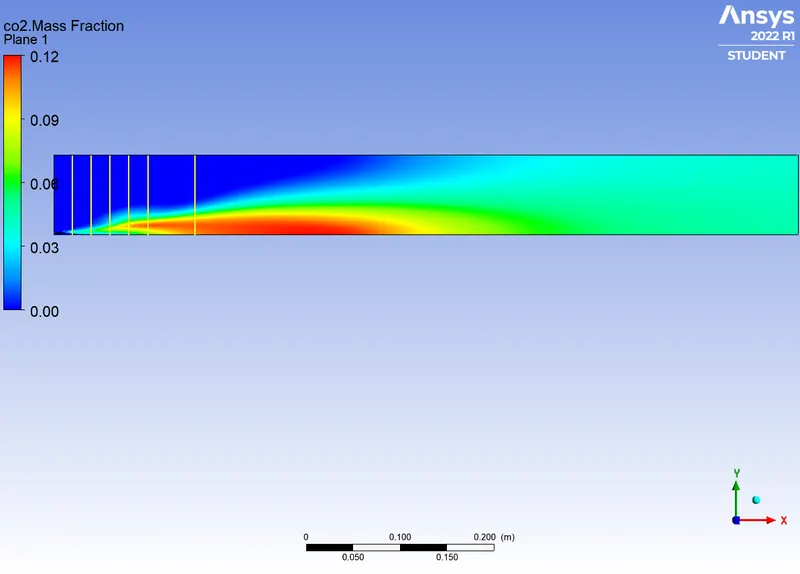
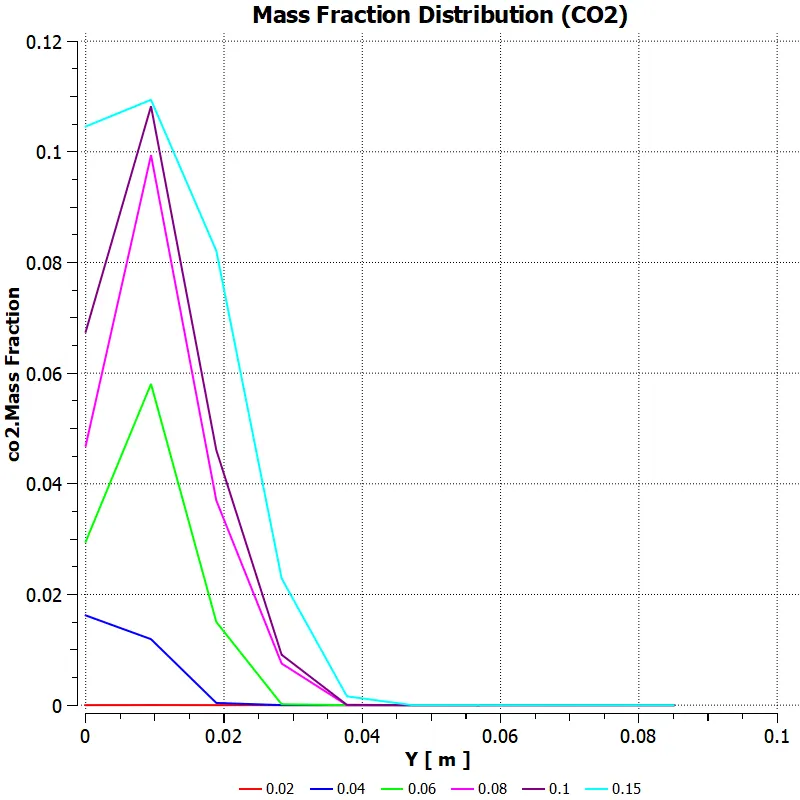
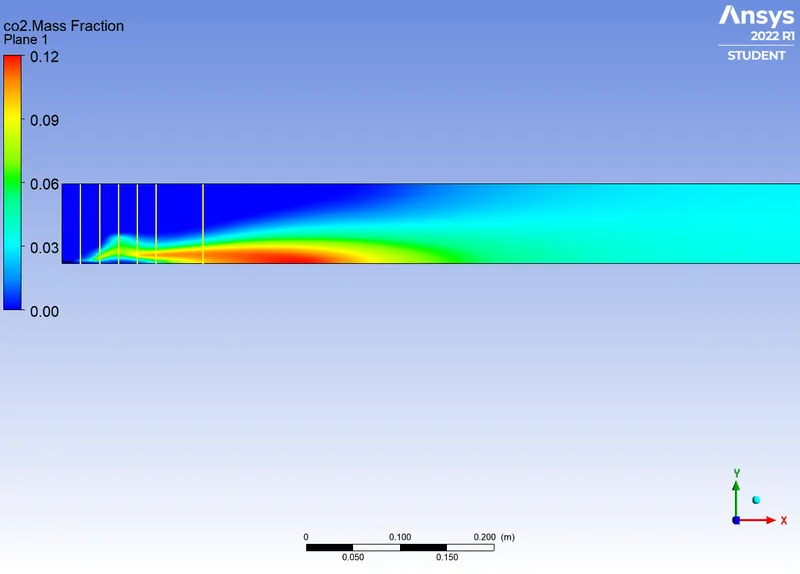
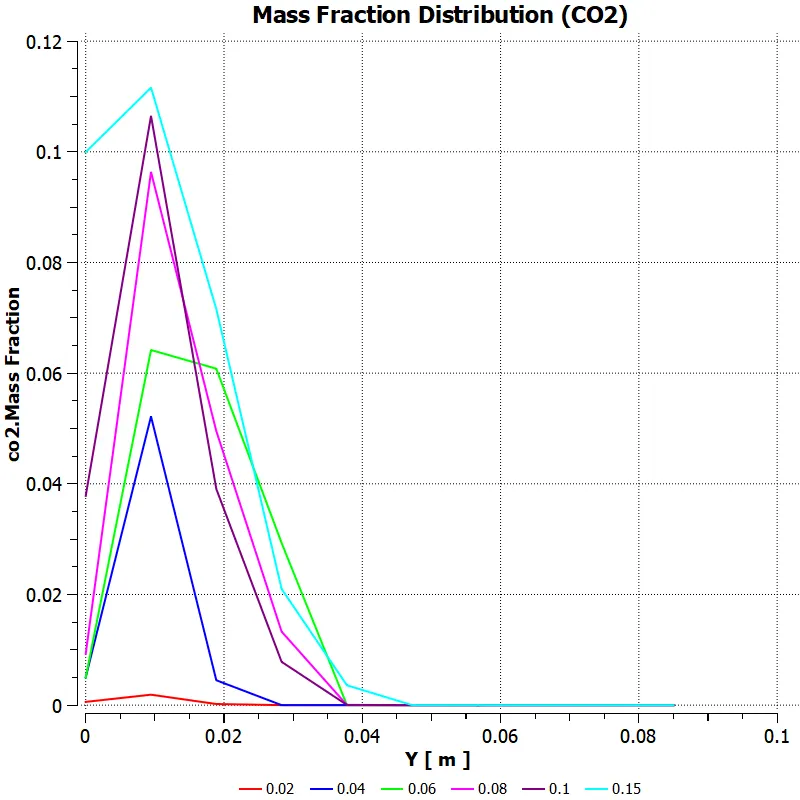
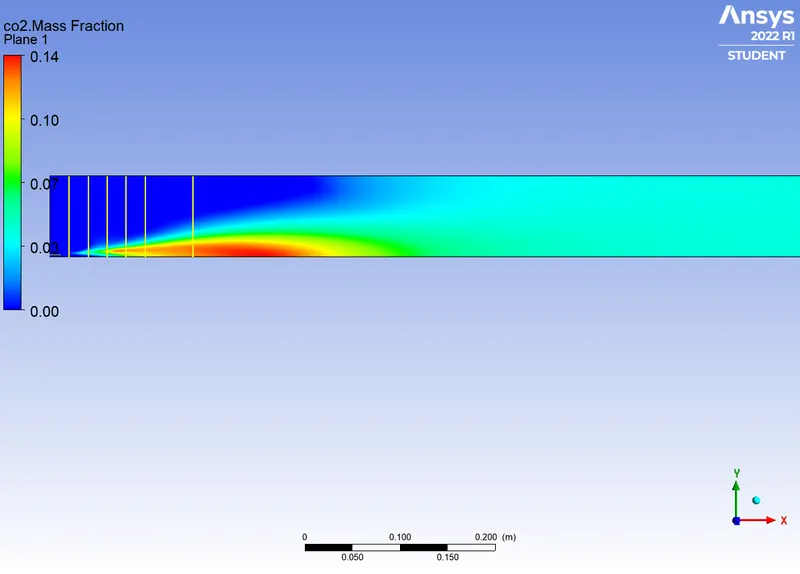
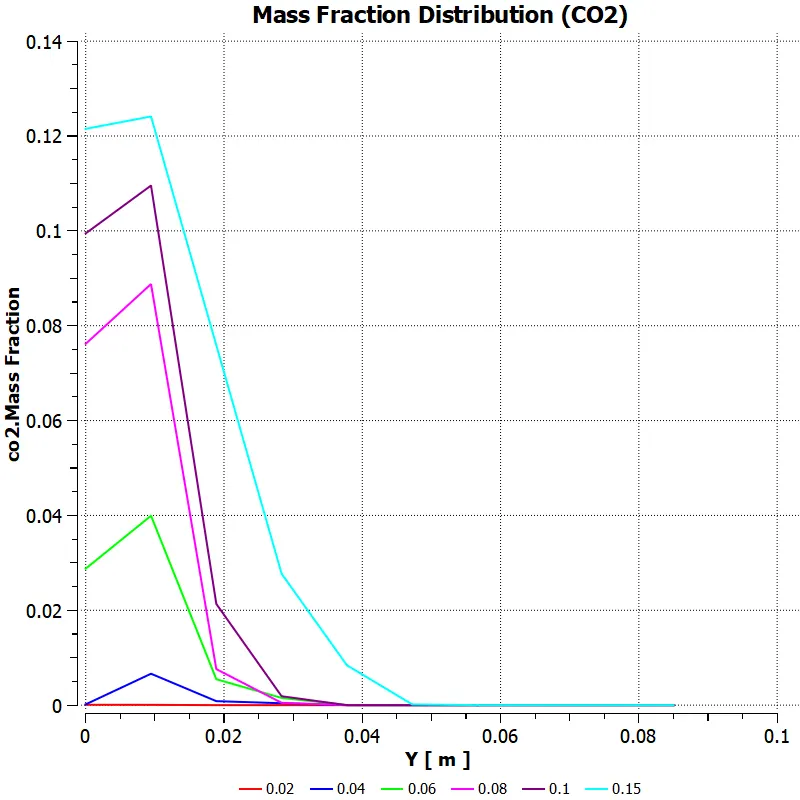
CO2 -
Mass Fraction of CH4 - 0.95
Mass Fraction of H2O - 0.05
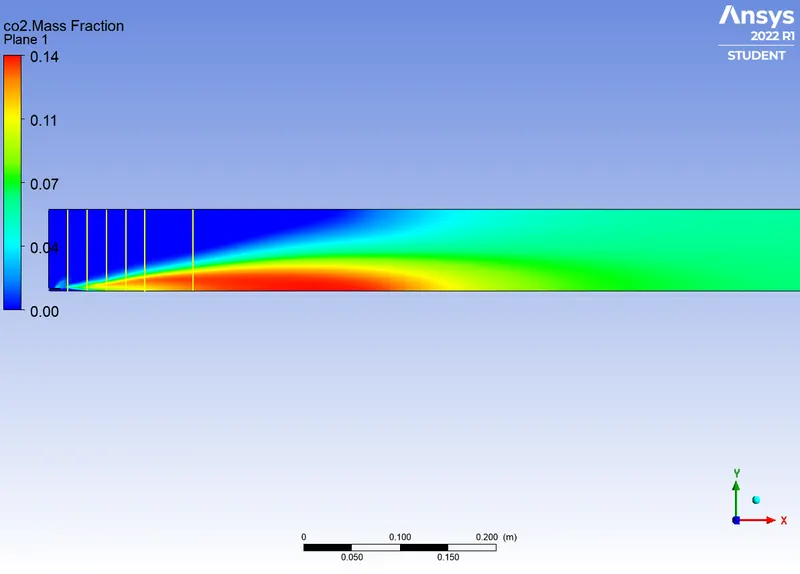
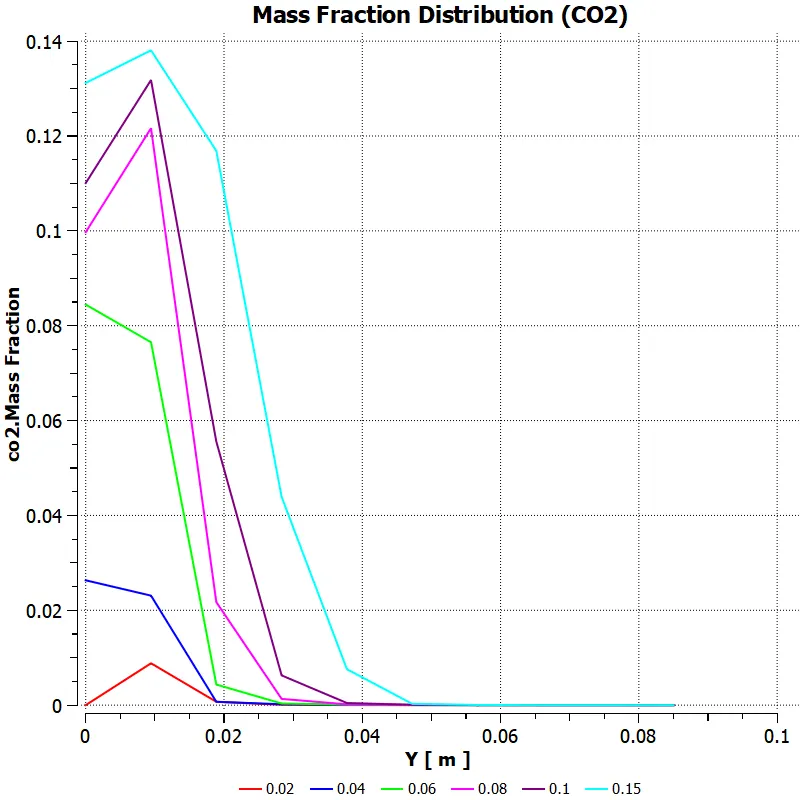
Mass Fraction of CH4 - 0.90
Mass Fraction of H2O - 0.10
Mass Fraction of CH4 - 0.80
Mass Fraction of H2O - 0.20
Mass Fraction of CH4 - 0.75
Mass Fraction of H2O - 0.25
Mass Fraction of CH4 - 0.70
Mass Fraction of H2O - 0.30
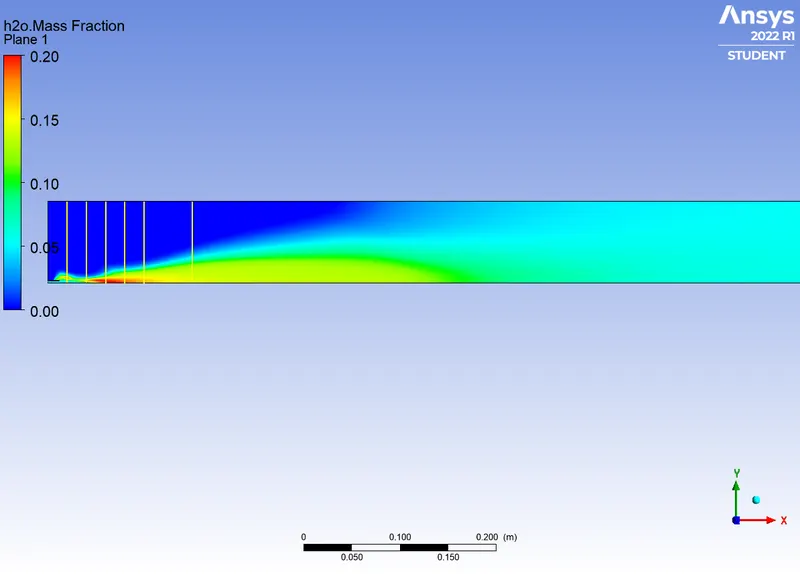
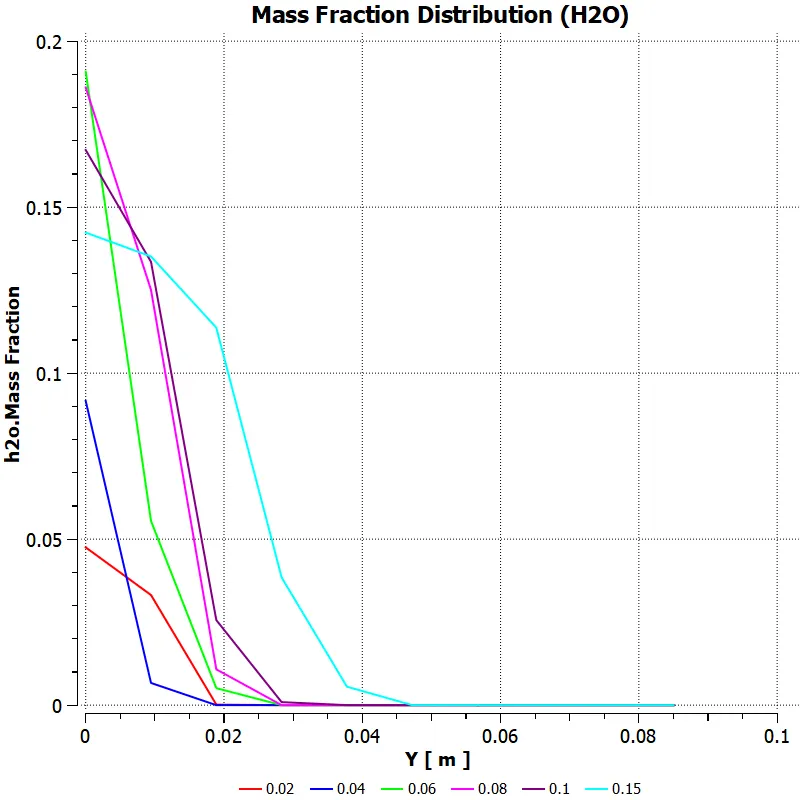
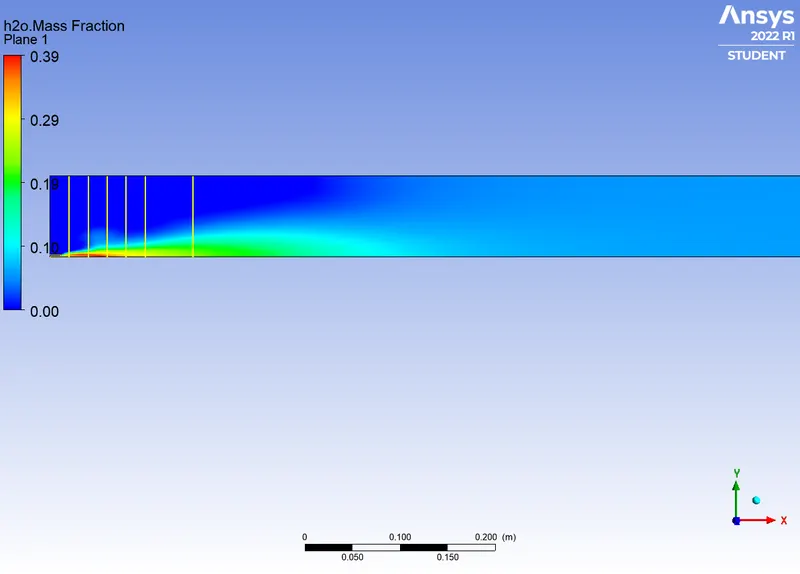
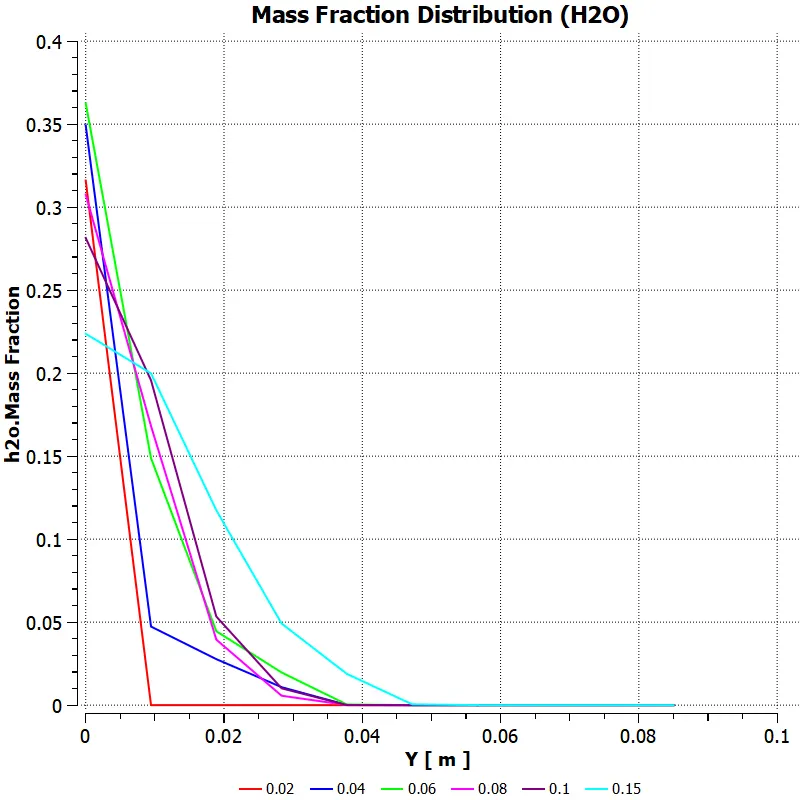
H2O -
Mass Fraction of CH4 - 0.95
Mass Fraction of H2O - 0.05
Mass Fraction of CH4 - 0.90
Mass Fraction of H2O - 0.10
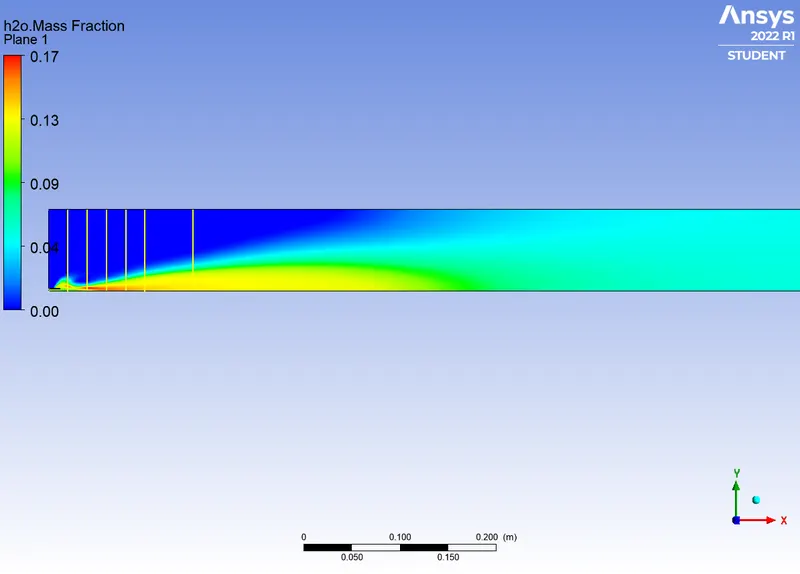
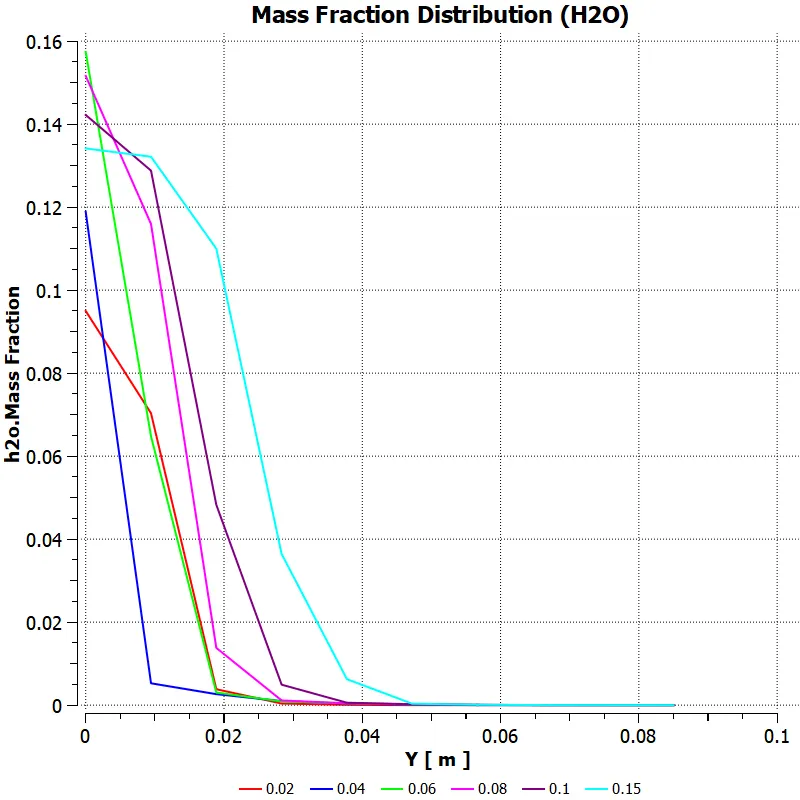
Mass Fraction of CH4 - 0.80
Mass Fraction of H2O - 0.20
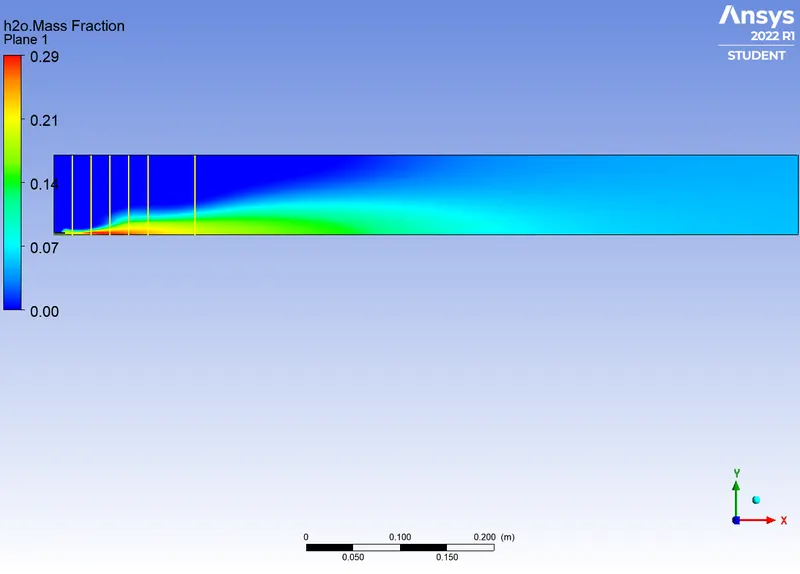
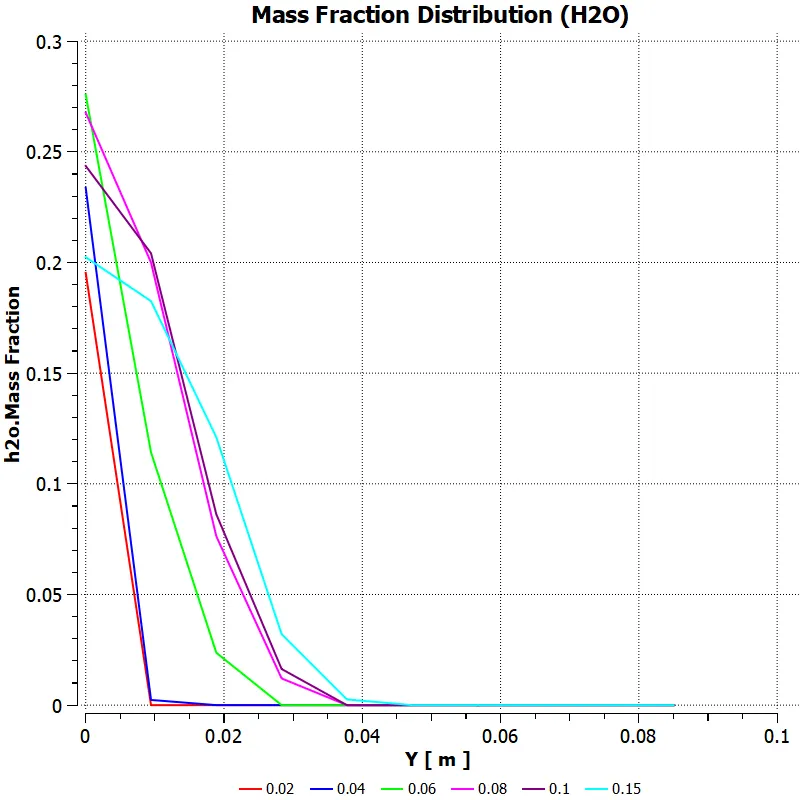
Mass Fraction of CH4 - 0.75
Mass Fraction of H2O - 0.25
Mass Fraction of CH4 - 0.70
Mass Fraction of H2O - 0.30
N2 -
Mass Fraction of CH4 - 0.95
Mass Fraction of H2O - 0.05
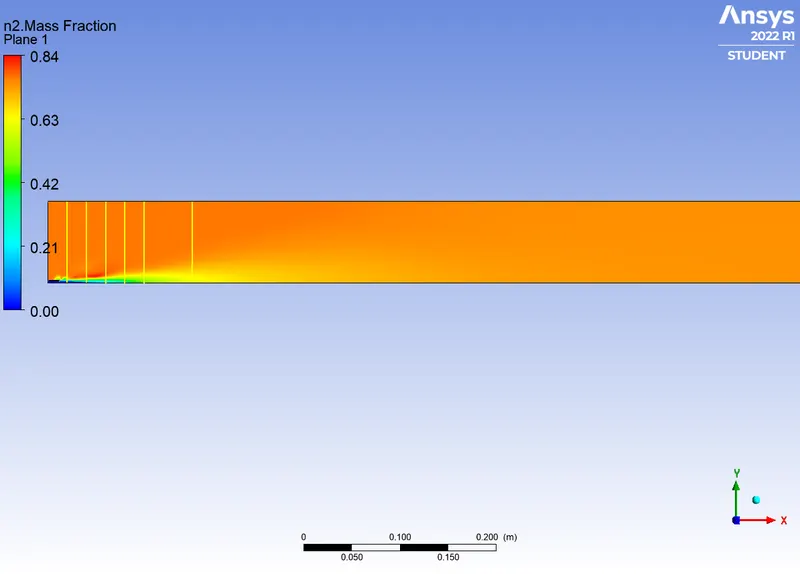
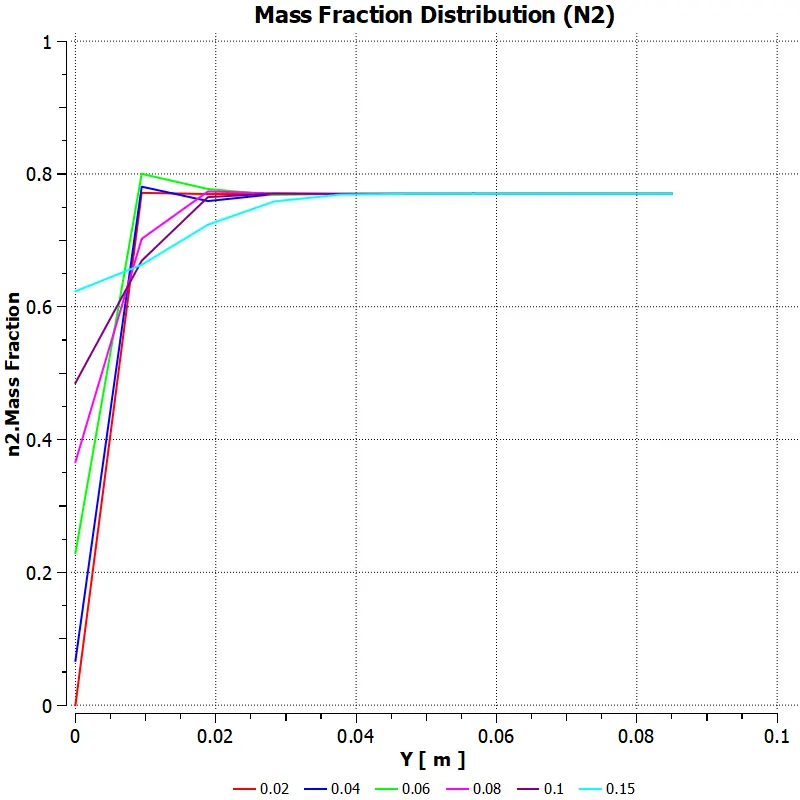
Mass Fraction of CH4 - 0.90
Mass Fraction of H2O - 0.10
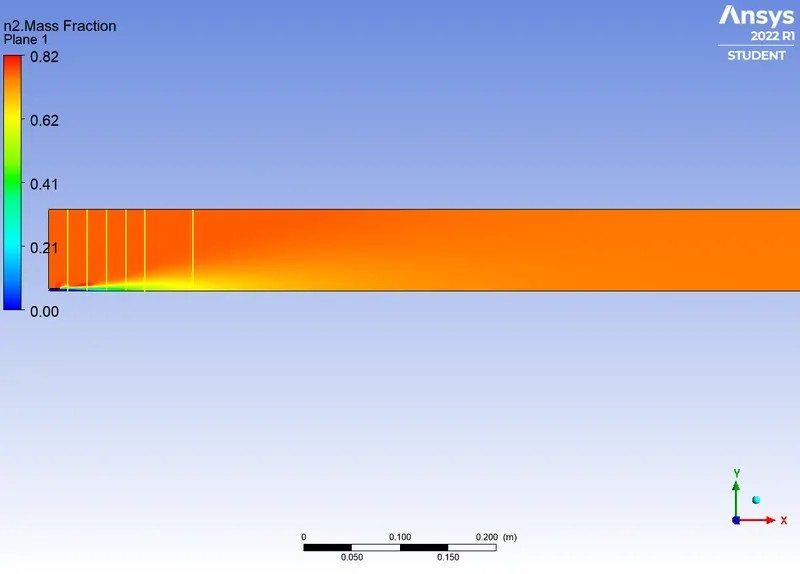
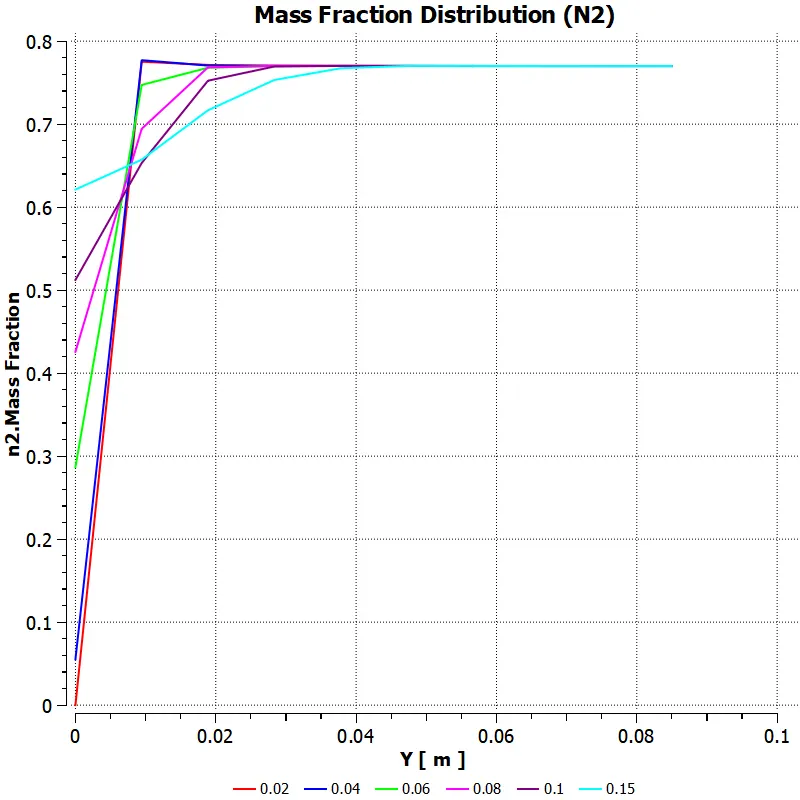
Mass Fraction of CH4 - 0.80
Mass Fraction of H2O - 0.20
Mass Fraction of CH4 - 0.75
Mass Fraction of H2O - 0.25
Mass Fraction of CH4 - 0.70
Mass Fraction of H2O - 0.30
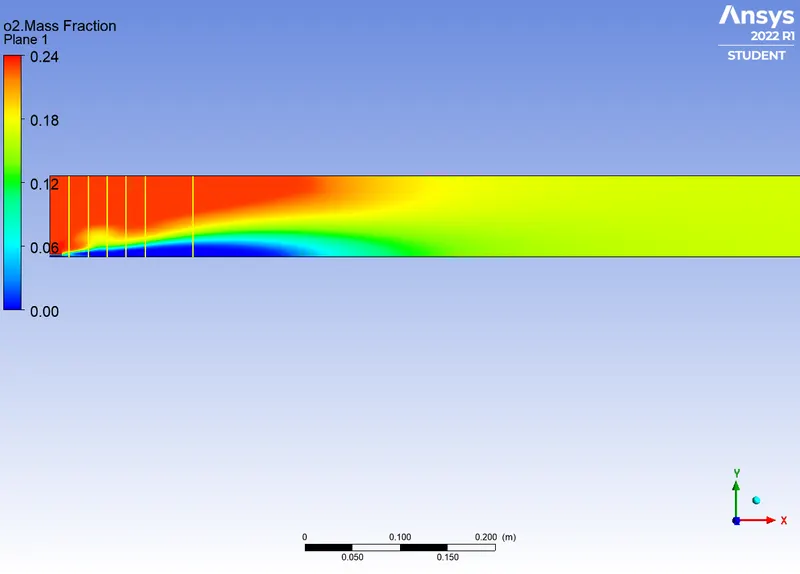
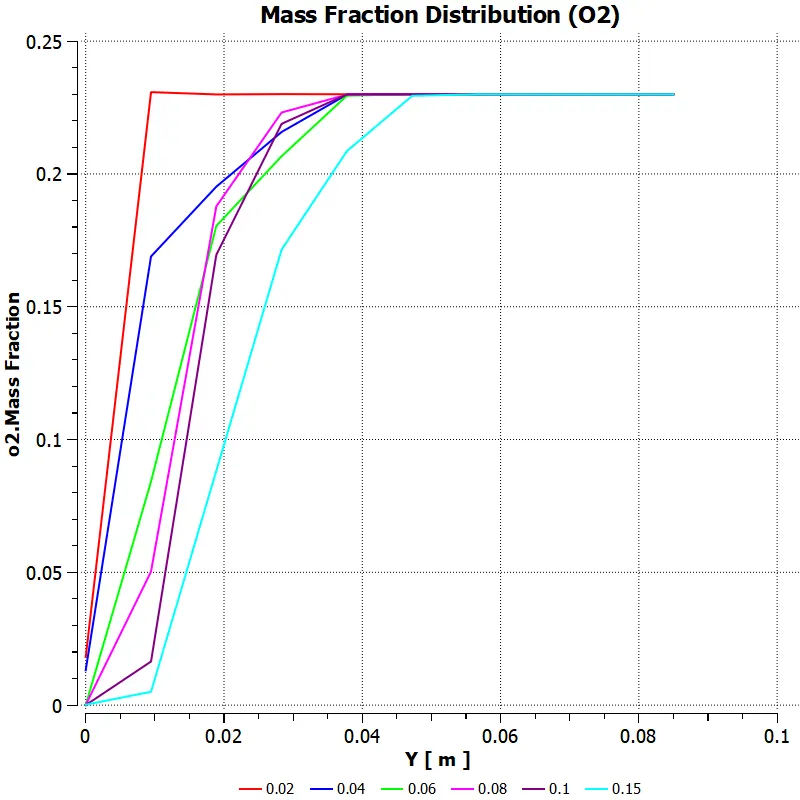
O2 -
Mass Fraction of CH4 - 0.95
Mass Fraction of H2O - 0.05
Mass Fraction of CH4 - 0.90
Mass Fraction of H2O - 0.10
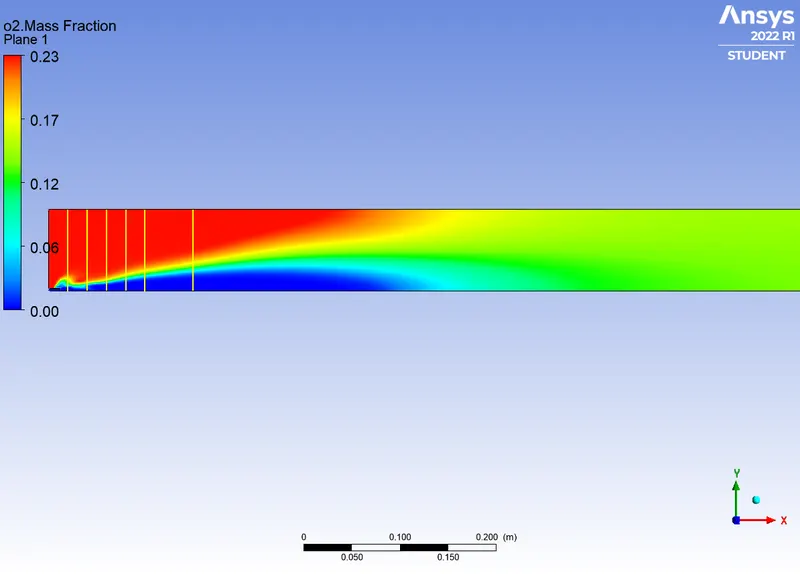
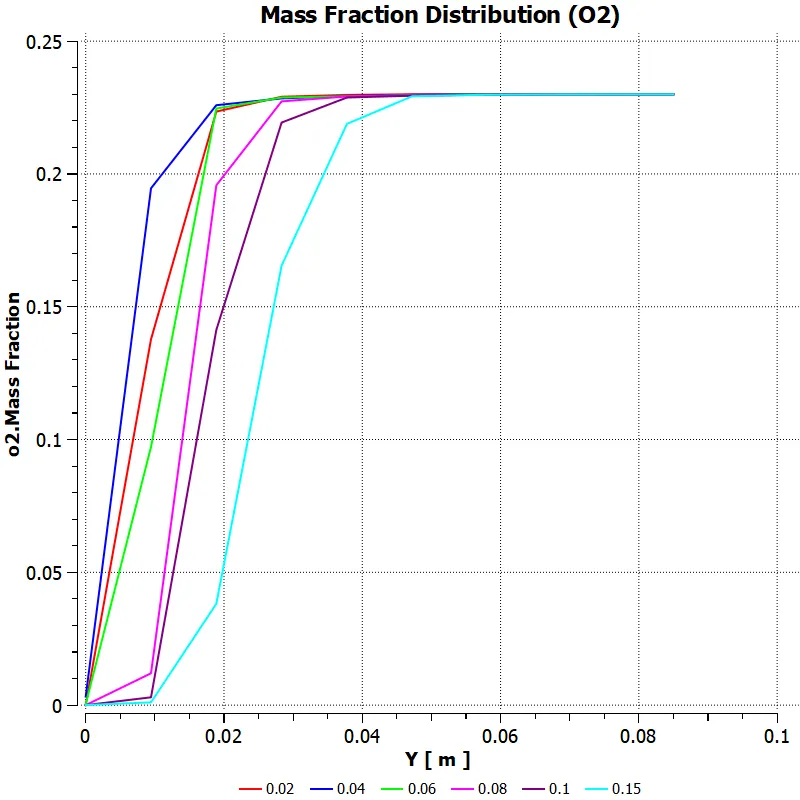
Mass Fraction of CH4 - 0.80
Mass Fraction of H2O - 0.20
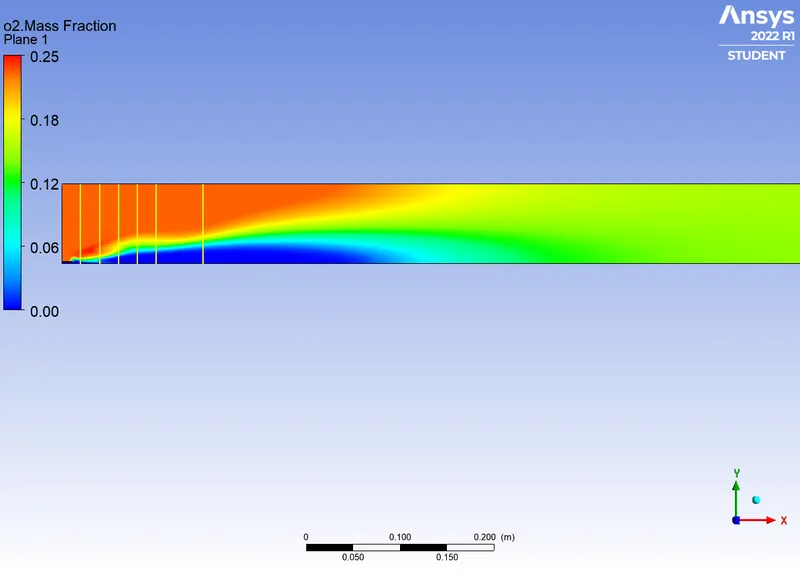
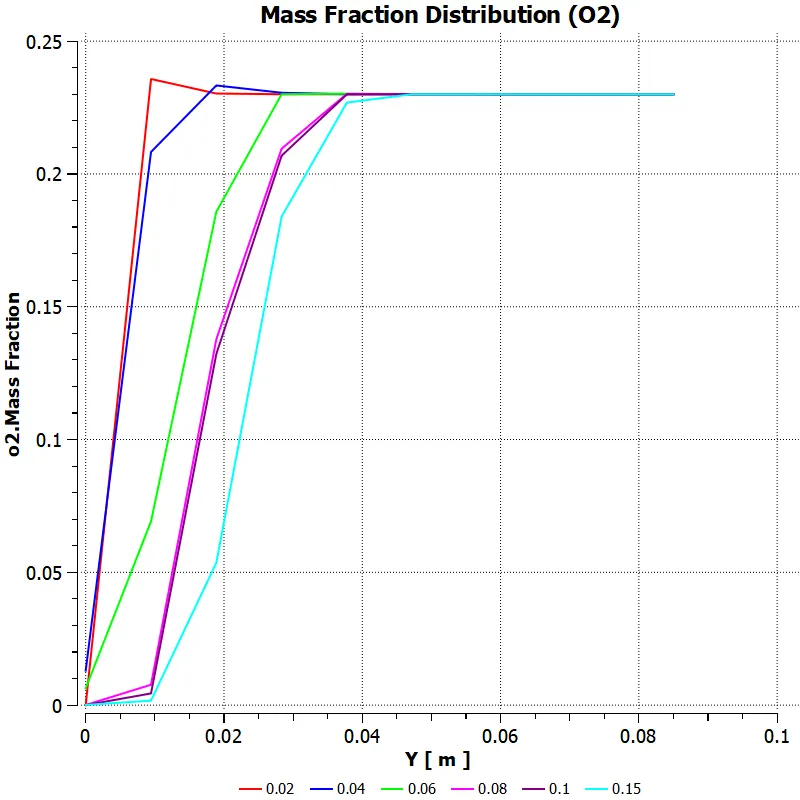
Mass Fraction of CH4 - 0.75
Mass Fraction of H2O - 0.25
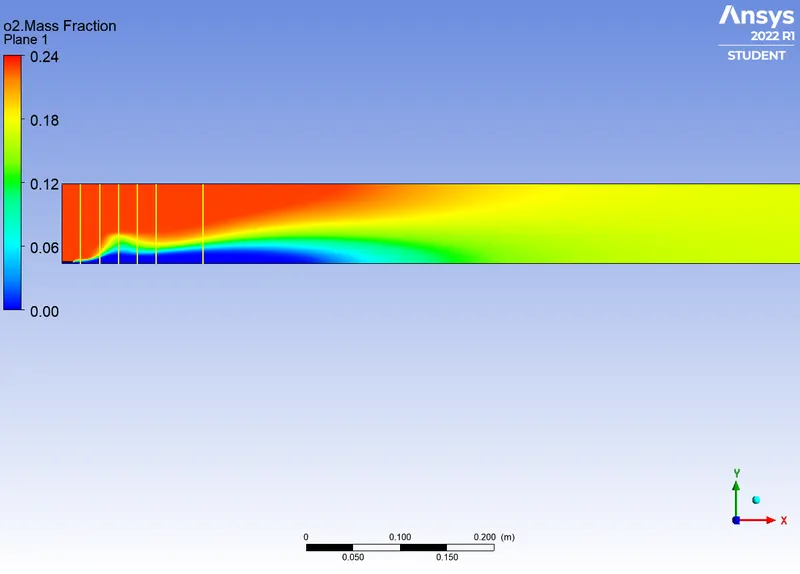
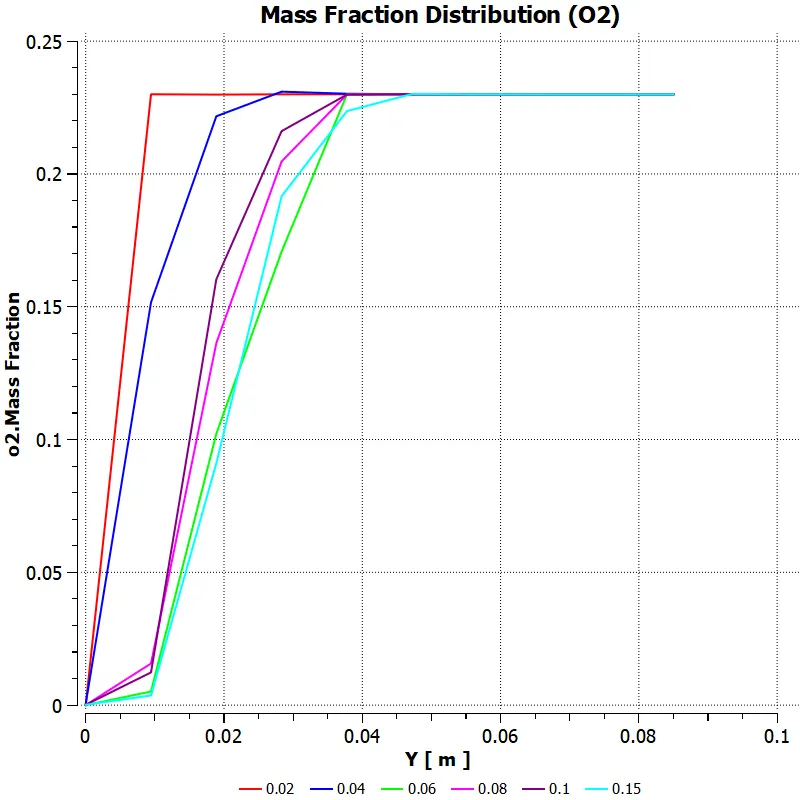
Mass Fraction of CH4 - 0.70
Mass Fraction of H2O - 0.30
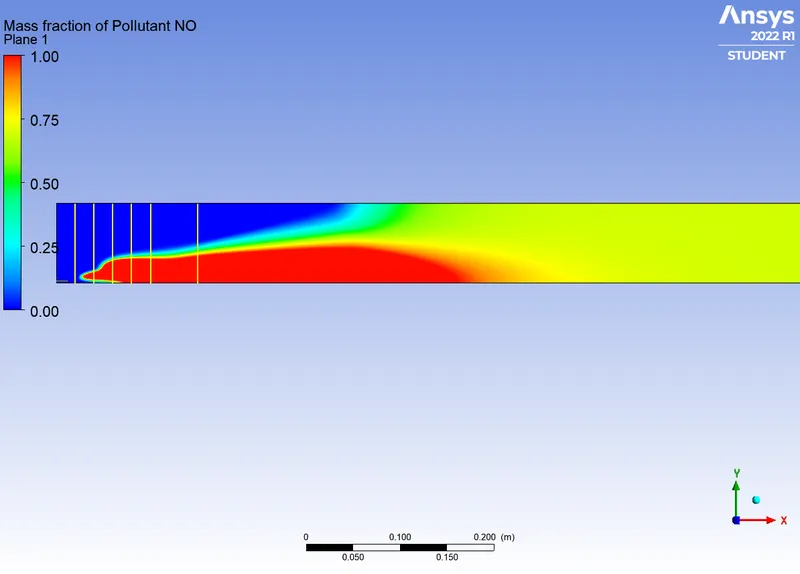
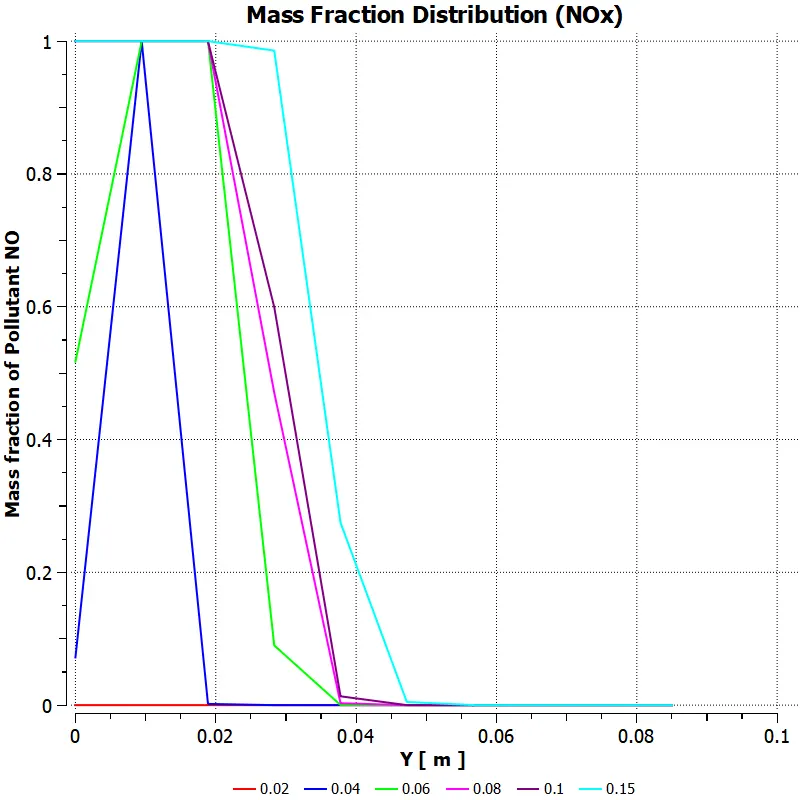
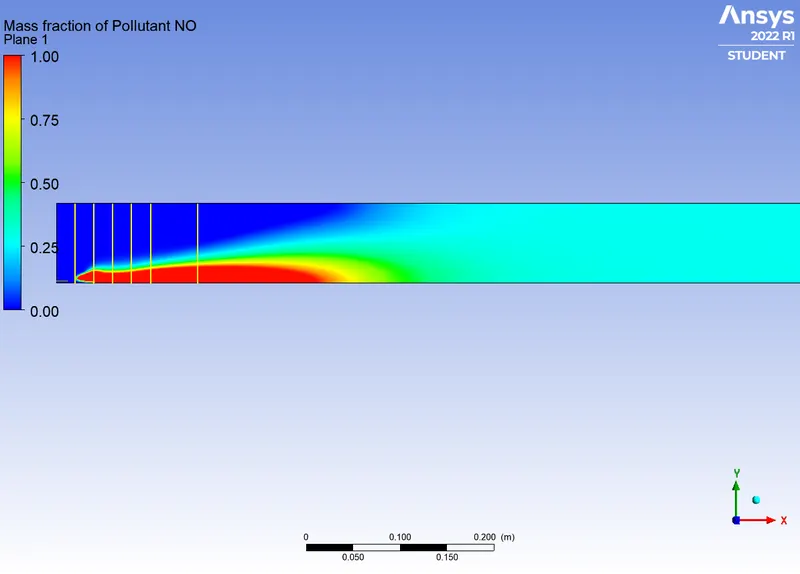
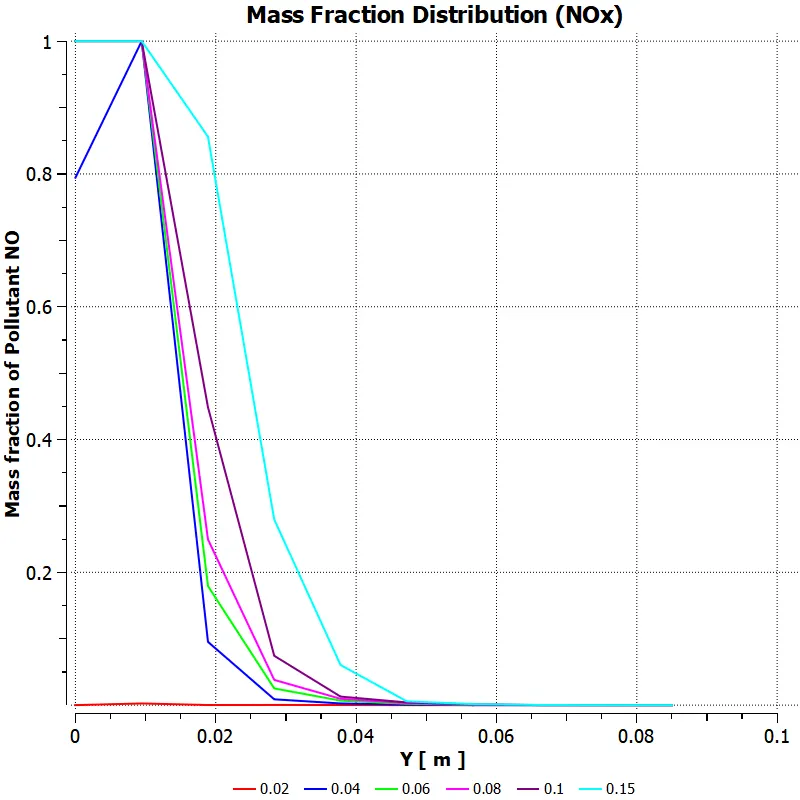
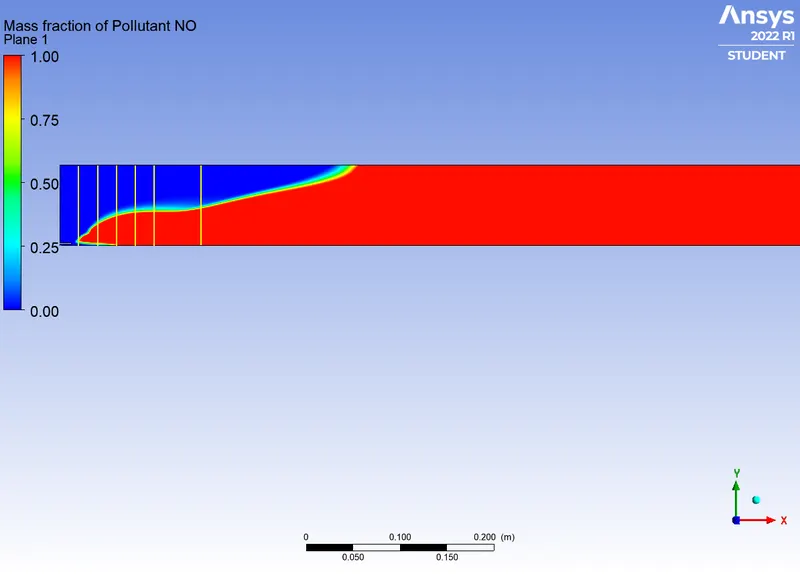
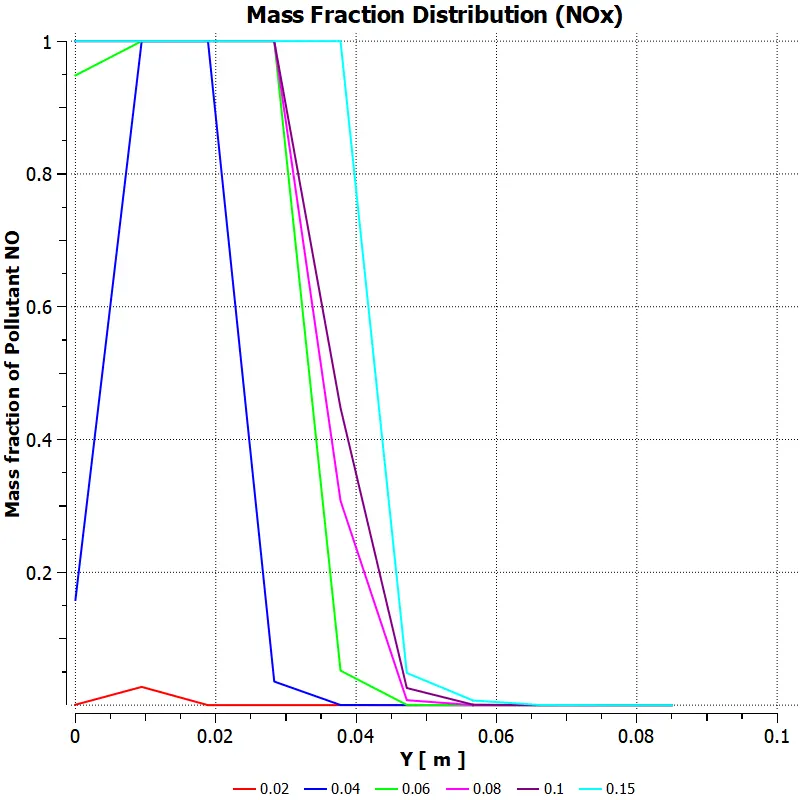
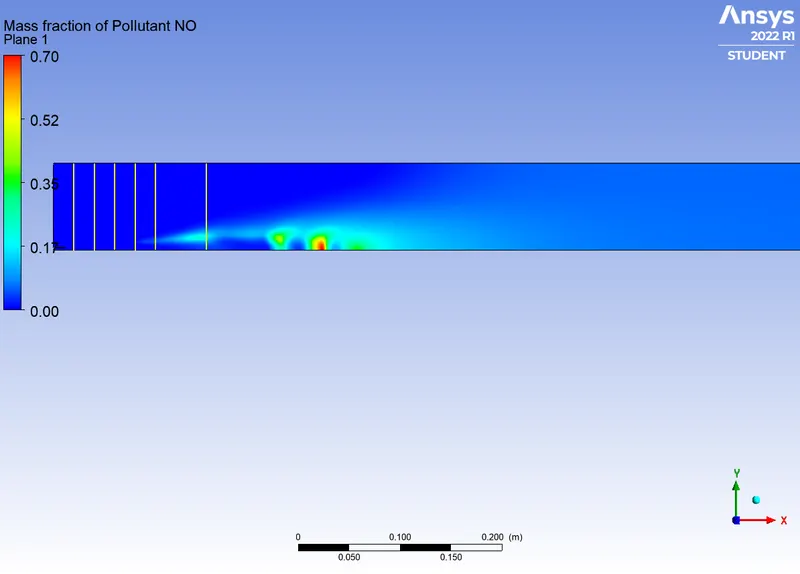
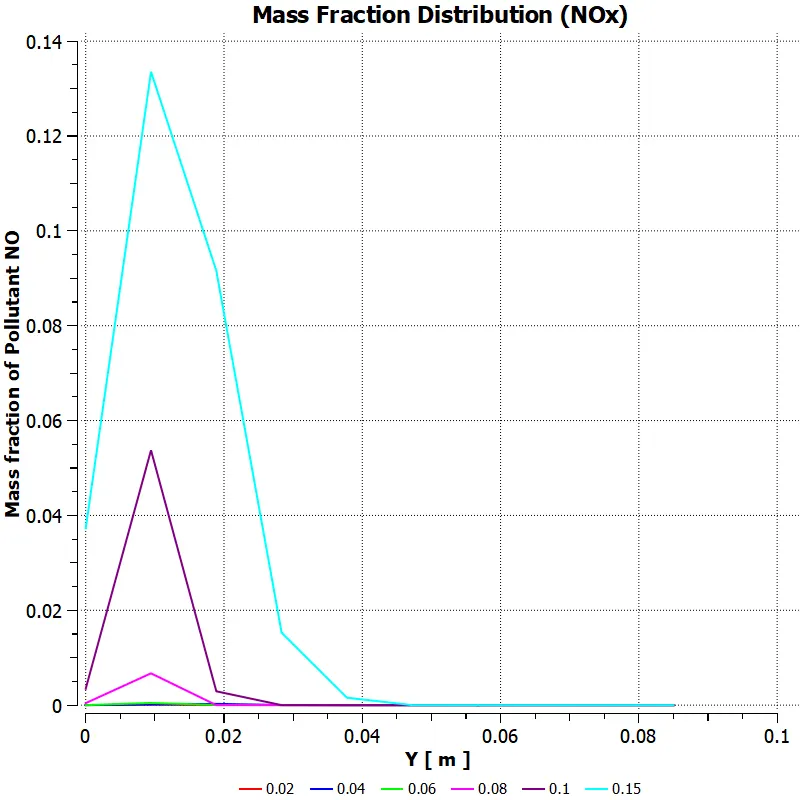
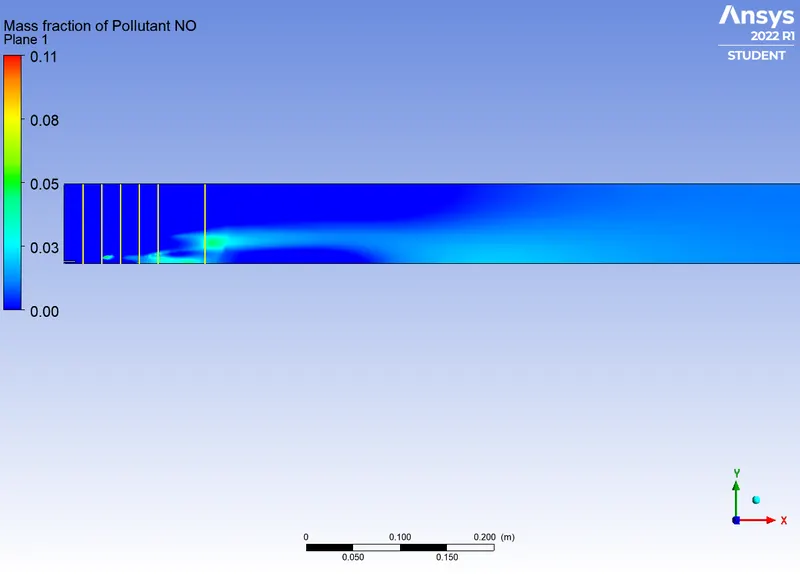
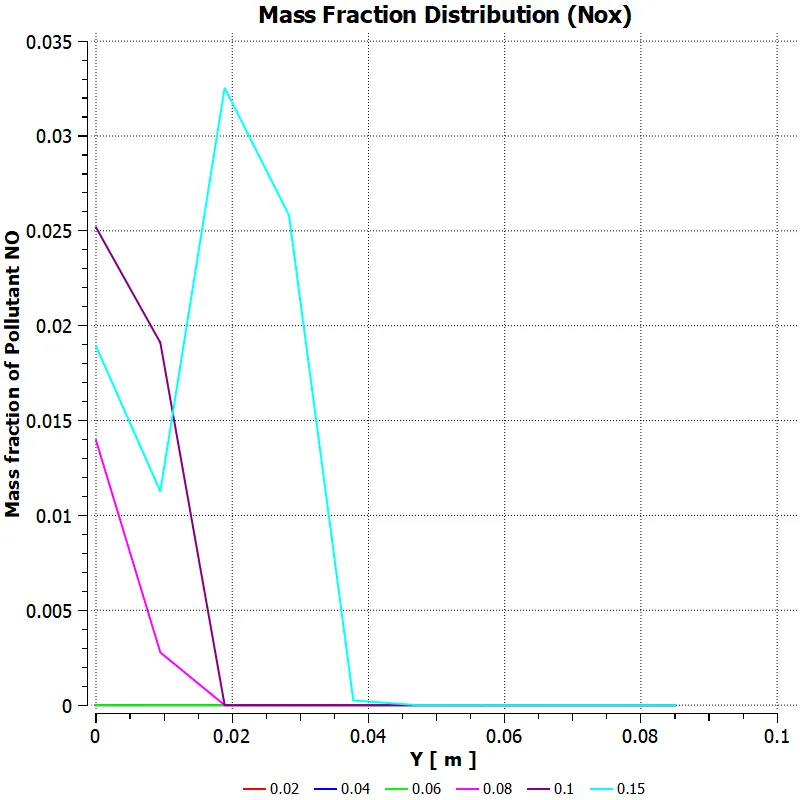
NOx -
Mass Fraction of CH4 - 0.95
Mass Fraction of H2O - 0.05
Mass Fraction of CH4 - 0.90
Mass Fraction of H2O - 0.10
Mass Fraction of CH4 - 0.80
Mass Fraction of H2O - 0.20
Mass Fraction of CH4 - 0.75
Mass Fraction of H2O - 0.25
Mass Fraction of CH4 - 0.70
Mass Fraction of H2O - 0.30
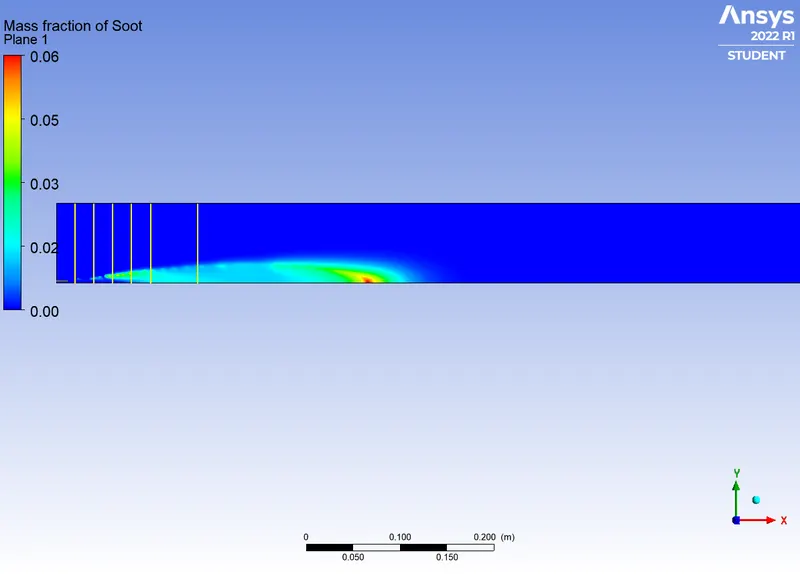
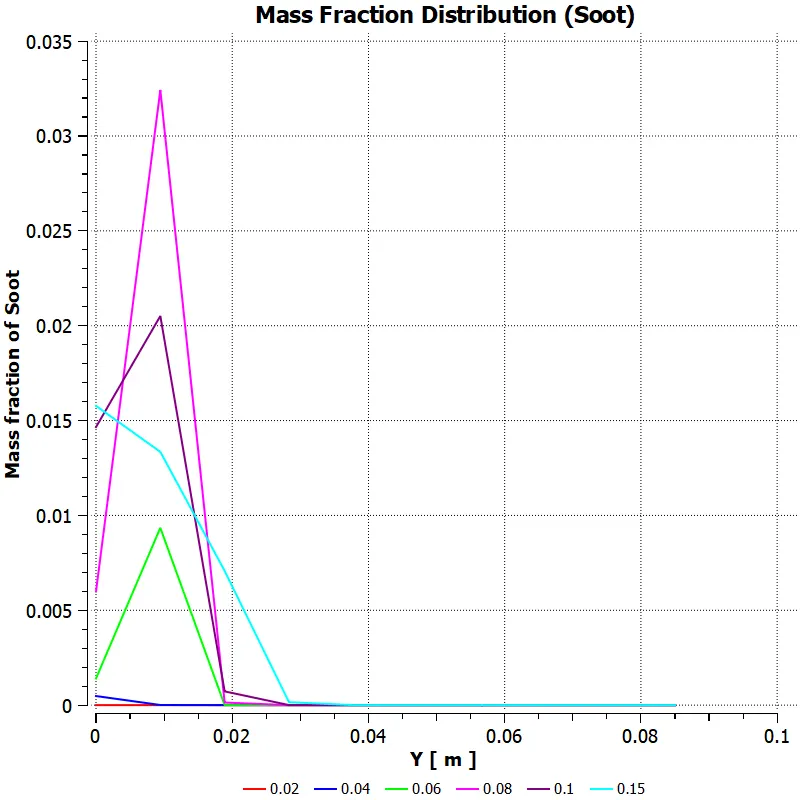
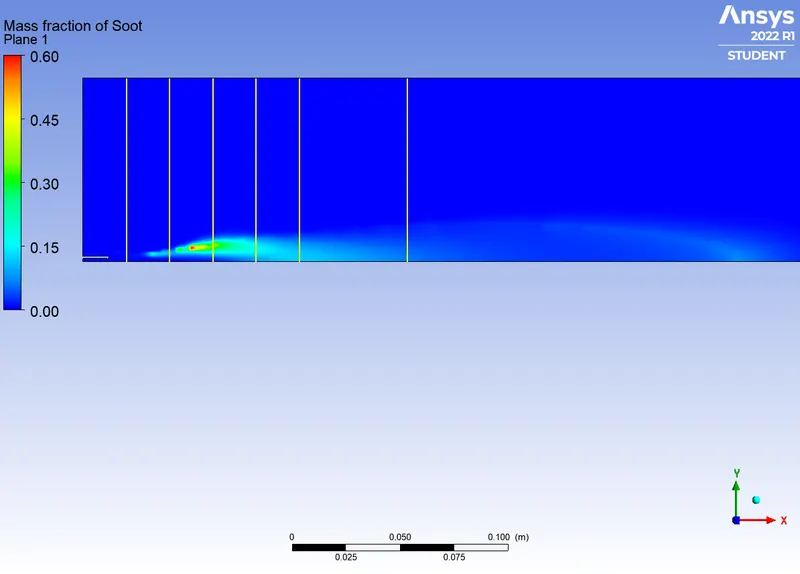
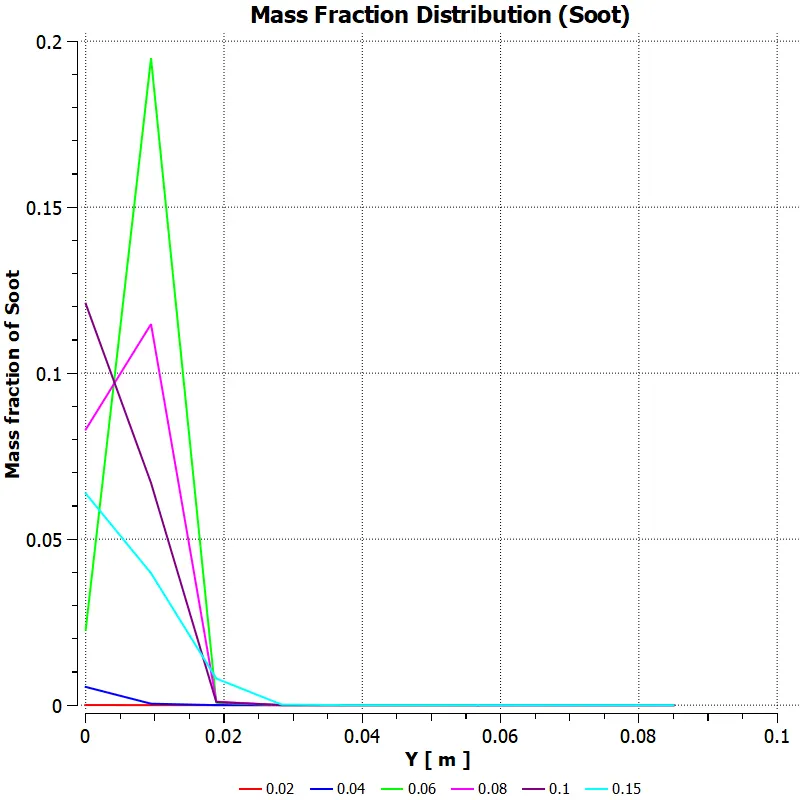
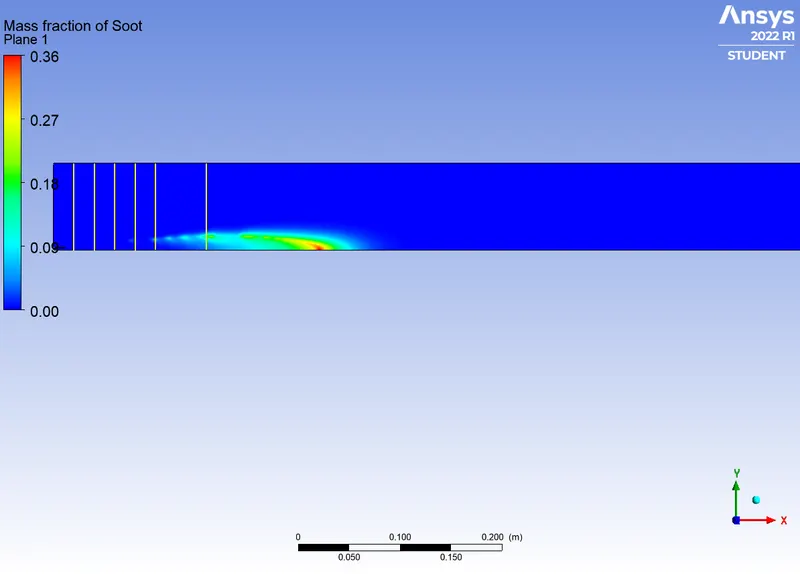
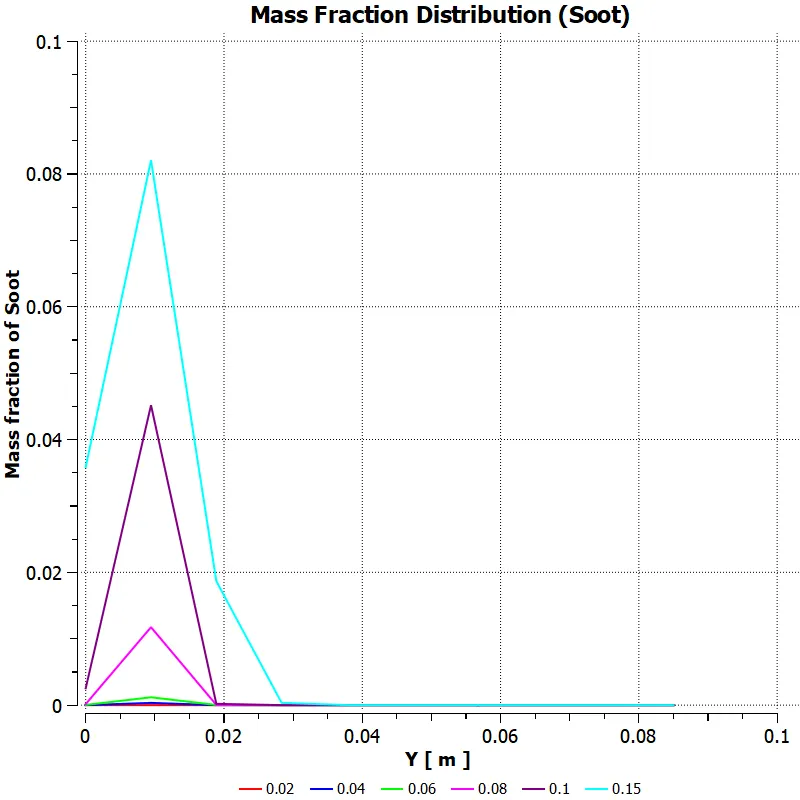
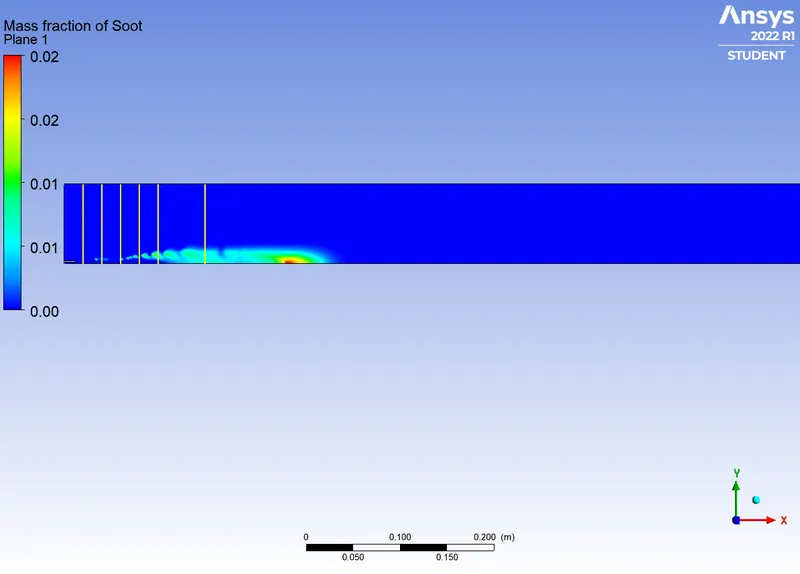
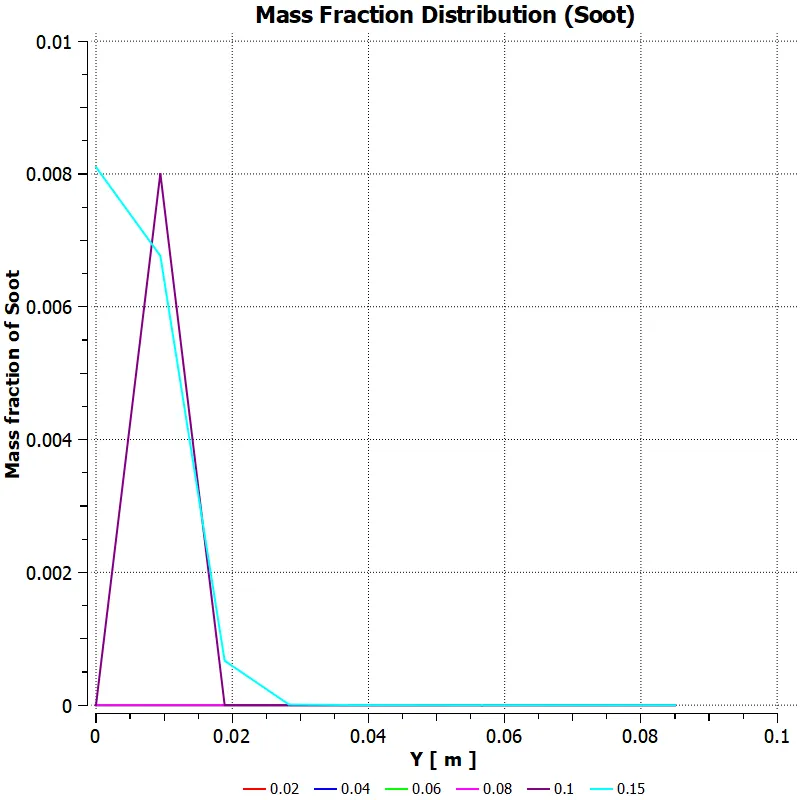
Soot -
Mass Fraction of CH4 - 0.95
Mass Fraction of H2O - 0.05
Mass Fraction of CH4 - 0.90
Mass Fraction of H2O - 0.10
Mass Fraction of CH4 - 0.80
Mass Fraction of H2O - 0.20
Mass Fraction of CH4 - 0.75
Mass Fraction of H2O - 0.25
Mass Fraction of CH4 - 0.70
Mass Fraction of H2O - 0.30
Conclusion :
| S.No | 1 | 2 | 3 | 4 | 5 |
| Temp | 2500.62 | 2652.63 | 3337.20 | 4862.53 | 4225.41 |
| Soot | 0.00005892 | 0.0018049 | 0.00030767 | 0.28513 | 0.0006613 |
| NOx | 0.0061703 | 0.04157 | 0.0047111 | 0.014423 | 0.0057993 |
| Percentage of Water (%) | 5 | 10 | 20 | 25 | 30 |
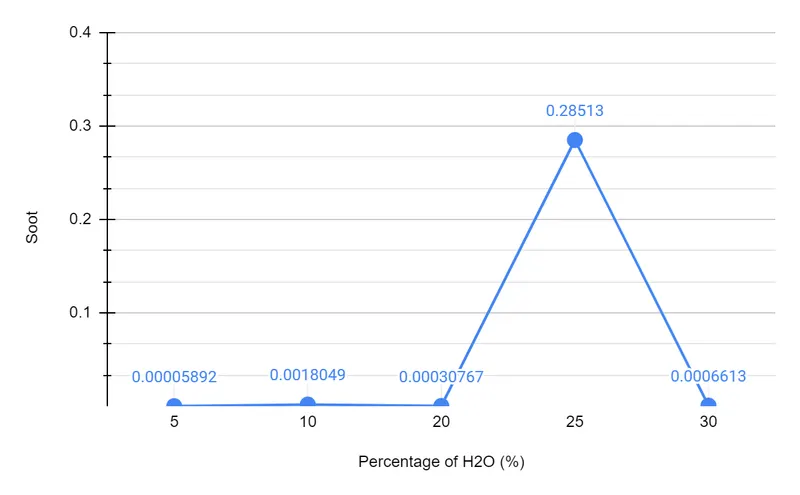
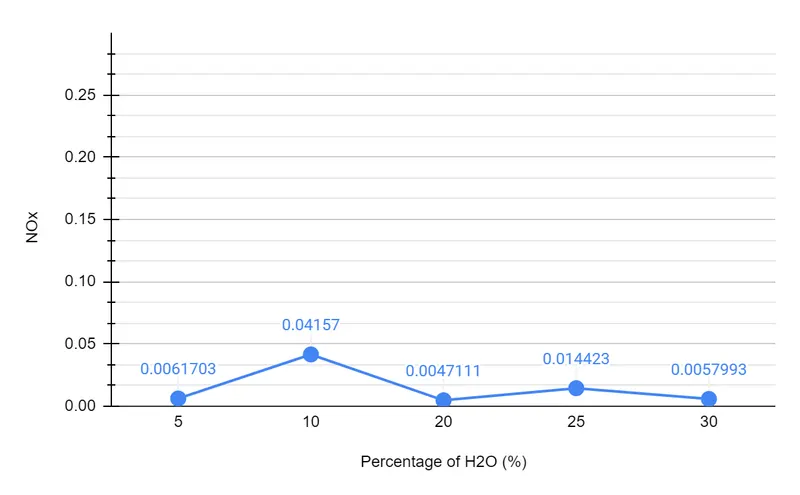
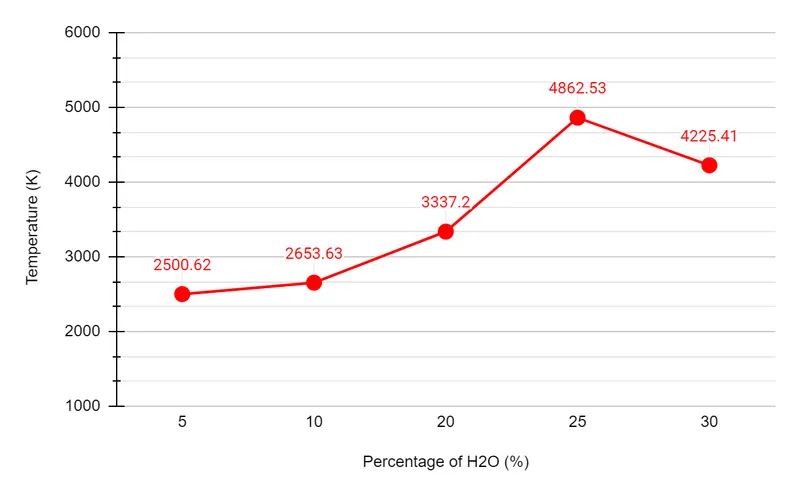
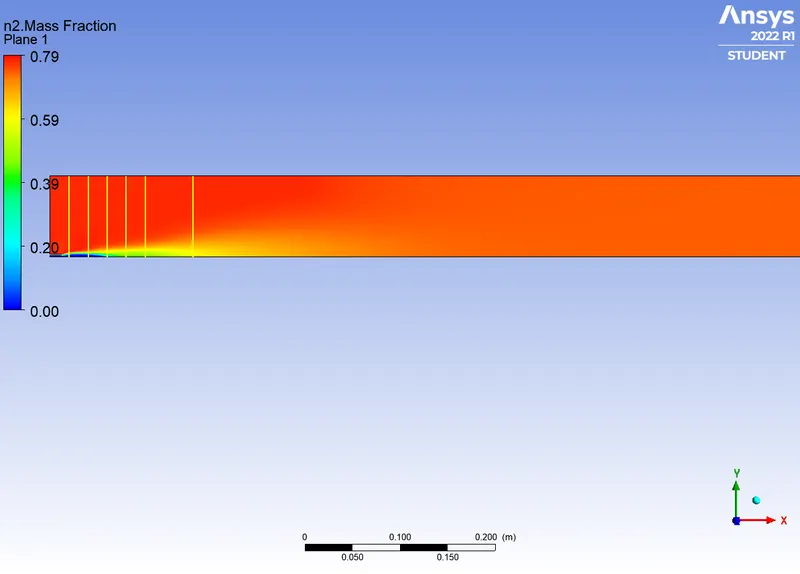
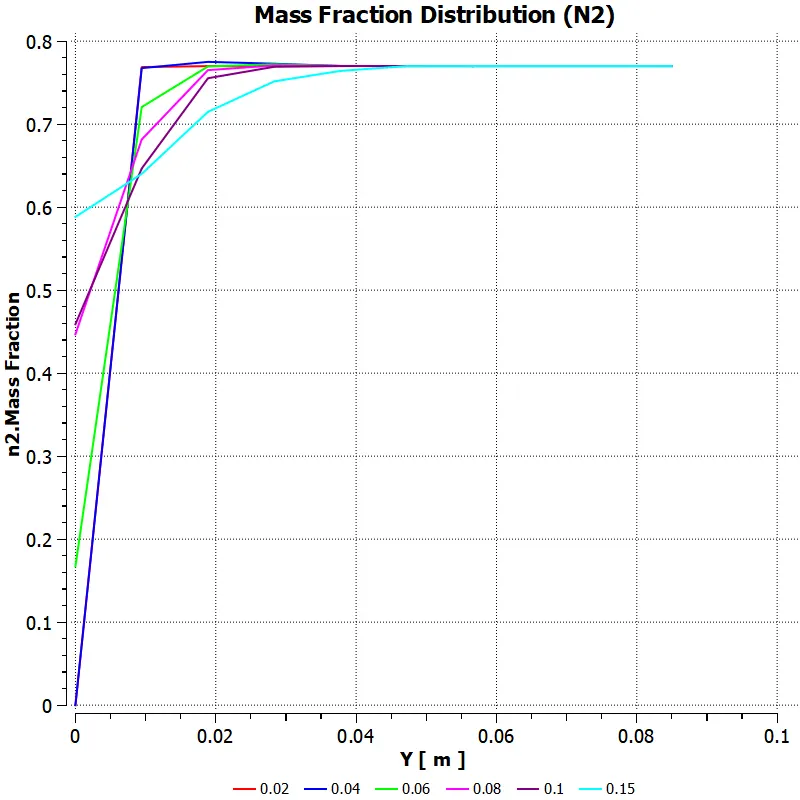
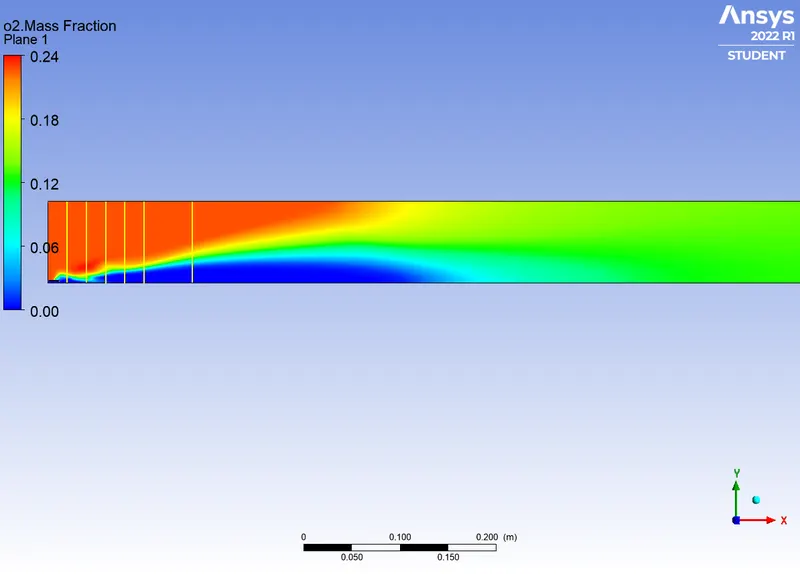
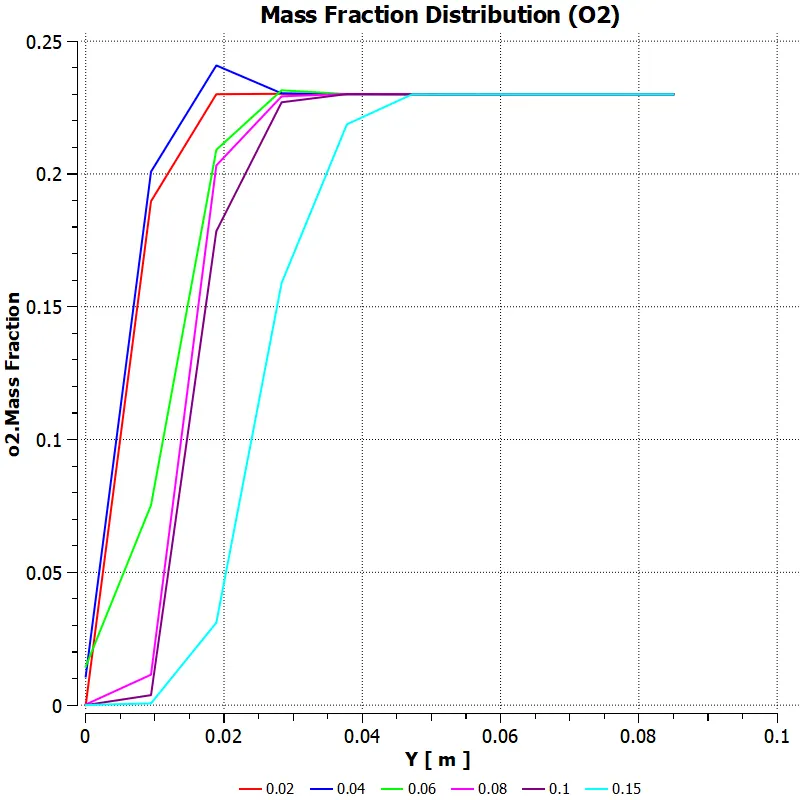
From the plots and graphs we can say that in the base line simulation our aim is to visuvalize the formation of NOx and Soot formation due to incomplete combustion , And that is well visible. There the overall temperature is around 3451 K. And the mass fraction distribution chart remains almost same in all the cases. The mass fraction of H2O increases as we increase the content of water in the fuel mixture. In both the cases the conxentration of NOx and Soot only happens in the immidiate region where the air and fuel mixes.
When we discuss for the second cases the mass fraction of Soot and NOx decreases as we increase the water percentage in fuel especially the change is huge when we incerase the water percentage from 20 % to 25%, That is the more the fuel is dilute the lesser the emmision of harmful gases and better for the environmnet. In case of Soot formation it increases suddenly for 25 % but at 30% the again reaches lower value. In NOx same happens it increases and then for the final case it decrease. This shows that the trend line does not always decreases, that is sometimes the value tend to decrease for a paticular ratio and we try to still reduce it but the opposite happens ,it increases. Thats is why we should check for every conditions possible and the result could be even better as we increase or decrease the value of somthing in any expriment.
In case of temperature as we increase the water percentage in fuel mixture we expect it to decrease drastically , but that is not the case in here. Because, in previous cases the soot and NOx mass fraction is more because of incomplete combustion and as we increase the percentage of H2O the temperature decreases but at the sam time as discussed earlier the NOx and soot dissipears,means there is near Complete combustion and as a result the entire chamber temperature rises. And still we can see a significant reduction in temperature. And In every mass fraction chart the trend line reaches almost 0 says that it is being turned into product beyond 0.15 m. And throught the reaction the mass fraction of N2 and O2 remains constant.
Thus the mass fraction of NOx and Soot is plotted and studied.Therefore in this model we have learnt to simulate for combustion using species transport model and learnt how the change in H2O composition in fuel mix is better for environment.