Week 10 - Simulating Combustion of Natural Gas.
Aim :
To perform a combustion simulation on the combustor model and plot the variation of the mass fraction of the different species’
Objective :
Part 1
- Plot the variation of the mass fraction of the different species in the simulation using line probes at different locations of the combustor
- Nox and soot model to observe the emissions at the outlet
Part 2
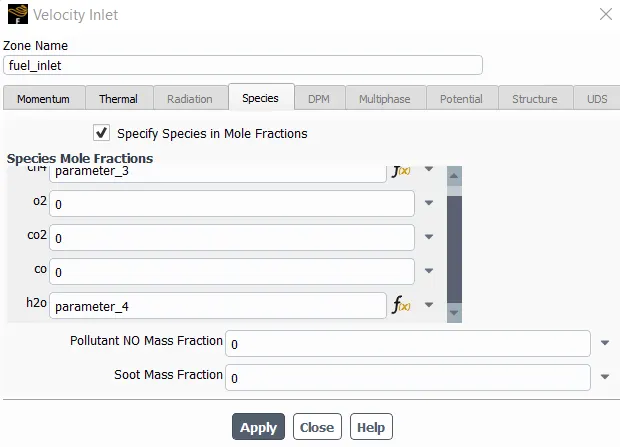
- Add the water content in the fuel from 5% to 30% by mole and observe its effect of it on the results
Introduction :
Combustion is the process where fuel is burnt using oxygen in the air. The combustion process is used in many applications and simulation of this process is an important field of study to reduce emissions in automobiles, design IC engines efficiently, and so on. In this simulation, we take the natural gas as the fuel and mix it with air for the combustion process to occur.
Pre-processing :
Geometry
The given model is imported into SpaceClaim
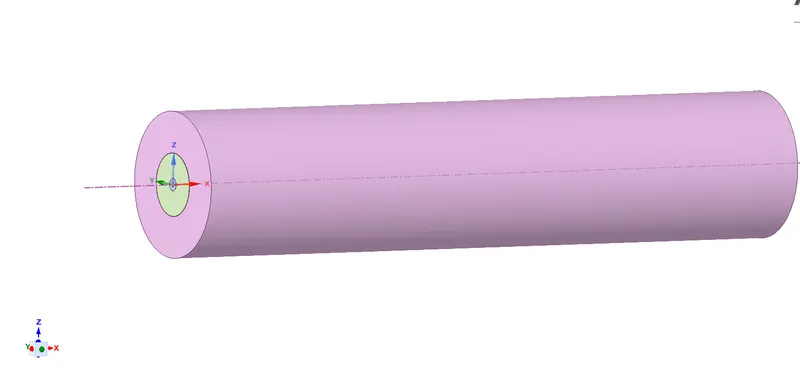
Using the split body command
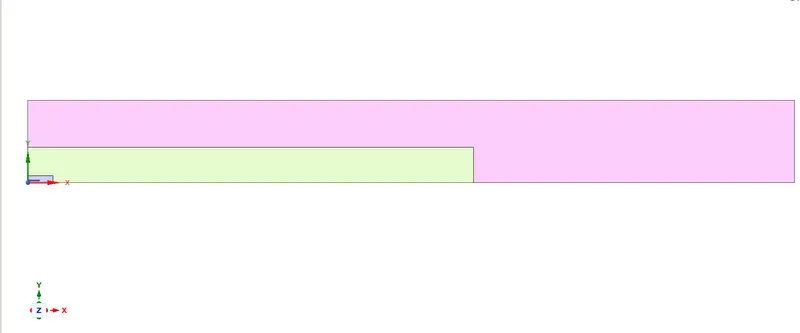
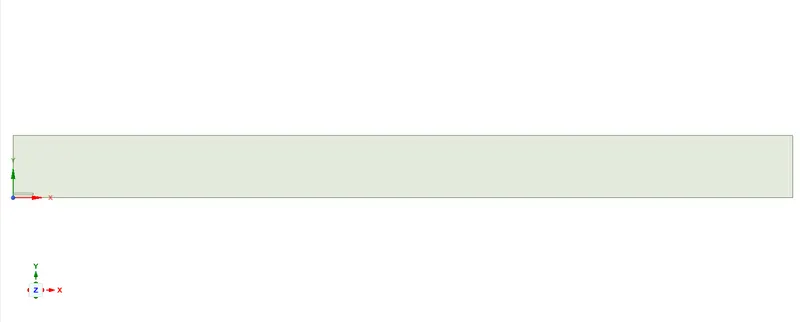
Copied the 2D sketch and pasted in a new design to get the 2D shape
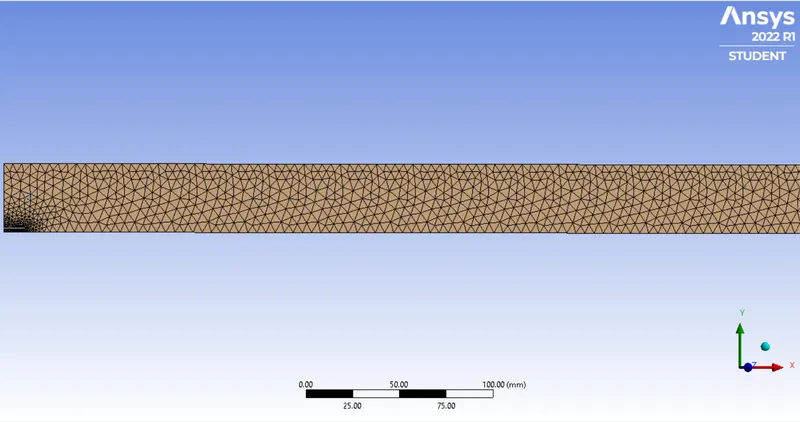
Meshing
The element size was 5 mm and capture the proximity was turned on in sizing
The named selections are given
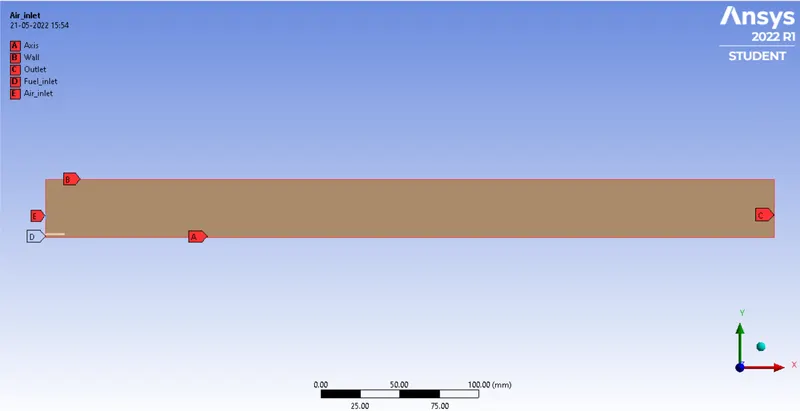
Setup
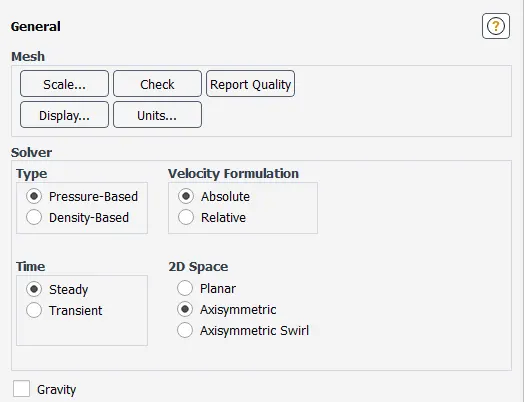
Steady, Pressure based, and Axisymmetric simulation is performed
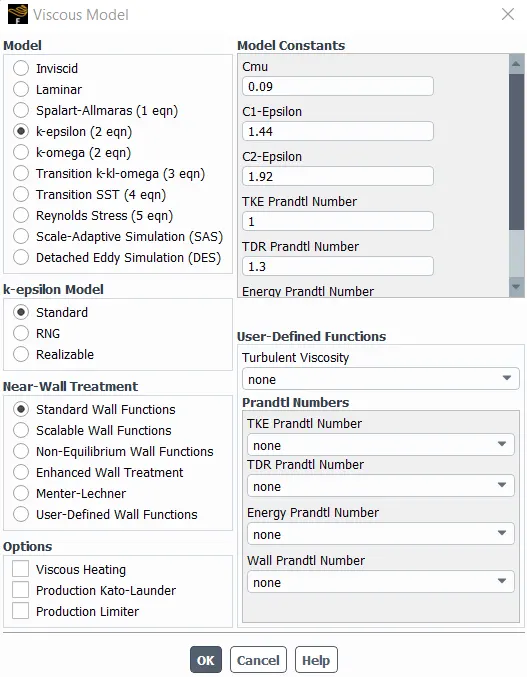
K-epsilon model is selected for Eddy-Dissipation model
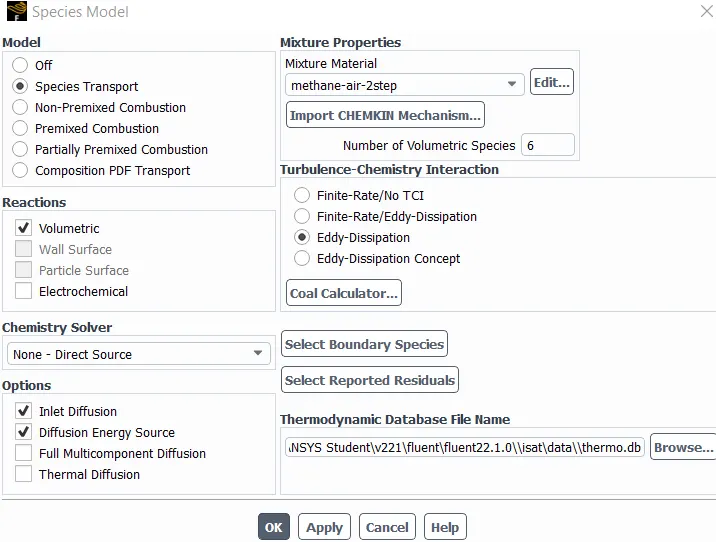
Volumetric reaction with methane-air-2step mixture is set for the species model
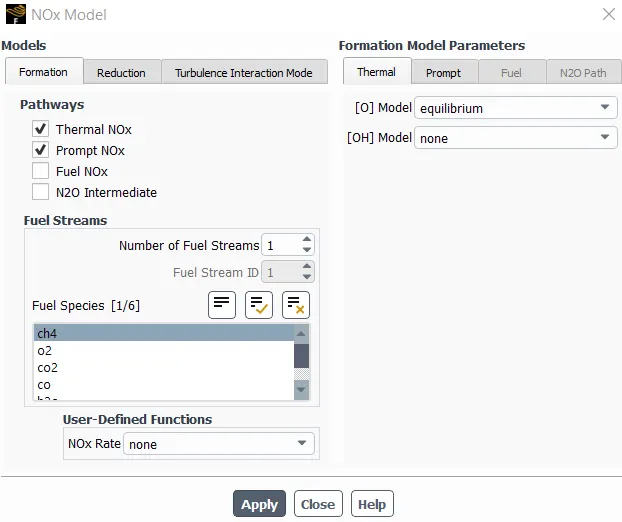
NOx model is set up to get the mass fraction of NOx pollution
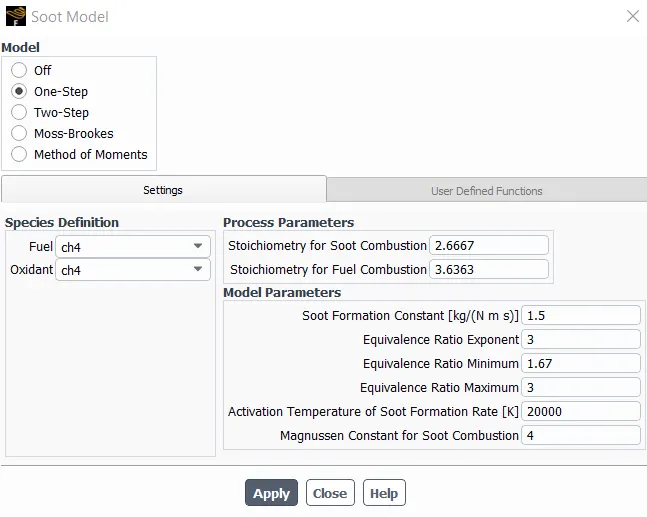
Soot model is set up to get the mass fraction of Soot pollution
Part 1
Boundary conditions
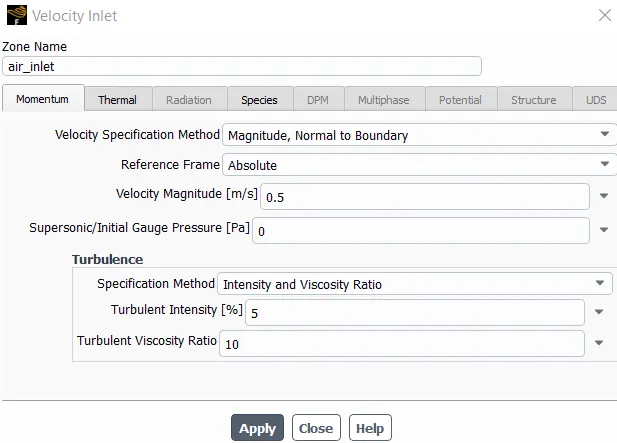
Air inlet
species : `O_2` = 0.23 mass fraction
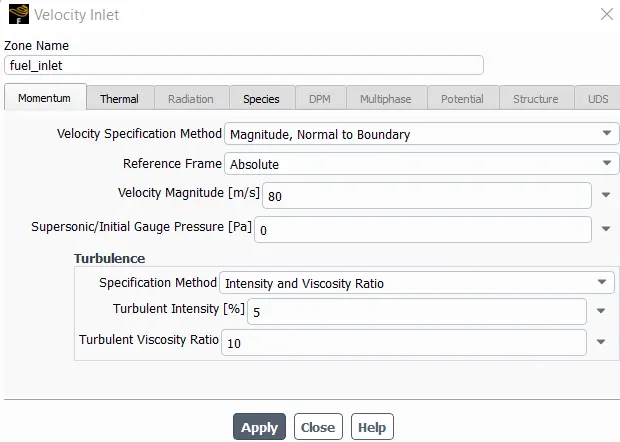
Fuel inlet
Species : `CH_4` = 1 mass fraction
Result
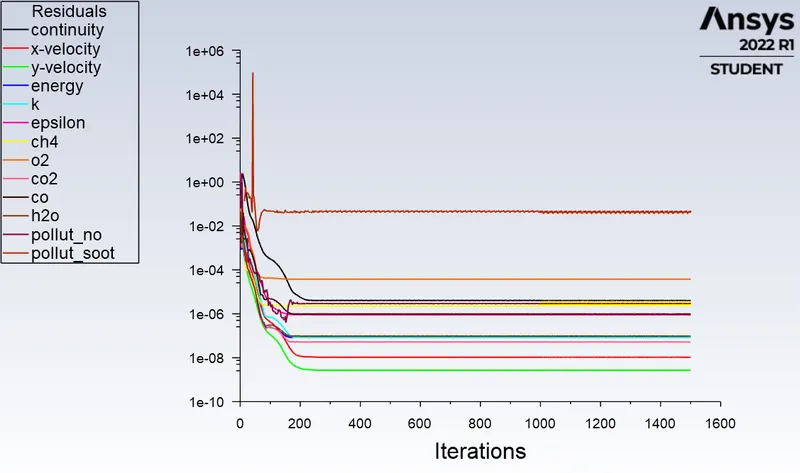
Residual plot
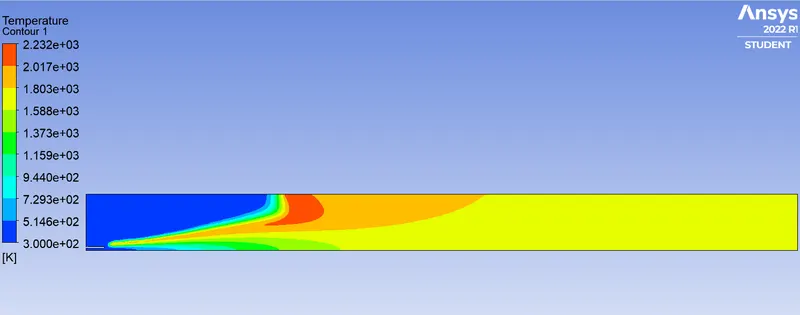
Temperature contour
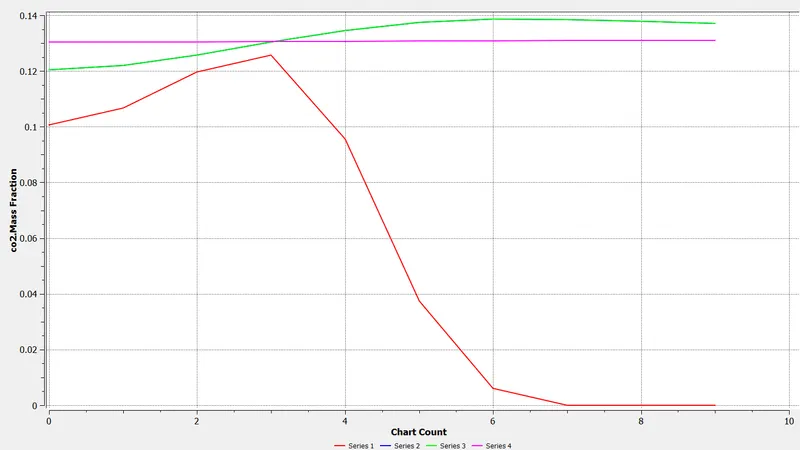
`Co_2` mass fraction plot
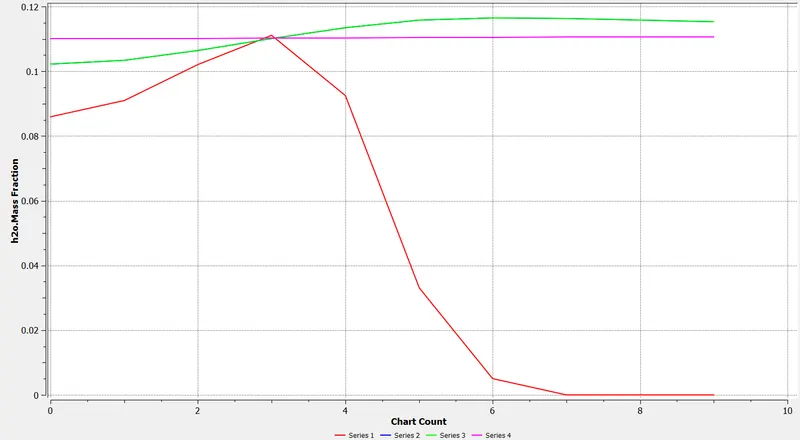
`H_2o` mass fraction plot
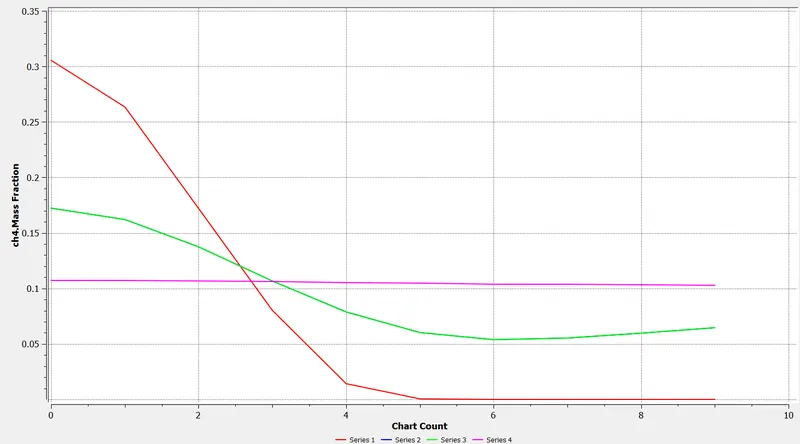
`CH_4` mass fraction plot
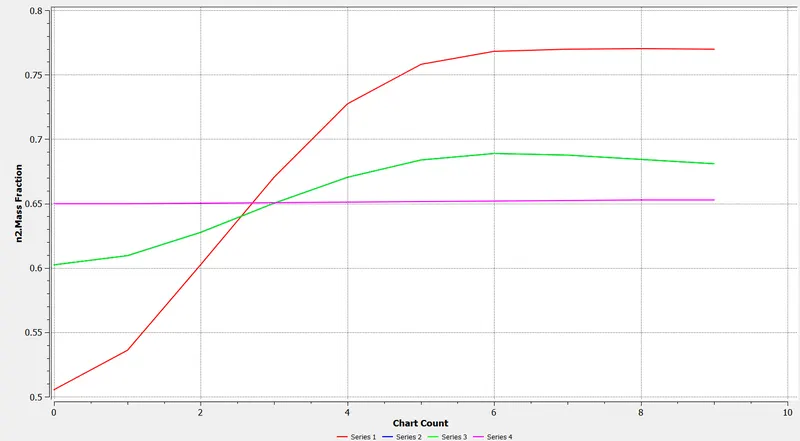
`N_2` mass fraction plot
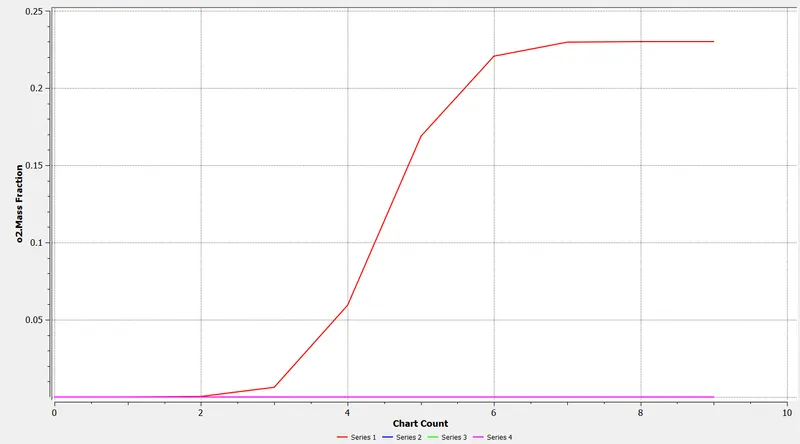
`O_2` mass fraction plot
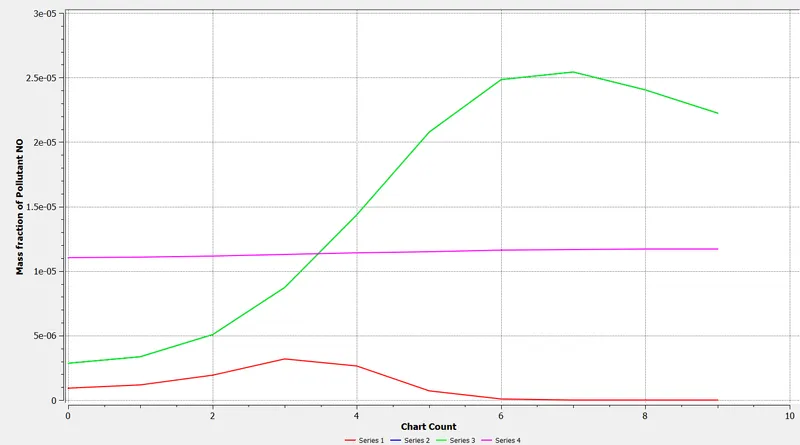
Nox mass fraction plot
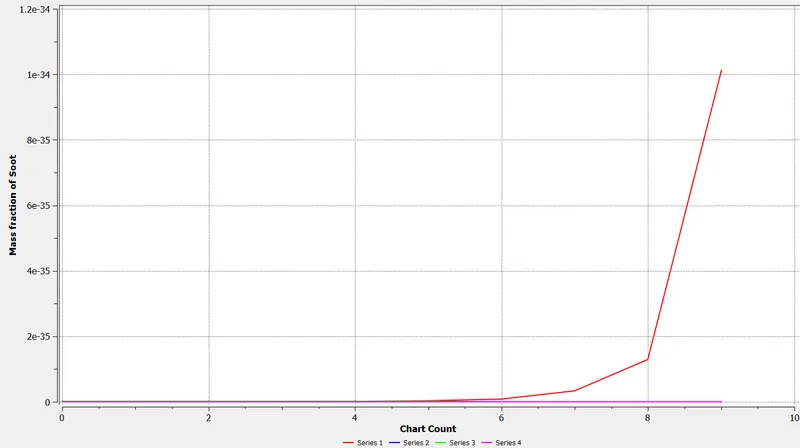
Soot mass fraction plot
Part 2
Result
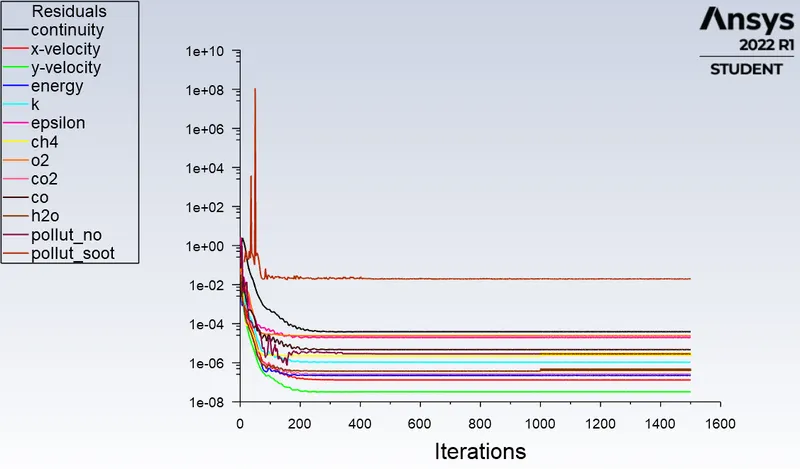
Residual plot
5% water
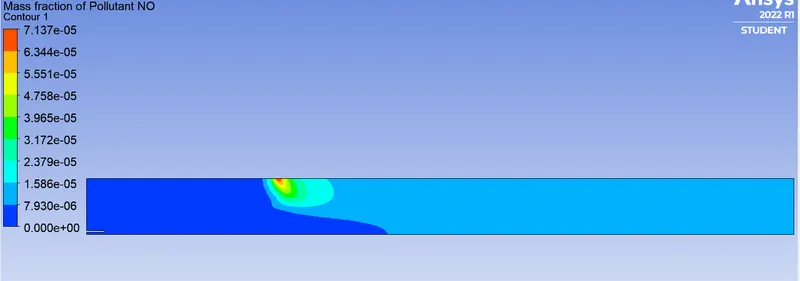
Nox mass fraction contour
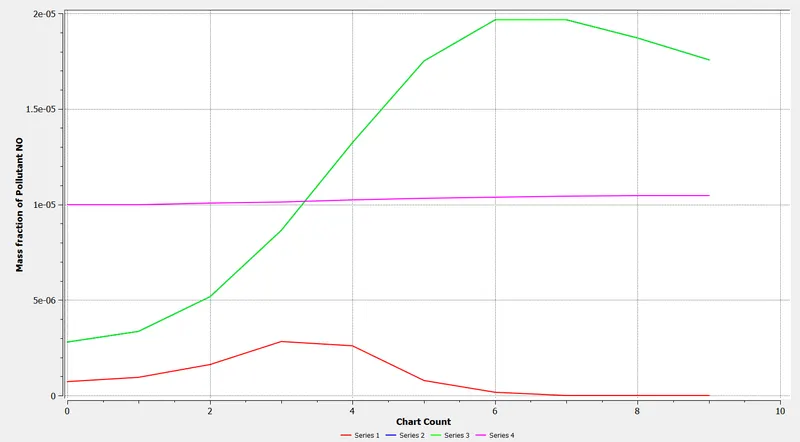
Nox mass fraction plot
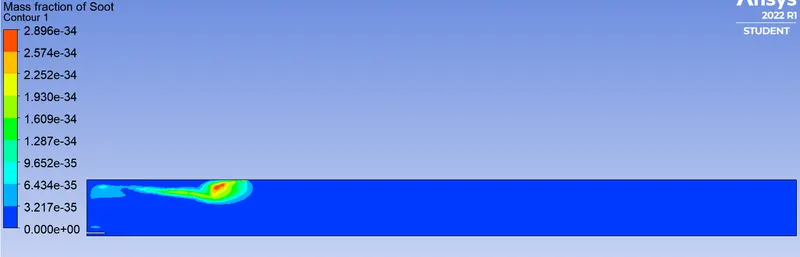
Soot mass fraction contour
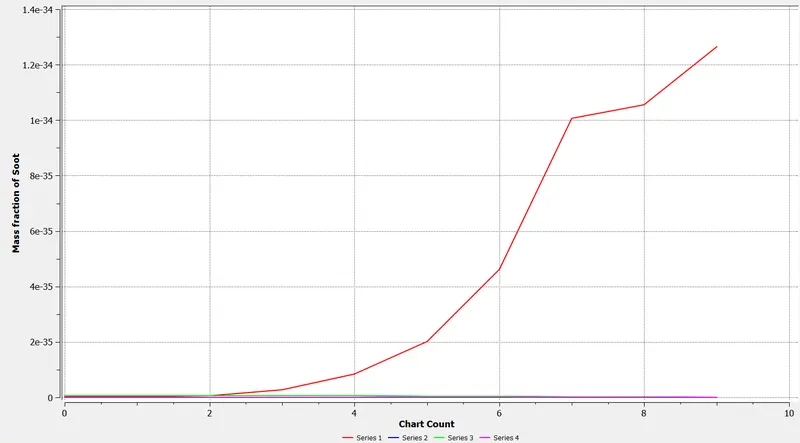
Soot mass fraction plot
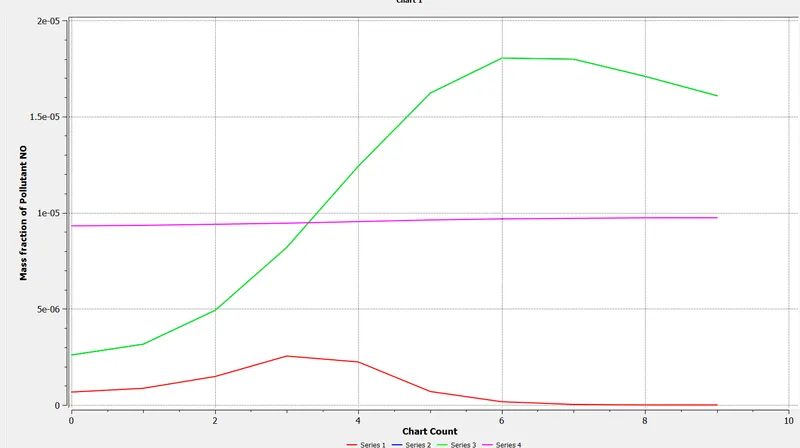
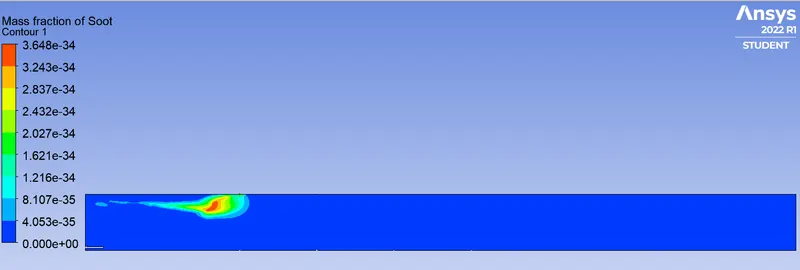
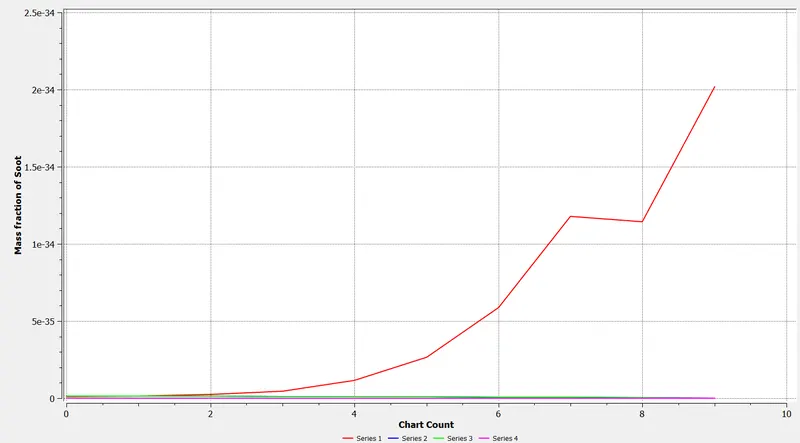
10% water
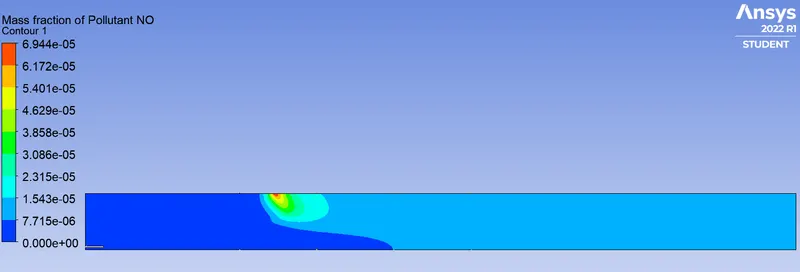
Nox mass fraction contour
Nox mass fraction plot
Soot mass fraction contour
Soot mass fraction plot
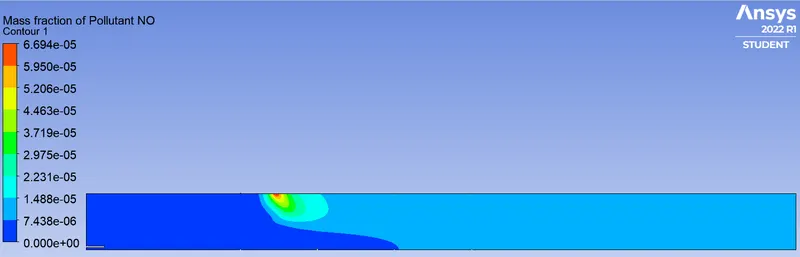
15% water
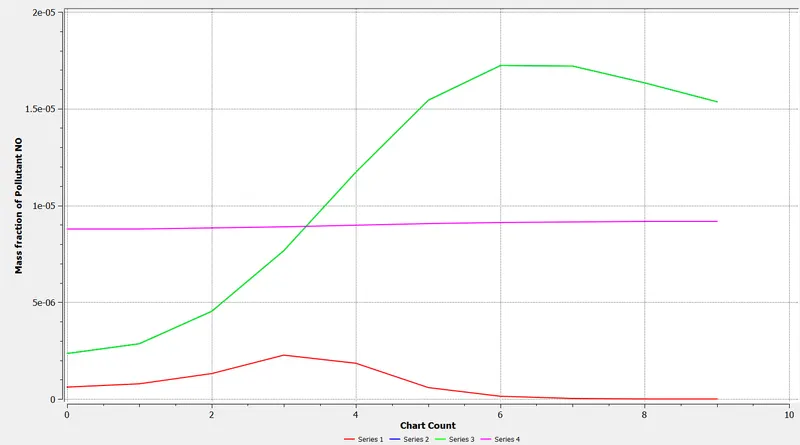
Nox mass fraction contour
Nox mass fraction plot
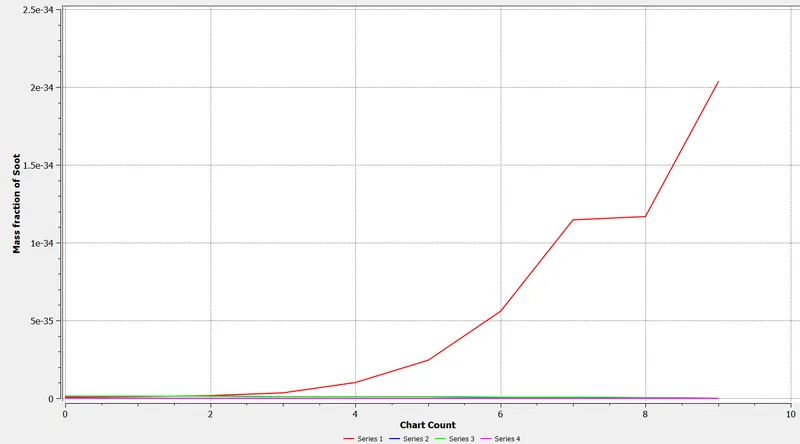
Soot mass fraction contour
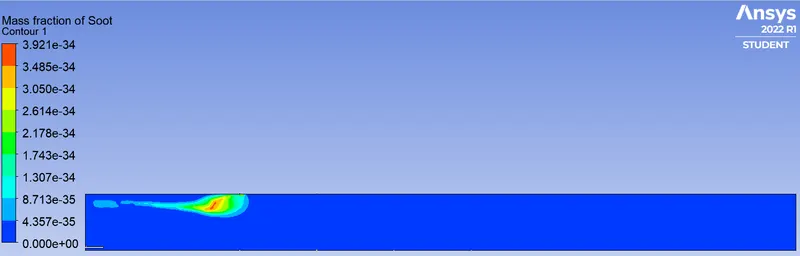
Soot mass fraction plot
20% water
Nox mass fraction contour
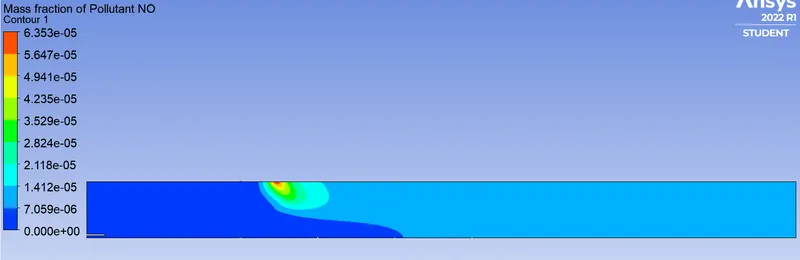
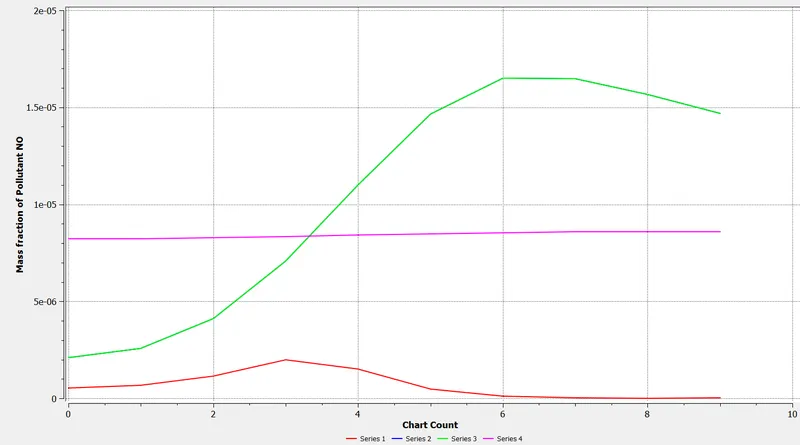
Nox mass fraction plot
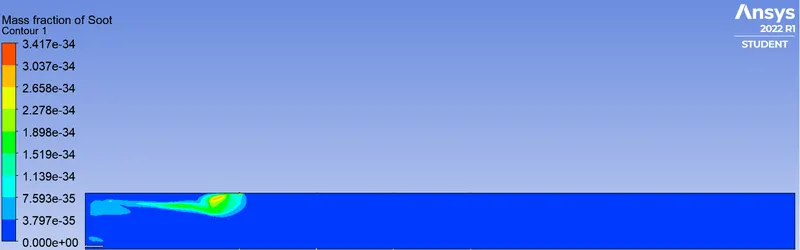
Soot mass fraction contour
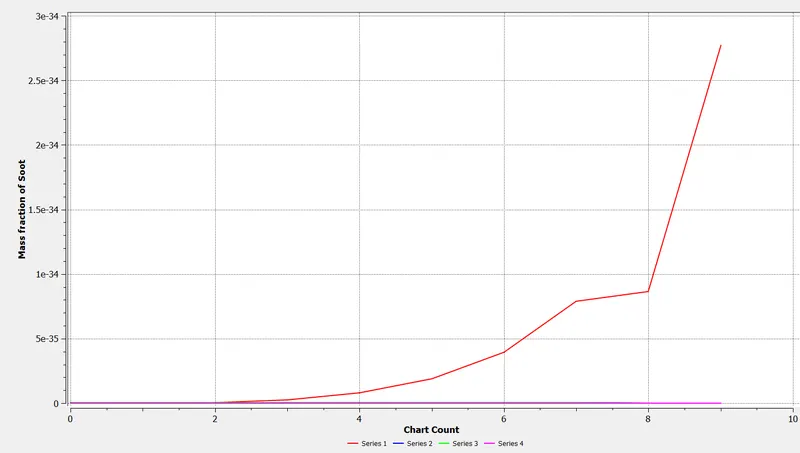
Soot mass fraction plot
25% water
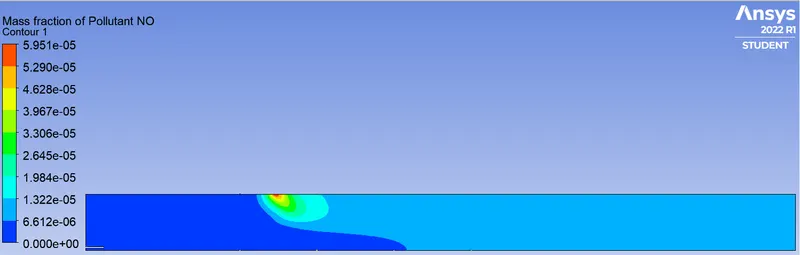
Nox mass fraction contour
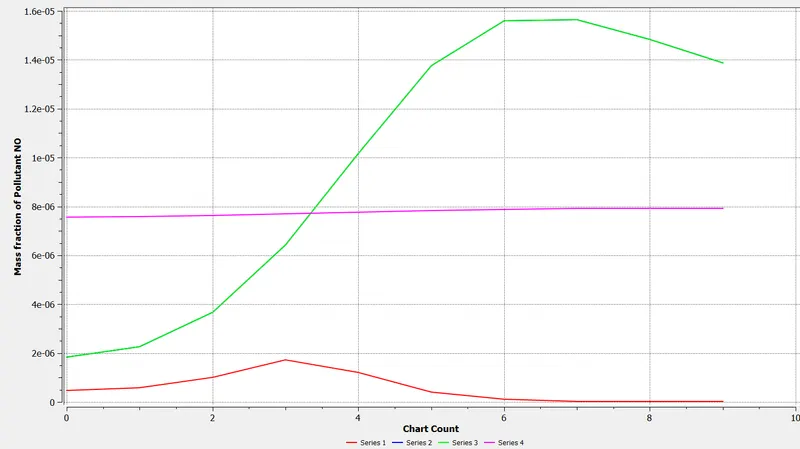
Nox mass fraction plot
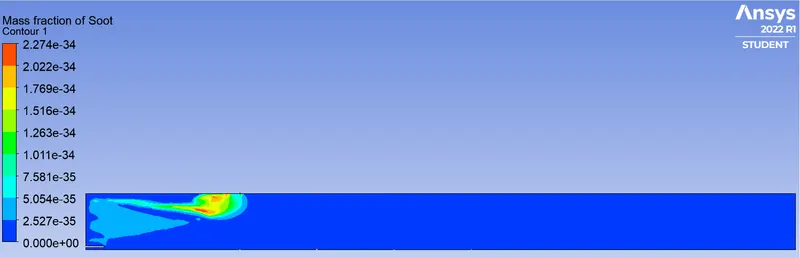
Soot mass fraction contour
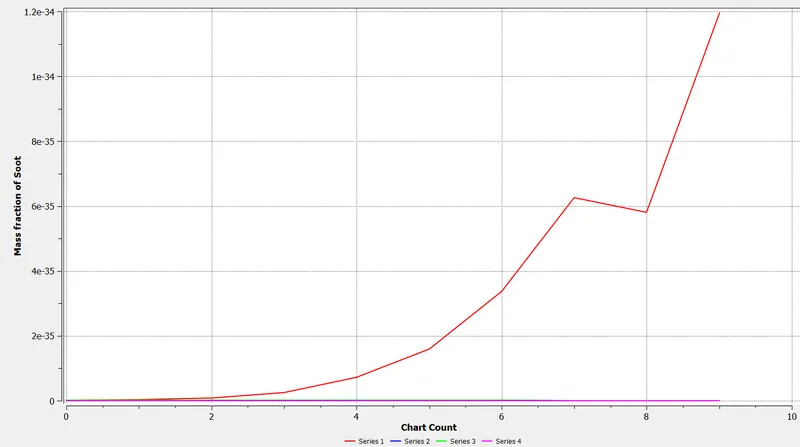
Soot mass fraction plot
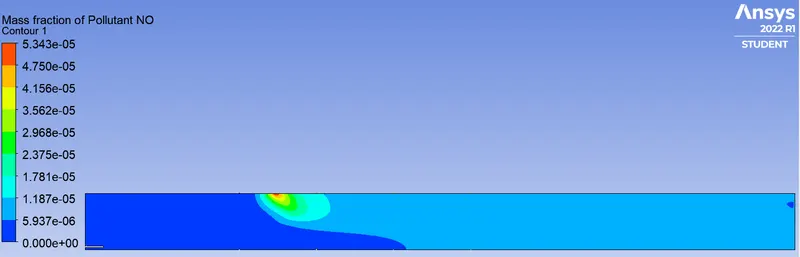
30% water
Nox mass fraction contour
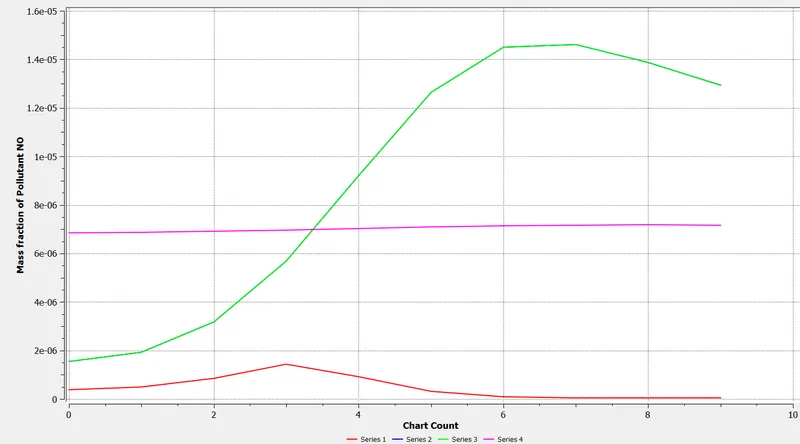
Nox mass fraction plot
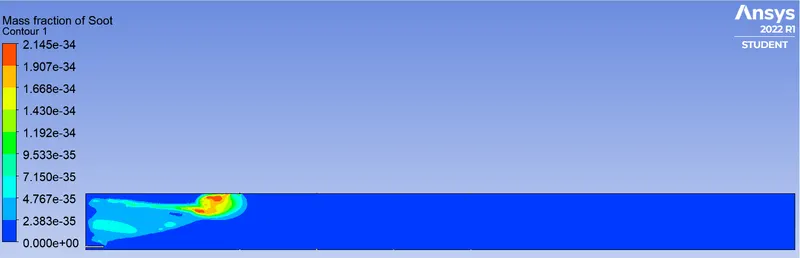
Soot mass fraction contour
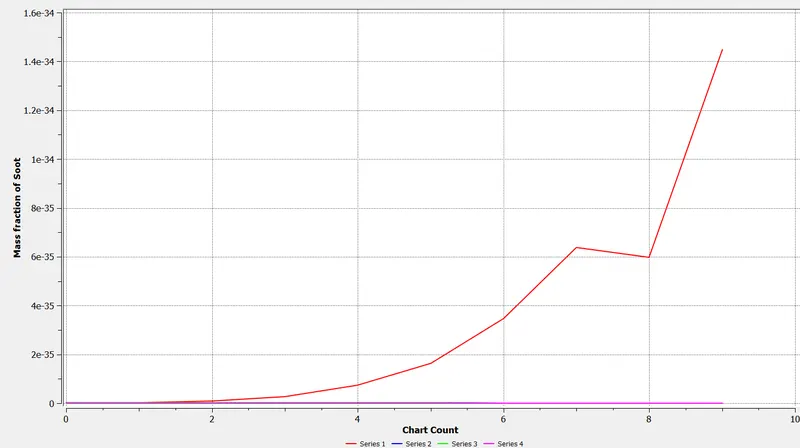
Soot mass fraction plot
Conclusion :
Part 1
- The temperature is high at the inlet part of the combustion where the combustion takes place
- The mass fraction of CH4 is high at the fuel inlet and decreases as combustion takes place
- The mass fraction of oxygen is also high at the air inlet and decreases as combustion takes place
- The mass fraction of N2 is almost the same at different points
- The mass fraction of Co2 and H2o are both high at the outlet
- The Nox mass fraction is high at the outlet
Part 2
- As the water content is increased the Nox and Soot emissions are decreased
- The high mass fractions of the emissions are also far away from the inlet
- As the water percent is above 20% we can see some Soot formation near the combustion process