Week 10 - Simulating Combustion of Natural Gas.
Objective:
To simulate the combustion in Ansys fluent with the parametric study.
Theory:
- Combustion is a chemical process during which heat energy is generated.
- During combustion, the Hydro-carbon and Oxygen combined when a spark is introduced chemical reaction takes place and forms CO2 and H2O.
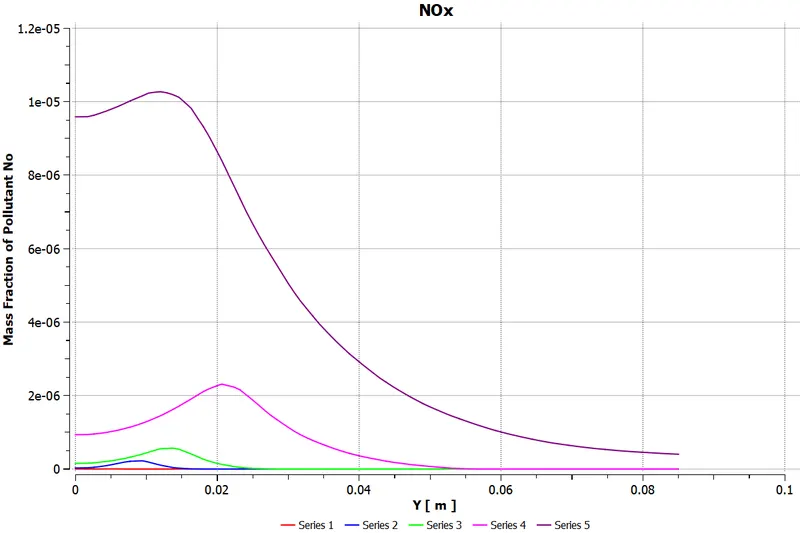
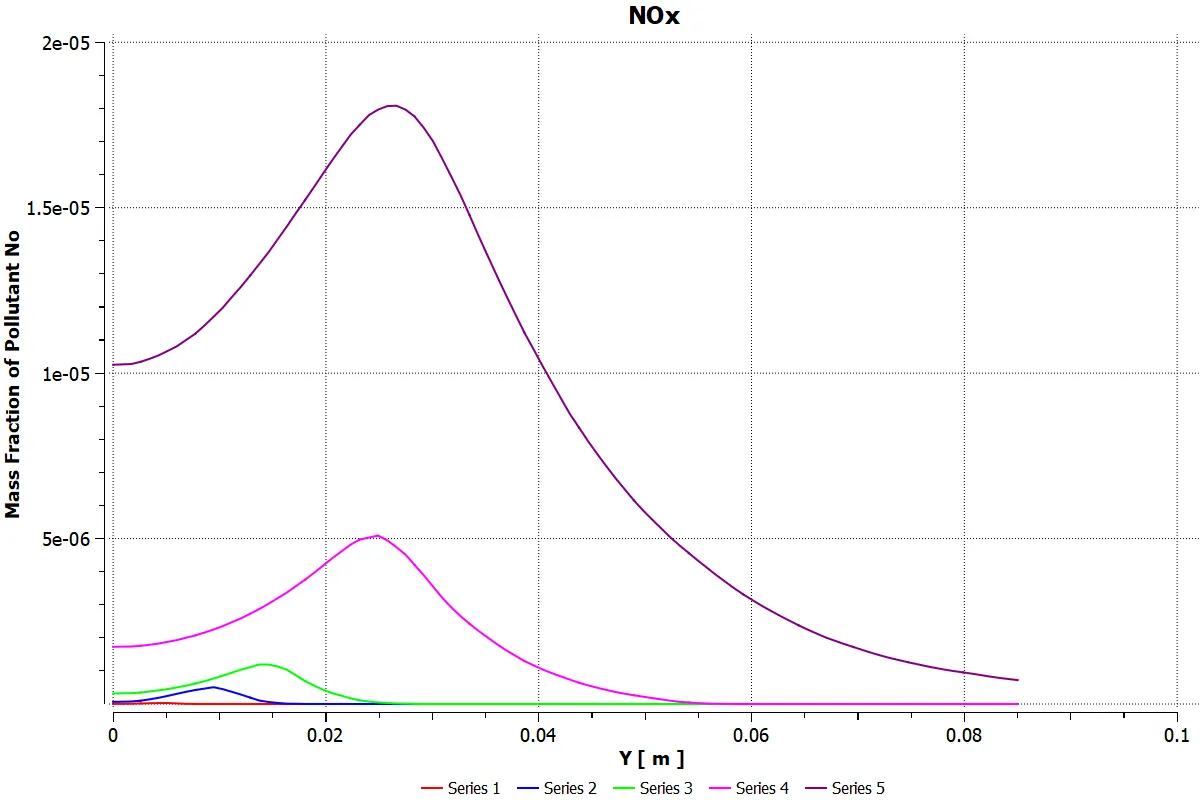
- Due to the presence of nitrogen in the atmosphere during high-temperature NOx pollutants and various pollutants will form during combustion.
- In order to reduce these pollutants, the CFD simulation will help to reduce pollutants to achieve the government norms.
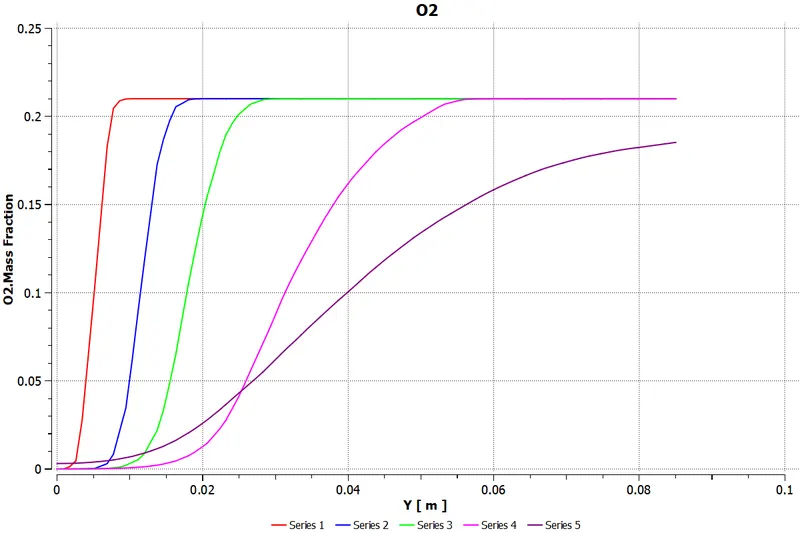
- by reducing the maximum temperature and by maintaining the oxygen level in the inlet to the required level.
Combustion source calculation:
- Finite rate chemistry
- Mixing based model: - The eddy dissipation model
- Finite rate eddy dissipation model.
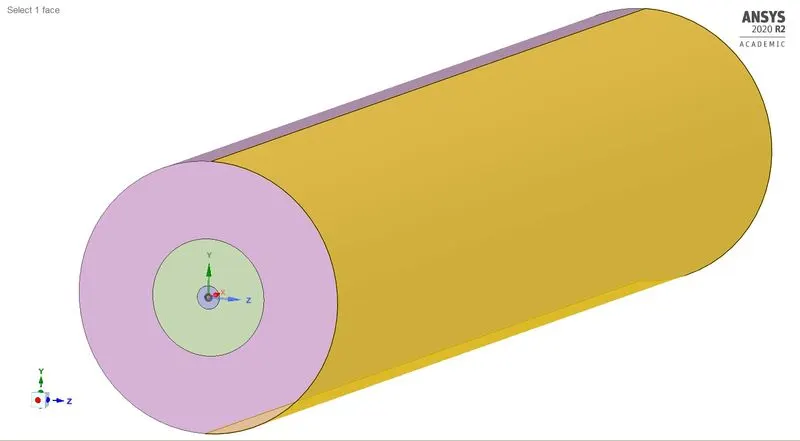
Geometry:
Meshing:
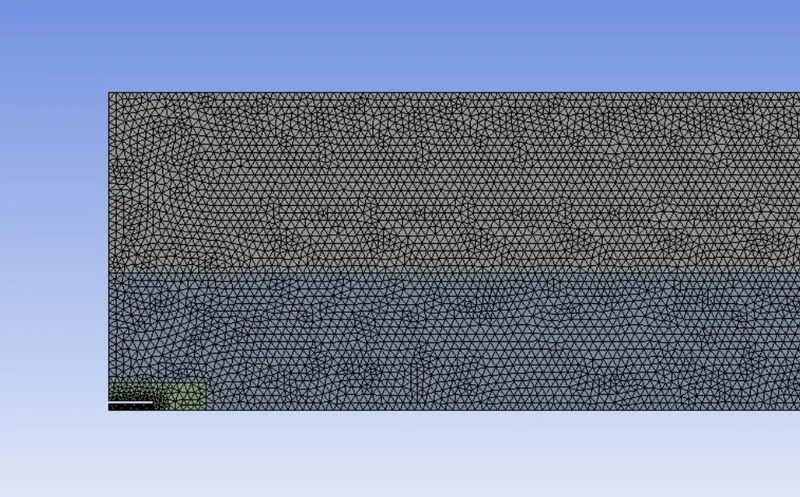
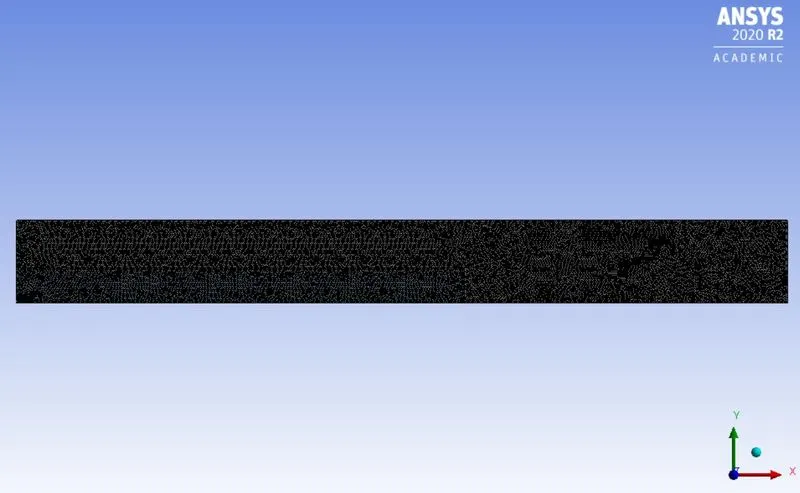
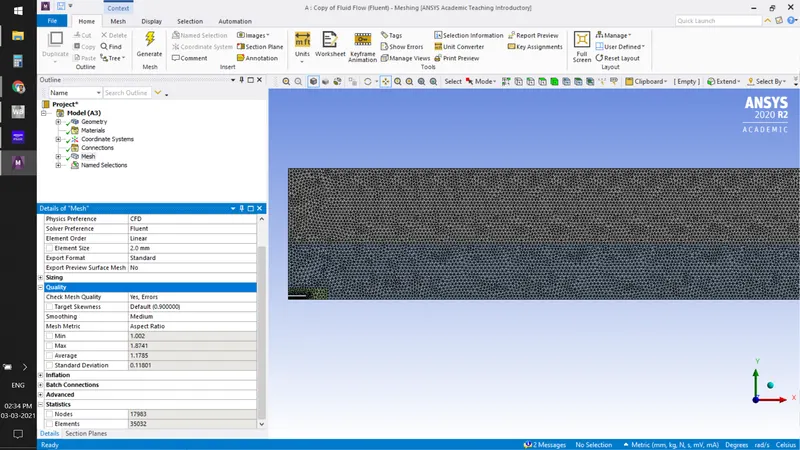
since this is an axisymmetric problem 2D plane from the geometry is selected
Capture proximity is ON to fit a number of cells near the fuel injector.
element size of 2mm
Solving:
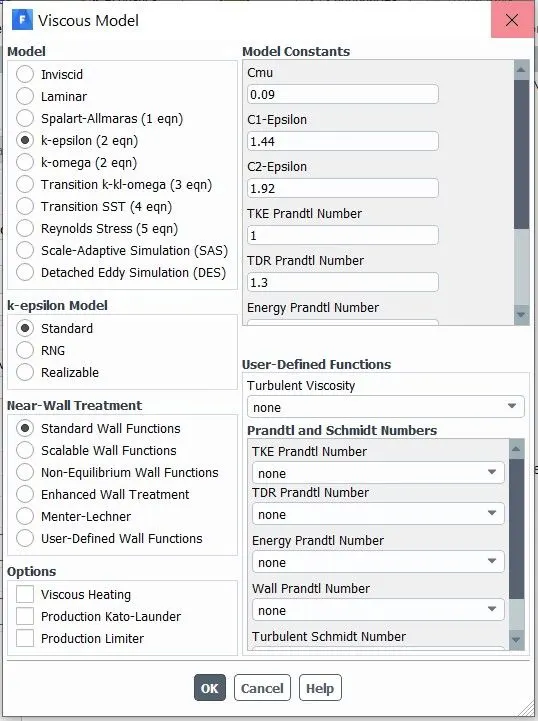
model: K-epsilon turbulence model
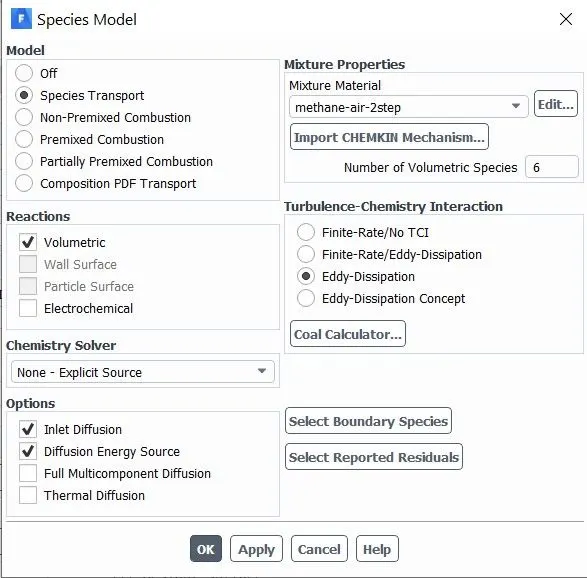
Species model for combustion process:
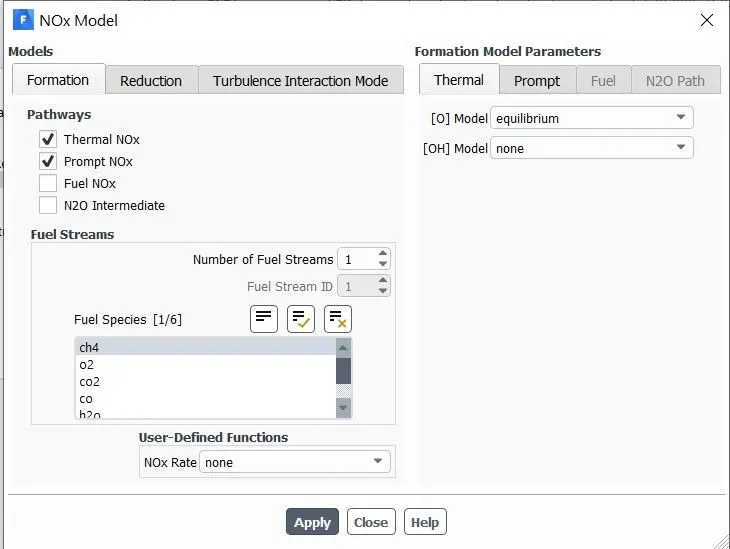
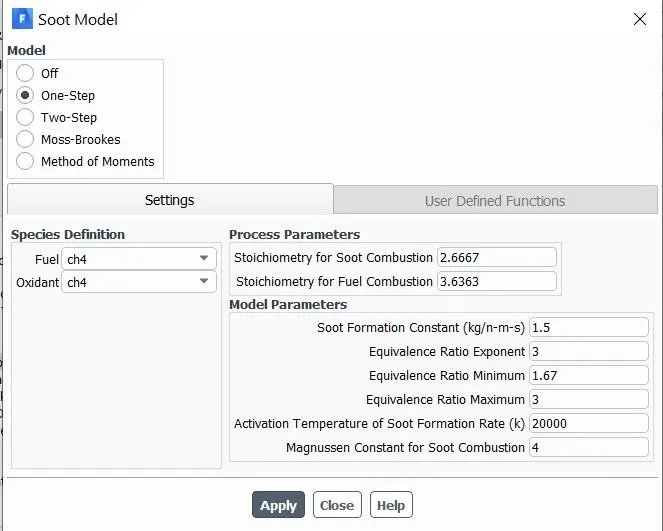
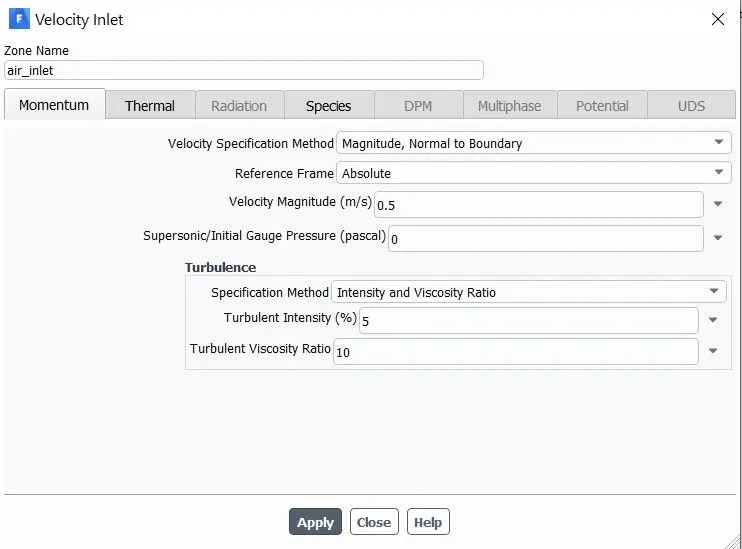
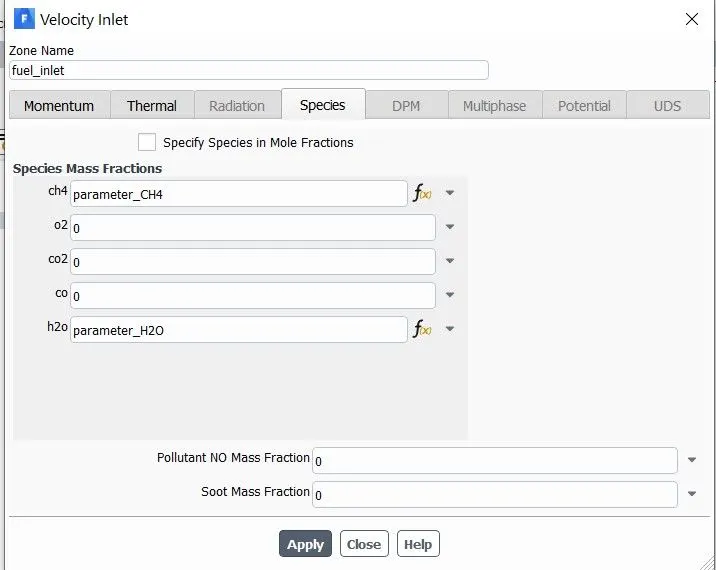
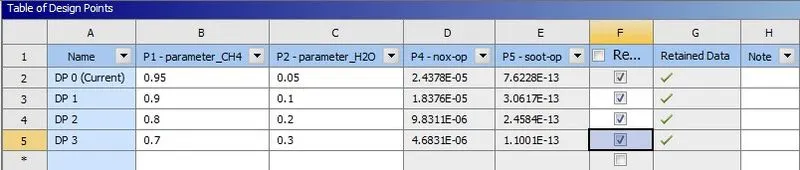
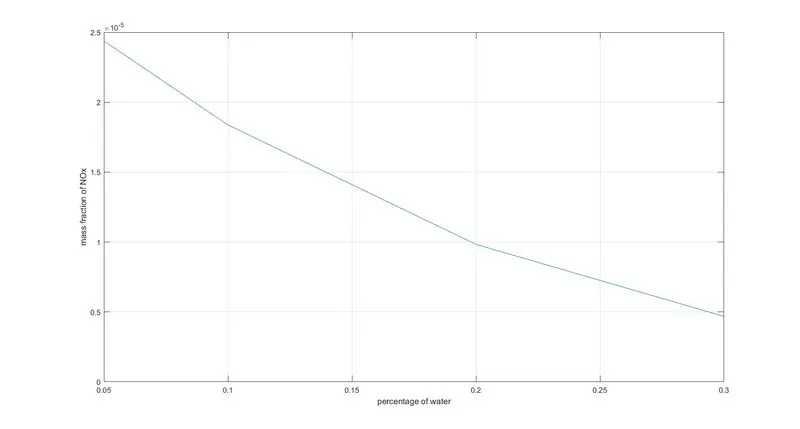
Parametric study of varying the ratio of fuel and H2O:
Post-processing:
Part-I
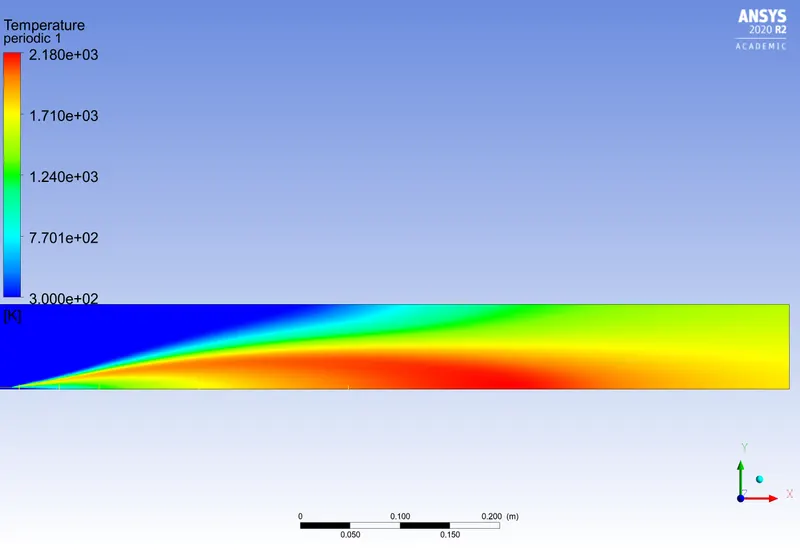
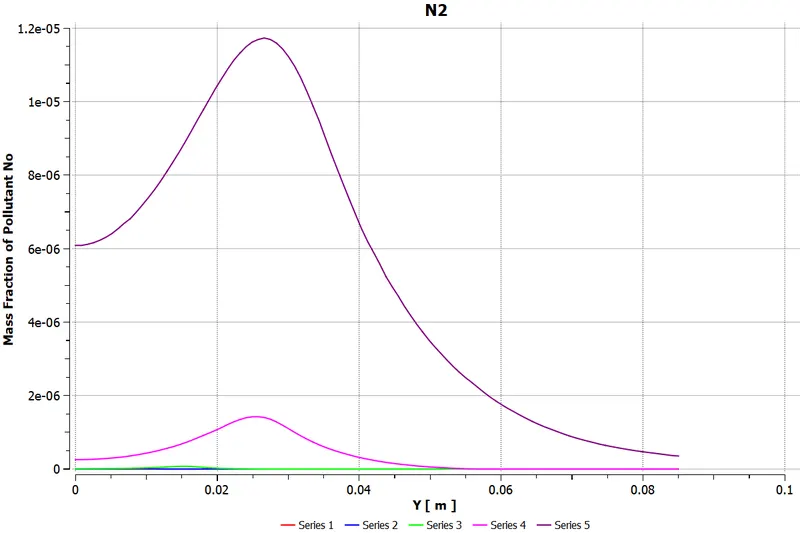
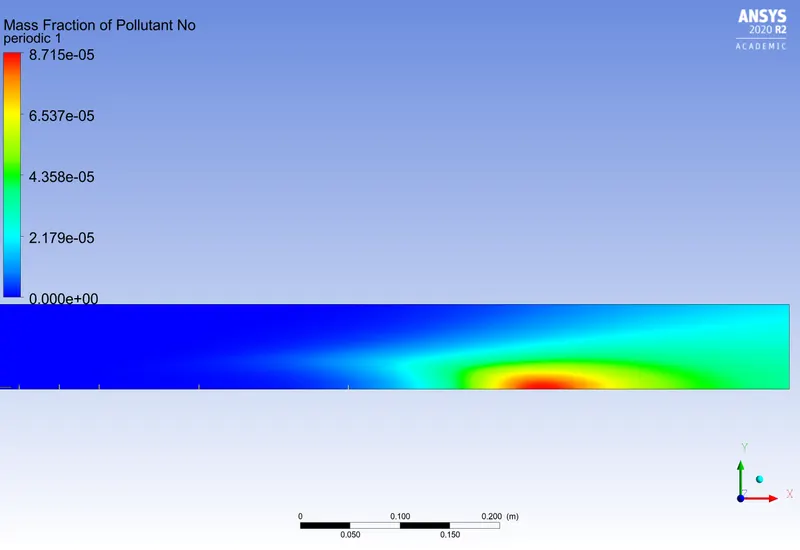
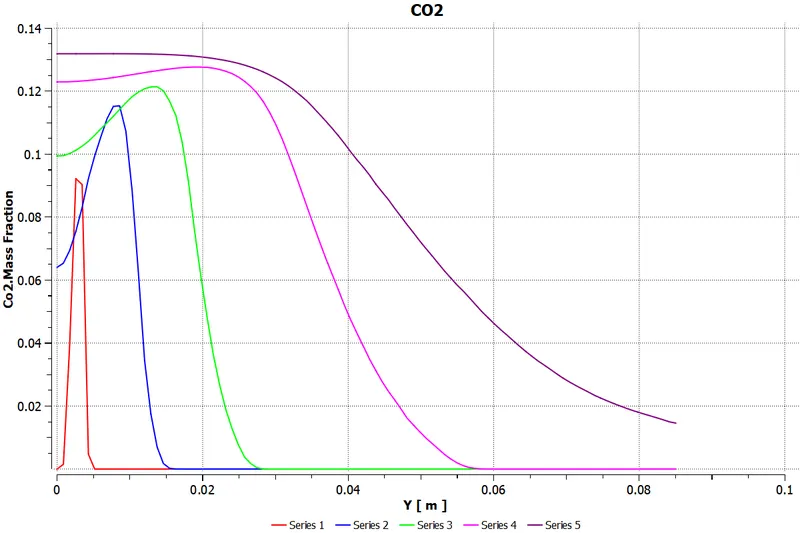
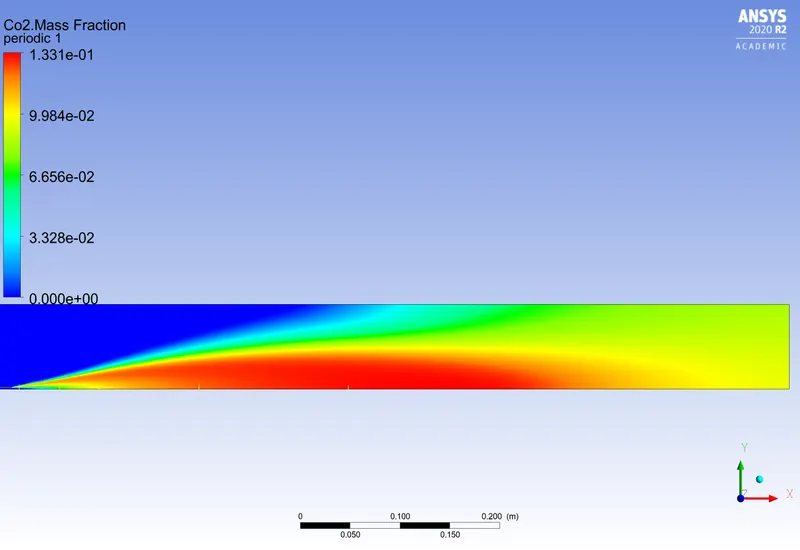
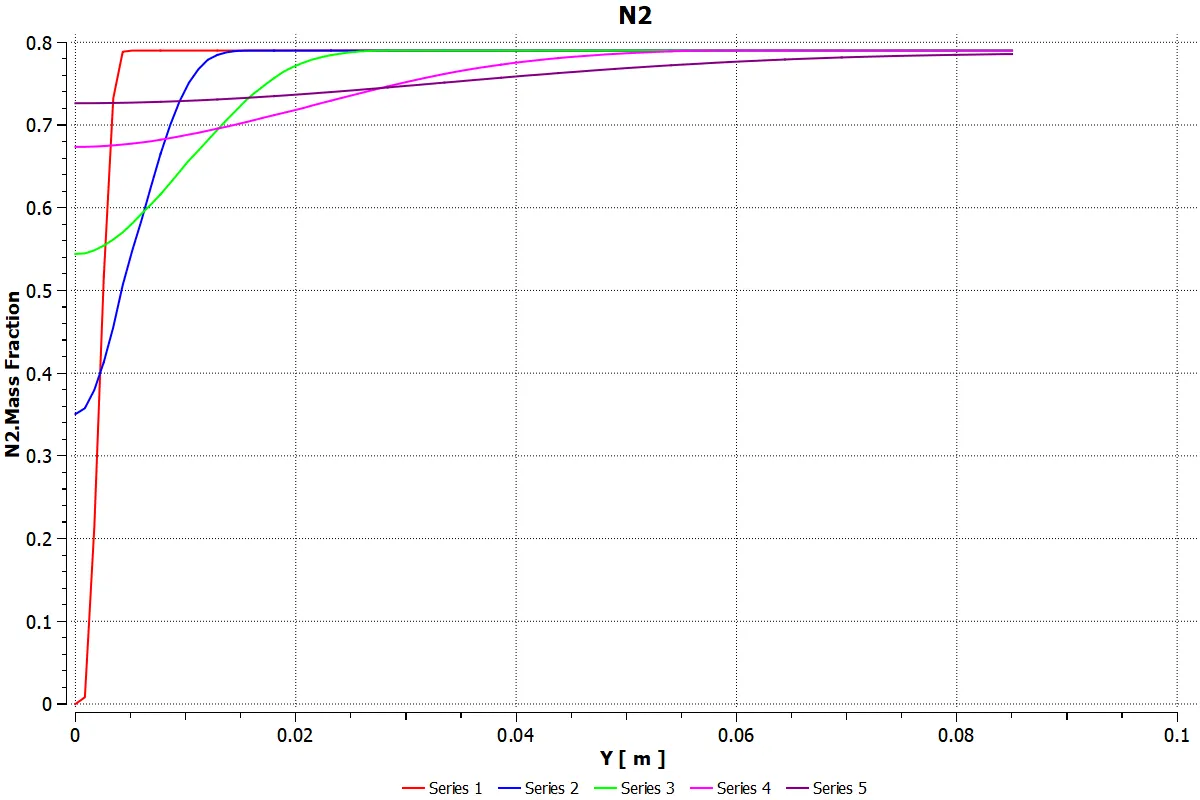
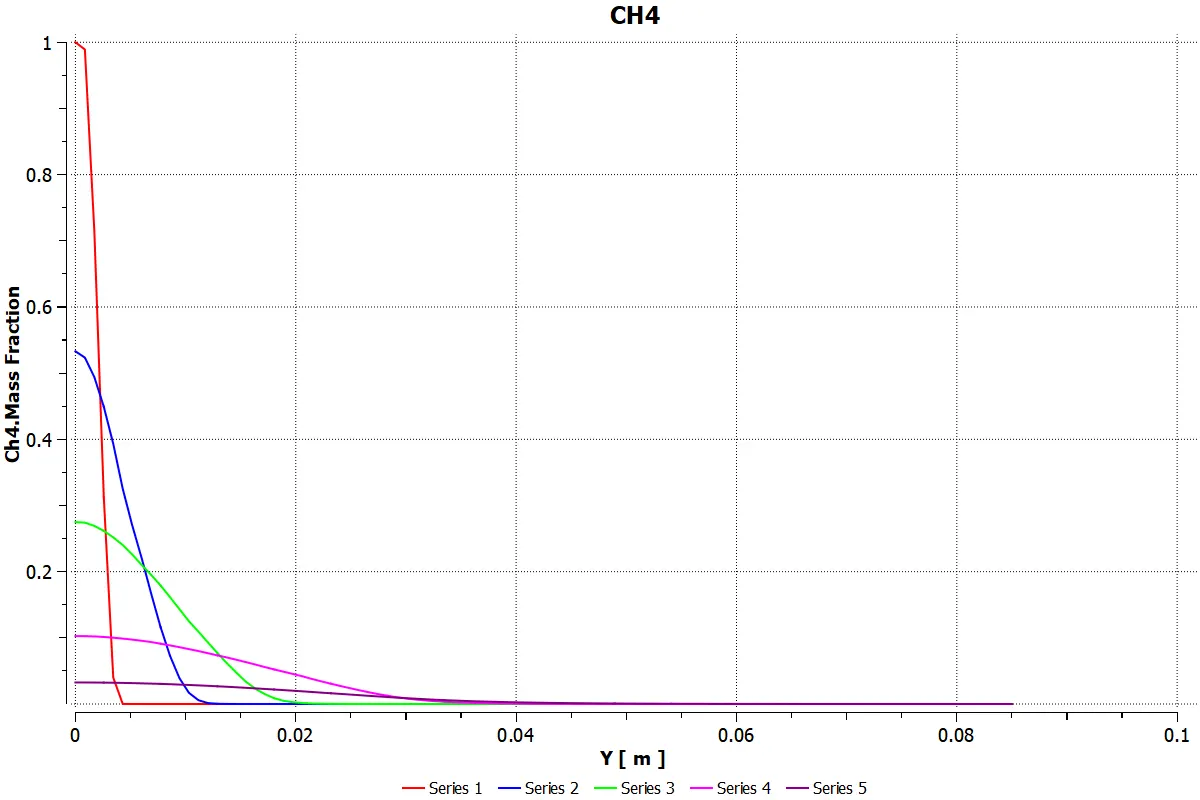
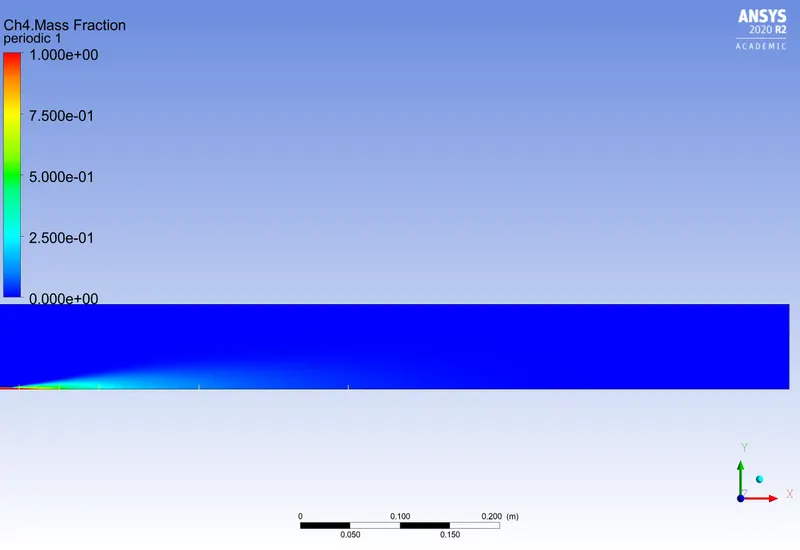
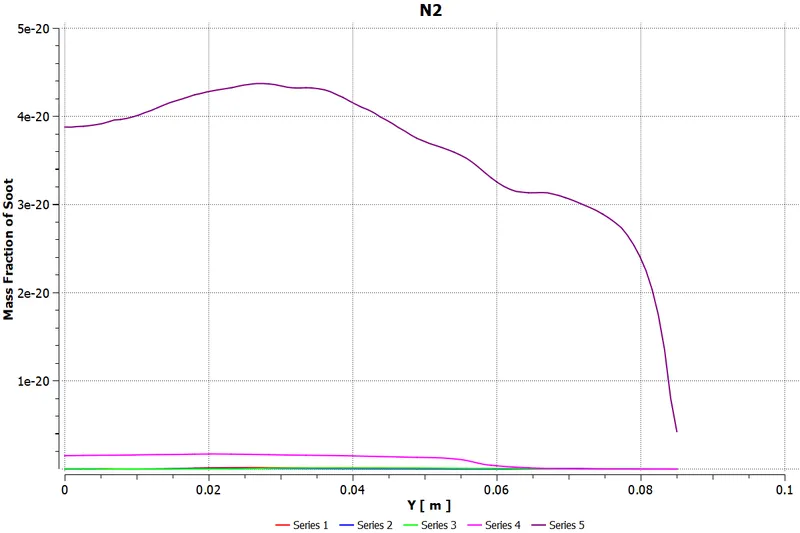
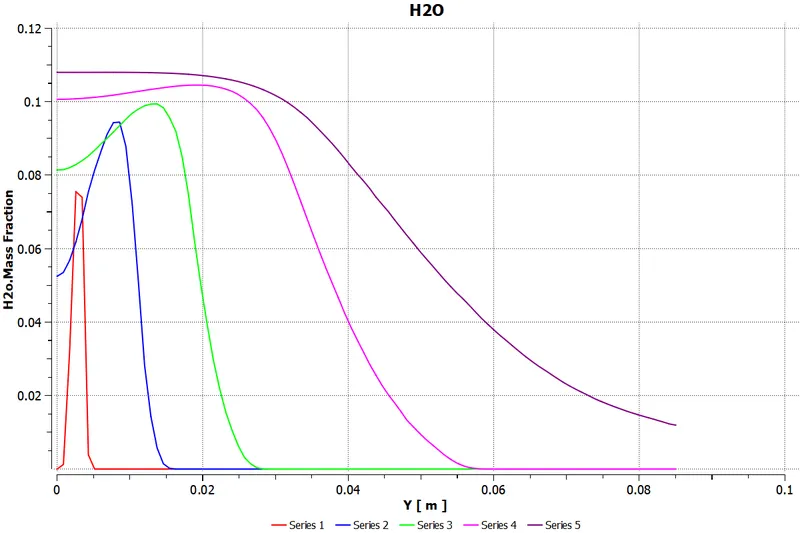
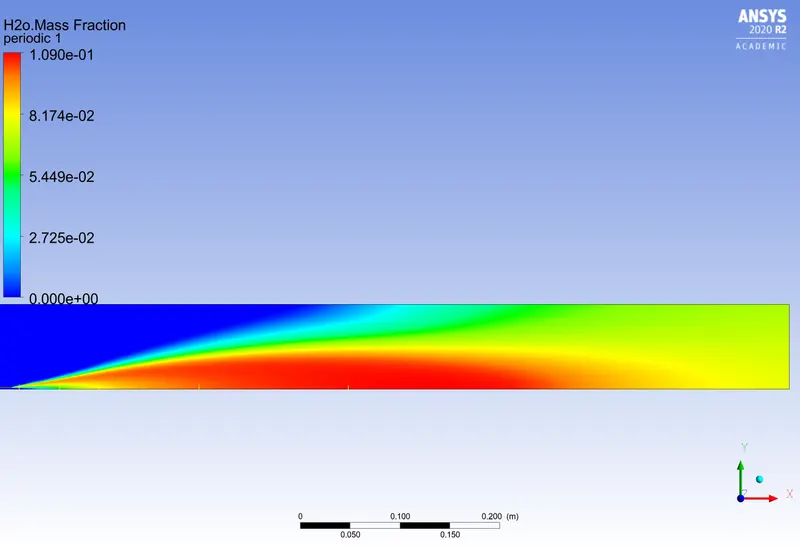
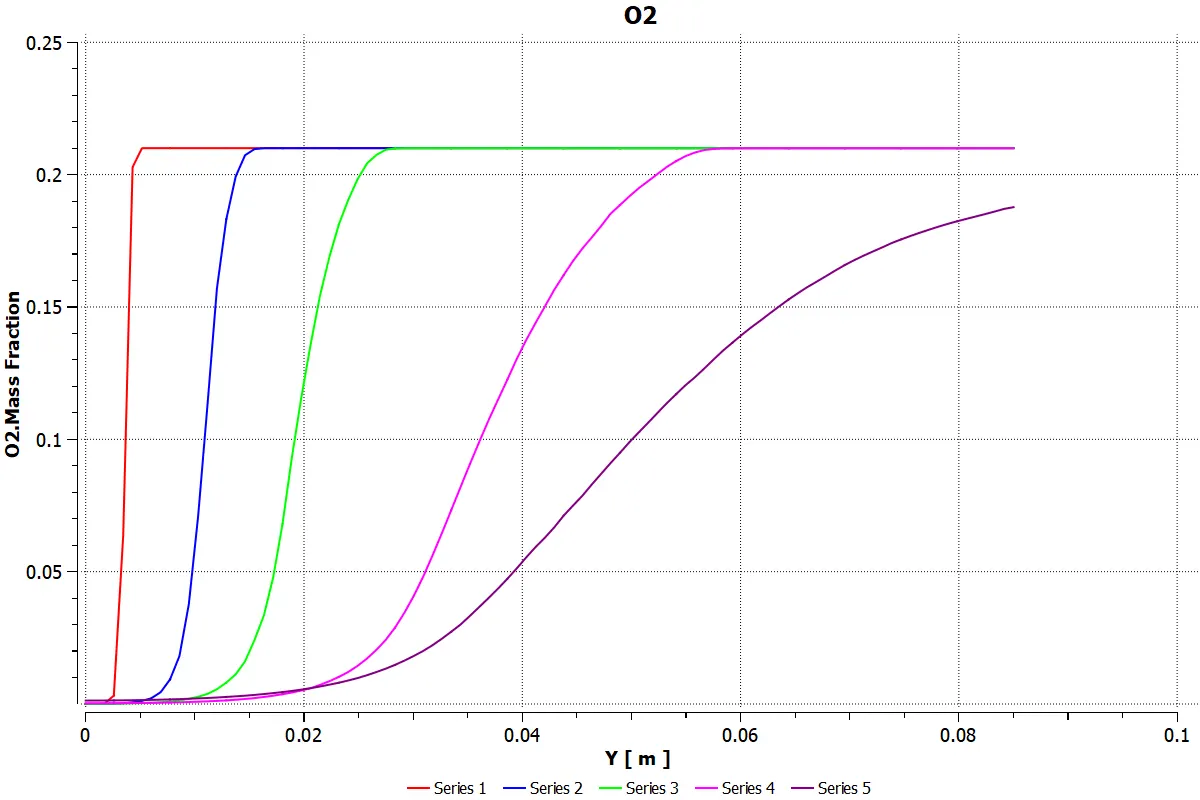
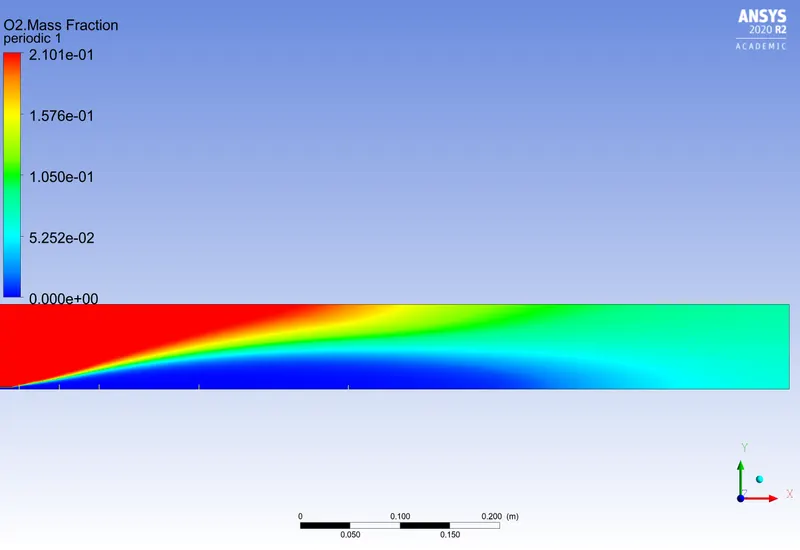
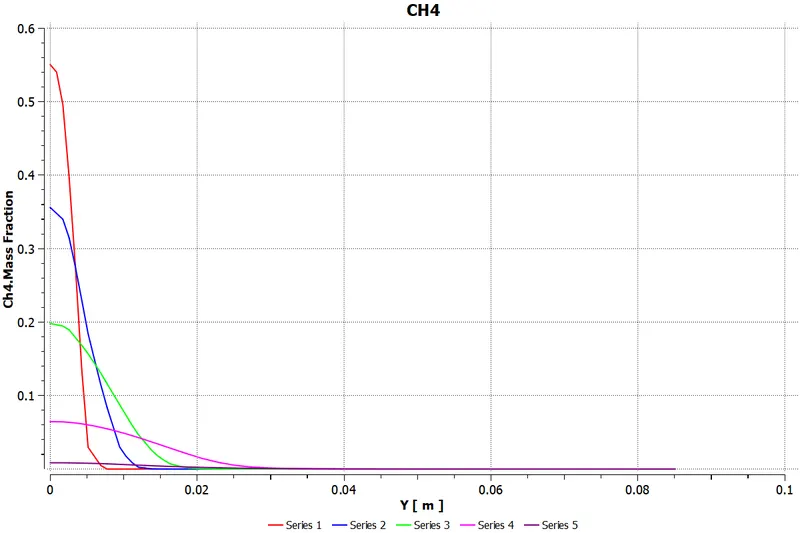
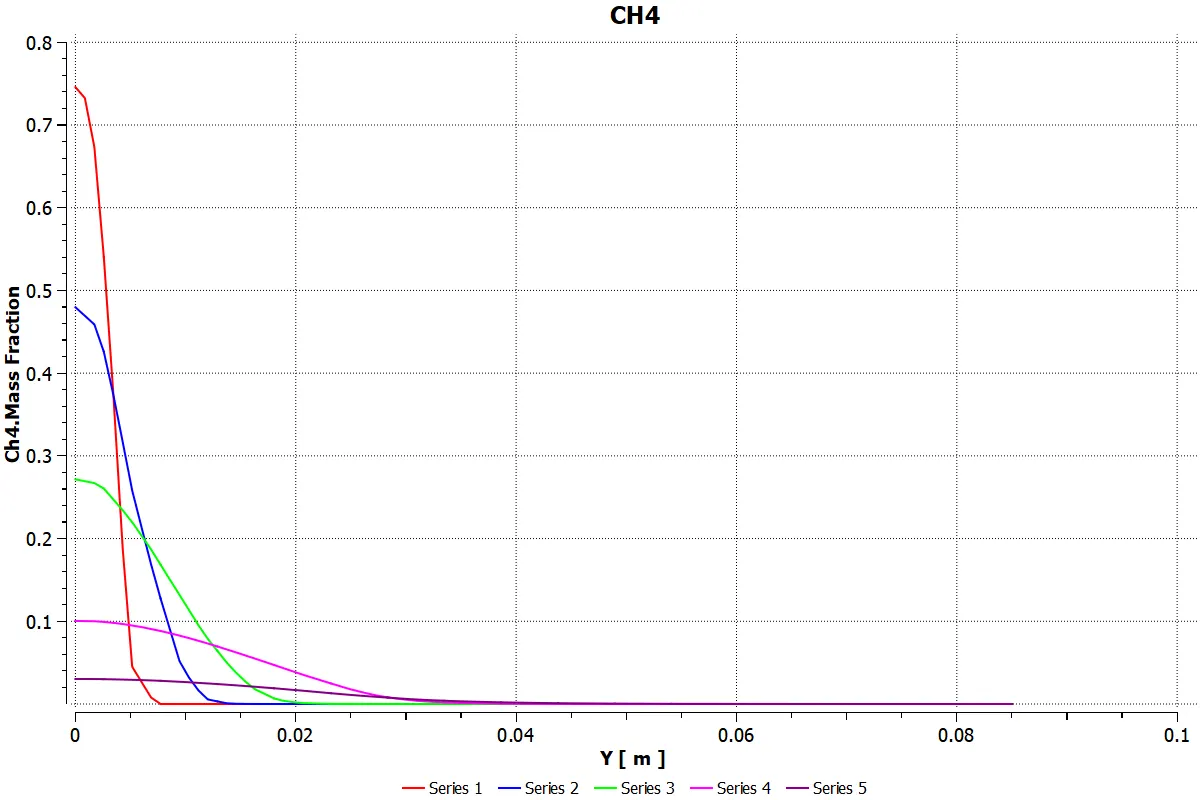
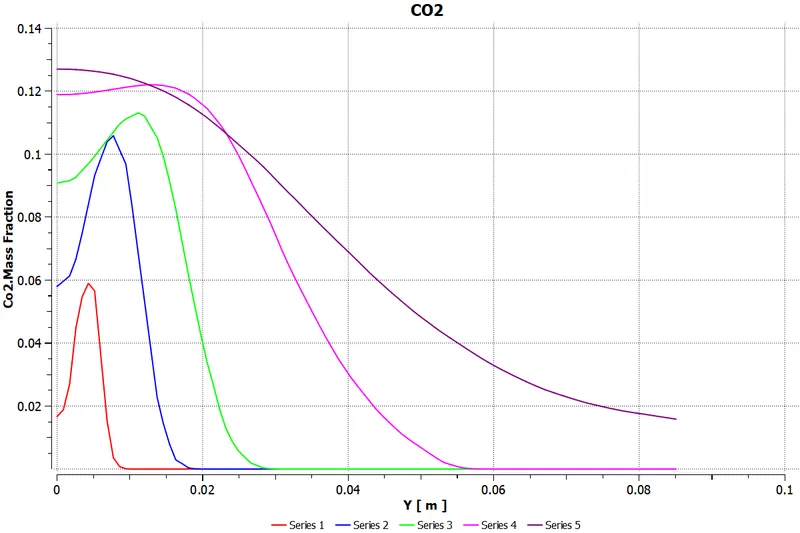
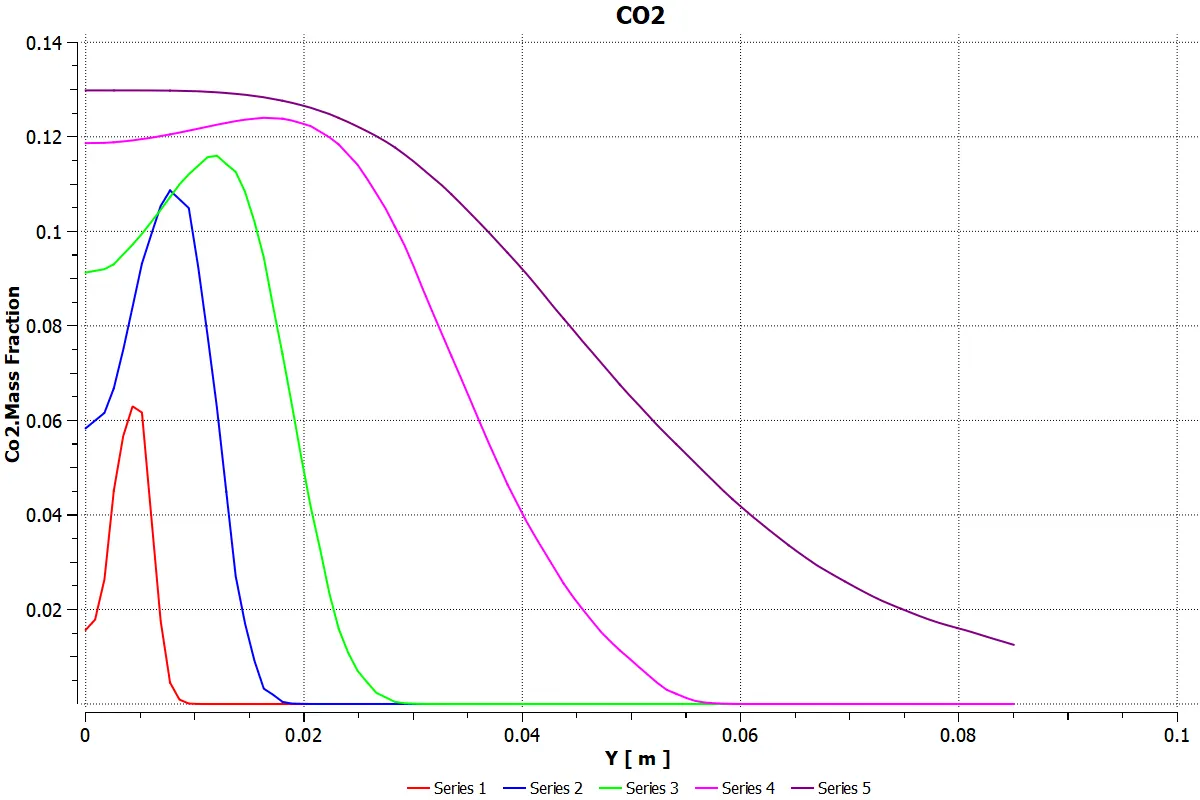
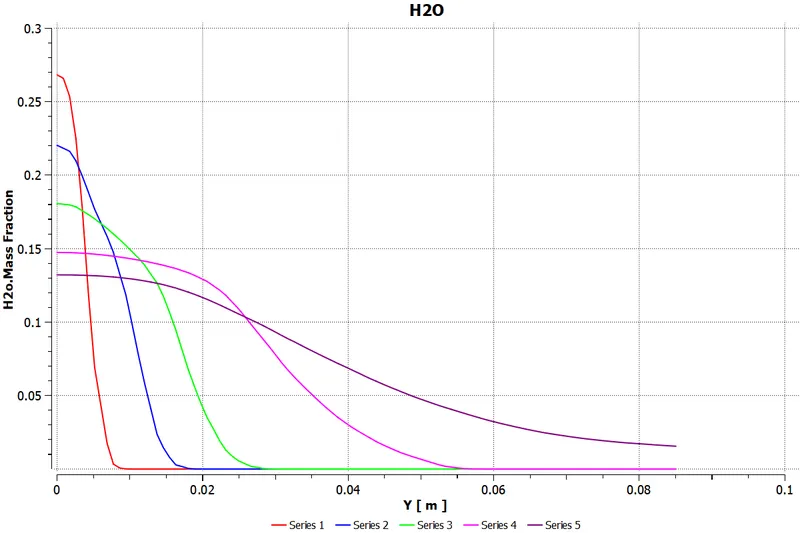
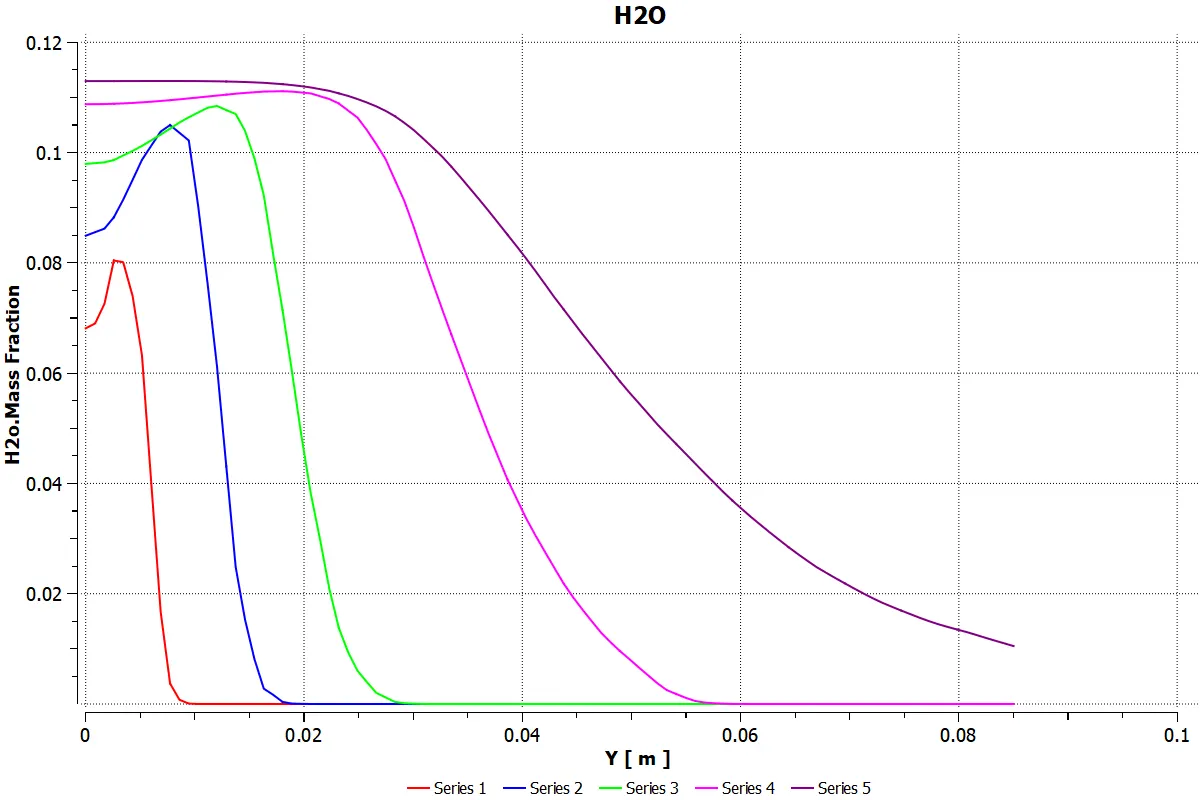
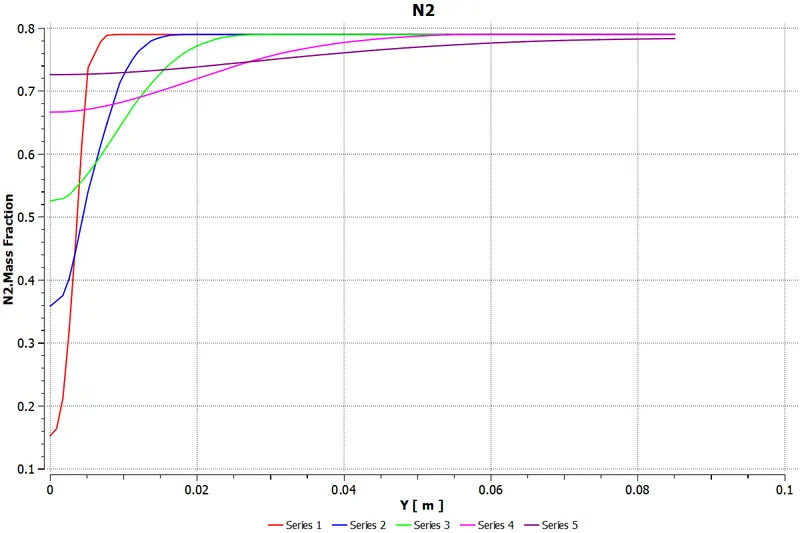
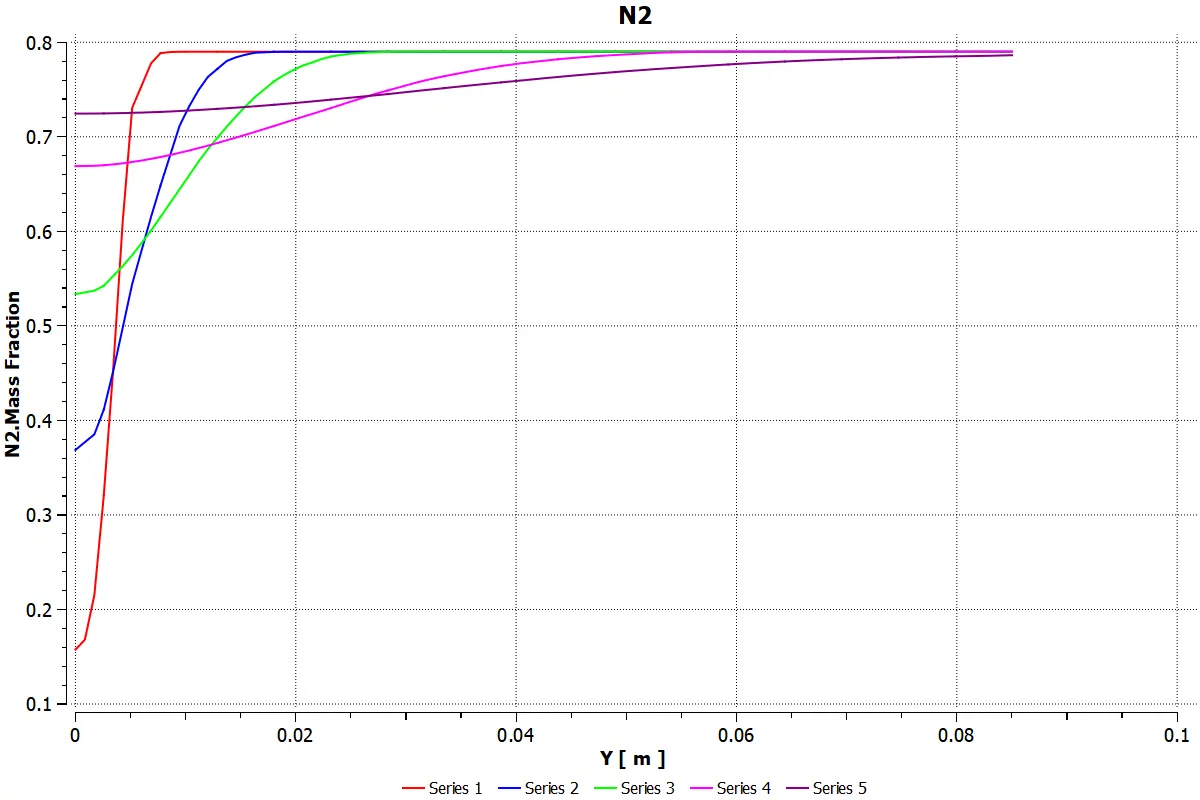
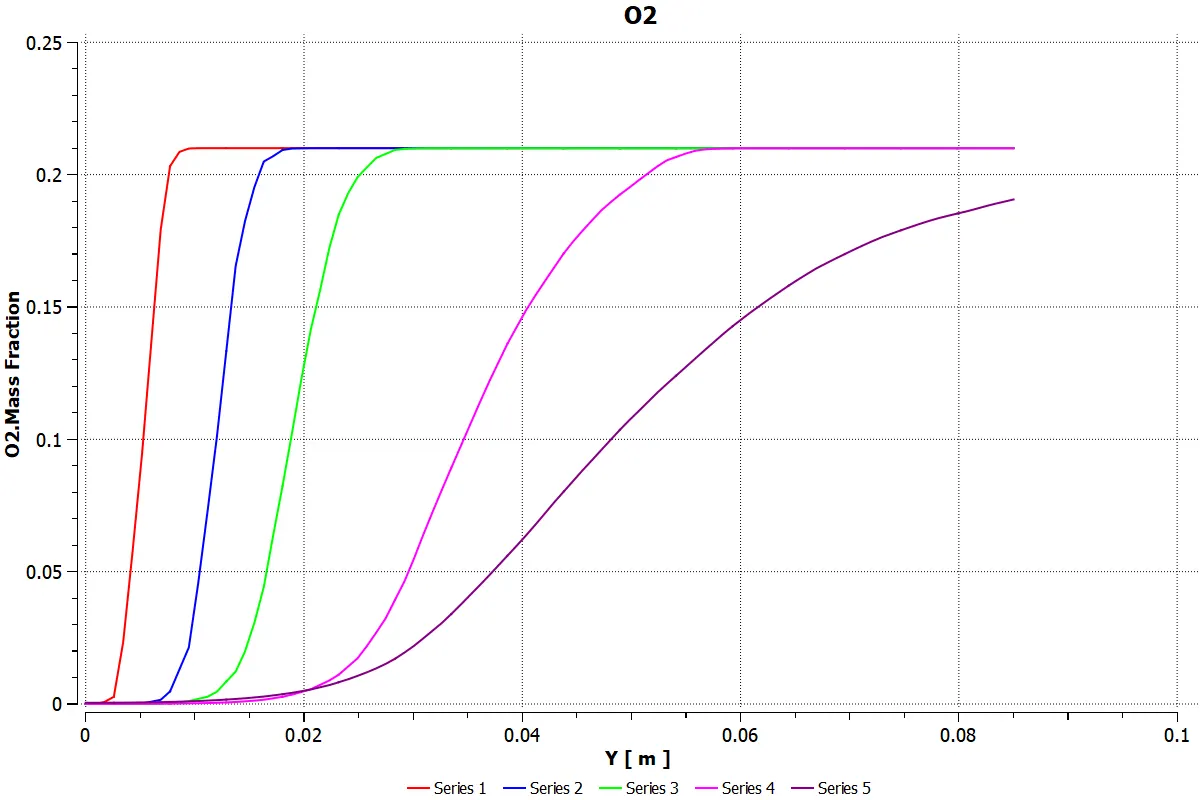
five-line is created along the length to chart the various parameters
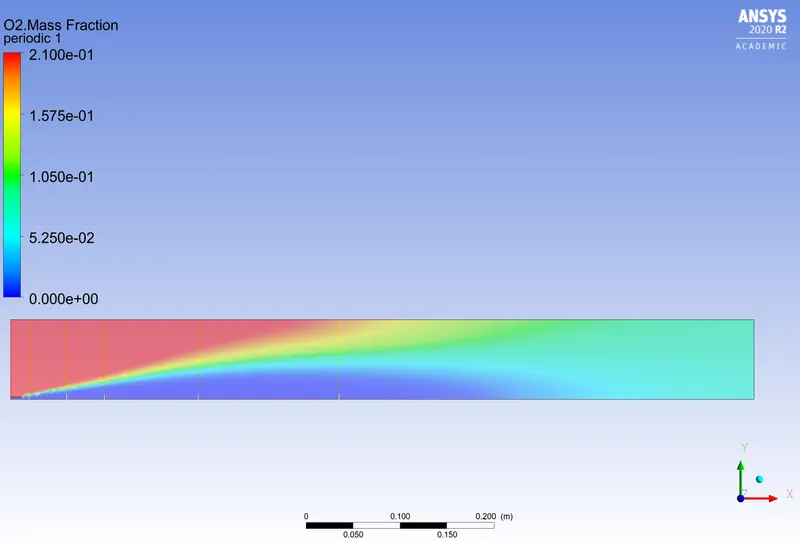
Part -II
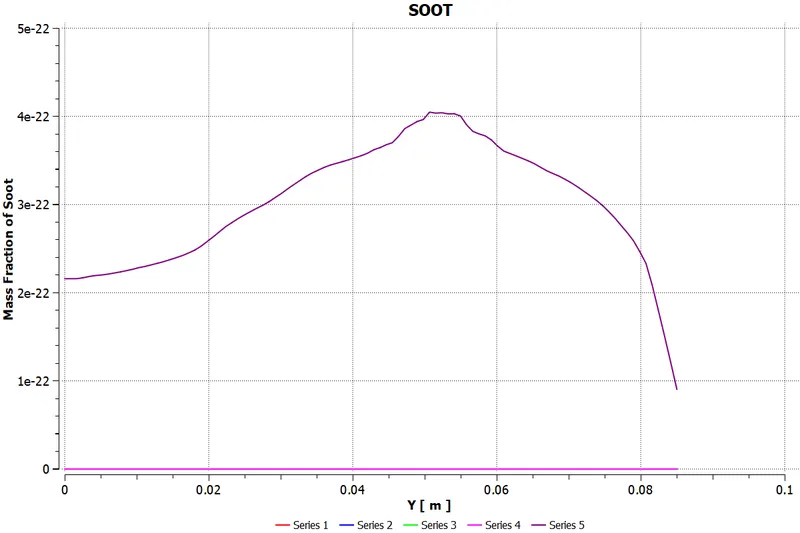
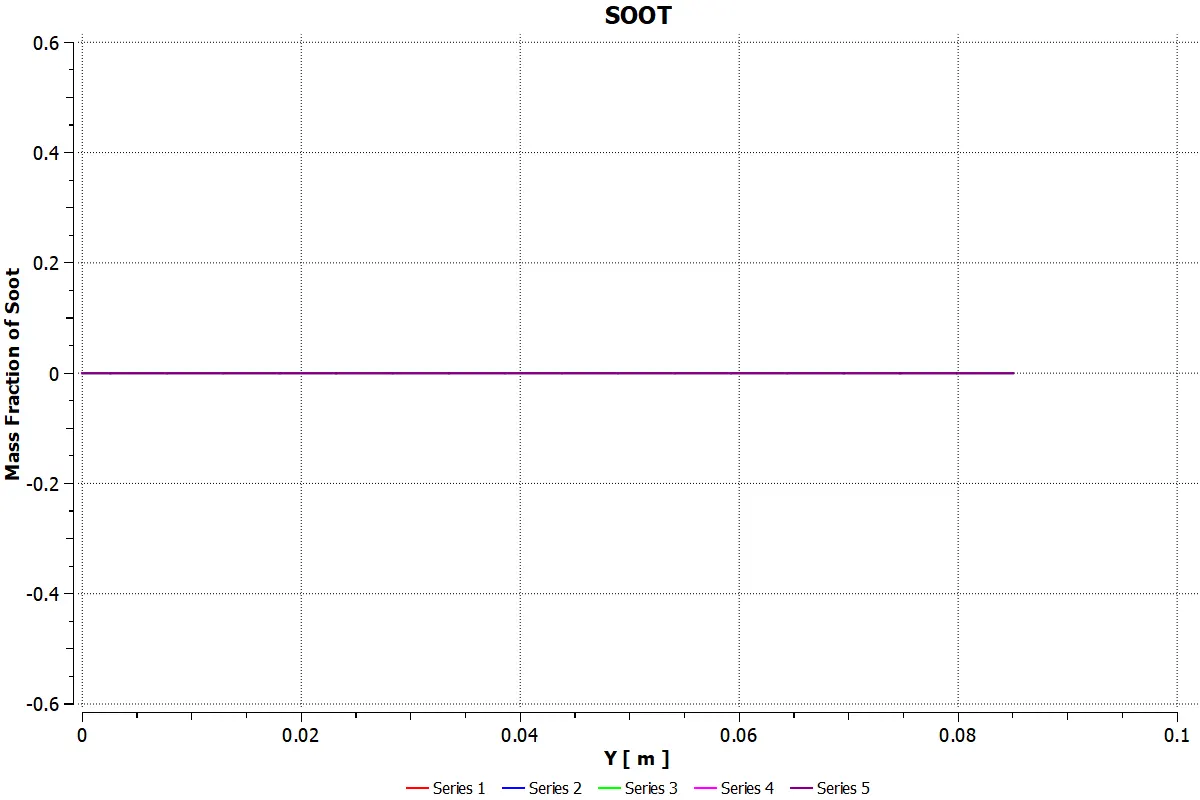
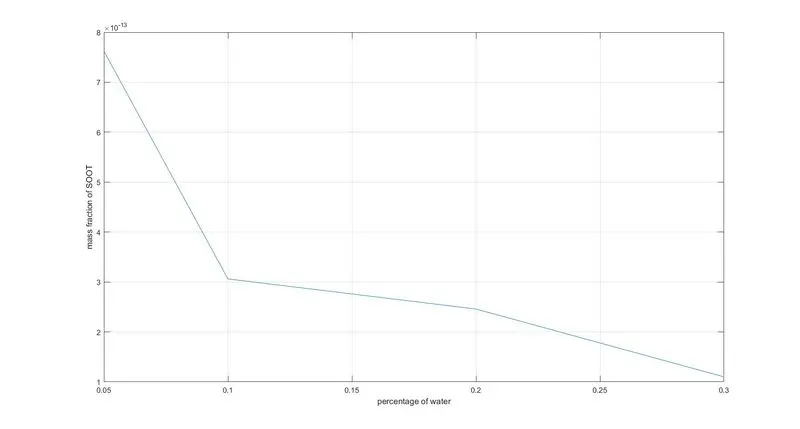
parametric study
| 30% of water in fuel | 5% of water in fuel |
 |
 |
 |
 |
 |
 |
 |
 |
 |
 |
 |
 |
 |
 |
Conclusion:
- Thus the simulation of combustion using Ansys fluent ran successfully.
- From the above result, we can say that the formation of NOx and SOOT is reduced by adding water.