Week 10 - Simulating Combustion of Natural Gas.
AIM:
Part 1-
- To simuate a combustion model of methane air mixture.
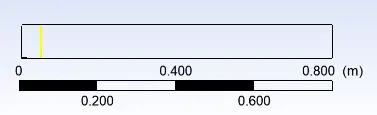
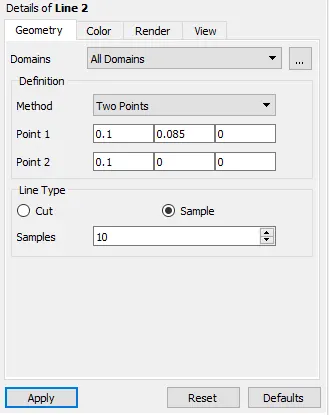
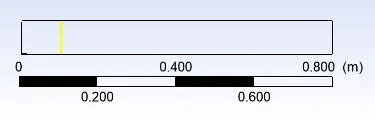
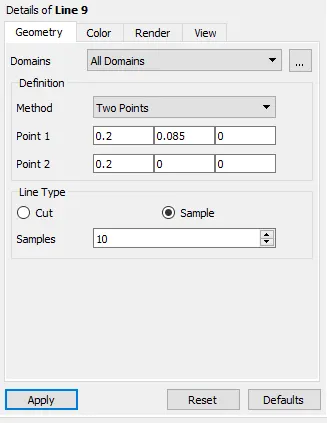
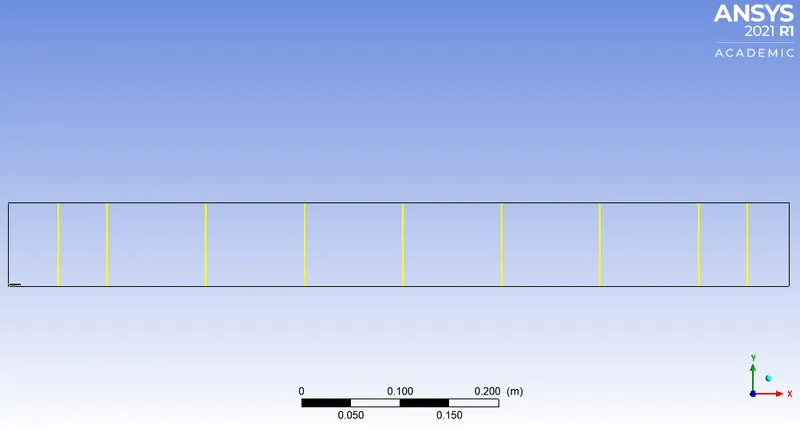
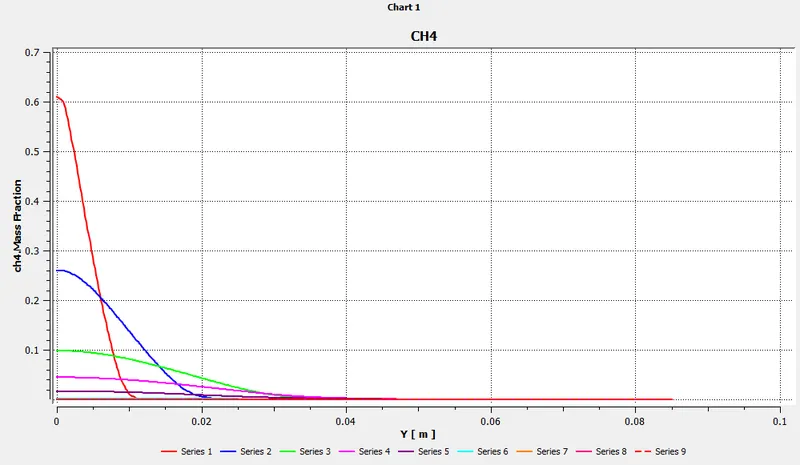
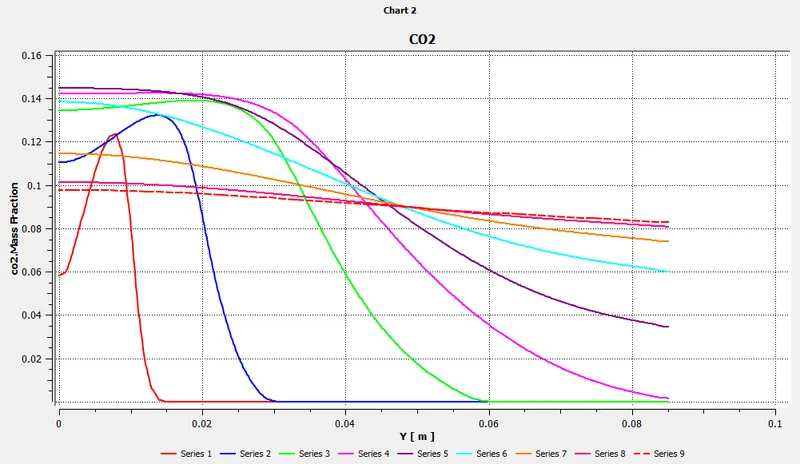
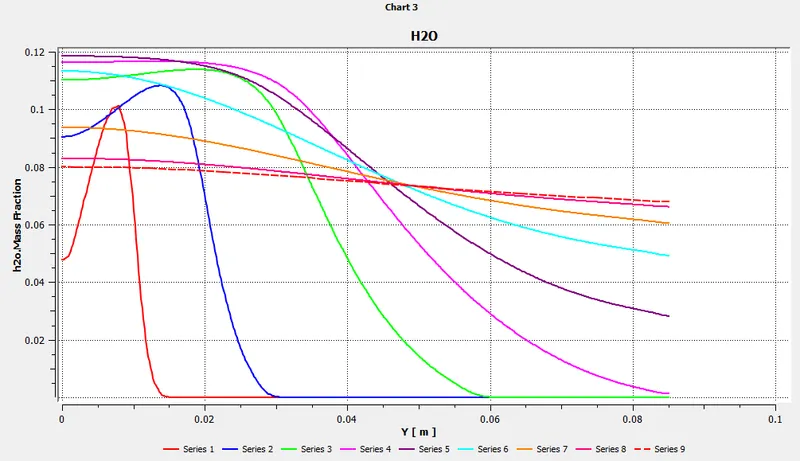
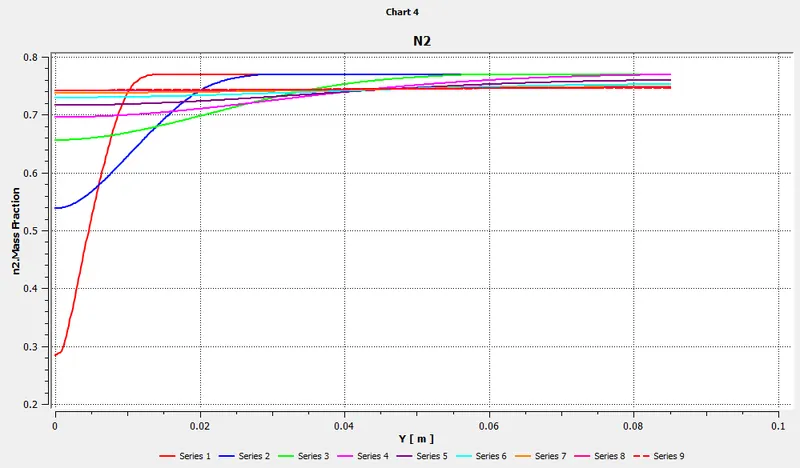
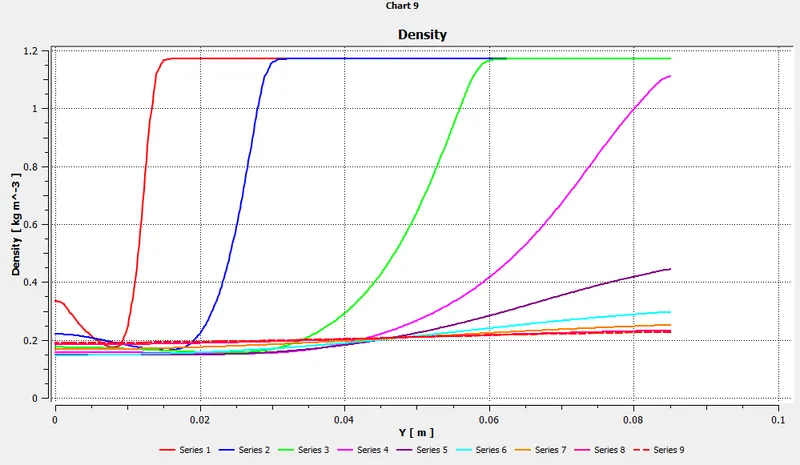
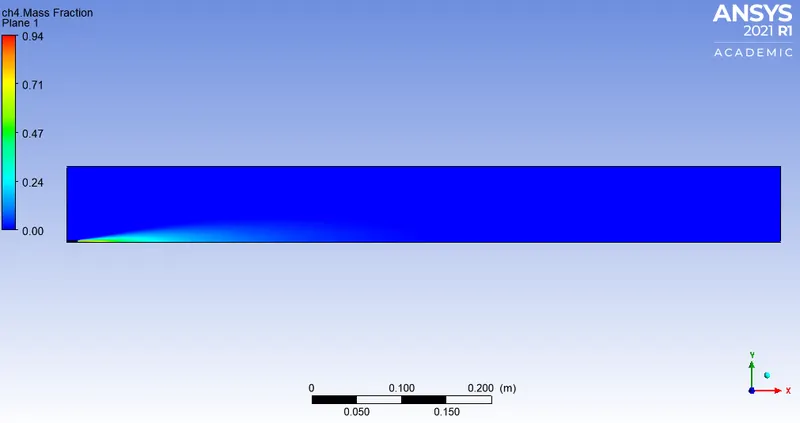
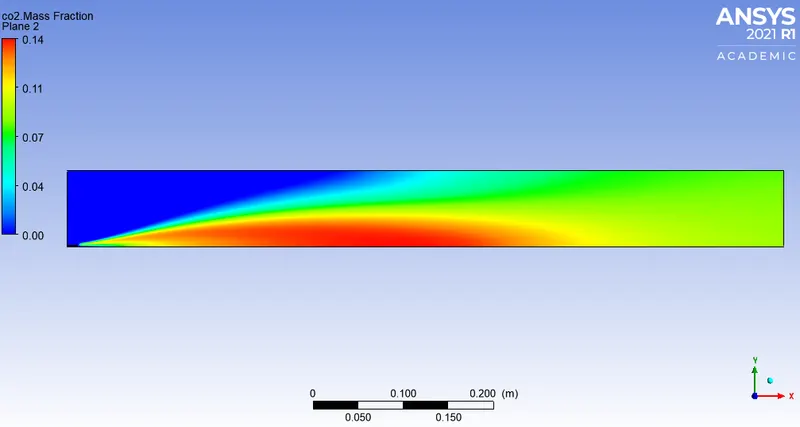
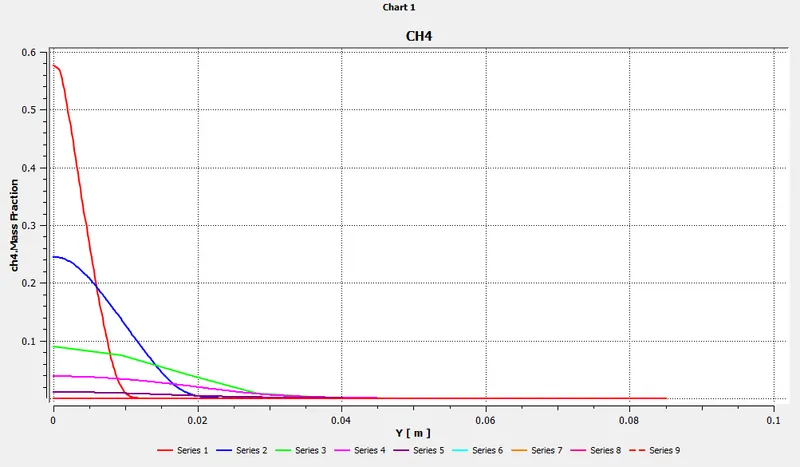
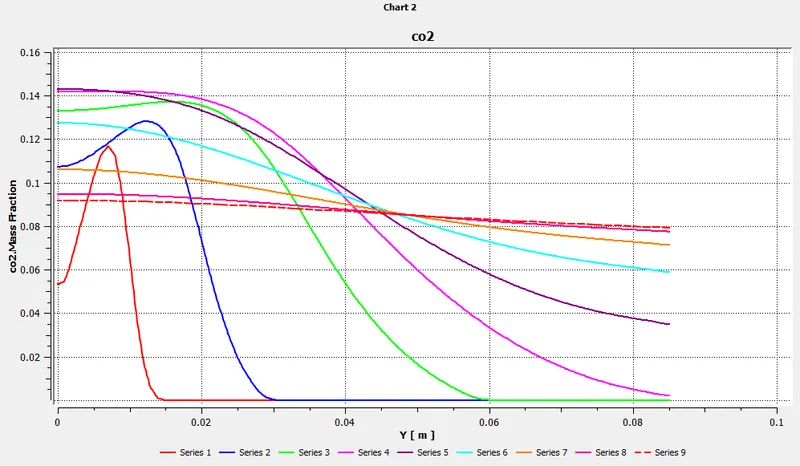
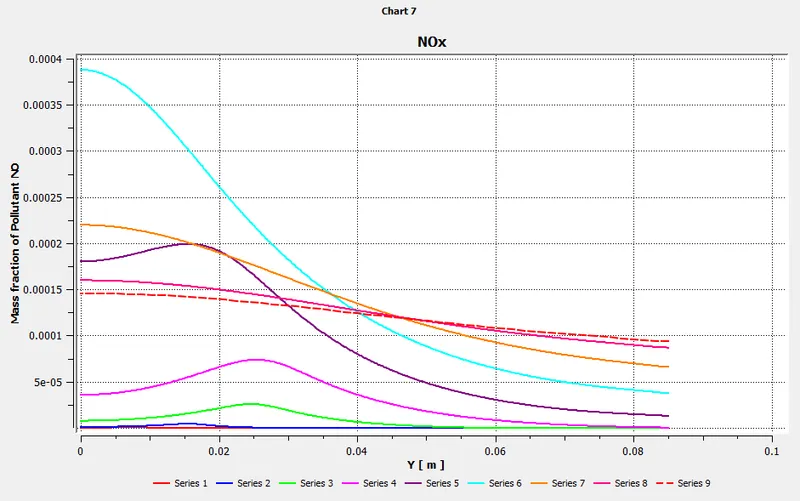
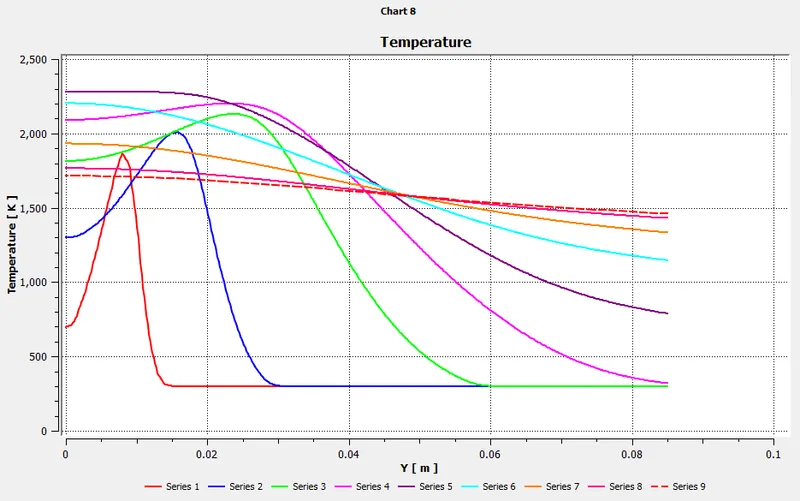
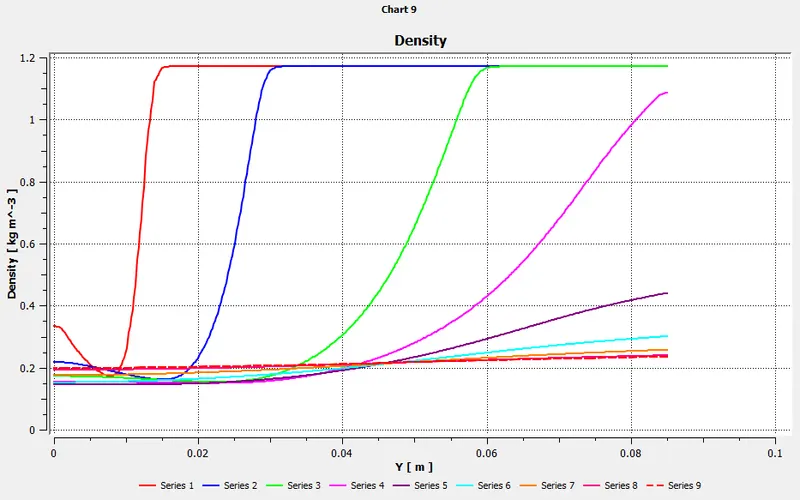
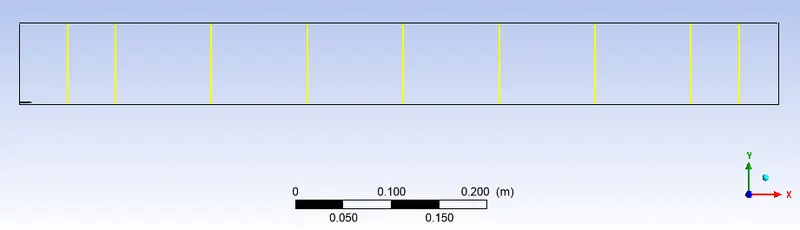
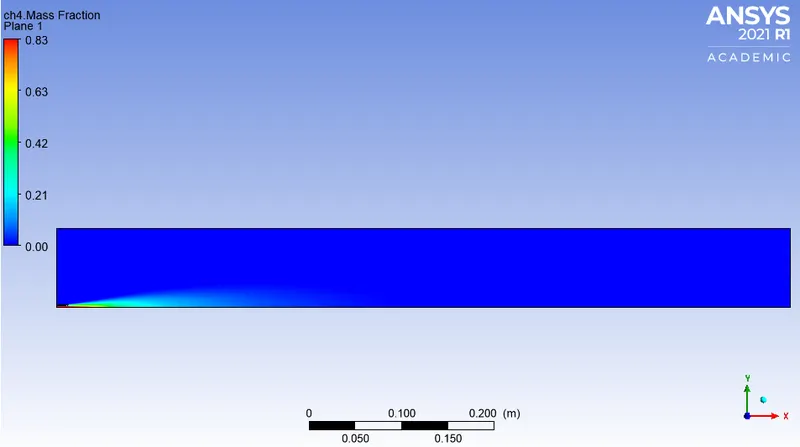
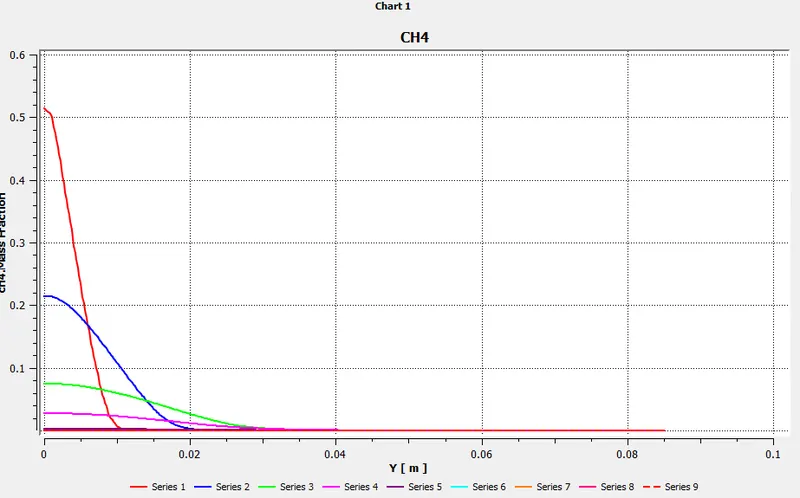
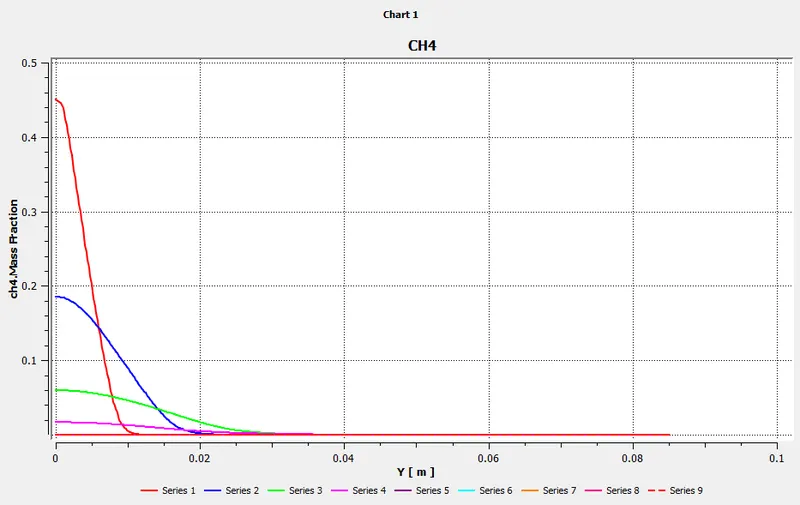
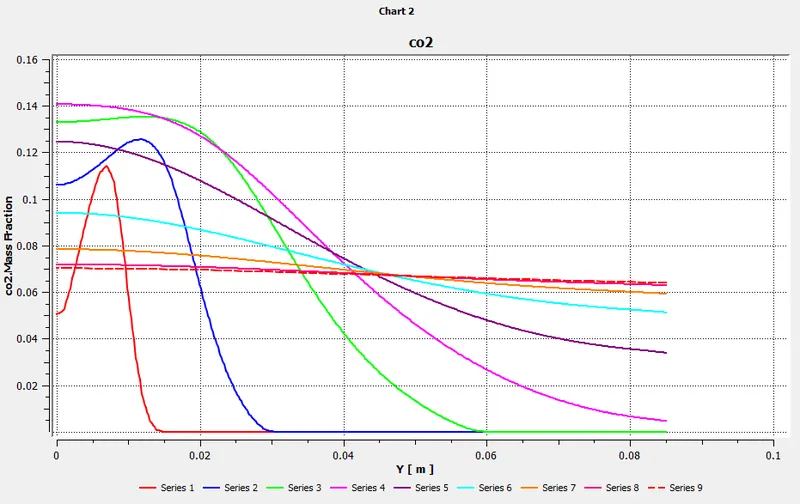
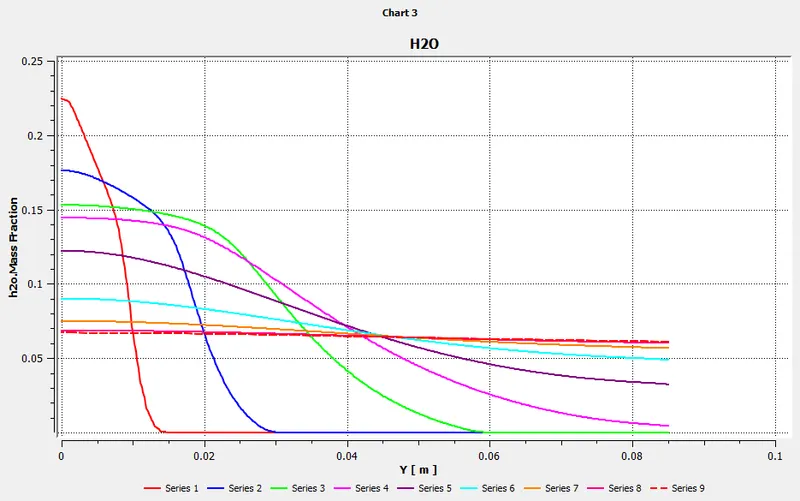
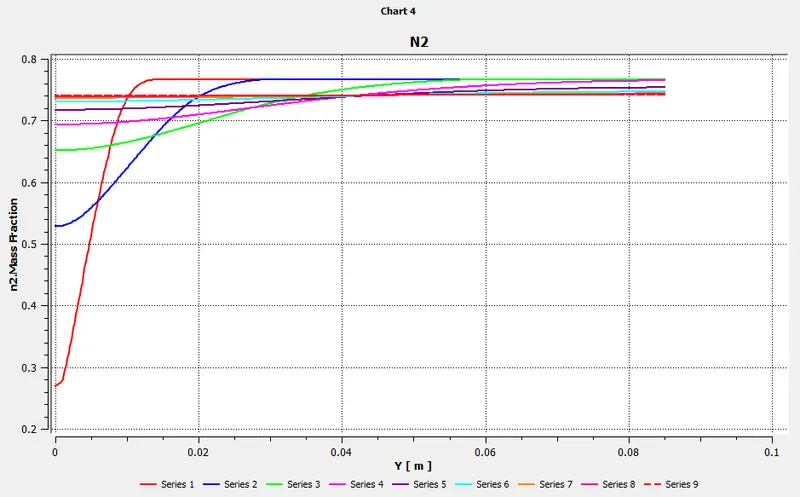
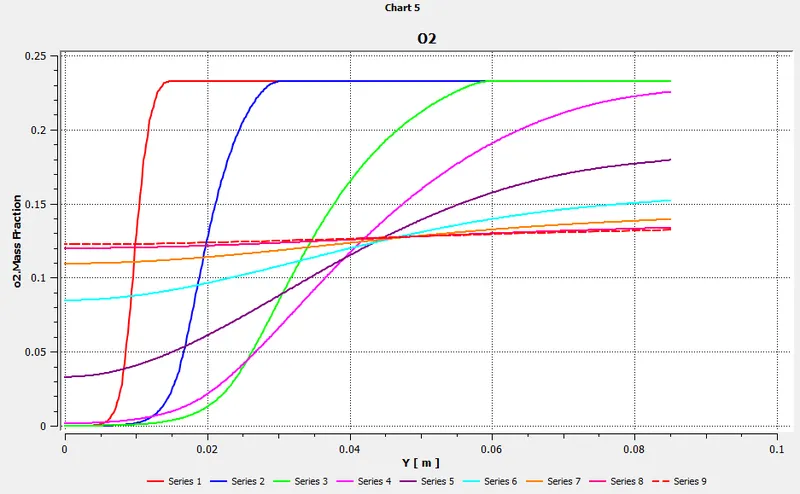
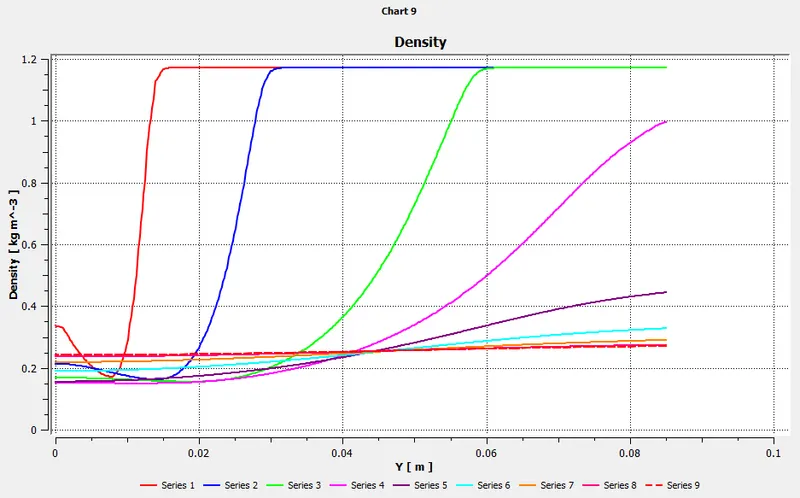
- To plot 'Mass fraction of the different species' in the simulation using line probes at various locations on the geometry.
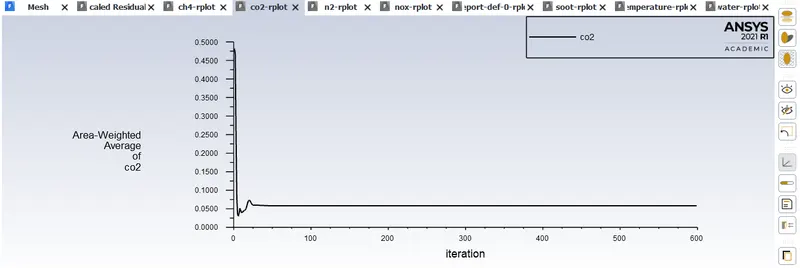
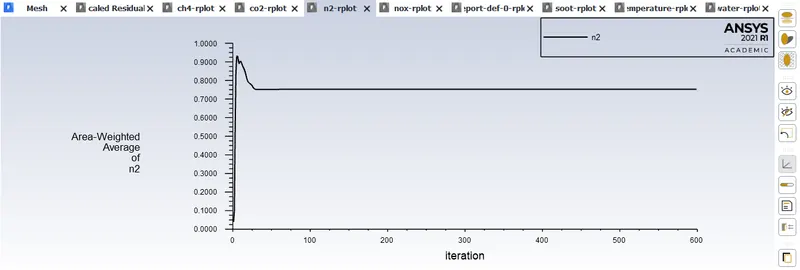
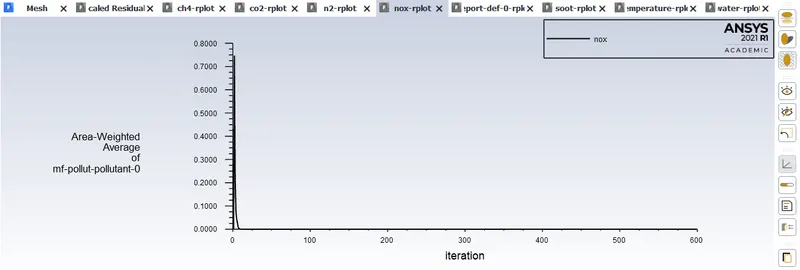
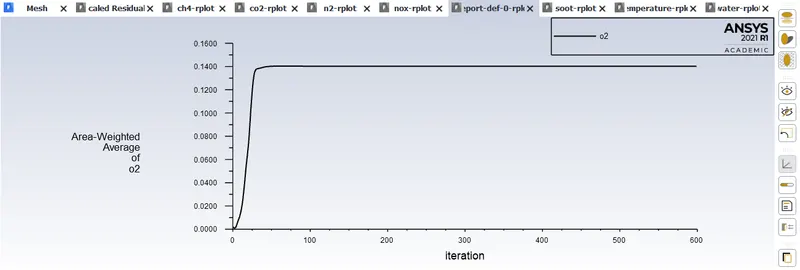
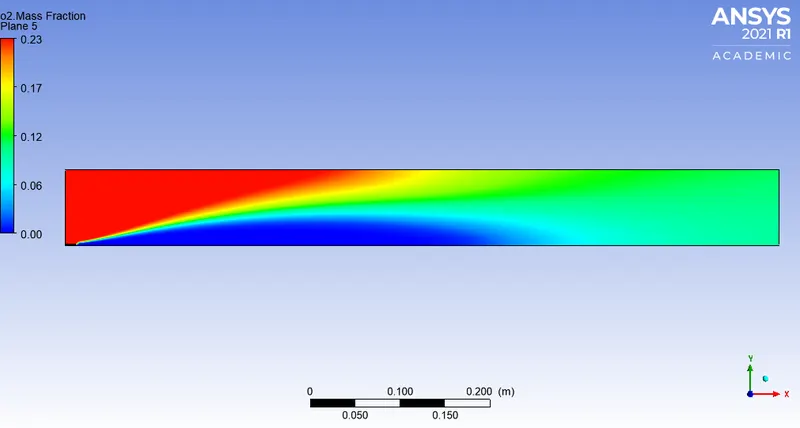
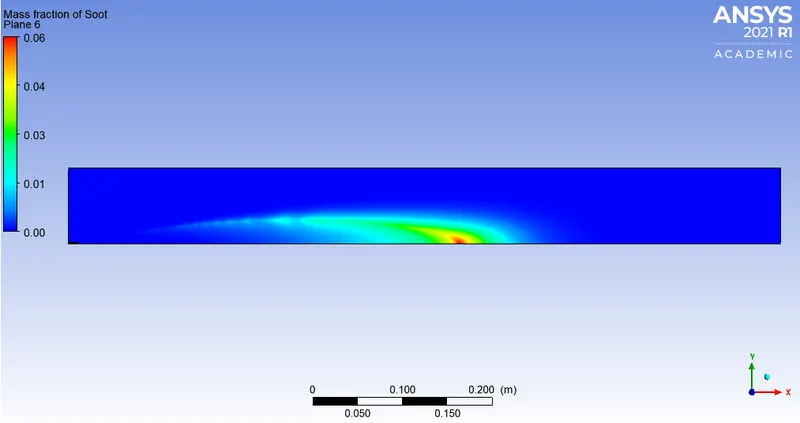
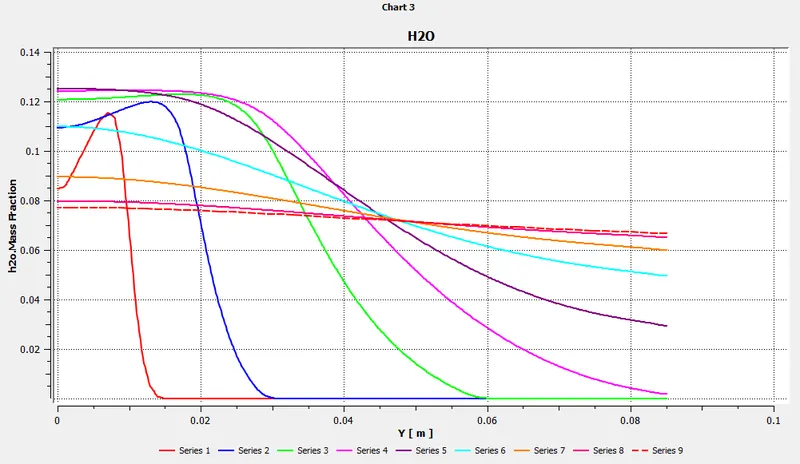
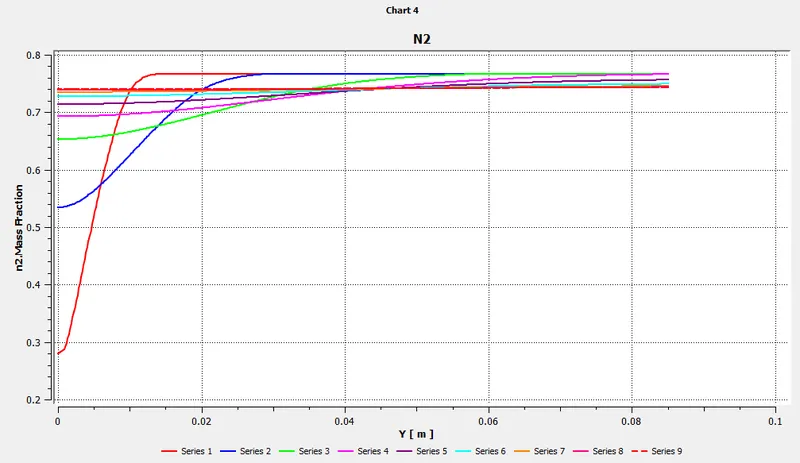
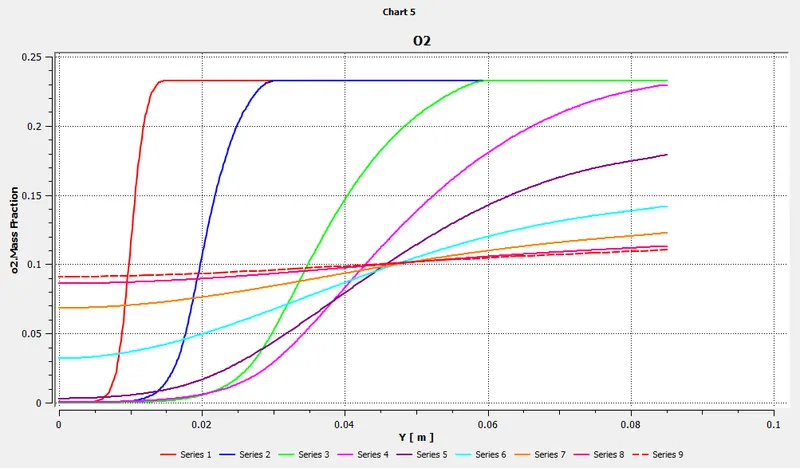
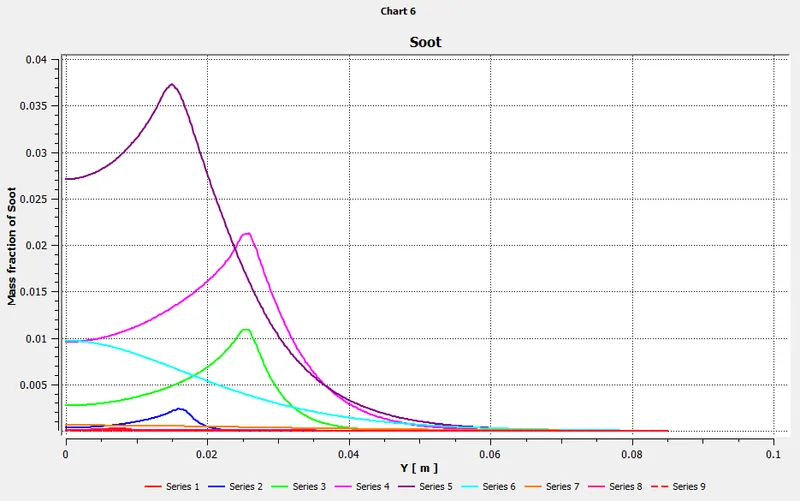
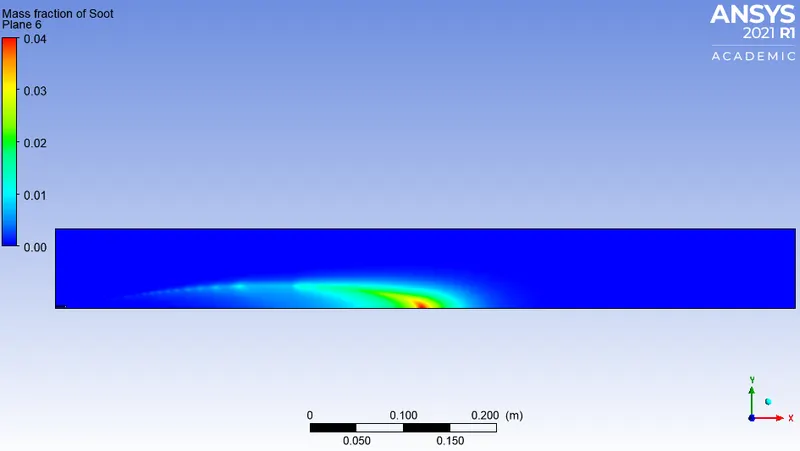
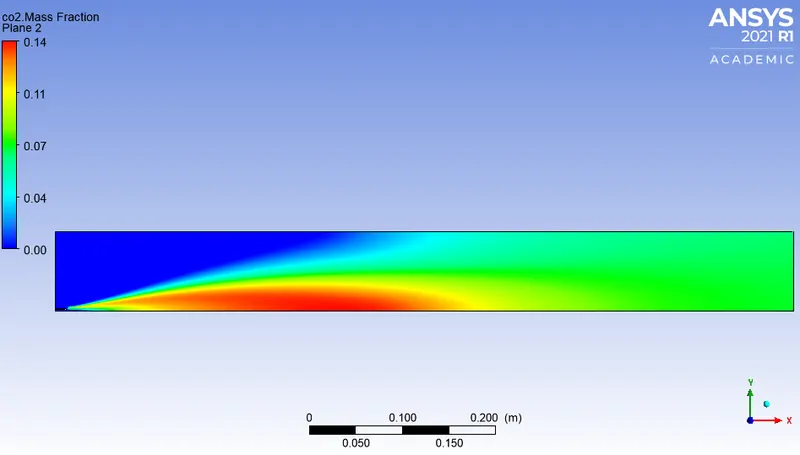
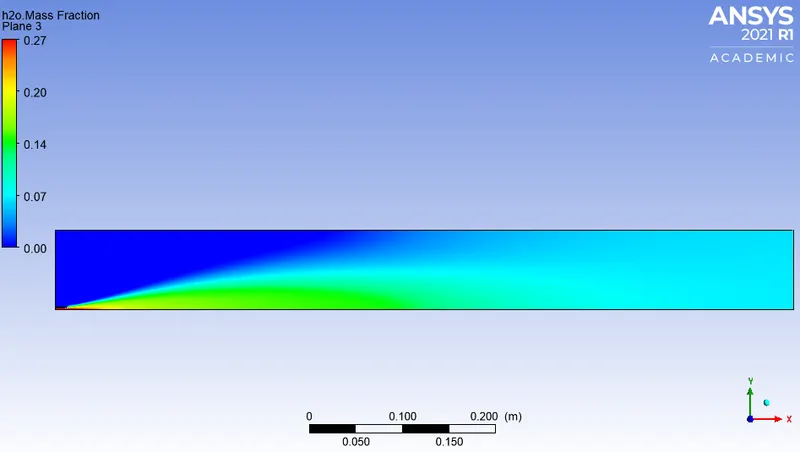
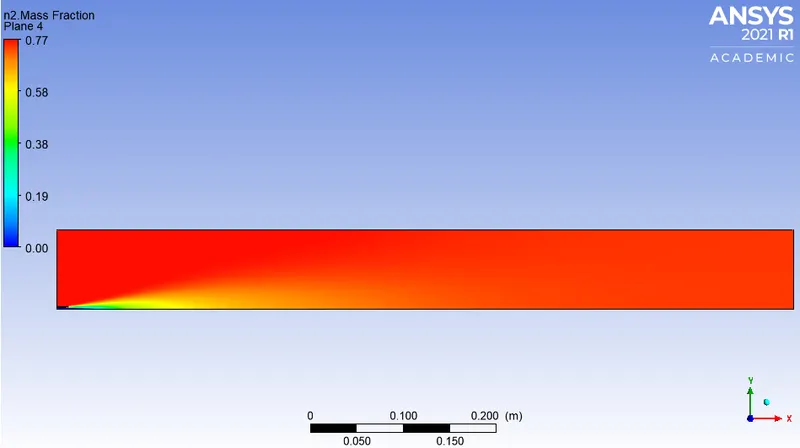
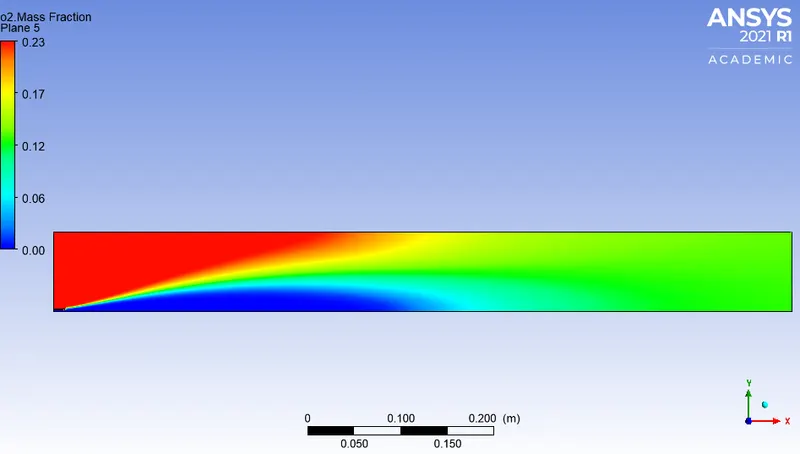
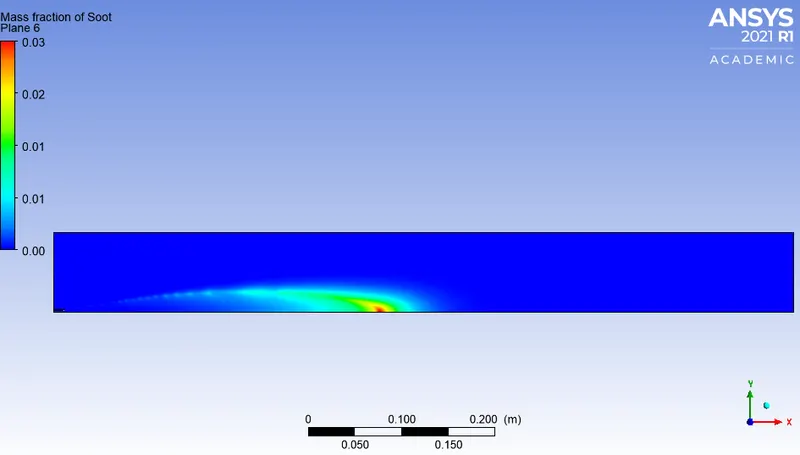
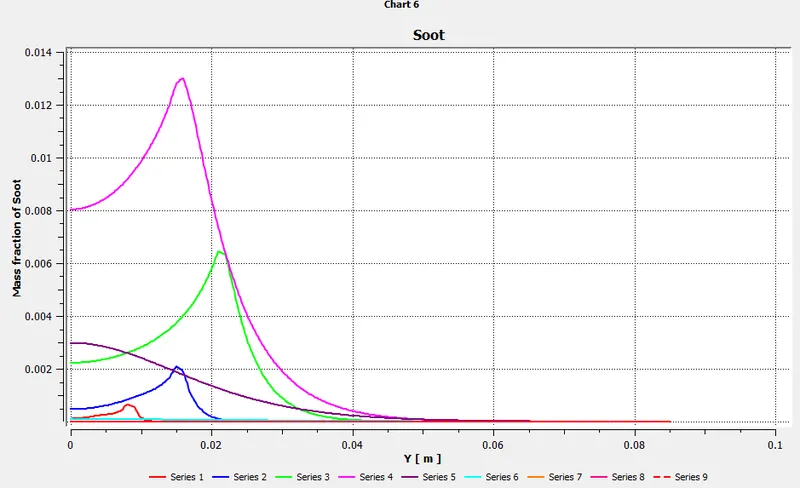
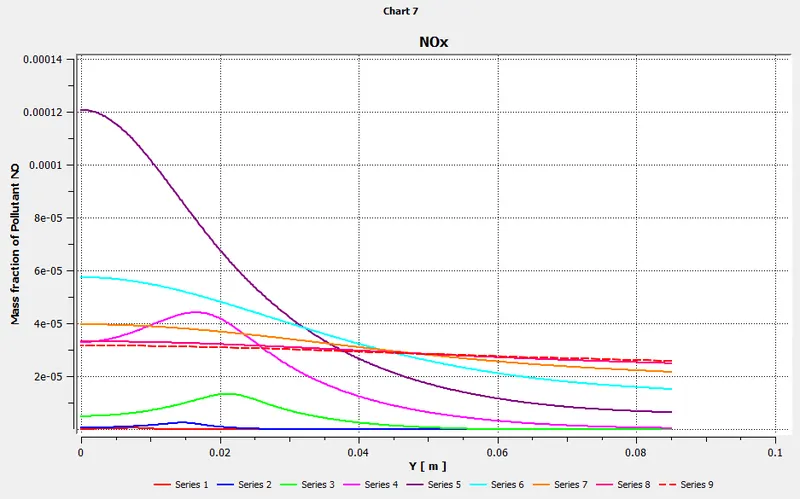
- To plot CO2, H2O, CH4, N2, O2, NOx emissions & soot formation.
Part 2-
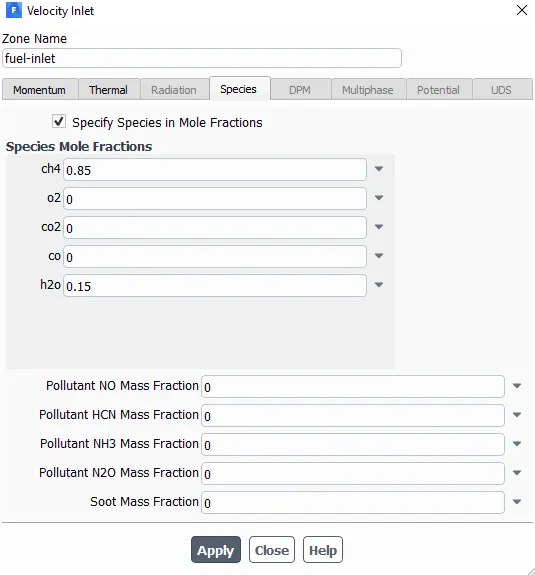
- To monitor NOx & soot at outlet when H2O is added in fuel inlet.
Water content- 5% to 30% - Observe the effects on results by providing contour plots and line probes.
Note:
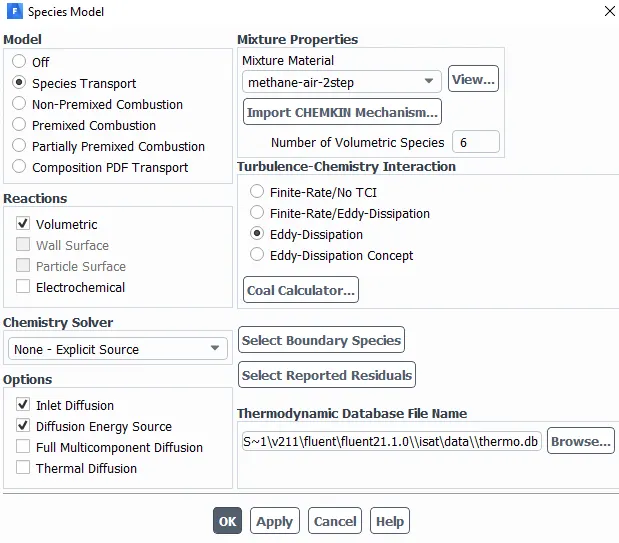
1. Use methane-air-2step as a mixture material than methane-air. [It allows to add water in the fuel or air]
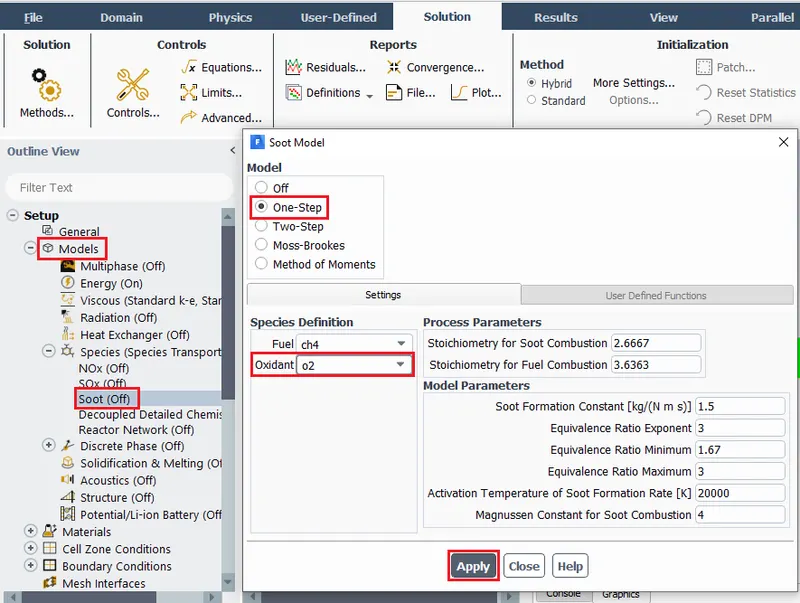
2. Use a one-step soot model to calculate the soot formation.
THEORY:
Nitrogen as a pollutant:
Nitrogen oxides (NOx ) react to form smog and acid rain. NOx reacts with ammonia, moisture and other compounds to form nitric acid vapour and related particles. The impacts of NOx on human health include damage to the lung tissue, breathing and respiratory problems.
Nitric oxide (NO) is not considered to be hazardous to health at typical ambient conditions. However, excess nitric oxide and its products may cause respiratory ailments, hematologic side effects, metabolic disorders, low blood pressure, nausea, vomiting and diarrhoea.
Nitrogen dioxide (NO2) at high concentrations causes inflammation of the airways. Breathing in high levels of NO2 can increase the likelihood of respiratory problems: wheezing, coughing, colds, flu and bronchitis. People with asthma are prone to have more intense attacks. Prolonged exposure to high levels of NO2 can cause irreversible damages to the respiratory system.
Out of eight known nitrogen oxides (N2O, NO, N2O3, NO2, N2O4, N2O5, NO3, N2O6) practically only NO and NO2 are found in hydro-carbon combustion products where 90–95 % is attributed to NO. According to the definition of nitrogen oxides emission given by the NOx Technical Code, it is the total nitrogen oxides emission (NO and NO2) calculated as the total weighted nitrogen dioxide emission (NO2).
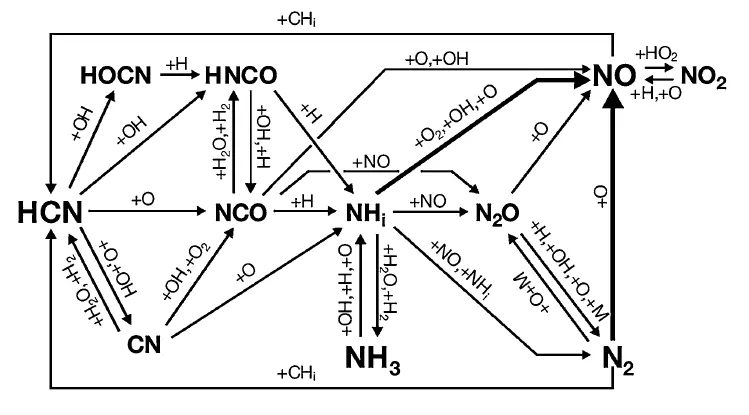
Basic conversions which happen during the process of nitrogen oxides formation in the combustion chamber
The purpose of supplying engines with water
Minimizing temperature peaks during the combustion process in diesel engines, hence NOx concentration in exhaust gas, can be done by means of supplying water into the cylinders (so-called wet technologies).
The emulsion supplied into the cylinder causes the increase of self-ignition delay which affects the flammable mixture becoming more homogeneous in the whole volume of the combustion chamber.
The increased self-ignition delay extends the time necessary to spread the injected fuel which results in fewer zones with not enough oxygen.
That decreases the intensity of soot and CO formation.
Emulsifying the mixture reduces local zones with temperature peaks which leads to decreasing nitrogen activity and NOx concentration.
In order to obtain the allowed level of the NOx emission from marine engines, it is indispensable to filter the exhaust gas or inhibit the process of NOx formation in the combustion chamber.
One of the ways to reduce NOx in exhaust gas is supplying water into the combustion chamber. The influence of water on the NOx reduction process during combustion results from two factors.
Water supplied into the combustion chamber, apart from lowering the combustion temperature also decreases the concentration of atomic oxygen by reaction.
`H_2O -> OH + H`
`H_2O+ O->OH+ OH`
`H_2 + O -> H + OH`
`H + O_2 ->OH + O`
These reactions influence the reaction speed of Oxygen and Nitrogen:
`O + N_2 harr NO + N`
`O + N_2 + OH harr N_2O+ OH:`
OH formed this way is more difficult to interact with atomic N, which, as a consequence, significantly lowers the amount of NO.
Systems of water supply into the combustion chamber
There are basically three methods of supplying water into the cylinder of a diesel engine:
(a) Supplying appropriately prepared water with the scavenging air through the so-called low-pressure system;
(b) Injecting prepared water directly into the combustion chamber through an independent injector or a specially constructed fuel injector with a nozzle equipped with two needles;
(c) Injecting the FWE prepared in the fuel system by means of a standard injector but with increased capacity.
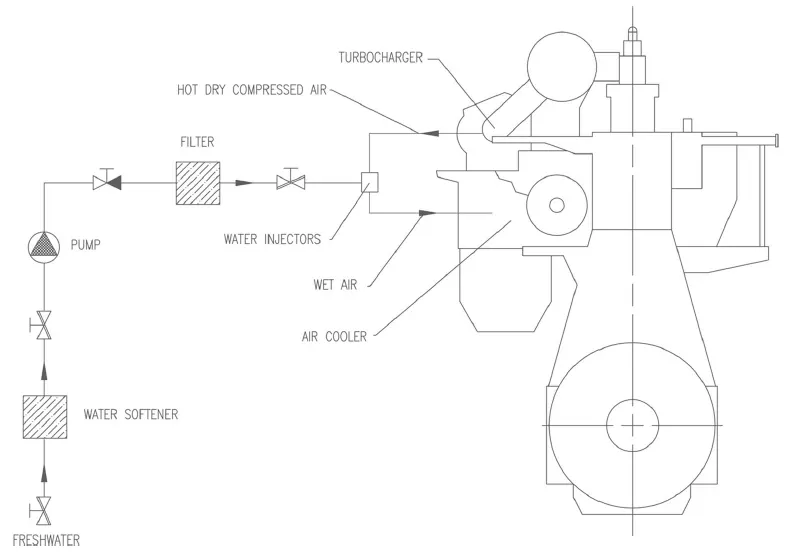
Continuous water injection (CWI)
Water mist is injected directly into the hot compressed air at the outlet of the turbocharger. It is not recommended to exceed 25 % of water content for the CWI due to significant increase of specific fuel consumption and adverse influence on the combustion process. It is normally not allowed for water mist to go into the combustion chamber together with scavenge air. The water is to be injected at the turbocharger compressor outlet and evaporated by the compressed hot air.
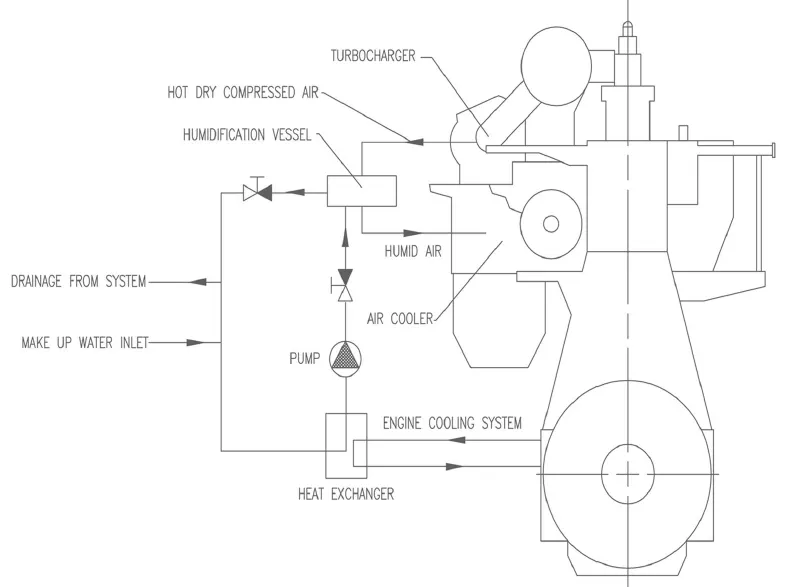
Humid air motor (HAM)
The humid air motor is a technology using water-saturated scavenging air for the main propulsion marine engines. The HAM is based on the rule of adding water to the charging air which reduces the NOx emission into the air by 60–80 %.
The fundamental difference between the CWI and HAM is water evaporating completely in the charging air and being thoroughly mixed before it gets into the cylinder. The air passing through the humidifier can be saturated close to 100 %. Water presence in the air may change the thermodynamic properties of the charging air. Water evaporation lowers the temperature of the hot compressed air.
The system of direct water injection (DWI)
The direct water injection (DWI) is another method in the wet technologies group.
It has the following advantages:
During the manoeuvres and low engine load, there is a possibility of supplying large amounts of water without disturbing the combustion process in the cylinders and of controlling the timing and the amount of the injected water dose to obtain the optimal NOx emission reduction. By means of high-pressure water injection into the combustion chamber, we are able to reduce the NOx emission by 40–60 % simultaneously lowering the soot content in the exhaust gas.
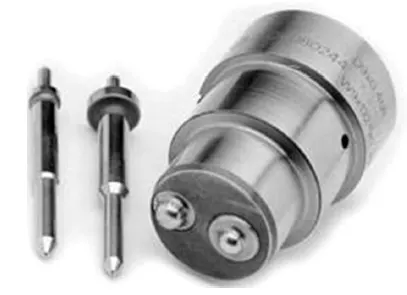
Water injection starts before the fuel injection, which ensures that temperatures in the combustion chamber are lower and the NOx emission is reduced. Water injection ends before the fuel injection so that the ignition and combustion processes are not disturbed. In the system, specially designed injectors are used which have nozzles with two needles.
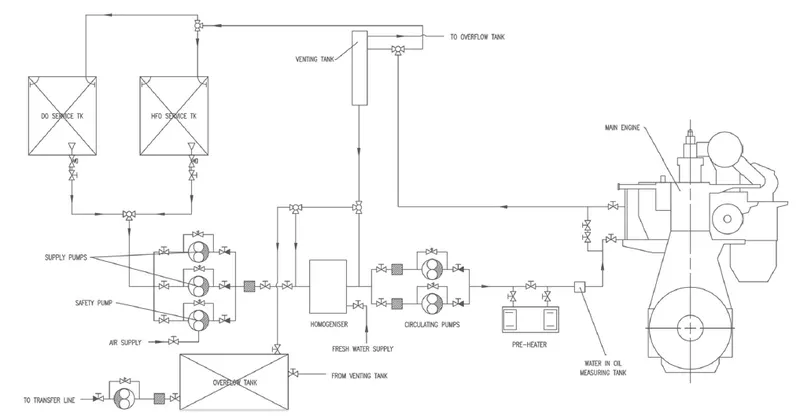
Simulation setup:
Measurement:
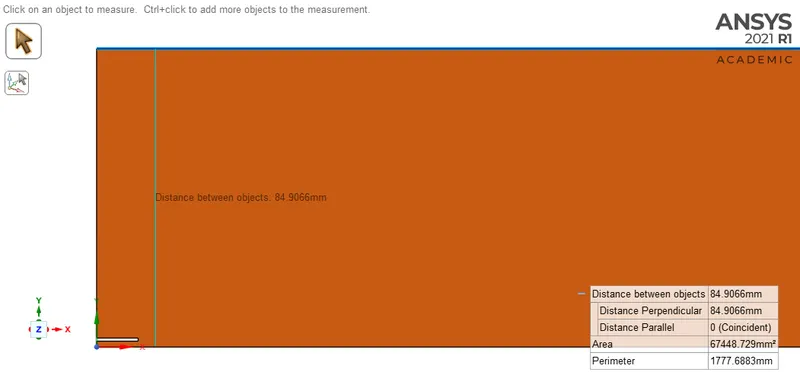
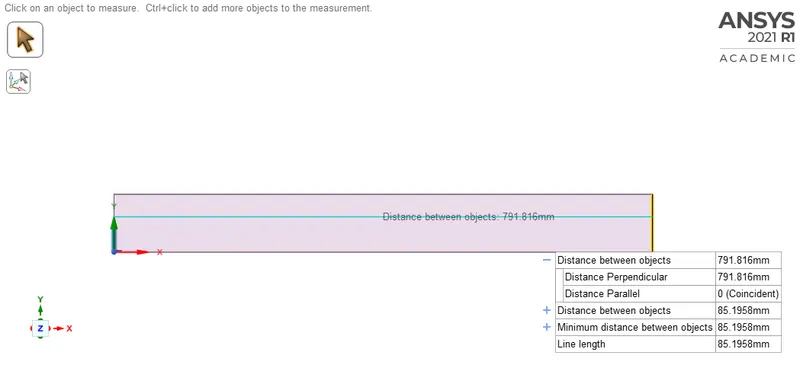
Geometry clean up:
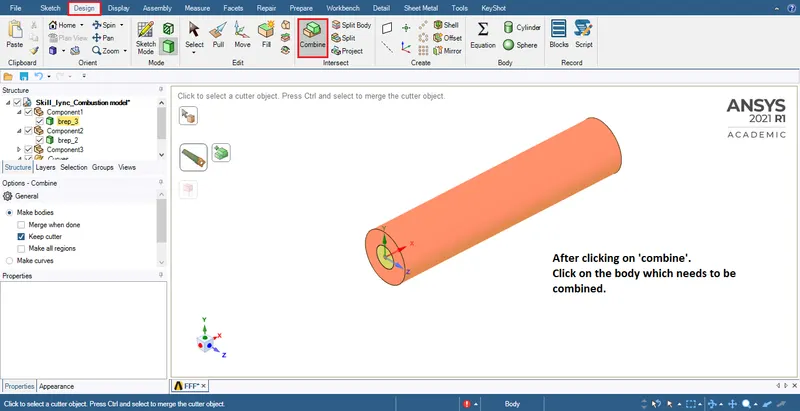
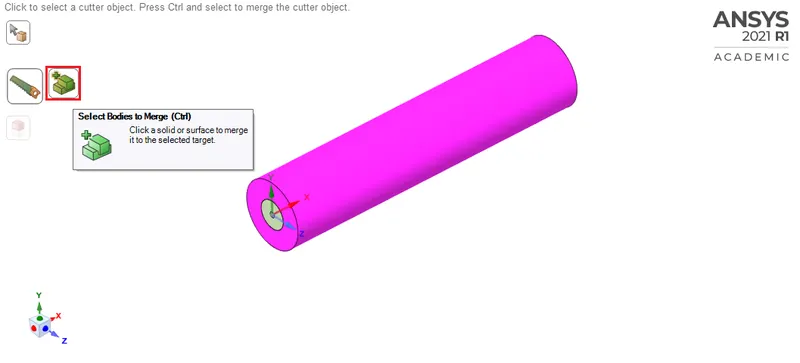
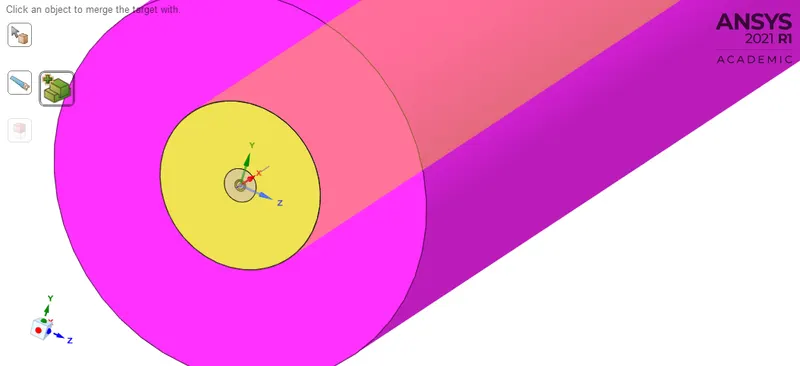
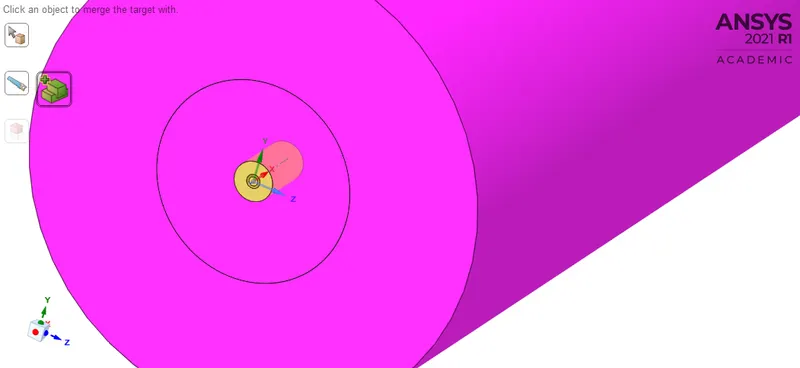
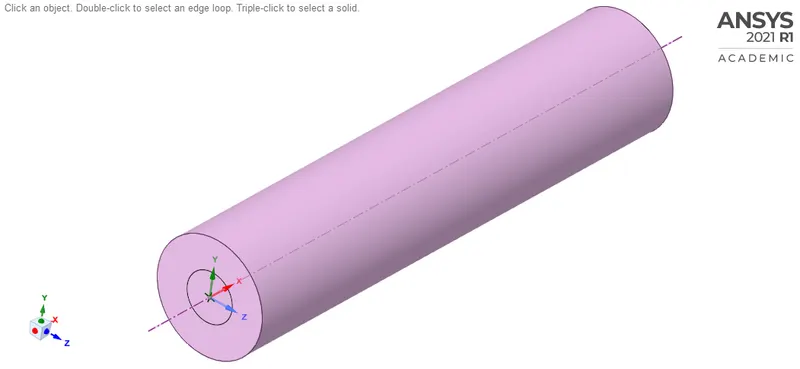
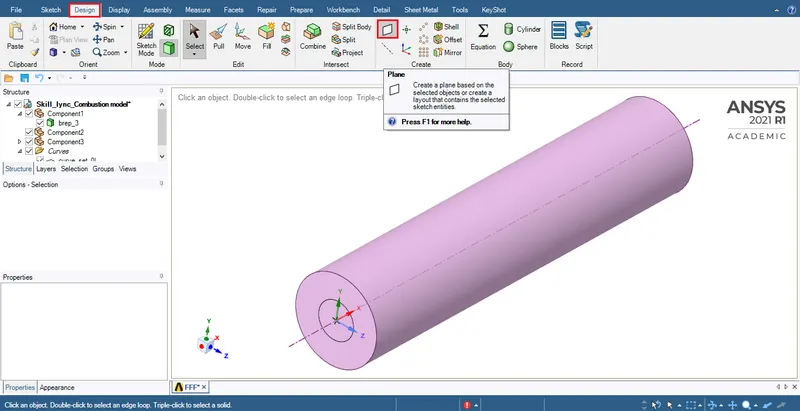
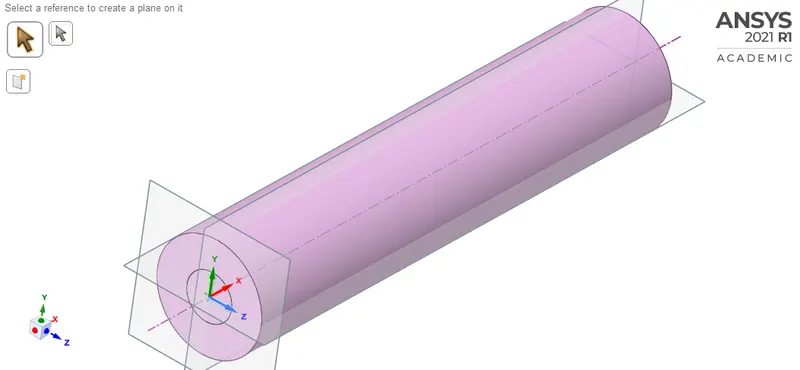
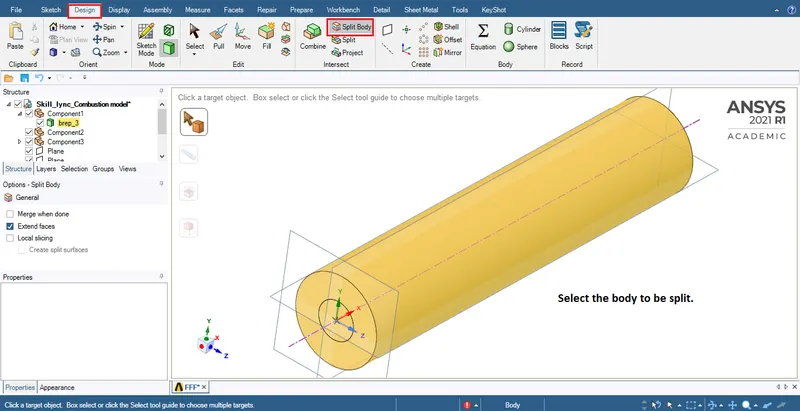
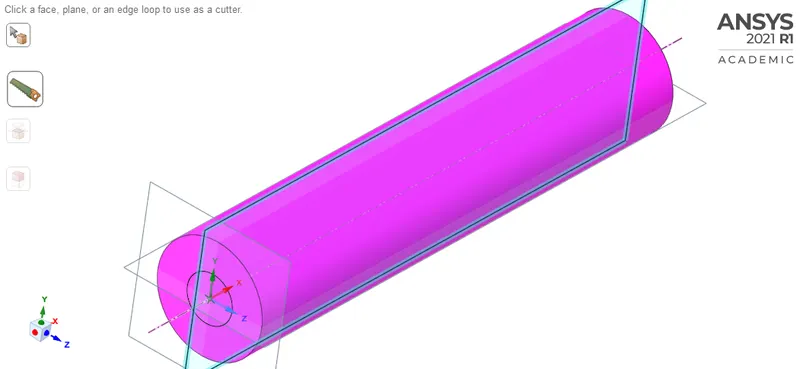
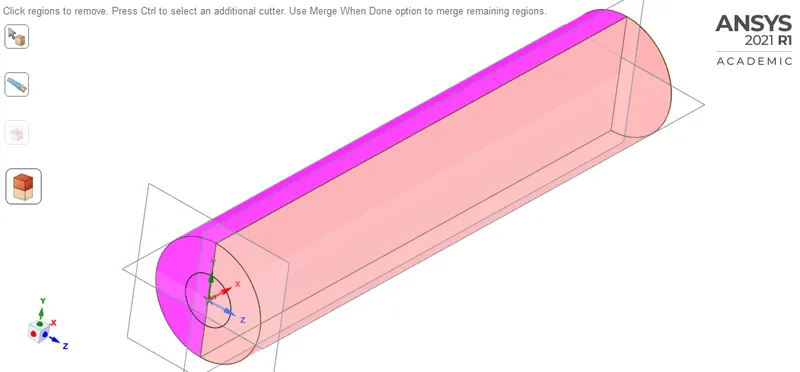
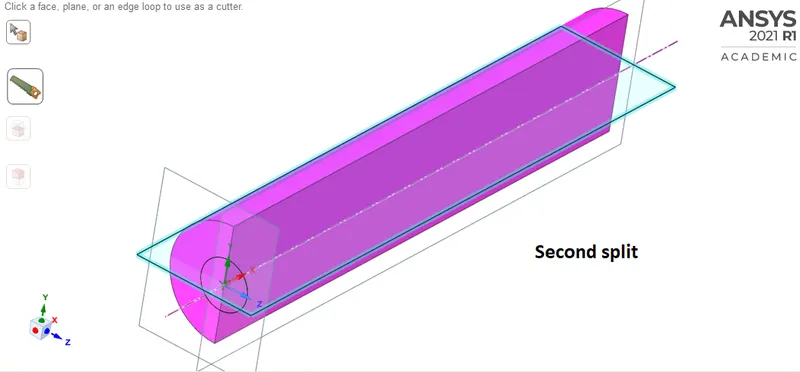
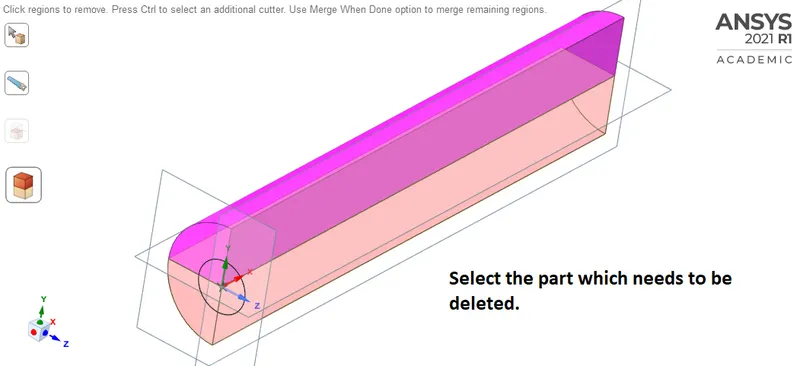
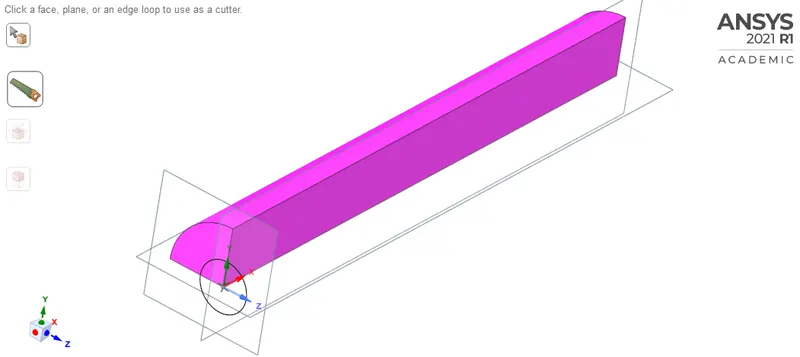
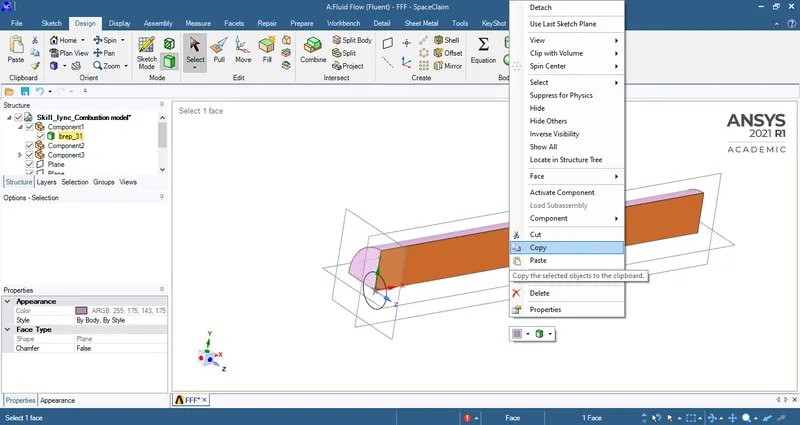
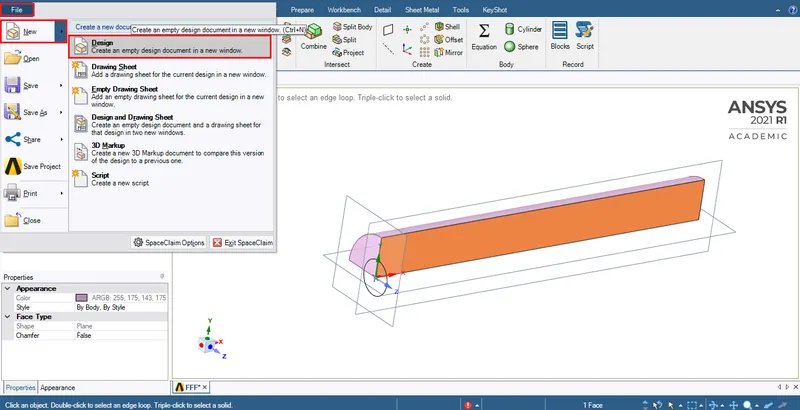
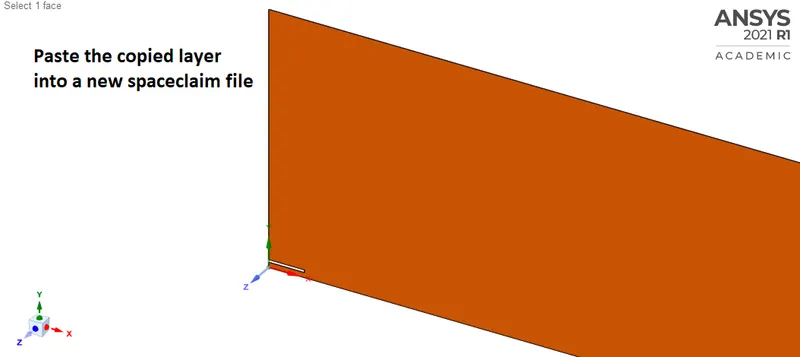
Save this model as a seperate spaceclaim file to import later.
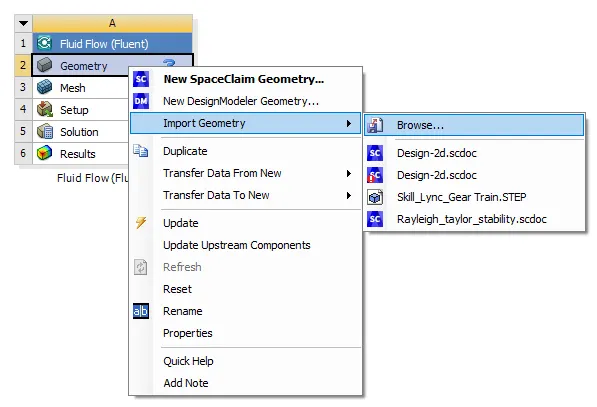
Hit 'update' and open
Mesh:
Baseline mesh:
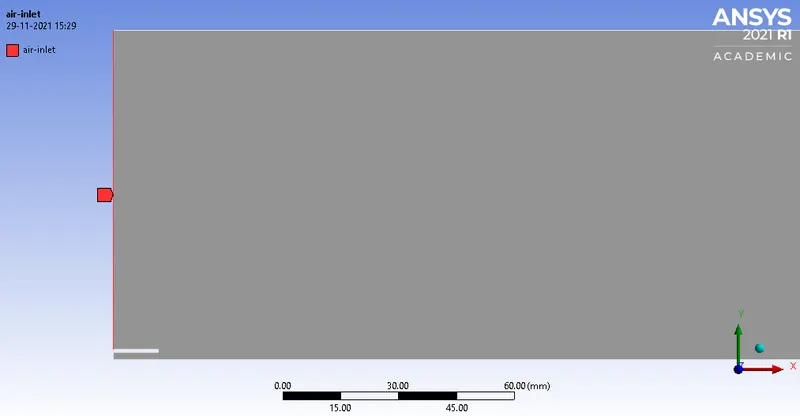
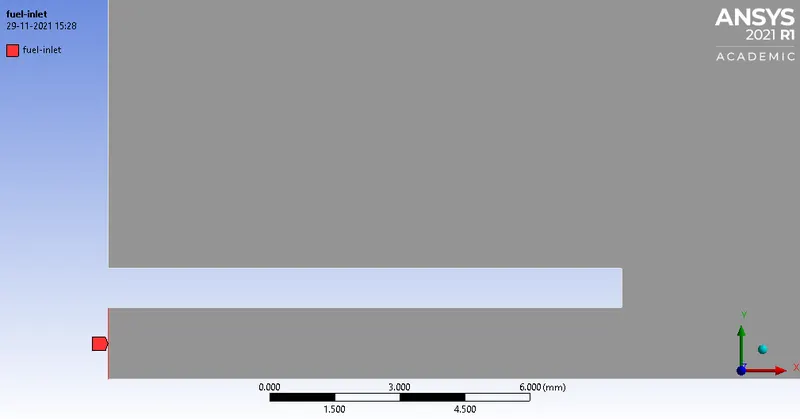
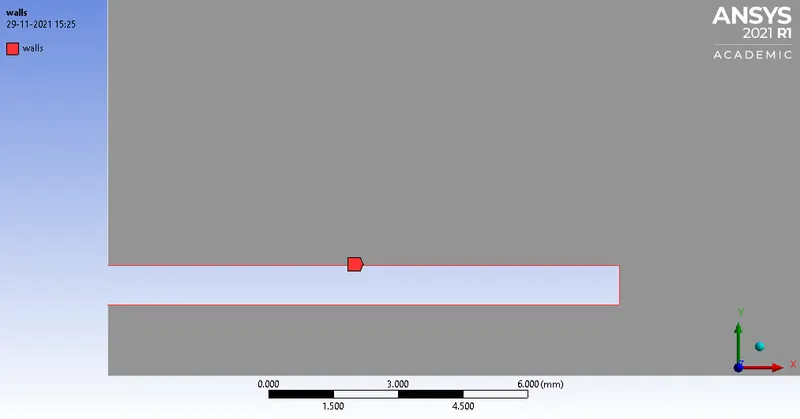
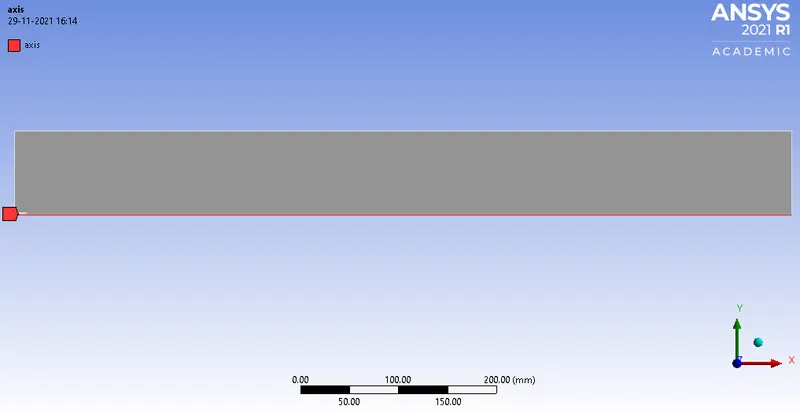
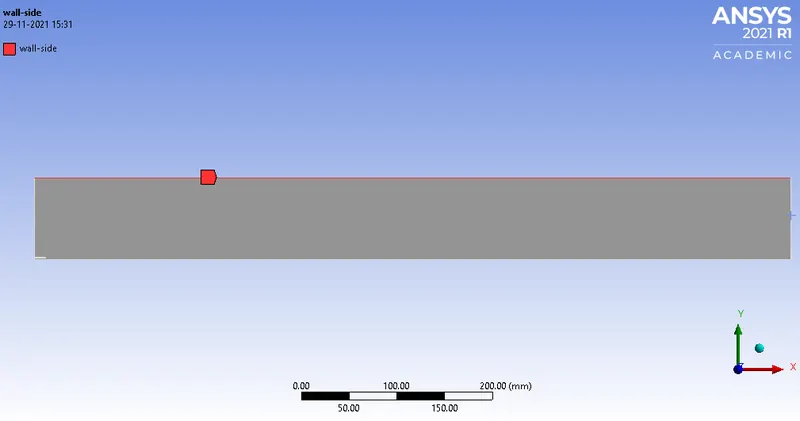
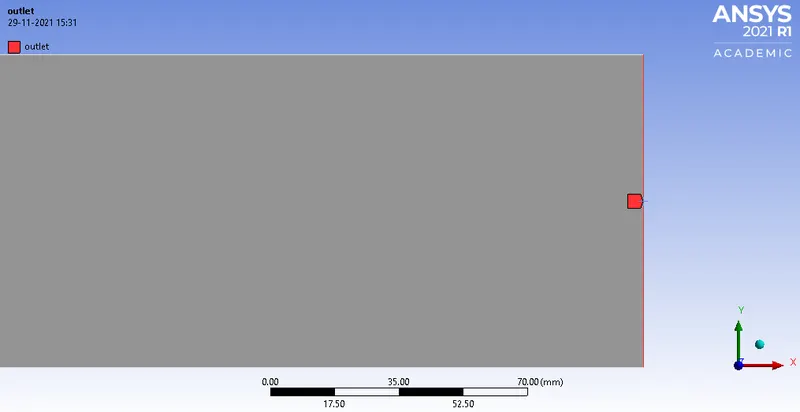
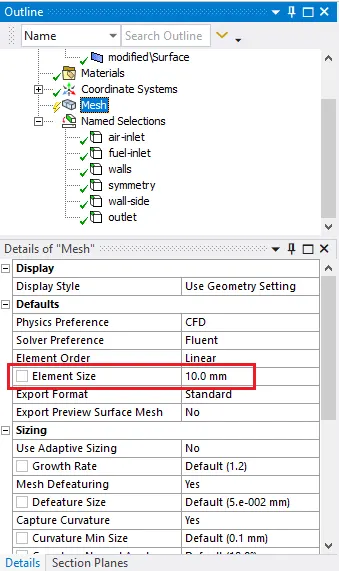
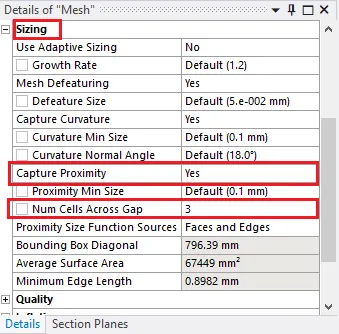
Hit generate mesh and update mesh.
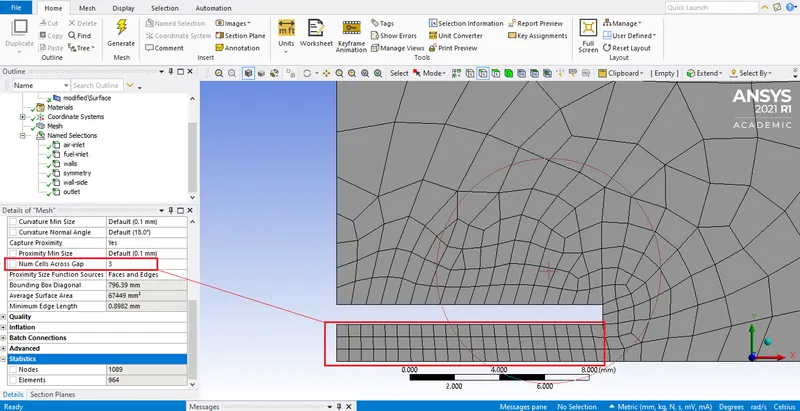
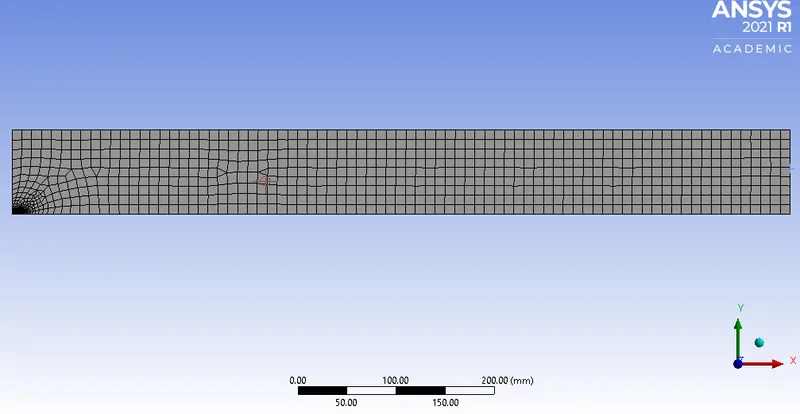
Setup:
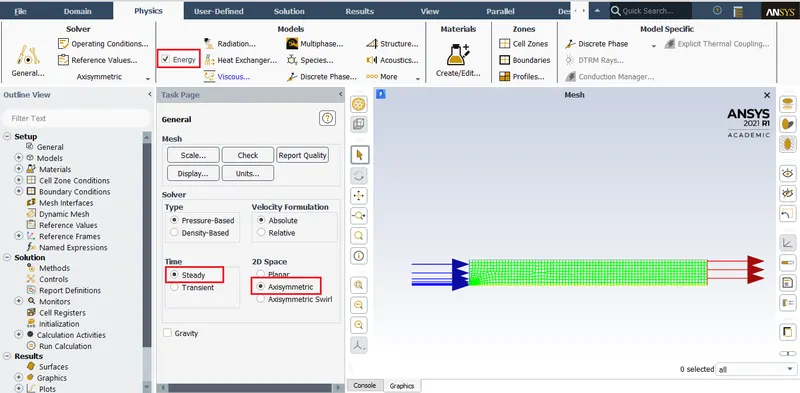
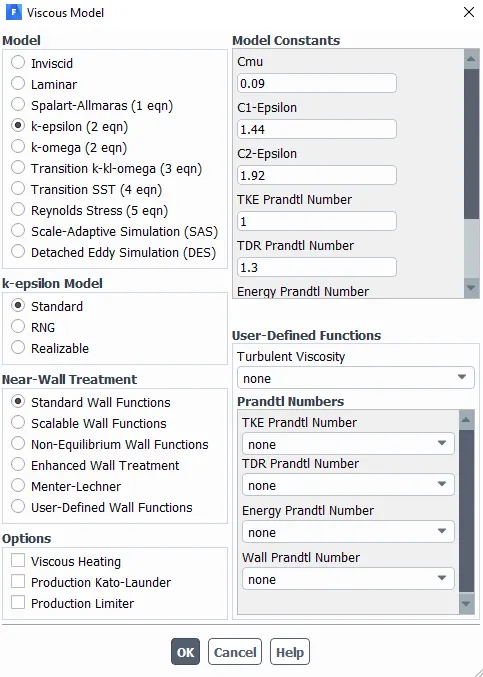
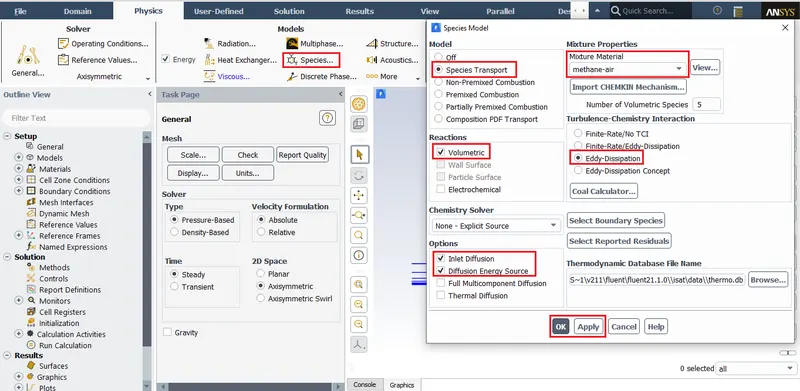
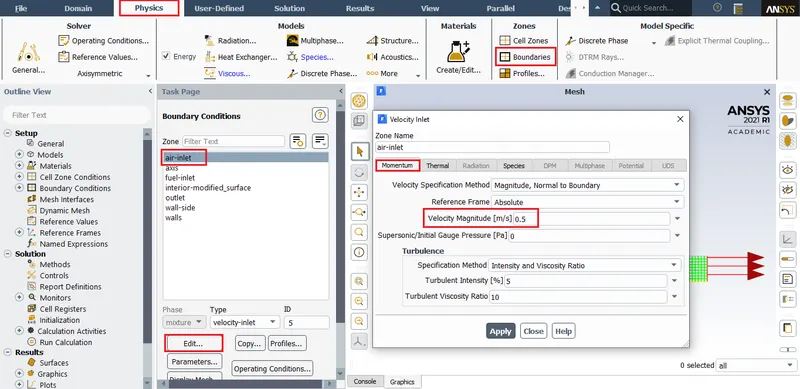
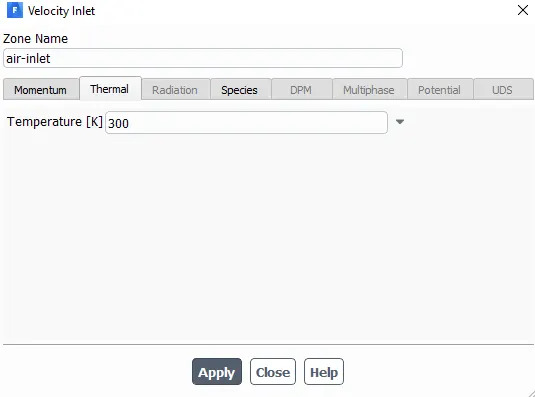
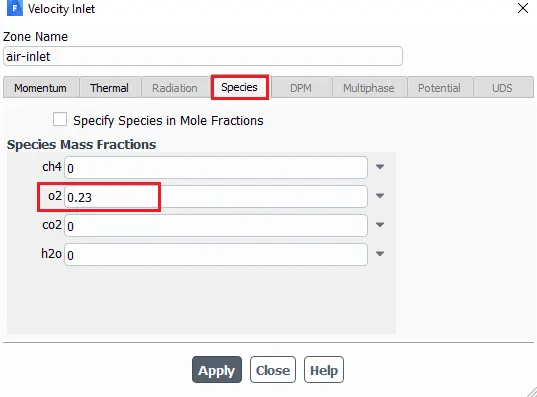
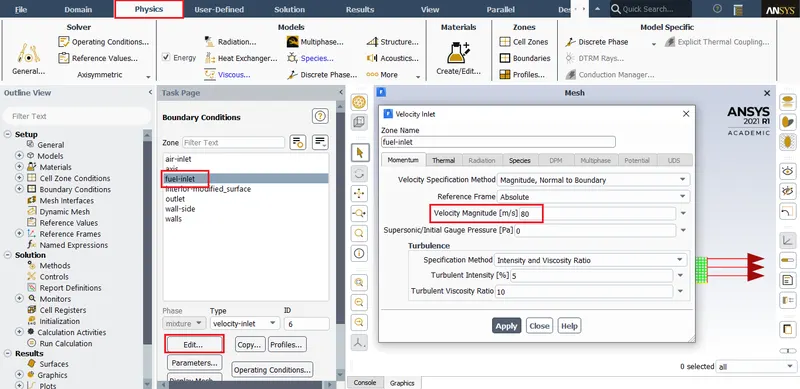
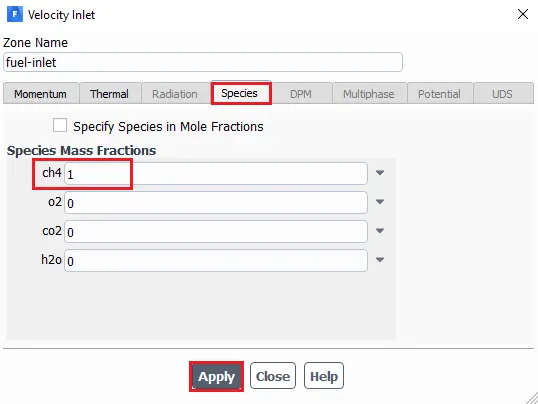
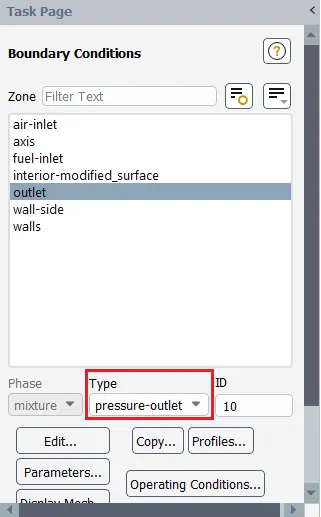
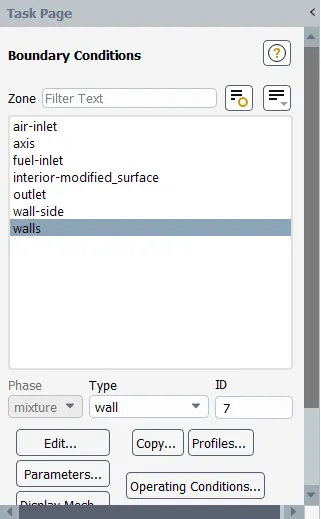
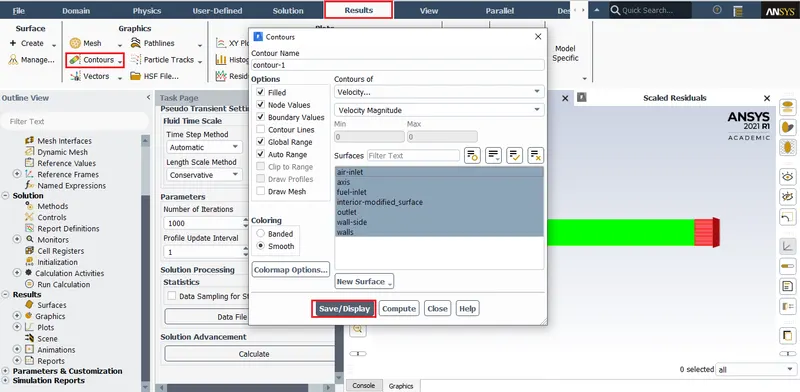
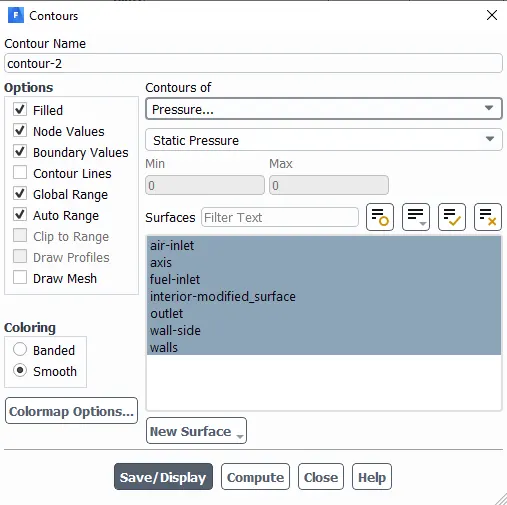
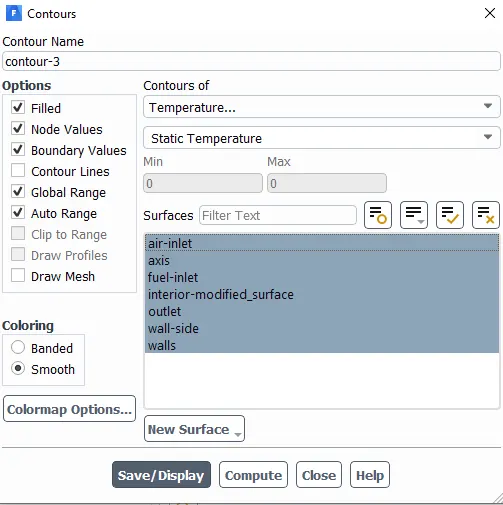
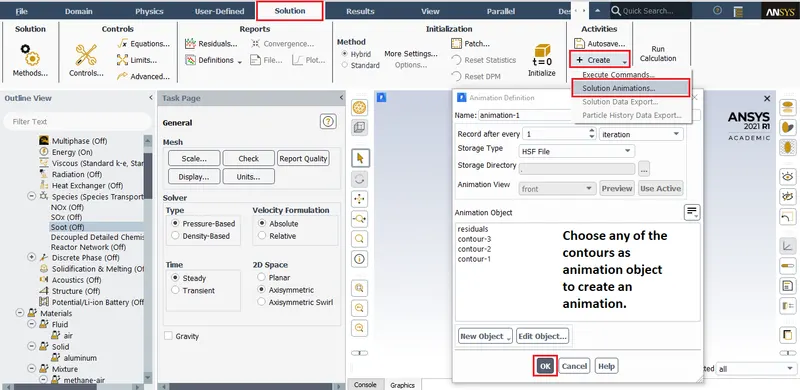
Plotting contours (not mandatory as the same can be obtained in CFD Post):
PART ONE:
Required modifications:
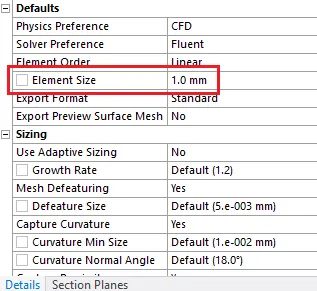
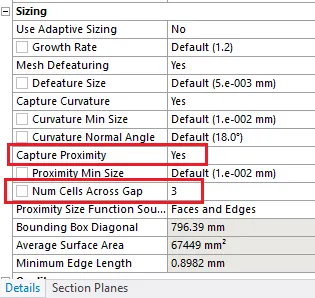
Mesh:

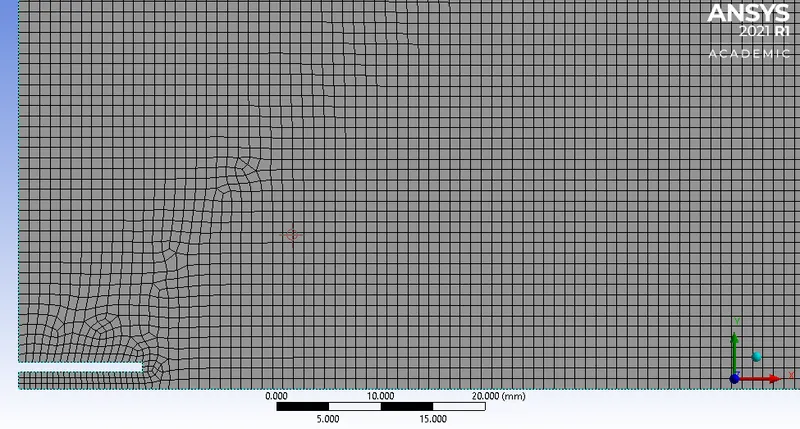
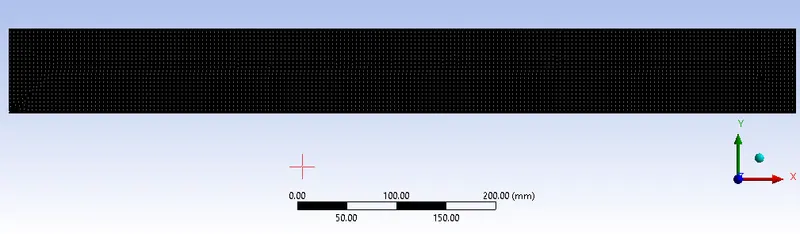
Setup:
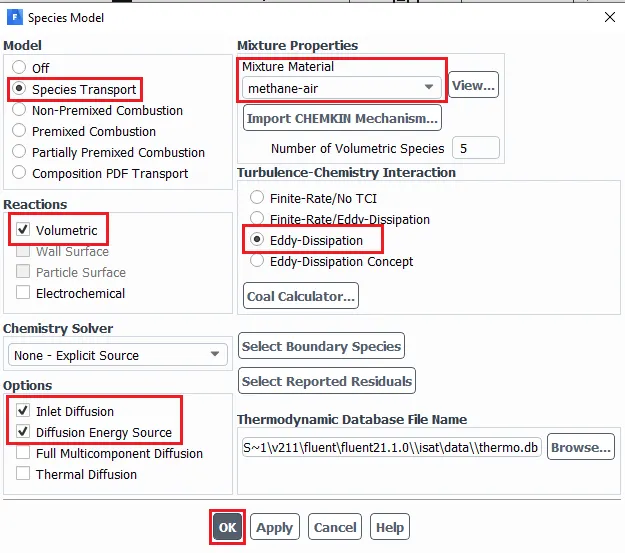
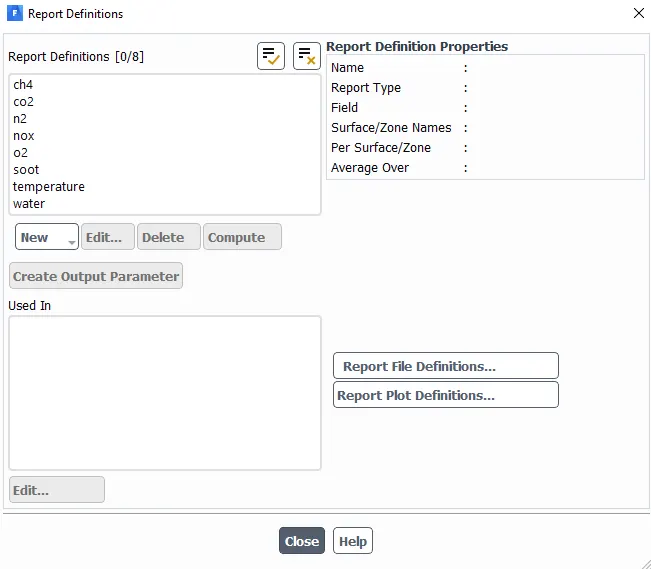
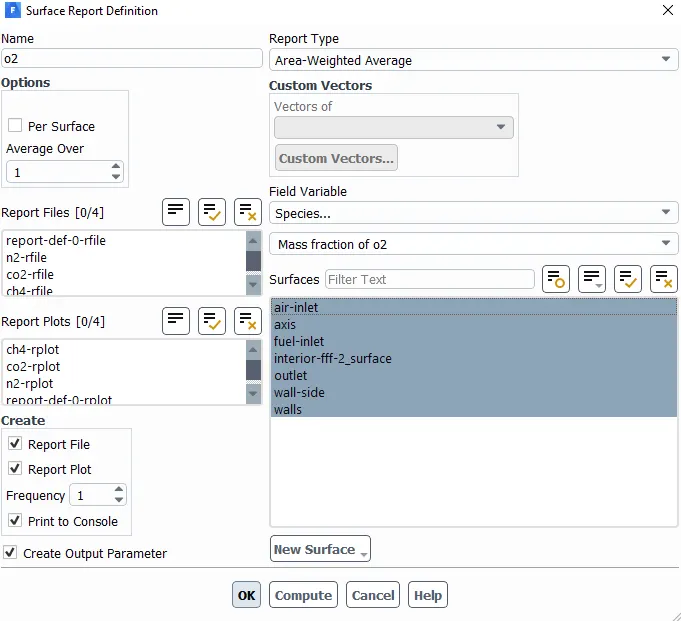
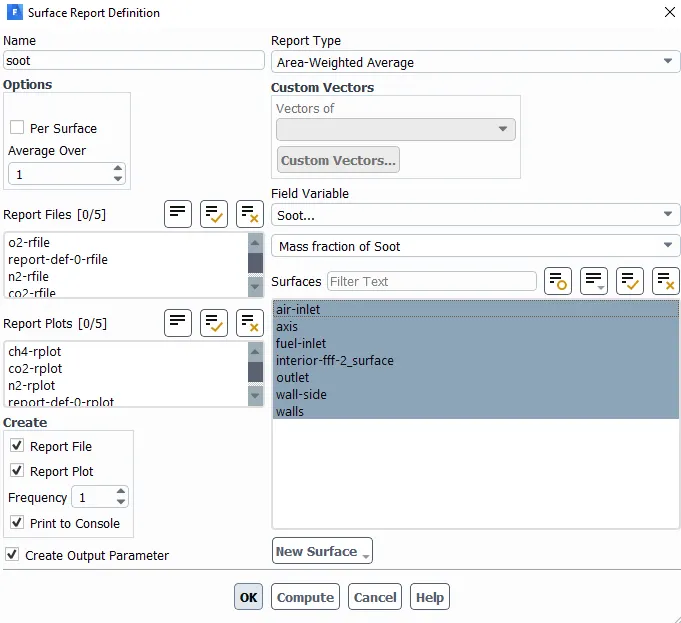
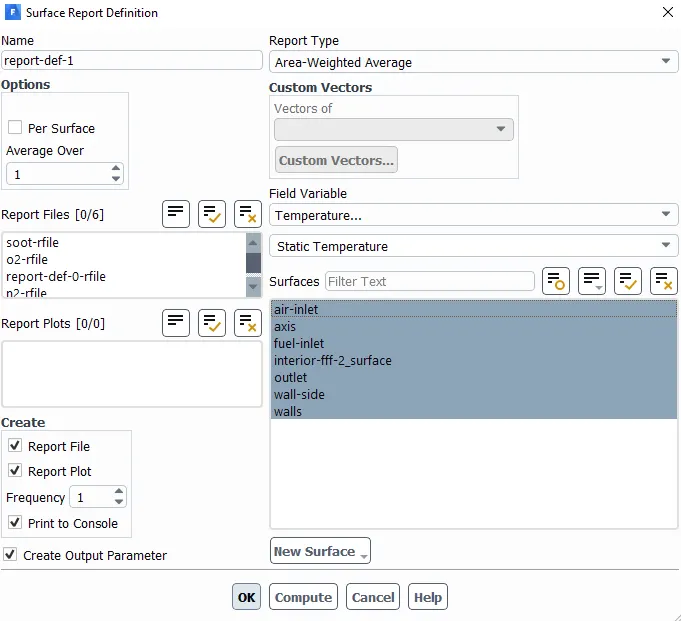
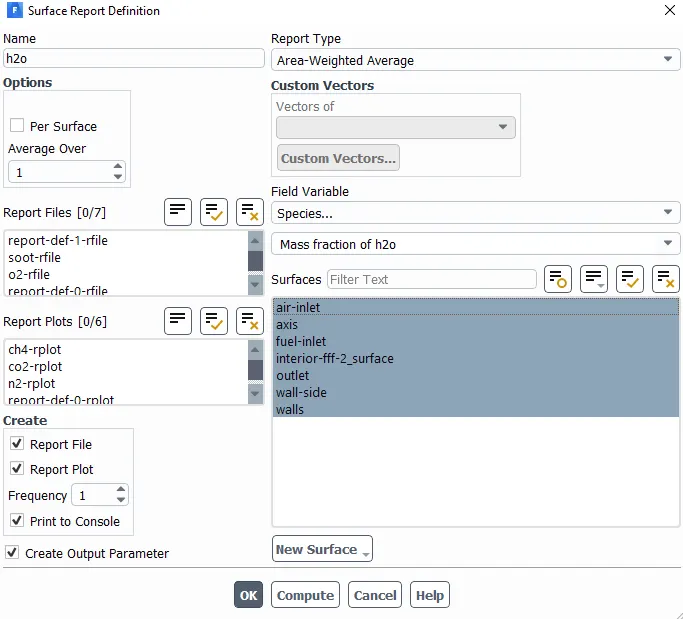
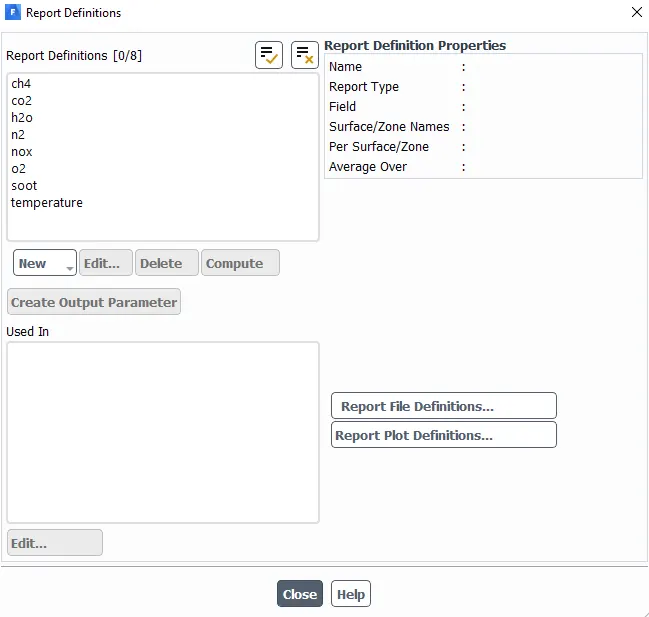
Report definitions:
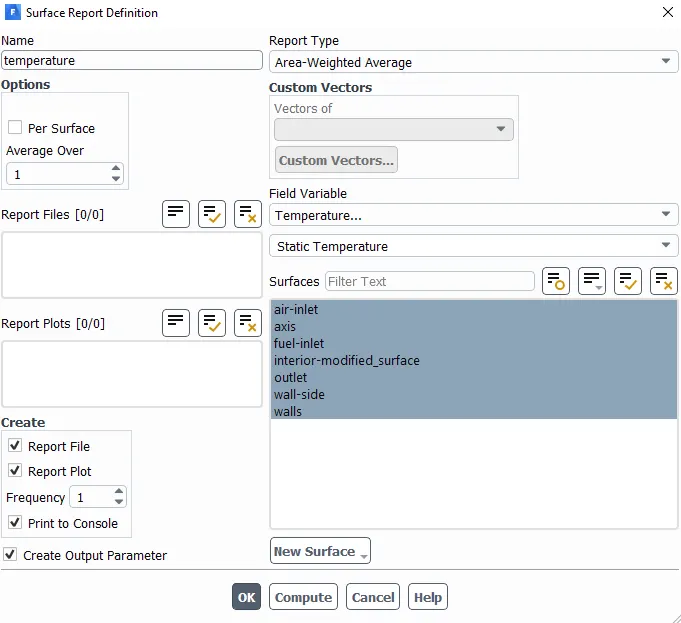
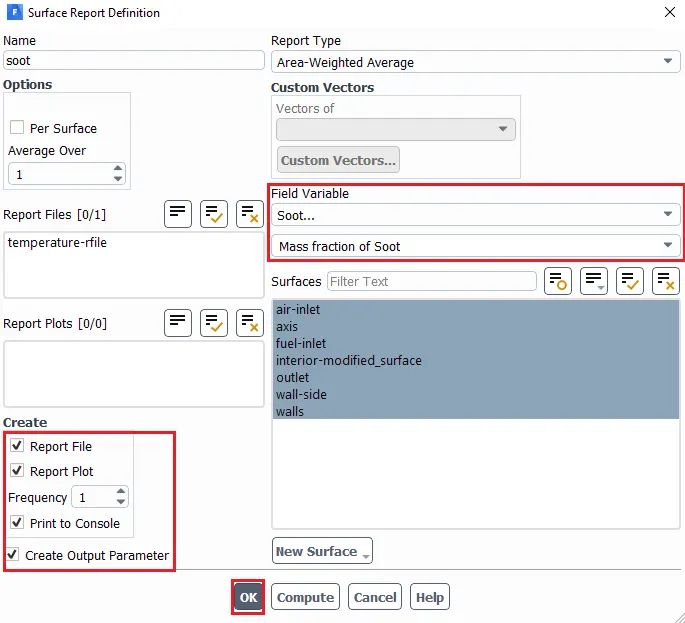
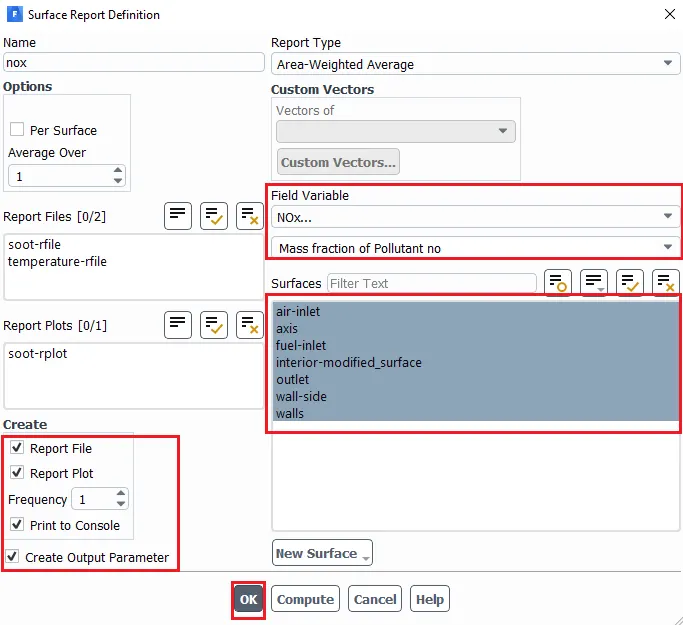
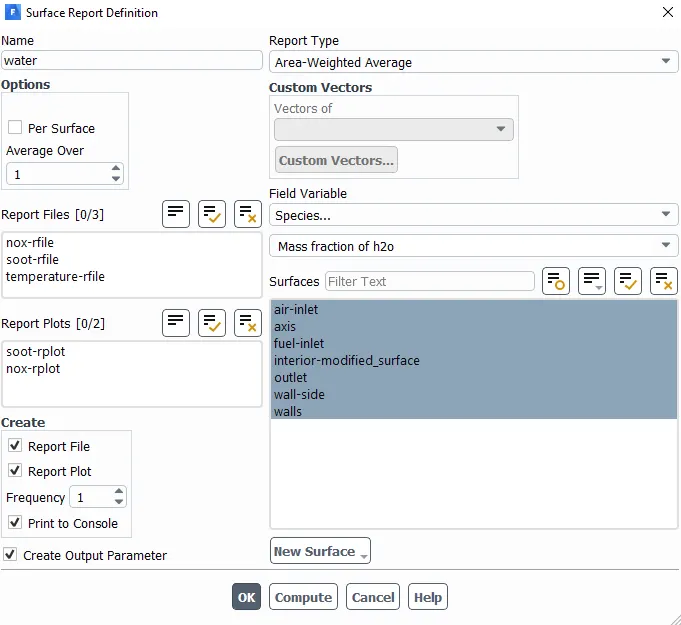
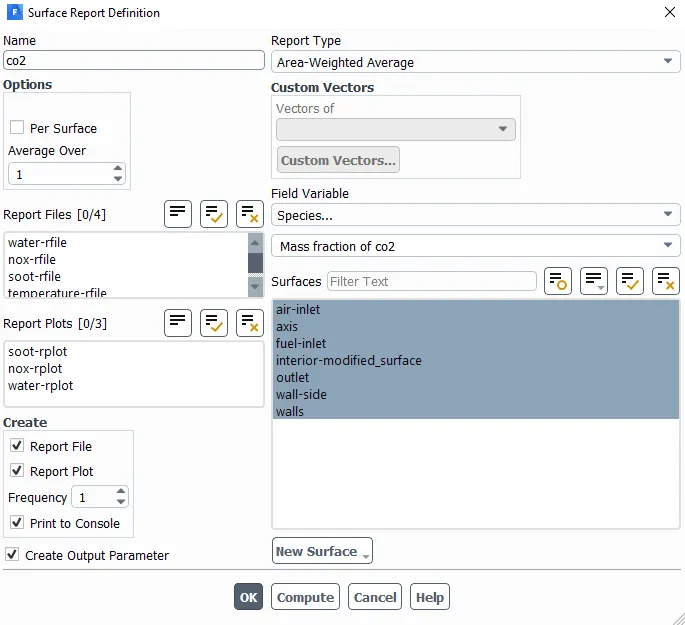
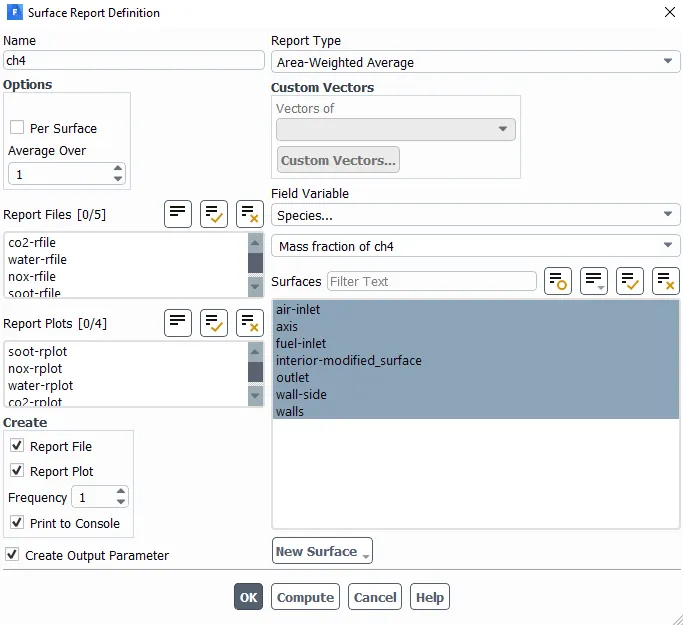
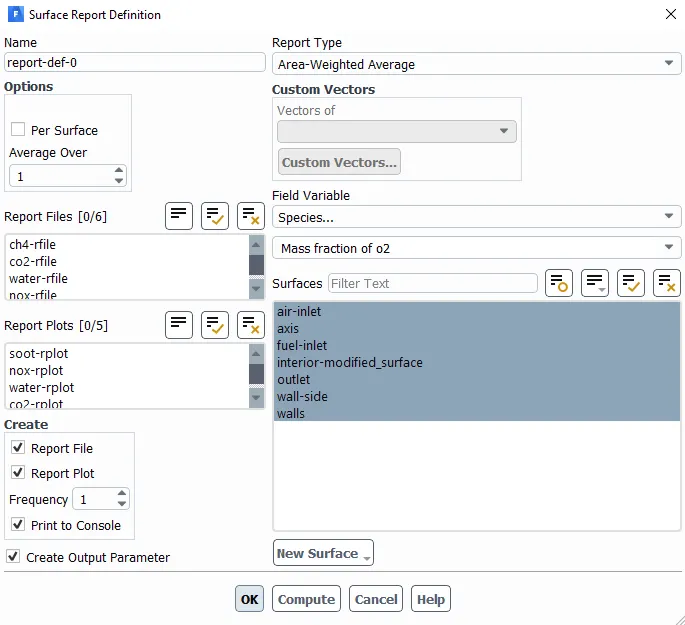
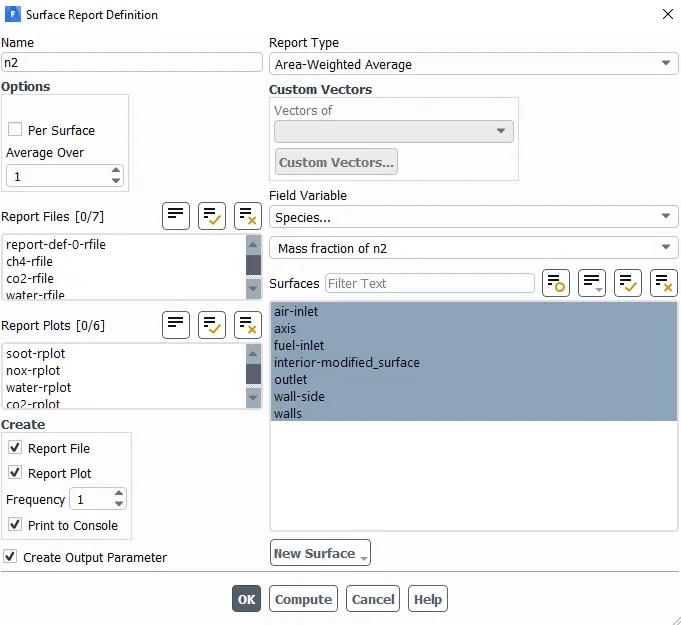
Total definitions:
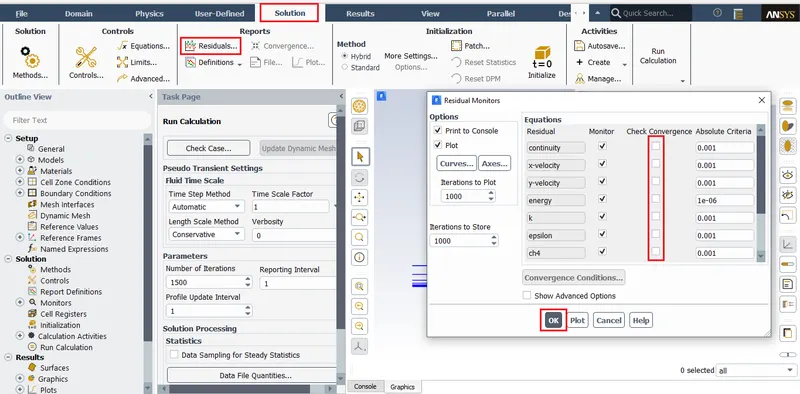
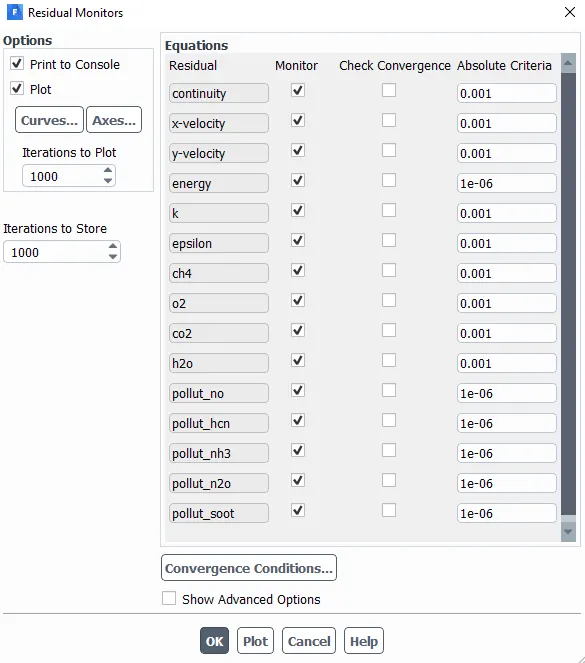
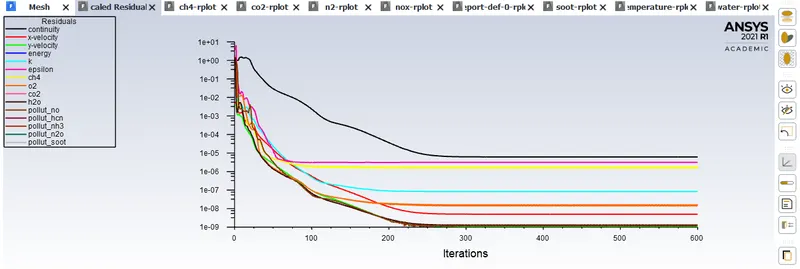
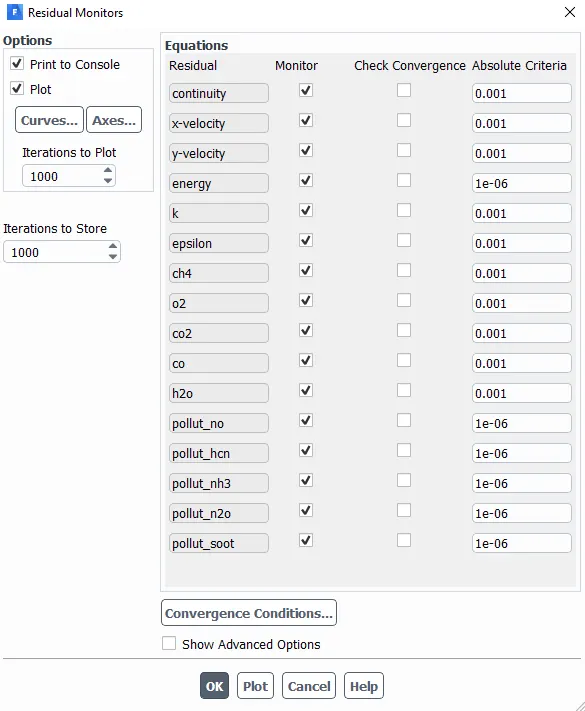
Residuals:
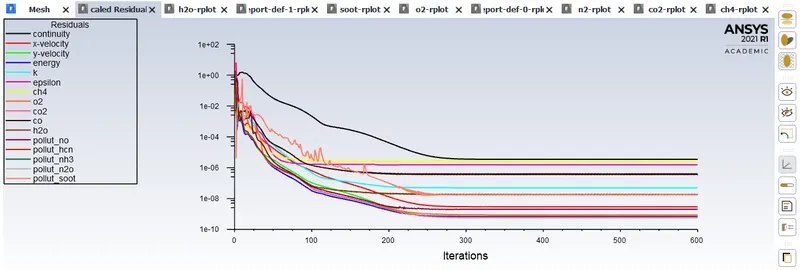
Make sure to uncheck the convergence to avoid incomplete simualtion.
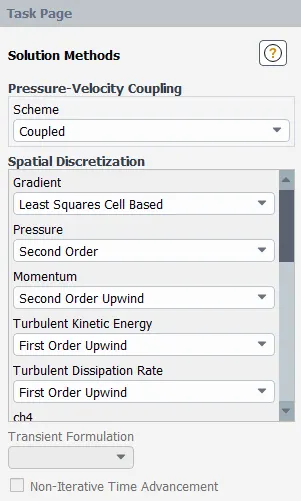
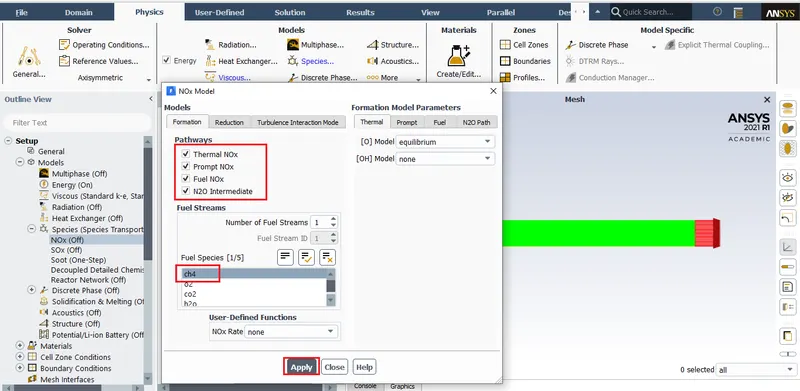
Setting up NOx and Soot models:
Setting up species details:
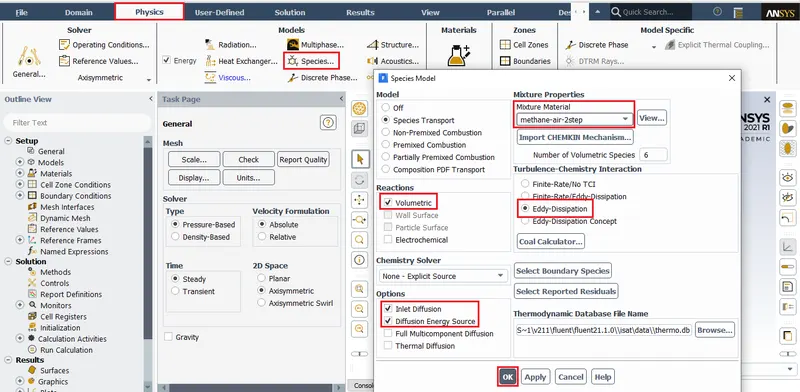
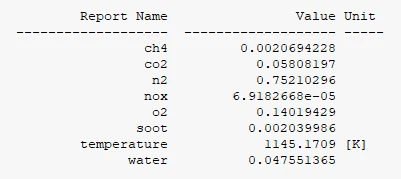
Plots:
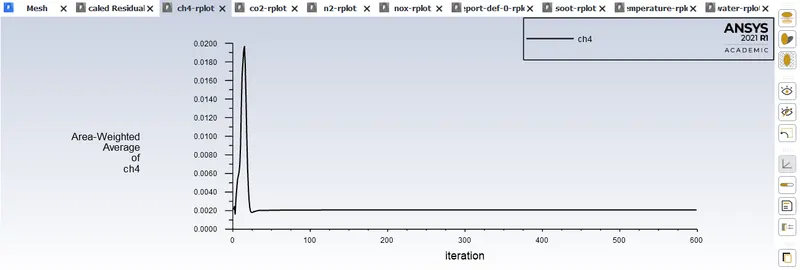
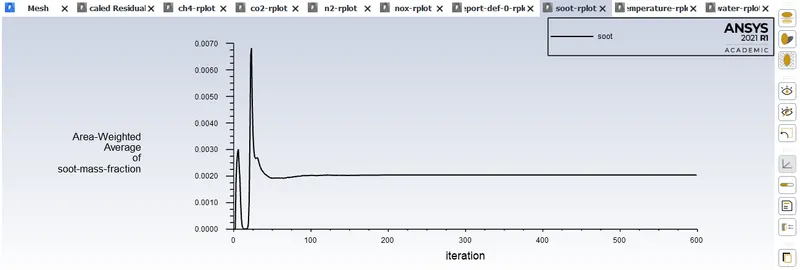
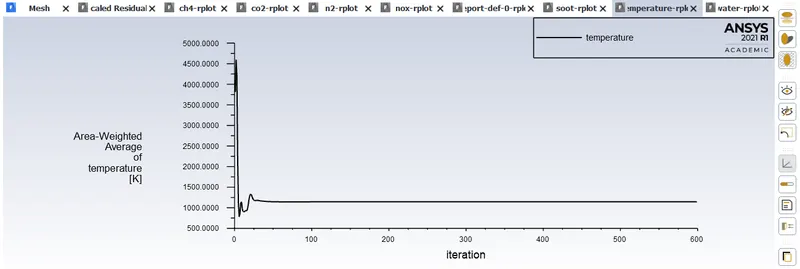
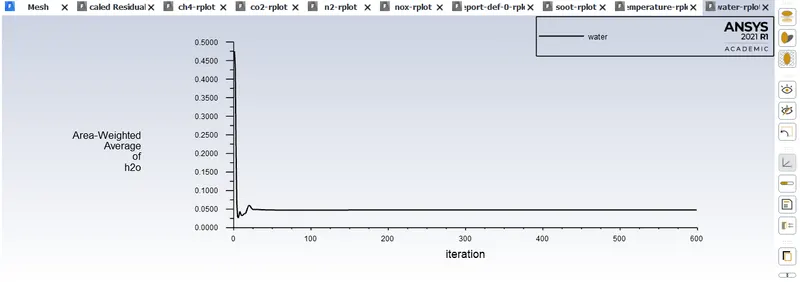
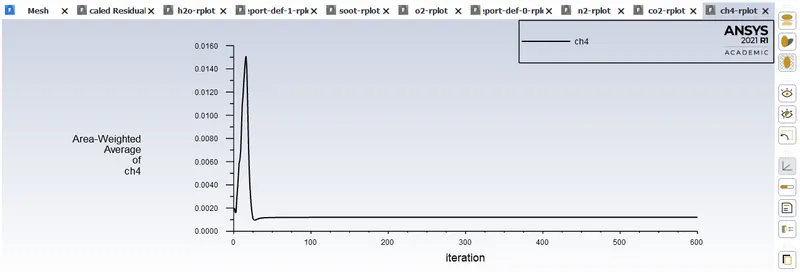
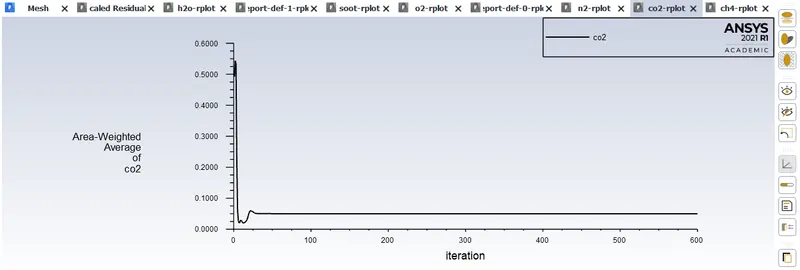
Area weighted average:
CFD Post:
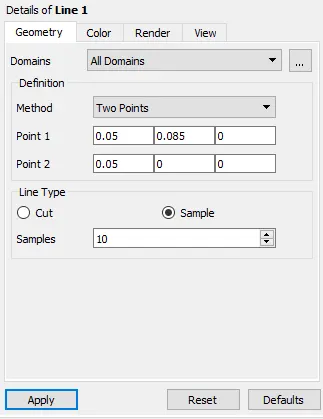
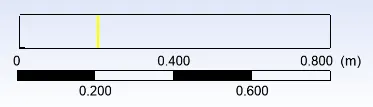
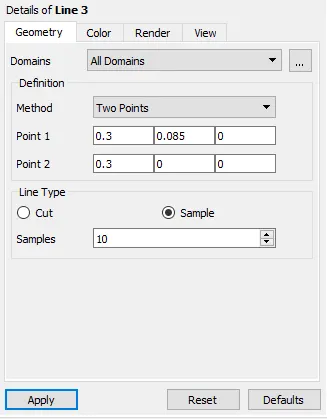
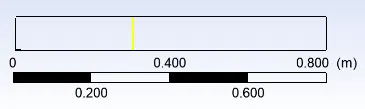
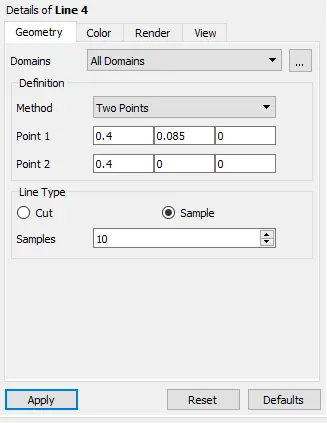
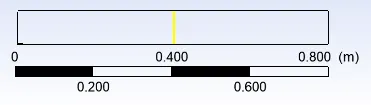
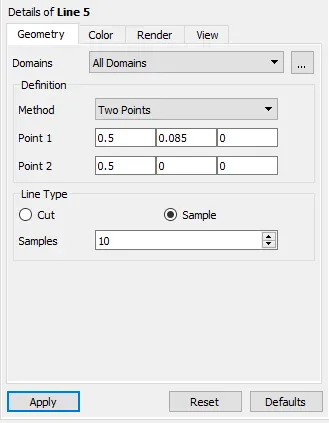
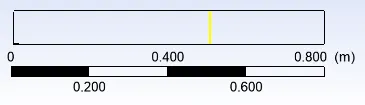
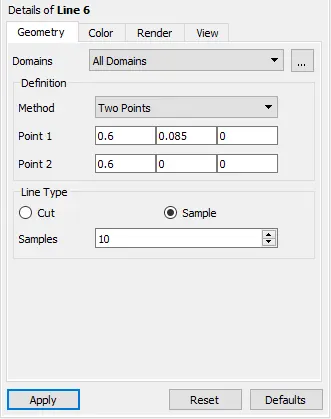
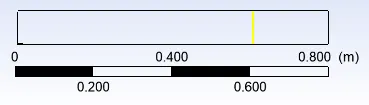
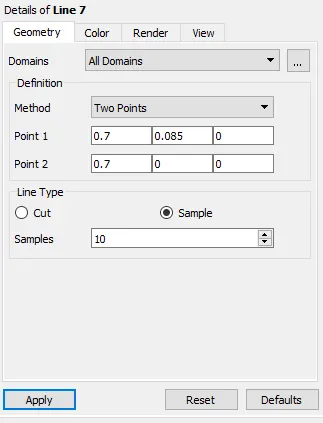
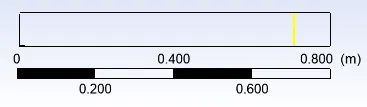
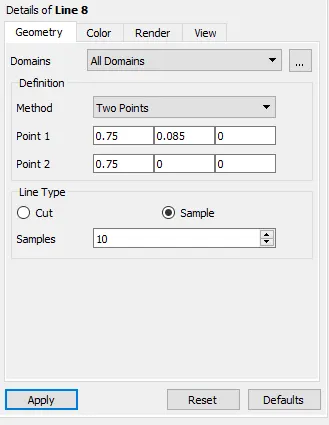
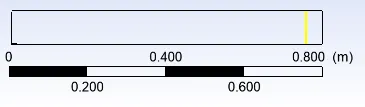
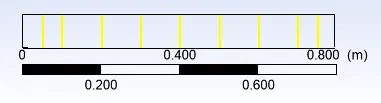
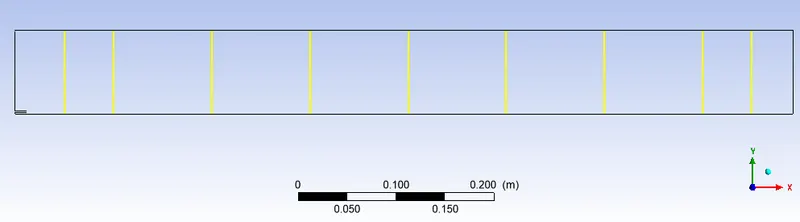
Line probes over the geometry:
Results:
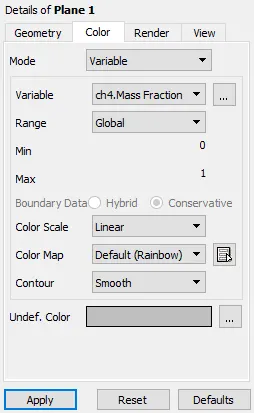
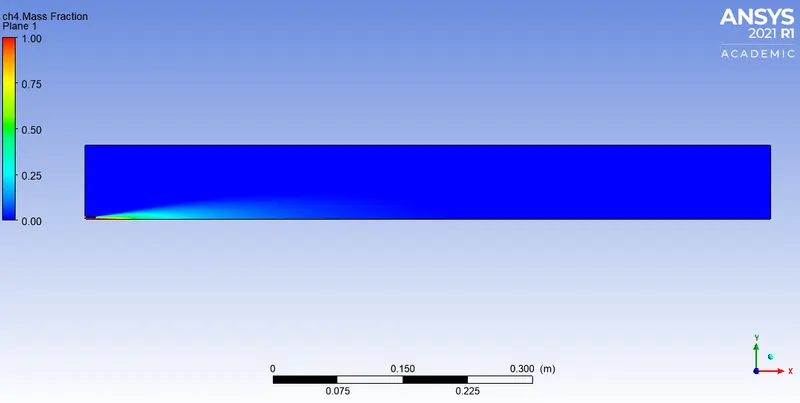
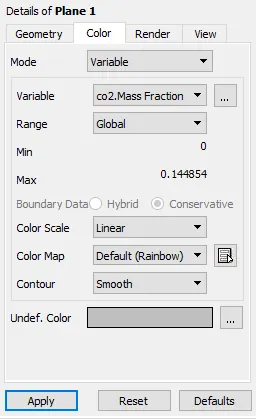
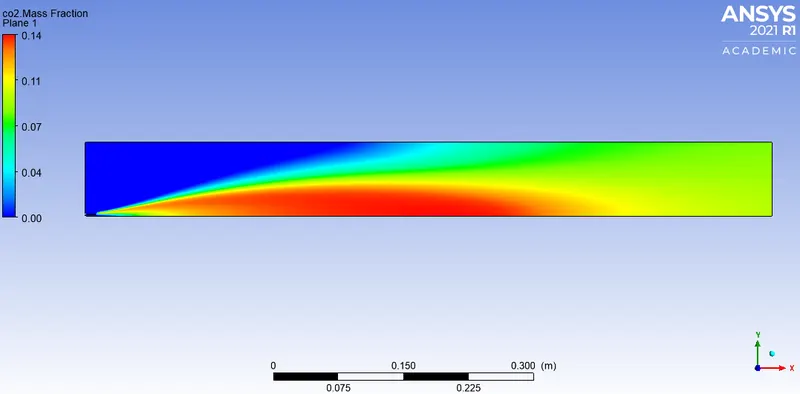
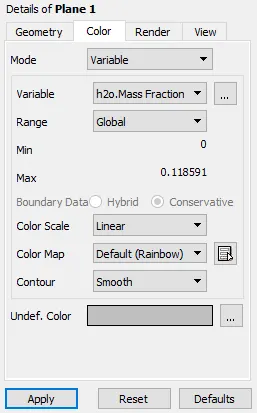
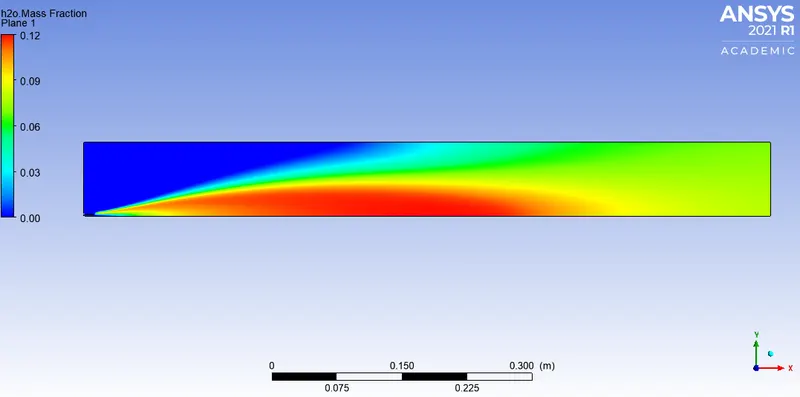
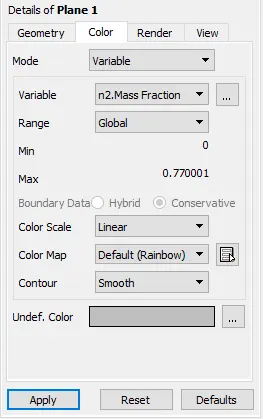
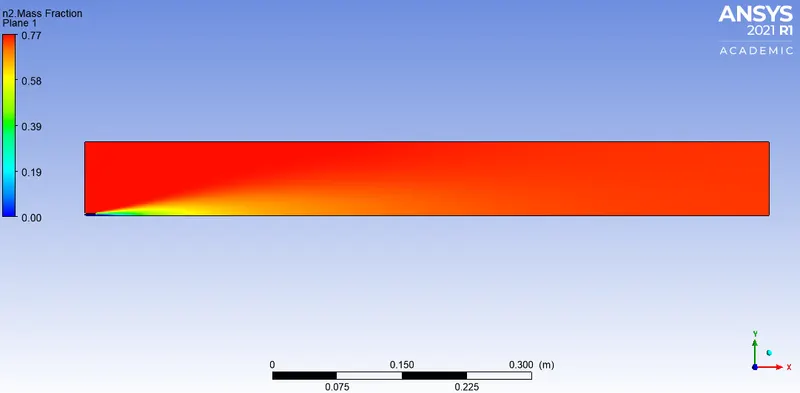
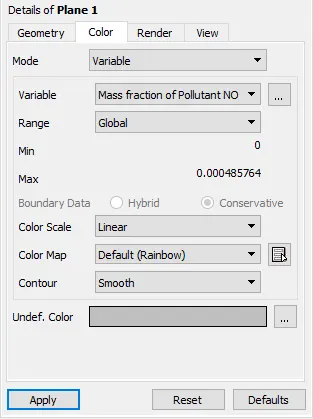
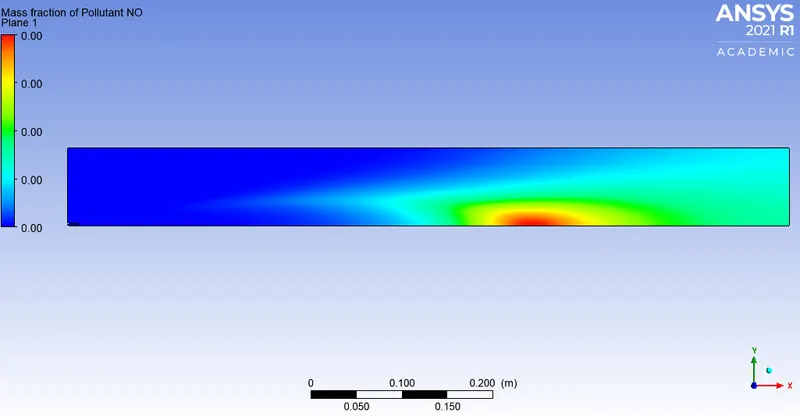
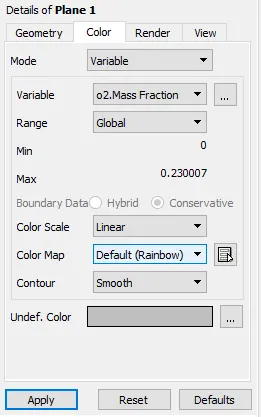
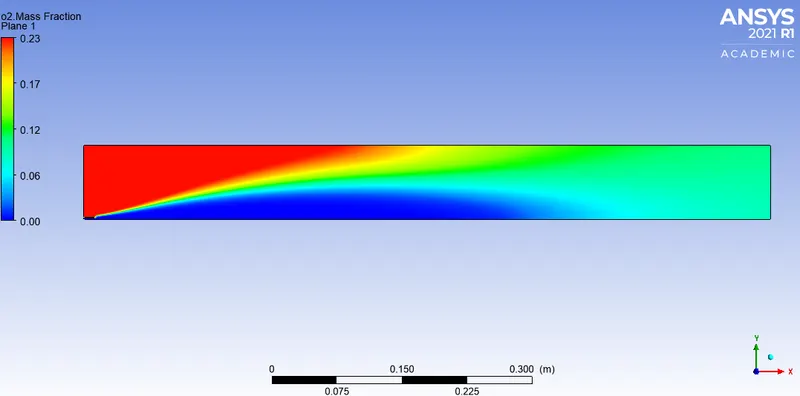
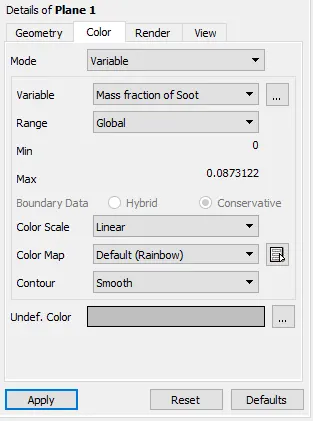
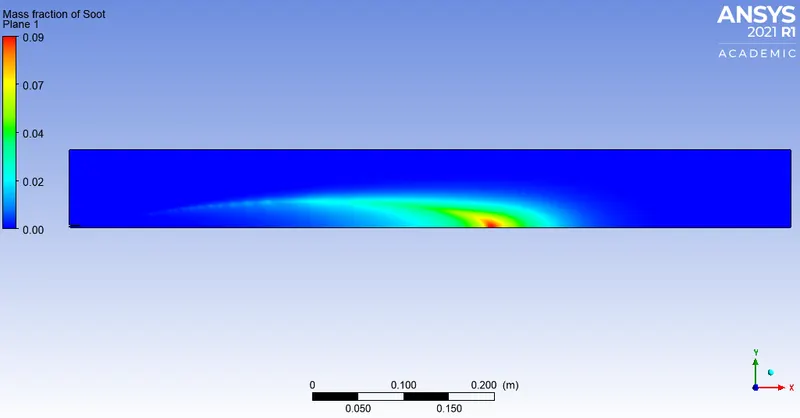
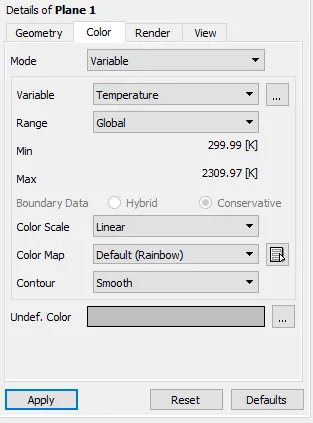
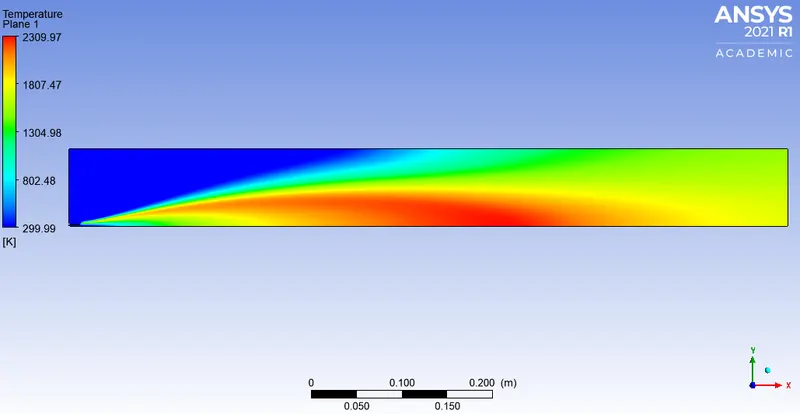
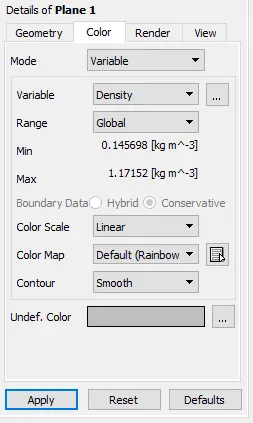
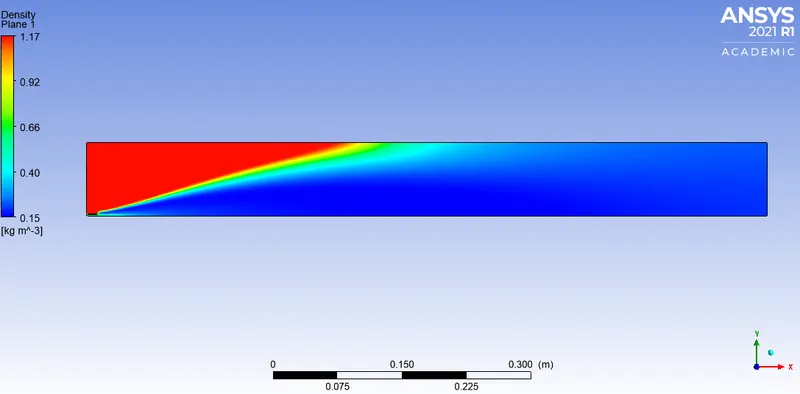
Plots:
1.
2.
3.
4.
5.
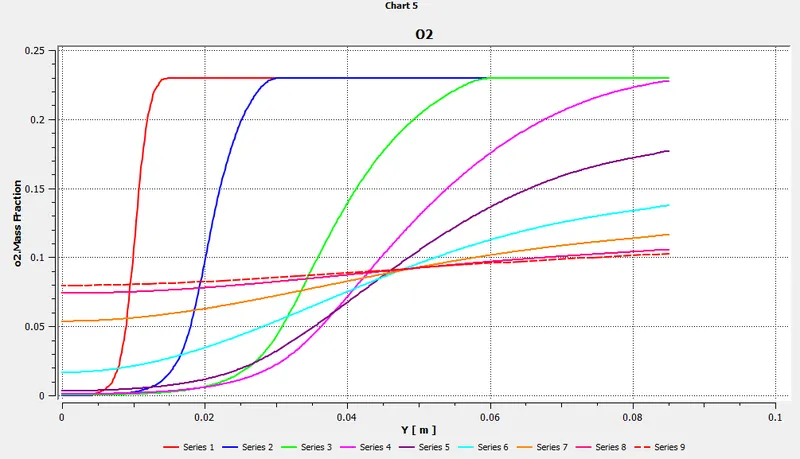
6.
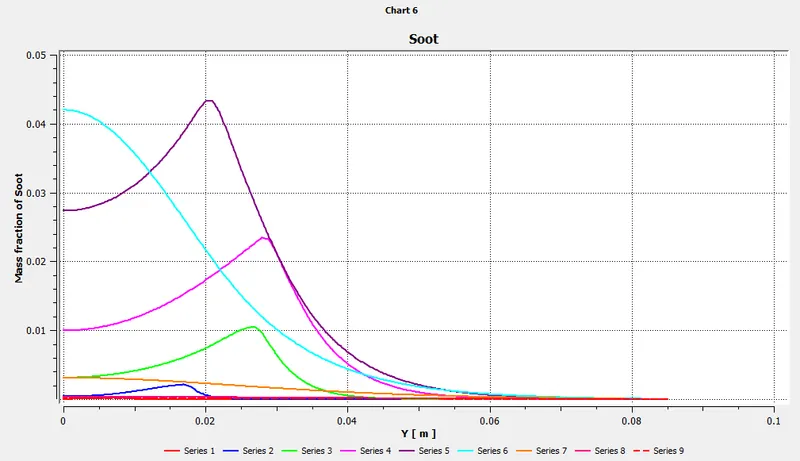
7.
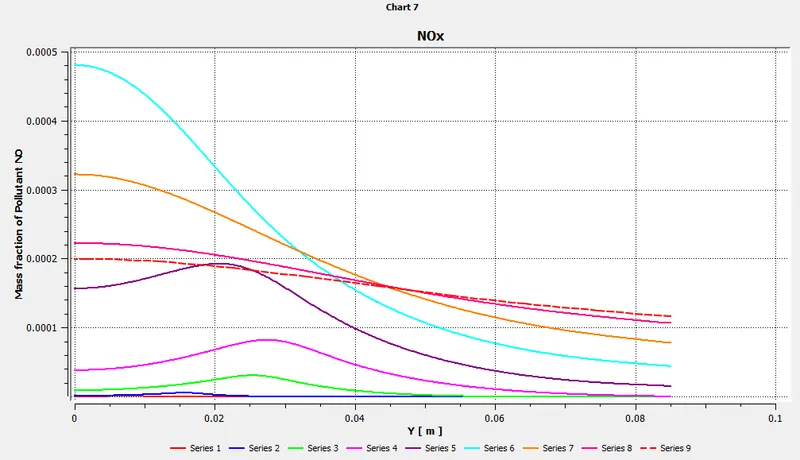
8.
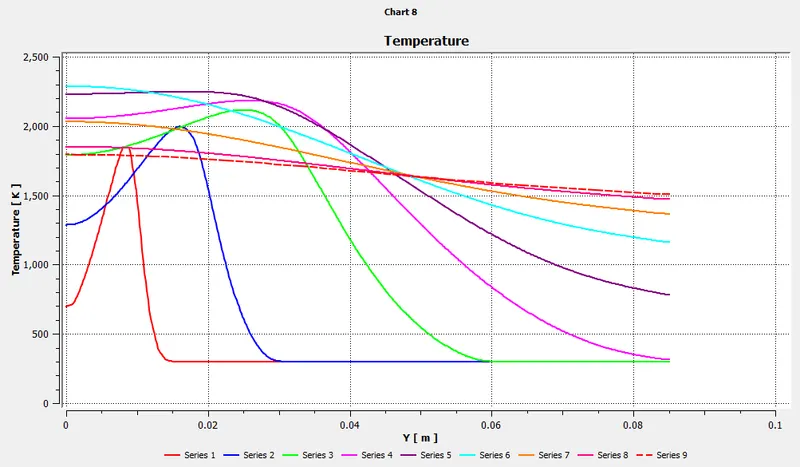
9.
PART 2:
5% water
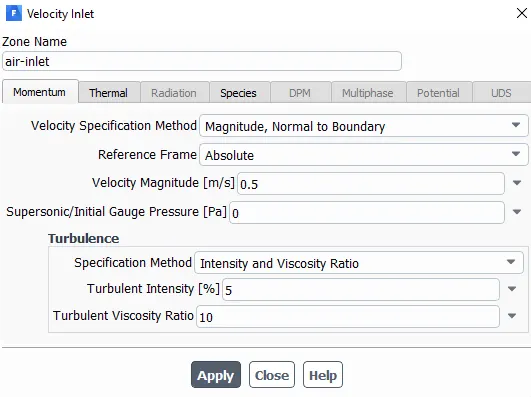
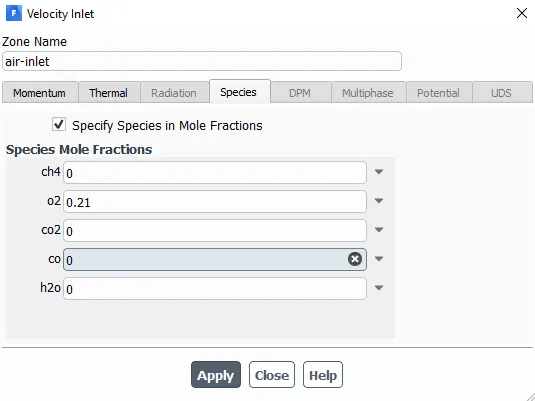
Modifications for this particular setup:
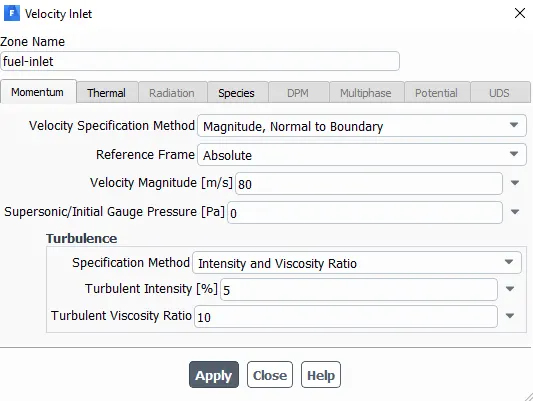
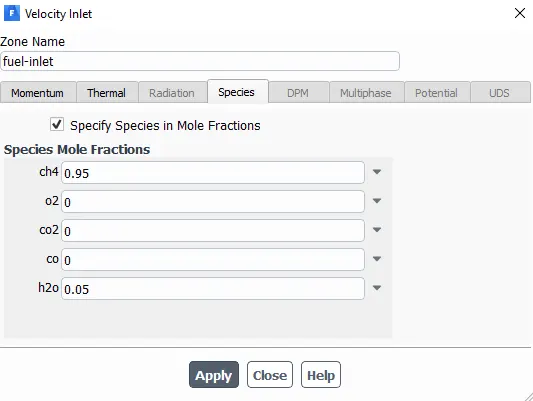
Setting up NOx and soot models:
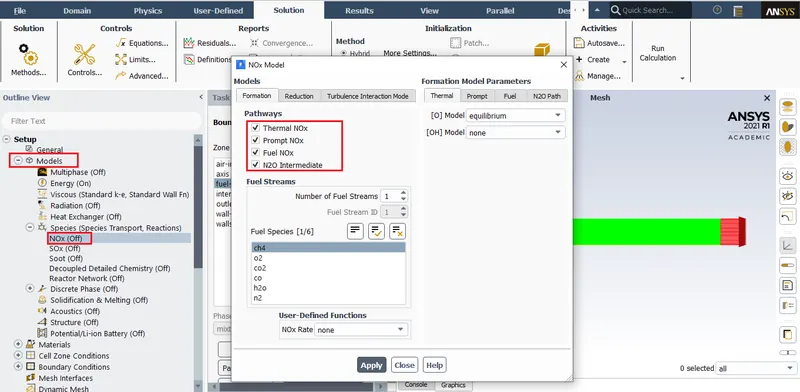
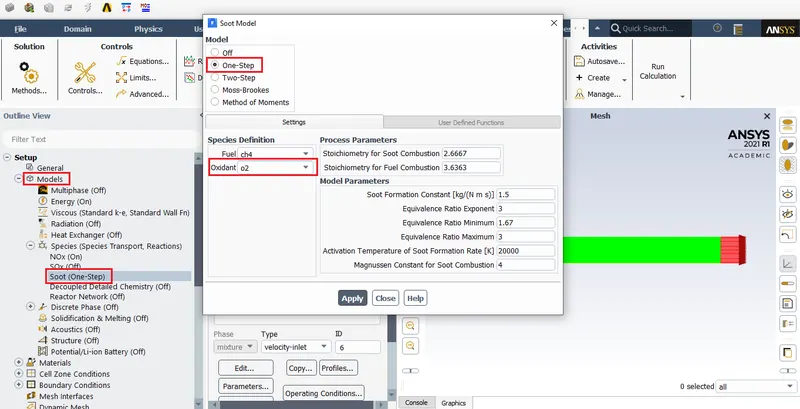
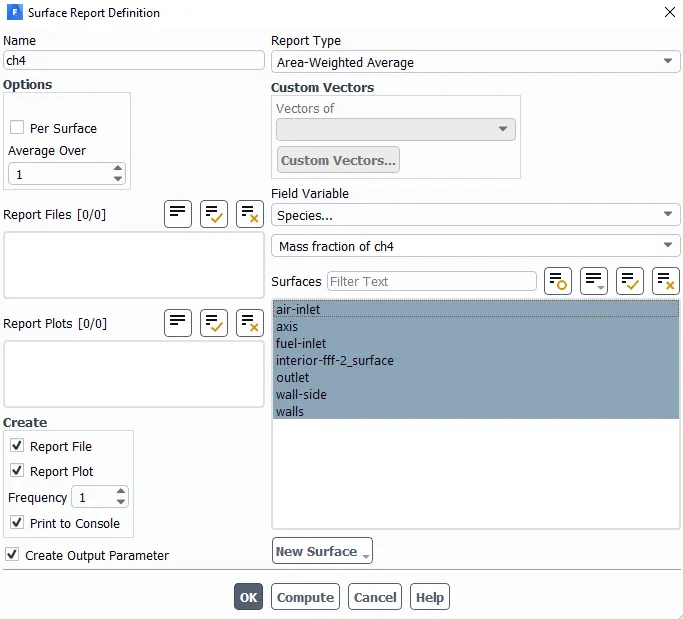
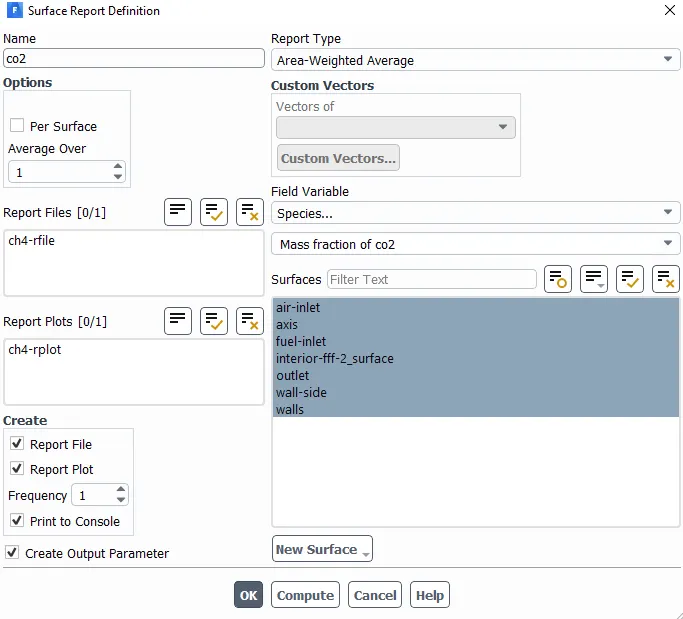
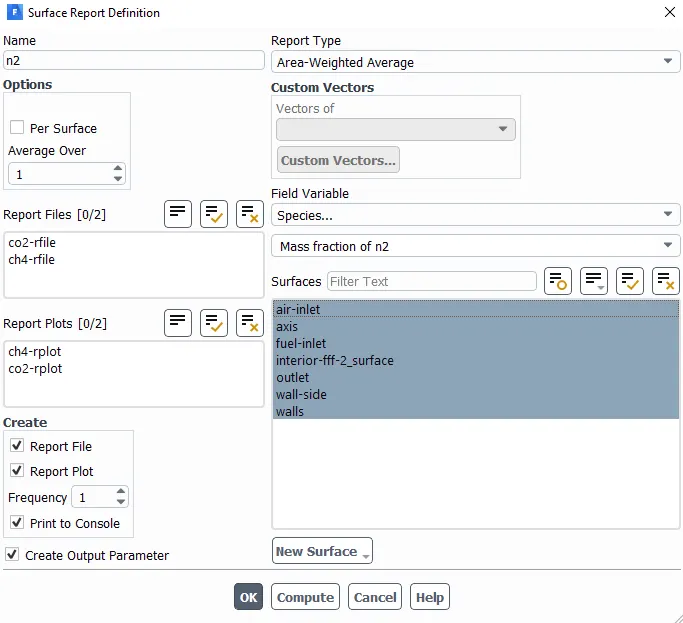
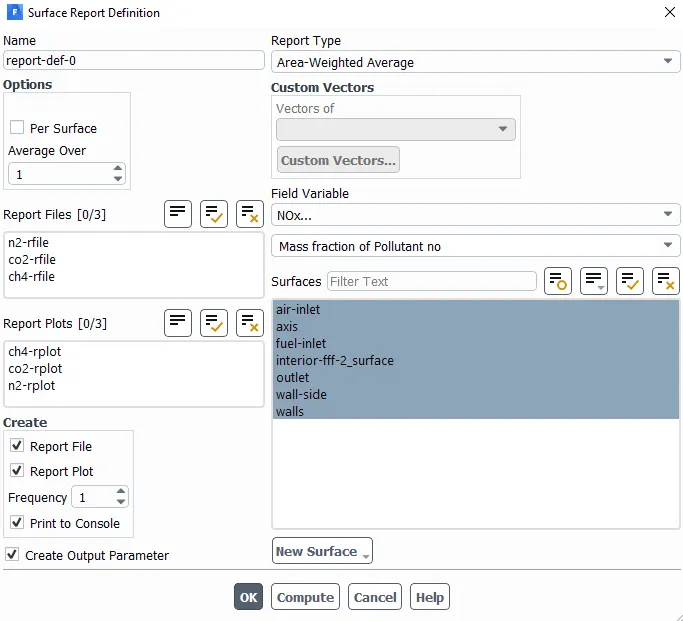
Report definitions:
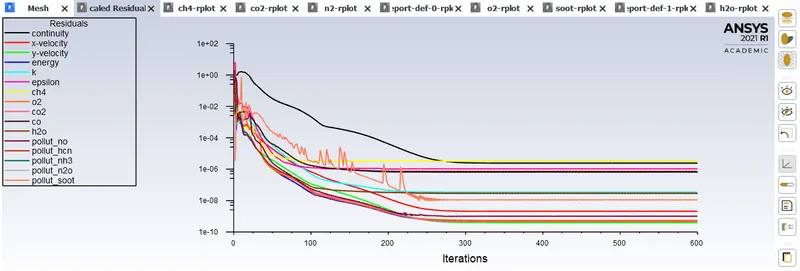
Residuals:
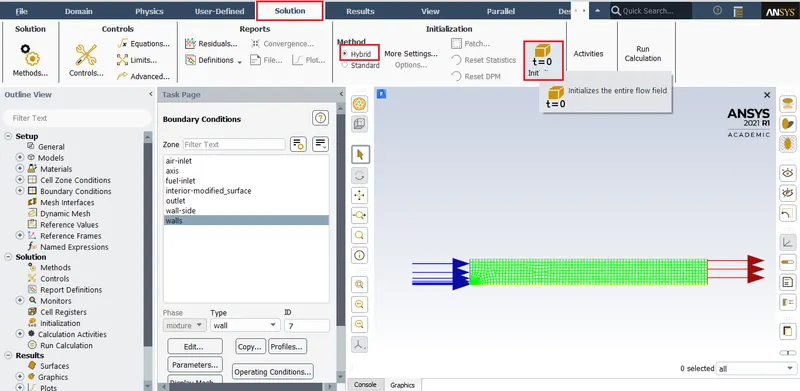
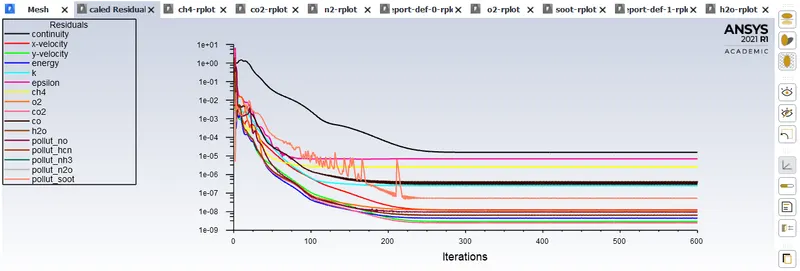
Initialise and hit calculate for 600 iterations.
Residuals:
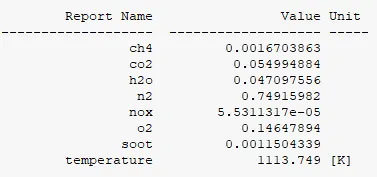
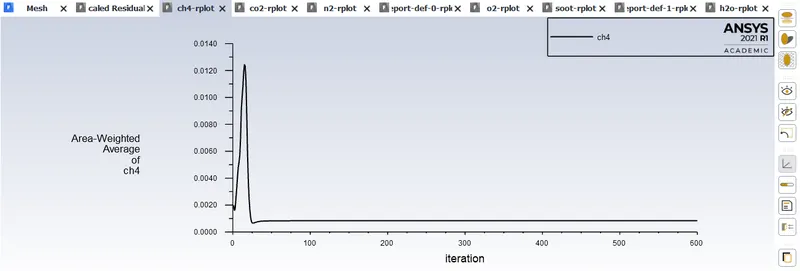
Area weighted averages:
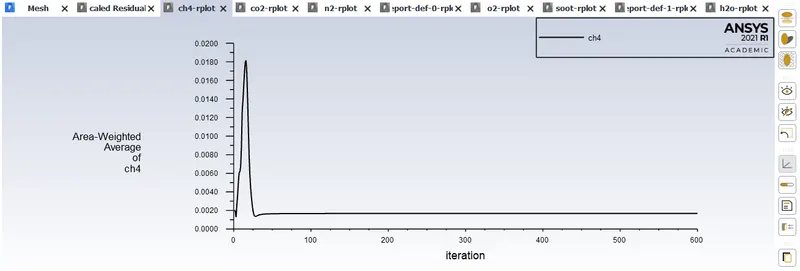
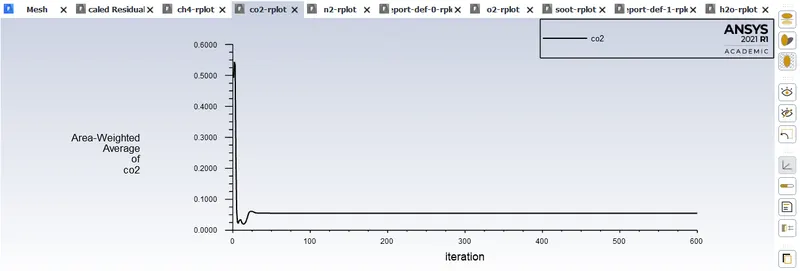
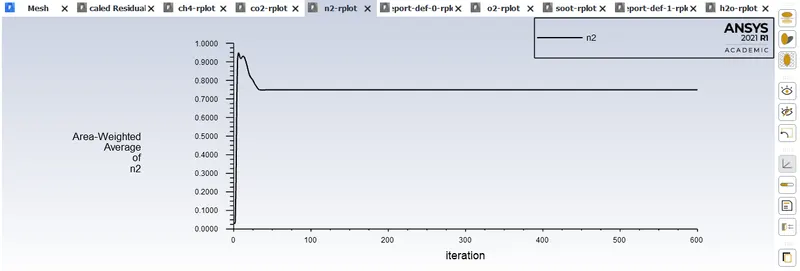
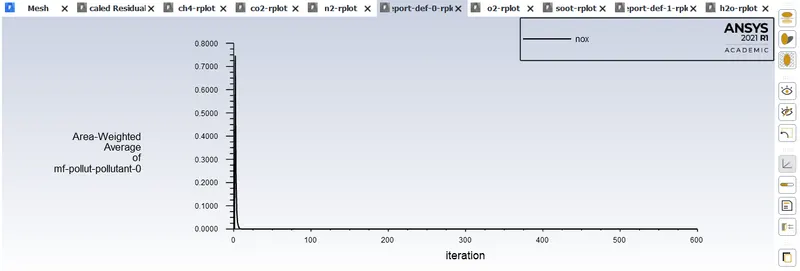
CFD Post:
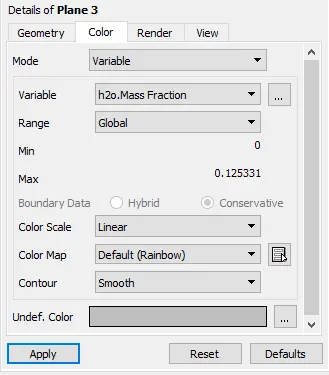
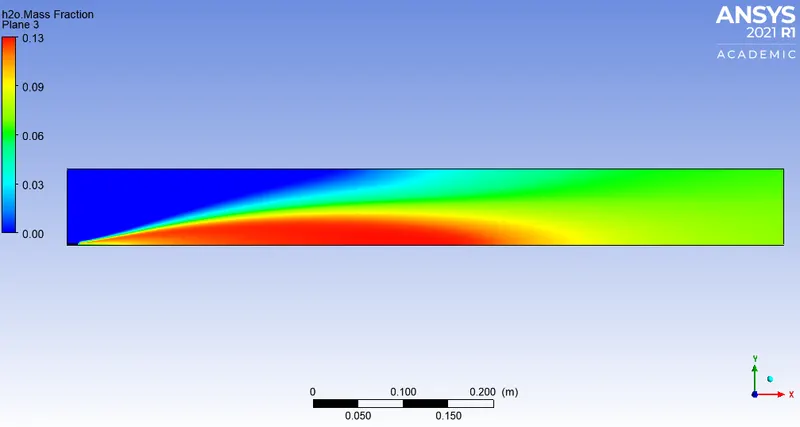
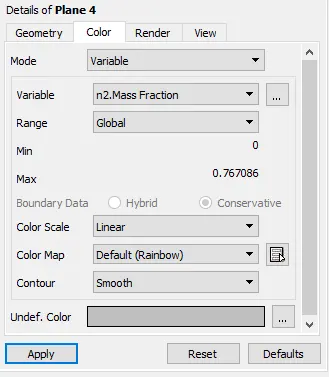
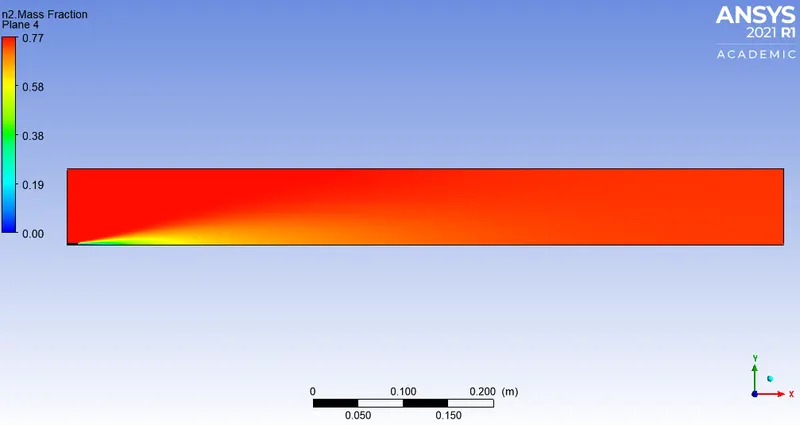
Line prompts:
Plots:
Part 2:
15% water
Residuals:
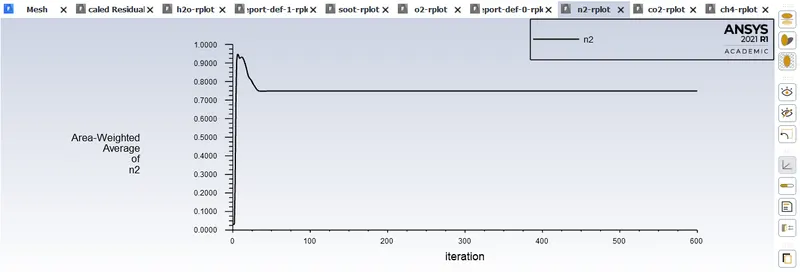
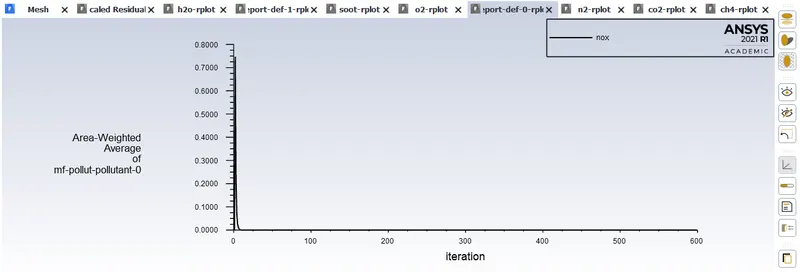
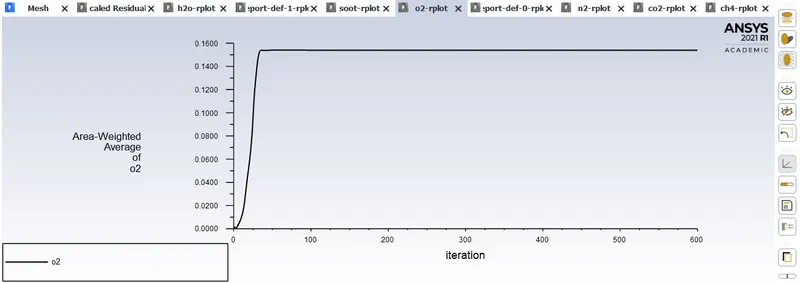
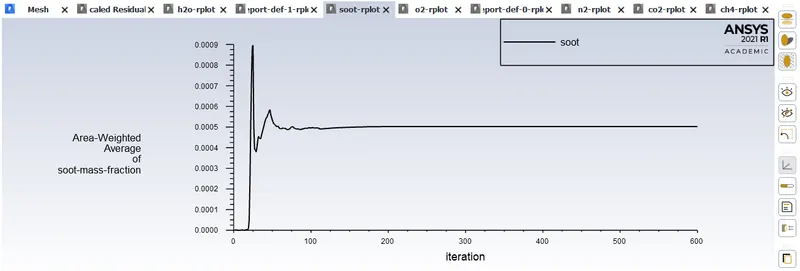
CFD Post:
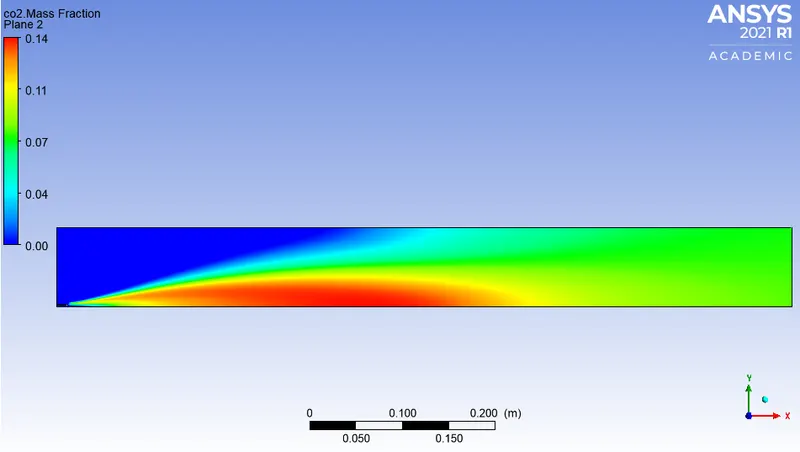
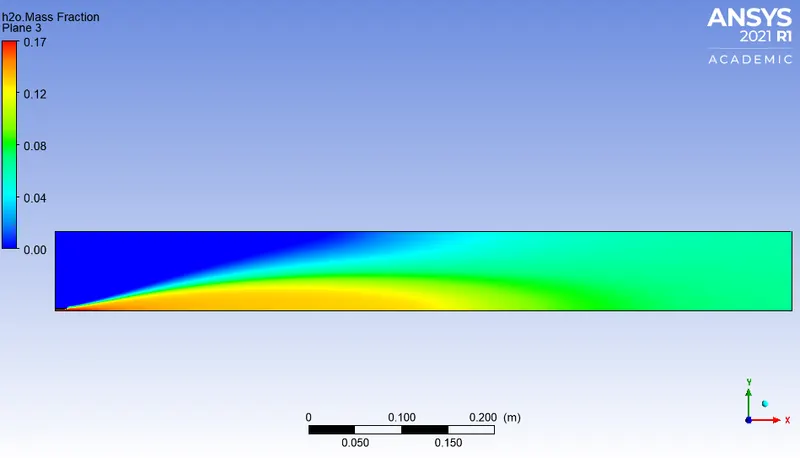
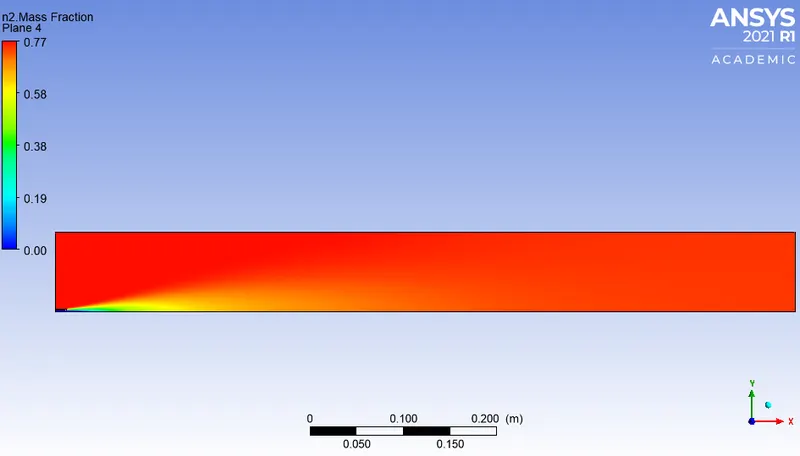
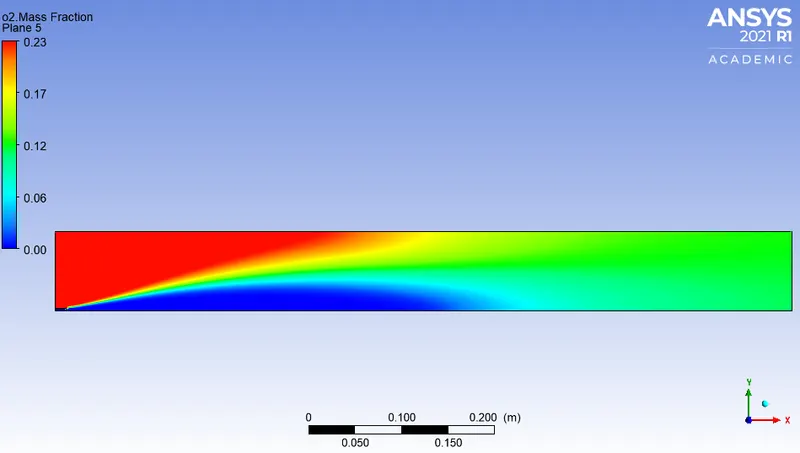
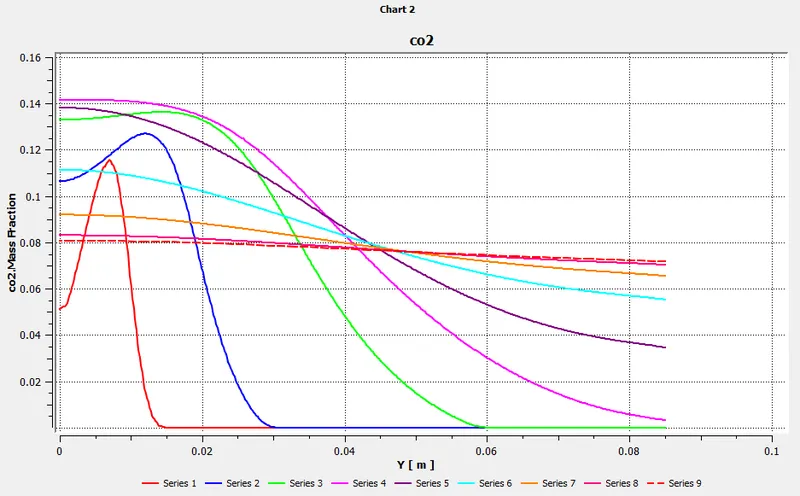
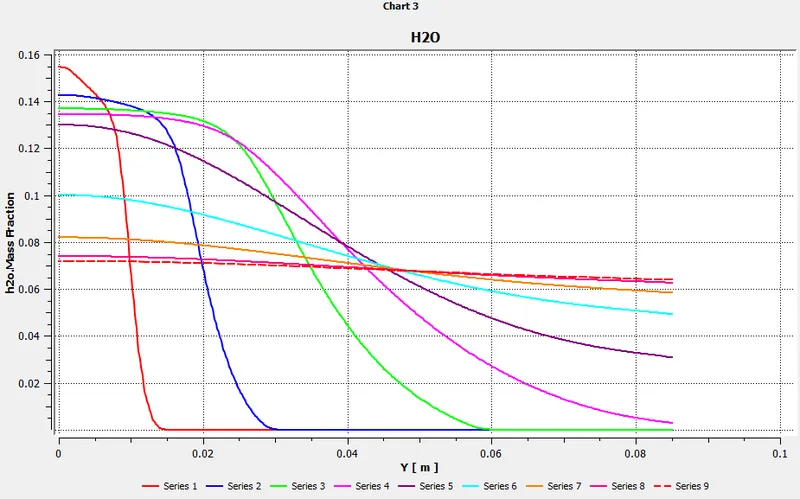
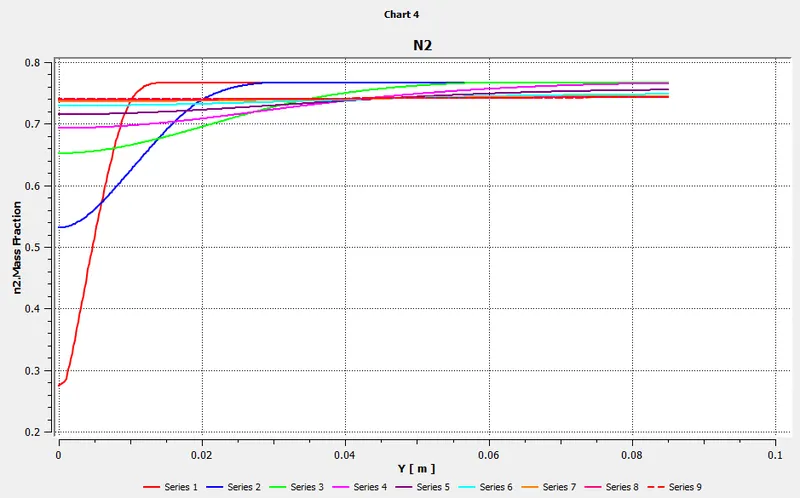
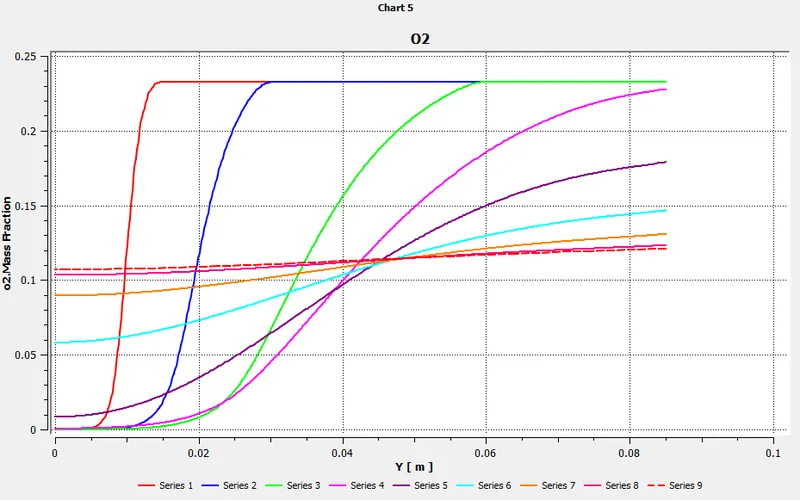
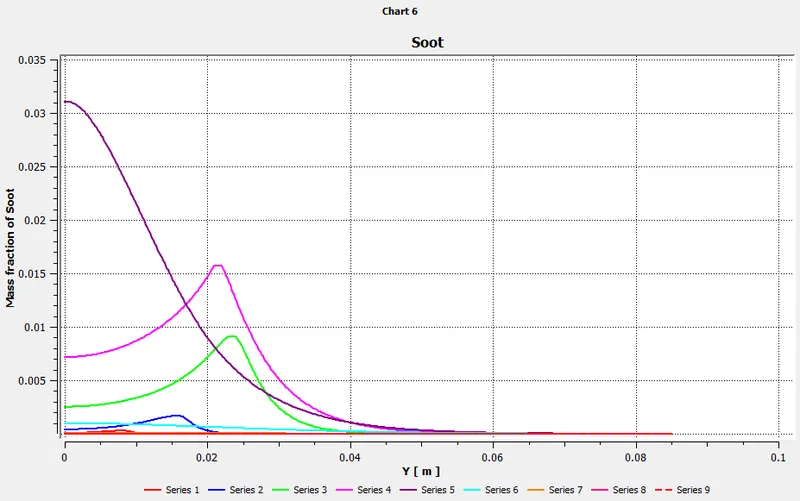
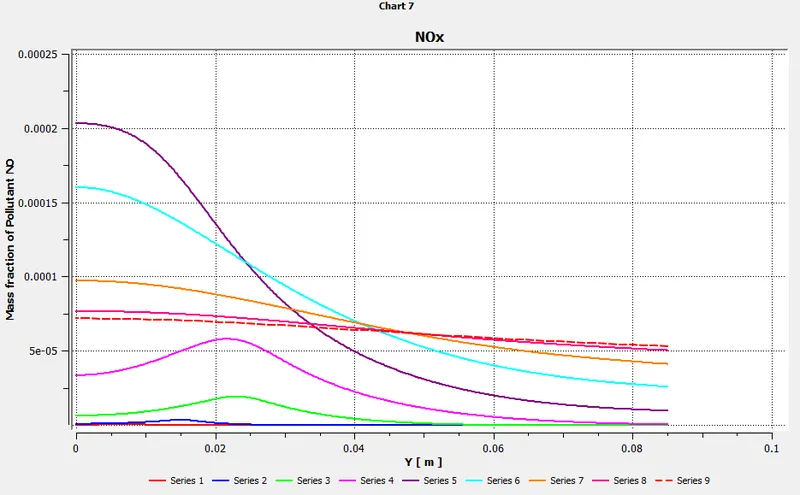
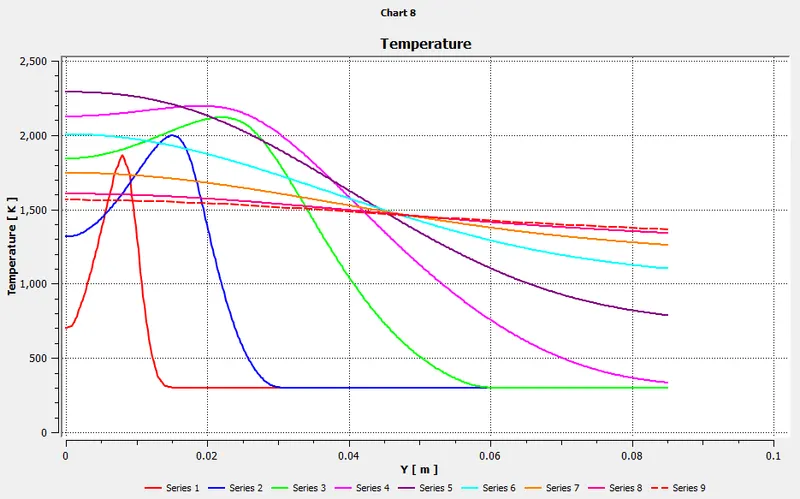
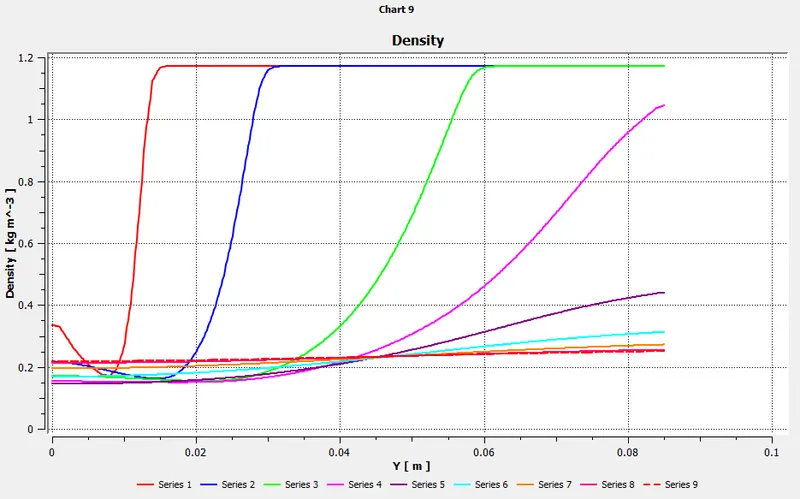
Mass fraction plots at each line probe:
Part 2:
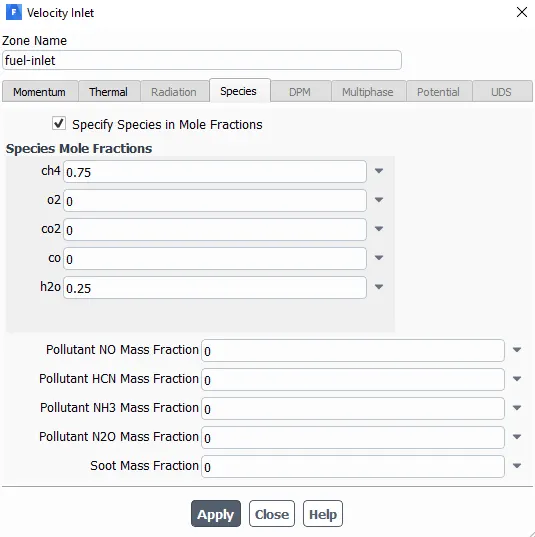
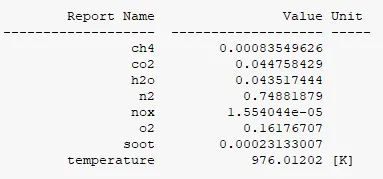
25% water
Residuals:
Plots:
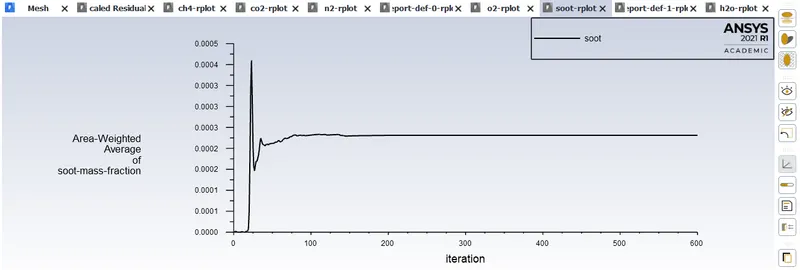
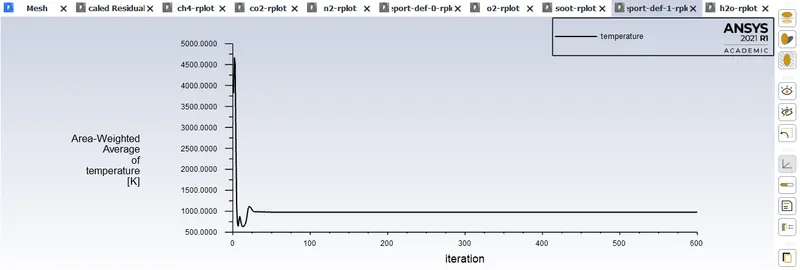
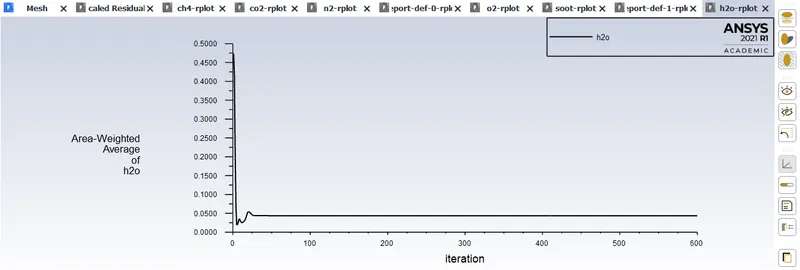
CFD Post:
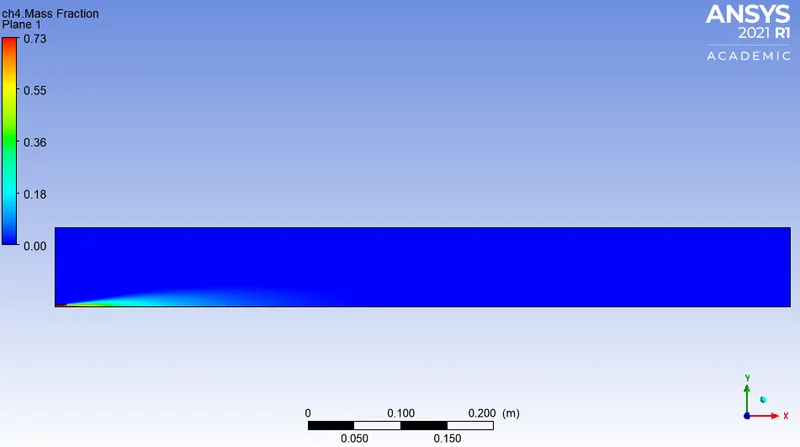
Graphs:
Conclusion:
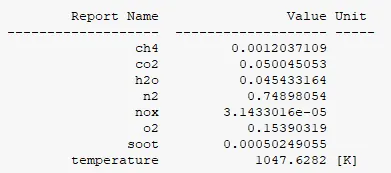
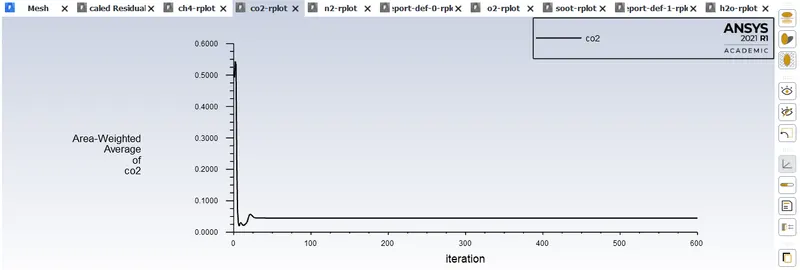
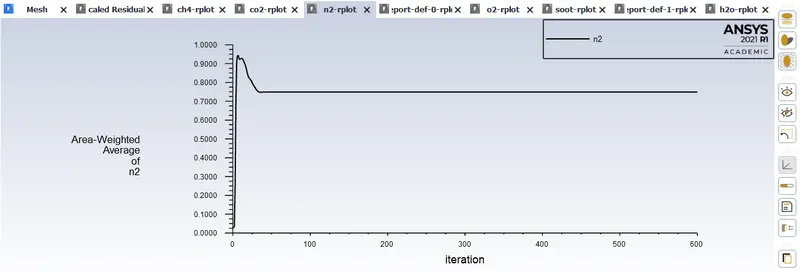
The tabulated values are area weighted average of the mass fractions of chemical species.
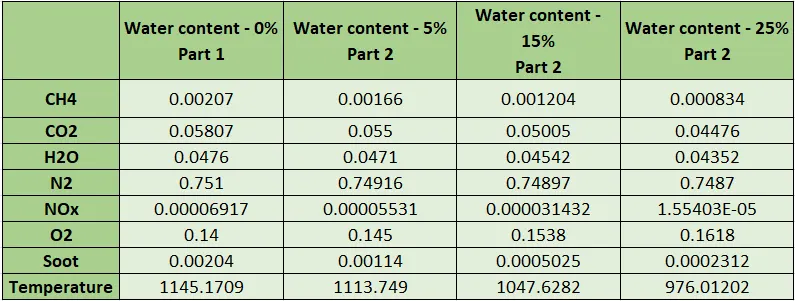
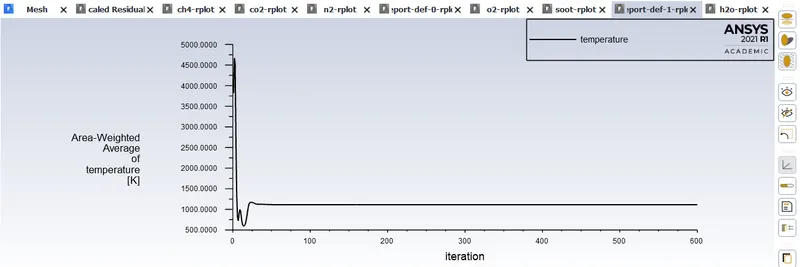
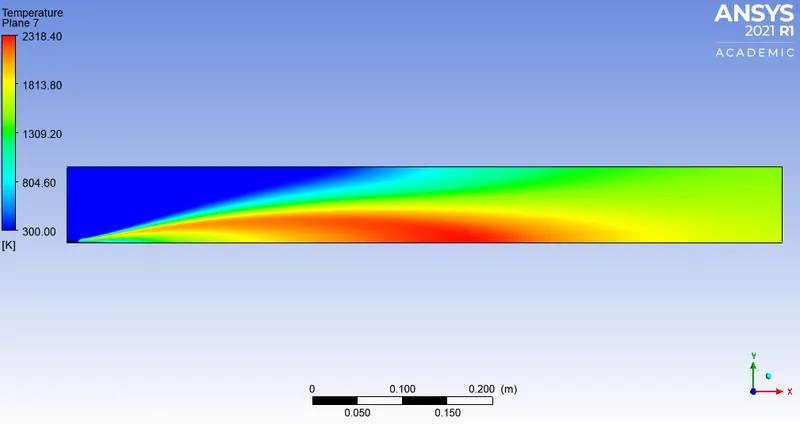
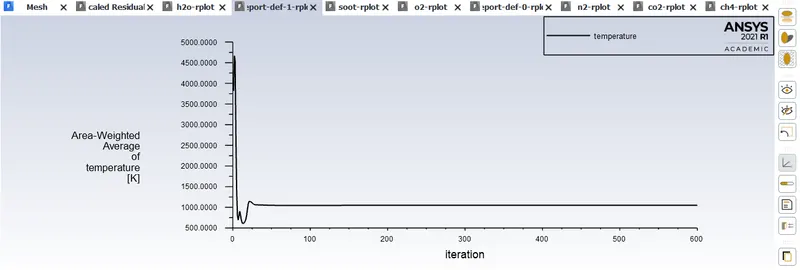
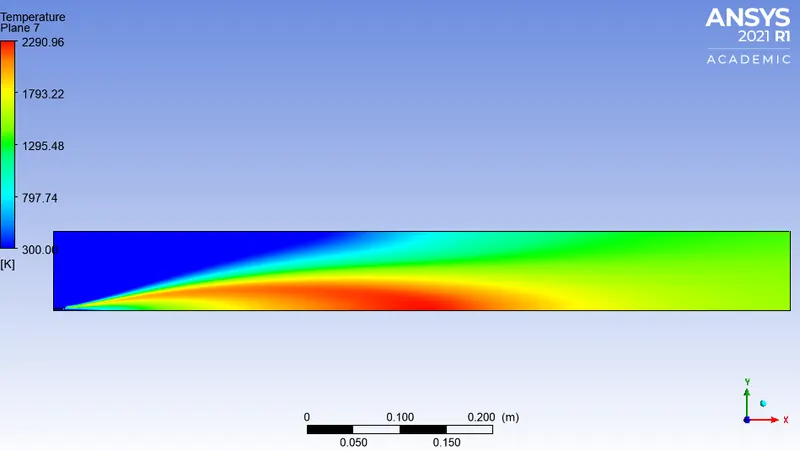
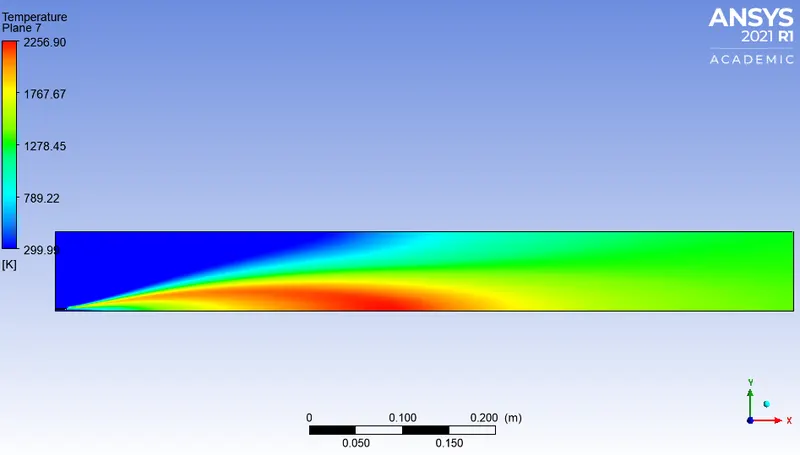
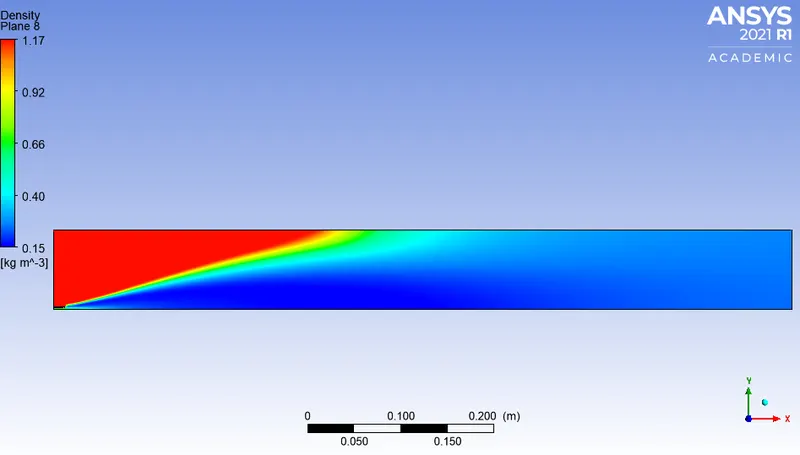
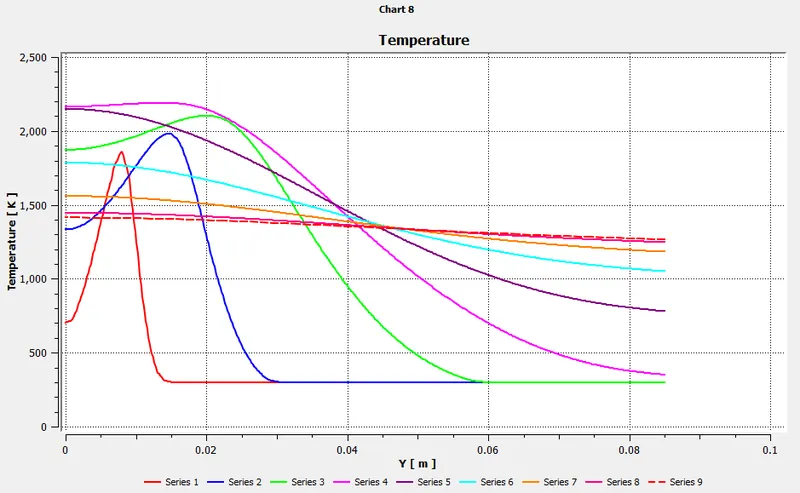
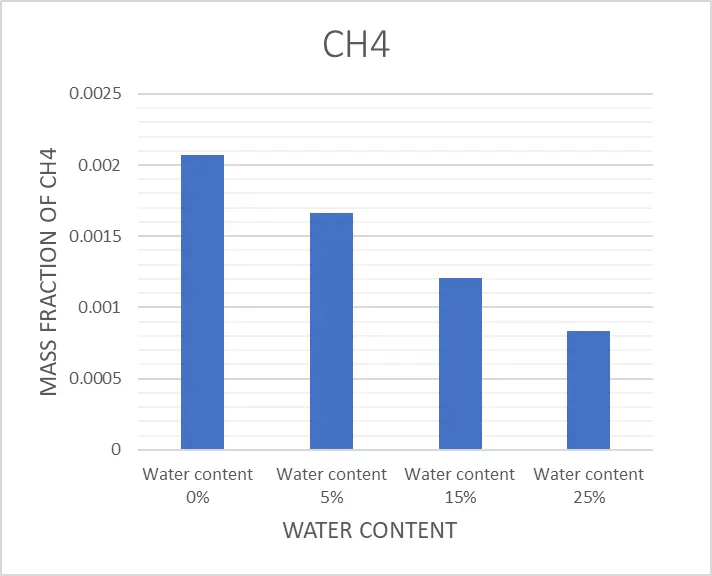
From the tabulated results, an increase in the proportion of water leads to a decrease in the pollutants generated with a significant reduction in the temperature.
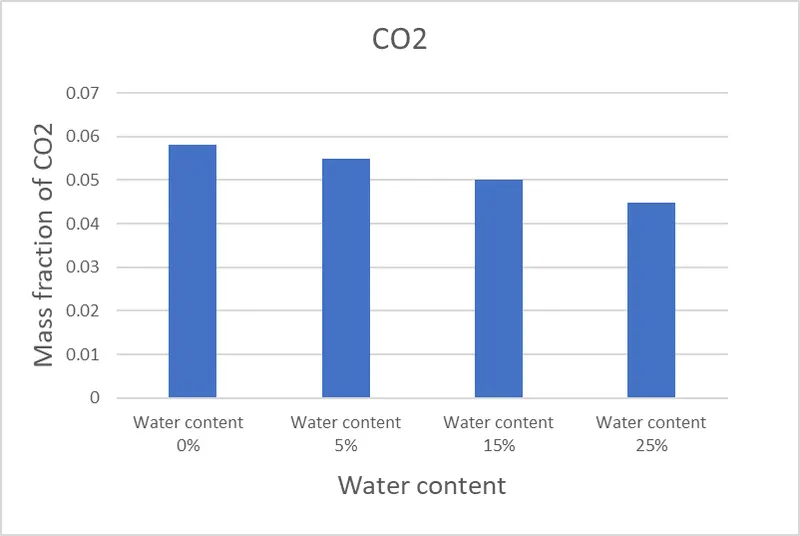
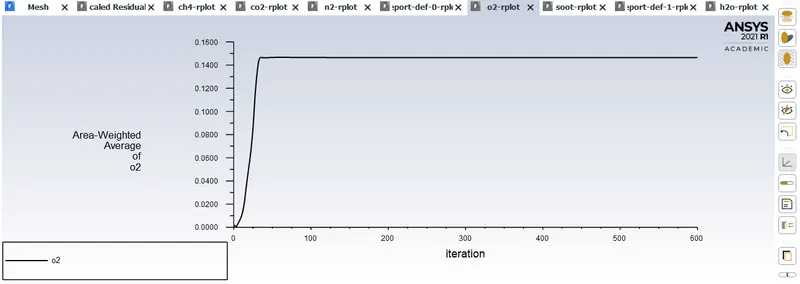
A very gradual reduction of CO2 can be observed with increase in the water content in the fuel inlet.
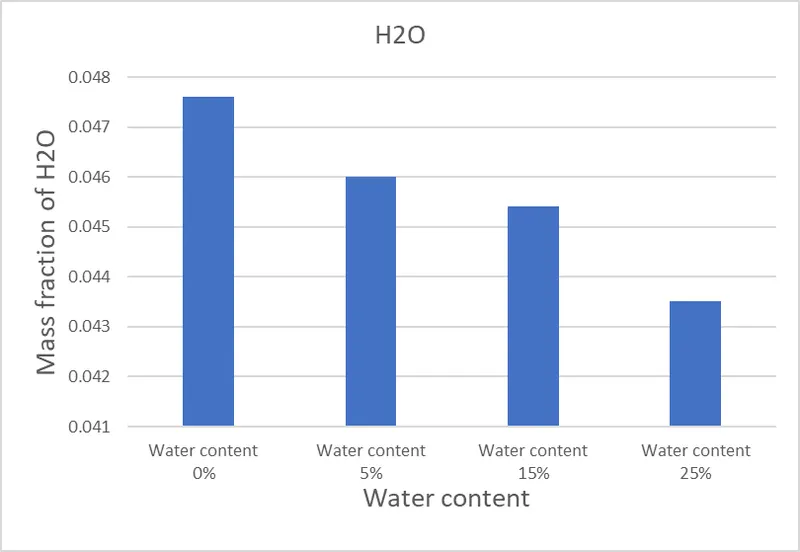
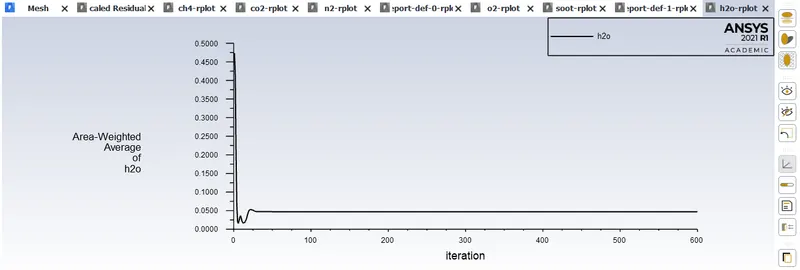
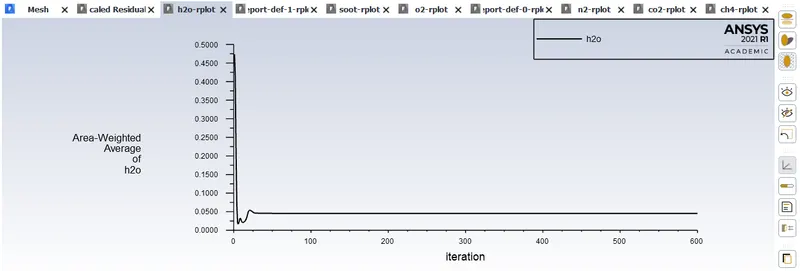
Reduction of H2O can be observed with increase in the water content in the fuel inlet, this means OH from the H2O molecule is seperated which in turn inhibits the formation of Nitrous oxides.
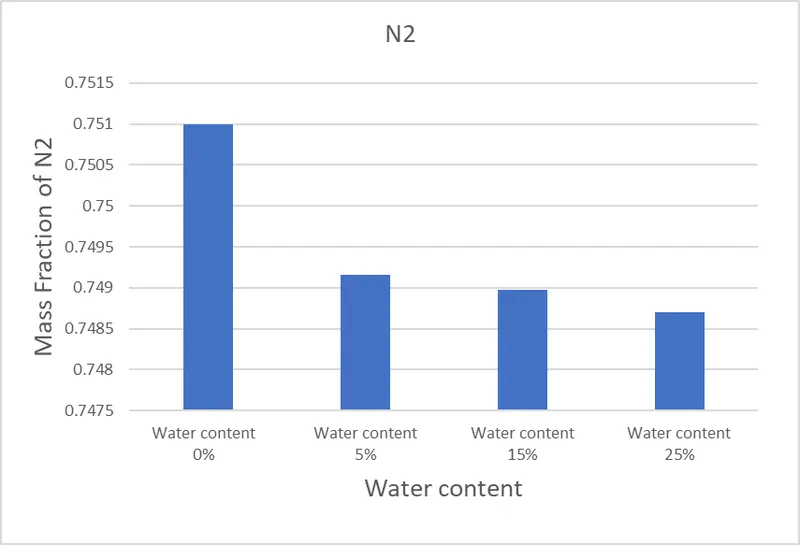
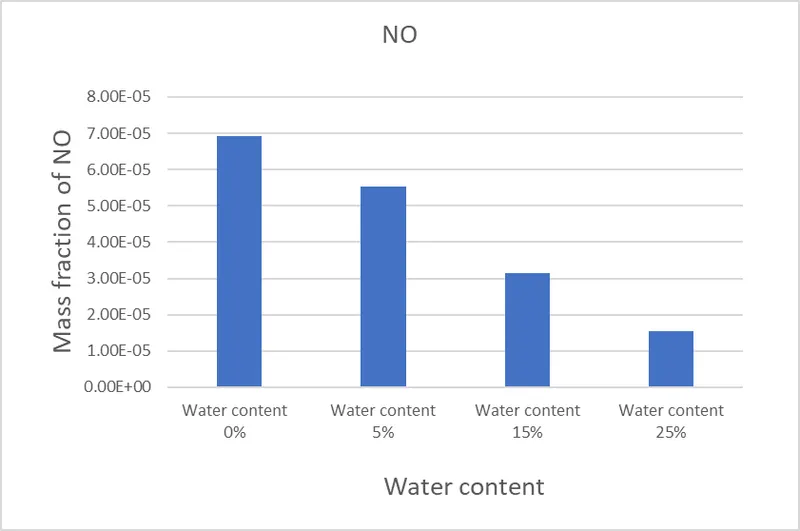
Here it can be easily observed the positive results of adding water molecules into the fuel air mixture.
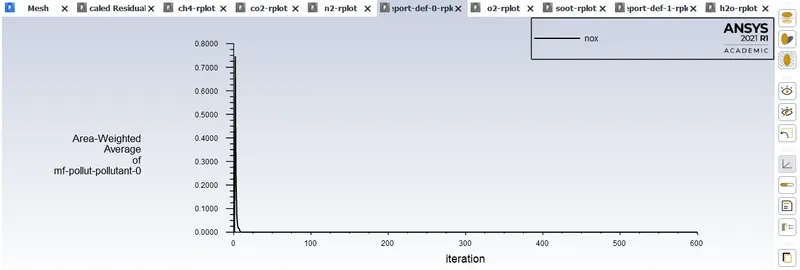
The reduction of NO is found to be significant when compared with the case of 0% water content in fuel air mix.
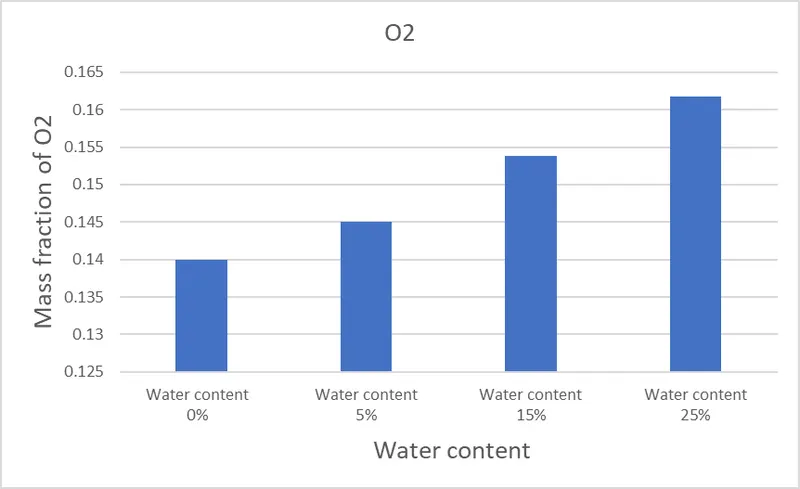
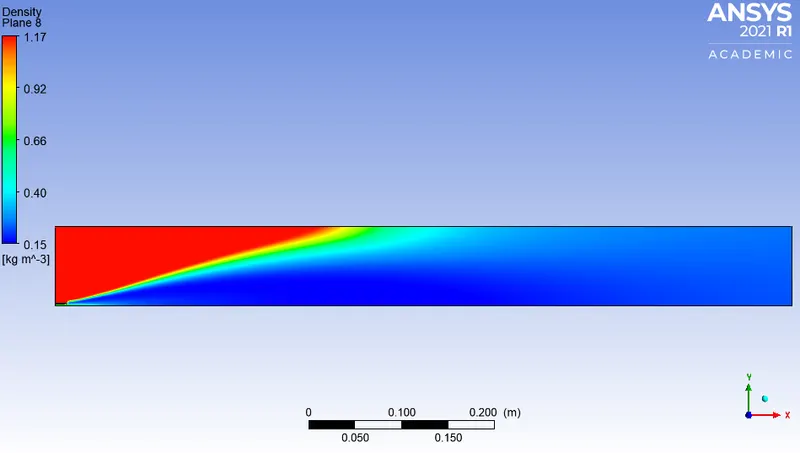
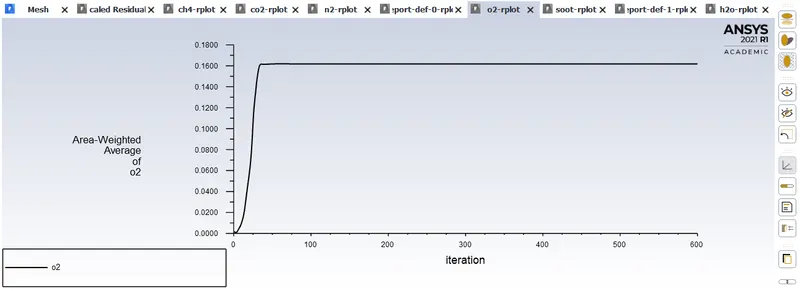
As a result of adding H2O into the fuel air mixture the amount of O2 formed is increased significantly but on the other hand the amount of NOx formed is also reduced.
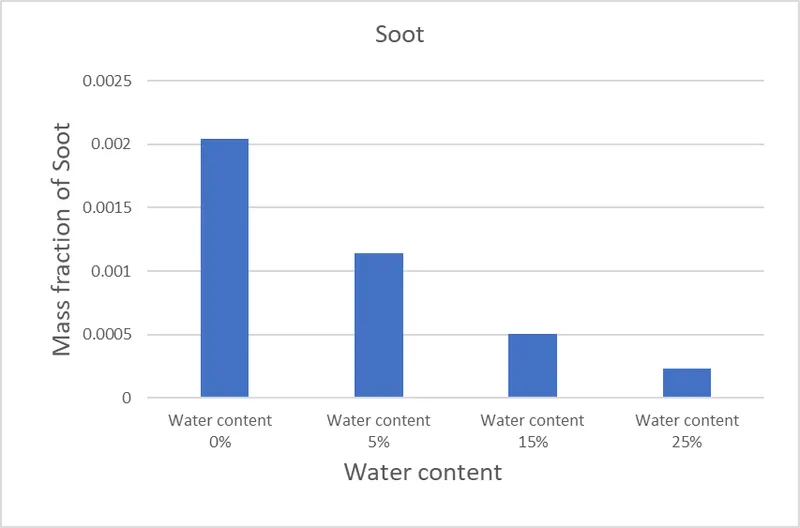
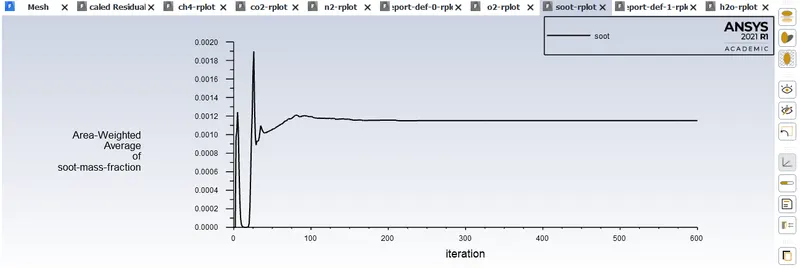
There is a huge reduction in soot formation by using water in fuel air mixture.
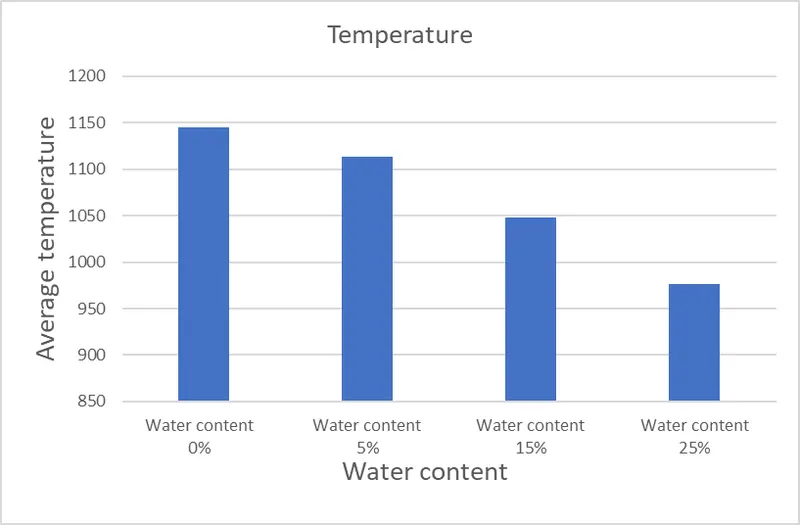
The reduction in the temperature of engine also means that less and less number of NOx products are formed from the oxidation of Nitrogen in the air.
When there is a raise in engine temperature, there is a proportional increase in the number of NOx products.
References:
Thermal NOx:
One step soot model:
https://www.afs.enea.it/project/neptunius/docs/fluent/html/th/node229.htm
NOx:
https://www.aeroqual.com/meet-the-nitrogen-oxide-family
Research references:
https://www.sciencedirect.com/science/article/pii/S1876610217337724