Week 1 Spur Gear Challenge
STATIC STRUCTURAL ANALYSIS ON SPUR GEARS USING DIFFERENT MATERIALS
Objective
To perform static structural analysis on spur gears and to find out the Equivalent stress, Total deformation, and Stress intensity of the following materials
- Cast Steel
- Cast Bronze
- Cast Iron (ductile)
To choose a material for manufacturing spur gears based on the above three material results.
To identify the location of a possible fracture.
Materials Engineering Data
Material properties of the given three materials are added to the engineering data as shown in Figure 1, Figure 2, & Figure 3.
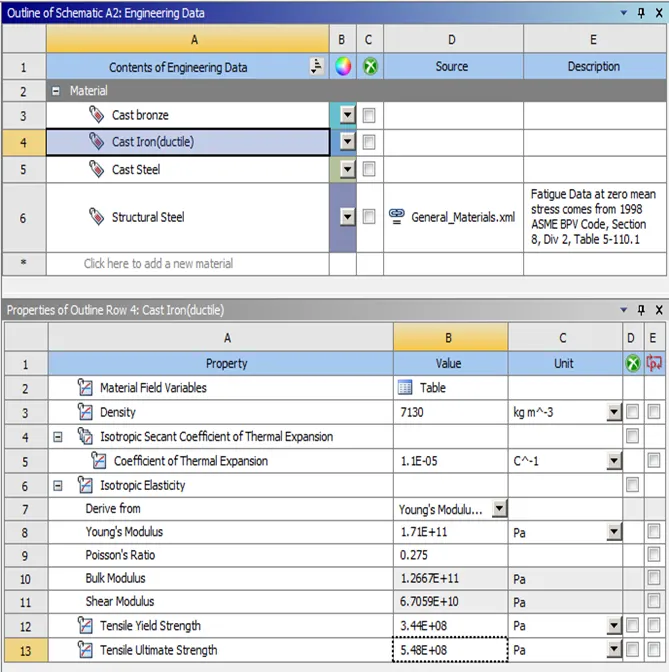
Figure 1. Cast iron (ductile) Engineering data
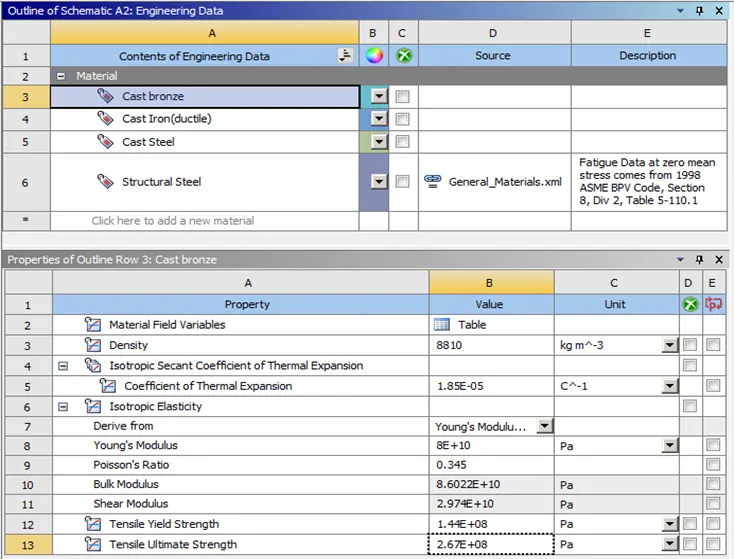
Figure 2. Cast Bronze Engineering data
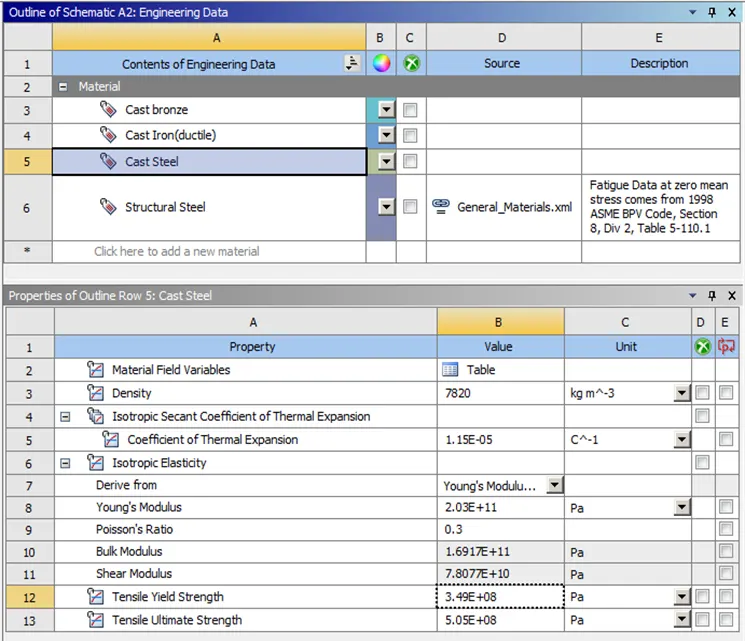
Figure 3. Cast Steel Engineering data
Geometric Model & Connections
The given spur gear model geometry has been imported as shown in Figure 4.
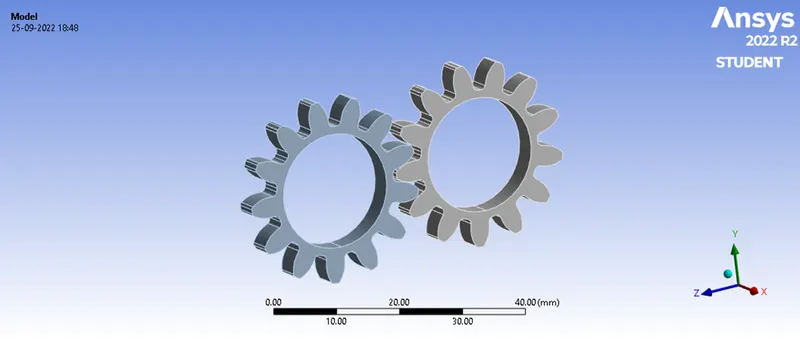
Figure 4. Spur Gear model
The geometry has been renamed Right and Left then the contact bodies and target bodies has been given. Since the gear has 13 teeth and two faces for each tooth therefore both contact bodies and target bodies will have 26 face selections as shown in Figure 5.
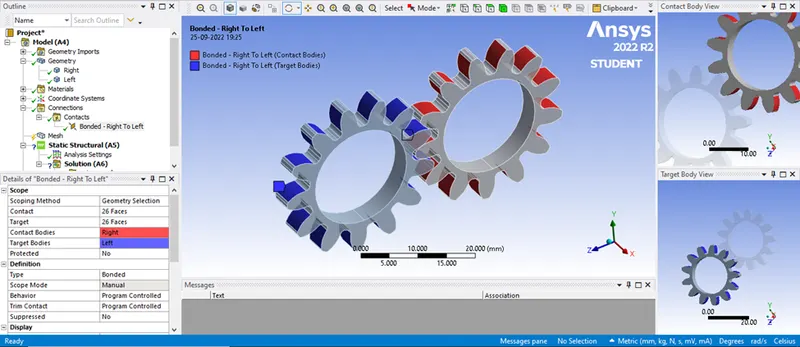
Figure 5. Spur Gear Connection Faces
Meshing
1mm Mesh element sizing has been assigned with a low-level quality smoothening and adaptive sizing has been turned “off”, the meshing of this model with these constrains has been shown in Figure 6.
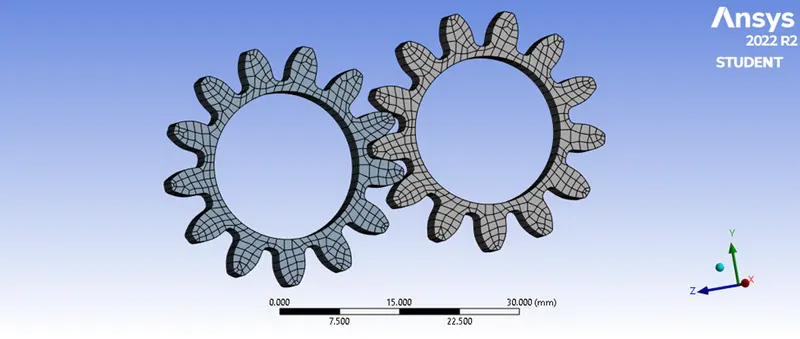
Figure 6. Meshed Model
Analysis setting (Joint loads – Rotation, Moment)
The joint loads have been set for 6 number of steps and the large deflection is turned “on” then revolute joint of "right" is assigned of type “Rotation” magnitude from “Tabular Data”. The assigned Tabular Data and Joint loads – Rotation Analysis setting has been shown in Figure 7.
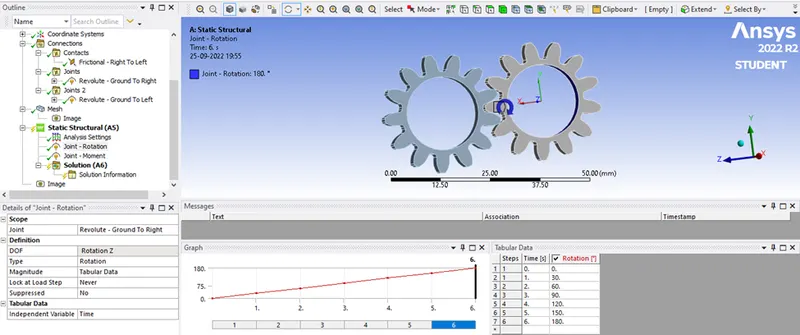
Figure 7. Joint loads – Rotation Analysis setting
The revolute joint of "left" is assigned of type “Moment” magnitude from “Tabular Data”. The assigned Tabular Data and Joint loads – Moment Analysis setting has been shown in Figure 8.
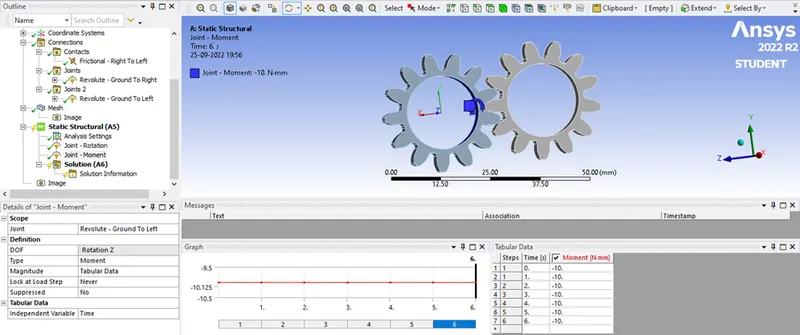
Figure 8. Joint loads – Moment Analysis setting
Simulations results
Total deformation
Figure 9, Figure 10, and Figure 11 shows the Total deformation of the three required materials
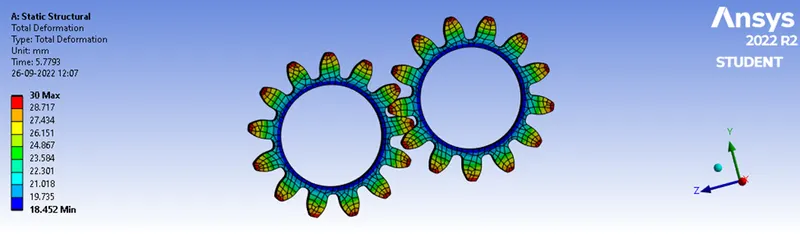
Figure 9. Total Deformation of Cast iron (ductile)
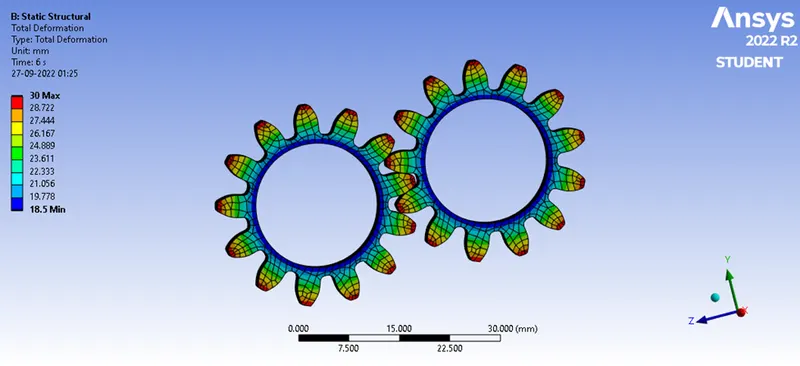
Figure 10. Total Deformation of Cast Bronze
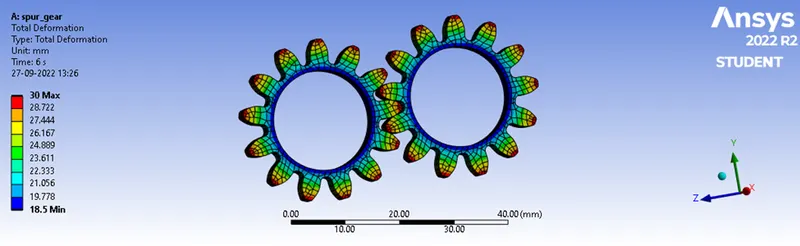
Figure 11. Total Deformation of Cast Steel
Equivalent stress
Figure 12, Figure 13, and Figure 14 shows the Equivalent stress of the three required materials
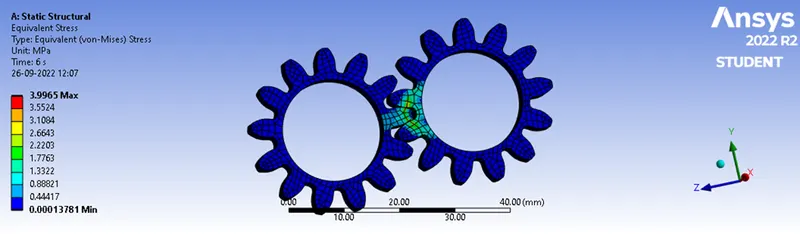
Figure 12. Equivalent Stress of Cast iron (ductile)
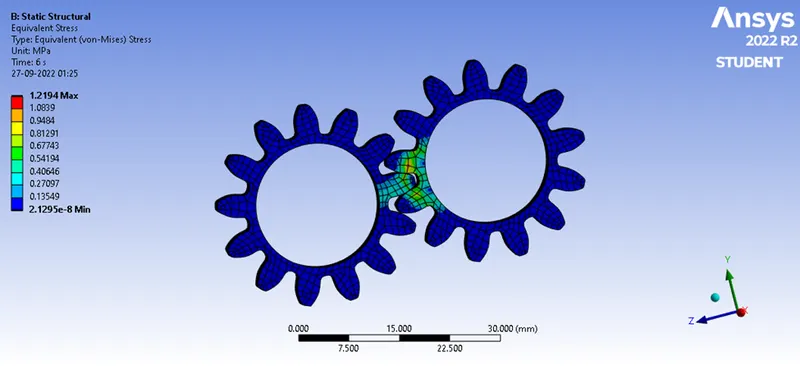
Figure 13. Equivalent Stress of Cast Bronze
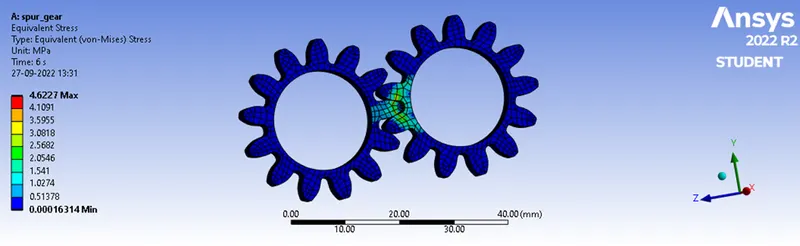
Figure 14. Equivalent Stress of Cast Steel
Stress intensity
Figure 15, Figure 16, and Figure 17 shows the Stress intensity of the three required materials
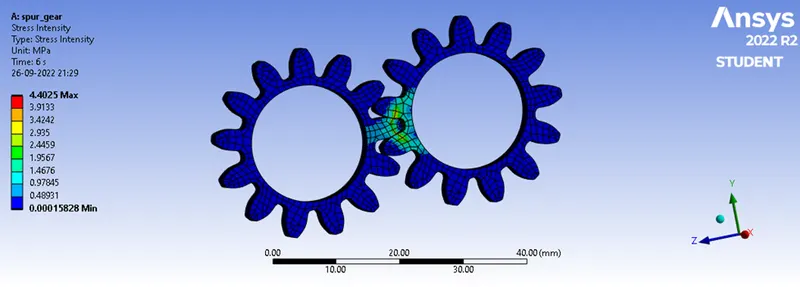
Figure 15. Stress intensity of Cast iron (ductile)
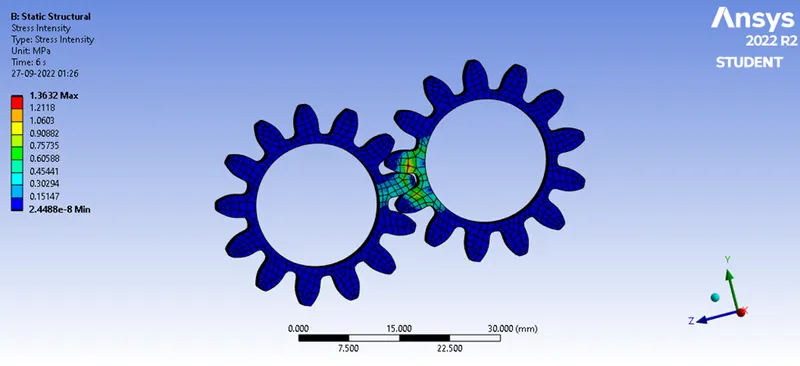
Figure 16. Stress intensity Cast Bronze
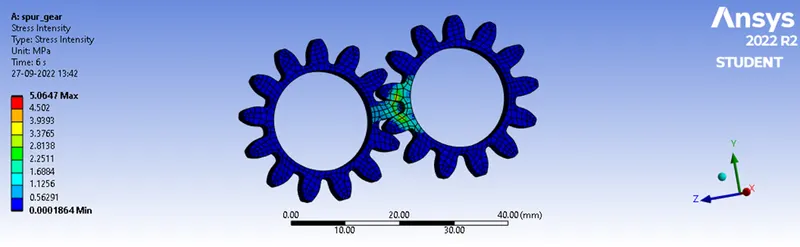
Figure 17. Stress intensity Cast Steel
The below table summarizes the values of Equivalent stress, Total Deformation, and Stress intensity for the three cases as per the tabular data of these simulations
| SR. NO. | MATERIAL | EQUIVALENT STRESS (MPa) | TOTAL DEFORMATION (mm) | STRESS INTENSITY(MPa) |
| 1 | Cast Iron | 144.24 | 30 | 157.73 |
| 2 | Cast Bronze | 69.78 | 30 | 78.61 |
| 3 | Cast Steel | 172.40 | 30 | 189.67 |
Note:
The deviation in the values of Cast Bronze is due to the change of "Analysis settings" parameters due to the Error statement: The solver engine was unable to converge on a solution for the nonlinear problem.
In stating this issue, I have to change the Initial, Minimum & Maximum time steps for the first steps as 0.1 s,0.05s & 0.2 s respectively. Then for the 2 to 6 steps, the above values with carryover time step On is Min:0.005s & Max as 0.03 s.
Conclusion
According to the results of the Stress intensity for all spur gear cases, Cast steel is the preferred material option, according to the fracture mechanics approach.
The total deformation remains the same for all three materials.
concerning the factor of safety, Cast iron is the suggested material of choice.