Week 1- Mixing Tee
Aim
To study action and Perform simulation of mixing two streams of air at different temperatures and velocities in a T- Joint.
The effect of varying velocity of chilled air stream and length of mixing on temperature obtained is studied.
Introduction
In mixing tee, we are mixing the two streams of air, which are at different temperatures and velocities to get the desired value at the outlet.
Theory
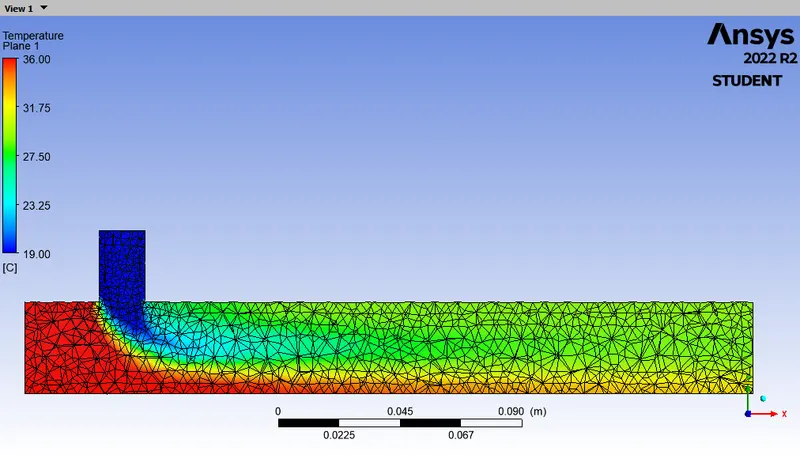
The air conditioning unit has capacity of provding the air at 19 ° C . But the human comfort temperature is around 28 ° C- 30 ° C. Hence air from air conditioning unit is mixed with the atmospheric air having 36° C temperature so that the air having temperature close to human comfort shall be delivered.
In this project we are going to study the Effect of length , Momentum ratio and Mesh Element Size on the outlet temperature.
Turbulence Model Study
1. K - Epsilon , Relizable
2. K - Omega , SST
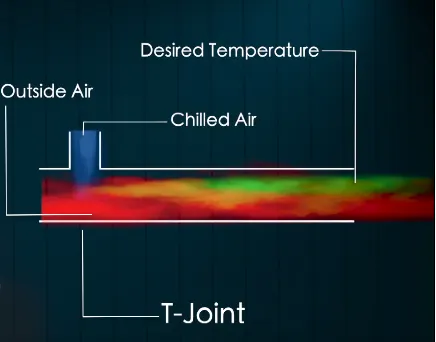
Starting with Simulation
Selecting Mixing Tee - Short Geometry in spaceclaim
A solid model is genereated.
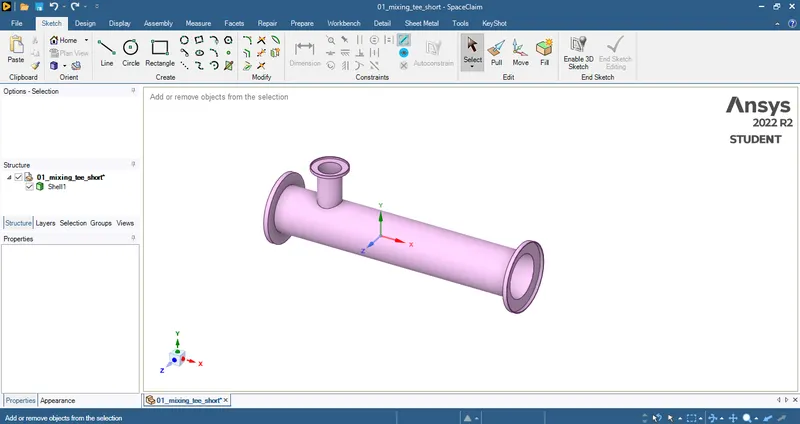
We do not need the thickness of the geometry. We are only interested in volumes interacting with fluids.
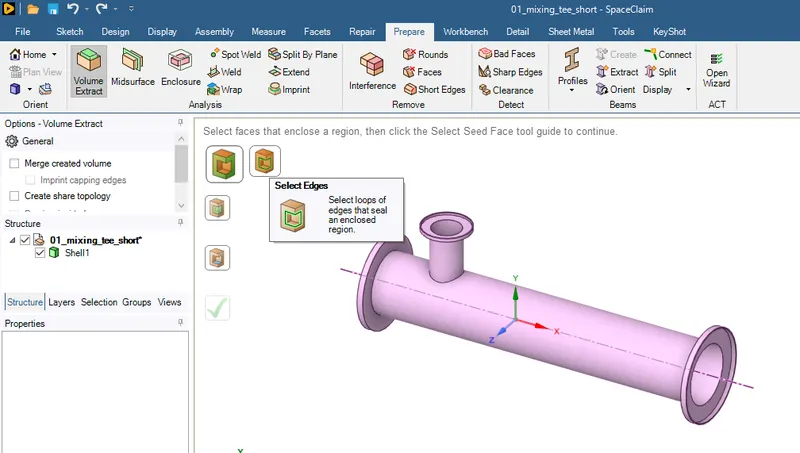
Hence we need to extract fluid volume
Volume Extraction Ansys
Select Prepare - Volume Exctraction - Select Edges
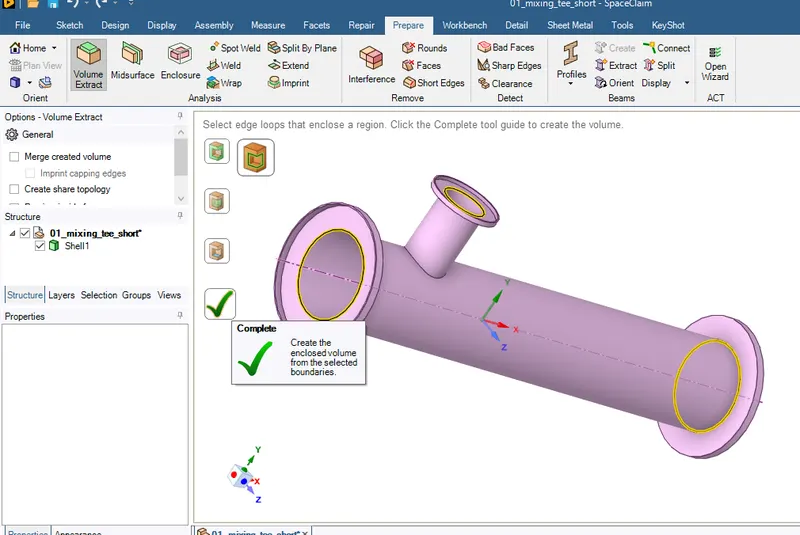
A new volume is generated
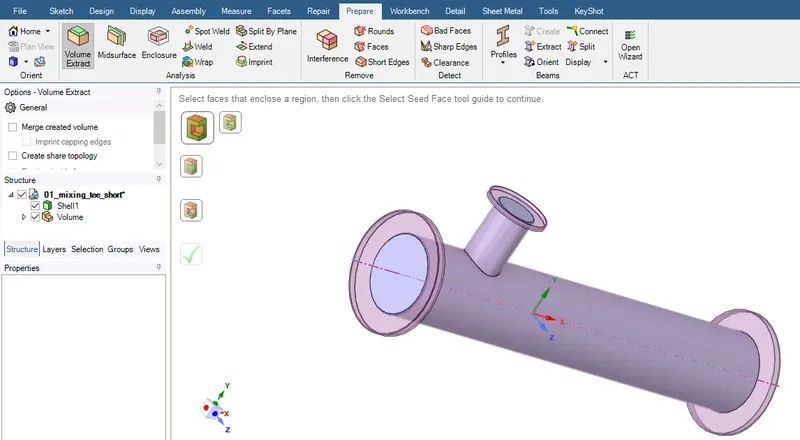
We only need the exctracted volume for meshing hence the geometry shell 1 is hidden
We dont want shell1 geometry for meshing hence we use Tool - Suppress for Physics
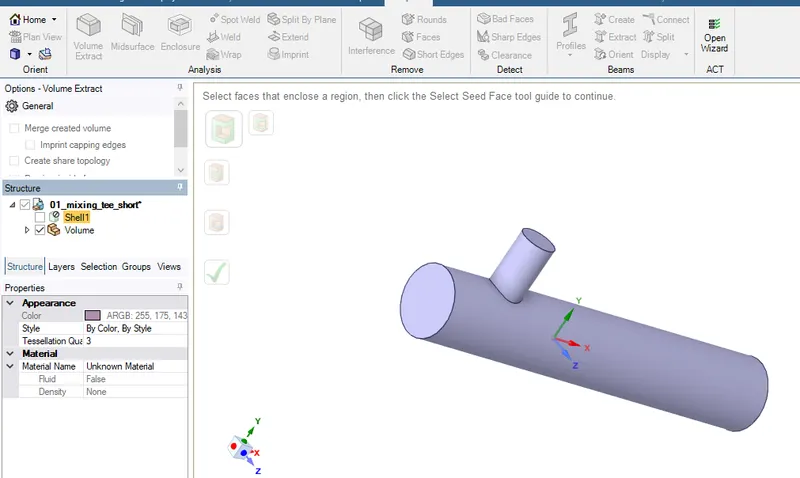
Spaceclaim is closed.
Mesh tab is opened
Geometry is loaded in Mesh
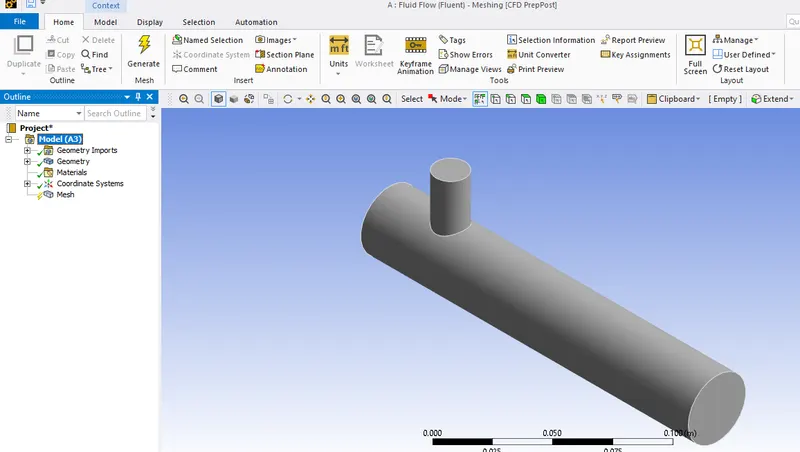
Defining Faces
Tool - Select Faces - Create Named Selection
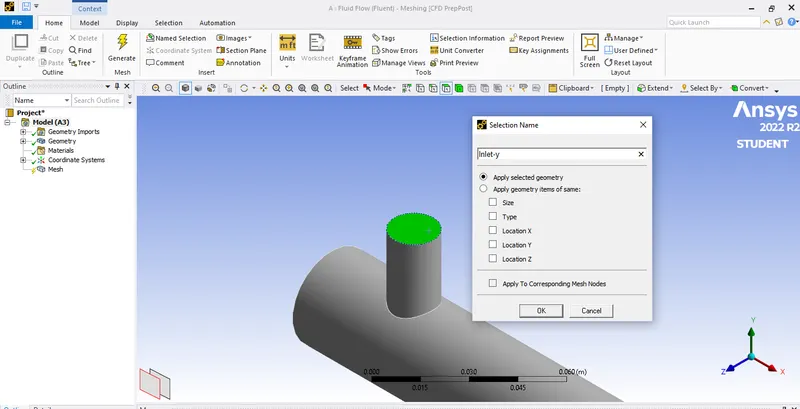
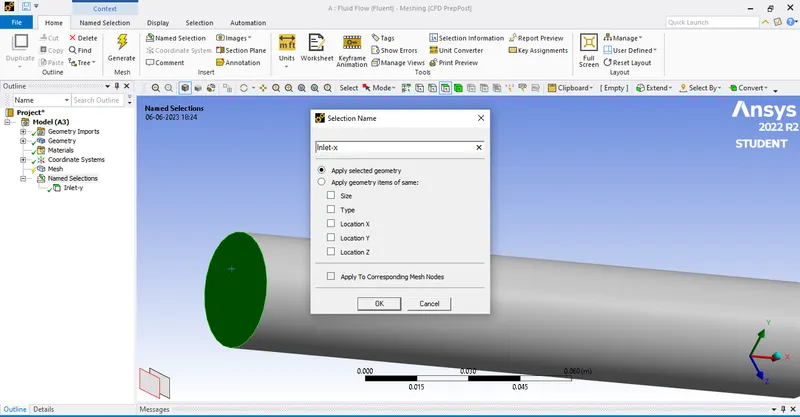
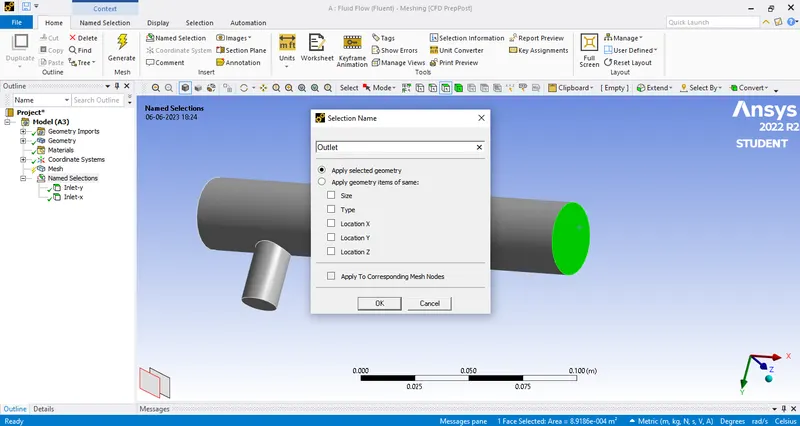
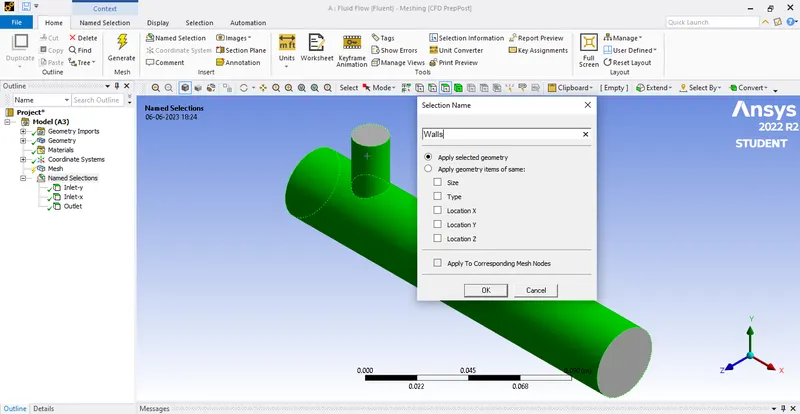
Clicking on 'Mesh'
All the parameters are decied by Ansys using ' Bounding Box Method'
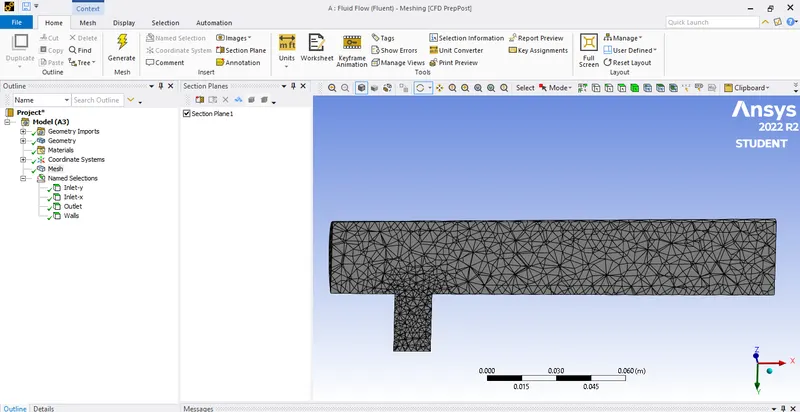
Click on ' Generate Mesh' , Mesh is formed
Section Plane View
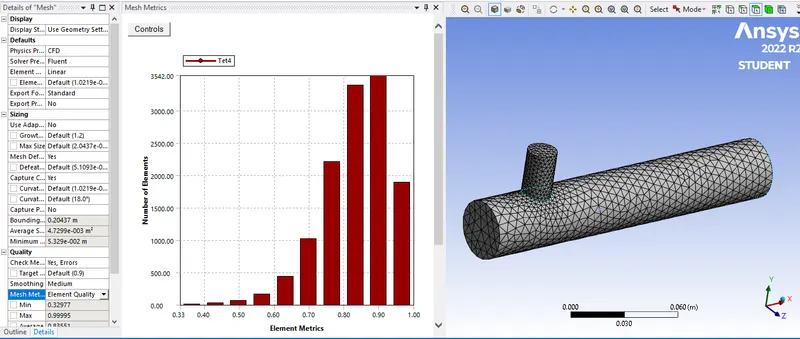
Setup
Steady
Pressre Based
Velocity - Absolute
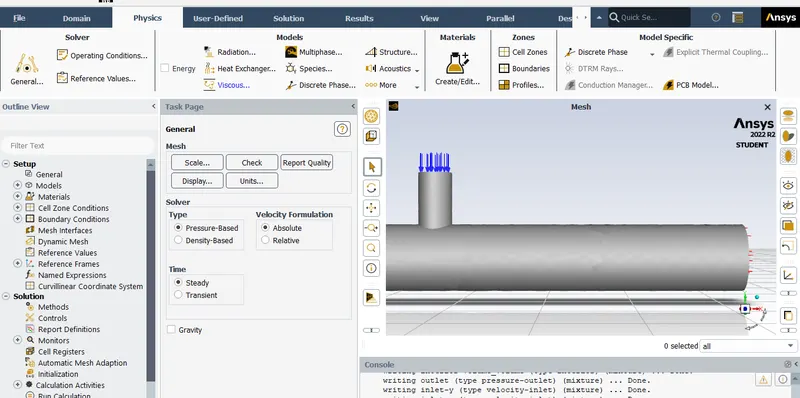
Turning Energy Equation
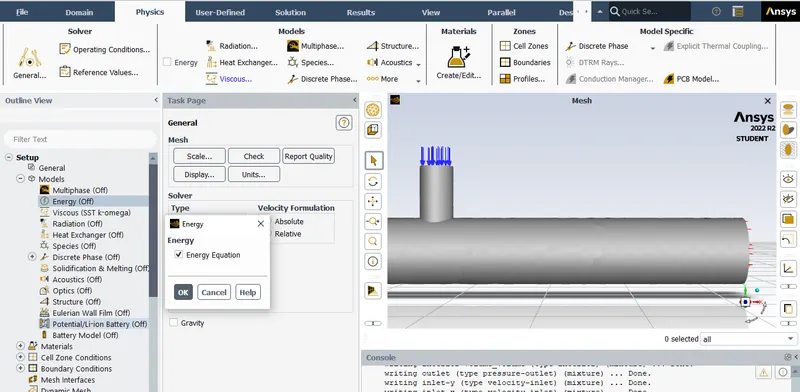
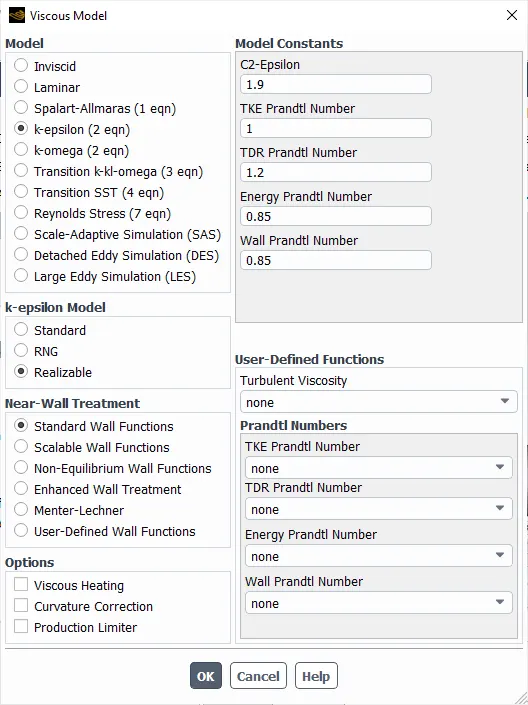
Viscous Model K - Epsilon
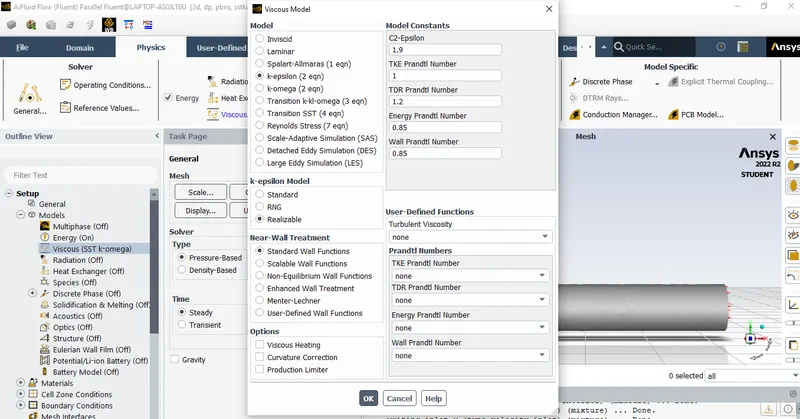
Material - Air
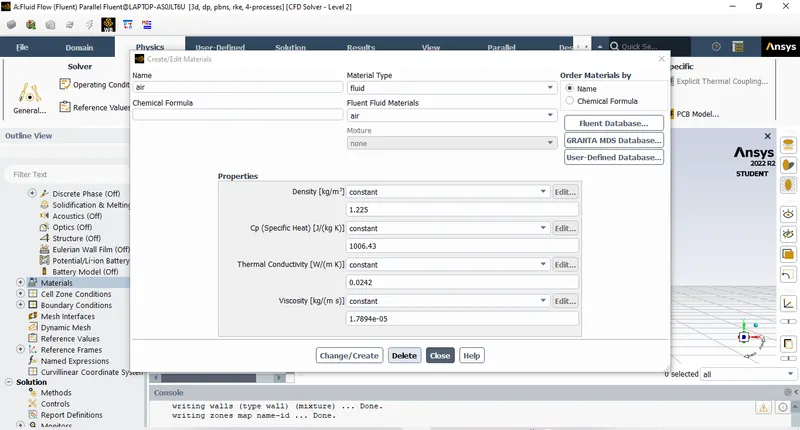
Cell Zone Conditions - Volume - Fluid
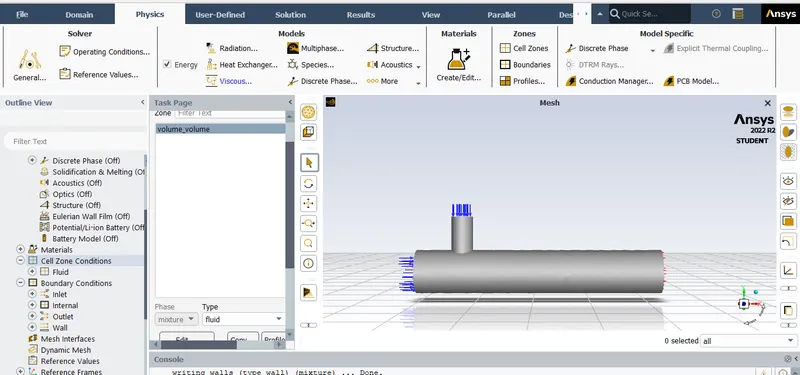
Boundry Conditons
Hot inlet velocity of 3m/s.
Momentum ratio of 2, 4.
Momentum ratio = velocity at cold inlet / velocity at hot inlet
CASE 1 - A
Momentum ratio = 2 ,
2 = velocity at cold inlet / 3
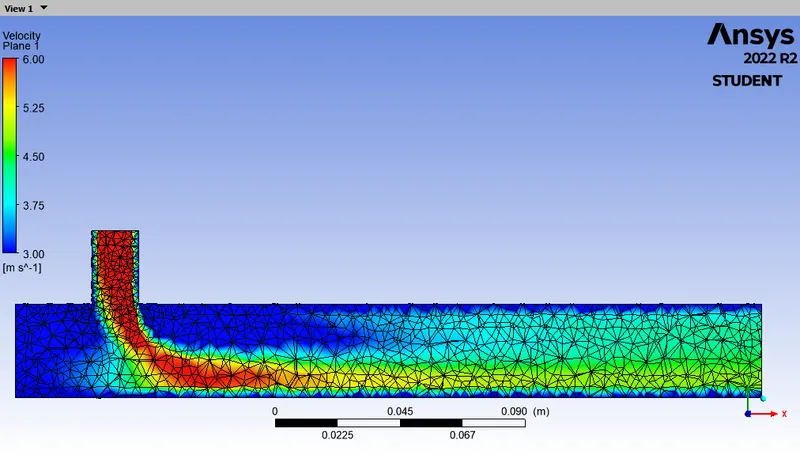
velocity at cold inlet = 6 m/s
Inlet-x Velocity = velocity at hot inlet = 3m/s , hot inlet temperature is 360C
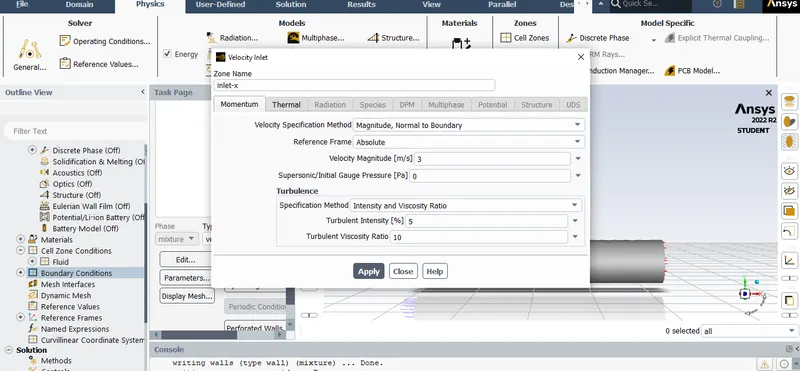
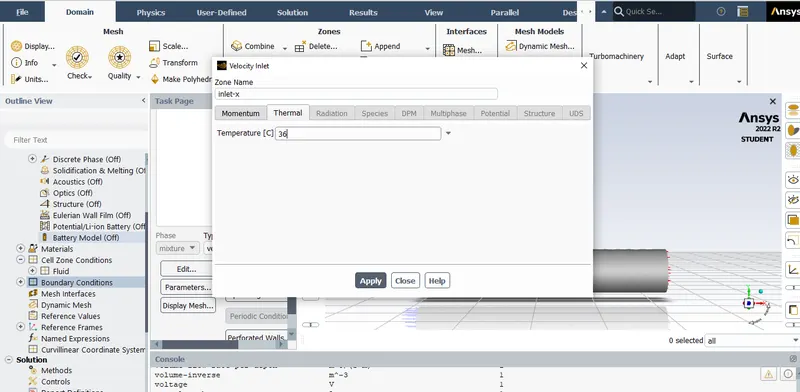
Inlet-y Velocity = velocity at cold inlet = 6 m/s , cold inlet temperature is 190C
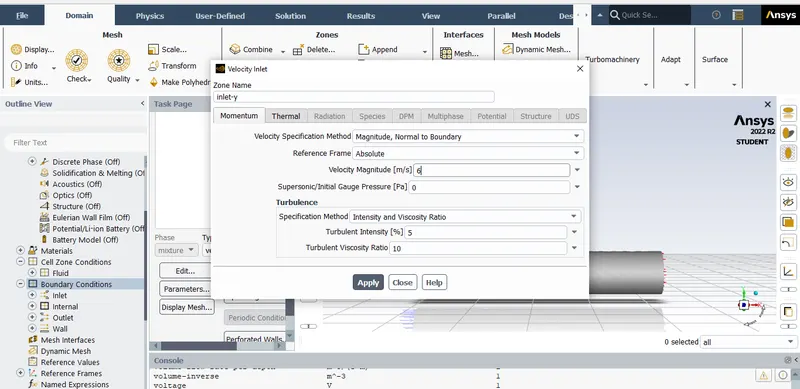
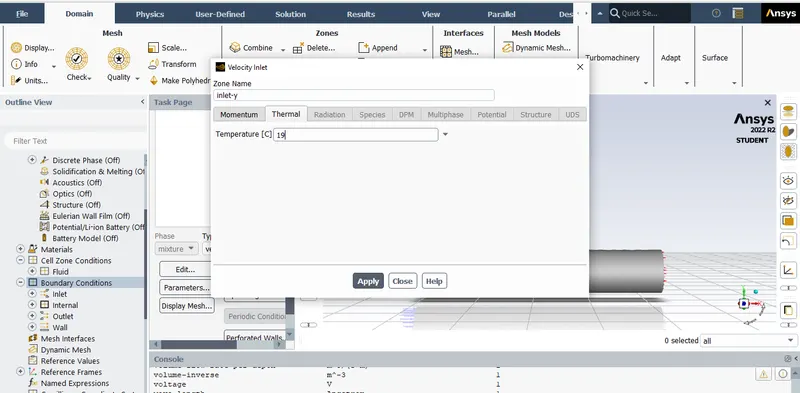
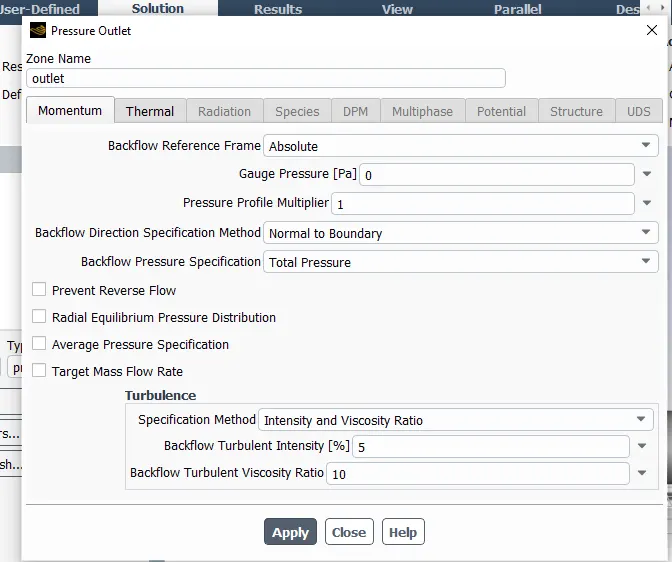
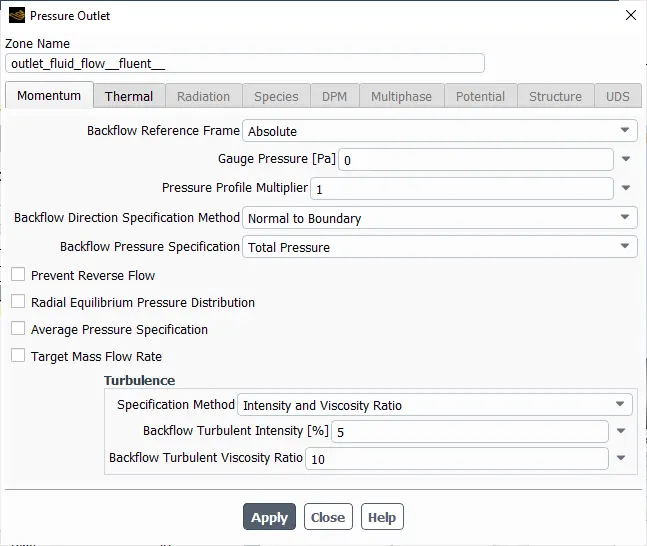
Outlet - Pressure Outlet
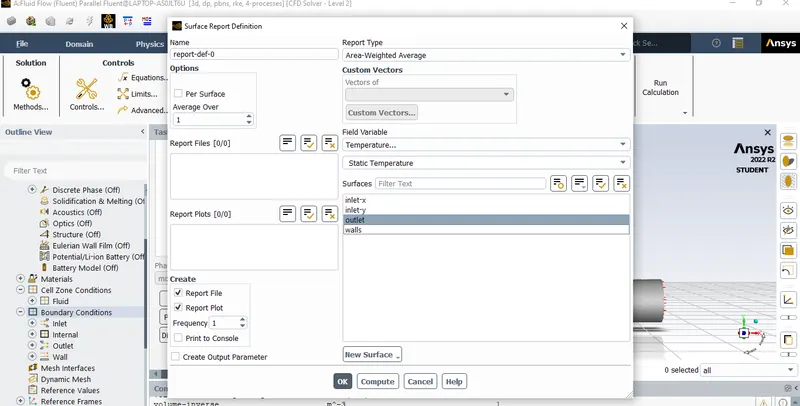
Definitions
Area - Weighted Average - Temperature
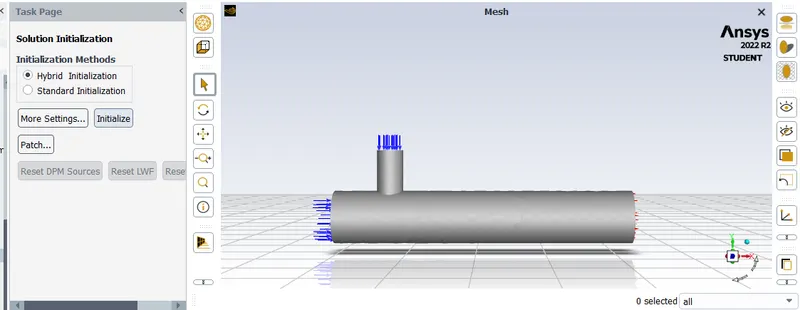
Hybrid Initialization
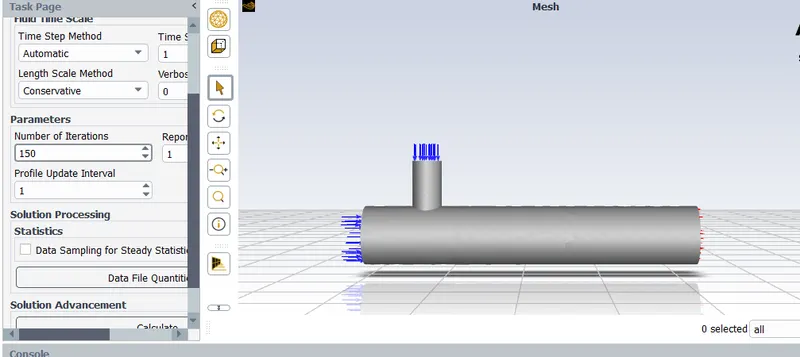
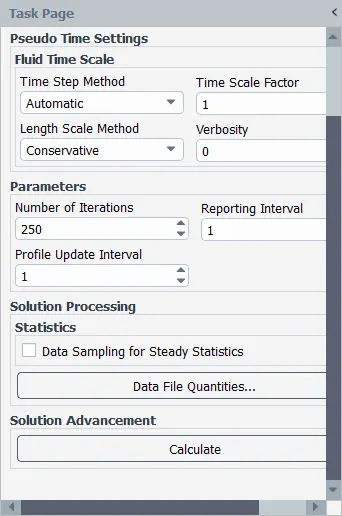
No. of Iterations
Reports
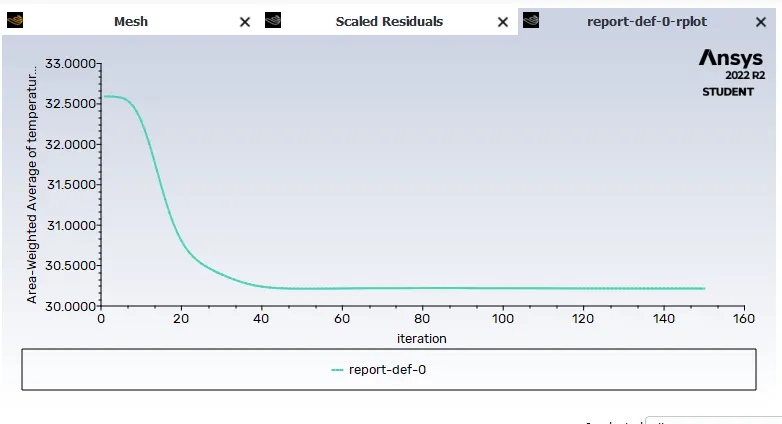
No of Iterations - 150 Weighted Average Temperature
Case No. 1
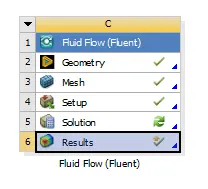
C on workbench
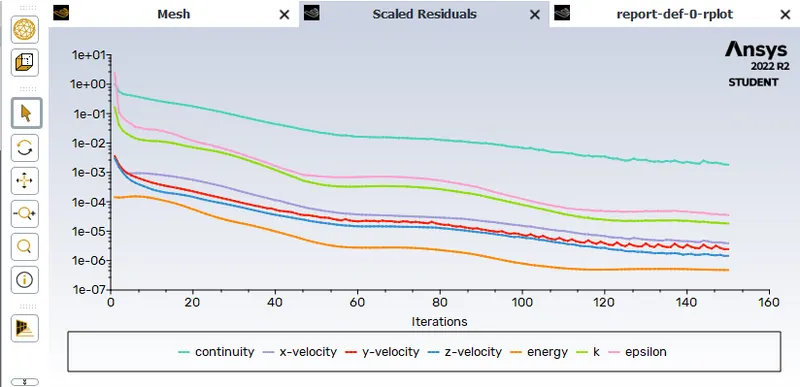
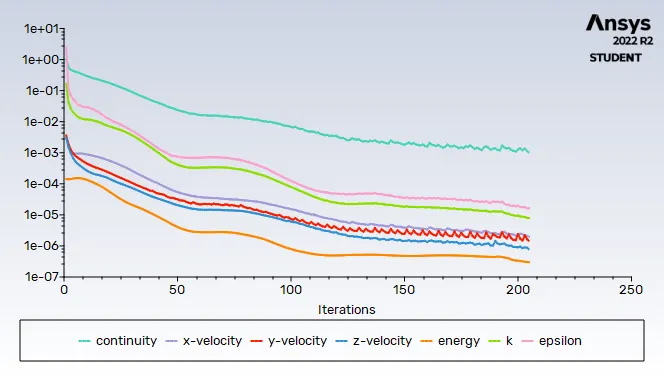
No of Iterations - 250
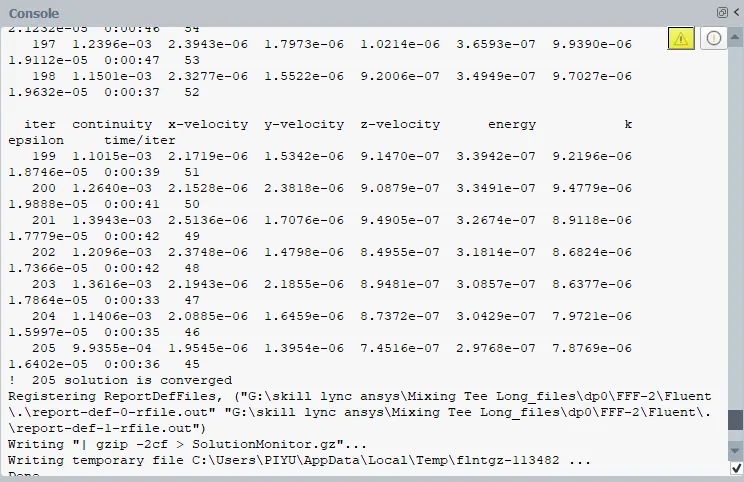
Scaled Residuals
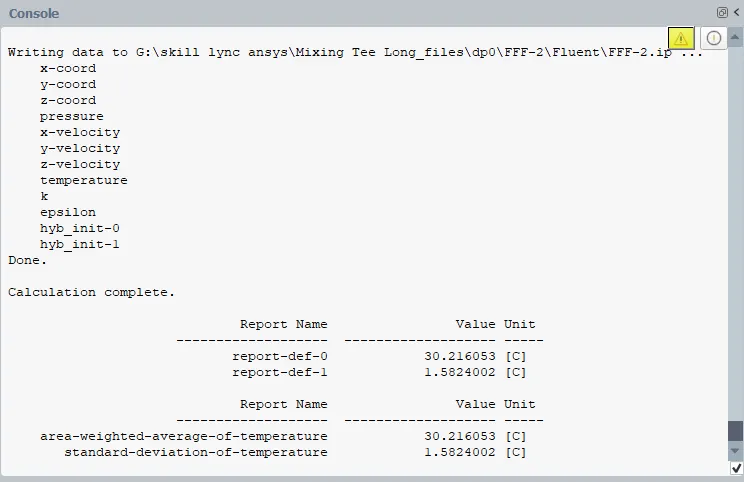
Weighted Average Temperature Standard Deviation
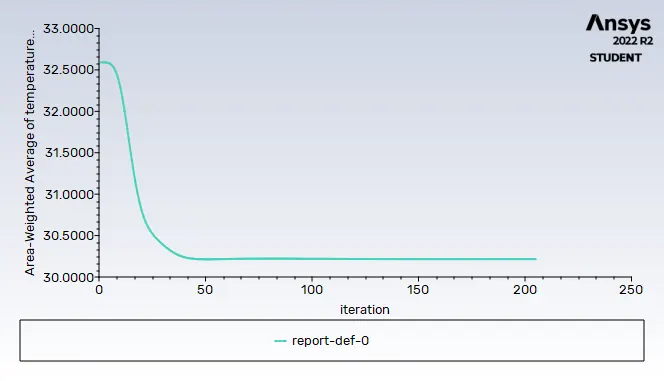
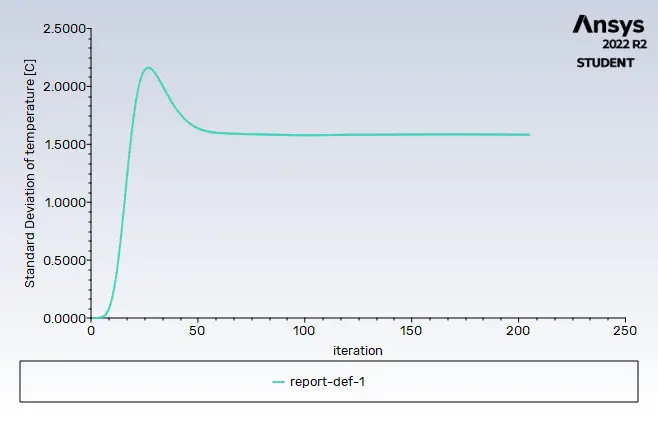
Solution is converged at 205th Iteration Computed Values
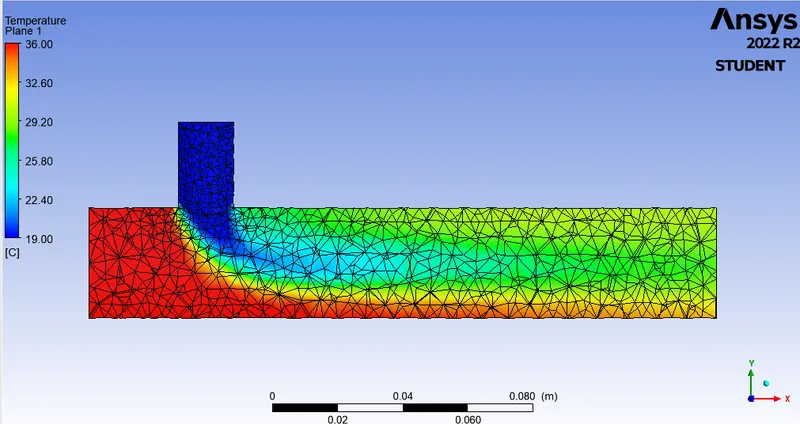
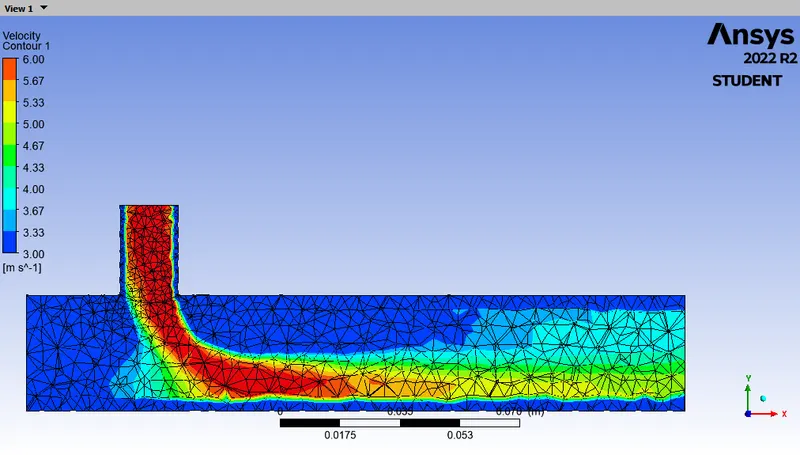
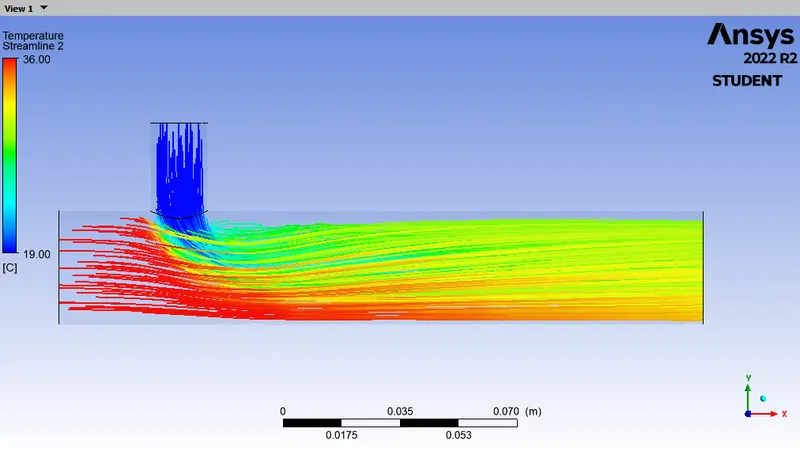
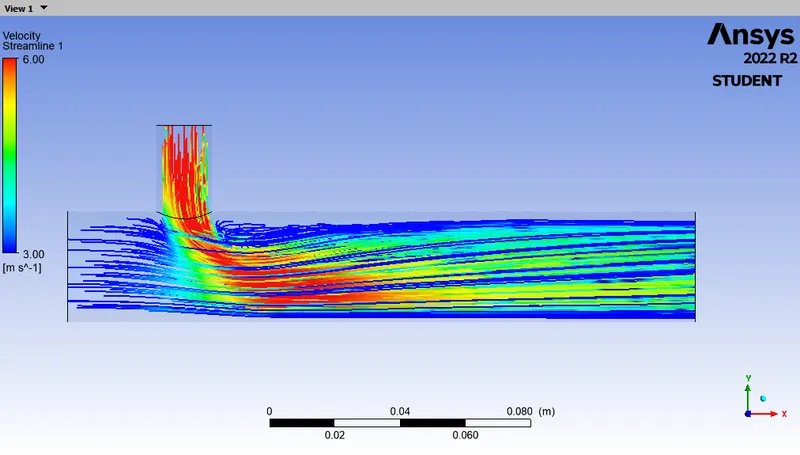
Velocity and Temperature Contour Plots
Velocity and temperature line plots along and across the length of the pipe.
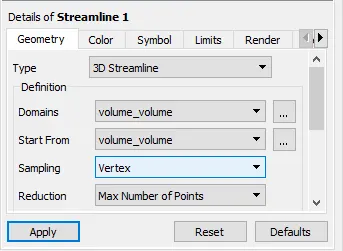
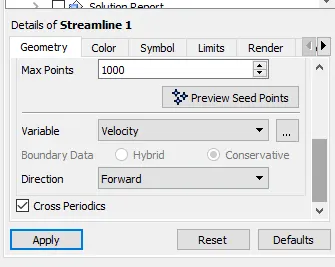
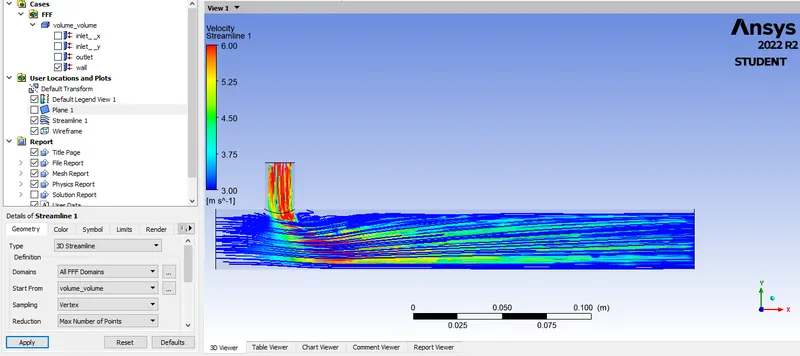
Inserting new streamline
Starting from Volume , Max. No of Points - 1000
User Specified rage for velocity and temperature
Case No. 2
D on workbench
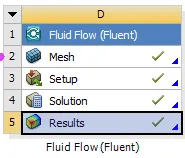
K-Omega SST Model
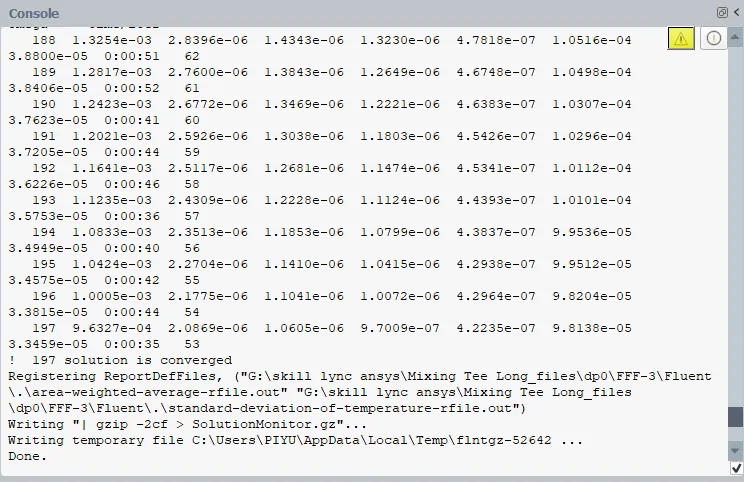
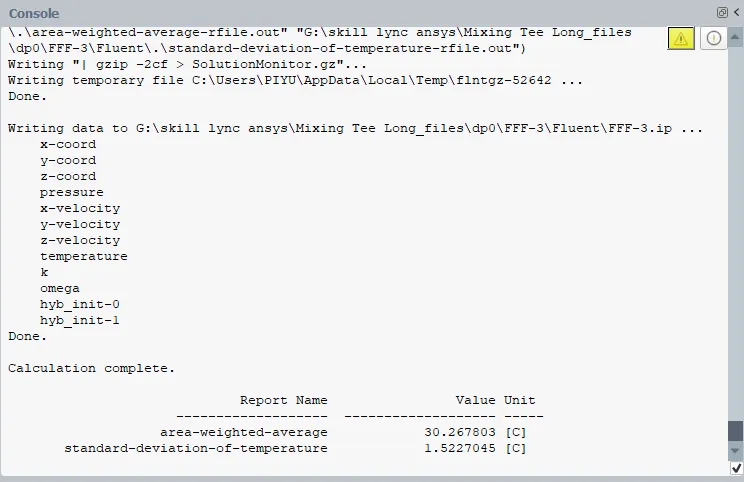
Scaled Residuals Weighted Average Temperature Standard Deviation
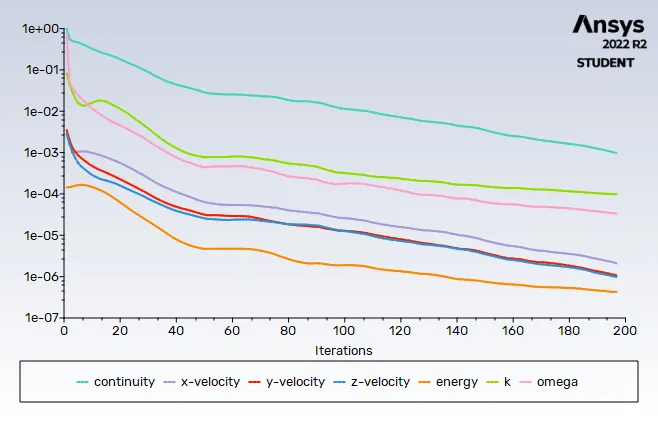
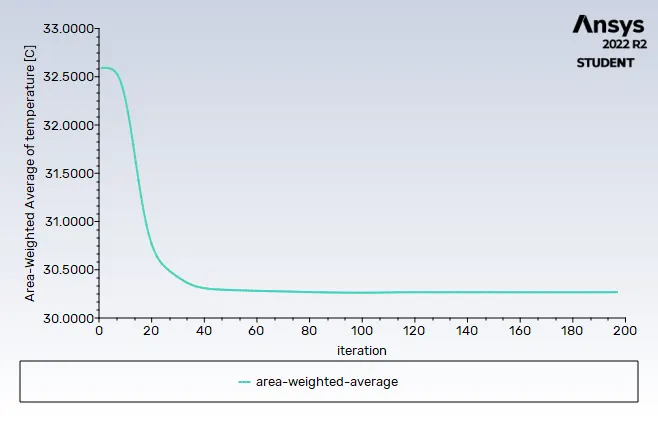
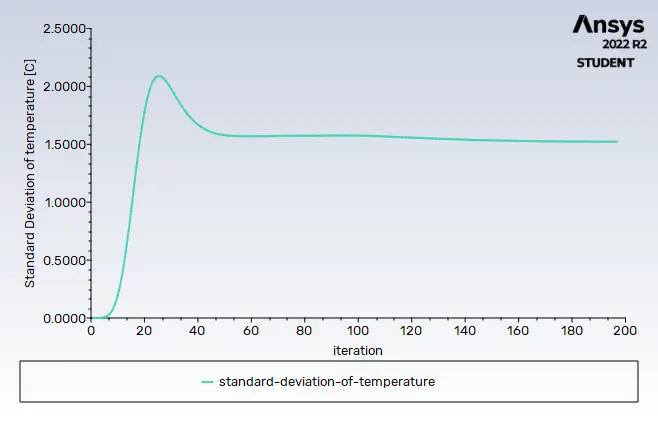
Solution is converged at 205th Iteration Computed Values
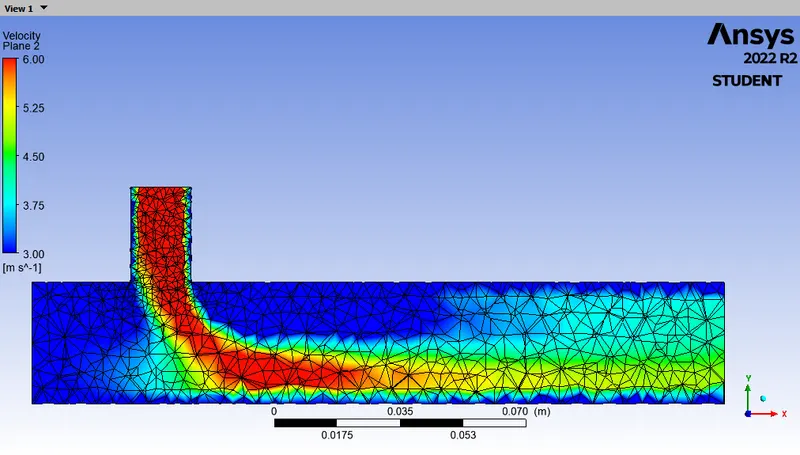
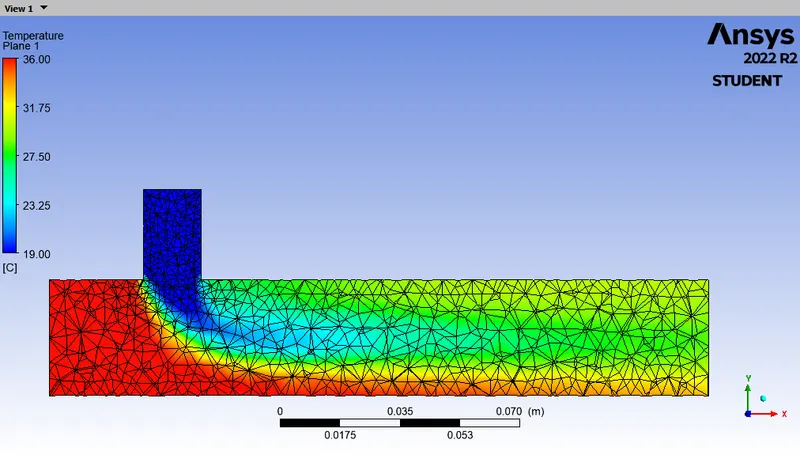
Velocity and Temperature Contour Plots
Velocity and temperature line plots along and across the length of the pipe.
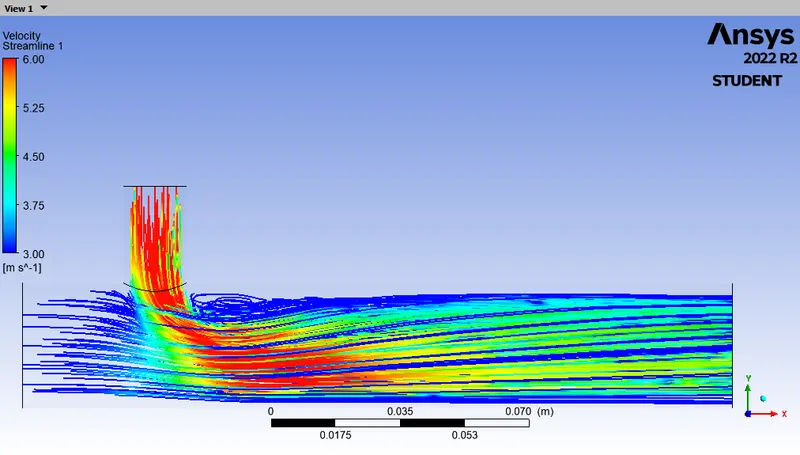
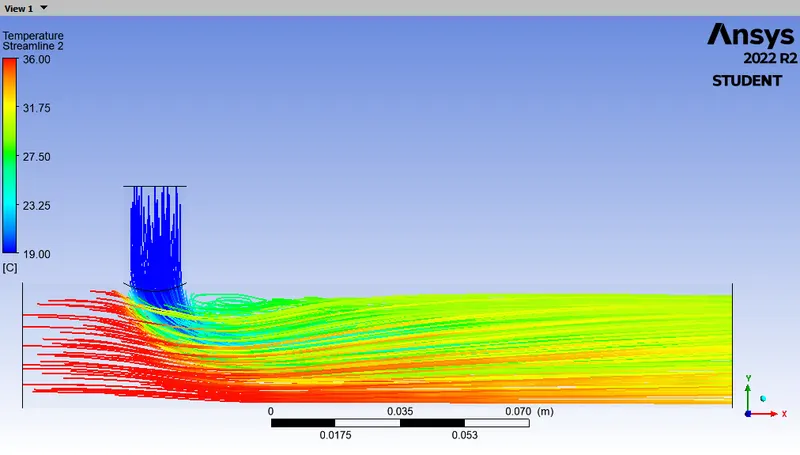
Choosing Turbulence Model
Turbulence model SST K- Omega is reduced to the model Standard K- Epsilon as it moves away from wall.
Which means SST K -Omega model covers the Standard K- Epsilon Model.
Avg. Temp Std. Deviation No.of Cells
k - epsilon 30.216053 [C] 1.5824002 [C] 12756
k - omega 30.267803 [C] 1.5227045 [C] 12756
As there are is turbulence is involved and no separation of flow occurs it is better to use k- epsilon model. Inspite of having many drawbacks it suits the best with the given application and provieds the strandard result
Hence we are going ahead with the k - epsilon model.
Mesh Independant Study
E on workbech
Changing mesh element size
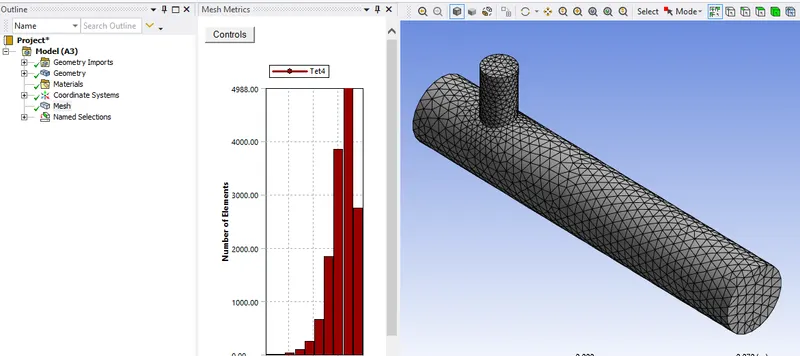
Mesh - Sizing - Element Size - 0.005
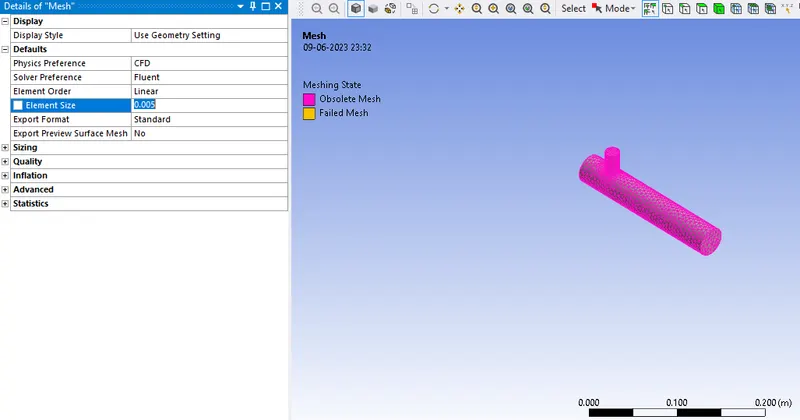
Generate Mesh
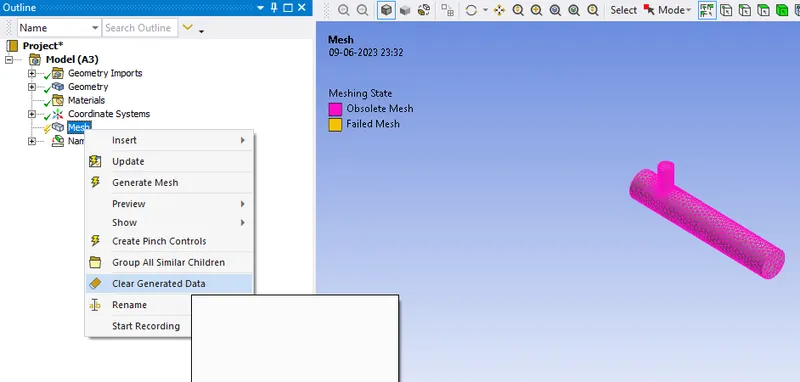
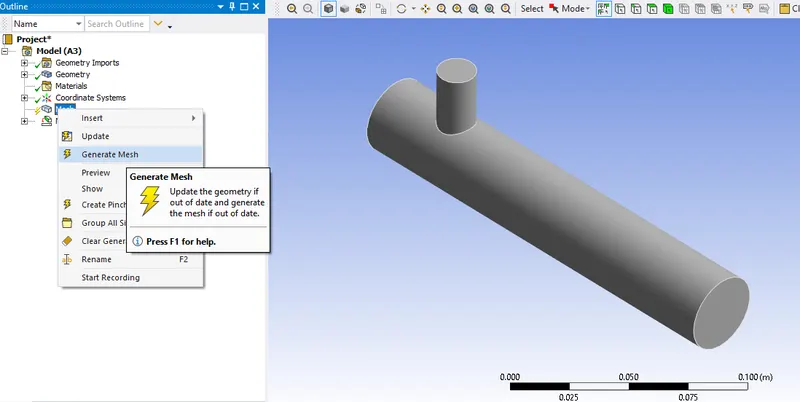
Mesh is generated
Turbulence Model - K - Epsilon
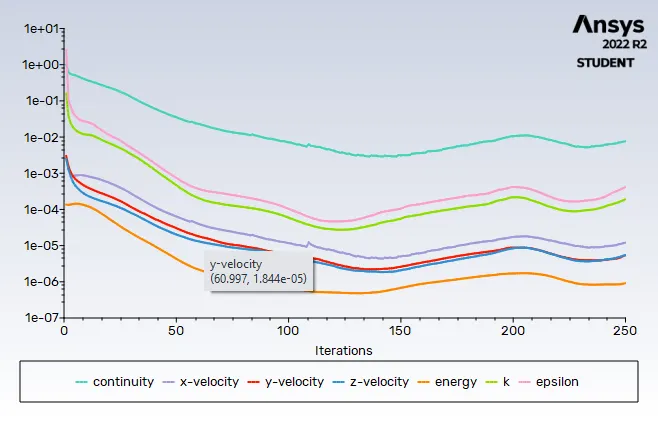
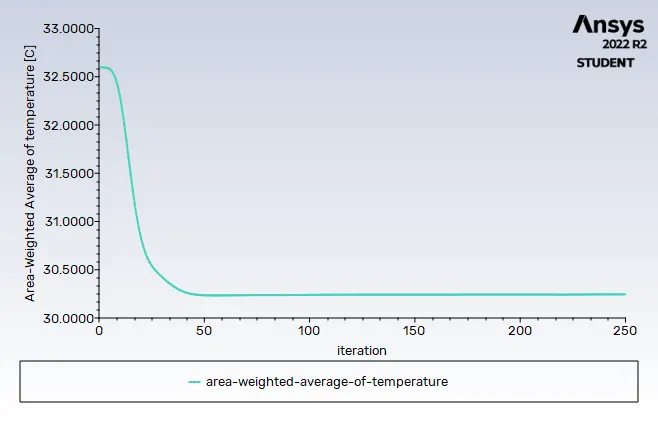
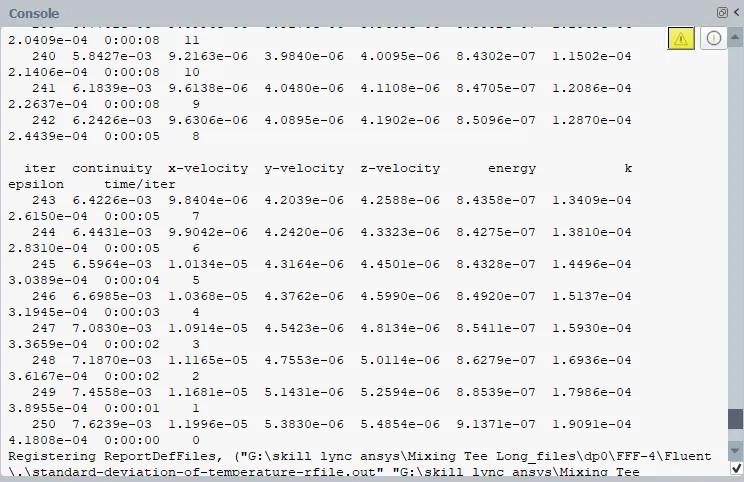
No of Iterations - 250
Scaled Residuals Weighted Average Temperature
Standard Deviation
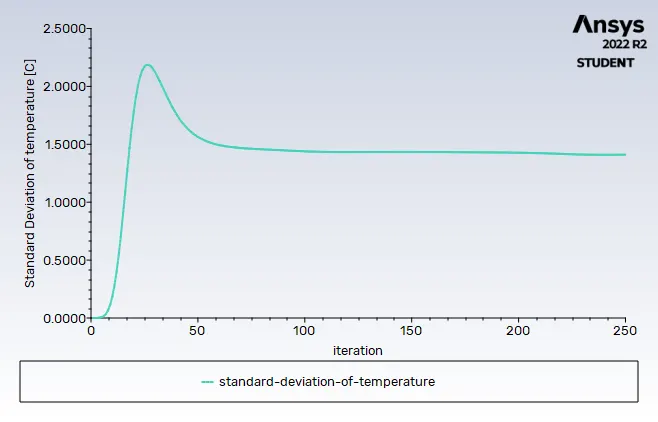
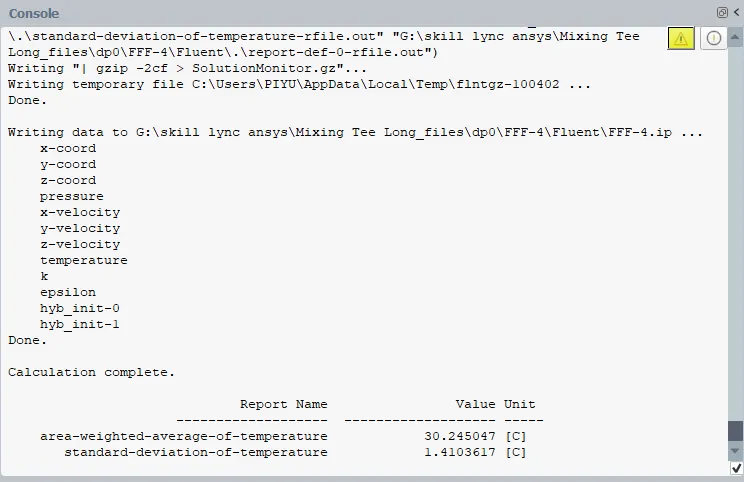
Solution is converged at 205th Iteration Computed Values
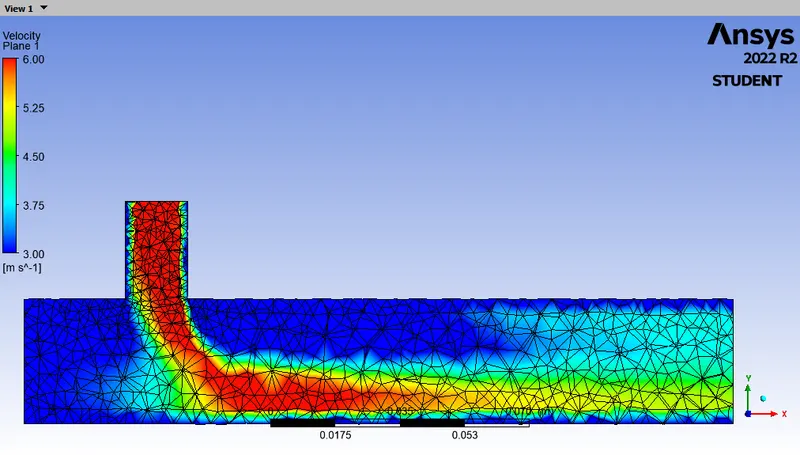
Velocity and Temperature Contour Plots
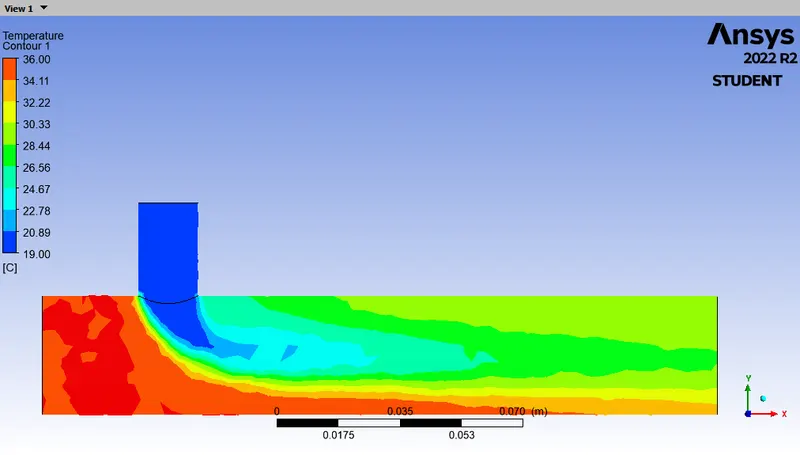
Velocity and temperature line plots along and across the length of the pipe.
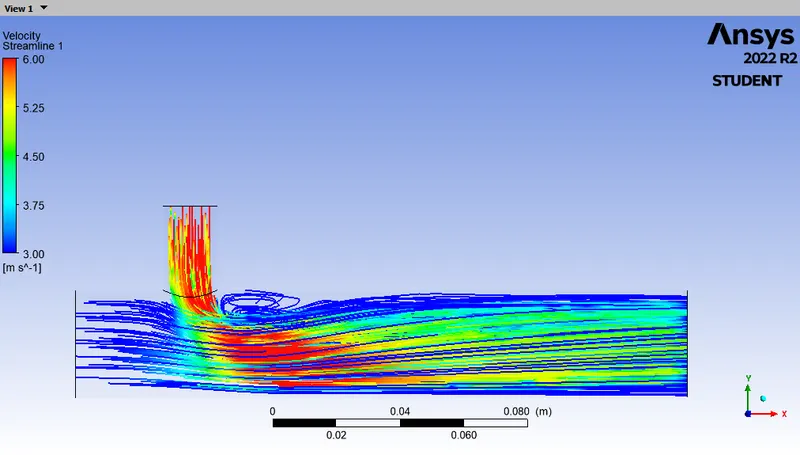
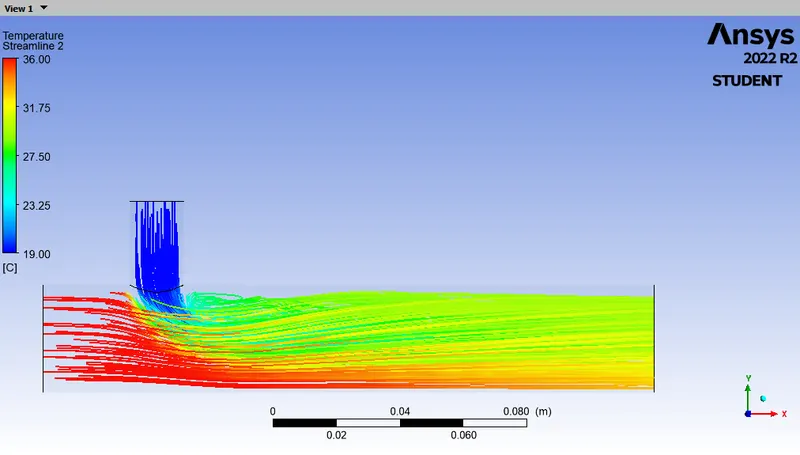
Details
If we compare the results with the case having same turbulence model and momentum ratio but diferent mesh element size,
1. Element Size - Default
Average outlet temperature ( ° C) - 30.216053
Number of iterations for convergence ( ° C) - 205
Average outlet temperature ( ° C) - 30.245047
Number of iterations for convergence ( ° C) - -
There is no any noticeable difference between two values.
Reducing the mesh element size gives the value close to actual values but it cannot enhance the outlet conditions.
Giving small element size will help in acheiving accurate results.
Case No - 3
F on workbench
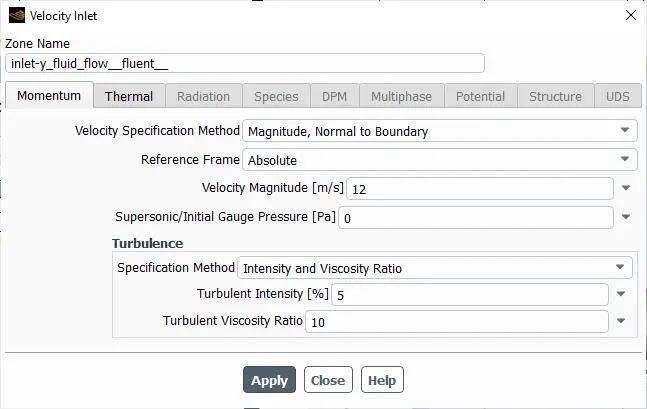
Momentum ratio = 4 ,
4 = velocity at cold inlet / 3
velocity at cold inlet = 12 m/s
Inlet-x Velocity = velocity at hot inlet = 3m/s , hot inlet temperature is 360C
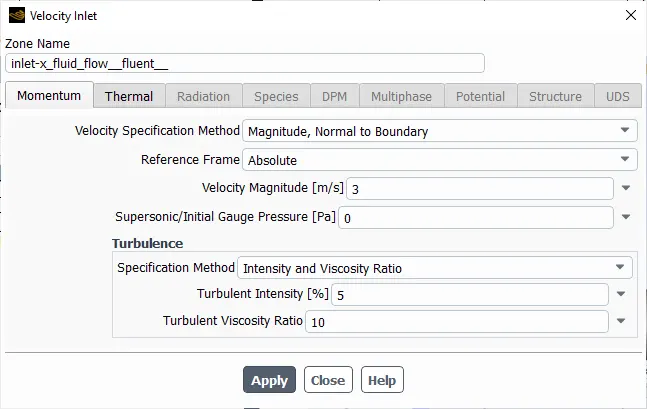
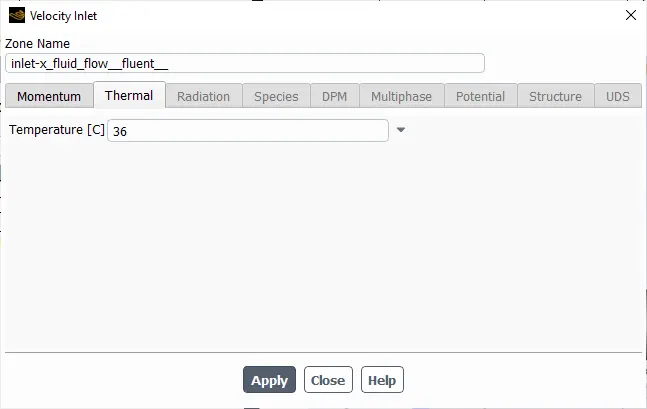
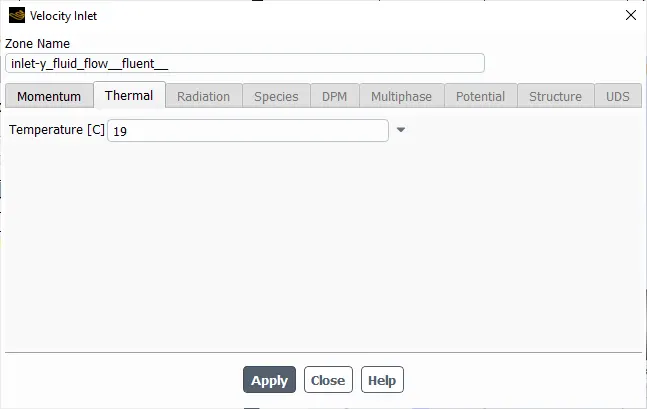
Inlet-y Velocity = velocity at cold inlet = 12 m/s , cold inlet temperature is 190C
Suraface Report Definition
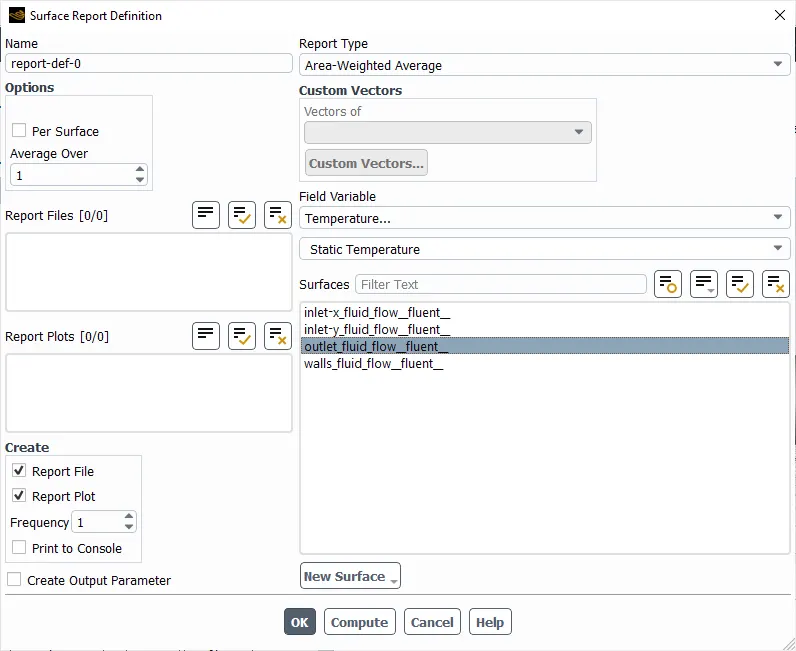
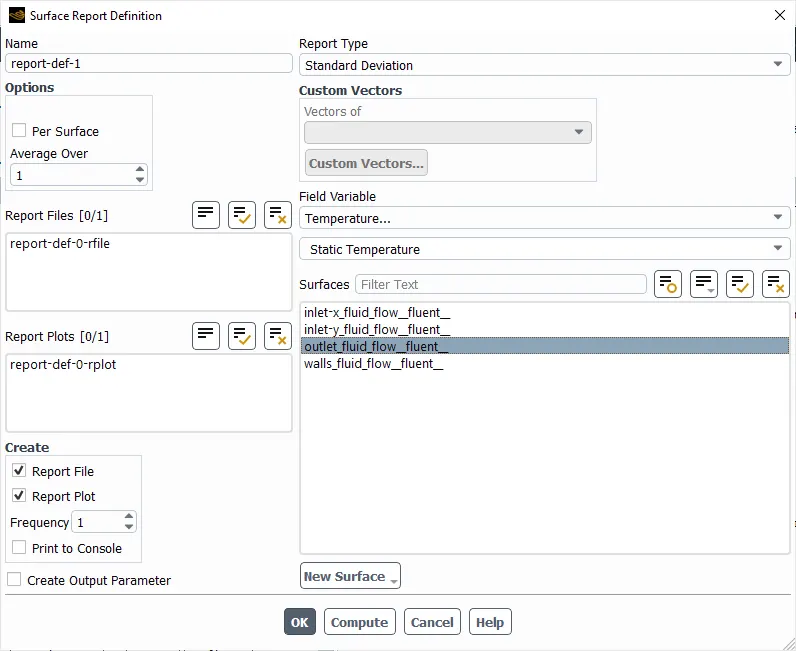
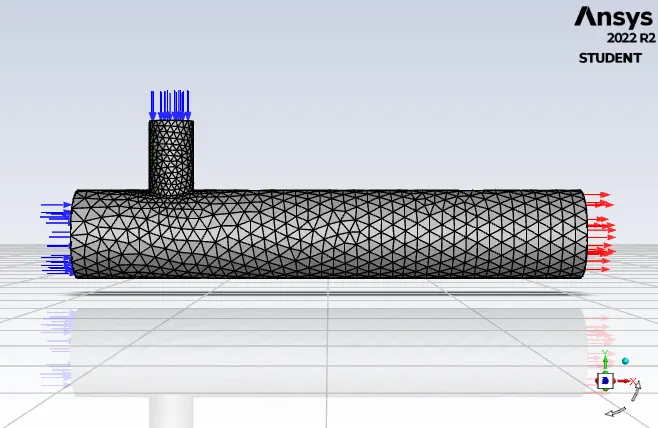
Scaled Residuals Area Weighted Average of Temperature Standard Deviation of Temperature
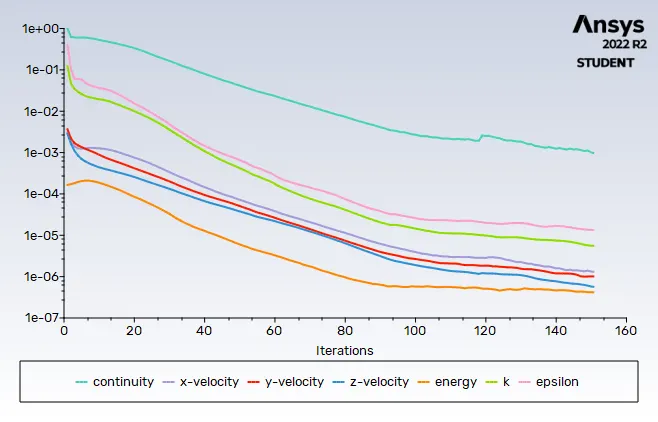
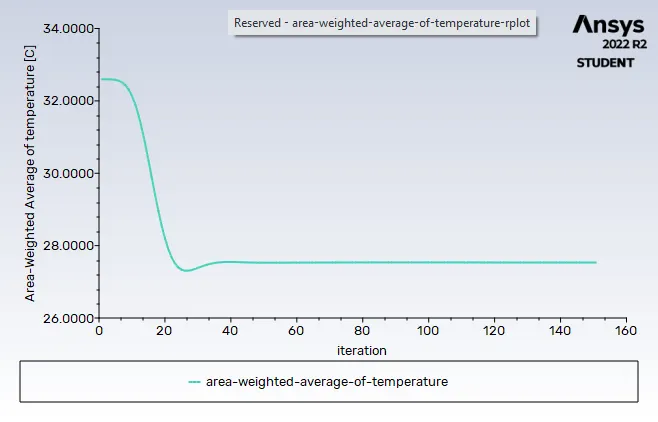
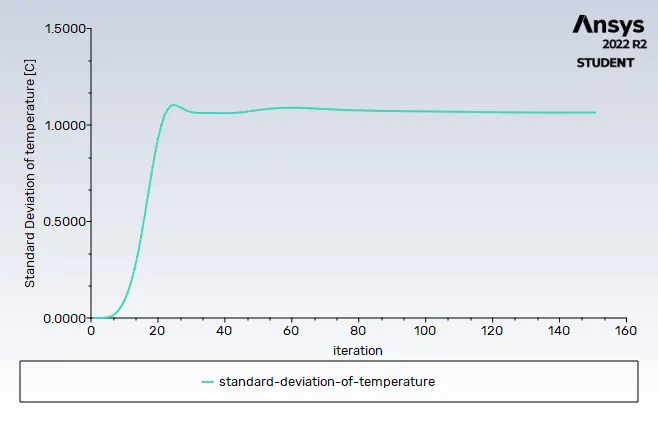
Solution is converged at 151 Iteration Computed Values
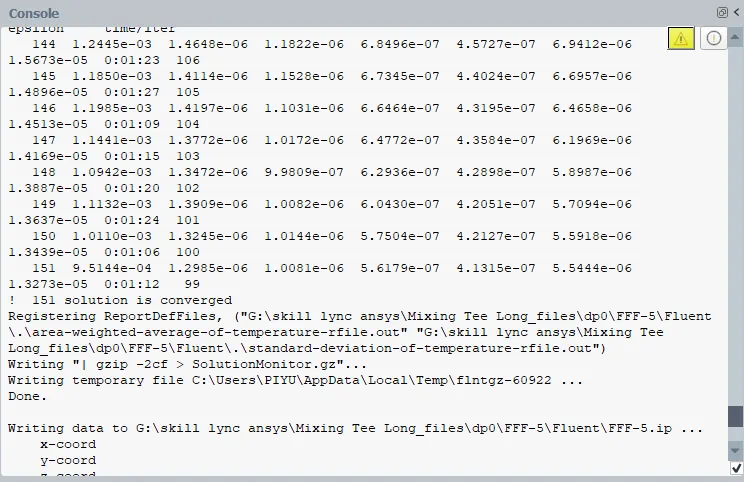
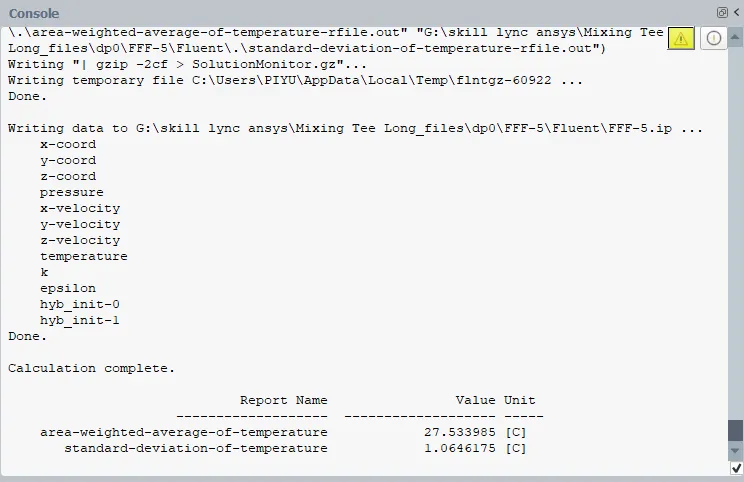
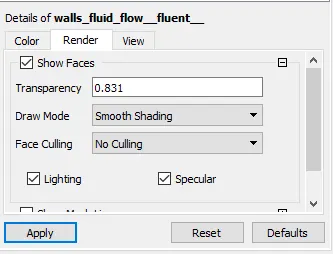
Details of Wall
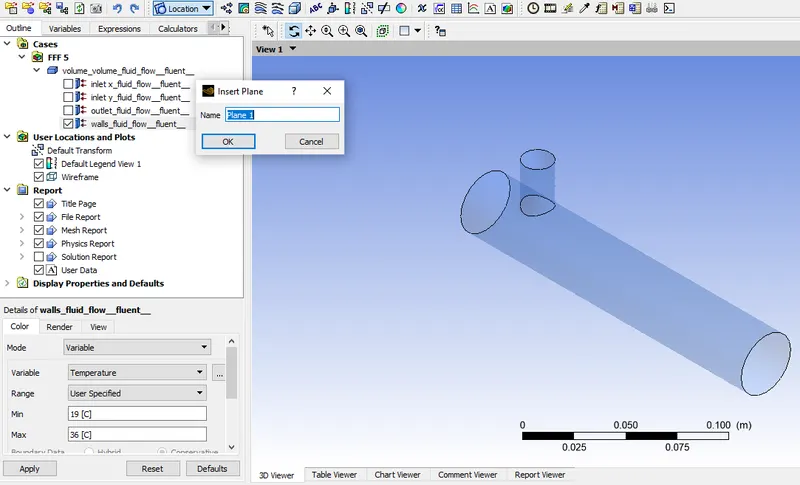
Insert Counter 1
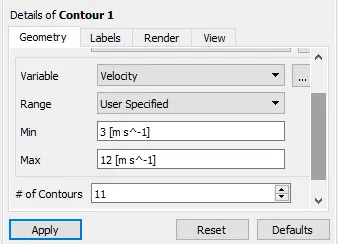
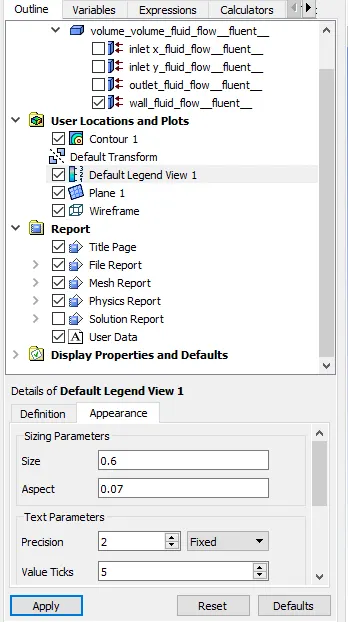
Giving user specified values Default Legend View - Text Parameters - Fixed
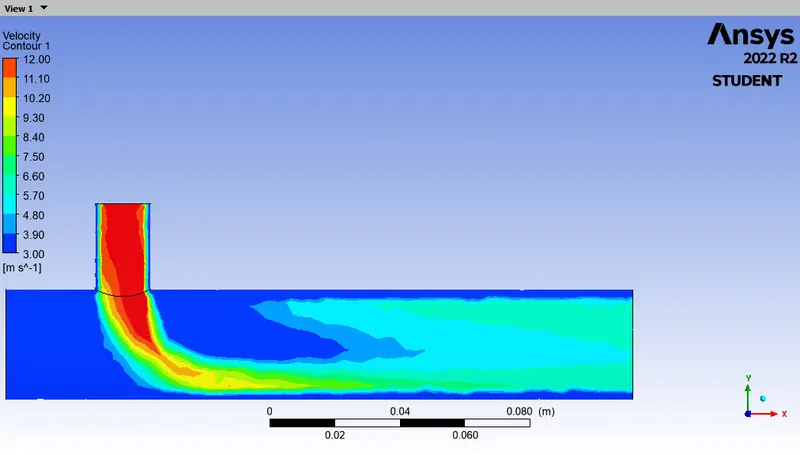
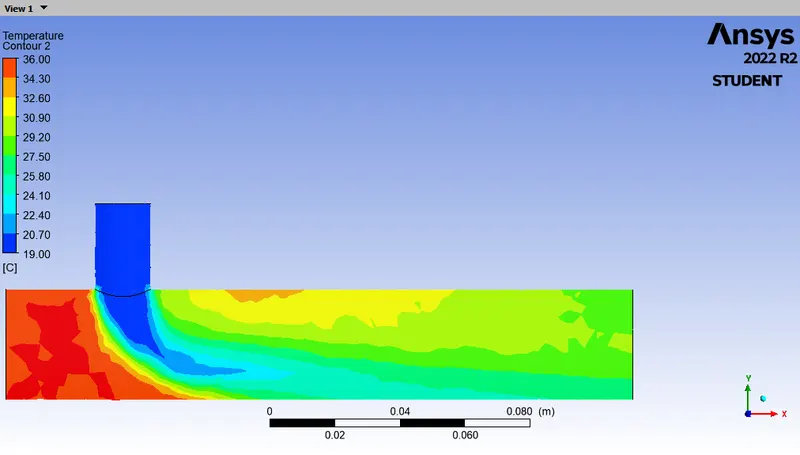
Velocity and Temperature Contour Plots
Insert Streamline
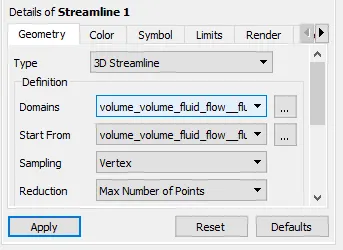
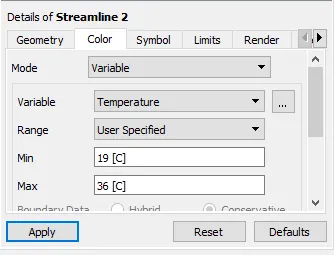
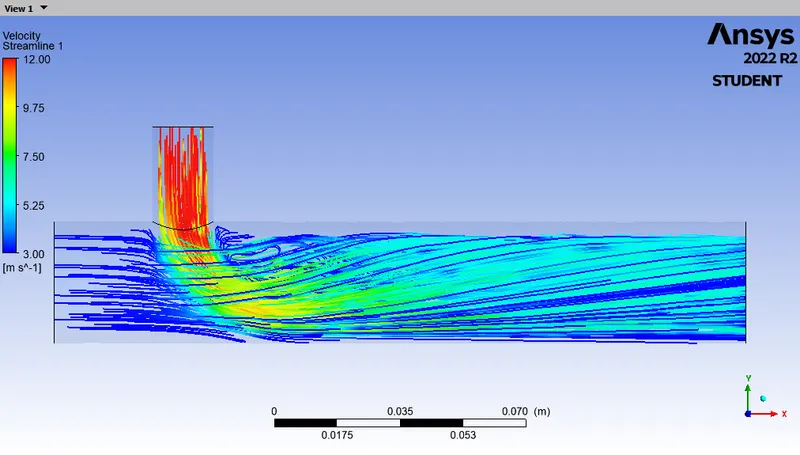
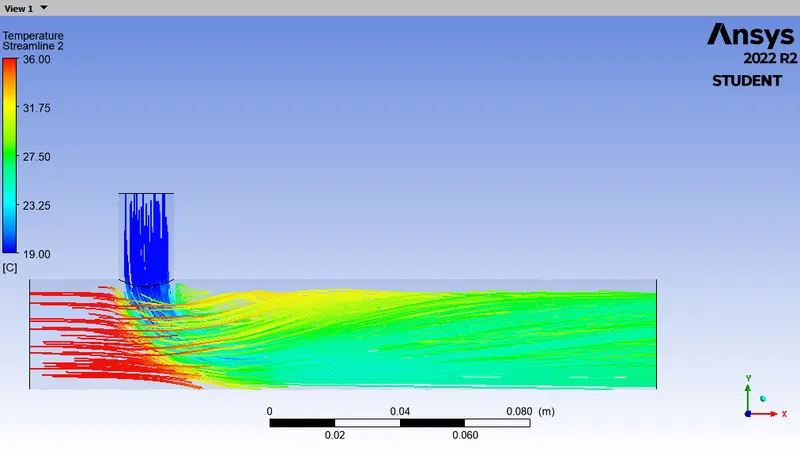
Velocity and temperature line plots along and across the length of the pipe.
2nd Case - Mixing Tee - Long
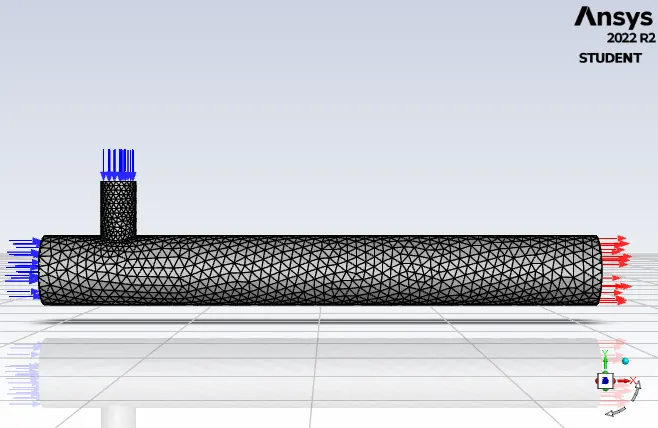
All the procedure till meshing is repeated.
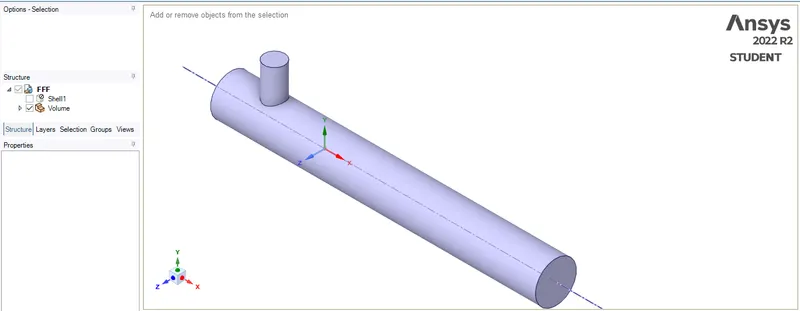
Defining Inlet, Outlet, Walls Mesh Element Size - 0.005 m
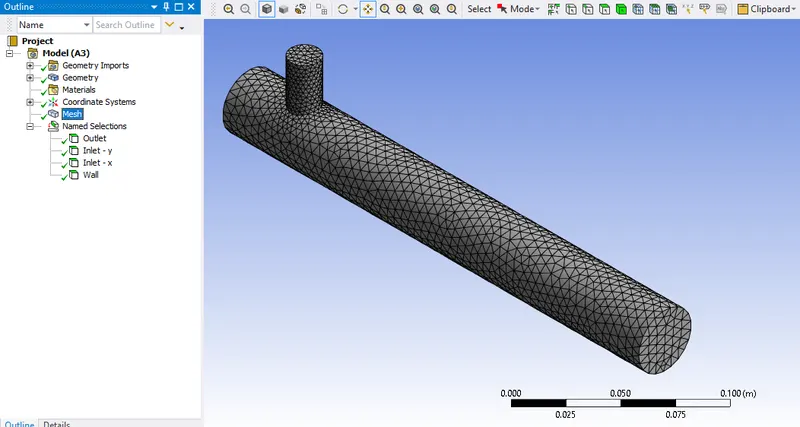
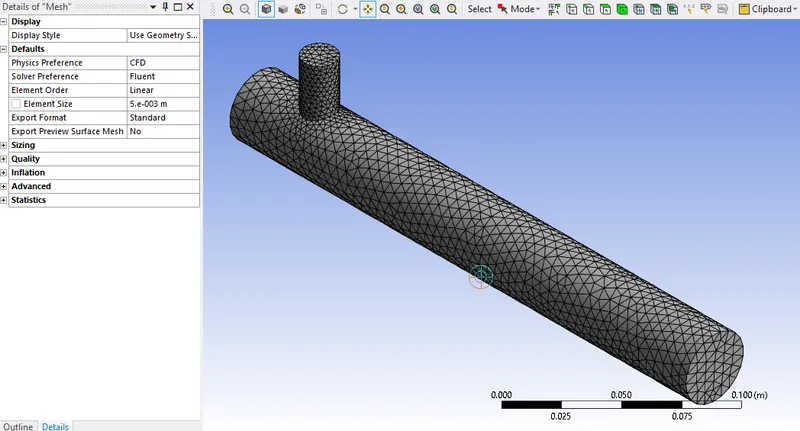
No of Cells - 17941
Setup
1. Momentum ratio = 2 ,
2 = velocity at cold inlet / 3
velocity at cold inlet = 6 m/s
Inlet-x Velocity = velocity at hot inlet = 3m/s , hot inlet temperature is 360C
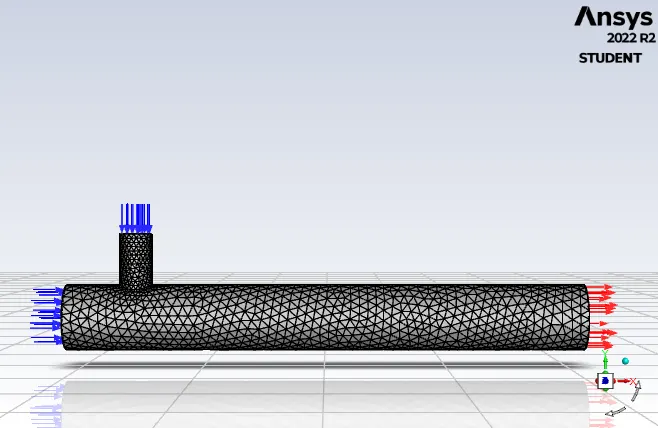
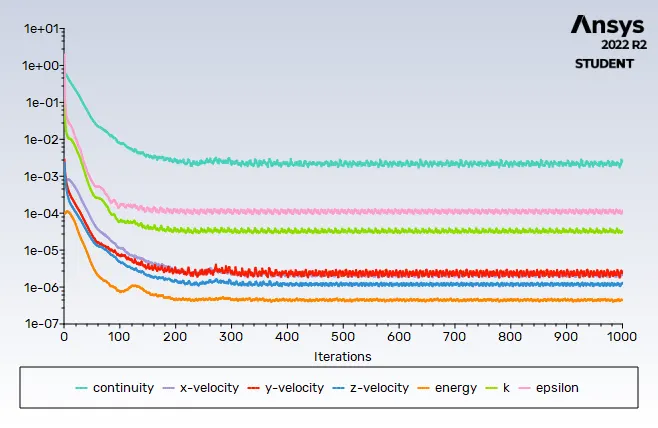
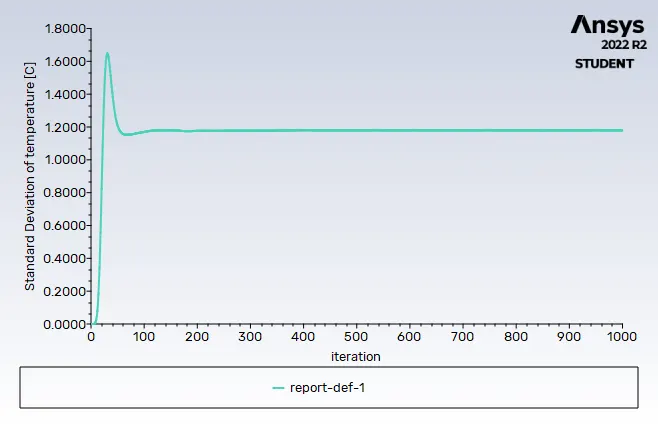
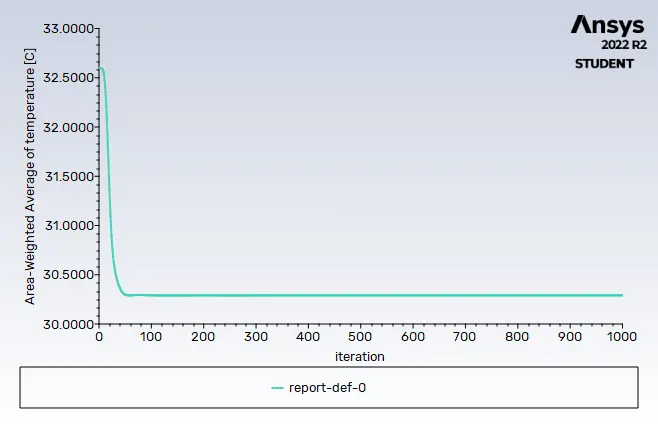
Solution did not converge after 1000 Iterations.
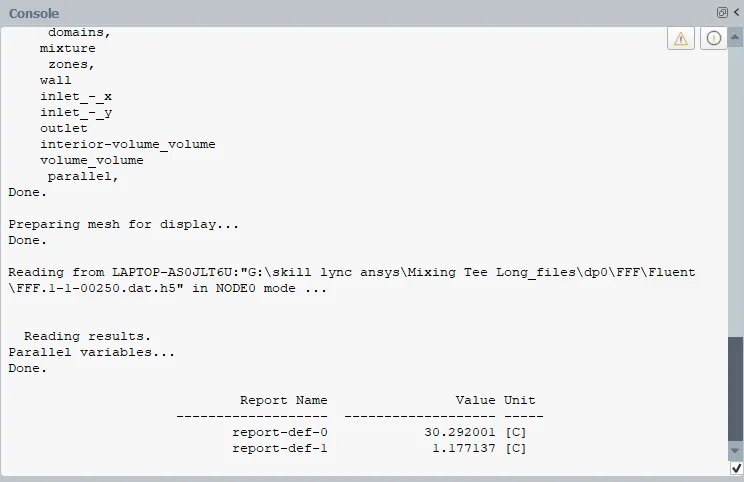
Computed Values
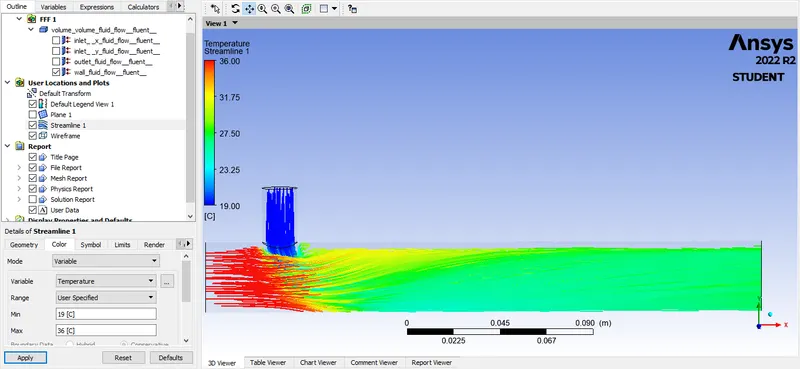
Temperature Variable
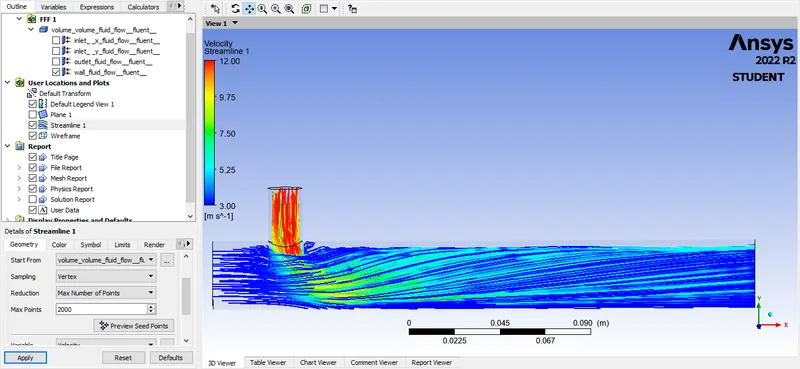
Velocity Variable
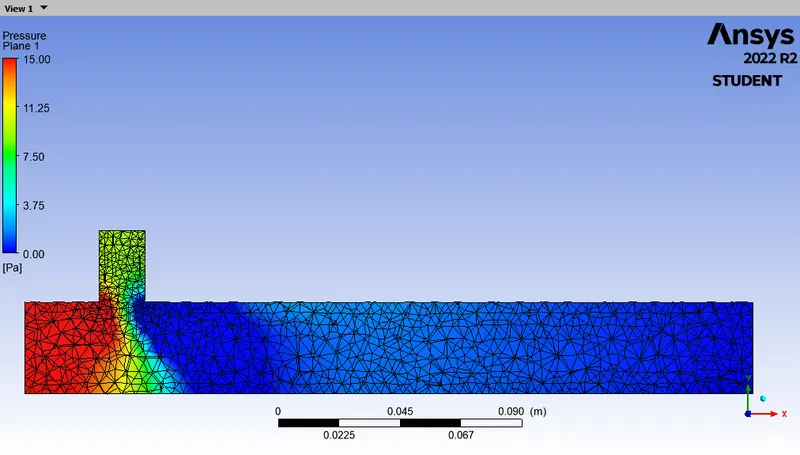
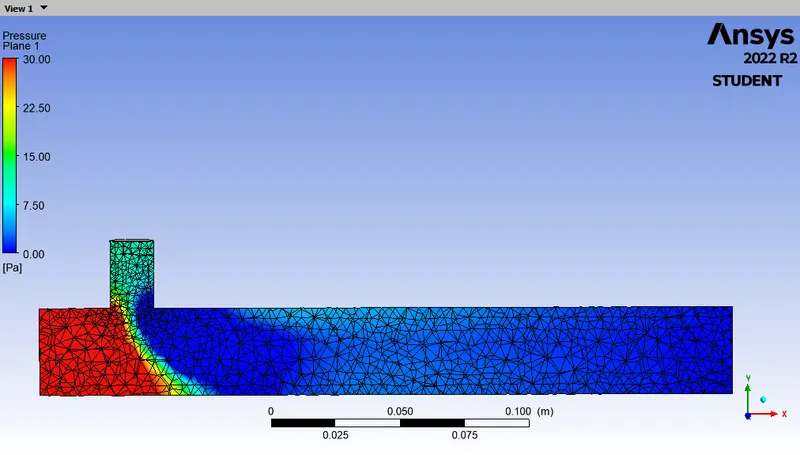
Pressure Variable
Streamline Plot for Velocity along and across the Mixing Tee
Streamline Plot for Temperature along and across the Mixing Tee
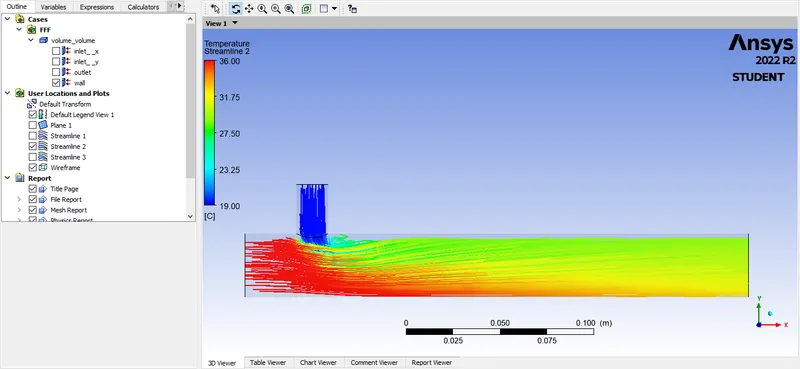
2. Momentum ratio = 4 ,
4 = velocity at cold inlet / 3
velocity at cold inlet = 12 m/s
Inlet-x Velocity = velocity at hot inlet = 3m/s , hot inlet temperature is 360C
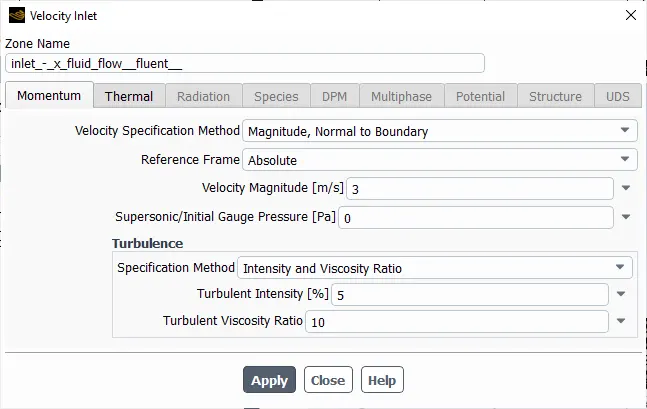
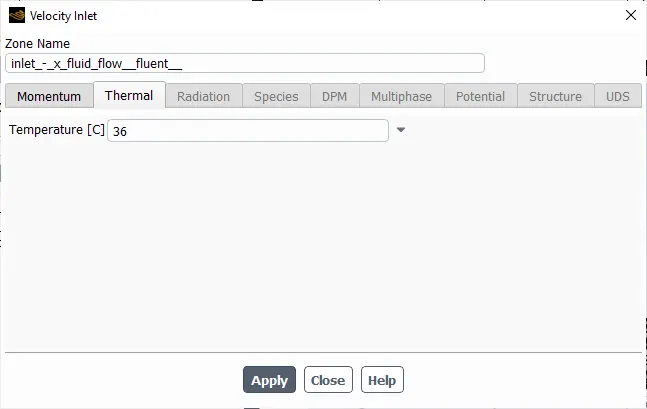
Inlet-y Velocity = velocity at cold inlet = 12 m/s , cold inlet temperature is 190C
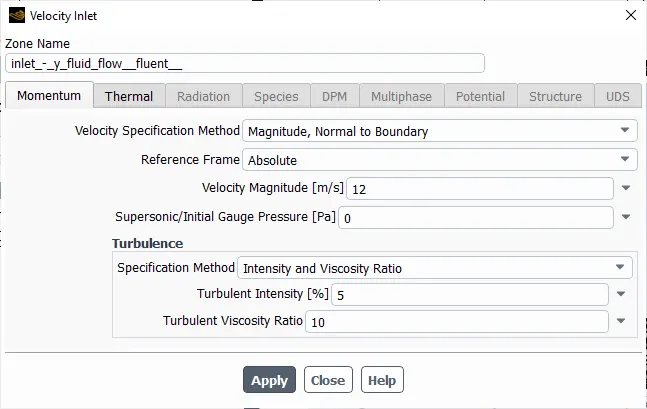
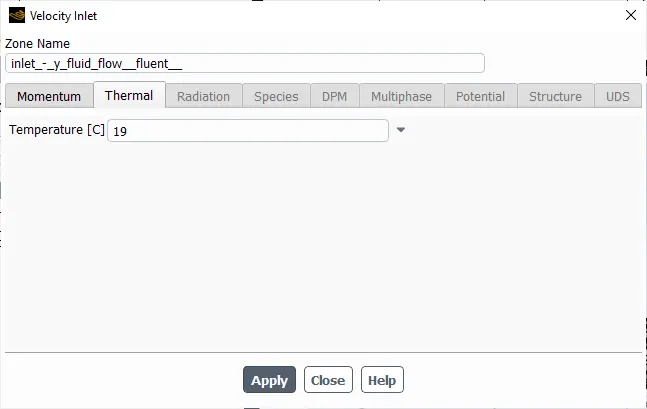
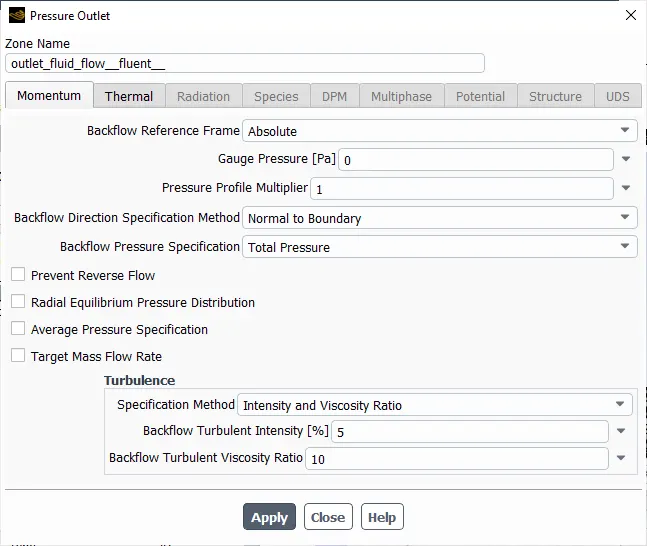
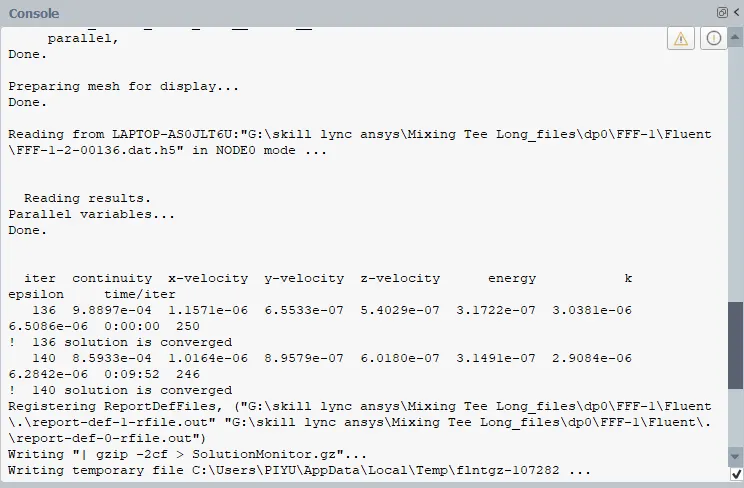
Solution is converged at 140th Iteration.
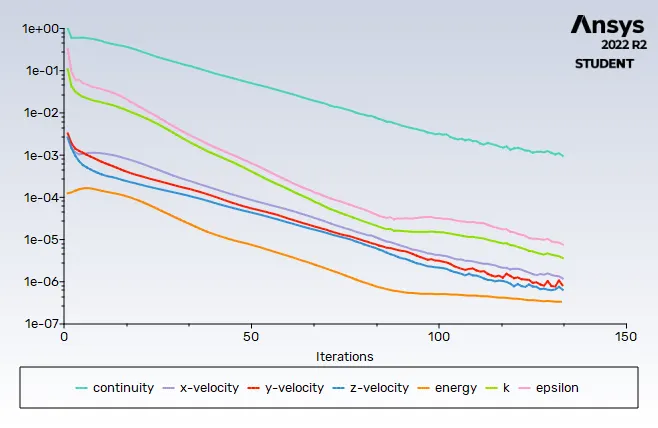
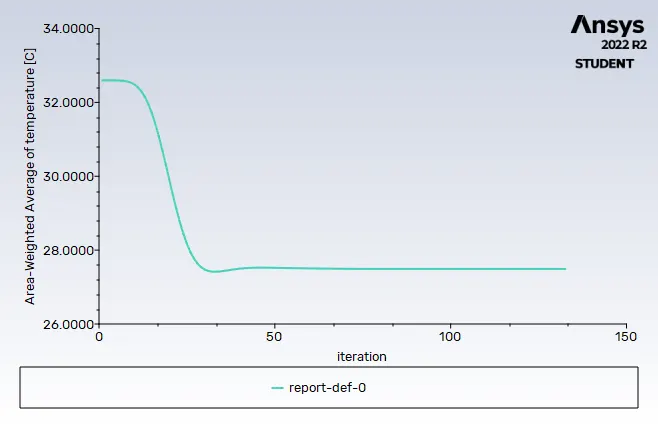
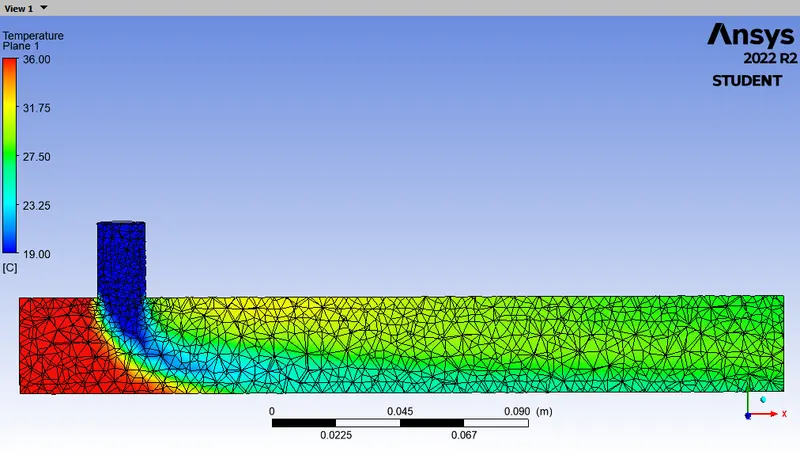
Temperature Variable
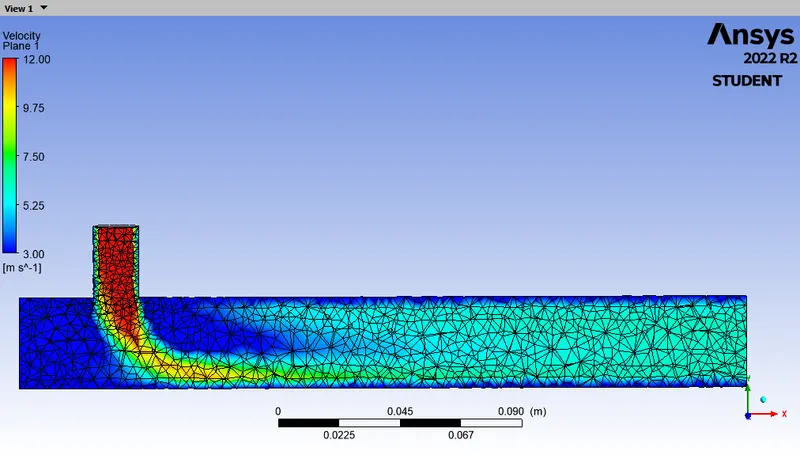
Velocity Variable
Pressure Variable
Streamline Plot for Velocity along and across the Mixing Tee
Streamline Plot for Temperature along and across the Mixing Tee
Coclusion :
Comparing Values from all the cases

- Effect of length and momentum ratio on results.
1.There is not much difference between outlet temperatures of short and long mixing tees , but for long mixing te the effectivenesss of the mixing is enhanced ( as the standard deviatio is decreased)
Length of tee does not contribute in providing optimized outlet temperature.
2. Momentum ratio plays important role in outlet values
As the momentum ratio is rised to 4 , the averge temperature at outlet is reduced. Also its effectiveness increases and it takes very less no. of iteratins to provide a converged solution.