Week 1- Mixing Tee
GIVEN
Your job is to set up steady-state simulations to compare the mixing effectiveness when the hot inlet temperature is 360C & the Cold inlet is at 190C.
Use the k-omega SST model for the cases
- Case 1
- Short mixing tee with a hot inlet velocity of 3m/s.
- Momentum ratio of 2, 4.
- Case 2
- Long mixing tee with a hot inlet velocity of 3m/s.
- Momentum ratio of 2, 4.
Momentum ratio = velocity at cold inlet/velocity at hot inlet
Procedure
THE PURPOSE OF MIXING TEE IS USE TO MIX TWO TYPES OF FLUID OR THE SAME FLUID WITH DIFFERENT PROPERTIES. IN OUR CONDITION WE USE THE SAME FLUID (AIR) FOR MIXING AND DIFFERENT PROPERTIES ARE USED (VELOCITY AND TEMPERATURE). FROM THAT THE VELOCITY, TEMPERATURE AND MIXING EFFECTS ARE MONITORED AT THE OUTLET.
STEPS TO BE FOLLOWED
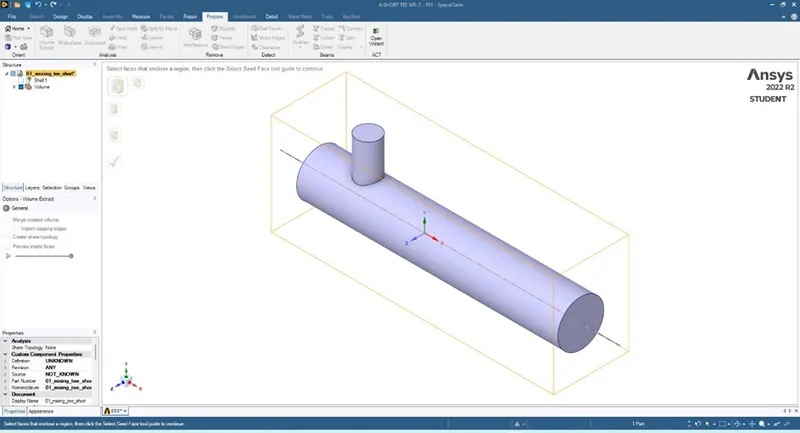
Step 1: Initially, start with importing the geometry to the Ansys workbench and extrude the internal volume of the given mixing tee for the internal flow analysis.
Step 2: From the extracted volume meshes the volume with mesh sizes 5mm,4mm, and 3mm mesh for the grid-independent study, after creating the mesh or before making the mesh name the surfaces as per the boundary condition, so that the fluent can recognize the boundary condition itself.
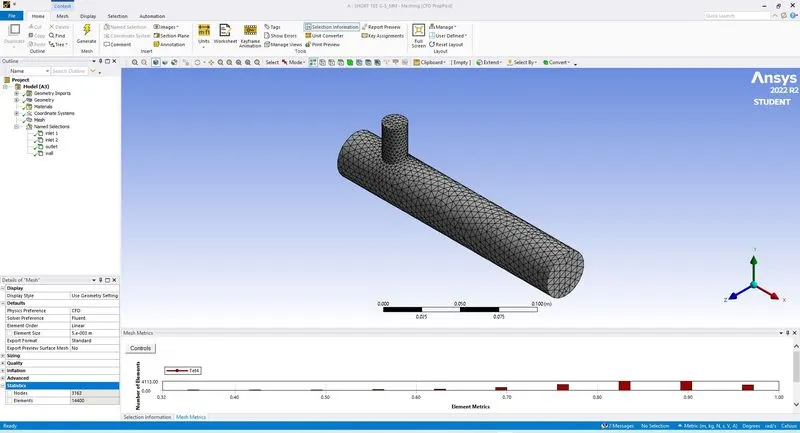
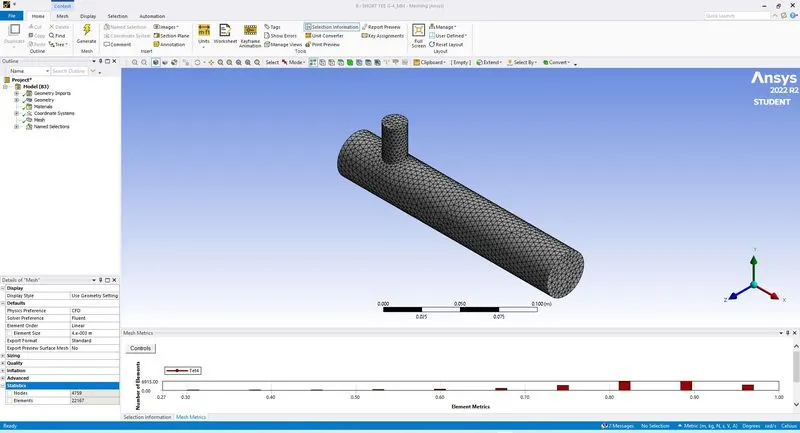
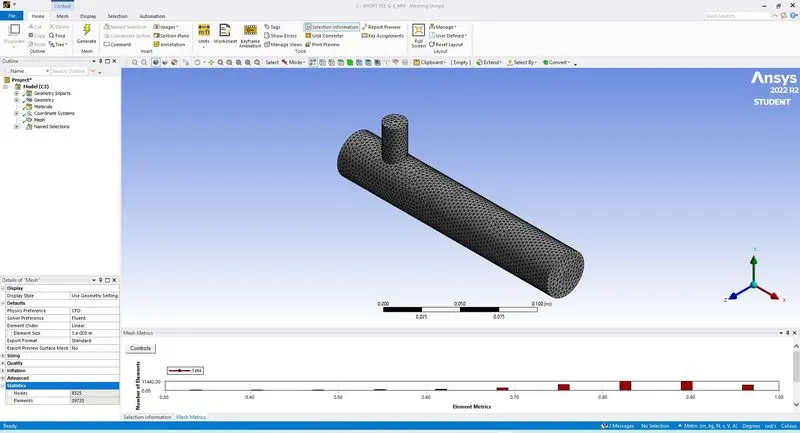
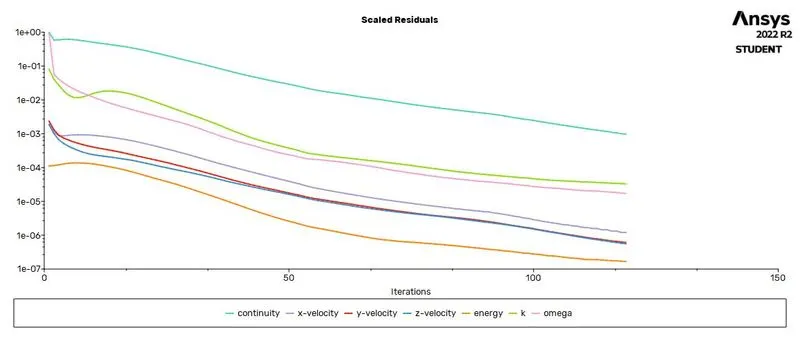
After generating the mesh, the number of nodes and elements is investigated using the statistics option. Then the mesh quality is checked by choosing the mesh matrices option in the quality section.
Step 3:In this step, the meshed geometric file has been imported to the fluent module and set the following conditions as follows in the fluent in solving the problem.
This procedure will be constant for the short tee and long tee with a momentum ratio
|
SOLVER TYPE |
Pressure based |
|
VELOCITY FORMULATION |
Absolute |
|
TIME |
Steady |
|
VISCOUS MODEL |
K-omega SST model and enable energy equation to solve the energy equation |
|
MATERIAL |
Air |
|
CELL ZONES |
Fluid type: air |
|
BOUNDARIES (depends on the momentum ratio) |
Inlet_x (velocity inlet) Velocity magnitude 3m/s Temperature -`36 ^@c` Inlet_y (velocity inlet) Velocity magnitude 6m/s or 12 m/s Temperature –`19^@c` Outlet (pressure outlet) Gauge pressure – 0 pa Walls – stationary walls |
|
Report definition |
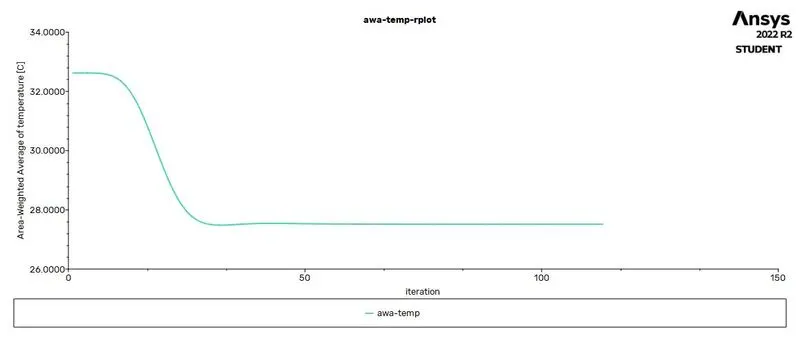
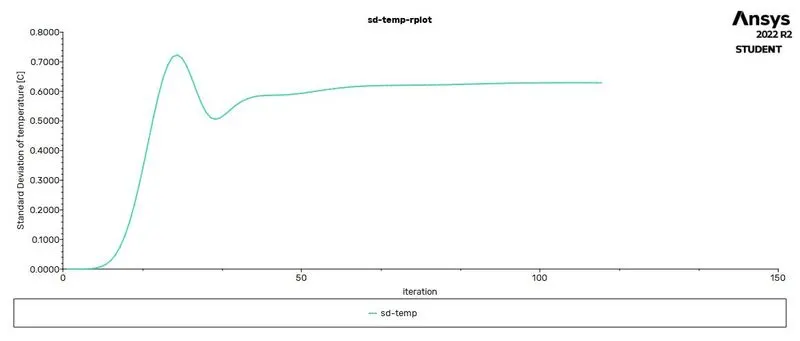
· Area weighted average of temperature at the outlet · The standard deviation of temperature |
the hybrid scheme is used for the initialization
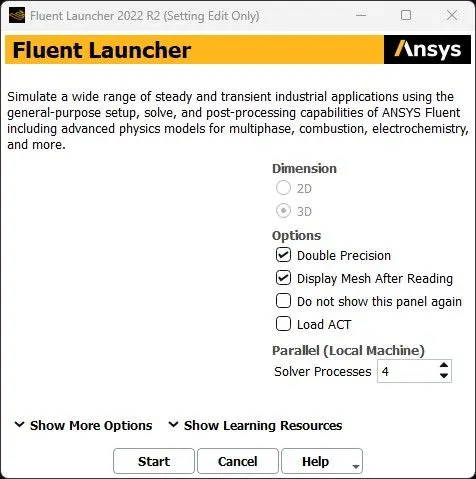
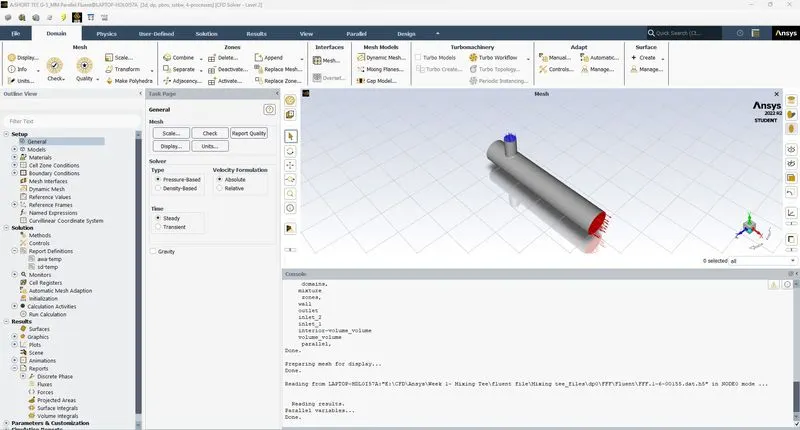
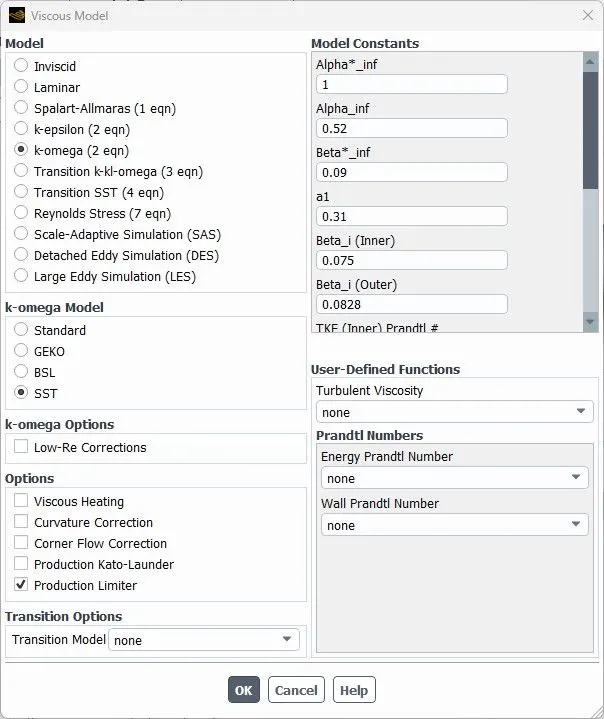
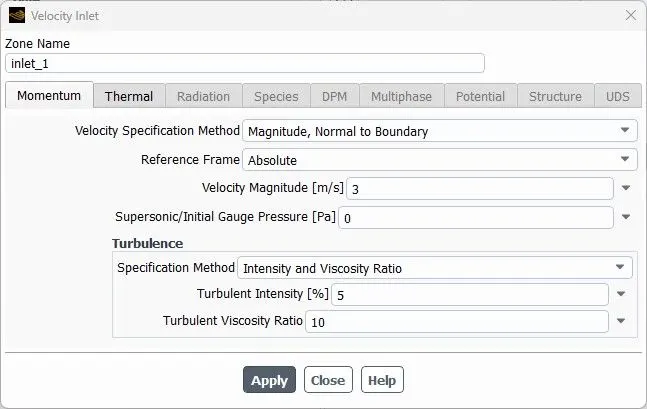
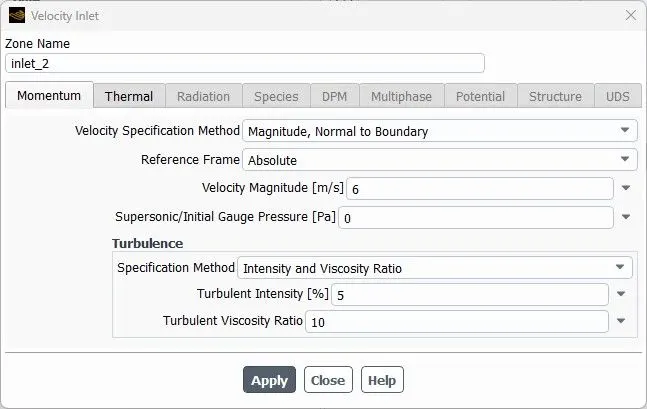
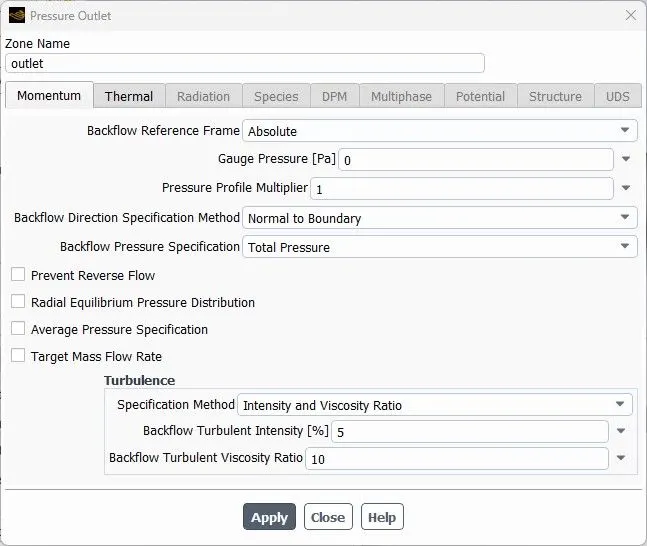
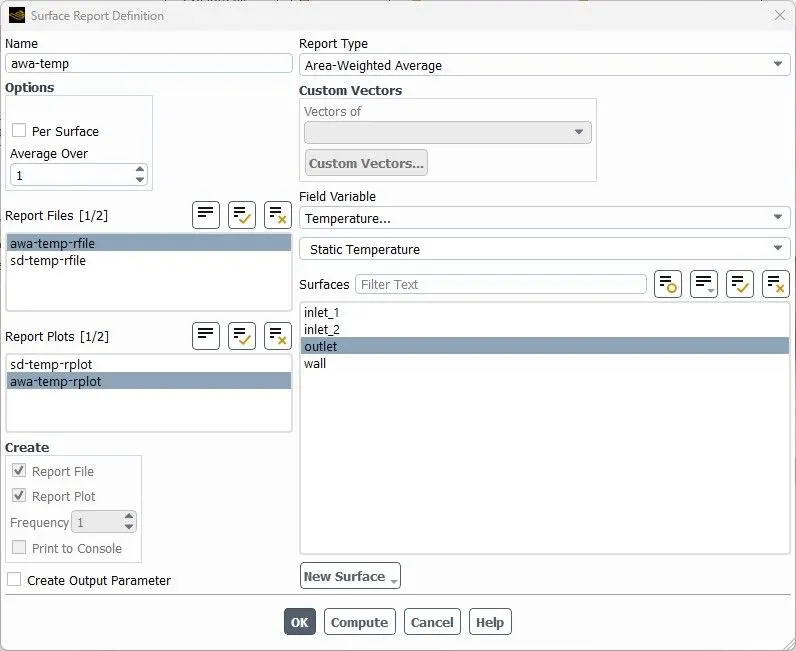
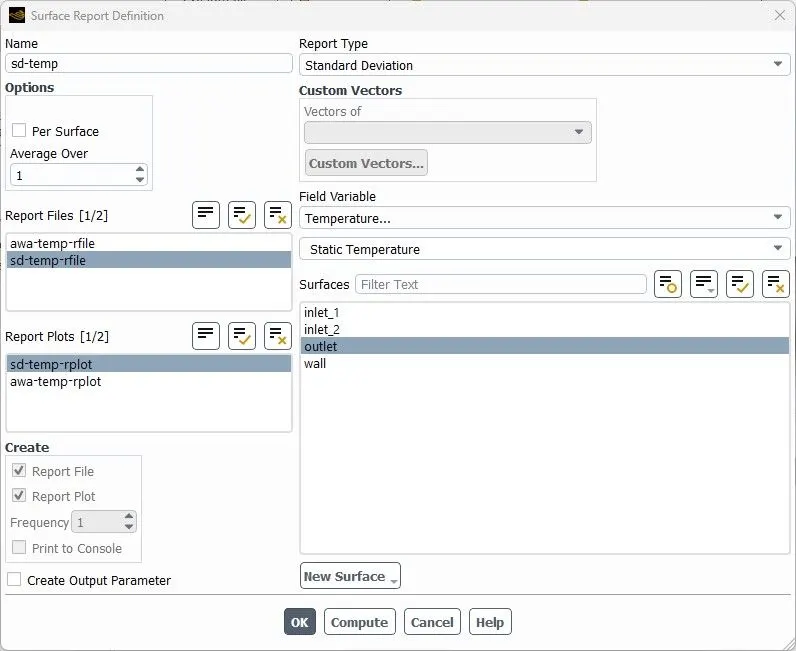
with the given formula and the literature review
ANALYTICAL SOLUTION:
MOMENTUM RATIO 2:
- Mass of hot fluid (mh) = rho*a*Vh = 997*0.0009*3 = 2.69 kg/s
- Mass of cold fluid (mc) = rho*a*Vc = 997*0.0009*6 = 1.35 kg/s
- Temperature of mixture (Tmixture) = (mh*Th + mc*Tc)/(mc + mh) = 30.3190c = 303.319k
MOMENTUM RATIO 4:
- Mass of hot fluid (mh) = rho*a*Vh = 997*0.0009*3 = 2.69 kg/s
- Mass of cold fluid (mc) = rho*a*Vc = 997*0.0009*12 = 2.3928 kg/s
- Temperature of mixture (Tmixture) = (mh*Th + mc*Tc)/(mc + mh) = 27.990c = 300.99k
Results for grid independent study
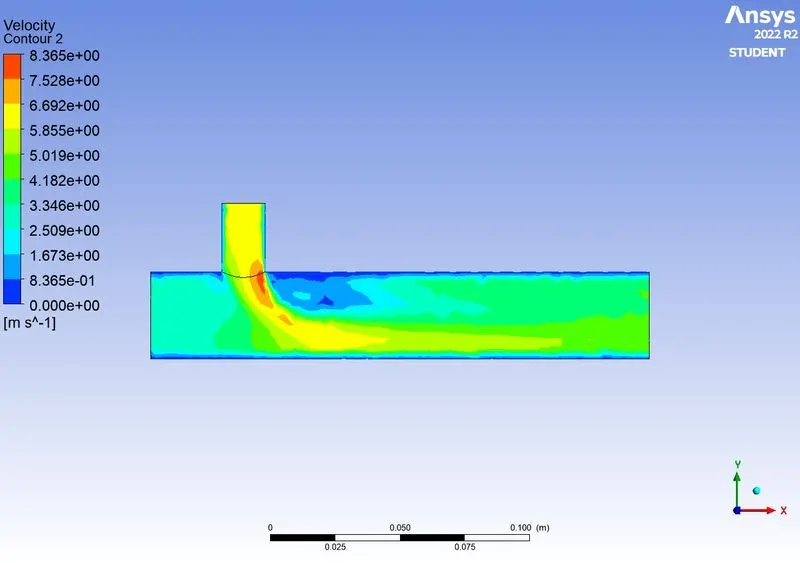
case1: 5 mm mesh
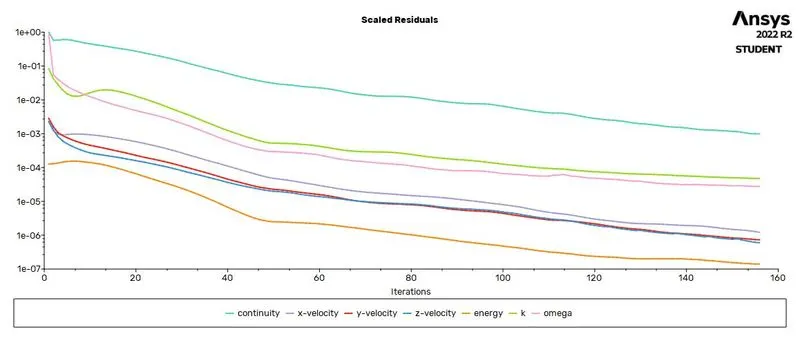
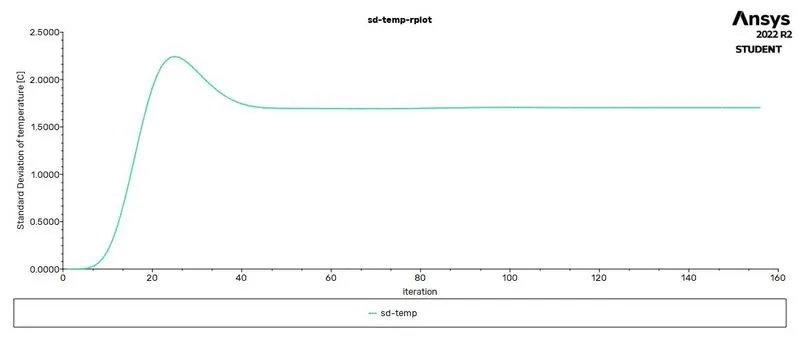
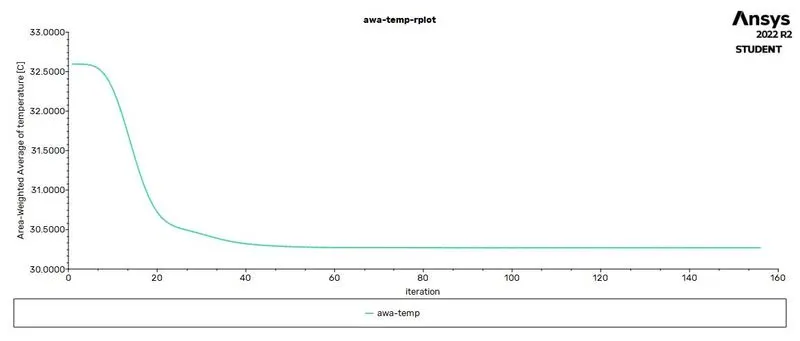
contour plots
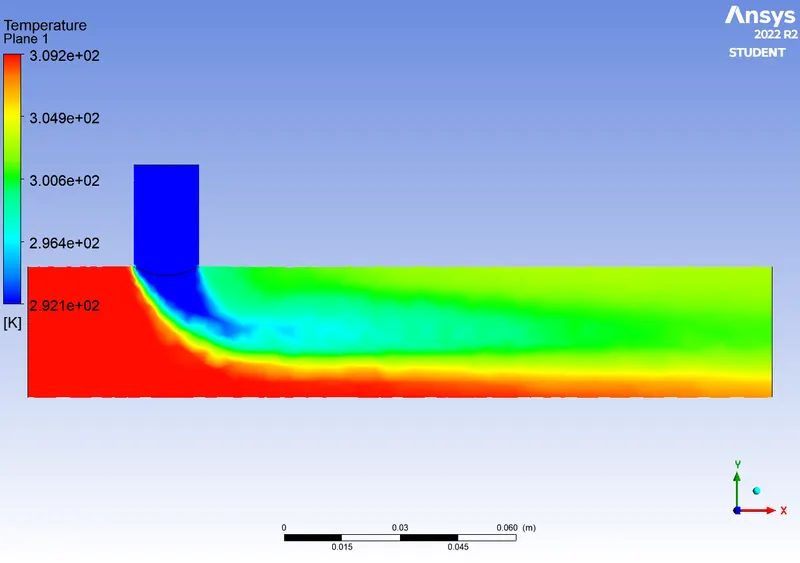
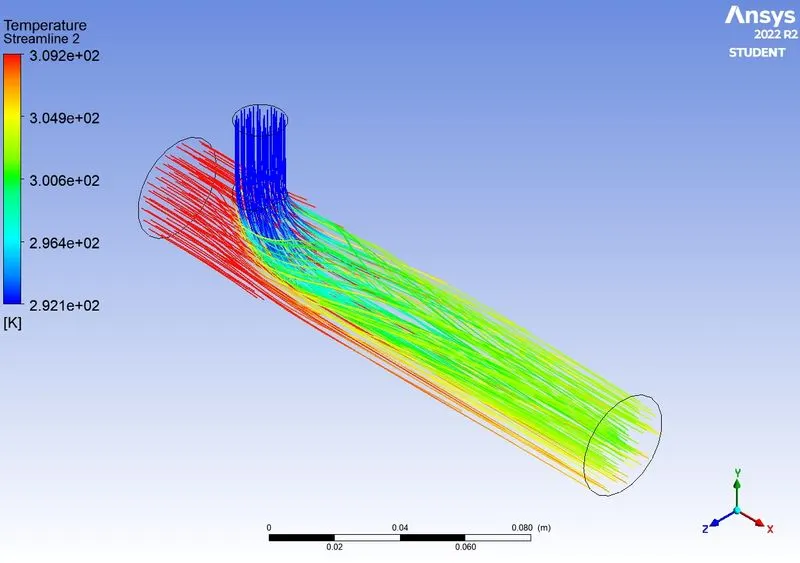
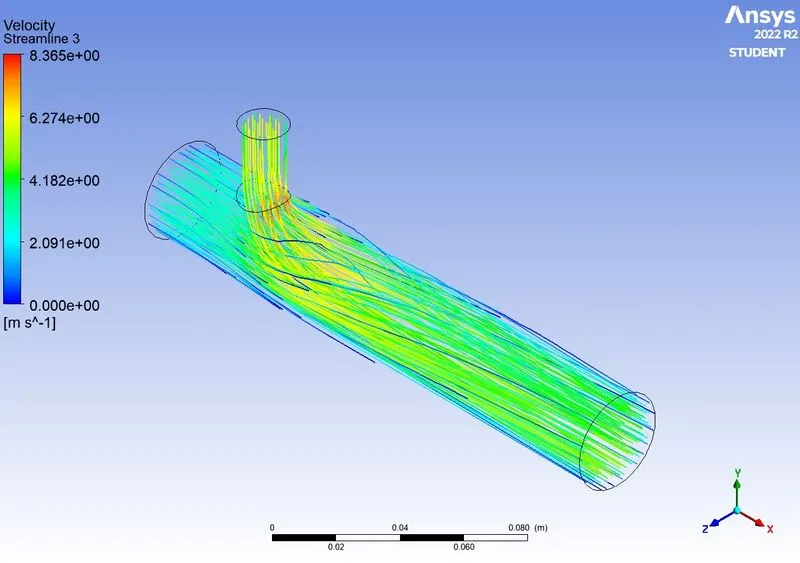
streamline plot
case2: 4 mm mesh
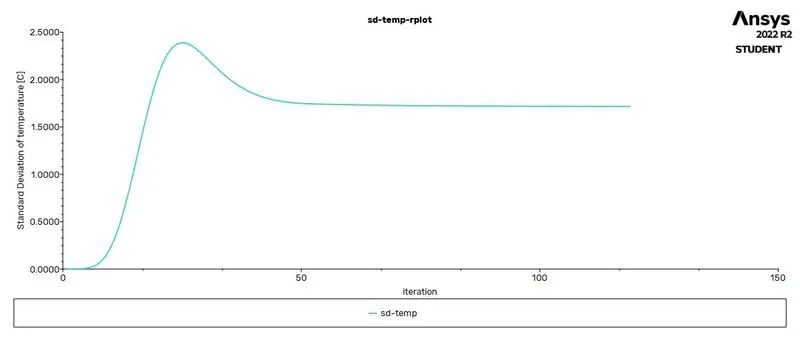
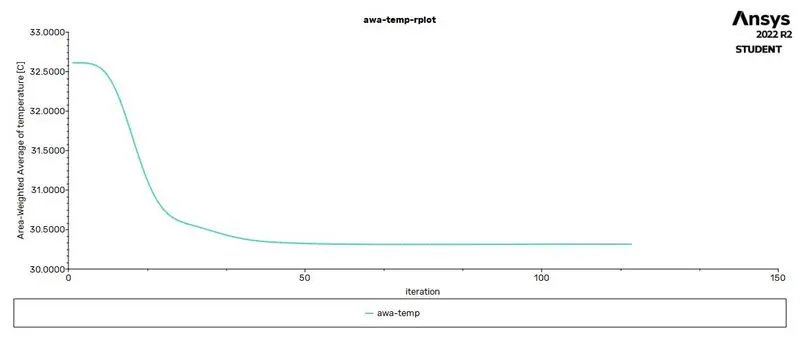
contour plot
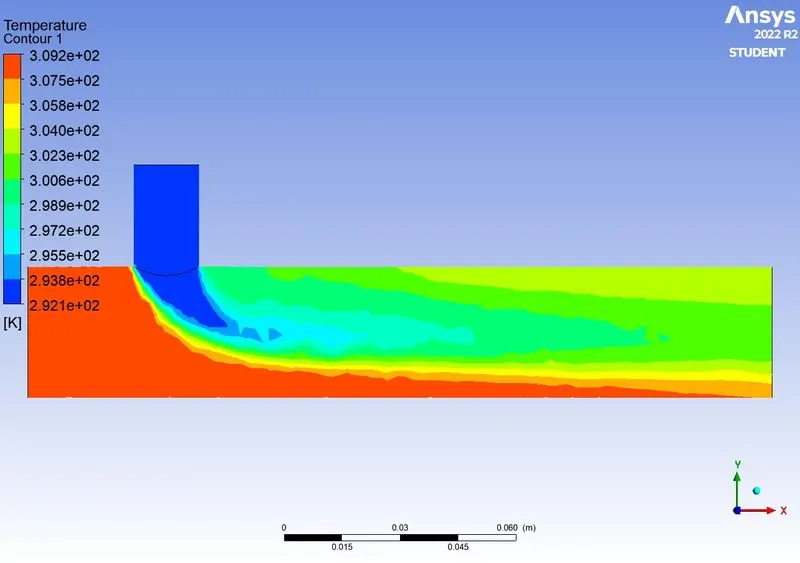
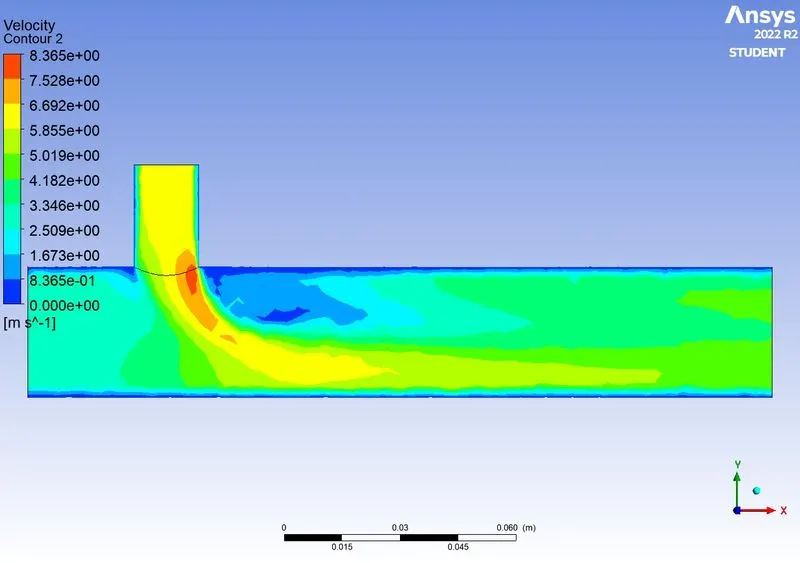
streamline plot
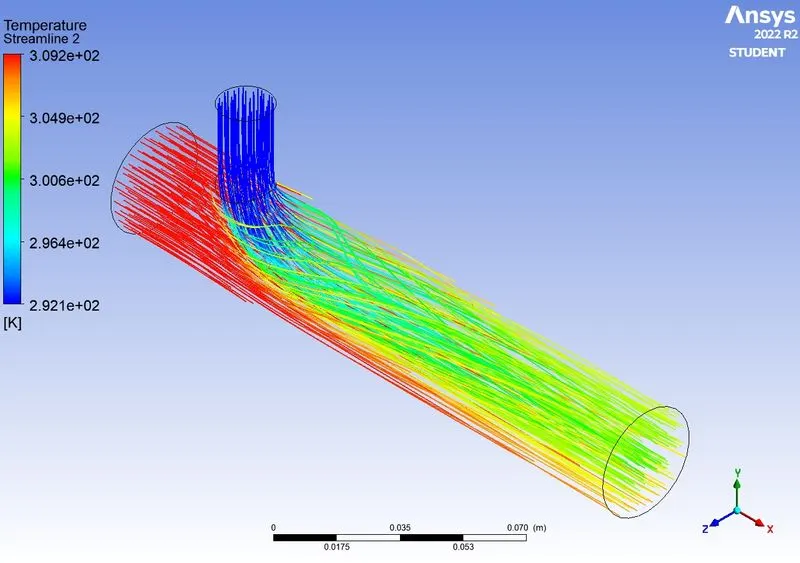
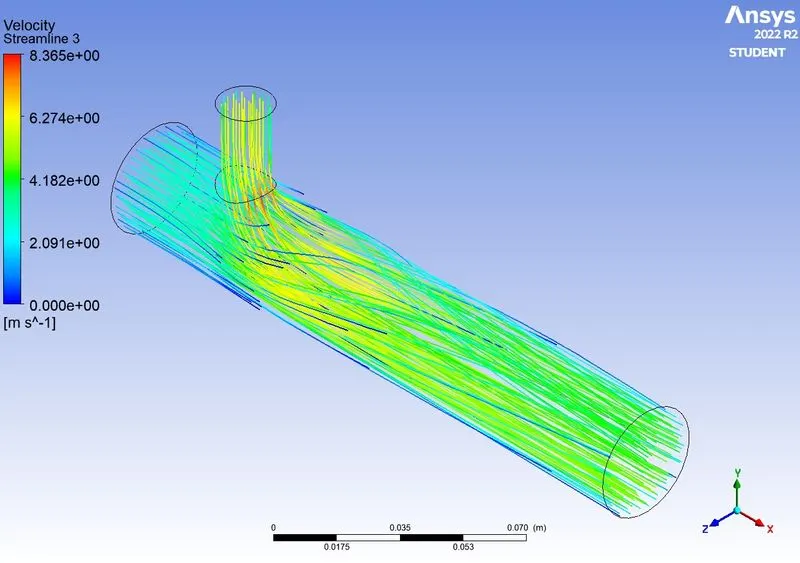
case3: 3 mm mesh
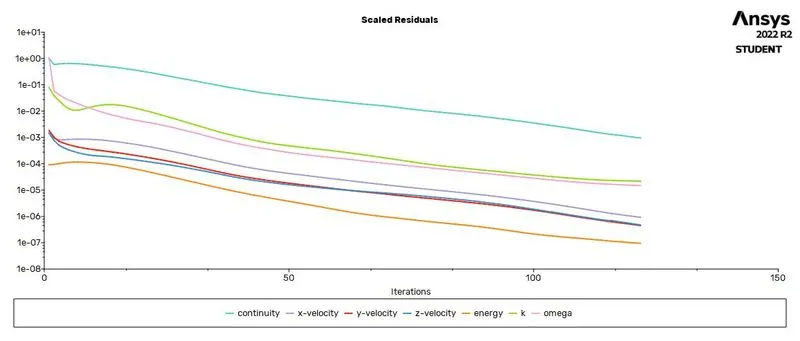
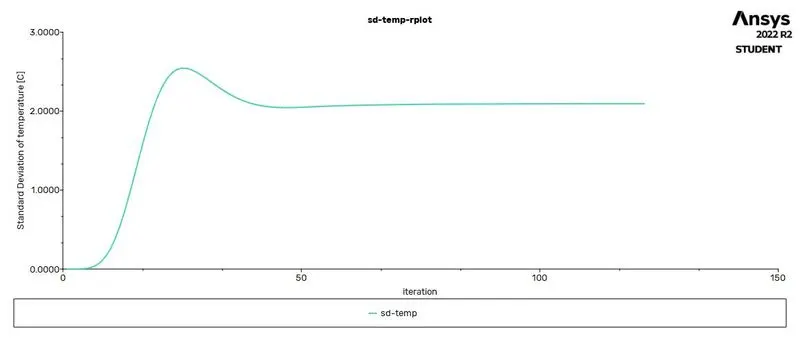
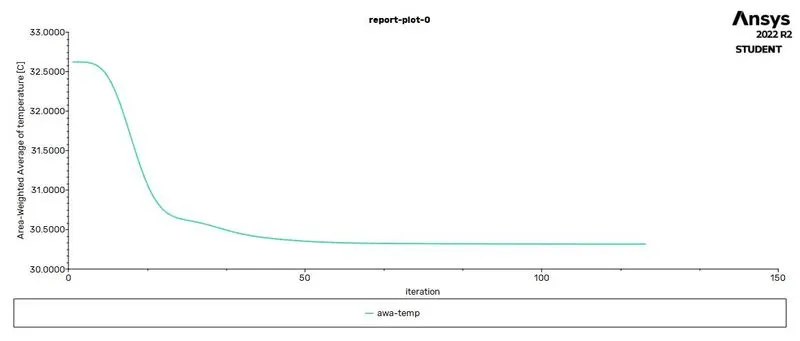
contour plot
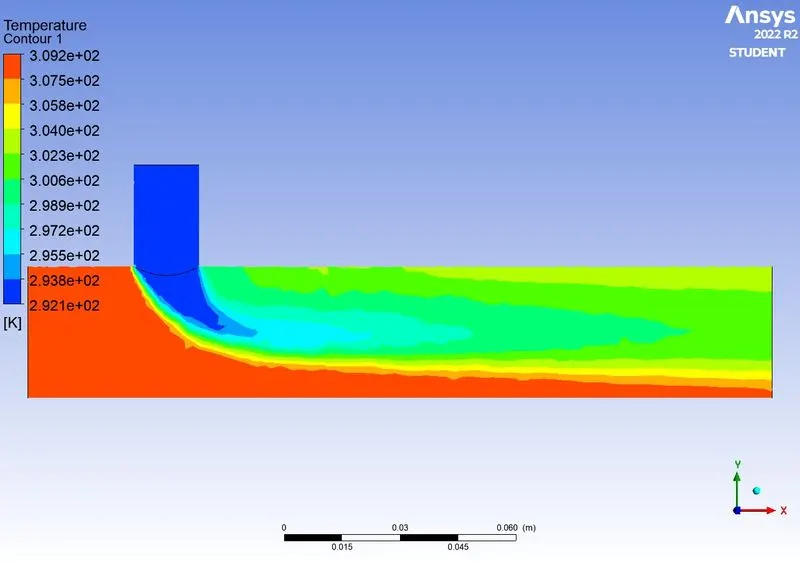
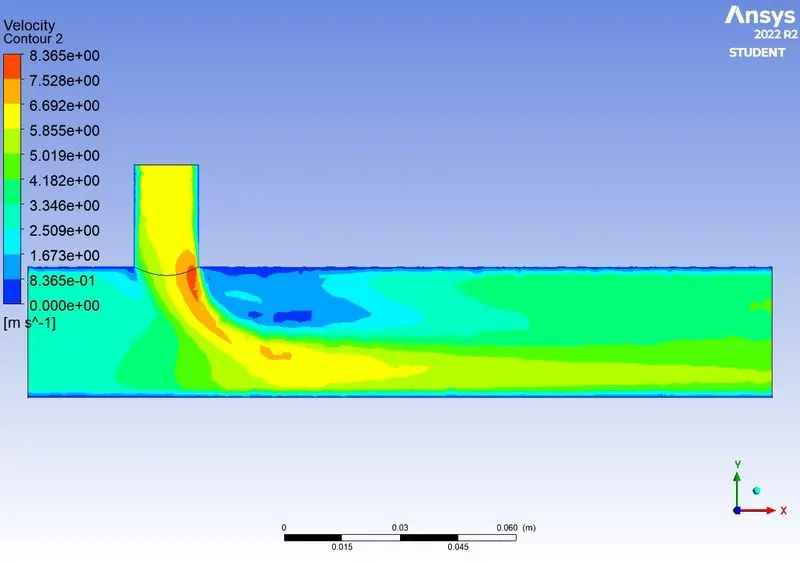
streamline plot
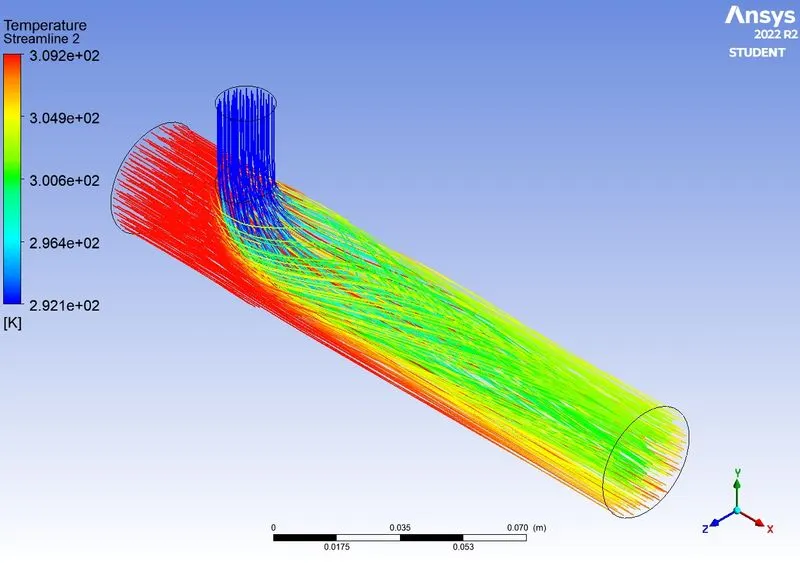
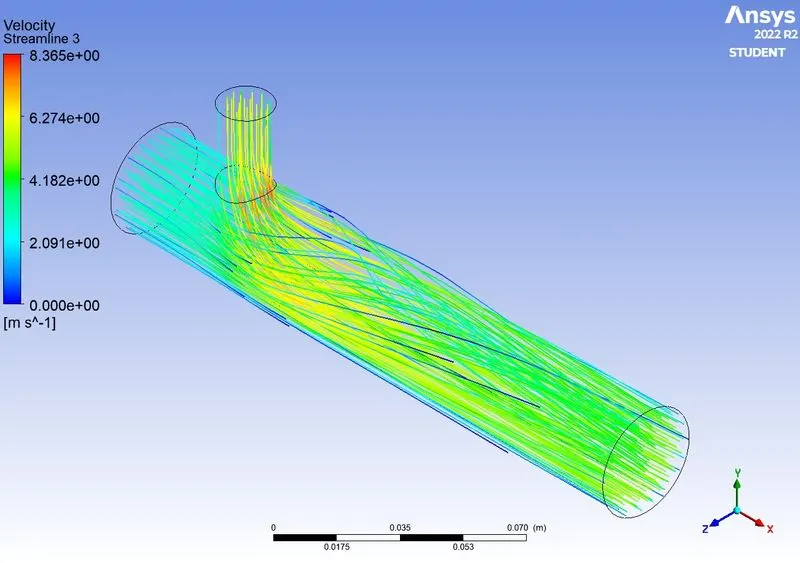
solution discussion
|
MESH SIZE |
NO. OF ELEMENTS |
AVERAGE OUTLET TEMPERATURE |
NO. OF ITERATIONS |
|
5mm |
14400 |
30.200 |
150 |
|
4mm |
22167 |
30.310 |
115 |
|
3mm |
39725 |
30.316 |
121 |
The mesh size of 3mm gives the best results compared to the other two cases. Decreasing the mesh size increases the accuracy of the results but it consumes more computational time so we need to take 3 mm as the final mesh
BY FOLLOWING THE SANE PROCEDURE WE NEED TO SOLVE SHORT TEE AND LONG TEE CONCERNING THE MOMENTUM RATIO AND FIX THE MESH (3MM) AS CONSTANT AND THE RESULTS ARE SHOWN BELLOW
FOR BOTH SHORT TEE AND LONG TEE AS SAME SOLVING CONDITIONS
|
SOLVER TYPE |
Pressure based |
|
VELOCITY FORMULATION |
Absolute |
|
TIME |
Steady |
|
VISCOUS MODEL |
K-omega SST model and enable energy equation to solve the energy equation |
|
MATERIAL |
Air |
|
CELL ZONES |
Fluid type: air |
|
BOUNDARIES (depends on the momentum ratio) |
Inlet_x (velocity inlet) Velocity magnitude 3m/s Temperature -`36 ^@c` Inlet_y (velocity inlet) Velocity magnitude 6m/s or 12 m/s Temperature –`19^@c` Outlet (pressure outlet) Gauge pressure – 0 pa Walls – stationary walls |
|
Report definition |
· Area weighted average of temperature at the outlet · The standard deviation of temperature |
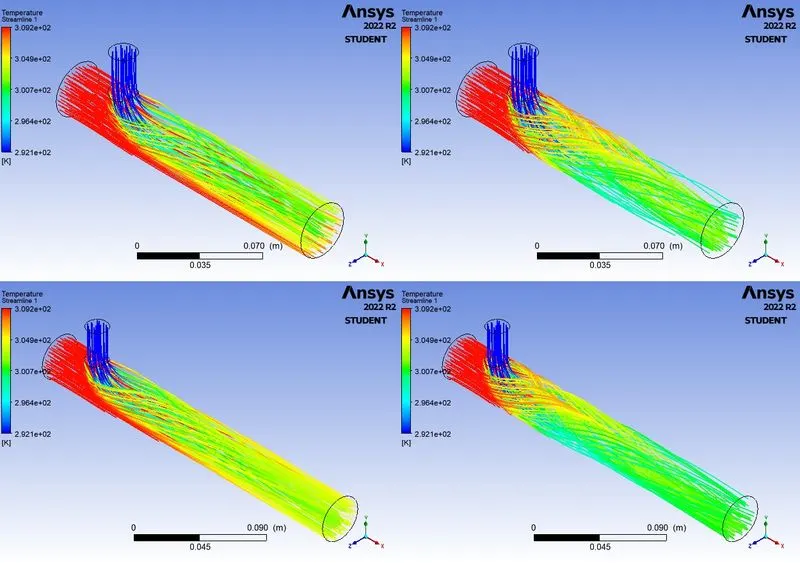
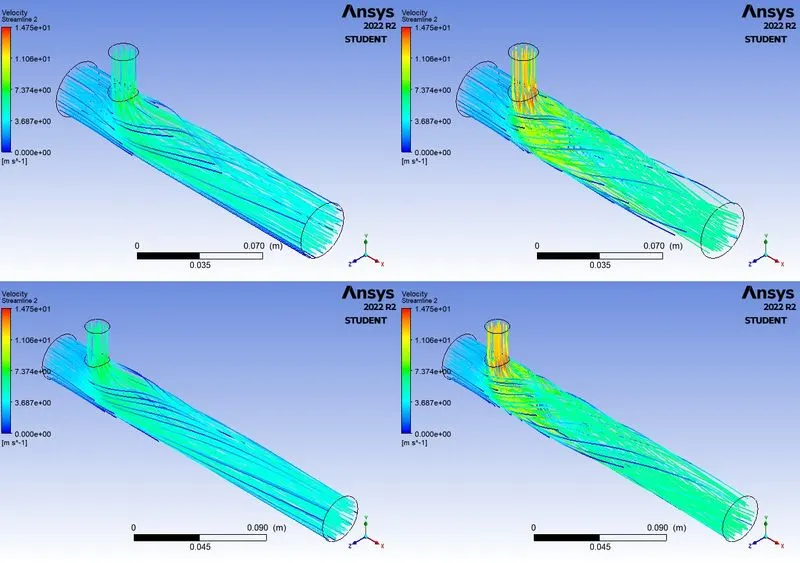
results
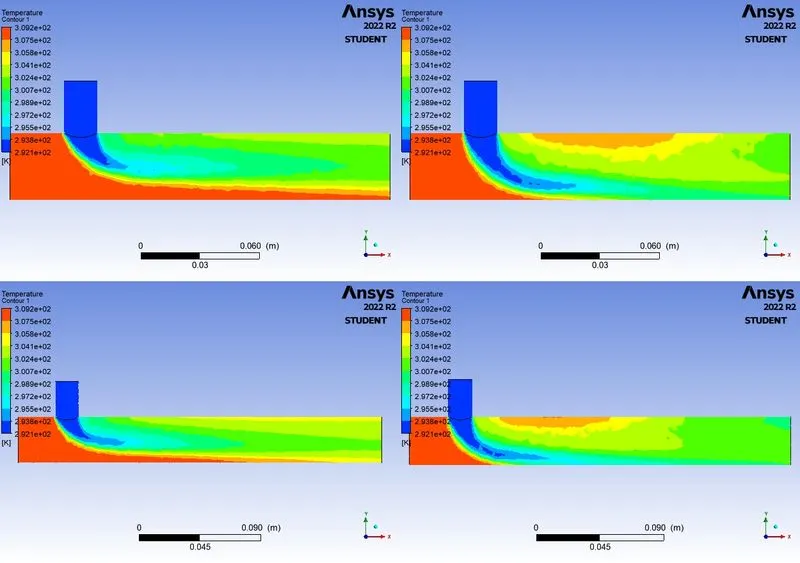
1. short tee with a momentum ratio of 2
2. short tee with a momentum ratio of 4
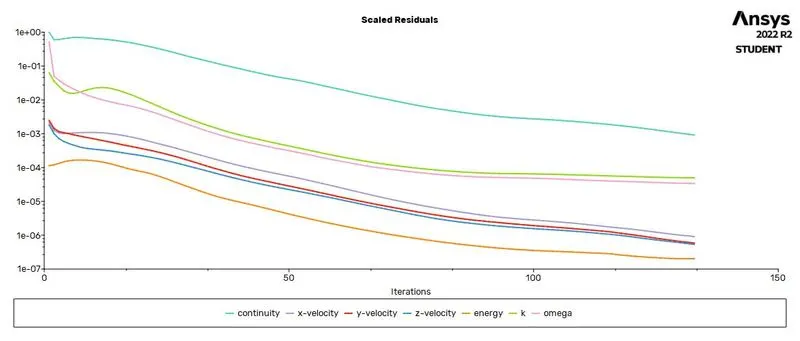
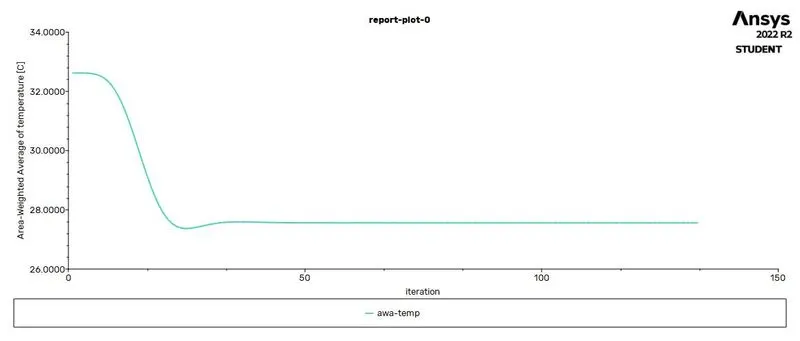
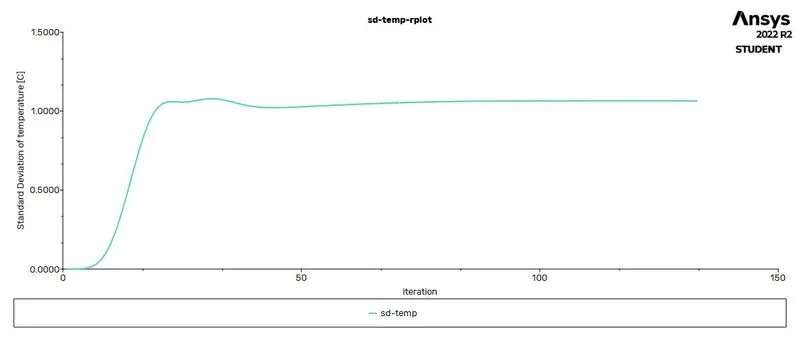
3 long tee with a momentum ratio of 2
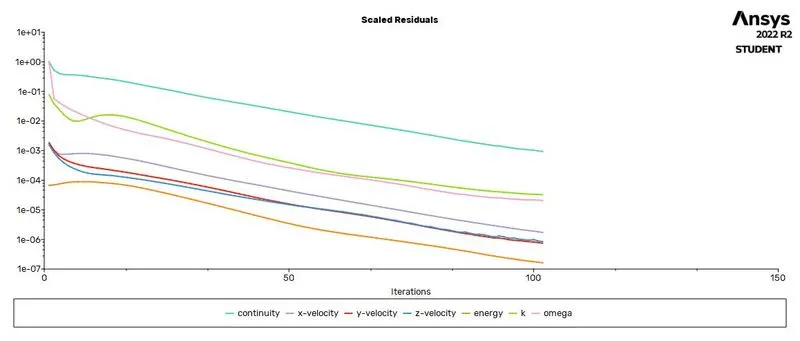
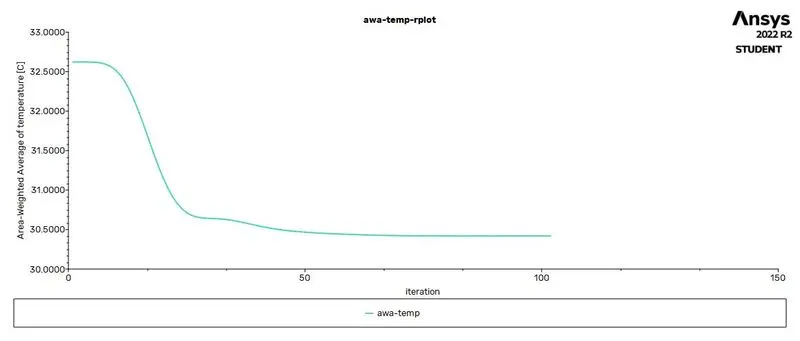
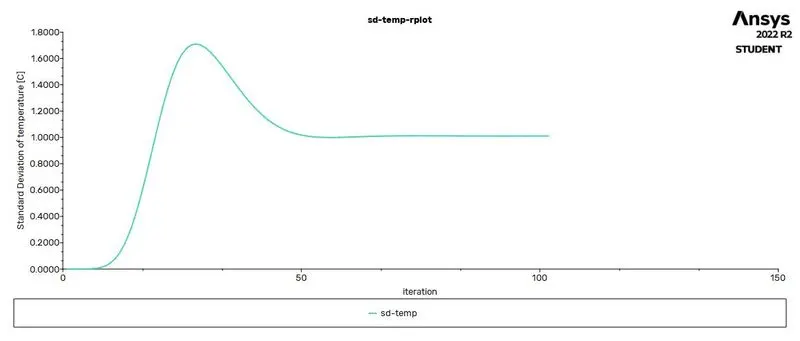
4 long tee with a momentum ratio of 4
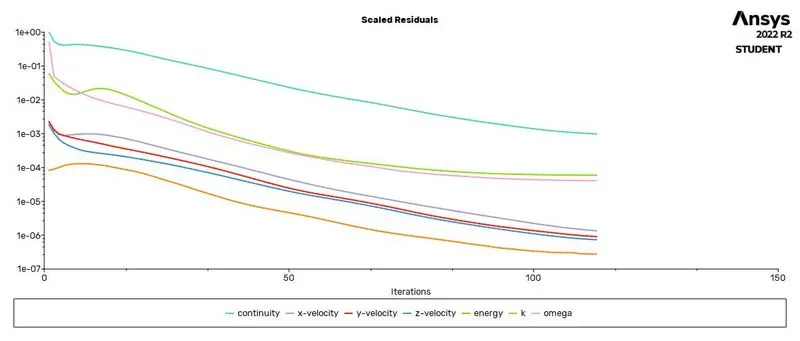
contour plots
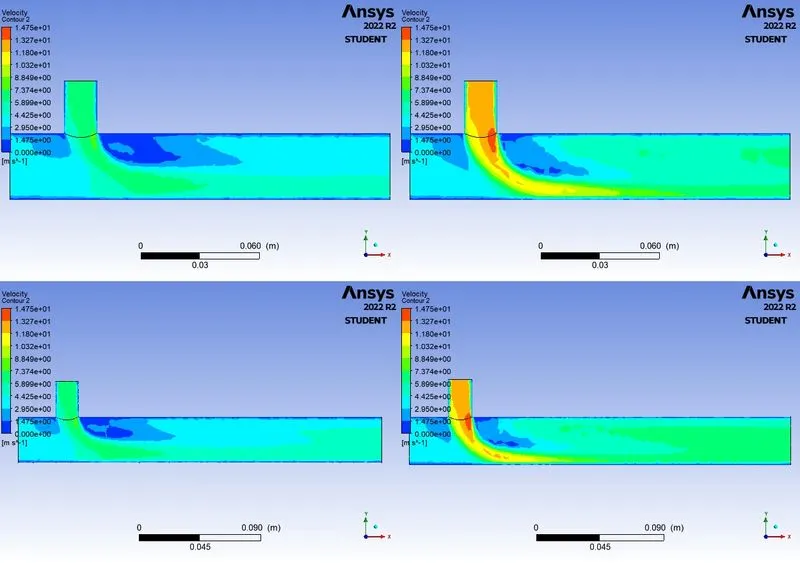
STREAMLINE
SOLUTION DISCUSSION
|
GEOMETRY |
MOMENTUM RATIO |
AVERAGE OUTLET TEMPERATURE [K] |
NO. OF ITERATIONS |
STANDARD DEVIATION |
|
SHORT TEE |
2 |
30.31 |
120 |
2.09 |
|
SHORT TEE |
4 |
27.559 |
131 |
1.064 |
|
LONG TEE |
2 |
30.41 |
100 |
1.011 |
|
LONG TEE |
4 |
27.51 |
111 |
0.629 |
1 The average temperature of both short tee and long tee is comparatively the same so the is not much impact on the length of the pipe
2 The average temperature decreases with respect to the momentum ratio increases .
3 By comparing all these conditions short tee with momentum ratio is comparatively very efficient than others