Week 1- Mixing Tee
Aim
To simulate the turbulent mixing in a mixing Tee and determine the effectiveness of mixing.
Introduction
A mixing tee consist of two pipes connected at 90o to each other, ie; it is having two inlet and a single outlet. Hot fluid is made to pass through one of the inlet and cold air through the other. Due to turbulent mixing of the two fluids we will get an optimum temperature at the outlet. The effectiveness of the mixing is studied by taking the surface average temperature and standard deviation of the temperature at the outlet. This mixing tee has application in air conditioning facility where the hot air is coming at 36o C and air from the air conditioner at 19oC is mixed to get desired outlet temperature. For this we are considering two types of geometry short pipe and long pipe. We also compare the results of the two.
Theory
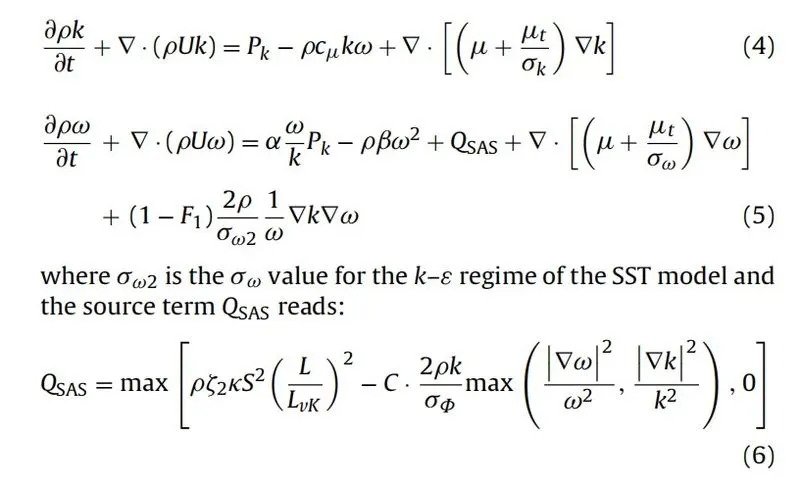
Work flow

- The designed model of the Mixing Tee is uploaded in the SpaceClaim
- Hide the solid parts and apply suppress for Physics for the solid part.
- We are analysing the flow inside the pipe without considering any heat transfer to outside and solid so no need to consider this part.
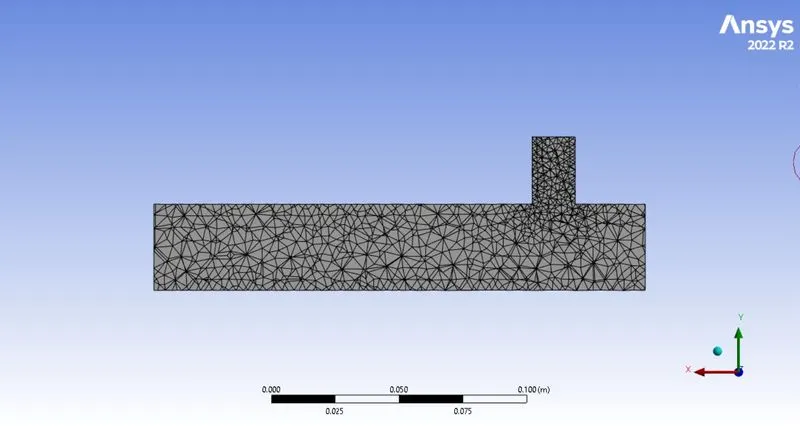
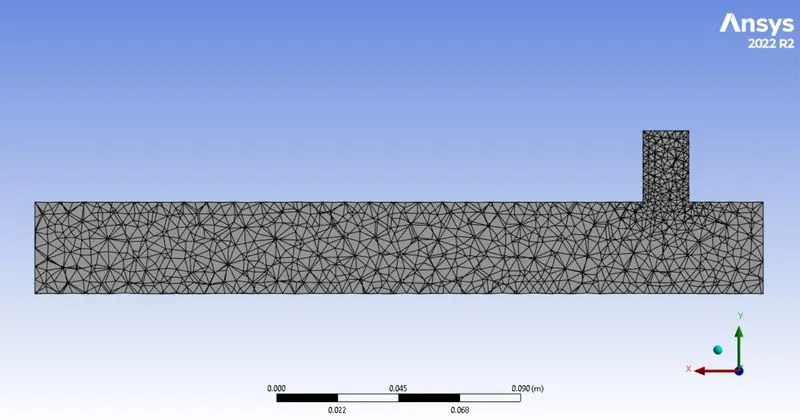
- For meshing we are using tetrahedral mesh with inflation layers.
- Inlet faces, outlet and walls are named using named selection.
- Open the setup window.
- Using a pressure based solver with absolute velocity formulations and steady state
- The material used is air
- K-epsilon viscous model is used.
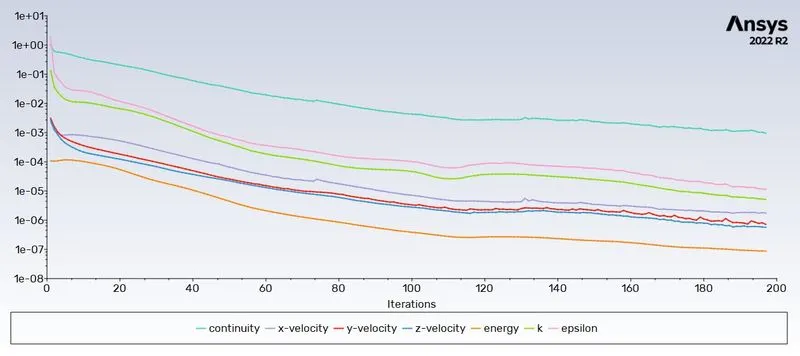
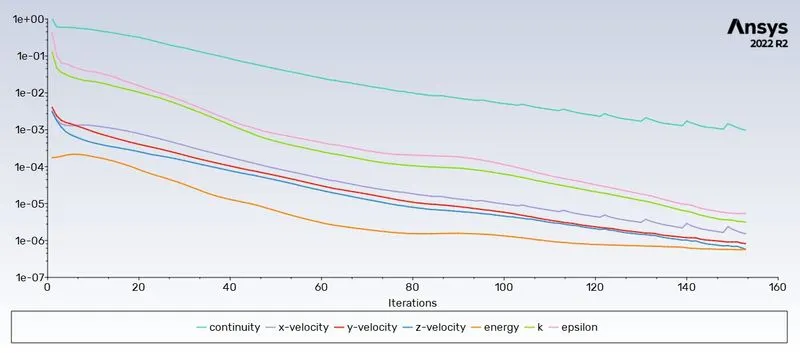
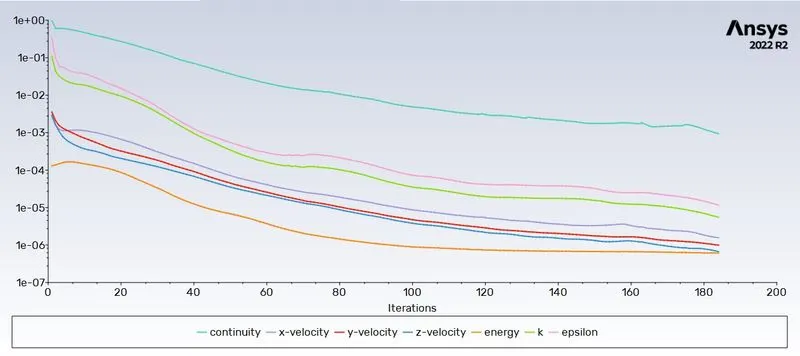
- The tolerance of Residuals is kept recommended and defenitions of area averaged temperarture and standard deviation of temperature at outlet is selected.
- Used hybrid initialisation.
- The setup is solved.
- In the post processing different contour plots and graphs are drawn.
- The above processes are repeated for short pipe and long pipe with momentum ratio of 2 and 4.
Requirements
Short pipe


Long pipe


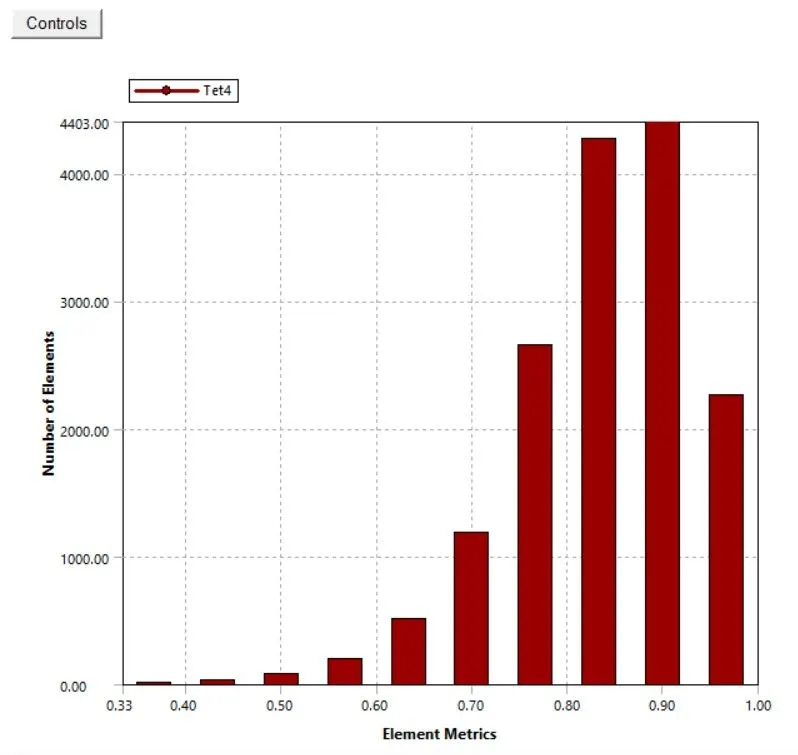
Mesh metrics
Short pipe
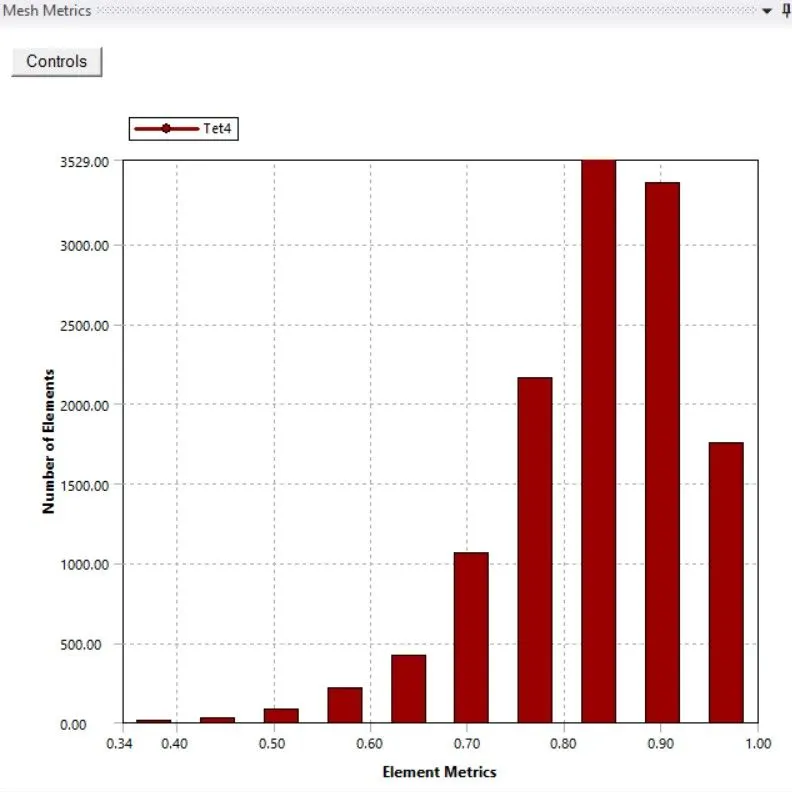
Long pipe
Short pipe Long pipe
Result
|
Sl No |
Description |
Cell count |
T_out |
Iterations |
|
1 |
Short Pipe MR=2 |
12613 |
30.2609 C |
275 |
|
2 |
Short pipe MR=2,K-E |
12613 |
30.2319 C |
416 |
|
3 |
Short Pipe MR=4 |
12613 |
27.5845 C |
153 |
|
4 |
Long Pipe MR=2 |
15561 |
30.2875 C |
197 |
|
5 |
Long Pipe MR=4 |
15561 |
27.5266 C |
184 |
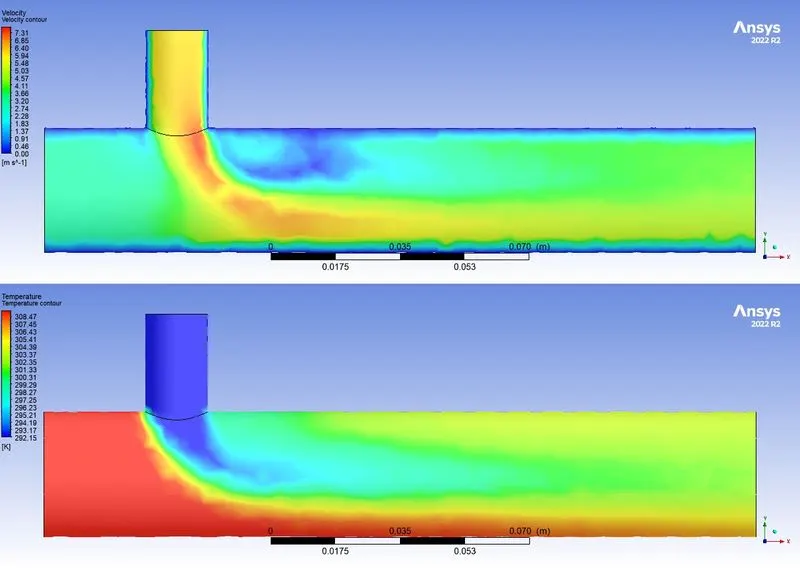
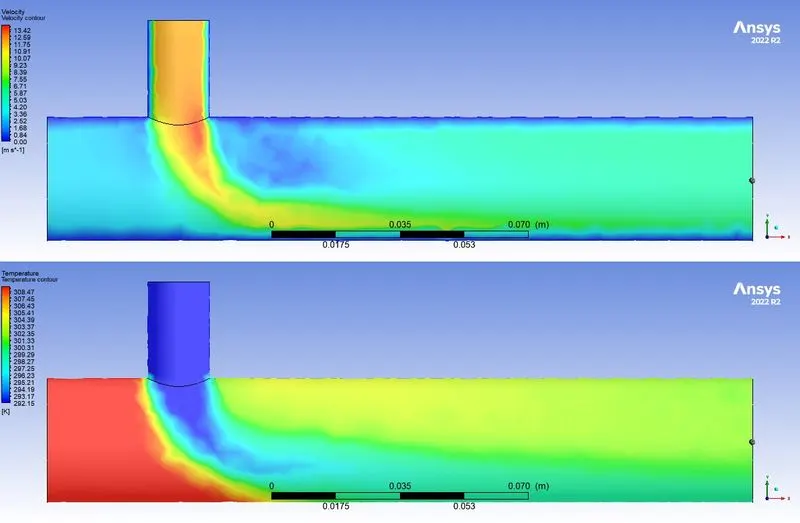
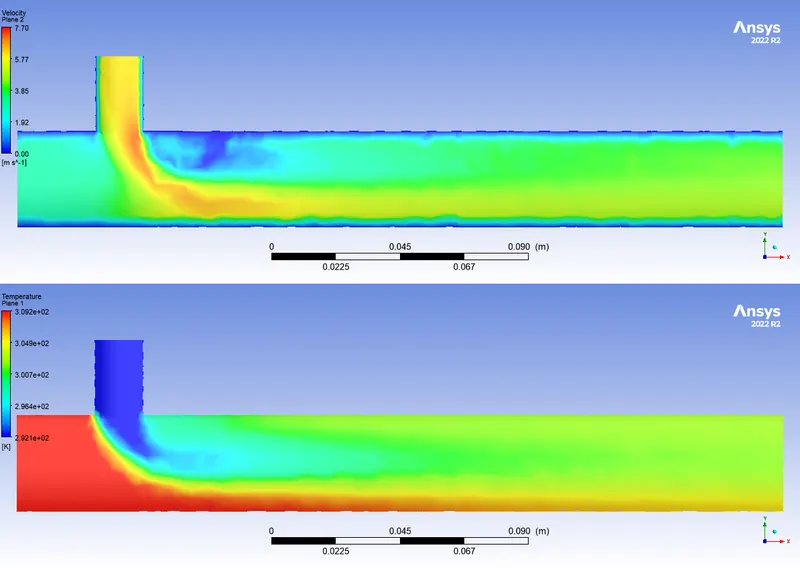
Contours
Short pipe MR=2 Short pipe MR=4
Long pipe Mr=2 Long Pipe MR=4
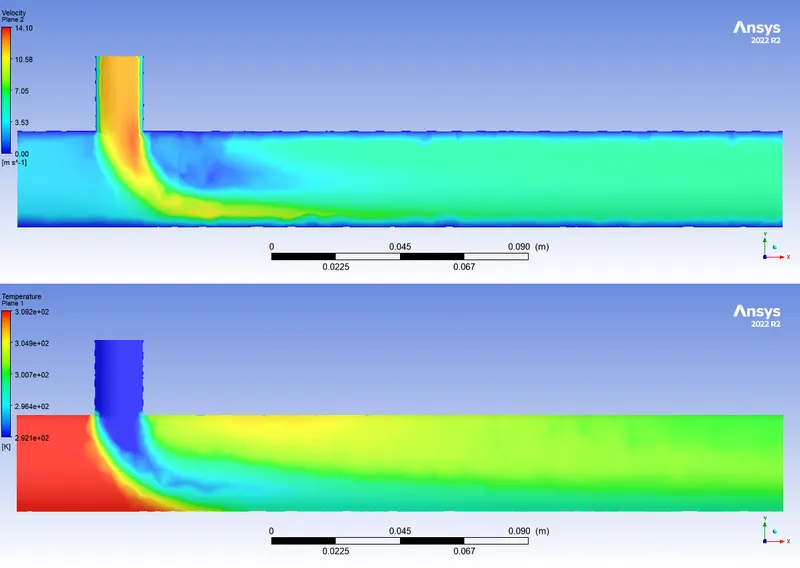
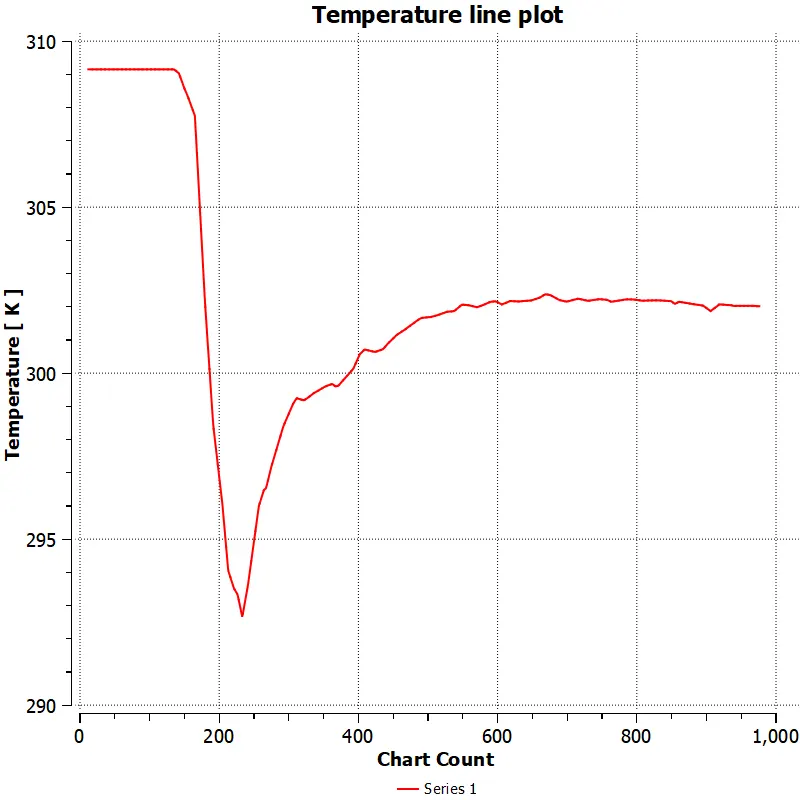
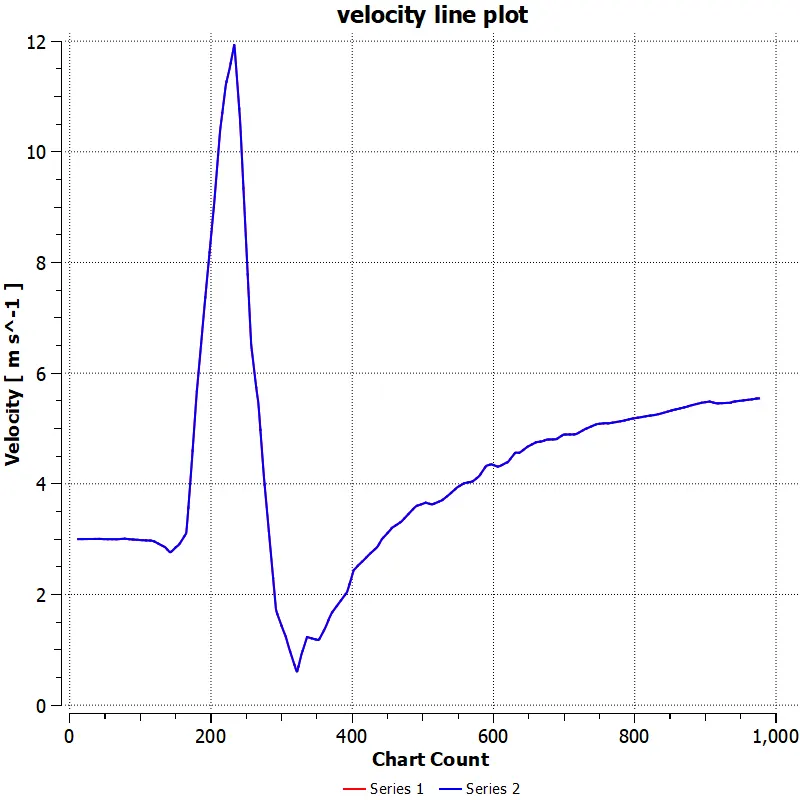
Short pipe Mr=2 Residuals, temperature
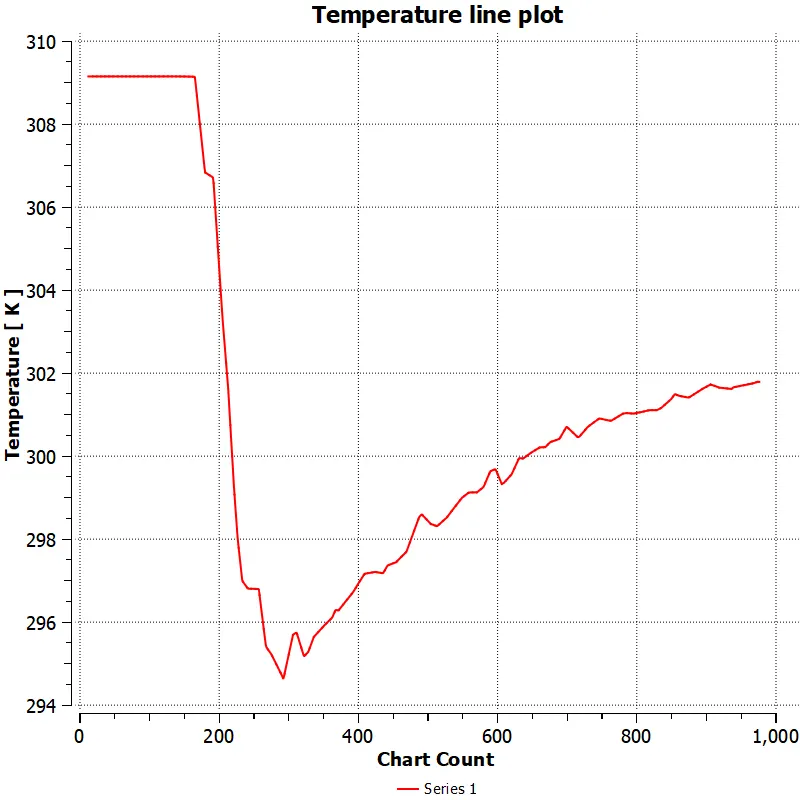
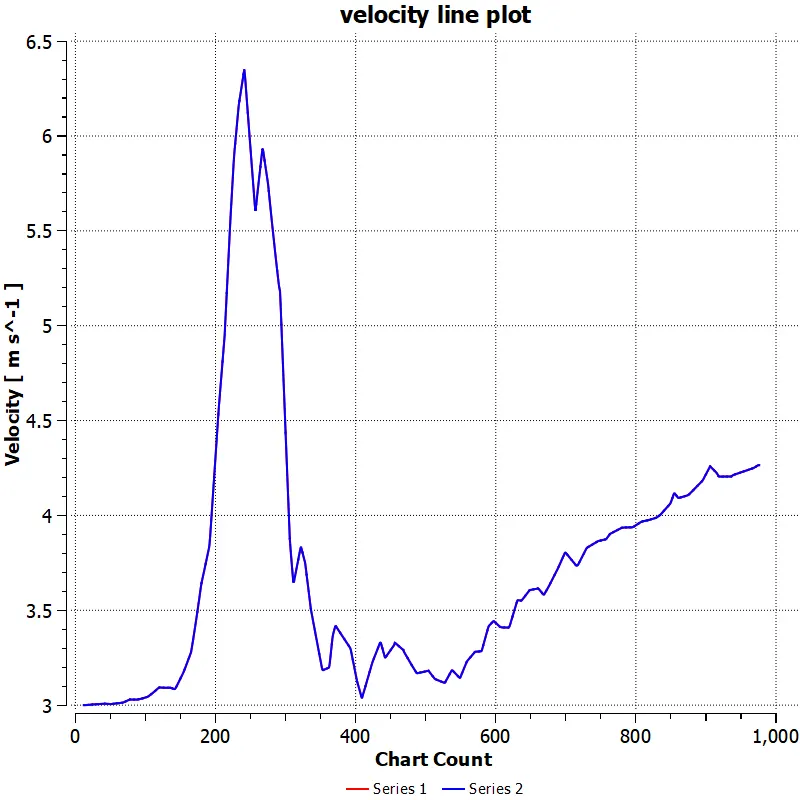
Short pipe MR=4
Long Pipe MR=2
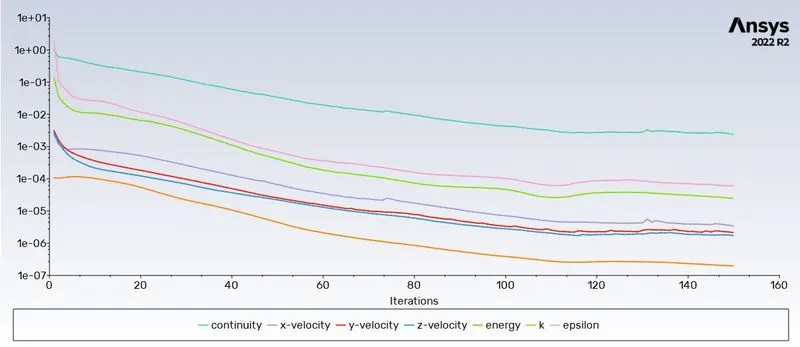
Long pipe MR=4
Reason for choosing K-epsilon over k-omega
K-epsilon model is a high Reynolds number model and provide velocity boundary Condition away from the solid boundary. This problem doesnot demand the problem to integrate through the viscous sublayer and wall bounded effects are secondary. The contour plot showed realisable mixing for the K-epsilon model
The K-omega model take elliptic near wall behaviour which is not required in this case.
Conclusion
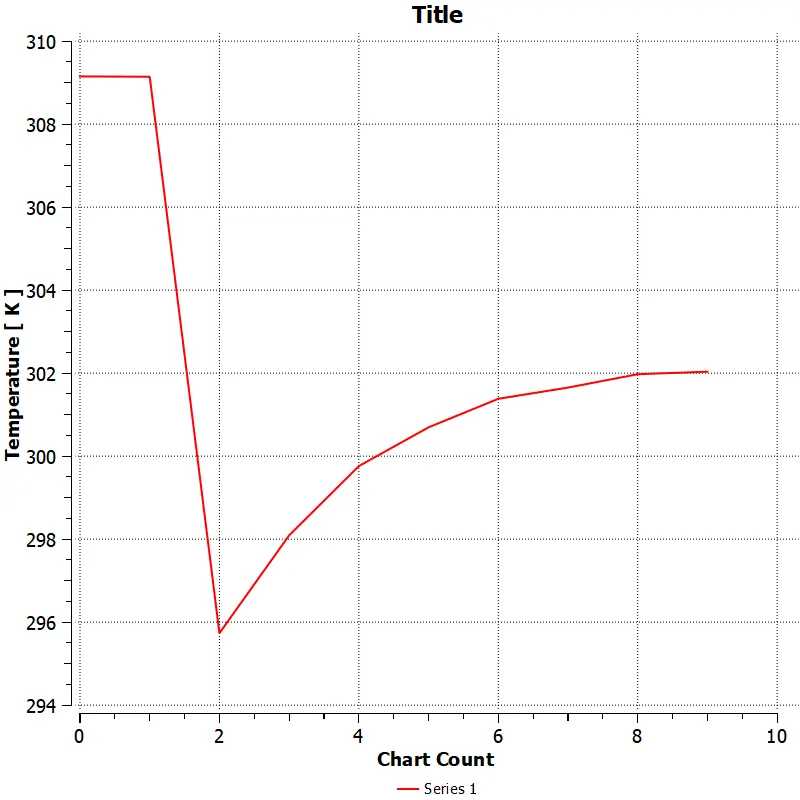
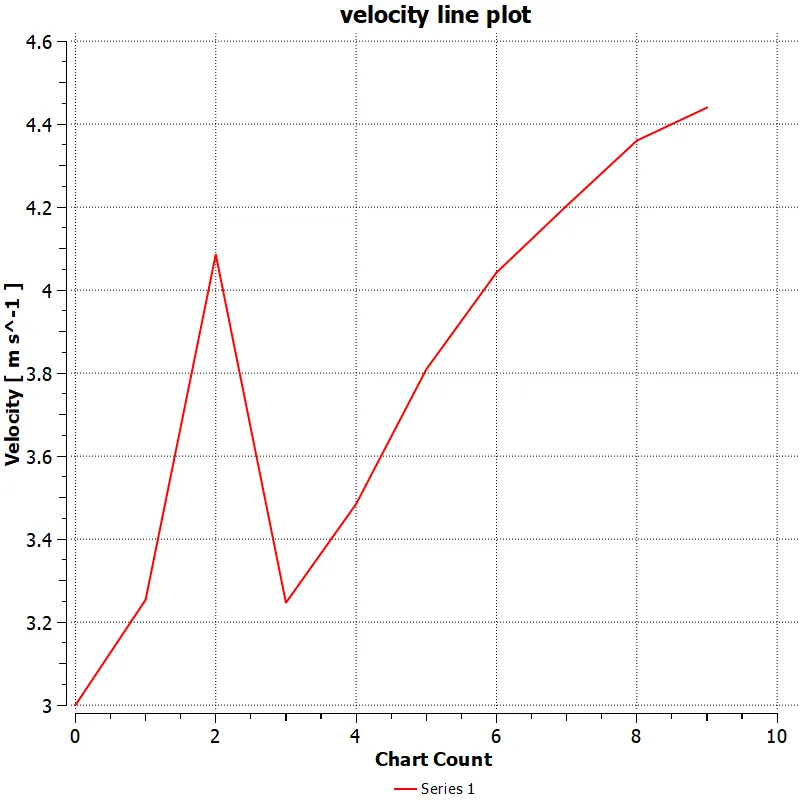
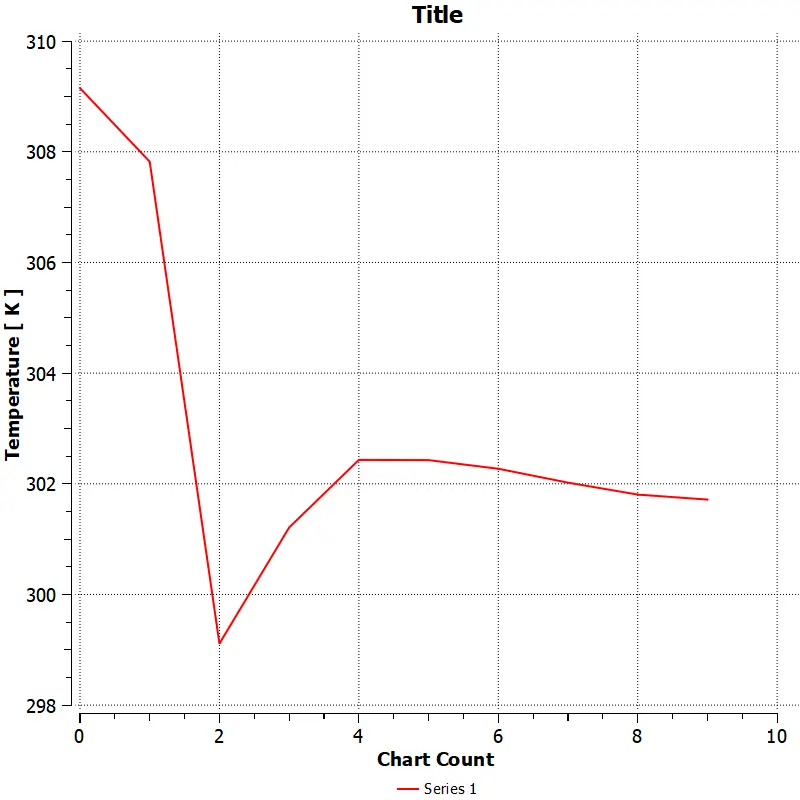
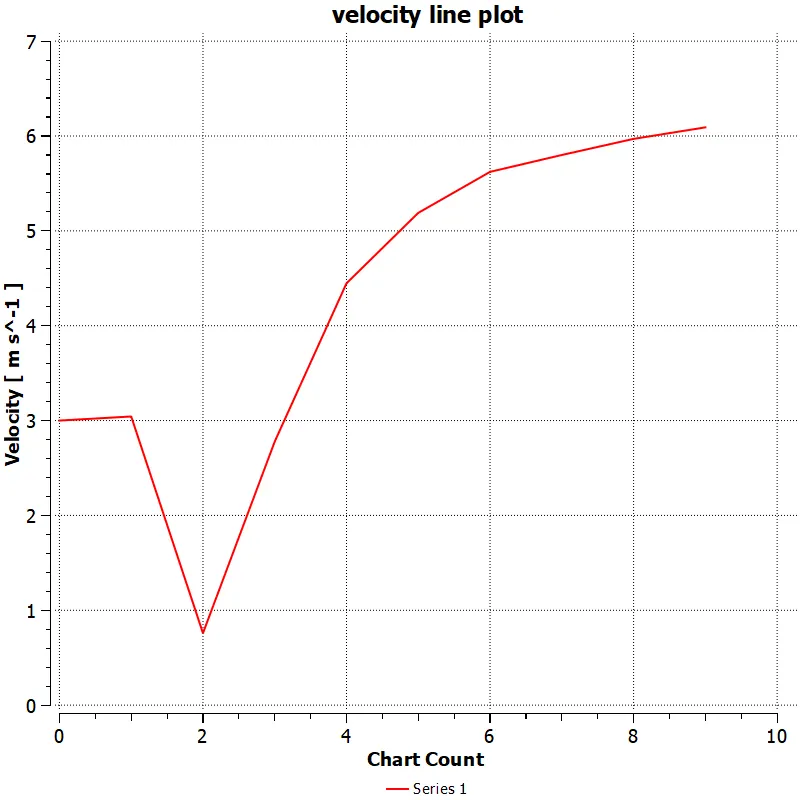
The simulation is run to the required tolerance level and various parameters under study is figured out. The contour plot as well as the centre line temprature ad velocity line plot along and across the pipes is drawn for short pipeand long pipe with momentum ratio 2 and 4.
One of the major conclusion deduced from the result is that the effect of length on the mixing is negligible and the difference between outlet temperature of the short pipe and long pipe subjected to same momentum ratio is comparatively small. Whereas the outlet temperature of the air got reduced when the momentum ratio is increased to four from two.
The k-epsilon model is found to be suitable for calculating turbulent mixing away from the model.