Week 1- Mixing Tee
Aim: Simulation of flow in a mixing Tee
Decsription:
Simulation is carried out for following four cases
Case 1: Short Tee with hot inlet velocity of 3 m/sec and cold inlet velocity of 6 m/sec.
Case 2: Short Tee with hot inlet velocity of 3 m/sec and cold inlet velocity of 12 m/sec.
Case 3: Long Tee with hot inlet velocity of 3 m/sec and cold inlet velocity of 6 m/sec.
Case 4: Long Tee with hot inlet velocity of 3 m/sec and cold inlet velocity of 12 m/sec.
In all cases hot inlet and cold inlet temperature is taken as 36 degree celcius and 19 degree celcius.
Simulaion is performed with element size 0.002 m. Deafault element size was 0.01 m.
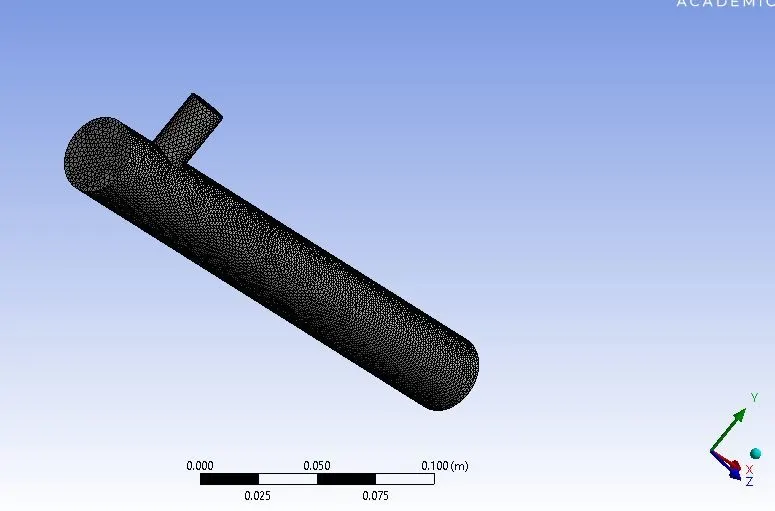
Geometry and Mesh
Case1 and 2:
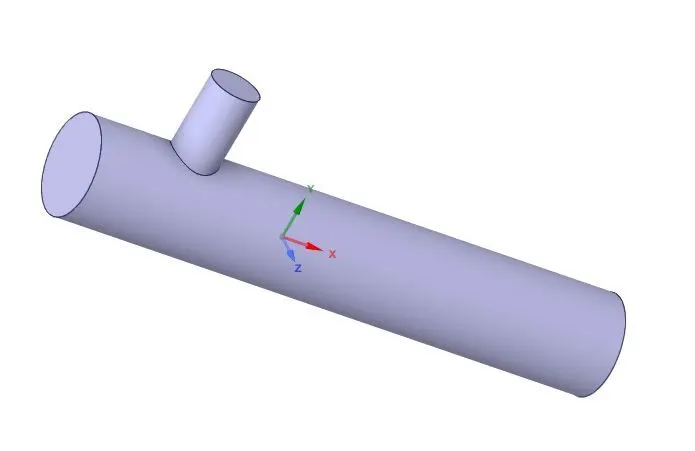
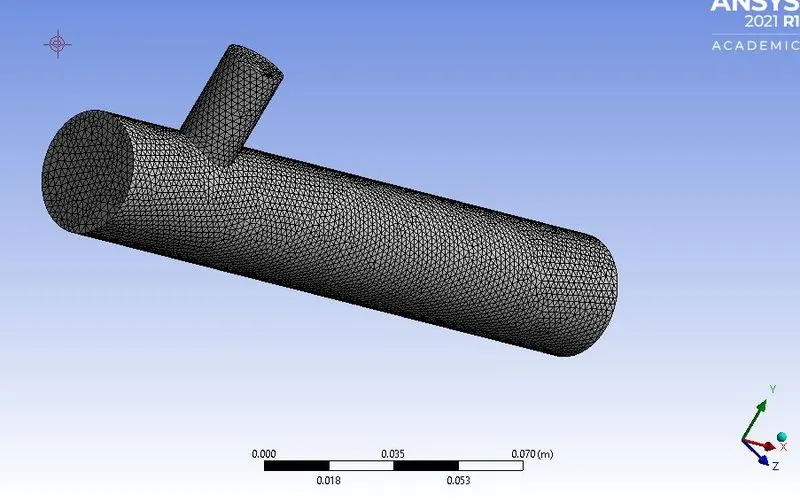
No. of elements = 105618
Mesh quality in terms of skewness
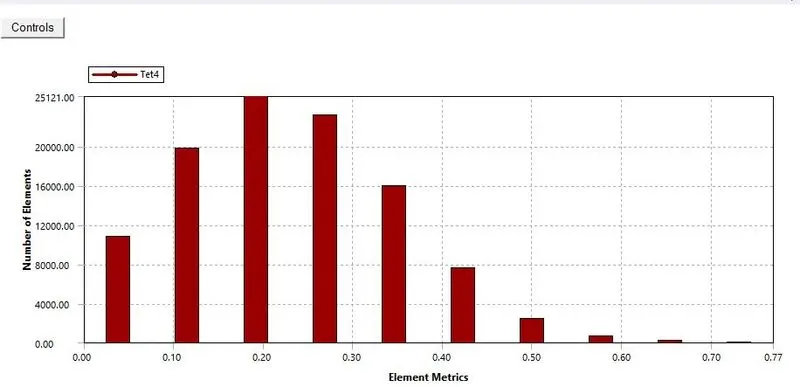
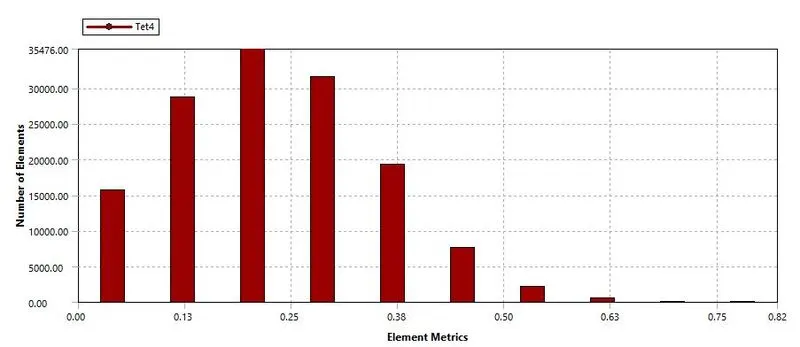
Case 3 and 4:
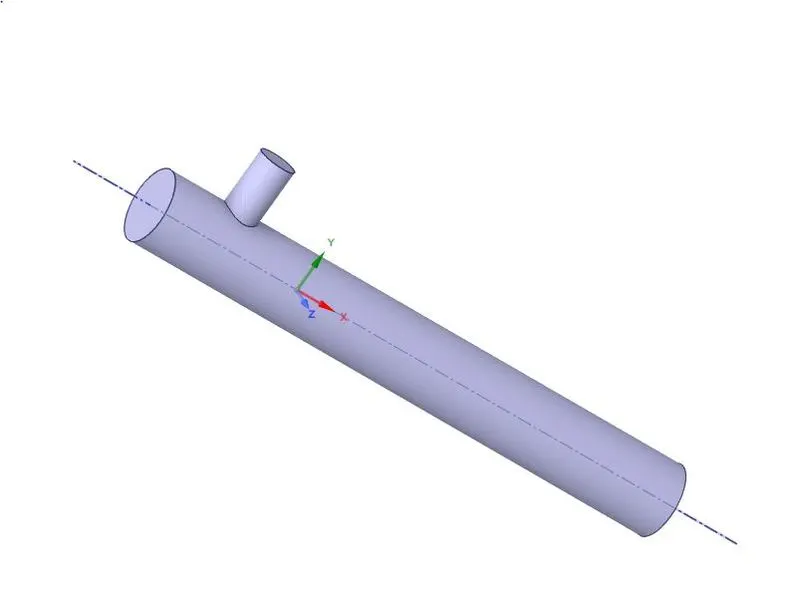
No. of elements = 140525
Mesh quality in terms of skewness
Results
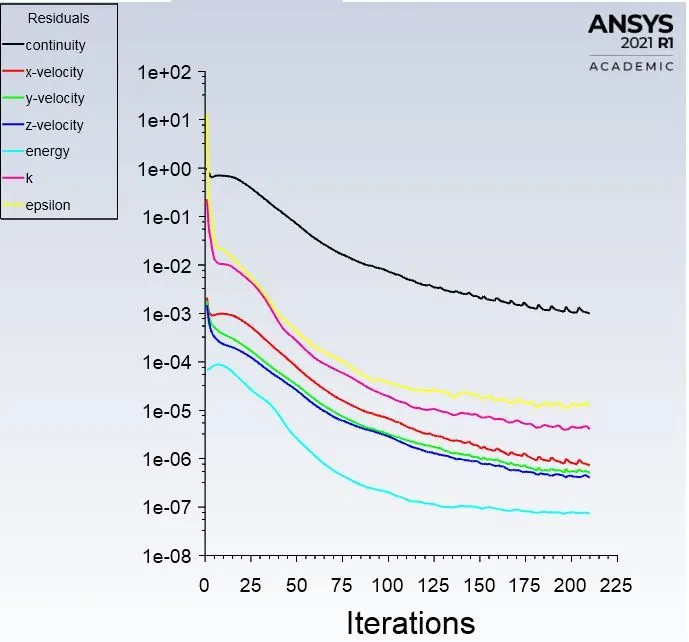
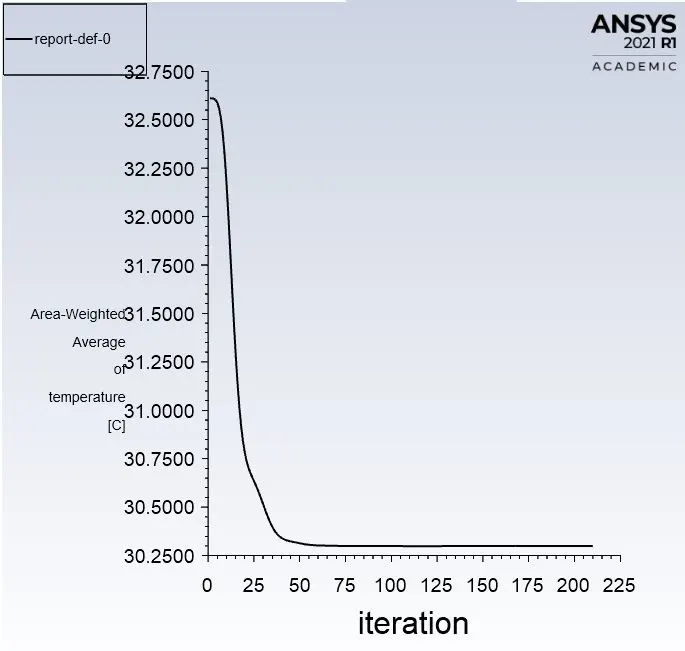
Case 1: Short Tee with hot inlet velocity of 3 m/sec and cold inlet velocity of 6 m/sec.
Residual plot
Area weighted average temperature plot
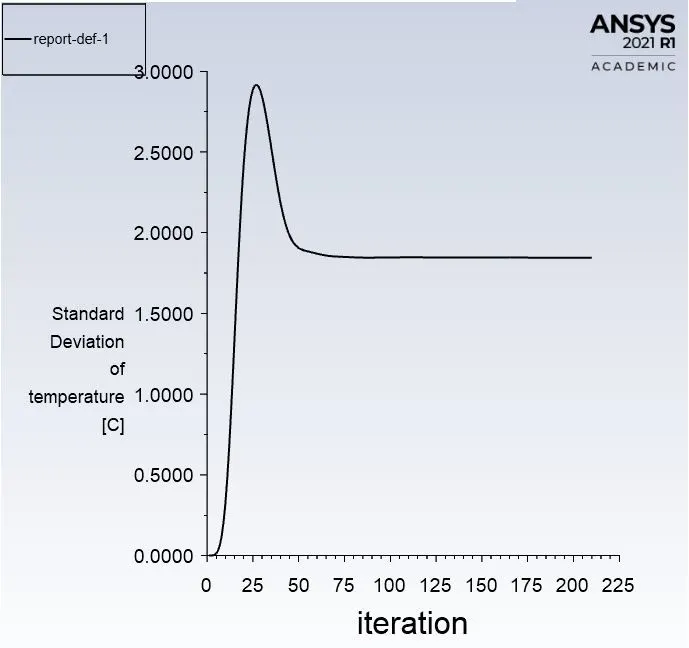
Standard deviation plot
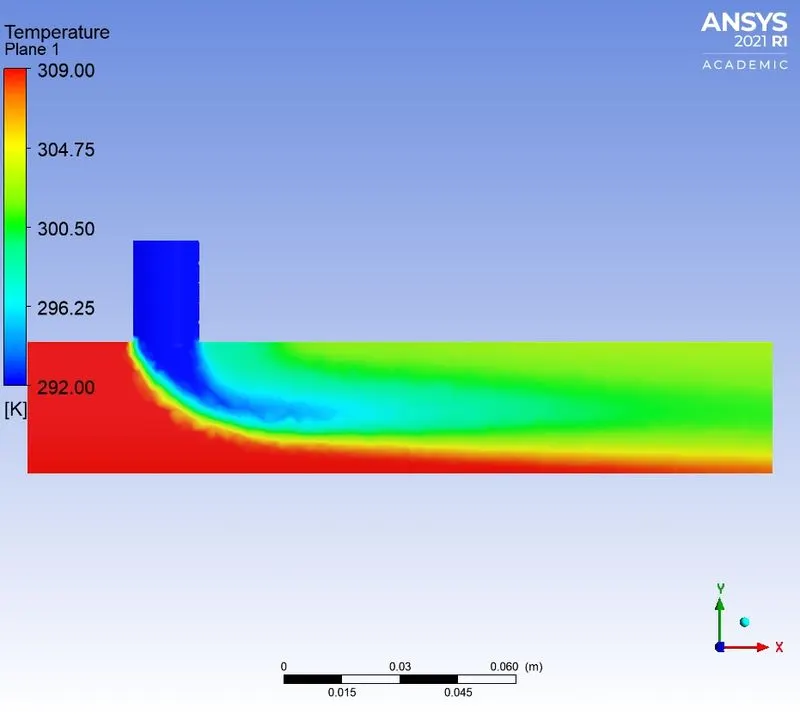
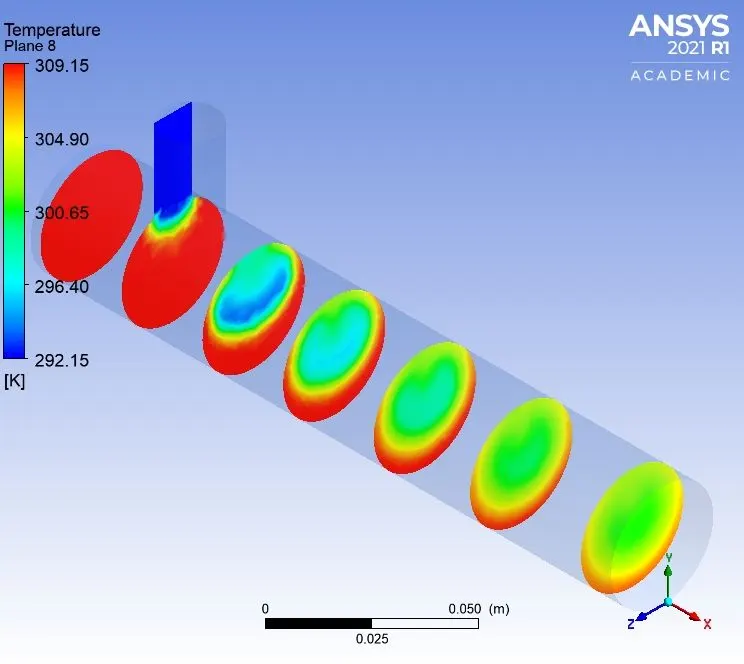
Temperature contour along length
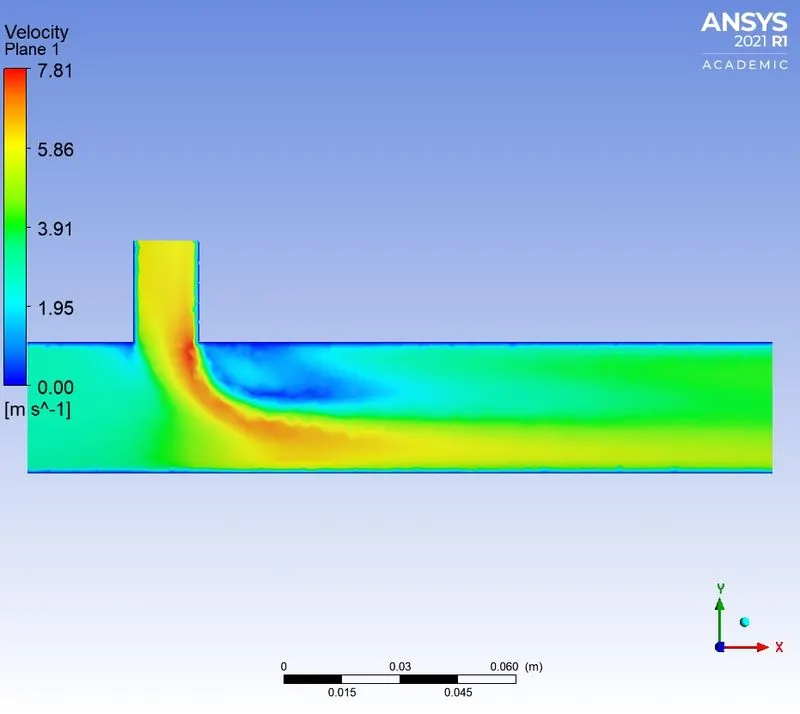
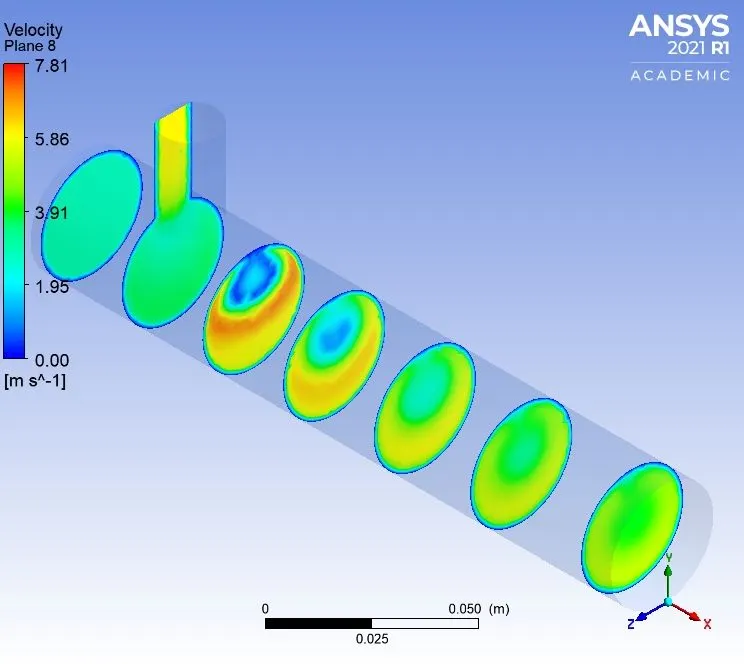
Velocity contour along length
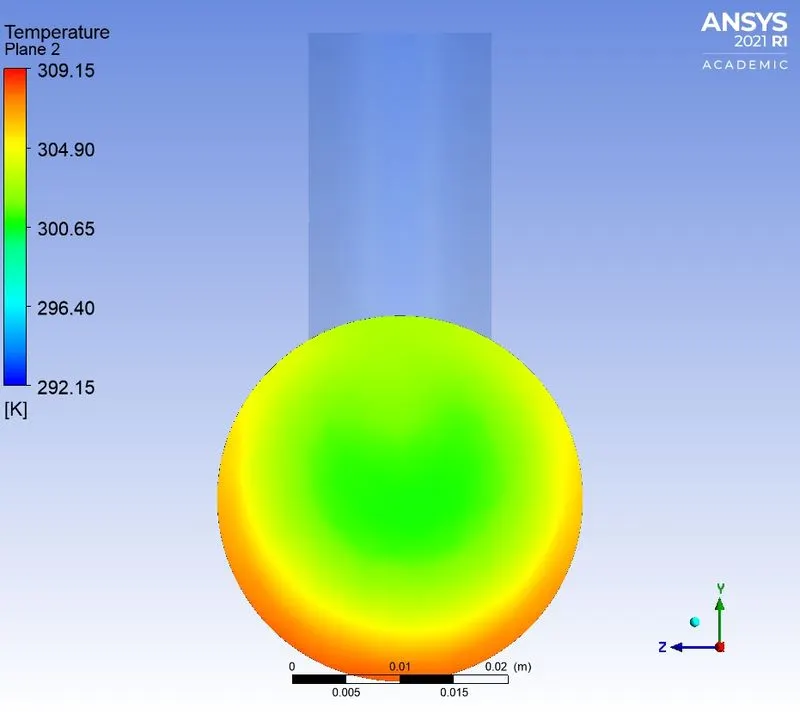
Temperature contour along cross-section at the end
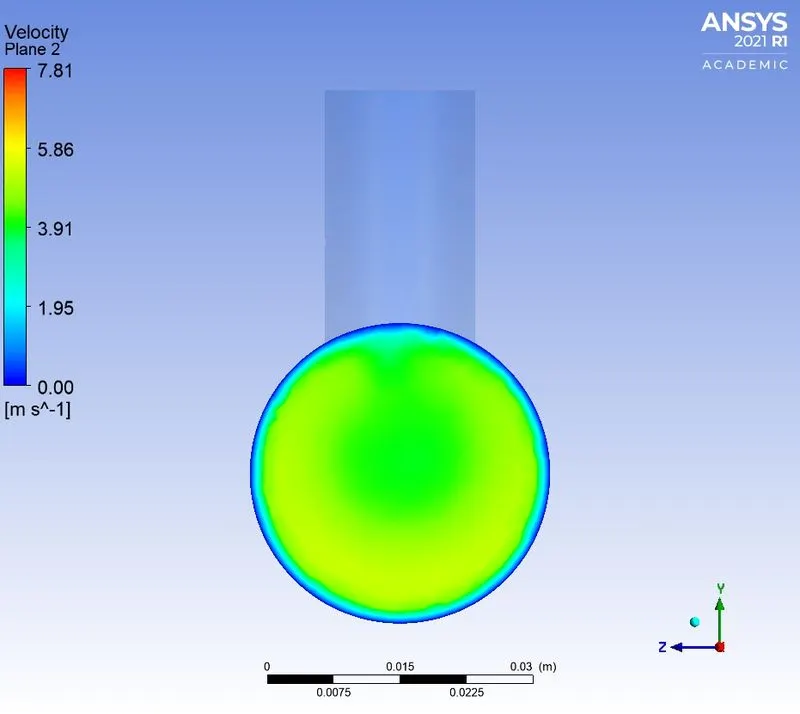
Velocity contour along cross-section at the end
Temperature contour along cross-section
Velocity contour along cross-section
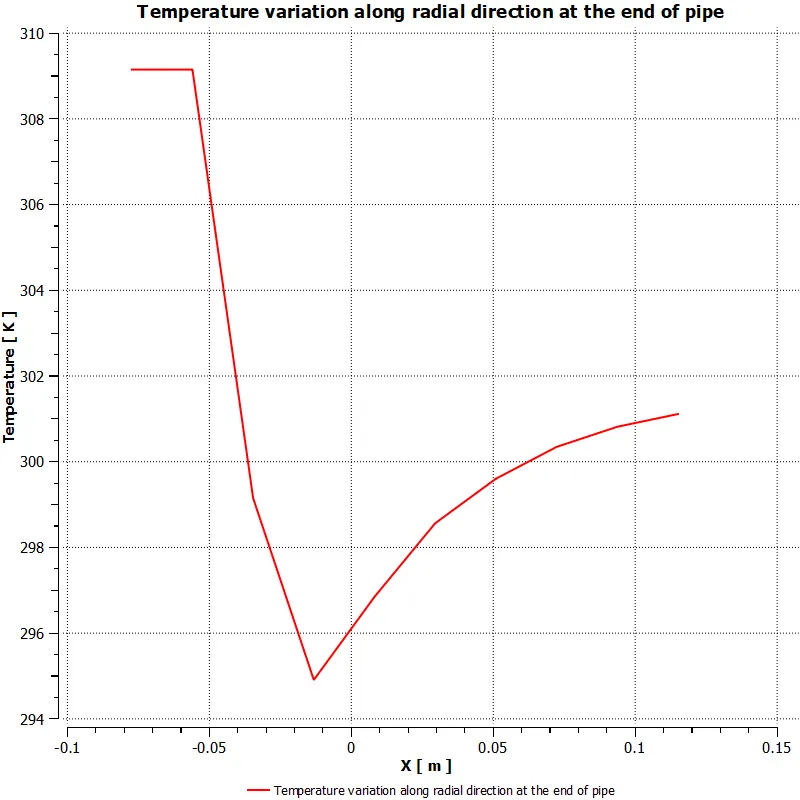
Temperature variation along center line
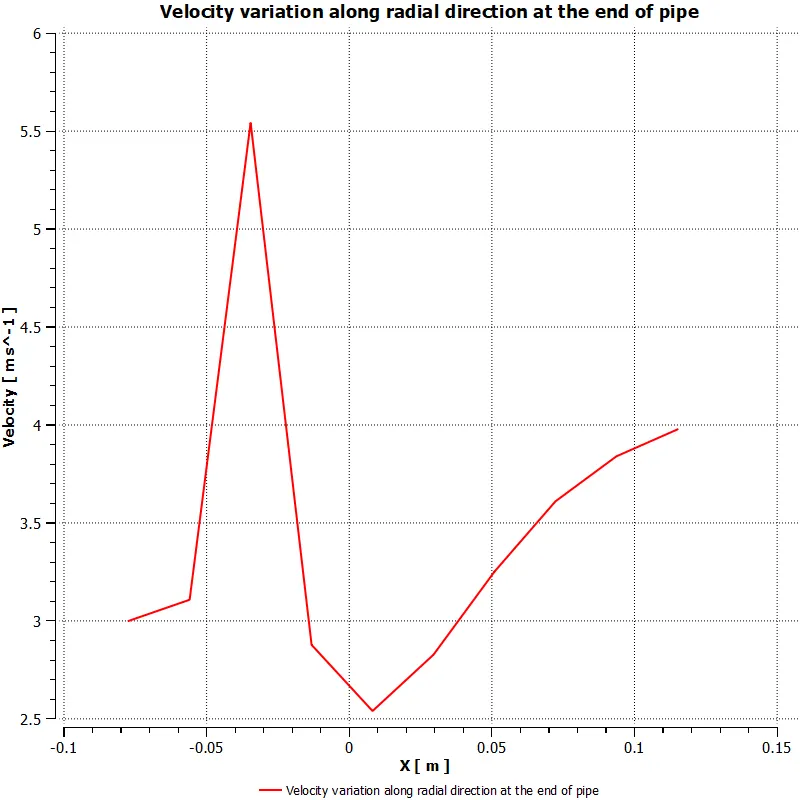
Velocity variaition along center line
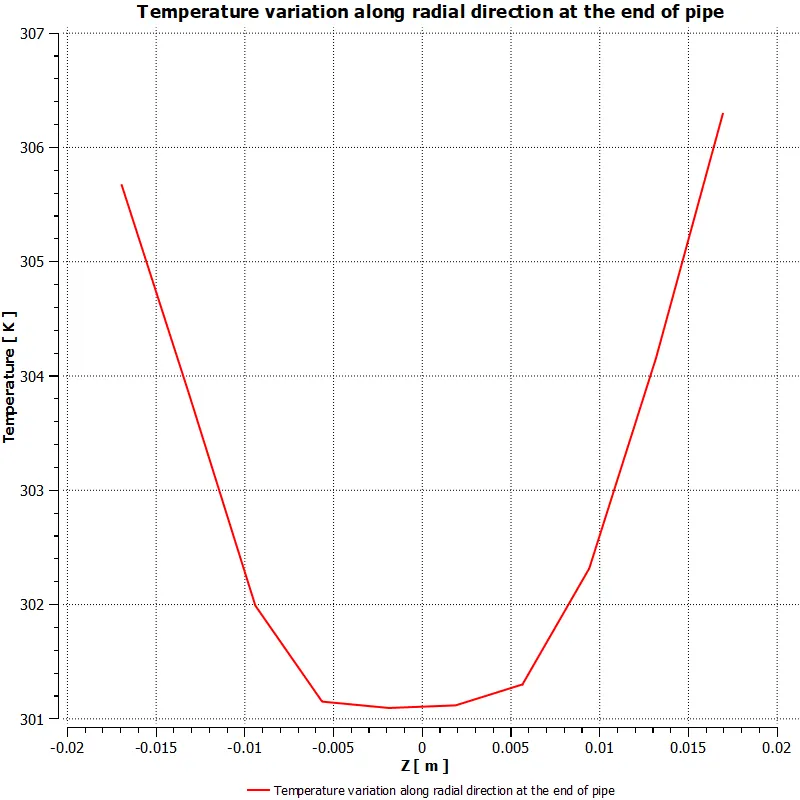
Temperature variation along cross-section before the end
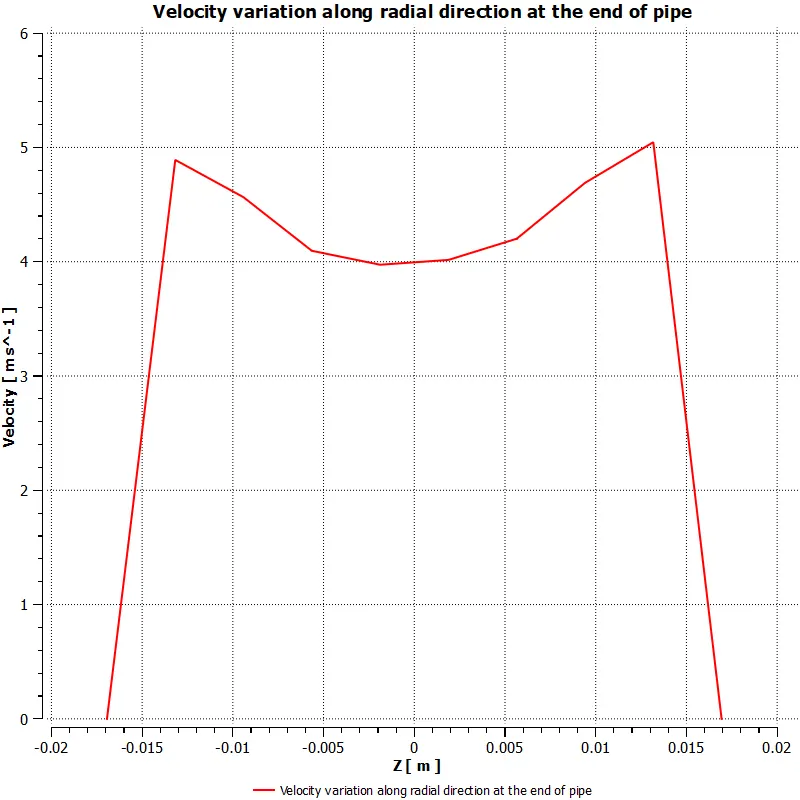
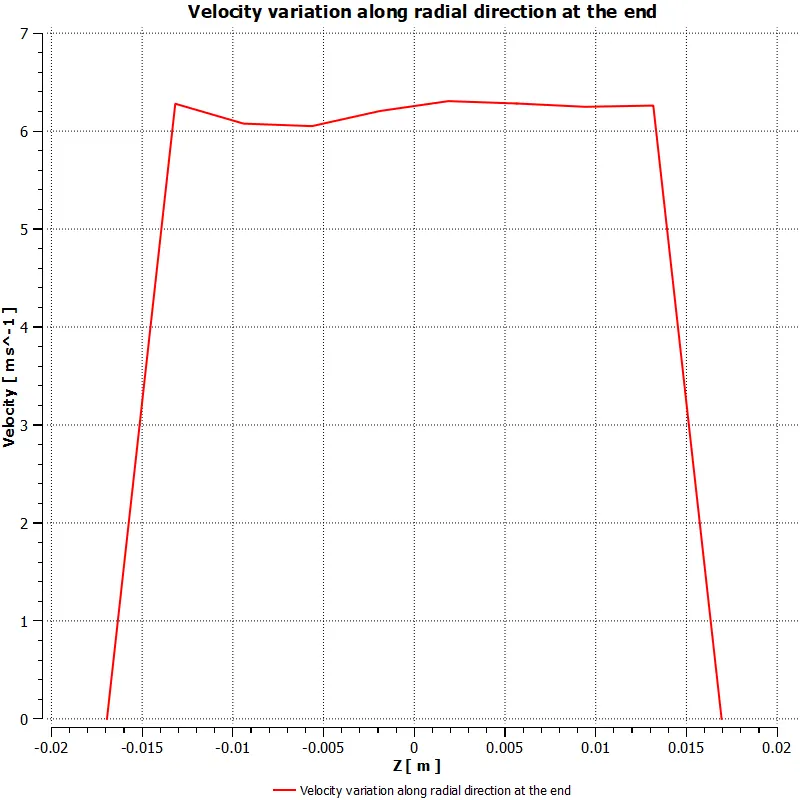
Velocity variation along cross-section before the end
Case 2: Short Tee with hot inlet velocity of 3 m/sec and cold inlet velocity of 12 m/sec.
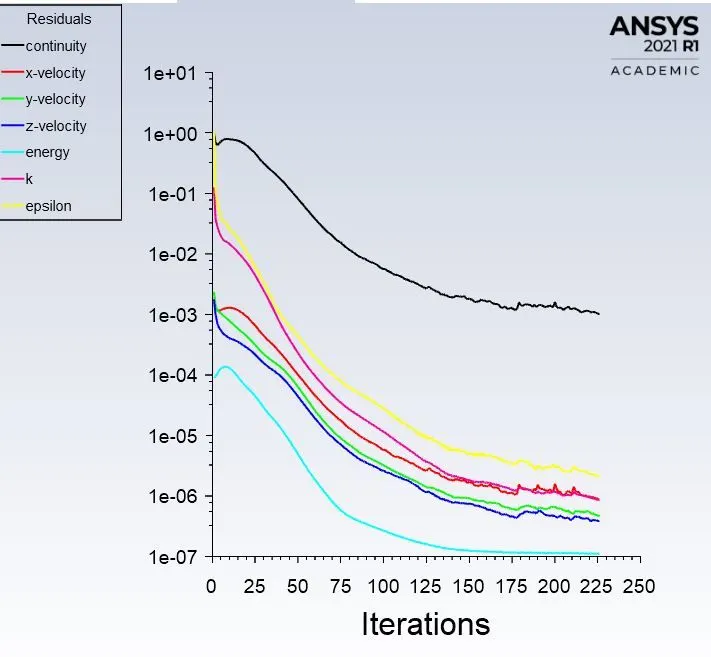
Residual plot
Area weighted average temperature plot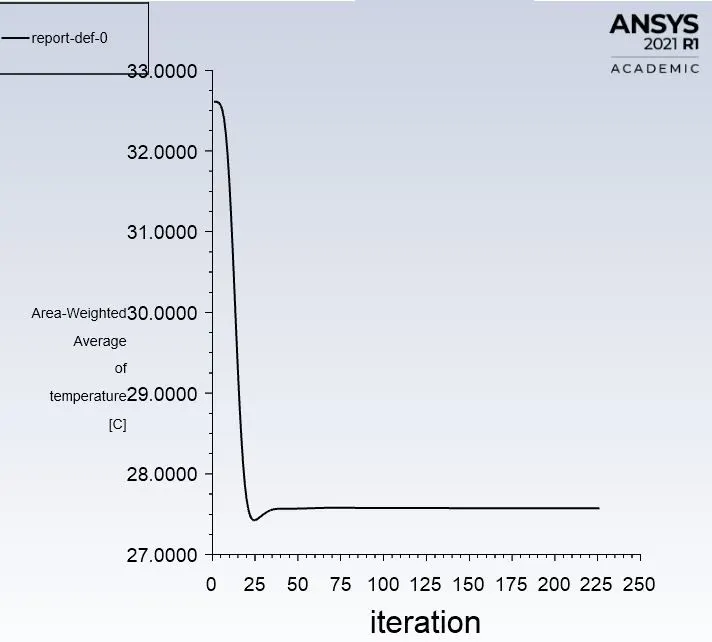
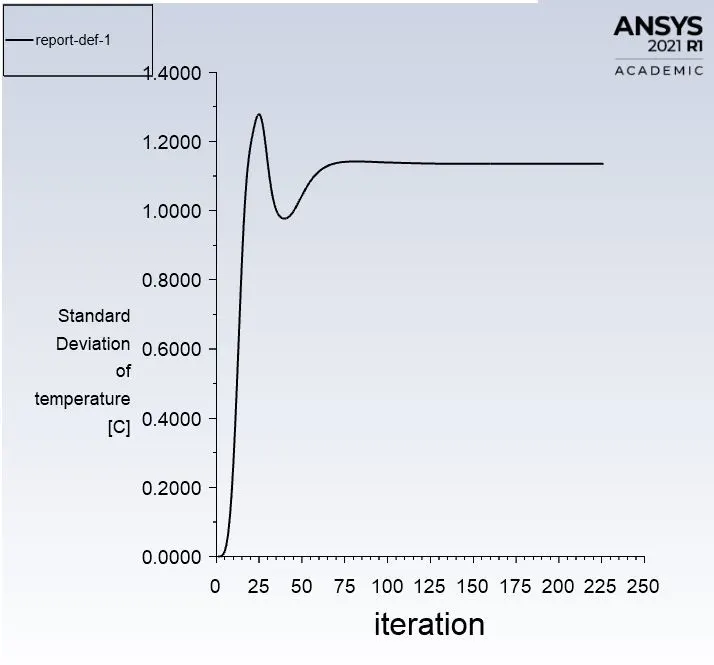
Standard deviation plot
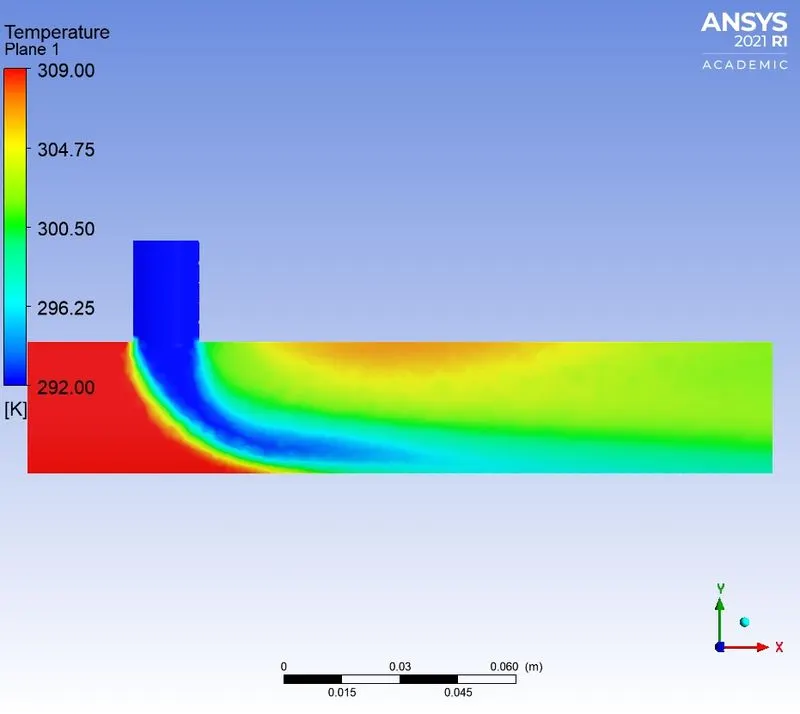
Temperature contour along length
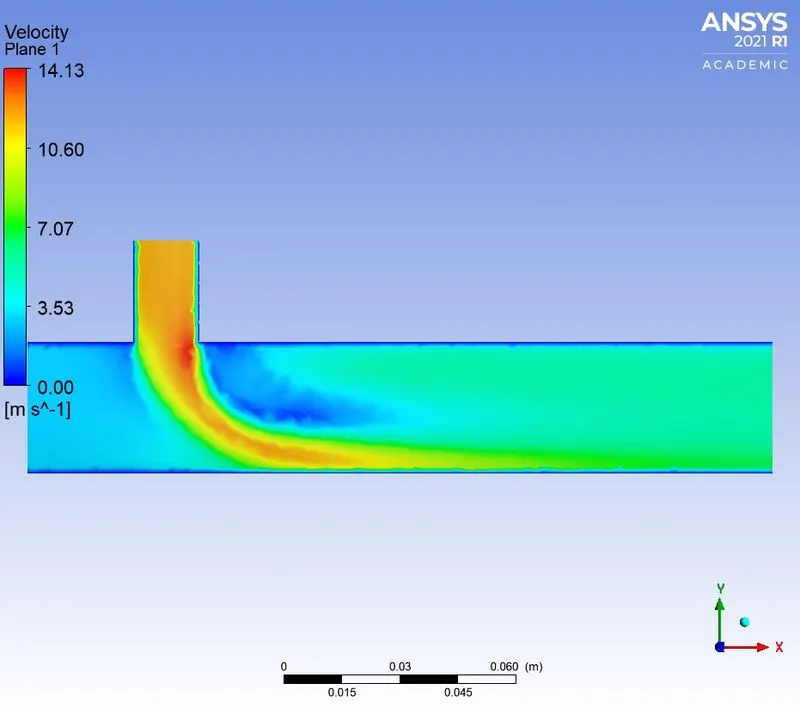
Velocity contour along length
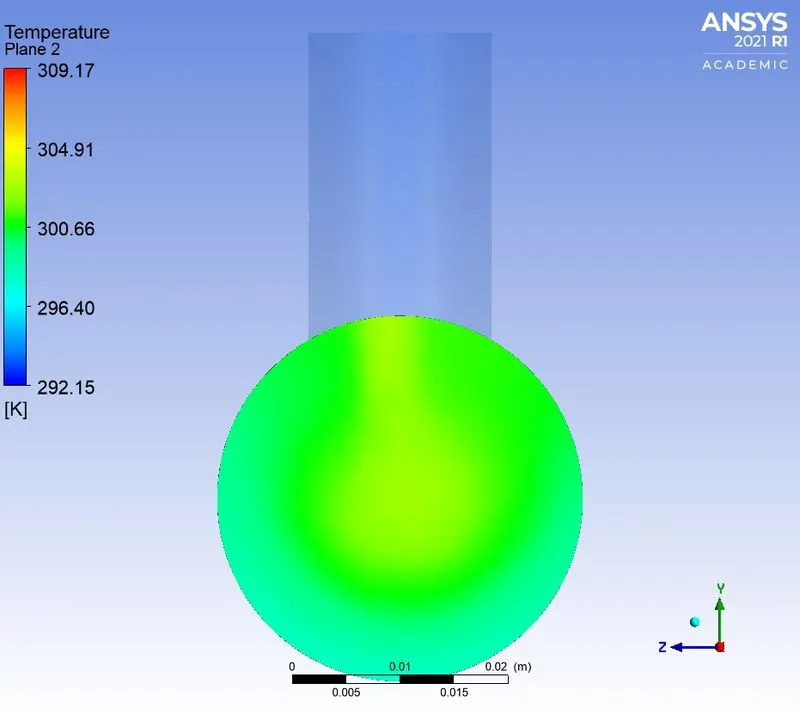
Temperature contour along cross-section at the end
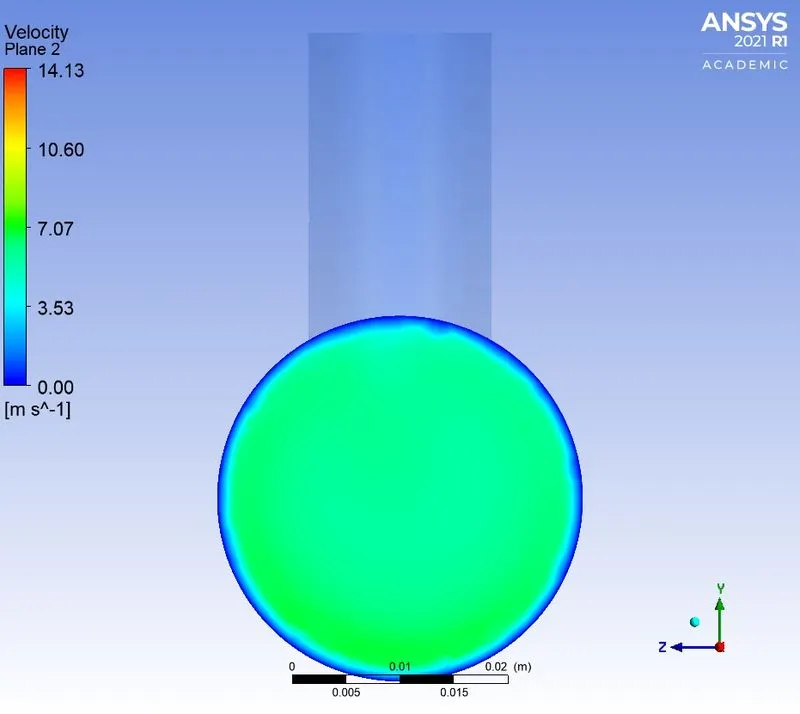
Velocity contour along cross-section at the end
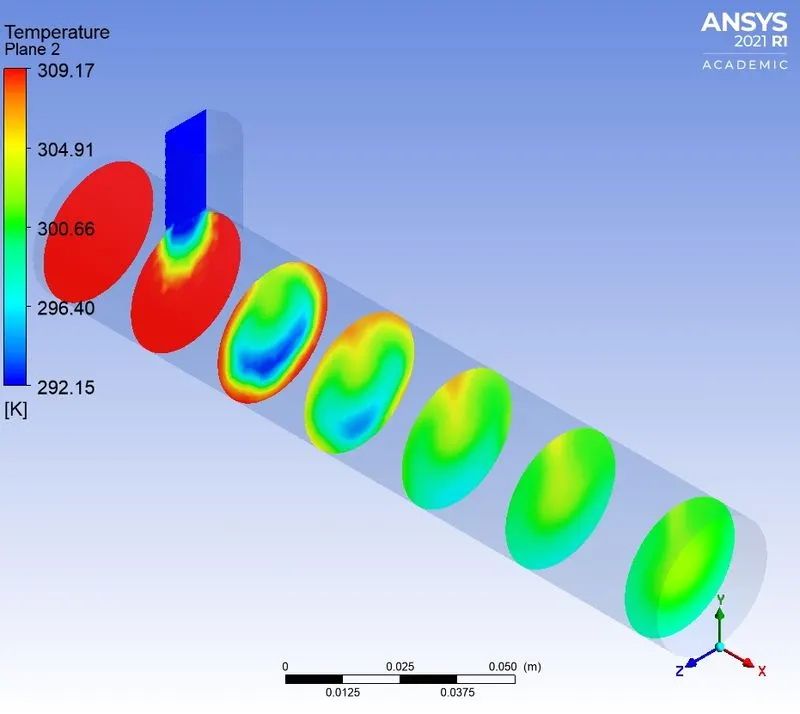
Temperature contour along cross-section
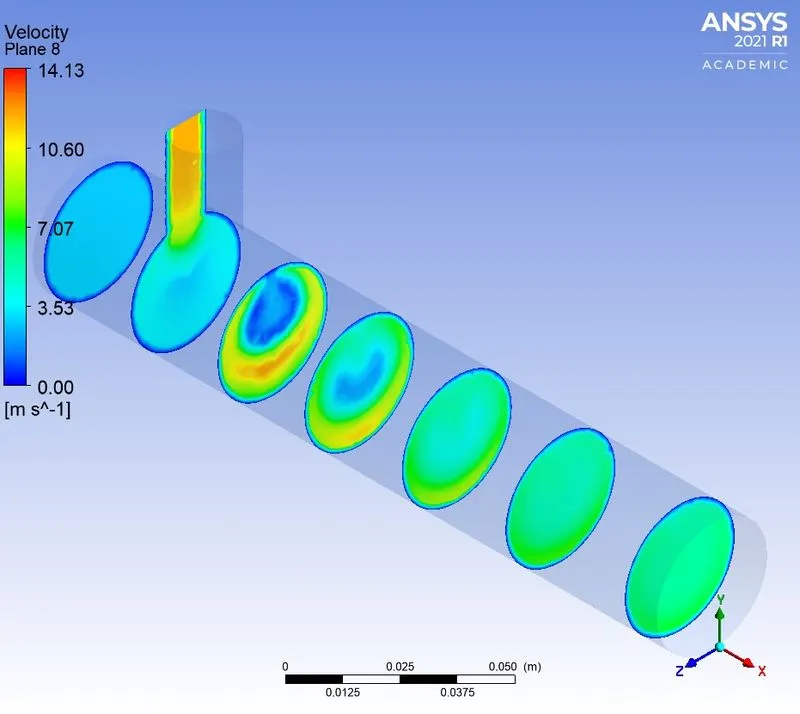
Velocity contour along cross-section
Temperature variation along center line
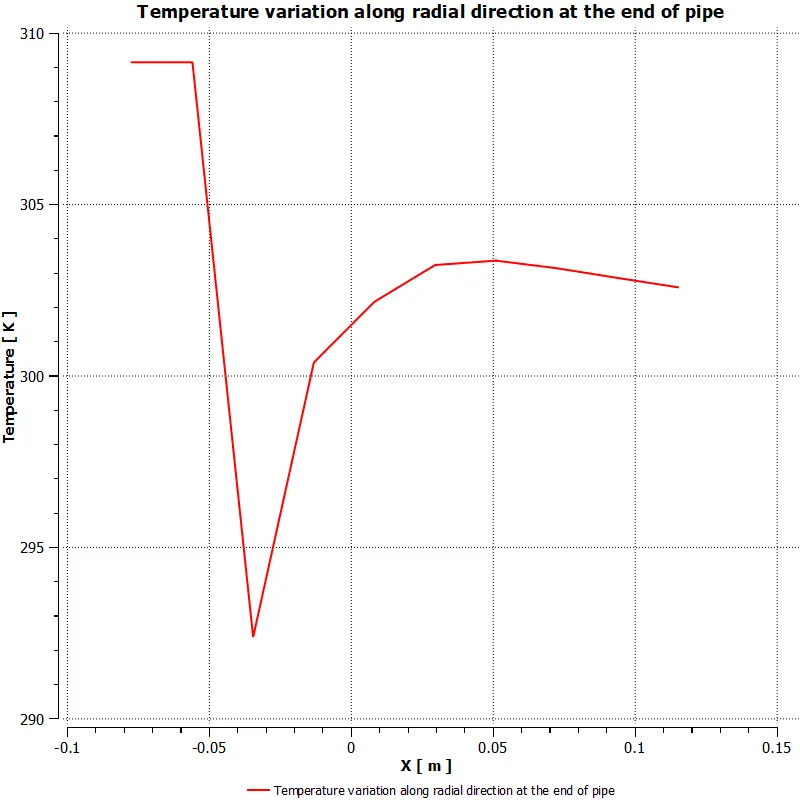
Velocity variaition along center line
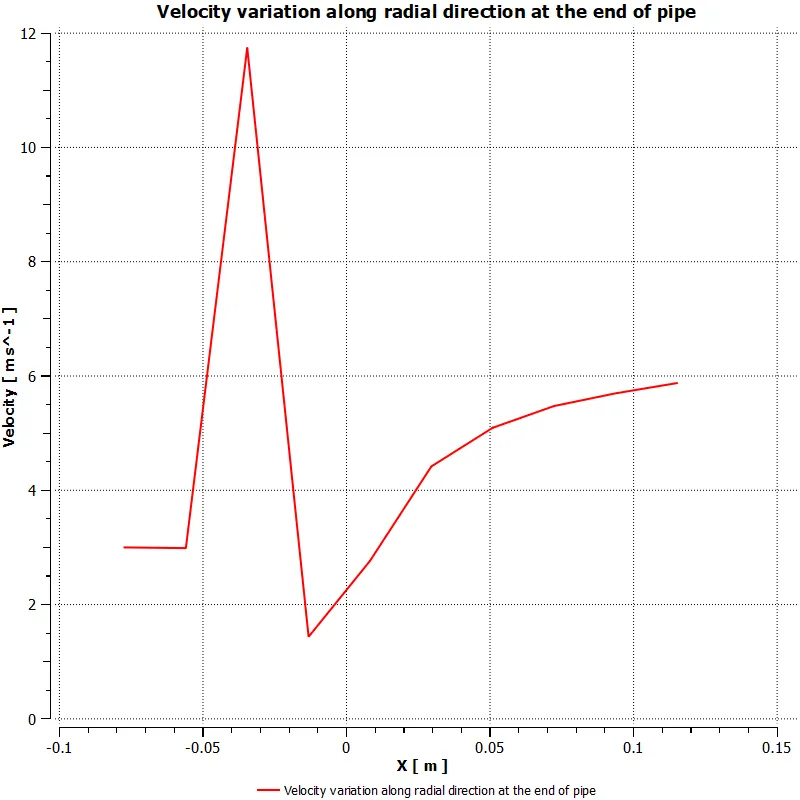
Temperature variation along cross-section before the end
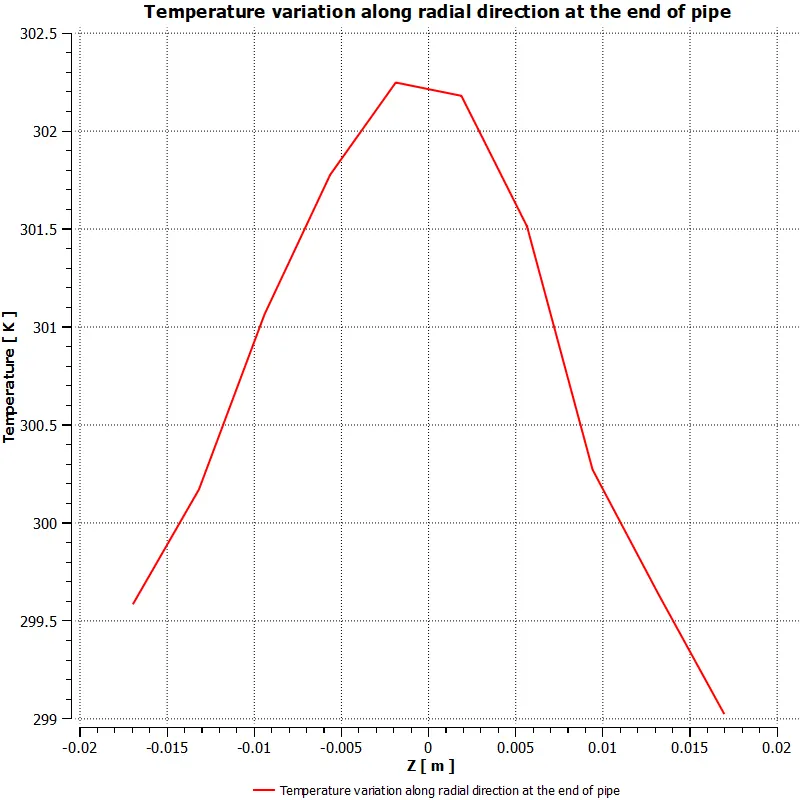
Velocity variation along cross-section before the end
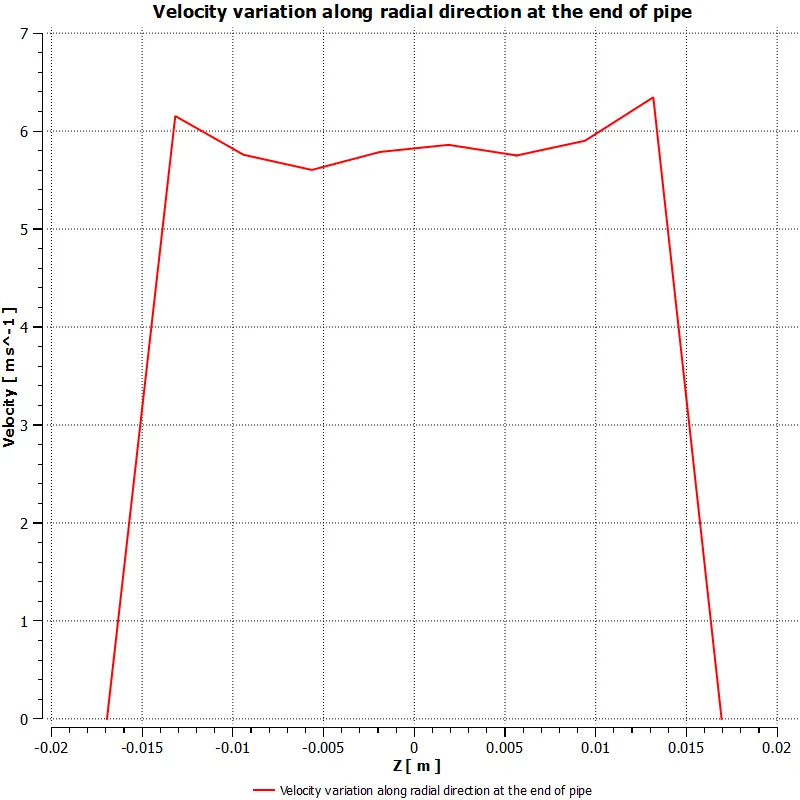
Case 3: Long Tee with hot inlet velocity of 3 m/sec and cold inlet velocity of 6 m/sec.
Residual plot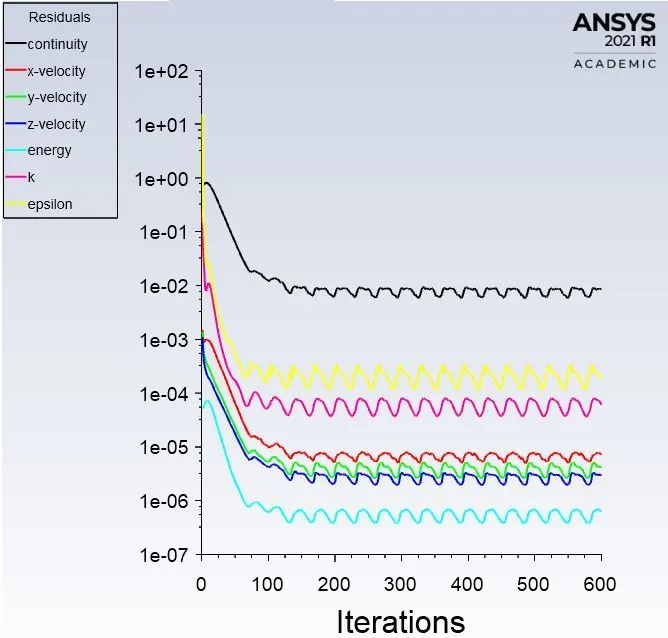
Area weighted average temperature plot
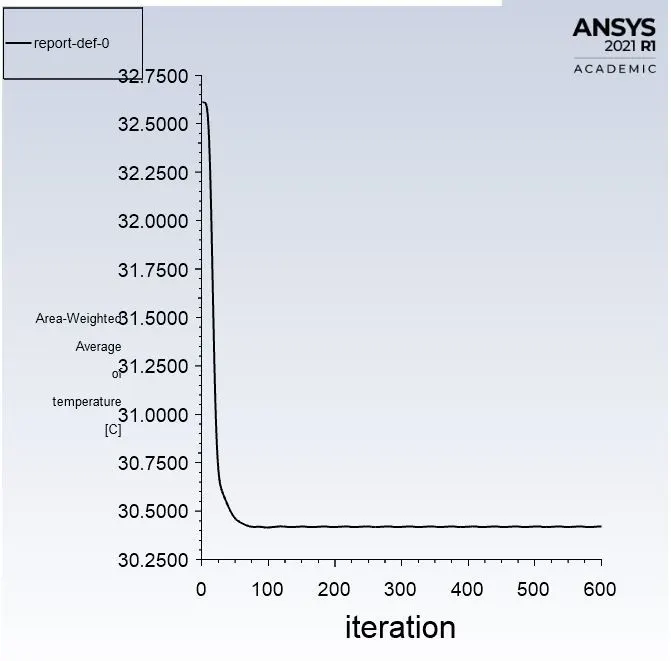
Standard deviation plot
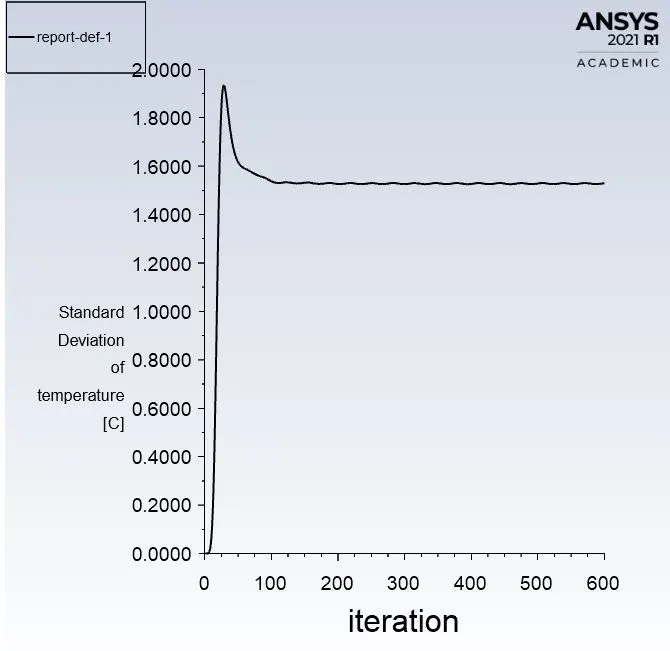
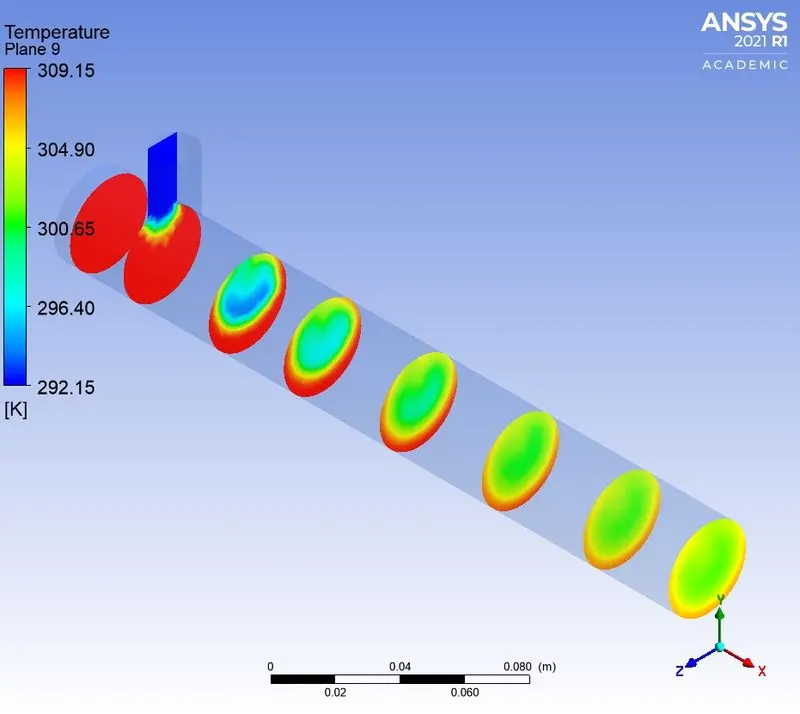
Temperature contour along length 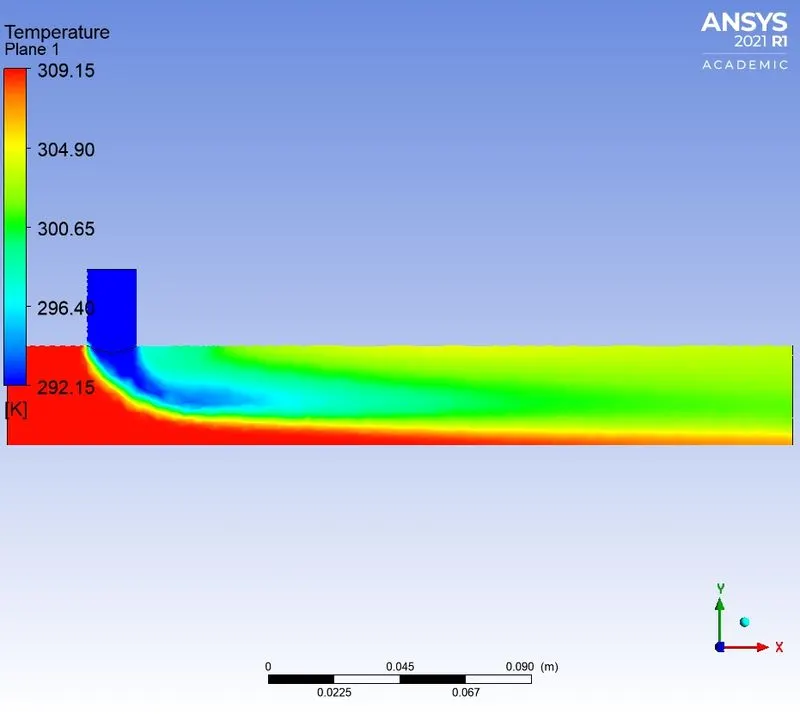
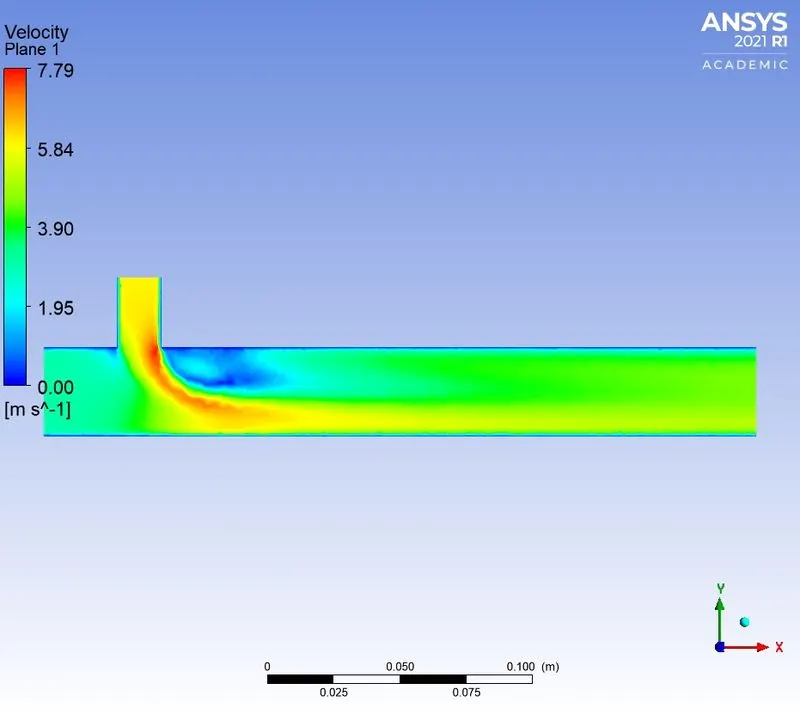
Velocity contour along length
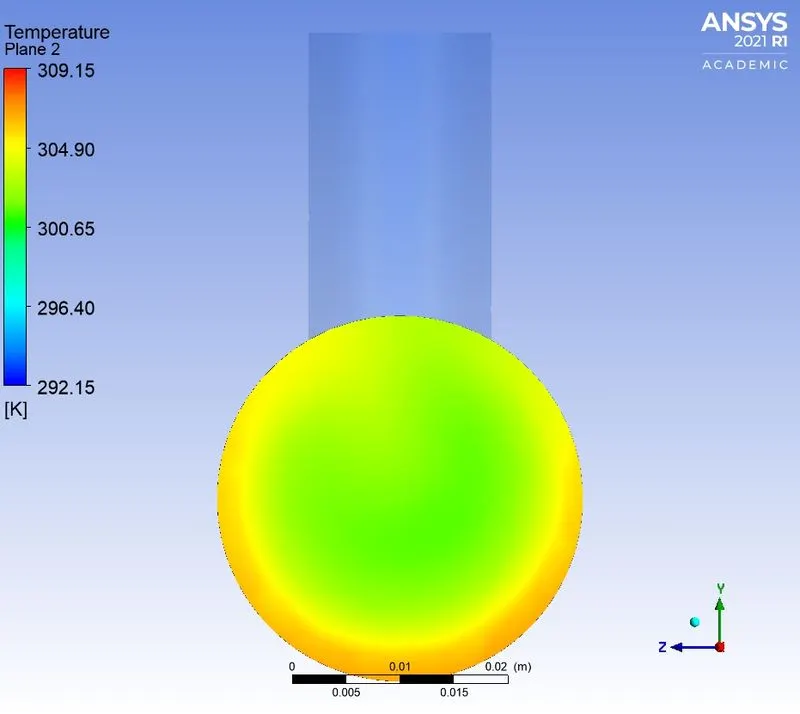
Temperature contour along cross-section at the end
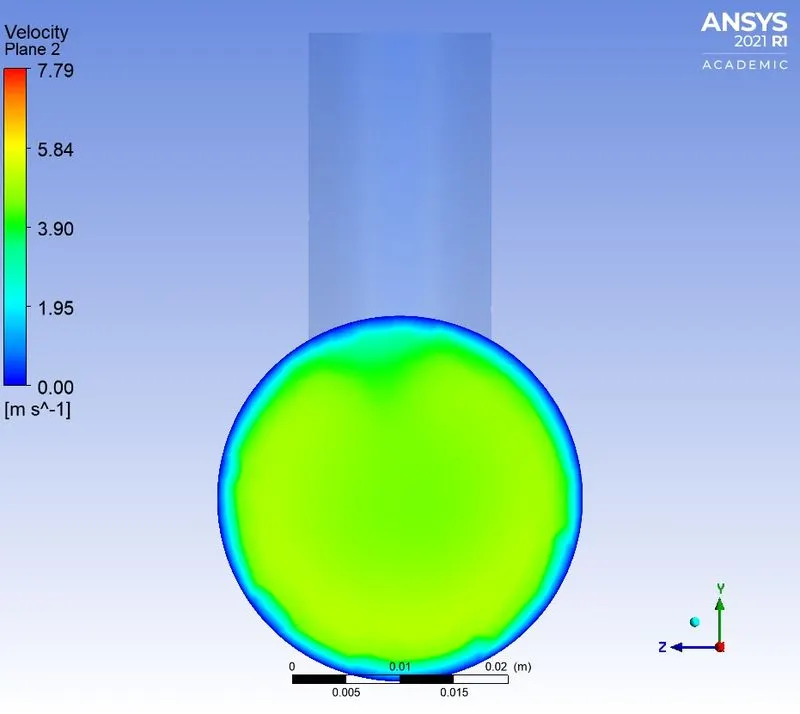
Velocity contour along cross-section at the end
Temperature contour along cross-section
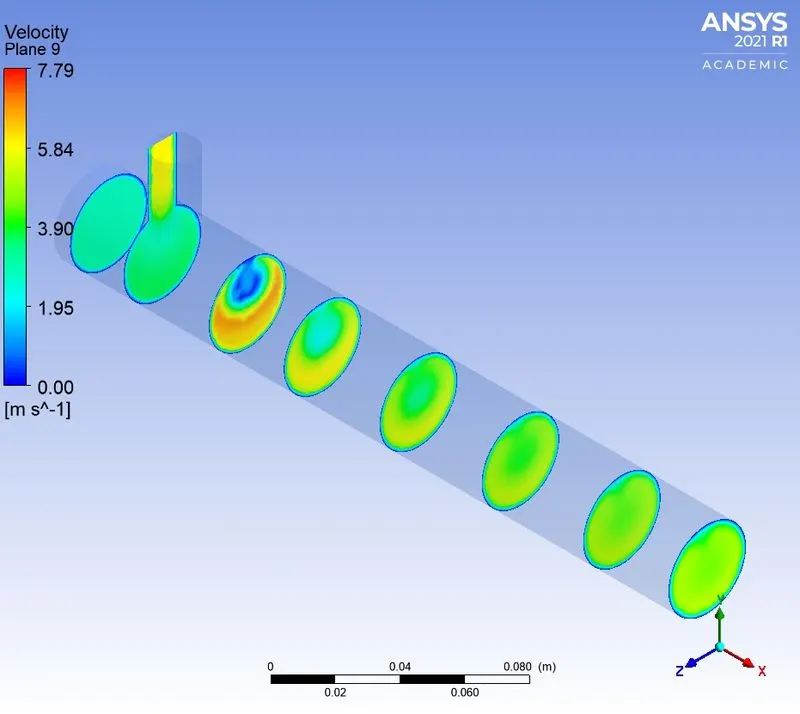
Velocity contour along cross-section
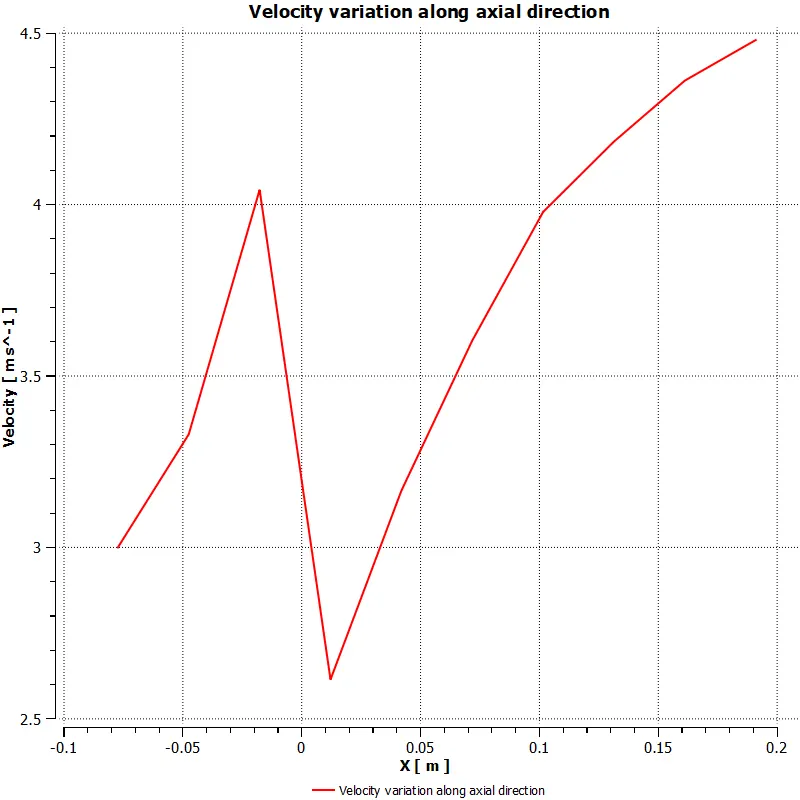
Temperature variation along center line
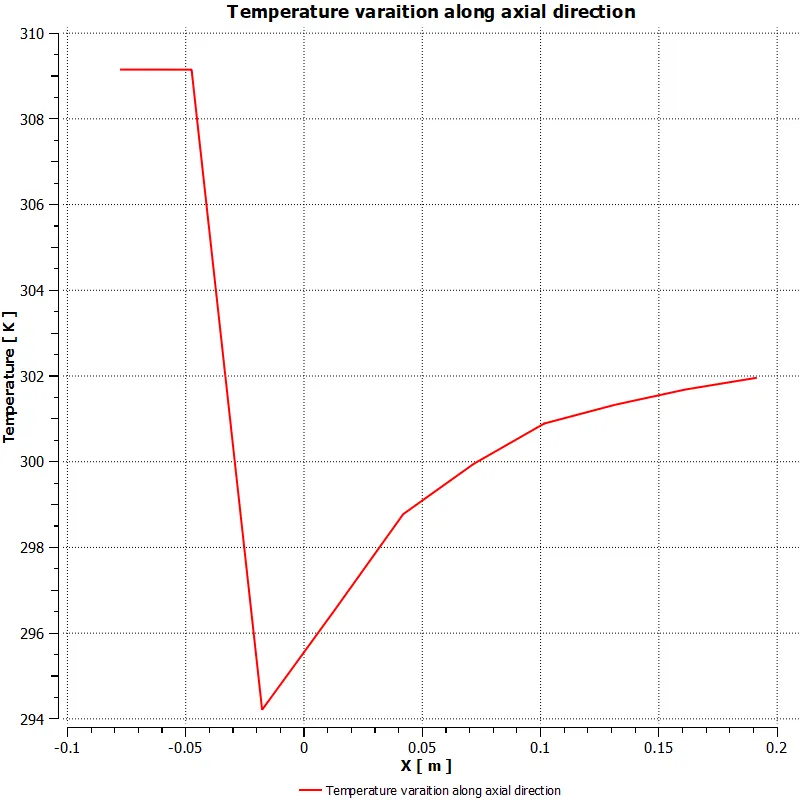
Velocity variaition along center line
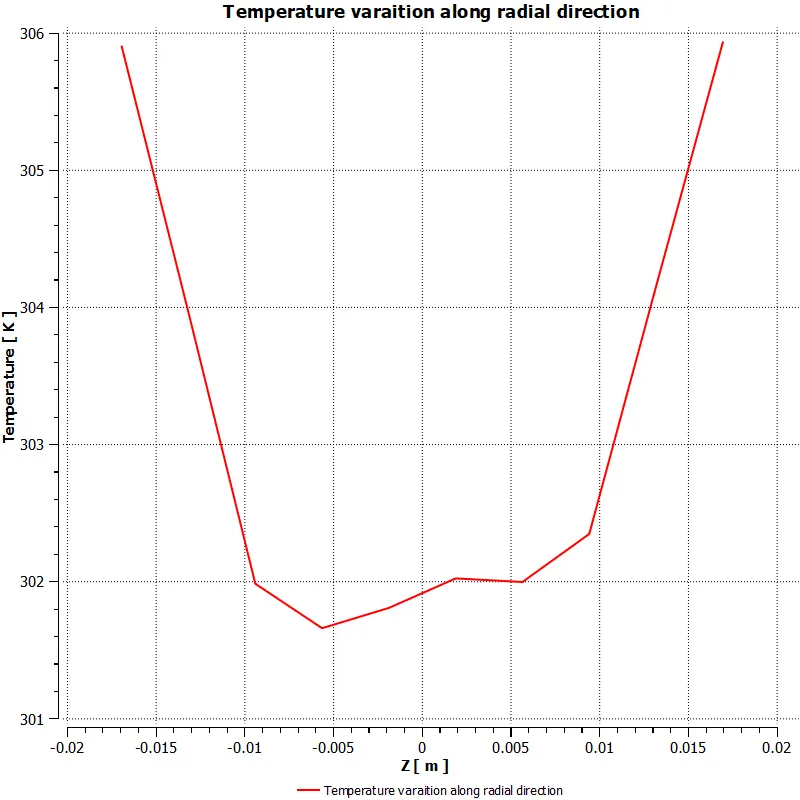
Temperature variation along cross-section before the end
Velocity variation along cross-section before the end
Case 4: Long Tee with hot inlet velocity of 3 m/sec and cold inlet velocity of 12 m/sec.
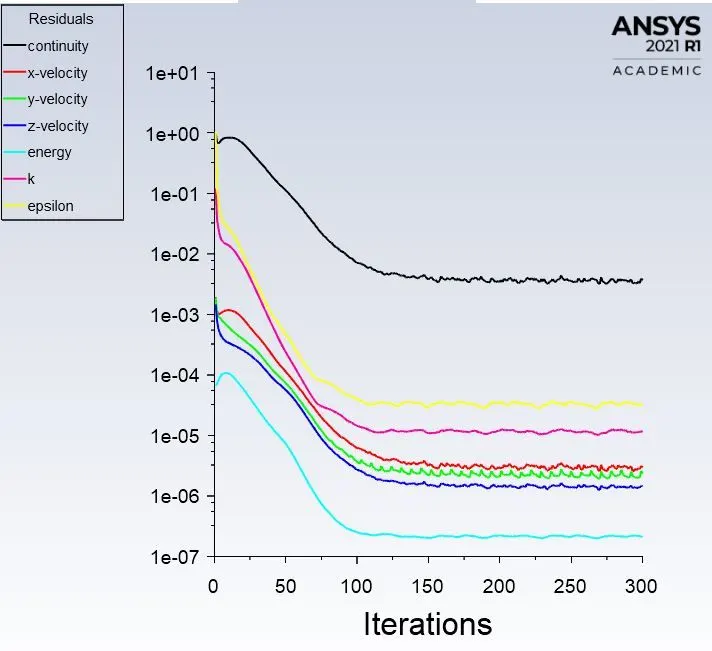
Residual plot
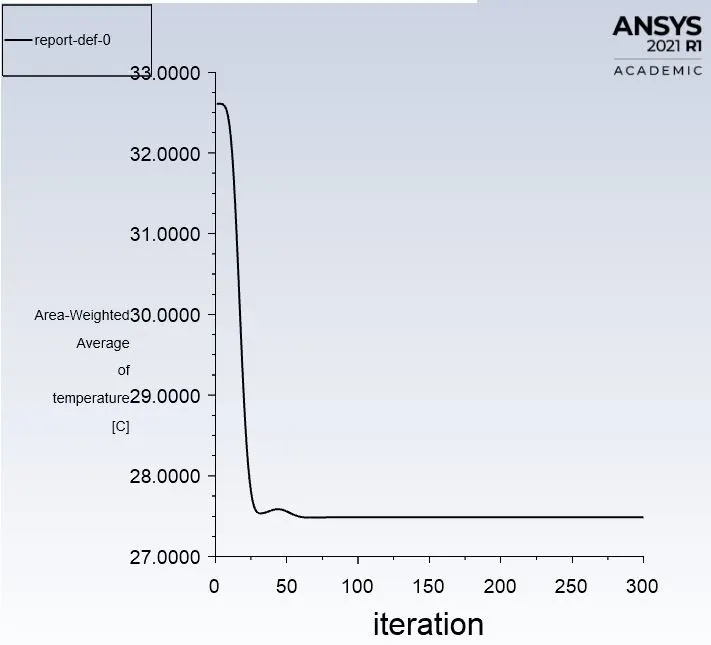
Area weighted average temperature plot
Temperature contour along length 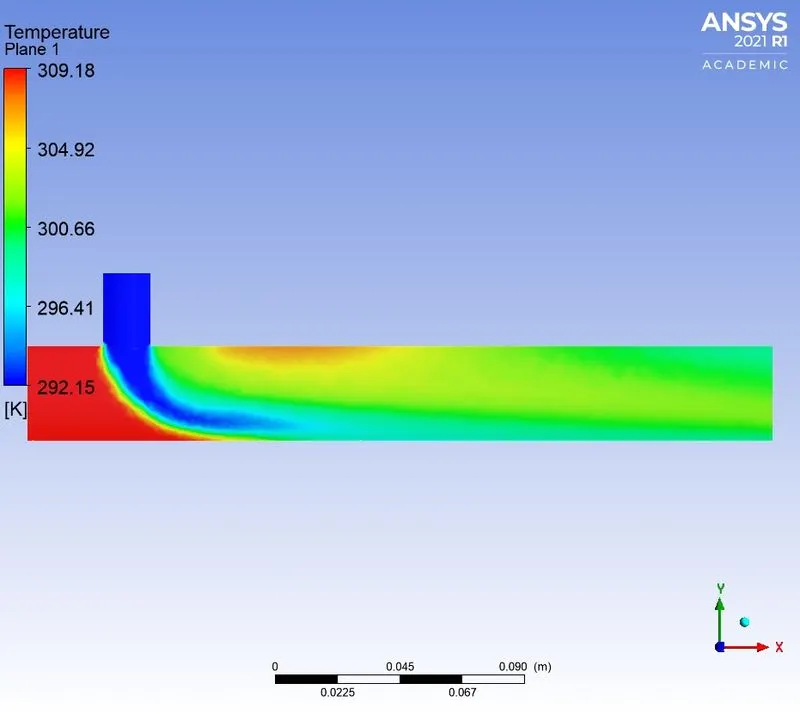
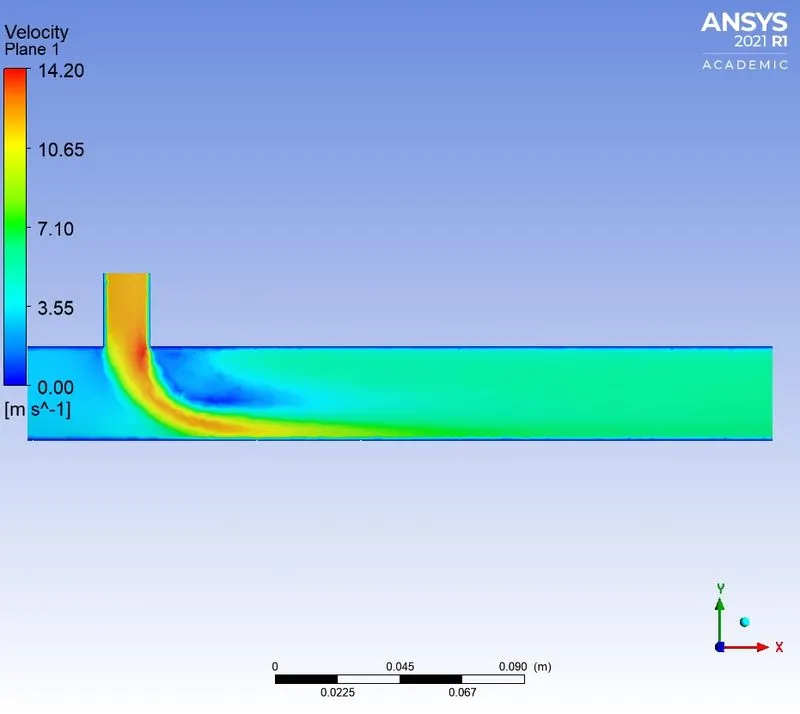
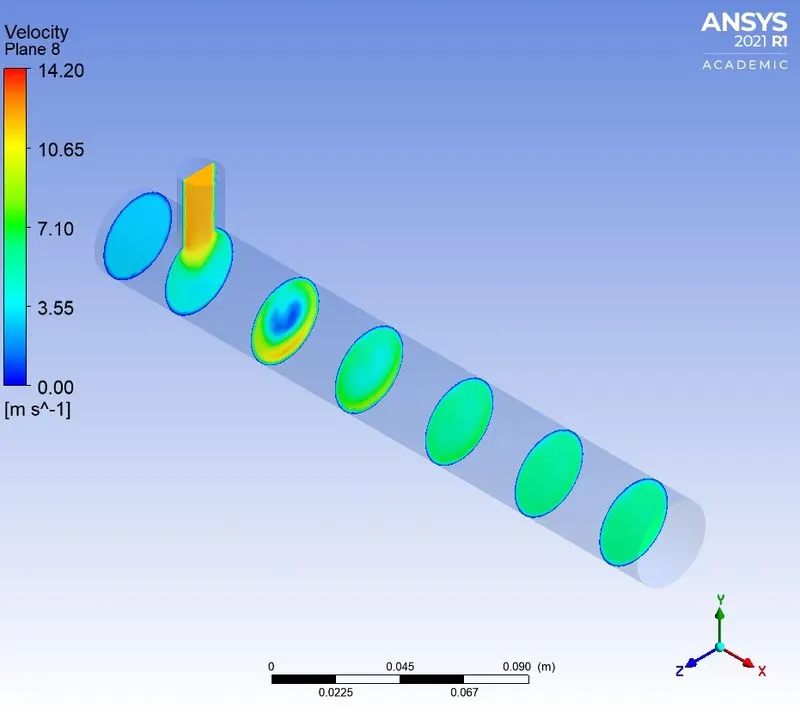
Velocity contour along length
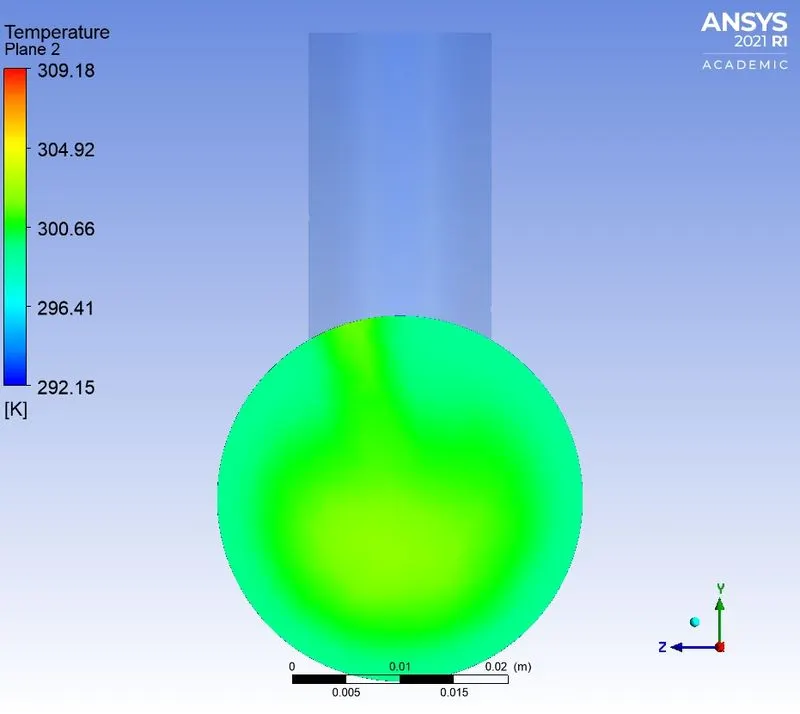
Temperature contour along cross-section at the end
Velocity contour along cross-section of pipe at the end 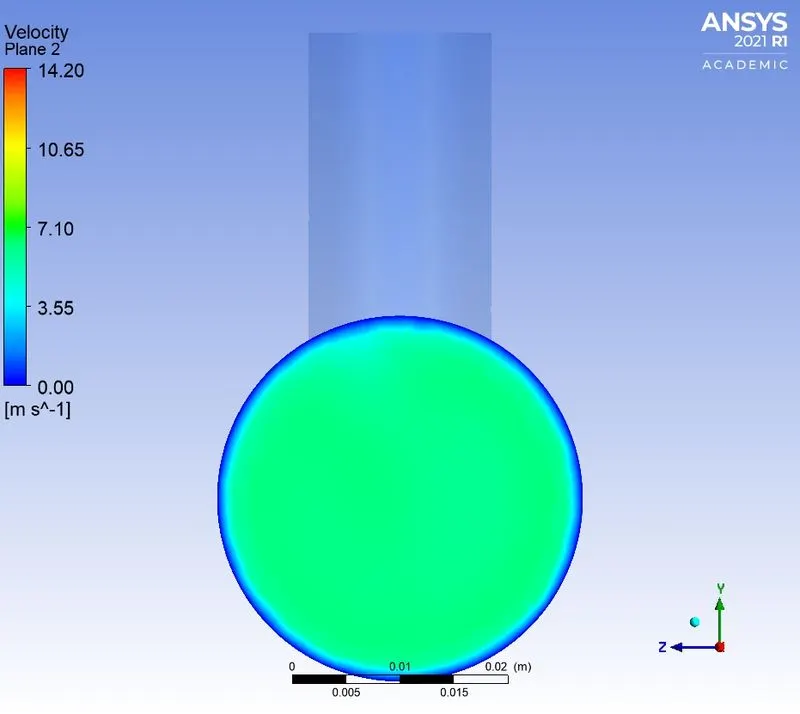
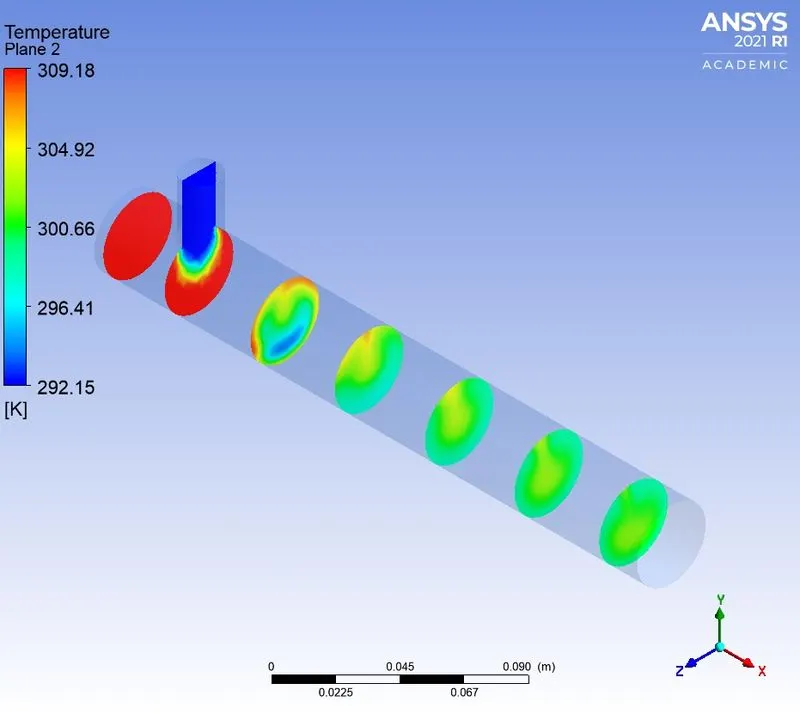
Temperature contour along cross-section
Velocity contour along cross-section
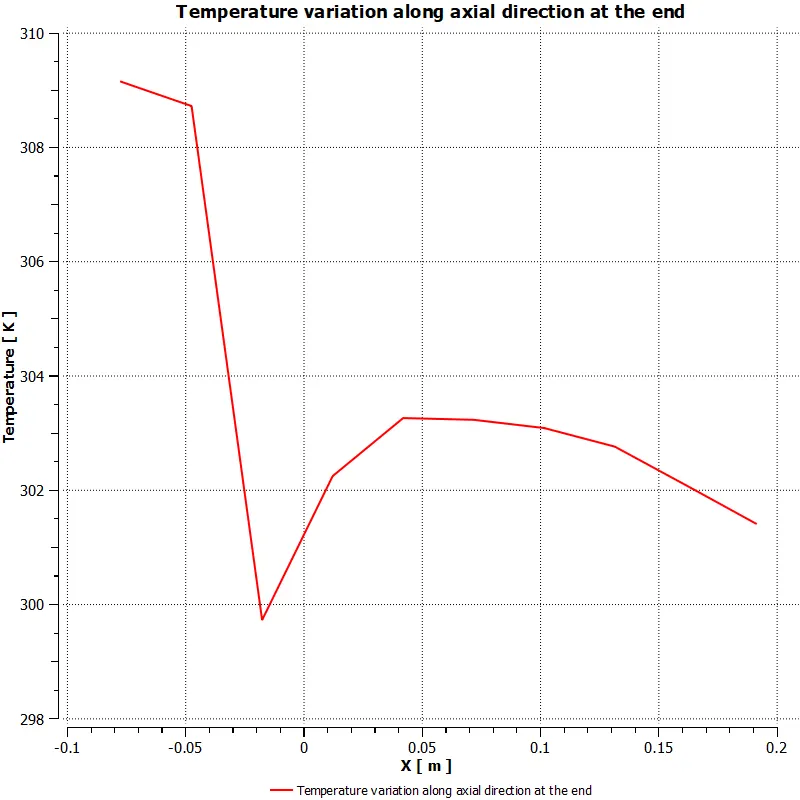
Temperature variation along center line
Velocity variaition along center line 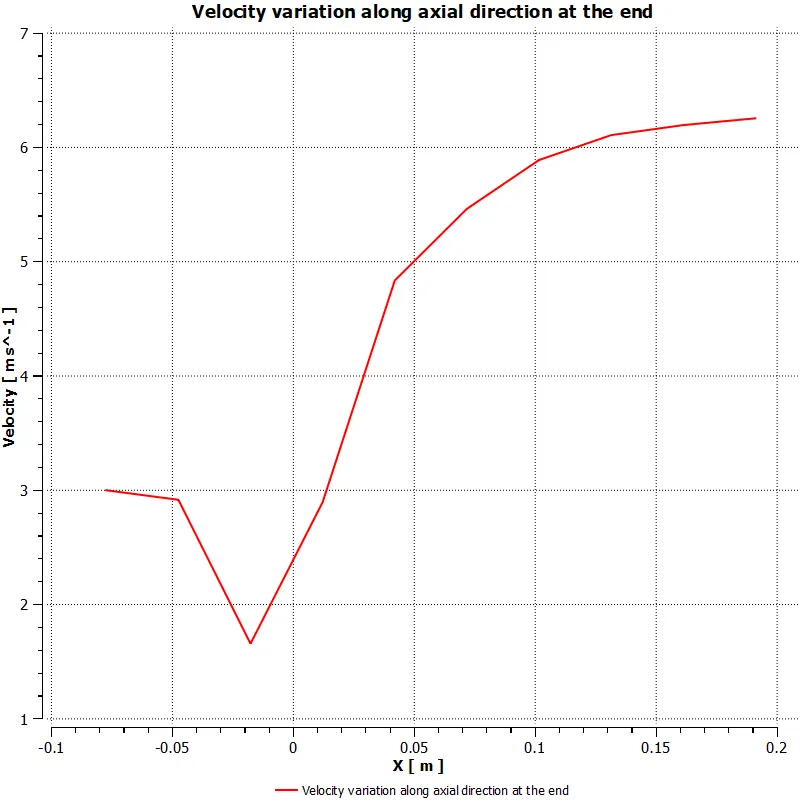
Temperature variation along cross-section before the end
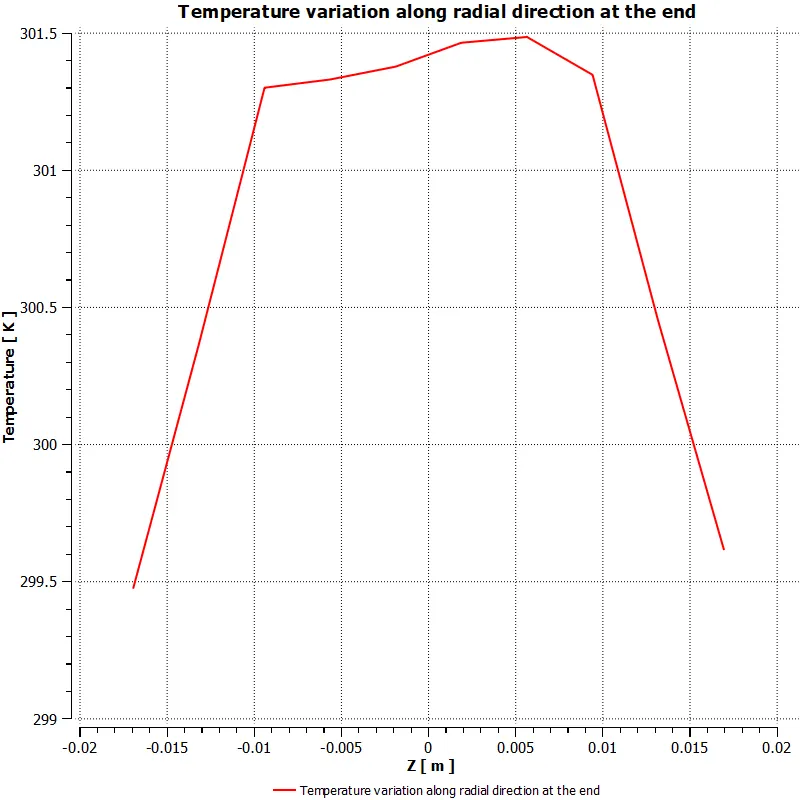
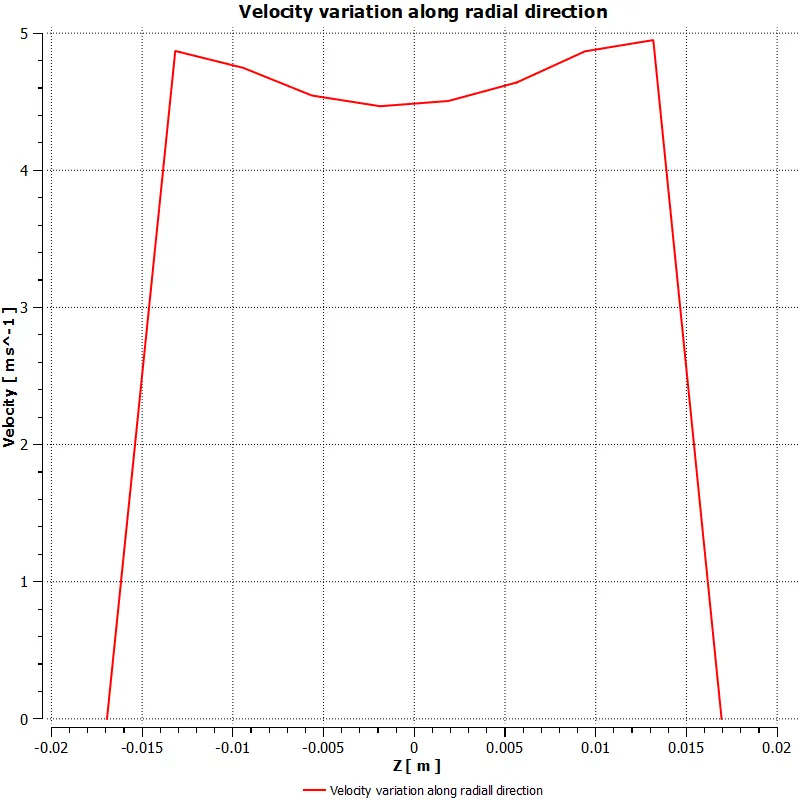
Velocity variation along cross-section before the end
Comparison of Results
| Type of Tee | Short (Case 1) | short (Case 2) | Long (Case 3) | Long (Case 4) |
| X-velocity (m/sec) | 3 | 3 | 3 | 3 |
| Y-velocity (m/sec) | 6 | 12 | 6 | 12 |
|
Hot inlet Temperature (Degree celcius) |
36 | 36 | 36 | 36 |
|
Cold inlet Temperature (Degree celcius) |
19 | 19 | 19 | 19 |
| Standard deviation | 1.84 | 1.13 | 1.52 | 0.85 |
|
Area weighted average temperature (Degree celcius) |
30.44 | 27.72 | 30.57 | 27.63 |
|
Theorotical Temperature (Degree celcius) |
30.77 | 28 | 30.77 | 28 |
|
No of iterations required for convergance |
210 | 226 | 150-200 | 150-200 |
Grid dependancy test For case 4
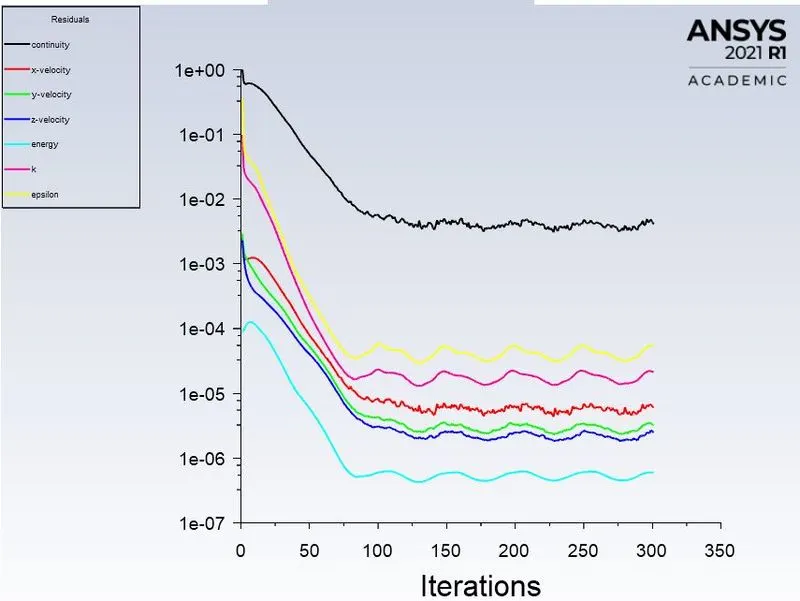
a) Results with element size 0.003 m
Residual plot
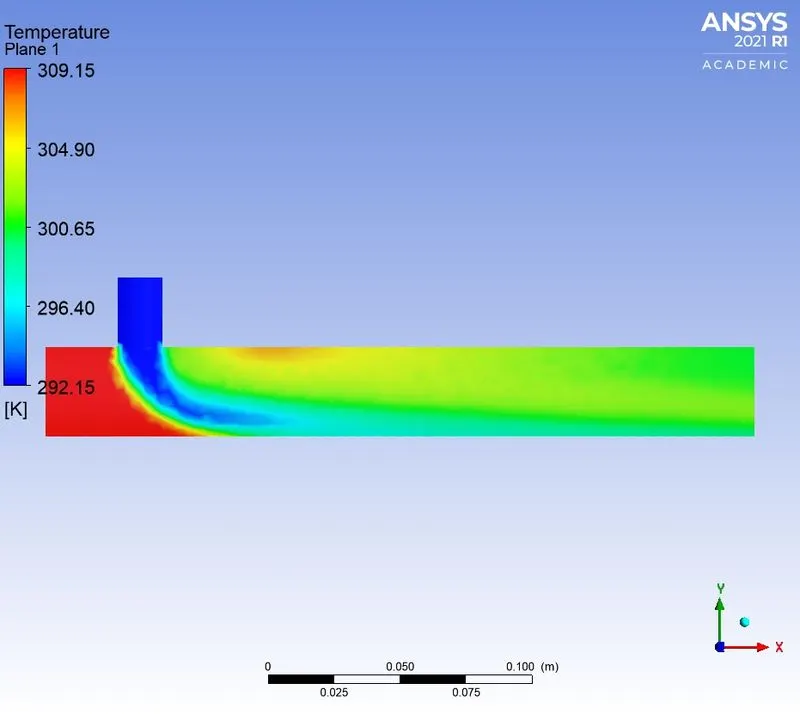
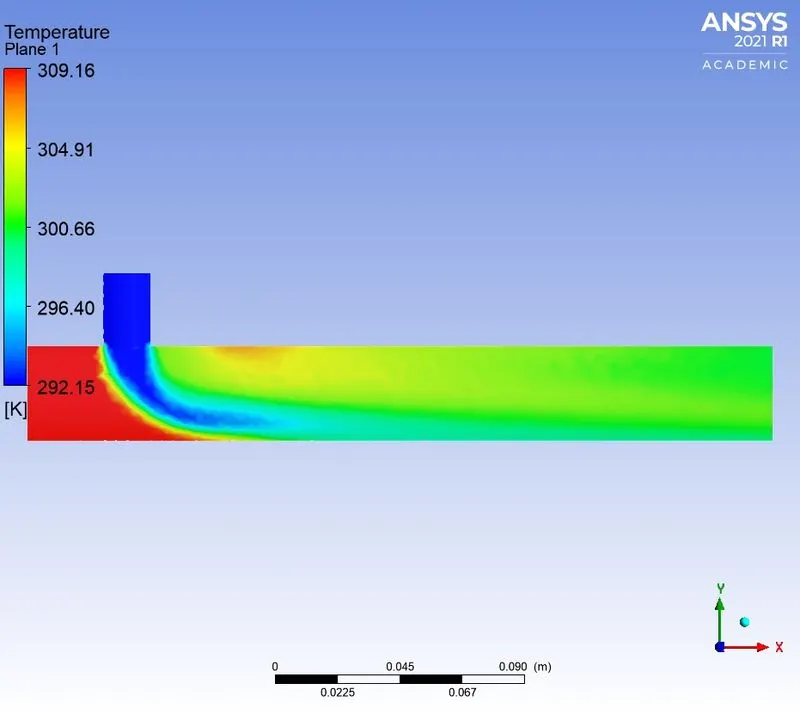
Temperature contour
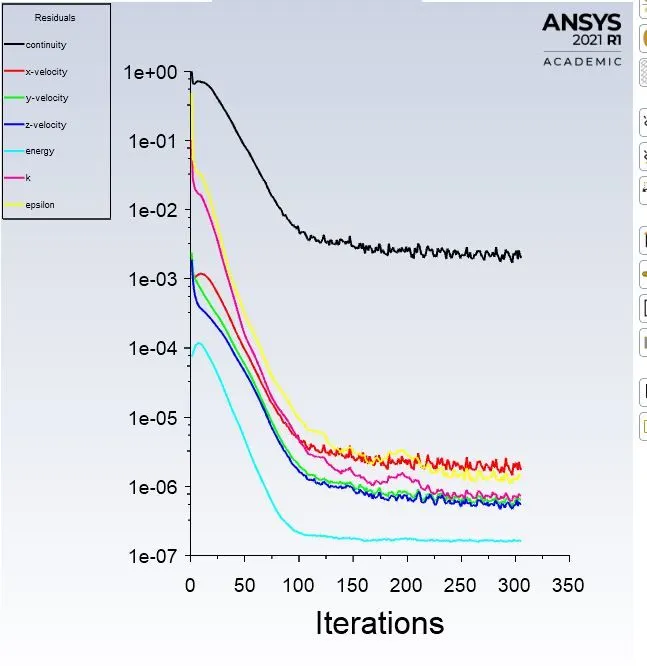
b) Results with element size 0.0025 m
Residual plot
Temperature contour
c) Results with element size 0.002
Residual plot
Temperature contour
Conclusion
From above results, if we compare, cases with short Tee and long Tee, it is found that length dont have effect on mixing efficiency. But Velocity at inlet has much effect in mixing efficiency. In both short and long Tee, mixing is good with incresed in inlet velocity. In 2nd and 4th case (Momentum rartio is 4) mixing efficieny is good compared to 1st and 2nd case (Momentum rartio is 2). In a case with momntum ratio 2, there is no complete mixing of two incoming fluids.
Also from grid dependancy results, it is found that very little varition is there in temperature contours for element size of 0.003 m, 0.0025 m and 0.002 m. So solution is grid independent from mesh 0.003 m onwards.