Underbody Coating
Underbody Coating
Underbody coating is a dense cladding (typically made of rubber) that is applied uniformly to the vehicle's underside. When the car is fresh out of the dealership and spotless, it is usually sprayed or painted on. It's fine, however, if you get the undercoating done after a number of years. This is because it might protect the undercarriage from further harm.
The underbody of an automobile is the most prone to corrosion on Indian roads. Underbody coating protects the car's underbody from corrosion for a long time. It also protects elements that are not physically accessible but are prone to corrosion, such as internal body panels, frame rails, and other inner cavities.
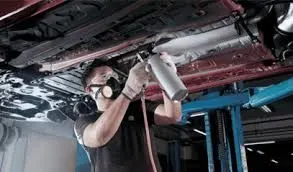
The following are the steps involved in the underbody coating process:
- The vehicle is lifted onto a lift and the underbody is examined for faults.
- The dirt and grease are removed from the underbody.
- To prevent the coating from clinging to critical components like the silencer, they are wrapped in a film.
- The rest of the underbody is equally spray painted.
- The silencer film is removed and coated with zinc coating.
- The last check is carried out to look for defects.
- The car is now ready to leave the workshop.
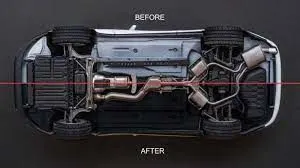
Purpose of Underbody Coating-
- Undercoating is used to extend the life of a vehicle by preventing rust and other corrosion problems. An undercoating is ideal, especially in a climate like Seattle, where the weather isn't constantly dry. Rust can form when moisture becomes trapped in and around car components.
- Underbody Coating insulates against cold and heat.
- Underbody Coating dampens external sounds and vibrations.
- Underbody Coating hides welds, repairs & bodywork with spray.
- Underbody Coating seals off seams.
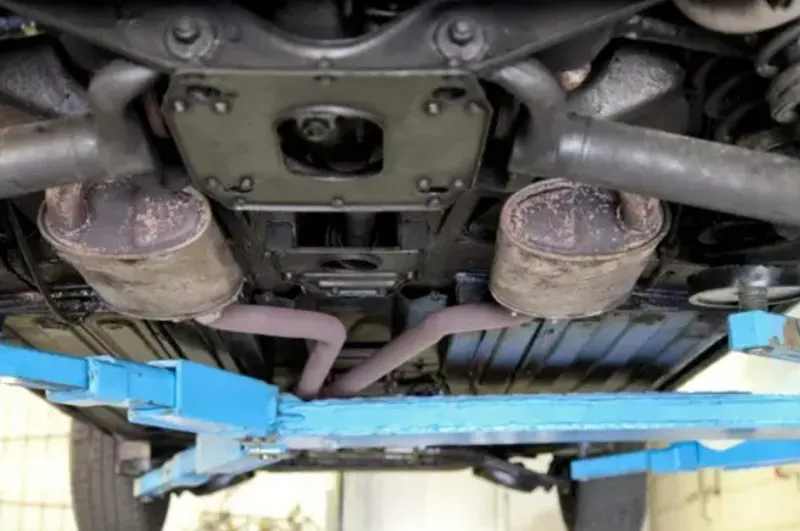
Without Underbody Coating:-
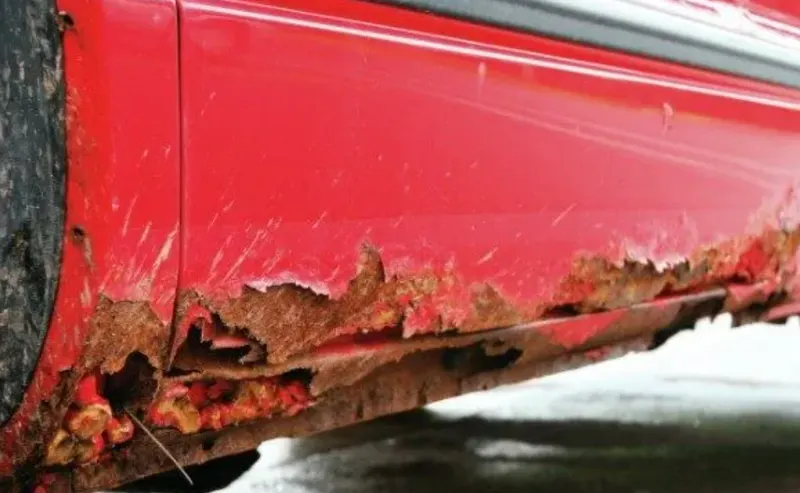
Types of Underbody coating:-
1. Rubberised Underbody Coating-
This is widely considered to be the best underbody coating for your vehicle. It protects the underbody from scratches and keeps it properly. It's also not difficult to apply this to the undercarriage.
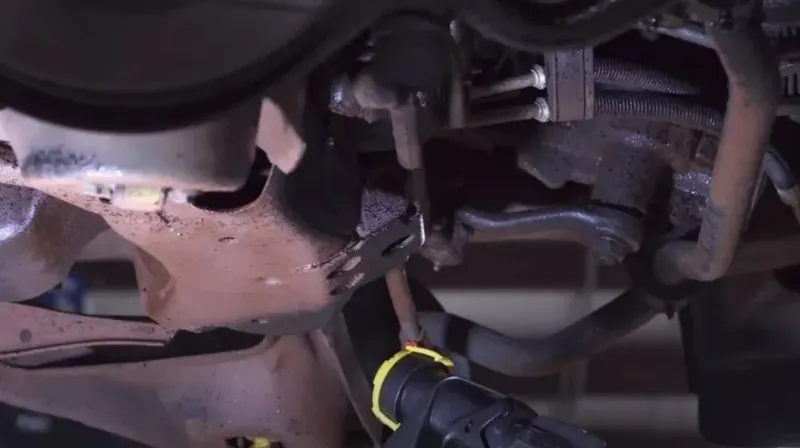
2. Wax-Based Underbody Coating-
This ephemeral undercoating will, on the whole, fade away after a few months. On the plus side, wax-based undercoating is extremely resistant to moisture. It is also the most cost-effective choice available.
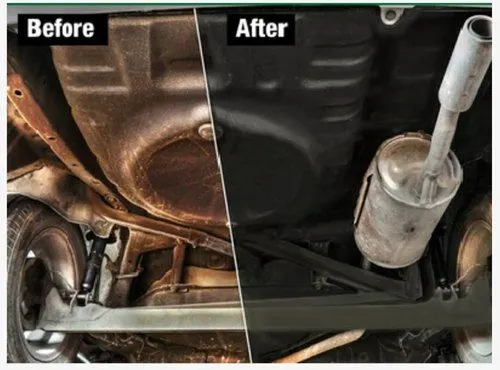
3. Asphalt-Based Automotive Underbody Coating-
This coating, which is best suited for lorries, trucks, and heavy vehicles, provides a higher level of protection than rubber-based coatings. Asphalt-based coatings, on the other hand, have a little percentage of rubber in them for sound insulation. The application of this coating, however, takes some time.
4. Polyurethane Underbody Coating-
This covering seals splits and fractures in the vehicle's underbody. It provides excellent corrosion resistance while also forming a strong connection with the metal. Unlike an asphalt-based coating, the polyurethane coating can be painted over.
Pros-
1. It minimizes the sound from underneath the car resulting in a noiseless, smooth driving experience.
2. It insulates the interior of the car from extreme temperatures from beneath the vehicle providing a comfortable cabin experience.
3. If any stone hits the coating it does not get chipped away hence protecting the underbody from exposure to water.
Cons-
1. Since the corrosion itself starts after a few years, underbody coating is not preferable to ower who change their car after a few years.
2. applying underbody coating will not have any effect on the already corroded part.
3. undercoating is costly.