Underbody Coating
Aim: To write a summary of Under-Body Coating and its purpose.
Theory:-
>>Underbody Coating: -
1. Definition and purpose:-
>Underbody coating is usually a dense cladding (often based on rubber) applied uniformly to the undercarriage of the automobile. It is normally sprayed or painted on when the car is just out of the dealership and is clean.
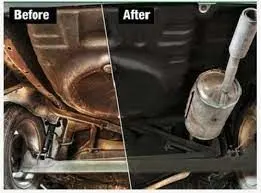
>Underbody coating provides long-term protection from corrosion to the car’s underbody. It also protects parts like internal body panels, frame rails, and other inner cavities that are not physically accessible but are prone to corrosion.
>Vehicle undercoating is a process of rust proofing and protecting a vehicle from damage due to sand, gravel, road salts, and other grime while helping reduce road noise.
2. Types of Underbody Coating: -
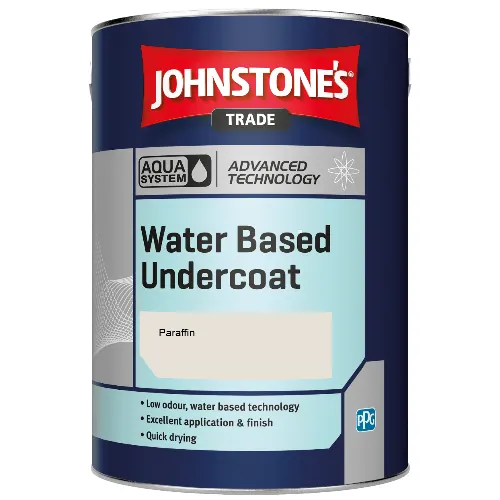
a) Water- and Paraffin-Based Undercoats: -
These undercoating can be found in automotive parts stores in aerosol formats. Water-based undercoating is thin-set and has quick drying times. This type of coating can be done by automotive shops that offer undercoating services inexpensively.
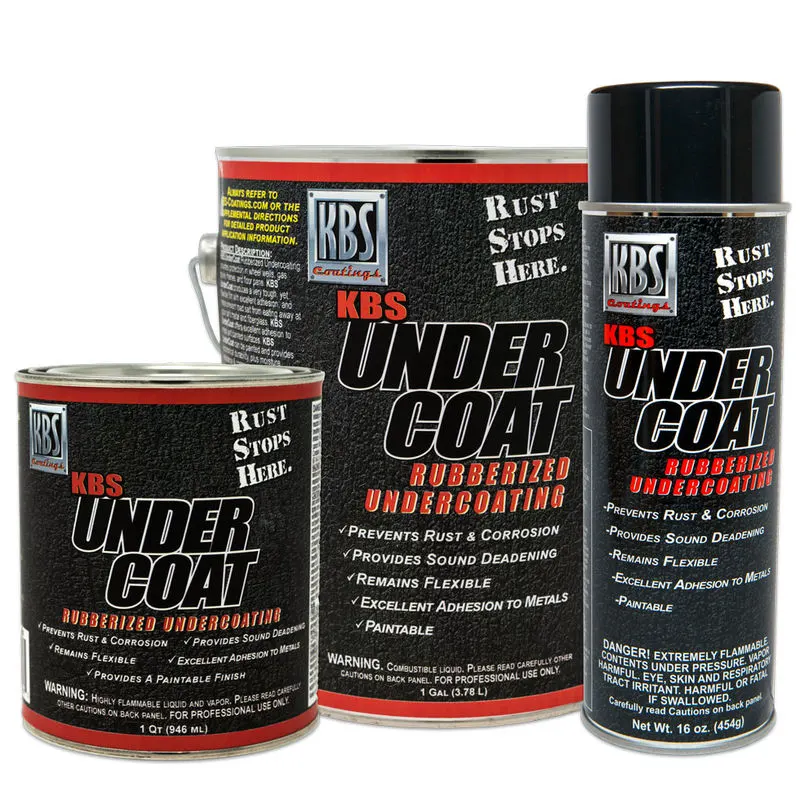
b)Petroleum- and Rubber-Based Undercoats: -
These are made from oil and have greater deflective abilities for road salts and grime. The petroleum base helps repel water and ice better than paraffin- or water-based under coatings. Petroleum-based undercoating is available through professional services and can be purchased when buying the vehicle.
This type of undercoating also needs to be replaced once a year at the owner's expense. Rubber-based undercoating is the second strongest undercoating available for vehicles. This type of undercoating allows for more flexibility in the undercarriage and holds up better to rough terrains. Rubber-based undercoating is available in spray and paint-on applications.
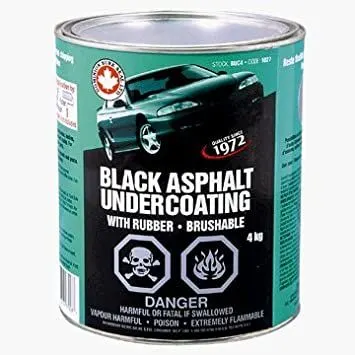
c)Asphalt-Based Undercoats: -
It is the strongest undercoating available. It is used on all-terrain and military vehicles. Asphalt-based undercoating will last the longest and is the best option for vehicles that endure heavy road use. Asphalt-based undercoating is the thickest coating with the most damage-resistant properties.
3. Advantages:-
- Minimizes Sound: It minimizes the sound from underneath the car resulting in a noiseless, smooth driving experience.
Also, very thick undercoating can soften the noises that reach the cabin. Since the undercoating is often made up of rubber it absorbs some of the rackets. The occupants of the car could spare themselves of the road noises – at least up to a certain extent. - Heat Insulation: It insulates the interior of the car from extreme temperatures from beneath the vehicle providing a comfortable cabin experience.
- Anti-chipping property: If any stone hits the coating it does not get chipped away hence protecting the underbody from exposure to water.
- Anti-Rusting properties: It plays an important role in keeping corrosion at bay. Underbody coating can come in handy especially if you live near the sea, where there is too much humidity, and rusting is just one of those everyday things. You should also seriously consider undercoating if you reside in a place where it snows in winter.
4. Disadvantages: -
- The downside to water-based undercoating is the frequency in which they need to be repeated. Often the smallest abrasion that breaks through the undercoating can result in the need for a new coat. Repetitive undercoating can get expensive even if the product does not cost much.
- Due to the thickness of the application, it is advisable to let a professional apply rubber-based undercoating as it will significantly increase the weight of the car thus impacting the vehicle’s performance.
- While applying underbody coating. This thick rubberized paint if not applied properly, can get into moving mechanical parts and cause premature failures – such as into the U-joint or CV joints in a car’s propeller shaft or drive shafts. They can also hinder the smooth movement of suspension components if applied incorrectly.