Underbody Coating
Underbody Coating
An automobile's underbody is exposed and it comes into contact with dust, moisture, mud, and any obstacle that is on the track. This makes the underbody weak since it gets easily rusty. As a result of this problem, the underbody of an automobile gets coated with a dense cladding. This cladding makes the underbody stronger and gives protection from external effects like corrosion. As a result, the body lasts longer.
An Underbody coating is a dense barrier provided for the underbodies of an automobile to last longer by giving long-term protection, providing additional strength, and reducing rust and corrosion.
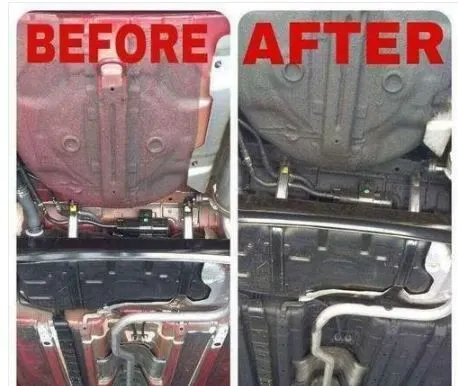
Underbody Coating Before and After.
Advantageous
- Underbody coating fights against corrosion and gives an additional life span. The humidity increases the corrosion rate and rusting. Thus, underbody coating is very useful for automobiles in humid environments.
- Underbody coating gives protection from stone chipping. Stone chipping is caused by high-speed dense particles like stones. When they hit the underbody of an automobile, the body gets chipped, and hence it gets exposed to the environment. Underbody coating prevents this type of chip.
- The underbody coating reduces the noise cancellation effect from the underbody part, which gives a much smoother drive.
- It acts as a heat insulator and protects the parts from extreme temperatures.
- Vehicles with underbody coating have a longer lifespan and lower maintenance costs.
- Underbody coating acts as an additional reinforcement to body parts.
Types of Underbody Coating Techniques
- Flat stream for underbody seam sealing:
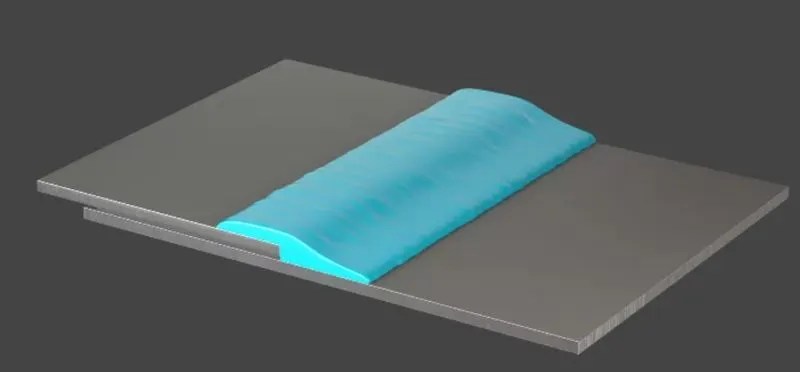
To protect trimmed areas, the flat stream technique is used. The process is carried out at moderate pressure, so even distribution and a high-quality seal are ensured. This prevents corrosion and stone chipping. The bed size and shape depend on the trim dimension and the nozzle shape.
- Airless Underbody Coating
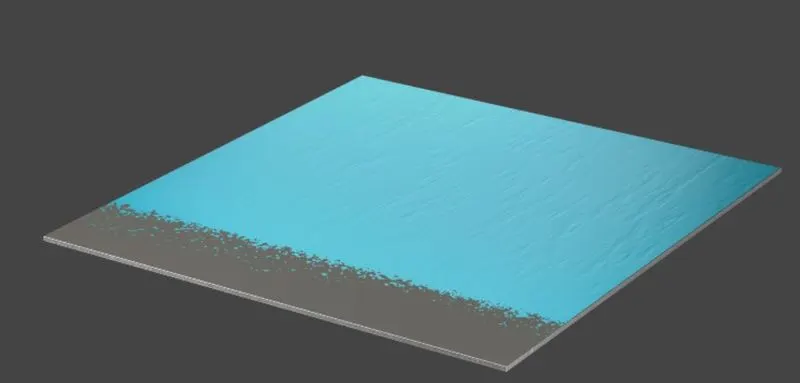
The airless underbody coating is a high-pressure underbody coating process that ensures a constant material distribution. The process gives resistance against corrosion and stone chipping. Depending upon the material used for coating, it gives additional properties like noise cancellation and thermal insulation.
- wide flat stream for underbody coating.
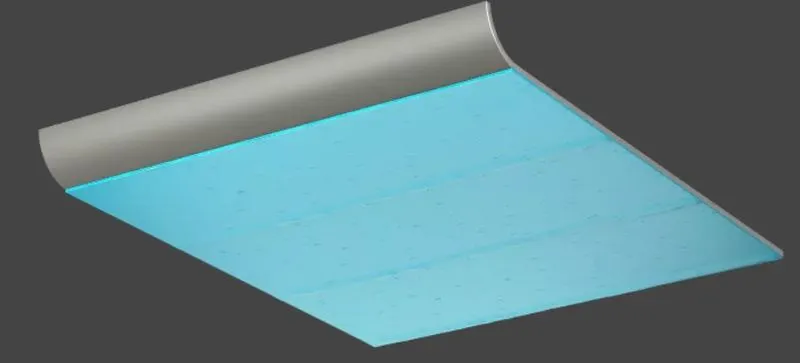
The wide flat steam technique includes a multiple layer coating streaming process that results in a high coating thickness of up to 150 mm. This process prevents contamination of the car body and improves the visual appearance.
- Rocker Plane/ Anti-chipping Application
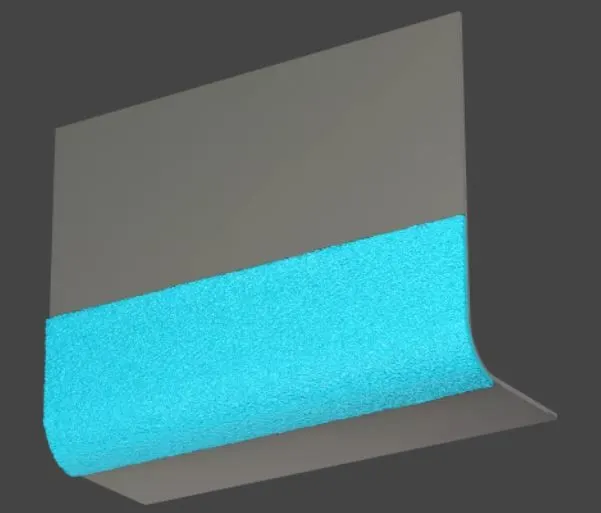
Consequently, rocker planes are located along the side of the body, hence, they are eye-catching parts of the underbody. The rocker planes can get stone chipped and get rusty. Hence, the coatings given to the rocker plance are of high quality and good appearance.
Types of underbody coatings
- Rubber-Based Underbody Coating: The rubber-based underbody coating is one of the most usable types because of its appearance. It gives a scratch-proof coating to the body and preserves the body parts.
- Wax-Based Underbody Coating: One of the cheapest types of coatings available on the market is PU. The wax-type coating gives very high resistance to moisture and prevents corrosion of bodies. It is not only suitable for high humidity areas such as snowy or rainy areas, but it is also one of the best choices for areas near the seaside.
- Asphalt Based Underbody Coating: It is normally applied to heavy vehicles, like trucks, lorries, buses, and other large automobiles. It gives the body a high degree of protection. It is much more expensive and time-consuming compared to rubber-based and wax-based coatings.
- Polyurethane Underbody Coating: This type of coating can be used for protection against corrosion and chipping. It can be applied to close gaps and fractured portions as a patchwork and as a protection for patchworks.