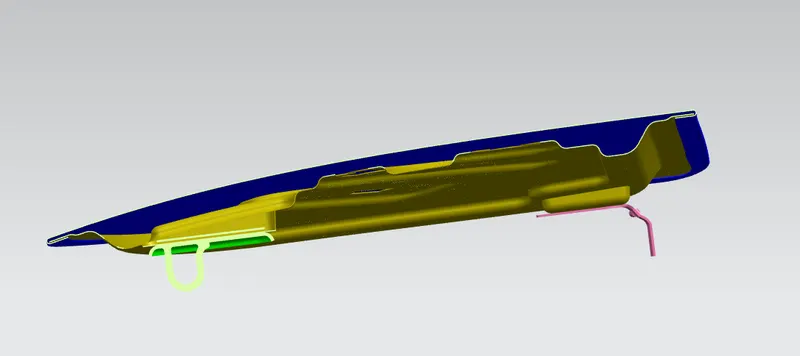
Hood design-Week 2
Automobile HOOD
The front hood or bonnet in automobiles is a hinge covering the engine and another important part. The front bonnet is a very important part of an automobile since it gives direct access to the engine compartment and it is one of the important parts during crash testing. Bonnets have a number of components like an inner panel, outer panel, hinge, striker, reinforcement materials, and sometimes a support rod or a gas stay to hold the hood at an angle. The materials that are used to make the hood are steel, aluminum, or composite materials.
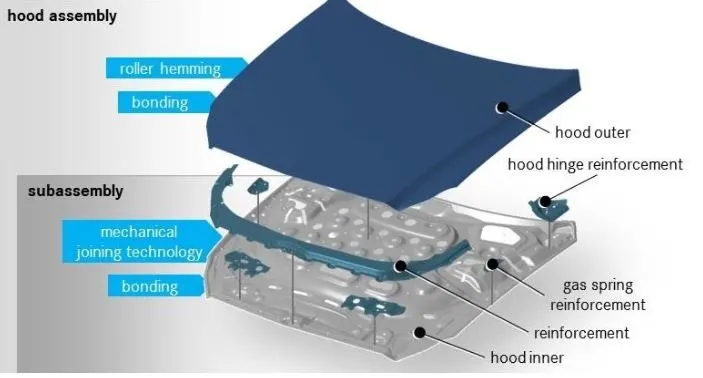
Manufacturing Technologies For Making Automobile Hoods
• Blanking: Process in which a flat or geometrical shape is created by feeding a coil of sheet metal into a press and die.
• Stretch Forming: Process of stretching and bending a sheeting metal with help of a die
• Edge Cutting: Cutting The cutting is the intersection of two tool point surfaces.
• Deburring: Machining process of removing burrs from machined metal products.
• Weld: Process of fusing to metal parts by means of pressure, heat, or by other means.
• Polishing: Chemical process performed for a shiny and smooth surface.
• Toast: The bonnet-handled well-spraying paint carries out the baking process in combined padding and drying system.
• Polish Waxing: Polish wax is performed as a final surface finishing process.
• Plated Film: Plating is a manufacturing process in which a thin layer of metal coats a substrate
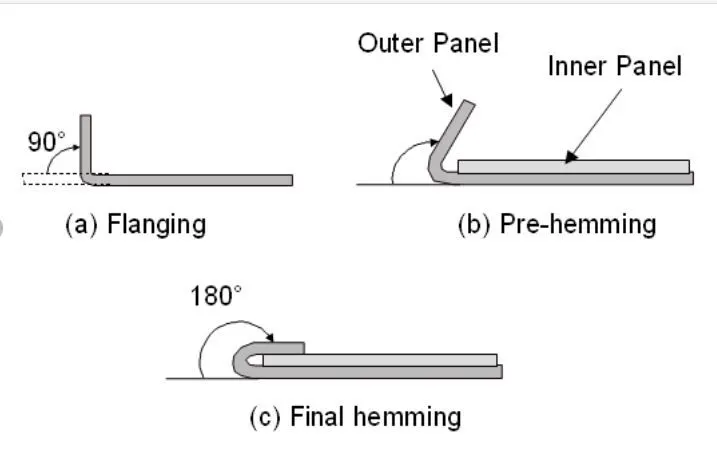
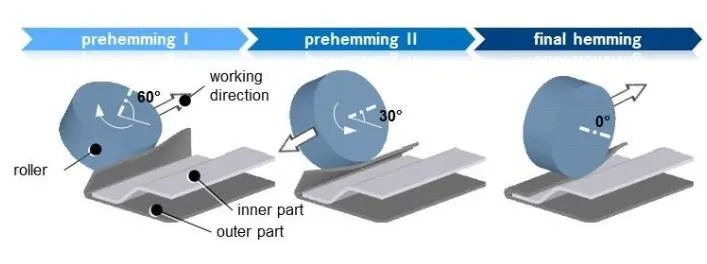
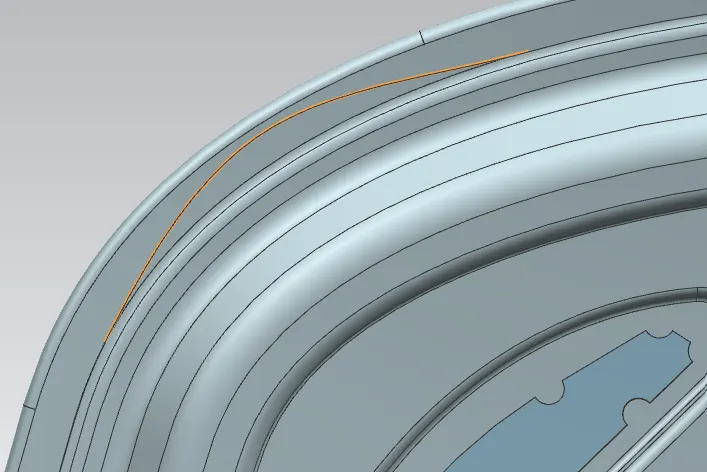
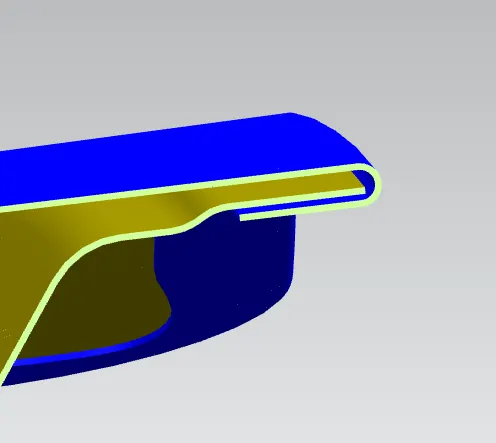
Hemming
Hemming is a sheet metal process of bending sheet metal usually by 180 degrees. Basically, the edge of sheet metal is folded over itself to create the hem. The process eliminates the edges and increases the stiffness of the part. Automotive body panels and automotive parts such as deck lids, trunk lids, doors, hoods, and tailgates are formed by the hemming process.
Deep Drawing
Process of forming blank sheets to the desired shape on metal sheets by the use of a die. If the depth of the blank created on the sheet of metal is greater than the radius then it is called deed drawing.
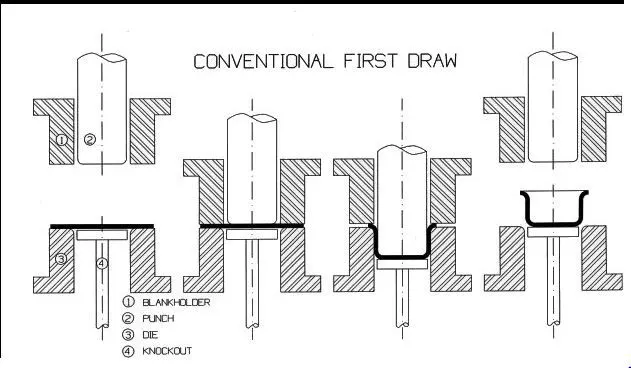
Design Considerations
1. Pedestrian Safety:
The hood or front bonnet structure plays an important role in pedestrian safety. Especially, when a front crash occurs usually the pedestrian that got hit will land on the hood or windshield. The hood should be capable of absorbing energy. There should be enough gap between the engine equipment and the hood, that’s why deformable hoods have such good marketing nowadays. Head and lower leg injuries are normally common during a frontal crash.
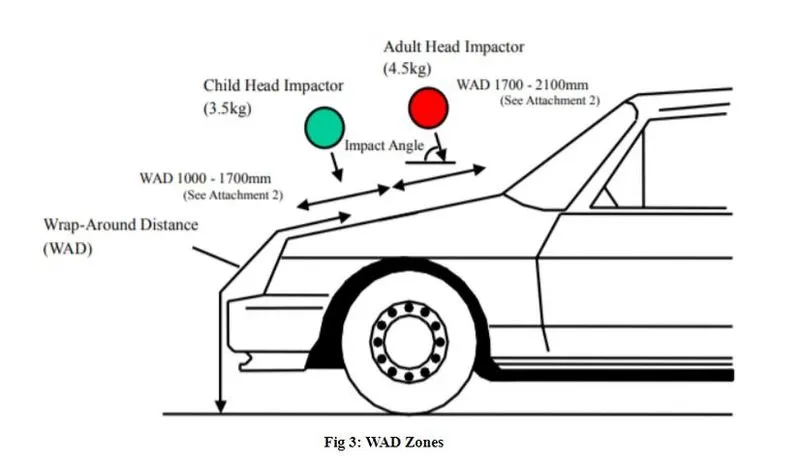
The top area of an automobile hood consists of adult and child impact zones. The child impact zone is around 1000mm to 1700mm WAD and the adult impact zone is around 1700mm to 2100mm WAD. The zone area differs according to the size and the top area of the hood.
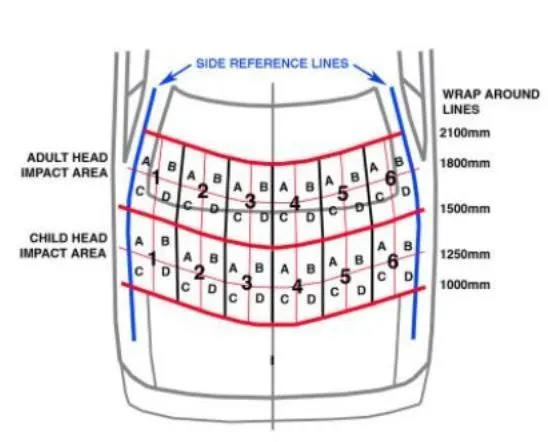
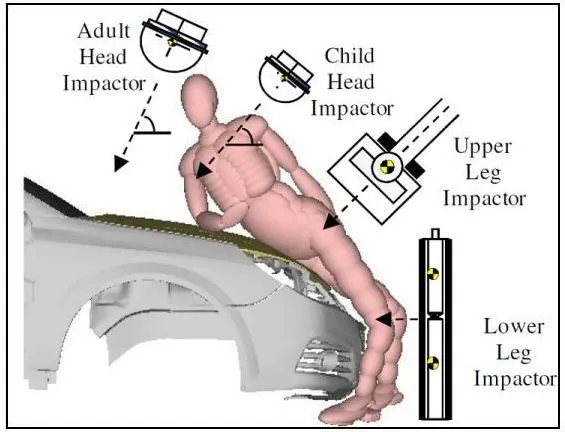
2. Occupant Safety
The cabin occupant safety needs to be considered during the design process. The hood component like the striker should have sufficient clearance between the engine cabin and the occupant.
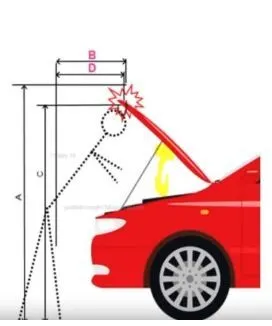
3. Manufacturing Ability.
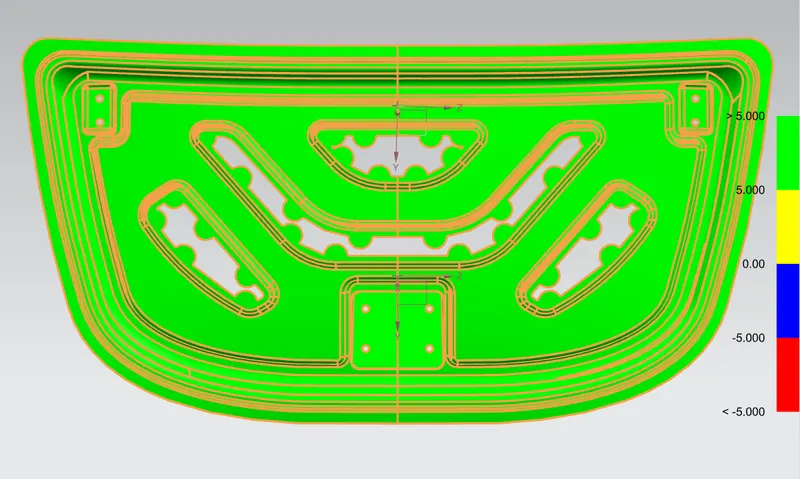
The Hood should be manufacturable, for that all the manufacturing process is to be considered. The draft should be at least 7 degrees, otherwise, the tool operation will fail completely. The manufacturing process will be based on aluminum, steel, or composite materials; thus the design should be suitable for undergoing such a process with these materials.
4. Quality and Design Attraction
The attraction of an automobile is mainly based on the biw design, and the hood plays an important role in it. The quality of the hood will also play an important role during the long-term term run.
Design Approach
Available data for the CAD approach
Inner Panel Thickness: 0.75mm
Outer Panel Thickness: 0.75 mm
Reinforcement Thickness: 1.5 mm
Master Diagram
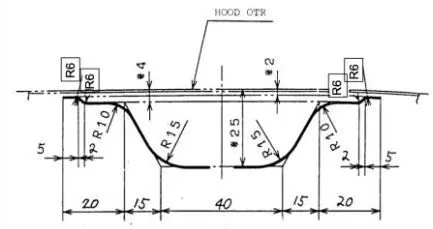
Hood Skin
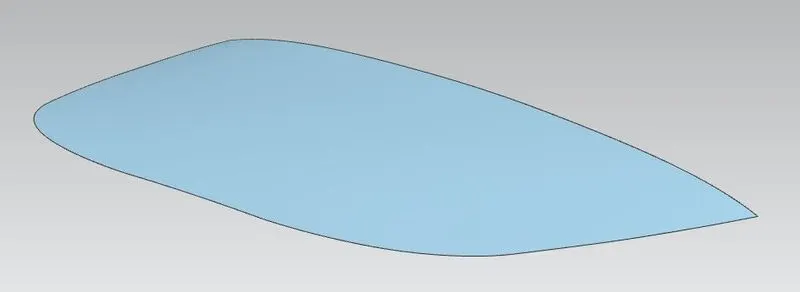
Outer Panel
The outer panel is very much similar to the given skin data or design. The only addition is the hemming region.
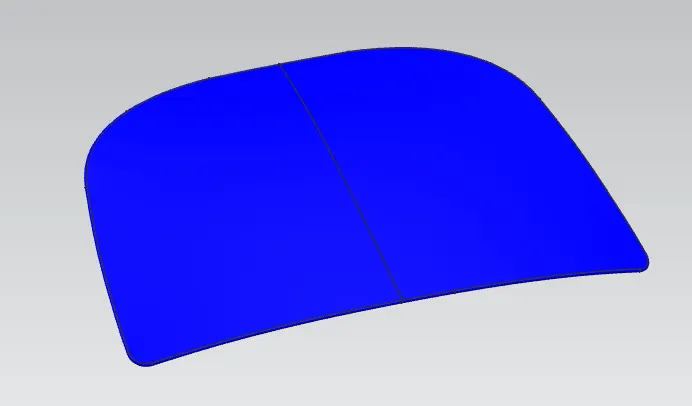
Inner Panel
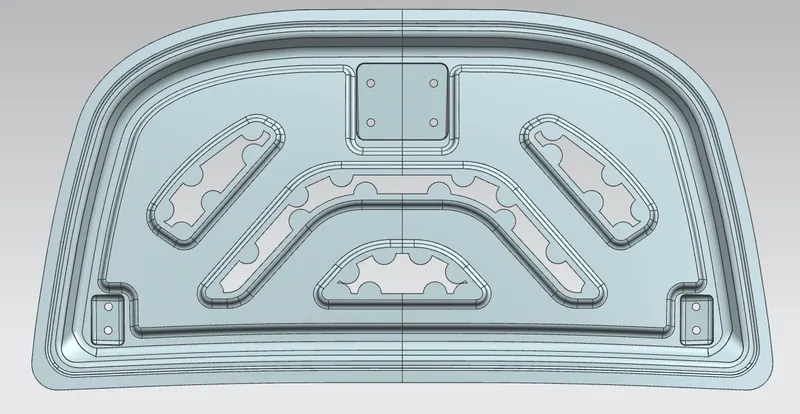
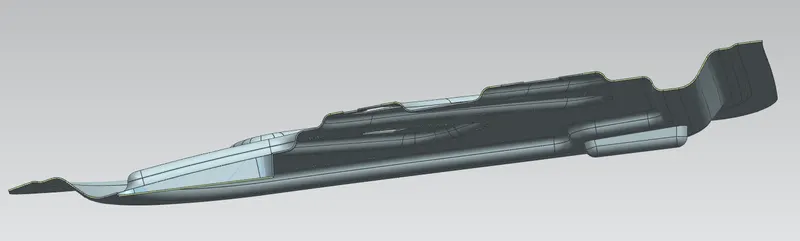
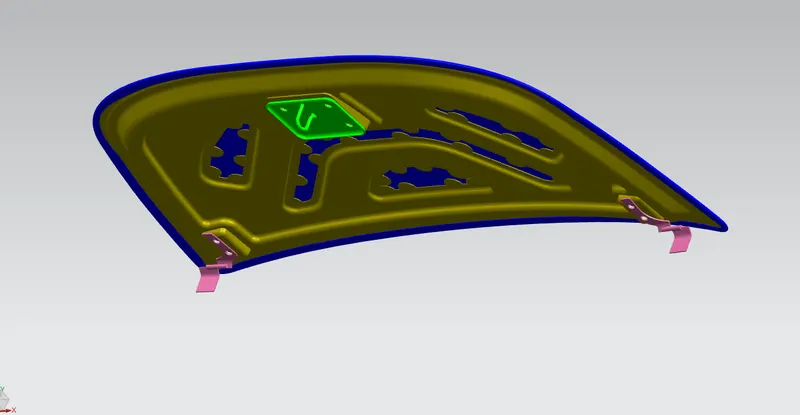
Inner Panel is the most important part of the hood since it absorbs most of the energy and acts as a holding component to all the other components. The inner hoods also provide strength to the entire hood. The inner panel should contain, embossed design structures to divert the airflow and provide additional strength, mastic seal regions, and positioning design features for the hinge, striker, and reinforcements.
Hinge
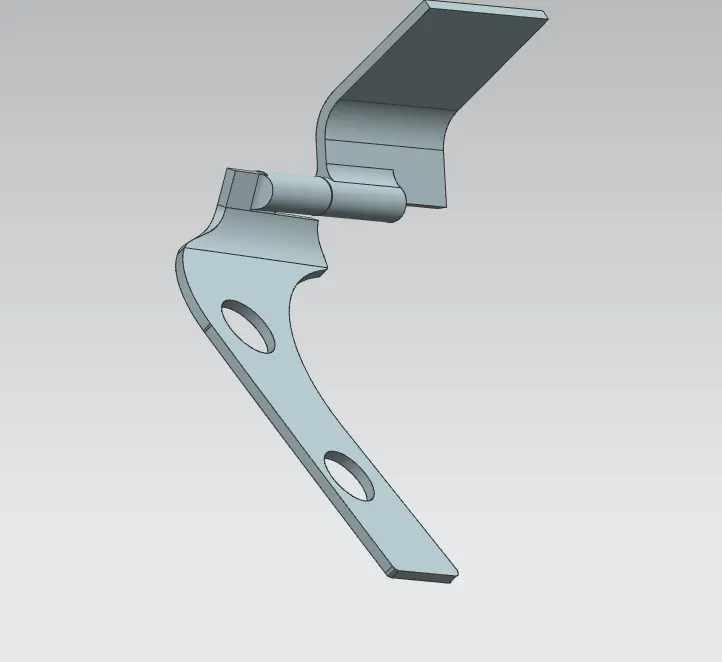
The hinge holds the inner and outer panels and provides a revolving action based on one another.
Striker
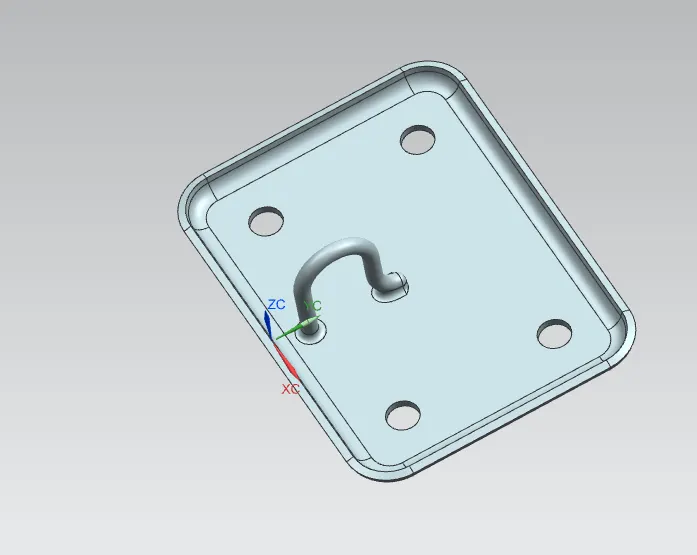
The striker provides a lock system for the hood with the engine compartment.
Reinforcements
The reinforcements act as additional strengthening components in their respective places.
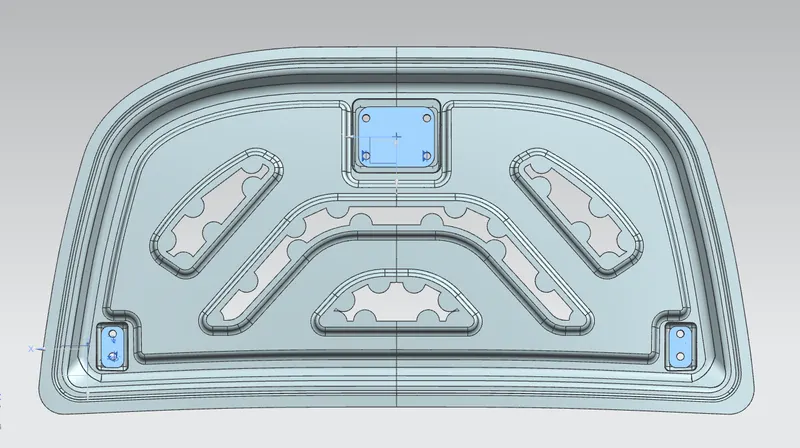
Hood Trajectory
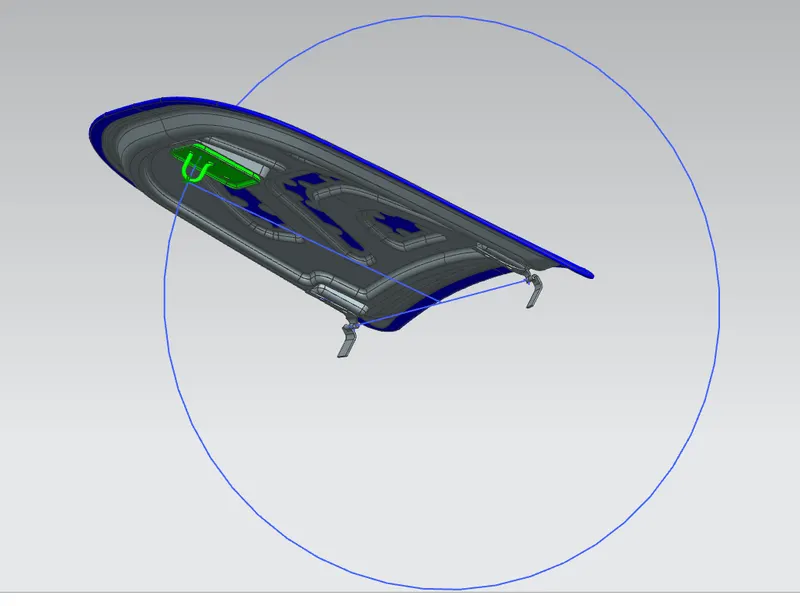
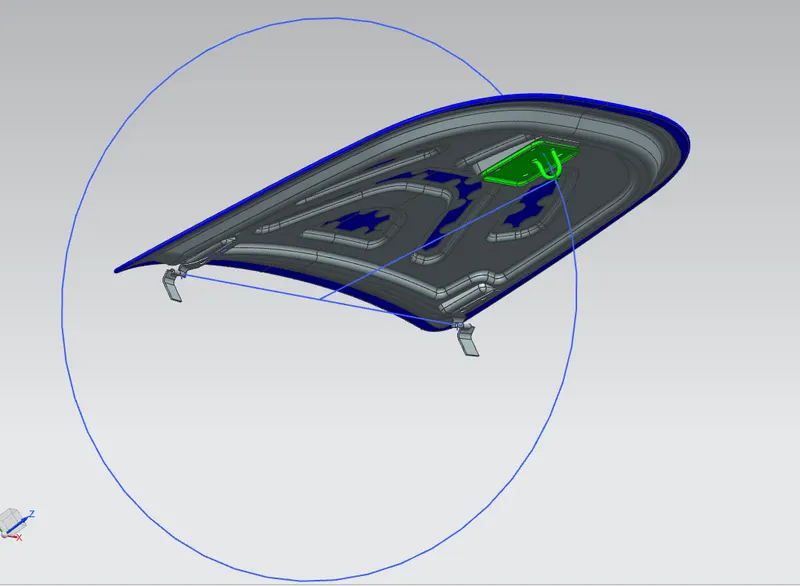
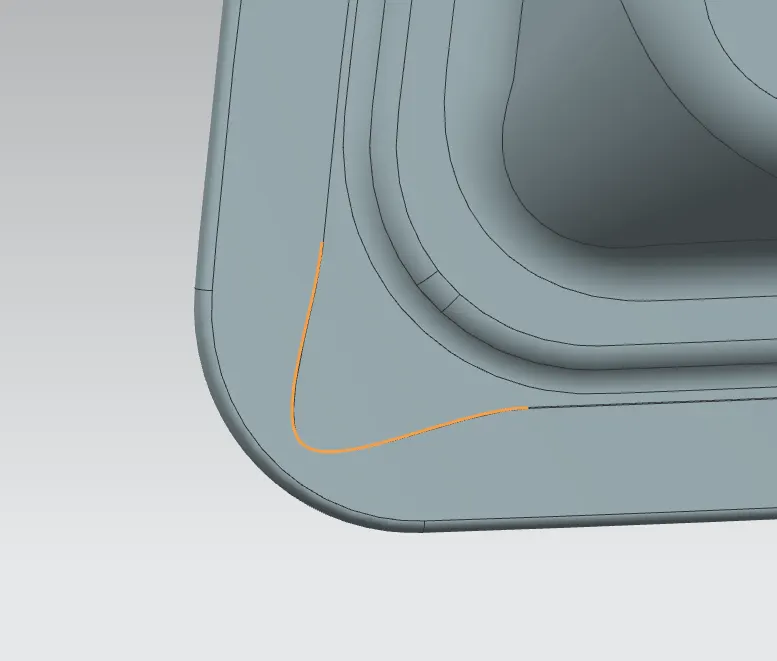
Relief Corners
Hemming
Draft Analysis
Assembly
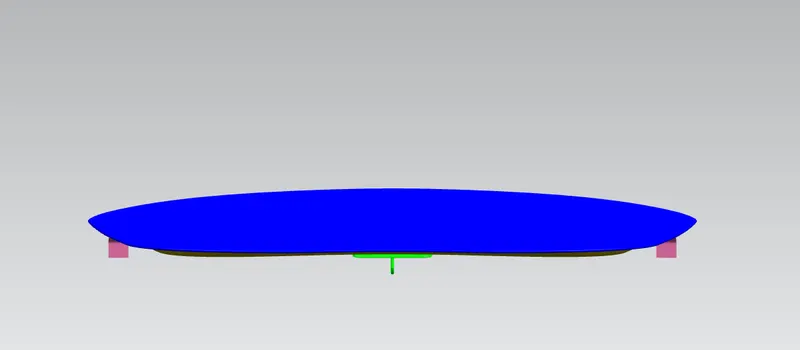
Section View.